
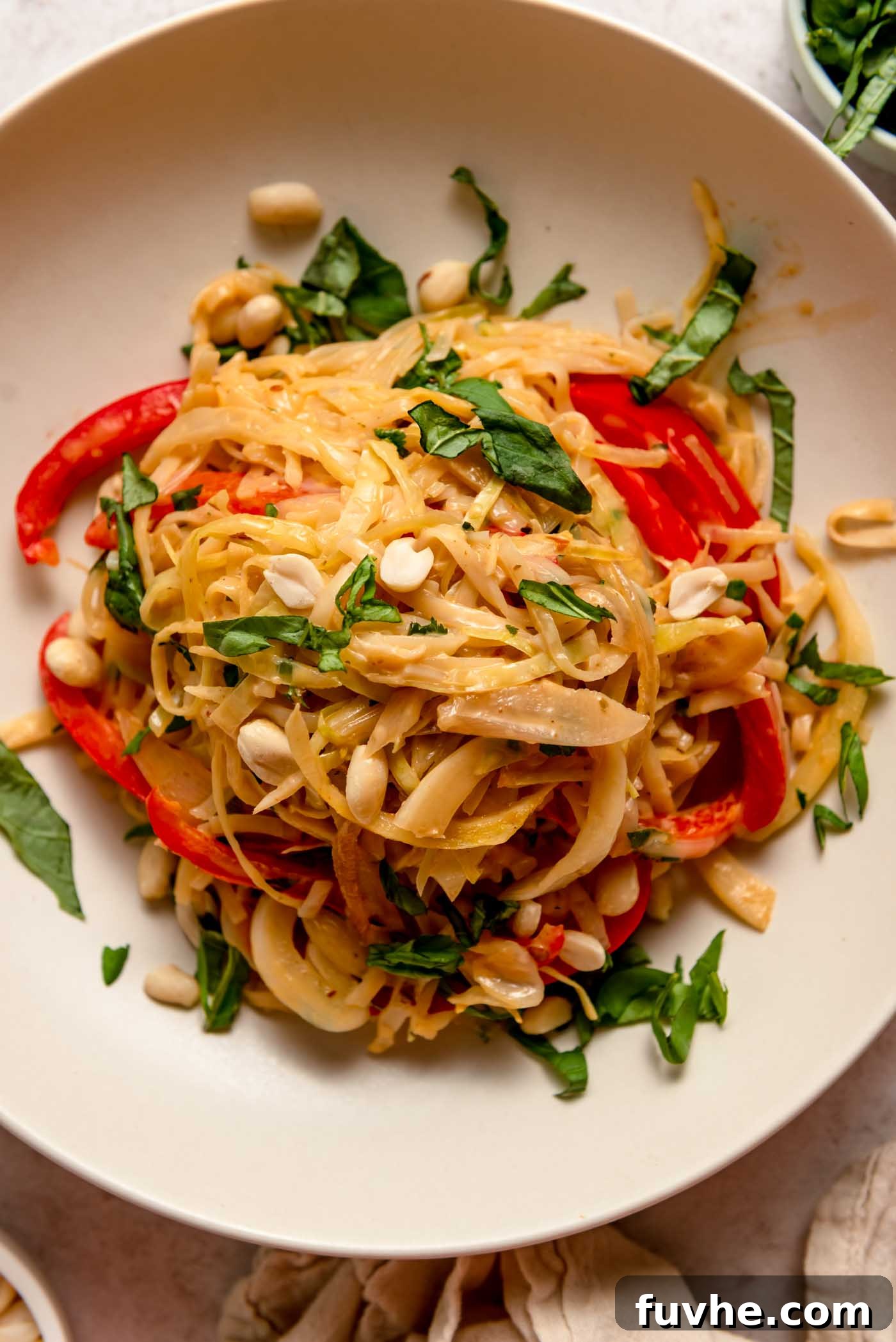
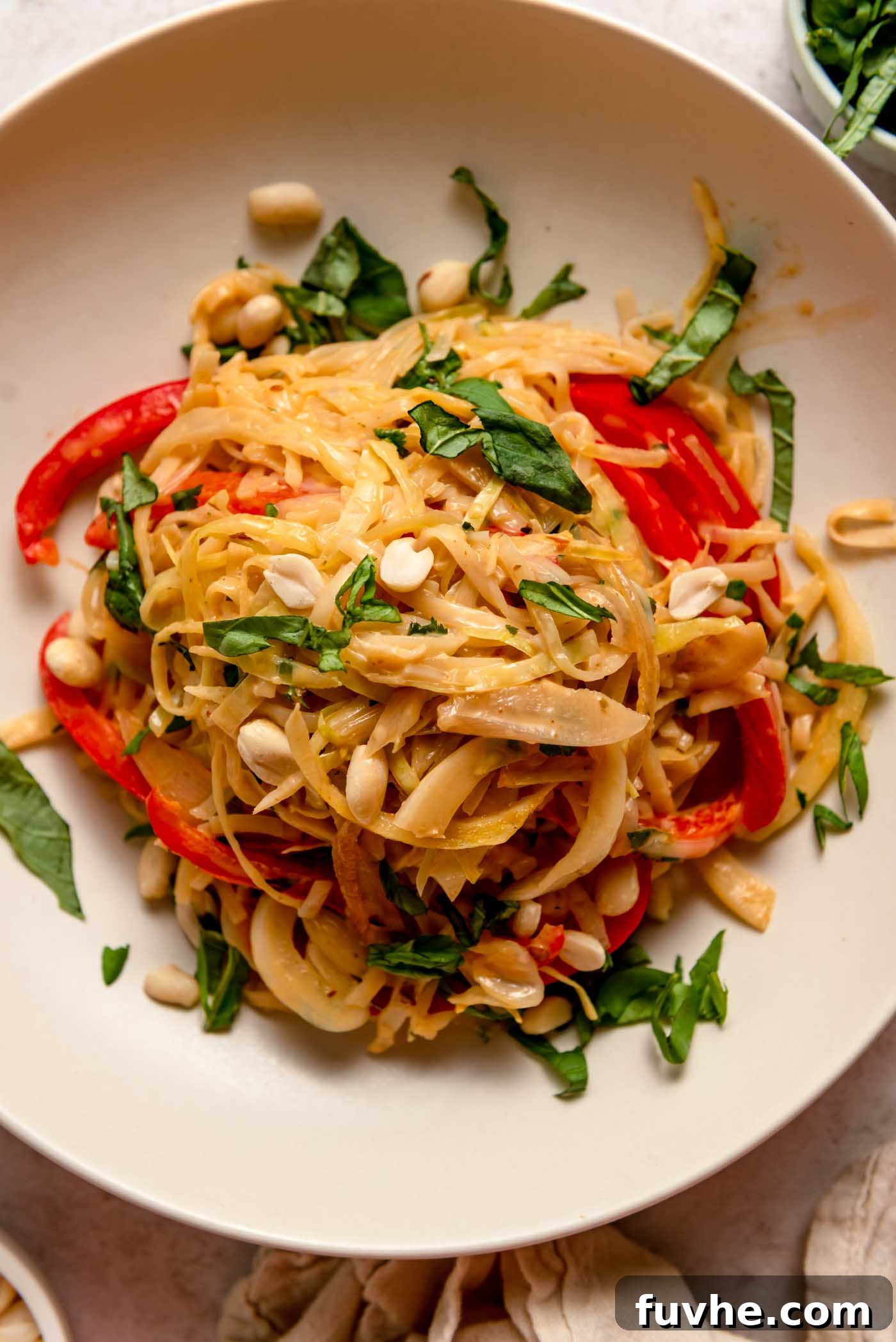
Welcome to a culinary journey where convenience meets exquisite flavor! These **Vegan Thai Red Curry Noodles** are a true weeknight wonder, promising a delicious and wholesome meal ready on your table in just 30 minutes. Imagine tender rice noodles and a vibrant medley of vegetables swimming in a rich, creamy, and aromatic red curry sauce – a symphony of tastes that will transport your senses straight to Thailand.
Crafted for ease, this recipe utilizes readily available ingredients without compromising on authentic taste. It’s naturally plant-based, gluten-free (with appropriate noodle and sauce choices), and incredibly versatile, making it a guaranteed crowd-pleaser for any dietary preference. Whether you’re a seasoned chef or a kitchen novice, you’ll find joy in preparing this delightfully flavorful dish that never disappoints.
If you’re as passionate about noodles as we are, explore more of our beloved recipes like these refreshing Cold Buckwheat Noodles, intensely savory Garlic Chili Noodles, hearty Vegan Drunken Noodles, and deeply satisfying Spicy Miso Noodles. For those who can’t get enough of Thai-inspired curries, our Thai Red Curry with Vegetables and Tofu and rich Panang Curry with Tofu are also incredibly popular and highly recommended!
Why You’ll Love These Red Curry Noodles
This recipe isn’t just a meal; it’s an experience designed for ultimate satisfaction and convenience. Here’s why these vegan Thai red curry noodles deserve a spot in your weekly rotation:
- Effortlessly Vegan & Vegetarian: Crafted entirely from plant-based ingredients, this dish is perfect for those following a vegan or vegetarian diet, or simply looking to incorporate more wholesome plant-based meals into their routine.
- Naturally Gluten-Free: By opting for rice noodles and gluten-free tamari, you can easily enjoy a delicious and satisfying gluten-free meal without any fuss.
- Lightning-Fast Dinner: From prep to plate, you can enjoy this flavorful dish in under 30 minutes, making it ideal for busy weeknights when time is of the essence.
- Simple, Accessible Ingredients: You won’t need to hunt for exotic items. This recipe uses common pantry staples and fresh produce, making it an easy and affordable meal solution.
- Endlessly Customizable: The beauty of this dish lies in its flexibility. Feel free to swap in your favorite vegetables or add a protein of your choice to make it truly your own.
- Protein-Packed Potential: While delicious on its own, this recipe pairs wonderfully with added plant-based proteins like crispy tofu, tempeh, or edamame for a more filling meal.
- Creamy & Incredibly Flavorful: The combination of rich coconut milk, aromatic red curry paste, and fresh herbs creates a sauce that is both luxurious and bursting with complex Thai-inspired flavors.
- Perfect for Meal Prep: These noodles taste fantastic as leftovers, making them a great option for meal prepping healthy lunches or dinners throughout the week.
Essential Ingredients for Thai Red Curry Noodles
Gathering your ingredients is the first step to creating this vibrant dish. Here’s a detailed look at what you’ll need and some helpful notes for substitutions:
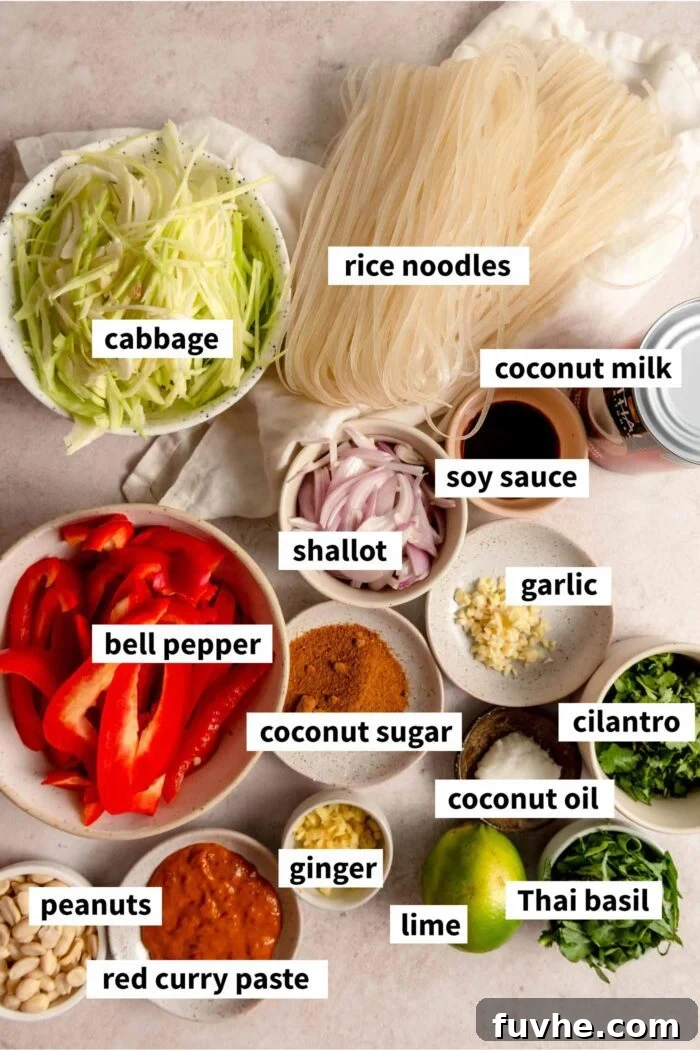
- Rice Noodles: The star of our noodle dish! Any variety of rice noodles will work beautifully here. Medium-width rice noodles, similar to those used in Pad Thai, will give the dish a familiar, satisfying chewiness and absorb the sauce wonderfully. Feel free to use wider rice noodles for a firmer, chewier texture or even thinner vermicelli noodles for a lighter feel.
- Coconut Oil: Ideal for sautéing the aromatics and vegetables, coconut oil lends a subtle richness that complements the curry flavors. If preferred, you can easily substitute with olive oil, avocado oil, or any other neutral cooking oil. For an oil-free version, a splash of water or vegetable broth can be used for sautéing.
- Shallot: Shallots offer a delicate, sweet, and mild onion flavor that is perfect for Thai cuisine. If shallots are not available, a small white onion, thinly sliced, makes a suitable and easily accessible substitute.
- Fresh Ginger: The pungent and zesty kick of fresh ginger is crucial for an authentic flavor profile. We highly recommend using freshly minced or grated ginger for the best taste. In a pinch, 1 teaspoon of ground ginger can be used, but note that the flavor will be less vibrant.
- Fresh Garlic: Similar to ginger, fresh minced or grated garlic provides an essential aromatic foundation. Avoid garlic powder for this recipe, as the fresh cloves contribute a much richer and more complex flavor.
- Bell Pepper: Red bell pepper adds a lovely sweetness, vibrant color, and pleasant crunch. However, any color bell pepper (yellow, orange, or green) can be used based on your preference or what you have on hand. For more vegetable options, check out our additions section below.
- Red Curry Paste: This is where the magic happens! It’s vital to select a vegan-friendly red curry paste. Brands like Thai Kitchen typically offer vegan options, but always double-check the label, as some varieties contain fish sauce or anchovy paste. For a twist, you could experiment with green curry paste for a spicier, herbaceous note, or yellow curry paste for a milder, earthier flavor.
- Green Cabbage: Thinly sliced green cabbage adds a hearty texture and subtle sweetness that stands up well to the rich curry sauce. For added convenience, a pre-packaged coleslaw mix can be a great time-saver.
- Coconut Milk: Full-fat coconut milk is highly recommended for its luxurious creaminess and rich flavor, which is characteristic of traditional Thai curries. If you’re looking to reduce the fat content, light coconut milk can be used, though it will result in a slightly less decadent sauce.
- Coconut Sugar: A touch of sweetener is essential to balance the acidity and spiciness of the curry. Coconut sugar offers a caramel-like sweetness, but brown sugar or maple syrup are excellent alternatives.
- Soy Sauce: Adds a crucial umami depth to the dish. You can use regular or reduced-sodium soy sauce. For a gluten-free version, make sure to use gluten-free tamari, which offers a similar flavor profile without the wheat.
- Fresh Lime: A squeeze of fresh lime juice at the end brightens all the flavors, adding a wonderful tang and freshness. Don’t skip this!
- Fresh Cilantro: Chopped fresh cilantro is a classic garnish for Thai dishes, providing a burst of herbaceous flavor. If you’re not a fan of cilantro, it can be omitted or substituted with fresh parsley.
- Peanuts & Thai Basil: These are optional but highly recommended toppings! Crushed roasted peanuts add a delightful crunch and nutty flavor, while fresh Thai basil provides an aromatic, slightly peppery, and anise-like finish that elevates the dish.
Creative Additions and Variations
This red curry noodle recipe is wonderfully flexible, allowing you to tailor it to your taste and dietary needs. Here are some fantastic ideas to elevate your dish:
- Boost Your Veggies: Enhance the nutritional value and texture by adding a variety of vegetables that hold up well in curries. Excellent choices include florets of broccoli, thinly sliced zucchini, shredded carrots, sliced mushrooms, sweet baby corn, or crunchy bamboo shoots. For added greens, stir in a couple of handfuls of fresh spinach or bok choy during the last minute of cooking until just wilted.
- Power Up with Protein: For a more substantial meal, incorporate your favorite plant-based protein.
- Crispy Tofu or Tempeh: We love serving these noodles topped with pre-prepared baked tofu, pan-fried tofu, or tempeh. Baking or frying them separately ensures they stay wonderfully crispy before adding to the saucy noodles.
- Quick Tofu Option: Alternatively, cubed firm or extra-firm tofu can be directly stirred into the sauce during the last few minutes of simmering to absorb the flavors, though it won’t be as crispy.
- Other Proteins: Cooked chickpeas, lentils, or shelled edamame also make excellent additions.
- Spice It Up: If you crave more heat, don’t hesitate to make these noodles spicier. Add up to 1 teaspoon of red pepper flakes or cayenne pepper, or 1 tablespoon of sambal oelek or Sriracha directly into the pan with the red curry paste. For individual preferences, serve with extra hot sauce on the side for those who like to customize their spice level.
- Transform into a Noodle Soup: For a comforting and warming dish, convert this into a red curry noodle soup. Simply add vegetable broth gradually until you achieve your desired consistency. This is especially delightful on a cold day.
- Peanut-Infused Curry: For a rich and nutty twist, stir in 1-2 tablespoons of creamy peanut butter (or almond butter for an alternative) into the sauce just before adding the noodles. This creates a luxurious and deeply satisfying peanut red curry sauce.
- Explore Different Curry Flavors: Don’t limit yourself to red curry! Swap the red curry paste for green curry paste to create vibrant green curry noodles, or use yellow curry paste for a milder, aromatic Thai yellow curry noodle dish. Each paste offers a unique flavor profile to explore.
Step-by-Step Instructions for Perfect Thai Red Curry Noodles
Follow these easy steps to create your delicious bowl of vegan Thai red curry noodles:
Step 1: Prepare the Noodles. Begin by cooking your chosen rice noodles according to the package instructions. It’s crucial to slightly undercook them – they should be al dente, as they will continue to cook and absorb flavor in the curry sauce. Once cooked, immediately drain and rinse them under cold water. This stops the cooking process and prevents them from sticking together.
Note: Slightly undercooking ensures your noodles won’t turn mushy when mixed with the hot sauce. The cold rinse is key for perfect texture.
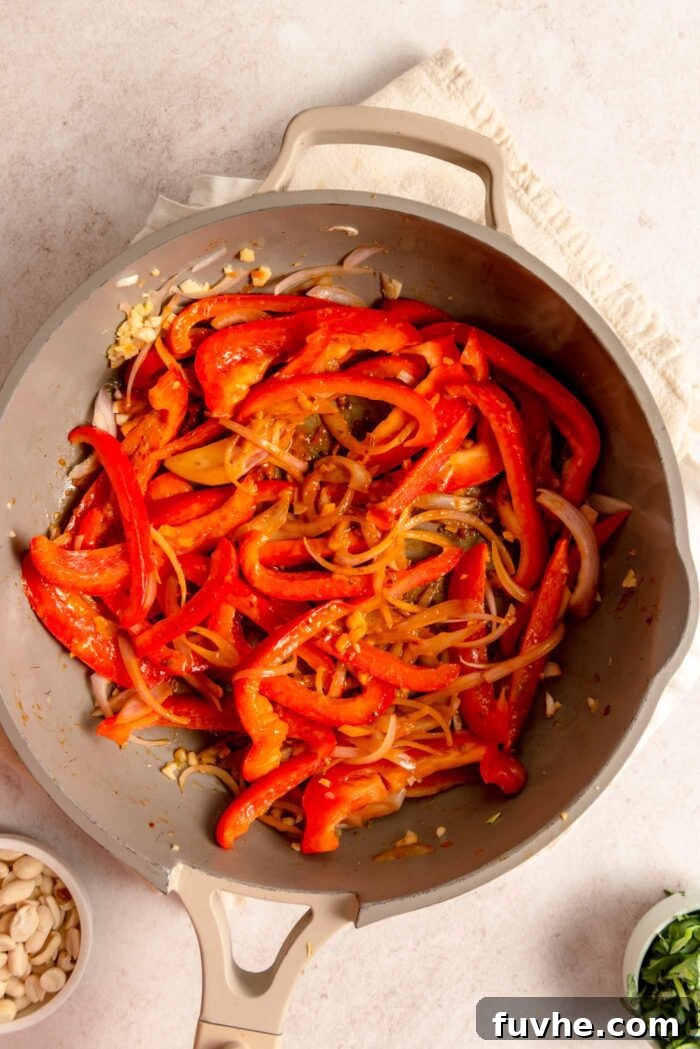
Step 2: Sauté Aromatics. Heat 1 tablespoon of coconut oil in a large non-stick pan or wok over medium heat. Once the pan is hot and the oil is shimmering, add the thinly sliced shallots, red bell peppers, minced ginger, and minced garlic. Season with a pinch of salt. Cook for 3-4 minutes, stirring occasionally, until the vegetables begin to soften and become fragrant. The aromatics are the foundation of your curry’s flavor!
Note: While coconut oil is recommended for its flavor, olive oil or another neutral cooking oil works fine. For an oil-free alternative, simply sauté the vegetables in a splash of water or vegetable broth until tender.
Step 3: Bloom the Curry Paste. Add 3 tablespoons of red curry paste to the pan with the sautéed aromatics. Cook for 1-2 minutes, stirring constantly. This crucial step, known as “blooming” the curry paste, helps to deepen its flavor and release its full aromatic potential, ensuring a richer, more complex sauce.
Step 4: Simmer the Sauce. Pour in the 14 oz can of coconut milk, add 3 cups of thinly sliced green cabbage, 1 tablespoon of coconut sugar, and 1½ tablespoons of soy sauce (or tamari for gluten-free). Stir everything together until well combined. Bring the mixture to a gentle simmer and let it cook for about 5-8 minutes, stirring occasionally, until the sauce has slightly reduced and thickened. The cabbage will soften, and the flavors will meld beautifully.
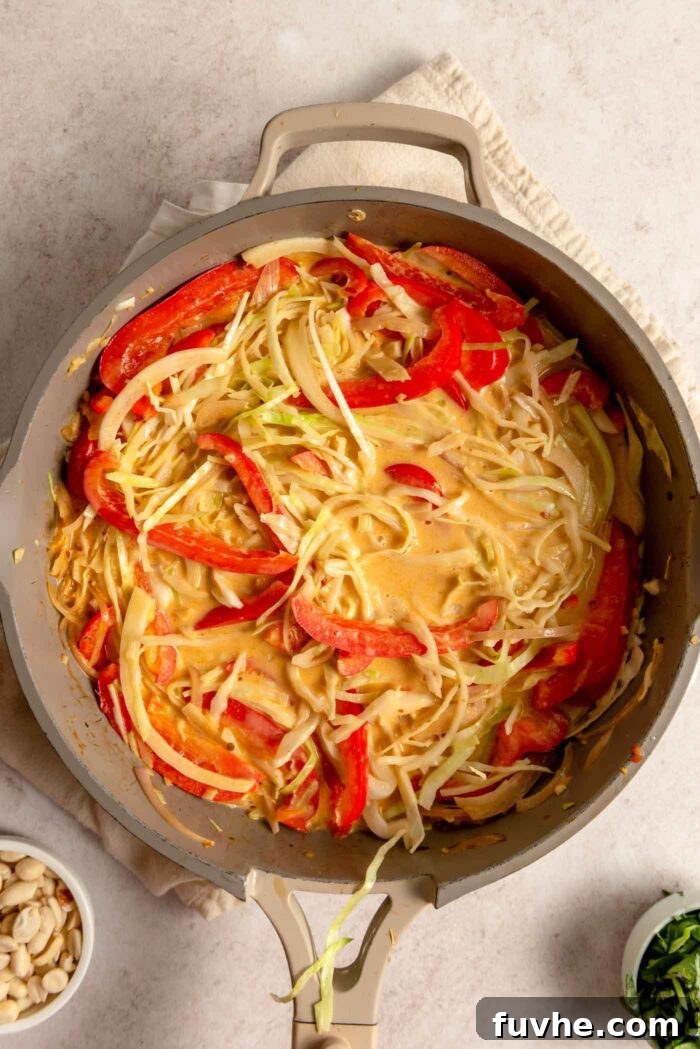
Step 5: Combine and Finish. Add the cooked and drained rice noodles, the juice from 1 fresh lime, and ¼ cup of chopped fresh cilantro to the pan with the simmering sauce. Using tongs, toss everything thoroughly to combine, ensuring the noodles are fully coated in the creamy, aromatic sauce. Continue to cook for another 1-2 minutes, allowing the noodles to absorb the delicious flavors and finish cooking.
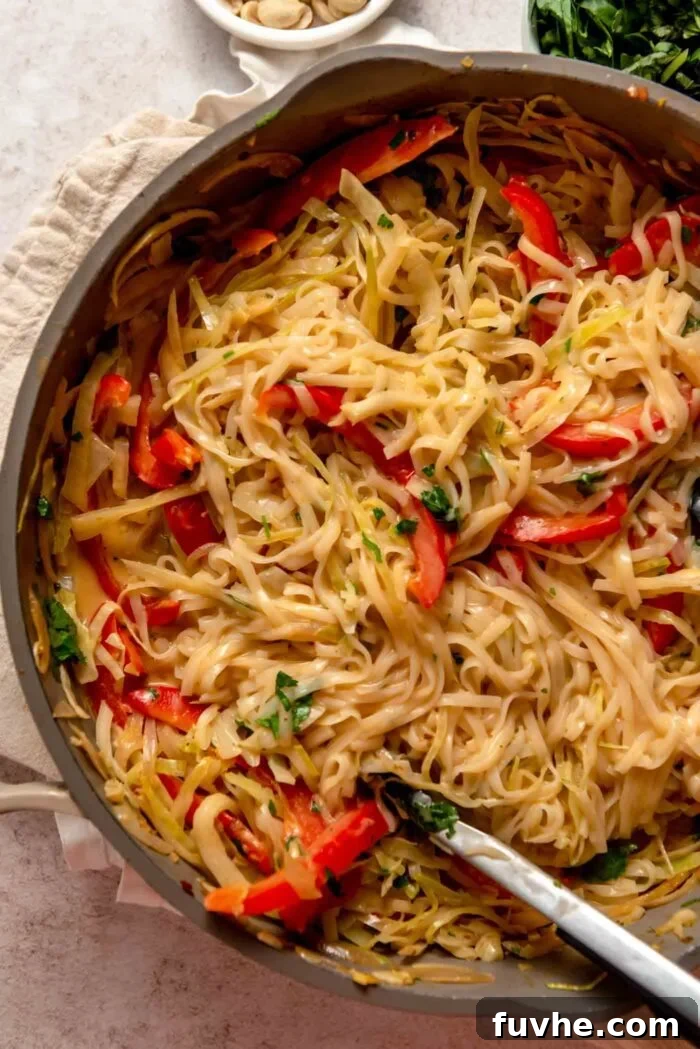
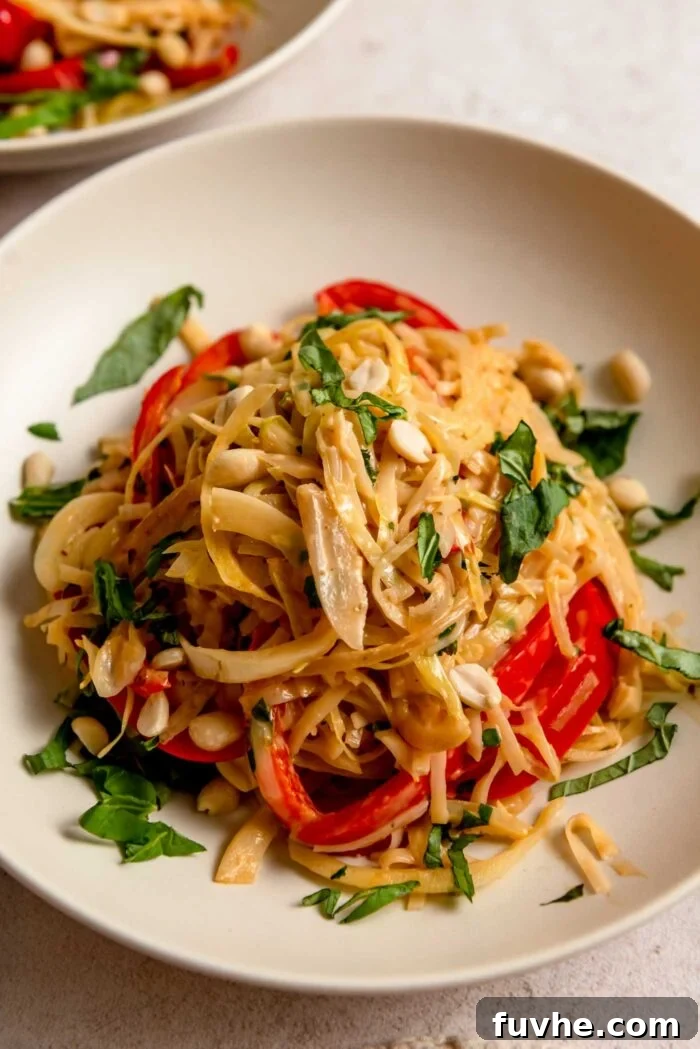
Serve your vegan Thai red curry noodles immediately, garnished with fresh Thai basil (if using), a generous sprinkle of roasted peanuts, and a fresh lime wedge on the side for an extra burst of zest. Enjoy the rich aromas and incredible flavors!
Recipe FAQs
Absolutely! To ensure your red curry noodles are gluten-free, simply use rice noodles (which are naturally gluten-free) and substitute regular soy sauce with gluten-free tamari. Always check your red curry paste label as well, as some brands may contain gluten-containing ingredients.
The versatility of this recipe allows for various noodle types! Medium rice noodles are a fantastic choice, as they absorb the rich sauce beautifully and offer a texture similar to traditional Pad Thai. You could also opt for wide rice noodles for a chewier, more substantial bite, which won’t absorb as much sauce, resulting in a creamier dish. Other great options include soba noodles, udon noodles, ramen noodles, or even standard spaghetti or linguine for a fusion twist.
Yes, you can! If you prefer to make this recipe without coconut milk, a wonderful creamy alternative is homemade cashew cream. Simply soak ½ cup of raw cashews in hot water for at least 15 minutes (or overnight in cold water). Drain the cashews and blend them with 1 cup of fresh water until completely smooth and creamy. Use this cashew cream as a 1:1 replacement for the coconut milk.
Leftover red curry noodles are delicious! Allow them to cool completely, then transfer them to an airtight container and store in the refrigerator for up to 4 days. When reheating, you might need to add a splash of water or vegetable broth to loosen the sauce. Unfortunately, this recipe is not ideal for freezing, as the noodles can become mushy and the sauce’s texture can change upon thawing.
To make the dish milder, start with less red curry paste (e.g., 2 tablespoons) and omit any added chili flakes or hot sauce. For extra heat, increase the red curry paste to 4 tablespoons, add ½-1 teaspoon of red pepper flakes or cayenne pepper, or stir in a tablespoon of Sriracha or sambal oelek with the curry paste. You can also serve extra hot sauce on the side for individual customization.
These red curry noodles are a complete meal on their own, but they also pair wonderfully with a simple side salad, some steamed greens, or a refreshing cucumber salad to complement the rich curry flavors. Don’t forget the fresh garnishes like lime wedges, extra cilantro, roasted peanuts, and Thai basil for an authentic experience.
Helpful Tips for Success
Achieving perfectly delicious Thai red curry noodles is easy with a few simple tricks up your sleeve. Keep these tips in mind for the best results every time:
- Avoid Overcooking the Noodles: This is perhaps the most important tip. Always cook your rice noodles to be slightly under al dente according to package directions. They will finish cooking and absorb flavor in the hot curry sauce, so you want them to be firm initially to avoid a mushy texture. Rinsing them under cold water after draining also helps prevent them from clumping and overcooking.
- Adjust Sauce Consistency: Thai curries are known for their rich, creamy sauces. If your sauce appears too thick after simmering, don’t hesitate to stir in a tablespoon or two of vegetable broth or water until it reaches your desired saucier consistency. Conversely, if it’s too thin, allow it to simmer for a few extra minutes to reduce further.
- Prioritize Quality Coconut Milk: The quality of your coconut milk significantly impacts the final taste and creaminess of the dish. Opt for a good quality, full-fat canned coconut milk (not the kind in a carton for beverages). When purchasing, shake the can; if it sounds watery, try a different brand. Look for brands that are known for their thick, creamy consistency, such as Thai Kitchen or Earth’s Choice, for the best results.
- Simplify for Speed: For an even quicker meal, you can streamline the vegetable prep. While bell pepper and cabbage add great texture and nutrients, you can omit them for a super speedy version with just the noodles and sauce. This is perfect for those truly rushed evenings.
- Don’t Skimp on Aromatics: Fresh ginger, garlic, and shallots are the backbone of this curry’s flavor. Using fresh ingredients here makes a noticeable difference compared to dried powders.
- Taste and Adjust: Always taste your sauce before adding the noodles and adjust seasonings as needed. You might want a little more soy sauce for umami, more sugar to balance the heat, or an extra squeeze of lime for brightness. Thai cooking is all about balancing sweet, sour, salty, and spicy.
- Use a Large Pan or Wok: To ensure even cooking and easy tossing, use a large non-stick pan or wok that can comfortably hold all the ingredients, especially when you add the noodles.
More Noodle & Curry Inspirations
If you loved these vegan Thai red curry noodles, you’ll surely enjoy exploring more of our comforting and flavorful noodle and curry recipes:
- Hearty Butternut Squash Curry
- Authentic Vegan Drunken Noodles
- Umami-Rich Miso Noodles
- Quick Ramen Noodle Stir Fry
- Comforting Udon Stir Fry
- Flavorful Thai Basil Eggplant
Thai Red Curry Noodles
Rate Recipe
Print Recipe
Ingredients
- 8 oz rice noodles
- 1 tbsp coconut oil, 15 g
- 1 shallot, thinly sliced (70 g)
- 1- inch piece ginger, minced or grated
- 3 cloves garlic, minced or grated
- 1 red bell pepper, thinly sliced (135 g, 1¾ cup)
- 3 tbsp red curry paste, 45 g
- 3 cups thinly sliced green cabbage, 190 g
- 1 14 oz can coconut milk
- 1 tbsp coconut sugar, 15 g
- 1 ½ tbsp soy sauce, 25 mL
- 1 lime, juiced (approx. 1-2 tbsp)
- 1/4 cup cilantro, chopped
- ¼ cup fresh Thai basil, thinly sliced
- ¼ cup roasted peanuts, optional
Instructions
-
Cook noodles according to package directions. Slightly undercook, as the noodles will finish cooking in the pan. Drain and rinse under cold water to stop the cooking.
-
In a large non-stick pan, heat coconut oil over medium heat. When the pan is hot, add shallots, bell peppers, ginger and garlic. Season with a pinch of salt. Cook for 3-4 min, stirring occasionally, until softened.
-
Add red curry paste. Cook for 1 min, stirring constantly, until fragrant.
-
Add cabbage, coconut milk, coconut sugar and soy sauce. Let simmer for 3-5 min, stirring occasionally, until slightly reduced (thickened).
-
Add the noodles, lime juice and cilantro to the sauce. Toss well to combine, until noodles are coated and have absorbed some of the sauce.
-
Garnish with Thai basil and peanuts, if using. Serve a lime wedge on the side.
Nutrition
Like this recipe? Rate and comment below!