
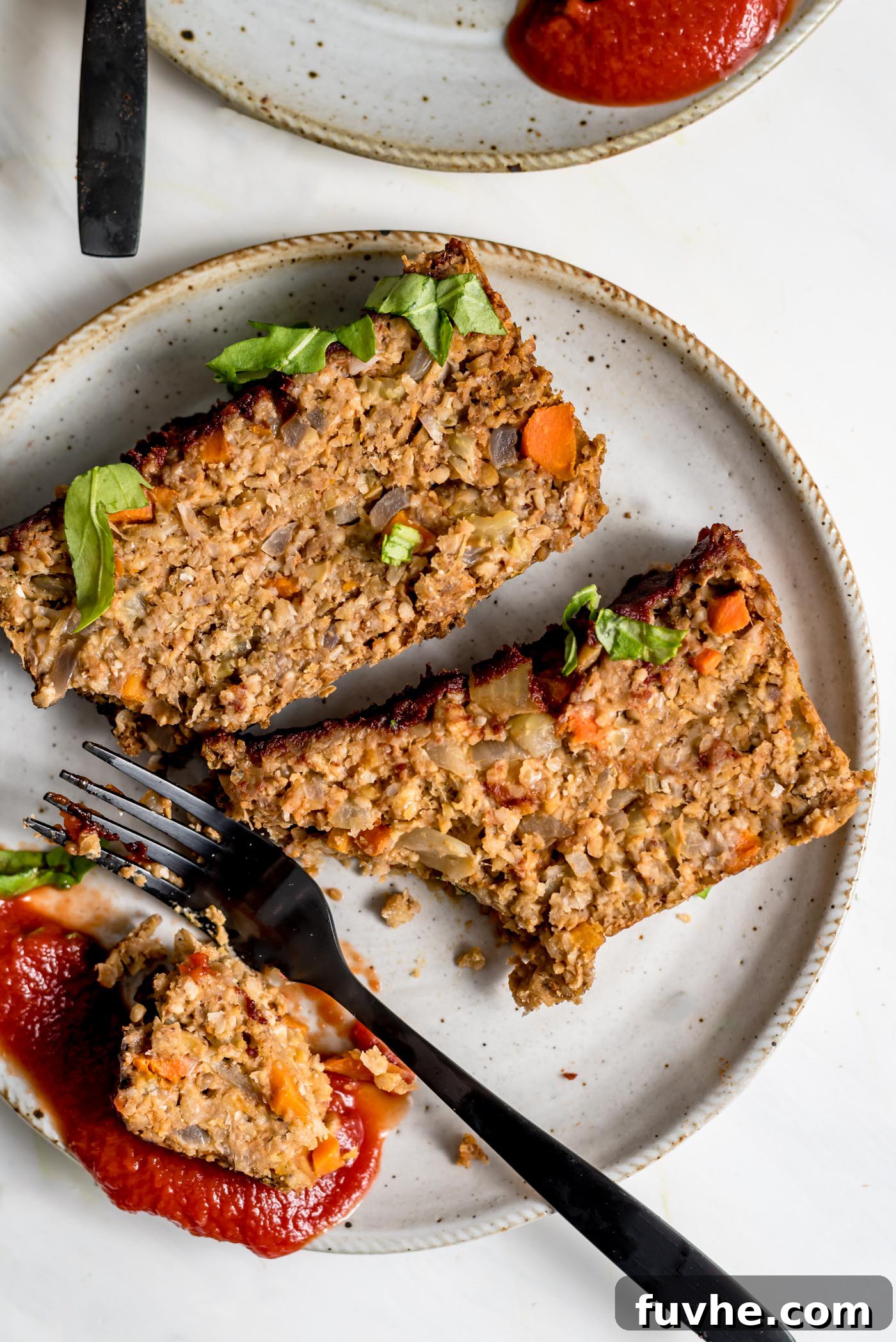
Welcome to the ultimate guide for crafting the most delectable and wholesome vegan chickpea meatloaf. This recipe is not just easy to prepare; it’s a symphony of flavors, packed with nutritious ingredients that make it an ideal vegetarian main dish for any occasion. Whether you’re a seasoned plant-based eater or new to the world of vegan cuisine, this hearty loaf will impress with its satisfying texture and rich taste, proving that meatless meals can be every bit as comforting and delicious as their traditional counterparts.
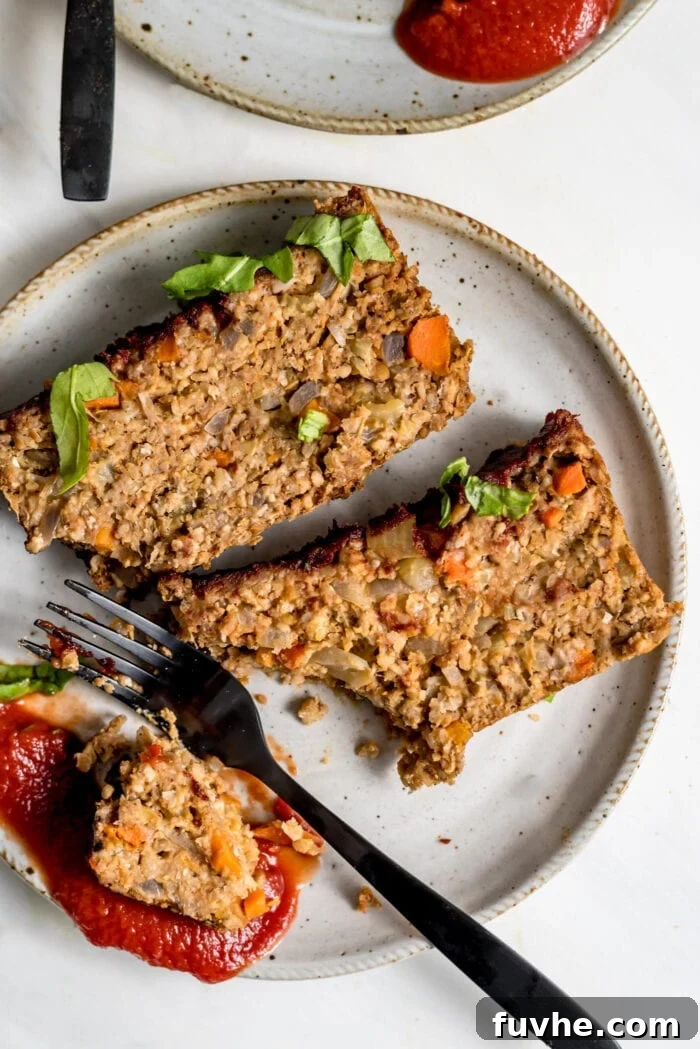
Why This Vegan Chickpea Meatloaf is a Must-Try
Our vegan chickpea meatloaf stands out for its incredible versatility, health benefits, and ease of preparation. It’s designed to fit seamlessly into diverse dietary needs and busy lifestyles, making it a fantastic addition to your recipe repertoire. This isn’t just a meal; it’s a celebration of plant-based goodness, offering comfort and nutrition in every bite.
- Unmatched Dietary Versatility: This recipe is a triumph for those with specific dietary requirements. It’s completely vegan, gluten-free (with certified oats), oil-free, and refined sugar-free. Plus, it offers a simple nut-free alternative, ensuring almost everyone can enjoy a slice without compromise. It’s a truly inclusive dish that caters to a wide array of preferences.
- Nutrient-Dense & Wholesome: Beyond its delicious taste, this chickpea meatloaf is a powerhouse of nutrition. Rich in fiber from oats and vegetables, and abundant in plant-based protein from chickpeas, it provides sustained energy and supports overall well-being. It’s a meal that truly nourishes your body from the inside out.
- Effortlessly Simple Preparation: Don’t let the gourmet taste fool you; this meatloaf is remarkably easy to make. With less than 15 minutes of active, hands-on preparation time, you can have this wholesome dish ready for the oven. It’s perfect for busy weeknights or when you need a stress-free yet impressive meal.
- Ideal for Any Occasion: From cozy family dinners to festive holiday gatherings, this vegan meatloaf shines as a spectacular meatless main. Its hearty nature and appealing presentation make it a showstopper, proving that plant-based options can be the centerpiece of any celebratory meal.
- Budget-Friendly Family Favorite: Crafted from readily available and economical ingredients like chickpeas, oats, and common vegetables, this recipe is incredibly budget-friendly. It’s a smart choice for feeding a family without breaking the bank, offering substantial portions that satisfy everyone at the table.
Key Ingredients for a Perfect Plant-Based Meatloaf
The secret to our extraordinarily flavorful vegan chickpea meatloaf lies in a harmonious blend of simple, wholesome ingredients. Each component plays a vital role in creating the rich texture and deep savory taste that makes this dish so satisfying. While the full list with precise measurements is provided in the recipe card below, here’s a closer look at the key players and what makes them essential.
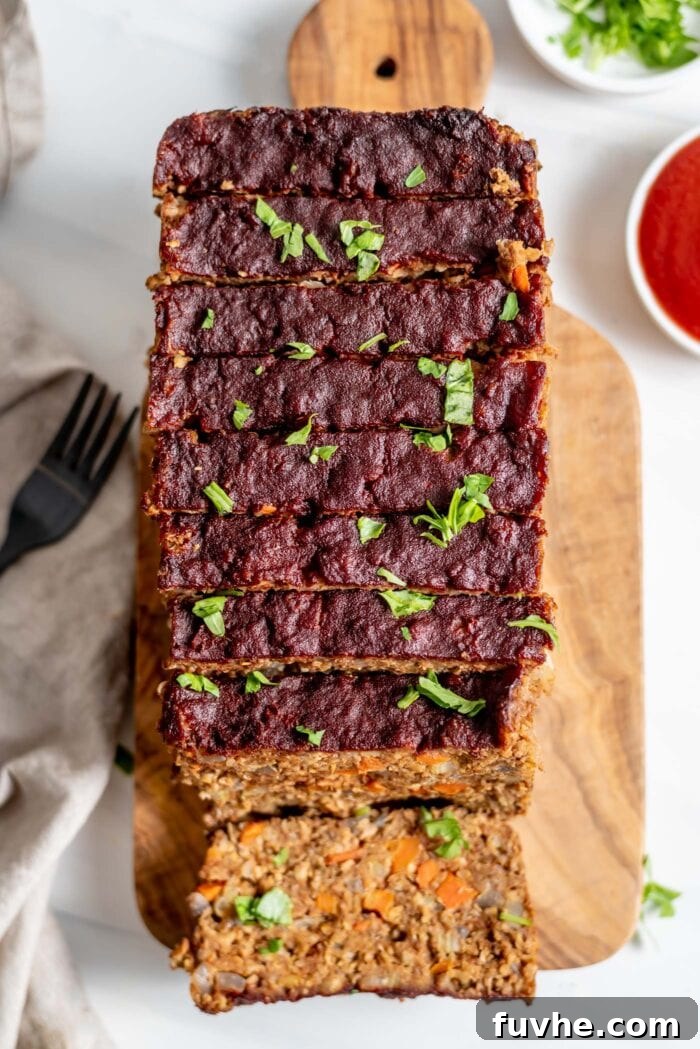
- Rolled Oats: These are the backbone of our meatloaf, acting as a binder and providing a hearty, satisfying texture. Whether you use large flake, old-fashioned, or quick oats, they all work wonderfully, adding essential fiber and structure without the need for traditional breadcrumbs. For a gluten-free dish, ensure you select certified gluten-free oats.
- Nuts (Walnuts, Pecans, or Almonds): Nuts contribute to the richness and depth of flavor, mimicking the fat content found in traditional meatloaves. Walnuts, pecans, and almonds are all excellent choices, adding a subtle nutty undertone. However, if you prefer a nut-free option, simply replace the nuts with an additional 1/2 cup of oats. Interestingly, many find the nut-free version to offer a slightly firmer, equally delicious texture.
- Ground Flaxseed: A vegan kitchen staple, ground flaxseed serves as a powerful binder in this recipe, replacing eggs. When mixed with liquid, it forms a gelatinous consistency that helps hold the loaf together. Always use fresh ground flaxseed for the best results and to ensure optimal nutritional benefits.
- Chickpeas: The star of the show! Chickpeas provide the “meaty” texture and a significant amount of plant-based protein. You’ll need about 3 cups, which typically translates to two 14 oz cans or one large 28 oz can, thoroughly drained and rinsed. Whether you use canned chickpeas or cook them from scratch, ensure they are well prepared.
- Tomato Sauce or Ketchup: These ingredients are crucial for adding a tangy, umami flavor to both the meatloaf mixture and its signature glaze. Use whichever you have on hand; both contribute beautifully to the overall taste profile, offering a classic meatloaf flavor without the meat.
- Flavorful Vegetables (Onion, Garlic, Celery, Carrot, and Optional Mushroom): A robust blend of aromatic vegetables forms the savory base of the loaf. Onion and garlic are non-negotiable for their foundational flavor. Celery and carrots add sweetness and texture. Mushrooms, while optional, are highly recommended for their ability to add an incredible depth of umami and a “meaty” richness that enhances the overall experience, often without a strong mushroom flavor. Feel free to customize other veggies, but maintain the core aromatics.
- Maple Syrup: Used sparingly in the glaze, maple syrup provides a touch of sweetness that perfectly balances the tangy tomato and vinegar. Agave syrup can be used as an alternative if maple syrup is unavailable.
Step-by-Step Guide to Making Your Chickpea Meatloaf
Creating this delicious vegan chickpea meatloaf is a straightforward process that comes together in just a few key steps. Follow these detailed instructions to ensure your loaf turns out perfectly firm, moist, and bursting with flavor. Remember, taking your time with each stage will contribute to the ultimate success of your plant-based masterpiece.
Step 1: Sauté the Aromatics and Spices
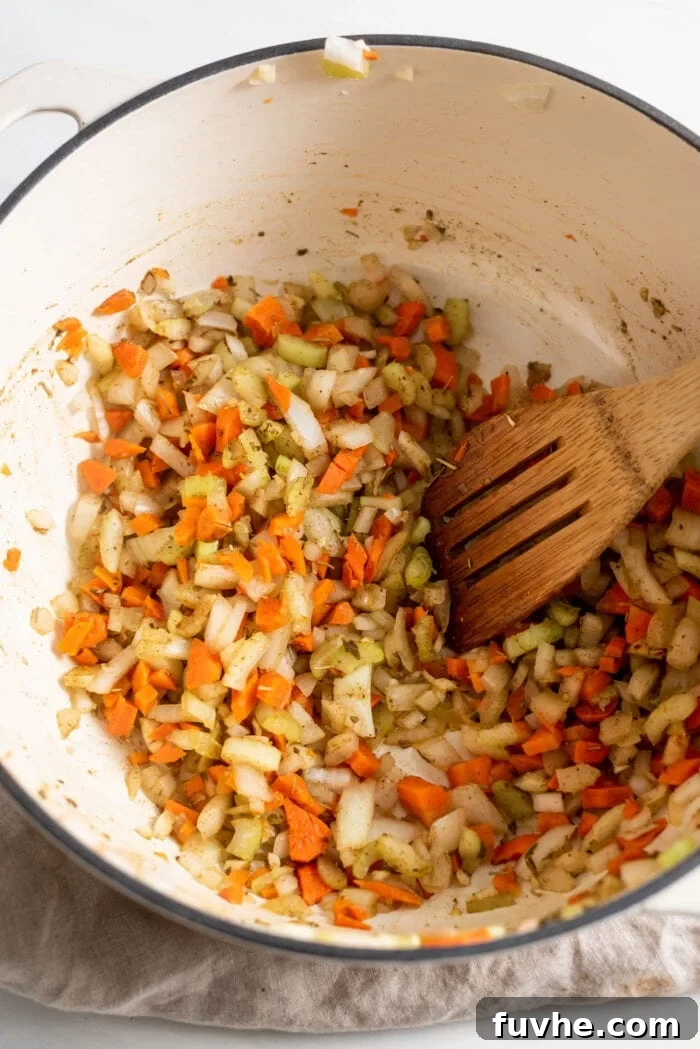
Begin by meticulously chopping all your vegetables. The key to a well-textured meatloaf is to avoid large chunks, so aim for a fine dice. In a large pot or deep skillet on your stovetop, add the finely diced onions, carrots, minced garlic, finely chopped celery, and the optional (but recommended) mushrooms. Add 1 tablespoon of water to the pot to prevent sticking and start sautéing over medium heat. Cook the vegetables for about 6-7 minutes, stirring occasionally, until they are soft, translucent, and wonderfully fragrant. At this point, stir in your dry seasonings: salt, black pepper, paprika (or smoked paprika for an extra smoky note), ground thyme, onion powder, and cumin. If you enjoy a touch of heat, now is the time to add the optional cayenne pepper. Continue cooking for another couple of minutes, allowing the spices to bloom and infuse the vegetables with their aromatic goodness. While these delightful aromatics are sautéing, you can move on to preparing the chickpea mixture in the next step to save time.
Step 2: Prepare the Dry Base in a Food Processor
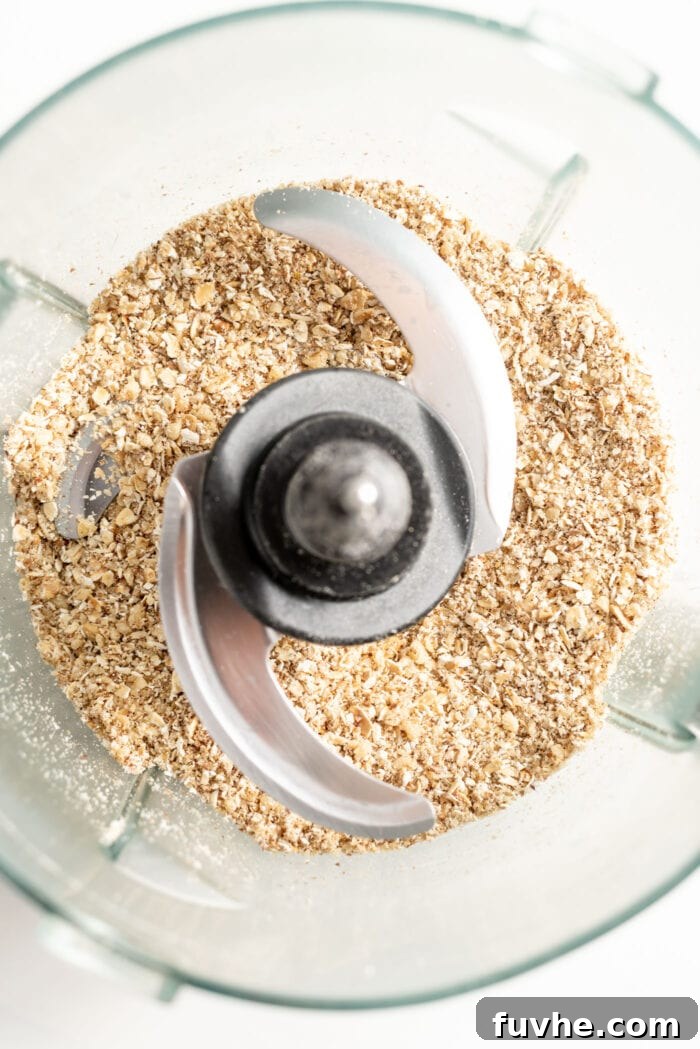
In a food processor, combine the rolled oats, the nuts of your choice (walnuts, pecans, or almonds, if using), and the ground flaxseed. Process these ingredients until they achieve a fine, grainy flour-like consistency. This creates the essential dry base that will help bind the meatloaf and contribute to its satisfying texture.
Step 3: Blend the Chickpea Mixture
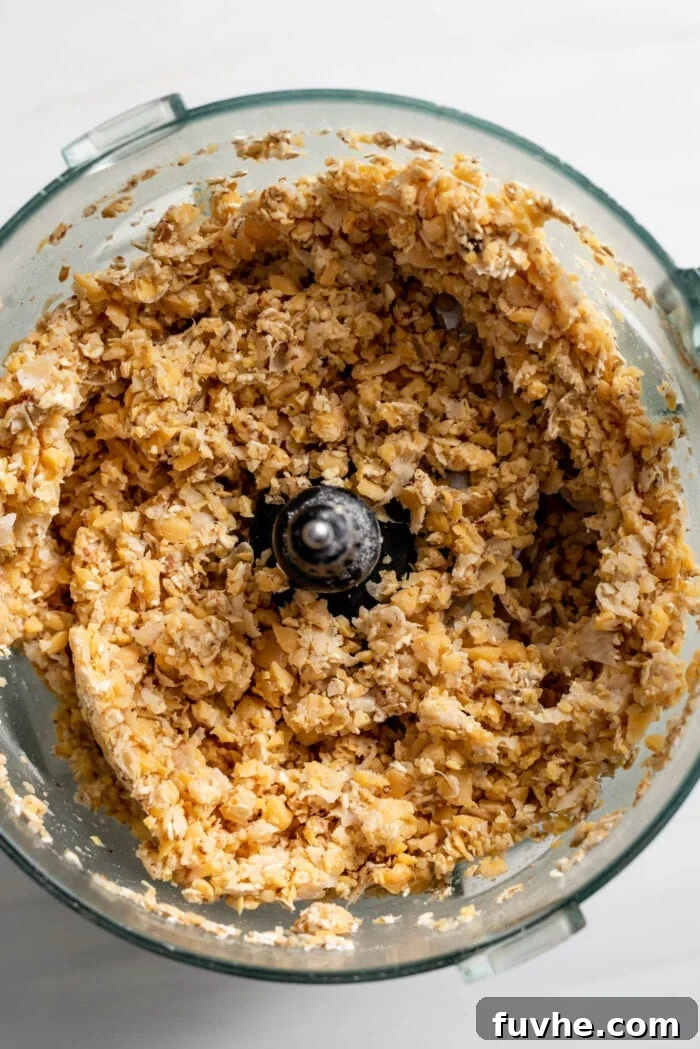
To the food processor containing your oat and flax mixture, add the drained and rinsed chickpeas, soy sauce (or gluten-free tamari), and tomato sauce (or ketchup). Pulse the mixture a few times, or blend briefly, just until the chickpeas are broken down and combined with the other ingredients. The goal here is a chunky, textured mixture, not a smooth hummus-like paste. Over-processing can lead to a mushy meatloaf, so be cautious. You might need to pause, scrape down the sides of the food processor bowl, and then pulse a couple more times to ensure even blending. It’s perfectly fine if some of the mixture at the very bottom turns into a paste; this will help with binding. If you don’t have a food processor, you can use a blender for the oats/nuts/flax, and then mash the chickpeas in a bowl with a fork or potato masher.
Step 4: Combine All Ingredients
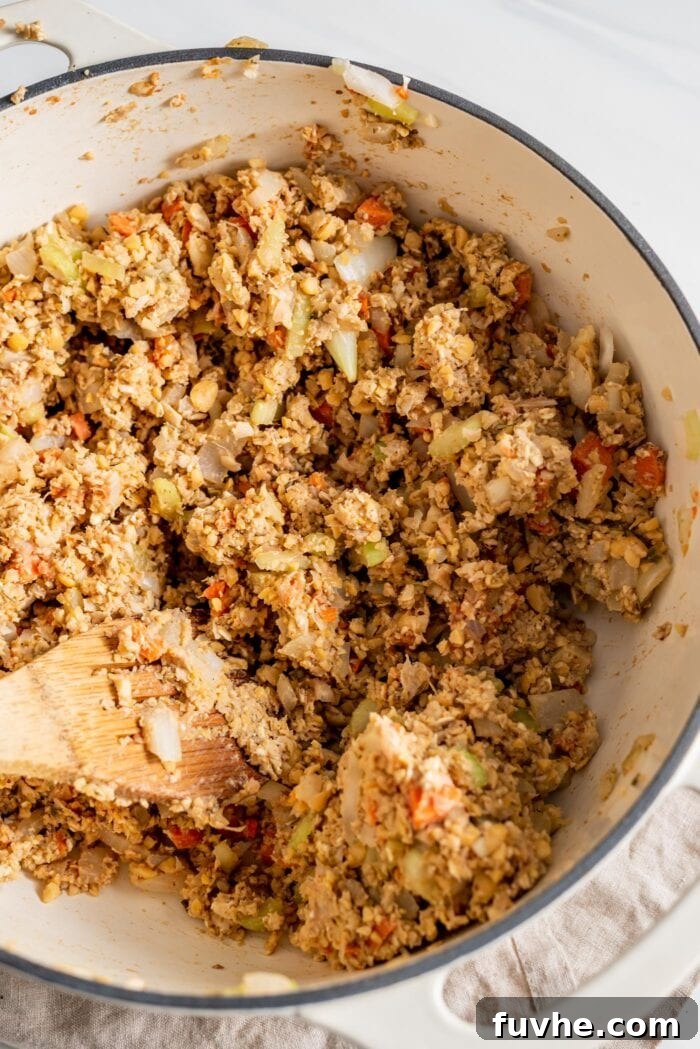
Once your vegetables are fragrant and softened, turn off the heat on the stovetop. Carefully transfer the entire contents of the food processor (the blended chickpea and oat mixture) into the large pot with the cooked vegetables. Using a sturdy wooden spoon or spatula, stir everything together thoroughly. Ensure that all the ingredients are uniformly combined, leaving no dry pockets or unmixed clumps. This step is crucial for creating a cohesive and evenly flavored meatloaf.
Step 5: Form and Press into the Loaf Pan
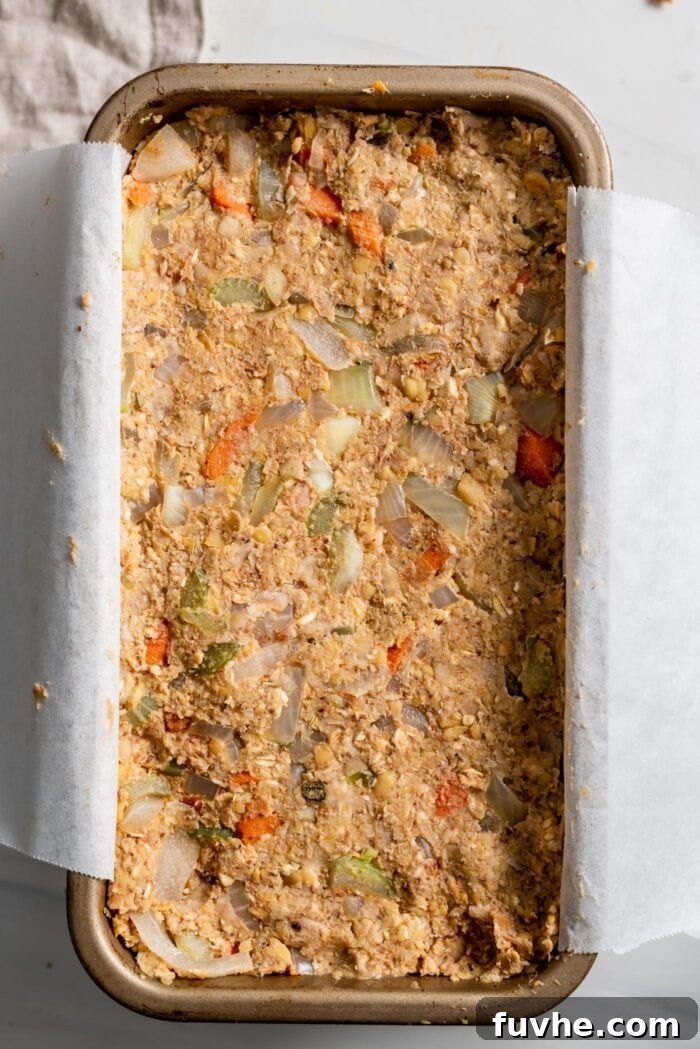
Preheat your oven to 350°F (175°C). Prepare a standard loaf pan (approximately 8.5 x 4.5 x 2.5 inches) by lining it with a sheet of parchment paper. Make sure the parchment paper extends over the long edges of the pan, as these will serve as convenient “handles” to lift the baked loaf out later. Now, firmly press the combined chickpea mixture into the prepared loaf pan. Use your hands or the back of a wooden spoon to pack the mixture down very tightly and evenly. It might seem like there’s a lot of mixture for the pan, but persevere; continuous firm pressing will ensure it all fits snugly and creates a dense, sliceable loaf. This tight packing is key to preventing a crumbly texture.
Step 6: Craft and Apply the Flavorful Glaze
In a small mixing bowl, whisk together the ingredients for the glaze: plain tomato sauce (or ketchup), maple syrup (reduce the amount if using ketchup, as it’s already sweet), and balsamic or apple cider vinegar. This combination creates a perfectly balanced sweet and tangy topping. Once thoroughly mixed, spread this delicious glaze evenly over the top of the pressed chickpea loaf in the pan. This glaze will caramelize beautifully during baking, adding a burst of flavor and a visually appealing finish to your meatloaf.
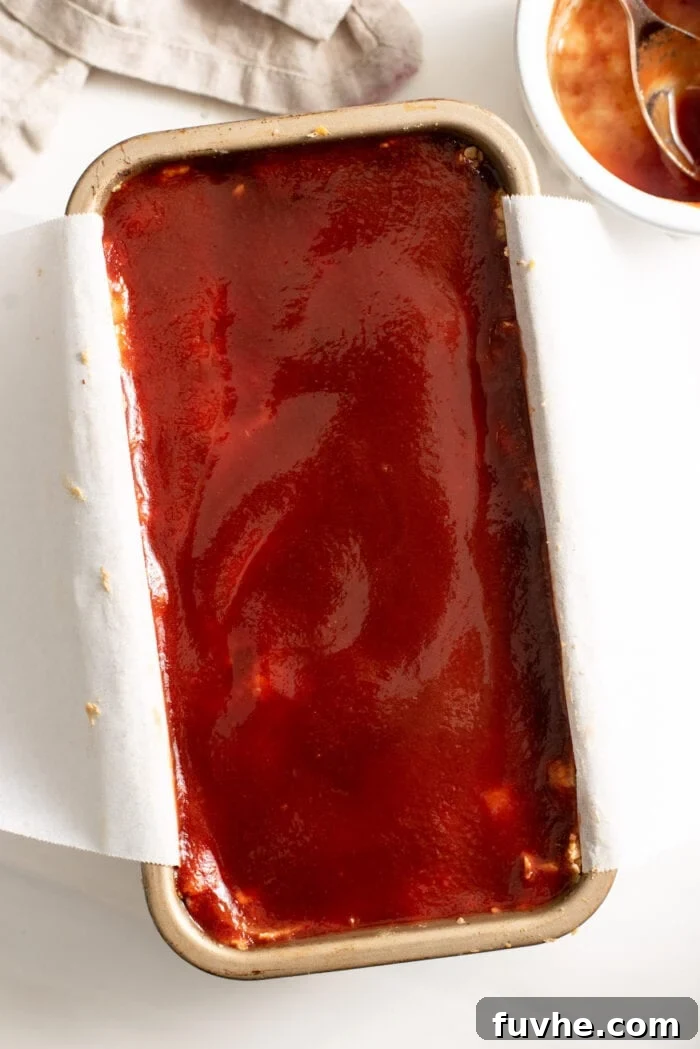
Step 7: Bake to Perfection and Cool
Place the uncovered loaf pan into your preheated oven at 350°F (175°C). Bake for exactly 60 minutes. Baking uncovered allows the glaze to beautifully caramelize and the loaf to develop a slightly firm exterior. Once baked, remove the loaf from the oven. This next step is absolutely crucial for achieving a firm, sliceable meatloaf: allow it to cool in the pan for at least 15 minutes. This cooling period permits the loaf to continue firming up. After 15 minutes, use the parchment paper overhang to gently lift the loaf out of the pan and transfer it to a wire cooling rack. Let it cool for an additional 15 minutes before attempting to slice it. The longer the loaf cools, the firmer and less crumbly it will become. Patience during this stage will be rewarded with perfectly intact, delicious slices. For an elegant finish, you can garnish with freshly chopped parsley and an extra drizzle of ketchup, if desired, before serving.
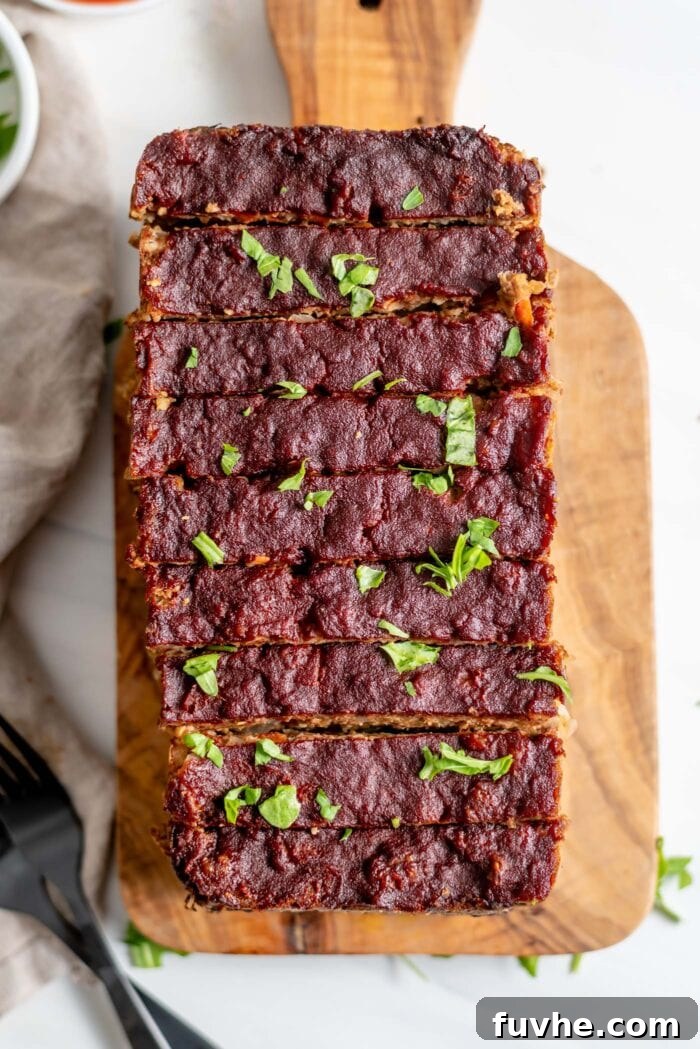
Expert Tips and Delicious Variations
Mastering your vegan chickpea meatloaf involves a few helpful tips and knowing how to adapt the recipe to suit specific needs or preferences. These insights will ensure every batch is perfect and that you can customize it for various dietary requirements or flavor profiles.
- Achieving a Gluten-Free Chickpea Meatloaf: For those following a gluten-free diet, it’s essential to use certified gluten-free rolled oats. Additionally, ensure you swap out regular soy sauce for gluten-free tamari or coconut aminos. These simple substitutions guarantee your delicious meatloaf remains entirely free of gluten without sacrificing flavor.
- Crafting a Nut-Free Version: If you have nut allergies or simply prefer to omit them, this recipe is easily adaptable. Replace the 1/2 cup of nuts with an additional 1/2 cup of rolled oats, bringing the total oat quantity to 1.5 cups. Many even find this nut-free version results in a slightly firmer, less mushy texture, which can be quite desirable. The fat from nuts adds moisture, so removing them and adding more oats can create a denser crumb. Both versions are incredibly delicious and satisfying!
- No Food Processor? No Problem!: Don’t let the absence of a food processor deter you. You can still create this magnificent meatloaf. Use a blender to process the oats and flax into a coarse flour. For the chickpeas, simply transfer them to a large bowl and mash them thoroughly with a fork or a potato masher until they reach a chunky, broken-down consistency. Then, proceed with combining all ingredients as directed.
- Alternative Glaze Ideas: While our classic tangy-sweet glaze is fantastic, feel free to get creative with your topping. A high-quality BBQ sauce makes an excellent alternative glaze, adding a smoky and robust flavor that pairs beautifully with the savory loaf. You could also experiment with a balsamic glaze or a simple savory tomato paste mixed with a touch of mustard.
- Choosing the Right Loaf Pan Size: The chickpea mixture for this meatloaf is quite substantial. It’s crucial to use at least a standard-sized loaf pan, typically 8.5 x 4.5 x 2.5 inches. The mixture will fill the pan right to the brim, with just enough room for the thin layer of glaze on top. If your pan is slightly larger, up to 9 inches, that is perfectly fine and might even offer a slightly less dense loaf.
- The Magic of Mushrooms (Optional but Recommended): Finely chopped white or cremini mushrooms are listed as an optional ingredient, but we strongly recommend including them. Even if you’re not a fan of mushrooms, when finely chopped and cooked down, they add an incredible depth of umami flavor to the meatloaf without imparting a strong “mushroomy” taste. This enhances the savory richness, making the loaf even more satisfying and reminiscent of traditional meatloaf.
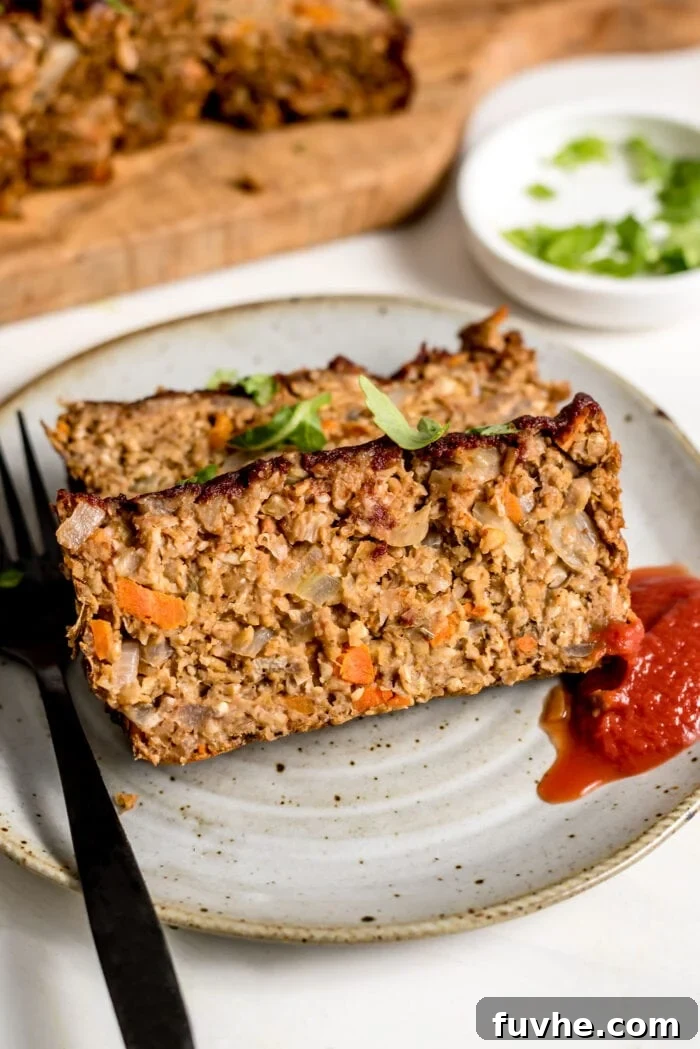
Storing and Reheating Your Vegan Meatloaf
One of the many advantages of this vegan chickpea meatloaf is how well it stores, making it perfect for meal prep or enjoying leftovers. Proper storage ensures your loaf stays fresh and delicious for days to come, and reheating is a breeze.
- Pre-Bake Preparation: If you like to plan ahead, the uncooked meatloaf mixture can be assembled and firmly pressed into the loaf pan, then covered and stored in the fridge for up to 1 day before baking. This is a great time-saver for busy days.
- Refrigeration: Once baked and fully cooled, the cooked loaf stores exceptionally well in an airtight container in the refrigerator for up to 5-6 days. You can store it whole or pre-slice it for convenient grab-and-go meals.
- Freezing for Later: This meatloaf freezes beautifully! After baking and cooling completely, wrap the entire loaf or individual slices tightly in plastic wrap, then place in a freezer-safe bag or container. It can be stored in the freezer for up to 3 months. When you’re ready to enjoy, simply thaw overnight in the refrigerator.
- Optimal Reheating: To reheat, you have a couple of options. For best results and a slightly crispy exterior, reheat slices in the oven at 300°F (150°C) for about 10-15 minutes, or until warmed through. Alternatively, individual slices can be quickly reheated in the microwave until heated to your preference.
Serving Suggestions for Your Chickpea Meatloaf
This hearty vegan chickpea meatloaf is a versatile main dish that pairs wonderfully with a variety of classic comfort food sides. Here are some delicious ideas to complete your meal, whether for a holiday feast or a simple family dinner:
- Creamy Vegan Mashed Potatoes: The perfect traditional accompaniment, offering a smooth contrast to the meatloaf’s texture.
- Sautéed Green Beans with Garlic & Onions: A fresh, vibrant green vegetable side that adds a delightful crunch.
- Healthy Vegan Sweet Potato Casserole: A naturally sweet and comforting side dish, especially popular during colder months or holidays.
- Rich Vegan Mushroom Gravy: Drizzle this savory gravy generously over slices of meatloaf and mashed potatoes for an elevated comfort food experience.
- Roasted Root Vegetables: A medley of roasted carrots, parsnips, and potatoes provides earthy flavors and lovely caramelization.
Vegan Chickpea Meatloaf Recipe Card
Hearty Vegan Chickpea Meatloaf
By: Deryn Macey
This satisfying plant-based meatloaf, crafted from wholesome chickpeas, oats, and fresh vegetables, is an ideal main course for festive gatherings or comforting family dinners.
Cook: 1 hr
Total: 1 hr 15 mins
Servings: 10
Ingredients
For the Meatloaf Base
- 1 cup rolled oats (100 g)
- 1/2 cup almonds, walnuts or pecans (75 g)
- 2 tbsp ground flax (14 g)
- 2 (14 oz) cans chickpeas, drained and rinsed (3 cups, 570 g)
- 2 tbsp soy sauce or gluten-free tamari (30 mL)
- 2 tbsp tomato sauce or ketchup (30 g)
- 1 small to medium-sized white onion, diced (approx. 2 cups, 300 g)
- 2 ribs celery, finely chopped (approx. 1/2 cup, 75 g)
- 2 small or 1 large carrot, diced (approx. 1 cup, 150 g)
- 1 cup finely chopped white or cremini mushroom, optional (90 g, about 6 small mushrooms)
- 3 cloves garlic, minced
- 1/2 tsp sea salt
- 1/2 tsp black pepper
- 1 tsp paprika or smoked paprika
- 1 tsp onion powder
- 1 tsp cumin
- 1/2 tsp ground thyme
- 1/4 tsp cayenne pepper, optional
For the Glaze
- 1/3 cup plain tomato sauce or ketchup (75 g)
- 2 tbsp maple syrup (40 g, if using ketchup reduce to 1 tbsp)
- 1 tbsp balsamic or apple cider vinegar (15 mL)
Instructions
- Take your time finely chopping all the veggies; you don’t want any huge chunks in the finished loaf.
- Add the onions, carrot, garlic, celery, and optional mushroom to a large pot on the stovetop with 1 tbsp of water. Cook over medium heat for 6-7 minutes, then stir in the salt, pepper, paprika, cumin, thyme, and onion powder (and cayenne if using) and cook for a couple more minutes. While the veggies are cooking, continue with the rest of the recipe.
- Preheat the oven to 350°F (175°C).
- Add the oats, nuts (if using), and flax to a food processor and blend into a grainy flour. Add the chickpeas, soy sauce (or tamari), and tomato sauce (or ketchup) and pulse or blend briefly to combine. You may need to pulse a few times, then open the food processor and mix it up, then pulse a couple more times. Be careful not to totally pulverize the chickpeas; they should be broken down but not mushy. A few pulses or seconds of blending should do the trick. Some of the mixture will turn into paste at the bottom of the food processor; that’s okay.
- When the veggies are done, turn off the heat and dump the contents from the food processor into the pot. Stir well to thoroughly combine into a uniform mixture.
- Line a loaf pan (see notes on size below) with parchment paper so it sticks out over the long edges of the pan. This will allow you to lift the loaf out once done. Firmly press the chickpea mixture into the pan using your hands or the back of a wooden spoon. It will seem like the mixture might not fit in the pan, but just keep packing it down, and it will fit.
- Mix the glaze ingredients together in a bowl, then spread over the loaf.
- Once the oven has reached 350°F (175°C), bake the loaf uncovered for 60 minutes.
- Remove from the oven and let sit in the pan for 15 minutes. Run a knife along any edges that weren’t lined with parchment, then lift the loaf out of the pan and place on a cooling rack for another 15 minutes before slicing into 10 portions. You can shorten the 30 minutes of cooling if needed, but the longer it sits, the firmer it gets. If you slice it too soon, it may be a little crumbly.
- Serve with a sprinkle of fresh chopped parsley and a drizzle of ketchup, if desired.
Recipe Notes
- Loaf Pan Size: Use at least a standard size loaf pan of 8.5 x 4.5 x 2.5 inches as the loaf is quite substantial and will fill the pan right to the brim. You should have enough room to spread the thin layer of glaze on top. If your pan is a bit larger, say up to 9 inches, that’s totally fine.
- Storing: Loaf can be prepared up to 1 day in advance and stored uncooked in the fridge before baking. Once cooked, let cool then store in the fridge in a sealed container for up to 5 days or freezer for up to 3 months. Can be stored whole or in slices. If frozen, thaw overnight in the fridge. Reheat in the microwave or oven until heated to your preference.
- Gluten-Free Option: Be sure to use tamari or coconut aminos instead of soy sauce and gluten-free certified oats, if needed.
- Nut-Free Option: Replace the nuts with an extra 1/2 cup of oats. I actually preferred the nut-free version. If you like your meatloaf on the firmer side (not dry but not at all mushy), I would recommend leaving the nuts out and using 1.5 cups of oats instead. The fat from the nuts adds moisture to the loaf; it doesn’t come out mushy with the nuts, but it definitely has a different texture. Both ways are good! The loaf in the pictures is made with walnuts.
- Mushrooms: Mushrooms are optional. If you like them, they add extra depth of flavor to the loaf. If you don’t like them or don’t have any on hand, they’re okay to leave out. I would recommend adding them even if you’re not a mushroom fan, as they do add a deeper umami flavor without adding a mushroom flavor.
Nutrition Information (per serving)
- Serving: 1 slice
- Calories: 202 kcal
- Carbohydrates: 28 g
- Protein: 8 g
- Fat: 6 g
- Sodium: 336 mg
- Fiber: 7 g
- Sugar: 6 g