

Unlocking Sustainable Fat Loss: 21 Proven Strategies for Lasting Results
Embarking on a journey to achieve your ideal body composition doesn’t have to involve extreme diets or unsustainable measures. True, lasting fat loss is about cultivating healthy habits and adopting a holistic approach to your well-being. This comprehensive guide provides 21 actionable strategies designed to help you shed unwanted fat in a way that’s healthy, maintainable, and integrates seamlessly into your life. Forget quick fixes; our focus is on consistent progress and empowering you to make positive lifestyle changes that deliver profound, long-term benefits.

Beyond the fundamental principle of consuming a calorie deficit, the tips we’re sharing today are practical, simple, and can be implemented at any point. We advocate for a philosophy that prioritizes steady, consistent progress over dramatic, temporary changes. These strategies are more than just “fat loss tips”; they are foundational pillars for a healthier, more vibrant lifestyle you can embrace indefinitely.
Essential Strategies for Healthy Fat Loss
1. Cultivate Discipline and Consistency Over Fleeting Motivation
The initial burst of motivation and excitement that often accompanies a new health goal is powerful, but it’s also inherently temporary. Human nature dictates that motivation will wax and wane. This is precisely why building robust self-discipline, establishing positive habits, and committing to unwavering consistency are paramount. While techniques to boost motivation are valuable, their primary purpose should be to provide a window during which you can forge habits that become second nature, allowing you to sustain progress even when motivation is low. Think of motivation as a spark, but discipline and consistency as the fuel that keeps the fire burning. Regular routines can strengthen your resolve, yet the power of ingrained habits far surpasses transient motivational highs.
2. Increase Your NEAT (Non-Exercise Activity Thermogenesis)
NEAT refers to the calories you burn through everyday activities that aren’t structured exercise. This includes everything from playing with your pets, cleaning your home, cooking meals, walking to your car, or even fidgeting. The cumulative effect of NEAT can be surprisingly significant, contributing substantially to your daily calorie expenditure without adding the physiological stress of intense workouts. Integrating more NEAT throughout your day is an excellent way to boost metabolism, improve circulation, enhance recovery from formal training, and simply stay more mobile. Make conscious choices: opt for stairs instead of elevators, walk or cycle short distances instead of driving, stand more, or take regular movement breaks during sedentary tasks. Every extra step and movement adds up, propelling you closer to your fat loss objectives.
3. Systematically Measure and Track Your Intake
Sustainable fat loss isn’t a magical process; it requires deliberate effort and precise execution. If you’re aiming for significant changes within a specific timeframe, close to 100% consistency with your nutrition plan becomes crucial. This necessitates mindful eating and a complete awareness of your food choices. To achieve this, meticulously track everything you consume, ideally *before* you eat it. Tools like a food scale and a nutrition tracking app like MyFitnessPal are invaluable. A highly effective strategy is to plan your meals the night before, working backward from dinner to breakfast. This allows you to strategically allocate your macronutrients and ensure you consume enough high-quality food throughout the day. If there’s a specific treat or food item you want to include, log it first, then adjust the remainder of your daily intake to fit it in without exceeding your goals. For a deeper dive into flexible dieting and macro tracking, explore resources on How to Get Started with Flexible Dieting.
4. Prioritize Abundant Water Intake Daily
The importance of proper hydration for overall health and fat loss cannot be overstated. Aim to consume significant amounts of water consistently throughout the day, every day. A good target for many individuals is at least 3 liters of plain water, in addition to fluids consumed during workouts or other beverages. Staying well-hydrated offers numerous benefits for fat loss: it can enhance satiety, helping to reduce overall food intake; support metabolic processes; aid in nutrient transportation; boost energy levels; and often helps distinguish genuine hunger from simple thirst. When you’re adequately hydrated, you’ll generally feel better, recover more efficiently from exercise, perform better during training, and experience sustained energy levels.

5. Practice Self-Compassion and Kindness
The path to fat loss is rarely linear, and setbacks are a natural part of any significant change. There’s absolutely no benefit in dwelling on or punishing yourself for getting off track. Instead of succumbing to negative self-talk, acknowledge any misstep, forgive yourself immediately, and redirect your focus to your next healthy choice. The most critical element is resilience and the refusal to give up. A single dietary slip-up or a missed workout will not derail your long-term results. The ultimate goal is consistent effort over time, not an unattainable standard of perfection. While aiming for near-perfection might be feasible for short, intense challenges, a realistic long-term approach acknowledges that life happens. Your well-being and happiness are just as important as your physical goals.
6. Broaden Your Definition of “Winning”
When embarking on significant lifestyle changes, consciously redefining what constitutes a “win” can be incredibly empowering. As authors like Litwin suggest in “Live The Best Story of Your Life,” by learning to recognize small victories even in situations traditionally seen as losses, we begin to accumulate more successes. This perspective shift fosters a positive feedback loop, building momentum and confidence. See every effort as a win, every tiny step forward as a triumph, and value the entire process as a victory. Acknowledge and celebrate all the hard work you invest, regardless of immediate scale readings. Collect these small wins and allow them to fuel your confidence and motivation, making the journey feel more rewarding and sustainable.
7. Proactively Manage Your Stress Levels
Did you know that chronic stress can be a significant barrier to effective fat loss? Persistent stress triggers the release of cortisol, a hormone that can lead to increased appetite, cravings for high-sugar and high-fat “comfort” foods, and the preferential storage of fat around the abdominal area. Elevated cortisol can also disrupt insulin sensitivity and suppress anabolic hormones vital for muscle growth and recovery, further hindering your progress. While acute stress can be a motivator, chronic stress negatively impacts our ability to make healthy choices and achieve our body composition goals. It’s crucial to identify effective strategies to bring your stress levels down, allowing your body to rest, repair, and recharge. Techniques such as mindfulness meditation, spending time in nature, engaging in hobbies, ensuring adequate sleep, or connecting with loved ones can significantly mitigate the physiological effects of stress.

8. Recognize That Every Single Choice Compounds
In the realm of fat loss and body transformation, seemingly minor decisions hold immense power. These “little things” are, in fact, “big things” because they accumulate over time to create profound, noticeable change. Each choice you make, no matter how small, either moves you closer to or further away from your desired outcomes. Opting for water over a sugary drink, taking the stairs, choosing a fruit instead of a processed snack – these individual decisions might seem insignificant in isolation, but their cumulative effect is exponential. Embrace the understanding that consistency in these small, conscious choices will inevitably lead to significant, long-lasting results.
9. Start Your Day with a Filling, Balanced Breakfast
Whether you consume it before or after your morning workout, a well-structured breakfast is crucial for setting the tone for your entire day. It serves to refuel your body after a night of fasting and provides the sustained energy needed for the day ahead. An ideal breakfast should incorporate a balanced blend of protein, healthy fats, and complex carbohydrates. This combination promotes satiety, helps stabilize blood sugar levels, prevents mid-morning energy crashes, and reduces the likelihood of overeating later. Beyond the physical benefits, a nutritious breakfast also primes you mentally, reinforcing your commitment to healthy eating and encouraging better food choices throughout the day. Remember, “breakfast food” doesn’t have to mean traditional items; consider savory options like a scrambled egg and veggie bowl, or even a small salad to boost your vegetable intake early on.
10. Strategically Moderate Starchy Carbohydrate Intake
While complete elimination of starchy carbohydrates is rarely necessary or sustainable, mindful moderation can be highly beneficial for fat loss. Starchy carbs are an excellent source of quick energy, but excessive consumption, particularly when inactive, can lead to their storage as body fat. The key is to optimize their timing: focus on consuming starchy carbohydrates primarily around your workouts. This strategy ensures that the immediate energy they provide is utilized for fueling your training and aiding post-exercise recovery, rather than being converted and stored. Opt for whole, unprocessed starchy carb sources like sweet potatoes, quinoa, brown rice, and oats, and adjust portion sizes based on your activity level and individual goals.
11. Deeply Connect with Your “Why”
Understanding your fundamental reasons for pursuing fat loss is a powerful, intrinsic motivator. Ask yourself: Why am I doing this? How does my current situation make me feel? What specific changes do I hope to achieve? Am I undertaking this for a temporary challenge, or am I truly committed to a lasting transformation? Writing down the answers to these profound questions and revisiting them frequently can serve as an anchor when motivation inevitably dips. Your “why” becomes a steadfast reminder, bringing your focus back to your long-term goals when faced with temptations or moments of doubt. If your commitment isn’t 100%, avoid self-criticism if you waver. Acknowledge what’s important to you. Sustainable fat loss demands long-term, dedicated, and mindful consistency. If you’re not ready for that intensity, then accept that your results may be slower, but ensure your approach remains kind to yourself.

12. Embrace the Power of Meal Preparation
Unless you consistently utilize a high-quality, healthy meal delivery service, meal preparation will be one of the most significant determinants of your success in achieving fat loss goals. While those with ample time at home might prepare each meal fresh, for the majority of us navigating long, busy days, meal prep is an absolute game-changer. It’s essential for ensuring you stick to your nutrition plan, especially when your schedule becomes chaotic and hunger strikes. By investing time to plan and prepare meals and snacks in advance, you minimize decision fatigue, prevent impulsive unhealthy choices, maintain portion control, and guarantee a steady supply of nutritious food that aligns with your objectives. Whether it’s batch cooking proteins, chopping vegetables, or assembling entire meals, meal prep removes guesswork and supports consistent healthy eating.
13. Significantly Increase Your Vegetable Intake
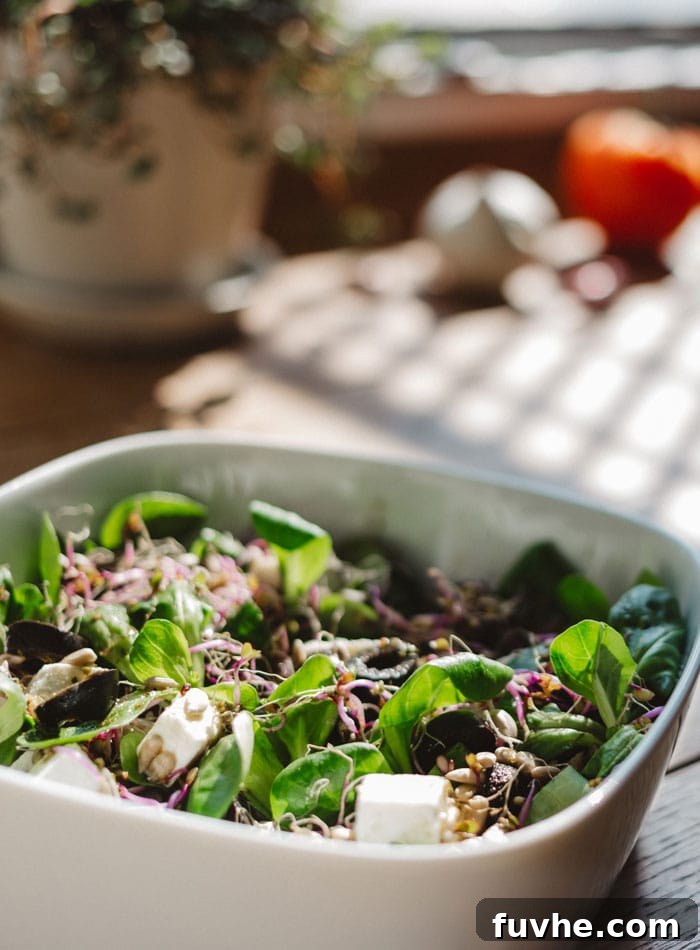
Building your diet around a high volume of vegetables is a highly effective strategy for fat loss and overall health. Vegetables are nutrient-dense, low in calories, and rich in fiber, which promotes satiety and keeps you feeling full for longer. They also provide a vast array of micronutrients essential for various bodily functions, including metabolism, hormone regulation, and exercise recovery. Regardless of your specific fat loss goals, everyone benefits from eating more vegetables. If plain raw vegetables aren’t appealing, get creative! Try adding vegetables to your smoothies, experimenting with vegetable noodles as a pasta alternative, or even subtly incorporating finely chopped veggies into morning oatmeal or sauces. Aim to include at least one large salad daily, focusing on leafy greens and other non-starchy options like bell peppers, celery, carrots, and broccoli. If you struggle with the taste of plain veggies, pair them with healthy dips like hummus, almond butter, or other nutritious spreads.

14. Prioritize Sufficient, High-Quality Sleep
Just like stress, the quantity and quality of your sleep profoundly impact your ability to lose fat. When we are sleep-deprived, our hormones go awry: ghrelin (the hunger hormone) increases, while leptin (the satiety hormone) decreases, leading to increased appetite, intense cravings for unhealthy foods, and impaired decision-making regarding food choices. Lack of sleep also affects insulin sensitivity and stress hormone levels, all of which hinder fat loss. If you are serious about achieving your health and fitness goals, make quality sleep a non-negotiable priority. You’ll notice a significant improvement in your energy levels, mood, cognitive function, and ability to stick to your diet when you are well-rested. Implement good sleep hygiene practices: establish a consistent bedtime and wake-up schedule, create a dark, cool, and quiet sleep environment, avoid screens and stimulating activities at least an hour before bed, and consider natural sleep aids like magnesium or valerian tea if needed.
15. Strengthen Your Mental Resilience and Well-being
A successful fat loss journey is as much about mental strength as it is about physical effort. Use this transformative period to actively cultivate your mental health alongside your body composition goals. Set personal development objectives such as journaling regularly, practicing mindfulness meditation, engaging in more reading, or tackling a new creative project. This not only serves as an effective stress management technique but also keeps your mind engaged and purposeful, diverting attention from potential urges to indulge in unnecessary foods. A strong mental game empowers you to make conscious choices, navigate challenges with greater ease, and maintain a positive outlook throughout your journey.

16. Develop Proactive Strategies for Challenging Moments
Old habits, particularly those offering comfort, can be incredibly difficult to break. However, with awareness and pre-planned strategies, they can be overcome. Identify your personal trigger points or times when you are most susceptible to falling off track. For many, evening snacking after dinner is a common habit, regardless of actual hunger. Knowing this about yourself allows you to implement preventative measures. Instead of succumbing to automatic urges, have alternative activities ready: sip on sparkling water or herbal tea, immerse yourself in a good book, engage in light stretching, go for a refreshing walk, or start a task that requires your focus. The key is to keep your mind and body constructively occupied. If you’re busy and engaged, the temptation often fades. If you’re idle, especially in front of a screen, the kitchen might call your name. Practice mindful awareness of cravings: instead of immediately giving in, acknowledge the craving, observe it without judgment, and allow it to pass. Strengthening your willpower muscles by making conscious choices is incredibly empowering. For those interested in deeper mindful eating practices, “Savor: Mindful Eating, Mindful Life” is a highly recommended read.
17. Continue to Build and Maintain Muscle Mass
While cardiovascular exercise plays a role in burning calories and improving heart health, never underestimate the power of resistance training for fat loss. Muscle tissue is metabolically active, meaning the more muscle you have, the more calories your body burns at rest, even when you’re not exercising. Incorporating weightlifting or bodyweight strength training into your routine not only helps you build a leaner, more toned physique but also significantly boosts your metabolism for hours after your workout (known as EPOC, which we’ll discuss next). Prioritize progressive overload and consistent resistance training to maximize these benefits.
18. Leverage the Benefits of EPOC (Excess Post-exercise Oxygen Consumption)
EPOC, often referred to as the “afterburn effect,” is the increased rate of oxygen intake and calorie expenditure that occurs after strenuous exercise as your body recovers. This metabolic boost is where short, high-intensity training sessions, such as High-Intensity Interval Training (HIIT) or heavy weightlifting, truly shine compared to longer, slower cardio sessions. After a high-intensity workout, your body continues to burn a significant number of calories for up to 24-48 hours post-exercise, repairing tissues, restoring hormone levels, and replenishing energy stores. This sustained elevation in metabolism contributes significantly to overall fat loss, making intense, shorter workouts highly efficient for body composition improvements.
19. Incorporate Variety into Your Training Regimen
Our bodies are remarkably adaptable and efficient, which means sticking to the same workout routine indefinitely can lead to plateaus. To continuously challenge your body and maximize results, it’s beneficial to vary your training program. Integrate different strategies that keep your body guessing and stimulate new adaptations. Consider a mix of traditional strength training for muscle growth, bodybuilding techniques for targeted muscle development, metabolic conditioning for enhanced fat burning and cardiovascular fitness, and medium-intensity workouts for active recovery and endurance. Ensure your routine includes plenty of tough, compound exercises like squats, deadlifts, presses, and rows, which engage multiple large muscle groups simultaneously, building foundational strength and boosting overall fitness. A varied training approach not only prevents boredom but also helps you overcome plateaus and ensures comprehensive physical development.

20. Adopt a Holistic Approach to Wellness
While visible changes in body composition are often a primary goal, a truly sustainable and healthy approach to fat loss necessitates a holistic perspective. This means prioritizing your entire well-being, rather than resorting to “whatever it takes” methods that often compromise health. A holistic strategy integrates multiple interconnected elements: optimized nutrition (focusing on whole, unprocessed foods over “fat-free” or convenience items), consistent movement, adequate sleep, effective stress management, dedicated recovery, flexibility, and proactive self-care. It also involves conscious choices like reducing alcohol and sugar intake. For instance, spending 30 minutes stretching might not directly burn a high number of calories, but it significantly aids in reducing stress, improving mobility, preventing injuries, and enhancing overall recovery – all factors that indirectly support sustainable fat loss. Viewing your journey through a total wellness lens is crucial for making these lifestyle changes truly stick and empowering you to feel amazing, both inside and out.
21. Focus on the Process, Not Solely on the Outcome
This may seem counterintuitive, but becoming overly emotionally attached to a specific result can be detrimental. While it’s excellent to have a clear, ambitious goal – perhaps one that even slightly intimidates you – the ultimate focus should be on the consistent daily process. The consistent effort and actions you take each day are far more important than the final outcome. Keep your goal in mind as a guiding star, but resist the urge to let it dictate your self-worth or daily mood. Instead, release the emotional attachment to the endpoint and channel your energy into doing your absolute best each day. If you remain consistent, dedicated to the process, and put in the necessary work, the desired results will inevitably follow. Focusing on the process helps you stay present, appreciating the journey rather than constantly fixating on a future endpoint. Your daily efforts are your life unfolding right now; don’t let the pursuit of a future result overshadow the richness of the present. Remember, time will pass regardless, so continuously invest that effort every single day. Furthermore, don’t allow temporary fluctuations or a perceived lack of immediate results to derail your efforts. Your weight will naturally fluctuate, but if you diligently adhere to the process, you will undoubtedly observe the consistent downward trend you seek. Real transformation takes time and patience, so stay focused, trust the process, and guaranteed, you will achieve your goals.

Related Resources for Your Health Journey
- Mindset Shifts for Fat Loss
- Nutrition Tips for Vegan Athletes
- Vegan Macro Cheat Sheet
- Tips for Weightlifting Beginners