
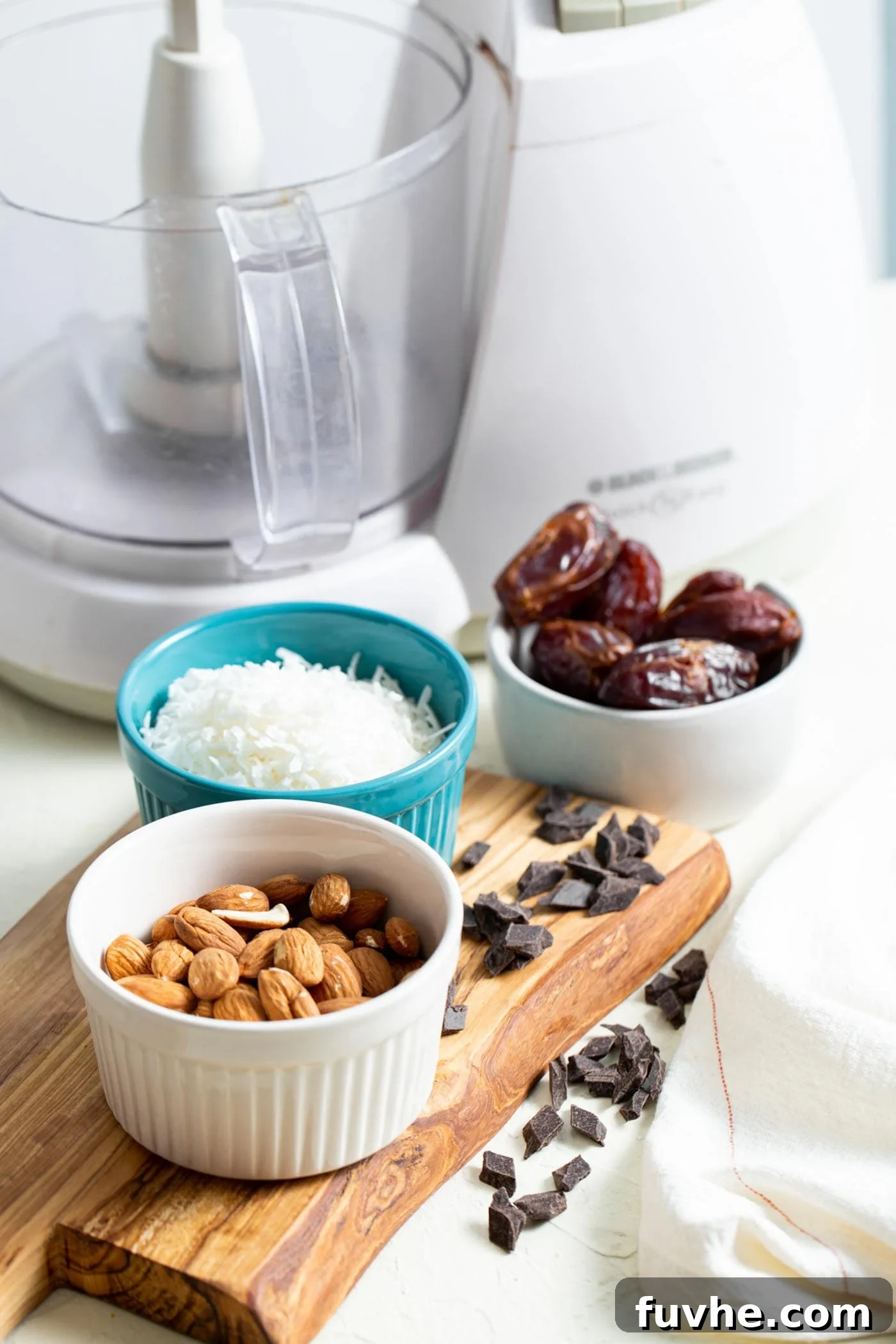
Embarking on a plant-based journey is an exciting step towards a healthier, more sustainable lifestyle. However, for newcomers, the prospect of entirely changing eating habits can seem daunting. The key to success lies in building a well-stocked vegan pantry. This comprehensive guide will equip you with the knowledge to fill your kitchen with essential plant-based staples, ensuring you’re always ready to whip up nourishing, delicious meals. With these items readily available, alongside your weekly fresh produce, you’ll find healthy plant-based eating effortlessly integrates into your daily routine. Forget uncertainty and embrace a pantry brimming with wholesome possibilities.
Optimize Your Plant-Based Pantry: The Foundation of Effortless Vegan Cooking
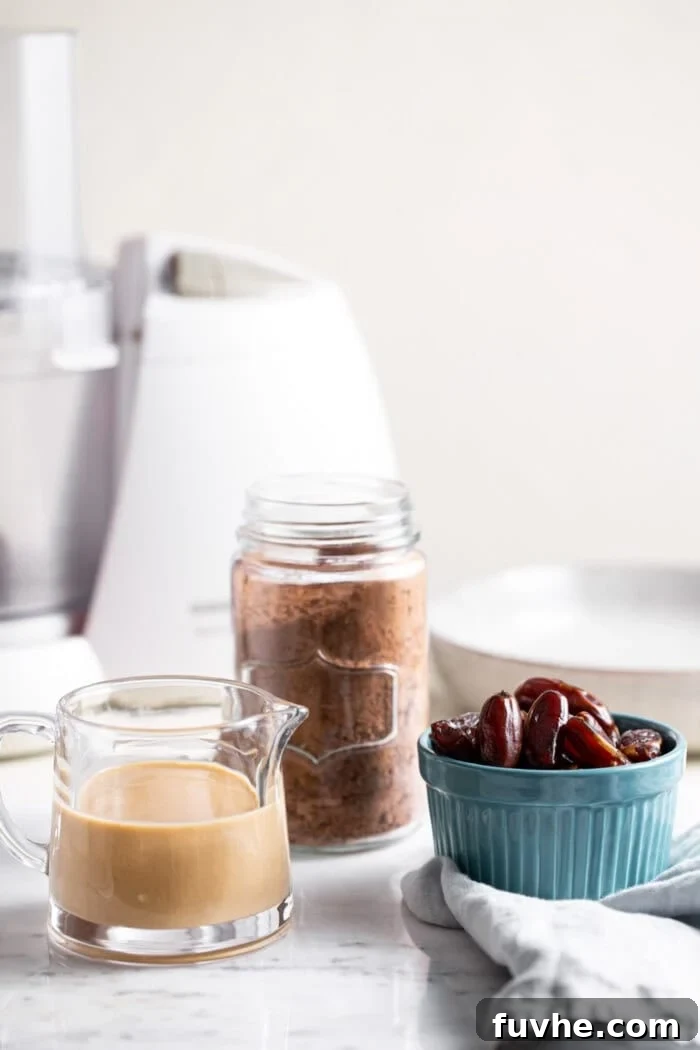
A well-organized and visually appealing pantry is more than just aesthetically pleasing; it’s a strategic tool for successful plant-based eating. From my personal experience, a tidy pantry significantly increases the likelihood of utilizing the ingredients you have on hand, minimizing food waste, and ultimately saving money. Moreover, proper storage extends the freshness of your food, ensuring you get the most out of every purchase. Investing in quality storage solutions is a small upfront cost that yields considerable long-term benefits for your kitchen efficiency and budget.
Here are my top recommendations for food storage containers that excel in both pantry organization and preserving freshness in your fridge and freezer:
- Ball Mason Jars: These iconic jars are an incredibly versatile and cost-effective solution for kitchen organization. I particularly favor wide mouth jars for their ease of access, making them perfect for storing dried goods like oats, pasta, or flour. Their classic design adds a rustic charm to your pantry shelves. For added convenience and to prevent rust, consider purchasing plastic lids; a set of 8 storage lids is an excellent value.
- Weck Jars: For those who appreciate a touch of elegance in their kitchen, Weck jars are a beautiful choice. Their sleek design makes them perfect for showcasing colorful grains, nuts, and seeds in your pantry. They also excel at storing meal prep items in the fridge, from overnight oats to vibrant smoothie bowls, and are ideal for sauces or small-batch refrigerated goods. My collection includes a range, from small and medium jars suitable for fridge organization to tall and skinny varieties perfect for pantry staples.
- Glasslock Containers : These BPA-free, recyclable glass containers are a robust choice for storing prepped food in the fridge or freezer and are perfect for meal prepping on-the-go. Their airtight, leak-proof design keeps food exceptionally fresh, and they are safely oven and microwave-friendly. A full set, available for around $35 on Amazon, represents a smart investment that pays dividends in food preservation and convenience.
- Flip-Top Hermetic Seal Jars : I am also a big fan of hermetic seal flip-top jars for their superior airtight capabilities, making them excellent for pantry items and fresh produce in the fridge. They even come in small sizes, which are ideal for storing bulk spices. The wide-mouth versions are fantastic for larger pantry staples and can even be used for fermenting projects, adding another layer of versatility to your kitchen.
How to Stock a Thriving Vegan Pantry: Your Ultimate Guide to Plant-Based Essentials
Building a vegan pantry doesn’t have to be complicated. It’s about gathering versatile, nutrient-dense ingredients that form the backbone of countless plant-based meals. Here’s a detailed look at the categories you’ll want to focus on.
Beans and Lentils: Protein Powerhouses and Fiber-Rich Staples
Beans and legumes are indispensable in a plant-based diet. They are not only incredibly inexpensive but also an outstanding source of dietary fiber, energizing protein, and complex carbohydrates, all while being naturally low in fat. Having a diverse selection on hand is crucial for preparing quick, satisfying, and nutritious meals.
I always maintain a robust stock of both canned and dried beans and lentils. Canned varieties offer unparalleled convenience; simply rinse and add them directly to salads, soups, stews, or wraps for an instant boost of flavor, texture, and nutrition. Their versatility makes them pair wonderfully with almost any dish.
For those who prefer to cook from scratch, preparing your own dried beans is surprisingly simple and often more economical. I frequently include a batch of chickpeas or lentils in my weekly meal prep, which can then be used throughout the week in various recipes.
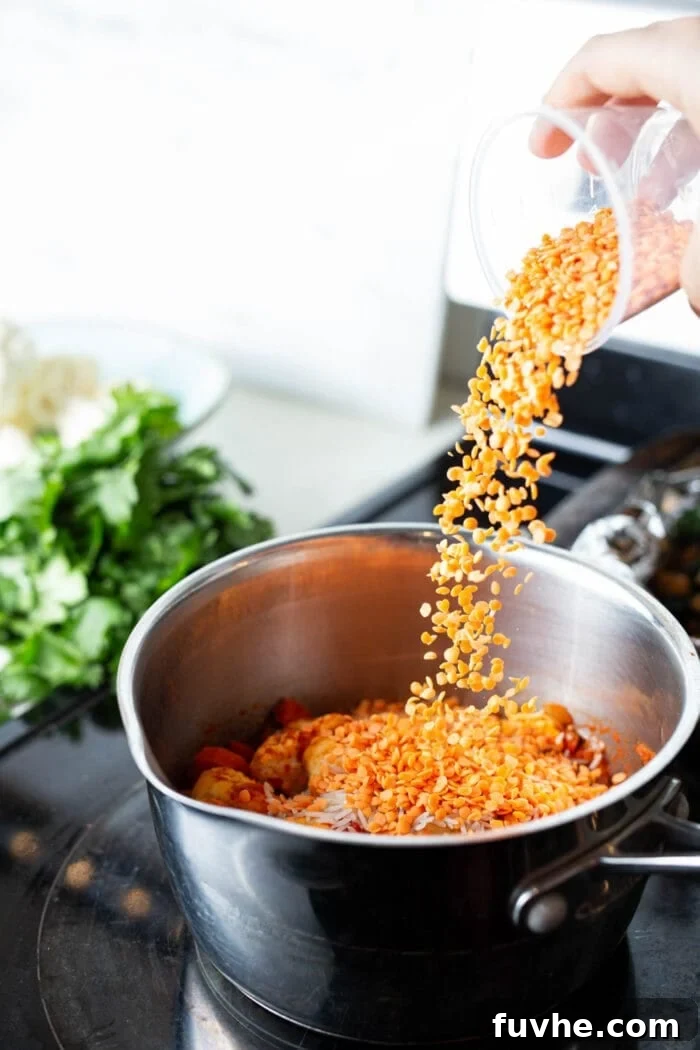
- Red Lentils: Quick-cooking and ideal for creamy soups, dahls, and thick curries.
- Green Lentils: Hold their shape well, perfect for salads, hearty stews, and as a ground meat substitute.
- Canned and/or Dried Chickpeas: Essential for hummus, roasted snacks, salads, and curries.
- Canned and/or Dried Black Beans: A staple for tacos, burritos, chili, and savory bowls.
- Canned and/or Dried Kidney Beans: Hearty and robust, excellent for chili, stews, and salads.
- Canned and/or Dried Navy Beans: Mild in flavor, great for baked beans, soups, and purees.
- Canned and/or Dried Black-Eyed Peas: Often used in Southern cuisine, wonderful in stews and as a side dish.
Whole Grain Essentials: Foundation for Energizing Vegan Meals
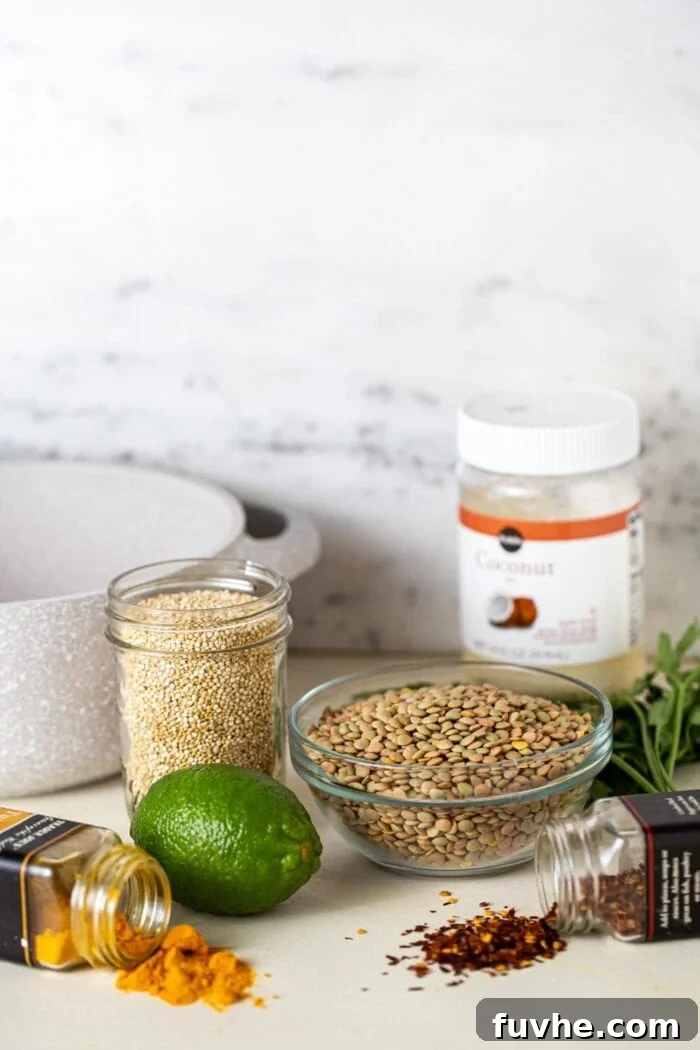
Whole grains are a cornerstone of a healthy plant-based diet, providing an excellent source of dietary fiber, complex carbohydrates, and a spectrum of essential vitamins and minerals. They are incredibly versatile, budget-friendly, and highly satisfying, making them perfect for building wholesome meals. My absolute go-to grains are quinoa and oats, but a few others are regularly rotated into my pantry.
- Quinoa: A complete protein, incredibly fast-cooking, and works beautifully in savory salads, breakfast bowls, or as a side dish.
- Brown Rice: Offers a nutty flavor and chewy texture, rich in fiber and magnesium. Excellent with curries, stir-fries, and bean dishes.
- Jasmine Rice: A fragrant and slightly sticky white rice, perfect for Asian-inspired dishes and bowls.
- Whole-Wheat and/or Brown Rice Pasta: Healthier alternatives to traditional pasta, providing more fiber and nutrients. A quick base for countless meals.
- Quick Oats: Ideal for rapid breakfast preparation, offering soluble fiber for heart health.
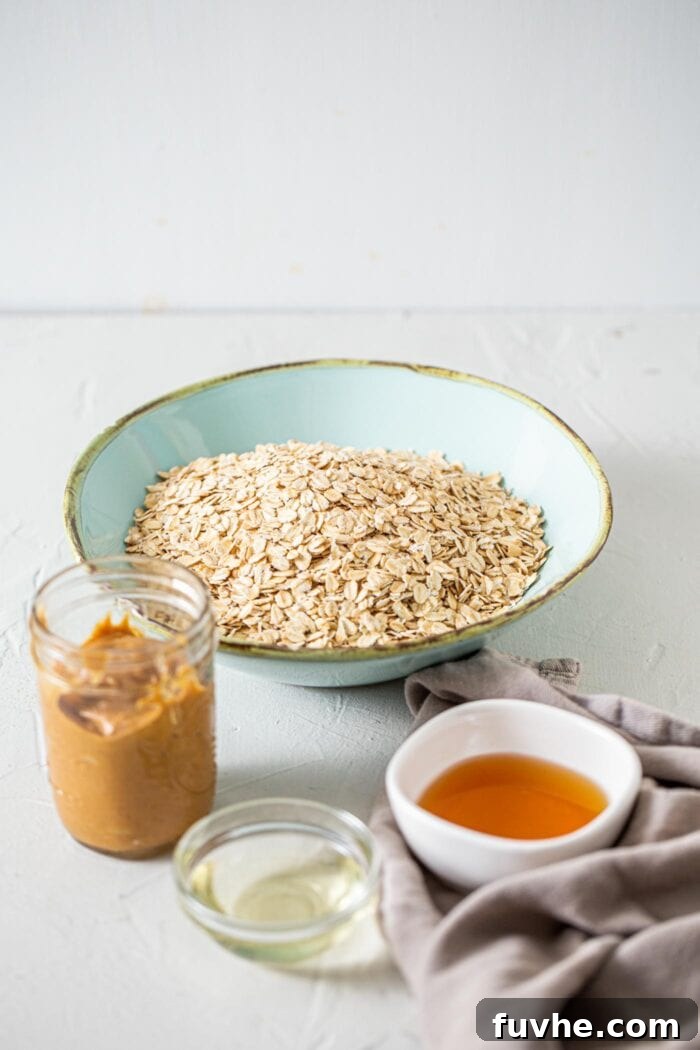
- Rolled Oats: The champion of versatility! From comforting overnight oats and warming porridges to homemade energy bars, granola bars, and other baking needs, rolled oats are a must-have. They also make fantastic pancakes and can even serve as a binder or base in savory recipes like veggie burgers.
Both brown and white rice have their place in my kitchen, depending on the meal and my energy needs. As a highly active individual, I appreciate their robust carbohydrate content for sustained energy.
Whole Grain Extras: Expanding Your Culinary Horizon
While the essentials cover your basic needs, incorporating these “extra” grains can diversify your meals and introduce new textures and flavors.
- Millet: A gluten-free grain, light and fluffy, great as a couscous alternative or in porridges.
- Couscous: Quick to prepare, perfect for salads or as a simple side dish.
- Barley: Hearty and chewy, excellent in soups and stews.
- Bulgur: A quick-cooking wheat product, central to tabbouleh and other Mediterranean dishes.
- Wild Rice: A distinct, nutty flavor and chewy texture, wonderful in pilafs and salads.
- Freekeh: A smoky, cracked wheat grain, rich in fiber and protein.
- Black Bean Pasta and/or Edamame Pasta: While not technically grains, these legume-based pastas offer a fantastic high-protein, gluten-free alternative to traditional wheat pasta.
Essential Baking Ingredients: Mastering Dairy and Egg-Free Delights
Venturing into dairy and egg-free baking is simpler than you might imagine, and with a well-stocked vegan pantry, you’ll be able to create plant-based versions of all your favorite baked goods, from sweet treats to savory breads.
- Whole-Wheat Flour: Adds a wholesome, nutty flavor and increased fiber to your baked goods.
- All-Purpose Flour: The versatile backbone for most baking recipes.
- Raw Cacao Powder and/or Cocoa Powder: Essential for all your chocolatey cravings, from brownies to cakes.
- Dairy-Free Chocolate Chips: Perfect for adding indulgence to cookies, muffins, and desserts.
- Coconut Flour: A gluten-free, high-fiber flour that absorbs a lot of liquid, great for specific recipes.
- Baking Soda: A leavening agent crucial for many quick breads and cakes.
- Baking Powder: Another key leavening agent, often used alongside baking soda.
- Pure Vanilla Extract: Enhances the flavor of almost any sweet baked good.
- Yeast: A must-have if you enjoy the satisfying process of baking homemade breads.
With these staples, you can bake a wide array of treats, from healthy donuts and crackers to delectable cookies, fluffy muffins, classic banana bread, and even the most decadent vegan desserts. To further streamline your vegan baking, explore resources on how to replace dairy in your diet and effective strategies for replacing eggs in baking.
Extra Baking Ingredients: Catering to Gluten-Free and Specialized Needs
For those navigating gluten-free baking or looking to experiment with more unique textures and nutritional profiles, a few extra flours and starches can be invaluable. These staples allow for greater flexibility and specialized dietary needs.
- Spelt Flour: An ancient grain that can sometimes be tolerated by those with mild gluten sensitivities, offering a slightly nutty flavor.
- Almond Flour: A popular gluten-free, low-carb flour, excellent for delicate cakes, cookies, and crusts.
- Peanut Flour: A high-protein, low-fat gluten-free flour, great for adding peanut flavor to baked goods.
- Arrowroot Powder: A gluten-free thickener, similar to cornstarch, used in sauces and desserts.
- Tapioca Starch: Another gluten-free thickener that also adds chewiness to baked goods.
- Garbanzo Bean Flour (Besan Chickpea Flour): A gluten-free, protein-rich flour perfect for savory pancakes, flatbreads, and to bind veggie burgers.
- Hemp and/or Brown Rice Protein Powder: Can be incorporated into baking to boost the protein content of muffins, bars, and other treats.
Essential Nuts and Seeds: Nutritional Powerhouses for Snacking and Cooking
Nuts, seeds, and dried fruits are fundamental components of a well-rounded vegan pantry. They serve as excellent healthy snacks, provide crucial nutrition, and add delightful texture and richness to a vast array of recipes. From crunchy toppings to creamy sauces, their versatility is unmatched.
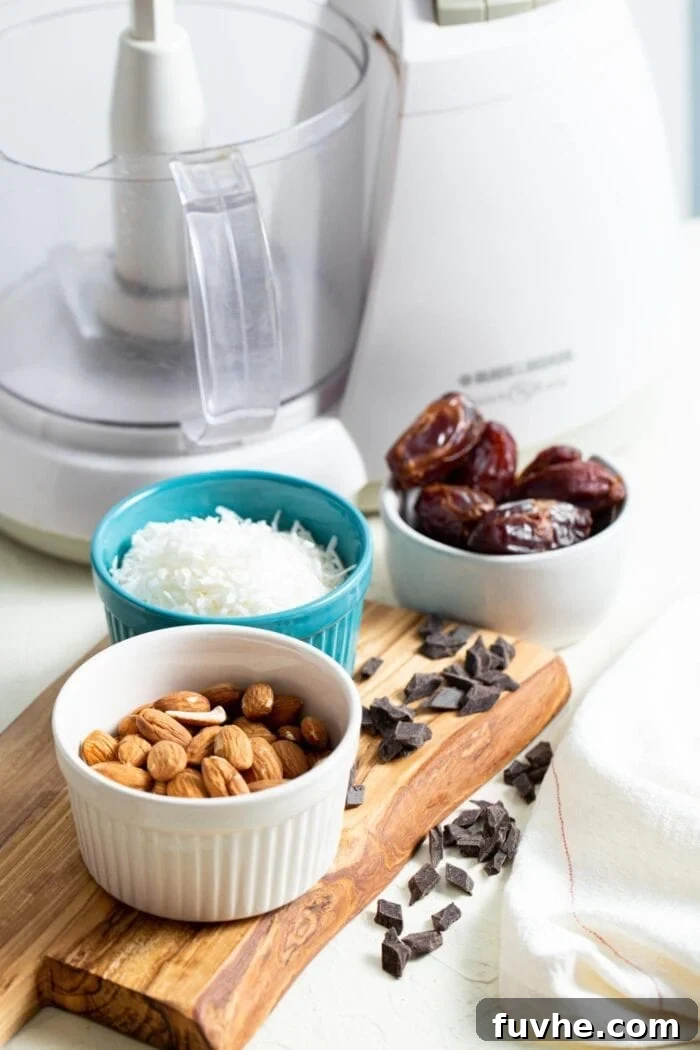
- Almonds: Perfect for snacking, making almond milk, adding to granola, or blending into smooth dressings.
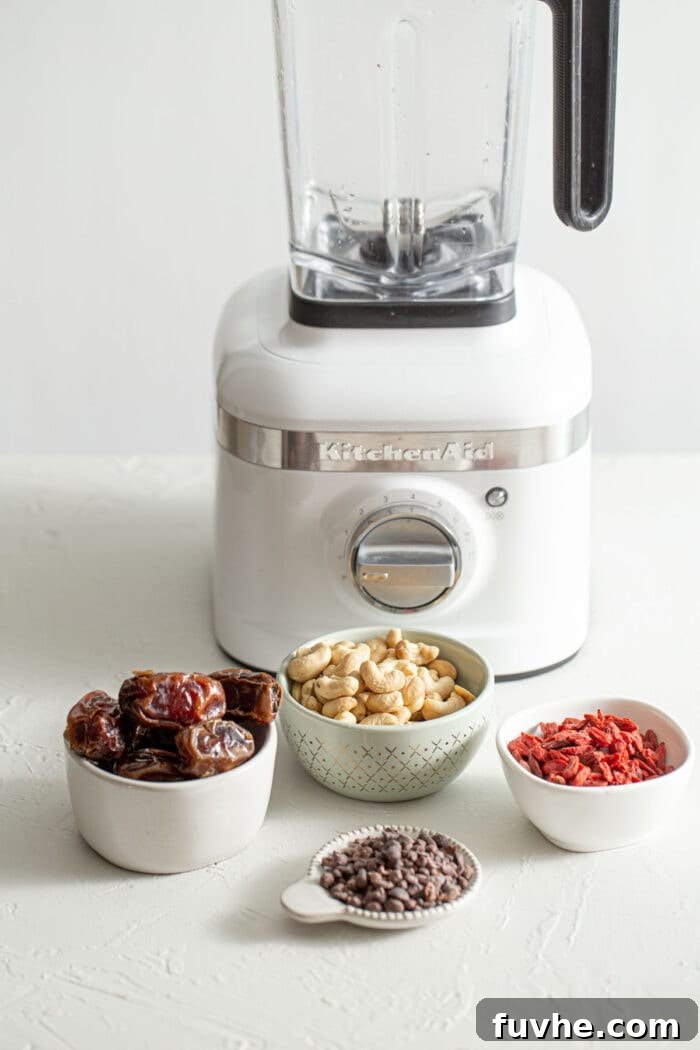
- Cashews: Incredibly versatile, great for snacking, creating creamy dairy-free sauces, vegan “cheeses,” and rich desserts.
- Ground Flaxseed (keep refrigerated): An amazing egg replacer in baking, a source of omega-3s, and a fantastic addition to oats and smoothies.
- Chia Seeds: A hydrophilic powerhouse, essential for making various chia seed puddings, thickening smoothies, and adding to baked goods for fiber and healthy fats.
- Hemp Seeds: My favorite superfood, boasting an incredible nutritional profile with complete protein and omega fatty acids, especially beneficial for athletes. Great sprinkled on salads, oats, or in smoothies.
- Pepitas (Pumpkin Seeds): Rich in antioxidants and magnesium, excellent for snacking, topping salads, or mixing into granola.
- Raisins: A natural sweetener and chewy addition to oatmeal, salads, and baked goods.
- Unsweetened Fine Coconut: Ideal for raw food recipes, baking, making granola, and enhancing smoothies.
- Coconut Flakes: Offer a coarser texture and more pronounced coconut flavor, great for topping and baking.
- Dates: The ultimate natural sweetener and binder for creating energy bars and balls. Delicious stuffed with nut butter for a simple dessert.
- Unsweetened Applesauce: A fantastic oil and sugar replacer in baking, or a wholesome snack on its own or mixed with protein powder.
- Sunflower Seeds: Another antioxidant-rich option, perfect for snacking, salads, and granolas.
- Granola and/or Cereals (store-bought or homemade): Quick breakfast or snack options. If you enjoy making your own, try my Easy Peanut Butter Granola, Sugar-Free Cinnamon Raisin Granola, or Mocha Granola.
Extra Nuts, Seeds & Dried Fruits: Expanding Flavor and Nutrition
Beyond the essentials, these additional nuts, seeds, and dried fruits can further diversify your cooking and snacking repertoire, adding unique flavors and nutritional benefits.
- Walnuts: Rich in omega-3s, great for baking, salads, or as a meat substitute in savory dishes.
- Pecans: Buttery and sweet, ideal for desserts, pies, and salad toppings.
- Hazelnuts: Distinctive flavor, pairs well with chocolate, excellent in baking or as a snack.
- Dried Cherries: Tart and sweet, a lovely addition to oatmeal, salads, or trail mix.
- Dried Cranberries: Adds a burst of tartness to baked goods, salads, and cereals.
- Goji Berries: A superfood known for its antioxidant properties, great in smoothies, oatmeal, or as a snack.
Nut and Seed Butters: Creamy, Flavorful, and Nutrient-Dense Essentials
This is undeniably my favorite category of plant-based pantry items! If space and budget allowed, I would stock every single variety of nut and seed butter imaginable. They are an absolute staple in my daily diet, offering a rich source of healthy fats, protein, and incredible flavor. My top four non-negotiables are natural peanut butter, almond butter, tahini, and sunflower seed butter.
I incorporate nut and seed butters into almost every meal: spread on toast, drizzled over pancakes or oats, blended into smoothies or used as smoothie bowl toppings, stirred into sweet potato breakfast bowls, emulsified into dressings and sauces, and, of course, enjoyed straight from the spoon for a quick, satisfying snack. They are also indispensable for making homemade energy bars and balls, and add richness to various baking recipes.
Tahini, a butter made from ground sesame seeds, is another daily essential for me. Its distinct savory, slightly bitter flavor lends itself beautifully to dressings, salads, smoothies, oatmeal, toast, and even unexpected desserts. Tahini is truly a versatile super ingredient and a must-have in my kitchen.
- Natural Peanut Butter and Powdered Peanut Butter: Classic, affordable, and incredibly versatile. Powdered versions are great for lower-fat options in smoothies and baking.
- Almond Butter: A slightly sweeter, milder alternative to peanut butter, excellent for dressings, desserts, and toasts.
- Sunflower Seed Butter: A fantastic nut-free alternative, offering a unique flavor and great nutritional profile.
- Tahini (keep refrigerated after opening): Ground sesame seeds, indispensable for creamy dressings, hummus, and savory depth.
- Coconut Butter (sometimes called coconut manna): A rich, flavorful butter made from the flesh of coconuts, not to be confused with coconut oil.
I frequently make my own coconut butter at home, as it’s both simple and cost-effective. To prepare it, simply add a package of unsweetened shredded coconut to a high-speed blender and process until it transforms into a creamy butter-like consistency. This process can take anywhere from 5 to 10 minutes, or potentially longer, depending on your blender and the specific coconut used. Patience is key; it might seem like nothing is happening, then suddenly, you’ll be rewarded with the most incredibly creamy, delicious coconut butter! I love adding a pinch of sea salt and a dash of vanilla for extra flavor. Once ready, store it in a sealed container in your pantry. Coconut butter is a fantastic source of energy and an extremely versatile ingredient, whether you buy it or make it.
Canned Goods: Convenience and Flavor for Your Vegan Pantry
Maintaining a well-stocked supply of canned goods is essential for quick, flavorful meals, especially on busy days or when fresh ingredients are scarce. These items offer incredible convenience and significantly reduce cooking time, allowing you to create delicious dishes with minimal effort.
- Tomato Paste: A concentrated burst of tomato flavor, perfect for enriching sauces, stews, and soups. A small amount goes a long way to add depth and umami.
- Diced Tomatoes: A versatile base for countless recipes, including pasta sauces, chili, stews, and a myriad of other savory dishes, adding both flavor and liquid.
- Coconut Milk: Rich and creamy, full-fat coconut milk is excellent for decadent desserts like vegan cheesecakes, ice creams, and mousses, or for making your own coconut cream.
- Light Coconut Milk: A lighter alternative, ideal for curries, soups, cooking grains, or adding to smoothies where you want creaminess without excessive fat.
- Pumpkin Puree: Incredibly versatile and nutritious. I use canned pumpkin frequently in smoothies, oatmeal, puddings, desserts, baking, and both sweet and savory soups and curries.
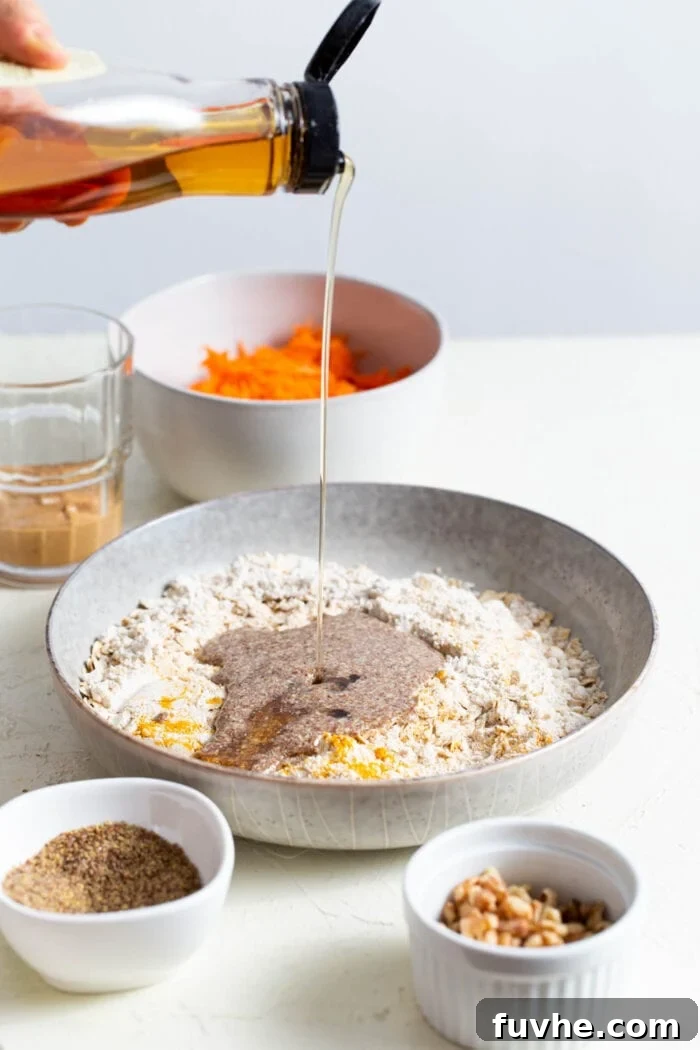
Sweeteners: Naturally Enhancing Flavor in Your Vegan Kitchen
Transitioning from refined sugars to natural sweeteners is one of the most impactful choices you can make for your overall health. While all sweeteners provide sugar, many natural options, such as molasses, offer additional health benefits alongside their delicious taste. They also typically have a lower glycemic index compared to refined sugar, resulting in a more gradual impact on blood sugar levels. For a deeper dive into the best choices, explore my guide on natural sugar substitutes here.
- Raw Coconut Sugar: A minimally processed sugar with a caramel-like flavor, ideal for baking.
- Pure Maple Syrup: A liquid gold for sweetening raw food recipes, a delightful topping for pancakes and waffles, and excellent in dressings.
- Molasses: One of my favorite pantry items, offering a distinct robust flavor and a range of minerals. Perfect for creating gingerbread-inspired recipes, enhancing granola, or adding depth to baked goods.
- Organic Liquid Stevia and/or Powdered Stevia: For those seeking sugar-free options without added calories. Liquid stevia is convenient for daily use, while powdered stevia is better for precise measurements in baking.
Sweetener Extras: Alternative Options for Diverse Palates
While not everyday staples for me, these alternative sweeteners provide excellent options if you prefer different flavor profiles or have specific dietary needs.
- Agave Nectar: A thinner, neutral-flavored syrup, often used as an alternative to maple syrup.
- Brown Rice Syrup: A thick, mild-flavored sweetener, good for binding and adding a subtle sweetness.
- Monk Fruit Sweetener: Another popular calorie-free, sugar-free alternative to stevia.

Oils, Vinegars, and Sauces: Flavor Foundations for Vegan Cuisine
A diverse selection of oils, vinegars, and savory sauces is paramount for crafting healthy dressings, marinades, and imparting rich flavors to your recipes without relying heavily on added salt. These liquid assets are fundamental to developing complex and balanced tastes in plant-based cooking.
While I practice mindful oil consumption, I always keep extra-virgin olive oil and coconut oil on hand for specific purposes. Olive oil is my choice for creating delectable dips, vibrant salad dressings, and a light sauté. Coconut oil, with its unique properties, is essential for raw desserts and certain baking or high-heat cooking applications. Sesame oil makes an occasional appearance when I’m crafting Asian-inspired dishes, lending its distinctive nutty aroma.
Vinegars are another indispensable component. Apple cider vinegar is a constant in my pantry, used for dressings, salads, and even a splash in water for its purported health benefits. Rice vinegar is frequently employed in my Asian-inspired sauces, offering a mild, tangy base. Red wine, balsamic, and white wine vinegars are regularly used across a wide range of recipes, from salad dressings to reductions and marinades, each contributing its unique acidic profile.
When it comes to tamari or soy sauce, tamari is an excellent gluten-free option for those with sensitivities. Personally, I usually opt for low-sodium soy sauce. I use it frequently in dressings, sauces, flavorful curries, comforting soups, and as a versatile condiment for rice and stir-fries, adding a crucial umami depth.
- Extra-Virgin Olive Oil: Best for dressings, finishing dishes, and low-heat cooking.
- Coconut Oil: Ideal for baking, raw desserts, and high-heat sautéing.
- Rice Vinegar: Mild and slightly sweet, perfect for Asian dishes.
- Red Wine Vinegar: Robust and fruity, great for Mediterranean and Italian flavors.
- Apple Cider Vinegar: Tangy, healthful, versatile for dressings and marinades.
- Balsamic Vinegar: Sweet and complex, excellent for reductions, dressings, and drizzling.
- Tamari and/or Soy Sauce: Essential for umami, gluten-free option available.
- Sesame Oil: Strong nutty flavor, best for finishing Asian-inspired dishes.
Sauce, Oil & Vinegar Extras: Expanding Your Flavor Palette
These additional items can elevate your cooking, offering specialized flavors for particular cuisines or cooking styles.
- Hoisin Sauce: Sweet and savory, a staple for Chinese and Vietnamese cuisine.
- Peanut Oil: High smoke point and distinct flavor, great for stir-fries.
- Avocado Oil: A neutral-tasting oil with a very high smoke point, ideal for high-heat cooking.
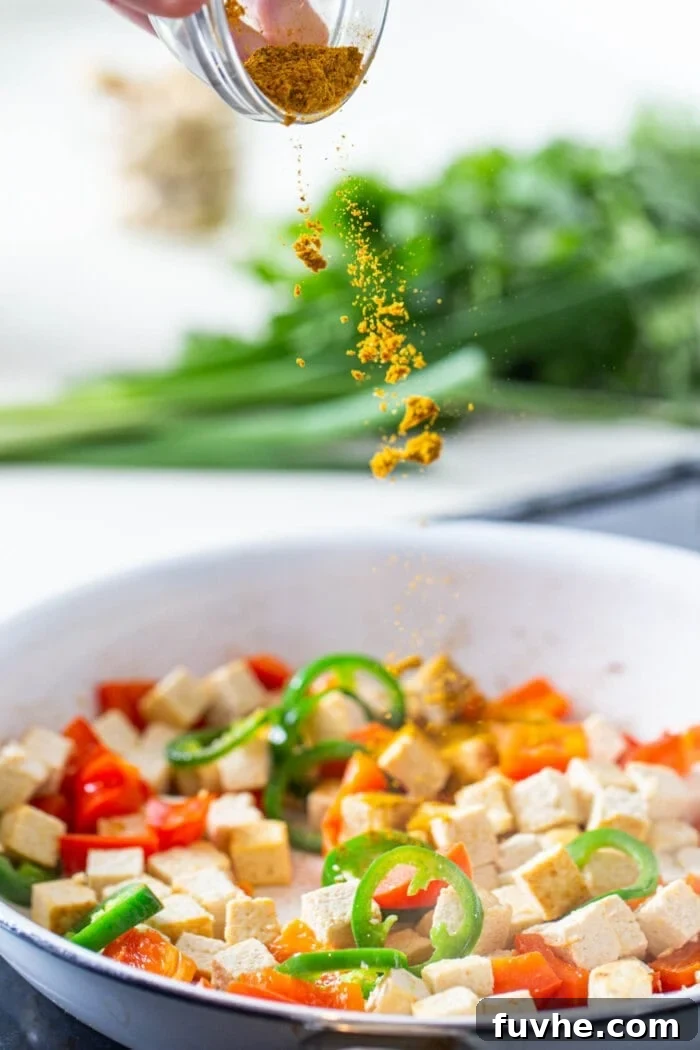
Spices and Herbs: The Heart of Flavorful Vegan Cooking
Spices and herbs are truly the secret weapons of any great kitchen, especially in plant-based cooking. They are not only fantastic for infusing dishes with incredible flavor without relying on excessive salt, but many also boast impressive health benefits. These are the spices I consider indispensable and use on a regular basis, transforming healthy eating from bland to absolutely brilliant.
If I had to narrow it down to the absolute core, my essential staples would be turmeric, curry powder, cumin, cinnamon, garlic powder, unrefined sea salt, and black pepper. Building a foundational collection like this allows you to create a vast array of global flavors.
- Fresh Garlic: A foundational aromatic for almost any savory dish.
- Fresh Ginger: Adds a pungent, warming kick, especially to Asian and Indian cuisine.
- Cinnamon: Sweet and versatile, for both baking and savory dishes (e.g., curries).
- Ground Coriander: Earthy and citrusy, a key component in many spice blends.
- Ground Ginger: Concentrated ginger flavor, perfect for baking and spice rubs.
- Cumin: Warm, earthy, and aromatic, essential for Mexican, Indian, and Middle Eastern dishes.
- Chili Powder: A blend of spices for a mild to medium heat and robust flavor in chili and stews.
- Cayenne Pepper: For a fiery kick, use sparingly.
- Red Pepper Flakes: Adds a moderate heat and visual appeal to pizzas, pastas, and stir-fries.
- Turmeric: Known for its vibrant color and anti-inflammatory properties, a staple in curries.
- Onion Powder: Concentrated onion flavor, great for rubs and when fresh onion isn’t desired.
- Rosemary: Fragrant and woody, pairs beautifully with roasted vegetables and breads.
- Unrefined Sea Salt: Essential for seasoning and bringing out flavors.
- Black Pepper: A universal seasoning, adds a pungent heat.
- Bay Leaves: Adds subtle, aromatic depth to soups and stews.
- Garam Masala: An aromatic Indian spice blend, often added at the end of cooking.
- Smoked Paprika: Adds a beautiful smoky flavor and rich color to dishes.
- Garlic Powder: Convenient garlic flavor for rubs, sauces, and seasoning.
- Basil: Sweet and peppery, a staple in Italian cooking.
- Dill: Fresh and herbaceous, great with potatoes, “fishy” flavors, and dressings.
- Oregano: Pungent and earthy, another cornerstone of Mediterranean cuisine.
Other Plant-Based Pantry & Fridge Staples: Rounding Out Your Vegan Kitchen
Beyond the core categories, these versatile items, some stored in your pantry and others in your fridge, are invaluable for comprehensive plant-based cooking, offering flavor, nutrition, and convenience.
- Nutritional Yeast: An absolute must-have! With its cheesy, umami flavor, it’s perfect for pasta sauces, popcorn seasoning, creamy dressings, and even surprisingly good in some desserts and smoothies.
- Dark Chocolate: For the chocolate lovers, keeping organic extra dark chocolate on hand is essential for snacking, baking, and incorporating into various recipes.
- A Variety of Onions: Immune-boosting and antioxidant-rich, onions (yellow, red, white) are indispensable aromatics for everything from soups and salads to dressings and stir-fries.
- Potatoes: Russet potatoes are excellent for fries, mashed potatoes, and hearty baked potatoes, while baby potatoes are wonderful simply roasted or steamed. A versatile and affordable carb source.
- Sweet Potatoes: A vibrant must-have for a healthy source of complex carbohydrates and abundant nutrition. Use them for fries, creamy sauces, nourishing breakfast bowls, protein cookie dough, soups, and much more.
- Lemons: Essential for brightening flavors in virtually any dish, adding zest, and making a healthy, alkalizing, and hydrating drink when squeezed into water.
- Limes: Just like lemons, limes add a distinctive bright, tangy flavor profile, particularly wonderful in Mexican, Thai, and Indian cuisine.
- White Miso Paste (keep refrigerated): A powerful secret ingredient for adding incredible savory, salty, and umami depth to soups, dressings, sauces, and curries.
- Vegetable Broth: I always keep bouillon cubes or concentrate on hand for quickly making flavorful vegetable broth. It’s perfect for soups, cooking grains and vegetables, and enhancing the flavor of countless recipes.
- Unsweetened Almond Milk: While easy to make at home, store-bought is often chosen for convenience. Having a variety of plant-based milks (almond, oat, hemp, cashew) is key for use in cereals, smoothies, coffee, and any recipe calling for cow’s milk.
- Dijon Mustard (keep refrigerated): A sharp, tangy must-have for creating calorie-free dressings, flavorful sauces, and, of course, a classic condiment for veggie burgers and hot dogs.
- Organic Soft Tofu (keep refrigerated): Incredibly versatile for replacing oil in many recipes, creating light and creamy desserts, dressings, and sauces without the added fat.
- Organic Extra-Firm Tofu (keep refrigerated): An excellent plant-based protein source. Use it to make tofu scrambles, crispy baked tofu, savory veggie taco “meat,” or even convincing tofu bacon.
- Vegan Protein Powder: Depending on your activity level and nutritional goals, protein powder can be a valuable addition. I often use 1-2 servings daily to meet my protein needs without excess fat or carbs. It’s excellent for baking, raw food recipes, and creating delicious, high-protein smoothies.
- Powdered Peanut Butter: A lower-fat alternative to traditional peanut butter, ideal for smoothies, sauces, and baking.
- Vital Wheat Gluten: For those who enjoy making their own meat alternatives, vital wheat gluten is the primary ingredient for creating homemade seitan, a protein-rich meat substitute.
For an even more concise overview, you can also review my top 25 vegan essentials here.
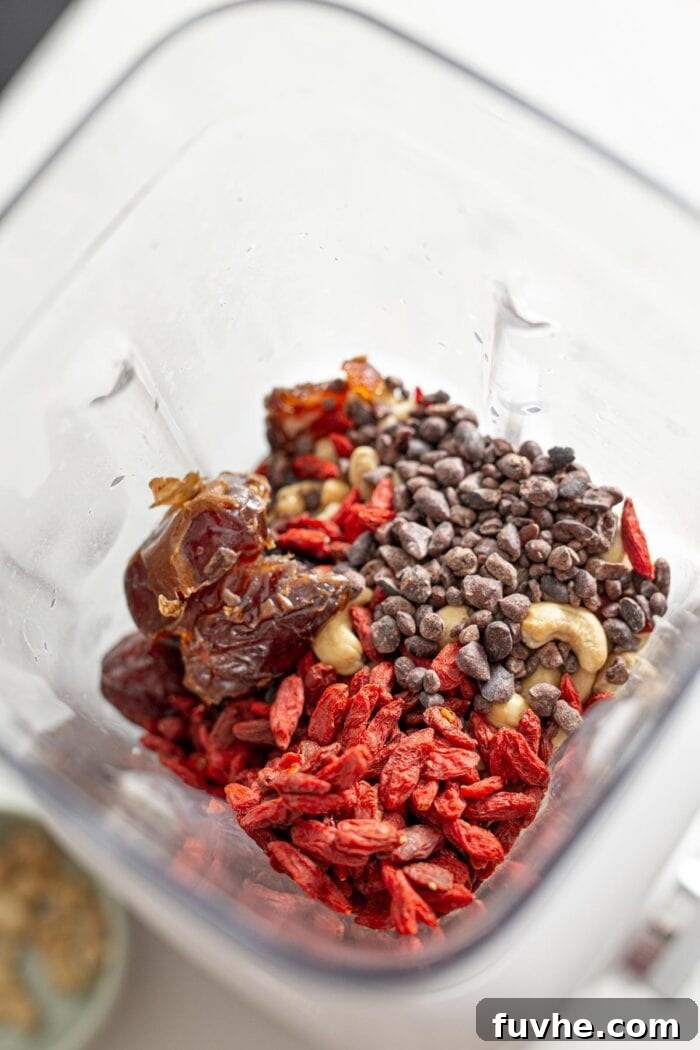
Plant-Based Superfoods: Boosting Your Nutritional Intake
These superfoods are items I frequently incorporate into my diet for an added nutritional boost. While entirely optional, they offer concentrated benefits and can significantly enhance your health. I often stock up when I find them on sale to ensure I always have them on hand.
- Goji Berries: Rich in antioxidants and vitamins, great for snacks, smoothies, or oatmeal.
- Spirulina: A powerful blue-green algae, packed with protein and nutrients, often added to smoothies for a health kick.
- Cacao Nibs: The raw form of chocolate, offering a rich, bitter crunch and antioxidants, great in granola or sprinkled over desserts.
- Raw Cacao Powder: Unprocessed cocoa powder, retains more nutrients, perfect for rich chocolatey smoothies and baking.
- Maca Powder: An adaptogenic root powder, known for energy and hormonal balance, often added to smoothies.
- Matcha Powder: A vibrant green tea powder, rich in antioxidants and offers a sustained energy boost, ideal for lattes and baking.
Cultivate Your Vegan Pantry Gradually: A Sustainable Approach
I sincerely hope this comprehensive list serves as an invaluable roadmap as you begin to stock your plant-based kitchen. Now that you’re armed with knowledge about these essential staples, you’re well-prepared to dive into exciting meal planning and food prep! Remember, embracing a plant-based lifestyle doesn’t require an overnight transformation. If you’re new to this way of eating, take a phased approach. Start with a few categories, gradually adding more items as you become comfortable. There is immense power in small, consistent changes, and each step you take brings you closer to a healthy, vibrant, and delicious plant-based life.
Helpful Articles for Your Plant-Based Journey
To further support your transition and culinary exploration, consider these additional resources:
- How to Transition to a Plant-Based Diet
- Vegan Grocery List: Your Shopping Companion
- 3-Day Whole Food Plant-Based Meal Plan
- 7-Day Vegan Meal Plan: Easy & Delicious
- Vegan Macro Guide: Understanding Your Nutritional Needs