
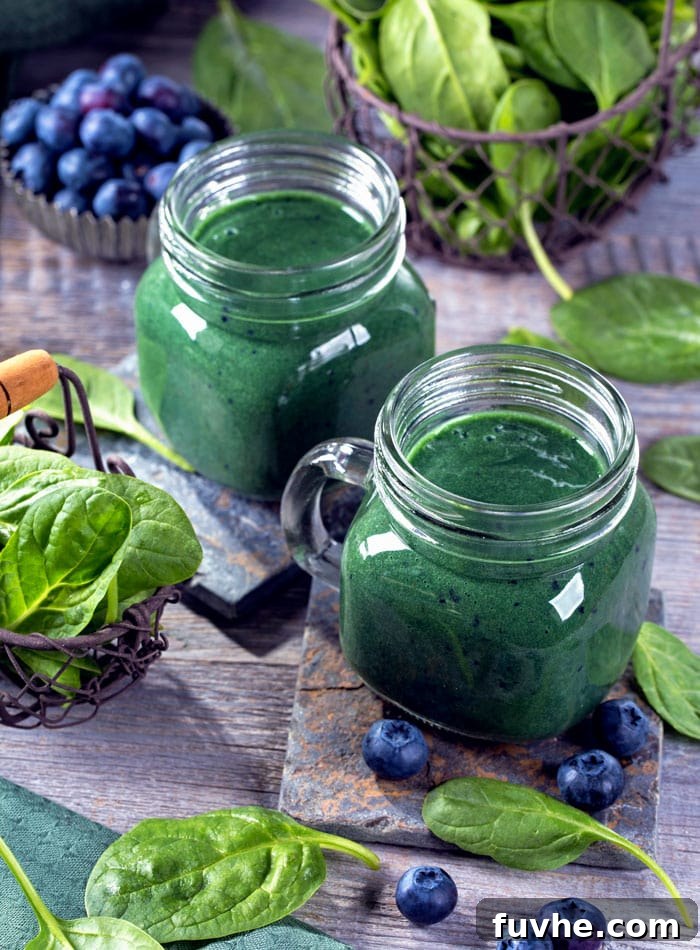
Welcome to a journey towards optimal health, reduced inflammation, and a more serene, productive life. In this comprehensive guide, we’ll dive deep into crafting delicious, anti-inflammatory breakfast recipes that nourish your body from within. Beyond just food, we’ll explore how to cultivate powerful morning routines designed to de-stress your mind, enhance focus, and set a positive tone for your entire day. Discover the synergistic power of mindful living and wholesome eating to unlock your fullest potential.
Mastering Your Week: Effective Planning and Prep Strategies for an Anti-Inflammatory Lifestyle
Maintaining a consistently healthy diet, especially one focused on reducing inflammation, hinges significantly on effective preparation. For many, this translates into a dedicated weekly ritual of meal planning, grocery shopping, and food preparation. Having nutrient-dense snacks readily available is crucial, as is preparing healthy options for lunches and dinners. Furthermore, depending on the precious time you have each morning, it can be immensely beneficial to prep your breakfasts in advance, ensuring a stress-free start to your day.
While I personally find Sundays ideal for my planning and prepping activities, the key is to find a schedule that seamlessly integrates with your life. Some individuals prefer breaking it down into two or three smaller prep sessions throughout the week. Regardless of your chosen method, I wholeheartedly recommend making at least some form of food preparation an integral part of your weekly routine. This small investment of time yields substantial returns in terms of health and convenience.
Shift your perspective from viewing food prep as a mere chore to seeing it as a valuable investment in your own well-being. Put on some uplifting music or an engaging podcast, or perhaps transform it into a social activity by sharing the task with a partner or a friend. The sense of accomplishment that washes over me after I’ve completed my food prep, knowing I’m set for a week of healthy eating, is truly invaluable and motivates me to stay on track.
Building Your Anti-Inflammatory Pantry: Essential Cooking Staples
You don’t need to rush out and acquire every item on this list overnight. Instead, gradually incorporate these anti-inflammatory staples into your kitchen as you delve deeper into healthy cooking and baking. Having these foundational ingredients on hand will significantly simplify the process of creating wholesome, inflammation-fighting meals. For an even broader selection, consider exploring resources on stocking a plant-based pantry.
- Extra-Virgin, Cold-Pressed Olive Oil: Opt for oils explicitly labeled “cold-pressed” or “expeller-pressed” to guarantee they haven’t been subjected to high-heat processing that can degrade the oil’s beneficial properties. Avocado oil is another excellent alternative for its high smoke point and healthy fats.
- Organic Coconut Oil: Ideal for cooking and baking, particularly at higher temperatures where olive oil might not be suitable. Understanding the proper use of oils at different heat levels is crucial for maximizing their health benefits and avoiding the creation of harmful compounds.
- Onions and Garlic: More than just flavor enhancers, these culinary powerhouses are packed with potent antioxidants and compounds that actively contribute to reducing inflammation and boosting overall health.
- Natural Sweeteners (in moderation): For those occasional moments when a touch of sweetness is desired, choose natural alternatives like agave syrup, brown rice syrup, pure maple syrup, or dates. These options offer more nutrients than refined sugars.
- Gluten-Free Flours: If you enjoy baking, experiment with nutrient-rich gluten-free flours such as almond flour, coconut flour, brown rice flour, and buckwheat flour to create healthier baked goods.
- Lemons and Limes: These vibrant citrus fruits are fantastic for infusing your drinking water with detoxifying properties and for adding a refreshing zest to a wide array of recipes, enhancing flavor without extra salt.
- Various Vinegars: Essential for crafting flavorful salad dressings and seasoning dishes. Keep a selection like apple cider vinegar, balsamic vinegar, and white wine vinegar on hand for their distinct profiles and health benefits.
- Dried Herbs and Spices: A well-stocked spice rack is your secret weapon for adding depth and flavor to meals without relying on excessive salt. Spices like turmeric and curry are renowned for their powerful anti-inflammatory compounds, while cinnamon and cumin offer their own unique health advantages.
- Unrefined Sea Salt: Unlike highly processed table salt, unrefined sea salt (such as grey or pink Himalayan) retains vital trace minerals, providing a healthier way to season your food.
- Assorted Nuts: An excellent source of healthy fats, protein, and fiber. Keep a variety like walnuts, almonds, cashews, and pecans for snacking or incorporating into recipes.
- Diverse Seeds: Tiny but mighty, seeds like chia, hemp, flax, sunflower, and pepitas are nutritional powerhouses, perfect for adding to smoothies, salads, or simply enjoying as a snack.
- Abundant Fresh Fruits and Vegetables: Prioritize a colorful assortment of fresh produce, varying your choices weekly to ensure a broad spectrum of nutrients. Frozen options are equally nutritious and convenient.
- Gluten-Free Grains: Incorporate whole, gluten-free grains such as brown rice, amaranth, quinoa, gluten-free oats, millet, and teff for sustained energy and fiber.
- Nut Butters: Cashew butter and almond butter are versatile and delicious. You can also try your hand at making your own for maximum freshness and control over ingredients.
- Canned and Dried Beans and Legumes: Garbanzo beans (chickpeas), red lentils, black beans, kidney beans, fava beans, and cannellini beans are fantastic sources of plant-based protein and fiber, forming a cornerstone of many anti-inflammatory diets.

Boosting Wellness: Advanced Anti-Inflammatory Staples
These additional inflammation-fighting staples are not strictly necessary to start an anti-inflammatory diet, but they offer a remarkable array of health benefits and potent anti-inflammatory properties that can significantly enhance your wellness journey. Consider adding them as you deepen your commitment to this lifestyle.
- Sauerkraut, Kimchi, and/or Kombucha: Whether homemade or store-bought, these fermented foods are rich in probiotics, which are vital for supporting a healthy gut microbiome – a key player in immune function and inflammation regulation.
- Fresh Ginger: A versatile root that adds a spicy kick to recipes and teas. Incorporate fresh ginger into smoothies, curries, soups, and dressings, or simply brew a comforting ginger tea for its digestive and anti-inflammatory effects.
- Green Tea, White Tea, Rooibos Tea: These teas are celebrated for their high antioxidant content and abundant phytonutrients, which help combat oxidative stress and inflammation throughout the body.
- Holy Basil (Tulsi) Tea: Known as an adaptogen, Holy Basil tea is exceptional for stress reduction, blood pressure and sugar regulation, improved digestion, and detoxification. It’s particularly soothing in the evenings, especially when combined with fresh ginger or chamomile.
- Filtered Water: The quality of your water impacts your health. Using filtered water for both drinking and cooking minimizes exposure to toxins, and even a filtered shower head can prevent absorption through the skin.
- Spirulina and Chlorella: These two powerful superfoods are fantastic additions to smoothies. They provide a wealth of protein, antioxidants, essential fatty acids, and support detoxification processes, contributing significantly to an anti-inflammatory diet.
Cultivating a Powerful Start: Morning Routines for Optimal Health and Success
The way we begin our mornings profoundly impacts our overall health, productivity, and success in life. The initial hours of your day are not just arbitrary moments; they are a blank canvas upon which you can begin to paint the life of your dreams. As the saying goes, “Win the morning, win the day.” Consistent, effective morning routines are the scaffolding that supports the construction of that desired life. There is immense power concentrated within the first hour of your day. Harness this time strategically to build momentum that seamlessly carries over into the rest of your day, setting you up for unparalleled success and well-being.
Unlocking Your Potential: Key Benefits of a Structured Morning Routine
- Boosts Energy Levels: A deliberate morning routine can significantly increase your physical and mental energy, helping you feel revitalized and ready to tackle the day.
- Enhances Focus and Productivity: By dedicating time to intentional activities, you train your brain to concentrate, leading to improved focus and greater productivity throughout your workday.
- Builds Self-Esteem and Confidence: Consistently achieving small goals in the morning reinforces a sense of accomplishment, boosting your self-worth and belief in your abilities.
- Improves Overall Health and Well-being: Incorporating elements like hydration, movement, and mindfulness into your mornings directly contributes to better physical and mental health, reducing stress and fostering a sense of calm.
I’ve previously emphasized the critical role of an evening routine in achieving restorative sleep. This connection is vital: a successful morning truly begins the night before. Prioritizing healthy evening habits ensures you wake up refreshed and prepared to embrace a healing morning. We’ve also discussed how sufficient sleep directly impacts inflammation levels, so remember this foundational principle as we delve into creating a truly healthy and anti-inflammatory morning routine.
In his transformative book, “The Miracle Morning,” Hal Elrod outlines six core practices for a successful morning routine, often referred to as the “SAVERS”:
- Silence: Engaging in meditation or quiet contemplation.
- Affirmations: Repeating positive self-statements to shape your mindset.
- Visualization: Mentally rehearsing your desired outcomes and experiences.
- Exercise: Moving your body to awaken and energize.
- Reading: Absorbing knowledge and inspiration.
- Scribing (Writing/Journaling): Documenting thoughts, goals, and gratitude.
I integrate all these principles into my daily life, adapted to my personal style, and the profound positive effects on my life are undeniable. Each morning, I gain clarity on my goals, reflect on what I’m grateful for, engage my body, nourish myself, practice affirmations, and dedicate time to reading and writing. This self-development journey extends as I walk my dogs, during which I often listen to an enriching podcast before returning home to a wholesome, nourishing breakfast.
To accomplish this, I rise at 4:45 AM. While this specific time might not be feasible or desirable for everyone, that’s perfectly acceptable. Even if you only have 30 minutes to dedicate to yourself in the morning, that is ample time to cultivate a healing, inspiring, and effective morning routine. Such a routine will generate positive momentum, paving the way for a healthy, productive, and focused day.

The Critical Connection: Morning Routines and Inflammation Management
In the initial part of this series, we delved into the detrimental effects that chronic high-stress levels can inflict upon both our physical and mental health. This directly ties into your morning routine.
Consider how you feel when you wake up late, frantically rushing out the door. The experience is rarely pleasant, often marked by a cascade of negative physiological responses. Your cortisol levels, the body’s primary stress hormone, become elevated. Your overall stress is maximized. You might skip a crucial healthy breakfast, further depriving your body of essential nutrients and stability. By failing to intentionally position yourself at an advantage, you inadvertently rob yourself of the opportunity to reach your full potential for the day. Furthermore, the psychological disadvantage of consistently running late creates a pervasive sense of unease and inefficiency. It simply doesn’t feel good, and this stress contributes to systemic inflammation.
What if there was a powerful alternative to starting your day with this rush and stress, which demonstrably increases cortisol and adrenaline levels, thus exacerbating inflammation?
Imagine if you chose to wake up just an hour earlier than necessary and dedicated that precious time entirely to self-improvement and personal growth. A quiet, intentional, and relaxing morning routine—one that thoughtfully incorporates practices like meditation for mental calm, gentle movement for physical activation, affirmations for positive self-talk, engaging in learning for intellectual stimulation, and purposeful goal-setting for direction—can create a profoundly positive compounding effect. This ripple effect will touch every aspect of your health, significantly contributing to the reduction and prevention of chronic inflammation by mitigating stress and fostering internal balance.
Embrace the Day: Why You Should Say No to Snooze
The moment you press that snooze button, you’re initiating your day with an act of procrastination. You’re subtly sending a message to yourself, and metaphorically to the universe, that staying comfortably in bed for a few more minutes is more important than rising to pursue your aspirations and tackle the day’s opportunities. Make a conscious commitment to yourself: get up the very instant your alarm signals the start of a new day.
If you’re not currently leaping out of bed with a feeling of joy and excitement, take it as a powerful indicator. It’s an invitation to evaluate and implement the necessary changes in your life until that feeling becomes your reality. As soon as consciousness dawns, take a moment to acknowledge: “Hey, I’m alive, and I am incredibly grateful for another precious day on this planet!” The fundamental fact that you are alive, possess health, and have the boundless opportunity to experience another day is, quite frankly, nothing short of amazing and a profound reason for gratitude. This shift in mindset can powerfully influence your stress response and overall well-being, directly impacting your body’s inflammatory state.
Reclaim Your Morning: The Power of Avoiding Social Media and Email First Thing
This particular habit is one I have meticulously cultivated over the past year, and now, its practice is non-negotiable for me. I distinctly recall a time when my immediate impulse upon waking was to reach for my phone and diligently check all my social media accounts and emails, primarily for my blog. This reactive behavior inadvertently trains us to respond to external stimuli rather than proactively dictating our own agenda. Chasing that fleeting dopamine hit from a little red notification is simply not the way I choose to commence my day anymore. It instills a pattern of reactivity, preventing us from stepping into a proactive mindset.
Do not surrender your precious morning hours to the agendas of other people. In today’s hyper-connected world, countless notifications, messages, and demands constantly vie for your attention. By consciously refraining from checking your phone first thing, you regain control and empower yourself to decide where your attention is truly directed. Prioritize your personal goals, your well-being, and your immediate needs above all else.
How do you truly serve at a higher level, whether it be in your professional life, your relationships, or your community? You start by taking exceptional care of yourself first. This self-care allows you to show up as the most energized, focused, and resilient version of yourself for others. Dedicate your morning hours to cultivating a profound sense of peace and inner connectivity. This intentional focus will significantly enhance your ability to concentrate on what you genuinely want to achieve throughout the day, without the constant distractions and mental clutter that digital communication often brings. I utilize my phone for beneficial activities like reading and guided meditation, but I steadfastly avoid any social media or email accounts until my complete morning routine is successfully finished.
Designing Your Empowering Morning Routine: A Guide to Daily Success
While I plan to delve into the intricacies of morning routines in greater detail in a future blog post, for now, I urge you to begin experimenting with these proven techniques. Integrate them to forge your unique, healthy morning routine as a vital component of an overarching anti-inflammatory lifestyle. Remember, consistency trumps intensity.
Your morning routine doesn’t need to be lengthy; it could realistically consist of just 10 minutes, 30 minutes, or an hour, or even more, if your schedule allows. The crucial step is to discover what feels realistic and genuinely works for you. If your time is severely limited, I highly recommend focusing on a concise yet impactful sequence: prioritize hydration, engage in 5 minutes of invigorating exercise, mentally list three things you are deeply grateful for, read a couple of pages from an inspiring book, and quickly review your most significant daily goals. The primary objective of these morning practices is to align your mind and heart in the optimal state for a day that is positive, profoundly productive, and sharply focused. This intentional start will ripple through your entire day, contributing to reduced stress and overall well-being, which directly combats inflammation.

1. Embrace Hydration: Your Body’s First Morning Priority
For me, embracing hydration is the absolute first action I take every single morning without fail. Water truly acts as a catalyst, awakening your body and bringing you to life after hours of deep sleep. After a typical 6-9 hour sleep cycle, your body is naturally dehydrated, making it critically important to replenish fluids immediately upon waking. My personal practice involves drinking a large glass of warm water, often infused with a squeeze of fresh lemon or a splash of apple cider vinegar, as soon as my feet hit the floor. Opting for warm or room temperature water is significantly gentler on your digestive system and overall body compared to ice-cold water, especially first thing in the morning.
Throughout the night, as your body undergoes essential repair and regeneration, metabolic waste products inevitably accumulate. Drinking water promptly helps to kick-start the process of flushing out these toxins. Adequate hydration also facilitates improved circulation, optimizes nutrient transport, and gently awakens your entire digestive system, preparing it for the day’s nourishment. We have previously discussed the fundamental role proper hydration plays in mitigating and preventing inflammation, so make that glass of water a non-negotiable part of your daily ritual!
2. Energize Your Body: The Power of Morning Movement
Immediately after I’ve fully rehydrated with my large glass of water and set the kettle to boil for my mushroom coffee, I dedicate a valuable 10-minute segment to gentle stretching and flowing through some quick, invigorating yoga postures. While I used to prioritize intense workouts first thing in the morning on some days, my current routine typically involves training in the evenings. Consequently, my mornings are now reserved for a more gentle form of exercise. The goal isn’t to break a sweat, but rather to gently awaken my body, kick-start the natural production of energy, enhance circulation throughout my system, and get oxygen flowing to every cell.
The specific type of movement you choose is less important than the act itself. It could be a simple 10-minute session of calisthenics, a brisk walk around your neighborhood, a follow-along yoga video, or even a more extended, vigorous workout if that fits your energy levels and schedule. The crucial takeaway is to initiate your day with a metabolic advantage by engaging in some form of physical exercise. This early activation signals to your body that it’s time to be alert and active, positively impacting your metabolism and mood.
“Typically, people who exercise, start eating better and becoming more productive at work. They smoke less and show more patience with colleagues and family. They use their credit cards less frequently and say they feel less stressed. Exercise is a keystone habit that triggers widespread change.”
— Charles Duhigg, The Power of Habit
A compelling study conducted by Appalachian University highlighted that individuals who engage in morning exercises tend to spend more time in the deepest, most anabolic stages of sleep. This underscores the benefit of morning movement even if your primary workout sessions occur in the afternoons or evenings. In our previous discussion, we explored the significant role exercise plays in both healing and preventing inflammation. Therefore, however you choose to move your body in the morning—be it gentle stretching, a short walk, or an energetic routine—the imperative is simply to do something to activate your physical self.

3. Cultivate Your Mind: The Practice of Morning Learning and Reflection
Upon waking, our brains are often in a highly impressionable alpha state, a prime window for learning and mental shaping. This makes the early morning an exceptional time to nourish your mind with enriching content. Every morning, after I’ve hydrated and completed my stretching, I settle down with my Four Sigmatic Mushroom Coffee and dedicate time to both reading and writing. I wholeheartedly recommend that you carve out time to feed your mind first thing. Even if your schedule is incredibly tight, surely you can integrate 5 or 10 minutes for this vital practice. Consistent engagement with this habit, day after day, has the power to profoundly transform your life. Knowledge, much like compound interest, accumulates over time, so commit to continuous learning, every single day.
If finding time to sit down and read feels challenging, consider incorporating an educational podcast into your routine while you’re getting ready. Imagine the cumulative effect: if you were to read for just 30 minutes daily, you could realistically finish approximately 52 books in a year. Envision the vast amount of knowledge and personal growth you could accumulate within that single year. Even if you only have a mere 10 minutes, embrace it. Reading just a couple of pages is always superior to reading nothing at all.
The acts of reading and continuous learning are transformative; they expand our perspectives, keep our brains agile and youthful, and significantly build self-esteem. If there is only one piece of advice you adopt from this list, make it the commitment to daily reading. It’s often said that “leaders are readers,” and conversely, if you are not engaging in regular learning, you risk falling behind in a rapidly evolving world. My morning reading typically gravitates towards self-development books, covering a diverse range of topics from psychology and fitness to philosophy and productivity. The aim is always to engage my thoughts, foster new learning, broaden my mind, and facilitate personal improvement in some meaningful way. It’s a common human tendency to overestimate what can be achieved in a day or a week, yet significantly underestimate the monumental changes possible within a year. If you envision a substantially different version of yourself a year from now, make daily reading a foundational pillar of your routine.
4. Embrace Gratitude: The Practice of Giving Thanks
Dedicate a few precious minutes each morning to consciously express gratitude for the abundance and positive aspects present in your life. This practice is most potent when you physically write down what you are thankful for. Articulating and documenting your appreciation for what you possess is one of the most immediate and powerful ways to profoundly transform your outlook on life. Gratitude shifts your focus from scarcity to abundance, from what’s lacking to what’s present, fostering a positive mindset that can significantly reduce stress and contribute to an anti-inflammatory state within your body.
5. Chart Your Course: Set Goals and Intentions for the Day
Take a deliberate pause each morning to thoughtfully map out your day. This involves more than just a to-do list; it’s about setting a clear intention. Reflect on what you want to achieve and identify that single, most crucial action you will take today to propel you closer to your overarching goals. By cultivating a clear, detailed plan for your day – as specific as it needs to be to guide you effectively – you empower yourself to step into the day with unwavering confidence, ready to actively pursue and realize your dreams. This intentionality reduces mental clutter and overwhelm, which in turn helps manage stress and supports a healthy, anti-inflammatory physiological state.

6. Cultivate Mindfulness: The Transformative Power of Meditation
While I’ve sometimes grappled with maintaining an absolutely consistent meditation practice, I conscientiously strive to dedicate at least 10 minutes each day to it, whenever I remember to incorporate it. I include it prominently on this list because its profound benefits are simply too significant to overlook. The advantages are extensive and far-reaching, encompassing lower stress levels, a marked reduction in anxiety, enhanced focus and clarity, improved overall mindfulness, greater daily productivity, and a tangible sense of a calmer, more centered life. Remarkably, consistent meditation has even been linked to physiological benefits such as lower blood pressure.
If you delve into the routines and philosophies of highly successful individuals—by listening to their podcasts or reading their works—you will consistently observe a common thread: almost every influential and accomplished person integrates some form of meditation into their daily life. From business titans like Warren Buffett and Steve Jobs to cultural icons such as Oprah, Jerry Seinfeld, and the late Kobe Bryant, a daily meditation practice is a ubiquitous element among those who have achieved remarkable levels of influence and success.
If you’re new to meditation and feel unsure where to begin, rest assured there are numerous fantastic apps and guided podcasts available that can expertly assist you in starting your journey. However, even the simplest approach—just sitting quietly with your eyes closed for 5 minutes and focusing on deep, intentional breathing—can initiate a profound and positive effect on your overall physical and mental wellness. This simple act of presence is a powerful tool against the physiological impacts of stress and a direct contributor to an anti-inflammatory lifestyle.
You can also creatively utilize your meditation time for visualization. Try vividly picturing the day unfolding precisely as you desire. See yourself making nourishing, health-conscious food choices, engaging in positive interactions, and successfully accomplishing your daily goals with ease and grace. The human mind is arguably the most potent tool at our disposal. If you can effectively learn to harness and direct its power through practices like visualization, there are virtually no limits to what you can achieve, nor to the depth of joy and fulfillment you can experience on a daily basis.
“You see, things are always created twice: first in the workshop of the mind and then, and only then, in reality. I call the process ‘blueprinting’ because anything that you create in your outer world began as a simple blueprint in your inner world, on the lush picture screen of your mind. When you learn to take control of your thoughts and vividly imagine all that you desire from this worldly existence in a state of total expectancy, dormant forces will awaken inside you.”
– Robin Sharma, The Monk Who Sold His Ferrari
Fueling Your Day: Delicious Anti-Inflammatory Breakfasts
Regardless of how you structure and implement your morning routine, I firmly believe that having some form of consistent morning ritual is paramount to living your most fulfilling life. Starting your day by integrating the healthy habits we’ve discussed — such as mindful movement, mental nourishment, and conscious goal-setting — plays a critical role in effectively managing stress, reducing anxiety, and significantly boosting your energy levels. These benefits, among countless others, all contribute powerfully to mitigating and controlling systemic inflammation within the body. At some point during your thoughtfully crafted morning routine, the time will come to nourish your body with a healthy, balanced, and health-promoting breakfast. Let’s delve into some fantastic options that will support your anti-inflammatory lifestyle.
We’re going to explore a selection of healing teas that you can savor, a potent superfood smoothie brimming with omega-3 fatty acids, fiber, and antioxidants, a savory chickpea scramble stuffed sweet potato complemented by sautéed kale and creamy avocado, a decadent yet healthy chocolate chia hemp seed pudding, and a comforting, nourishing whole-grain porridge recipe that offers the flexibility of being prepared either in the morning or conveniently the day before. These recipes are designed not just for taste, but as foundational elements for an anti-inflammatory diet.
Sip Your Way to Wellness: Anti-Inflammatory Morning Drinks
Many of you likely cherish your morning coffee ritual, and for those who enjoy caffeine without sensitivity, an organic cup of coffee can indeed offer certain health benefits. However, if you are grappling with an inflammatory condition, it might be worth considering a temporary or permanent break from your morning coffee. Instead, explore one of these wonderfully nourishing and anti-inflammatory alternatives that can support your body’s healing process.
Always remember to enjoy these restorative drinks after you’ve completed your initial, large glass of morning water, ensuring your body is properly hydrated first. And a crucial reminder: if you do choose to consume a caffeinated beverage, always balance it with additional water, as caffeine acts as a diuretic, leading to fluid loss.

Soothing Start: Homemade Ginger Tea
Ginger tea is a beautifully simple, warming, and profoundly nourishing anti-inflammatory drink that can be enjoyed at any point throughout the day. It makes for an ideal morning beverage, serving as a fantastic alternative to coffee or other caffeinated drinks, especially for those looking to reduce inflammation. My preferred preparation is straightforward: just fresh ginger and a squeeze of lemon. However, for added depth of flavor and increased anti-inflammatory benefits, you can experiment with a touch of natural sweetener and a pinch of turmeric. Recommended natural sweeteners include raw honey, brown rice syrup, pure maple syrup, or agave nectar, all of which offer a healthier profile than refined sugars.
For even more delightful and healing options, you might also enjoy exploring my golden milk recipe or a simple turmeric ginger tea.

Homemade Ginger Tea Recipe
Enjoy ginger tea for a soothing drink with healing properties. Ginger tea is delicious made with just fresh ginger root but you can also try optional add-ins such as lemon, sweetener and turmeric. This can also be prepared the night before or even steeped overnight in the fridge to enjoy as your morning hydrating drink.
Rate Recipe
Print Recipe
Ingredients
- 2 inch piece of fresh ginger, peeled and finely sliced
- 1 1/2 – 2 cups of water
- a squeeze of fresh lemon juice, optional
- optional add-ins: a pinch of turmeric and/or cinnamon, natural sweetener
Instructions
- Infusion Method for Ginger Tea
- Boil water in a kettle, let it settle then pour the just-boiled water into a mug with the peeled and sliced ginger and let sit for 5-10 minutes, or to taste. Strain the ginger pieces out. Add optional lemon, optional sweetener such as raw honey, whole leaf stevia powder or stevia extract, brown rice syrup, agave nectar or pure maple syrup and a pinch of turmeric.
- Decoction Method for Ginger Tea
- Bring the ginger and water to a light boil stovetop and let boil for 15-10 minutes, covered. The longer it simmers, the stronger it will be.
- Remove from heat and add lemon, optional sweetener and a pinch of turmeric if you’d like.
Nutrition

Herbal Elixirs: Exploring More Anti-Inflammatory Teas
Incorporating a daily cup of herbal healing tea is a delightful and soothing practice that not only effectively hydrates the body but also allows you to harness the myriad health benefits that various herbs offer. Crafting your own teas from whole plant parts presents a fun, engaging, and cost-effective alternative to relying solely on pre-packaged tea bags, giving you greater control over quality and potency.
To prepare tea from delicate plant components such as flowers, leaves, finely chopped roots, and other soft plant parts, the is ideal. This involves steeping the ingredients in hot water for a period of time, allowing the beneficial compounds to gently release. Conversely, for more robust ingredients like resins, hard roots, seeds, and other firm plant parts, you’ll want to employ the , which requires simmering or boiling them for an extended duration to extract their potent medicinal properties.
These various healing teas are widely accessible in multiple forms: you can find them conveniently packaged in tea bags, as dried loose-leaf herbs, or even as fresh leaves, roots, and flowers, depending on the variety and seasonality.
Here are a few exceptionally healing teas that you can easily prepare and enjoy in the comfort of your own home:
- Nettle Leaf Tea: Nettle is a powerhouse of essential minerals, serving as an excellent source of potassium, calcium, and magnesium. It can be infused for anywhere from 20 minutes up to several hours, or even overnight, for a stronger brew. Try combining it with green tea for an enhanced nutritional profile.
- Burdock Root Tea: Renowned as a potent liver detoxifier and a hormone-balancing herb, burdock root offers deep cleansing properties. While fresh burdock root can sometimes be found, dried chopped burdock is also readily available for tea preparation.
- Ginseng Tea: This adaptogenic herb is widely available in prepared tea bags. If you have access to fresh ginseng root, utilize the decoction method to extract its full spectrum of beneficial compounds. Ginseng is cherished for its energy-boosting and immune-modulating effects.
- Licorice Tea: One of my personal favorites, licorice root provides a wonderfully sweet and naturally flavorful way to enjoy significant anti-inflammatory benefits. It is known for its calming effect on the stomach lining, contains glycyrrhizin (a potent anti-inflammatory compound), and can help soothe exhausted adrenals and nerves while providing gentle, sustained energy. It’s readily available in tea bags, and fresh licorice root can also be used if obtainable.
- Rose Hip Tea: Rose hips, the small fruit that develops at the base of a rose flower, are extraordinarily rich in Vitamin C, which is crucial for robust immune system support. They are also packed with antioxidants known as flavonoids, which effectively inhibit damage caused by free radicals. Often incorporated into herbal tea blends, rose hips are equally delicious and beneficial on their own. Simply add dried rose hips to a mug, pour boiled water over them to steep, then strain and savor.
- Holy Basil (Tulsi) Tea: Also known as tulsi, Holy Basil is a revered adaptogenic herb celebrated for its ability to reduce stress, enhance stamina, alleviate inflammation, aid in toxin elimination, and improve digestive function. It also provides a wealth of antioxidants and other vital nutrients. Holy Basil is widely available in tea bags, and in powdered form for easy addition to smoothies and homemade elixirs.
Don’t hesitate to combine these fantastic teas to create your own unique flavor profiles and amplify their synergistic health benefits. For instance, chamomile and holy basil or rose hip make a delicious and calming blend. White tea can be wonderfully mixed with ginseng, burdock, or nettle leaf, while dandelion tea pairs well with green tea, and so forth. Embrace your inner herbalist and feel free to experiment with combinations that appeal most to your palate and wellness goals!
Reimagining Your Morning Brew: Healthy Coffee Alternatives
If you, like me, adore the ritual and taste of coffee but find yourself sensitive to its caffeine content, leading to jitters, anxiety, or digestive upset, there’s excellent news. A burgeoning market of wonderful coffee alternatives now exists that can provide that familiar comforting ‘coffee fix’ without any of the undesirable side effects often associated with traditional caffeine.
1. Four Sigmatic Mushroom Coffee: The Superfood Upgrade
I am absolutely enamored with all things Four Sigmatic. Their commitment to quality and their innovative products have made them a staple in my daily routine. If you consider yourself a coffee enthusiast, you simply must experience their Mushroom Coffee. What sets it apart is its significantly lower caffeine content—just 50 mg per serving—expertly blended with high-quality organic coffee. It’s available in two powerful variations: Lion’s Mane and Chaga, or Cordyceps. I personally cherish both for their distinct benefits.
Remarkably, these blends taste indistinguishable from regular coffee, making the transition effortless. Beyond the taste, they come packed with an impressive array of health benefits: they help reduce stress and anxiety, provide sustained energy without the crash, bolster immune support, and deliver a rich dose of antioxidants and phytonutrients. Furthermore, they serve as an excellent base for crafting delectable mushroom lattes. The profound health benefits of medicinal mushrooms, truly the original superfoods, cannot be overstated. For those entirely caffeine-free, Four Sigmatic also offers a range of mushroom elixirs not made with coffee, as well as superfood blends perfect for enriching smoothies. My recommendation for their products is enthusiastic and unequivocal; I incorporate a variety of their offerings into my daily regimen and wholeheartedly appreciate their quality and efficacy.

2. Dandy Blend: The Dandelion Delight
Dandy Blend stands out as a delicious, wholesome, and completely caffeine-free alternative to traditional coffee. Its rich, smooth coffee-like flavor, devoid of any acidity or bitterness, makes it incredibly enjoyable on its own. I also love to blend it with my favorite plant-based milk or a scoop of vanilla protein powder for an extra creamy, nutritious drink. Its versatility extends beyond a simple beverage; I’ve successfully used it to create invigorating coffee smoothies and even incorporated it into oatmeal for a unique flavor twist. Depending on the amount of powder you use, Dandy Blend can deliver a spectrum of tastes, ranging from a subtle, nutty roasted tea note to a robust, strong espresso-like experience. My personal preference usually falls somewhere comfortably in the middle, offering a balanced and satisfying cup.
Beyond its exceptional taste and role as a superb coffee substitute, Dandy Blend offers the most convenient way to tap into the remarkable benefits of dandelion root. Dandelion root is celebrated for its powerful liver detoxification properties, its ability to purify the blood, and its capacity to significantly improve digestion. It also provides invaluable support for kidney function and the immune system. Furthermore, Dandy Blend is a natural source of vital trace minerals, potassium, iron, a rich array of antioxidants, and beneficial phytonutrients. All these attributes collectively contribute to its potent ability to reduce systemic inflammation. I genuinely adore this product for its multifaceted health advantages!
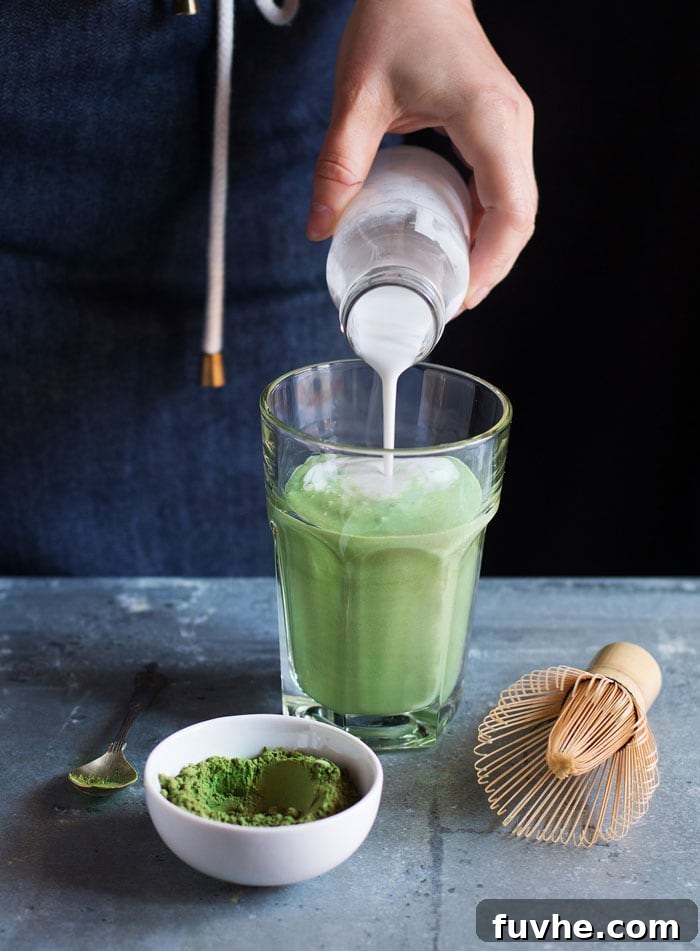
3. Matcha: The Energizing Green Elixir
There’s something incredibly uplifting about starting my morning with a beautifully prepared matcha latte. While I’ve learned that my system no longer tolerates the higher caffeine content of a full cup of traditional coffee, matcha offers a perfect, gentler alternative that I can wholeheartedly enjoy. My favorite way to prepare matcha is to blend it with a touch of coconut oil, coconut butter, or MCT oil, along with some creamy plant-based milk. This combination yields an extra rich, frothy, and wonderfully satisfying beverage that provides sustained energy without the jitters.
For an added boost to its healing powers, you can further customize your matcha latte by blending in various superfood powders and beneficial herbs. When selecting matcha, it’s important to choose high-quality ceremonial or culinary grade options, as detailed in this post. Matcha powder can be gently whisked with just-boiled water for a traditional tea, or blended with an optional natural sweetener and your preferred plant-based milk to create a nourishing and flavorful matcha latte.
We’ve extensively discussed the paramount importance of antioxidants and phytonutrients in the process of healing and mitigating inflammation. Matcha is an exceptional source, absolutely chock-full of these powerful compounds, making it an outstanding choice for those seeking a modest amount of caffeine while simultaneously benefiting from its potent healing and anti-inflammatory properties. For a refreshing twist, try my homemade iced matcha recipe.
Nourishing Starts: Anti-Inflammatory Breakfast Recipes
Now that we’ve explored a range of wonderful, inflammation-fighting drinks to kickstart your day, let’s transition our focus to equally nourishing and delicious breakfast foods. As I adhere to a plant-based diet, the recipes below will specifically exclude eggs, dairy, or meat. Furthermore, these carefully crafted recipes are free from all common allergens that we previously discussed in our last inflammation post, meaning they are universally gluten-free, soy-free, dairy-free, egg-free, oil-free, and devoid of refined sugars, ensuring a wholesome and inclusive approach to breakfast.
Consider these recipe ideas as inspiring springboards to ignite your culinary creativity and empower you to craft your own unique anti-inflammatory breakfasts. Smoothies, for instance, offer an incredibly convenient and efficient way to incorporate a multitude of anti-inflammatory foods, making them especially ideal for mornings when time is of the essence and sitting down for a meal isn’t an option. The remaining recipes on this curated list are designed with flexibility in mind: they can be prepared ahead of time as part of your weekly food prep, or freshly made on the morning you plan to enjoy them.
Many of the ingredients are highly interchangeable, allowing for easy customization based on what you have on hand or what preferences you hold. For example, various seeds and nuts can be swapped with ease, chickpeas can be replaced by other beans or lentils, and kale can readily substitute for any other leafy green. This adaptability ensures that these recipes remain accessible and enjoyable for everyone.
Towards the conclusion of this post, I’ve thoughtfully linked to additional recipes that offer even more delicious and healthy options for your anti-inflammatory morning meal, ensuring you have a wealth of ideas to explore and savor.
Power-Packed Start: Anti-Inflammatory Blueberry Hemp Seed Smoothie
This vibrant and nutrient-dense smoothie is a fantastic way to flood your body with inflammation-healing properties right from the start of your day. The beauty of smoothies lies in their versatility, allowing you to easily incorporate a wide array of ingredients known for their anti-inflammatory benefits.
Key Ingredients for Anti-Inflammatory Smoothies:
- Fresh Ginger: A potent anti-inflammatory and digestive aid.
- Spices: Turmeric (with a pinch of black pepper for absorption) and cinnamon offer significant anti-inflammatory and antioxidant benefits.
- Flax Seeds, Hemp Seeds, and/or Chia Seeds: Excellent sources of omega-3 fatty acids, fiber, and protein.
- Hemp Protein: A complete plant-based protein that’s easily digestible and anti-inflammatory.
- Blueberries: Rich in anthocyanins, powerful antioxidants that combat inflammation.
- Leafy Greens: Kale, spinach, romaine, chard, and arugula are packed with vitamins, minerals, and antioxidants.
- Herbs: Fresh parsley adds a detoxifying and antioxidant boost.
- Pineapple: Contains bromelain, an enzyme known for its anti-inflammatory properties.
- Walnuts: Another great source of omega-3 fatty acids.
- Almond Butter: Provides healthy fats and protein, and helps create a creamy texture.
- Spirulina and/or Chlorella: Superfoods rich in chlorophyll, protein, and detoxifying properties.
- Sweet Potato: Offers complex carbohydrates, vitamins, and antioxidants.
- Superfoods like Chaga Mushroom: Known for immune support and anti-inflammatory compounds.
For even more inspiring ideas and delicious combinations, be sure to check out my vegan smoothies ebook.
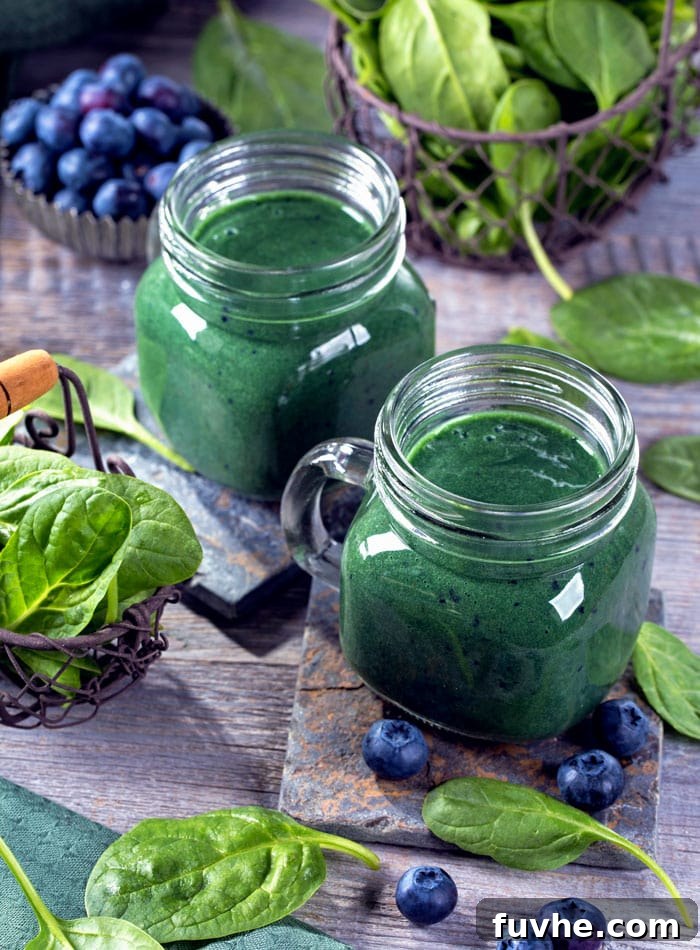

Anti-Inflammatory Blueberry Hemp Seed Smoothie
This smoothie is loaded with antioxidants, fiber, protein and nourishing anti-inflammatory ingredients. It can be enjoyed anytime of day for a healthy and energizing snack or meal.
Ingredients
- 1 1/4 cup (140 g) frozen blueberries (or other frozen berry of choice)
- 2 tbsp (22 g) hemp seeds
- 1 scoop serving vanilla protein powder (30 g) (recommendation)
- 1/2 cup packed fresh spinach or kale (30 g)
- 1 tsp spirulina or chlorella powder
- 1 1/4 cup unsweetened plant-based milk of choice
- 1/4 tsp holy basil powder, optional
Instructions
- Add all ingredients to a high-speed blender and mix until smooth and creamy.
- Pour into a glass and enjoy!
Nutrition
More Smoothie Recipes to Inspire You:
- Superfood Chocolate Almond Avocado Smoothie
- Low-Sugar Blueberry Coconut Smoothie Bowl
- Turmeric Carrot Butternut Squash Smoothie Bowl
Savory Satisfaction: Scrambled Chickpea Stuffed Sweet Potato with Kale and Avocado
Stuffed sweet potatoes have become one of my absolute favorite breakfast options, offering incredible versatility and satisfying deliciousness. They provide a perfect canvas for both sweet and savory fillings, and are wonderfully customizable based on whatever ingredients you have readily available or whatever your cravings dictate. This adaptability makes them a perfect fit for a dynamic anti-inflammatory diet.
“This sweet potato—high in flavonoids, vitamin C, fiber, carotenoids, and slow-burning carbohydrates—is one of the healthiest foods on the planet.”
— Dan Buettner, The Blue Zones Solution: Eating and Living Like the World’s Healthiest People
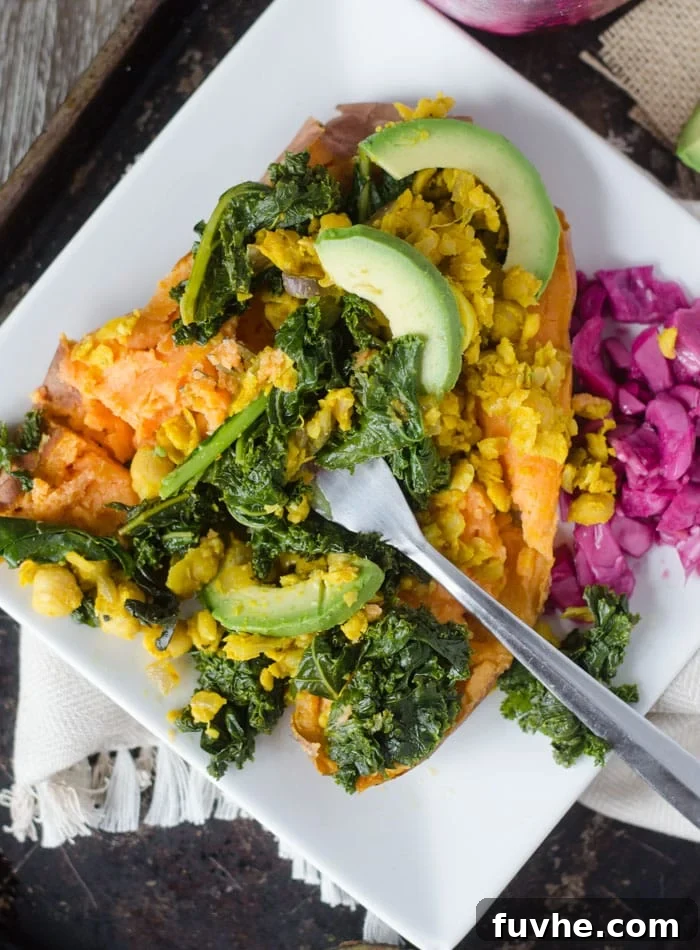
Today, we’re focusing on a particularly inviting savory rendition: a perfectly baked sweet potato generously stuffed with a flavorful turmeric chickpea scramble, tender sautéed kale, and creamy, rich avocado. The beauty of this recipe lies in its prep-ahead potential; both the chickpeas and the sweet potato can be prepared in advance, making it an excellent choice for efficient weekly food planning. If your palate leans towards sweeter breakfast profiles, you can explore my Sweet Potato Breakfast Bowls, which offer a delightful yet equally anti-inflammatory sweet potato experience.
This breakfast is not just visually appealing; it’s also remarkably satisfying and incredibly nutritious. It provides a robust foundation of energizing complex carbohydrates, an abundance of disease-fighting antioxidants, ample plant-based protein, and essential healthy fats. Each individual ingredient contributes its unique host of benefits, working synergistically to actively combat inflammation within the body. Feel empowered to enhance the chickpea scramble with additional vegetables; a handful of fresh spinach, finely diced green peppers, or steamed broccoli would integrate beautifully, adding even more nutrients and texture.
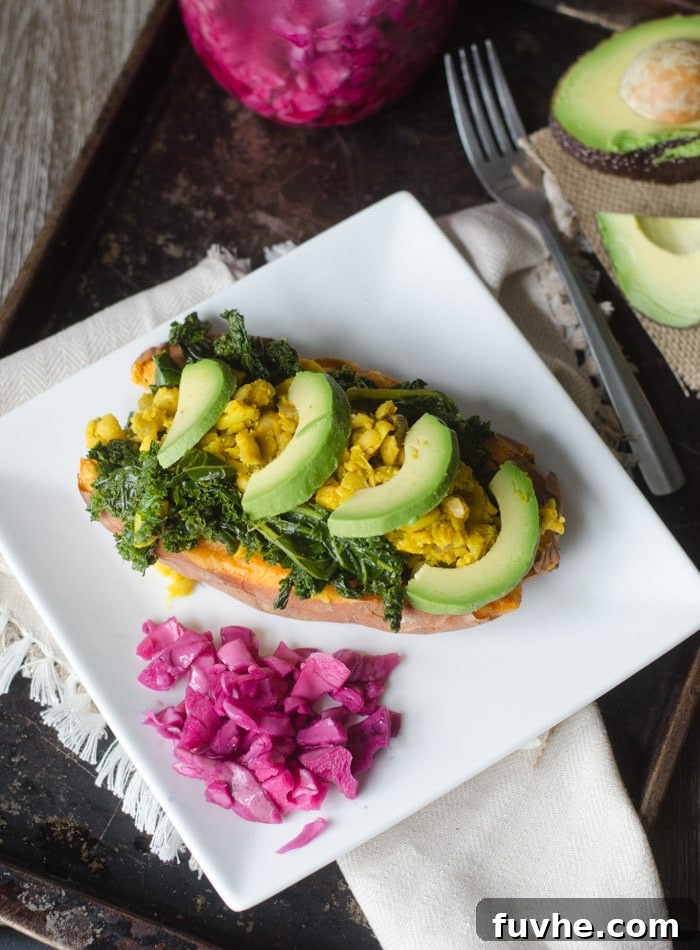
Chickpea Scramble Stuffed Sweet Potato with Kale
This nourishing breakfast is loaded with nutrition and tastes absolutely amazing. It’s completely plant-based, it’s oil-free, gluten-free, sugar-free, egg-free and dairy-free for a wholesome breakfast anyone can enjoy.
Print Recipe
Ingredients
To Make the Chickpea Scramble
- 2 cups or 1 (19 oz) can chickpeas
- 1/2 small onion, diced
- 4 cloves garlic, minced
- 1 tsp turmeric
- 1/2 tsp sea salt
- a bit of water or vegetable stock (alternatively you can use a bit of avocado oil)
- optional: 1 tbsp nutritional yeast
For the Sautéed Kale
- 1 bunch of kale, de-stemmed and cut or torn into small pieces
- a bit of water or vegetable stock
- optional: diced onion and minced garlic
To Assemble the Stuffed Sweet Potato
- 1 small baked sweet potato per person
- 1/4 avocado per person
Instructions
- To Make the Chickpea Scramble
- Add the onions and garlic to a pan and cook over medium heat with a splash of water until softened, about 3 or 4 minutes.
- Add the chickpeas, salt, turmeric and optional nutritional yeast and another splash of water (or you can cook in vegetable stock for extra flavour).
- Cook, stirring, for about 10 minutes, adding more water as needed so it doesn’t dry out. Use the back of a wooden spoon to smash the chickpeas up; I like to leave about 1/3 of them whole and smash the rest up so it’s a scrambled texture.
To Make the Sautéed Kale
- Add the kale to a pan with some water, vegetable stock or avocado oil and cook over medium heat until soft. Add some diced onion and garlic if you like.
- To Assemble the Stuffed Sweet Potato
- Place one small whole baked sweet potato on a plate and cut it lengthwise, opening it to make room for the kale and chickpeas. If you can’t find small sweet potatoes, you can use half a medium to large sweet potato, sweet potato chunks or mashed sweet potato. It’s all going in the same place anyways!
- Top with the sautéed kale, chickpea scramble and avocado and enjoy.
Warm & Wholesome: Quick and Creamy Whole Grain Porridge
This invitingly creamy whole grain porridge offers a versatile and nourishing start to any day, and it’s particularly adaptable to an anti-inflammatory diet. It can be effortlessly prepared using any gluten-free whole grain you prefer, such as quinoa, amaranth, teff, or brown rice. This recipe is also a brilliant way to utilize any leftover cooked grains you might have on hand, minimizing waste and maximizing convenience. Its true beauty lies in its complete customizability; you can effortlessly vary the mix-ins and toppings every time you prepare it, ensuring a fresh and exciting experience.
My personal favorites for this porridge include crunchy walnuts, antioxidant-rich blueberries, crisp apple pieces, and a few finely chopped dates or dried cranberries for a touch of natural sweetness. However, feel free to explore any combination of your preferred seeds, nuts, and fruits. You can also play with the spice profile, trying warming options like cardamom, cinnamon, ginger, nutmeg, pumpkin pie spice, and cloves, each offering its own unique health benefits and flavor.
For a truly effortless preparation, you can simply heat your chosen cooked whole grain with your favorite plant-based milk and a touch of natural sweetener, then add all your desired toppings afterwards. This porridge is incredibly comforting and deeply nourishing, making it an especially welcome meal on a chilly morning. And if your grains are pre-cooked, this delightful dish can be on your table in less than 10 minutes, proving that healthy eating doesn’t have to be time-consuming.
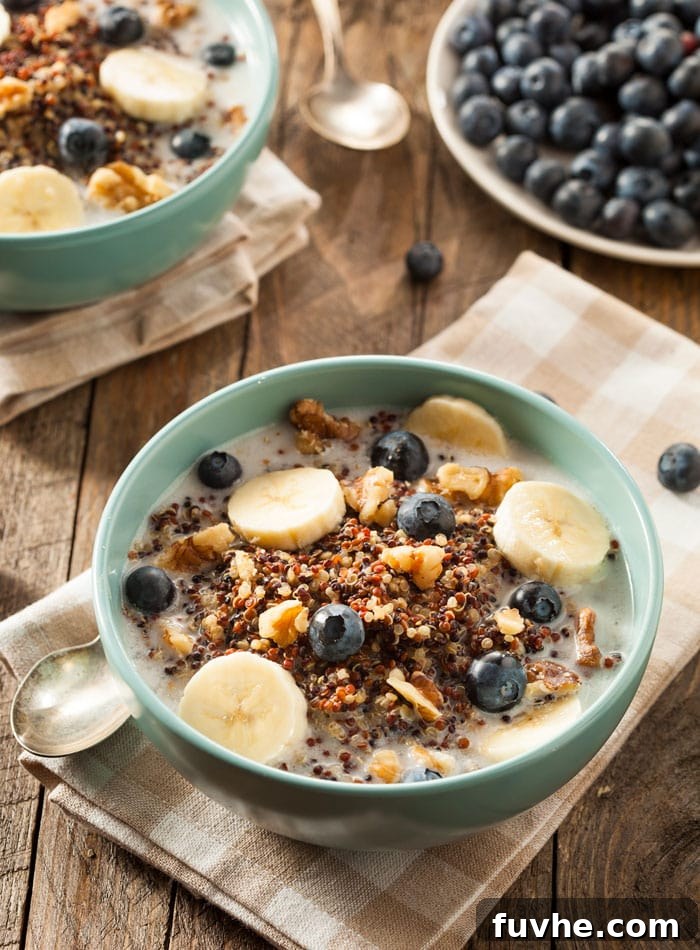

Quick and Creamy Whole Grain Porridge
This quick whole grain porridge is more of a guideline than a recipe. Choose your whole grain, nuts, seeds, fruits, optional sweetener, optional add-ins, add it all to a saucepan and heat until warm and creamy. If desired, top with berries, sliced banana or a spoonful of almond butter and enjoy.
Ingredients
- 1/2 cup cooked of either quinoa, amaranth, teff or brown rice
- 2 tbsp sunflower seeds, pumpkin seeds or hemp seeds
- 2 tbsp walnuts, almonds, cashews or pecans
- 2 tbsp dates, raisins or cranberries
- 1 tsp cinnamon
- 1/4 cup plant-based milk
- 1 tbsp maple syrup or honey, optional
- 1/2 apple, diced, optional
Instructions
- Add all ingredients to a saucepan on the stove. Heat over medium heat, adding a bit of extra milk if needed to reach a porridge consistency.
- Warm over medium heat until heated through and everything is nice and soft and creamy. Scoop into a bowl and enjoy.
Notes
- This can easily be doubled or tripled if needed. You really can’t go wrong and there’s no need to follow the recipe exactly. Use about 1/2 cup of cooked whole grains per person plus any add-ins you desire. Add enough milk to cover, warm it all up in a pot then pour into a bowl and enjoy! This can be made ahead of time and taken to go if needed.
Nutrition
Decadent & Healthy: Omega-3 Chocolate Chia Hemp Pudding
Indulge in this lusciously creamy chocolate chia hemp protein pudding, a breakfast that proves healthy eating can be utterly delightful. This recipe is a powerhouse of nutrition, generously packed with antioxidants, essential vitamins, vital minerals, and an abundance of inflammation-fighting omega-3 essential fatty acids. The critical importance of omega-3s in an anti-inflammatory diet was extensively discussed in the first inflammation post of this series, so be sure to revisit that for a deeper understanding of their profound benefits.
One of the best aspects of this recipe, like many others featured on Running on Real Food, is its inherent customizability. My hope is to inspire you to confidently experiment in your kitchen and create your own unique versions of these recipes, tailored to your taste and dietary needs. Here are several imaginative ways you can effortlessly switch up this pudding to suit your preferences:
- Sweetener Options: Use any natural sweetener of choice, such as pure maple syrup, half of a ripe mashed banana for natural sweetness, brown rice syrup, agave nectar, or coconut nectar.
- Add Healthy Fats & Protein: Stir in 1 tablespoon of creamy cashew or almond butter for extra richness and protein, or boost the protein content further with 1-2 tablespoons of hemp protein powder.
- Seed Swaps: Experiment with ground flax seeds instead of hemp seeds to vary the omega-3 profile and texture.
- Coconut Infusion: Add 1-2 tablespoons of unsweetened shredded coconut for a tropical flavor and additional healthy fats.
- Flavor Variations: Substitute the raw cacao powder with 1 tablespoon of vanilla plant-based protein powder for a lighter, vanilla-flavored pudding.
- Texture Boost: Mix in a few tablespoons of raw cacao nibs for a satisfying crunch and intense chocolate flavor.
- Creaminess & Omega-9: For an even creamier texture and a dose of anti-inflammatory omega-9 fatty acids, blend in 1/4 of a ripe avocado.
- Fruity Twist: Blend in a handful of fresh or frozen berries for a burst of fruitiness and extra antioxidants.
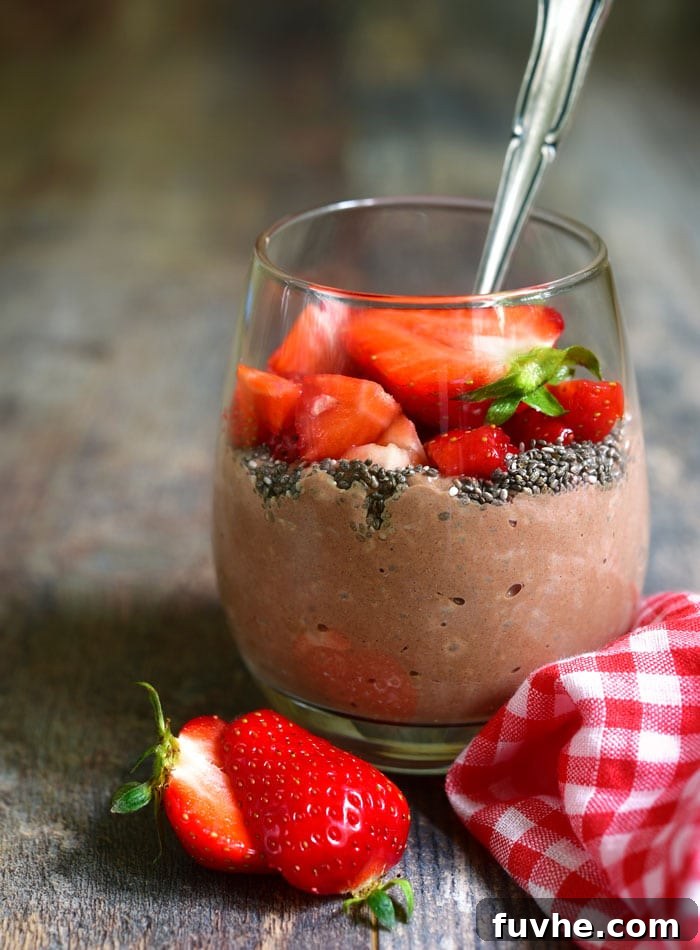

Omega-3 Chocolate Chia Hemp Pudding
This chia hemp seed pudding is rich in inflammation-fighting omega-3 fatty acids, as well as vitamins, minerals, antioxidants and a whopping 12 grams of fiber.
Ingredients
- 2 tbsp (20 g) chia seeds
- 2 tbsp (20 g) hemp seeds
- 1 tbsp (7 g) raw cacao powder
- 6 small pitted dates, or 2-3 large medjool dates (40 g) (substitute sweetener of choice, see notes)
- 1/2 cup unsweetened plant-based milk
- 1/4 tsp sea salt, optional
- 1/2 tsp vanilla extract, optional
- 1 tbsp chocolate plant-based protein powder, optional
Instructions
- Add all ingredients to a blender and blend to combine.
- Add to a container and place in the fridge for a few hours up until overnight.
- Add any desired toppings and enjoy.
Notes
- You can substitute the dates with whole leaf stevia powder or extract, pure maple syrup, brown rice syrup or agave nectar. If you don’t use dates, you could also skip the blender and just combine everything in a container. Mix together everything except the sweetener and then sweeten to taste. I’d recommend starting with a couple teaspoons of liquid sweetener and adjusting from there. If you’re using stevia, a small pinch or a few drops of liquid extract should do it.
- Topping suggestions: berries, walnuts, almonds, hemp seeds, cashew yogurt, banana, sunflower seeds, pumpkin seeds, nut butter, tahini.
Nutrition
Beyond Recipes: More Anti-Inflammatory Breakfast Ideas
Hopefully, the preceding recipes and discussions have provided you with a clear direction and abundant inspiration for creating your own healthy, plant-based, and anti-inflammatory breakfasts. Through practice, you’ll soon discover the delightful ease and creativity involved in crafting healing and nourishing morning meals. My personal top choices for breakfast tend to gravitate towards smoothies, chia seed pudding, and warming porridges, reflecting my preference for sweeter starts to the day rather than savory options. However, for those who enjoy variety, here are even more versatile ideas for building anti-inflammatory breakfasts, many of which require no strict recipe to follow!
1. Simple & Savory: Sweet Potato Hash
This is a wonderfully flexible breakfast that can be thrown together with minimal effort. Begin by dicing a sweet potato into small, uniform pieces. Sauté these in a frying pan alongside finely chopped onion, minced garlic, and your favorite anti-inflammatory spices like turmeric, paprika, or cumin. To keep it oil-free, use a splash of water or vegetable stock to cook the vegetables; alternatively, a bit of avocado oil works well. I typically start with water and cover the pan, allowing the sweet potato to steam until it’s nearly tender, then remove the lid to let it lightly brown. In the final couple of minutes, I love to toss in a generous handful of fresh spinach or kale, letting it wilt into the hash. This entire dish can also be easily prepared by roasting the ingredients in the oven for a hands-off approach.
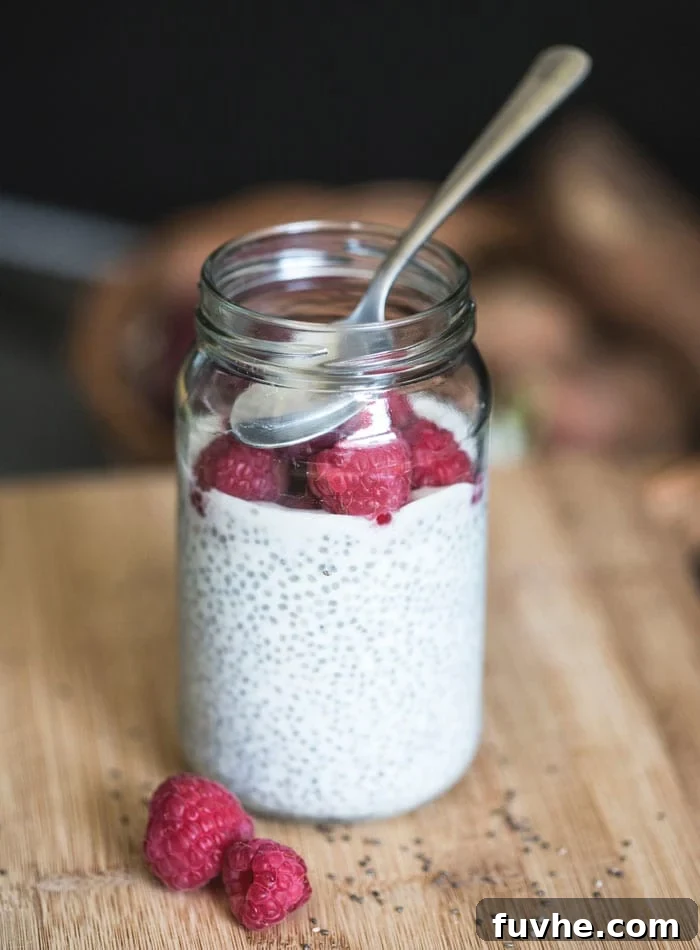
2. Effortless Nourishment: Simple Chia Seed Pudding
For the quintessential simple chia seed pudding, combine 3 tablespoons of chia seeds with approximately 1/3 to 1/2 cup of water or your preferred plant-based milk. The exact liquid amount can be adjusted based on your desired thickness. Give it a good stir and then allow it to sit for at least 30 minutes, or for optimal thickness and convenience, let it chill in the refrigerator overnight. It’s ready to enjoy once it achieves a rich, thick, pudding-like consistency. If a touch of sweetness is desired, drizzle in a bit of pure maple syrup and a hint of pure vanilla extract. Once set, the real fun begins with toppings! Enhance your pudding with nutritious additions like your favorite nut butter, a sprinkle of diverse nuts and seeds, or a vibrant medley of fresh fruit.
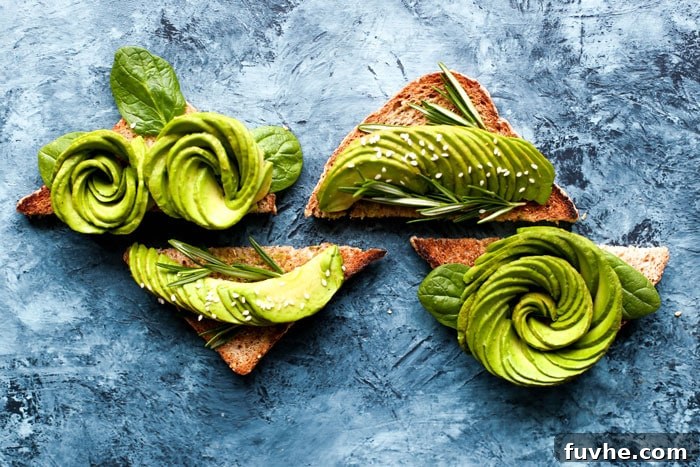
3. Creative Toppings: Loaded Gluten-Free Toast
Elevate your toast game by choosing a high-quality, nutrient-dense base. I highly recommend trying the “Life Changing Loaf of Bread” recipe from My New Roots for a homemade option, or selecting a premium, gluten-free store-bought bread, such as one made with amaranth or brown rice. Once toasted to perfection, the possibilities for healthy, anti-inflammatory toppings are endless:
Top it with delicious healthy ingredients like:
- Creamy avocado and a sprinkle of hemp seeds for healthy fats and omega-3s.
- Fresh spinach layered under mashed avocado for an extra green boost.
- Homemade cashew cheese spread, topped with sesame seeds for flavor and calcium.
- Almond butter paired with fresh berries for antioxidants and protein.
- Rich cashew butter and crunchy cacao nibs for a chocolatey, antioxidant-rich treat.
- Tahini drizzled over a thin layer of sliced dates for natural sweetness and minerals.
- Any nut butter you love, adorned with your favorite fresh fruit.
- Hummus spread, topped with gently steamed spinach for protein and iron.
- Coconut butter and fresh berries for a tropical, healthy fat-filled option.
- A savory chickpea scramble for a protein-packed, egg-free alternative.
Remember, when it comes to healthy toast, there’s truly no wrong answer – let your creativity and nutritional needs guide you!
4. Wholesome & Quick: Anything Goes Breakfast Bowls
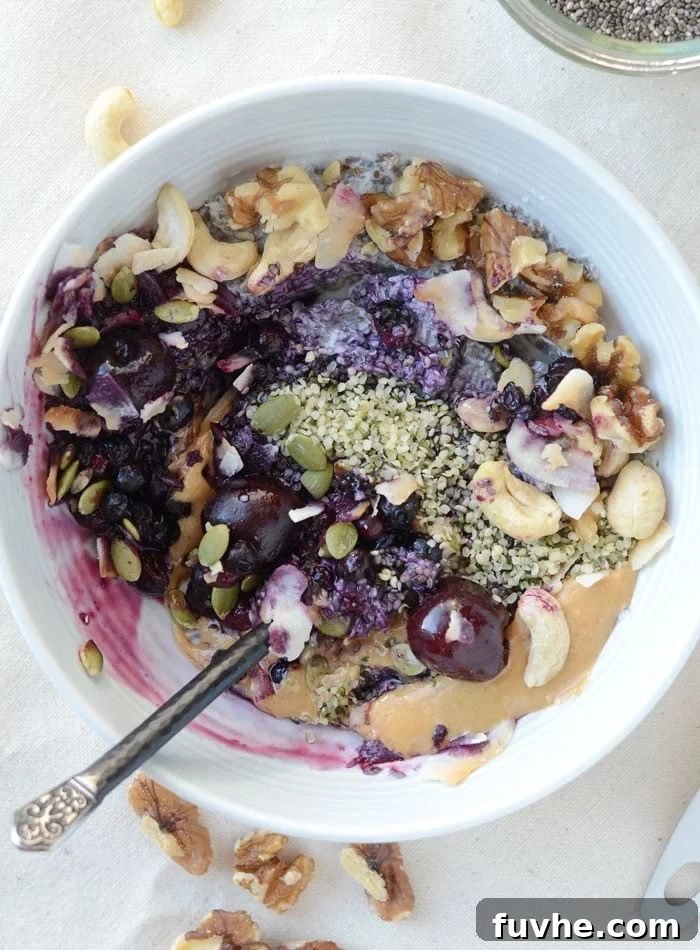
These “Anything Goes Breakfast Bowls” are among my absolute favorite morning meals, primarily because they are incredibly fast to assemble—often taking about 60 seconds—and consistently taste amazing! If your pantry is reasonably well-stocked with anti-inflammatory staples and you have some fresh fruit on hand, you are fully equipped to create a delicious and nutritious breakfast bowl. The concept is wonderfully simple: just toss all your desired ingredients into a bowl and dig in!
Here are some inspiring ideas to help you get started with your own creative combinations:
- Chopped apple, finely chopped dates, a generous dollop of almond butter, shredded coconut, and warm roasted sweet potato cubes for a sweet and substantial bowl.
- Creamy pumpkin puree, crisp chopped apple, crunchy walnuts, protein-rich hemp seeds, antioxidant-packed cacao nibs, and a drizzle of tahini for an autumnal delight.
- A vibrant mix of fresh or frozen berries, a sprinkle of hemp seeds and chia seeds, and a spoonful of smooth almond butter for a simple, antioxidant-rich option.
- Crunchy sunflower seeds, plump raisins, a swirl of tahini, thinly sliced banana, a dash of cinnamon, and a sprinkle of coconut for a balanced and flavorful bowl.
- Warm applesauce, crunchy pecans, a generous shake of cinnamon, nourishing hemp seeds, and a handful of fresh or frozen berries.
- A base of prepared chia pudding, topped with creamy cashews, shredded coconut, pumpkin seeds, and a rich almond butter drizzle.
For more savory and robust options, also explore my tempeh bacon avocado breakfast bowl and the versatile savory vegan breakfast bowl. The beauty of these bowls is truly in their flexibility—there’s no wrong way to combine ingredients that you love and that fuel your body!
5. Portable Power: Homemade Energy Bars
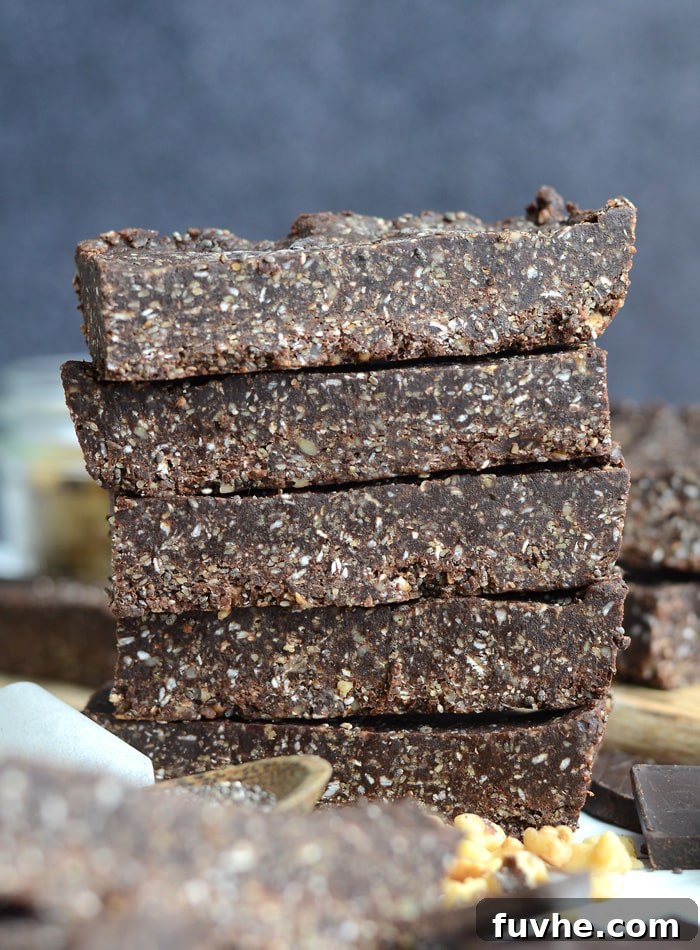
As a routine, I consistently prepare a batch of some type of homemade energy bars every single week. These bars are incredibly easy to make, remarkably adaptable to whatever ingredients you have available in your pantry, and consistently deliver a satisfyingly delicious taste. They are particularly invaluable for those busy mornings or when you need a healthy breakfast option that can be easily grabbed on the go. Pair one with an apple or a piece of fruit for a perfectly balanced and complete meal.
Here are a few fantastic recipes to inspire your homemade energy bar creations:
- Nut-Free Chewy Vegan Granola Bars
- Paleo Energy Bars
- No-Bake Vegan Hemp Protein Bars
- No-Bake Chocolate Chia Energy Bars
6. Hearty & Nutritious: Savory Breakfast Bowls
Much like the “Anything Goes Breakfast Bowls” discussed earlier, Savory Breakfast Bowls are a quick, incredibly satisfying, and easy breakfast option, especially if you’ve dedicated some time to food preparation during the week. These bowls are perfect for those who prefer a less sweet start to their day. Here are some compelling ideas to spark your creativity:
- A vibrant bed of sautéed kale, warm cooked brown rice, and a hearty chickpea scramble for protein.
- A nourishing base of fresh spinach, fluffy cooked quinoa, savory tempeh, and tender steamed broccoli florets.
- Creamy mashed sweet potato, robust black beans, fresh or gently steamed spinach or kale, sweet roasted red onion, and slices of ripe avocado for healthy fats.
- A medley of roasted seasonal vegetables, a flavorful chickpea scramble, and creamy avocado slices.
- A refreshing bed of mixed greens, protein-packed cooked lentils, a sprinkle of crunchy almonds or walnuts, and tender roasted zucchini.
- Roasted cauliflower florets, warm cooked brown rice, grated carrot for sweetness, crunchy sunflower seeds, and a generous portion of avocado.
Once again, the guiding principle here is versatility: there is no single “correct” way to assemble these bowls. Feel empowered to combine a variety of your favorite ingredients into a bowl, mixing textures and flavors, and simply dig in to enjoy a truly wholesome and inflammation-fighting breakfast!
Empower Your Health: Get in the Kitchen!
I sincerely hope that this comprehensive guide has profoundly inspired you to embark on the journey of creating your own healthy, anti-inflammatory breakfasts. Once you consistently engage in the kitchen and allow your creative culinary juices to flow, you will quickly discover just how effortlessly simple and rewarding it is to prepare truly healing and nourishing morning meals. This shift is more than just about recipes; it’s about reclaiming your health.
The core objective here is to empower you to move away from those less optimal, processed breakfast options that may have been staples in your past routine. This includes steering clear of the refined bagel with cream cheese you might grab in a rush, the sugar-laden breakfast bars often found in cupboards, or the white bread paired with highly processed peanut butter that many have relied upon for convenience. These choices, while quick, often contribute to inflammation and lack essential nutrients.
Embracing an anti-inflammatory diet doesn’t have to be complicated or intimidating. The foundational principle is simple: focus on eating a diverse variety of whole, unprocessed foods and consciously eliminate all highly processed items. Furthermore, this healthy lifestyle doesn’t necessarily have to be expensive. Nutrient-dense options like whole grain porridge, vibrant smoothies, and versatile breakfast bowls are all incredibly affordable and accessible ways to fuel your body with goodness. You absolutely do not need to feel pressured to rush out and purchase every single “superfood” mentioned on this list right away.
Remember, all fruits and vegetables are inherently superfoods! Prioritize loading up your grocery cart with affordable, nutrient-rich produce like spinach, garlic, onions, broccoli, apples, bananas, and versatile frozen berries. From there, gradually integrate whatever nuts and seeds you can comfortably manage into your diet. Every small, conscious choice contributes to a significant improvement in your overall health and well-being.
Your Journey Continues: What’s Next in Our Anti-Inflammatory Series
I genuinely hope you thoroughly enjoyed this second installment in my ongoing anti-inflammatory lifestyle series. If you happened to miss the foundational first post, which delves into the core principles of an anti-inflammatory lifestyle, I strongly encourage you to read it here to ensure a complete understanding of this holistic approach to wellness.
My aim with these posts is to provide practical, actionable ideas that you can seamlessly incorporate into your daily life, making the journey towards reduced inflammation and enhanced vitality both achievable and enjoyable. Stay tuned for the exciting upcoming post in this series, where we will shift our focus to exploring a wealth of delicious and healing anti-inflammatory entree ideas, helping you extend these beneficial eating habits throughout your entire day.
If you found this post insightful and valuable, I would be incredibly grateful if you considered sharing it on your social media platforms. Your support helps spread the message of health and well-being to a wider audience. Thank you immensely for taking the time to read!