
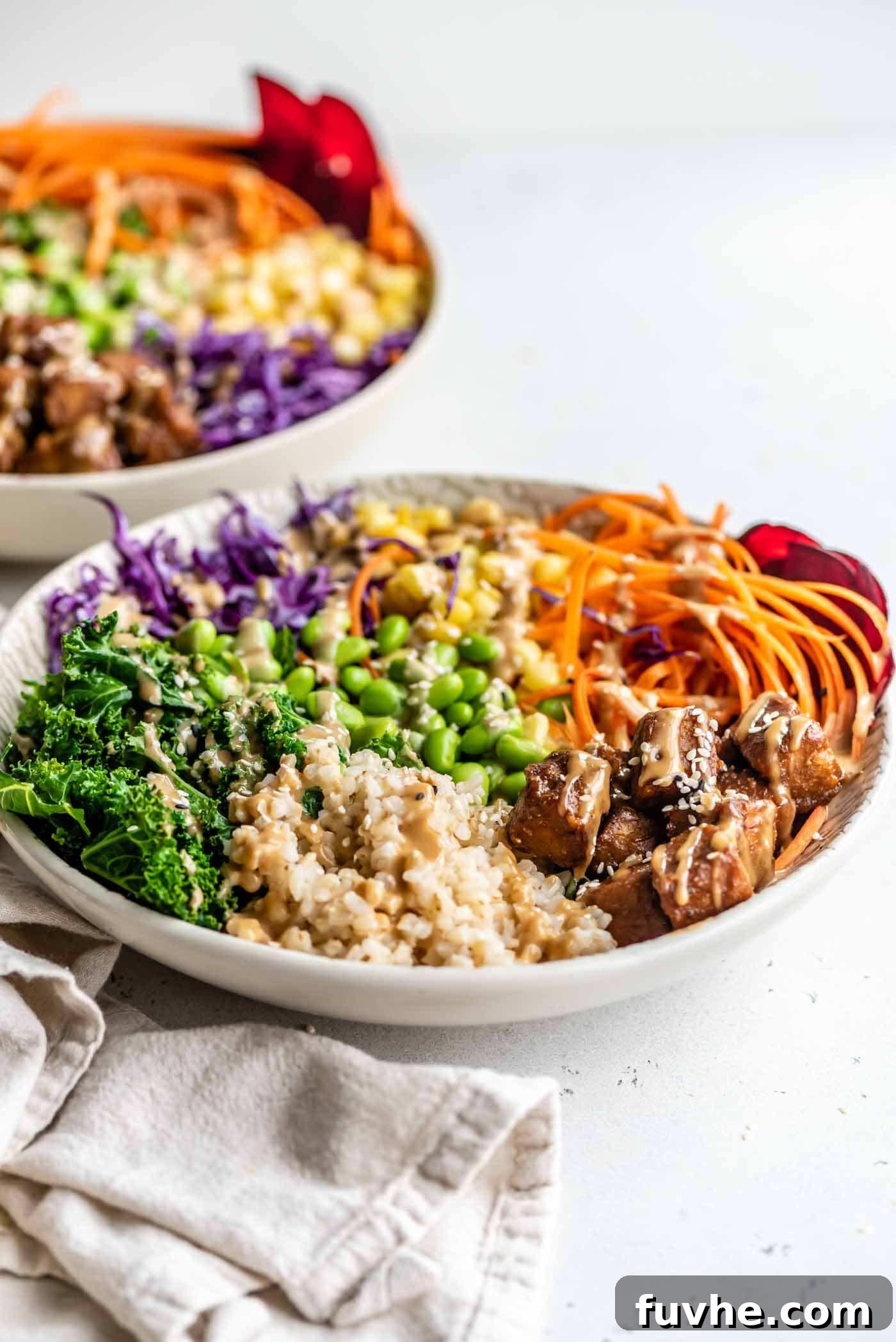
Embark on a culinary journey with this vibrantly delicious **vegan tempeh buddha bowl**, a harmonious blend of textures and flavors designed to nourish both body and soul. This wholesome recipe artfully combines savory marinated tempeh, fluffy brown rice, vibrant edamame, and an array of fresh, crisp vegetables, all brought together by an irresistibly creamy tamari tahini dressing. It’s not just a meal; it’s a celebration of plant-based goodness, offering a complete and satisfying experience that will quickly become a staple in your healthy eating repertoire.
Featured Review
⭐⭐⭐⭐⭐
“This is my absolute favorite way to prepare tempeh! The tahini sauce is delicious. I change out the veggies based on what I have. I love this recipe!”Tonya
Why You’ll Love This Vegan Tempeh Buddha Bowl Recipe
This tempeh buddha bowl is truly a culinary masterpiece, brimming with color, flavor, and nutrients. While it requires a bit of preparation, the reward is a deeply satisfying and incredibly wholesome meal that you’ll be eager to make again and again. Here are several compelling reasons why this recipe stands out and why we’re so passionate about these incredible bowls:
- Unforgettable Flavor & Texture Combination: Imagine the delightful chewiness of perfectly cooked brown rice, complemented by the rich, savory depth of marinated and crispy tempeh. This base pairs exquisitely with the refreshing crunch of fresh vegetables and the tender bite of edamame. But the true star of the show is the creamy, umami-packed tamari tahini sauce, which ties all the elements together into an addictive symphony of taste. Prepare to lick your bowl clean!
- Nutrient-Dense & Satisfying: Designed with health in mind, these bowls are an excellent source of plant-based protein and dietary fiber, keeping you full and energized throughout the day. Tempeh, edamame, and brown rice contribute significantly to your daily protein and fiber intake, making this a powerhouse meal that supports overall well-being.
- A Fantastic Introduction to Tempeh: If you’re new to the wonderful world of tempeh, this recipe is the perfect gateway. Its preparation here transforms tempeh into a flavorful, firm, and slightly chewy component that even tempeh skeptics will adore. It’s a delicious way to explore the versatility of this fermented soybean product.
- Highly Acclaimed & Trusted: This recipe isn’t just a personal favorite; it’s a proven crowd-pleaser with a 5-star rating from our community. Join countless others who have fallen in love with its simplicity, flavor, and nutritional benefits.
- Endless Customization Options: While the core recipe is perfect as is, it’s also incredibly versatile. Feel free to swap in your favorite seasonal vegetables or different grains to keep things exciting and fresh. This adaptability ensures that your buddha bowl experience can always be tailored to your preference or what you have on hand.
For those who appreciate the beauty and balance of nourishing bowls, we highly recommend exploring other delightful options like this Tofu Edamame Buddha Bowl, the comforting Sweet Potato Buddha Bowl, and the robust Vegan Lentil Nourish Bowl. Each offers a unique and equally satisfying plant-based experience.
For those unfamiliar, tempeh is a highly nutritious, fermented plant-based food derived from soybeans, renowned for its firm texture and distinct, slightly nutty flavor. It’s often compared to tofu but boasts a more substantial bite and even higher protein content. Beyond this bowl, you can also enjoy tempeh in these savory Vegan Tempeh Tacos or a quick and easy Vegan Tempeh Stir Fry.
Essential Ingredients for Your Tempeh Buddha Bowl
Crafting the perfect tempeh buddha bowl begins with understanding the key components and how to get the most out of each. Here’s a detailed look at the ingredients you’ll need, along with helpful notes and potential substitutions to inspire your culinary creativity. For precise measurements and the complete list, refer to the recipe card located at the end of this article.
- Tempeh: The Protein Powerhouse. You’ll need approximately 1.5-2 cups of cubed plain tempeh, which typically equates to one standard 227-gram package (like Lightlife Tempeh). Tempeh, a fermented soybean product, offers a denser, more textured alternative to tofu, with a slightly nutty flavor that beautifully absorbs marinades. For a deeper dive into this versatile ingredient, consult our comprehensive Guide to Tofu and Tempeh. If store-bought tempeh isn’t available, or if you’re feeling adventurous, you can even explore making your own.
- Brown Rice: The Wholesome Base. This recipe calls for brown rice as the foundation, providing a hearty and fiber-rich base. Its slightly chewy texture and nutty flavor complement the other ingredients perfectly. However, feel free to swap it out for other cooked whole grains such as quinoa for a complete protein, farro for a delightful chew, or even wild rice for a more earthy flavor. Experiment with different grains to find your favorite combination!
- Veggies: A Canvas of Color and Nutrients. We’ve opted for a vibrant mix of corn, carrots, kale, and red cabbage, creating a beautiful and nutritionally diverse bowl. This dish, however, is incredibly versatile. Don’t hesitate to personalize it with your preferred vegetables or what’s in season. Consider adding thinly sliced beets for a pop of color, fresh spinach or massaged arugula for tender greens, steamed broccoli florets for extra crunch, or colorful bell peppers for sweetness. The goal is to make it both fun and visually appealing!
- Edamame: Boosting Protein and Texture. Shelled edamame brings an additional layer of plant-based protein and a lovely tender-crisp texture to the bowl. These young soybeans are a fantastic way to boost the nutritional profile. For a playful twist or if you prefer a different legume, green peas make a surprisingly good and equally nutritious substitute.
- Tamari Tahini Dressing: The Creamy Game-Changer. This dressing is what truly elevates the buddha bowl, transforming it from a collection of ingredients into a cohesive, flavor-packed meal. It’s crafted from creamy tahini (sesame paste), savory gluten-free tamari (or regular low-sodium soy sauce), and tangy rice wine vinegar. While seasoned rice wine vinegar adds a subtle sweetness, unseasoned varieties work just as well. Always choose gluten-free tamari to ensure the entire recipe remains celiac-friendly; otherwise, a good quality low-sodium soy sauce is a suitable alternative.
Crafting Your Tempeh Buddha Bowl: Step-by-Step Guide
Creating this delicious vegan tempeh buddha bowl is a straightforward process, broken down into manageable steps. Follow these instructions carefully to achieve a perfectly balanced and flavorful meal.
Step 1: Marinate the Tempeh and Cook Your Grain. Begin by preparing the tempeh marinade. In a sealable container or a medium bowl, combine all the marinade ingredients (almond butter, maple syrup, tamari, rice vinegar, garlic powder, and pepper). Whisk thoroughly until the mixture is smooth and well-combined. Add the cubed tempeh to the marinade, ensuring each piece is fully coated. Seal the container or cover the bowl and refrigerate for a minimum of 30 minutes, allowing the flavors to deeply penetrate the tempeh. For optimal flavor and texture, flip and shake the container every 15 minutes. While the tempeh is marinating, cook your chosen grain – brown rice, quinoa, or farro – according to the package instructions. This ensures it’s ready for assembly when everything else is prepared.
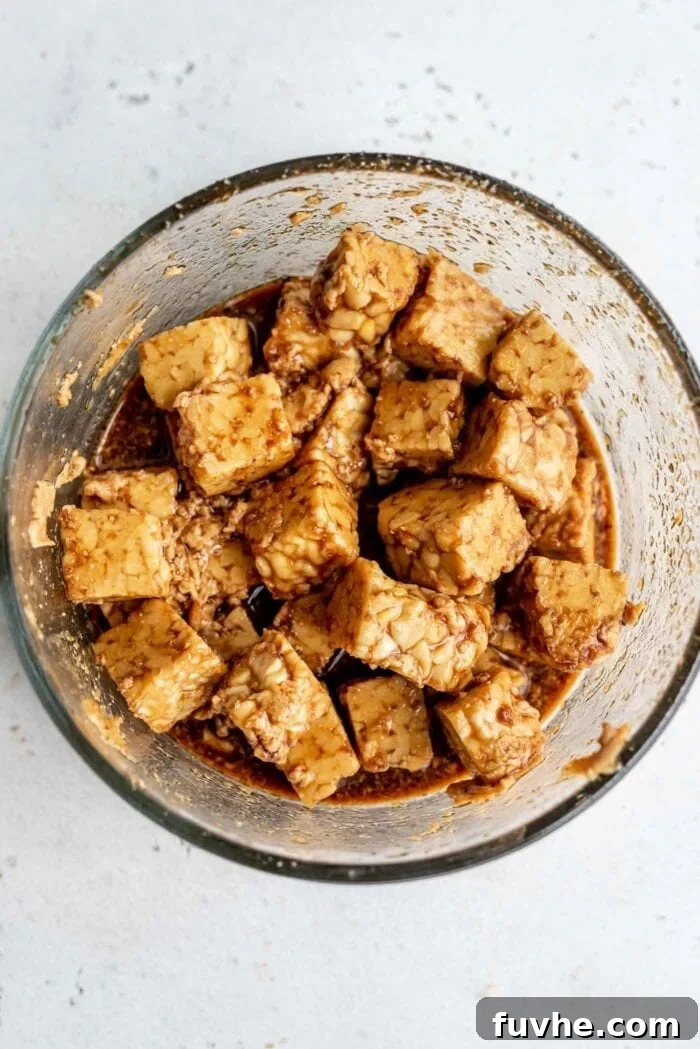
Step 2: Bake the Marinated Tempeh to Perfection. Once the tempeh has marinated for at least 30 minutes, preheat your oven to 375 degrees F (190 degrees C). Line a baking tray with parchment paper to prevent sticking and for easier cleanup. Spread the marinated tempeh in a single layer on the prepared tray. Bake for approximately 20 minutes, or until the tempeh becomes delightfully sticky and has developed crispy edges. This baking process caramelizes the marinade, enhancing the tempeh’s flavor and texture significantly.

Step 3: Prepare the Fresh Vegetables. While the tempeh is marinating and baking, use this time efficiently to prepare the rest of your vibrant bowl components. Precision in veggie preparation not only enhances flavor but also improves the overall aesthetic of your buddha bowl.
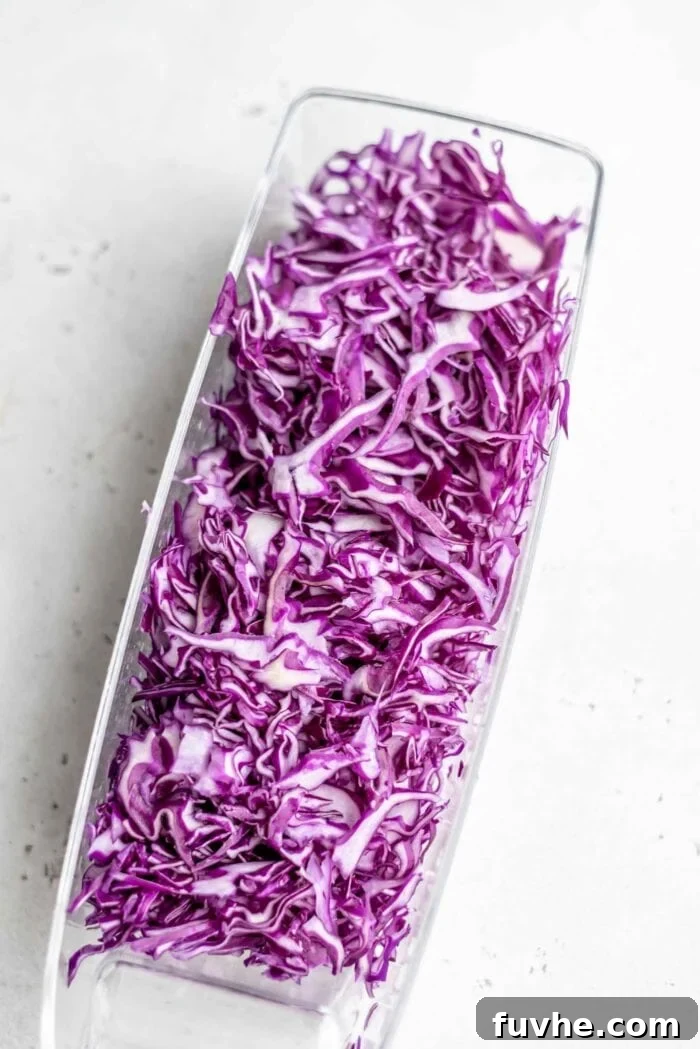
- Red Cabbage: Achieving Fine Shreds. For beautifully thin and delicate strands of red cabbage, a mandolin slicer is your best friend. If you don’t have one, don’t worry – simply use a very sharp chef’s knife to slice the cabbage as thinly as humanly possible. The finer the shred, the more pleasant the texture in your bowl.
- Carrot: Julienne or Grate. To create elegant, noodle-like carrot strips, a julienne peeler works wonders. If this isn’t in your kitchen arsenal, a standard box grater or handheld grater will yield finely grated carrots, which are equally delicious and integrate well into the bowl.
- Kale: Softening for Optimal Enjoyment. While raw kale can be used, lightly cooking it softens its texture and mellows its flavor. Heat a large skillet over medium heat with a few tablespoons of water. Add the de-stemmed and chopped kale and cook for 4-5 minutes, stirring occasionally, until it darkens in color and wilts slightly. Alternatively, you can steam the kale, or if you prefer it raw, massage it gently with a little olive oil and a pinch of salt to break down its fibers and make it more tender.
- Corn: Quick Thaw or Fresh Prep. If using frozen corn, simply thaw it in the refrigerator overnight or by running it under warm water. For a quicker method, you can gently heat it on the stovetop for a few minutes or briefly microwave it. Fresh corn kernels can be cut directly from the cob, and canned corn should be drained and rinsed.
- Edamame: Simple Cooking. Most frozen shelled edamame can be easily prepared on the stovetop by boiling or steaming according to package directions. It can also be quickly heated in the microwave for convenience.
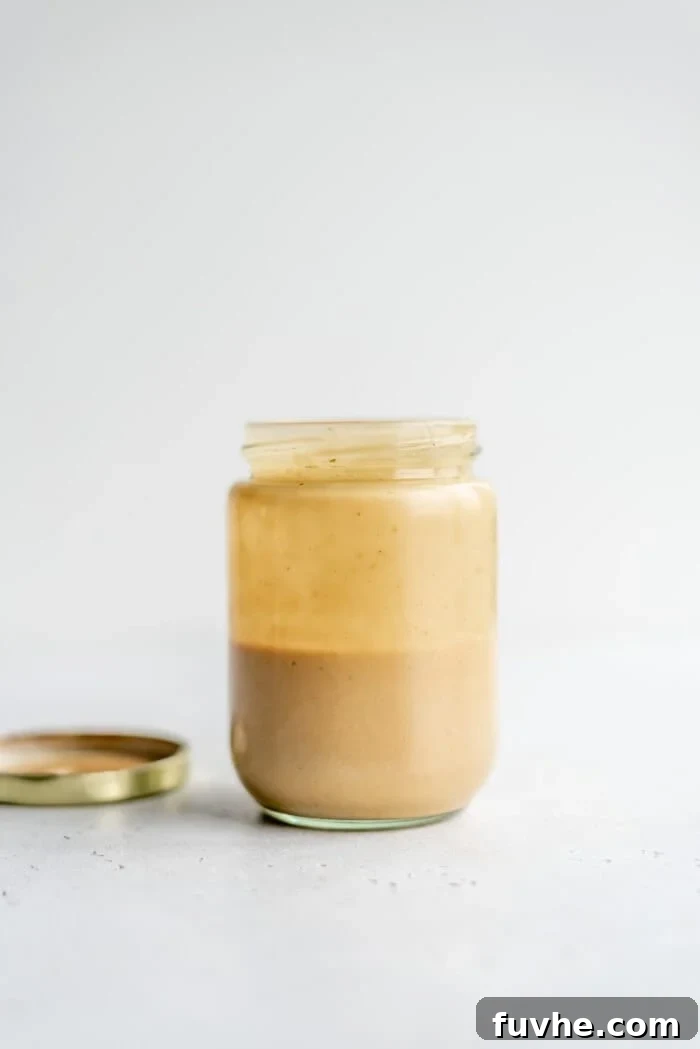
Step 4: Whisk Together the Creamy Tahini Dressing. The tamari tahini dressing is remarkably simple to prepare, requiring no special equipment like a blender. In a small bowl or, ideally, a sealable jar for effortless mixing, combine the tahini, gluten-free tamari (or soy sauce), rice vinegar, and start with 2 tablespoons of water. Whisk vigorously or shake the sealed jar until the dressing is completely smooth and emulsified. If the dressing is too thick, gradually add additional water, one teaspoon at a time, until you achieve a thick, creamy, yet pourable consistency that coats the back of a spoon.
Step 5: Assemble and Enjoy Your Buddha Bowls. With all your components prepared – fluffy grain, crispy tempeh, vibrant veggies, and creamy dressing – it’s time for the exciting part: assembly! Divide the cooked brown rice (or chosen grain) evenly among four serving bowls or meal prep containers. Artfully arrange the marinated and baked tempeh, cooked edamame, corn, shredded red cabbage, julienned carrots, and wilted kale over the rice. Drizzle generously with the prepared tamari tahini dressing. For an extra touch of flavor and texture, sprinkle with sesame seeds or any other desired toppings. Your beautiful, nutritious, and satisfying tempeh buddha bowl is now ready to be savored!

Recipe Frequently Asked Questions (FAQs)
Absolutely! Extra-firm tofu makes an excellent substitute for tempeh in this recipe. There’s no need to adjust the marinade or baking instructions; simply press your extra-firm tofu to remove excess water, then cube it and proceed with the recipe as directed for tempeh. The texture will be slightly different, but equally delicious and absorbent of the flavorful marinade.
These buddha bowls are fantastic for meal prep! Store them in airtight containers in the refrigerator for up to 3 days. They can be enjoyed cold for a refreshing lunch or gently reheated. For optimal freshness and texture when meal prepping, we recommend layering the ingredients: place the cooked rice, tempeh, edamame, and lightly cooked kale at the bottom. Keep the fresher, more delicate vegetables like shredded cabbage and carrots on top. Crucially, always store the tamari tahini dressing in a separate small container and add it just before serving to prevent the other ingredients from getting soggy.
Unfortunately, these tempeh buddha bowls are not ideal for freezing. The fresh vegetables, particularly the kale and cabbage, tend to lose their texture and become watery once thawed, compromising the overall quality and enjoyment of the dish. It’s best to prepare and enjoy them fresh or within the recommended refrigeration period.
While a 30-minute marinade is recommended for maximum flavor absorption, you can certainly reduce the marinating time if you’re in a pinch. Letting it sit for at least 5-10 minutes will still allow some of the delicious flavors to soak in. However, we advise against extending the marinating time much beyond 2 hours, as tempeh can absorb too much liquid and become a bit dry when baked for extended periods. The ideal balance ensures a flavorful yet tender and slightly crispy texture.
A Buddha Bowl, also known as a nourish bowl or power bowl, is a visually appealing and wholesome meal typically served in a single bowl. It’s characterized by its artful arrangement of various healthy components, often including a grain base, a plant-based protein, an assortment of fresh or cooked vegetables, and a flavorful dressing. The term “Buddha Bowl” is said to refer to the overflowing, rounded appearance of the bowl, resembling a Buddha’s belly, symbolizing abundance and balance.
Yes, you can easily adapt this recipe to be nut-free. The marinade calls for almond butter. To make it nut-free, simply substitute the almond butter with an equal amount of sunflower seed butter (like SunButter). Ensure all other ingredients, especially pre-made sauces, are also certified nut-free if allergies are a significant concern.
Elevate your Buddha bowl with a variety of toppings! Beyond sesame seeds, consider adding a sprinkle of chopped fresh cilantro or green onions for herbaceous freshness. For extra crunch, try toasted pumpkin seeds, chopped peanuts (if not nut-free), or crispy fried shallots. A squeeze of fresh lime juice can brighten all the flavors, while a dash of sriracha or red pepper flakes will add a welcome kick of heat.
We truly hope you enjoy creating and savoring these delightful Tempeh Buddha Bowls. If you try this recipe or any other on Running on Real Food, we would love to hear from you! Please don’t forget to leave a comment and a ⭐⭐⭐⭐⭐ rating in the comment section below. Your feedback helps others discover and appreciate these recipes, and I absolutely cherish hearing about your culinary experiences. And remember to share your beautiful creations by tagging me on Instagram @runningonrealfood so I can see what you’ve cooked up! Thank you for choosing my recipes! – Deryn

Vegan Tempeh Buddha Bowl
Rate Recipe
Print Recipe
Ingredients
For the Marinated Tempeh
- 1 approx. 227 gram package of tempeh, about 1.5-2 cups cubed
- 2 tbsp almond butter
- 1 tbsp maple syrup or agave syrup
- 3 tbsp gluten-free tamari or low-sodium soy sauce
- 1 tbsp rice vinegar
- 1 tsp garlic powder
- 1/2 tsp pepper
For the Tamari Tahini Dressing
- 5 tbsp tahini, 75 g
- 1.5 tbsp gluten-free tamari or low-sodium soy sauce
- 1 tbsp rice vinegar
- 2-4 tbsp water, start with 2 tbsp and slowly add 1 tsp at a time to reach desired consistency
For the Bowls
- 2 cups cooked brown rice
- 2 cups cooked edamame
- 1 cup corn
- 1 cup finely shredded red cabbage
- 4 medium carrots, grated or julienned
- 4 cups de-stemmed and chopped kale
Instructions
-
Add the tempeh marinade ingredients (almond butter, maple syrup, tamari, rice vinegar, garlic powder, and pepper) to a sealable container and whisk until smooth. Add the cubed tempeh, seal, and place in the fridge. Flip and shake every 15 minutes for a minimum of 30 minutes, up to 2 hours, for best flavor.
-
While the tempeh marinates, prepare the brown rice or other chosen grain according to package instructions. Brown rice typically takes 40-45 minutes to cook, so plan accordingly.
-
When the tempeh is nearly done marinating, preheat your oven to 375 degrees F (190 C). Spread the marinated tempeh in a single layer on a baking tray lined with parchment paper. Bake for 20 minutes, until sticky and slightly crispy.
-
While the tempeh bakes, prepare the tamari tahini dressing by combining all dressing ingredients (tahini, tamari, rice vinegar, and water) in a container. Whisk or shake until smooth and creamy, adding more water 1 tsp at a time if needed to reach desired consistency.
-
Prepare the corn and edamame according to their package instructions (e.g., thaw frozen corn, boil/steam edamame).
-
Chop the de-stemmed kale and place in a large skillet with a few tablespoons of water. Cook over medium heat for 4-5 minutes, stirring occasionally, until the kale has darkened in color and wilted slightly.
-
Once all components are ready, assemble the bowls. Divide the cooked grain among 4 bowls or containers. Arrange the baked tempeh, edamame, corn, red cabbage, carrots, and kale over the grain. Drizzle generously with the tahini sauce before serving.
Nutrition
Like this recipe? Rate and comment below!