
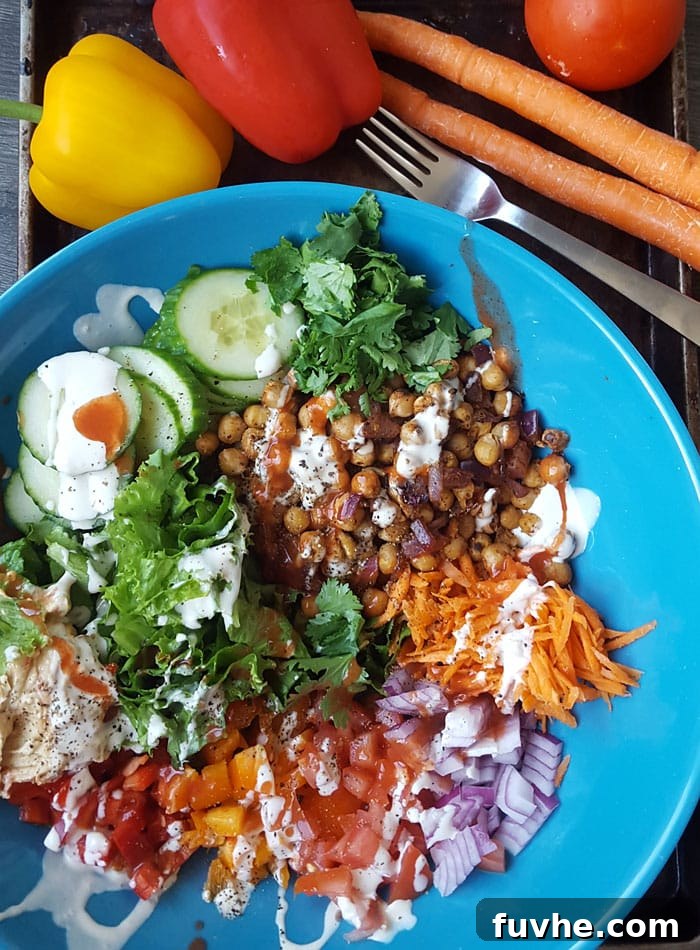
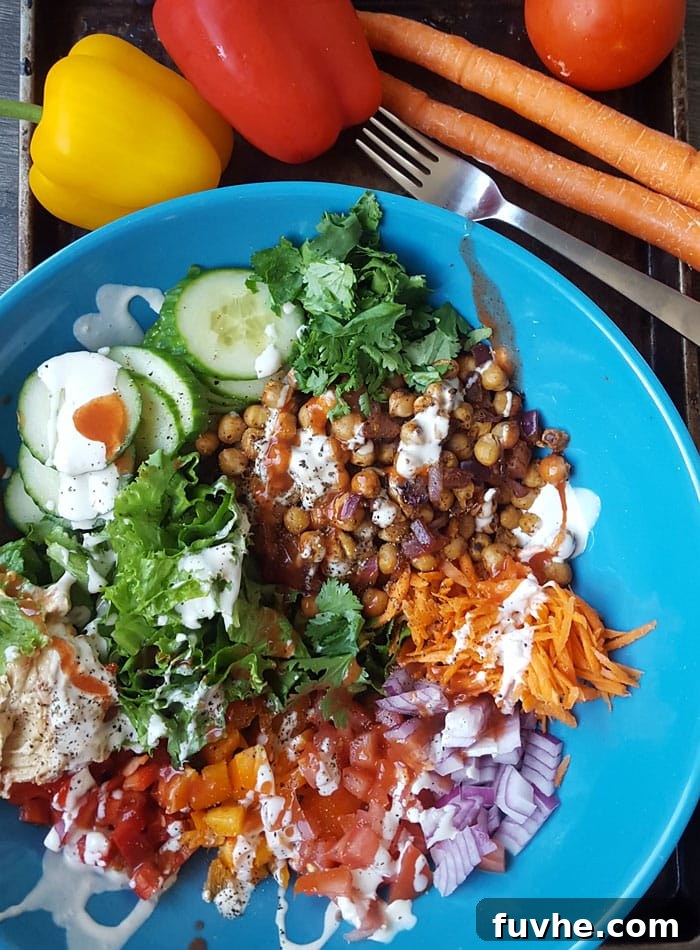
Embarking on a macro-based approach to your diet, especially as a vegan, opens up a world of nutritious and delicious possibilities. This comprehensive guide will equip you with an arsenal of plant-based foods that are not only excellent for hitting your macronutrient targets but also contribute to overall health and vitality. Whether you’re new to Flexible Dieting (IIFYM) or looking to refine your existing vegan macro strategy, these foods are your allies in achieving your fitness and wellness goals.
Mastering Vegan Macros: A Strategic Approach
Successfully implementing a vegan macro-tracking diet might seem daunting at first, but with a bit of strategic planning and the right food choices, it becomes an incredibly rewarding and enjoyable journey. If you’ve been following my previous updates, you’ll know that reaching specific macro goals on a plant-based diet is entirely achievable. The key lies in understanding your body’s needs and selecting nutrient-dense foods that support your objectives.
Many individuals ask how to make flexible dieting truly work on a plant-based regimen. The honest answer is that it requires dedication and thoughtful preparation. While I strive for a diet predominantly composed of whole foods, I’ve found that incorporating protein supplements is often essential to consistently hit higher protein targets without excessively increasing carbohydrate or fat intake. Beyond this, my focus remains on consuming natural, unprocessed foods, allowing for occasional treats and favorite indulgences that fit within my daily macro allocation. This balanced approach promotes both physical health and mental well-being, proving that flexible dieting on a plant-based diet is sustainable and satisfying.
My personal macro split typically hovers around 45% carbohydrates, 35% protein, and 25% fats. This guide will share the specific foods that have been instrumental in helping me maintain this balance and achieve my fitness aspirations.
Top Plant-Based Foods for Flexible Dieting Success
1. MCT Oil: Your Go-To for Healthy Fats
MCT (Medium-Chain Triglyceride) oil is an exceptional source of healthy fats that can significantly support your macro goals. Unlike longer-chain fatty acids, MCTs are rapidly absorbed and metabolized by the body, providing quick and sustained energy. This makes them particularly beneficial for pre-workout fuel or simply kick-starting your day. I often incorporate a teaspoon into my morning coffee, transforming it into an energizing, fat-rich beverage. Beyond MCT oil, other excellent plant-based fat sources I regularly utilize include high-quality coconut oil and extra virgin olive oil, both of which offer distinct health benefits and culinary versatility.
2. Bananas: Nature’s Perfect Carbohydrate
Bananas stand out as one of the most accessible, portable, and nutrient-dense carbohydrate sources available. They are naturally fat-free and packed with essential vitamins and minerals, making them an ideal choice for quick energy before or after workouts, or simply as a sweet, satisfying snack. Their versatility is unmatched; whether blended into smoothies, sliced over oats, or enjoyed on their own, bananas are a staple in my diet, with at least one consumed daily. They also serve as a fantastic binder and sweetener in baking, as demonstrated in my popular flourless protein brownies, which beautifully showcase their natural goodness.
3. Nutritional Yeast: A Cheesy, Nutritious Powerhouse
Nutritional yeast, often affectionately known as “nooch,” is a culinary secret weapon for vegans, beloved for its distinctive savory, cheese-like flavor and impressive nutritional profile. It’s a fantastic source of B vitamins, crucial for energy metabolism and nerve function. More importantly, nutritional yeast is a complete protein, containing all nine essential amino acids that your body cannot produce on its own. Beyond its macro benefits, it’s rich in immune-boosting compounds like beta-1,3 glucan, trehalose, mannan, and glutathione, which have been linked to enhanced immunity, reduced cholesterol, and potential cancer prevention. A single serving also delivers significant amounts of iron, selenium, zinc, and about 4 grams of fiber, contributing to digestive health. I sprinkle it generously on pasta, salads, and even add it to desserts and smoothies for an umami boost, and it’s indispensable for creating creamy, flavorful sauces.
4. Tempeh: Fermented Protein Excellence
Tempeh has become a cornerstone of my plant-based diet, appearing in my meals three to four times a week. While it might have been an infrequent choice before, its superior protein content and unique texture make it an invaluable alternative to tofu. Though slightly higher in calories than tofu, tempeh is a fermented soybean product, making it less processed and often easier to digest. The fermentation process also increases its nutritional value, enhancing its fiber content and bioavailability of nutrients. You can find tempeh in most health food stores and increasingly in well-stocked grocery stores. It’s incredibly versatile: crumble it into soups, salads, and pasta sauces for a chewy, satisfying texture, or marinate and dry-fry or bake it until crispy for delicious strips to add to sandwiches and bowls. Its robust flavor and nutritional density make it an absolute must-try for any vegan macro tracker.
5. Cauliflower Rice: The Ultimate Low-Carb Filler
For those looking to keep carbohydrate intake in check while adding volume and nutrients to meals, cauliflower rice is an absolute game-changer. This low-calorie, low-carb alternative to traditional rice is both healthy and delicious. Preparing it is simple: grate a head of cauliflower or pulse it in a food processor until it resembles rice grains. It can then be steamed, sautéed, or roasted and used in any dish where you’d typically use rice, from stir-fries to grain bowls. It effortlessly absorbs flavors, making it a versatile base for countless recipes.
Explore my favorite Cauliflower Rice recipes:
- Healthy Vegan Cauliflower Fried Rice
- Thai Red Curry Cauliflower Rice
- Vegan Pineapple Cashew Cauliflower Rice
- Coconut Cauliflower Dahl
6. Powdered Peanut Butter: Macro-Friendly Indulgence
For peanut butter enthusiasts managing macros, powdered peanut butter is an indispensable discovery. This ingenious product offers all the beloved flavor of regular peanut butter with significantly fewer calories and much less fat. Simply mix it with water to create a spreadable, low-fat alternative, or incorporate it directly into oats, smoothies, sauces, and baked goods. A single serving of powdered peanut butter typically contains just 45 calories, making it a smart choice when tracking fats closely. While it may not fully replicate the rich texture of conventional peanut butter, its flavor profile is undeniable. I enjoy both the regular variety and the delightful chocolate version, adding a guilt-free treat to my diet.
- Skinny Chocolate Chunky Monkey Smoothie Bowl
- Low Fat Peanut Butter Oatmeal Cookies
- Vegan Peanut Butter Mousse Parfaits
7. Plant-Based Protein Powders: Macro-Boosting Essentials
For individuals aiming for higher protein intake on a vegan diet, plant-based protein powders are almost indispensable. While whole foods are always prioritized, achieving significant protein targets without overconsuming carbohydrates and fats can be challenging. Protein powders offer a concentrated source of protein, making it easier to hit those daily goals. I meticulously select the cleanest, most whole-food-based supplements available, frequently relying on plain organic brown rice protein, organic hemp protein, and other high-quality plant-based blends. My personal favorite is Vega Performance Protein, which I integrate into my routine for various purposes: post-workout recovery smoothies, enriching recipes, preparing protein oats, and even creating nutritious protein puddings. They are a convenient and effective way to ensure adequate protein synthesis and muscle recovery, especially for active individuals.
9. Potatoes, Yams, and Sweet Potatoes: Clean Complex Carbs
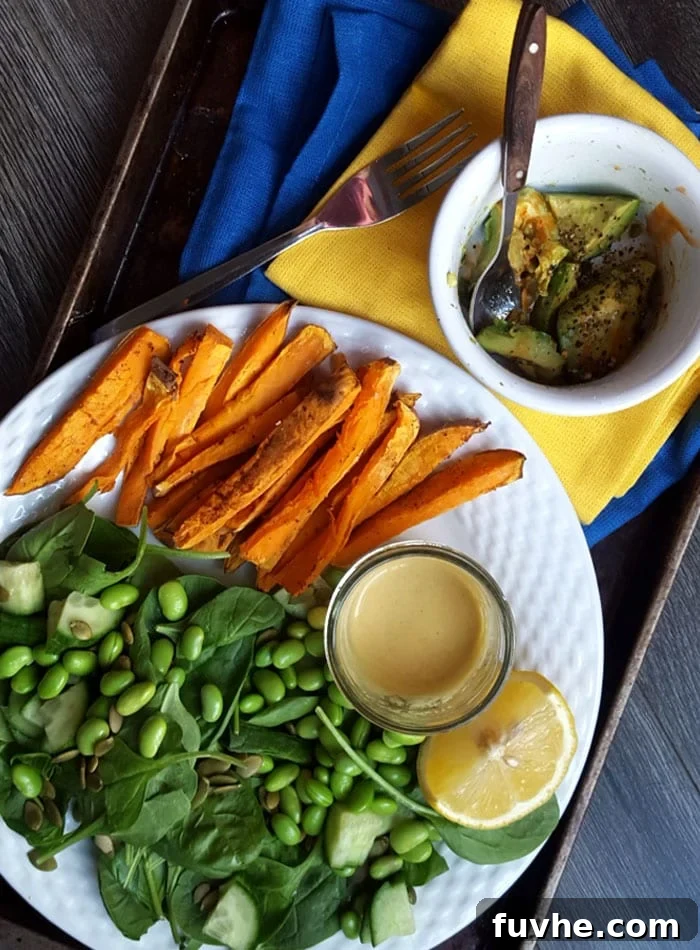
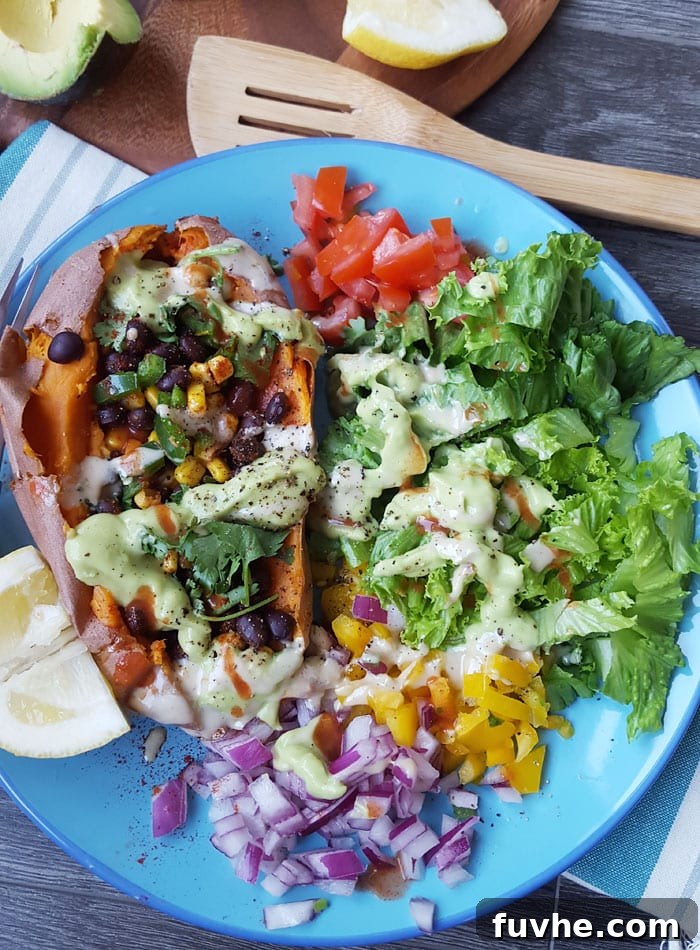
These humble root vegetables are truly wonderful: clean, healthy, vitamin-rich, and pure sources of complex carbohydrates. They provide sustained energy, making them excellent for fueling workouts and replenishing glycogen stores. My preferred method of preparation is making oil-free oven-baked fries. Simply cut your potatoes or sweet potatoes into wedges, season them with your favorite herbs and spices, and bake until perfectly crispy. For regular potatoes, a brief pre-boil can help achieve an even crispier exterior. I also frequently bake sweet potatoes in batches on Sundays, ensuring they’re ready for quick meals throughout the week. They are incredibly delicious on their own, requiring minimal additions, and are fantastic as the base for satisfying Sweet Potato Breakfast Bowls.
10. Raw Vegetables: Micronutrient Powerhouses
When it comes to flexible dieting, raw vegetables are your greatest allies for creating filling, nutrient-dense, and low-calorie meals that easily fit within your macros. They are bursting with fiber, vitamins, minerals, and antioxidants, contributing significantly to satiety and overall health. I make it a point to consume at least one enormous salad daily; it not only keeps me feeling full but also provides a vast array of essential micronutrients. Focus especially on dark leafy greens like spinach, kale, and romaine for their exceptional nutrient density. Beyond that, aim to “eat the rainbow” by incorporating a wide variety of colorful vegetables, ensuring you receive a comprehensive spectrum of health-promoting compounds.
11. Dijon Mustard: A Flavorful, Low-Calorie Condiment
Dijon mustard is an outstanding condiment for adding a punch of flavor without accumulating excess calories or fats. It’s my top choice for crafting vibrant, low-calorie, and low-fat sauces and dressings. Its pungent and slightly tangy profile can elevate a simple salad, add depth to marinades, or enliven sandwich spreads, making it an essential pantry item for any macro-tracker.
12. Herbs, Spices, Onion, and Garlic: Culinary Cornerstones
Consider herbs, spices, onion, and garlic your new best friends in the kitchen. Stocking up on a diverse range of these natural flavor enhancers is crucial for keeping your meals exciting, varied, and delicious, all while significantly reducing the need for excessive salt. Onions and garlic, in particular, are not only culinary workhorses but also packed with potent antioxidants and anti-inflammatory compounds, making them a superb addition to virtually any diet. Incorporating them into almost every savory dish can transform ordinary ingredients into extraordinary meals.
13. Sriracha, Salsa, and Other Hot Sauces: Spice Up Your Macros
Similarly to herbs and spices, sriracha, salsa, and various hot sauces are excellent tools for adding intense flavor and excitement to your dishes without impacting your macro count. These low-calorie, low-fat options allow you to introduce heat, tang, and complexity to your meals, preventing culinary boredom and making healthy eating a more enjoyable experience. Don’t shy away from experimenting with different varieties to discover new favorites!
14. Spirulina: The Green Superfood Algae
Spirulina is undeniably one of the most nutrient-dense food sources on the planet, renowned for boasting the highest percentage of protein by weight among all foods. More impressively, this protein is highly digestible, bioavailable, and complete, containing all essential amino acids. Beyond its protein power, spirulina delivers a broad spectrum of vitamins, phytonutrients, and antioxidants, and has been shown to accelerate recovery from exercise-induced stress. While its distinct flavor isn’t everyone’s favorite straight up, I typically blend it into my morning smoothies to mask the taste. Occasionally, I’ll mix it with a large glass of water and lemon for a refreshing, nutrient-packed drink. Another excellent alternative is chlorella, which offers similar benefits; you can explore that option as well. Both are available in convenient powder or capsule forms.
15. Hemp Seeds: Tiny Seeds, Big Nutrition
Hemp seeds are a nutritional powerhouse and an absolute must-have for anyone following a vegan IIFYM diet. They are exceptionally high in complete protein, abundant in healthy fats (particularly omega-3 and omega-6 fatty acids in an optimal ratio), and remarkably low in carbohydrates. These tiny seeds offer a fantastic way to boost both protein and healthy fat intake. I typically add 1-2 tablespoons to my morning oats, but their mild, nutty flavor makes them incredibly versatile. Sprinkle them on salads for a delightful crunch, blend them into smoothies for added creaminess and nutrients, incorporate them into desserts, or simply enjoy them by the spoonful for a quick, nutritious snack.
16. Oats: The Sustained Energy Source
Oats are a cornerstone of a well-balanced, macro-friendly diet. Rich in soluble fiber, they provide sustained energy, helping you feel full and satisfied for longer, while fueling all your workouts effectively. These low-fat, energy-providing carbohydrates are incredibly delicious and versatile. I look forward to my daily serving (typically 1/2 cup) of oats every single time. To streamline my week, I often batch-prep overnight oats on Sundays. I divide oats, chia seeds, hemp seeds, and any other dry additions into five individual containers. Each night, I simply pull one out, add almond milk, and place it in the fridge, ensuring a healthy, filling, and delicious breakfast is ready to enjoy the next morning.
19. Organic Tofu: The Vegan Protein Chameleon
When navigating plant-based flexible dieting, securing sufficient protein while keeping carbohydrates and fats in check often presents the biggest challenge. Many high-protein plant foods also come with a significant carb count. Tofu, however, offers an excellent balance, making it a crucial component of a vegan macro-tracker’s diet. It’s hard to imagine successfully adhering to macros without incorporating tofu a few times a week. Extra-firm tofu is perfect for savory dishes, absorbing flavors beautifully and providing a satisfying texture for stir-fries, scrambles, or even homemade vegan ricotta. Softer varieties, like silken tofu, are ideal for creating healthy, high-protein vegan desserts, such as mousses or creamy sauces. I recommend keeping a few blocks of both extra-firm and silken tofu on hand weekly to capitalize on its versatility and macro-friendly profile.
Discover delicious Oil-Free Tofu Recipes:
- Crispy Baked Curried Tofu (Oil-Free)
- How to Make Tofu Scramble for an Easy Vegan Breakfast
- Crispy Baked Garlic Black Pepper Tofu
20. Lentils: Affordable Protein and Fiber
Lentils are an incredibly economical and nutrient-dense source of plant-based protein, making them an excellent addition to any vegan IIFYM diet. Since they require some cooking time, I find it most efficient to prepare a large batch on the weekend. This allows me to easily add a scoop of protein to my meals throughout the week, whether it’s salads, soups, or stews. Lentils typically provide about 9 grams of protein per 116 calories, with almost no fat, showcasing their macro-friendly composition. They are also exceptionally high in fiber, aiding digestion and promoting satiety, and deliver a wealth of micronutrients, including magnesium, folate, and iron. Their versatility and affordability make them a staple in my kitchen. You absolutely must try my comforting Coconut Red Lentil Dahl!
22. Organic Stevia Drops: A Calorie-Free Sweetener
While maple syrup was once my go-to sweetener, a few tablespoons can quickly exhaust your daily carbohydrate allowance. To maintain my macro goals, especially when craving a sweet treat in the evenings, I transitioned to using organic stevia drops. Stevia is a natural, zero-calorie sweetener that allows for guilt-free indulgence without impacting your macros. I use it sparingly, mainly to satisfy sweet cravings without disrupting my nutrient balance. Of course, if you find yourself needing more carbohydrates at the end of the day, then a touch of maple syrup can be a delicious and functional option.
23. Berries: Nutrient-Dense, Low-Carb Fruit
Berries are a fantastic fruit choice for flexible dieting due to their high nutrient density and relatively low carbohydrate content compared to other fruits. They are packed with antioxidants, vitamins, and fiber, offering immense health benefits alongside their delicious, sweet flavor. I incorporate one serving of mixed berries into my diet every day, enjoying them for both their micronutrient boost and as a delightful treat. They are perfect for stirring into morning oats or creating light, healthy desserts in the evenings.
24. Vinegars: Macro-Free Flavor Enhancers
A well-stocked pantry of various vinegars is indispensable for crafting flavorful dressings and sauces without adding extra macros to your day. Vinegars are a brilliant way to introduce tang, acidity, and complexity to your meals, elevating taste without compromising your dietary targets. My favorites include apple cider vinegar, balsamic vinegar, rice vinegar, and white wine vinegar. I use them daily in homemade salad dressings, marinades, and as brighteners for cooked dishes, making them essential tools for a macro-conscious chef.
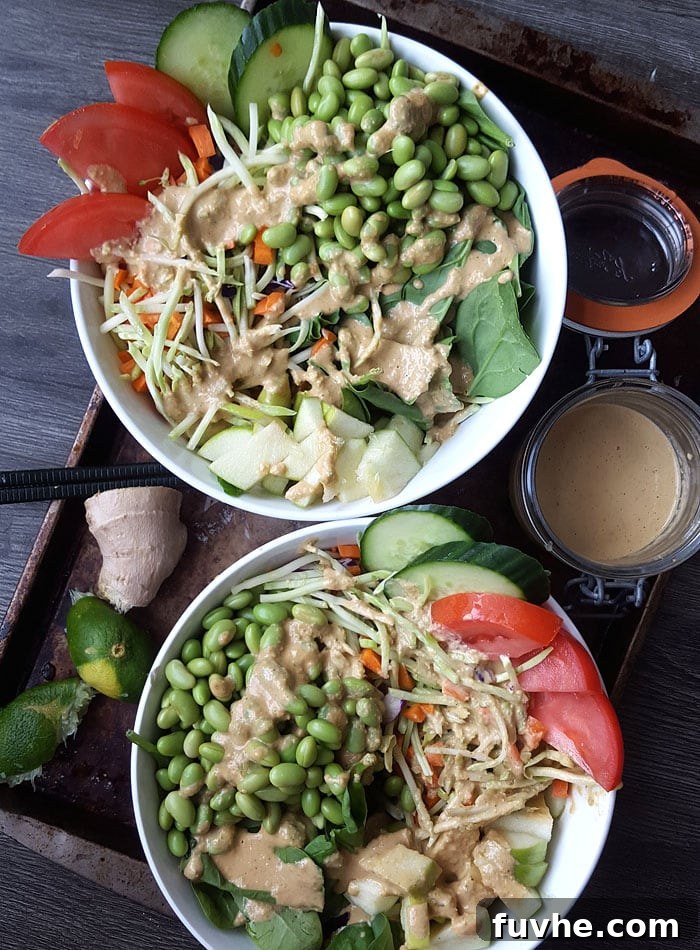
25. Edamame: Protein-Rich Snack and Addition
Edamame, or young soybeans, are an exceptional high-protein, low-carb food that can be enjoyed in numerous ways. They make a fantastic standalone snack, offering a satisfying bite and a significant protein boost. Alternatively, shelled edamame can be added to salads, stir-fries, or grain bowls to enhance their nutritional profile and add vibrant color and texture. I often prepare a large batch on Sundays to have readily available for quick snacks and meal additions throughout the week. Try this delicious Wild Rice Edamame Salad for a fresh and satisfying meal.
26. Water: The Foundation of Hydration
This may seem obvious, but proper hydration is absolutely fundamental to health, performance, and successful macro tracking. Don’t forget to consistently drink water throughout the day! It’s also an excellent practice to start your day with a large glass of water immediately upon waking and to have another before bed. In the morning, I often add a splash of apple cider vinegar to my water. This can help to alkalize the body, support digestion, and provide a gentle kickstart to your metabolism, setting a positive tone for the day.
These are just some of the staple foods that have been highly effective for me in achieving my vegan macro goals. While the market offers numerous “fat-free” or “sugar-free” processed items that some use for macro manipulation, my preference is firmly rooted in maintaining a diet that is as whole-food based and natural as possible. I believe in making gradual, sustainable progress by nourishing my body with unprocessed foods rather than relying on highly refined options, even if they fit the macros. This approach was already central to my eating habits before I began counting macros, so the shift primarily involved a heightened awareness of portion sizes and the precise macronutrient ratios of the foods I consumed. Experimentation is key to discovering what works best for your body, but always prioritize nutrient density and align your food choices with performance-based goals for optimal results.
The Role of Strategic Supplementation
While a nutritionally sound whole-food diet forms the bedrock of health, supplements can act as the “icing on the cake,” providing targeted support for training and recovery, especially for active individuals on a vegan diet. I consistently integrate several key supplements into my routine to enhance performance and overall well-being. These include creatine, known for boosting strength and power; BCAAs (branched-chain amino acids) for muscle recovery; fermented L-glutamine to support gut health and immunity; and various forms of plant-based protein powder to meet elevated protein needs. Additionally, I prioritize micronutrient support with calcium and magnesium, and a vegan omega-3 supplement. My top recommendation in this category is Ascenta NutraVeg. If I were limited to just one supplement, this would likely be it, as I’ve found it to be a crucial factor in preventing joint pain and promoting overall inflammatory balance.
Embracing Nutrient Density for Optimal Health
Beyond tracking macros, a consistent focus on nutrient density is paramount. I regularly incorporate various superfoods like chia seeds, maca, cherries, and turmeric into my diet. These powerful additions offer a vast array of health benefits, providing concentrated doses of vitamins, minerals, and antioxidants that are especially valuable on a plant-based diet. More broadly, my daily philosophy involves consuming an abundance of fresh vegetables and fruits across a spectrum of colors. This vibrant approach ensures a wide intake of diverse antioxidants, vitamins, and minerals, which collectively contribute to improved energy levels, enhanced immune function, and an overall profound sense of well-being. Eating whole, colorful foods is a simple yet incredibly effective strategy for thriving.
Performance First: A Mindset for Sustainable Success
It’s crucial to remember that flexible dieting, at its core, is not about harsh restriction or deprivation. Instead, it’s about intelligently using food as a powerful tool to achieve your specific performance and health goals. This approach inherently leaves room for treats and occasional indulgences. Missing your macros one day is not a failure; it’s simply an opportunity to get right back on track the next. For most of us, unless preparing for a competition requiring strict weight cutting, the path to long-term success is characterized by slow, steady, and consistent progress. Embracing flexible dieting on a plant-based diet is not only doable and enjoyable but, in my personal experience, has proven to be highly effective in fostering both physical and mental resilience.
Related Reading
- Week One Experiences – A Snapshot of How I Eat
- Week Two Experiences – Tips, Tricks and Sample Meal Plans
- Week Six Follow Up and Experiences – Tips and Tricks
- Best Plant-Based Flexible Dieting Foods – Part 1
- Best Plant-Based Flexible Dieting Foods – Part 2
- Best Plant-Based Flexible Dieting Foods – Part 3
- Nutrition Tips for Vegan Athletes