
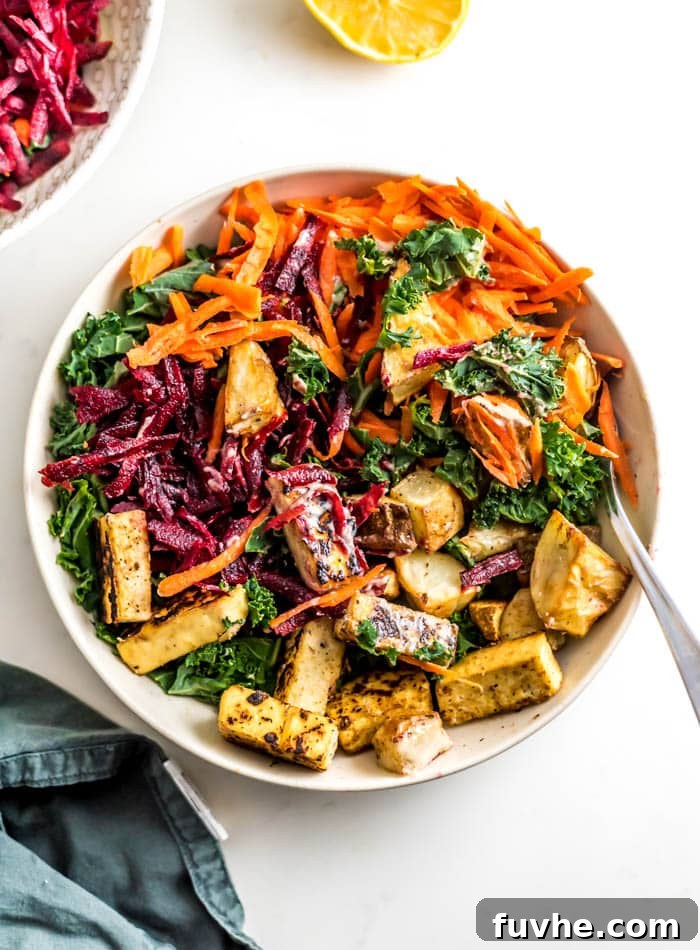
Welcome to this comprehensive guide on vegan nutrition, where we will delve into every essential nutrient consideration for thriving on a plant-based diet. Embracing a vegan lifestyle can be a journey of health, discovery, and delicious food, provided it’s well-planned and informed.
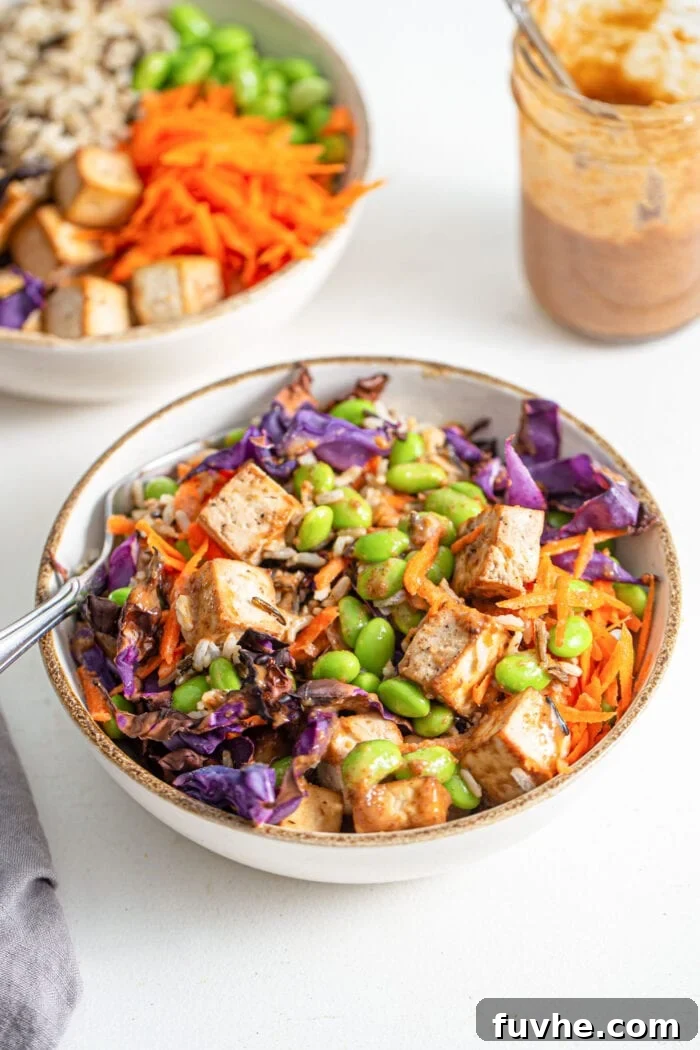
With a foundational understanding of nutritional science and a conscious effort, obtaining all the necessary nutrients through a meticulously planned vegan diet is not only entirely achievable but also incredibly delightful, straightforward, and supremely healthy.
If you find yourself concerned about potential nutrient deficiencies on a vegan diet, this detailed guide is designed to address your questions comprehensively. Our aim is to equip you with the knowledge and encouragement needed to confidently pursue your whole-food, plant-based journey, ensuring optimal health and well-being every step of the way.
While there are legitimate nutritional considerations when abstaining from animal products, it’s crucial to understand that these concerns often stem more from insufficient consumption of diverse plant foods than from the absence of animal-derived items. Many nutrient deficiencies commonly associated with veganism are, in fact, prevalent across all dietary patterns, highlighting the importance of overall dietary quality.
The esteemed Academy of Nutrition and Dietetics unequivocally states that a thoughtfully planned vegan diet is healthful, nutritionally adequate, and may provide health benefits for the prevention and treatment of certain diseases, suitable for all stages of life, including pregnancy, lactation, infancy, childhood, adolescence, older adulthood, and for athletes.
They further emphasize that well-constructed plant-based diets can significantly contribute to various preventive health benefits. Naturally, much like any other dietary approach, a poorly planned vegan diet could pose health risks. However, the same cautionary principle applies equally to an omnivorous diet lacking sufficient whole, unprocessed plant foods.
Why Strategic Planning is Crucial for Vegan Diets
Despite the consensus that a vegan diet can be healthful at every stage of life, I cannot overstate the importance of thoughtful planning to ensure you consistently meet all your nutritional requirements. This commitment involves strategic supplementation where necessary, a conscious effort to incorporate specific nutrient-dense foods, and a degree of self-awareness and monitoring of your own health to proactively maintain optimal well-being.
If your intention is to sustain a plant-based diet over the long term, it is imperative to implement the necessary measures to prevent any vital nutrient deficiencies. Let this wealth of information serve as your inspiration to make superior food choices, transforming your dietary habits into a powerful foundation for lifelong health.
Understanding Your Caloric and Macronutrient Needs
A common pitfall for individuals transitioning to a plant-based diet is misjudging their caloric intake, often leading to eating either too little or too much. Ensuring adequate calorie consumption is paramount for supplying your body with the necessary carbohydrates, fats, protein, and micronutrients essential for maintaining vibrant health and energy levels.
Beyond Just Produce: A Balanced Approach to Plant Foods
While fruits and vegetables are incredibly rich in nutrients, they are generally low in calories. With the exception of starchy vegetables like potatoes, you would need to consume an extraordinarily large volume of them to meet your daily caloric needs. While a generous intake of vegetables is unequivocally beneficial, relying solely on them can leave you feeling undernourished and lacking in sustained energy.
Legumes and whole grains, conversely, offer a significantly higher caloric density, providing substantial amounts of carbohydrates, protein, and some fats. Fats, being the most calorie-dense macronutrient, can quickly accumulate. When planning your diet, aim for carbohydrates to form a considerable portion of your caloric intake, with adequate protein and healthy fats rounding out the remainder to support all bodily functions.
Harnessing Your Body’s Wisdom: Mindful Eating
On the flip side, the inherent healthiness of a food does not grant permission for unlimited consumption. For example, regularly overeating nuts and seeds, despite their nutritional benefits, can lead to excessive calorie intake and potential weight gain. However, there’s no need to become overly anxious about this balance. Our bodies possess remarkable intelligence; by simply listening attentively, they often guide us toward what we need and in what quantities.
To navigate your daily diet effectively, consider these foundational principles:
- Eat intuitively, responding to genuine hunger cues.
- Stop eating when you feel comfortably satisfied, not overly stuffed.
- Maintain consistent hydration throughout the day by drinking ample water.
- Engage in regular physical activity.
- Prioritize carbohydrates from nutrient-rich sources such as whole grains, legumes, a wide array of vegetables, and fruits.
- Source healthy fats from whole foods like nuts, seeds, avocados, and moderate amounts of coconut.
- Obtain protein from diverse plant-based options, including whole grains, legumes, nuts, and seeds.
- Aim for an 80-90% intake of whole, unprocessed foods, reserving the remaining portion for occasional treats and enjoying life’s culinary pleasures.
For a simplified daily approach, consider creating or utilizing a personal daily nutrition checklist. Such a reference can help ensure you’re consuming suggested servings for each food group—like legumes, various vegetables, fruits, and seeds—to comprehensively cover your daily nutritional requirements.
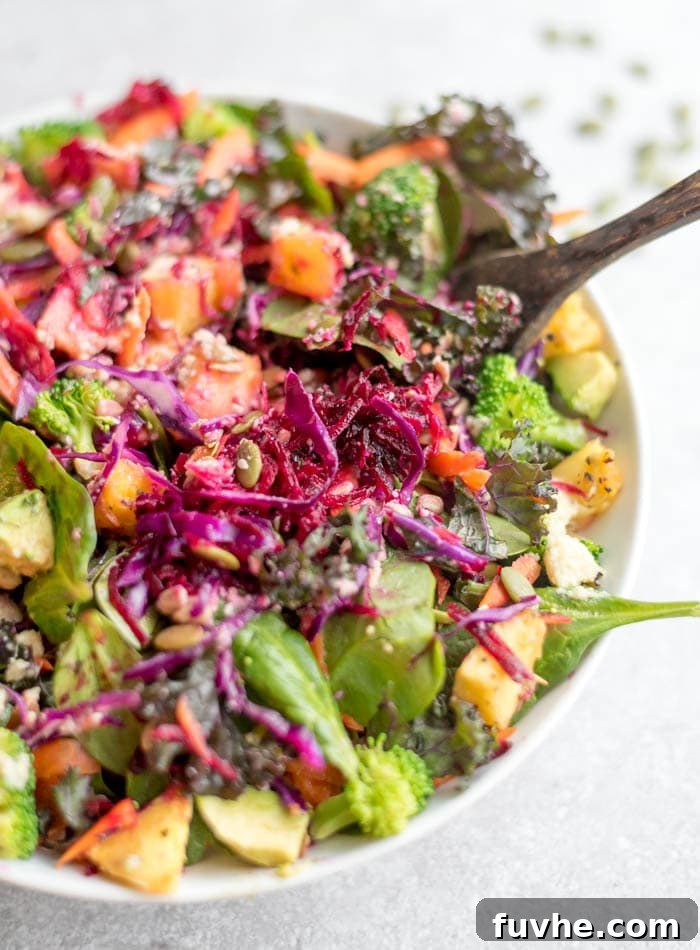
Defining the Vegan and Plant-Based Spectrum
What Exactly is a Vegan Diet?
Veganism extends beyond mere dietary choices; it represents a profound ethical philosophy and way of living centered on minimizing harm and exploitation to all animals. This commitment manifests as abstaining from animal products across all facets of life, including meat, fish, dairy, eggs, honey, gelatin, lanolin, wool, fur, silk, suede, and leather. It is a comprehensive movement that actively seeks to exclude, as far as practically possible, all forms of animal exploitation and cruelty for food, clothing, entertainment, or any other purpose.
Plant-Based vs. Vegan: Understanding the Nuances
While often used interchangeably, the terms “plant-based” and “vegan” carry distinct differences. Veganism encompasses a broader ethical stance, extending to clothing, household items, and lifestyle choices beyond just food. A vegan, therefore, avoids down comforters, wool socks, honey, and gelatin-based candies, in addition to strictly abstaining from dairy, eggs, meat, and fish.
Exploring the Plant-Based Diet
Conversely, a “plant-based diet” primarily refers to the culinary aspect, emphasizing foods derived from plants and excluding animal products. Individuals adopting a plant-based diet may not necessarily identify as vegan, and their motivations might extend beyond animal compassion to include personal health, environmental sustainability, or a combination thereof. For many, like myself, the journey often begins with a deep sense of compassion for animals and naturally evolves to embrace the profound health benefits offered by plant-based eating.
The more I educated myself on the realities of modern animal agriculture, the clearer it became that I could no longer participate in it. From that initial ethical awakening, a deeper immersion into health and nutrition further solidified my passion for plant-based living. Each new piece of knowledge invariably reinforced my conviction and purpose for eating the way I do.
What About a Vegetarian Diet?
Vegetarianism represents an intermediate dietary choice where individuals abstain from consuming meat and fish but continue to incorporate other animal-derived products such as eggs and dairy into their diet.
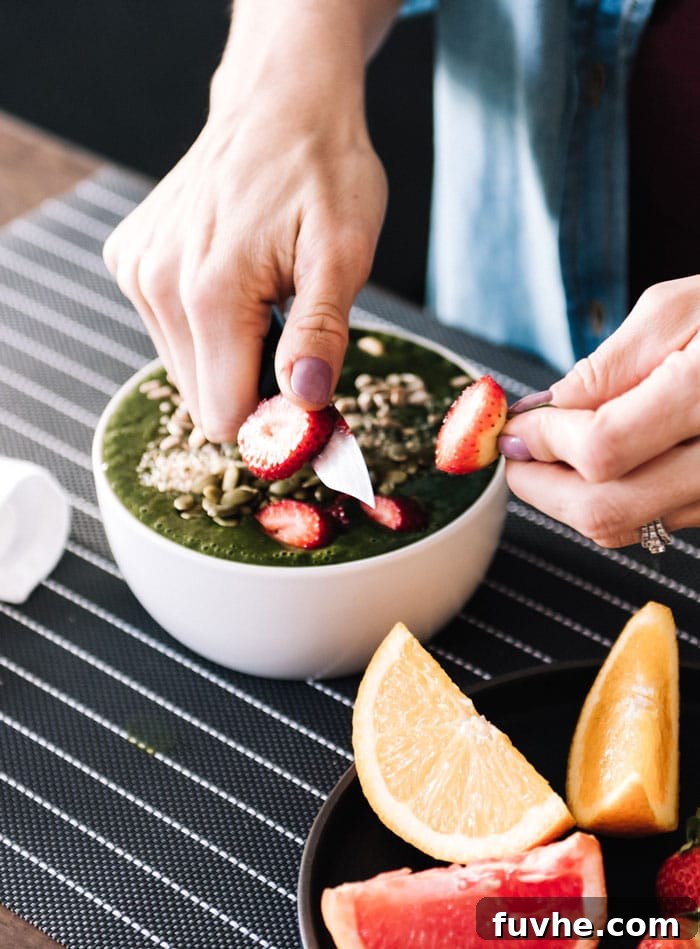
A Culinary Tour: What Do Vegans Eat?
A common misconception, especially for those new to the lifestyle, is that a vegan diet is restrictive and leaves little to eat. In reality, vegans enjoy an incredibly diverse, abundant, and delicious array of foods! Once you become familiar with the vast possibilities, vegan eating becomes an exciting culinary adventure, offering endless creativity and satisfaction. Many vegans, myself included, never feel deprived or like they are missing out on anything.
A vegan diet is composed exclusively of plant foods, yet vegans consume many of the same beloved dishes as non-vegans, simply in plant-based adaptations: pasta, vibrant stir-fries, fresh salads, hearty sandwiches, gourmet burgers, fluffy pancakes, flavorful tacos, and even indulgent pizzas. Essentially, almost any animal-based dish can be cleverly re-imagined and prepared in a delicious vegan version. With a few key tips and tricks, you’ll swiftly master the art of transforming your favorite meals into wholesome, plant-powered creations.
Essential Vegan Food Groups for Optimal Health
A thriving plant-based diet draws its sustenance from a variety of key food groups, entirely free from animal products. These foundational categories include whole grains, a vibrant assortment of fruits and vegetables, nutrient-dense nuts and seeds, and versatile legumes. Let’s explore each category in more detail:
Whole Grains: The Foundation of Energy and Fiber
Whole grains form a cornerstone of a healthy vegan diet, encompassing staples like pasta, bread, rice, quinoa, oats, various flours, and other whole-grain products. These foods will likely constitute a significant portion of your daily intake, delivering a substantial supply of protein, dietary fiber, complex carbohydrates for sustained energy, and a wide spectrum of essential vitamins and minerals. Incorporating a variety of whole grains ensures a robust nutritional profile and sustained satiety.
Vegetables: A Spectrum of Nutrients and Antioxidants
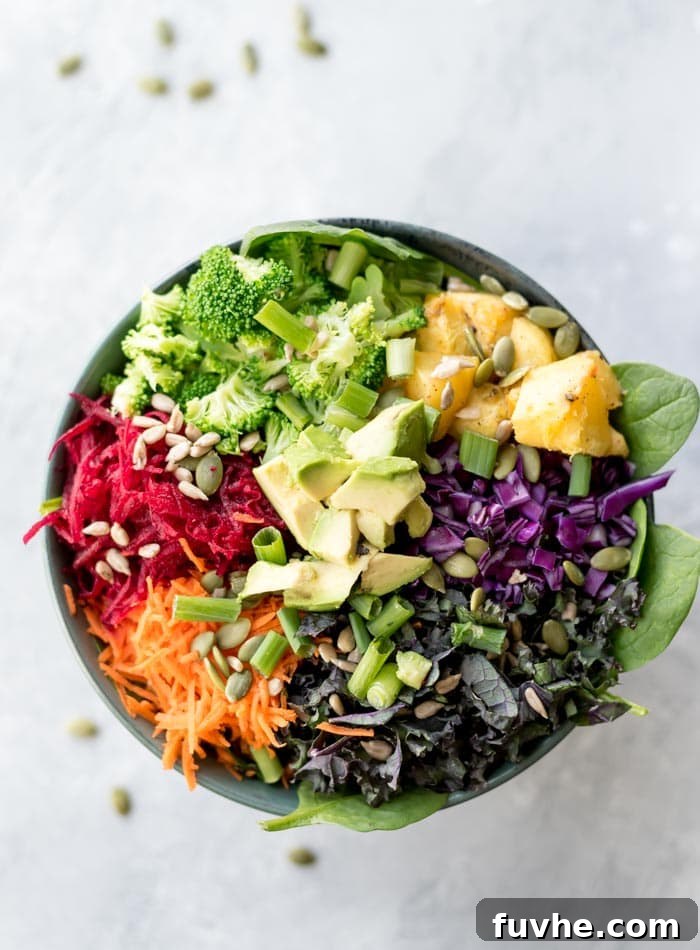
Vegetables should occupy a prominent place in everyone’s diet, regardless of dietary preference. They are remarkably low in calories yet exceptionally rich in vital nutrients, potent phytochemicals, and dietary fiber, fulfilling a broad array of your nutritional needs. Prioritize dark leafy greens such as spinach, kale, and Swiss chard daily. Beyond that, focus on consuming as many different colors of vegetables as possible to ensure a diverse intake of vitamins, minerals, and antioxidants. A daily salad is highly recommended, and creatively sneaking greens into smoothies, soups, stews, and almost every other dish is a fantastic way to boost your intake.
Fruits: Natural Sweetness and Disease-Fighting Power
Incorporating a few servings of fruit daily is an excellent strategy to further enhance your nutritional completeness, particularly for boosting your intake of disease-fighting antioxidants. Fruits are abundantly rich in fiber, vitamins, minerals, and phytochemicals. Whether fresh or frozen, all fruits offer numerous health benefits. Among the healthiest choices are berries, citrus fruits, pineapple, mango, and apples, but remember, every fruit provides valuable nutrition and contributes to a balanced diet!
Nuts and Seeds: Micronutrient Powerhouses and Healthy Fats
This vital food group is an abundant source of numerous essential nutrients, including significant amounts of zinc, magnesium, vitamin E, calcium, and selenium. Nuts and seeds provide substantial nutrition and contribute significantly to satiety and energy in a vegan diet. Consider incorporating a variety such as almonds, cashews, Brazil nuts, pecans, walnuts, sunflower seeds, pumpkin seeds, hemp seeds, chia seeds, flaxseeds, and pistachios. Aim to include a few servings of diverse nuts and seeds in your diet every single day.
Legumes: Protein, Fiber, and Cardiovascular Health
Legumes are an indispensable component of a healthy vegan diet. This expansive group, which includes beans, peas, lentils, peanuts, and soy products, stands out as an outstanding source of dietary fiber, plant-based protein, iron, calcium, zinc, and B vitamins. Lentils and beans are not only economical and incredibly versatile but also taste fantastic and play a crucial role in reducing cholesterol levels and maintaining stable blood sugar. The soybean, a prominent legume, is readily available in various forms such as edamame, tofu, tempeh, and soy milk. By ensuring a consistent and varied intake of legumes daily, you will significantly cover a multitude of your nutritional needs.
Navigating Fats: What About Oils and Coconut?
The Role of Oils in a Vegan Diet
Concentrated fats derived from oils are not strictly necessary for achieving optimal health, as the essential fatty acids they contain are readily available from whole food sources. By consistently including nutrient-rich options like avocados, olives, nuts, and seeds in your diet, you can easily meet most of your essential fatty acid requirements while simultaneously benefiting from a broader spectrum of other vital nutrients and dietary fiber.
While a minimal amount of oil can be acceptable in certain culinary contexts, it is generally recommended to keep your overall oil intake to a minimum. For a deeper understanding of healthy fats and an anti-inflammatory lifestyle, you might find valuable insights in my post on living an anti-inflammatory lifestyle and my guide to gut health.
Understanding Coconut in a Plant-Based Context
Coconut holds a unique position within the plant kingdom due to its notably high content of saturated fats. However, there is no need for undue concern regarding this aspect, provided you practice mindful portion control. The American Heart Association suggests maintaining saturated fat intake below 16 grams per day. For those adhering to a plant-based diet, primary sources of saturated fats typically include coconut and cacao.
I personally enjoy coconut in various forms, frequently incorporating shredded coconut, coconut butter, coconut milk, and coconut flakes into my diet. While I rarely use coconut oil for cooking, I do occasionally utilize it for baking or in the preparation of no-bake desserts.
Beyond its fat content, coconut provides beneficial B vitamins such as folate, riboflavin, niacin, thiamin, and pyridoxine, alongside a range of essential minerals like copper, potassium, calcium, iron, manganese, magnesium, and zinc. Similarly, I frequently consume cacao in the form of raw cacao nibs, dark chocolate, and cacao powder, recognizing its rich profile of potassium, sulfur, magnesium, copper, iron, and zinc.
Vegan Macronutrient Needs: Fueling Your Body
Vegans require the same fundamental macronutrients—carbohydrates, fats, and protein—as individuals following any other diet. Achieving an appropriate balance of these macros is crucial for overall health and optimal bodily function. Typically, a distribution around 40-60% carbohydrates, 20-30% protein, and 15-35% fat is recommended, though these percentages can vary based on individual activity levels, specific health goals, and unique nutritional needs.
However, it’s not essential to obsess over precise macronutrient breakdowns, especially when starting out. The most effective initial approach is to concentrate on consuming a diverse array of whole, unprocessed foods from each of the vegan food groups discussed earlier. This holistic strategy is the most reliable way to ensure you comprehensively meet all your nutritional requirements naturally.
Vegan Athlete Nutrient Considerations: Enhanced Performance and Recovery
Highly active vegans and athletes, much like their non-vegan counterparts, often require an increased caloric intake to adequately support their strenuous activity levels. Depending on the individual’s sport and specific physiological demands, a slightly elevated intake of both protein and carbohydrates usually suffices. Extra protein can play a crucial role in enhancing muscle recovery and supporting muscle growth and repair, while additional carbohydrates are essential for fueling intense activity and replenishing glycogen stores.
For detailed guidance on optimizing your protein intake, I encourage you to explore my post on Best Vegan Protein Sources. Additionally, my vegan macro guide offers valuable insights for balancing your macronutrients effectively as an athlete.
Comprehensive Vegan Nutrient Guide: Micronutrients for Optimal Health
Below, we will dive into a detailed exploration of all the essential nutrients that require careful consideration when you adopt a plant-based diet. It’s important to note that many of these considerations are not exclusive to vegans; numerous omnivores also experience deficiencies in these very same nutrients. Therefore, the absence of animal products is rarely the sole problem; rather, the underlying issue is often an insufficient intake of diverse, whole, plant-based foods.
Before we proceed, rest assured that obtaining adequate protein on a vegan diet is generally not a concern. The primary focus should instead be on consistently consuming a wide spectrum of whole, plant-based foods to ensure comprehensive coverage of all your vital micronutrient needs.
The four key nutrients that vegans should pay particular attention to are vitamin B12, vitamin D, omega-3 DHA and EPA, and iodine. We will thoroughly discuss these, along with other crucial nutrients such as calcium, iron, zinc, magnesium, vitamin K, vitamin A, and several others.
Vitamin B12: An Essential for All Vegans
Vitamin B12 is uniquely synthesized by specific bacteria found in dirt and soil. There’s a common misconception that it is exclusively derived from animal flesh and animal secretions like eggs and milk. Historically, humans acquired B12 by consuming fruits and vegetables grown in rich, uncontaminated soil. However, modern agricultural practices have significantly depleted our soils, rendering them inadequate sources of B12. Furthermore, our current stringent washing practices for fruits and vegetables mean we no longer consume the trace amounts of dirt and soil that once provided this vitamin.
Vitamin B12 is an absolutely critical nutrient, indispensable for healthy red blood cell formation, optimal neurological function, and accurate DNA synthesis. Due to its limited availability in modern plant-based foods, it is universally recommended that all vegans and plant-based eaters supplement B12.
B12 is the singular vitamin not reliably available from whole, plant-based foods or sufficient sun exposure. Ensuring an adequate intake of B12 is paramount for all vegans, achievable through a strategic combination of B12 supplementation and the consumption of B12-fortified foods.
Recognizing Symptoms of B12 Deficiency
A clinical B12 deficiency can lead to serious health issues such as megaloblastic anemia or permanent damage to the nervous system. While most vegans manage to consume enough B12 to avoid severe clinical deficiency, lower levels can still impact health. Symptoms of deficiency can manifest gradually over time and may include persistent loss of energy, tingling or numbness in the extremities, reduced sensitivity to pain or pressure, blurred vision, an abnormal gait, a sore or inflamed tongue, poor memory, confusion, hallucinations, and personality changes. It’s important to note that these symptoms are not immediate but typically develop subtly over an extended period before being recognized as linked to B12 deficiency.
Ensuring Adequate B12 Intake
Plant-based individuals can effectively meet their B12 requirements through one or a combination of the following reliable methods:
- Regularly consume B12-fortified foods 2-3 times per day.
- Take a daily supplemental B12 dose of approximately 10 mcg.
- Opt for a weekly supplemental dose of 1000 mcg of B12 two to three times a week, or a single dose of 2000 mcg once per week.
It’s also crucial to highlight that, irrespective of diet, everyone over the age of 50 should incorporate B12-fortified foods and use a B12 supplement. This recommendation stems from the age-related impairment of B12 absorption that commonly occurs.
I personally use a sublingual B12 spray that provides 500 mcg of B12 daily. In addition, I regularly consume tempeh, nutritional yeast, and various fortified plant-based milks to further support my B12 levels.
Read More: For more insights into incorporating these versatile foods, explore our Guide to Tofu and Tempeh.
Excellent B12 Fortified Foods
Key B12-fortified foods include commercially available plant-based milks, such as almond and soy milk, fortified nutritional yeast, and fortified breakfast cereals. While in smaller amounts, some natural sources like nori seaweed and tempeh also contain bioactive vitamin B12, offering supplementary benefits.
Omega-3 DHA and EPA: Brain and Heart Health Essentials
It’s important to differentiate between the general RDA for overall omega-3 fatty acids and the more specific recommendations for eicosapentaenoic acid (EPA) and docosahexaenoic acid (DHA), for which there isn’t a universally established daily allowance. Nevertheless, the American Heart Association advises adults to consume a combined 500 mg of DHA and EPA daily. Furthermore, various studies have suggested higher intakes, recommending 1000 mg of DHA and 220 mg of EPA per day for optimal health benefits.
Omega-3 fatty acids are absolutely crucial for maintaining robust brain health, efficient nutrient absorption, and overall physiological well-being. They possess powerful anti-inflammatory properties and contribute significantly to the body’s healing processes. A deficiency in omega-3s can have far-reaching negative consequences, potentially leading to cognitive impairment, depression, autoimmune diseases, compromised digestive health, mood imbalances, and more.
Securing Adequate DHA and EPA on a Vegan Diet
For individuals following a vegan diet, the primary concern regarding omega-3s lies in obtaining sufficient DHA and EPA fatty acids, rather than the more generally available alpha-linolenic acid (ALA), which is abundant in various plant sources. EPA and DHA are typically found in animal products, particularly fatty fish, which is how omnivores predominantly acquire these essential fats. Fortunately, vegans can readily utilize algae-based supplements that are rich in preformed DHA and EPA. I strongly recommend incorporating such a supplement in addition to regularly consuming omega-3-rich plant foods like hemp seeds, flaxseeds, chia seeds, and walnuts.
Our bodies possess the capacity to convert some ALA omega-3 fatty acids into EPA and DHA; however, this conversion process is often inefficient, underscoring the importance of dietary sources or supplementation for these specific fatty acids. Moreover, research indicates that an excessive intake of omega-6 fatty acids can impede the conversion of omega-3s into DPA and DHA. Given that the typical Western diet often involves an overconsumption of omega-6s and pre-existing omega-3 deficiencies, this inhibitory effect exacerbates the problem.
Therefore, to adequately meet DHA and EPA recommendations, it is suggested that vegans not only exceed the general RDA for omega-3 but also consciously maintain a lower intake of omega-6 fatty acids. Omega-6s are predominantly consumed through various cooking oils. For further information on the implications of omega-6 intake, please consult my post on an anti-inflammatory diet.
I personally incorporate a daily vegan algae-based omega-3 supplement containing both DHA and EPA, and I make a concerted effort to consume a wide variety of the foods listed below to ensure comprehensive coverage of my omega-3 needs. I also appreciate Udo’s Oil 3-6-9 Blend, which includes DHA.
Abundant Omega-3 Rich Foods
- Flaxseed: An excellent source of ALA, best consumed ground for optimal absorption.
- Walnuts: Provide a good dose of ALA, beneficial for brain health.
- Hemp Seeds: Rich in ALA and boast a favorable omega-3 to omega-6 ratio.
- Seaweed: Varieties like spirulina and wakame can offer some preformed EPA and DHA.
- Chia Seeds: A powerhouse of ALA, fiber, and protein, great for thickening and adding to meals.
- All Other Nuts and Seeds: Contribute smaller amounts of omega-3s along with other healthy fats and nutrients.
- Legumes: Offer trace amounts of ALA, contributing to overall intake.
- Winter Squash: Provides some ALA, especially varieties like butternut squash.
- Cruciferous Vegetables: Cauliflower, broccoli, and Brussels sprouts contain small but valuable amounts of ALA.
- Leafy Greens: Dark leafy greens like spinach and kale contribute small amounts of ALA.
- Berries and Mangos: While not primary sources, they add to the overall omega-3 profile of a diverse diet.
- Wild Rice: A whole grain that provides some ALA.

Vitamin K2: Beyond Blood Clotting to Bone and Heart Health
Vitamin K plays a crucial multifaceted role in the body, essential for effective blood clotting, maintaining robust bone and brain health, and supporting proper kidney function. It is readily available in a well-rounded vegan diet, particularly when you prioritize an abundance of fruits and vegetables. Vitamin K exists in two primary forms: Vitamin K1 (phylloquinone), the natural form predominantly found in plants, and Vitamin K2 (menaquinone), which is largely produced by intestinal bacteria and can also be found in some fermented foods.
K2 is of particular significance for its pivotal role in bone health, where it acts as a crucial cofactor, guiding calcium around the body to be properly utilized for bone mineralization. Furthermore, K2 is instrumental in preventing the detrimental buildup of calcium as plaque in the arteries, thereby safeguarding against atherosclerosis and promoting cardiovascular health. While K1 deficiency is quite rare, ensuring adequate K2 intake can be a concern, as a deficiency could potentially elevate the risk of osteoporosis and other bone-related issues.
Calcium Supplementation and Heart Disease: The K2 Connection
A significant concern arises when healthy adults, potentially lacking sufficient K2, supplement with calcium in isolation. This imbalance can paradoxically increase the risk of heart attack or stroke. Without adequate K2, calcium may not be properly directed to the bones and instead accumulates in the arteries, forming harmful plaque. This process often has no overt symptoms until advanced stages. This highlights the critical importance of obtaining calcium primarily through dietary sources rather than relying excessively on calcium supplements alone. If bone health supplementation is deemed necessary, consider a comprehensive supplement that includes calcium alongside vitamin D, magnesium, and crucially, vitamin K2.
Given that our gut bacteria are key producers of vitamin K2, it is also essential to incorporate fermented foods into your diet regularly to foster a healthy and diverse gut flora. Vitamin K is a fat-soluble vitamin, meaning its absorption is enhanced when consumed with a source of healthy fat. Incorporating a small amount of nuts, seeds, or avocado with your meals is an excellent strategy to maximize vitamin K absorption.
Excellent Vitamin K Rich Foods
- Brussels Sprouts: A cruciferous powerhouse packed with Vitamin K1.
- Fermented Soy Products: Miso and especially natto are exceptional sources of Vitamin K2.
- Cabbage: Another excellent cruciferous vegetable contributing significant K1.
- Kale: A superstar leafy green, incredibly rich in Vitamin K1.
- Turnips and Turnip Greens: Both the root and the greens offer good Vitamin K content.
- Broccoli: A widely available and potent source of Vitamin K1.
- Okra: A unique vegetable providing valuable K1.
- Pumpkin: Offers a moderate amount of Vitamin K1.
- Edamame: Provides Vitamin K1 and contributes to overall legume intake.
- Spinach and Other Leafy Greens: Abundant in Vitamin K1, vital for daily intake.
- Kiwi: A fruit that surprisingly contributes to Vitamin K intake.
- Wheat Bran: A whole grain component that contains some Vitamin K.
- Swiss Chard: Another dark leafy green rich in Vitamin K1.
- Parsley: An herb that is remarkably high in Vitamin K1.

Vitamin A: Vision, Immunity, and Cell Growth
It’s important to understand that the Recommended Dietary Allowance (RDA) for vitamin A is typically measured in retinol activity equivalents (RAE), which quantifies the amount of potential vitamin A activity a food possesses. While a healthy, diverse vegan diet naturally provides many excellent sources of the precursor to vitamin A, it’s still worthwhile to understand its crucial importance and how to optimize its intake.
Vegans do not consume “preformed” vitamin A (retinol), as it is exclusively found in animal products. However, our bodies are remarkably capable of synthesizing vitamin A from carotenoids, particularly beta-carotene, which is abundant and highly biologically active in various plants. Studies indicate that it can take approximately 12 micrograms of beta-carotene to produce just one microgram of vitamin A, emphasizing the need to consistently consume a generous amount of beta-carotene-rich foods. Fortunately, this is quite easy to achieve with a colorful plant-based diet. To significantly enhance absorption, always combine vitamin A-rich foods with a source of healthy fats. Integrating small amounts of nuts, seeds, or avocado into all your meals is an excellent and simple way to facilitate this process.
Vibrant Vitamin A Rich Foods (as Beta-Carotene)
- Sweet Potato: An outstanding source, providing a massive boost of beta-carotene.
- Butternut Squash: Another excellent winter squash, rich in this essential carotenoid.
- Cantaloupe: A sweet and juicy fruit that offers a good amount of beta-carotene.
- Kale: A dark leafy green powerhouse, abundant in various nutrients including beta-carotene.
- Spinach: Another versatile leafy green that provides significant beta-carotene.
- Carrots: The classic source, renowned for its high beta-carotene content.
- Apricots: These small, orange fruits are a delicious source of beta-carotene.
- Collard Greens: A hearty green vegetable that offers substantial beta-carotene.
Vitamin D: The Sunshine Vitamin for Bones and Beyond
Vitamin D performs critical functions in the body, primarily facilitating calcium absorption and regulating cell growth. A deficiency in this vital vitamin has been linked to a range of health issues, including increased risk of certain cancers, muscle weakness, symptoms of depression, and, most commonly, weakened bones and osteoporosis. Vitamin D deficiency is a widespread concern, affecting both vegans and omnivores alike, largely due to modern lifestyles that limit sun exposure.
Vitamin D exists in two main forms: Vitamin D2 (ergocalciferol), which is derived from plant sources, and Vitamin D3 (cholecalciferol), which is produced by the human body upon direct skin exposure to sunlight, and can also be sourced from sheep’s wool (lanolin) or certain lichens (plant-derived D3). While a few vegan foods are naturally fortified with Vitamin D, relying solely on diet for D2 may not be sufficient. Furthermore, if you reside in regions with limited sunlight during the winter months, maintaining adequate vitamin D levels can become a significant challenge.
During the warmer, sunnier months, your body can synthesize sufficient vitamin D3 through just 20-40 minutes of direct sun exposure to the face and arms. However, in periods of reduced sunlight, supplementation often becomes necessary. If you choose to supplement vitamin D, it is advisable to seek out plant-derived vitamin D3, often sourced from lichen, for optimal efficacy and absorption. Living in Vancouver, where fall and winter months bring scarce sunshine, I personally use a daily vegan vitamin D3 spray to ensure my levels remain adequate.
Vegan-Friendly Vitamin D-Rich Foods (Mostly Fortified)
- Fortified Soy and Almond Milk: Many plant-based milks are fortified with Vitamin D to match dairy products.
- Fortified Cereals: Various breakfast cereals are enhanced with Vitamin D.
- Fortified Tofu and Fermented Soy Products: Some brands specifically fortify these items with Vitamin D.
- All Kinds of Mushrooms: Mushrooms naturally produce Vitamin D2 when exposed to UV light, with sun-exposed or UV-treated varieties being particularly good sources.
Iodine: Essential for Thyroid Health and Metabolism
Iodine is a crucial trace element that the body requires to produce thyroid hormones, making it indispensable for regulating metabolism, and for proper bone and brain development, especially during pregnancy. An iodine deficiency can lead to insufficient thyroid hormone production, which can manifest as various health issues, including autoimmune thyroid disease, an enlargement of the thyroid gland known as goiter, and severe complications in fetal development. Iodine deficiency is a widespread global health concern, affecting populations across all dietary patterns, not just vegans.
While a few small studies have suggested that vegans may have a slightly elevated risk for lower iodine intake compared to the general population, this is easily manageable with conscious dietary choices. We require only a small amount of iodine daily, and despite its limited presence in many foods, reaching the daily recommended amount is quite achievable once you are aware of its importance.
Reliable Sources of Iodine for Vegans
The most potent and reliable sources of iodine are sea vegetables. Just a small serving of kelp, dulse, or kombu can provide well over your daily requirement. Most other plant foods are not considered consistently reliable sources of iodine, although you will find smaller amounts in cranberries, potatoes, navy beans, and blackstrap molasses. I personally incorporate kelp flakes as a condiment, using them in place of salt for dishes like soups, salads, and sandwiches, which effortlessly ensures I meet my iodine needs.
In many regions, including North America, table salt is iodized specifically to prevent widespread deficiencies, so supplementation may not be strictly necessary if you regularly use iodized salt. However, I highly recommend including sea vegetables in your diet as a natural and beneficial source of iodine, offering additional minerals. While iodized salt is a convenient way to obtain iodine, it’s crucial to avoid excessive salt consumption for overall health.
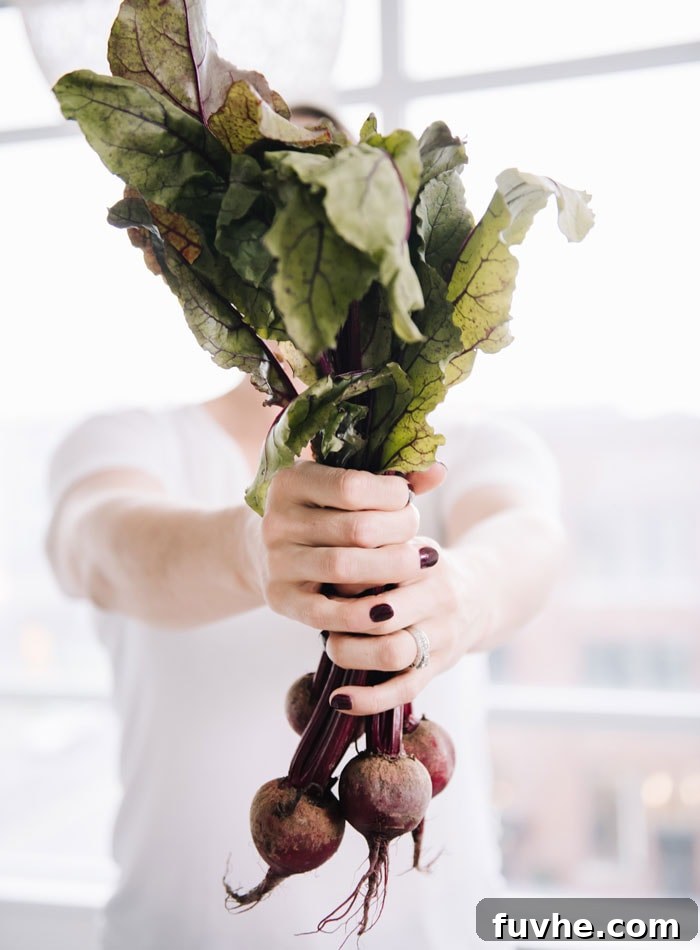
Calcium: The Building Block for Strong Bones and More
While calcium is an absolutely critical nutrient for overall health, obtaining sufficient amounts on a vegan diet is quite achievable with mindful planning. It’s essential to be aware of calcium-rich plant foods and consistently include them, as calcium, in conjunction with vitamin D, is paramount for maintaining robust bone health. Beyond its structural role, calcium is indispensable for a multitude of vital bodily functions, including proper muscle contraction, healthy heart rhythm, efficient blood clotting, accurate nerve impulse transmission, numerous enzyme reactions, and more. A diet consistently rich in calcium is fundamental for optimal health. When blood calcium levels become insufficient, the body initiates a process of drawing calcium from the bones, gradually weakening them over time, underscoring the importance of continuous dietary intake.
Calcium Considerations for Women
Women, in particular, should pay close attention to their calcium and vitamin D intake. Age-related hormonal changes, especially during menopause, can lead to a significant decline in bone mass. Furthermore, women naturally tend to have less bone mass than men to begin with. We can actively promote and maintain healthy bones through a combination of diet and lifestyle choices, with adequate calcium and vitamin D intake being an especially critical component of this preventive strategy.
Factors Influencing Calcium Loss
Several dietary and lifestyle factors can contribute to calcium loss from the body, including diets excessively high in protein or sodium, a high intake of caffeine, and smoking cigarettes. If you regularly consume the calcium-rich plant foods listed below and consciously minimize these calcium-depleting habits, you should comfortably meet your calcium needs. If you have specific concerns, it’s always best to consult with a healthcare professional or registered dietitian to determine if individual supplementation might be beneficial for you.
Benefiting from Calcium-Fortified Foods
When it comes to obtaining calcium from fortified foods, I see no compelling reason not to leverage their benefits. While we shouldn’t solely rely on them, they can serve as a convenient and effective way to fill any potential nutritional gaps when needed. Many commercially available plant-based milks, much like cow’s milk, are fortified with both vitamin D and calcium. Incorporating just 1-2 servings of these fortified plant milks into your daily diet can significantly contribute to covering your calcium requirements. This is often why I opt for store-bought almond milk over exclusively homemade versions; while I enjoy making small batches of homemade plant milk, I always keep fortified store-bought options on hand to easily ensure I meet my daily calcium needs.
Abundant Calcium Rich Plant Foods
- Collard Greens: A leafy green packed with calcium.
- Dried Figs: A sweet and concentrated source of calcium.
- Tempeh: A fermented soy product that is a good source of calcium and protein.
- Kale: Another excellent leafy green, high in calcium and other nutrients.
- Turnip and Mustard Greens: These hearty greens provide significant calcium.
- Sesame Seeds and Tahini: Exceptionally rich in calcium, great for dressings and spreads.
- Quinoa: A complete protein grain that also contributes calcium.
- Blackstrap Molasses: A unique and surprisingly good source of calcium.
- Almonds: Nuts that offer a notable amount of calcium.
- Bok Choy: A versatile and calcium-rich Asian green.
- Broccoli: A common vegetable that provides a good source of calcium.
- Beans: Varieties like kidney, black, and pinto beans contribute calcium.
- Seaweeds: Kelp and wakame are mineral-rich, including calcium.
- Almond Butter: A concentrated form of almond calcium.
- Fortified Plant Milk and Juices: Excellent for consistently boosting daily calcium intake.

Zinc: The Immune and Metabolic Mineral
While I personally find it relatively straightforward to obtain adequate amounts of zinc on a plant-based diet, it remains an essential mineral that warrants conscious planning. Zinc deficiencies can manifest in various ways, including hair loss, a weakened immune system, hormonal imbalances, and skin issues such as acne. This crucial mineral plays a pivotal role in numerous bodily functions, including carbohydrate metabolism, testosterone production, maintaining healthy eyes, skin, and nails, ensuring a robust immune system, and facilitating wound healing. You can effectively meet your daily zinc requirements by consistently incorporating a diverse array of the whole foods listed below into your diet.
Enhancing Zinc Bioavailability
It’s worth noting that due to the presence of phytates in grains and legumes, which can slightly reduce nutrient absorption, some experts suggest that vegans may need to increase the Recommended Dietary Allowance (RDA) for zinc by as much as 50%. To mitigate the effect of phytic acid and improve the bioavailability of zinc and other minerals, you can employ simple preparation techniques such as soaking, sprouting, or fermenting your legumes, nuts, and grains before consumption.
Key Zinc Rich Plant Foods
- Legumes: An excellent group including tofu, edamame, tempeh, kidney beans, black beans, chickpeas, lentils, and peanuts.
- Raw Cacao Nibs or Powder: A delicious source, particularly raw forms.
- Nuts: Varieties like walnuts, cashews, pecans, pine nuts, and almonds contribute significantly.
- Seeds: Powerhouses such as hemp seeds, chia seeds, pumpkin seeds, and sunflower seeds are rich in zinc.
- Oats: A versatile whole grain providing a good amount of zinc.
- Wheat Germ: A concentrated source found in wheat kernels.
- Nutritional Yeast: A popular vegan condiment, often fortified and naturally zinc-rich.
- Fortified Cereals: Some breakfast cereals are fortified with zinc.
Magnesium: The Master Mineral for Body and Mind
Magnesium is an indispensable mineral, participating in over 300 biochemical processes throughout the body. Fortunately, plant-based foods are inherently abundant in magnesium, making it relatively easy to obtain sufficient amounts through a healthy, diverse diet. Magnesium’s widespread influence touches almost every aspect of our health, playing crucial roles in mood regulation, weight management, sleep quality, digestive function, maintaining a steady heartbeat, energy production, metabolism, and can even alleviate symptoms associated with PMS and depression.
Furthermore, magnesium is vital for regulating the nervous system, controlling blood pressure, and significantly reducing our risk of heart attack and stroke. Magnesium deficiency is remarkably common in today’s society, affecting not just vegans but the general population. Therefore, consciously prioritizing plenty of magnesium-rich foods in your diet is a powerful step towards comprehensive health.
Abundant Magnesium Rich Foods
- Kelp: A sea vegetable that is a particularly rich source of magnesium.
- Banana: A convenient fruit that offers a good amount of magnesium.
- Dried Figs: A sweet and concentrated source of various minerals, including magnesium.
- Leafy Greens: Spinach, kale, and collard greens are excellent sources.
- Broccoli: A cruciferous vegetable that contributes to magnesium intake.
- Legumes: Beans, lentils, and chickpeas are reliable sources.
- Whole Grains: Oats, brown rice, and quinoa are especially beneficial.
- Cacao: Raw cacao nibs and powder are surprisingly rich in magnesium.
- Almonds and Cashews: These nuts are great sources of magnesium.
- Hemp, Chia, Pumpkin, and Sunflower Seeds: All provide significant amounts of this vital mineral.

Iron: Vital for Energy and Immunity
Iron is an indispensable mineral within the body, critical for efficient energy production, robust immune function, and accurate DNA synthesis. From my experience, iron is one of the easier nutrients to adequately obtain on a vegan diet, as I effortlessly meet my requirements through a consistent intake of whole plant foods. It is paramount for vegans to regularly consume iron-rich foods, and crucially, to pair them with ample vitamin C, which significantly enhances iron absorption.
Strategies for Improving Iron Absorption
If you are generally healthy and adhere to a whole-food, plant-based diet, there is typically no need to be overly concerned about iron deficiency. However, optimizing iron *absorption* is a key area of awareness for vegans. You can significantly improve your body’s ability to absorb non-heme iron (the form found in plants) by implementing the following practices:
- Consistently combine vitamin C-rich foods with your meals. Excellent sources include bell peppers, broccoli, cabbage, oranges, strawberries, kiwi, camu camu, pineapple, Brussels sprouts, and grapefruit.
- Avoid consuming tea and coffee directly with meals, as their tannins and polyphenols can inhibit iron absorption.
- Increase your intake of legumes such as peanuts, beans, lentils, and peas, which are rich in iron.
- Utilize a cast iron skillet for cooking, as it can subtly leach small amounts of dietary iron into your food.
Iron Needs for Athletes
Iron deficiency can significantly impair muscle function and limit physical work capacity, making it especially important for athletes to ensure an adequate iron intake. The average iron requirement for athletes engaged in regular, intense endurance exercise may be 30-70% higher than for sedentary individuals. If you are an endurance athlete, particularly a female or adolescent runner, it is highly advisable to consult with a nutritionist or sports dietitian to determine if iron supplementation is necessary for your specific needs.
Rich Plant-Based Iron Sources
- Fortified Whole Grain Cereal: A convenient way to boost iron intake.
- Molasses: Especially blackstrap molasses, a surprising source of iron.
- Lentils: A versatile legume, exceptionally rich in iron.
- Spinach: A dark leafy green that provides a good amount of iron.
- Kidney Beans: A hearty bean, excellent for iron and fiber.
- Garbanzo Beans (Chickpeas): Another versatile legume, high in iron.
- Tempeh: Fermented soy, offering iron along with protein.
- Edamame: Young soybeans, a good source of iron.
- Pinto Beans: A common bean, rich in iron.
- Almonds: Nuts that contribute to iron intake.
- Sunflower Seeds: Seeds packed with iron and other minerals.
You’ll also find valuable amounts of iron in pistachios, collard greens, oats, walnuts, tofu, sweet potatoes, kale, broccoli, and peanuts. There’s no need to meticulously stress over perfectly combining vitamin C and iron at every single meal; this synergy will naturally occur if you consistently consume a diverse range of whole, plant-based foods. It’s simply an awareness to keep in mind for optimal absorption.
More Reading: For further detailed information, explore our guide on Vegan Iron Sources.
Sulfur: The Unsung Hero for Protein and Antioxidant Function
Sulfur is often overlooked in nutritional discussions and currently lacks an official Recommended Dietary Allowance (RDA), yet it plays a significant and often underestimated role in maintaining optimal health. Sulfur is crucial for enhancing the absorption of protein and enzymes from food, and it functions as a powerful antioxidant, aiding the body’s defense against cancer. A deficiency in sulfur can lead to a range of undesirable health outcomes, including bone loss, a sluggish metabolism, joint pain, increased risk of blood clots, and tissue damage.
While most dietary sulfur is found in the amino acids present in animal products, there are several plant-based sources you can intentionally include in your diet to ensure adequate intake and support your overall well-being.
Valuable Sulfur-Rich Plant Foods
- Coconut Oil: Contains sulfur compounds that contribute to its unique properties.
- Olive Oil: Another healthy fat that provides some dietary sulfur.
- Kale: A cruciferous vegetable known for its sulfur content.
- Garlic: Part of the allium family, famed for its sulfur compounds (e.g., allicin).
- Onions: Another allium vegetable rich in beneficial sulfur compounds.
- Asparagus: A spring vegetable that contributes dietary sulfur.
- Legumes: Beans, lentils, and peas contain sulfur-containing amino acids.
Considering MSM Supplementation
You might also consider supplementation with MSM (methylsulfonylmethane) if you experience issues such as chronic joint pain, inflammation, persistent fatigue, high stress levels, or a compromised immune system. MSM is the oxidized form of dimethyl sulfoxide (DMSO), an organic sulfur compound naturally derived from lignan. It’s an organic sulfur-containing compound widely recognized for its potential to improve immune function, reduce inflammation, and help restore healthy bodily tissues.
MSM is also a popular supplement specifically for supporting joint health. While it naturally occurs in some green vegetables and other food products, supplemental forms can provide higher doses. For athletes, MSM may be particularly beneficial in reducing muscle pain and soreness, improving recovery time after intense exercise, mitigating fatigue, and even supporting a more positive mood and mental clarity.
Other Important Considerations: Nutrients Not Found in Plants
There exist several other nutrients—such as carnitine, carnosine, taurine, and creatine—that are not naturally found in plants. I’ve conducted extensive research on these compounds, and my understanding is that for the vast majority of individuals, supplementation is generally not necessary. The primary exceptions might be high-level athletes or those with specific concerns regarding athletic performance.
“So there’s a number of nutrients carnitine, carnosine, taurine, creatine that are not made by plants, then you say ‘Uh oh! That’s all I eat, what do I do? They’re only made by animals’. Well, guess what? You’re an animal, right? And we make it just like the cow makes it that people eat, we make it too, we’re animals too, and so we make all the carnitine we need just like the cow does.”
Dr. Michael Greger
This perspective, eloquently articulated by Dr. Michael Greger, highlights a crucial point: while these specific nutrients are indeed absent from plant foods, our bodies (being animal bodies) are perfectly capable of synthesizing them internally and do not necessarily require them to be obtained directly through diet. By ensuring a consistent and diverse intake of various plant-based protein sources, which provide all the essential amino acids, we empower our bodies to naturally produce these compounds without the need for consuming animal protein.
Let’s briefly examine each of these compounds.
Creatine: Fuel for High-Intensity Performance
Creatine is a well-researched compound known for its array of benefits, including enhancing anaerobic endurance, increasing muscular strength, and potentially improving cognitive abilities. While creatine itself doesn’t directly build muscle mass, it can significantly aid in strength development by enabling you to train harder and for longer durations. Most commercially available creatine supplements are synthetically produced and are 100% vegan. However, it’s prudent to verify that capsules do not contain gelatin; if unsure, always check with the specific brand. Is creatine supplementation strictly necessary? Absolutely not for general health. However, for individuals focused on maximizing high-level athletic performance, it can be a beneficial consideration on an individual basis.
Carnosine: An Endogenous Antioxidant
Carnosine is a dipeptide, meaning it is formed from two amino acids: L-histidine and beta-alanine. In the body, carnosine functions as a potent antioxidant, playing a particularly important role in preventing glycosylation – a process that contributes significantly to aging, inflammation, and various other negative health implications. Carnosine is naturally synthesized in animal tissues and, consequently, is not found in plant foods. Research specifically on carnosine supplementation remains relatively limited, and it doesn’t appear to be necessary for general health until more is definitively known. Nonetheless, some studies suggest that supplementation could offer certain positive benefits for athletes, primarily related to muscle buffering capacity.
Beta-Alanine: Boosting Muscular Endurance
Beta-alanine, a non-essential amino acid naturally produced in muscle tissue, has been consistently shown to enhance muscular endurance and significantly delay the onset of fatigue during high-intensity exercise. The body can produce beta-alanine through several metabolic pathways, such as during the breakdown of carnosine or the conversion of L-alanine to pyruvate. It can also be obtained from the diet, predominantly through animal products. Once ingested, beta-alanine is converted into carnosine, which then contributes to intracellular buffering. This buffering action helps to neutralize lactic acid buildup, allowing muscles to sustain intense effort for longer periods before fatigue sets in. Essentially, this means you can perform harder and extend your training duration.
As carnosine is present in muscle tissue, its dietary sources are primarily meat products, meaning vegetarians and vegans typically have lower muscle carnosine concentrations compared to meat-eaters. Supplementing with beta-alanine has been shown to effectively increase muscle carnosine levels, thereby enhancing training capacity by boosting work volume and delaying fatigue. Beta-alanine is considered the rate-limiting amino acid for carnosine synthesis, making beta-alanine supplements effective at elevating muscle carnosine. Brands like Now Foods offer vegan beta-alanine supplements for those interested. If you’re an athlete considering beta-alanine for performance enhancement, I highly recommend consulting with a nutritionist or sports professional to determine if it aligns with your specific goals.
Taurine: Supporting Brain, Heart, and Nervous System
Taurine is an amino acid-like compound crucial for the healthy functioning of the brain and heart. It significantly boosts antioxidant activity within the body, improves muscle function, and contributes to healthy eyes and a robust central nervous system. Taurine is considered non-essential because the human body possesses the capacity to produce it internally from a combination of other nutrients: cysteine, vitamin B6, methionine, and vitamin C. However, studies have indicated that vegans often exhibit lower taurine levels compared to meat-eaters, suggesting that while the body can synthesize it, dietary considerations for its precursors are important.
To ensure adequate levels of the precursor nutrients needed to synthesize taurine, a vegan diet should regularly include foods like red peppers, garlic, onions, broccoli, Brussels sprouts, oats, various whole grains, Brazil nuts, and seeds such as sunflower and sesame, along with a wide range of other vegetables. Taurine is not typically supplemented unless there’s an identified individual need. It is particularly important for vegans to consistently consume soy products, hemp seeds, quinoa, buckwheat, and amaranth, alongside the aforementioned foods, to provide the necessary amino acids for adequate endogenous taurine synthesis.
Carnitine: Fatty Acid Metabolism Support
Carnitine plays a vital role in the transportation and metabolism of fatty acids, essential for energy production within cells. The body naturally synthesizes carnitine from two essential amino acids: lysine and methionine. By ensuring an adequate intake of these amino acids through a diverse plant-based diet, we can confidently support our body’s ability to produce all the carnitine it needs. Lysine is abundantly found in whole grains, legumes, tempeh, pistachios, soy milk, and pumpkin seeds. Methionine, on the other hand, can be sourced from sesame seeds, Brazil nuts, oats, sunflower seeds, spinach, and potatoes. A balanced vegan diet, rich in these varied plant foods, effectively provides the necessary building blocks for carnitine synthesis.
Debunking the Protein Deficiency Myth on a Vegan Diet
A persistent concern frequently raised about veganism is the fear of not getting enough protein. However, this concern is largely unfounded and scientifically unsubstantiated. In reality, obtaining sufficient protein on a well-planned vegan diet is simply not an issue. I would argue that a far more pertinent concern should be the insufficient consumption of diverse plant foods, which can lead to deficiencies in the many vital micronutrients that plants so richly provide. You rarely hear of anyone suffering from a clinical protein deficiency in developed nations; instead, deficiencies in B12, vitamin D, magnesium, zinc, or iodine are much more common, and these issues are certainly not exclusive to vegans.
These widespread nutrient deficiencies are often a consequence of diets heavily reliant on processed foods and a simultaneous lack of whole, unprocessed plant foods. The Standard American Diet (SAD), characterized by its abundance of processed items, is largely to blame for these nutritional shortcomings, not the absence of animal products. In fact, modern diets often lead to an overconsumption of saturated fats, cholesterol, sodium, and pro-inflammatory omega-6 fatty acids. Furthermore, a staggering 97% of Americans fail to meet their recommended daily dietary fiber intake. And how do we effectively increase fiber in our diets? Through the abundant consumption of plants, of course!
For more in-depth information on how to effortlessly obtain all the protein you need on a plant-based diet, please refer to my comprehensive post on Vegan Protein Sources.
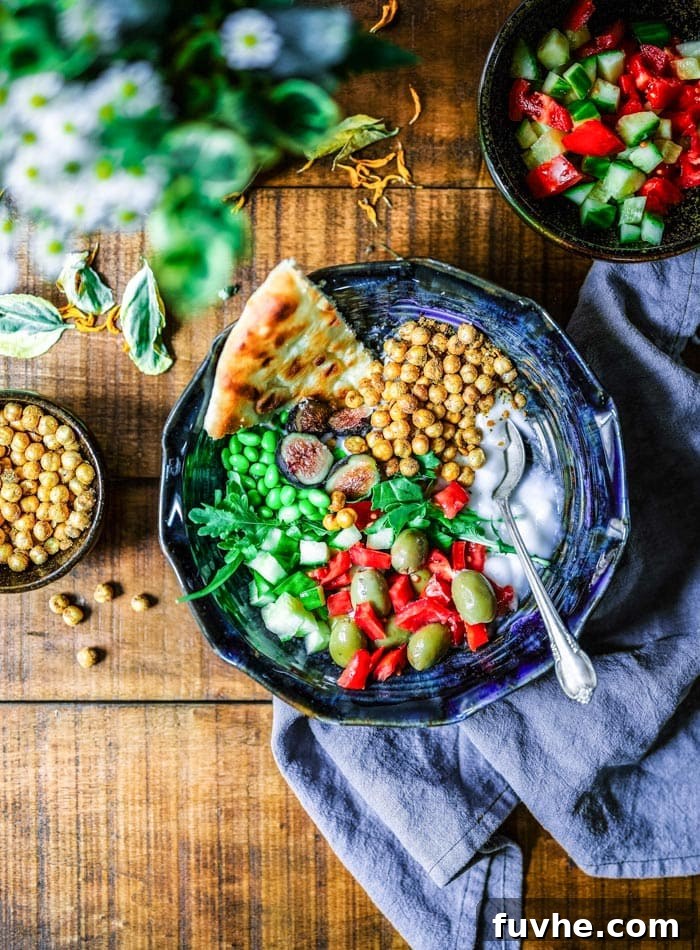
Navigating Supplements on a Vegan Diet
Adhering to a healthy, balanced vegan diet that includes a wide array of whole foods and provides sufficient calories for your activity level should naturally ensure you’re getting adequate protein, iron, and calcium. However, it is critically important to actively ensure consistent sources of vitamin B12, vitamin D, and iodine, as these are the primary nutrients that require conscious attention for vegans.
You can effectively meet the Recommended Dietary Allowance (RDA) for these nutrients through a strategic combination of diverse whole foods, specifically chosen fortified foods, and, when necessary, targeted supplements. While striving to eat a nutrient-rich diet should always be the priority, a high-quality vegan multi-vitamin can serve as valuable nutritional insurance, helping to fill any potential gaps on days when your dietary intake might not be as optimal as desired.
Generally, you shouldn’t need to take an extensive array of supplements. It’s always beneficial to consult with a nutritionist or medical doctor to assess your individual needs and determine if any specific supplementation is warranted. With the singular exception of B12, and a bit of thoughtful planning and awareness, you can confidently obtain everything you need directly from whole plant foods.
My Personal Supplement Regimen
With that in mind, I’ve listed the supplements that I personally use below. Please note that this is entirely based on my own research, personal experience, and individual needs, and may not be suitable for everyone. Many individuals might simply opt for one high-quality multi-vitamin and an omega-3 DHA/EPA supplement, but this is my current approach.
- Vitamin B12. I use a 500 mcg sublingual B12 spray approximately once a week. Given that I also regularly consume fortified foods like commercially available plant milks and nutritional yeast, I don’t feel the need to worry excessively about my B12 intake.
- Magnesium. I take 400 mg of magnesium nightly before bed, which I find beneficial for relaxation and sleep.
- Vegan Vitamin D3. I take this daily throughout the Spring, Fall, and Winter seasons, particularly when we receive limited sun exposure here in British Columbia.
- Omega-3 with DHA and EPA. I consume 1 teaspoon of Ascension NutraVeg daily to ensure adequate intake of these crucial fatty acids.
Occasionally, I will supplement with zinc and vitamin C, but my primary focus is consistently on consuming a wide spectrum of colorful, whole foods to comprehensively cover all my micronutrient bases.
I also have a deep appreciation for “superfoods” such as spirulina, chlorella, moringa, camu camu, and raw cacao. Additionally, I incorporate various adaptogens into my routine, depending on the time of year and my current needs. Herbs and teas also play a wonderful role in my wellness approach; I particularly enjoy blue vervain, amanu, Spanish needle, nettle, burdock, and many others for their unique benefits.
For support with hormones, mood, immunity, and stress, I favor adaptogens like maca, ashwagandha, rhodiola, reishi, cordyceps, and chaga. You can delve deeper into the fascinating world of adaptogens in my dedicated post on adaptogens.

The Power of Food Synergy: More Than the Sum of Its Parts
While supplements certainly have their place – they are intended to complement a healthy diet and act as a form of nutritional insurance – it is absolutely paramount that you consistently consume as many different whole plant foods as possible. This approach harnesses a powerful concept known as food synergy, which posits that the profound health benefits derived from eating whole foods cannot be fully explained by the individual benefits of any single nutrient contained within those foods.
For example, a notable study found that a diet rich in whole grains did indeed significantly reduce overall mortality. However, researchers observed additional benefits that could not be attributed to the individual nutrients present in whole grains, even when considered collectively. This suggested the presence of an unknown “something else” within whole grains that offered protective effects against disease and mortality, implying that the various components of whole foods act synergistically. It was at this juncture that researchers began to more deeply explore the concept of food synergy – the compelling idea that a whole food delivers benefits that are greater than the simple sum of its isolated nutrient parts.
I sincerely hope this comprehensive vegan nutrition guide has provided you with clear direction and invaluable insights. There is immense power and wisdom in the nutritional design that nature has already perfected for us. Embrace a diet rich in a wide variety of whole plant foods, supplement judiciously as needed, and diligently monitor your health to make any necessary adjustments. As long as you remain healthy and vibrant, there is no reason why you cannot wholeheartedly enjoy a whole-food, plant-based diet for the long term, feeling absolutely fantastic while doing so.
Further Reading for Your Plant-Based Journey
- Optimizing Vegan Iron Sources
- Discover the Best Fiber Sources
- Your Complete Vegan Protein Guide
- A Practical 1-Week Vegan Meal Plan
- The Vegan Macro Cheat Sheet for Balanced Eating