
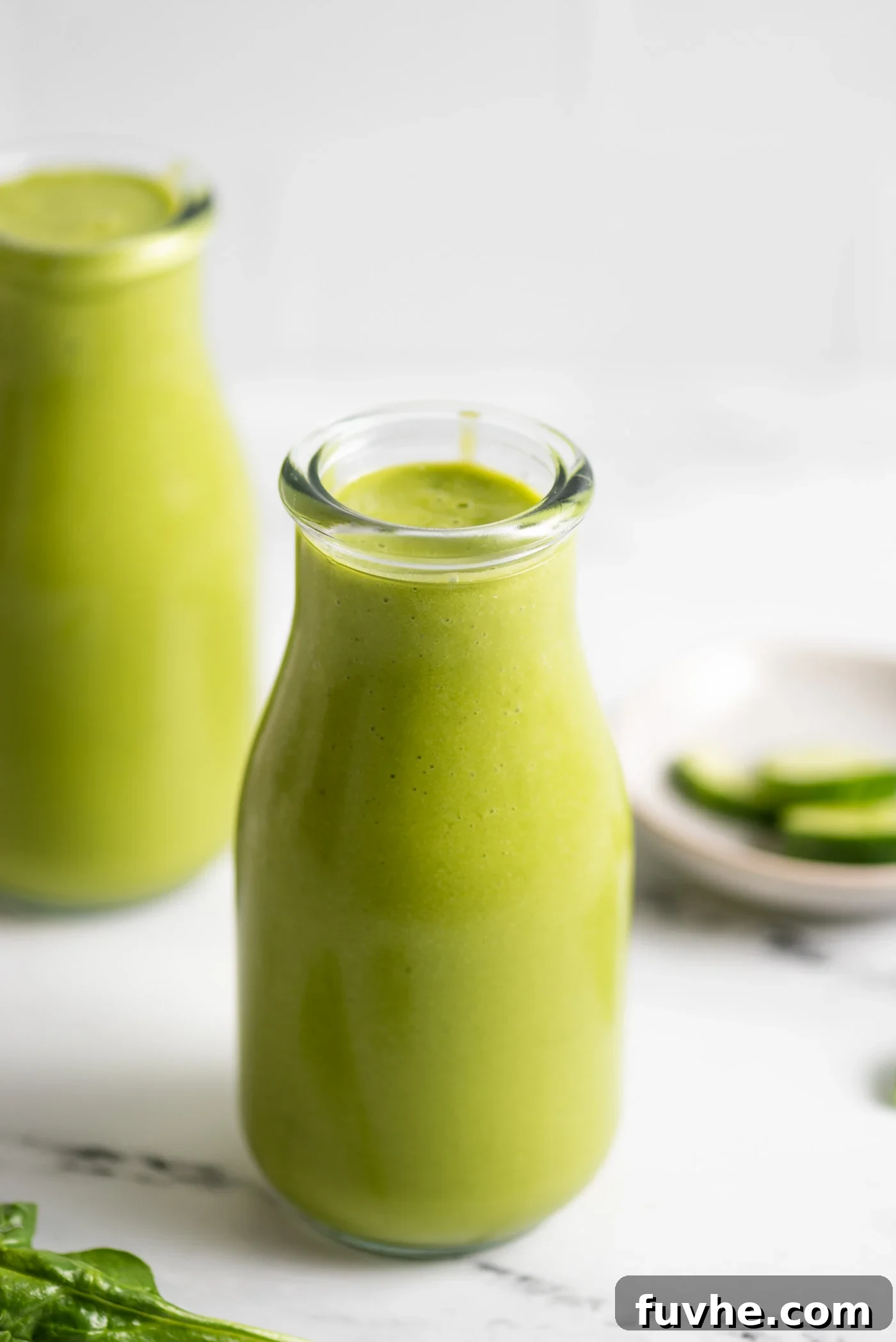
Incorporating more vegetables into your daily diet is a cornerstone of healthy living, and one of the most delicious and effortless ways to achieve this is through nutrient-packed smoothies. While leafy greens like spinach and kale are popular choices, a diverse range of other vegetables can transform your smoothies into incredibly creamy, satisfying, and ultra-nutritious meals or snacks. We’re about to explore the best vegetables to add to smoothies, moving beyond the usual suspects to unlock a world of flavor, texture, and health benefits.
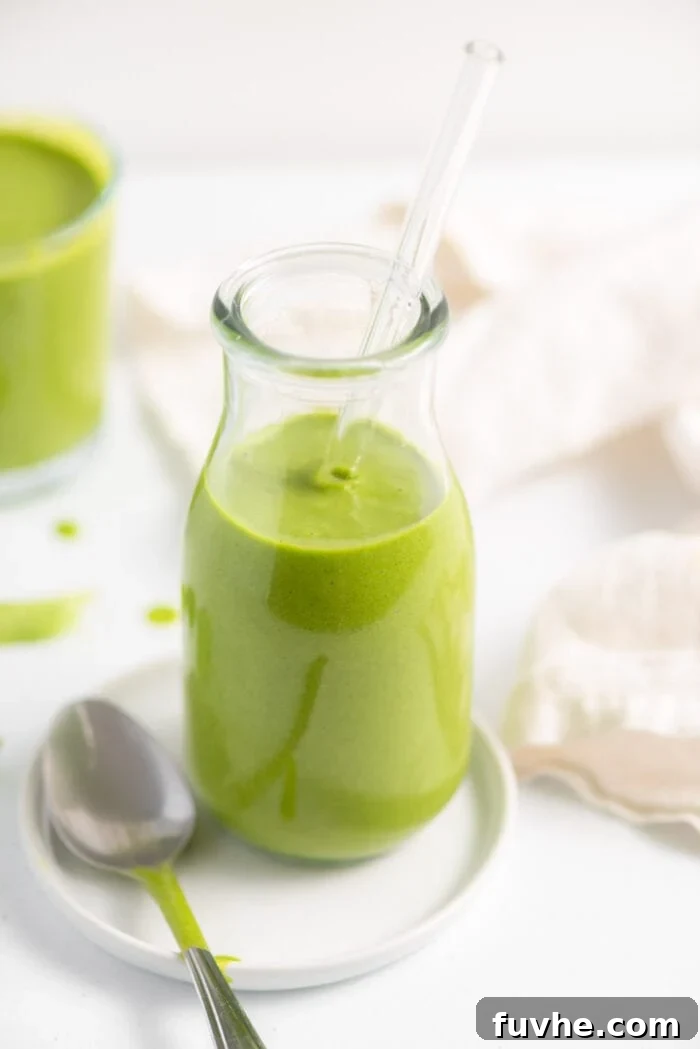
Get ready to rethink your smoothie game! We’re talking about incredibly versatile veggies like zucchini, cauliflower, sweet potato, carrots, various squashes, and vibrant beets. These superfood additions blend seamlessly, enhancing the texture and nutritional profile of your smoothies without overpowering their taste. They’re just as convenient to toss into your blender as spinach or kale, making healthy eating simpler than ever.
These healthy, nutrient-dense vegetables can either subtly sweeten and enrich the flavor of your blend, or simply add substantial volume, an impressive dose of fiber, and a wide spectrum of essential vitamins and minerals, ensuring every sip is a step towards better health.
Unlocking the Power of Vegetable Smoothies: Key Benefits
Integrating a wider array of vegetables into your smoothies offers a multitude of health advantages that extend far beyond basic nutrition. By making this simple dietary change, you’ll infuse your body with healthy fiber, potent antioxidants, and a comprehensive profile of vitamins and minerals, all working synergistically to support optimal well-being. Here’s a deeper look at the remarkable benefits:
- Enhanced Digestive Health and Fiber Intake: Smoothies are an exceptional vehicle for increasing your daily fiber consumption. Fiber is crucial for a healthy digestive system, promoting regular bowel movements, preventing constipation, and supporting a thriving gut microbiome. The high fiber content in vegetable smoothies helps you feel fuller for longer, aiding in weight management and preventing unhealthy cravings.
- Boosted Micronutrient Profile and Antioxidant Power: Beyond basic nutrients, vegetables are treasure troves of antioxidants, vitamins, and minerals. Smoothies make it easy to consume a concentrated dose of these micronutrients, which combat oxidative stress, protect cells from damage, and reduce the risk of chronic diseases. You’ll enjoy a broader spectrum of nutrients than you might get from typical fruit-only smoothies.
- Effective Food Waste Reduction: Many of the vegetables perfect for smoothies, especially when slightly past their prime for cooking, can be frozen and saved. This practice significantly reduces food waste, ensuring that valuable produce doesn’t end up in the bin. Freezing vegetables like zucchini, cauliflower, or squash in pre-portioned amounts also makes smoothie preparation quicker and more efficient.
- Natural Sweetness and Reduced Added Sugar: By incorporating naturally sweet vegetables like carrots, beets, or sweet potatoes, you can create incredibly flavorful smoothies without relying heavily on added sugars or excessive amounts of fruit. This approach helps stabilize blood sugar levels, reduces your overall sugar intake, and allows the natural flavors of the ingredients to shine through, offering a delicious and wholesome experience.
- A Smart Strategy for Picky Eaters: For individuals, especially children, who might be hesitant to eat their vegetables raw or cooked, veggie-packed smoothies are a brilliant solution. The mild flavors of many smoothie-friendly vegetables can be easily masked by fruits or other ingredients, providing a stealthy yet effective way to boost nutrient intake and introduce new flavors in an appealing format.
- Sustained Energy and Improved Hydration: Many vegetables, particularly cucumber and zucchini, have a high water content, contributing to better hydration. Coupled with complex carbohydrates and fiber, these smoothies provide sustained energy release, helping you avoid energy crashes often associated with high-sugar snacks.
Zucchini: The Secret to Creamy Smoothies
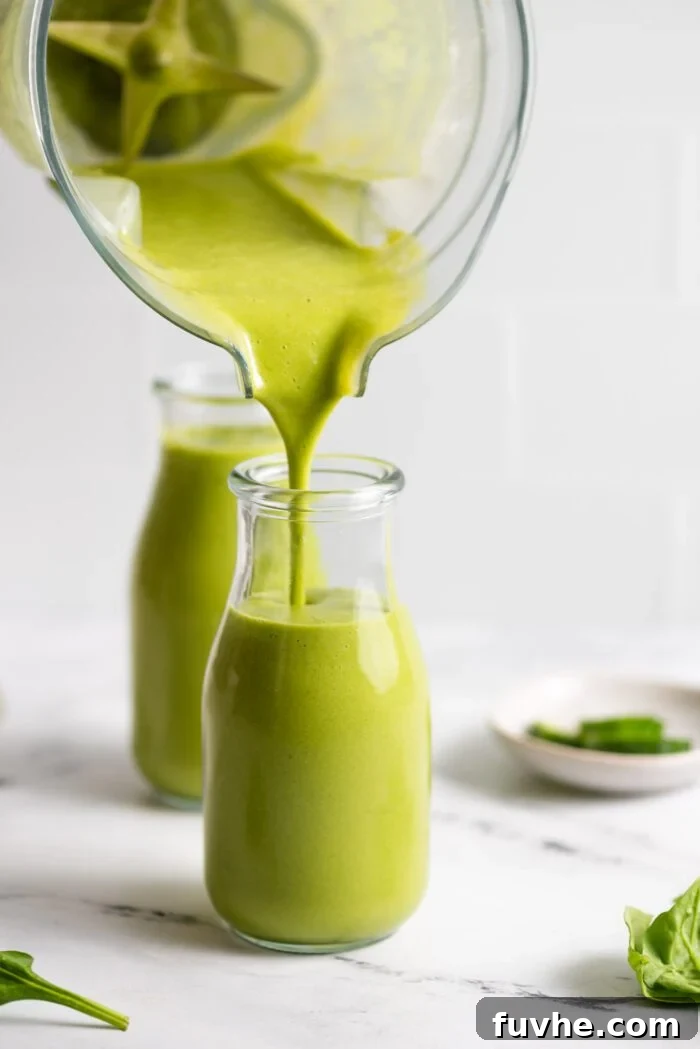
Frozen zucchini is truly a game-changer for smoothie texture. When blended, it creates an incredibly smooth, thick, and wonderfully creamy consistency, making it one of my top recommendations for any smoothie enthusiast looking to enhance their blends without adding extra fruit or dairy.
This humble squash is much more than just a texture enhancer; it’s a powerhouse of nutrition. Zucchini is rich in antioxidants, including vitamin C and vitamin A (in the form of carotenoids), which protect your cells from damage. It also boasts anti-inflammatory properties, supports healthy digestion through its fiber content, and is remarkably low in calories. Furthermore, zucchini provides essential minerals like potassium, folate, vitamin B6, and riboflavin, all contributing to overall health and vitality.
Taste Profile
Zucchini has an incredibly mild and subtly sweet flavor, making it almost undetectable in most smoothie recipes. Its primary contribution is texture, lending a luxurious creaminess without altering the overall taste profile of your blend. This neutral quality makes it exceptionally versatile.
How to Incorporate Zucchini into Smoothies
- Preparation Versatility: You can use zucchini fresh or frozen, and peeled or unpeeled. Raw zucchini works perfectly for most people, but if you have a sensitive digestive system, a light steaming before freezing can make it even easier to digest.
- Freezing for Convenience: For the best creamy texture, chop zucchini into 1-inch pieces and freeze them on a baking tray before transferring to a freezer-safe container or bag. This prevents clumping and makes it easy to grab exactly how much you need.
- Banana Alternative: Zucchini is an excellent low-sugar alternative to bananas or peaches for creating a thick, creamy base in your smoothies, especially for those looking to reduce their fruit intake.
- Endless Pairings: Thanks to its neutral flavor, zucchini blends beautifully with virtually any fruit, leafy green, protein powder, or superfood. It’s a truly adaptable ingredient that can be added to sweet, savory, or green smoothies alike.
Inspiring Zucchini Smoothie Recipes
- Mango Strawberry Smoothie: A vibrant and sweet blend where zucchini adds undetectable creaminess.
Squash: Seasonal Sweetness and Rich Nutrients
Winter squashes like butternut, acorn, kabocha, and even pumpkin are nutritional powerhouses that bring a delightful sweetness and velvety texture to your smoothies. They boast an impressive list of health benefits, making them a fantastic addition to your blender year-round. These brightly colored vegetables are particularly high in vitamin A (primarily as beta-carotene), vitamin C, and vitamin E. They also supply crucial minerals such as magnesium, potassium, copper, calcium, and iron.
Beyond the basic vitamins and minerals, squashes are rich in carotenoids and other potent anti-inflammatory and antioxidant compounds. These components work collectively to support healthy eyes and glowing skin, contribute to cancer prevention, help reduce blood pressure, strengthen the immune system, and combat inflammatory conditions throughout the body.
Taste and Texture Profile
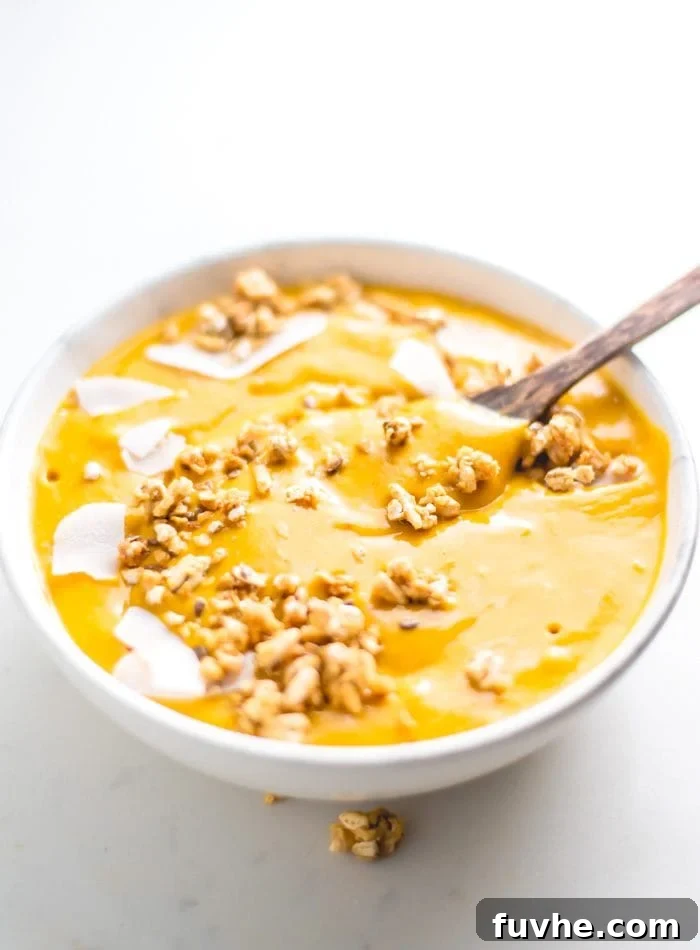
Squash varieties offer a naturally sweet, earthy flavor that complements many fruits and spices beautifully. When cooked and blended, they contribute a wonderfully smooth, creamy, and sometimes even custardy texture, making your smoothies feel incredibly decadent and satisfying.
How to Use Squash in Smoothies
- Versatile Base: Cooked and frozen squash chunks or puree can serve as an excellent alternative to banana for adding sweetness and thickness, especially for those managing sugar intake.
- Preparation Steps: To prepare squash for smoothies, first peel and de-seed it. Then, steam, boil, or roast the squash until tender. Allow it to cool completely before portioning and freezing on a baking tray. Once solid, transfer the frozen chunks to a freezer-safe bag or container for easy access.
- Flavor Pairings: Squash’s subtle sweetness pairs exceptionally well with warm spices like cinnamon, nutmeg, ginger, and clove. It also harmonizes with flavors such as peach, almond butter, dates, turmeric, orange, and even a hint of maple syrup. Its mild essence allows it to integrate into a wide variety of smoothie profiles.
Quick Tip: For ultimate convenience, puree cooked squash and freeze it in ice cube trays. Once frozen, pop the cubes into ziplock bags. These perfectly portioned frozen squash cubes are ready to be dropped straight into your blender for a quick boost.
Delicious Squash Smoothie Recipes
- Pumpkin Spice Latte Smoothie: Capture the essence of autumn in a glass.
- Pumpkin Peanut Butter Smoothie: A comforting and protein-rich blend.
- Butternut Squash Smoothie Bowl: A vibrant and satisfying breakfast.
Cucumber: The Ultimate Hydration Booster
Cucumbers are a refreshingly crisp addition to any smoothie, especially when you’re looking to boost hydration without adding excessive sugar or calories. With their incredibly high water content, cucumbers are packed with beneficial nutrients including vitamin K, a spectrum of B vitamins, copper, potassium, vitamin C, and manganese. They also contain unique polyphenols and lignans that are associated with a reduced risk of various chronic diseases.
Beyond hydration, cucumbers contribute to overall wellness by helping to reduce cholesterol, stabilize blood sugar levels, promote healthy and radiant skin, and significantly improve energy levels. Their natural lightness makes them an ideal ingredient for invigorating and detoxifying smoothie blends.
What does cucumber taste like in smoothies?
In smoothies, cucumber delivers a clean, light, and wonderfully refreshing taste. It provides a crisp note that can balance out richer flavors, making your blend feel incredibly invigorating and revitalizing, especially on warmer days.
How to Use Cucumber in Smoothies
- Preparation Flexibility: Both fresh and frozen cucumber work well. If you have a sensitive digestive system or prefer an absolutely smooth texture, peeling the cucumber first is recommended.
- Optimal Blending: For the smoothest possible blend, opt for peeled, chopped, and frozen cucumber. The frozen pieces also contribute to a thicker, colder smoothie without diluting the flavor with ice.
- Ideal Pairings: Cucumber’s fresh profile makes it an excellent match for bright and zesty flavors. Consider blending it with watermelon, pineapple, lime, lemon, green apple, fresh mint, ginger, kale, or mango for a truly delicious and hydrating experience.
Elevate your hydration game with this delicious Pineapple Cucumber Smoothie.
Beets: Vibrant Color and Earthy Sweetness
Beet Benefits: A Nutritional Powerhouse
With their captivating, deep red-purple hue, beets instantly signal a wealth of health benefits, and indeed, they deliver. Beets are celebrated for their high concentration of immune-boosting vitamin C, essential fiber, folate (crucial for cell growth and function), manganese (important for bone health and metabolism), and a rich array of antioxidants. They are also unique for their dietary nitrates, which the body converts into nitric oxide. This compound helps relax and widen blood vessels, potentially leading to improved blood flow, lowered blood pressure, and enhanced athletic performance.
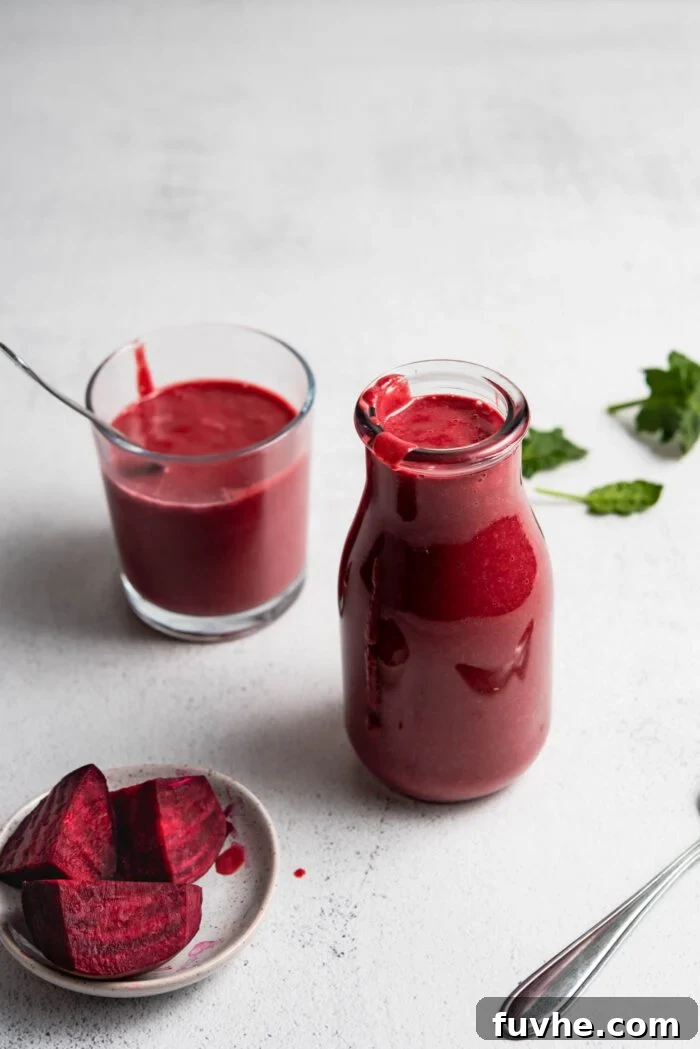
What do beets taste like in smoothies?
Beets possess a distinctive earthy sweetness that, surprisingly, works exceptionally well in smoothies. This natural sweetness can be a delightful counterpoint to fruits, and it also contributes an absolutely stunning, vibrant color that makes any smoothie look incredibly appealing.
How to Use Beets in Smoothies
- Raw or Cooked: Beets can be used raw or cooked, and peeled or unpeeled. If you choose not to peel them, ensure they are thoroughly washed to remove any dirt.
- Blending Tips: For raw beets, especially if you don’t have a high-speed blender, grating them finely before adding to the blender will ensure a smoother consistency. Alternatively, lightly steaming, boiling, or roasting beets until they are tender will make them easier to blend into a creamy smoothie.
- Advance Preparation: To prepare beets ahead of time for smoothies, chop them into small pieces, steam until tender, then freeze on a baking tray. Once frozen, transfer to a freezer-safe storage container.
- Flavor Combinations: Beets pair wonderfully with a variety of fruits and spices. Excellent companions include berries (strawberries, raspberries), oranges, ginger, carrots, apples, and a touch of lemon or lime to brighten the flavor.
Bold Beet Smoothie Recipes
- Strawberry Beet Smoothie Bowl. A visually stunning and nutritious start to your day.
- Beet Orange Smoothie: A refreshingly sweet and tangy combination.
Cauliflower: The Creamy, Nutrient-Dense Chameleon
Cauliflower is undoubtedly one of the healthiest vegetables available, offering an extensive range of impressive health benefits. Adding a handful of frozen cauliflower florets to your daily smoothie is a remarkably simple and effective way to “sneak” more of this cruciferous superfood into your diet without altering the taste in a significant way.
Just one serving of cauliflower is packed with an astounding 77 percent of the recommended daily value of vitamin C, making it a fantastic immune booster. It’s also an excellent source of vitamin K, protein, thiamin, riboflavin, niacin, magnesium, phosphorus, and dietary fiber. Furthermore, cauliflower provides vitamin B6, folate, pantothenic acid, potassium, and manganese, contributing to energy production, bone health, and overall cellular function. Its rich nutrient profile supports detoxification pathways and contains powerful compounds like sulforaphane, known for its anti-cancer properties.
Can you taste cauliflower in smoothies?
While raw cauliflower does have a slightly more distinct flavor compared to zucchini, it’s remarkably mild, especially when frozen. When blended with other ingredients, particularly sweeter fruits, its flavor is easily masked, allowing it to contribute creaminess and nutrition without significantly altering the taste of your smoothie. Many people report not tasting it at all!
How to Use Cauliflower in Smoothies
- Fruit Replacement: Frozen cauliflower works exceptionally well as a partial or full replacement for fruit, adding thickness and sweetness without the extra sugar, ideal for those managing blood sugar or carb intake.
- Preparation Preference: While raw cauliflower is acceptable for many, lightly steaming it first can make it easier to digest for those with sensitive stomachs. Once steamed, cool it completely before freezing.
- Freezing for Convenience: To prepare in advance, chop cauliflower into florets, lightly steam if desired, then freeze on a baking tray. Once solid, transfer the florets to a freezer-safe storage container or bag.
- Quantity Guidance: Start by adding a small amount, such as 1/4 to 1/2 cup, to your smoothies to introduce its benefits. You can gradually increase to up to 1 cup for a substantial boost of fiber and nutrition without a noticeable change in flavor.
- Creaminess and Masking Flavor: Cauliflower imparts a beautiful creaminess to smoothies, similar to banana, but with a much milder flavor profile. This allows it to be easily hidden among other ingredients.
- Optimal Pairings: Due to its slightly stronger flavor compared to zucchini, cauliflower pairs best with sweeter fruits that can effectively mask its presence. Consider blending it with blueberries, strawberries, mango, pineapple, dates, or a touch of vanilla extract.
Carrot: Sweetness, Crunch, and Vision Support
Like all the nutrient-dense vegetables on this list, carrots are a true superfood that you should actively seek to include in your diet on a regular basis. Their vibrant orange color is a testament to their rich nutritional content, offering a wealth of health benefits that are simply too good to overlook.
Carrots are famously rich in beta-carotene, a powerful antioxidant that the body converts into vitamin A, which is absolutely crucial for healthy vision, robust immune function, and glowing skin. Beyond beta-carotene, they provide an excellent source of dietary fiber, vitamin C, potassium, iron, copper, and folate. These combined nutrients support everything from digestive health and heart function to cellular repair and overall vitality.
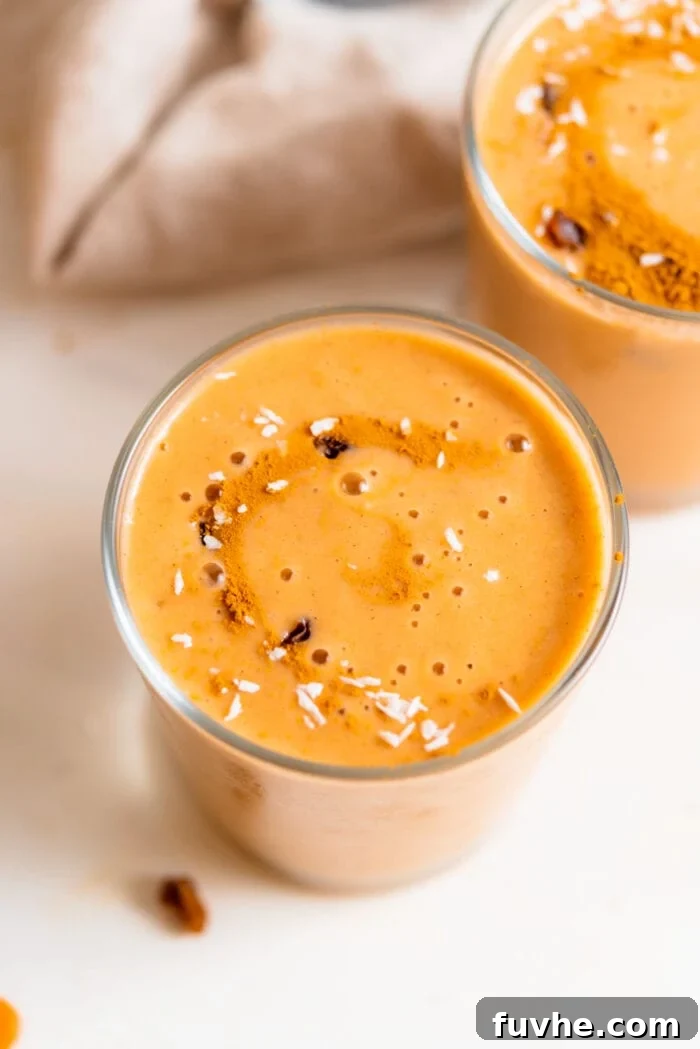
Taste Profile
Carrots possess a distinct, naturally sweet, and slightly earthy flavor that is more pronounced than some other vegetables on this list. This inherent sweetness, however, makes them a superb option for smoothies, especially when you’re aiming for a comforting, dessert-like profile. Think of the delightful flavor of carrot cake for inspiration – that’s the kind of warmth and sweetness carrots can bring to your blend.
How to Use Carrot in Smoothies
Carrots can be incorporated into smoothies either raw or cooked, depending on your blender’s power and your texture preference. If you’re using raw carrots, I highly recommend grating them finely or cutting them into very small pieces before adding them to your blender. This helps ensure a smoother consistency and prevents chunky bits. Unless you own a high-powered blender like a Vitamix or Blendtec, using lightly steamed or roasted carrots will yield a far creamier and more palatable smoothie. Steamed carrots are softer and break down much more easily. Another excellent method for convenience is to puree cooked carrots and freeze them in ice cube trays, creating perfectly portioned carrot cubes that are ready to blend.
Quick Tip: For a vibrant and extra-smooth liquid base, create carrot juice. Blend chopped carrots with a small amount of water in a high-powered blender until completely smooth, then strain the pulp. Use this fresh carrot juice as the liquid component for your smoothie, intensifying both flavor and nutrition.
Delightful Carrot Smoothie Recipes
- Carrot Ginger Turmeric Smoothie: A warming, anti-inflammatory powerhouse.
- Carrot Cake Smoothie: All the flavors of your favorite dessert, made healthy.
Sweet Potato: Comforting Sweetness and Complex Carbs
Nutrient-rich sweet potatoes are much more than a comforting side dish; they are a fantastic addition to smoothies, bringing natural sweetness, creamy texture, and a wealth of health benefits. These vibrant tubers are densely packed with vital nutrients, including an extraordinary amount of vitamin A (as beta-carotene), vitamin C, potassium, iron, magnesium, and calcium. They offer complex carbohydrates that provide sustained energy, making them an ideal ingredient for active individuals and anyone seeking a nutritious, satisfying boost.
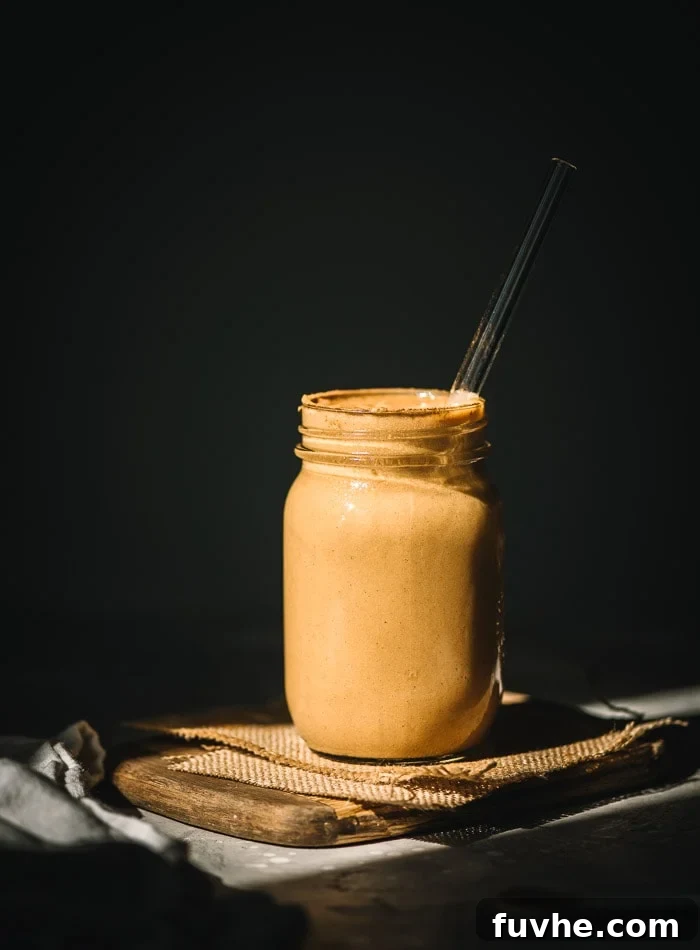
What does it taste like in smoothies?
In smoothies, cooked sweet potato contributes a wonderfully comforting, slightly sweet flavor and a perfectly creamy, velvety texture. Its natural sweetness is reminiscent of a mild pumpkin or squash, making it a fantastic base for dessert-inspired blends or simply to add richness and depth.
How to Use Sweet Potato in Smoothies
To put it simply: sweet potato deserves a place in almost every smoothie. Whether fresh or frozen, cooked sweet potato is one of my absolute favorite smoothie additions. It offers unparalleled creaminess, a lovely natural sweetness, and harmonizes beautifully with an extensive range of flavors. Consider incorporating sweet potato into your post-workout smoothie; its complex carbohydrates are excellent for replenishing glycogen stores and aiding in muscle recovery. Its sustained energy release is also beneficial for starting your day right or powering through an afternoon slump.
For ultimate convenience, I often bake a few sweet potatoes as part of my weekly meal prep. Once cooled, I chop them into chunks and freeze them, ready to be tossed directly into the blender. Alternatively, the ice cube tray method, where you puree cooked sweet potato and freeze it into cubes, works equally well. Sweet potato is a versatile team player, pairing exquisitely with flavors like mango, ginger, carrot, banana, dates, warm spices (cinnamon, nutmeg, allspice), orange, and various nut butters, especially almond butter. Let pumpkin pie or sweet potato pie inspire your flavor combinations for truly delectable results!
Delightful Sweet Potato Smoothie Recipes
- Healthy Orange Smoothie: A vibrant, immune-boosting blend.
- Low-Sugar Chocolate Avocado Smoothie Bowl: A rich, indulgent treat with hidden veggies.
- Sweet Potato Smoothie: Simple, comforting, and packed with goodness.
- Banana Nice Cream: Add a touch of cooked sweet potato for extra creaminess and nutrition.
Leafy Greens: The Foundation of Health in a Glass
While this article focuses on other incredible vegetables for smoothies, it’s crucial to reiterate the importance of leafy greens. You should strive to consume a variety of leafy greens on a daily basis, and tossing them into a smoothie remains one of the easiest and most efficient ways to achieve this. From spinach and kale to Swiss chard, collard greens, and romaine lettuce, each offers a unique spectrum of nutrients. They are all densely packed with essential vitamins, minerals, dietary fiber, and powerful antioxidants, providing a wide array of health benefits ranging from chronic disease prevention and anti-inflammatory support to lowered blood pressure and enhanced energy levels.
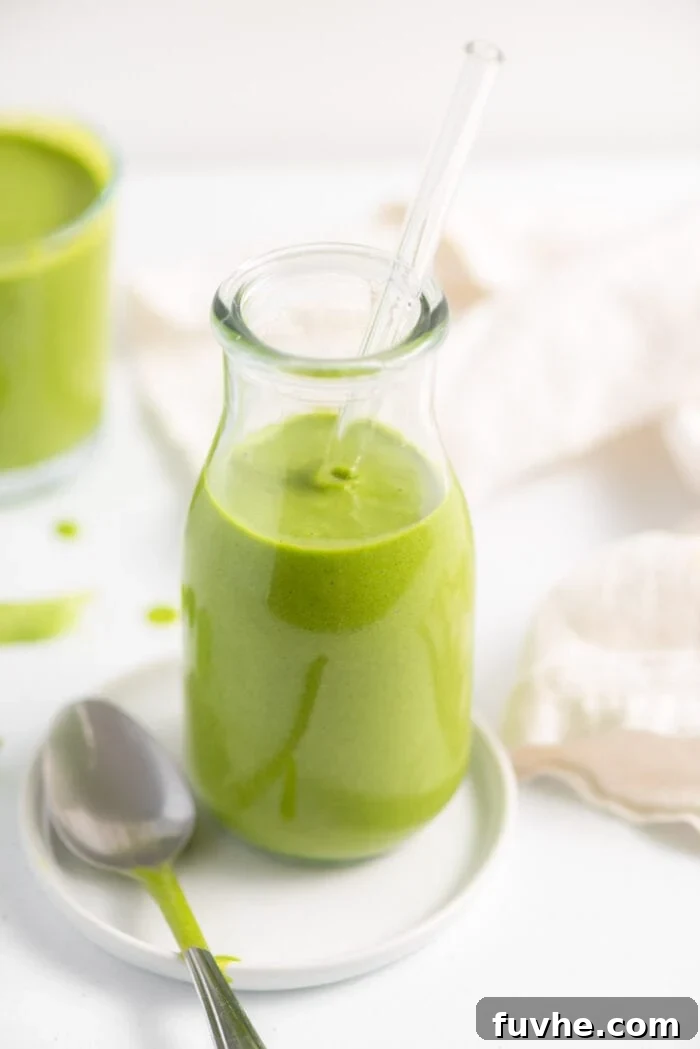
Taste Profile of Greens in Smoothies
Most leafy greens, especially spinach and romaine, have a remarkably mild flavor in smoothies. With their high water content, they often go undetected, allowing the flavors of fruits and other additions to dominate. While some greens, like kale or dandelion greens, can impart a slightly bitter taste if added in very large quantities, this can typically be balanced with sweeter fruits, a touch of lemon, or a natural sweetener like dates or maple syrup.
How to Use Leafy Greens in Smoothies
Whether fresh or frozen, leafy greens like spinach, kale, chard, and romaine lettuce are incredibly simple to incorporate into smoothies. They blend effortlessly and contribute an enormous amount of nutrients without significantly altering the texture. You can easily add a generous handful or two of greens to any smoothie recipe for an instant and significant boost in vitamins, minerals, and antioxidants. For optimal blending, especially with tougher greens like kale, add them to the blender with your liquid before adding other ingredients.
Invigorating Green Smoothie Recipes
- Kale Spinach Smoothie: A classic and nutrient-dense green blend.
- Mango Pineapple Smoothie: Tropical sweetness with hidden greens.
- Mixed Berry Smoothie: A vibrant purple blend bursting with antioxidants.
- Green Monster Smoothie: A powerful and satisfying green kick.
- Chocolate Banana Smoothie: Indulgent flavor with stealthy greens.
What Else to Elevate Your Smoothies?
Once you’ve mastered the art of adding vegetables, the world of smoothie customization is vast and exciting! If you’re eager for more inspiration and creative ideas to build perfectly balanced and incredibly delicious blends, I encourage you to explore further. Discover a curated list of healthy breakfast smoothie recipes for invaluable tips on crafting nourishing and satisfying morning meals in a glass.
Additionally, dive into the fascinating world of best superfoods to add to smoothies for even more innovative ideas on significantly boosting the nutritional density and health benefits of your blends, turning every smoothie into a functional food powerhouse.
Unlock Your Smoothie Potential with the Protein Smoothies eBook
Are you ready to transform your approach to healthy eating and start creating truly healthy, utterly delicious, and incredibly satisfying smoothies with confidence? Elevate your blending game with my comprehensive Vegan Protein Smoothies E-Book. This essential guide features a collection of 66 epic, plant-based smoothie recipes designed to fuel your body and delight your taste buds. Beyond the recipes, it provides all the foundational knowledge and expert tips you need to confidently create your own amazing, nutritious smoothies from scratch, ensuring every blend is a masterpiece.