
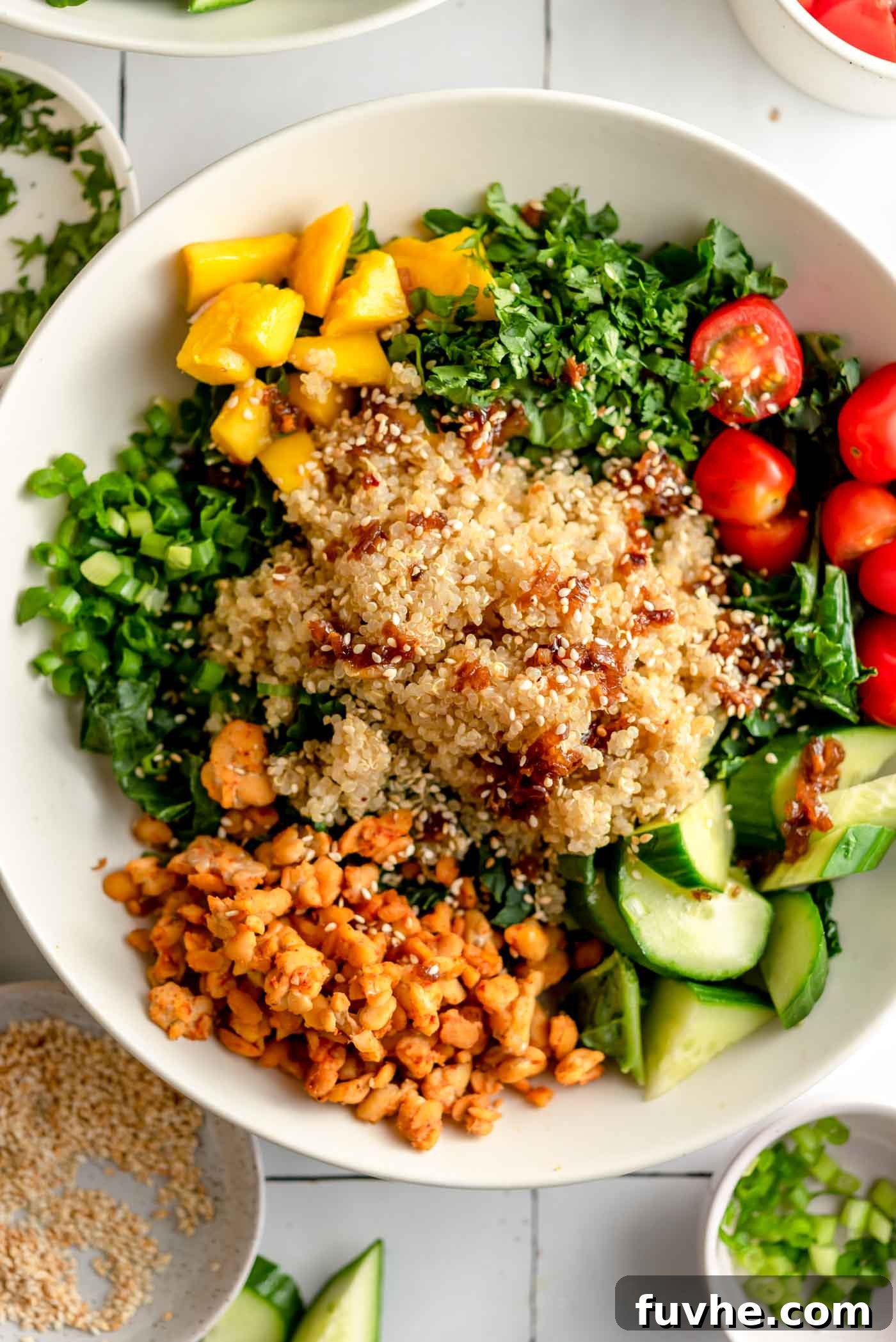
Discover the ultimate in healthy and satisfying meals with these vibrant vegan grain bowls. Perfectly designed for busy weeknights or as a brilliant meal prep solution, these bowls are a delicious fusion of textures and flavors that will nourish your body and delight your palate.
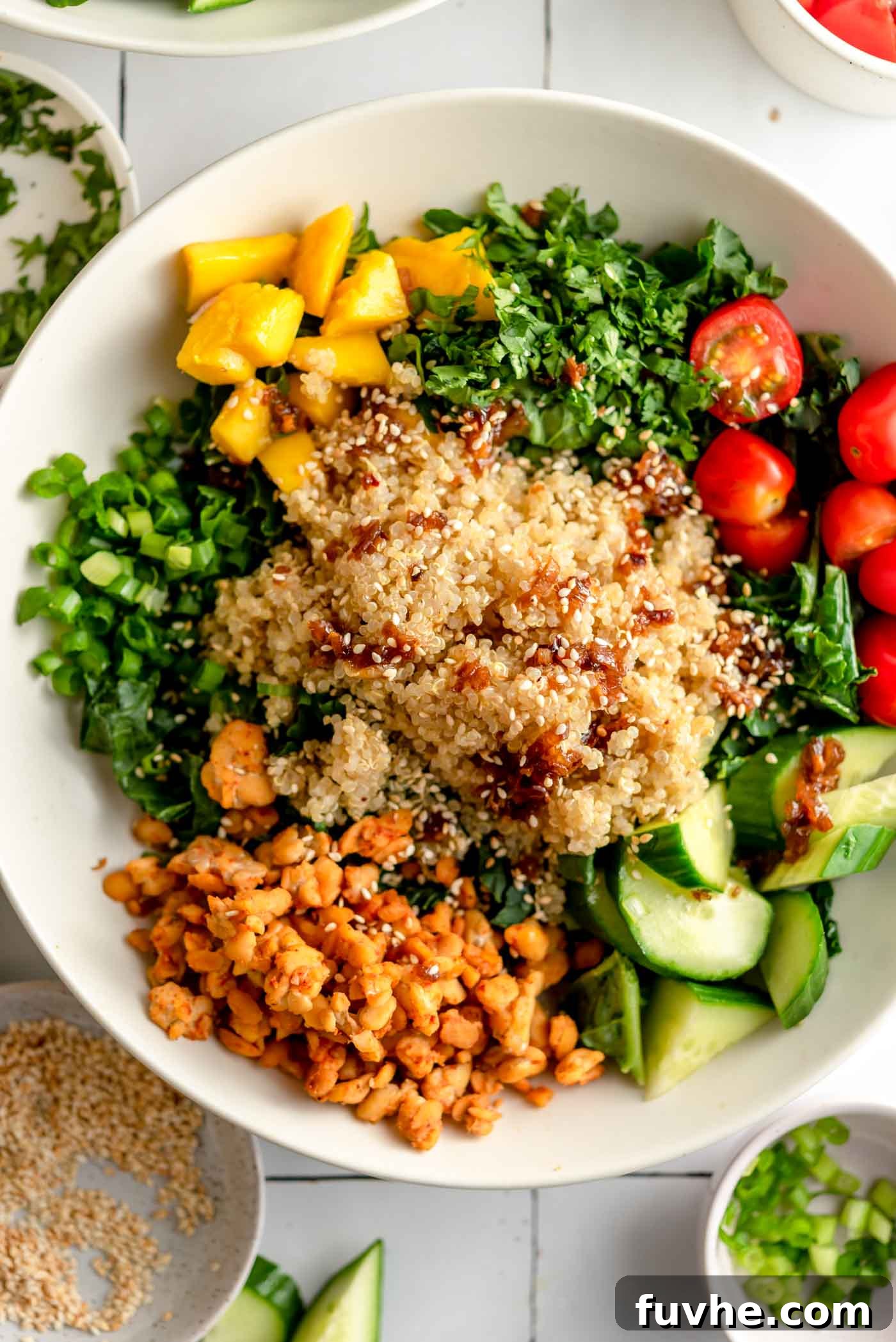
Grain bowls have surged in popularity as a cornerstone of healthy eating, and for good reason. They are incredibly healthy, undeniably delicious, and remarkably easy to adapt to any dietary preference or craving. The beauty of these bowls lies in their endless customization possibilities, allowing you to combine different grains, toppings, plant-based proteins, and flavorful dressings.
If your goal is to incorporate more whole plant foods and an abundance of fresh vegetables into your diet, these vegan grain bowls offer an excellent and accessible pathway. They typically feature a nutrient-dense leafy green, such as spinach or kale, complemented by a thoughtful combination of both raw and cooked vegetables, a hearty legume or plant protein, and a vibrant, tasty sauce that ties all the components together. You can even elevate your bowl with a touch of sweetness – our featured recipe brilliantly incorporates juicy mango for a delightful tropical twist!
With their rich array of plant-based ingredients, these wholesome grain bowls are naturally high in dietary fiber, promoting healthy digestion and sustained energy. They are also packed with plant-based protein, making them exceptionally filling and satisfying. This harmonious blend of diverse flavors, satisfying textures, and essential nutrients ensures that every bite is a fulfilling and complete whole food meal, perfect for any time of day.
Why These Vegan Grain Bowls Are a Must-Try
Once you experience the culinary magic of these vegan grain bowls, they’re sure to become a staple in your meal rotation. Here’s why you’ll absolutely adore them:
- Explosion of Flavor and Texture: Each bowl is a symphony of diverse ingredients, offering a delightful interplay of crunchy, creamy, soft, and crisp elements that keep every bite exciting. The combination of fresh produce with savory tempeh and fluffy quinoa creates a truly satisfying culinary experience.
- Irresistible Maple Chili Dressing: The star of these bowls is undoubtedly the homemade maple chili dressing. Its unique blend of sweet, spicy, and tangy notes perfectly coats the tempeh, quinoa, and fresh vegetables, elevating the entire dish to gourmet status.
- Endlessly Customizable: One of the greatest advantages of grain bowls is their adaptability. Feel free to swap out ingredients based on what you have on hand, what’s in season, or simply what you’re craving. Experiment with different grains, proteins, vegetables, and dressings to create your own signature bowl.
- Perfect for Using Up Leftovers: These bowls are a fantastic solution for minimizing food waste. Got some leftover cooked grain, roasted veggies, or a few stray herbs? Toss them into a grain bowl for a quick, wholesome, and delicious meal that prevents ingredients from going bad.
- Dietary-Friendly: Catering to various dietary needs, these bowls are naturally vegetarian, vegan, and gluten-free (when using gluten-free grains and tamari), making them an inclusive option for almost everyone.
- Nutrient Powerhouse: Brimming with plant-based protein and fiber, these bowls are designed to keep you feeling full and energized. They provide a comprehensive range of vitamins, minerals, and antioxidants essential for optimal health and well-being.
Essential Ingredients for Your Vegan Grain Bowl
Crafting the perfect vegan grain bowl begins with selecting fresh, high-quality ingredients. Our recipe calls for a specific combination that creates a balanced and incredibly flavorful meal. Below, we highlight the key components along with helpful notes and substitution ideas to make these bowls truly your own.
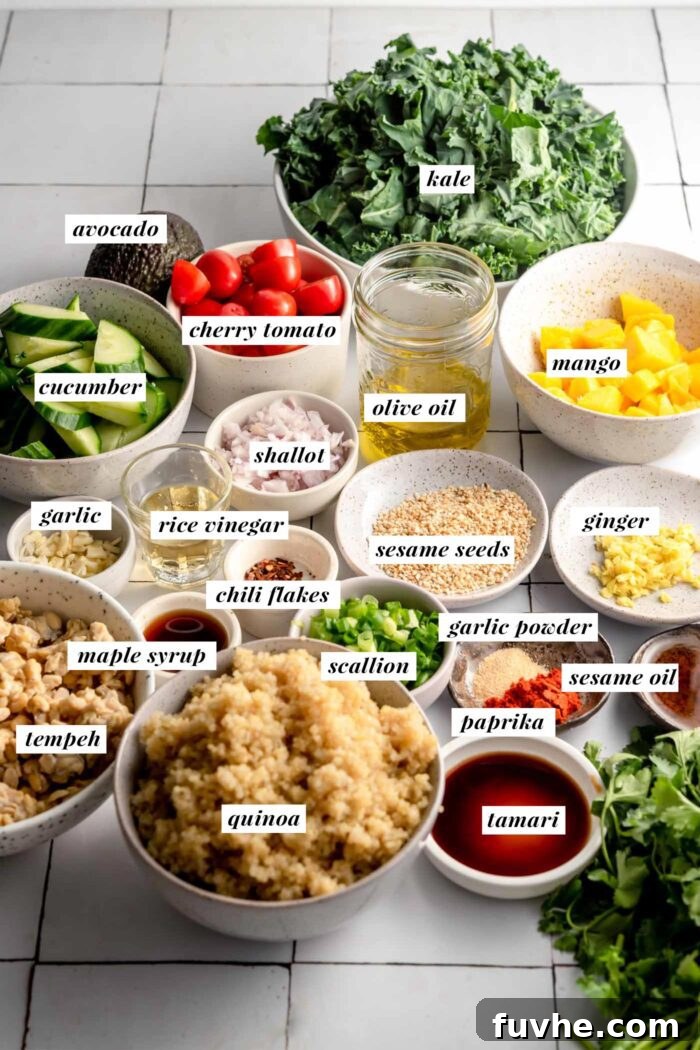
For the Hot Chili Maple Dressing: The Flavorful Heart
- Sesame Oil: Provides a rich, nutty base for the dressing.
- Shallot: Offers a milder, sweeter onion flavor. If unavailable, finely minced white or red onion can be used as a substitute, though in smaller quantities to avoid overpowering the dressing.
- Garlic Cloves & Fresh Ginger: Essential for a pungent, aromatic kick that defines the dressing’s character. Use fresh for the best flavor.
- Rice Vinegar: Adds a crucial tangy acidity. Both seasoned and unseasoned varieties work well.
- Tamari: A gluten-free soy sauce alternative that brings umami depth. Regular soy sauce can be used if gluten-free is not a concern.
- Maple Syrup: Balances the savory and spicy notes with natural sweetness. Honey or agave syrup are suitable alternatives.
- Chili Flakes: Introduces a pleasant warmth and spiciness. Adjust the amount to your preferred heat level.
- Olive Oil: Used to emulsify the dressing, creating a smooth and luscious texture. For an oil-free option, you might need to adjust the ratios of other liquids or opt for a different style of dressing entirely, perhaps a tahini-based one.
For the Crumbled Tempeh: The Hearty Protein
- Plain Tempeh: This fermented soybean cake is an excellent source of plant-based protein and has a firm, chewy texture that crisps up beautifully. Look for plain varieties without added seasonings in the refrigerated section of most well-stocked grocery stores, often near the tofu. Learn more about tempeh here.
- Tamari: Infuses the tempeh with savory umami flavor and aids in caramelization.
- Maple Syrup: Contributes to the tempeh’s beautiful browning and a hint of sweetness.
- Smoked Paprika: This is a key ingredient, imparting a deep, smoky flavor that significantly enhances the tempeh. While regular paprika can be used, smoked paprika truly makes a difference.
- Garlic Powder: Adds a concentrated garlic flavor that complements the tempeh’s savory profile.
For the Grain Bowl: The Fresh & Colorful Components
- Quinoa: A versatile and complete protein grain. You can use white, red, or tri-color quinoa. If you prefer, any other cooked grain like farro (not gluten-free), brown rice, or millet would be fantastic.
- Fresh Kale: Provides a nutrient-dense, slightly bitter, and earthy base. Ensure it’s de-stemmed and thinly sliced for the best texture in your bowl.
- Avocado: Adds a creamy, rich texture and healthy fats, balancing the other flavors.
- Cucumber: Offers a refreshing crunch and cool contrast.
- Cherry Tomatoes: Bursts of juicy sweetness and acidity.
- Green Onions: A mild oniony bite and fresh aroma.
- Fresh Cilantro: Bright, herbaceous notes that complement the dressing. If you’re not a fan, parsley or basil are good alternatives.
- Mango: A surprising yet delightful addition, providing a sweet, tropical counterpoint to the savory elements.
- Toasted Sesame Seeds: A final flourish for added crunch and nutty flavor. Toasting them briefly over low heat brings out their best qualities.
Please note that this is not an exhaustive list. The complete ingredient list with precise measurements and detailed cooking instructions can be found in the comprehensive recipe section at the end of this post.
Crafting Your Delicious Vegan Grain Bowls: A Step-by-Step Guide
Assembling these vegan grain bowls is a straightforward process, broken down into a few simple steps. With a little organization, you can have these flavorful and nutritious bowls ready in no time!
Step 1: Perfectly Cook the Quinoa
Achieving fluffy, perfectly cooked quinoa is key to a great grain bowl. For quinoa, the general rule is a 2:1 ratio of water to quinoa. Begin by rinsing your quinoa thoroughly under cold water to remove any saponins, which can impart a bitter taste. Transfer the rinsed quinoa to a medium saucepan and add the appropriate amount of water. Bring the water to a rolling boil over high heat. Once boiling, reduce the heat to its lowest setting, cover the saucepan tightly with a lid, and let it simmer gently for 15 minutes. After 15 minutes, remove the pot from the heat but keep it covered and allow it to rest for another 5 minutes. This resting period allows the quinoa to absorb any remaining moisture and become light and fluffy. Finally, remove the lid and use a fork to fluff the quinoa before setting it aside.
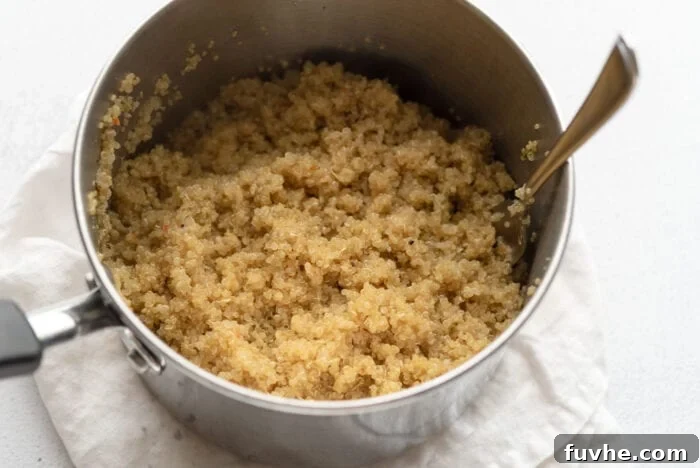
Pro Tip: To add an extra layer of flavor to your quinoa, try cooking it in vegetable broth instead of water. You can also toast the dry quinoa in a dry pan for a few minutes before adding water for a nuttier flavor profile.
Step 2: Whisk Up the Hot Chili-Maple Dressing
While your quinoa is simmering, you can start preparing the star of the show: the delectable chili-maple dressing. This dressing brings a harmonious balance of sweet, spicy, and savory notes to the entire bowl.
Begin by heating the sesame oil in a small saucepan over medium-low heat. Once warm, add the minced shallot, grated ginger, and minced garlic to the pan. Season these aromatics with a small pinch of salt. Sauté them gently for 1-2 minutes, stirring frequently, until they become wonderfully fragrant and slightly softened. Be careful not to brown them too much, as this can make them bitter.
Reduce the heat to low, then pour in the rice vinegar, maple syrup, tamari (or soy sauce), and chili flakes. Add another pinch of salt to enhance the flavors. Whisk these ingredients together until well combined. Slowly, and steadily, begin to whisk in the olive oil. Continue whisking until the dressing is fully emulsified and has a smooth, creamy consistency. Once emulsified, remove the dressing from the heat and set it aside. This dressing can be made in advance and stored in the fridge, just give it a good shake or whisk before serving.
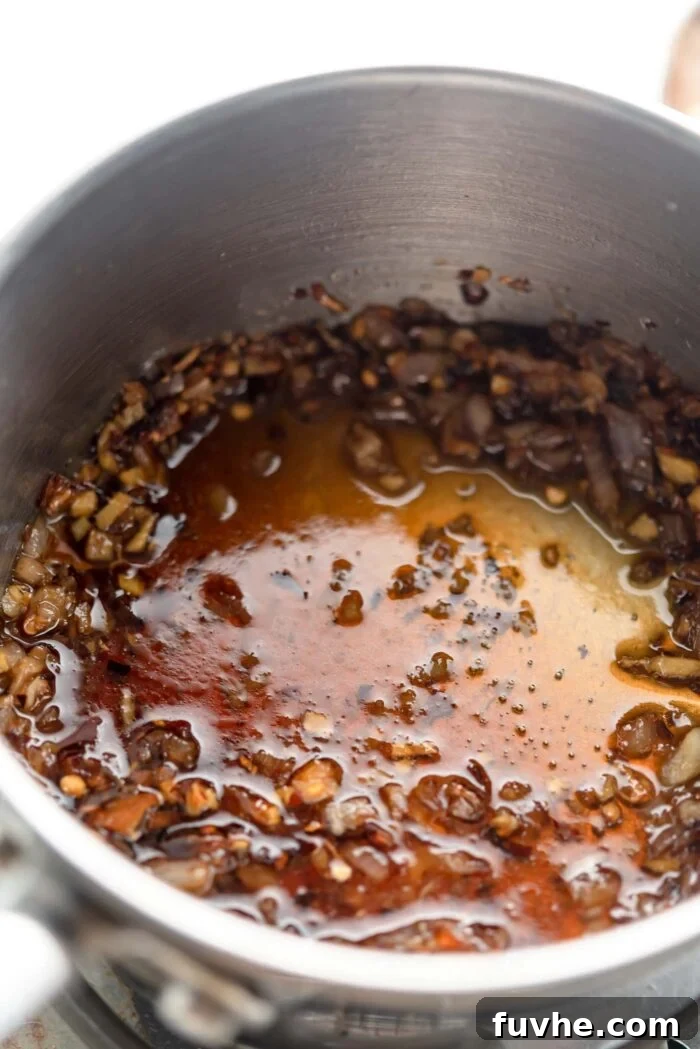
Flavor Booster: For an even deeper flavor, let the dressing sit for at least 15-20 minutes after making it, or ideally, prepare it a few hours in advance to allow the flavors to meld beautifully.
Step 3: Prepare the Crispy Crumbled Tempeh
Tempeh is a fantastic plant-based protein that adds wonderful texture and nutrition to these bowls. Heating 2 teaspoons of oil in a non-stick skillet over medium-high heat. While the skillet is warming, take your block of plain tempeh and crumble it into small, bite-sized pieces using your hands. The more irregular the pieces, the more crispy edges you’ll get.
Add the crumbled tempeh to the hot skillet and cook for 4-6 minutes, stirring occasionally, until the tempeh pieces are golden brown and deliciously crispy. This browning step is crucial for developing its rich, savory flavor.
Next, sprinkle the smoked paprika and garlic powder over the tempeh, stirring well to ensure every piece is coated. Finally, pour in the tamari and maple syrup. Continue to cook for another minute, stirring constantly, allowing the liquids to be absorbed and create a beautiful glaze on the tempeh. The edges should become even crispier. Remove from heat and set aside.
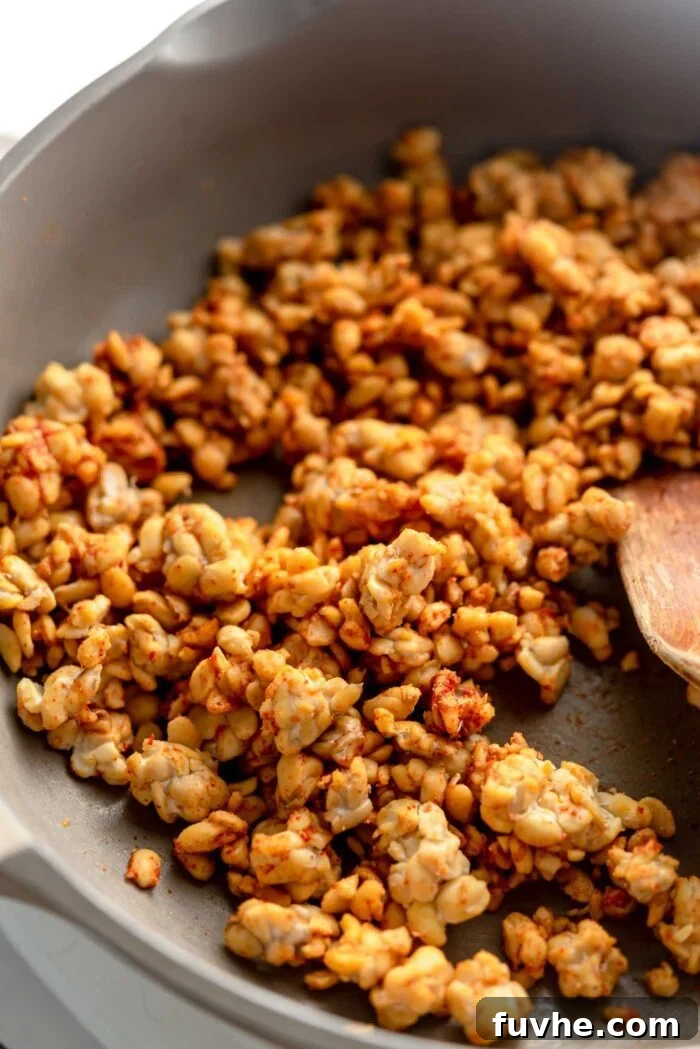
Tempeh Tip: For extra crispy tempeh, ensure your skillet is hot and avoid overcrowding the pan. Cook in batches if necessary to allow for even browning.
Step 4: Tenderize and Dress the Kale
Preparing kale properly is essential for a pleasant eating experience, as raw kale can sometimes be tough. First, remove the leaves from the tough central stems. You can do this by holding the stem and running your hand along it to strip the leaves. Then, chop the kale leaves into bite-sized pieces.
Place the chopped kale into a large mixing bowl. Whisk the prepared dressing one more time, then drizzle about 2 tablespoons of the dressing over the kale. Add a pinch of salt and pepper. Now comes the important part: use your clean hands to massage the kale vigorously for a couple of minutes. This physical action breaks down the tough fibers in the kale, tenderizing it and allowing it to absorb the dressing’s flavors, making it much more palatable and enjoyable in your bowl.
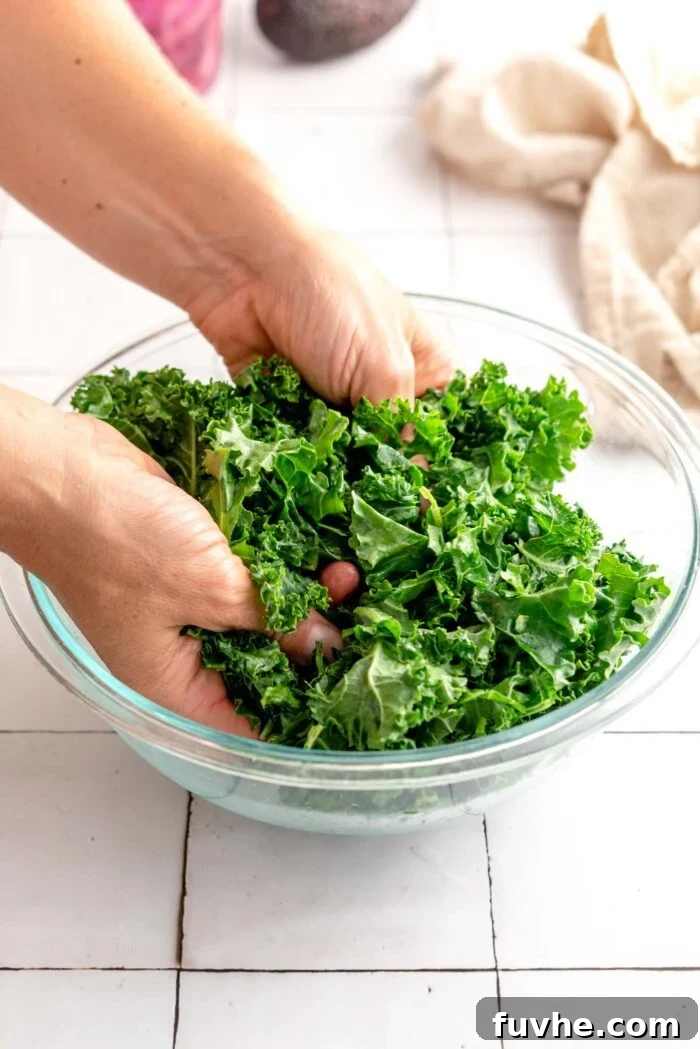
Why Massage Kale? Massaging kale helps to soften its texture and mellow its slightly bitter flavor, making it more tender and digestible, and allowing it to better absorb the dressing.
Step 5: Assemble Your Magnificent Grain Bowls
Now for the most exciting part – assembling your beautiful vegan grain bowls! The beauty of these bowls is that you can arrange them however you like, creating a visually appealing and delicious meal.
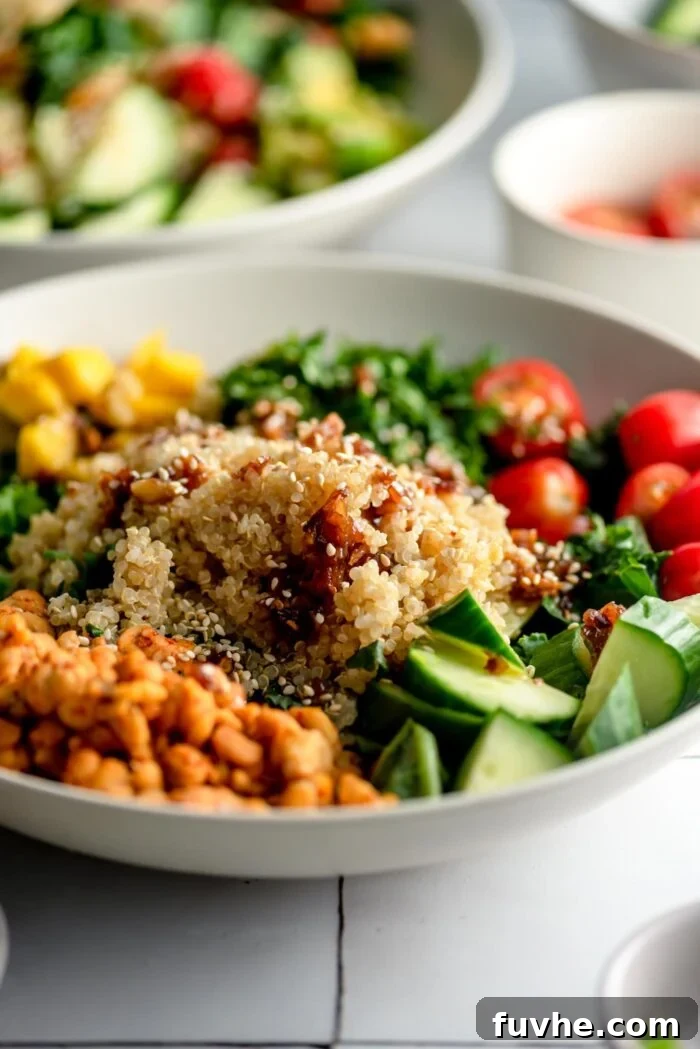
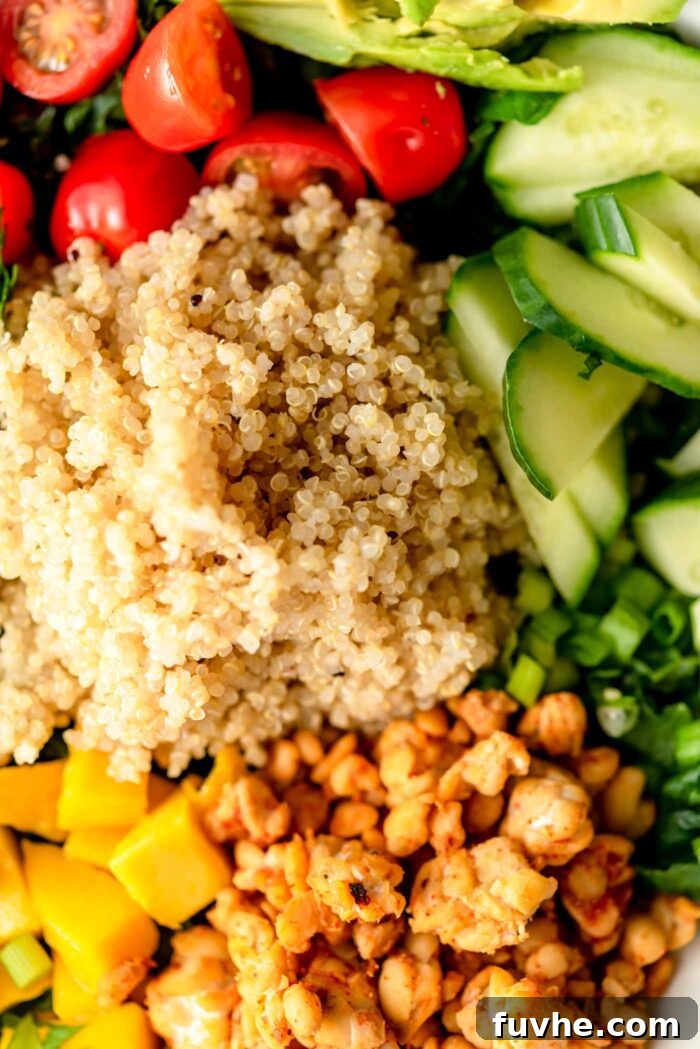
Start by dividing the massaged kale evenly among four individual serving bowls. This forms a vibrant green base. Next, spoon equal amounts of the cooked quinoa over the kale in each bowl. Then, artfully arrange the crumbled tempeh, cubed avocado, crisp cucumber half-moons, halved cherry tomatoes, thinly sliced green onions, chopped cilantro, and sweet mango pieces in separate sections atop the quinoa and kale. This method showcases the variety of ingredients and creates an inviting presentation.
Finally, spoon the remaining chili-maple dressing generously over each bowl, ensuring all the delicious components are coated. For a final flourish and an extra textural element, sprinkle each bowl with toasted sesame seeds. Grab your fork and dig into your homemade, nutritious, and incredibly flavorful vegan grain bowl!
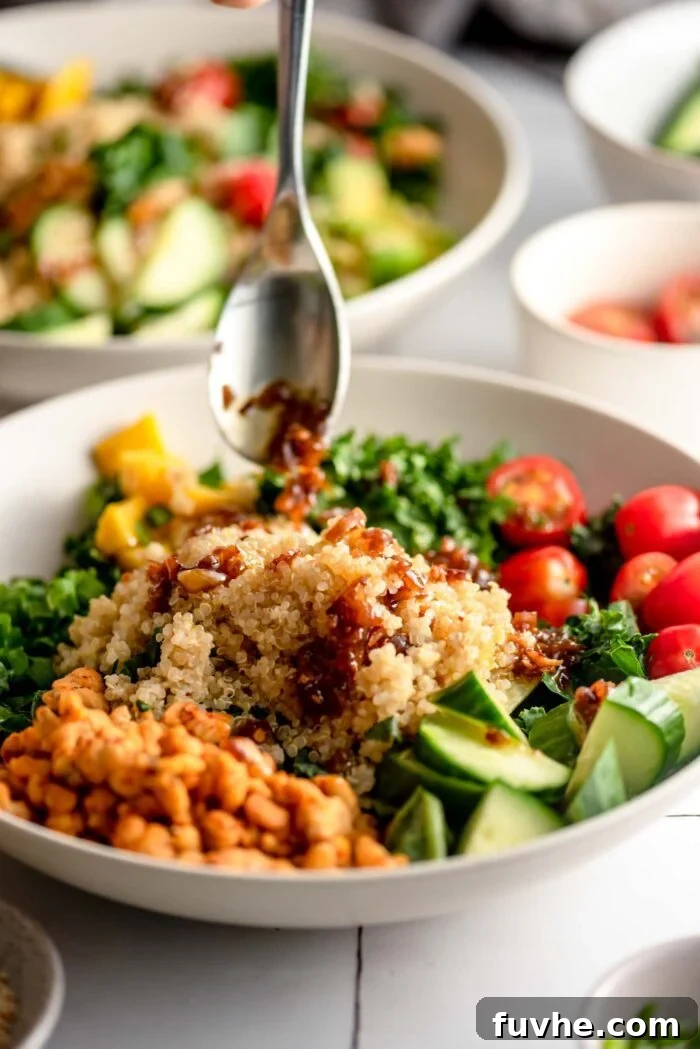
Presentation Power: Arranging ingredients in distinct sections not only makes your bowl look stunning but also allows you to appreciate each component before mixing them together.
Protein Alternatives for Your Grain Bowl
While tempeh is a fantastic protein choice, these bowls are incredibly versatile! Here are some excellent plant-based protein alternatives to customize your grain bowl:
- Edamame: Steamed and shelled, edamame offers a vibrant green color and a subtly sweet, nutty flavor.
- Marinated Baked Tempeh: For a different texture and flavor profile, try pre-marinating and baking tempeh blocks or slices.
- Garlic Herb Marinated Tempeh: Infuse your tempeh with savory herbs and garlic before cooking for a deeply flavorful addition.
- Chickpeas: Versatile and readily available, chickpeas can be added plain, or try them marinated for extra zest, or roasted until crispy for a delightful crunch.
- Baked Tofu: Firm tofu baked until golden and chewy is a wonderful, protein-rich option.
- Pan-Fried Tofu: Quick and easy, pan-fried tofu cubes with a crispy exterior are always a hit.
- Sweet Chili Tofu: For a sweet and spicy kick, try tofu tossed in a sweet chili glaze.
- Black Beans: A classic legume, black beans add a creamy texture and earthy flavor, packed with fiber and protein.
- Lentils: Cooked lentils provide a hearty, earthy base, or for an exciting twist, try making crispy roasted lentils.
Ingredient Swaps and Customization Ideas
Don’t have an ingredient? Or just looking to change things up? These bowls are incredibly flexible:
- Instead of cilantro: Explore fresh herbs like chopped chives for a delicate oniony note, fresh parsley for a clean, vibrant flavor, or fragrant basil for a Mediterranean twist.
- Instead of mango: If mango isn’t available or preferred, consider adding dried cranberries for a chewy, sweet and tart element, fresh orange slices for a citrusy burst, diced apple for a crisp sweetness, or simply omit the fruit altogether.
- Instead of kale: Opt for tender fresh spinach for a milder green, or lightly steamed collard greens or Swiss chard for a slightly heartier, cooked green base.
- Instead of fresh tomato and cucumber: Get creative with other raw veggies! Grated carrots add sweetness and crunch, shredded green or red cabbage provides a satisfying crispness, thinly sliced red onion offers a sharp bite, or diced bell pepper adds color and a sweet crunch. Any raw vegetable you enjoy will work well here.
- Instead of toasted sesame seeds: For a different nutty profile or allergy considerations, try pepitas (pumpkin seeds), sunflower seeds, chopped walnuts, pine nuts, slivered almonds, or crunchy pecans.
- Instead of avocado: For a creamy element, consider a dollop of smooth hummus or a scoop of dairy-free ricotta for a rich and tangy addition.
Frequently Asked Questions About Vegan Grain Bowls
The gluten-free status of a grain bowl largely depends on the specific grain used. This particular vegan grain bowl recipe features quinoa, which is naturally gluten-free, making the entire dish suitable for those avoiding gluten. Other excellent gluten-free grain options include brown rice, wild rice, millet, buckwheat, and sorghum. To ensure your bowl remains gluten-free, it’s crucial to avoid grains like farro, freekeh, wheat berries, and couscous, which all contain gluten. Always double-check ingredient labels, especially for sauces and marinades like tamari, to ensure they are certified gluten-free.
Absolutely! Grain bowls are an exceptionally wholesome and beneficial meal choice. They are thoughtfully constructed to be rich in fiber, which aids digestion and promotes satiety; plant-based protein, crucial for muscle repair and growth; healthy fats, supporting brain function and nutrient absorption; energizing complex carbohydrates for sustained energy; and a wide spectrum of essential micronutrients (vitamins and minerals) from the diverse array of vegetables. This makes them a perfectly well-balanced and nutrient-dense meal that supports overall health and vitality.
Each serving of these specific vegan grain bowls provides approximately 622 calories, fitting well into many dietary plans. If you’re aiming for a lower-calorie option, you can easily adjust the portion sizes: consider reducing the amount of quinoa, omitting the avocado and toasted sesame seeds, or opting for a lighter dressing such as a maple dijon dressing. Conversely, if you require more calories to meet your energy needs, simply increase the portions of healthy fats like avocado, add more grains, or include additional protein sources from our suggested alternatives list above.
Yes, these vegan grain bowls can easily be made nut-free. The primary ingredients, including tempeh, quinoa, and vegetables, are naturally nut-free. The dressing uses sesame oil, which is a seed oil, not a nut. If you have a sesame allergy, you can substitute the sesame oil with olive oil or a neutral-flavored oil like sunflower oil. For the toppings, ensure any seeds you choose (like pepitas or sunflower seeds instead of sesame seeds) are also nut-free and processed in a nut-free facility if allergies are severe.
For meal prep, grains that hold their texture well when stored and reheated are ideal. Quinoa is a top choice due to its quick cooking time and resilience. Brown rice and wild rice are also excellent options, offering a heartier texture and rich nutrient profile. Farro (for non-gluten-free) and millet are other good grains that maintain their integrity. Avoid very delicate grains or those that become mushy after refrigeration.
Storing Your Vegan Grain Bowls for Optimal Freshness
These vegan grain bowls are fantastic for meal prep, making healthy eating convenient throughout the week. Proper storage is key to maintaining their freshness and flavor:
- Dressing: The hot chili maple dressing can be prepared several days in advance. Store it in an airtight container or jar in the refrigerator for up to 5 days. Before serving, give it a good shake or whisk to re-emulsify any separated ingredients.
- Tempeh: While the crumbled tempeh is at its absolute best when enjoyed hot and crispy straight from the stovetop, it can also be cooked in advance. Store cooked tempeh in a sealed container in the fridge for up to 4 days. Reheat gently in a skillet or microwave before adding to your bowl for the best texture.
- Cooked Grain: Your chosen grain (quinoa, brown rice, etc.) can be cooked ahead of time and stored in an airtight container in the refrigerator for up to 5 days. This saves valuable time during meal assembly.
- Assembled Bowls: For meal prep, you can assemble entire bowls and store them in sealed containers in the refrigerator for up to 4 days. However, for the freshest taste and texture, we recommend holding off on adding the avocado until just before serving, as it can brown. You might also consider adding the fresh tomato and mango at the last minute to prevent them from becoming too soft or watery.
- Serving Temperature: These versatile grain bowls can be enjoyed either cold, straight from the fridge as a refreshing salad, or gently reheated in the microwave for a warm, comforting meal. If reheating, warm the quinoa and tempeh separately before combining with fresh ingredients.
Explore More Delicious Grain Bowl Recipes
If you’ve fallen in love with these vegan grain bowls, you’re in luck! The world of grain bowls is vast and varied. Here are some other fantastic recipes to inspire your next healthy meal:
- Mediterranean Grain Bowl: Dive into the flavors of the Mediterranean with these quinoa bowls featuring briny olives, sweet roasted red pepper, and a creamy tahini sauce.
- Farro Grain Bowl: Enjoy the chewy texture of farro paired with protein-packed chickpeas, zesty red onion, vibrant kale, and savory olives.
- Asian Grain Bowl: A delightful fusion of flavors with hearty rice bowls, sweet and savory teriyaki chickpeas, and crisp stir-fried vegetables.
- Protein Grain Bowl: Power up with these satisfying rice bowls, loaded with spicy sriracha baked tofu, green edamame, and creamy avocado.
- Broccoli Brown Rice Bowl: A simple yet incredibly nutritious bowl featuring wholesome brown rice, tender tofu, crisp broccoli, healthy kale, and a luscious almond dressing.
Vegan Grain Bowl
By: Deryn Macey
Healthy and delicious vegetarian grain bowls that are packed with nutrition and flavor!
Prep: 20 mins
Cook: 20 mins
Servings: 4
Ingredients
For the Hot Chili Maple Dressing
- 1 tbsp sesame oil (15 mL)
- 1 small shallot, minced
- 2 garlic cloves, minced or grated
- 2 tsp ginger, minced or grated
- 2 tbsp rice wine vinegar (30 mL)
- 2 tsp tamari (10 mL)
- 1 tbsp maple syrup (15 g)
- ¼ tsp chili flakes
- ⅓ cup olive oil (71 g)
For the Crumbled Tempeh
- 1 8 oz pkg. tempeh (227 g)
- 1 tbsp tamari (15 mL)
- 2 tsp maple syrup (10 g)
- ½ tsp smoked paprika
- ½ tsp garlic powder
For the Grain Bowl
- 1 ½-2 cups cooked quinoa, or other grain of choice
- 1 bunch kale, de-stemmed and thinly sliced (6-8 cups/200 g)
- 1 avocado, peeled and cubed
- ½ cucumber, cut into half-moons (160 g/1.5 cups)
- 1 ½ cups cherry tomatoes, halved (195 g)
- 8 green onions, thinly sliced
- ½ cup cilantro, finely chopped (15 g)
- 1 large mango, peeled and cubed (175 g/1 cup cubed)
- 2 tbsp toasted sesame seeds
Instructions
- Cook Quinoa or Other Grain of Choice: Cook your preferred grain according to its package instructions. For quinoa, use a 2:1 water to quinoa ratio. Bring water to a boil, add quinoa, cover, reduce heat to low and simmer for 15 minutes. Remove from heat, let sit for 5 minutes, then fluff with a fork.
- Make the Dressing: In a small pan, heat sesame oil over medium-low heat. Add shallot, ginger, and garlic, seasoning with a pinch of salt. Cook for 1-2 minutes until fragrant and softened. Reduce heat to low. Whisk in vinegar, maple syrup, tamari, and chili flakes, adding another pinch of salt. Slowly whisk in the olive oil until fully emulsified and combined. Remove from heat.
- Make the Crumbled Tempeh: In a large non-stick skillet, heat 2 tsp oil over medium-high heat. Crumble tempeh into small pieces with your fingers. Add tempeh to the skillet and cook for 4-6 minutes, stirring occasionally, until golden brown and crisp. Sprinkle in smoked paprika and garlic powder, stir to coat. Add tamari and maple syrup. Cook for 1 minute more, stirring constantly, until absorbed and edges are crisped.
- Prepare Kale: While tempeh cooks, place chopped kale (de-stemmed and sliced) in a large bowl. Whisk the dressing again, then drizzle 2 tbsp dressing over the kale. Season with a pinch of salt and pepper. Using your hands, massage the kale for a couple of minutes until all leaves are coated and tenderized.
- Assemble Bowls: Divide the massaged kale evenly among 4 bowls. Add equal amounts of cooked quinoa to each bowl. Arrange the tempeh, cilantro, avocado, cucumber, tomatoes, green onion, and mango in separate sections in each bowl. Spoon the remaining dressing over the bowls. Sprinkle with toasted sesame seeds and serve immediately.
Notes
Refer to the sections above for more detailed alternative dressings, topping suggestions, and ingredient swaps to customize your grain bowls.
Nutrition
Serving: 1 bowl, Calories: 622 kcal, Carbohydrates: 64g, Protein: 17g, Fat: 34g, Fiber: 12g
Like this recipe? Rate and comment below!