
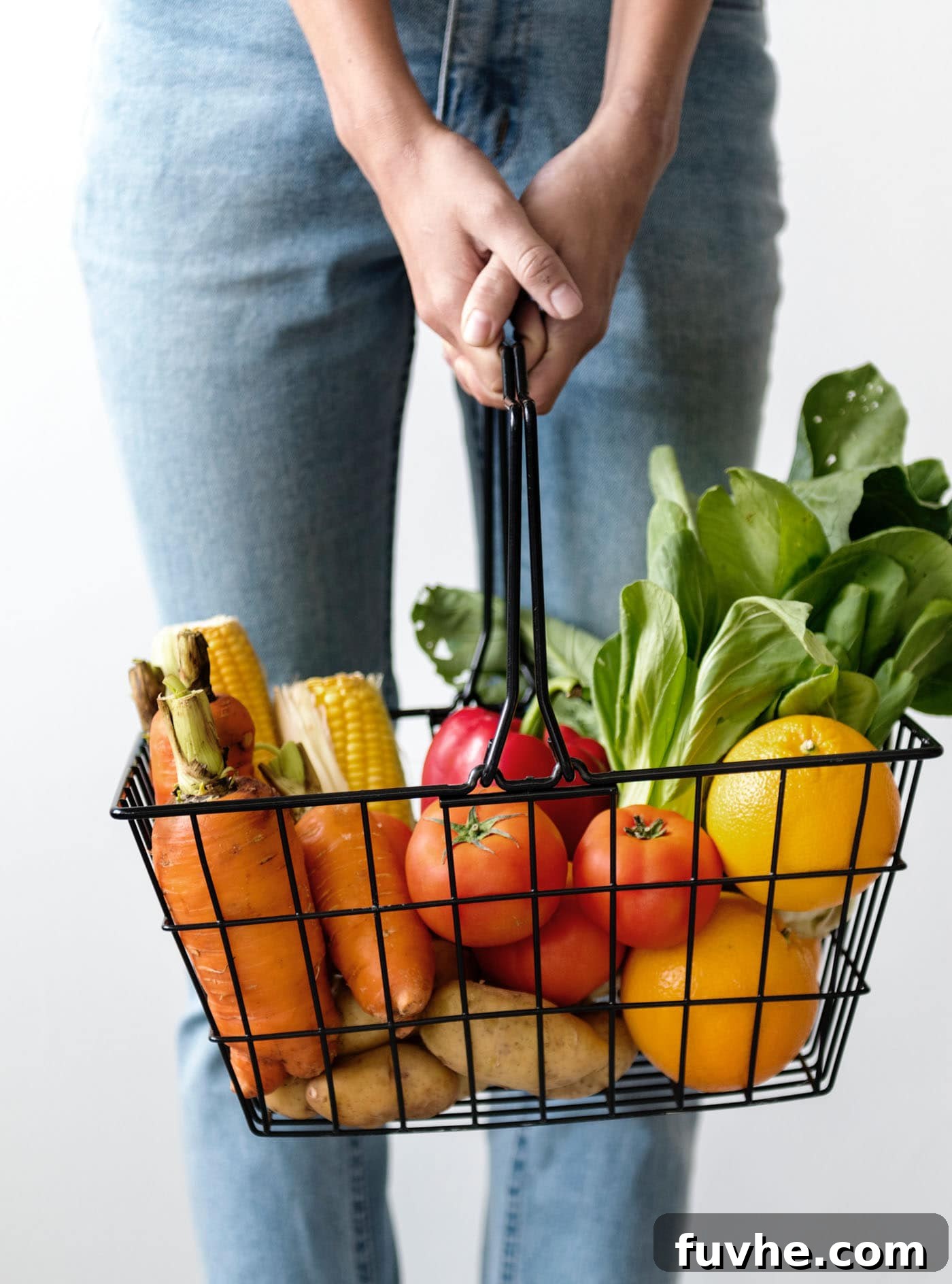
Embarking on a vegan or plant-based journey is an exciting step towards a healthier lifestyle and a more sustainable future. This comprehensive vegan grocery list is designed to demystify plant-based shopping, making it easier than ever to fill your cart with nourishing, delicious ingredients. Whether you’re a seasoned plant-based enthusiast or just starting out, this guide provides a clear roadmap to navigate any grocery store with confidence, ensuring your pantry is stocked with essential vegan staples for wholesome and flavorful meals.
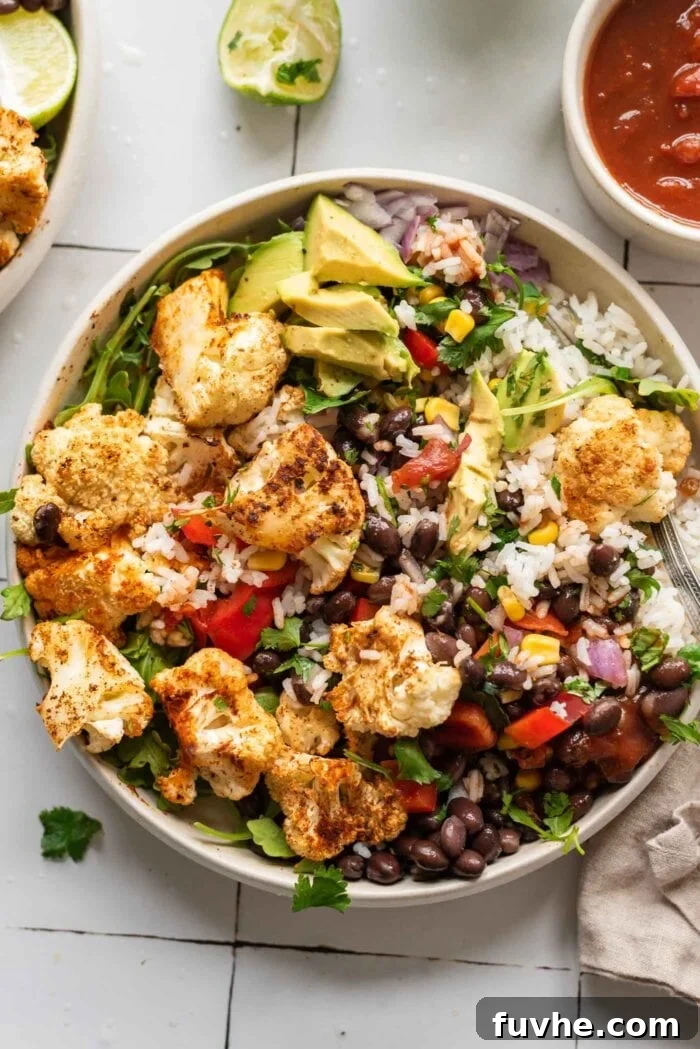
Crafting Your Ideal Vegan Grocery List
Creating an effective vegan grocery list is fundamental for consistent healthy eating. This guide is suitable for everyone, from those on a tight budget to new vegans learning the ropes, and even experienced plant-based eaters looking for fresh ideas. It provides a holistic view of what you might buy as a vegan, offering far more options than you’d typically purchase in a single week. Your actual weekly list will be tailored to your specific meal plan, ensuring efficiency and minimizing waste.
To construct your personalized weekly vegan shopping list, we recommend dedicating some time, perhaps on a Sunday, to plan your meals for the upcoming week. This proactive approach not only streamlines your shopping but also helps you stick to your dietary goals. For inspiration and practical examples, explore our comprehensive one-week vegan meal plan and the focused 3-day whole food plant-based meal plan.
As you conceptualize your meals, jot down every ingredient required. Depending on your culinary preferences and nutritional needs, a typical weekly vegan grocery haul might feature a diverse array of items:
- Abundant Fresh Vegetables: The cornerstone of any plant-based diet, providing essential vitamins, minerals, and fiber.
- A Selection of Fresh Fruits: Perfect for snacks, smoothies, and adding natural sweetness to dishes.
- Convenient Frozen Fruits and Vegetables: Excellent for year-round availability, preserving nutrients, and reducing food waste.
- Versatile Soy Products: Including protein-rich tofu, tempeh, and edamame, offering diverse culinary possibilities.
- Pantry Essentials: Replenish staples like dried and canned legumes, a variety of spices and dried herbs, nuts, seeds, vinegars, and your favorite nut butters.
- Delicious Dairy Alternatives: Such as almond, cashew, or oat milk, alongside creamy dairy-free yogurts.
- Wholesome Whole Grains: Stock up on oats, rice, and quinoa, plus whole-grain products like popcorn, artisan breads, and pasta for satisfying meals.
- Mindfully Chosen Processed Foods: A limited selection of healthy crackers or cereals for occasional convenience.
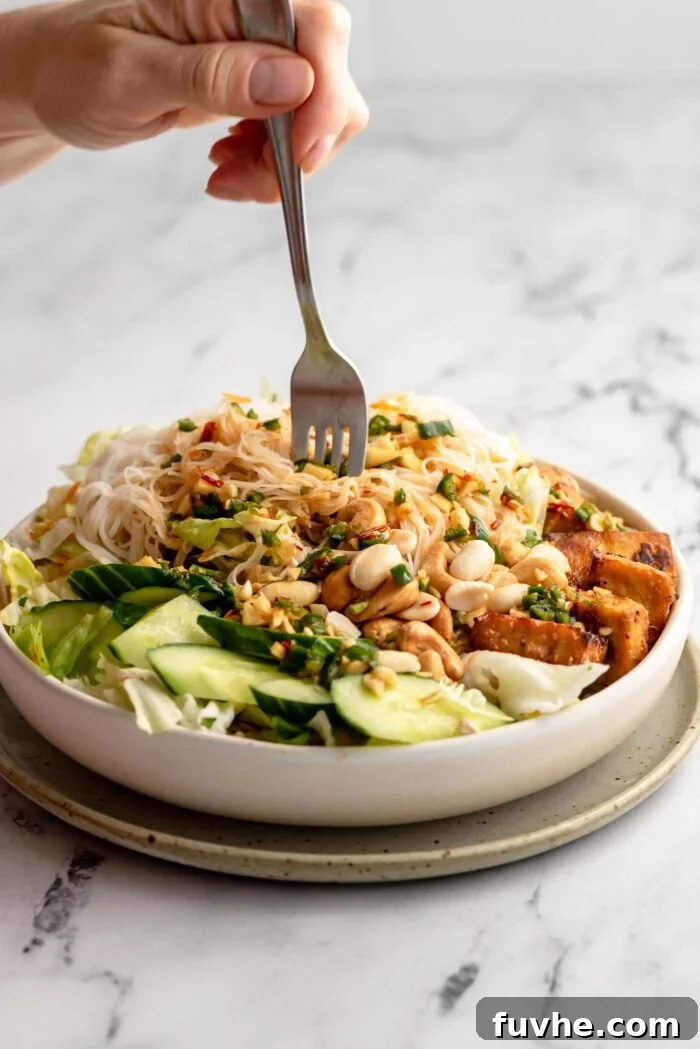
Prioritizing Nutrition in Your Vegan Shopping
When planning your plant-based meals, adopting a nutrient-first mindset can significantly enhance your diet. Focus on filling your grocery cart with foods that not only taste great but also provide substantial health benefits:
- Nutrient-Dense Powerhouses: Prioritize leafy greens and a rainbow of colorful fruits and vegetables, which are packed with essential vitamins, minerals, and antioxidants.
- High-Fiber Foods: Incorporate plenty of whole grains, fruits, and vegetables to support digestive health and promote satiety.
- Unrefined Carbohydrates/Starches: Include staples like potatoes, sweet potatoes, brown rice, oats, and quinoa for sustained energy.
- Minimally Processed Foods: Opt for items low in added sugar, excessive sodium, and unhealthy fats to maintain optimal health.
- Healthy Fat Sources: Integrate beneficial fats from avocados, nuts, and seeds, crucial for hormone production and nutrient absorption.
- Adequate Calories and Nutrients: Ensure you select enough food to meet your daily energy and nutritional requirements.
- Plant-Based Protein Sources: Regularly include nuts, seeds, lentils, beans, tofu, tempeh, and edamame to support muscle health and overall well-being.
For a deeper understanding of vegan nutrition, we highly recommend consulting our comprehensive vegan nutrition guide and the invaluable plant-based protein guide. These resources will equip you with the knowledge to make informed decisions about your weekly grocery list from a nutritional perspective.
Additionally, if you’re new to the lifestyle, our practical guide to transitioning to a plant-based diet offers helpful tips and strategies to make your journey smooth and enjoyable.
Understanding What Vegans Exclude
While this guide primarily focuses on what to include in a vegan grocery list, it’s equally important to clarify what items are typically excluded from a vegan diet. This distinction is crucial for both new vegans and those preparing meals for plant-based friends and family.
A vegan diet consciously avoids all animal products and by-products. Therefore, the following items will not appear on a vegan grocery list:
- Dairy butter
- Dairy cream
- Eggs
- Dairy cheese
- Dairy milk
- Meat (beef, pork, lamb, etc.)
- Poultry (chicken, turkey, duck, etc.)
- Fish and shellfish
- Gelatin (often found in desserts, candies, and some vitamins)
- Honey (While some individual vegans may include raw honey, it is generally not considered vegan due to its animal origin.)
The Essential Vegan Grocery List: Building Your Plant-Based Pantry
Your weekly vegetable selections will naturally fluctuate with seasons and recipes, but they consistently form the foundation of your shopping. Aim for a balanced mix: include starchy vegetables like potatoes and sweet potatoes for hearty meals, incorporate one or two varieties of leafy greens for nutrient density, and round out your cart with versatile options such as tomatoes, bell peppers, cauliflower, broccoli, zucchini, mushrooms, and onions.
Regarding fruit, frozen berries are a perpetual staple in our household, perfect for enriching smoothies, oatmeal, and as a refreshing snack. Bananas, apples, and oranges also consistently feature on our list for their convenience and nutritional value.
Before diving into the specifics, ensure your pantry is well-stocked with dried herbs and spices. These are invaluable for infusing your dishes with rich flavors without relying on excessive salt. Complement these with various types of vinegar (such as apple cider, balsamic, or red wine), nutritional yeast for a cheesy umami, mustards, and fresh lemons and limes, all of which elevate your culinary creations.
Once your fresh produce and essential flavorings are secured, focus on incorporating wholesome, unrefined carbohydrates. Opt for staples like sweet potatoes, regular potatoes, various squashes, brown rice, quinoa, and a diverse range of beans and lentils. This strategic approach ensures a well-rounded and nutrient-rich diet.
This comprehensive vegan grocery list is categorized to simplify your shopping experience:
- Fruit: Fresh, frozen, and dried varieties for natural sweetness and essential nutrients.
- Vegetables: Fresh, frozen, and canned options forming the bulk of your diet.
- Legumes: Canned, dried, and fresh soy products for protein and fiber.
- Herbs and Spices: Fresh and dried for unparalleled flavor and health benefits.
- Pantry Items: Natural sweeteners, versatile condiments, and baking essentials.
- Dairy Alternatives: Plant-based milks, yogurts, and cheeses.
- Whole Grains and Whole Grain Products: For sustained energy and complex carbohydrates.
- Packaged Items: Mindfully chosen favorites and occasional treats.
Fruits: Nature’s Sweet and Nutritious Gifts
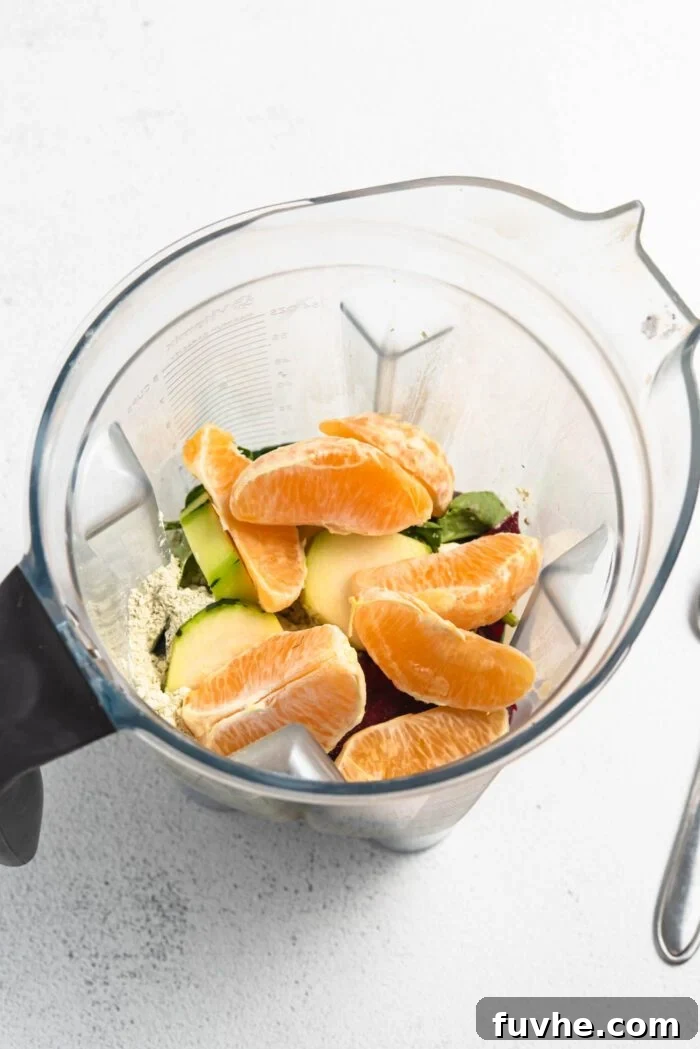
Fruits are an exceptional, naturally delicious, and highly nutritious component of any plant-based diet, ideal for daily enjoyment. Bursting with fiber, potent antioxidants, and natural sugars, they serve as perfect snacks, healthy desserts, and invigorating breakfast foods. We typically prioritize purchasing staples like apples, bananas, and a variety of berries each week, while also rotating in more exotic selections such as persimmons, kiwis, mangoes, and papayas to ensure dietary diversity.
Striving for a wide variety in fruit consumption is key to maximizing your intake of diverse micronutrients week after week. All fruits are veritable treasure troves of essential vitamins, minerals, phytonutrients, and antioxidants, all vital for maintaining optimal health and feeling your absolute best. This variety not only supports a comprehensive nutritional profile but also keeps your diet exciting and prevents palate fatigue.
While fresh, dried, and frozen fruits all have their place, it’s advisable to predominantly focus on fresh and frozen options. Frozen fruits, contrary to popular belief, are often just as, if not more, nutrient-rich than their fresh counterparts because they are picked at their peak ripeness and flash-frozen, locking in their nutritional value. They are incredibly convenient for smoothies and cooking.
My personal preference is to incorporate most of my fruit into smoothies and oatmeal, or to enjoy them as simple, satisfying snacks. If you’re looking for one fruit category to prioritize for its immense health benefits, berries are an outstanding choice. They are celebrated for their potent disease-fighting properties and high antioxidant content, making them a true superfood.
Fresh Fruit Selection
The vibrancy and flavor of fresh fruits are unmatched, making them essential for daily enjoyment:
- Banana (A versatile energy source, great for smoothies and baking)
- Apple (Crisp and refreshing, ideal for snacking)
- Kiwi (Rich in Vitamin C, adds a tropical tang)
- Dates (Natural sweetener, excellent in energy bars)
- Watermelon (Hydrating and sweet, perfect for summer)
- Pomegranate (Unique tart flavor, high in antioxidants)
- Figs (Sweet and chewy, pairs well with nuts)
- Berries: Blueberries, Strawberries, Raspberries (Antioxidant powerhouses)
- Stone Fruits: Nectarines, Plums, Peaches, Cherries (Seasonal delights)
- Citrus Fruits: Lemons, Limes, Oranges, Grapefruits, Clementines, Apricot (Vitamin C rich, essential for flavor)
- Melons: Cantaloupe, Honeydew (Refreshing and hydrating)
- Tropical Fruits: Papaya, Mango, Dragonfruit, Lychee, Pineapple, Passionfruit, Durian, Guava, Jackfruit (Exotic flavors and nutrients)
Frozen Fruit for Convenience and Nutrition
Frozen fruit is a pantry hero, perfect for enriching oatmeal, crafting silky smoothies, preparing homemade chia seed jam, and incorporating into various baked goods. Our freezer often holds frozen blueberries, strawberries, peaches, mango, cherries, and pineapple. A weekly ritual involves freezing a batch of ripe bananas, ensuring a creamy base for our smoothies. Beyond the convenience of pre-packaged options, you can also wash and freeze any fresh fruit you find on sale, preventing waste and stocking up on nutrient-dense ingredients. Try freezing grapes for a surprisingly delightful and healthy snack!
- Berries: Blueberries, Raspberries, Strawberries, Mixed Berry Blends (Packed with antioxidants, versatile)
- Cherries (Great for anti-inflammatory benefits)
- Mango (Adds tropical sweetness to any dish)
- Mixed Fruits (Convenient blends for quick meals)
- Pineapple (Tangy and sweet, excellent in smoothies)
- Peach (Soft texture, lovely in desserts and oats)
Dried Fruit for On-the-Go Energy
While dried fruit isn’t a daily staple in our diet, it proves incredibly useful for specific occasions, such as a calorie-dense snack during a hike or when a quick energy boost is needed. The primary dried fruits we consistently keep on hand are raisins and dates, both excellent for natural sweetness and binding in recipes. Cranberries are purchased as required for specific recipes. If you come across goji berries or mulberries on sale, they are wonderful additions, especially as a topping for smoothie bowls, though they aren’t always a kitchen fixture.
- Cherries (Tart and chewy, great for trail mixes)
- Apricots (Rich in iron and fiber)
- Figs (Naturally sweet, good for digestion)
- Mango (Tropical flavor, chewy texture)
- Raisins (Classic snack, versatile in baking)
- Cranberries (Adds tartness, often used in holiday recipes)
- Dates (Powerful natural sweetener, binds ingredients well)
- Mulberries (Unique flavor, good source of Vitamin C)
- Goji Berries (High in antioxidants)
- Apple (Crispy and sweet, a simple snack)
Vegetables: The Foundation of a Healthy Plant-Based Diet
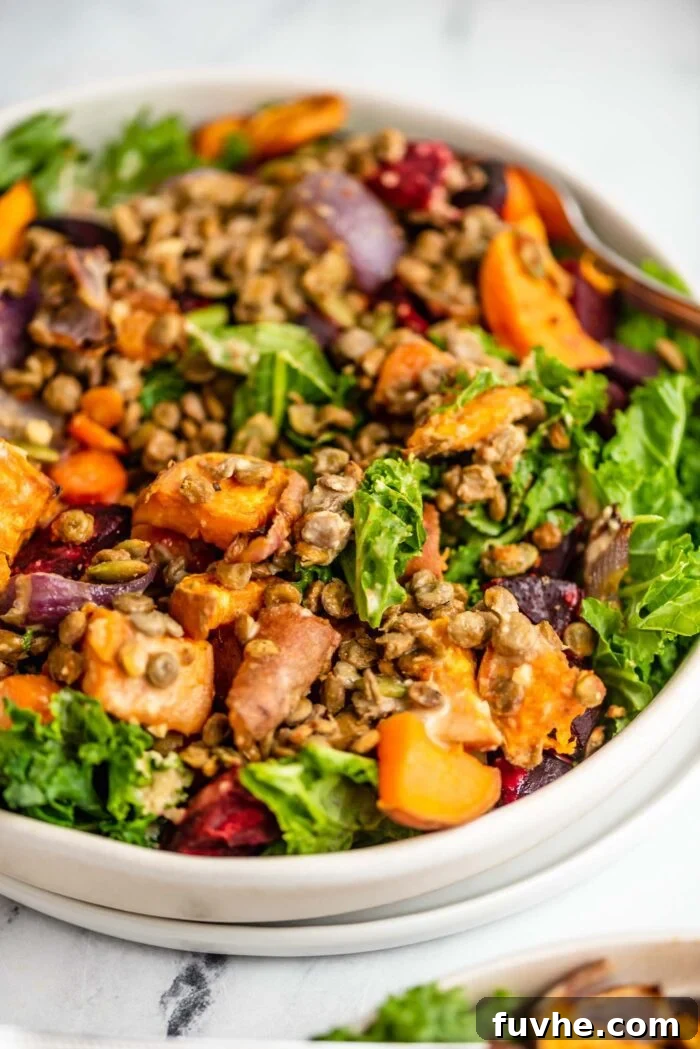
Fresh vegetables form the cornerstone and bulk of a thriving plant-based diet. As an indispensable food group, they are crucial for meeting all your micronutrient requirements. Each vegetable is a powerhouse, brimming with fiber, enzymes, antioxidants, a vast array of vitamins, essential minerals, and vital phytonutrients. These elements are not just beneficial; they are absolutely necessary for maintaining a properly functioning body, guarding against chronic diseases, and preventing nutrient deficiencies, ensuring you feel energized and healthy every day.
While my specific vegetable shopping list dynamically adjusts to my weekly meal plan, certain staples consistently make their way into my cart. Onions, beets, broccoli, carrots, zucchini, sweet potatoes, spinach, and kale are perennial favorites, forming the backbone of many delicious and nutritious meals. Their versatility allows them to be incorporated into countless dishes, from hearty stews to refreshing salads.
If you find incorporating leafy greens into your daily diet a challenge, consider exploring my vegan smoothies e-book. It’s packed with innovative and delicious ways to discreetly add a wealth of vegetables to your smoothies, enhancing your nutrient intake without compromising on taste. This approach is particularly effective for those who might struggle with the texture or flavor of raw greens.
Furthermore, if you often find yourself with excess vegetables nearing their expiration date, freezing them is an excellent strategy to prevent food waste. These frozen veggies can then be seamlessly added to healthy smoothies, not only extending their usability but also significantly boosting your daily nutrient intake. This simple habit is a game-changer for reducing waste and maximizing health benefits.
Fresh Vegetables: A Vibrant Assortment
- Leafy Greens: Kale, Spinach, Arugula, Collard Greens (Essential for vitamins A, C, K, and folate)
- Cruciferous Veggies: Cauliflower, Broccoli, Red Cabbage, Green Cabbage, Napa Cabbage, Brussel Sprouts (Known for their anti-cancer properties)
- Root Vegetables: Parsnips, Carrots, Sweet Potato, Yams, White Sweet Potato, Potatoes, Turnips, Rutabagas (Excellent sources of complex carbs and fiber)
- Zucchini (Versatile, great for grilling, roasting, or spiralizing)
- Cucumber (Technically a fruit, but often used as a vegetable; hydrating and refreshing)
- Asparagus (Springtime favorite, good source of Vitamin K)
- Beets (Earthy flavor, rich in nitrates)
- Bell Peppers (Colorful, high in Vitamin C, perfect raw or cooked)
- Artichokes (Unique flavor, good for digestive health)
- Tomatoes of all varieties (Cherries, Romas, Beefsteaks – antioxidant-rich)
- Hot Peppers of all varieties (Adds a spicy kick and capsaicin benefits)
- Celery (Crunchy, hydrating, great for snacking)
- Avocado (Healthy fats, creamy texture, technically a fruit but used as a veggie)
- Onions and Shallots (Flavor base for countless dishes)
- Mushrooms of all varieties (Earthy umami, adds depth to meals)
- Garlic (Pungent, flavorful, and immune-boosting)
- Eggplant (Absorbs flavors beautifully, versatile in cooking)
- Ginger (Spicy, aromatic, anti-inflammatory)
- Squash: Butternut, Acorn, Kabocha, Pumpkin, Hubbard (Sweet and hearty, seasonal favorites)
- Green Beans, Green Peas, Snap Peas, Snow Peas (Legumes often consumed as vegetables, packed with nutrients)
Convenient Jar and Canned Vegetables
While my personal preference leans towards fresh produce, certain canned vegetables offer unparalleled convenience and are invaluable pantry staples. Diced tomatoes and pumpkin are my go-to items in this category. However, many other options can be incredibly useful:
- Corn (Sweet and versatile for salads, soups, or as a side)
- Peas (Quick addition to stir-fries or stews)
- Tomato paste (Intensifies tomato flavor in sauces and braises)
- Diced tomatoes (Foundation for countless sauces, chilies, and soups)
- Whole tomatoes (Ideal for making your own crushed tomato base)
- Pumpkin (Great for baking, soups, or even smoothies)
- Artichokes (Marinated or in water, excellent for salads or pizzas)
- Sun-dried tomatoes (Concentrated flavor, wonderful in pasta dishes or spreads)
Flavorful Recipes to Try: Hearty Red Lentil Tomato Soup // Comforting Roasted Red Pepper Tomato Soup // Nourishing Vegan Chickpea Quinoa Stew
Practical Frozen Vegetables
Beyond peas and corn, my freezer typically holds a lean selection of vegetables. However, the utility of frozen vegetables is undeniable, especially when considering cooking time constraints and weekly food consumption. For individuals or smaller households, frozen veggies are a fantastic ally in preventing food waste. When time is a luxury you don’t have, having pre-washed and pre-chopped frozen vegetables readily available can be a true lifesaver, allowing for quick, nutritious meals. There’s absolutely no reason to shy away from incorporating frozen vegetables if they align with your lifestyle and culinary needs.
Some commonly stocked frozen vegetables that you might consider adding to your vegan grocery list include:
- Corn (Sweet kernels, perfect for a quick side or adding to chili)
- Green Peas (Vibrant and tender, ideal for stir-fries or pasta)
- Mixed Stir-fry Veggies (A convenient blend for quick Asian-inspired meals)
- Brussels Sprouts (Roast them from frozen for an easy side dish)
- Butternut Squash (Pre-cut and ready for roasting or soups)
- Green Beans (Crisp texture, great steamed or in casseroles)
Creative Recipes to Try: Wholesome Vegan Cauliflower Fried Rice // Exotic Pineapple Cashew Cauliflower Rice // Creamy Vegan Sweet Potato Corn Chowder
Legumes: The Versatile Protein Powerhouses
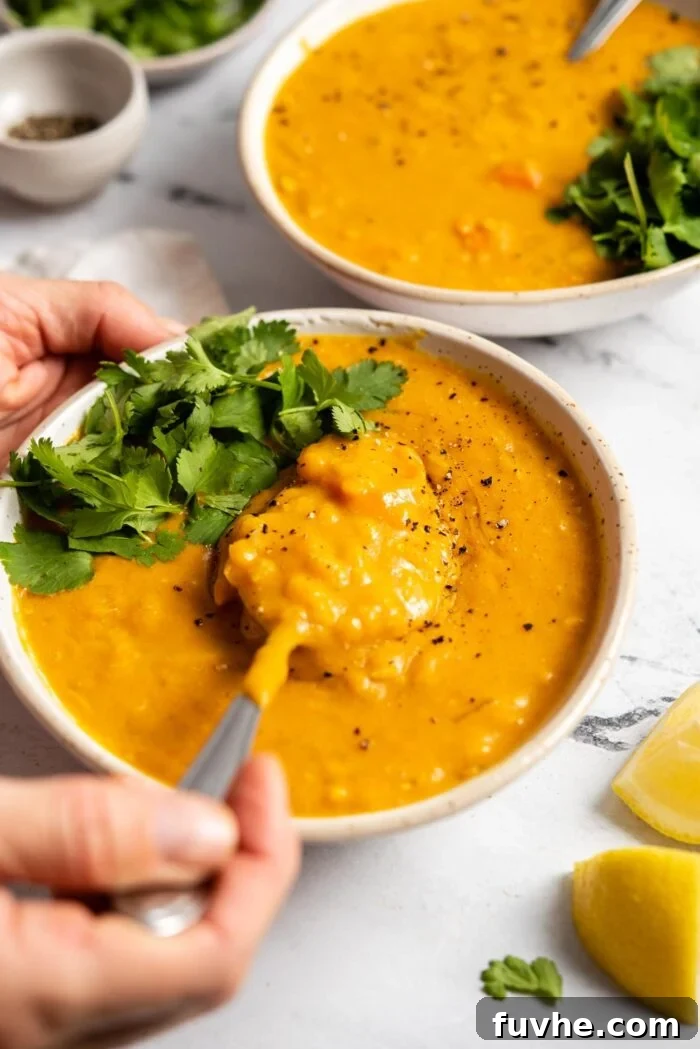
Legumes, encompassing beans, lentils, soy products, and peanuts, represent one of the most vital and celebrated categories in a plant-based diet. This broad group forms a significant portion of my daily intake, offering an unparalleled combination of protein, fiber, and an abundance of essential vitamins, minerals, and potent antioxidants. They are the backbone of countless nutritious and satisfying vegan meals.
Beyond their rich nutrient profile, legumes are particularly esteemed for their high fiber content. Extensive research has consistently highlighted the numerous promising health benefits associated with daily legume consumption, including improved heart health, blood sugar regulation, and digestive well-being.
While canned beans offer ultimate convenience for quick and healthy meals, making them a pantry staple, don’t shy away from cooking dried beans from scratch. This budget-friendly option, when planned ahead, easily integrates into your weekly meal preparations. Lentils, in particular, are a personal favorite for home cooking due to their rapid cooking time and the fact that they generally don’t require pre-soaking, making them incredibly practical.
Dried Legumes: Economical and Flavorful
- Black-eyed peas (Nutty flavor, popular in Southern cuisine)
- White kidney beans (Also known as cannellini beans, creamy texture)
- Fava beans (Earthy flavor, often shelled)
- Pinto beans (Creamy, versatile, great for Mexican dishes)
- Kidney beans (Hearty, perfect for chili and stews)
- Green lentils (Hold their shape well, ideal for salads)
- Red lentils (Cook quickly, great for pureed soups and dahls)
- French lentils (Beluga lentils, firm texture, gourmet appeal)
- Split peas, yellow and green (Excellent for thick, comforting soups)
- Adzuki beans (Sweet, often used in Asian desserts and savory dishes)
- Navy beans (Small, oval, used in baked beans and soups)
Delicious Recipes to Try with Dried Legumes: Vibrant Roasted Vegetable Lentil Salad // Effortless Slow Cooker Vegan Red Lentil Chili // Aromatic Coconut Red Lentil Dahl
Canned Legumes: Speed and Simplicity
- Black beans (Staple for tacos, burritos, and salads)
- Kidney beans (Perfect for chili, stews, and hearty salads)
- White kidney beans (Cannellini beans, great for Mediterranean dishes)
- Pinto beans (Excellent for refried beans or added to soups)
- Black-eyed peas (Quick and easy addition to side dishes)
- Lentils (Pre-cooked, ideal for speedy salads or stews)
Quick & Easy Recipes with Canned Legumes: Simple Vegan Minestrone Soup // Zesty Spicy Chickpea Wraps // Flavorful Spicy Vegan Black Bean Soup
Soy Products: Versatile Plant-Based Proteins
Soy products are an exceptional source of high-quality protein and other vital nutrients within a vegan diet. For comprehensive information on their numerous health benefits and versatile applications, consult our detailed guide to tofu and tempeh.
- Tofu of all varieties (Firm, silken, extra-firm; incredibly versatile for many dishes)
- Tempeh (Fermented soy, firm texture, nutty flavor, excellent for absorbing marinades)
- Edamame (Young soybeans, great as a snack or added to salads)
- Soy protein (Often found in powders or meat alternatives)
- Soy milk (A popular dairy alternative, great for cooking and beverages)
Creative Soy-Based Recipes: Nourishing Tempeh Quinoa Macro Bowl // Savory Vegan Herbed Tofu Ricotta // Balanced Vegan Buddha Bowl with Tofu and Edamame
Peanut Products: Beloved for Flavor and Protein
Peanut products are cherished for their unique flavor, rich protein content, and versatility in vegan cooking and snacking.
- Peanut butter (Creamy or crunchy, a staple for spreads, sauces, and baking)
- Peanuts (Whole or chopped, great for snacking, stir-fries, and as a topping)
Nuts and Seeds: Power-Packed Essentials
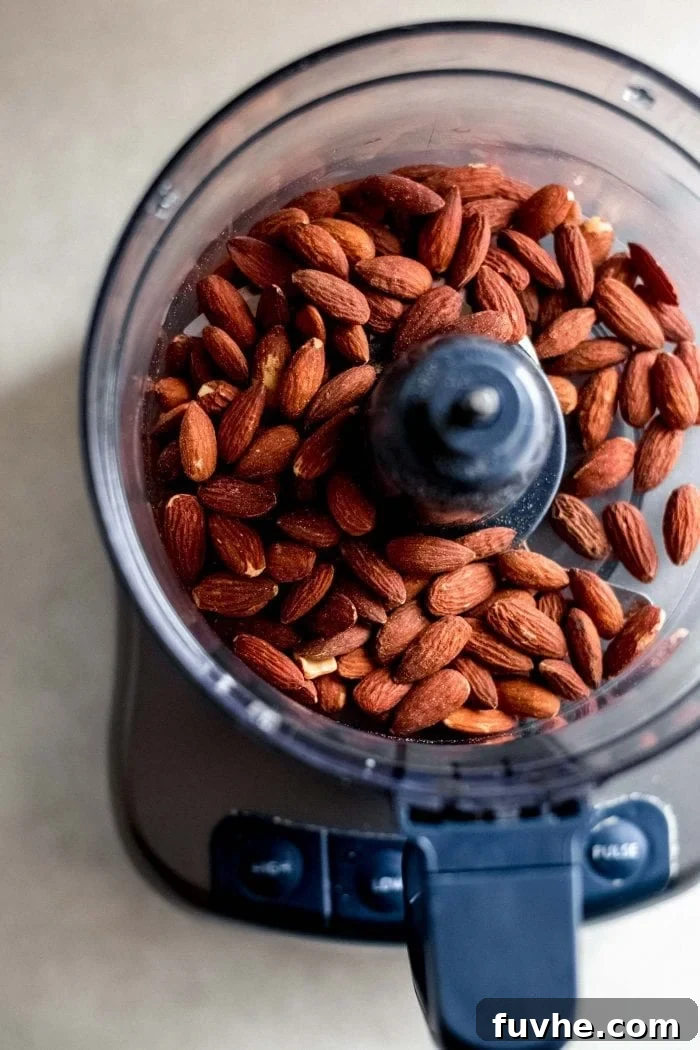
Nuts and seeds represent an extraordinary category of healthy, nourishing foods, serving as vital sources of dietary fats, plant-based protein, and an impressive array of micronutrients. These tiny powerhouses are rich in essential nutrients like Vitamin E, iron, calcium, beneficial omega-3 fatty acids, zinc, magnesium, and much more. In our kitchen, raw almonds, walnuts, cashews, hemp seeds, pumpkin seeds, sesame seeds, and sunflower seeds are regular staples, while other nut varieties are acquired on an as-needed basis for specific recipes.
Nuts are incredibly versatile: they make for satisfying snacks, can be blended into smoothies for added creaminess, sprinkled over oatmeal, incorporated into baking, or even used to craft your own homemade plant milk, energy bars, and delicious energy balls. Their diverse applications make them indispensable in a vegan pantry.
For those managing a budget, seeds offer a fantastic and economical alternative to nuts, providing similar nutritional benefits without the higher price tag. To make nuts more affordable, keep an eye out for sales, purchase in bulk when prices are favorable, and then freeze them to maintain their freshness and extend their shelf life. This smart shopping strategy ensures you always have these nutritious ingredients on hand.
- Nuts: Pecans, Walnuts, Cashews, Brazil Nuts, Pistachios, Hazelnuts, Pine Nuts (Each offers unique flavors and nutrient profiles)
- Seeds: Sunflower Seeds, Hemp Seeds, Chia Seeds, Flaxseeds, Pumpkin Seeds (Pepitas), Sesame Seeds (Excellent sources of fiber, protein, and healthy fats)
- Nut Butters: Almond Butter, Cashew Butter, Peanut Butter (Creamy spreads for toast, smoothies, and sauces)
- Seed Butters: Tahini, Sunflower Seed Butter (Great alternatives for those with nut allergies or seeking different flavors)
Whole Grains and Whole Grain Products: Sustained Energy and Fiber
Whole grains are an undeniable cornerstone of a well-stocked whole food plant-based kitchen, providing sustained energy, essential fiber, and a wealth of nutrients. Our pantry consistently features quinoa, brown rice, rolled oats, and farro, forming the reliable base for countless meals. Other grain varieties are purchased as specific recipes demand.
For daily bread, we opt for wholesome choices like Silver Hills, Ezekiel, and Dave’s Killer Bread, and often indulge in fresh, artisanal sourdough and rye from local bakeries. These choices provide delicious flavor and valuable fiber.
When it comes to flours, we regularly stock quinoa flour and chickpea flour for making nutritious pancakes. For occasional baking, whole-wheat or a reliable gluten-free flour blend is kept on hand, ensuring flexibility for all our culinary creations.
- Rolled Oats, Steel-Cut Oats (Perfect for breakfast porridges, baking, and homemade granola)
- Brown Rice, Wild Rice, and other Rice Varieties (Basmati, Jasmine, Arborio – versatile staples for meals)
- Quinoa (A complete protein, excellent for salads, bowls, and as a side)
- Farro (Chewy texture, nutty flavor, great in soups and grain salads)
- Freekeh (Smoky flavor, high in fiber, an ancient grain)
- Millet (Gluten-free, light texture, good for porridges and pilafs)
- Amaranth (Tiny, nutty grain, nutrient-dense, can be popped like popcorn)
- Teff (Tiny Ethiopian grain, earthy flavor, high in iron)
- Buckwheat (Gluten-free pseudocereal, earthy, used in kasha and noodles)
- Barley (Hearty grain, great in soups and stews)
- Bakery Items: Breads, Buns, Tortillas (Look for whole-grain options)
- Pasta: Brown Rice Pasta, Quinoa Pasta, Whole Wheat Pasta (Ensuring fiber-rich choices)
- Rice Cakes (Light and crispy, great for snacks with spreads)
- Whole Grain Flours: Quinoa Flour, Buckwheat Flour, Whole Wheat Flour (For diverse baking needs)
Dairy Alternatives: Delicious Plant-Based Options
Dairy alternatives have become an integral part of many vegan kitchens, offering delicious and functional swaps for traditional dairy products. I frequently purchase dairy-free coconut yogurt, which I enjoy topped with fresh berries and granola, blended with protein powder, or stirred into my morning oats. Almond and cashew milks are also regular fixtures in my grocery cart, alongside homemade oat milk, hemp seed milk, and almond milk, which I often prepare for freshness and cost savings. While the nutritional profiles can vary significantly between brands, these alternatives are incredibly helpful, especially during the transition to a more plant-based diet. For an in-depth exploration of various plant-based swaps, delve into my post on vegan options to replace dairy.
- Coconut Yogurt (Creamy and rich, excellent for breakfasts and desserts)
- Almond or Cashew Yogurt (Versatile, good for smoothies or as a snack)
- Cashew Cheese (Often homemade or artisanal, offering a sophisticated dairy-free cheese experience)
- Dairy-Free Milks: Almond, Oat, Soy, Rice, Hemp, Cashew, or Coconut (Choose based on taste preference and nutritional needs)
Navigating Processed Dairy Alternatives
Later in this article, we’ll delve deeper into the role of processed foods in a vegan diet. However, for those just beginning their plant-based journey, some processed dairy alternatives can be incredibly beneficial in easing the transition. These products offer familiar tastes and textures, making the shift away from animal products more manageable. Consider incorporating items such as:
- Vegan Sour Cream (Great for dolloping on tacos or chili)
- Vegan Cream Cheese (Perfect for bagels or as a base for dips)
- Cheddar or Mozzarella Style Shreds (Melts well for pizzas, quesadillas, or gratins)
- Cheese Slices (Convenient for sandwiches and burgers)
- Chocolate Soy or Almond Milk (A delicious treat or for use in desserts)
- Coconut Creamer (For coffee or tea, adds richness)
- Earth Balance Butter (A versatile plant-based butter substitute for cooking and baking)
- Vegan Ice Cream (Indulgent frozen treats in various flavors)
Many reputable brands are excelling in this category, including Daiya, Earth Balance, Follow Your Heart, So Delicious, GO Veggie, Silk, Yoso, Almond Breeze, and Tofutti, offering a wide array of choices to suit different tastes and needs.
Personally, as I’m not a big cheese enthusiast, my purchases in this area are limited. I might occasionally treat myself to So Delicious ice cream and have enjoyed Follow Your Heart cheese in the past. While I’m not a huge fan of Daiya cheeses, they are decent and melt effectively for dishes like pizza and sandwiches. However, Silk almond and cashew milk are consistent weekly buys in my household.
Living in Vancouver offers the fantastic advantage of access to numerous local brands creating incredible whole-food, nut-based cheeses. From gourmet vegan brie to havarti, parmesan, and cream cheese, the variety and quality are truly impressive, showcasing the innovation within the plant-based food scene.
Herbs and Spices: The Soul of Vegan Cooking
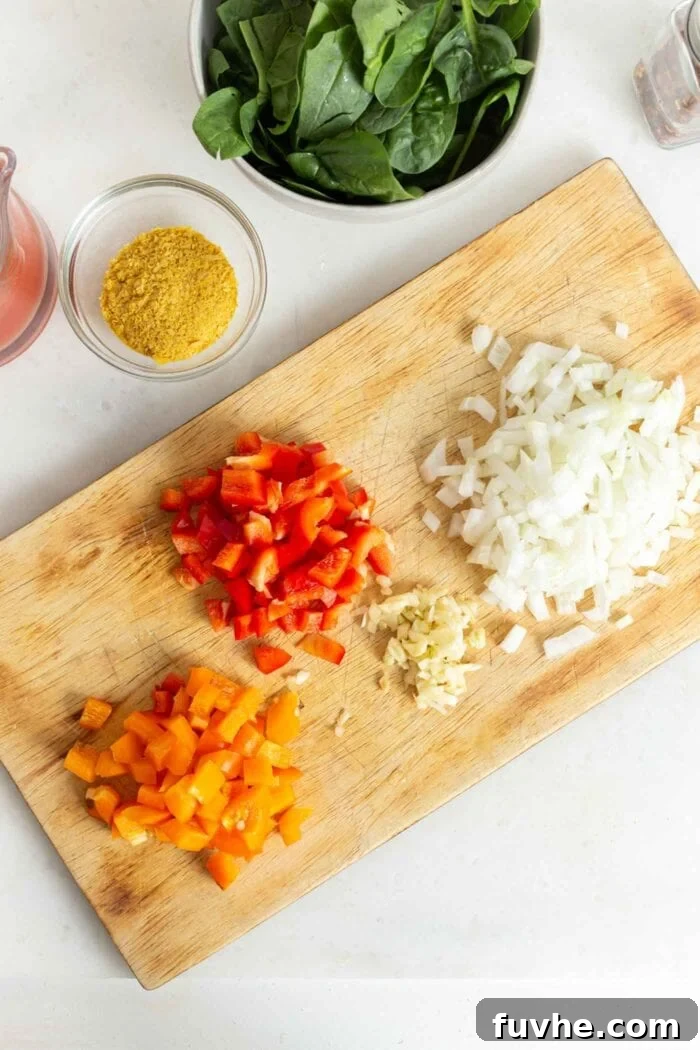
A well-appointed pantry, brimming with a diverse selection of dried herbs and spices, is your secret weapon for creating profoundly flavorful plant-based meals without the necessity of excessive salt. However, since your diet will predominantly feature low-sodium, whole foods—a stark contrast to highly processed foods laden with sodium—there is absolutely no detriment in utilizing a high-quality sea salt to perfectly season your culinary creations. Sea salt, being rich in beneficial trace minerals, can actually be a healthy and welcome addition to your diet.
Both dried and fresh herbs and spices are nutritional powerhouses, packed with potent antioxidants and exhibiting numerous beneficial anti-inflammatory properties. Among my favorites, which frequently feature in my cooking, are garlic, ginger, turmeric, cilantro, basil, dill, cumin, cinnamon, and coriander. These ingredients not only elevate the taste of dishes but also contribute significantly to overall well-being.
Beyond their ability to simply enhance flavor, incorporating a rich variety of herbs and spices into your food is a health-conscious choice. Many of these natural seasonings are celebrated for their remarkable antioxidant capabilities and potent anti-inflammatory effects, contributing to a robust immune system and reduced oxidative stress.
- Dried Basil, Fresh as needed (Sweet, peppery flavor, quintessential in Italian cuisine)
- Dried Bay Leaves (Adds a subtle, aromatic depth to stews and soups)
- Celery Seed (Pungent, slightly bitter, often used in rubs and pickles)
- Ground Chili Powder (A blend for a warm, savory kick)
- Red Pepper Flakes (Adds heat to pizzas, pastas, and stir-fries)
- Cayenne Pepper (Intense heat, good for spicing up any dish)
- Fresh Chives (Mild oniony flavor, delicate garnish)
- Fresh or Dried Cilantro (Coriander) (Bright, citrusy notes, essential in Mexican and Asian cuisines)
- Cloves (Warm, sweet, and aromatic; used in baking and savory dishes)
- Cumin (Earthy, warm, fundamental in Indian, Mexican, and Middle Eastern cooking)
- Curry Powder (Aromatic blend, varies by region, great for curries and stews)
- Turmeric (Earthy, slightly bitter, vibrant color, powerful anti-inflammatory)
- Fresh Garlic, Garlic Powder (Indispensable for its pungent flavor and health benefits)
- Fresh Ginger Root, Ground Ginger (Spicy, warming, aromatic, used in sweet and savory dishes)
- Italian Seasoning (A blend of common Italian herbs, convenient for many dishes)
- Ground Thyme (Earthy, minty, often used with root vegetables and legumes)
- Onion Powder (A convenient way to add onion flavor without chopping)
- Dried Oregano (Pungent, earthy, vital in Mediterranean and Mexican cooking)
- Dried Rosemary, Fresh as needed (Fragrant, piney, pairs well with potatoes and roasted vegetables)
- Dried Dill, Fresh as needed (Fresh, tangy, often used in salads, dips, and with cucumbers)
- Dried Parsley, Fresh as needed (Mild, fresh, brightens up almost any dish)
- Black Peppercorns (Freshly ground for a sharp, spicy bite)
- Sea Salt (Enhances all flavors, rich in trace minerals)
Miscellaneous and Pantry Staples: Enhancing Your Vegan Kitchen
For an even more detailed guide on essential pantry items, refer to my comprehensive post on how to stock a vegan pantry. This section, however, will focus on the fundamental basics to get you started.
Natural Sweeteners: Healthier Alternatives
The choice to incorporate sweeteners into your kitchen is entirely personal. In my cooking, I regularly use whole fruit options like dates and bananas, along with applesauce, coconut sugar, maple syrup, and a touch of stevia. If you enjoy baking, any of the following natural sweeteners provide excellent, unrefined alternatives to traditional white sugar.
- Agave Syrup (Mild flavor, thin consistency, good for cold dishes)
- Coconut Sugar (Caramel notes, less refined than white sugar)
- Maple Syrup (Rich, distinct flavor, great for baking and drizzling)
- Molasses (Deep, robust flavor, rich in minerals)
- Stevia (Zero-calorie natural sweetener)
- Organic Cane Sugar (Less processed than refined white sugar)
- Dates (Whole fruit sweetener, adds fiber and nutrients)
Essential Condiments: Flavor Boosters for Every Meal
These indispensable condiments are critical for elevating the flavor profile of all your delicious vegetables and plant-based dishes. I consistently stock and frequently use all the items listed below to craft exquisite sauces, vibrant dressings, fragrant curries, and to impart incredible flavor to a wide variety of meals.
- Coconut Milk (Creamy base for curries, soups, and desserts)
- Red Curry Paste (Spicy and aromatic, a staple for Thai cuisine)
- Green Curry Paste (Brighter and often spicier than red, for vibrant curries)
- Soy Sauce or Gluten-Free Tamari (Umami-rich, essential for Asian-inspired dishes)
- Miso Paste (Fermented soybean paste, adds deep savory notes to dressings and soups)
- Mustard (Dijon, yellow, whole grain – adds tang and depth)
- Salsa (Fresh and flavorful, perfect for tacos, bowls, and snacks)
- Organic Ketchup (A classic condiment, choose organic for fewer additives)
- Sweet Chili Sauce (Sweet and spicy, great for dipping and stir-fries)
- Nutritional Yeast (Read more here) (Cheesy, umami flavor, fortified with B vitamins)
- Sauerkraut (Fermented cabbage, probiotic-rich, tangy)
- Vinegar: Red Wine, Balsamic, Apple Cider, Rice Wine (Essential for dressings, marinades, and pickling)
Baking and Cooking Essentials
- Baking Powder (Leavening agent for fluffy baked goods)
- Baking Soda (Another leavening agent, reacts with acids)
- Cornstarch or Arrowroot Powder (Thickeners for sauces and gravies)
- Pure Vanilla Extract (Classic flavor enhancer for sweet recipes)
- Any other extracts you like such as peppermint or almond (For specific flavor profiles in baking)
- Shredded Coconut (Adds texture and tropical flavor to granola, desserts, and curries)
- Coconut Flakes (Larger pieces of coconut, great for topping and texture)
- Vital Wheat Gluten (Used to make seitan, a popular meat substitute)
- Various Flours: Chickpea Flour, Quinoa Flour, Coconut Flour, Almond Flour (For diverse baking and cooking needs, often gluten-free)
Packaged Favorites and Treats: Balancing Wholesome with Indulgence
Up to this point, our discussion has centered on whole, unprocessed plant foods—the foundation for a healthy and satisfying vegan diet. While striving for a 100% whole food plant-based diet all the time is an admirable goal, it’s perfectly acceptable and often more sustainable to incorporate some processed vegan foods into your routine. Food is not just fuel; it’s also a source of comfort, joy, and social connection.
Navigating Your Transition with Convenience Foods
Changing long-standing eating habits is a significant undertaking, and certain types of packaged vegan foods can be particularly helpful during your transition to a plant-based lifestyle. The key to long-term success lies in creating sustainable habits. It’s important to avoid rigid “good” and “bad” food classifications. While some meals will undoubtedly serve purely as fuel, others can offer immense comfort and enjoyment. Vegan meat and dairy alternatives, in particular, can be invaluable during the shift away from an animal-product-heavy diet, providing familiar textures and flavors. Thankfully, the market today boasts an impressive array of high-quality dairy-free alternatives.
Cultivating a Sustainable and Enjoyable Vegan Lifestyle
For myself, I wholeheartedly embrace a balanced approach: you can bet I enjoy chocolate, chips, cookies, and vegan ice cream, and I love going out for vegan pizza. On a day-to-day basis, my diet is predominantly whole food plant-based, and I absolutely love how it makes me feel. However, I also relish the joy of indulging in treats. By eating well about 90% of the time, I can confidently enjoy some delicious goodies without any worries or guilt. In my opinion, the stress and guilt associated with eating a vegan chocolate chip cookie are far more detrimental than simply enjoying the cookie itself.
Fortunately, the market for processed vegan foods has exploded, offering an incredible variety of options. While some less-healthy choices still exist, there are also numerous wonderful brands crafting yummy treats that everyone can enjoy responsibly. These options make a vegan lifestyle more accessible and enjoyable for a broader range of people.
- Field Roast Sausages (Hearty and flavorful, great for grilling or scrambles)
- Yves products (A range of deli slices, hot dogs, and ground round)
- Kombucha (Fermented tea, a refreshing probiotic-rich beverage)
- Gardein products (Wide variety of meat substitutes, from tenders to burgers)
- Simply Protein Bars, Go Macro Bars (Convenient and nutritious protein-packed snacks)
- Frozen Veggie Burgers (Quick and easy meal option, look for whole-food ingredients)
- Canned Soups such as Amy’s (Convenient and often organic, great for quick lunches)
- Dark Chocolate (A delicious and antioxidant-rich treat)
- So Delicious Dairy-Free Ice Cream and other vegan frozen treats (Indulgent and creamy desserts)
- Vegan Jerky (Chewy and flavorful, a great on-the-go snack)
- Frozen Waffles from Nature’s Path or Ezekiel (Quick breakfast or snack option)
- Larabars (Made from whole fruits and nuts, or make your own for a personal touch!)
- Beanfield’s Chips (Made from beans, offering a healthier crunch)
- Veggie Sticks (A convenient snack, often made from potato, spinach, and tomato)
- Mary’s Organic Crackers (Gluten-free, whole-grain crackers, great with dips and spreads)

Budgeting for a Plant-Based Diet: More Affordable Than You Think
A common misconception is that adopting a vegan diet is inherently expensive. I offer a swift and reassuring answer to this: a plant-based diet typically costs significantly less than one that includes eggs, cheese, meat, milk, fish, and other animal products. The perception of high cost often arises when focusing heavily on highly processed vegan specialty items.
However, if you prioritize whole, unprocessed plant foods, a vegan diet is an incredibly inexpensive way to eat. Staples like rice, beans, lentils, and fresh fruits and vegetables are remarkably affordable. By stocking these fundamental ingredients, you’ll possess more than enough to create an endless variety of delicious and nourishing plant-based meals without breaking the bank.
From this budget-friendly foundation, if your financial resources allow, you can then allocate more spending towards luxury items. This might include nutrient-dense superfoods, a broader selection of nuts, seeds, and nut butters, and exploring the many innovative and wonderful vegan products that have recently flooded the market. These additions can enhance variety and convenience but are not essential for a healthy and affordable vegan diet.
For more detailed strategies and practical advice on managing your food expenses, be sure to explore my extensive post about healthy eating on a budget.
Finding Vegan Food: Accessibility in Every Store
The vast majority of foods required for a plant-based diet are readily available at any standard grocery store. This includes fresh fruits, vegetables, rice, beans, a wide range of nuts and seeds, essential soy products, and wholesome whole grains. For more specialized vegan items or niche products, certain stores are particularly well-stocked and worth exploring:
- Whole Foods
- Trader Joe’s
- Costco (Excellent for bulk staples)
- Aldi (Often has surprisingly good vegan finds)
- Target (Expanding their vegan selection significantly)
- Dedicated Health Food Stores
- Asian Grocery Stores (Fantastic for tofu, tempeh, sauces, and unique produce)
- Local Farmer’s Markets (For fresh, seasonal produce and local specialties)
- Online Retailers through Amazon or Thrive Market (Convenient for pantry staples and specialty items)
In my local area, we are fortunate to have excellent options like Whole Foods, Urban Fair, and Choices Market, which provide a wide array of plant-based foods. Additionally, Vegan Supply Co. offers virtually anything and everything a vegan could imagine. It’s highly recommended to perform a quick Google search for “vegan stores near me” or “plant-based groceries [your city]” to discover what unique resources are available in your community.
It’s encouraging to note that major grocery chains are increasingly stocking a wider range of plant-based options as demand continues to grow. Everyday vegan choices are rapidly becoming mainstream, reflecting a shift in consumer preferences.
As the plant-based movement gains momentum, so does the availability of vegan products. On your next visit to your local major grocery store, take a moment to explore beyond the usual aisles, and you might be pleasantly surprised by the exciting array of plant-based foods waiting to be discovered.
When in doubt, remember to keep it simple by focusing on whole, unprocessed plant foods. I personally find that I can purchase almost everything I need from a single mainstream grocery store, only occasionally requiring one or two specialty items from a more natural food-focused store, if at all. This simplicity proves that a fulfilling vegan diet is easily achievable and accessible to most.
Further Reading & Helpful Resources
To further support your plant-based journey, explore these insightful articles designed to provide additional guidance, meal planning inspiration, and comprehensive nutritional information:
- The 3-Day Whole Food Plant-Based Meal Plan: A concise guide for kickstarting healthy eating habits.
- One-Week Vegan Meal Plan: A complete seven-day plan to simplify your vegan cooking and shopping.
- Your Comprehensive Vegan Nutrition Guide: Essential information to ensure you meet all your nutritional needs on a plant-based diet.
- How to Transition to a Plant-Based Diet: Practical steps and advice for making a smooth and successful dietary change.
- Nutrition Tips for Vegan Athletes: Specialized guidance for those maintaining an active lifestyle on a plant-based diet.