
Today, I’m excited to share a comprehensive update on my nutrition challenge, offering insights into my progress with vegan flexible dieting and providing detailed meal plans that have been instrumental in my journey. This isn’t just about the number on the scale; it’s about a profound transformation that reflects in how I look, how my clothes fit, and most importantly, how I feel. I’ve noticed significant leaning out, particularly in my arms, chest, and upper legs, which is incredibly motivating. I feel fantastic and more committed than ever to continue this process of optimizing my health and performance.
In previous posts, I might have made flexible dieting sound like an effortless endeavor, and in many ways, it offers incredible freedom – like enjoying pancakes every weekend, or even daily, if my macros allowed! However, it’s crucial to understand that it’s not always a “walk in the park.” True success with flexible dieting, especially on a vegan framework, absolutely demands a lifestyle commitment and unwavering dedication. It’s a journey of consistent effort, mindful planning, and a deep understanding of your body’s needs.
Mastering Vegan Flexible Dieting: A Journey of Progress and Planning
Strategic Planning for Sustainable Success
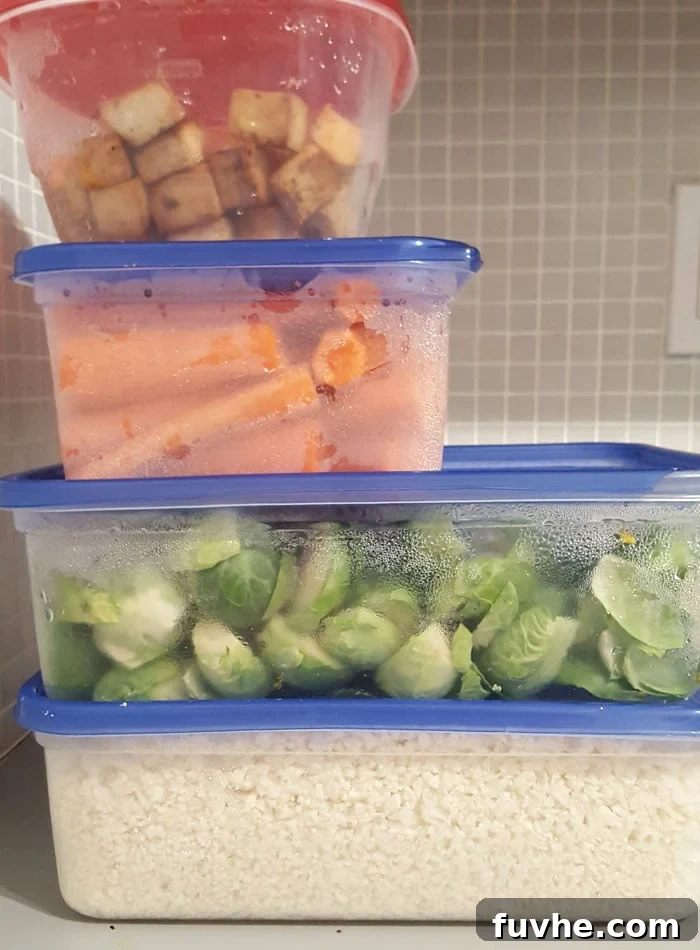
Over the past few weeks, my carbohydrate and fat intake has been intentionally reduced, making adherence a bit more challenging. This tighter macro budget leaves less room for error, necessitating meticulous planning to hit my targets without feeling deprived or overwhelmed. Yet, despite the reductions, I genuinely feel like I’m eating a substantial amount of food. My training sessions have been consistently strong and effective, and I’m not experiencing persistent hunger, which is a testament to the power of strategic food choices within a flexible dieting framework. This phase of the challenge has truly underscored the importance of preparation – from meal prepping on weekends to having quick, macro-friendly options readily available.
Success in vegan flexible dieting isn’t just about tracking numbers; it’s about cultivating a deep understanding of nutrition, learning to listen to your body, and proactively structuring your eating to support your goals. It involves:
- Consistent Macro Tracking: Diligently logging your food intake to ensure you meet your protein, carb, and fat targets.
- Smart Food Choices: Prioritizing nutrient-dense, high-volume foods that keep you satiated.
- Proactive Meal Preparation: Spending time to cook and portion meals in advance to avoid last-minute, off-plan decisions.
- Adapting and Learning: Adjusting your approach based on how your body responds to different macro distributions and food choices.
Essential Macro-Friendly Vegan Foods for Flexible Dieting
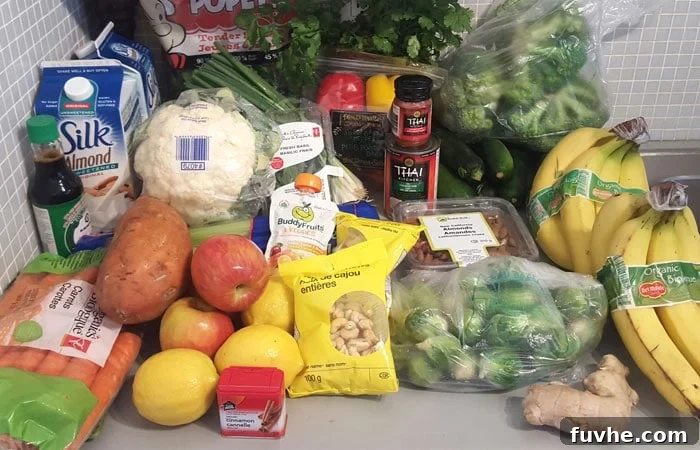
Discovering and incorporating macro-friendly vegan foods is a cornerstone of this journey. I’ve previously shared extensive lists of helpful plant-based options, which you can explore further:
- Best Foods for Vegan Flexible Dieting – Part 1
- Best Foods for Vegan Flexible Dieters – Part 2
- Meal and Snack Ideas for Vegan Flexible Dieting
For additional guidance, I highly recommend reviewing my dedicated Vegan Macro Cheat Sheet and my comprehensive Vegan Grocery List. These resources provide invaluable tools for anyone looking to simplify their plant-based macro tracking.
Beyond those guides, here are some recent discoveries and rediscovered favorites that have become staples in my flexible dieting routine, helping me hit my macros while enjoying delicious, satisfying meals:
- Miracle Noodles (Shirataki Pasta): An absolute game-changer! These konjac-based noodles are virtually calorie-free and allow for incredibly high-volume meals, making them perfect for boosting satiety without impacting your macros. Ideal for stir-fries, noodle soups, or as a pasta substitute.
- Simply Protein Chips: When a savory, crunchy craving hits, these chips are a fantastic option. They offer a great macro profile, particularly high in protein, making them an ideal treat for movie nights or a satisfying afternoon snack.
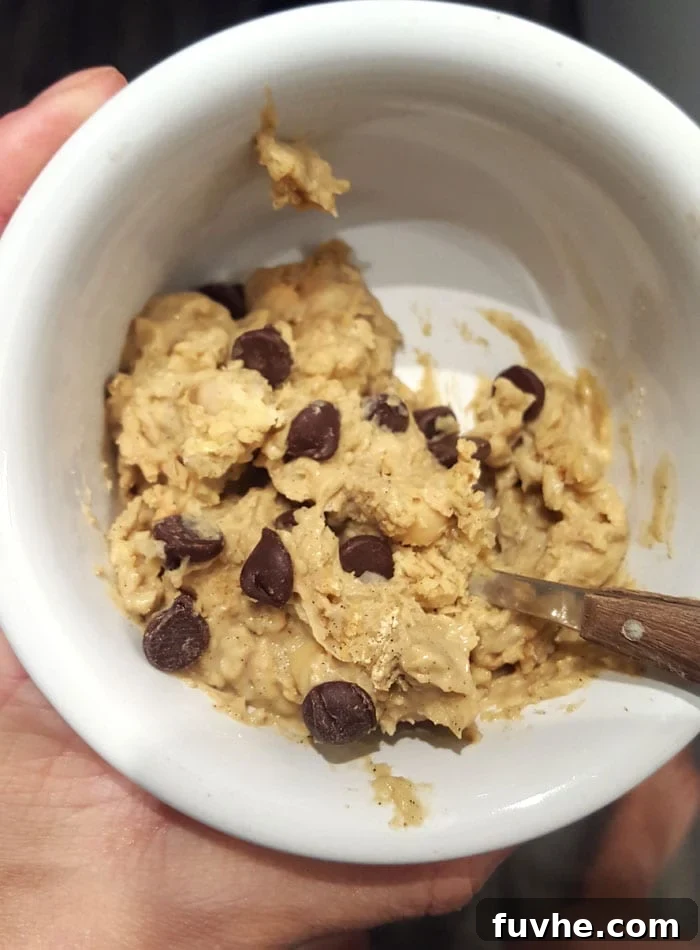
- PB Protein Cookie Dough: A delicious and customizable treat made from wholesome ingredients. Combining chickpeas (for volume and fiber), P2B (powdered peanut butter) for rich flavor without excess fat, vanilla protein powder for a protein boost, a pinch of baking soda and salt, and just enough water to mix, it’s a guilt-free indulgence.
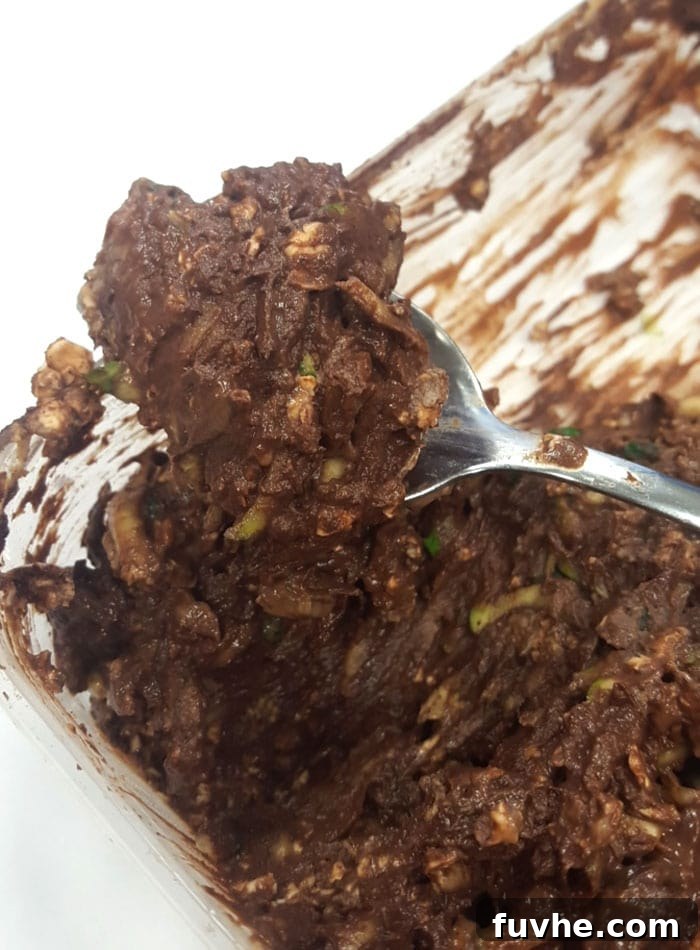
- Chocolate Zucchini Oats: A genius way to add volume and nutrients to your breakfast. Simply grate fresh zucchini into your overnight oats along with cocoa powder. The zucchini adds moisture and fiber, disappearing into the creamy texture while boosting the nutritional value.
- Eggplant: This versatile vegetable is a low-calorie superstar. I love it oven-baked until tender, then drizzled with tahini, a squeeze of fresh lemon juice, and a sprinkle of sea salt. It’s incredibly satisfying and absorbs flavors beautifully.
- Chickpea “Egg” Salad: A plant-based twist on a classic. Mashed chickpeas create a similar texture to egg salad, elevated with fresh lemon juice, vegan mayonnaise, finely diced onion, and crisp celery. Perfect for sandwiches, wraps, or as a protein-rich dip.
- Spaghetti Squash: A fantastic low-carb alternative to pasta. It’s naturally sweet and savory, delicious simply roasted with a touch of seasoning, or topped with your favorite healthy sauces. Learn how to achieve perfect results every time.
- Roasted Seaweed Snacks: When you’re craving something salty and savory but need a minimal-macro option, these crispy sheets are the answer. They satisfy that snack craving without derailing your daily targets.
- Brussels Sprouts: A weekly essential for me. Roasting a large batch of Brussels sprouts makes them tender, slightly caramelized, and incredibly flavorful. They’re a nutrient powerhouse and an excellent high-volume side dish.
- Coconut Flour: A must-have for lower-carb, gluten-free baking and no-bake treats. Its absorbent nature means a little goes a long way, making it excellent for adding structure and fiber to recipes while keeping carb counts in check.
- Chickpea Flour (Gram Flour): Another gluten-free baking staple that boasts a higher protein content and lower carbs compared to traditional flours. It’s fantastic for savory dishes like flatbreads or omelets, and adds a unique texture to sweet bakes.
- Baked Apple with Cinnamon: A simple yet comforting dessert. Baking an apple brings out its natural sweetness, enhanced by cinnamon. If macros allow, a drizzle of peanut butter or tahini adds healthy fats and extra flavor.
- Protein Coffee: My secret weapon for a delicious, energizing start. Blend 10 grams of vanilla protein powder into your morning coffee for a creamy, vanilla latte-like experience that also provides a significant protein boost.
Sample Vegan Flexible Dieting Meal Plans
These meal plans are designed to show how flexible dieting can look in practice, based on my actual intake during a typical workday with a morning training session. They prioritize whole, plant-based foods while strategically incorporating macro-friendly options to support energy levels, muscle recovery, and overall well-being. Remember, these are examples and can be adjusted to fit your specific macro targets and preferences.
Day 1: Fueling for Peak Performance
Pre-Workout: A small apple sliced with a tablespoon of natural peanut butter provides quick energy, paired with a protein coffee (black coffee blended with vanilla protein powder) for a pre-training protein boost and alertness.
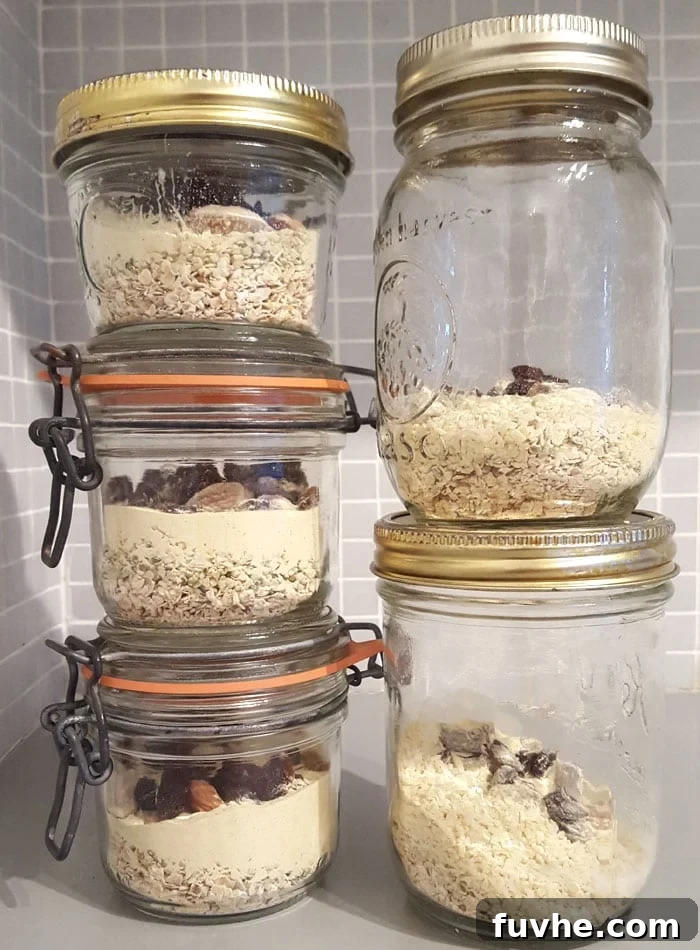
Breakfast: Creamy Overnight Oats featuring unsweetened shredded coconut, a few raisins for natural sweetness, hemp seeds for omega-3s, vanilla protein powder, and almond milk. This ensures a hearty, sustained energy release.
Morning Snack: A protein mug cake, quickly prepared and satisfying, accompanied by a small handful of raw cashews for healthy fats and satiety.
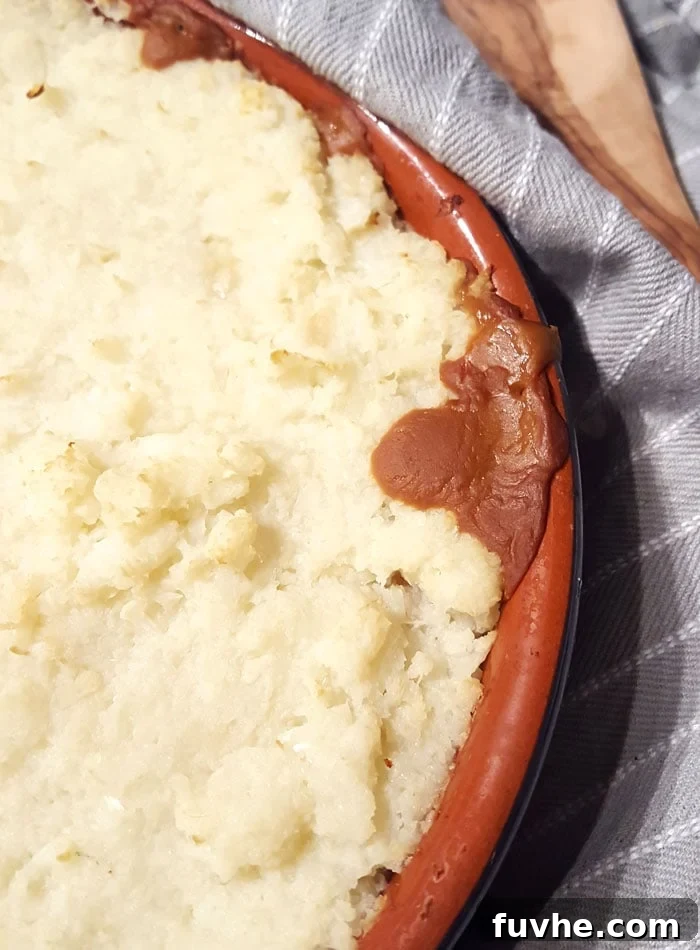
Lunch: A comforting Vegan Shepherds Pie, reinvented with a light cauliflower crust and a rich, flavorful lentil-mushroom filling. This meal is packed with fiber and plant-based protein, providing long-lasting fullness.
Afternoon Snack: A generous serving of cauliflower rice tossed with a low-fat peanut sauce, offering a savory and high-volume snack that keeps hunger at bay.
Dinner: A balanced plate featuring roasted Brussels sprouts and steamed asparagus for essential nutrients and fiber, alongside a savory Field Roast Vegan Sausage for a robust protein source.
Dessert: Indulgent Peanut Butter Protein Cookie Dough made with vanilla protein powder, chickpeas, P2B (powdered peanut butter), a hint of baking soda, and salt, offering a sweet, protein-rich end to the day.
Day 2: Variety and Nutrient Density
Pre-Workout: Sliced banana with almond butter for easily digestible carbohydrates and healthy fats to power the morning workout.
Breakfast: Creative Chocolate Zoats – a delightful combination of oats, grated zucchini (invisible but adds amazing volume and nutrients), cocoa powder, protein powder, cinnamon, and almond milk. A perfect blend of carbs, protein, and fiber.
Snack: A colorful mix of sliced red pepper and raw carrots for crunch and vitamins, paired with savory tempeh “bacon” for protein and a creamy vanilla protein pudding for a sweet, macro-friendly treat.
Lunch: Hearty Spaghetti Squash Marinara with Lentils. Roasted spaghetti squash topped with a homemade marinara sauce (tomato sauce, garlic, onion, nutritional yeast for cheesy flavor, and grated carrot), then loaded with cooked red lentils for additional protein and fiber. A truly satisfying and nutritious meal.
Snack: A convenient Simply Protein Bar for quick macros, a piece of Primal Vegan Jerky for a savory protein hit, and more roasted Brussels sprouts for volume.
Dinner: A customized flatbread pizza loaded with a colorful assortment of vegetables (without cheese, relying on sauce and veggies for flavor), served alongside baked green beans for a wholesome and enjoyable meal.
Day 3: Protein-Packed and Satisfying
Pre-Workout: A homemade protein ball (crafted from soft tofu, protein powder, and coconut) for sustained energy, complemented by a protein coffee.
Breakfast: A vibrant Tofu Scramble, generously packed with an array of colorful vegetables for a nutrient-dense, protein-rich start to the day.
Snack: A crisp apple for natural sugars and fiber, paired with a creamy protein pudding for a satisfying protein boost.
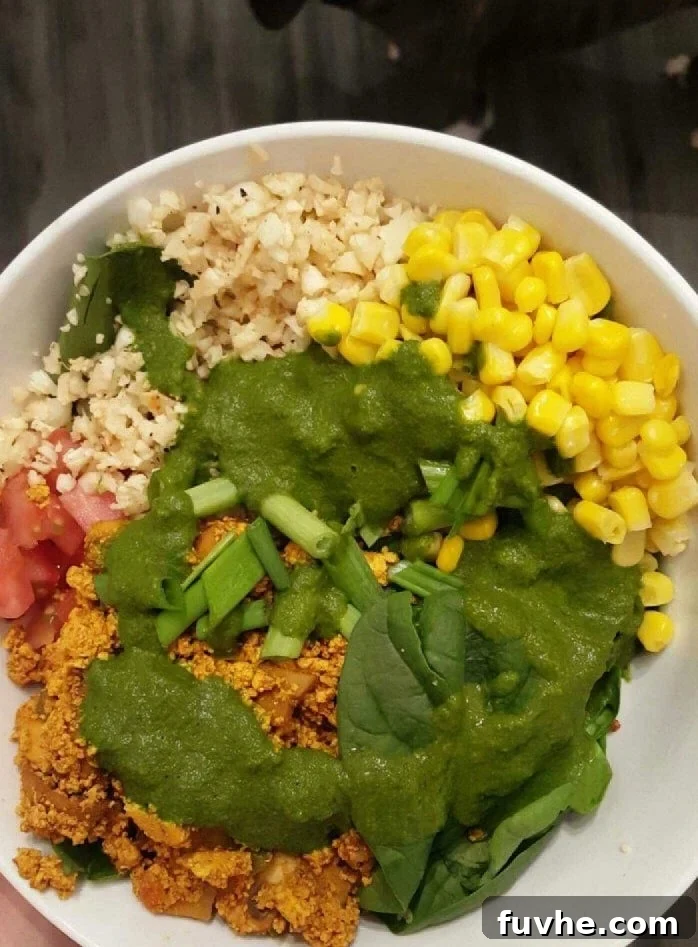
Lunch: A refreshing Chickpea, Edamame, and Sweet Potato Pesto Salad – a delightful combination of plant-based proteins, complex carbohydrates, and vibrant flavors, all tossed in a light pesto dressing.
Snack: A medley of raw vegetables dipped in homemade low-fat hummus, along with another serving of protein pudding, providing fiber, vitamins, and protein to keep energy levels stable.
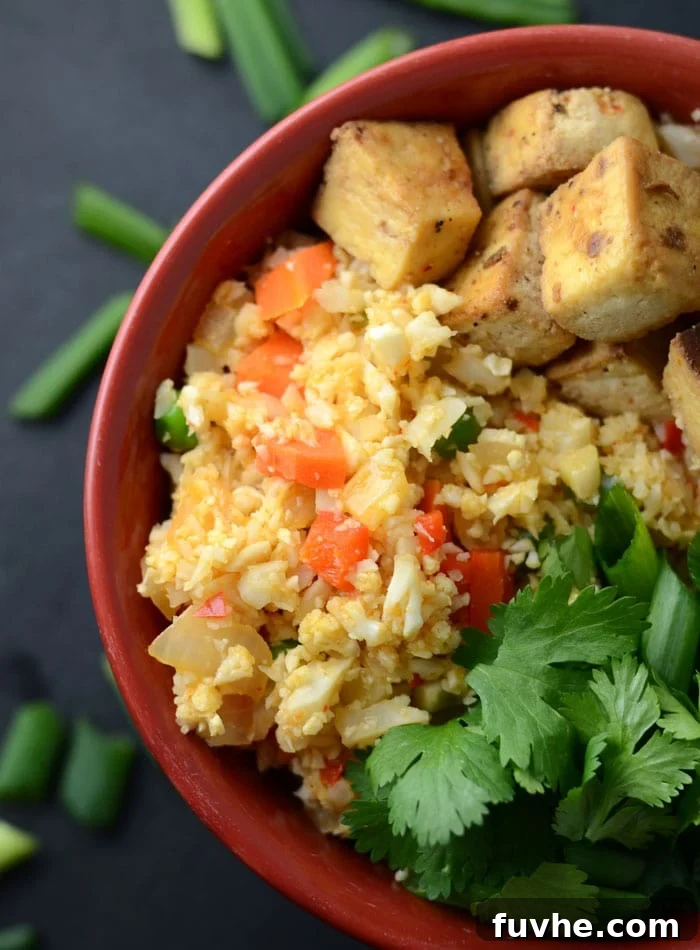
Dinner: Flavorful Cauliflower Fried Rice with Baked Tofu. This high-volume meal offers a substantial serving of vegetables and plant-based protein in a delicious, low-carb format.
Dessert: A serving of Protein Cookie Dough, satisfying sweet cravings with a nutritious twist.
Day 4: Comfort and Consistency
Pre-Workout: Organic corn thins spread with peanut butter for quick carbs and fats, paired with another homemade protein ball.
Breakfast: Overnight oats, this time with chocolate protein powder, coconut, and grated zucchini, offering a rich flavor profile and balanced macros.
Snack: Protein pudding for a convenient protein boost, raw carrots for crunch and vitamins, and a handful of roasted Brussels sprouts for added fiber and satisfaction.
Lunch: A hearty Cauliflower and Lentil Stew, simmered with Field Roast Sausage, providing warmth, fiber, and protein. Served with a fresh side salad of spinach, red pepper, and cucumber for added freshness and nutrients.
Snack: A warm baked apple with cinnamon for a comforting treat, alongside a protein pudding.
Dinner: Flavorful Chimmichurri Tofu Taco Bowls with Spinach. Marinated and baked tofu served over a bed of spinach, perhaps with some salsa or other low-macro toppings for a vibrant and satisfying dinner.
Dessert: A decadent yet macro-friendly Flourless Protein Brownie, a perfect way to end the day on a sweet note without compromising goals.
The Art of High-Volume Eating: A Flexible Dieting Hack
One of my most significant strategies, and perhaps one of the most satisfying aspects of flexible dieting, has been mastering the art of high-volume eating. This concept revolves around maximizing the amount of food you consume for the least possible macro impact. It’s a game-changer for satiety, allowing you to feel full and satisfied without overshooting your daily targets.
My Top High-Volume Vegetable Superstars
- Cauliflower: Incredibly versatile, cauliflower can be riced, roasted, mashed, or blended into sauces. It takes on flavors beautifully and adds substantial bulk to any meal with minimal calories and carbs.
- Zucchini: A hydration hero, zucchini is excellent grated into oats, spiralized into noodles, or simply sautéed. Its high water content and mild flavor make it an ideal filler.
- Eggplant: This spongy vegetable absorbs flavors wonderfully. Roasted, grilled, or baked, eggplant adds a satisfying, meaty texture to dishes, enhancing volume and fiber.
These three humble vegetables are absolute superstars in a flexible dieting plan. They are remarkably versatile, packed with nutrients, and crucially, they help add a tremendous amount of volume to your meals without consuming precious macros, allowing for generous, satisfying portions.
Thriving on Enormous Salads
My daily diet often includes enormous, raw salads, meticulously constructed to be both incredibly filling and nutritionally dense. I typically start with a generous base of spinach, mixed greens, or crisp lettuce, then load it with an abundance of colorful vegetables like grated carrots, diced bell peppers, crisp cucumbers, and any other fresh veggies I have on hand. These salads are not only healthy and incredibly easy to prepare but also exceptionally filling. They offer a perfect canvas for adding a chosen plant-based protein source, transforming a simple salad into a complete and satisfying meal.
Miracle Noodles to the Rescue: The Zero-Calorie Hero
I’ve developed a profound obsession with Miracle Noodles, also known as shirataki pasta noodles, which truly live up to their name by boasting virtually zero calories. These translucent, gelatinous noodles are an absolute revelation for flexible dieters. I particularly love marinating them in a homemade, low-fat peanut sauce, then transforming them into a hearty, high-volume pad thai, overflowing with fresh vegetables. Seriously, you might want to stock up on Amazon before I deplete the supply! However you choose to incorporate them, these noodles are unparalleled for adding significant volume to your meals without any added macros, making them a staple for feeling full and satisfied.
Spaghetti Squash on Repeat: A Versatile Low-Carb Favorite
Another steadfast favorite that has been consistently featured in my weekly meal plans is spaghetti squash. Its ability to create pasta-like strands when cooked makes it an excellent low-carb, high-fiber alternative to traditional pasta. I’ve become quite adept at preparing it, and I highly recommend checking out my dedicated post on how to cook spaghetti squash to achieve perfectly tender, flavorful results every single time. It’s a simple addition that significantly boosts meal volume and nutrient density without impacting macro targets negatively.
The Coffee Conundrum: A Personal Reflection
I must admit, I seem to have developed a bit of a coffee habit lately. What once was a singular morning ritual has expanded considerably. I used to enjoy one black coffee to kickstart my day, but now it’s often one before training, another during my commute, and sometimes an additional one or two throughout the day. Post-lunch, I frequently turn to other caffeinated beverages like Earl Grey, chai, or green tea, all contributing to a higher overall caffeine intake. While I’m still sleeping well and haven’t experienced any jitters, I’m unsure if this increased consumption poses any long-term issues. I firmly believe in moderation across all aspects of life, and I intend to bring my coffee intake back to my more accustomed one cup per day.
A Word on Stevia: Balancing Sweetness and Mindfulness
My reliance on stevia has also escalated significantly since embarking on this flexible dieting journey. Prior to this, outside of the small amount found in my protein powder, I rarely used it, preferring natural sweeteners like maple syrup, dates, molasses, agave, raisins, or coconut sugar in my recipes. However, with reduced carb targets, incorporating these natural, yet calorie-dense, sweeteners has become more challenging. Consequently, stevia, a calorie-free alternative, has become a frequent substitute.
I find myself adding stevia to my coffee, which is unusual as I typically drink it unsweetened. I’ve also been enjoying stevia-sweetened fizzy waters and incorporating stevia drops into a wide array of recipes, from savory peanut sauce to sweet treats like pancakes and various baked goods. While using it sparingly presents no major concerns, I acknowledge that I’ve been going overboard lately, driven by a pronounced sweet tooth. I’ve read various opinions on processed stevia, both positive and negative, but the overarching principle remains: moderation is key. I am actively working to cut back on my reliance on this calorie-free sweetener and return to a more balanced approach to sweetness.
The Ultimate Purpose of My Vegan Flexible Dieting Journey
So, what is the driving force behind this intensive nutrition challenge? For me, it’s multifaceted. I genuinely enjoy the challenge of optimizing my diet, and the physical and mental benefits have been profound – I feel better than ever before. This process has provided me with an invaluable, deeper understanding of how to properly fuel my body for rigorous training, and it continuously strengthens my relationship with food, moving it towards one of empowerment and control rather than restriction. I am driven by a desire to explore my capabilities and to achieve specific athletic performance goals I’ve set for the near future. It’s as simple and profound as that.
Do I believe this is the single healthiest and most optimal way to eat indefinitely? Not necessarily for everyone, nor forever for myself. However, for this particular phase, it has proven to be an invaluable tool in helping me achieve my current objectives. I’m not committed to this approach for the rest of my life, but for the time being, why not embrace it? I am thoroughly enjoying the process, immensely proud of my dedication and consistent efforts thus far, and I plan to continue for another six weeks to fully explore the extent of what I can achieve.
Further Vegan Macro Resources for Your Journey
For those interested in delving deeper into vegan flexible dieting and macro tracking, I’ve compiled a list of valuable resources from my previous posts:
- A Snapshot of How I Eat
- Tips, Tricks, and Sample Meal Plans
- Week Six Follow-Up and Experiences – Tips and Tricks
- Best Plant-Based Flexible Dieting Foods – Part 1
- Best Plant-Based Flexible Dieting Foods – Part 2
- Best Plant-Based Flexible Dieting Foods – Part 3
- Nutrition Tips for Vegan Athletes
- Tips for Fat Loss