
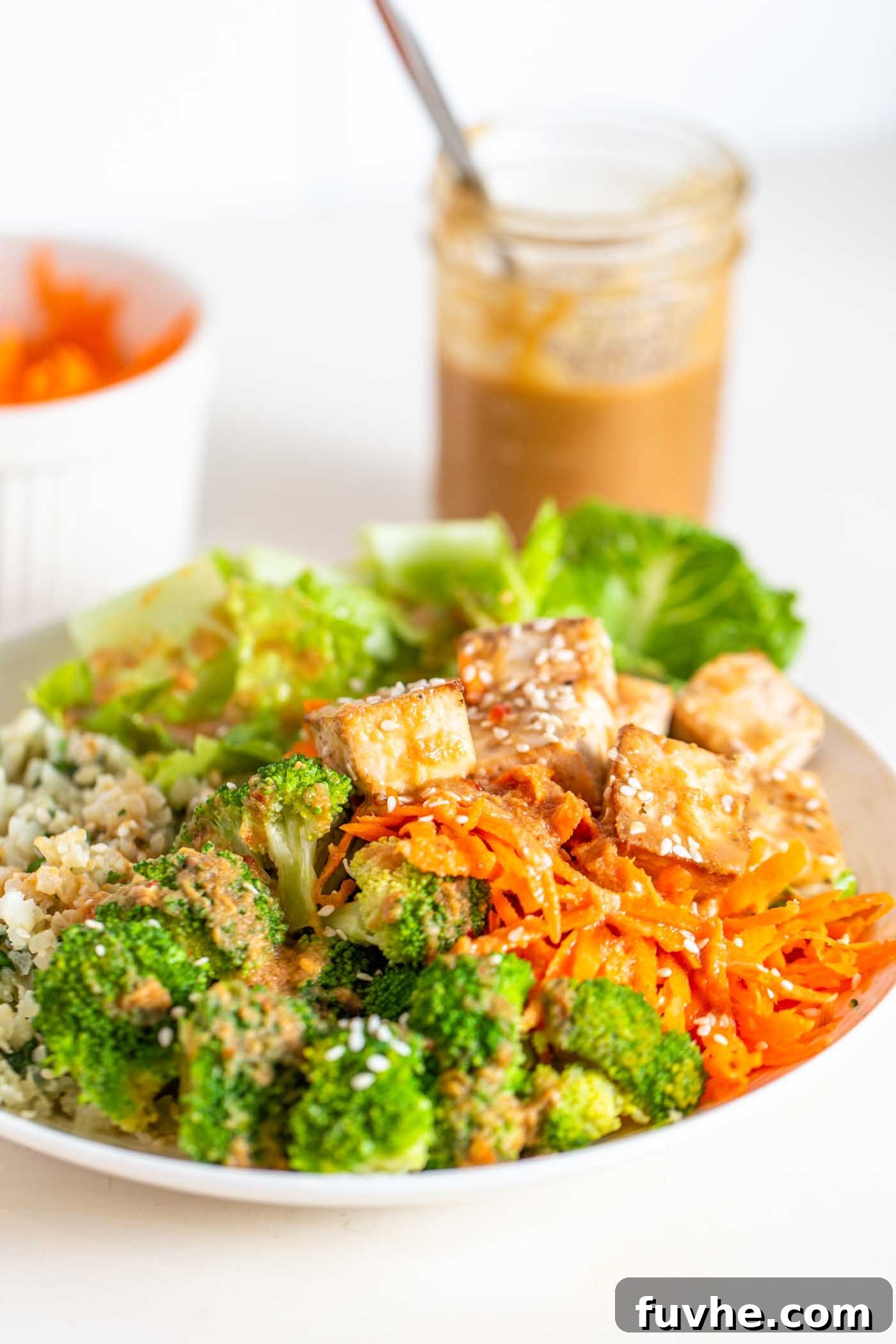
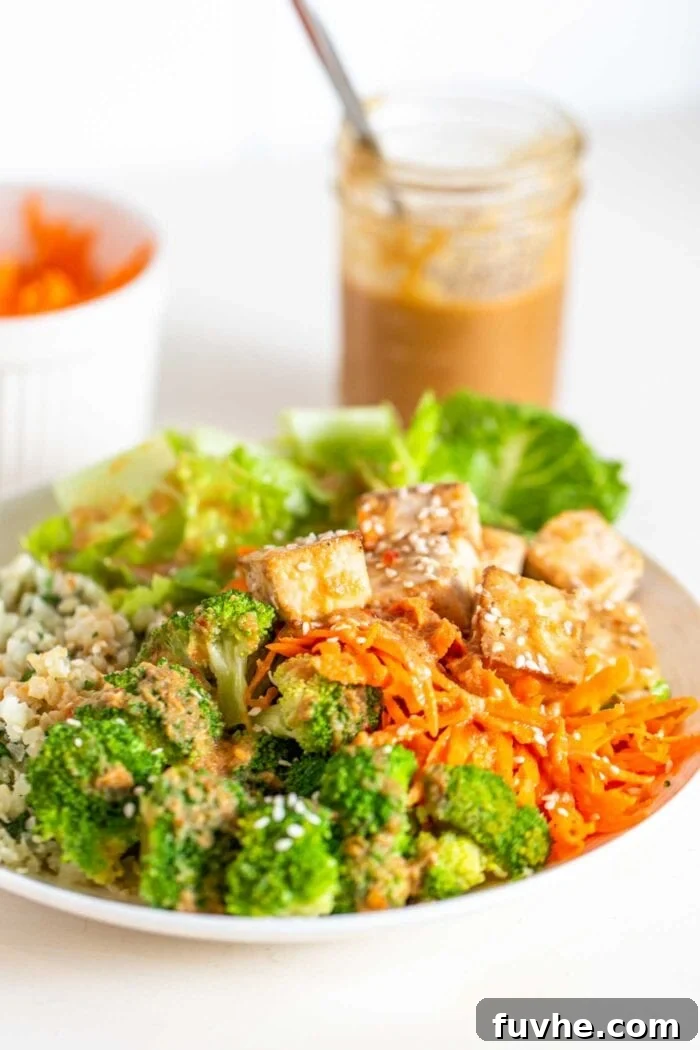
Discover the ultimate plant-based power bowl: a vibrant, satisfying, and utterly delicious **Vegan Coconut Cauliflower Rice Buddha Bowl**! This recipe combines creamy, fragrant coconut-infused cauliflower rice with perfectly crispy baked tofu, a colorful medley of steamed broccoli and grated carrots, fresh leafy greens, and an irresistible, savory-sweet peanut sauce that ties it all together. Designed for health-conscious foodies and busy individuals alike, this bowl offers a balanced meal that’s not only incredibly flavorful but also packed with nutrients, making it ideal for a wholesome lunch or a hearty dinner. Whether you’re a seasoned vegan or just exploring plant-based eating, this buddha bowl promises a delightful culinary experience with every spoonful.
Why You’ll Love This Vegan Buddha Bowl: Recipe Features
This Coconut Cauliflower Rice Buddha Bowl isn’t just another meal; it’s a testament to how flavorful and fulfilling plant-based eating can be. Here’s what makes this recipe a standout:
- Low-Carb & Nutrient-Dense: Say goodbye to heavy grains! By utilizing cauliflower rice as the base, this buddha bowl offers a naturally lower-carb alternative that’s perfect for those monitoring their carbohydrate intake. Cauliflower is rich in vitamins C and K, and provides a good source of fiber, keeping you feeling full and satisfied without the post-meal slump. It’s an excellent choice for a light yet incredibly filling plant-based meal.
- Protein-Packed Powerhouse: Thanks to the inclusion of baked tofu, this bowl delivers a substantial amount of plant-based protein. Tofu is a complete protein, meaning it contains all nine essential amino acids. The creamy peanut sauce also contributes a boost of protein and healthy fats from the natural peanut butter. This high protein content ensures sustained energy and supports muscle health, making it an ideal choice for active lifestyles.
- Dietary-Friendly & Inclusive: This recipe is naturally **vegan**, **oil-free**, and easily made **gluten-free**. This makes it a fantastic option for individuals with various dietary restrictions, allergies, or those simply looking to enjoy a clean, wholesome meal. For a truly gluten-free experience, remember to use tamari or coconut aminos instead of traditional soy sauce in both the tofu marinade and the peanut sauce. Its versatile nature means almost everyone can enjoy a delicious, worry-free meal.
- Bursting with Flavor: From the subtly sweet and aromatic coconut cauliflower rice to the savory, umami-rich baked tofu and the zingy, nutty peanut sauce, every component of this bowl is designed to tantalize your taste buds. The fresh vegetables add a delightful crunch and vibrant freshness, creating a harmonious blend of textures and flavors that will leave you craving more.
- Excellent for Meal Prep: This buddha bowl is a dream come true for meal preppers. Most components can be prepared in advance, stored separately, and then assembled quickly when you’re ready to eat. This saves valuable time during busy weekdays, ensuring you always have a healthy, homemade meal ready to go.
Ingredient Notes for a Perfect Buddha Bowl
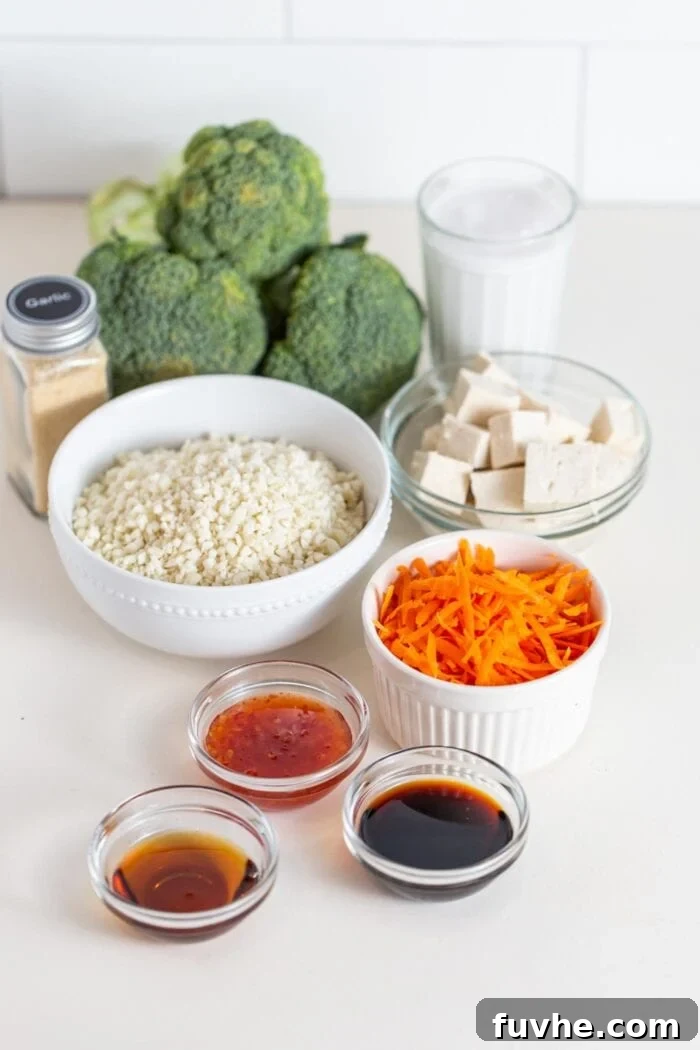
Creating an exceptional Buddha bowl begins with selecting the right ingredients and understanding their role. Here’s a closer look at the key components for this recipe:
- Cauliflower: The star of our low-carb base! You have a couple of options here. You can easily make your own cauliflower rice by processing raw cauliflower florets in a food processor until they resemble rice grains. Alternatively, a box grater works just as well. For ultimate convenience, many grocery stores now offer pre-riced cauliflower, both fresh and frozen. Using cauliflower rice not only reduces the carb count but also provides a mild, absorbent base that takes on the delicious coconut flavor beautifully. Learn how to rice cauliflower here for more detailed instructions.
- Fresh Greens: These add a vital boost of nutrition and fresh volume to your bowl. Don’t be shy with your choice! Spinach, chopped kale, romaine lettuce, field greens, or a spring mix are all excellent options. Dark leafy greens are packed with vitamins, minerals, and antioxidants, contributing to the overall health benefits and vibrant appearance of the dish. Wash them thoroughly and dry well before adding to your bowl for the best texture.
- Tofu: The plant-based protein hero! Opt for firm or extra-firm tofu for this recipe. These varieties hold their shape well and develop a wonderfully crispy exterior when baked. While some recipes require pressing tofu to remove excess water for crispiness, it’s not strictly necessary for this baked version, though a quick press can lead to even firmer results. Tofu is incredibly versatile and absorbs flavors readily, making it perfect for marinading.
- Light Coconut Milk: This ingredient serves a dual purpose in our Buddha bowl. You’ll use it to infuse the cauliflower rice with a delicate sweetness and creamy texture, and also as the base for the rich, decadent peanut sauce. Light coconut milk provides all the delicious coconut flavor without the higher fat content of full-fat versions, keeping the dish balanced and light. Ensure you have enough for both components.
- Natural Peanut or Almond Butter: The foundation of our addictive peanut sauce. Choose a natural peanut butter that contains only peanuts (and maybe a little salt) to avoid added sugars and oils. If you have a peanut allergy or prefer a different flavor profile, natural almond butter is an excellent substitute, offering a similar creamy texture and nutty taste.
- Soy Sauce (or Tamari/Coconut Aminos): This provides the essential umami and savory depth to both the tofu marinade and the peanut sauce. If you’re following a gluten-free diet, make sure to use gluten-free tamari or coconut aminos as a direct substitute. These alternatives offer similar flavor profiles without the gluten.
- Garlic Powder & Fresh Garlic: Garlic powder is used for seasoning the tofu and cauliflower rice, providing a consistent, mellow garlic flavor. Fresh garlic cloves are crucial for the vibrant, pungent kick in the peanut sauce.
- Sweet Chili Sauce & Rice Wine Vinegar: These two ingredients are key to balancing the flavors in the peanut sauce. Sweet chili sauce adds a touch of heat and sweetness, while rice wine vinegar provides a tangy, acidic counterpoint, creating a complex and incredibly delicious dressing.
Crafting Your Buddha Bowl: Step-by-Step Instructions
Follow these detailed steps to create your perfect Vegan Coconut Cauliflower Rice Buddha Bowl, ensuring each component is prepared to perfection and assembled into a masterpiece.
Step 1: Prepare and Bake the Crispy Tofu
Begin by preheating your oven to a robust 400 degrees Fahrenheit (200 degrees Celsius). This ensures the tofu gets beautifully crispy. Take a block of firm or extra-firm tofu and drain any excess water. While pressing is optional for this recipe, a quick press can enhance crispiness. Cube the tofu into bite-sized pieces, roughly 1-inch squares. Transfer the cubed tofu to a medium-sized bowl. Add 1-2 tablespoons of soy sauce (or gluten-free tamari/coconut aminos), 1 teaspoon of garlic powder, and 1/2 teaspoon of black pepper. For extra crispiness, consider adding 1 tablespoon of arrowroot powder or cornstarch – this creates a delightful crust when baked. Toss everything gently until the tofu cubes are evenly coated.
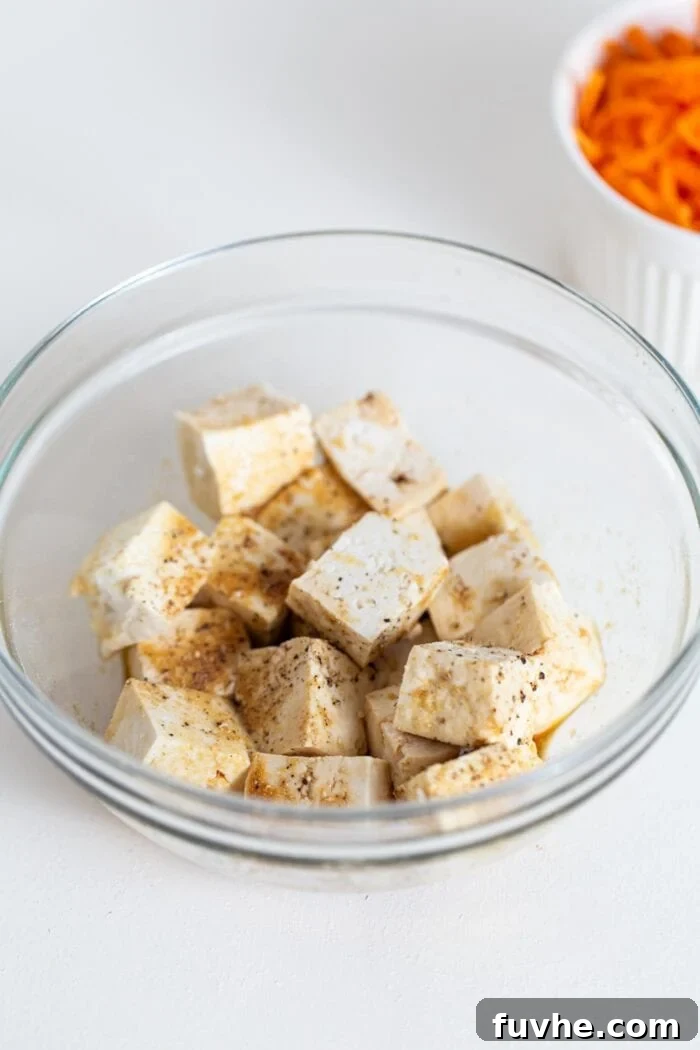
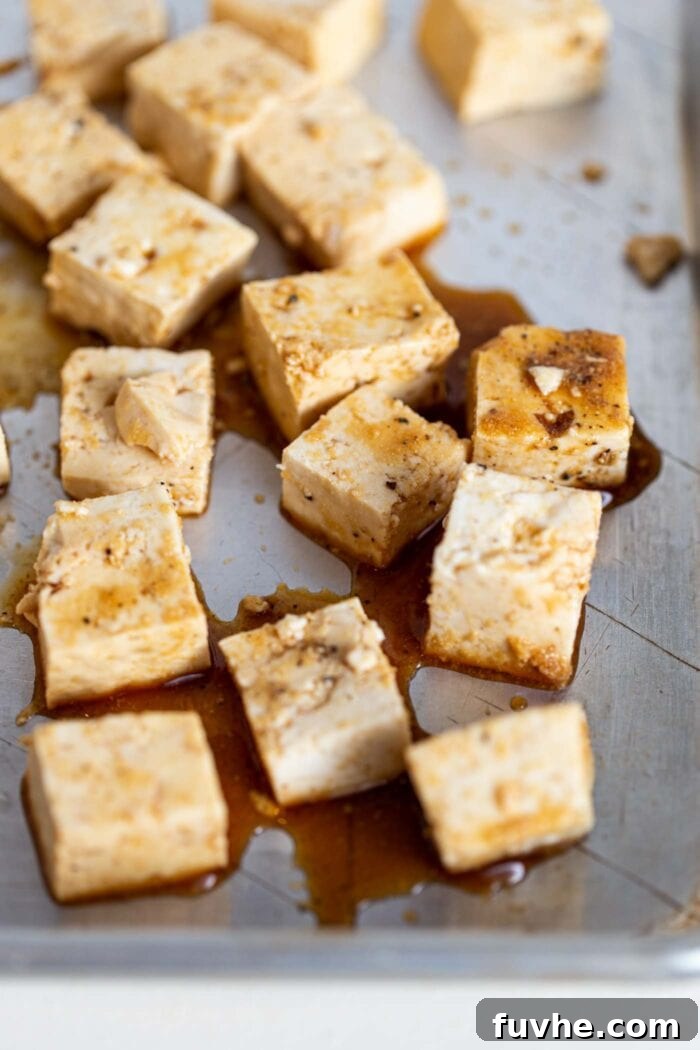
Arrange the coated tofu cubes in a single layer on a baking sheet lined with parchment paper or a silicone baking mat. This prevents sticking and promotes even browning. Bake for 35-40 minutes, flipping the tofu pieces halfway through the cooking time to ensure all sides become golden brown and deliciously crispy. The edges should be firm and slightly caramelized when done.
Step 2: Prepare the Creamy Coconut Cauliflower Rice
While the tofu bakes, prepare your cauliflower rice. If making it from scratch, use a food processor to pulse cauliflower florets until they resemble rice. Alternatively, use store-bought riced cauliflower. For full instructions on how to make cauliflower rice, click here.
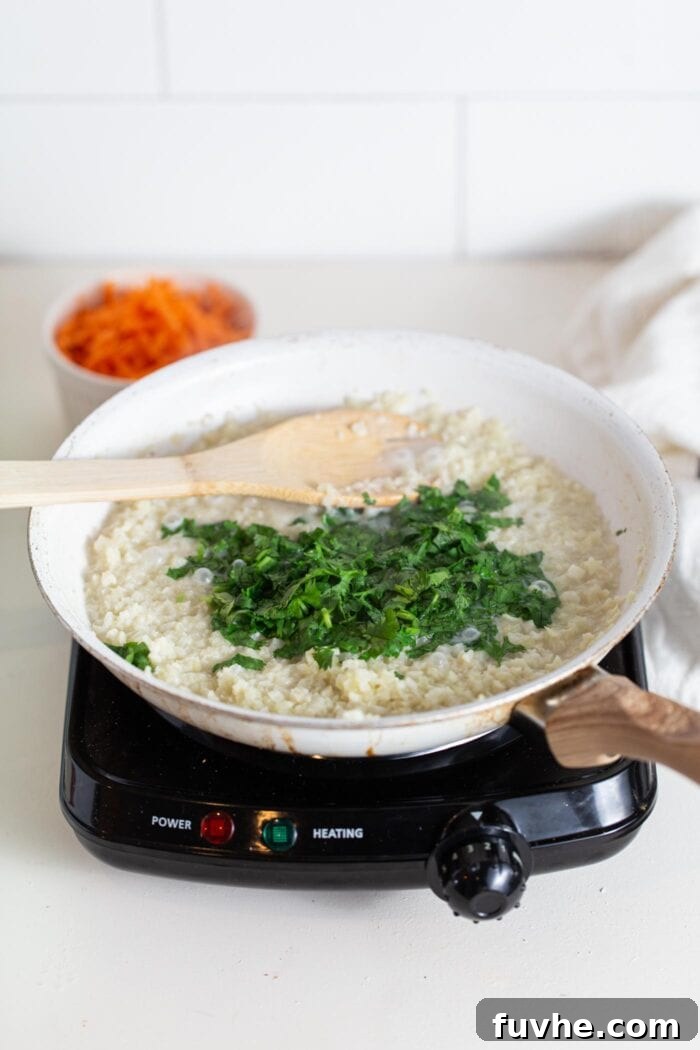
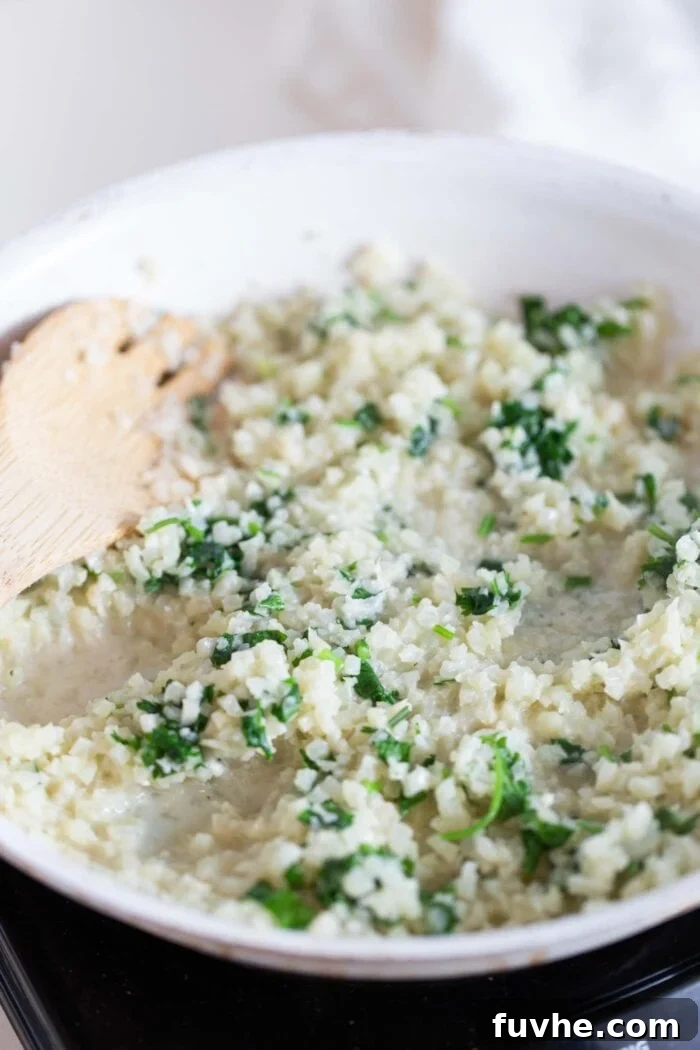
Heat a large non-stick pan or skillet over medium heat. Add the riced cauliflower to the pan, along with 1 cup (250 mL) of light coconut milk, 1/2 cup (35g) of unsweetened shredded coconut, and 2 teaspoons of garlic powder. Season with 1/2 – 1 teaspoon of sea salt, adjusting to your taste preference. Stir all ingredients thoroughly to combine. Cook the cauliflower rice for 5-10 minutes, stirring occasionally, until the cauliflower is tender and has absorbed the fragrant coconut milk. Be careful not to overcook it, as it can become mushy. Once tender, remove from heat and stir in 1/2 cup of fresh chopped cilantro, if using, for a burst of fresh flavor.
Step 3: Blend the Addictive Peanut Sauce
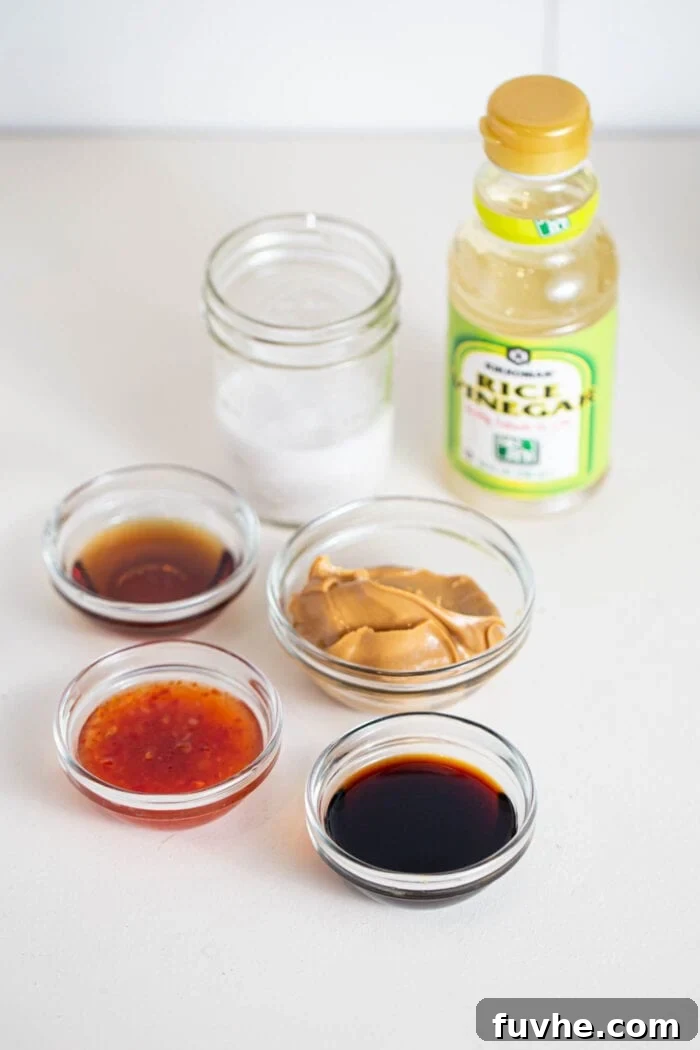
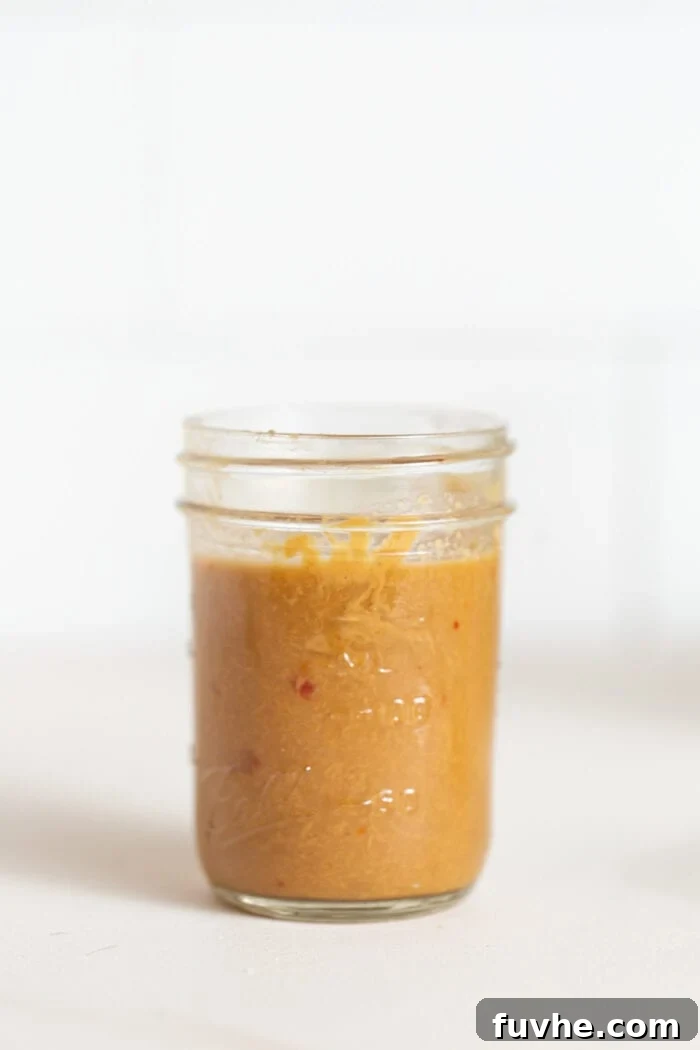
Next, it’s time to create the creamy, flavorful peanut sauce that will bring all the elements of your Buddha bowl together. In a container suitable for blending, combine the remaining 1/2 cup of light coconut milk (from the can used for the cauliflower rice), 5 tablespoons of natural peanut or almond butter, 2 tablespoons of soy sauce (or gluten-free tamari/coconut aminos), 1 tablespoon of maple syrup, 3 cloves of fresh garlic, 1 tablespoon of sweet chili sauce, 2 teaspoons of rice wine vinegar, and a pinch of sea salt.
Use an immersion blender directly in the container to blend until the sauce is completely smooth and creamy. Alternatively, transfer all ingredients to a single-serve blender cup or a regular blender and process until uniform. For best results, scrape down the sides of the blender as needed to ensure all ingredients are fully incorporated.
Quick Tip: If you don’t have a blender, don’t worry! Simply finely mince or grate the fresh garlic cloves, or for an easier alternative, omit the fresh cloves and add 1 teaspoon of garlic powder. Whisk all the sauce ingredients vigorously in a bowl or container until smooth and creamy. It may take a few minutes of whisking to achieve the desired consistency, but the flavor will still be fantastic!
Step 4: Steam Veggies and Assemble Your Buddha Bowls
To prepare the steamed broccoli, bring about an inch of water to a boil in a pot or steamer. Place the chopped broccoli florets in a steamer basket, cover, and steam for 5-6 minutes, or until bright green and tender-crisp. Avoid overcooking, as soggy broccoli loses its appealing texture and vibrant color. If you don’t have a steamer, you can steam the broccoli in a skillet with about 1/2 inch of boiling water, covered.
While the broccoli steams, grate your carrot to yield approximately 1 cup. Wash and dry your chosen greens (such as spinach, chopped kale, or romaine lettuce) and set them aside. Ensure all components are ready for assembly.
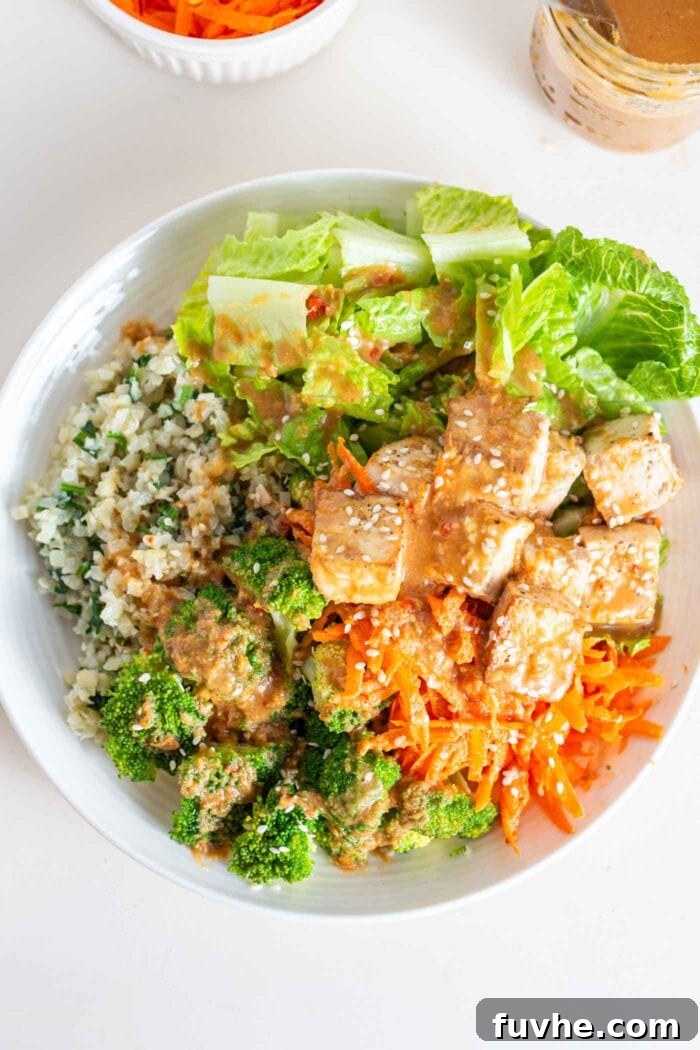
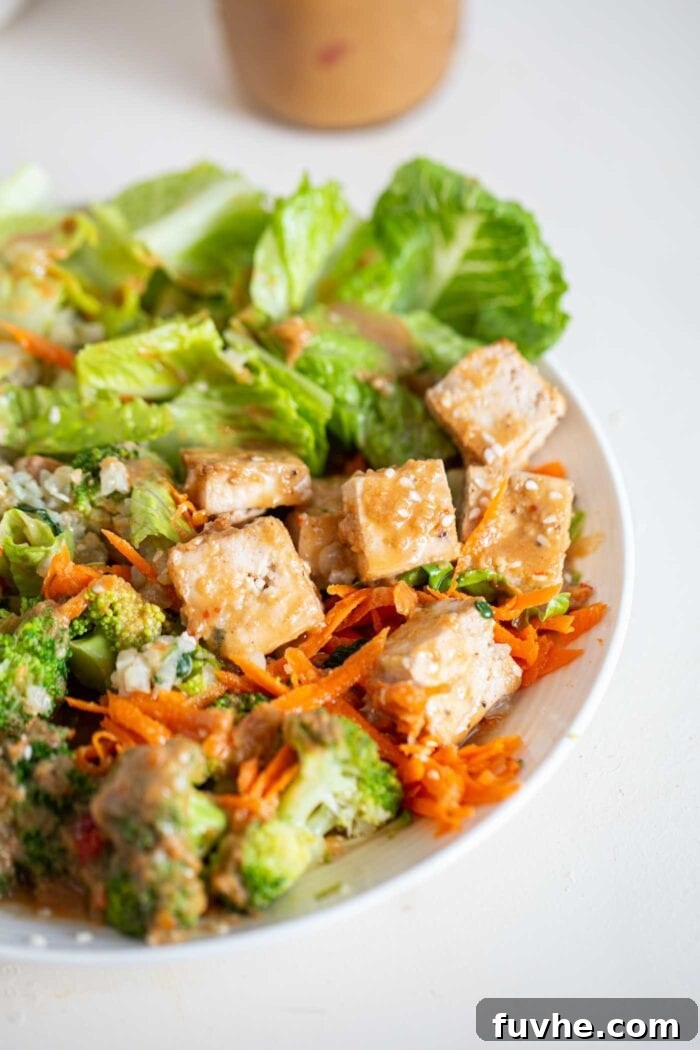
Now, it’s time to assemble your beautiful Buddha bowls! Divide the coconut cauliflower rice evenly among four large bowls. Next, artfully arrange the steamed broccoli, grated carrot, crispy baked tofu, and fresh greens on top of the rice. Drizzle generously with the creamy peanut sauce. For a finishing touch, sprinkle each bowl with sesame seeds. Serve immediately and savor the harmonious blend of flavors and textures.
Expert Tips & Frequently Asked Questions (FAQs)
Enhance your Buddha bowl experience with these helpful tips and answers to common questions:
- Tofu Substitutions: If tofu isn’t your preference, this bowl is incredibly flexible! You can substitute the baked tofu with other plant-based proteins. Try marinating and baking or pan-frying tempeh for a heartier texture – it soaks up flavors wonderfully. Roasted chickpeas (tossed with a little oil, salt, and spices, then baked until crispy) are another excellent, protein-rich alternative. Aim for about 1/2 cup of chickpeas per bowl.
- Cauliflower Rice Alternatives: While cauliflower rice keeps this bowl low-carb, you can easily swap it for traditional grains if desired. Cooked brown rice or quinoa make fantastic bases. If using these, you can still infuse them with coconut flavor: cook the rice or quinoa in equal parts light coconut milk and water, then stir in fresh cilantro once cooked. You may want to omit the shredded coconut if using a grain base, or keep it for an extra touch of flavor and texture.
- Customizing Your Veggies: Feel free to get creative with your vegetable choices! Other great additions include sliced bell peppers, sautéed mushrooms, snap peas, edamame, or roasted sweet potatoes. Roasting adds a different depth of flavor and texture. Adjust the amounts of broccoli, carrots, and greens to suit your personal preferences and nutritional needs.
- Adjusting the Sauce: The peanut sauce is a highlight! If you prefer it spicier, add a dash of sriracha or red pepper flakes to the blender. For a sweeter sauce, a little extra maple syrup can be added. If it’s too thick, thin it out with a teaspoon of water or lime juice at a time.
- Beyond Sesame Seeds: While sesame seeds add a lovely nutty finish, consider other garnishes. Chopped peanuts or cashews for extra crunch, a squeeze of fresh lime juice for brightness, or a sprinkle of chopped green onions can elevate the flavors even further.
Make-Ahead Marvel: Can I Meal Prep These Buddha Bowls?
Absolutely! These Vegan Coconut Cauliflower Rice Buddha Bowls are fantastic for meal prepping, allowing you to enjoy healthy, delicious meals throughout the week without constant cooking. With a little planning, you can have grab-and-go lunches or quick dinners ready in no time.
You can prepare all the components up to 2 days in advance. To maintain the best texture and freshness, I highly recommend keeping certain elements separate until you are ready to serve. For instance, store the baked tofu, cooked cauliflower rice, and prepared vegetables (steamed broccoli, grated carrots) in individual airtight containers in the refrigerator. The peanut sauce should also be stored separately in a jar or small container.
When it’s time to eat, simply assemble your bowl. For a warm meal, gently reheat the cauliflower rice and tofu (you can do this in a microwave or on the stovetop). Then, add the fresh greens, grated carrots, and a generous drizzle of the peanut sauce. This method ensures your greens stay crisp and the sauce retains its perfect consistency, preventing it from making other ingredients soggy. Having the core components prepped and ready means assembly takes mere minutes, making healthy eating incredibly convenient.
Explore More Plant-Based Bowls: Related Recipes
If you loved this Coconut Cauliflower Rice Buddha Bowl, you’re in for a treat! We have a variety of other delicious and healthy plant-based bowl recipes that are perfect for any occasion. Explore these options to keep your meals fresh, exciting, and full of flavor:
- Vegan Buddha Bowl with Tofu and Edamame
- Vegan Sweet Potato Bowl
- Roasted Potato Avocado Buddha Bowls
- Vegan BBQ Tofu Bowls
- Tempeh Buddha Bowl
For more creative ways to enjoy cauliflower rice beyond this Buddha bowl, be sure to check out my healthy cauliflower fried rice and pineapple cashew cauliflower rice recipes. They’re fantastic ways to incorporate this versatile vegetable into your diet!
Coconut Cauliflower Rice Buddha Bowl
By: Deryn Macey
Creamy, coconut-infused cauliflower rice gets topped with crispy baked tofu, steamed broccoli, grated carrot, and creamy coconut peanut sauce in this healthy and delicious buddha bowl.
- Prep Time: 20 mins
- Cook Time: 30 mins
- Total Time: 50 mins
- Servings: 4
Ingredients
For the Baked Tofu
- 1 (300 g) package of firm or extra-firm tofu
- 1-2 tbsp soy sauce or gluten-free tamari
- 1 tsp garlic powder
- 1/2 tsp black pepper
- 1 tbsp arrowroot powder or cornstarch, optional, for crispier tofu
For the Coconut Cauliflower Rice
- 1 small head of cauliflower, riced (approx. 800 g or 6 heaping cups chopped cauliflower)
- 1 cup (250 mL) light coconut milk
- 1/2 cup (35 g) unsweetened shredded coconut
- 2 tsp garlic powder
- 1/2 – 1 tsp sea salt, to taste
- 1/2 cup chopped cilantro, optional
For the Peanut Sauce
- 1/2 cup light coconut milk, the rest of the can from the cauliflower rice
- 5 tbsp natural peanut or almond butter
- 2 tbsp soy sauce (or gluten-free tamari)
- 1 tbsp maple syrup
- 3 cloves garlic
- 1 tbsp sweet chili sauce
- 2 tsp rice wine vinegar
- pinch of sea salt
Bowl Ingredients
- 4 cups chopped and steamed broccoli, 1 cup per bowl
- 1 cup grated carrot, 1/4 cup per bowl
- 4 handfuls greens of choice such as chopped romaine or spinach
- 4 tbsp sesame seeds, 1 tbsp per bowl
Instructions
- Preheat oven to 400 degrees F (200 degrees C).
- To make baked tofu, cube a block of firm or extra-firm tofu and place in a bowl. Add the soy sauce, garlic powder, black pepper, and optional arrowroot or cornstarch and toss to coat. Place the coated tofu cubes on a non-stick, silicone baking mat-lined or parchment paper-lined baking sheet and bake for 25-35 minutes, flipping once halfway through, until browned and crispy.
- To make the cauliflower rice, add the riced cauliflower to a pan and stir in the coconut milk, garlic powder, and shredded coconut. Cook over medium to high heat for 5-10 minutes until tender and fragrant. Stir in the chopped cilantro.
- To make the steamed broccoli, bring water in a steamer to boil then add the broccoli, cover, and cook for 5-6 minutes until tender. If you don’t have a steamer, bring 1/2 an inch of water to a boil in a skillet then add the broccoli, cover, and cook for 5-6 minutes. Be careful not to overcook. It should be bright green and tender with a bit of crunch when it’s done. If left too long, it will turn a dull, muted green and be soggy.
- To make the peanut sauce, add all the ingredients to a container and use an immersion blender to combine, or add everything to a blender or food processor and mix until smooth. If you don’t have a blender, omit the garlic cloves, add 1 tsp of garlic powder, and whisk the sauce ingredients together in a container until smooth and creamy.
- Grate the carrot and prepare some greens of choice such as baby spinach, field greens, or chopped romaine lettuce or kale.
- To assemble the bowls, add a couple of scoops of cauliflower rice to 4 bowls or containers then divide the steamed broccoli, grated carrot, baked tofu, greens, and peanut sauce between each. Sprinkle with sesame seeds and serve right away.
Notes
- This is a rough recipe. There may be extra cauliflower rice. Use it in other recipes, enjoy as a side dish, to replace rice in any dish, or to make more bowls over a couple of days.
- The sauce recipe makes enough for 4 bowls.
- Find full instructions for how to make cauliflower rice here.
- The broccoli, sesame seeds, carrots, and greens are suggested amounts. Feel free to adjust to suit your preferences and nutritional needs.
- Tempeh or chickpeas make a suitable substitute for tofu. Try this marinated tempeh or replace the tofu with about 1/2 cup of chickpeas per bowl.
- The bowls can be prepared up to 2 days in advance with the dressing and greens stored separately. Reheat the bowls when ready to serve, if desired, then add the sauce and greens.
Nutrition
Serving: 1 bowl, Calories: 431 kcal, Carbohydrates: 37g, Protein: 20g, Fat: 27g, Fiber: 12g
UPDATE NOTE: This recipe was originally published on July 20, 2017. It was updated with new photos and text on May 22, 2020.