
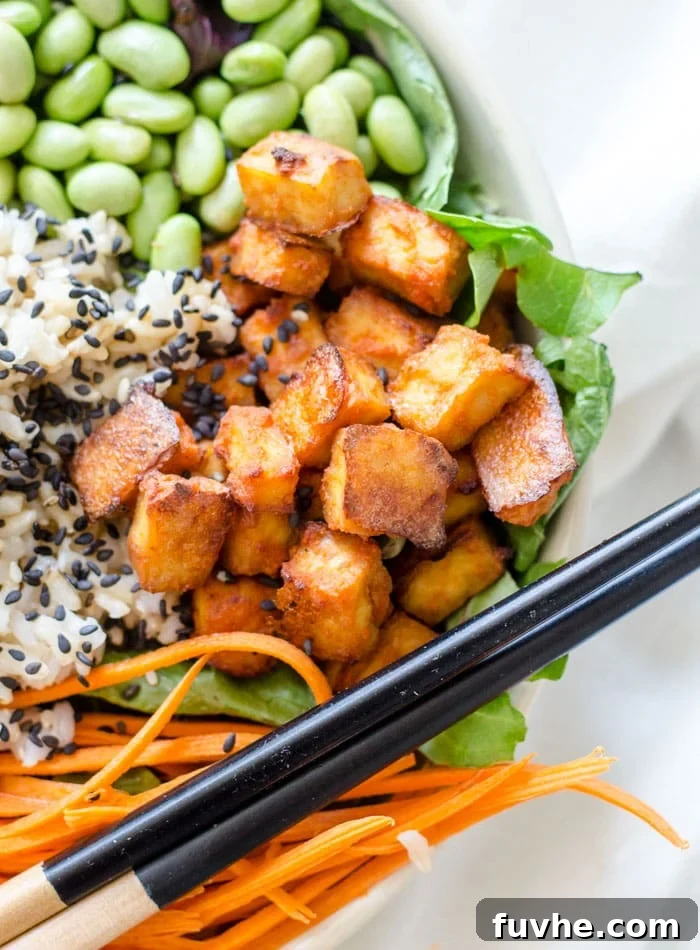
Embark on a culinary journey into the versatile world of plant-based proteins with this comprehensive guide to tofu, tempeh, and natto. This post delves into everything you need to know about tofu, from its origins and diverse forms to its remarkable health benefits and myriad preparation methods. Whether you’re a seasoned plant-based eater or curious newcomer, discover the best types of tofu for frying, baking, blending, and more. Beyond tofu, we’ll explore tempeh and natto, two other nutrient-dense soybean products that offer unique textures and flavors, making them excellent, protein-rich additions to any healthy diet. Get ready to transform these humble ingredients into delicious, satisfying meals.
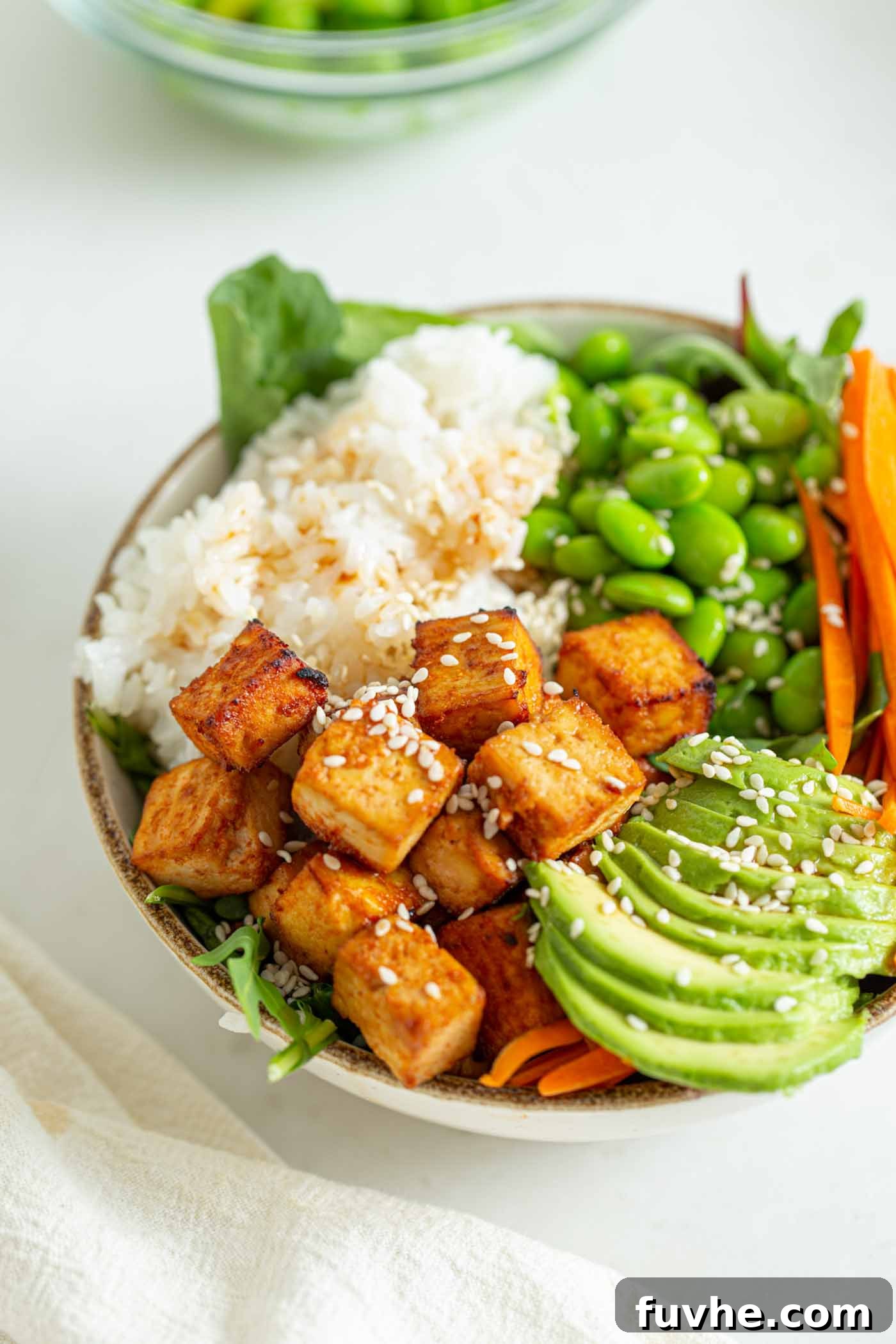
What is Tofu? An Essential Plant-Based Protein
Tofu, often referred to as bean curd, is a staple in plant-based diets and Asian cuisines, made from condensed soybean milk pressed into solid white blocks. The traditional process involves boiling white soybeans, grinding them into a liquid, and then filtering to produce soy milk. A coagulant, such as calcium sulfate or magnesium chloride, is then added to curdle the milk, much like cheese is made from dairy milk. The resulting curds are then pressed, removing excess water and forming the familiar blocks of tofu found in grocery stores. Its centuries-old origins trace back to China, where it has been a cornerstone of diets for thousands of years, celebrated for its versatility and nutritional value. Tofu’s high protein content makes it an exceptional choice for anyone seeking a wholesome, meat-free protein source, contributing to muscle maintenance and overall satiety.
What Does Tofu Taste Like? A Canvas for Flavor
Tofu has a remarkably mild flavor profile, often described as subtly “beany,” reminiscent of fresh edamame or unsweetened soy milk. This inherent blandness might seem unappealing at first glance, but it is precisely what makes tofu one of the most versatile ingredients in the kitchen. Unlike many other proteins that come with their own distinct tastes, tofu acts like a culinary sponge, readily absorbing the flavors of marinades, spices, and sauces it’s cooked with. This characteristic allows it to seamlessly integrate into a vast array of dishes, taking on the persona of anything from savory grilled ‘steaks’ to creamy dessert fillings.
Far from a drawback, tofu’s neutrality is its greatest strength, making it an ideal ingredient for culinary experimentation. You can transform its taste to be sweet, savory, spicy, or umami-rich, simply by varying your preparation methods and seasonings. This adaptability also makes it an excellent choice for adding texture and volume to meals, or even replacing high-fat or animal-derived ingredients like oil, eggs, and dairy in various recipes. Its chameleon-like ability to adapt makes it a beloved component in diverse global cuisines.
Unlocking Tofu’s Nutritional Powerhouse
Tofu is not just a versatile cooking ingredient; it’s also a nutritional powerhouse packed with essential vitamins and minerals, making it an invaluable component of a balanced diet, especially for those on plant-based regimens. Its nutritional profile boasts several key benefits:
- Excellent Source of Complete Protein: Tofu is celebrated for its high protein content, providing all nine essential amino acids that the human body cannot produce on its own. This makes it a complete protein, crucial for muscle repair, growth, and overall bodily functions.
- Rich in Essential Minerals: Beyond protein, tofu is an impressive source of various minerals vital for maintaining good health. It provides a significant amount of iron, which is important for oxygen transport in the blood and preventing anemia. Manganese plays a role in bone health and metabolism, while selenium acts as a powerful antioxidant, protecting cells from damage.
- Supports Bone Health: Tofu contains good levels of magnesium and copper, both of which are important for bone density and overall skeletal health. Furthermore, depending on the coagulant used, some tofu varieties can also be a good source of calcium, contributing to strong bones and teeth.
- Vitamin and Trace Element Contributions: You’ll also find zinc, essential for immune function and wound healing, and vitamin B1 (thiamine), which is critical for energy metabolism, in tofu.
- Firmness and Nutrient Density: It’s worth noting that the firmness of tofu directly correlates with its nutritional density. Extra-firm tofu, having had more water pressed out, generally offers the highest protein and fat content per serving compared to softer varieties. This makes it a more calorically and nutritionally dense option for those looking to maximize their intake of these macronutrients.
Exploring Fermented Soy Products: Beyond Tofu
While tofu is undoubtedly the most widely known soy product, the world of soybeans offers a rich tapestry of other fermented delights. Fermentation enhances the digestibility and nutritional profile of soybeans, often introducing beneficial probiotics. Before we delve deeper into the various types of tofu, let’s take a moment to appreciate two other popular and distinctive soy products that deserve a place in your healthy diet: tempeh and natto. Each offers a unique texture, flavor, and array of health benefits.
What is Tempeh? A Nutty, Hearty Soy Alternative
Tempeh is a traditional Indonesian soy product that stands apart from tofu due to its unique fermentation process and texture. Made from cooked and slightly fermented whole soybeans, which are then pressed into a firm, earthy patty, typically sold in blocks. Unlike tofu, which uses curds from soy milk, tempeh retains the whole soybean, giving it a much chewier texture and a richer, more complex flavor.
Tempeh boasts its own distinctive, nutty, and sometimes mushroom-like taste, a stark contrast to tofu’s neutral palate. This inherent flavor means it requires less seasoning to be enjoyable, though it still readily absorbs marinades. Nutritionally, tempeh is a powerhouse, exceptionally high in protein, dietary fiber, and calcium. The fermentation process also makes the nutrients more bioavailable and introduces beneficial probiotics, aiding digestion. Its robust, firm texture makes it an excellent and satisfying substitute for meat in a wide range of dishes, from stir-fries to sandwiches, offering a hearty and wholesome plant-based option.
How to Use Tempeh: Culinary Versatility
Tempeh’s firm texture and inherent nutty flavor make it incredibly versatile in the kitchen. It can be prepared in numerous ways to suit various dishes and preferences, often serving as a hearty and protein-rich replacement for meat.
- Slabs or Cubes in Recipes: Slice tempeh into slabs or cube it for use in stir-fries, curries, or as a grilled centerpiece. Its firm structure holds up well to various cooking methods, making it ideal for dishes where you want a substantial bite.
- Crumble into Dishes: For a ground meat alternative, crumble tempeh into dishes like vegan chili, pasta sauces, or taco fillings. It adds a satisfying texture and absorbs the flavors of the sauce beautifully.
- Fried for Salads, Soups, and Stir-fries: Cut tempeh into small cubes or thin strips and pan-fry until golden brown and crispy. These crispy pieces are fantastic additions to salads for extra crunch and protein, mixed into hearty soups, or as a key component in vibrant stir-fries.
- Marinated and Baked “Bacon”: Transform tempeh into a smoky, savory “bacon” by slicing it thinly, marinating it in a smoky sauce (think liquid smoke, soy sauce, maple syrup), and then baking or pan-frying until crisp. It’s an incredible addition to sandwiches, wraps, or as a side with breakfast.
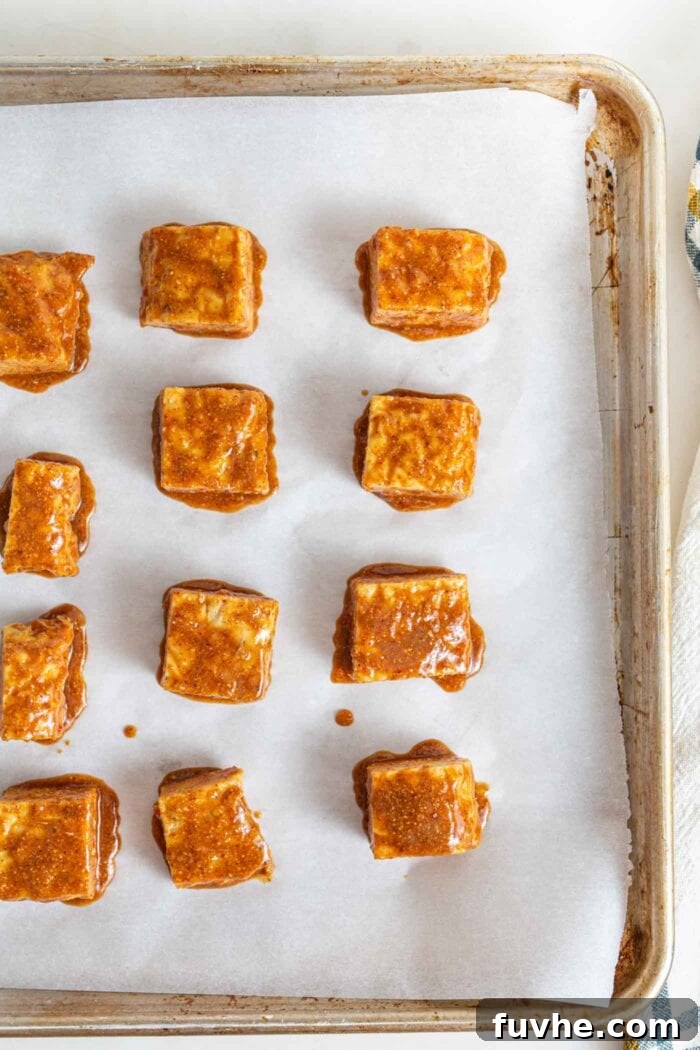
- Marinated and Baked Cubes: Marinate tempeh cubes in your favorite sauce (teriyaki, BBQ, peanut sauce) and bake them until tender and flavorful. These are perfect for adding to grain bowls, salads, or enjoying as a tasty, protein-packed side dish.
Delicious Tempeh Recipes to Try
- Baked Tempeh Brown Rice Bowls
- Tempeh Buddha Bowl
- Sweet Potato Breakfast Hash
- Tempeh Quinoa Macro Bowl
- Vegan Tempeh Tacos
- Easy Veggie Stir Fry with Tempeh and Rice
- Tempeh Bacon Avocado Breakfast Bowls
What is Natto? A Unique Fermented Superfood
Natto is a traditional Japanese food that, while perhaps less globally recognized than tofu or tempeh, is a true superstar in terms of its nutritional and probiotic benefits. Like tempeh, natto is a fermented soy product, but its distinct characteristics set it apart entirely. It’s made by soaking whole soybeans, steaming or boiling them, and then fermenting them with a specific bacterium, Bacillus subtilis natto. This fermentation process results in a product with a sticky, gooey, and stringy texture, coupled with a very strong, pungent aroma that many describe as earthy or even reminiscent of aged cheese.
While its unique smell and peculiar texture might not appeal to everyone immediately, natto is revered in Japan for its health-promoting properties, particularly its rich probiotic content that significantly benefits digestion and gut health. It is typically served for breakfast, often mixed with soy sauce, mustard, and green onions, and enjoyed with rice. Natto is truly an acquired taste, but for those who embrace its distinct qualities, it offers an incredible density of nutrients and a fascinating culinary experience that embodies ancient food traditions.
Natto Nutritional Benefits: A Gut Health Champion
Natto is more than just a fermented food; it’s a nutritional powerhouse, especially renowned for its unique health benefits. Its fermentation process unlocks a wealth of easily digestible nutrients:
- Highly Nutritious Profile: Natto is an excellent source of protein, providing substantial amounts for muscle health and satiety. It’s also rich in dietary fiber, crucial for digestive health and maintaining stable blood sugar levels. Furthermore, it supplies an abundance of essential vitamins and minerals, making it a comprehensive superfood.
- Exceptional Calcium Source: One of natto’s most significant advantages, particularly for those on plant-based diets, is its high calcium content. Calcium is vital for strong bones and teeth, nerve function, and muscle contraction, and natto offers an accessible plant-based source.
- Rich in B Vitamins and Key Minerals: It is packed with various B vitamins, important for energy metabolism and neurological function. It also provides iron, essential for red blood cell production; copper, critical for connective tissue and iron absorption; zinc, vital for immune health and cell division; and magnesium, important for muscle and nerve function, blood glucose control, and blood pressure regulation.
- Unique Vitamin K2 (Menaquinone) Content: Natto is one of the richest dietary sources of Vitamin K2, specifically menaquinone-7 (MK-7), which is produced during the fermentation process. Vitamin K2 is crucial for a healthy heart as it plays a key role in preventing arterial calcification, which can lead to hardening of the arteries and cardiovascular disease. Beyond heart health, Vitamin K2 has also been shown to support bone mineral density, potentially preventing osteoporosis, and may contribute to preventing age-related neurological degeneration and the formation of kidney stones. This unique vitamin makes natto particularly beneficial for long-term health.
Exploring the Diverse Types of Tofu: From Silken to Extra-Firm
Tofu comes in a fascinating array of textures and forms, each suited to different culinary applications. Understanding these distinctions is key to successfully incorporating tofu into your cooking. Broadly, tofu can be categorized into two main types: silken (or soft) tofu and regular (or block) tofu. Within these categories, you’ll find varying degrees of firmness, from delicate soft to robust extra-firm, each determined by the amount of water pressed out during its production. Silken tofu, often referred to as Japanese-style tofu, has a smoother, more delicate consistency and typically requires gentler handling due to its high water content. Regular tofu, on the other hand, is the more common variety found in the refrigerated sections of most grocery stores, characterized by its firmer, more curd-like texture.
Understanding Tofu Firmness: A Guide to Selection
The different varieties of tofu are primarily distinguished by how much water is pressed out of them during their production process. The more water that is extracted, the denser and firmer the tofu becomes. This physical characteristic directly impacts its nutritional density and culinary application. As the firmness increases, so too does the concentration of protein and fat per serving, because there’s less water and a higher proportion of actual soybean solids, even if the overall block size remains similar.
For the majority of recipes that call for structural integrity, you’ll typically opt for regular tofu in either medium, firm, or extra-firm varieties. While there isn’t a dramatic difference in taste between these three, their textural properties dictate their best uses. If your goal is for the tofu to maintain its shape, whether it’s cubed, sliced, or crumbled, firm or extra-firm tofu will yield the best results. However, all types of tofu can be eaten raw, as demonstrated in creamy applications like my vegan Caesar salad dressing or savory tofu feta. Personally, I most often enjoy tofu cooked, with crispy baked or dry-fried preparations being my preferred go-to methods. Let’s explore the specific characteristics and optimal uses for each firmness level.
Extra-Firm Tofu: The Structural Champion
- Retains Shape: This is the ideal choice when you need tofu to hold its shape impeccably through various cooking processes, making it perfect for grilling, pan-frying, or baking.
- Sturdy and Resilient: Extra-firm tofu is incredibly sturdy and won’t easily crumble or fall apart, even with vigorous stirring or flipping. Its robust nature makes it forgiving for beginners.
- Versatile Applications: It can be confidently sliced, cubed, fried, baked, grilled, or even crumbled for dishes where a meat-like texture is desired, such as stir-fries, kebabs, or veggie burgers.
- Marinade Tips: Due to its dense structure, extra-firm tofu may not absorb flavors as readily as medium or firm tofu. To maximize flavor, it is highly recommended to press out excess water and then marinate it for at least 30 minutes, or preferably several hours, before cooking.
Firm Tofu: The Balanced Absorber
- Excellent Flavor Absorption: Firm tofu strikes a great balance, being sturdy enough to hold its shape while still having enough porosity to absorb marinades and seasonings exceptionally well.
- Diverse Cooking Methods: It performs beautifully in stir-fries, where it can be cubed and browned, baked for crispy results, or used in just about any recipe where you desire tofu to maintain its form.
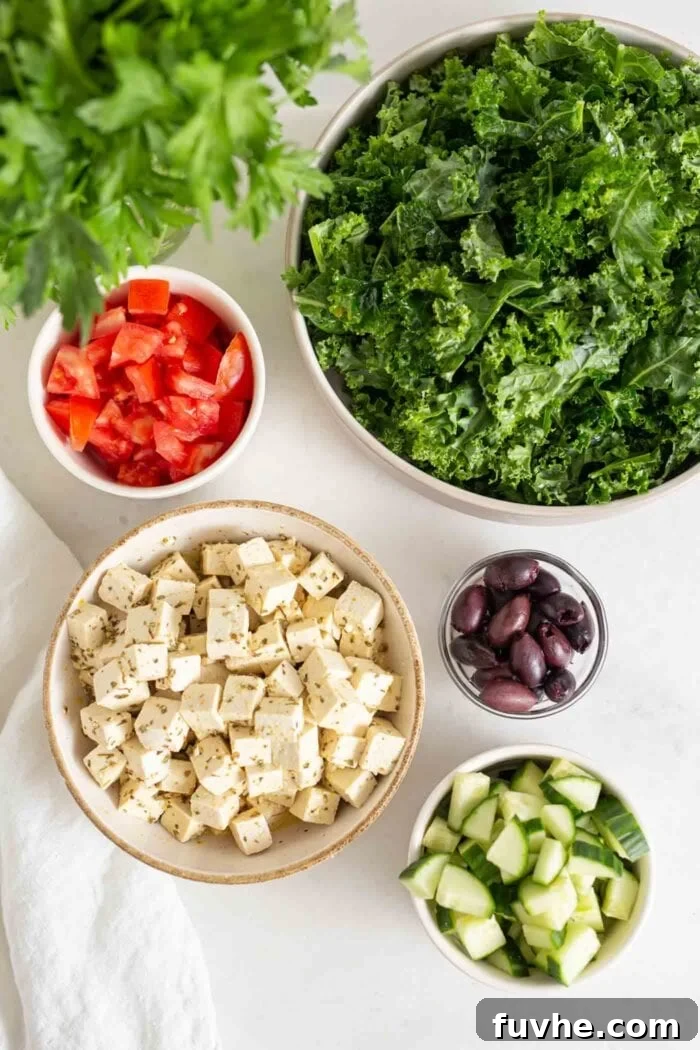
- Dairy-Free Alternatives: Its texture makes it perfect for creating dairy-free versions of various cheeses, such as a creamy, herb-infused tofu ricotta, or crumbled ‘feta’ for salads and Mediterranean bowls.
- Tofu Scramble Base: Firm tofu is also an excellent base for a savory tofu scramble, offering a satisfying texture that mimics scrambled eggs.
Medium Tofu: The Delicate Workhorse
- More Delicate Texture: Medium tofu is more tender than firm or extra-firm varieties, which means it can be a bit more delicate to handle and might fall apart if not treated gently.
- Great for Flavor Absorption: Despite its fragility, it excels at absorbing flavors, making it a fantastic choice for marinated tofu recipes where you want a succulent, flavor-packed bite, or in quick stir-fries where a slightly softer texture is desired.
- Versatile in Soups and Cold Dishes: It is traditionally used in delicate soups like miso, where it adds a soft, silken contrast. It can also be served cold, marinated, or incorporated into various baked dishes to add moisture and protein.
- Creamy Additions: Its softer nature allows it to blend into creamy sauces or dressings, adding body and protein without overpowering other flavors.
Soft Tofu: The Blender’s Best Friend
- Best for Blending: Soft tofu is unparalleled for creating smooth, creamy textures without the need for dairy. It’s perfectly suited for blending into a wide array of recipes.
- Culinary Applications: Ideal for enriching baking recipes, adding protein to smoothies, creating luxurious raw desserts, and forming the base of rich, creamy dips and sauces.
- Dairy Replacement: I frequently utilize soft tofu as a healthy and flavorful replacement for dairy in many creamy dressings, such as my popular vegan Caesar salad dressing, offering a rich mouthfeel with added nutrition.
- Soups and Stews: It can also be gently incorporated into certain soups and stews where a delicate, custard-like texture is desired.
Smoked Tofu: Ready-to-Eat Flavor Bomb
- Distinct Flavor and Texture: Smoked tofu is pre-smoked, giving it a wonderfully firm, meaty texture and an intensely smoky flavor that’s ready to elevate any dish.
- Convenient and Ready-to-Eat: One of its greatest advantages is that it can be eaten straight out of the package, requiring no additional cooking. This makes it an incredibly convenient option for quick meals or snacks.
- Meat and Dairy Alternative: Use it sliced in sandwiches, wraps, or crumbled into salads as a flavorful, high-protein alternative to traditional deli meats or dairy cheeses. Its robust flavor stands out beautifully.
- DIY Smoking Option: For the adventurous home cook with access to a smoker or gas grill, it’s also possible to make your own smoked tofu, infusing it with your preferred blend of smoky notes.
Silken Tofu: The Undrained Delicacy
- Undrained and Unpressed: Silken tofu is uniquely characterized by being undrained and unpressed, resulting in the highest water content among all tofu varieties and an exceptionally smooth, custard-like consistency.
- Firmness Variations: While it is available in soft, firm, and extra-firm varieties, the difference in texture between these silken types is often subtle, all maintaining a much more delicate mouthfeel than their regular tofu counterparts.
- Availability: Silken tofu is frequently sold in aseptic packages or tubes and is shelf-stable until opened, meaning it doesn’t require refrigeration. If you can’t find it in a regular grocery store’s refrigerated section, check the international or Asian food aisle, or inquire with staff.
- Best for Blending and Creamy Dishes: Its ultra-smooth texture makes it supremely suitable for blending into creamy applications like dressings, velvety sauces, rich smoothies, and decadent raw desserts.
- Baking and Dairy Replacement: It serves as an excellent ingredient in baking, capable of replacing high-fat dairy products such as cream, oil, or eggs, contributing moisture and protein without altering the final texture significantly.
Because silken tofu is not curdled and pressed in the same way as regular tofu, it retains its delicate structure, making it highly susceptible to crumbling. Handle it with extreme care if you intend to keep it intact for certain presentations. However, for most of its common uses, like whipping up a vegan cheesecake, a refreshing smoothie, or a creamy raw dessert, you can simply scoop it directly into a blender without concern for its fragile form, letting the machine do all the work.
Other Types of Tofu: A World of Soy Innovations
Beyond the standard varieties commonly found in North America, the global culinary landscape, particularly in Asian cuisines, boasts an impressive array of different tofu types and processed forms. Many of these offer unique textures and flavors that are less familiar to Western palates, reflecting diverse regional culinary traditions. These include specialized processed tofus such as: deep-fried tofu, which offers a crispy exterior and chewy interior; dried tofu, which has a concentrated flavor and firm texture; fermented tofu (often called ‘fermented bean curd’ or ‘sufu’), known for its pungent, cheese-like flavor; and frozen tofu, which develops a unique, chewy, spongy texture once thawed, making it excellent for absorbing broths and sauces.
Furthermore, the concept of “tofu” extends beyond soybean-based products in some traditions. You can find delightful varieties that aren’t made from soybeans at all, instead using other plant-based ingredients to achieve a similar curd-like consistency. Examples include almond tofu, which is typically a jelly-like dessert; egg tofu, made from egg and often served in Japanese cuisine; sesame tofu; and peanut tofu. A particularly interesting example is Burmese tofu, which is distinctly made from chickpea flour, offering a gluten-free alternative with its own unique texture and flavor profile, showcasing the incredible innovation within plant-based culinary practices.
Mastering How to Cook Tofu: Endless Possibilities
Tofu’s remarkable adaptability shines brightest in the kitchen, where it can be transformed through an astonishing array of preparation methods. Far from being a bland health food, tofu can be cooked in countless ways to enhance its texture and flavor, making it a star ingredient in diverse cuisines. It can be prepared on its own as a main component, integrated into complex recipes, used innovatively in baking, marinated for depth, fried to crispy perfection, baked for a healthier crunch, blended into creamy concoctions, or even breaded for an indulgent texture. Its versatility truly knows no bounds.
Consider the ease with which tofu can be cubed and gently simmered into a hearty soup, adding a boost of protein and substance. It can be breaded and baked to create delicious, guilt-free ‘nuggets,’ or pan-fried to achieve a beautifully browned and crispy exterior. Interestingly, some varieties, particularly medium or soft tofu, can even be enjoyed straight out of the package, often served chilled with a savory sauce, a common practice in Japanese cuisine. For a quick nutritional boost and added creaminess, simply toss soft or medium tofu directly into your favorite smoothie recipe. While deep-fried or pan-fried tofu undeniably yields the crispiest, most satisfying texture, the health-conscious cook might prefer less oil-intensive methods for regular home cooking. Restaurants often feature richly oiled tofu dishes, which are undeniably delicious. However, for everyday preparation, I typically opt for baking or oil-free dry-frying in a non-stick pan to achieve a delightful crispiness without excessive fat.
Essential Tips for Flavor and Crispiness in Tofu
Achieving perfectly flavored and crispy tofu is surprisingly simple with a few key techniques:
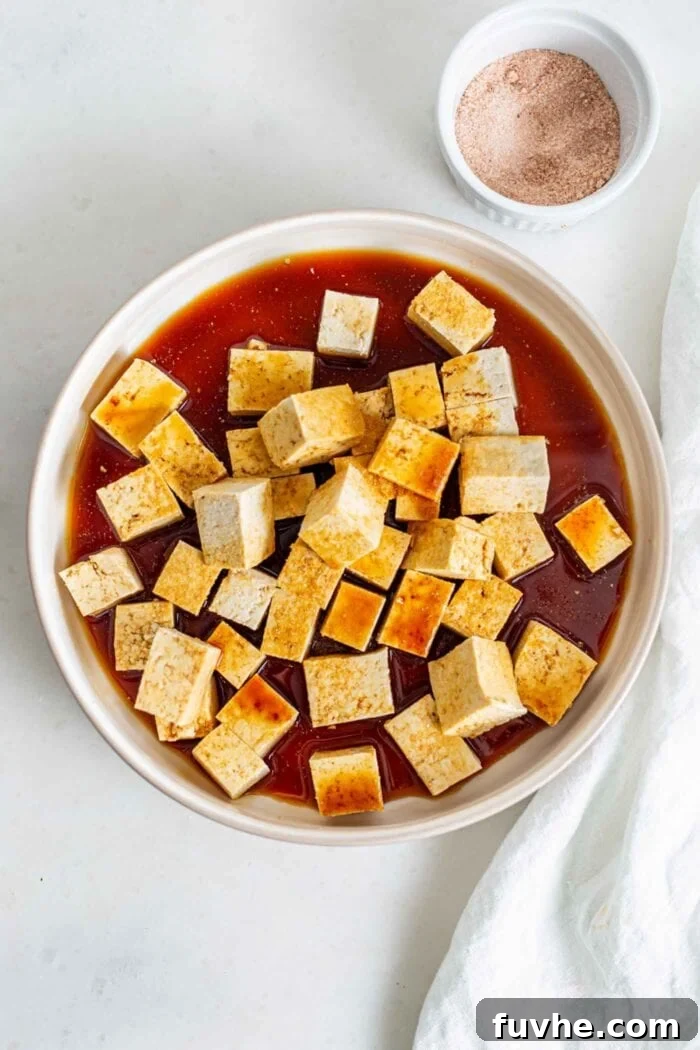
- Marinate It for Maximum Flavor: Tofu’s ability to absorb flavors is its superpower. For the most delicious results, always marinate your tofu. Even a simple marinade of soy sauce (or tamari for gluten-free), garlic powder, and black pepper works wonders, infusing the tofu with savory depth. For an extra crisp exterior, consider tossing marinated tofu with a light coating of cornstarch or arrowroot powder before cooking.
- Press Out Excess Water: This step is crucial for both flavor absorption and achieving a truly crispy texture. Pressing excess water out of the tofu creates a denser block that can soak up more marinade and prevents it from steaming rather than crisping during cooking. You can find detailed instructions on how to effectively press tofu here, ensuring your tofu reaches its full potential.
How to Bake Tofu: My Go-To Method for Crispy Perfection
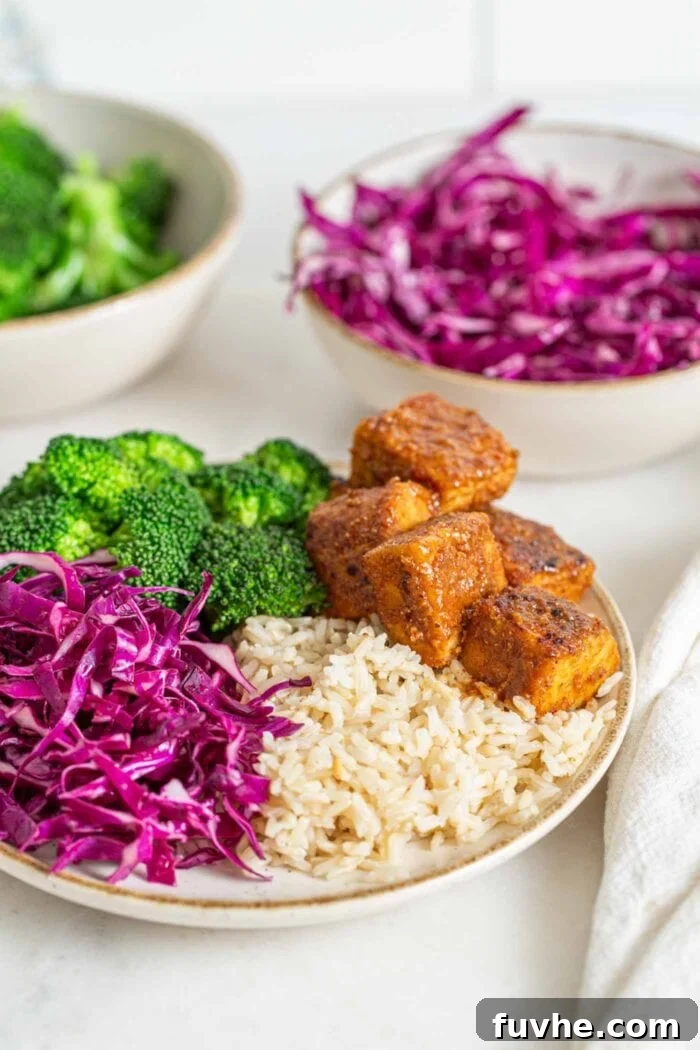
Baking is my absolute favorite and often the healthiest way to prepare tofu, consistently yielding a wonderfully crispy exterior and tender interior without requiring excessive oil. It’s a hands-off method that allows for consistent results and easy cleanup.
Simple Baked Tofu: A Basic Yet Delicious Preparation
This method forms the foundation for countless baked tofu dishes, offering a neutral yet flavorful base that pairs well with almost any meal.
- Preheat Oven: Begin by preheating your oven to 400 degrees Fahrenheit (200 degrees Celsius). This high temperature is key for achieving a crisp exterior.
- Prepare Tofu: After pressing your extra-firm or firm tofu (as recommended for crispiness), cube it into desired sizes. Place the cubes in a bowl and toss them with a generous splash of soy sauce (or tamari), a teaspoon of garlic powder, and a few grinds of black pepper. Ensure each piece is evenly coated for maximum flavor. For an extra crunch, you can add a tablespoon of cornstarch or arrowroot powder at this stage.
- Arrange on Baking Tray: Spread the seasoned tofu cubes in a single layer on a parchment-lined baking tray. Ensure there’s adequate space between each piece to allow for even crisping.
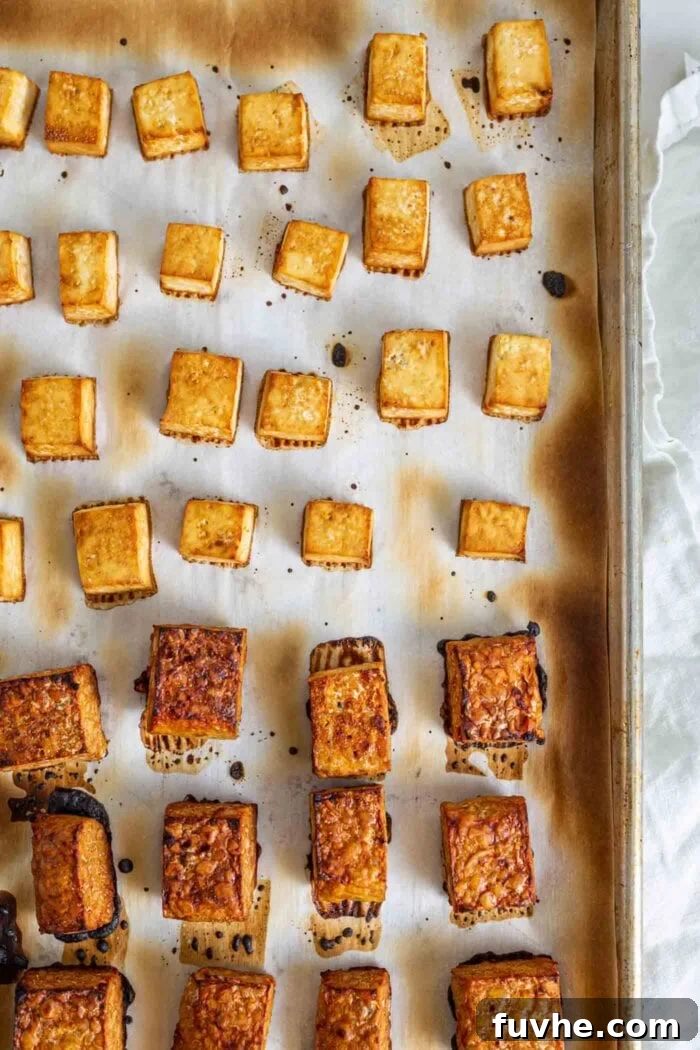
- Bake to Crispy Perfection: Bake for approximately 20-25 minutes. Then, flip the tofu pieces to ensure even browning. Continue baking for another 15-20 minutes, or until the tofu is beautifully golden brown and crispy on all sides.
BBQ Baked Tofu: Smoky and Savory
Infuse your tofu with a rich, smoky flavor perfect for sandwiches, salads, or as a main dish. Follow the basic baking steps outlined above, but instead of using soy sauce, pepper, and garlic powder, marinate the pressed tofu cubes generously in your favorite BBQ sauce for a minimum of 2 hours, or ideally overnight, before baking. The longer marination time allows the sweet and tangy flavors to deeply penetrate the tofu, resulting in a succulent, flavorful bite.
Sesame Baked Tofu: An Asian-Inspired Delight
For an aromatic and savory Asian-inspired tofu, adapt the simple baked tofu method with a flavorful marinade. After pressing, marinate the tofu cubes in a mixture of equal parts soy sauce (or tamari), maple syrup, and sesame oil, along with 1 teaspoon of garlic powder. Allow the tofu to marinate for at least a couple of hours to fully absorb these vibrant flavors before proceeding with the baking steps. The result is a sticky, savory, and slightly sweet tofu with a beautiful sesame aroma, perfect for grain bowls or lettuce wraps.
How to Fry Tofu: Achieving Golden Brown Deliciousness
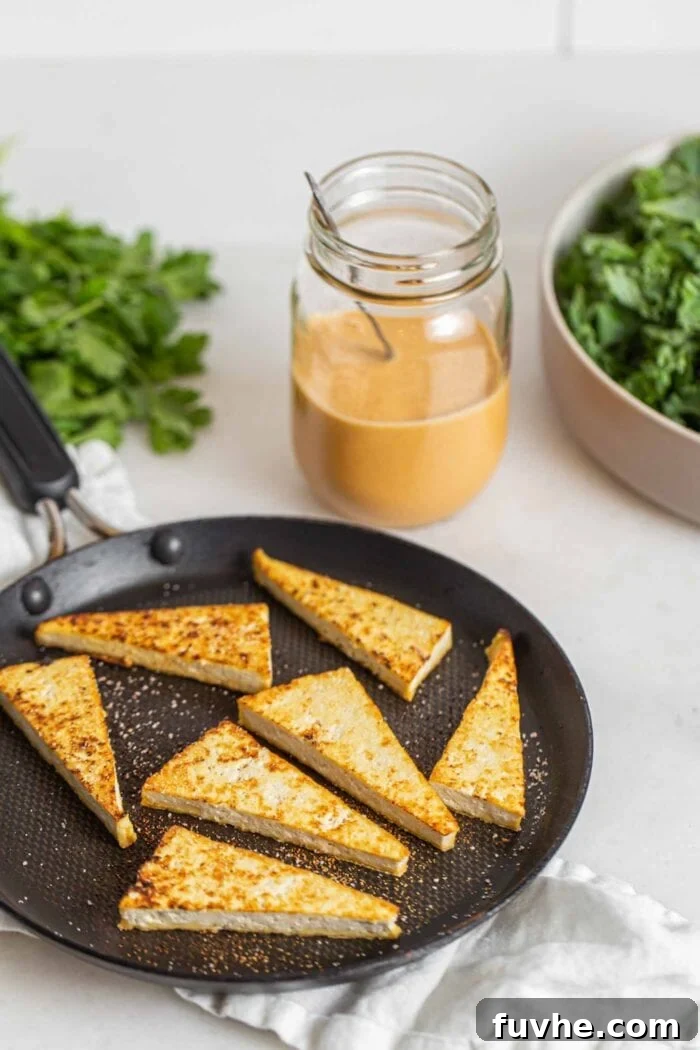
Frying tofu is a classic method for achieving a wonderfully crisp exterior and a satisfyingly chewy texture. It’s a straightforward process that works best with firm or extra-firm tofu. To fry tofu, begin by pressing out as much excess water as possible. Cut the pressed tofu into your desired shapes—cubes, triangles, or slabs. In a bowl, toss the tofu with your chosen spices and seasonings; a simple mix of salt, pepper, and a dash of garlic powder is often sufficient, or you can opt for more complex spice blends. Heat a non-stick or cast-iron pan over medium-high heat with a moderate amount of neutral oil, such as coconut or avocado oil. Once the oil is shimmering, carefully add the tofu pieces, ensuring not to overcrowd the pan, which can lead to steaming rather than frying. Allow the tofu to cook undisturbed on each side until it develops a deep golden-brown crust. Then, use tongs or a spatula to flip and repeat the process for all sides until the entire surface is crispy and evenly browned. This method yields a deliciously rich and textural tofu, perfect for adding to stir-fries, salads, or enjoying as a flavorful snack.
How to Dry-Fry Tofu (Oil-Free): A Healthier Crisp
Aside from baking, a quick “dry-fry” is my other preferred method for making tofu, especially when aiming for an oil-free or lower-fat preparation without sacrificing crispiness. This technique is fantastic for achieving a browned, chewy texture that absorbs sauces beautifully. To dry-fry tofu, first ensure your firm or extra-firm tofu is well-pressed to remove as much moisture as possible. Cube the tofu into your desired size and toss it with your preferred spices and seasonings; a little smoked paprika, nutritional yeast, and onion powder can add incredible depth. Next, heat a good quality non-stick pan over medium-high heat until it’s very hot. Add the seasoned tofu cubes to the hot, dry pan in a single layer, making sure not to overcrowd. Allow the tofu to cook for several minutes on each side without stirring, letting it brown and develop a crust. Use tongs to turn the pieces, continuing to “fry” until all sides are beautifully browned and crisp. This method relies on the pan’s heat and the tofu’s natural moisture to create a satisfyingly crispy result, making it an excellent base for a wide variety of healthy dishes.
Tofu Frequently Asked Questions (FAQs)
No, not at all! Tofu can be safely eaten raw, straight from its package. While it’s often prepared to enhance its flavor and texture, particularly for firmer varieties, raw tofu is a popular ingredient in many recipes. I frequently use raw soft or silken tofu in creamy applications such as dressings, sauces, or dairy substitutes like this tofu feta or a smooth tofu ricotta. The raw form allows its delicate texture to shine in blended recipes.
Absolutely, freezing tofu is a fantastic way to extend its shelf life and even alter its texture in a desirable way! You can store frozen tofu for up to 3 months. To freeze, simply cut your block of firm or extra-firm tofu into chunks, arrange them on a parchment-lined tray, and freeze until solid. Once frozen, transfer the pieces to a freezer-safe container or bag. When you’re ready to use it, defrost the tofu in the fridge. Freezing changes the texture slightly, making it more porous and chewier, which can be an advantage as it helps the tofu absorb marinades even better. While the difference isn’t drastic, some people prefer this chewier consistency.
While not strictly mandatory, pressing tofu (especially firm, extra-firm, and medium varieties) is highly recommended for optimal results, particularly if you’re aiming for crispy, flavorful tofu through baking or frying. Removing excess water allows the tofu to better absorb marinades and prevents it from having a soggy texture. However, I sometimes skip this step when I’m short on time and eager to start cooking immediately. Pressing is actually quite easy: simply wrap the tofu block in a clean dish towel or paper towels, place it on a plate, and top it with a heavy object like a cast-iron pan or a stack of cookbooks. Let it sit for 20-30 minutes, then proceed with your recipe as normal. You should never press soft or silken tofu, as it would simply be crushed. You can learn more about the benefits and techniques of pressing tofu here.
Unopened packaged tofu has a relatively long shelf life and should be stored in the refrigerator until you’re ready to use it; always check the “best by” date on the package. Once you’ve opened a package and have leftover tofu, transfer it to an airtight container. Fill the container with fresh water until the tofu is completely submerged. This keeps the tofu hydrated and fresh. For best results, change the water daily, although it’s not a major issue if you miss a day or two. Stored this way, opened tofu can remain fresh in the refrigerator for up to one week.
The shelf life of tofu varies depending on whether it’s opened or unopened. Unopened, commercially packaged tofu can last quite a long time, often several months, as indicated by the “best before” date printed on the package. Always refer to this date for unopened products. Once a package of tofu has been opened, it should be consumed relatively quickly. If stored properly in an airtight container submerged in fresh water and refrigerated, leftover tofu can last for up to 1 week. Remember to change the water daily to maintain its freshness.
Yes, plain, unflavored tofu is naturally gluten-free. It is typically made from just three basic ingredients: soybeans, water, and a coagulating agent (like calcium sulfate or magnesium chloride), all of which are free from gluten. However, if you are purchasing flavored, marinated, breaded, or otherwise processed tofu products, it is crucial to carefully read the ingredient list on the package. Some processed varieties may contain soy sauce (which often contains wheat), wheat-based breading, or other gluten-containing additives. For strict gluten-free diets, always look for certified gluten-free labels.
Whether to buy organic tofu is a personal choice, but I personally always opt for organic varieties. Soybeans are one of the crops that are often genetically modified and heavily sprayed with pesticides. Choosing organic tofu ensures that the soybeans were grown without synthetic pesticides, herbicides, or genetically modified organisms (GMOs). Fortunately, organic tofu is often comparable in price to its non-organic counterparts, making it an accessible choice for many. For me, the peace of mind that comes with knowing I’m consuming a cleaner, more sustainably produced product is well worth it.
Yes, absolutely! Tofu is a quintessential vegan food. It is derived entirely from soybeans and water, with a mineral coagulant used to form the curds, and contains no animal products or by-products whatsoever. As a consistent source of protein in my own plant-based diet, I regularly incorporate organic tofu and tempeh into my meals. If you’re looking to learn more about maintaining a healthy vegan diet, I recommend exploring my vegan nutrition guide and my detailed guide to vegan protein sources. For those just starting their plant-based journey, my tips for plant-based beginners and a post on how to transition to a plant-based diet offer valuable insights and guidance.
The concern about genetically modified organisms (GMOs) in soy is valid, and it’s common to hear that a large percentage of soy crops are GMO. While it’s true that upwards of 90% of soy cultivated in some regions is GMO, the vast majority of this genetically modified soy is used for animal feed and to produce soybean oil or soy lecithin. The soy specifically grown for direct human consumption, such as whole soybeans used in tofu, edamame, and soy milk, is largely non-GMO. If you have concerns, it’s always best to look for tofu with a “Non-GMO Project Verified” label. In my experience, most tofu available in grocery stores today already carries this non-GMO certification, making it quite easy to find and choose.
Sprouted tofu is a variation of traditional tofu made from soybeans that have been allowed to sprout before being processed into soy milk and then tofu. The sprouting process is believed to enhance the nutritional profile of the soybeans and, more significantly, makes the tofu easier to digest for some individuals. Sprouting can break down anti-nutrients present in legumes, which can sometimes interfere with nutrient absorption. I often choose sprouted tofu when it’s available, appreciating its potential digestibility benefits. Beyond this slight nutritional difference and improved digestibility, sprouted tofu behaves very much like regular tofu in terms of its cooking methods and preparation versatility, making it a simple swap in most recipes.
While I haven’t personally ventured into homemade tofu production, it is indeed possible to make your own fresh tofu at home. The process typically involves making soy milk from dried soybeans and then using a coagulant, such as nigari (magnesium chloride) or Epsom salts, to curdle the milk, followed by pressing the curds into blocks. It can be a rewarding culinary project for those interested in traditional food preparation and wanting to experiment with different textures and flavors. For a comprehensive guide, I recommend checking out detailed tutorials like this one on how to make tofu from Cultures for Health, which offers step-by-step instructions.
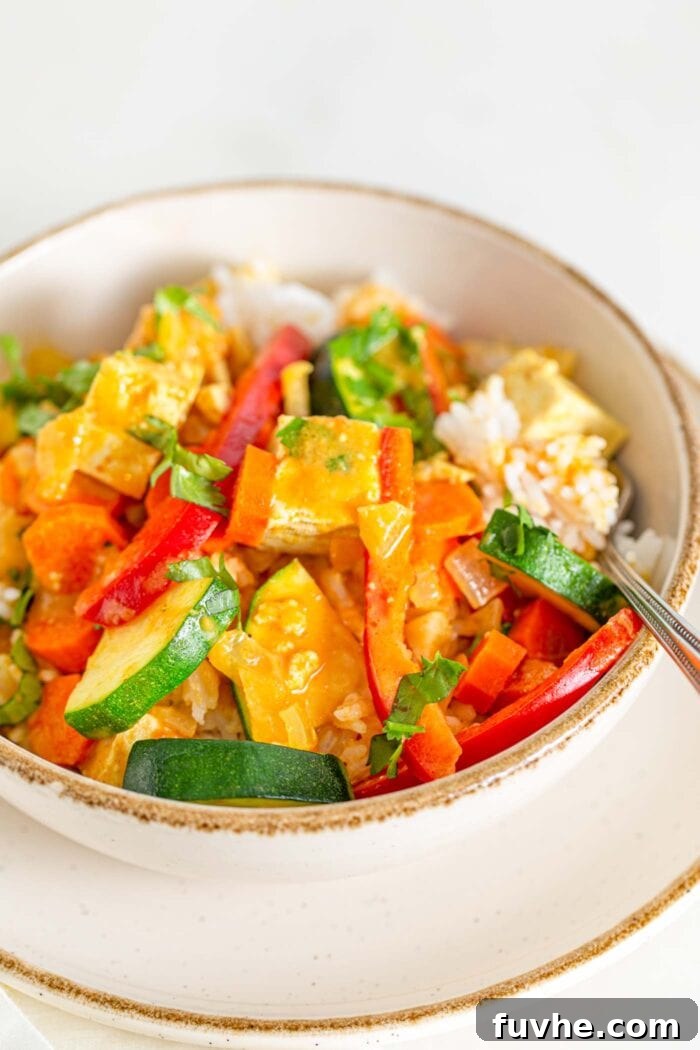
Delicious Tofu Recipes for Every Meal
Discover the incredible versatility of tofu with these delectable recipes, categorized by preparation style. From fresh, vibrant raw dishes to crispy baked and fried options, and even satisfying breakfast creations and hearty curries, there’s a tofu recipe here to inspire every palate and occasion.
Raw Tofu Recipes: Creamy & Fresh
- Tofu Feta Cubes
- Crumbled Tofu Feta
- Creamy Basil Dressing
- Caesar Salad Dressing
- Tofu Ranch Dressing
- Vegan Tofu Ricotta
Baked Tofu Recipes: Crispy & Flavorful
- Sriracha Baked Tofu Brown Rice Bowls
- Crispy Baked Garlic Black Pepper Tofu
- Crispy Baked Curried Tofu (Oil-Free)
- Easy Vegan Spaghetti Squash Noodles
- Coconut Cauliflower Rice Buddha Bowl with Tofu
- Vegan Sweet Potato Tofu Bowls
- Vegan BBQ Tofu Bowls
- Sesame Tofu Lettuce Wraps
- Easy Vegan Spaghetti Squash Noodles
- Tofu Kale Salad with Coconut Peanut Dressing
- Vegan Buddha Bowl with Tofu and Edamame
- Vegan Thai Chopped Salad with Peanut Sauce and Tofu
Breakfast Tofu Recipes: Start Your Day Plant-Based
- Vegan Sweet Potato Breakfast Burritos
- Vegan Breakfast Burrito Bowl
- Healthy Vegan Breakfast Burritos
- How to Make Tofu Scramble
Fried Tofu Recipes: Crispy & Savory
- Vegan Tofu and Cashew Fried Rice
- Fried Brown Rice with Tofu Scramble
Curries with Tofu: Rich & Aromatic
- Easy Vegan Butter Chicken with Tofu
- Vegan Panang Curry with Tofu