
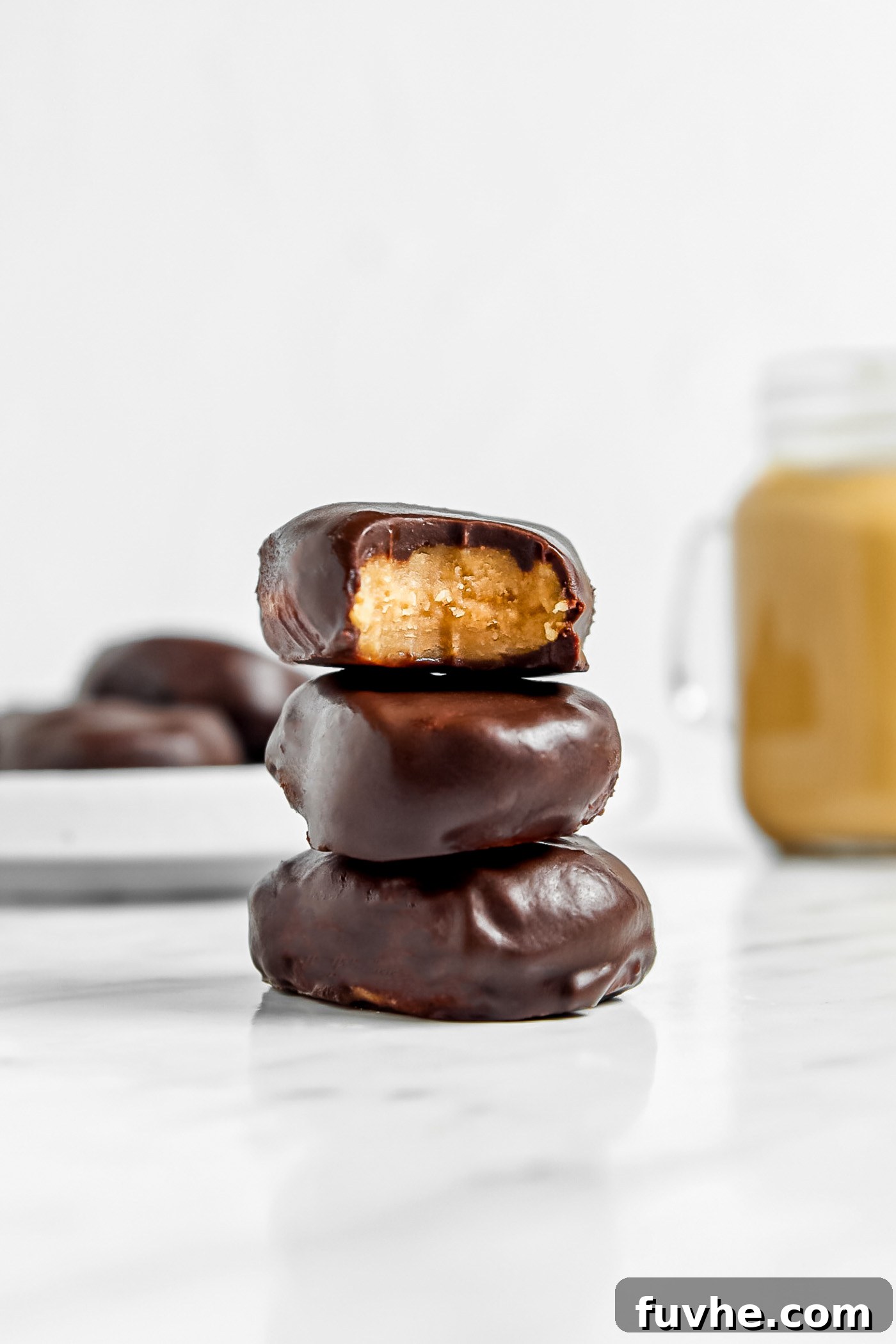
Delicious Vegan Peanut Butter Eggs: An Easy, No-Bake Easter Treat
Discover how to make the most irresistible vegan peanut butter eggs with just four simple ingredients and minimal effort. These delightful no-bake candies are perfect for stashing in your freezer year-round, ensuring you always have a satisfying sweet treat on hand. While they’re undeniably a highlight for Easter baskets and celebrations, their universal appeal makes them a favorite for any occasion.
What truly sets this recipe apart is its incredible ease. The hands-on preparation time is astonishingly quick, clocking in at around 10 minutes. While some chilling time is necessary to achieve that perfect firm texture, the active involvement in the kitchen is minimal, making this an ideal and fun project for the entire family – even little chefs can get involved in shaping these delightful treats!
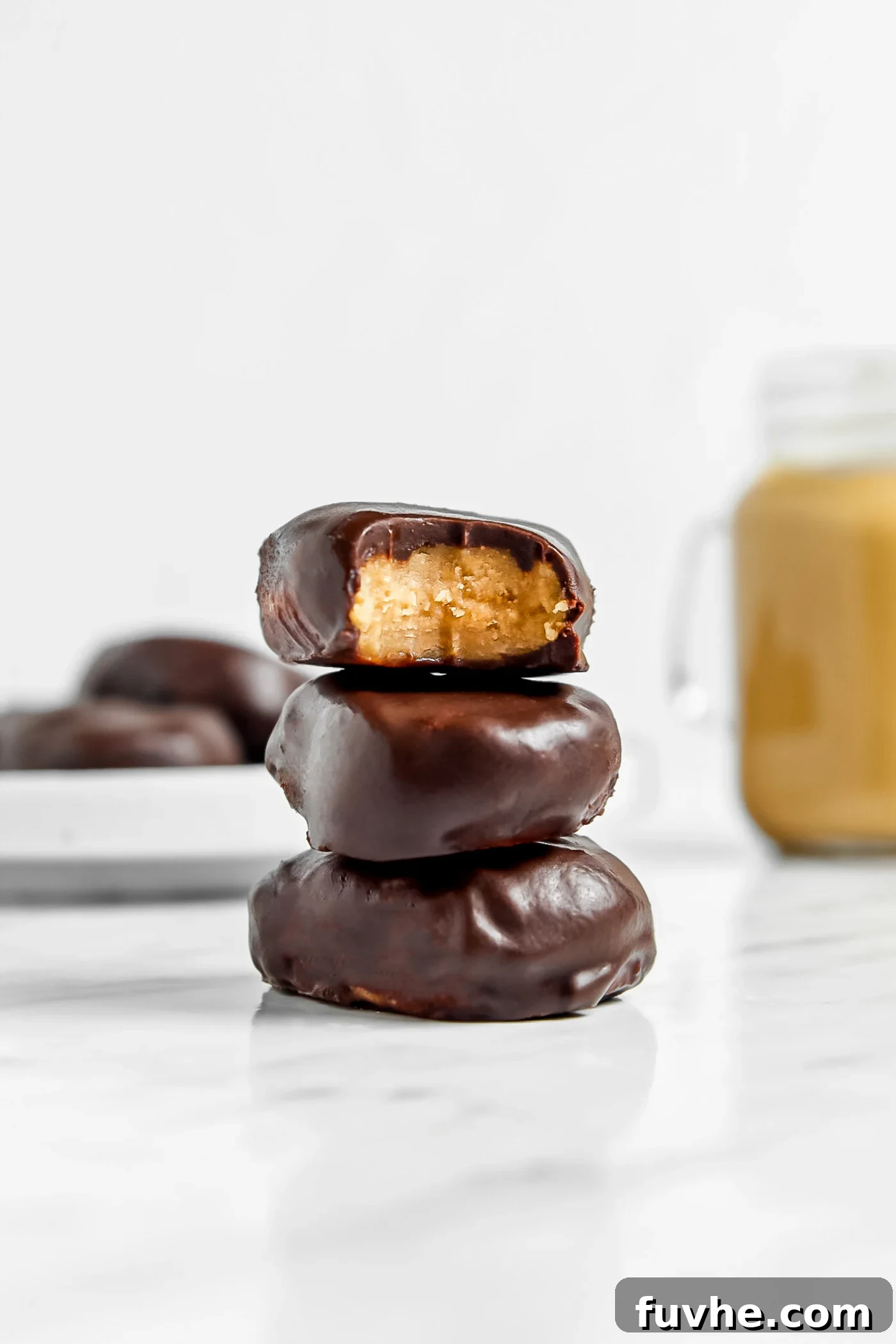
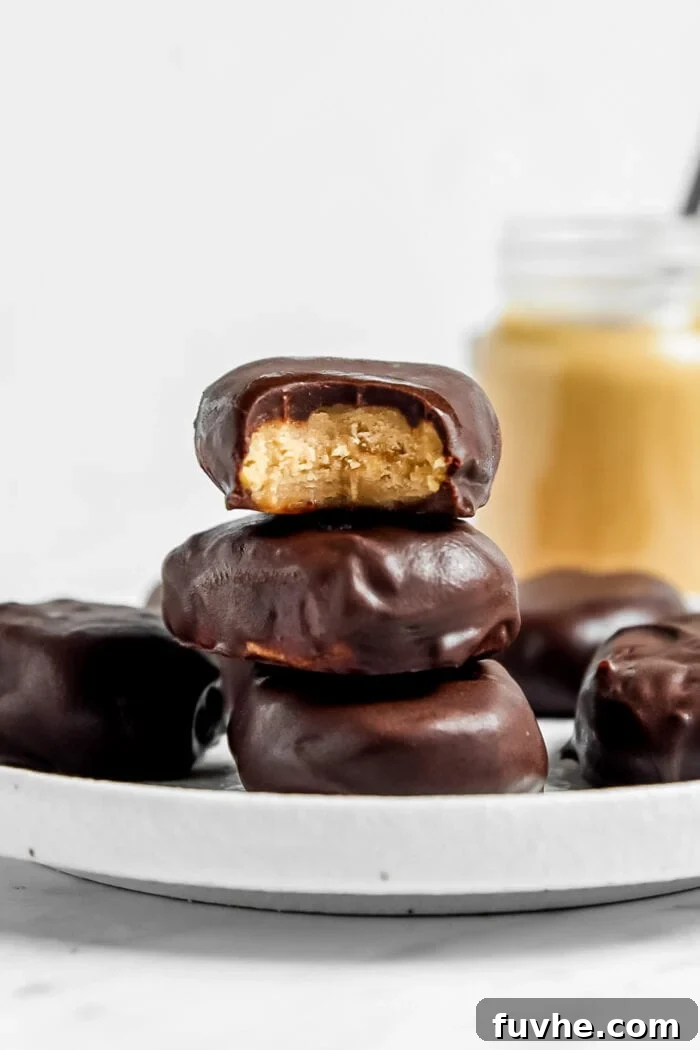
Crafted from a harmonious blend of peanut butter, maple syrup, coconut flour, and a decadent chocolate coating, these vegan peanut butter eggs offer an addictive combination of flavors and textures. Each bite features a rich, creamy peanut butter center enveloped in a crisp layer of chocolate, a treat that appeals to both children and adults alike.
Want to elevate your homemade peanut butter eggs to taste uncannily like the classic Reese’s version? The secret lies in a surprising ingredient: nutritional yeast! This tip was a game-changer when I first developed my Vegan Chocolate Peanut Butter Cups recipe years ago. Adding nutritional yeast to the peanut butter filling imparts a unique umami depth and a perfectly sweet and salty balance, mimicking that iconic Reese’s flavor. While entirely optional, it’s a recommended addition if you have it on hand, taking these simple candies to an extraordinary level.
If you’re a devoted fan of peanut butter, you’ll be thrilled to explore more delicious treats. Our Peanut Butter Banana Oatmeal Bars offer a wholesome breakfast or snack option, while the Vegan Peanut Butter Pie promises an indulgent dessert experience. For those who can’t resist a spoonful of dough, our Edible Peanut Butter Cookie Dough is a safe and satisfying treat.
Beyond peanut butter, if you’re keen on expanding your repertoire of homemade Easter treats, we have plenty of other festive and easy-to-make recipes. Try the delightful Vegan Monkey Bread, the nostalgic Vegan Homemade Butterfingers Recipe, the tropical Homemade Mounds Bars Recipe, or the layered goodness of Vegan 7 Layer Cookies Bars. Each offers a unique flavor profile and a joyful baking experience.
Recipe Features: Why You’ll Love These Vegan Peanut Butter Eggs
These no-bake vegan peanut butter eggs aren’t just easy and delicious; they boast a range of features that make them an ideal choice for healthy indulgence:
- Minimal Ingredients: Crafted with only 4 essential ingredients, proving that extraordinary flavor doesn’t require a complex shopping list.
- Iconic Copycat Flavor: Experience the familiar, beloved taste of Reese’s peanut butter eggs, reimagined in a healthier, homemade vegan format.
- Dietary Friendly: Perfectly suited for various dietary needs, these eggs are naturally vegan, gluten-free, and dairy-free.
- Effortless Preparation: Requiring just 10 minutes of active prep time, they’re perfect for busy schedules or spontaneous sweet cravings.
- Ideal Easter Treat: Their charming egg shape and delicious flavor make them a standout addition to any Easter celebration or basket.
- Make-Ahead & Freezer-Friendly: Prepare a batch in advance and freeze them for up to three months, ensuring a ready supply of treats.
- No Special Equipment Required: You won’t need any fancy gadgets or professional baking tools to create these simple yet impressive candies.
- Naturally Sweetened: Free from powdered sugar, these treats get their sweetness from wholesome maple syrup.
Key Ingredients for Perfect Vegan Peanut Butter Eggs
Achieving the perfect balance of flavor and texture in these vegan peanut butter eggs hinges on selecting the right ingredients. Each component plays a vital role:
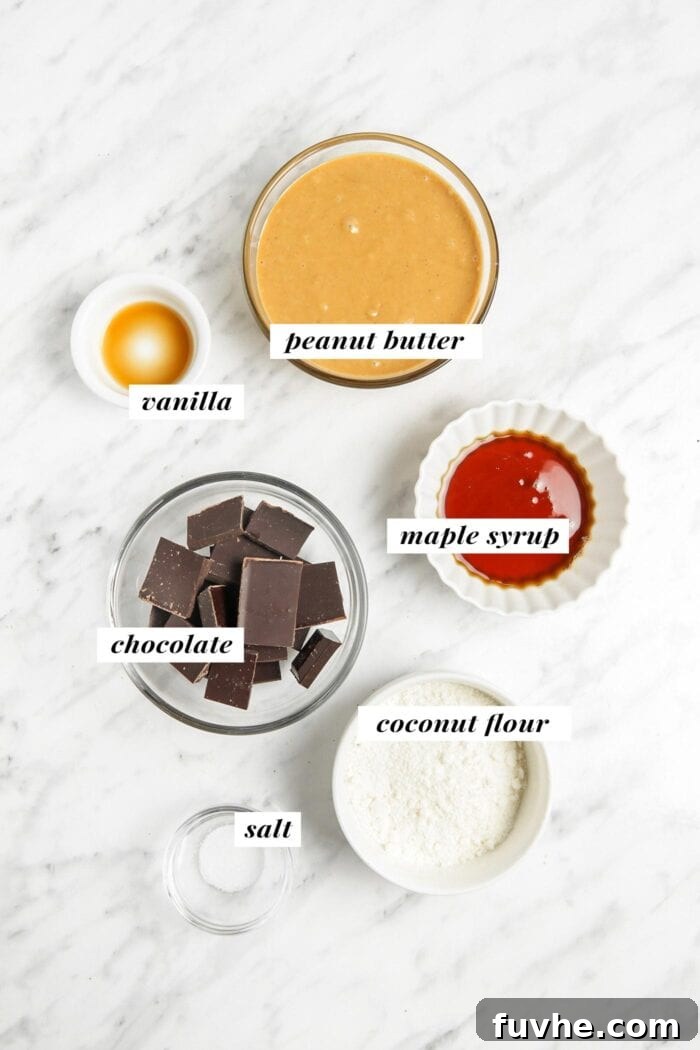
- Peanut Butter: Opt for a natural, creamy peanut butter. Look for brands where the only ingredients are peanuts (and possibly salt), as these have a runnier consistency that mixes beautifully and sets well. If your peanut butter is very thick or stiff, gently warm it slightly to make it easier to combine. While crunchy peanut butter can be used for added texture, a smooth variety typically yields the most consistent “Reese’s-like” filling. For a peanut-free version, feel free to substitute with almond butter or cashew butter. If you need a completely nut-free option, sunflower seed butter (like SunButter) or Wowbutter work wonderfully, though note that sunflower seed butter has a distinct flavor that will alter the overall taste.
- Maple Syrup: This acts as our primary sweetener and also contributes to the binding of the peanut butter mixture, giving it a subtle sticky quality. Pure maple syrup is preferred for its rich flavor profile. If maple syrup isn’t available, agave syrup or even honey (if not strictly vegan) can be used as direct substitutes, though they may impart a slightly different flavor. For sugar-free options, see our FAQ section.
- Coconut Flour: This is a crucial ingredient and cannot be substituted with other flours. Coconut flour is exceptionally absorbent, and just a small amount is needed to transform the creamy peanut butter and maple syrup into a firm, moldable dough that holds its shape perfectly. Using any other type of flour (like almond flour, oat flour, or wheat flour) will result in a completely different, undesirable texture.
- Chocolate: The outer shell calls for high-quality chocolate. You can use any dairy-free dark chocolate chips, semi-sweet chocolate chips, or a chopped dark chocolate bar. Ensure your chosen chocolate is certified dairy-free if you are strictly vegan. The quality of your chocolate will significantly impact the final taste and texture of the coating.
- Optional Enhancements (Extras):
- Sea Salt: A pinch of sea salt enhances all the flavors and balances the sweetness, making the peanut butter filling even more irresistible.
- Vanilla Extract: A touch of vanilla extract adds warmth and depth to the peanut butter flavor.
- Nutritional Yeast: As mentioned, this is the secret weapon for that authentic “Reese’s” taste. It adds a savory, slightly cheesy, and umami note that, when combined with the sweet peanut butter, creates a complex and deeply satisfying flavor profile. If you’re adding nutritional yeast, you might consider omitting the extra sea salt or reducing it, as nutritional yeast can add a subtle salty undertone.
For the complete, precise ingredient list with exact measurements, please refer to the comprehensive recipe card located at the end of this post.
Get Creative: Variations & Additions to Your Vegan Peanut Butter Eggs
While the classic vegan peanut butter egg is a treat in itself, these candies are wonderfully versatile and invite a host of creative variations. Feel free to experiment and customize them to your taste:
- Textural Crunch: Introduce an exciting textural element by mixing a handful of finely chopped nuts into the peanut butter filling. Almonds, pecans, walnuts, or hazelnuts all work beautifully, adding a delightful crunch in every bite. Lightly toast the nuts beforehand to enhance their flavor.
- Tropical Coconut Infusion: For a tropical twist, fold about 1/2 cup of shredded coconut into your peanut butter filling. Alternatively, you could even shape our Homemade Mounds Bars mixture into an egg shape and coat them in chocolate for delicious coconut eggs, reminiscent of a certain classic candy.
- Gourmet Salted Caramel: Elevate the sophistication of your peanut butter eggs by drizzling a bit of homemade vegan caramel sauce over the chocolate coating once it’s set. A sprinkle of flaky sea salt on top of the caramel will create an exquisite sweet and salty contrast that’s simply divine.
- Cookie Crumble Delight: For an extra layer of flavor and texture, mix crushed vegan chocolate cookies (like Oreos) or graham cracker crumbs into the peanut butter filling. This adds a delightful “dirt cake” or “cookie dough” element that’s incredibly satisfying.
- Diverse Filling Options: Don’t limit yourself to just peanut butter! Experiment with different seed and nut butters for distinct flavor profiles. Almond butter offers a milder, slightly sweeter note, while cashew butter provides a buttery richness. For a nut-free option, sunflower seed butter is excellent, keeping in mind its unique taste.
- Vibrant Decorations: Once the chocolate coating has set, let your artistic side shine! Sprinkle the finished eggs with colorful edible sprinkles, finely shredded coconut, or crushed freeze-dried fruits like raspberries or strawberries for a pop of color and natural tang. You can also melt a little extra chocolate (or even white chocolate) and drizzle it artfully over the set eggs for a professional and elegant touch.
- White Chocolate Charm: For a delightful visual contrast and a different flavor profile, try coating your peanut butter eggs in dairy-free white chocolate chips. These white chocolate-covered eggs are particularly adorable for children’s Easter baskets, especially when adorned with colorful sprinkles.
Crafting Your Vegan Peanut Butter Eggs: A Simple Guide
Making these vegan peanut butter eggs is a straightforward process, divided into just a few easy steps. Follow these instructions carefully for the best results:
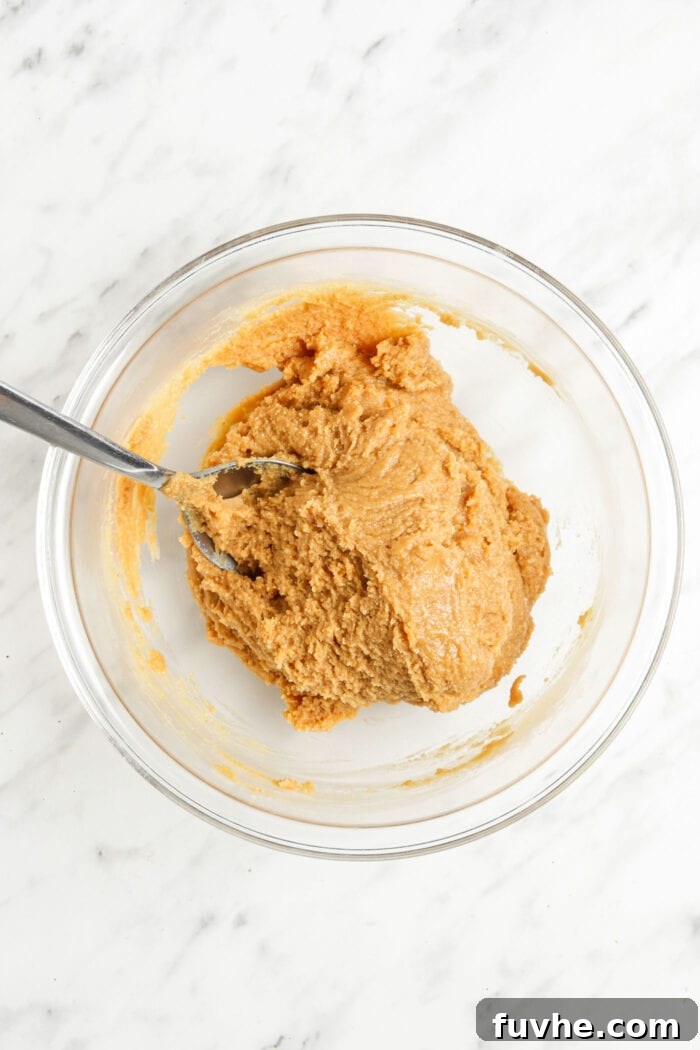
Step 1: Prepare the Peanut Butter Filling
In a medium-sized mixing bowl, combine the creamy natural peanut butter, maple syrup, coconut flour, a pinch of salt, and the optional nutritional yeast and vanilla extract. Stir all ingredients thoroughly using a sturdy spoon or spatula until they are well integrated and form a thick, uniform batter. The mixture should be firm enough to handle but still pliable. Depending on the consistency of your peanut butter (some brands are oilier than others), you might need to add a tiny bit more coconut flour, 1 teaspoon at a time, until the desired texture is achieved. If the batter feels too sticky, chill it in the refrigerator for 10-15 minutes to firm up slightly before shaping.
Step 2: Shape and Firm the Eggs
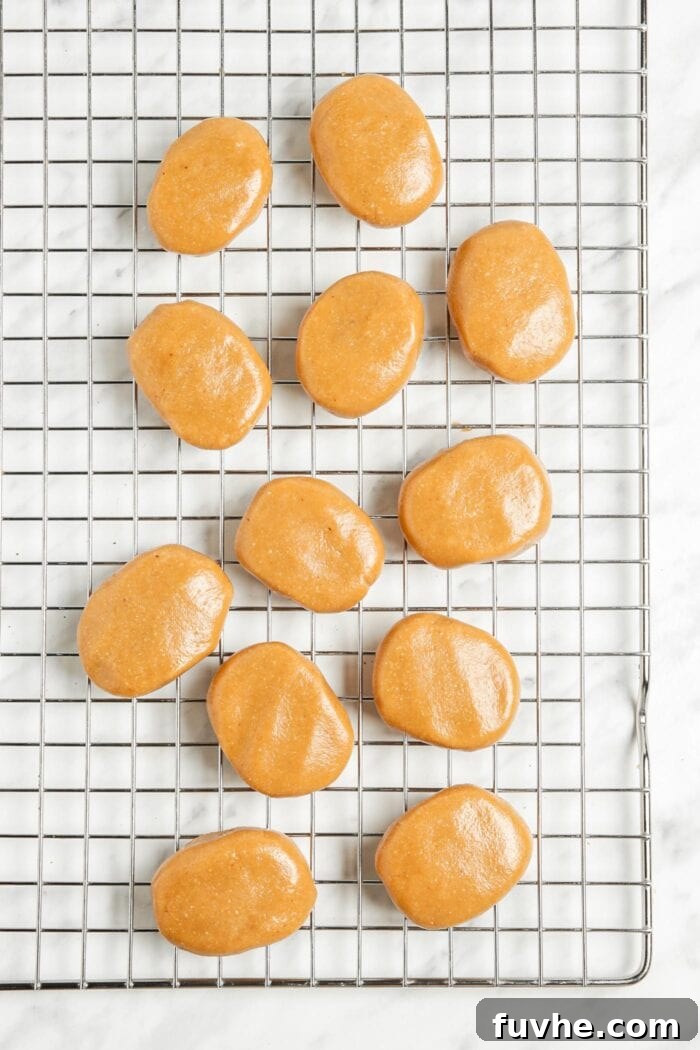
Once your peanut butter mixture is ready, it’s time to shape the eggs. Using your hands, roll the batter into 12 equally sized balls, aiming for about 25 grams (approximately 0.9 oz) each for consistent portions. Then, gently flatten and shape each ball into an egg-shaped disc. Alternatively, you can press the entire dough out onto a piece of parchment paper to about 1/2-inch thickness and use an egg-shaped cookie cutter for perfectly uniform eggs. Arrange the shaped peanut butter eggs on a baking sheet or plate lined with parchment paper. Place them in the freezer for a minimum of 30 minutes to firm up. This crucial step ensures they hold their shape and are easy to coat in chocolate without falling apart.
Quick Tip: For that authentic Reese’s flavor profile, don’t skip the 2 tablespoons of nutritional yeast in the peanut butter mixture! It adds a wonderfully savory, salty-sweet dimension that truly elevates these eggs.
Step 3: Melt the Chocolate Coating
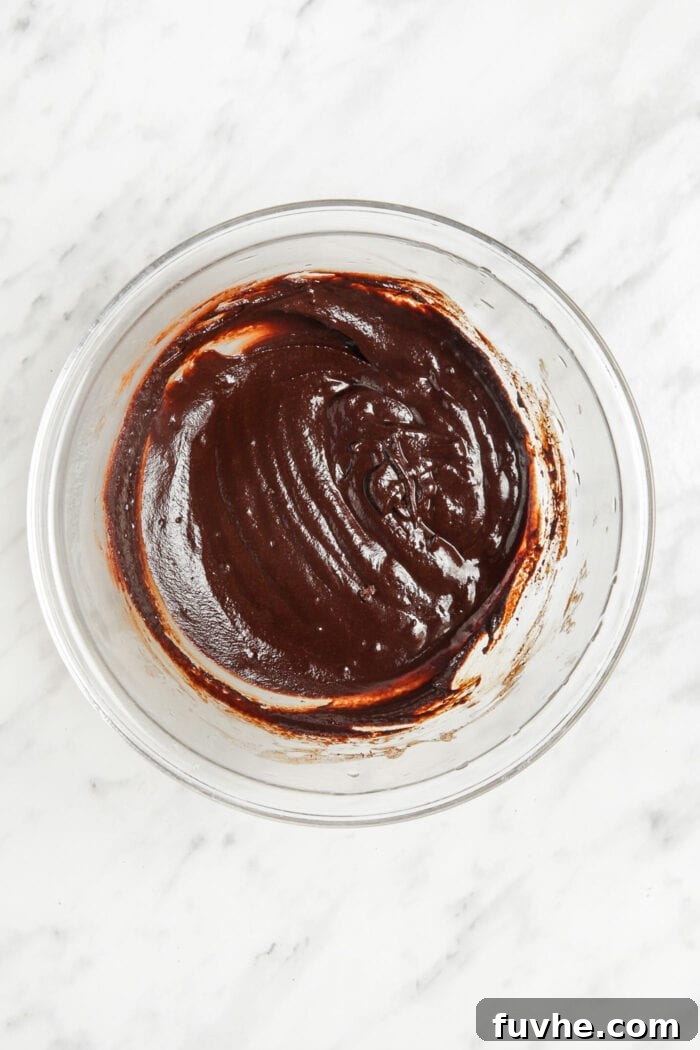
As the peanut butter eggs are firming in the freezer, prepare your chocolate coating. There are two effective methods for melting chocolate:
- Double Boiler Method: Place your dairy-free chocolate chips or chopped dark chocolate in a heatproof bowl. Set this bowl over a saucepan containing about an inch or two of simmering water, ensuring the bottom of the bowl does not touch the water. Stir continuously until the chocolate is completely smooth and creamy.
- Microwave Method: Place the chocolate in a microwave-safe glass bowl. Heat in 20-30 second intervals, stirring well after each interval, until the chocolate is fully melted and smooth. Be careful not to overheat the chocolate, as this can cause it to seize or burn.
Aim for a consistent, silky smooth texture for easy dipping.
Step 4: Coat the Eggs in Chocolate
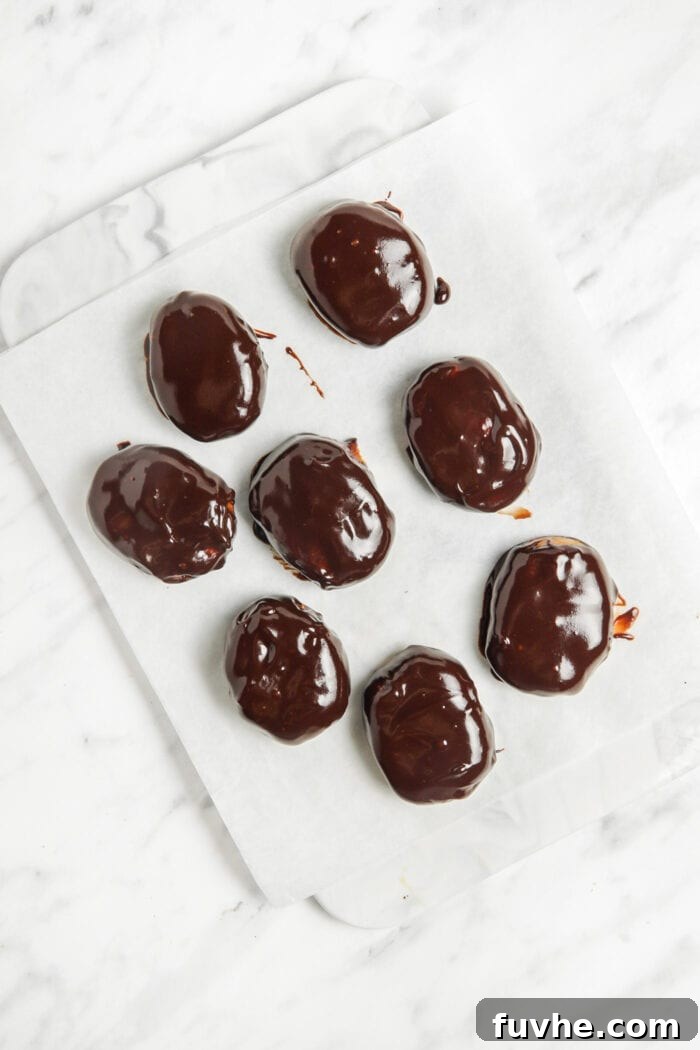
Once the chocolate is melted and the peanut butter eggs are firm, remove them from the freezer. Using a fork or a dipping tool, gently dunk each peanut butter egg into the melted chocolate. Flip it carefully to ensure both sides are completely coated. Tap the fork gently against the edge of the bowl to allow any excess chocolate to drip off, ensuring a smooth, even coating without thick puddles. Carefully transfer each chocolate-coated peanut butter egg to a plate or baking sheet lined with parchment paper or wax paper. This prevents them from sticking as the chocolate hardens.
Quick Tip: If your melted chocolate is too thick for easy coating, add 1 teaspoon of coconut oil or a neutral vegetable oil (like avocado oil) to thin it out. Stir until completely combined and smooth.
Step 5: Final Set and Enjoy!
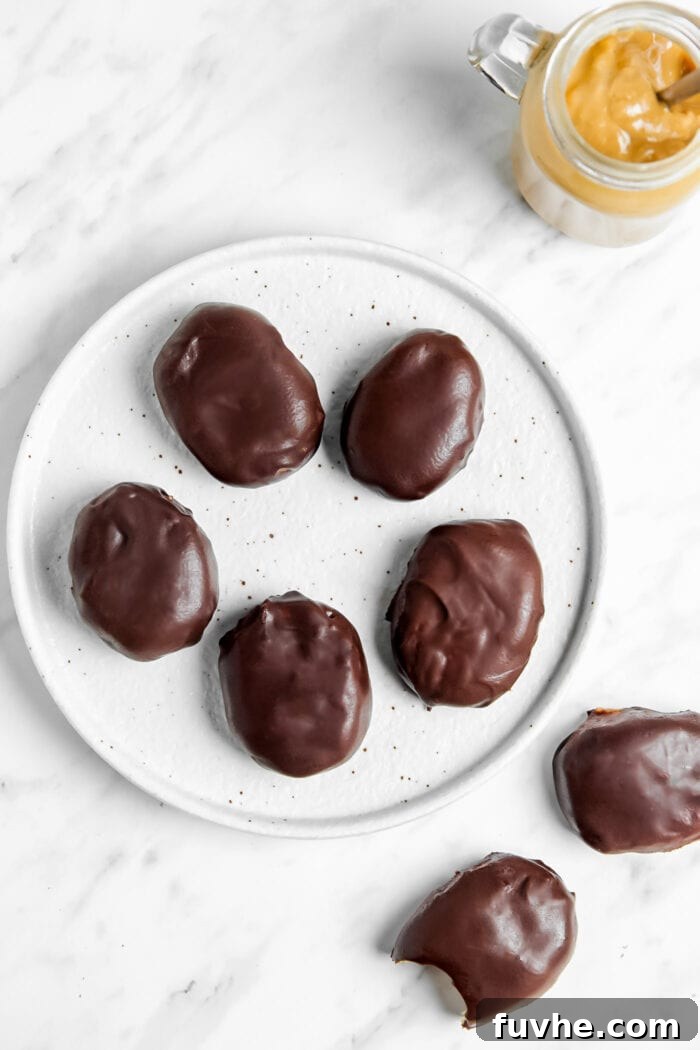
After coating all the eggs, place the plate back into the freezer for approximately 10 minutes, or until the chocolate has completely hardened and set. Once firm, your vegan peanut butter eggs are ready to be enjoyed! For an extra touch of elegance and a beautiful finish, you can melt a small amount of additional chocolate and drizzle it decoratively over the set eggs before returning them to the fridge or freezer briefly to firm up the drizzle. Store any uneaten eggs in an airtight container in the freezer for optimal freshness.
Frequently Asked Questions About Vegan Peanut Butter Eggs
Absolutely! Homemade peanut butter works wonderfully in this recipe. Just ensure it’s a smooth, creamy consistency. If your homemade peanut butter tends to be very thick or dry, you might need to slightly reduce the amount of coconut flour or add a tiny bit more maple syrup to achieve the right texture for shaping.
You certainly can! To create a peanut-free version, simply substitute the peanut butter with an equal amount of almond butter or cashew butter. For a completely nut-free alternative, sunflower seed butter (often labeled as SunButter) or Wowbutter are excellent choices. Keep in mind that sunflower seed butter has a distinct flavor profile that will give the eggs a unique taste, but it’s still delicious!
Yes, it’s entirely possible to make these eggs sugar-free. To do so, replace the maple syrup with a sugar-free liquid sweetener like monk fruit syrup or stevia syrup. For the chocolate coating, use a sugar-free chocolate such as stevia-sweetened Lily’s brand chocolate chips. You can also reduce the overall sugar content by opting for a high-cacao content dark chocolate (70% or higher) instead of traditional semi-sweet chocolate chips.
Unfortunately, no. Coconut flour is unique due to its extremely high absorbency and fiber content. It plays a critical role in binding the peanut butter mixture and giving it the firm, moldable texture required for these eggs. Other flours, such as almond flour, oat flour, or wheat flour, have different properties and will not yield the correct consistency, making them unsuitable for this specific recipe.
Absolutely! These vegan peanut butter eggs freeze exceptionally well. Store them in an airtight container or a freezer-safe bag for up to 3 months. You can enjoy them straight from the freezer for a firmer, almost ice cream-like treat, or let them thaw briefly at room temperature for 10-15 minutes to soften slightly.
For optimal freshness and to maintain their firm texture, it is highly recommended to store your vegan peanut butter eggs in a sealed airtight container in the refrigerator for up to 2 weeks. For longer storage, the freezer is best, where they will keep for up to 3 months. Storing them at room temperature, especially in warm climates, may cause them to soften considerably.
These eggs are made with wholesome, natural ingredients, making them a healthier alternative to many store-bought candies. They are rich in healthy fats from peanut butter and fiber from coconut flour. While they contain natural sugars from maple syrup, they are free from refined powdered sugars and dairy. Enjoyed in moderation, they can certainly be part of a balanced diet.
Peanut Butter Eggs
By: Deryn Macey
These copycat Reese’s peanut butter eggs are super easy to make with just 4 simple ingredients for a fun and delicious, no-bake vegan Easter candy everyone loves, especially kids!
Prep Time: 40 mins | Total Time: 40 mins | Servings: 12
Ingredients
- 1 cup creamy natural peanut butter (240 g)
- 4 tablespoons maple syrup (45 g)
- ¼ cup coconut flour (25 g)
- 2 tbsp nutritional yeast (optional)
- 1/4 tsp sea salt
- 2/3 cup dairy-free chocolate chips or chopped dark chocolate (100 g)
Instructions
- Mix Peanut Butter Filling: In a medium bowl, combine peanut butter, maple syrup, coconut flour, salt and nutritional yeast (if using). Mix well until a uniform, thick batter is formed. You may need to use a little more coconut flour depending on your peanut butter’s consistency. If difficult to shape, chill the batter briefly.
- Shape Eggs: With your hands, create 12 balls (25 g each) then shape each ball into an egg shape. Alternatively, press the dough into a single layer on parchment paper and use an egg-shaped cookie cutter. Arrange the 12 egg shapes on a baking sheet or plate lined with parchment paper and place in the freezer for 30 minutes to firm.
- Melt Chocolate: While the peanut butter eggs are chilling, melt the dark chocolate or chocolate chips. Use a double boiler (stirring until smooth) or melt in the microwave in 15-second increments, stirring until completely smooth and melted.
- Coat Eggs in Chocolate: Remove the peanut butter eggs from the freezer. Use a fork to dunk each one into the melted chocolate, flipping until completely coated. Tap against the bowl to allow excess chocolate to drip off. Return the chocolate-covered eggs to the parchment-lined plate.
- Set Chocolate: Place back in the freezer for 10 minutes or until firm. Once the chocolate has hardened, they are ready to enjoy.
Video
A video demonstration for making these delicious peanut butter eggs can typically be found within the full recipe post or linked from the website.
Notes
- The nutritional yeast makes them taste sweet and salty, much like Reese’s peanut butter eggs, but it’s entirely optional. They are still incredibly delicious without it. If you add nutritional yeast, you might consider omitting or reducing the additional sea salt.
- Store the finished peanut butter eggs in a freezer-safe bag or container in the freezer for up to 3 months. Enjoy them straight from the freezer or allow them to soften briefly at room temperature or in the fridge before eating.
- Peanut-Free Option: For those with peanut allergies or preferences, almond butter, cashew butter, or Wowbutter can be used as direct substitutes for peanut butter.
Nutrition
Serving: 1 egg
- Calories: 156 kcal
- Carbohydrates: 11 g
- Protein: 5 g
- Fat: 11 g
- Sodium: 94 mg
- Fiber: 2 g
- Sugar: 7 g
Originally published February 16, 2021.