
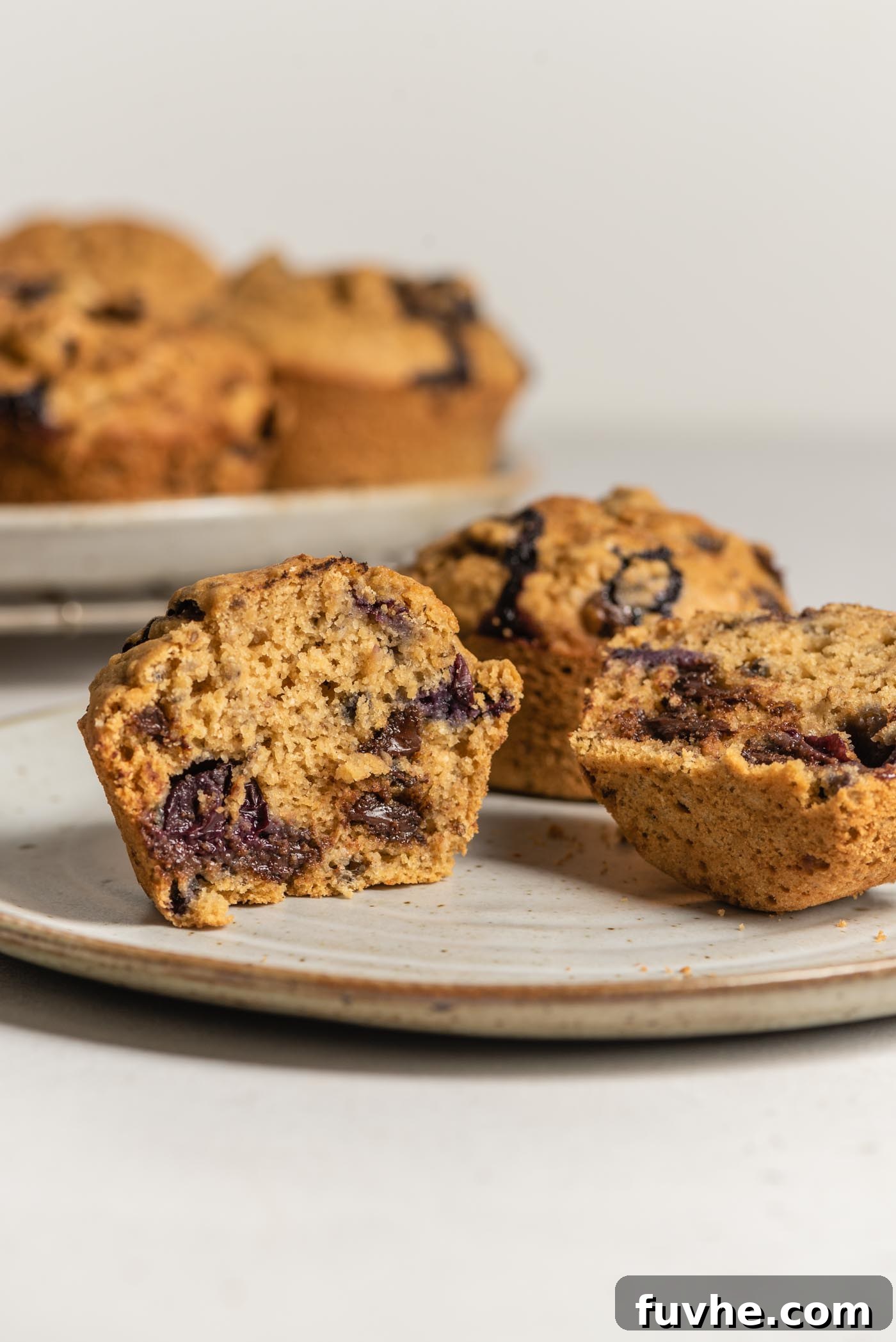
Discover the delightful world of gluten-free and vegan baking with these incredibly light and fluffy chickpea flour muffins. Crafted for ease and convenience, this one-bowl recipe requires just 10 simple ingredients, making it an ideal choice for a wholesome breakfast on-the-go or a satisfying snack. These muffins are a testament to how effortlessly delicious and dietary-friendly baking can be, offering a perfect blend of taste and texture without compromising on any dietary needs.
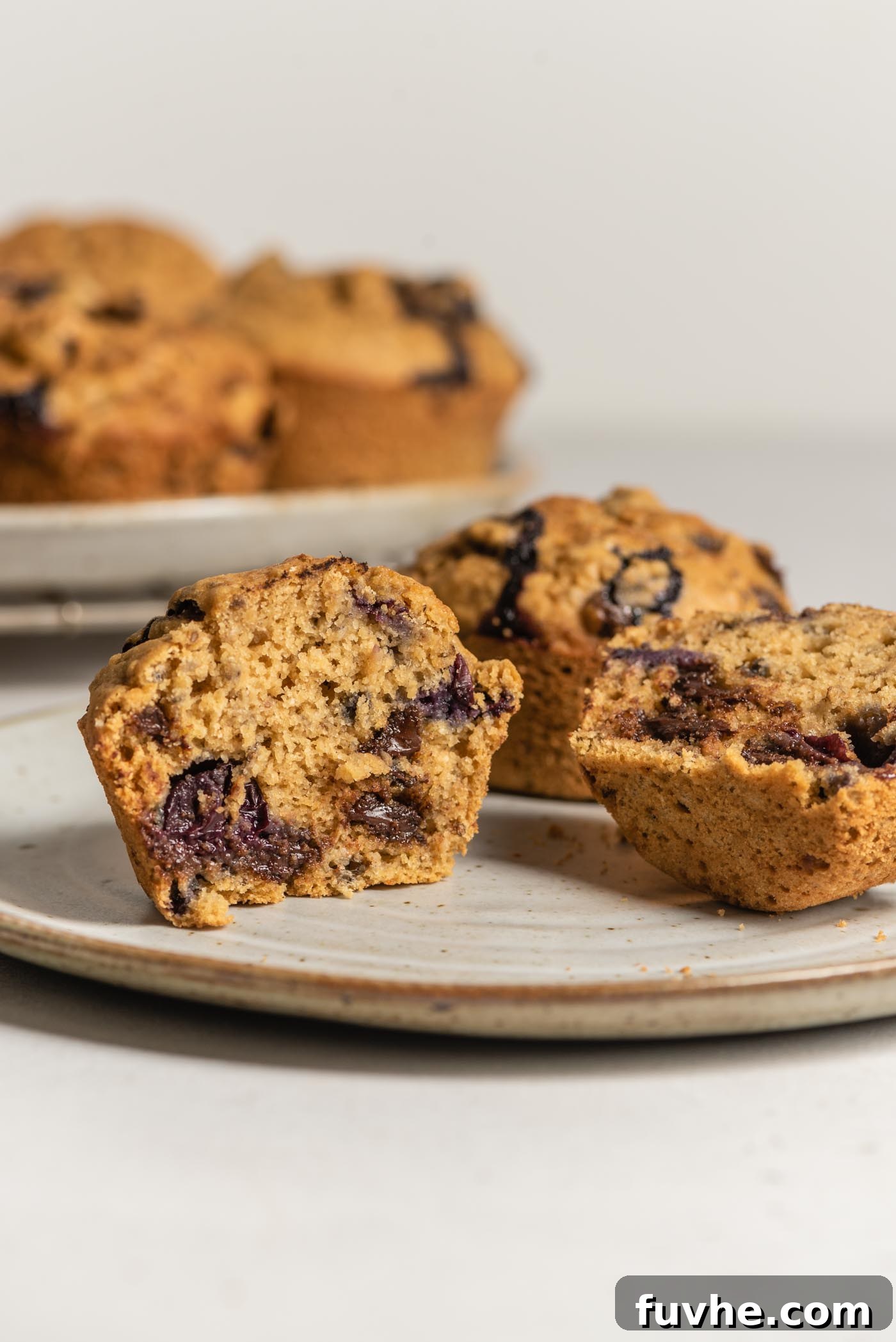
About This Wholesome Chickpea Flour Muffin Recipe
Chickpea flour, also known as garbanzo bean flour, is a remarkable ingredient that has transformed the landscape of grain-free and gluten-free baking. Its unique properties make it an excellent alternative to traditional wheat flour, lending a distinct nutty flavor and a wonderfully soft texture to baked goods. If you’ve enjoyed our Vegan Chickpea Flour Pancakes, you’re in for another treat with these delectable chickpea flour muffins.
This muffin recipe stands out for its simplicity and versatility, making it a favorite in our kitchen. Here’s why these muffins will quickly become a staple in your healthy eating routine:
- Completely Vegan: Made without eggs or dairy, these muffins are perfect for a plant-based diet.
- Naturally Gluten-Free: Ideal for those with gluten sensitivities or celiac disease.
- Nut-Free Option: A fantastic choice for school lunches or households with nut allergies.
- Health-Conscious: Each muffin contains approximately 200 calories, fitting perfectly into a balanced diet.
- Effortless Preparation: Everything comes together in just one bowl, minimizing cleanup.
- Minimal Prep Time: Only a few minutes of active preparation before baking.
- Quick to Finish: From start to delicious finish in under 40 minutes.
- Simple Ingredients: Crafted with just 10 core ingredients, easily found at most grocery stores.
- Freezer-Friendly: Bake a batch and store for convenient enjoyment anytime.
For more gluten-free baking adventures, buckwheat flour is another fantastic option. Explore its potential in our equally delicious Vegan Buckwheat Muffins.
Essential Ingredients for Your Vegan Chickpea Flour Muffins
Crafting these wholesome muffins requires only a handful of straightforward ingredients, all of which are naturally free from eggs and dairy. We’ll delve into each component, offering insights and potential substitutions to ensure your baking experience is smooth and successful. Accuracy in measurement, particularly with flours, is key to achieving the perfect muffin consistency, so using a kitchen scale is highly recommended for best results.
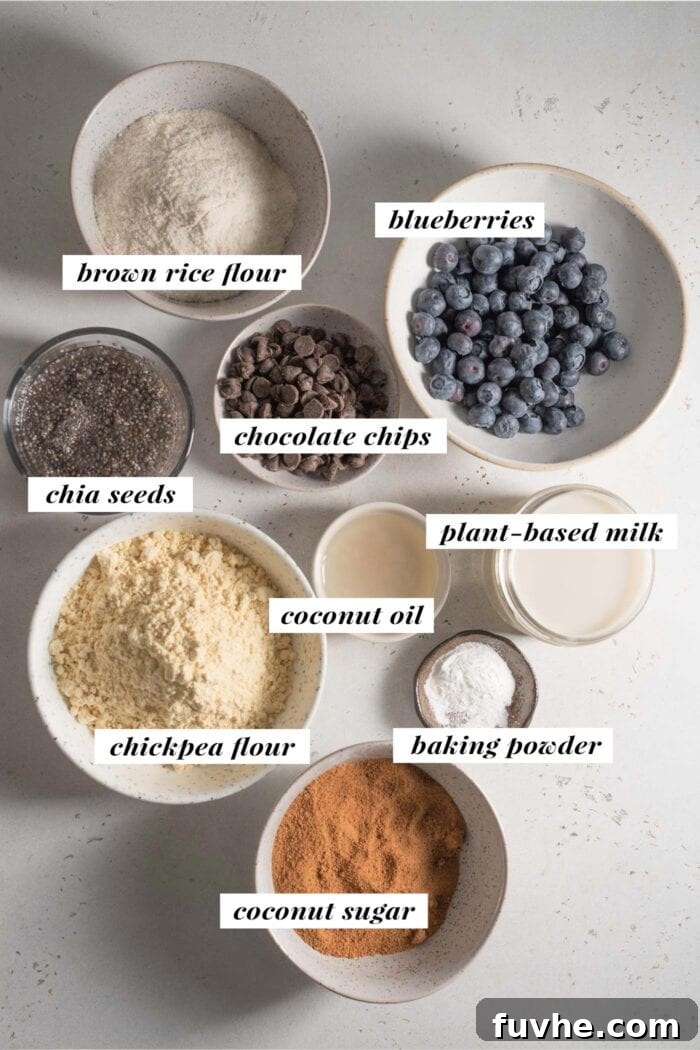
Please note that this section provides an overview. For precise measurements and step-by-step instructions, refer to the full recipe card at the end of this post.
- Flax or Chia Seeds: This recipe primarily uses chia seeds mixed with water to create a “chia egg,” serving as an excellent binder and egg replacer. If you prefer, 2 tablespoons of ground flaxseed meal can be substituted to create a “flax egg” with similar results. Both are excellent plant-based alternatives that help achieve a tender crumb.
- Brown Rice Flour: To balance the texture and flavor, these muffins utilize a blend of brown rice flour and chickpea flour. Brown rice flour contributes a subtle sweetness and a slightly chewy texture. We haven’t tested this specific recipe with other gluten-free flours like quinoa flour, oat flour, or an all-purpose gluten-free blend, so sticking to brown rice flour is recommended for consistent results.
- Chickpea Flour (Garbanzo Bean Flour): This is the star ingredient! It’s crucial to note that chickpea flour (made from white chickpeas) is distinct from besan or gram flour (typically made from split brown chickpeas, or chana dal). While they share some similarities, chickpea flour provides the specific texture and flavor profile this recipe was developed with. For optimal results, use chickpea or garbanzo bean flour.
- Coconut Sugar: A natural, unrefined sweetener that imparts a subtle caramel-like flavor. Brown sugar or organic cane sugar can be used as direct substitutes if coconut sugar isn’t readily available.
- Almond Milk: Unsweetened almond milk contributes moisture and a delicate flavor. Feel free to substitute with other plant-based milks like cashew milk, oat milk, or soy milk, ensuring they are also unsweetened to control the overall sweetness of the muffins.
- Coconut Oil: Melted coconut oil adds richness and helps create a moist interior. If you prefer, olive oil, canola oil, or melted vegan butter can be used as alternatives.
- Vinegar: A touch of white vinegar or apple cider vinegar reacts with the baking powder, aiding in leavening and creating a light, airy texture. Lemon juice can also be used in its place.
- Add-Ins: The base recipe shines with blueberries and dairy-free chocolate chips. However, these are highly customizable! Explore various fruits, dried cranberries, or a mix of nuts to personalize your muffins.
- Baking Powder & Sea Salt: Essential leavening and flavor enhancers that work in tandem to give the muffins their rise and balance the sweetness.
- Cinnamon & Vanilla Extract: These spices add warmth and depth of flavor, making the muffins even more inviting. Vanilla extract is optional but highly recommended for an enhanced aroma and taste.
Exciting Variations for Your Chickpea Flour Muffins
While the classic blueberry and chocolate chip combination is undeniably delicious, these chickpea flour muffins are incredibly versatile, inviting you to experiment with a wide array of flavors and textures. The beauty of this recipe lies in its adaptability, allowing you to tailor it to your preferences or whatever ingredients you have on hand. Here are some inspiring ideas to get your creative juices flowing:
- Chickpea Flour Carrot Muffins: Transform your muffins into a wholesome treat by omitting the chocolate chips and blueberries. Instead, fold in 1 cup of finely grated carrot. For an extra touch of warmth, consider adding a hint of nutmeg or ginger along with the cinnamon.
- Chickpea Flour Zucchini Muffins: For a moist and nutritious twist, substitute the original add-ins with 1 cup of grated zucchini. Be sure to squeeze out any excess moisture from the zucchini before adding it to the batter to prevent overly wet muffins.
- Nutty Muffins: For an added crunch and protein boost, swap out some or all of the blueberries or chocolate chips for up to 1 cup of chopped nuts. Pecans, walnuts, or even pumpkin seeds make excellent choices, offering a delightful textural contrast.
- Dried Fruit Delights: Infuse your muffins with natural sweetness and chewiness by incorporating dried fruits. Replace either the blueberries, chocolate chips, or both with up to 1 cup of dried cranberries, plump raisins, finely chopped dried apricots, sweet dried cherries, or dates.
- Spiced Sensations: Elevate the flavor profile with additional spices. Try adding up to 1 teaspoon of apple pie spice or pumpkin pie spice for a seasonal touch, or introduce up to ½ teaspoon of ground nutmeg or ginger for a deeper, more aromatic experience.
- Other Flavor Combinations: The possibilities are endless! Experiment with shredded coconut and chocolate chips for a tropical twist, vibrant raspberries for a tart counterpoint, diced apples for a classic fall flavor, or juicy blackberries for a burst of fresh fruitiness.
Don’t be afraid to mix and match these variations. For instance, imagine a carrot-pecan muffin with a touch of ginger, or a zucchini-chocolate chip muffin. The base recipe provides a perfect canvas for your culinary imagination!
Crafting Your Perfect Chickpea Flour Muffins: A Step-by-Step Guide
Making these gluten-free and vegan chickpea flour muffins is a straightforward and enjoyable process. Follow these simple steps to ensure you achieve perfectly baked, fluffy muffins every time. Precision in preparation will lead to the best results.
Before You Begin: Start by preheating your oven to 350°F (175°C). Prepare a standard 12-cup muffin tin by lightly spraying each cup with non-stick cooking spray or lining them with paper muffin liners. In a small dish, combine the chia seeds and water, then set it aside for approximately 5 minutes. This allows the mixture to thicken into a gel-like consistency, similar to an egg, which will act as your plant-based binder.
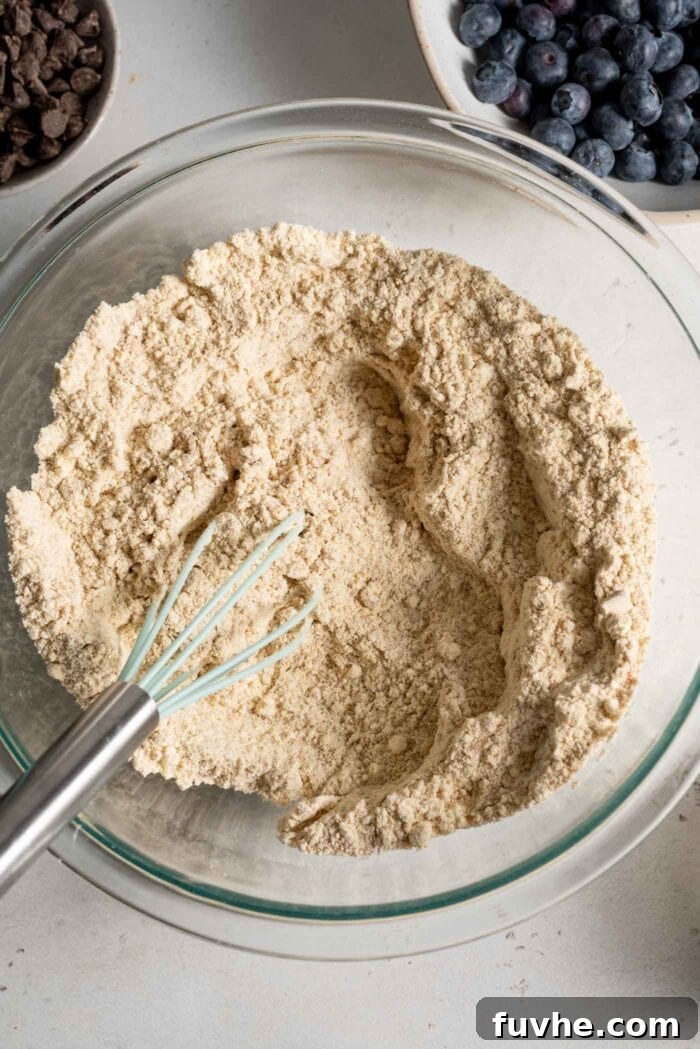
Step 1. Combine All Dry Ingredients: In a large mixing bowl, meticulously whisk together the brown rice flour, chickpea flour, coconut sugar, baking powder, sea salt, and cinnamon. It’s crucial to mix these ingredients thoroughly to ensure even distribution of the leavening agents and spices, preventing any dry pockets or clumps in the final batter.
Step 2. Incorporate the Wet Ingredients: Add the prepared chia egg mixture, melted coconut oil, vinegar, and almond milk to the bowl containing the dry ingredients. Using a spatula or whisk, gently fold all the ingredients together. Mix just until all the dry components are fully moistened and combined. Be careful not to overmix the batter, as this can lead to tough muffins. A few lumps are perfectly fine!
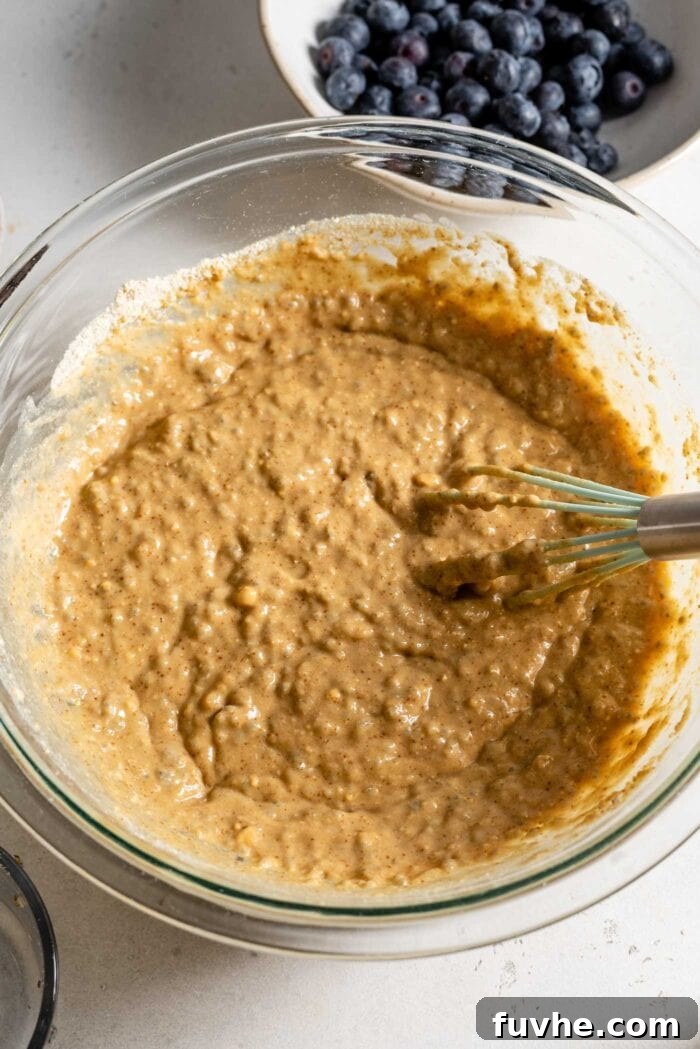
Step 3. Fold in Your Chosen Add-Ins: Now it’s time to add the blueberries and chocolate chips to the batter. Gently fold them in a few times, just enough to evenly distribute them throughout the mixture without crushing the blueberries or overworking the batter. This ensures every bite offers a burst of flavor.
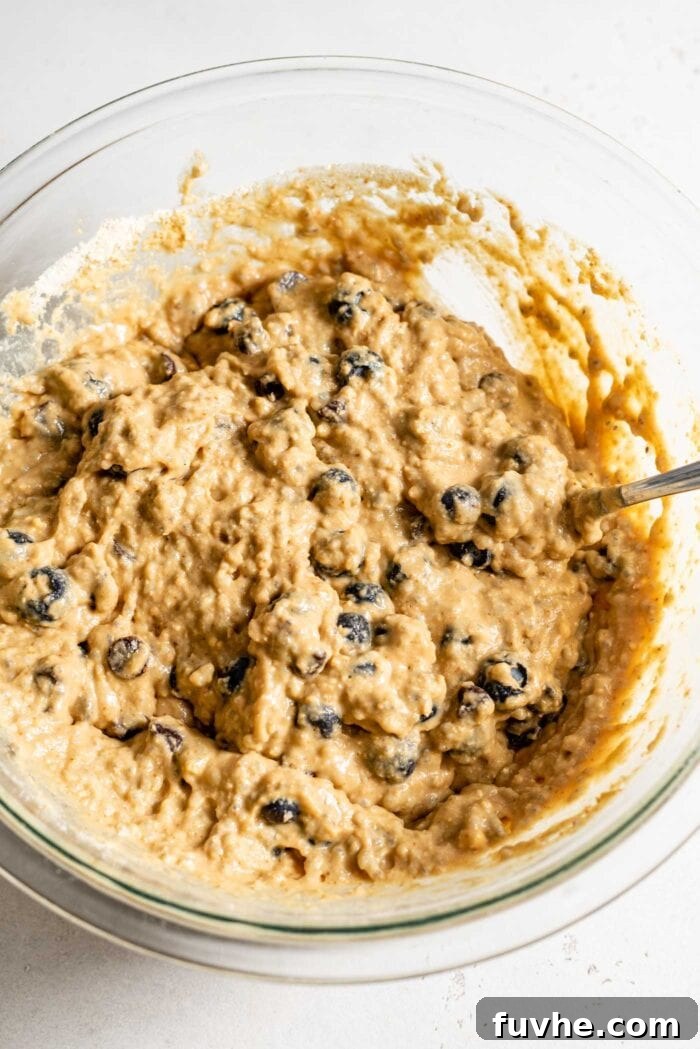
Step 4. Fill the Muffin Pan: Using a large ice cream scoop or a spoon, evenly divide the muffin batter among the 12 prepared muffin cups. For an extra touch of sweetness and a delightful crunch, consider sprinkling the tops of the muffins with a little coconut sugar or brown sugar before baking. Crushed walnuts would also make an excellent, flavorful topping.

Step 5. Bake to Golden Perfection: Place the muffin tin into the preheated oven and bake for approximately 30 minutes. The muffins are done when their tops are firm to the touch, beautifully golden brown, and a toothpick inserted into the center comes out clean. Once baked, remove the pan from the oven and let the muffins cool in the tin for about 3 minutes. This allows them to set before transferring. Carefully use a knife or a small spatula to loosen and remove each muffin, transferring them to a wire cooling rack to cool completely. Enjoy your freshly baked muffins as they are, or elevate your treat by spreading them with a dollop of vegan butter, peanut butter, or your favorite jam for an extra layer of deliciousness!
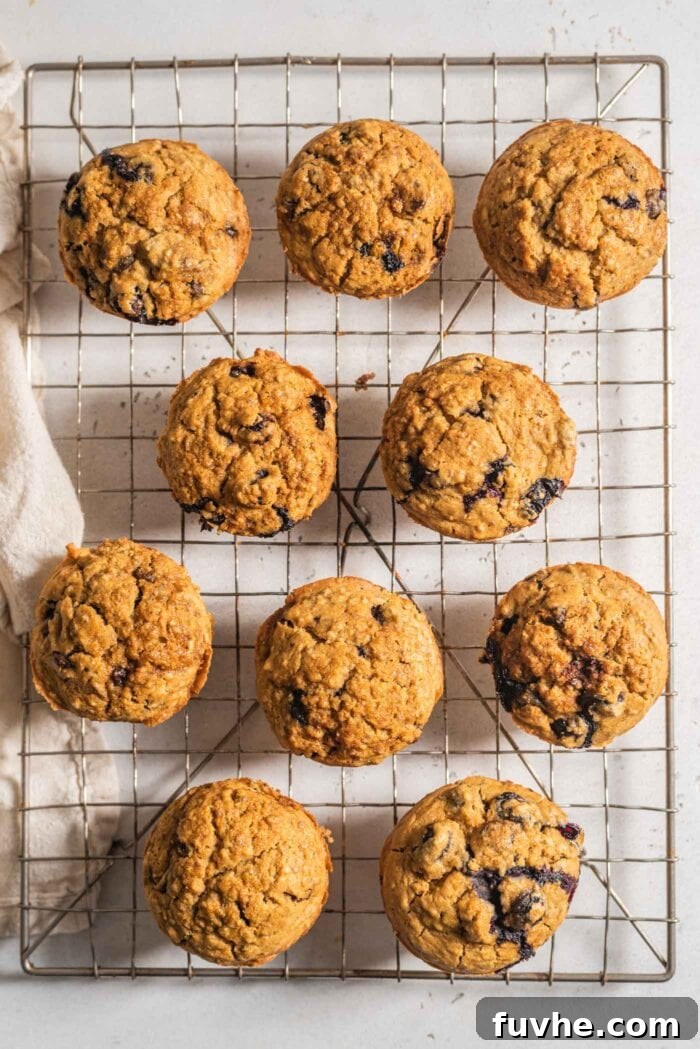
Expert Tips for Muffin Perfection
Achieving consistently perfect chickpea flour muffins is easy with a few key tips. Here’s how to ensure your muffins are always light, fluffy, and full of flavor:
- Accurate Flour Measurement: While cup measurements are provided, using a kitchen scale to measure your flours (120g for both brown rice and chickpea flour) is highly recommended. Gluten-free flours, especially chickpea flour, can be tricky; too much flour can lead to dense, dry muffins. A scale guarantees precision.
- Don’t Overmix: Once wet ingredients are added to dry, mix just until combined. A few lumps are perfectly normal. Overmixing develops gluten (even in gluten-free flours to some extent, or simply creates a tougher crumb), resulting in muffins that are dense and chewy rather than light and tender.
- Optimal Chia Egg: Ensure your chia seeds have enough time to gel completely with the water. A thick, gelatinous consistency is crucial for effective binding and moisture. If it seems too thin, let it sit for another minute or two.
- Fresh Leavening Agents: Always check the expiration dates on your baking powder. Expired leavening agents won’t activate properly, leading to flat, heavy muffins.
- Room Temperature Plant Milk: Using plant milk that’s at room temperature helps it incorporate more smoothly with the other ingredients, leading to a more uniform batter and better texture.
- Prevent Sticky Add-Ins: If using fresh or frozen fruit, gently toss them with a tablespoon of chickpea flour before adding to the batter. This helps prevent them from sinking to the bottom of the muffins during baking.
- Cool Completely: While warm muffins are tempting, allowing them to cool completely on a wire rack is important. This prevents them from becoming soggy and helps them maintain their structure and ideal texture.
- Batch Baking for Convenience: These muffins freeze beautifully. Make a double batch and freeze some for quick breakfasts or snacks throughout the week.
- Customize to Your Heart’s Content: Don’t be afraid to experiment with the add-ins and spices. Think beyond blueberries and chocolate chips – nuts, other dried fruits, citrus zest, or even a different spice blend can create exciting new flavors.
Delightful Serving Suggestions
These versatile chickpea flour muffins are delicious on their own, but they also pair wonderfully with various accompaniments to elevate your snacking or breakfast experience. Here are some ideas to enjoy your homemade muffins:
- Classic Breakfast: Serve them warm with a cup of coffee or tea for a wholesome start to your day.
- Spread with Goodness: Slather with a dollop of vegan butter, almond butter, peanut butter, or cashew butter for added richness and protein.
- Fruity Companions: Pair with fresh fruit like sliced bananas, berries, or a fruit salad for a vibrant and healthy meal.
- Sweet Spreads: Enjoy with your favorite fruit jam, marmalade, or apple butter for an extra touch of sweetness.
- Yogurt Parfait: Crumble a muffin over a bowl of dairy-free yogurt with granola and fresh fruit for a hearty and satisfying parfait.
- Quick Snack: Pack one or two in your lunchbox for an energizing midday snack. Their portability makes them perfect for busy schedules.
- Dessert Delight: Warm slightly and serve with a scoop of vegan vanilla ice cream for a surprisingly light and delightful dessert.
Frequently Asked Questions About Chickpea Flour Muffins
While often used interchangeably, chickpea flour, besan, and gram flour do have subtle differences. Chickpea flour is typically made from grinding white chickpeas (garbanzo beans). Besan or gram flour, on the other hand, is generally made from split brown chickpeas, often referred to as chana dal. They share similar culinary applications and a nutty flavor profile, but there can be slight variations in texture and absorption rates.
This specific muffin recipe was developed and tested using chickpea flour (garbanzo bean flour), which is widely available in stores. While you might be able to use besan or gram flour with minor adjustments, such as potentially reducing the liquid slightly, we recommend sticking to chickpea flour for the most consistent and reliable results. Chickpea flour tends to absorb more liquid than besan, so using besan might actually result in a slightly moister muffin. For superior results, accurately measuring your flour with a kitchen scale is always recommended to avoid overly dry or dense muffins.
Raw chickpea flour has a distinct and somewhat strong, bitter flavor that isn’t particularly pleasant. Therefore, don’t be alarmed if the raw muffin batter doesn’t taste great! However, rest assured that this strong flavor cooks out beautifully during the baking process. The final baked muffins develop a wonderful, subtly nutty, and earthy flavor that is very appealing and perfectly complements the sweetness and other ingredients.
To maintain their freshness and delightful texture, allow the muffins to cool completely on a wire rack before storing. Once fully cooled, transfer them to an airtight container. They can be stored at room temperature for 3-4 days, in the refrigerator for up to 1 week, or frozen for up to 3 months. When freezing, individually wrap each muffin or place parchment paper between them to prevent sticking. Thaw at room temperature or warm briefly in the microwave or oven for a fresh-baked feel.
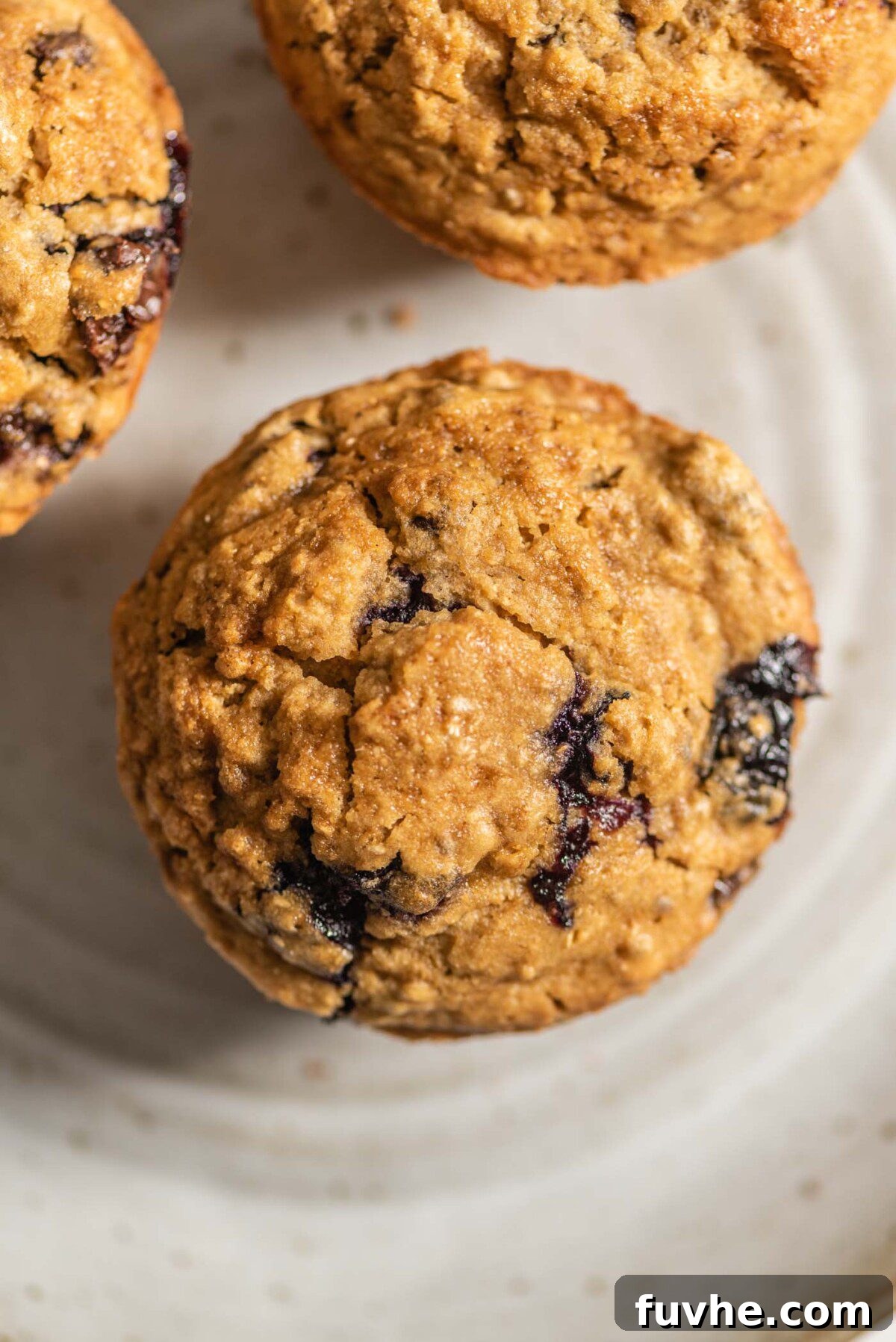
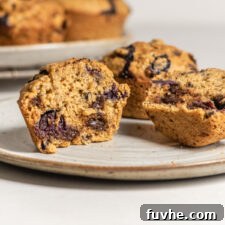
Vegan Chickpea Flour Muffins
Pin Recipe
Rate Recipe
Print Recipe
Ingredients
- 2 tbsp chia seeds, 24 g + 6 tbsp water
- 1 cup brown rice flour, 120 g
- 1 cup chickpea flour, 120 g
- 2 tsp baking powder
- 1 tsp cinnamon
- 1/2 tsp sea salt
- 1/2 cup coconut sugar, 95 g
- 1 cup almond milk, 250 mL
- 2 tsp white vinegar or apple cider vinegar
- 3 tbsp coconut oil, melted (45 g)
- 1 tsp vanilla extract, optional
- 1 cup fresh or frozen blueberries, 120 g
- 1/2 cup dairy-free chocolate chips, optional (80 g)
Instructions
-
Pre-heat oven to 350 degrees F (175 C). Lightly spray the cups of a standard size 12-cup muffin tin with cooking spray or line with paper liners.
-
In a small bowl, mix the chia seeds and water. Set aside for about 5 minutes, allowing it to thicken into a gel-like consistency, which will act as your “chia egg” binder.2 tbsp chia seeds
-
In a large mixing bowl, combine the brown rice flour, chickpea flour, baking powder, cinnamon, sea salt, and coconut sugar. Whisk thoroughly to ensure all dry ingredients are well distributed and no clumps remain.1 cup brown rice flour, 1 cup chickpea flour, 2 tsp baking powder, 1 tsp cinnamon, 1/2 tsp sea salt, 1/2 cup coconut sugar
-
Add the almond milk, vinegar, melted coconut oil, the prepared chia seed mixture, and the optional vanilla extract to the dry ingredients. Gently fold everything together using a spatula until all the dry ingredients are just moistened. Be careful not to overmix.1 cup almond milk, 2 tsp white vinegar or apple cider vinegar, 3 tbsp coconut oil, 1 tsp vanilla extract
-
Add the fresh or frozen blueberries and dairy-free chocolate chips to the batter. Gently fold them in just a few times to distribute them evenly throughout the mixture.1 cup fresh or frozen blueberries, 1/2 cup dairy-free chocolate chips
-
Use a large ice cream scoop or spoon to evenly divide the batter into the 12 prepared muffin tins. For an added touch, you can sprinkle the tops of the muffins with a little extra coconut sugar, brown sugar, or even crushed walnuts before baking. Bake for 30 minutes.
-
Once baked, remove the muffin pan from the oven and let the muffins rest in the pan for 2-3 minutes. Then, gently use a knife or small spatula to carefully pop each muffin out and transfer them to a wire cooling rack to finish cooling completely.
Notes
Storing: For optimal freshness, ensure the muffins are completely cooled before storing. Place them in an airtight container at room temperature for up to 3 days, in the fridge for up to 6 days, or in the freezer for up to 3 months.
For the best results and a consistently perfect texture, we highly recommend using a kitchen scale to accurately measure your ingredients, particularly the flours.
Nutrition
Like this recipe? Rate and comment below!
Originally published July 14, 2014.