

Easy Thai Butternut Squash Curry with Chickpeas and Spinach
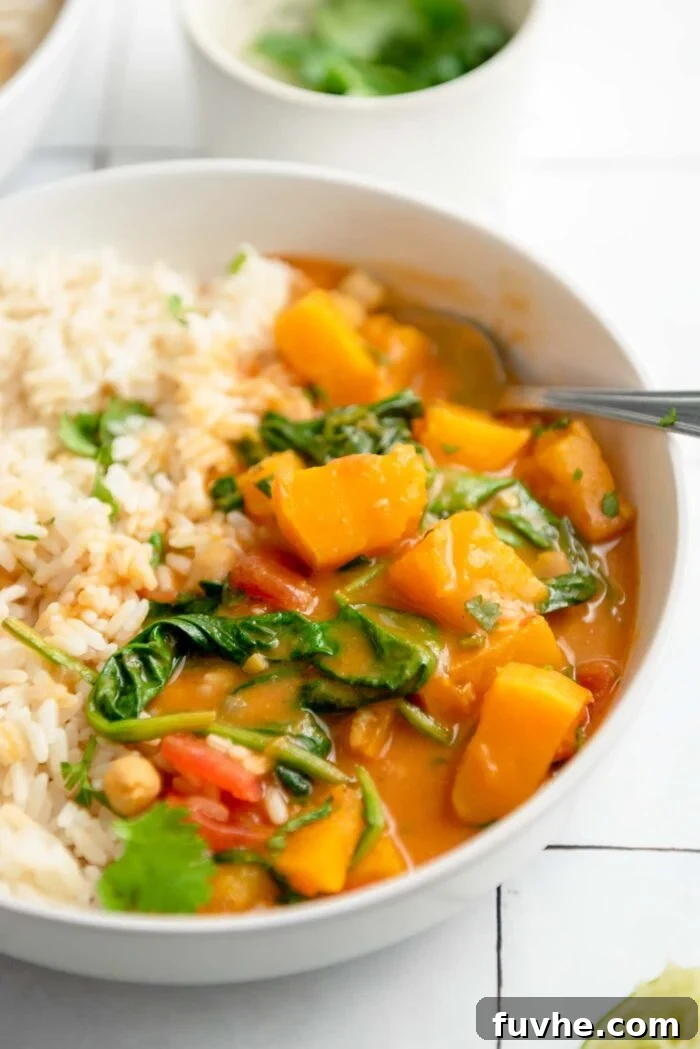
Warm up with a bowl of this incredibly flavorful and comforting Thai butternut squash curry with chickpeas and spinach. Designed for busy schedules, this vibrant vegan and gluten-free recipe comes together in under 45 minutes using simple, accessible pantry ingredients. It’s the perfect blend of creamy coconut, sweet roasted squash, earthy chickpeas, and fresh spinach, all infused with aromatic Thai spices. Whether you’re looking for a quick weeknight dinner, a satisfying meal prep option, or simply a hearty dish to brighten a chilly evening, this curry is sure to become a cherished favorite in your kitchen.

Unlocking Rich Flavors in Every Spoonful of Thai Curry
This Thai butternut squash curry recipe is a symphony of flavors and textures, meticulously balanced to create an unforgettable culinary experience. The foundation of its deep, complex taste lies in roasting the butternut squash to perfection, which caramelizes its natural sugars and amplifies its inherent sweetness. This sweetness is then beautifully contrasted with the savory notes of aromatic shallots, garlic, and fresh ginger. A blend of vibrant curry powder and authentic red curry paste introduces a warming spice and unmistakable Thai character, delivering that sought-after authentic taste.
Chickpeas add a delightful nutty texture and a significant plant-based protein boost, contributing to a hearty and satisfying meal. Fresh spinach effortlessly wilts into the creamy sauce, contributing essential nutrients and a vibrant touch of color. Finally, a finishing touch of fresh lime juice, a hint of coconut sugar, and a generous sprinkle of fresh cilantro bring all the elements into harmony, achieving a perfect balance of spicy, sweet, tangy, and umami. It’s a dish that truly excites the palate, nourishes the body, and offers comforting warmth.
For those who appreciate the diverse world of curries and desire more plant-based inspiration, you’ll find joy in exploring similar dishes on our site. Expand your repertoire with our Vegan Thai Red Curry Vegetables with Tofu, the hearty Coconut Sweet Potato Red Lentil Curry, our versatile Easy Vegetable Curry with Tofu, the comforting Sweet Potato Chickpea Curry, and the robust Red Lentil Cauliflower Curry. Each offers a unique journey through aromatic spices and wholesome ingredients, proving that healthy eating can be incredibly flavorful.
Recipe Highlights: Why This Vegan Butternut Squash Curry is a Must-Try
This Thai-inspired butternut squash curry isn’t just delicious; it’s also incredibly convenient and packed with goodness. Here’s a closer look at what makes this recipe a must-try for anyone seeking a wholesome, flavorful meal:
- Naturally Vegan and Gluten-Free: Crafted entirely with wholesome plant-based ingredients, this curry is inclusive for various dietary needs and preferences, without compromising on rich flavor or creamy texture. It’s a naturally wholesome meal that almost everyone can enjoy, making it perfect for entertaining or family dinners.
- Effortlessly Simple Ingredients: You won’t need to hunt for exotic items. This recipe relies on readily available, affordable ingredients found in most standard grocery stores, making your cooking experience stress-free and enjoyable. It proves that gourmet flavors can be achieved with everyday staples.
- Quick & Efficient: Ready in 45 Minutes: From the initial prep to the final serving, this delectable dish can be on your table in under an hour. This makes it an ideal choice for busy weeknights when you crave a homemade, nutritious, and satisfying meal without the long cooking times often associated with flavorful curries.
- Versatile Serving Options for a Complete Meal: While delicious on its own, this creamy curry truly shines when served over fluffy rice – whether it’s fragrant jasmine, aromatic basmati, or nutritious brown rice. The rice soaks up the rich sauce, creating a complete and deeply satisfying meal that will keep you full and content. It’s also fantastic with warm naan, roti, or pita for dipping.
- Freezer-Friendly for Future Meals: Planning ahead and reducing food waste is easy with this recipe! This butternut squash curry freezes beautifully, allowing you to prepare larger batches and store individual portions for quick, homemade dinners whenever you need them. It’s perfect for those unexpected busy days or for enjoying healthy meals on demand.
- Excellent for Meal Prepping: Its impressive make-ahead potential makes it a fantastic candidate for weekly meal prepping. Cook a batch at the beginning of the week, and enjoy wholesome, flavorful lunches or dinners for days to come. The beauty of curry is that the flavors often meld and deepen overnight, making leftovers even more delicious and a truly anticipated meal.
- Highly Customizable with Your Favorite Veggies: This recipe serves as a fantastic culinary canvas, inviting you to experiment and add other vegetables you have on hand. Feel free to incorporate florets of cauliflower, diced zucchini, sliced red bell peppers, crisp green beans, or finely chopped carrots to add more variety, texture, and a boosted nutritional profile. Green peas are also a wonderful last-minute addition.
- Boost Your Protein Content: Easily enhance the protein content of this plant-based dish. We recommend adding crispy baked tofu, marinated tempeh, or even your favorite plant-based chicken substitute. These additions make the curry even more substantial and satisfying, catering to different protein preferences.
- Even Better the Next Day: Like many great curries and stews, the flavors in this butternut squash curry meld and deepen overnight as they have more time to infuse. This means that leftovers are often even more delicious than the freshly made dish, making it a joy to anticipate your next meal.
Key Ingredients for a Perfectly Balanced Thai Curry
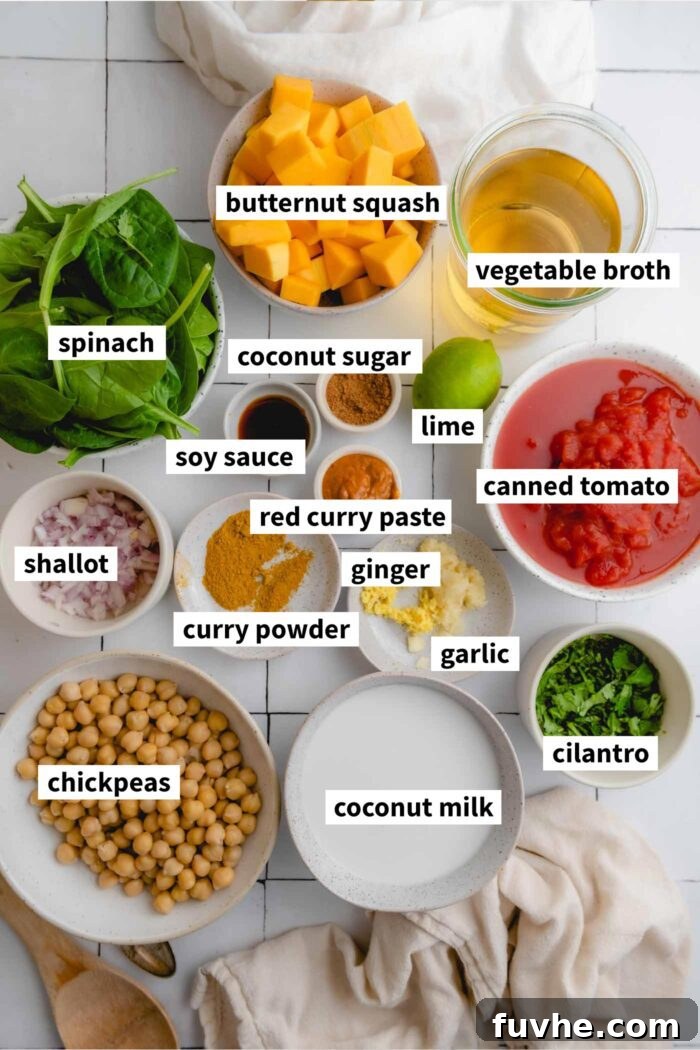
Crafting an exceptional curry starts with understanding the role of each ingredient. Here’s a detailed look at the core components of this recipe and how they contribute to its incredible flavor profile, along with smart substitution ideas:
- Butternut Squash: The radiant star of our curry! You’ll need one medium-sized butternut squash, which typically yields approximately 4-5 cups once diced into uniform ¾-inch pieces. Roasting the squash before adding it to the curry is a highly recommended step as it caramelizes the natural sugars, intensifying its sweet, nutty flavor and adding a delightful depth that raw squash simply can’t achieve. If butternut squash isn’t available, sweet potatoes or other robust types of winter squash like kabocha or acorn squash make excellent, flavorful substitutes. Don’t worry too much about exact measurements; a slightly larger or smaller squash will still result in a delicious dish.
- Coconut Oil: This tropical oil is ideal for sautéing the aromatics and toasting the spices, as it imparts a subtle, complementary aroma that perfectly aligns with the Thai flavors of the dish. Its relatively high smoke point also makes it suitable for this type of cooking. If you prefer or have on hand, avocado oil or olive oil can be used as alternatives, though they may subtly alter the final flavor profile.
- Shallot: Shallots provide a delicate, sweet, and mild onion flavor that forms the foundational aromatic base of the curry. Their nuanced taste is more refined than larger onions, making them perfect for a balanced curry. If shallots are hard to find, red, yellow, or white onions can be used as a substitute. Aim for about half a cup of finely diced onion to achieve a similar aromatic foundation.
- Curry Powder: Opt for a good quality mild yellow curry powder for this recipe. This essential spice blend typically includes turmeric (for color and earthy notes), cumin, coriander, fenugreek, and other spices. It provides a warm, earthy, and slightly pungent flavor that is central to many curry dishes. Always ensure your curry powder is fresh, as older spices lose their potency and vibrancy.
- Red Curry Paste: This is where much of the authentic Thai flavor and a gentle heat come from. A high-quality red Thai curry paste typically contains a complex blend of red chilies, garlic, galangal, lemongrass, kaffir lime peel, and various spices. It contributes heat, zest, and a profound herbal depth that is characteristic of Thai cuisine. Red curry paste is widely available in most well-stocked grocery stores or Asian specialty markets. If red isn’t your preference or you want a milder alternative, yellow curry paste can be substituted for a slightly sweeter and less spicy profile. Always check the ingredients list if you require a strict vegan brand, as some pastes may contain shrimp paste.
- Crushed Tomatoes: Canned crushed tomatoes provide a rich, slightly tangy base and help to naturally thicken the curry, contributing to its satisfying consistency. They also add a touch of acidity that brightens the overall flavor and balances the richness of the coconut milk. Diced tomatoes can also be used; they will result in a slightly chunkier texture, which some people enjoy.
- Coconut Milk: Essential for the creamy texture and rich, slightly sweet, and aromatic flavor of this Thai curry. Full-fat canned coconut milk is highly recommended for the creamiest, most luxurious result. It contributes significantly to the body and mouthfeel of the curry. Light coconut milk can be used for a lighter version, but be aware it will yield a thinner curry. For a non-coconut alternative, cashew cream (made by blending soaked raw cashews with water until smooth) can create a similar richness, as demonstrated in our vegan butter chicken recipe.
- Vegetable Stock: Vegetable broth or stock is crucial for adding significant depth of flavor to the curry, creating a more robust and savory base than water alone. Using a good quality stock enriches the entire dish. If you don’t have any stock on hand, water can be used, but you might want to adjust seasonings more aggressively (like a pinch more salt or soy sauce) to compensate for the reduced inherent flavor.
- Soy Sauce or Tamari: These ingredients are indispensable for adding a savory umami dimension to the curry, deeply enhancing its overall richness and complexity. We prefer reduced-sodium soy sauce for better control over the saltiness in the dish. For a gluten-free option, tamari is an excellent substitute, providing the same deep umami without any gluten content.
- Coconut Sugar: A carefully measured touch of coconut sugar is used to balance the spicy and tangy notes from the curry paste and lime juice. It skillfully brings out the inherent sweetness of the roasted squash and harmonizes all the intricate flavors, creating a well-rounded taste. Brown sugar, white sugar, or pure maple syrup can be used as alternatives, depending on your preference and what you have in your pantry.
- Chickpeas: Canned chickpeas (thoroughly rinsed and drained) are a fantastic source of plant-based protein and dietary fiber, adding a hearty, satisfying texture and bulk to the curry. They readily absorb the vibrant flavors of the sauce, becoming incredibly delicious. You can also use home-cooked chickpeas if preferred.
- Spinach: Fresh baby spinach is the ideal green to use here due to its delicate texture and incredibly quick wilting time. It adds a fresh, slightly earthy note, a beautiful color, and a powerful nutritional boost to the finished dish. Baby kale can also be used for a slightly heartier green, but it may require a little more cooking time to soften to the desired tenderness.
- Lime: Freshly squeezed lime juice is added at the very end of the cooking process to provide a bright, zesty finish. This crucial acidic element cuts through the richness of the coconut milk, lifts all the flavors, and brings them vibrantly to life. Lemon juice can be used as a substitute if fresh lime is unavailable, though lime offers a distinct aromatic quality that is quintessential to authentic Thai cuisine.
A complete ingredient list with precise measurements can be found in the detailed recipe instructions below, ensuring you have everything you need for a perfect batch of this delightful butternut squash curry.
Customize Your Curry: Creative Variations & Smart Additions
This butternut squash curry recipe is incredibly versatile, inviting you to experiment and tailor it to your specific taste preferences, dietary needs, or available ingredients. Don’t hesitate to make it your own with these fantastic ideas to elevate your curry experience:
- Protein Power-Ups for Extra Heartiness: To make this dish even more filling and protein-rich, consider incorporating your favorite plant-based proteins. Our crispy baked garlic black pepper tofu or marinated tempeh are excellent choices, providing a delightful textural contrast and absorbing the curry flavors beautifully. You can also pan-fry plain tofu until golden and slightly crisp, following the method from our curried tofu recipe, before stirring it into the finished curry. While raw tofu can be added directly, we find that baking or pan-frying it first significantly enhances its flavor and texture.
- Load Up on More Vegetables: This curry welcomes a variety of extra vegetables, making it easy to boost your nutrient intake. You can comfortably add up to 2 cups of additional chopped vegetables along with the garlic and ginger during the sautéing stage. We recommend keeping it simple with 1-2 extra choices to avoid overcrowding the pot. Great options include florets of cauliflower, diced zucchini, sliced red bell pepper, crisp green beans, or finely chopped carrots. For a burst of green sweetness, green peas are another wonderful addition; simply stir them in when you add the spinach.
- Explore Different Legumes: If chickpeas aren’t your preference, or you’re simply looking to vary the texture and nutritional profile, many other legumes work beautifully in this curry. Cooked green or red lentils can add a softer, earthier note, while canned black beans or kidney beans offer a heartier chew and different nutritional benefits. Just ensure any canned legumes are thoroughly rinsed and drained before adding them to the pot.
- Creamy Peanut Curry Twist: For a delightful nutty richness and a slight change in flavor profile, transform this into a peanut curry! Simply stir in 1-2 tablespoons of creamy peanut butter (or almond butter for a variation) when you add the coconut sugar and soy sauce. This adds a wonderful depth, a touch of extra creaminess, and a subtle sweetness that pairs perfectly with the existing Thai flavors.
- Low-Sodium Friendly Options: Managing sodium intake is easy with a few mindful adjustments. Opt for reduced-sodium soy sauce or tamari, and choose low-sodium vegetable broth. For an even lower-sodium option, you can substitute water for the broth entirely, then adjust other seasonings to taste to ensure the curry remains flavorful.
- Turn Up the Heat for Spicy Curry Lovers: If you love a fiery kick, there are several effective ways to increase the spice level. For a fresh and intense heat, finely slice 1-2 Thai red chilies and add them to the pot with the garlic and ginger – handle them with care, as they are quite potent! Alternatively, stir in 1-2 teaspoons of sambal oelek (an Indonesian chili paste) or up to 1 teaspoon of red pepper flakes during the simmering stage to build your desired level of heat.
- Elevate Your Serving Experience: The presentation and choice of garnishes can truly enhance the curry experience. Beyond serving over rice, consider pairing it with warm naan bread, soft roti, or tender pita bread for scooping up the rich sauce. Top your bowls with a sprinkle of fresh cilantro, crunchy chopped cashews or peanuts, toasted pumpkin seeds for added texture, a dash of chili flakes for visual appeal and heat, aromatic Thai basil leaves for an authentic herbal note, or a vibrant drizzle of sriracha for an extra layer of flavor and spice.
Crafting Your Curry: Step-by-Step Instructions for Success
Follow these easy, detailed steps to create a rich and satisfying butternut squash curry from scratch. The process is straightforward, ensuring a delicious and consistently perfect meal every time, even for beginner cooks.
Step 1: Prepare and Roast the Butternut Squash
Roasting the butternut squash is a crucial first step that truly amplifies the flavor of your curry. This process caramelizes the natural sugars inherent in the squash, resulting in a deeper, sweeter, and more complex taste profile. It’s an extra step that pays off immensely in the final dish’s depth of flavor.
Begin by carefully cutting off both the stem and base ends of the butternut squash. Use a sturdy vegetable peeler or a sharp chef’s knife to thoroughly remove the thick outer skin. Once peeled, cut the squash crosswise into two distinct sections – typically an upper, narrower neck section and a lower, bulbous section. Then, slice each of these sections in half lengthwise. Use a sturdy spoon to scoop out and discard all the seeds and fibrous pulp from the bulbous section. Finally, dice the squash into uniform ¾-inch cubes. Uniformity in size is key here, as it ensures that all pieces cook evenly and reach the perfect tender-crisp texture at the same time.

Transfer the uniformly diced squash to a large baking sheet, ensuring they are spread in a single layer for optimal roasting. Drizzle the squash with 1 teaspoon of your preferred oil (coconut, avocado, or olive oil all work well here), then season with 1 teaspoon of the mild yellow curry powder along with a generous pinch of salt and freshly ground black pepper. Toss gently but thoroughly to ensure all the squash pieces are evenly coated with the oil and spices. Roast the seasoned squash on the middle rack of your preheated oven at 400°F (200°C) for 24-28 minutes. Remember to give the squash a good stir halfway through the roasting time to promote even browning and achieve that desirable caramelization on all sides.
Step 2: Build the Aromatic Foundation
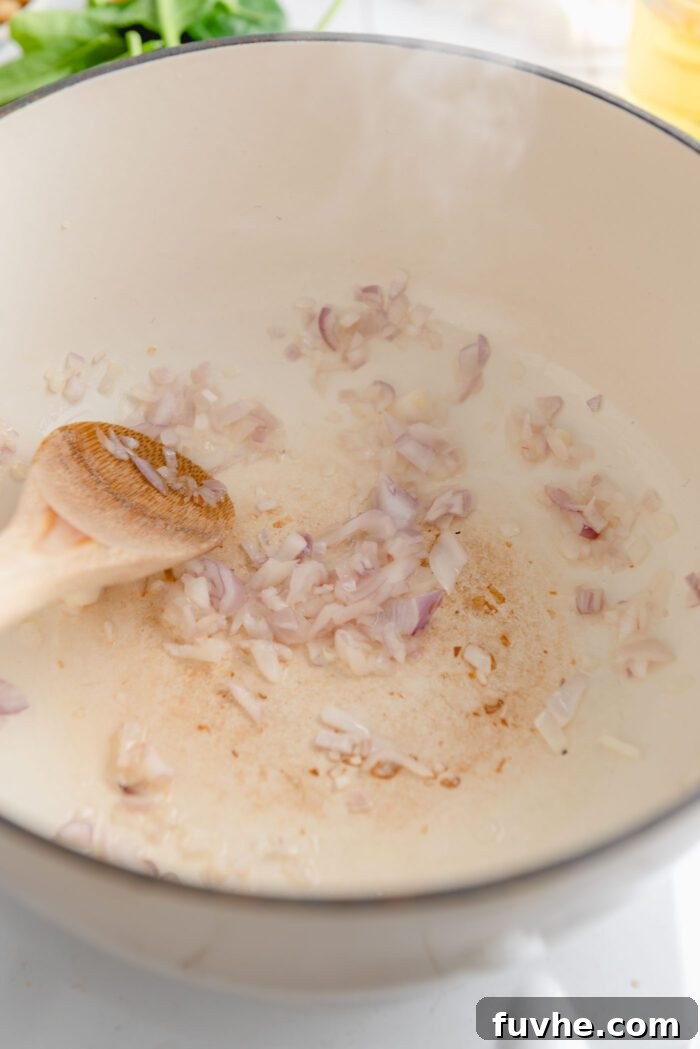
While your butternut squash is actively roasting in the oven, begin preparing the fragrant, flavor-packed base of your curry. Heat 1 tablespoon of coconut oil in a large, heavy-bottomed pot or Dutch oven over medium heat. Coconut oil is excellent for this, but other cooking oils will also work. Once the oil is shimmering and hot, add the finely diced shallots to the pot. Sauté the shallots for 3-5 minutes, stirring frequently to prevent burning, until they become beautifully tender, translucent, and incredibly fragrant. This initial sautéing step is essential for laying down a sweet and savory foundational layer of flavor for the entire curry.

Step 3: Toast the Spices and Potent Aromatics
Once the shallots are tender and fragrant, add the minced garlic, grated fresh ginger, the remaining 1 teaspoon of mild yellow curry powder, and the vibrant red curry paste to the pot. Continue to cook this fragrant mixture for another 1-2 minutes, stirring constantly and diligently. This brief but crucial cooking time allows the spices to toast gently, unlocking their full aromatic potential and deepening their complex flavors. It also allows the garlic and ginger to become intensely fragrant without burning, creating a highly aromatic and intensely flavorful paste that will form the rich heart of your curry sauce.
Step 4: Simmer and Thicken the Rich Curry Base
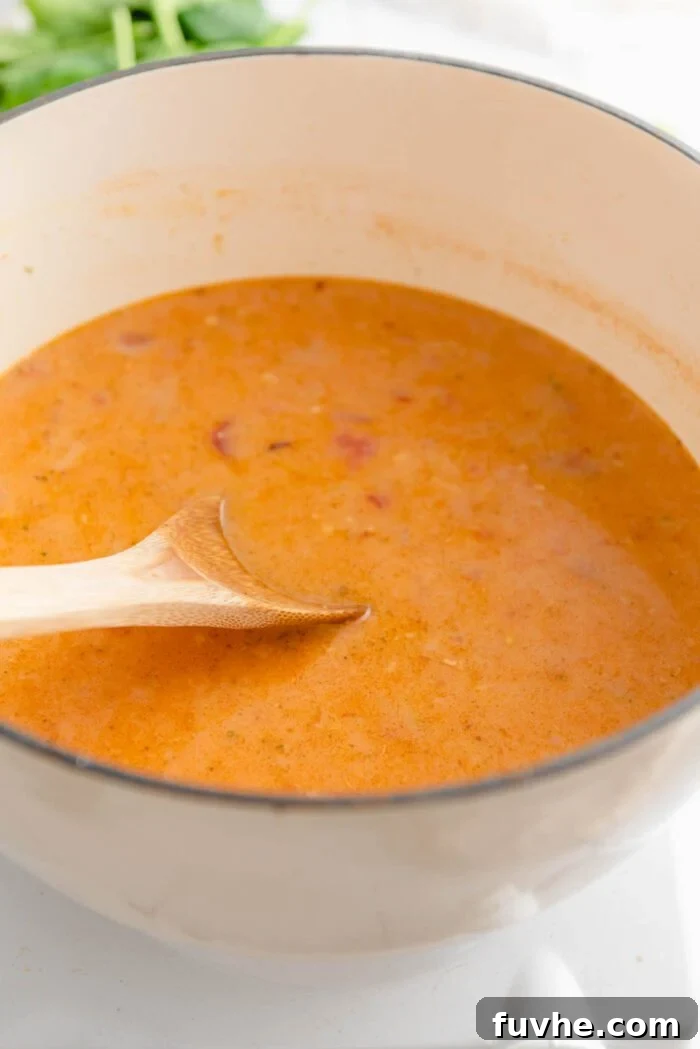
Now, pour in the canned crushed tomatoes, the entire can of creamy full-fat coconut milk, and the rinsed and drained chickpeas. Add 1 cup of vegetable broth or water to the pot. Season generously with salt and freshly ground black pepper to taste. Bring the entire mixture to a gentle simmer over medium-high heat, making sure to scrape the bottom of the pot with your spoon to loosen and incorporate all the delicious browned bits, which add extra flavor. Once simmering, reduce the heat to medium-low, cover the pot partially to allow some steam to escape, and let it cook for about 12-15 minutes. This simmering period is essential, as it allows all the beautiful flavors to meld together harmoniously and the curry to thicken to a rich, luscious, and wonderfully satisfying consistency.
Step 5: Finishing Touches and Flavor Balancing Act
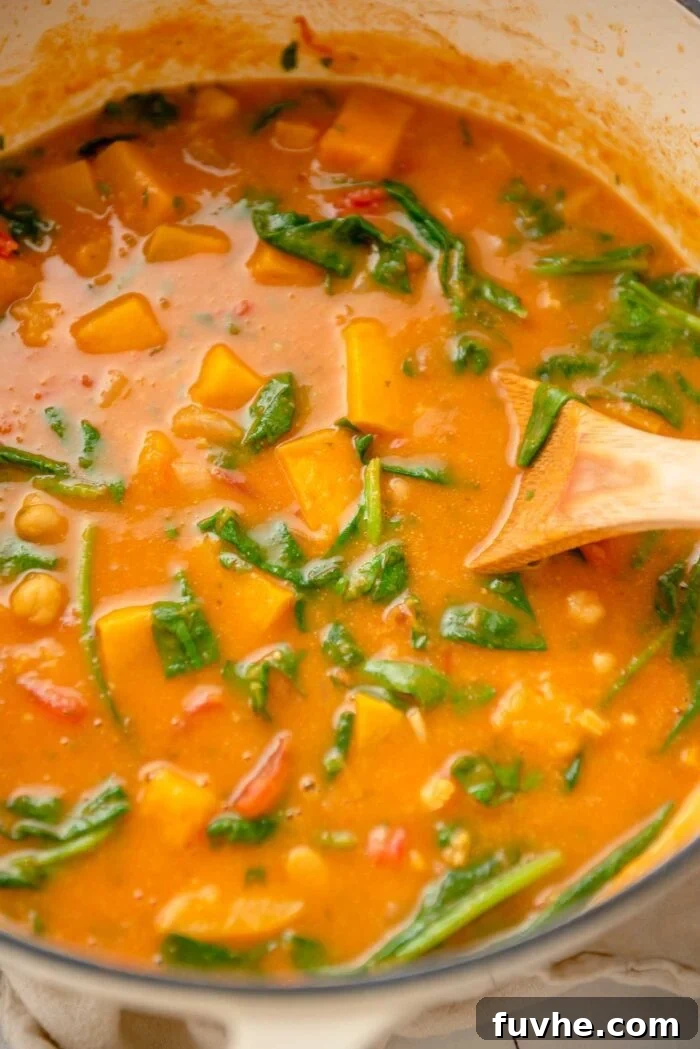
To complete your vibrant and flavorful curry, remove the lid from the pot. Stir in the fresh baby spinach, soy sauce (or tamari for a gluten-free option), and coconut sugar. Stir gently but continuously until the spinach has fully wilted into the warm sauce, which typically takes just a couple of minutes due to its tender nature. The soy sauce adds a crucial umami depth, and the coconut sugar expertly balances the flavors, harmonizing the spicy and tangy notes. Finally, carefully fold in the tender, perfectly roasted butternut squash, the freshly squeezed lime juice, and a generous amount of chopped fresh cilantro. Taste the curry and adjust seasonings as needed, adding more salt, pepper, lime juice, or sugar to achieve your desired perfect sweet, tangy, and savory balance. If the curry is too thick for your preference, a splash more broth or water can be added to reach the ideal consistency.
Chef’s Tip for Extra Creaminess: For an exceptionally creamy and velvety curry texture, consider a quick and easy blending step. Before adding the spinach and the majority of the roasted squash, scoop out about 2 cups of the curry liquid and combine it with approximately 1 cup of the roasted butternut squash in a blender. Blend until perfectly smooth and silken, then return this creamy mixture to the pot and stir to combine thoroughly. This method adds a wonderful richness without making the curry too heavy. Alternatively, you can use an immersion blender directly in the pot, carefully pulsing a few times after adding all the squash but before incorporating the spinach, to create a slightly thicker, smoother texture without the need to transfer ingredients to a separate blender.

Serving Your Delicious Thai Butternut Squash Curry
Once your Thai butternut squash curry is perfectly balanced, wonderfully aromatic, and warmed through, it’s time to serve this exquisite dish! Ladle generous portions into individual bowls, ideally over a comforting bed of your favorite cooked rice. Fragrant jasmine rice, aromatic basmati rice, or even nutritious brown rice all make excellent accompaniments, expertly soaking up the rich, aromatic sauce and creating a harmonious bite. For an extra flourish and a burst of vibrant freshness, garnish each serving with additional chopped fresh cilantro, a bright squeeze of fresh lime juice, and a sprinkle of crunchy chopped peanuts or cashews, if desired. These toppings add both visual appeal and a delightful textural contrast. Don’t forget to offer a side of warm naan bread, soft roti, or tender pita bread for dipping directly into the luscious sauce – it’s an irresistible way to ensure you enjoy every last drop of this delightful meal! This curry is a complete meal on its own, but if you’re hosting a Thai-themed dinner or simply want to expand your culinary adventure, it pairs wonderfully with our savory Thai Basil Eggplant and our delightful Vegan Tofu Pad Thai for an unforgettable and diverse plant-based feast.
Butternut Squash Curry: Your Questions Answered
Here are answers to some of the most common questions about making, enjoying, and storing this delicious butternut squash curry, providing you with all the information you need for a perfect culinary experience:
While roasting the butternut squash is highly recommended for its intense caramelized flavor and improved texture, it is not strictly mandatory for the recipe’s success. Roasting brings out the squash’s natural sweetness and adds a deeper complexity that enriches the curry. However, if you are particularly short on time or prefer a true one-pot meal, you can certainly skip the roasting step. In this case, simply add the diced raw squash to the pot when you add the chickpeas and liquids. Allow the curry to simmer until the squash is perfectly tender, which may take slightly longer (an additional 10-15 minutes) than if it were pre-roasted. The flavor will be milder, but still incredibly delicious and comforting.
Yes, it is generally advised to peel butternut squash before incorporating it into recipes like this curry. The skin of butternut squash is notably thick, tough, and fibrous. Even after extended cooking, it tends to remain unpleasantly chewy and difficult to eat, detracting from the overall texture of your dish. To efficiently peel the squash, you can use a sturdy vegetable peeler, which makes quick work of removing the outer layer. Alternatively, a sharp chef’s knife can be used to carefully slice away the skin. Once peeled, the squash can be easily diced, sliced, or prepared according to your recipe’s specific requirements.
Substituting coconut milk in a curry is possible due to dietary preferences, allergies, or simply if you don’t have it on hand. However, it’s important to note that each alternative will impart a different flavor and texture to your final dish, as coconut milk is unique in its creaminess and subtle sweetness that defines many Thai curries.
- Other Plant-Based Milks: Unsweetened almond milk or cashew milk can be used, offering a creamy texture and a mild, nutty flavor. However, they are typically thinner than full-fat coconut milk, so you might need to reduce the amount of vegetable broth or simmer the curry longer to achieve a similar consistency. Unsweetened soy milk is another good option for creaminess with a relatively neutral flavor. Oat milk provides creaminess and a natural sweetness, making it more suitable for milder or sweeter curry profiles.
- Cashew Cream: For a rich, dairy-free alternative that closely mimics coconut milk’s luxuriant creaminess, consider making cashew cream. Blend ¾ cup of raw cashews (soaked in hot water for 15-30 minutes, then drained) with 1 cup of fresh water until perfectly smooth and creamy. This can directly replace the coconut milk in the recipe.
- Vegetable Broth: If you prefer a lighter, broth-based curry that leans more towards a soup-like consistency rather than a creamy one, you can omit the coconut milk entirely and use additional vegetable broth. This will result in a less creamy, but still flavorful, curry that’s perfect if you’re aiming for a soup.
Butternut squash curry stores beautifully in the refrigerator for up to 5 days, making it an excellent option for meal prep throughout the week. To ensure proper and safe storage: First, allow the curry to cool completely to room temperature (this usually takes 1-2 hours) before storing. Transfer the cooled curry into an airtight container. Glass or high-quality plastic containers with tight-fitting lids are ideal for maintaining freshness. Avoid sealing the container while the curry is still hot, as this can create condensation, which can lead to bacterial growth and potentially affect its freshness and quality. Once properly sealed, place the container in the refrigerator.
Yes, butternut squash curry freezes exceptionally well, allowing you to prepare larger batches and enjoy it at a later date. This is perfect for meal planning and having quick, homemade meals readily available. To freeze: Ensure the curry has cooled down completely to room temperature before packaging. For maximum convenience and quicker thawing, consider portioning the curry into individual freezer-safe containers or heavy-duty freezer bags. This makes reheating single servings much easier and prevents needing to thaw the entire batch. Label and date your containers for easy identification later. Frozen butternut squash curry can be stored for up to 2-3 months without significant loss of quality or flavor. For best results, thaw overnight in the refrigerator before reheating.
Reheating your leftover butternut squash curry is simple and effective. If the curry is frozen, transfer it to the refrigerator to thaw overnight for optimal results. For reheating, the stovetop method is generally preferred: gently warm the curry in a pot or Dutch oven over medium heat, stirring occasionally, until it is thoroughly heated through. You might notice the curry has thickened during refrigeration or freezing; if so, add a splash of water or vegetable broth to achieve your desired consistency. Alternatively, individual portions can be efficiently reheated in the microwave. Place in a microwave-safe bowl, cover loosely, and heat in 1-2 minute intervals, stirring halfway through, until piping hot.
Instant Pot Butternut Squash Curry: A Time-Saving Method
For an even quicker and more hands-off approach, this butternut squash curry can be wonderfully adapted for the Instant Pot. This streamlined method allows you to completely skip the roasting step for the squash, making it a true one-pot wonder that delivers incredible flavor with minimal effort.
- Sauté Aromatics: Set your Instant Pot to “Sauté” mode on normal heat. Add 1 tablespoon of coconut oil to the inner pot, then sauté the finely diced shallot, minced garlic, and grated fresh ginger for a few minutes, stirring occasionally, until they become fragrant and tender.
- Toast Spices: Stir in the curry powder and red curry paste. Continue to sauté for another 1-2 minutes, stirring constantly, to gently toast the spices and release their full, rich aroma. This step is crucial for building depth of flavor.
- Add Main Ingredients: Carefully add the cubed raw butternut squash, canned crushed tomatoes, creamy coconut milk, and 1 cup of vegetable broth or water to the inner pot. Stir everything well to combine, making sure to scrape the bottom of the pot to prevent any ingredients from sticking and to incorporate all the flavorful bits.
- Pressure Cook: Secure the Instant Pot lid and ensure the steam release vent is turned to the “Sealing” position. Select the “Pressure Cook” or “Manual” setting and set the cooking time to 6 minutes on high pressure.
- Release Pressure: Once the cooking cycle is complete and the Instant Pot beeps, allow the pressure to release naturally for a few minutes (typically 5-10 minutes). This helps the squash finish cooking and the flavors to settle. After the natural release, carefully turn the steam release vent to the “Venting” position to quick release any remaining pressure. Once the float valve drops, you can safely open the lid.
- Finish and Season: Stir in the rinsed and drained chickpeas, fresh lime juice, coconut sugar, chopped fresh cilantro, and the fresh baby spinach. Stir gently until the spinach has fully wilted into the warm curry sauce, which happens quickly. Taste the curry and adjust seasonings as desired, adding more salt, pepper, lime, or sugar to achieve your perfect flavor balance.
This Instant Pot method is ideal for those days when you need a delicious, wholesome meal on the table with minimal effort and a simplified cleanup, providing a convenient alternative to oven roasting for a streamlined cooking process.
Pro Tips for the Perfect Butternut Squash Curry Every Time
Achieving a consistently delicious and perfectly textured curry is easy with these expert tips and considerations:
- Adjusting Curry Consistency: The amount of broth you add to your curry will significantly determine its final thickness. For a hearty, stew-like consistency that’s ideal for pairing with rice, start with 1-2 cups of vegetable broth. If you prefer a slightly thinner, more soup-like curry that can be enjoyed in a bowl on its own, you can comfortably increase the broth up to 4 cups. It’s important to remember that the curry tends to thicken considerably as it cools and especially when stored in the refrigerator. Therefore, it’s often best to aim for a slightly thinner consistency initially, as you can always add a splash of water or broth when reheating to reach your desired texture. We generally find that using 2-3 cups of broth yields a perfect balance after settling and reheating.
- Skipping the Roasting Step (If Pressed for Time): While we strongly advocate for roasting the squash as it enhances its flavor profile significantly through caramelization, we understand that time is often of the essence. If you are truly short on time or simply want to minimize dishes, you can absolutely skip this step. Instead, add the raw, uniformly diced butternut squash directly to the pot with the liquids and chickpeas. Allow the curry to simmer until the squash is perfectly tender when pierced with a fork. This will typically add about 10-15 minutes to your overall simmering time, but it saves on oven preheating and an extra baking sheet.
- Evenly Dicing Squash for Consistent Cooking: To ensure that all pieces of butternut squash cook through at the same rate and achieve a uniform tender texture, it’s incredibly important to dice them into evenly sized ¾-inch cubes. Irregularly sized pieces will inevitably result in some squash being overcooked and mushy while others remain too firm and undercooked. A little precision and care in your chopping here will go a long way in ensuring the best possible texture and enjoyment of your curry.
Butternut Squash Curry Recipe Card
A comforting and aromatic Thai-inspired butternut squash and chickpea curry, perfect for warming up during cooler months. This vibrant vegan and gluten-free dish is quick to prepare and makes a wonderful, complete meal served over fluffy rice. Enjoy a burst of sweet, savory, and spicy flavors in every spoonful!

Rating: 5 out of 5 stars from 7 votes
By: Deryn Macey
Prep Time: 10 minutes | Cook Time: 30 minutes | Total Time: 40 minutes
Servings: 6
Ingredients
For the Roasted Butternut Squash:
- 1 medium butternut squash, peeled, deseeded, and diced into ¾-inch pieces (approx. 700 g or 5 cups)
- 1 tsp oil (coconut, avocado, or olive oil)
- 1 tsp mild yellow curry powder (from the total 2 tsp listed below)
- Pinch of salt and freshly ground black pepper
For the Creamy Curry:
- 1 tbsp coconut oil
- 1 large shallot, finely diced (approx. 50g or ½ cup diced)
- 4 cloves garlic, minced or grated
- 1-inch piece fresh ginger, grated
- 1 tsp mild yellow curry powder (remaining portion)
- 2 tbsp red curry paste (approx. 30 g)
- 1 (14 oz / 398 mL) can crushed or diced tomatoes
- 1 (14 oz / 400 mL) can full-fat coconut milk
- 1-2 cups vegetable stock or water (250-500 mL, adjust to your desired thickness)
- 1 tbsp soy sauce or tamari (15 mL)
- 1 tbsp coconut sugar (15 g)
- 1 (540 mL / 19 oz) can chickpeas, thoroughly rinsed and drained (or 2 cups home-cooked chickpeas)
- 4 cups baby spinach (approx. 85 g)
- ¼ cup finely chopped fresh cilantro
- Juice from ½ a lime (about 1 tbsp)
For Serving (Optional Garnishes & Sides):
- Extra fresh cilantro, chopped
- Cooked jasmine, basmati, or brown rice
- Chopped peanuts or cashews for crunch
- Fresh lime wedges for an extra zesty kick
- Warm naan bread, roti, or pita for dipping
Instructions
- Prepare and Roast the Squash: Preheat your oven to 400°F (200°C). Prepare the butternut squash as described above: peel, deseed, and dice into uniform ¾-inch pieces.
- Roast Squash: Transfer the diced squash to a baking sheet. Drizzle with 1 teaspoon of oil, then season with 1 teaspoon of the curry powder and a pinch of salt and pepper. Toss well to coat evenly. Roast on the middle rack of the oven for 24-28 minutes, stirring halfway through, until the squash is tender and beautifully golden-brown with caramelized edges.
- Sauté Shallot: While the squash roasts, heat 1 tablespoon of coconut oil in a large pot or Dutch oven over medium heat. Add the diced shallots and cook for 3-5 minutes, stirring frequently, until they are tender, translucent, and fragrant.
- Add Ginger, Garlic & Spices: Stir in the minced garlic, grated fresh ginger, the remaining 1 teaspoon of curry powder, and the red curry paste. Cook for another 1-2 minutes, stirring constantly, to gently toast the spices and allow the aromatics to become intensely fragrant.
- Add Liquids & Chickpeas: Pour in the crushed tomatoes, rinsed chickpeas, creamy coconut milk, and 1 cup of vegetable broth (or water). Scrape the bottom of the pot to incorporate any delicious browned bits. Season with salt and pepper to taste. Bring the mixture to a gentle simmer over high heat. Once simmering, reduce the heat to medium-low, cover partially, and cook for 12-15 minutes, allowing the curry to thicken and flavors to meld beautifully.
- Optional – Blend for Extra Creaminess: For a smoother, thicker curry, scoop out about 2 cups of the curry liquid and 1 cup of the roasted butternut squash into a blender. Blend until completely smooth, then pour back into the pot and stir. Alternatively, use an immersion blender directly in the pot, pulsing a few times after adding the squash (but before adding the spinach).
- Finish Curry: Stir in the fresh baby spinach, soy sauce (or tamari for gluten-free), and coconut sugar. Cook for another 2-4 minutes, stirring occasionally, until the spinach has wilted and the flavors are fully combined. Then, gently fold in the remaining roasted butternut squash, fresh lime juice, and chopped cilantro. Adjust the consistency with additional broth if desired, and taste to fine-tune seasonings (add more salt, pepper, lime, or sugar as needed).
- Serve Curry: Ladle the hot curry into bowls. Serve generously alongside your chosen rice and garnish with extra cilantro, fresh lime wedges, and a sprinkle of chopped peanuts or cashews, if desired. Enjoy warm and savor the flavors!
Recipe Notes
- Broth Quantity for Desired Thickness: For a thicker, more stew-like curry, use 1-2 cups of broth. If you prefer a lighter, more soup-like consistency, you can increase the broth up to 4 cups. Remember that the curry will thicken significantly upon cooling, so you might need to add a splash of liquid when reheating.
- Storage: Store leftover curry in an airtight container in the refrigerator for up to 5 days. Ensure it has cooled completely before storing.
- Freezing: This curry freezes exceptionally well for up to 2-3 months in freezer-safe containers or bags. For best results, thaw overnight in the refrigerator before reheating.
- Reheating: Reheat on the stovetop over medium heat, stirring occasionally, or in the microwave until heated through. Add a little water or broth if the curry has thickened too much.
Nutrition Information (per 1/6th of recipe, approximate)
This nourishing butternut squash curry is packed with essential nutrients from its wholesome ingredients. Below is an approximate nutritional breakdown:
- Calories: 338 kcal
- Carbohydrates: 36 g
- Protein: 8 g
- Fat: 21 g
- Sodium: 624 mg
- Fiber: 7 g
- Sugar: 7 g
Please note that nutritional information is an estimate and can vary based on specific ingredient brands, exact measurements, and preparation methods.
Embrace the Flavors: Your Next Favorite Meal Awaits!
This Thai butternut squash curry with chickpeas and spinach is truly more than just a meal; it’s an inviting culinary experience that promises comfort, vibrant flavor, and wholesome nutrition. It makes an ideal addition to any meal plan, whether you’re a seasoned chef or just starting your journey in the kitchen. Its straightforward steps and wonderfully adaptable nature ensure a delicious and satisfying outcome every single time you prepare it. So, gather your ingredients, follow these simple yet effective instructions, and get ready to savor the rich, aromatic goodness of this delightful vegan curry. We’re confident that this recipe will quickly become a cherished favorite in your home, bringing warmth and flavor to your table again and again. Don’t forget to share your creations and tell us how you customized your curry – we love to see your unique twists!