
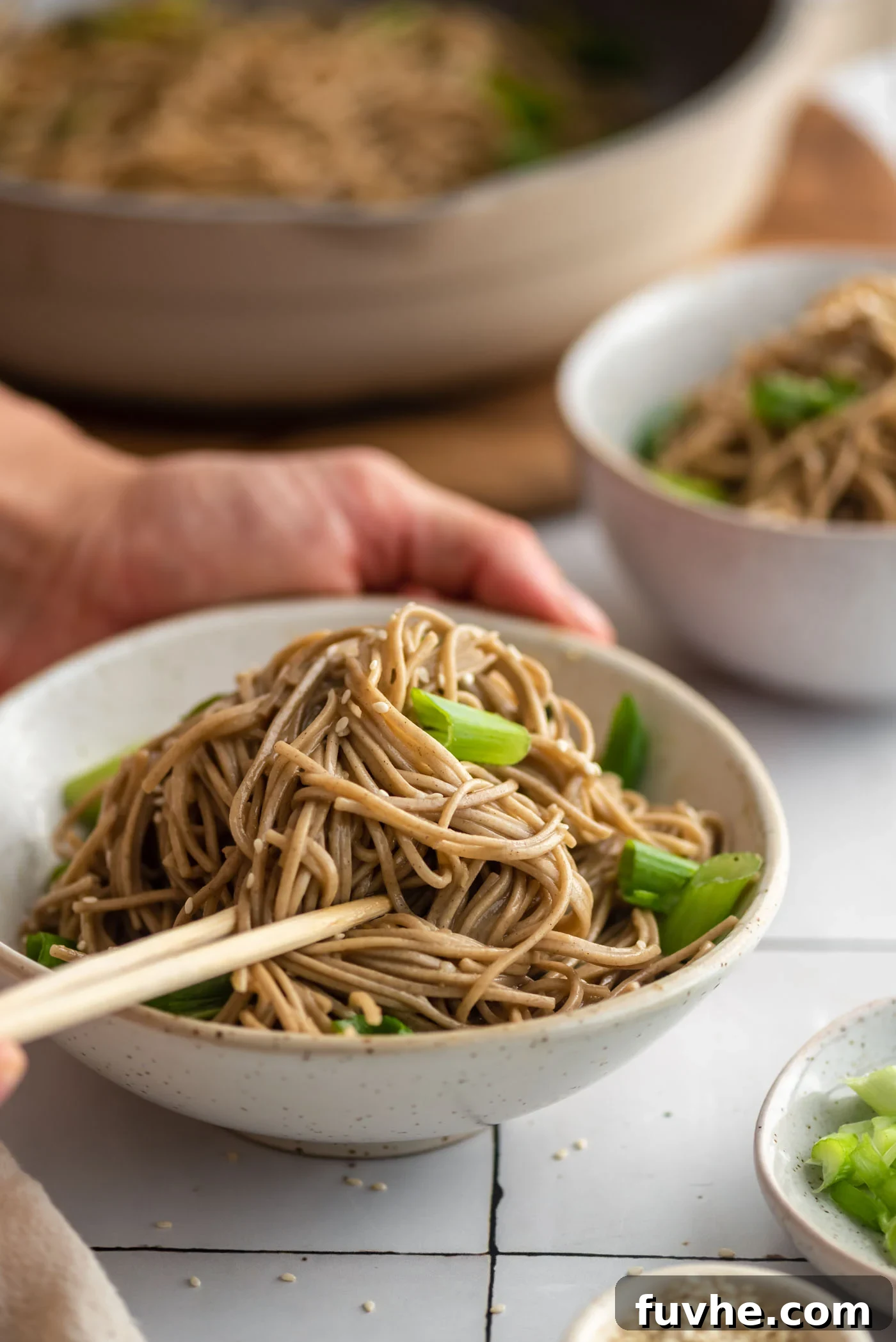
Delicious Cold Soba Noodle Salad with Sesame Dressing: Quick, Healthy & Flavorful
Craving a light yet incredibly satisfying meal that comes together in a flash? Look no further than this exquisite cold soba noodle salad, generously coated in a rich, nutty sesame dressing. This recipe is designed for both speed and flavor, promising a delightful main dish or a vibrant side, ready to be enjoyed either warm or refreshingly chilled.
The best part? You can have this mouth-watering dish on your table in under 15 minutes! It’s an effortlessly simple recipe, requiring just 8 core ingredients, making it an ideal choice for busy weeknights or impromptu gatherings. Beyond its simplicity, this noodle salad is incredibly versatile, inviting you to customize it with your favorite additions like crispy tofu, a medley of stir-fried vegetables, or fresh, crunchy greens, transforming it into a complete and hearty meal.
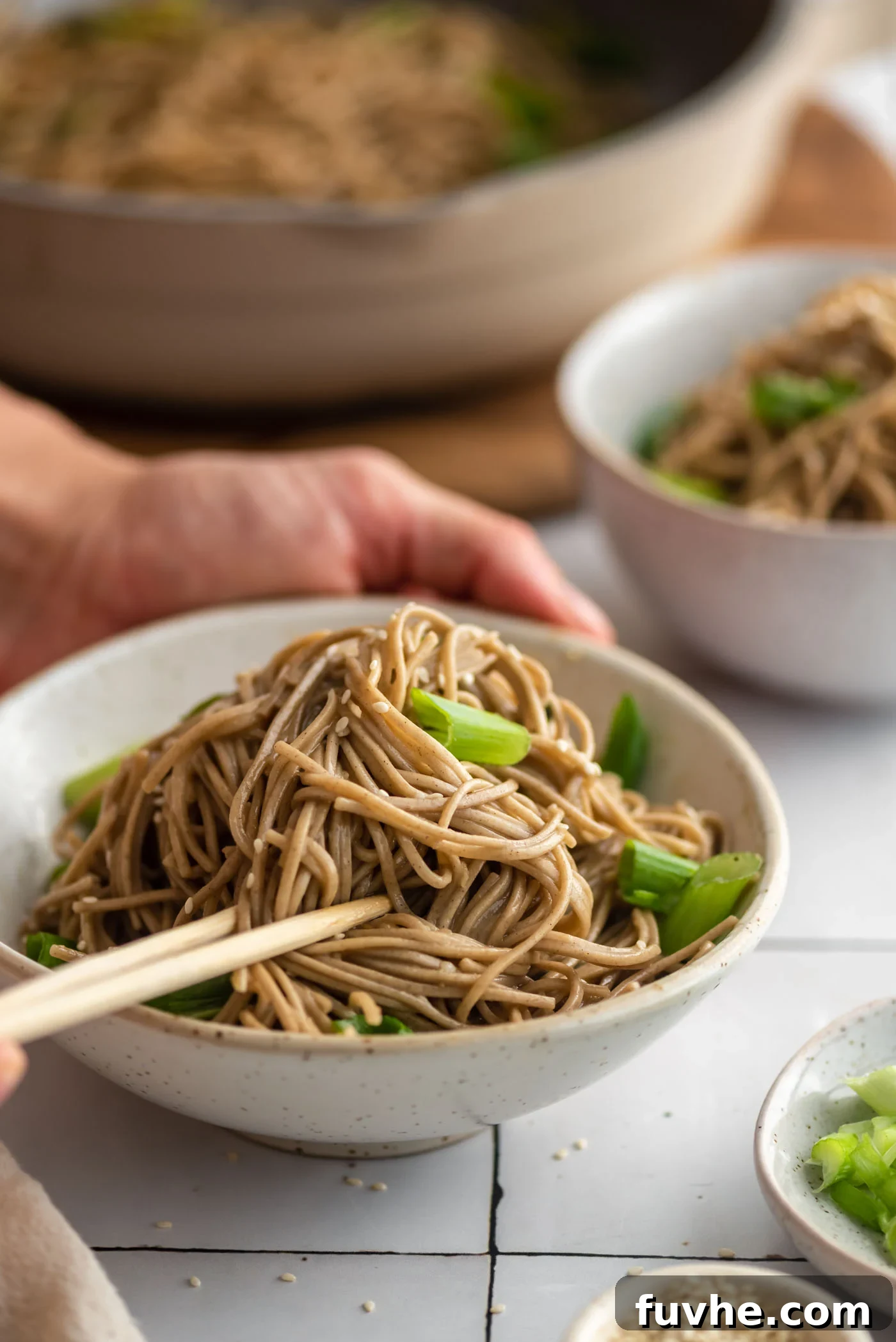
What are Soba Noodles? Your Guide to Buckwheat Goodness
Soba noodles are a traditional Japanese noodle, distinctively thin and celebrated for their unique nutty flavor and satisfyingly soft texture when cooked. Primarily made from buckwheat flour, which is naturally gluten-free, many commercially available soba varieties also incorporate a small amount of whole wheat flour to improve texture and workability. For those following a gluten-free diet, it’s crucial to look for “100% buckwheat” soba noodles to ensure they are entirely wheat-free.
Their rapid cooking time makes them a fantastic choice for quick meals, and their versatility allows them to be served in various ways – from chilled in vibrant salads to warm in comforting broths or hearty stir-fries. This particular noodle salad recipe truly showcases soba’s ability to shine as a light yet deeply flavorful dish, perfect for any time of year.
If you’re exploring the world of cold noodle salads, consider expanding your repertoire with other delightful variations. For instance, you might enjoy this Vegan Cold Buckwheat Noodles with Miso Sauce, which offers a different flavor profile with its savory miso base and fresh additions like edamame, carrots, and bean sprouts. Other fantastic choices include a zesty Vietnamese Rice Noodle Salad with Tangy Dressing or a rich and comforting Cold Asian Noodle Salad with Peanut Dressing.
Why You’ll Love This Cold Soba Noodle Salad
- Effortlessly Fast: Whip up this entire dish in under 15 minutes, making it ideal for busy schedules without compromising on taste.
- Minimal Ingredients: Requires only 8 simple, readily available ingredients, proving that extraordinary flavor doesn’t need a lengthy shopping list.
- Dietary Friendly: This recipe is naturally vegetarian and vegan. It’s also nut-free and can be easily adapted to be gluten-free by selecting 100% buckwheat soba noodles and tamari.
- Explosive Flavor Profile: Packed with bold, aromatic ingredients like rich sesame oil, pungent garlic, and savory miso, each bite is a symphony of umami and freshness.
- Temperature Versatility: Enjoy it as a comforting bowl of warm noodles or as a refreshing, chilled sesame noodle salad – perfect for any season or preference.
- Excellent for Meal Prep: Soba noodles hold up beautifully when stored, making this an excellent choice for batch cooking and enjoying throughout the week.
- Perfect for Gatherings: A fantastic option for picnics, barbecues, potlucks, and summer gatherings, it’s a crowd-pleaser that travels well.
- Gourmet Deli Taste at Home: Recreate the popular cold sesame noodle salad found in delis, but with the superior freshness and customizable touch of a homemade version.
- Highly Customizable: Easily transform it into a more substantial meal by adding plant-based proteins like pan-fried tofu, edamame, or a colorful array of stir-fried or fresh raw vegetables.
- Nutritional Powerhouse: Buckwheat soba noodles offer a good source of complex carbohydrates, fiber, and protein, contributing to a balanced and healthy diet. The dressing, while flavorful, uses healthy fats from sesame oil and natural sweeteners.
Essential Ingredients for Your Soba Noodle Masterpiece
Creating this delicious soba noodle salad starts with a selection of fresh, high-quality ingredients. Each component plays a crucial role in building the dish’s signature flavor profile.
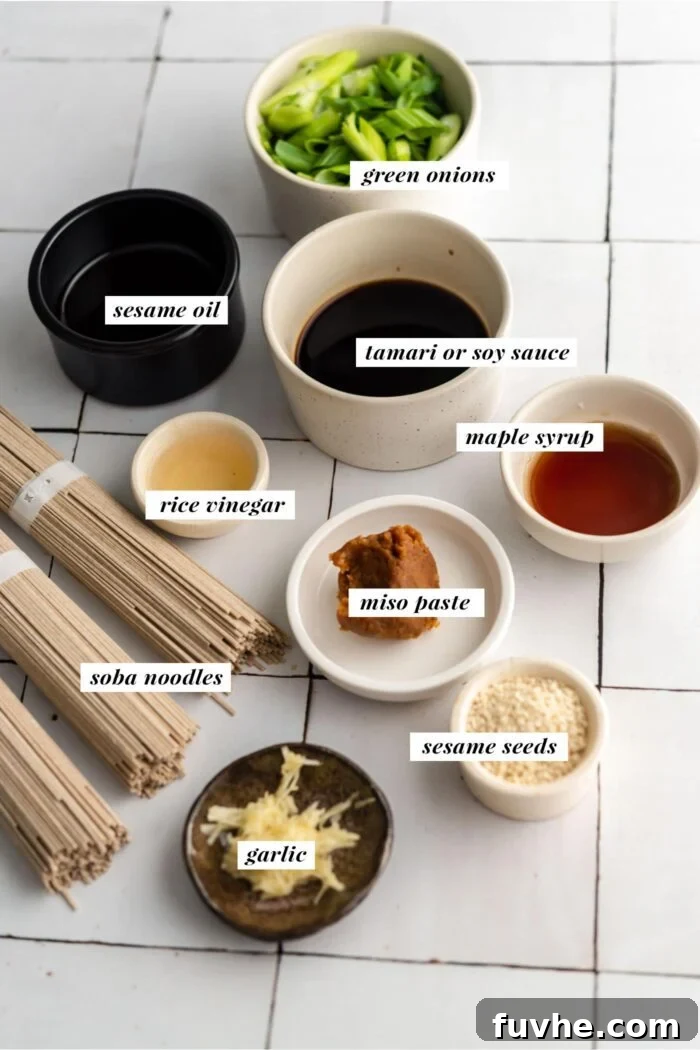
- Soba Noodles: The star of our dish! Soba (buckwheat) noodles vary significantly between brands in terms of texture and composition. While some contain only buckwheat, others blend it with whole wheat. Experiment to find your favorite. I often recommend the Hakubaku brand for its quality, but many other excellent options exist. You can find them in Asian markets, online, or in the international aisle of well-stocked grocery stores. Look for 100% buckwheat if you need a gluten-free option.
- Sesame Oil: This is the soul of our “sesame soba noodles.” Its distinctive aroma and flavor are irreplaceable. For the deepest, most authentic taste in the dressing, opt for toasted sesame oil. If you can only find regular sesame oil, it will still work, but the toasted variety offers a richer, more profound nutty essence.
- Tamari or Soy Sauce: Providing the essential savory, umami base. For a gluten-free recipe, ensure you use tamari, which is a gluten-free alternative to soy sauce. Otherwise, regular or low-sodium soy sauce is perfectly fine. For those avoiding soy, coconut aminos make an excellent soy-free substitute, offering a similar salty and slightly sweet depth.
- Maple Syrup: A touch of sweetness is crucial to balance the savory and tangy notes of the sauce. Maple syrup adds a subtle, natural sweetness without being overpowering. Agave syrup is a suitable alternative if maple syrup isn’t available.
- Miso Paste: White or yellow miso paste is ideal for this recipe, contributing a complex, umami-rich depth that elevates the dressing. These varieties are milder and slightly sweeter than darker miso. If dark miso paste is all you have, it can be used, but expect a slightly stronger, bolder flavor profile.
- Rice Vinegar: Provides the necessary tang and acidity to brighten the sauce and cut through the richness of the sesame oil. You can use either seasoned or unseasoned rice vinegar; adjust the maple syrup slightly if using seasoned vinegar as it contains sugar.
- Garlic: Fresh garlic is paramount here. Minced or grated, it infuses the dressing with a pungent, aromatic kick that is integral to the dish’s flavor. Avoid garlic powder if possible for the best results.
- Green Onions: Also known as scallions or spring onions, these add a fresh, mild onion flavor and a vibrant green garnish. You’ll typically need about one standard-sized bunch from the grocery store, divided for cooking and topping.
- Optional Toppings: Elevate your salad with a sprinkle of toasted sesame seeds for added crunch and nutty flavor, and thinly sliced nori (seaweed) for a delicate umami boost. These garnishes not only add texture but also enhance the visual appeal of the dish.
Please note: This list provides the core ingredients. For precise measurements and detailed instructions, refer to the complete recipe card found at the conclusion of this post.
Unlock Endless Possibilities: Creative Soba Noodle Variations
The beauty of this cold soba noodle salad lies in its adaptability. From a light, refreshing cold dish to a hearty stir-fry, the customization options are boundless, allowing you to tailor it to your taste and dietary needs.
- Vibrant Cold Salad with Fresh Veggies: To boost the nutritional content and add delightful crunch, incorporate a medley of fresh, thinly sliced or grated vegetables. Think vibrant grated carrots, crisp shredded cabbage, and colorful thinly sliced bell peppers. Simply mix all the prepared ingredients in a large bowl or arrange the fresh veggies artfully on top of the dressed noodles.
- Hearty Soba Noodle Stir Fry: Transform this salad into a warm, satisfying stir-fry. Begin by stir-frying your preferred vegetables (broccoli florets, snap peas, mushrooms, and bok choy work wonderfully) in a large skillet or wok until tender-crisp. Once the veggies are ready, add the cooked soba noodles and the prepared sesame dressing to the pan, tossing everything together to heat through and coat evenly. This approach is similar to how you might prepare a teriyaki chickpea recipe, but with soba.
- Fiery Spicy Soba Noodles: For those who love a kick, introduce some heat into your dressing. Add 1 teaspoon of red chili flakes, a spoonful of chili garlic paste, a dash of chili paste, or a generous squirt of sriracha to the sauce mixture. Taste and adjust to achieve your desired level of spice.
- Luxuriously Creamy Sesame Noodles: For an incredibly rich and indulgent twist, whisk in 1-2 tablespoons of creamy tahini or peanut butter into your sesame dressing. This will create a luscious, thicker sauce that clings beautifully to the noodles, adding a wonderful depth of flavor and texture.
- Boost Your Protein: Make this dish a complete meal by incorporating a protein source. Stir in cooked edamame, pan-fried or baked tofu (like this baked peanut tofu or pan-fried sweet and sour tofu), tempeh, or even grilled chicken or shrimp if you’re not following a vegan diet.
- Explore Alternative Sauces: While our sesame dressing is divine, feel free to experiment with other flavorful sauces. Cooked soba noodles pair exceptionally well with a spicy miso sauce, a classic creamy peanut sauce, or a savory teriyaki sauce for a completely different taste experience.
Crafting Your Soba Noodle Salad: A Simple Guide
Follow these easy steps to prepare your delicious cold soba noodle salad. Precision and timing are key to achieving perfect noodles and a perfectly balanced sauce.
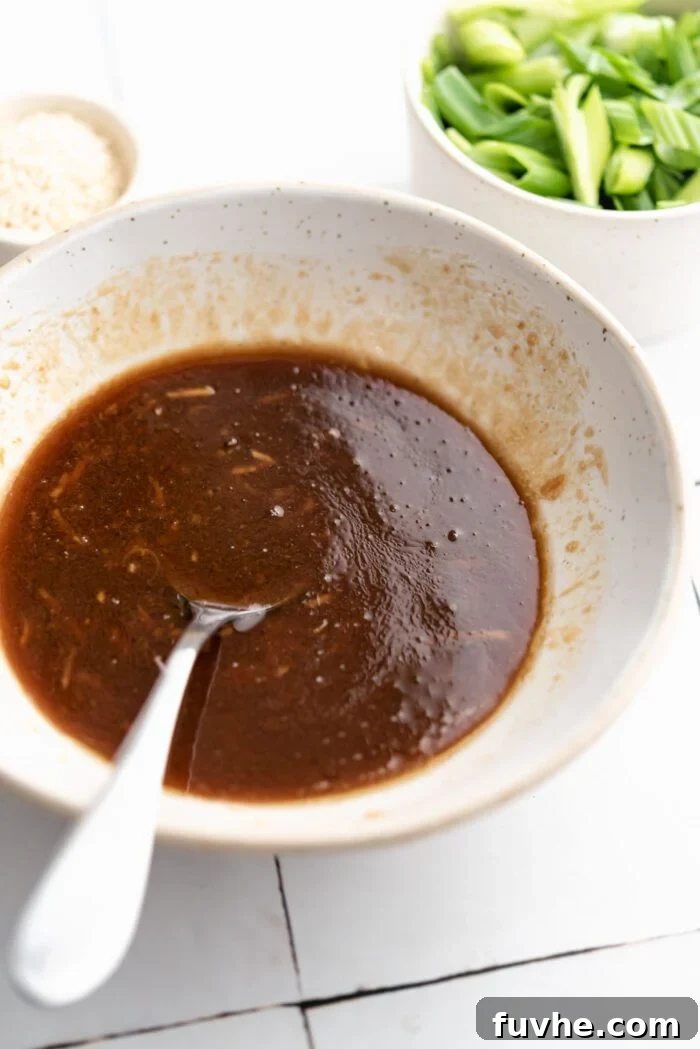
Step 1: Prepare Your Flavorful Sesame Dressing
Begin by bringing a large pot of water to a rolling boil on your stovetop for the soba noodles. While the water heats, take a medium-sized bowl or container and combine all the sauce ingredients: tamari (or soy sauce), sesame oil, maple syrup, miso paste, rice vinegar, and grated fresh garlic. Whisk vigorously until the mixture is completely smooth and all ingredients are fully incorporated. It might take a minute or two for the sesame oil to emulsify with the other liquids, so be patient and keep whisking! Before adding it to the noodles, give the sauce another quick stir to ensure it’s well combined.
Quick Tip: Accurate measurement of the sauce ingredients is crucial for the perfect balance of savory, sweet, and tangy flavors. Use proper measuring spoons for best results.
Step 2: Cook the Soba Noodles to Perfection
Once the pot of water is at a full, vigorous boil, add the soba noodles. Cook them for approximately 3-4 minutes, or precisely according to the package instructions. Soba noodles cook very quickly, so watch them closely to avoid overcooking. They should be al dente – tender but still firm to the bite.
Immediately after cooking, drain the noodles thoroughly in a colander. Rinse them very well under cold running water. This crucial step stops the cooking process, removes excess starch (which can make them sticky), and prevents them from clumping together. Toss them gently as you rinse to ensure all noodles are separated and cooled.
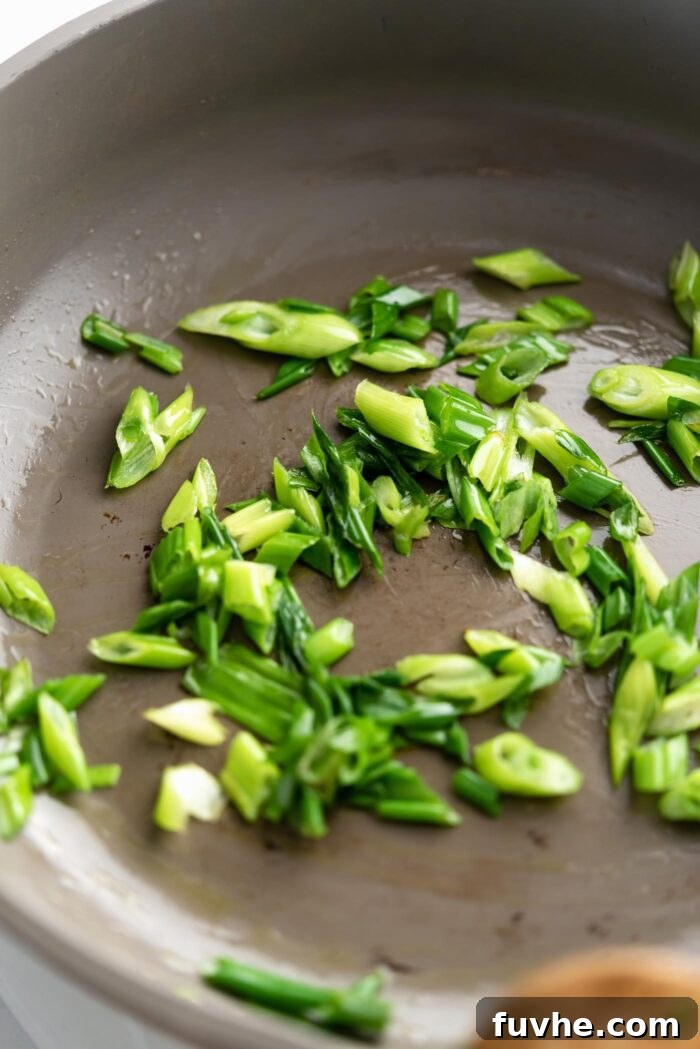
Step 3: Sauté the Green Onions (Optional, but Recommended)
While the noodles are cooking or cooling, heat 2 teaspoons of your preferred cooking oil (like avocado or grapeseed oil) in a large skillet or wok over medium-high heat. Once the pan is hot, add most of the thinly sliced green onions, reserving a small amount for garnish. Stir-fry for just 1-2 minutes until they become slightly tender and fragrant. This quick sauté enhances their flavor and aroma.
Quick Tip: If you plan to add other stir-fried vegetables such as grated carrot, shredded cabbage, sliced bell pepper, or bok choy, now is the time to add them to the pan with the green onions. Cook them until they are tender-crisp before proceeding.
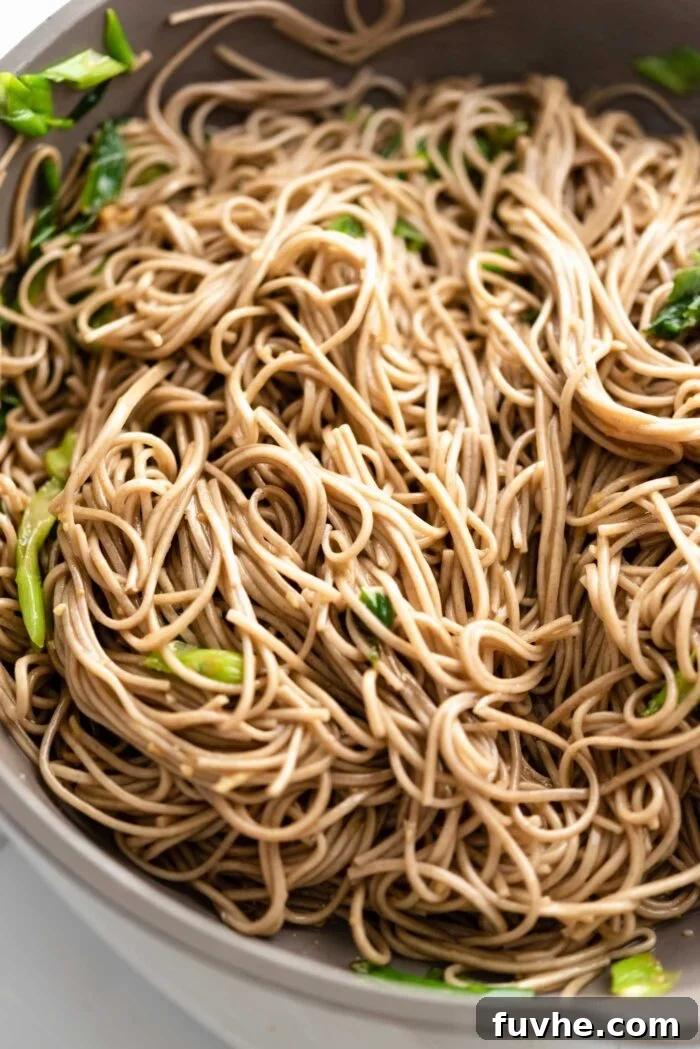
Step 4: Combine and Serve!
Now it’s time to bring all the elements together. The method depends on whether you prefer your noodles cold or hot:
- For Cold Soba Noodle Salad: Transfer the cooled, drained noodles, the prepared sesame dressing, and the stir-fried green onions to a large mixing bowl. Toss everything gently but thoroughly until the noodles are evenly coated in the rich sauce. If you’re not serving immediately, you can also mix it directly in the pan and then chill it in the fridge for later enjoyment.
- For Hot Soba Noodles: Add the cooked, drained noodles and the sesame dressing directly to the skillet with the stir-fried green onions. Toss vigorously to coat the noodles and cook for an additional 1-2 minutes over medium heat, just long enough to heat everything through.
While this dish is absolutely delicious served immediately, many find it tastes even better after resting for a short while. This allows the flavors to truly meld and deepen, creating an even more harmonious and satisfying experience. Whether you enjoy it fresh off the stove or after chilling, the nuanced flavors will impress.
Serve your perfectly prepared soba noodles hot, at room temperature, or chilled. Garnish generously with toasted sesame seeds, additional thinly sliced green onions, and if using, delicate strips of nori for an extra layer of umami and visual appeal.
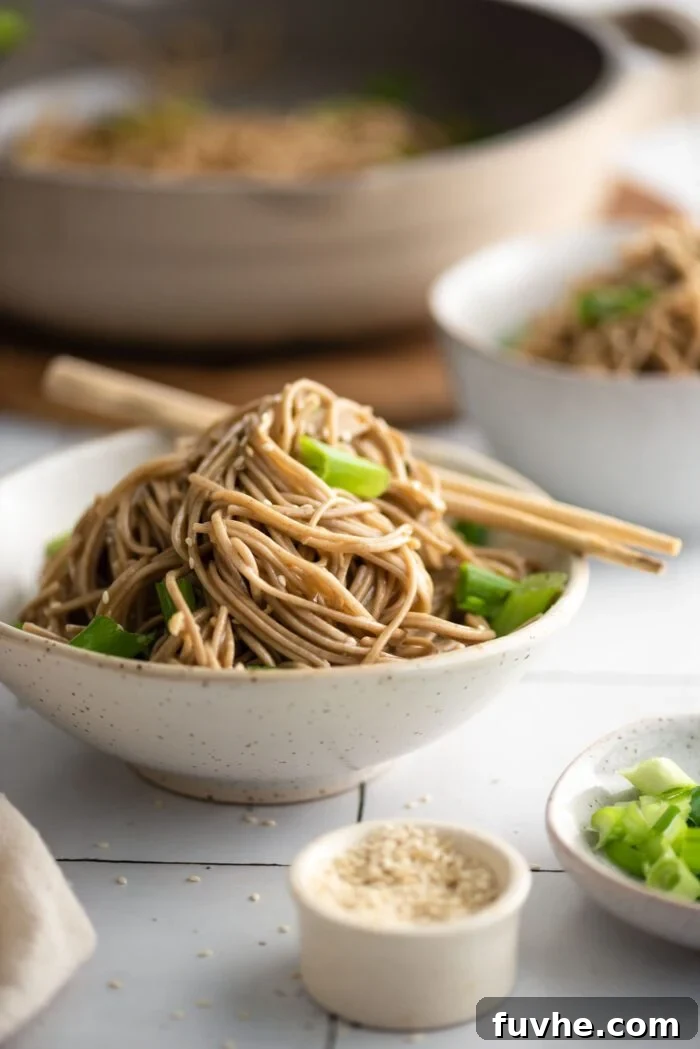
Soba Noodle Cooking Tips: Achieve Perfect Texture Every Time
Cooking soba noodles correctly is key to a great salad. Keep these pointers in mind for the best results:
- Unsalted Water is Best: Unlike regular pasta, soba noodles are typically cooked in unsalted water. Their flavor is subtle and can be overwhelmed by salt in the boiling water. The sauce will provide all the necessary seasoning.
- Generous Pot Size: Always use a large pot with plenty of water. Soba noodles expand and release starch, so they need ample space to move freely while cooking. Crowding the pot can lead to sticky, clumpy noodles. Give them a gentle stir immediately after adding them to the boiling water to prevent them from sticking to each other or the pot.
- Watch the Clock: Soba noodles are incredibly quick-cooking, often done in just 3-5 minutes. They can go from al dente to mushy very rapidly, so stay vigilant! Follow package instructions precisely and taste-test them for an ideal al dente texture.
- Rinse, Rinse, Rinse in Cold Water: This step is non-negotiable, especially for a cold noodle salad. Rinsing the cooked noodles thoroughly under cold running water immediately after draining serves two critical purposes: it halts the cooking process, ensuring they don’t overcook, and it washes away excess starch, which is the main culprit for sticky, clumped noodles. Toss them vigorously while rinsing to ensure every strand gets adequately cooled and separated.
Common Questions About Soba Noodle Salad
Soba noodles are indeed made from buckwheat, which is naturally gluten-free. However, many commercial brands contain a blend of buckwheat and wheat flour to improve texture and durability. To ensure your soba noodles are truly gluten-free, always look for packages explicitly labeled “100% buckwheat soba” or “gluten-free soba noodles.” For this specific recipe, the only other adjustment needed for a completely gluten-free dish is to use gluten-free tamari instead of regular soy sauce.
Absolutely! To make this recipe completely soy-free, simply substitute the tamari or soy sauce with coconut aminos. Coconut aminos offer a similar savory, umami flavor profile with a touch of sweetness, making them an excellent soy-free alternative.
While it won’t technically be a “soba noodle salad” without soba, this recipe is highly adaptable to other noodle types. Excellent alternatives that work well with this sesame dressing include rice noodles (vermicelli or broader flat rice noodles), Chinese lo mein noodles, or even common wheat noodles like spaghetti or linguine for a fusion twist. Adjust cooking times according to package instructions for your chosen noodle.
Yes, this recipe is wonderfully suitable for meal prep! The prepared soba noodle salad stores exceptionally well in an airtight container in the refrigerator for up to 4 days. In fact, many find the flavors deepen and improve after a day or two. You can also prepare the dressing a day or two ahead of time to save precious minutes. When you’re ready to eat, the noodles can be reheated gently in the microwave or a skillet, or enjoyed straight from the fridge as a refreshing cold meal.
Soba noodles, especially those made from 100% buckwheat, offer several health benefits. Buckwheat is a pseudo-cereal, rich in dietary fiber, which aids digestion and promotes satiety. It’s also a good source of plant-based protein, providing essential amino acids. Furthermore, buckwheat contains beneficial antioxidants, including rutin, which may support cardiovascular health. Compared to typical wheat pasta, soba noodles often have a lower glycemic index, leading to a slower and more stable rise in blood sugar.
Nourish Your Body: The Health Benefits of This Soba Noodle Salad
Beyond its incredible taste and ease of preparation, this cold soba noodle salad is a powerhouse of nutrition. Here’s why it’s a smart choice for your healthy lifestyle:
- Rich in Fiber: Soba noodles, particularly those made with 100% buckwheat, are an excellent source of dietary fiber. Fiber is crucial for digestive health, helps regulate blood sugar levels, and contributes to a feeling of fullness, aiding in weight management.
- Plant-Based Protein: Buckwheat is a complete protein, meaning it contains all nine essential amino acids. This makes the soba noodles a great foundation for a vegan or vegetarian meal, especially when paired with additional protein sources like edamame or tofu.
- Antioxidant Boost: Buckwheat is high in antioxidants, including rutin, which is known for its anti-inflammatory properties and potential benefits for heart health.
- Healthy Fats: The sesame dressing incorporates healthy fats from sesame oil, which is known to be rich in monounsaturated and polyunsaturated fatty acids. These fats are beneficial for heart health and aid in the absorption of fat-soluble vitamins.
- Balanced Nutrition: This salad offers a well-rounded meal with complex carbohydrates from the noodles, healthy fats from the dressing, and essential vitamins and minerals from the fresh ingredients like garlic and green onions.
- Naturally Gluten-Free (with right noodles): For those with gluten sensitivities or celiac disease, choosing 100% buckwheat soba noodles and tamari makes this a safe and delicious option, allowing you to enjoy a flavorful noodle dish without worry.
Enjoying this cold soba noodle salad is not just a treat for your taste buds, but also a nourishing choice for your overall well-being.
Discover More Delicious Noodle Recipes
If you’ve fallen in love with the versatility and flavor of noodle dishes, we have plenty more to inspire your culinary adventures. Explore these other fantastic recipes:
- Spicy Miso Noodles: A quick and easy stir-fried noodle dish featuring a delectable miso sesame sauce.
- Vegan Drunken Noodles: Experience the rich and aromatic flavors of stir-fried drunken noodles, packed with fresh cabbage, bell pepper, and onion.
- Udon Stir Fry: A super fast and simple udon stir-fry, loaded with vibrant veggies and a savory, satisfying sauce.
- Cold Asian Noodle Salad: Dive into a refreshing blend of noodles and crisp vegetables, all tossed in a creamy, spicy peanut sauce.
- Vermicelli Salad: A light and addictive cold vermicelli noodle salad, complemented by fresh greens and an irresistible sweet and spicy dressing.
- Ramen Noodle Salad: This is an incredibly delicious and addictive salad that redefines instant ramen into a gourmet experience.
Cold Soba Noodle Salad
Deryn Macey
10 mins
5 mins
10 mins
3
servings
Rate Recipe
Print Recipe
Ingredients
- 8 ounces soba noodles, 226 g
- 3 tbsp tamari or soy sauce, 44 mL
- 3 tbsp sesame oil, 45 g
- 1 tbsp maple syrup, 20 g
- 1 tbsp light miso paste, 23 g
- 1 tbsp rice wine vinegar, 15 mL
- 3 clove garlic, grated
- 1 bunch green onions, thinly sliced, diagonally
- toasted sesame seeds, for garnish
- toasted nori, thinly sliced, for garnish, optional
Instructions
-
Start boiling a large pot of water for the noodles. In a medium bowl, whisk together the tamari, sesame oil, maple syrup, miso, vinegar, and garlic until smooth and combined. Set aside.
-
Cook the soba noodles according to package instructions or for about 3-4 minutes once water is boiling, until just tender. Drain and rinse well under cool running water, tossing them to remove excess starch.
-
In a large non-stick skillet, heat 2 tsp oil over medium-high heat. Add most of the green onions, reserving some for topping, and cook for 1 minute, stirring often, until tender.
-
For a cold salad: Add the sauce and noodles to the pan with the green onions, or transfer green onions, sauce, and noodles to a large mixing bowl and toss to coat. For hot noodles: Add the sauce and noodles to the pan with the green onions, toss, and cook for 1-2 minutes to heat through.
-
Divide noodles between bowls. Top with toasted sesame seeds, remaining green onions, and nori (if using). Can be served warm, at room temperature, or chilled.
Video
Watch how to make this delicious soba noodle salad!
Notes
For the most flavorful, nutty sesame seeds for garnish, either purchase pre-toasted sesame seeds or toast your own. To toast, simply cook them in a dry pan on the stovetop over medium heat for 2-3 minutes, stirring frequently, until they are lightly browned and fragrant.
Nutrition
Serving:
1/3 of recipe
,
Calories:
429
kcal
,
Carbohydrates:
67
g
,
Protein:
13
g
,
Fat:
14
g
,
Fiber:
1
g
Like this recipe? Rate and comment below!