

This comprehensive guide dives deep into every facet of inflammation—the essential protective mechanism, the disruptive chronic condition, and how to harness the power of an anti-inflammatory lifestyle to heal and prevent illness naturally. We’ll explore its root causes, understand its symptoms, and provide actionable strategies for cultivating a life free from its debilitating effects.
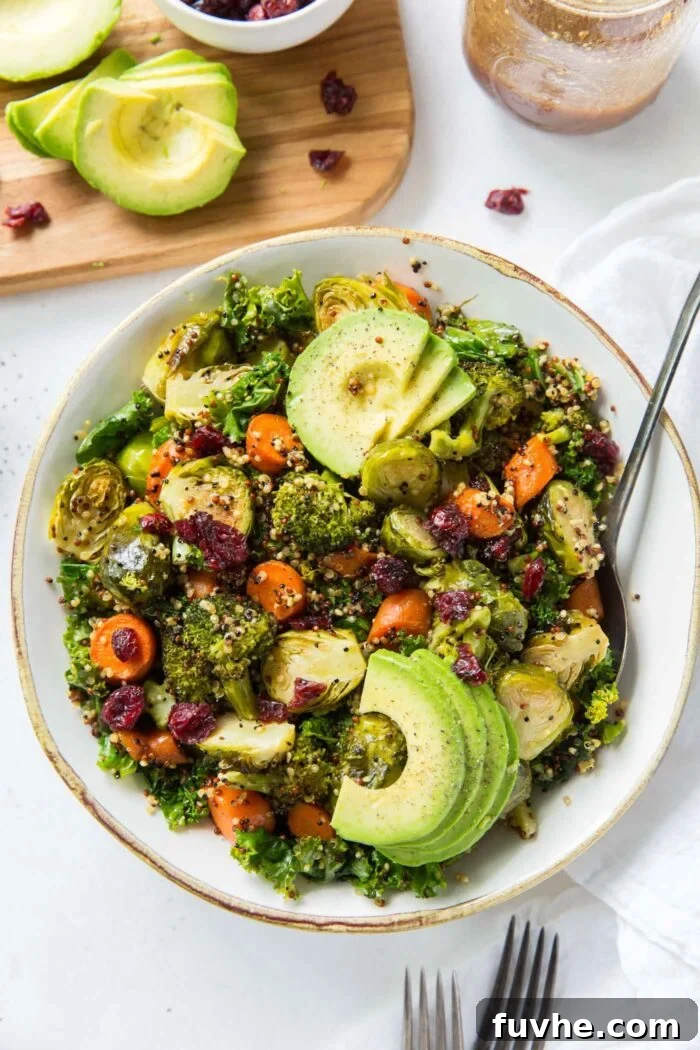
Disclaimer: Please note that I am not a medical doctor or other health professional. The information provided in this article is for educational purposes only and should not replace professional medical advice. Always consult with a qualified healthcare professional before making any significant changes to your diet, health regimen, or lifestyle. Your personal health journey is unique, and decisions should always be made in consultation with those who understand your specific needs.
Understanding and Conquering Chronic Inflammation: Your Essential Guide to Natural Healing
Inflammation is a fundamental process within the human body, an intricate part of our immune system’s immediate response to injury or infection. This acute, short-term inflammation is vital for survival, initiating healing and protecting us from harm. However, when this natural defense mechanism goes awry and persists beyond its protective role, it transitions into what is known as chronic inflammation—a silent, insidious force that underlies nearly every major chronic disease plaguing modern society.
From prevalent conditions like heart disease, obesity, and cancer to debilitating autoimmune disorders such as rheumatoid arthritis and even neurological issues, chronic inflammation plays a significant, often central, role. It is, in fact, a leading reason for visits to healthcare practitioners, manifesting in a myriad of “itis” conditions—colitis, gastritis, arthritis, tendinitis, and many more—all signaling an underlying inflammatory process that demands attention.
Embracing an Anti-Inflammatory Lifestyle for Optimal Health
The good news is that we are not passive victims of inflammation. By actively adopting an anti-inflammatory lifestyle, we possess a remarkable capacity not only to prevent future health crises but also to reverse existing conditions and significantly elevate our daily well-being. In the realm of inflammation, the adage “food is medicine” holds profound truth. When we shift our focus to healing the body holistically through mindful living, the positive transformations can be profound and far-reaching, impacting us both internally and externally.
The benefits of reducing chronic inflammation are numerous and impactful. Individuals often report improvements in mood, achieving clearer and more radiant skin, experiencing better digestion, noticing healthy weight management, and enjoying increased energy levels. Most importantly, embracing this lifestyle significantly reduces the risk of developing the chronic diseases that cast a long shadow over public health today.
“The best medicine to ease the massive suffering endured by so many in our population today is an active lifestyle and an anti-inflammatory diet.”
— Cherie Calbom, MS, The Juice Lady’s Anti-Inflammation Diet
What Exactly is Inflammation? The Body’s Protective Mechanism
At its core, inflammation is a completely natural and essential biological process. It represents the immune system’s immediate and coordinated response to anything perceived as a threat to the body, be it an injury, an infection, or harmful irritants. When this response is triggered, the body strategically increases blood flow to the affected area. This surge in blood carries immune cells, nutrients, and other healing compounds to the site, often resulting in classic, visible signs such as redness, warmth, swelling, and pain.
We are all familiar with the superficial manifestations of acute inflammation. A sore throat, the fiery redness of a sunburn, or the swelling around a sprained ankle are all textbook examples of a healthy, emergency inflammatory response in action. During this crucial process, a complex cascade of physiological events unfolds, all orchestrated by our intricate immune system. Chemicals like histamines are released, signaling blood vessels to dilate and become more permeable, allowing white blood cells and other defensive agents to reach the damaged or infected tissue and commence the vital work of healing and repair.

When the Fire Never Dies: Understanding Chronic Inflammation
The crucial distinction arises when inflammation transitions from a beneficial, temporary immune response to a chronic, persistent, and often destructive issue. If the immune system is continuously stimulated, constantly “on guard” against perceived threats, a prolonged and uncontrolled inflammatory response takes hold. When this inflammation endures beyond the typical acute phase—generally considered more than 72 hours, or up to five days—it’s imperative to investigate its underlying causes.
Once inflammation extends past this acute stage, we enter the territory of chronic and systemic inflammation. Unlike its acute counterpart, which serves a clear healing purpose, chronic inflammation becomes a rogue process, actively contributing to and *causing* illness rather than resolving it. This ongoing, low-grade inflammation is often invisible to the naked eye. While you won’t see redness or dramatic swelling, its symptoms are real and can cause a domino effect throughout the body, leading to a wide array of seemingly unrelated issues, from persistent fatigue to chronic joint pain.
Common Symptoms of Chronic Inflammation
- Persistent joint pain, muscle aches, or generalized body pain
- Chronic fatigue or low energy levels
- Depression, anxiety, or mood disorders
- Recurring digestive issues such as bloating, gas, or Irritable Bowel Syndrome (IBS)
- Skin conditions like acne, eczema, or psoriasis
- Development of new or worsening food sensitivities
- High blood pressure or other cardiovascular concerns
- Seasonal allergies or frequent allergic reactions
- Difficulty losing weight, particularly around the abdomen
- Exacerbation or development of autoimmune conditions like arthritis
- Brain fog, poor memory, or difficulty focusing (often a sign of hidden inflammation)
Furthermore, chronic inflammation is either a direct cause or a significant exacerbating factor in a vast number of diseases and health conditions, including:
- Cancer
- Asthma and other respiratory conditions
- Type 2 Diabetes
- Irritable Bowel Syndrome (IBS) and Inflammatory Bowel Disease (IBD)
- Migraines and chronic headaches
- Dementia and other neurodegenerative diseases
- Obesity
- Arthritis (Osteoarthritis, Rheumatoid Arthritis)
- Coronary Artery Disease
- Autoimmune diseases (Lupus, Multiple Sclerosis, etc.)
The list continues to grow as scientific understanding deepens. It is now widely accepted that chronic inflammation is inextricably linked to prevalent conditions like type 2 diabetes and heart disease. A diet rich in pro-inflammatory foods—such as refined grains, processed meats, and excessive sugars, hallmarks of the Standard American Diet—places an ever-increasing toxic and inflammatory burden on our physiological systems. Fortunately, by making informed choices, we possess the power to reverse this trajectory, significantly reducing inflammation and the immense demand it places on our cardiovascular, digestive, immune, and other bodily systems.
Detecting the Silent Threat: Testing for Inflammation
Since chronic inflammation is often invisible and manifests subtly, how can one determine if it’s present? One effective and widely available diagnostic tool is the C-reactive protein (CRP) blood test. CRP is a protein synthesized by the liver and released into the bloodstream in response to inflammation. It serves as an excellent marker to assess the degree of inflammation within the body and can be invaluable for monitoring progress as you embark on an anti-inflammatory lifestyle journey.
Typically, a healthy CRP level should fall between 1 and 5 milligrams per liter (mg/L). If your results are consistently above 5 mg/L, it’s a strong indicator that chronic inflammation is active, and proactive steps to address it are warranted. Levels consistently above 8 mg/L may suggest an increased risk of heart disease, while readings exceeding 10 mg/L could point towards significant systemic issues, including autoimmune diseases or active infections. It is important to discuss these results with your doctor, who can order the test and interpret its implications in the context of your overall health.
The Limitations of Conventional Approaches to Inflammation
Historically, inflammation, particularly acute manifestations, has been primarily managed through pharmaceutical interventions and surgical procedures. In cases of severe acute illness or injury, these treatments are undeniably critical and often life-saving. However, where these conventional methods frequently fall short is in their ability to prevent future inflammatory conditions or, crucially, to address the underlying root causes of chronic inflammation.
Non-steroidal anti-inflammatory drugs (NSAIDs), such as ibuprofen and naproxen, are commonly prescribed for inflammatory conditions. While effective for short-term pain and swelling, NSAIDs are non-specific in their action. Prolonged use can lead to significant side effects, including gastrointestinal blood loss, ulcers, and gastric upset, as they impact the stomach lining and digestive tract. For more severe conditions like rheumatoid arthritis, the medications typically prescribed, such as Imuran, can carry even harsher side effects, sometimes outweighing the disease’s immediate symptoms.
What’s Missing in Conventional Treatments?
While these medical interventions are indispensable for acute conditions, they often merely mask the symptoms of chronic inflammation rather than resolving the underlying systemic imbalance. They do not prevent future inflammatory responses or educate individuals on how to cultivate long-term health. Over time, the side effects of prolonged medication use can paradoxically create more health problems than the original condition itself. This highlights a fundamental gap in a purely symptomatic approach.
This is precisely where a natural, holistic approach shines—one focused on preventing inflammation and promoting overall health through lifestyle. It is logical and sustainable to adopt a healthy diet and lifestyle that naturally reduces inflammation, rather than relying indefinitely on anti-inflammatory drugs with their associated risks.
“There’s a lot of money in the Western diet. The more you process any food, the more profitable it becomes. The healthcare industry makes more money treating chronic diseases (which account for three quarters of the $2 trillion plus we spend each year on health care in this country) than preventing them.”
— Michael Pollan, Food Rules: An Eater’s Manual

Why Aren’t More Doctors Prescribing a Change in Diet and Lifestyle?
A pertinent question arises: why isn’t the root cause of inflammation being addressed more frequently, instead of merely masking symptoms that can lead to ulcers, infections, and even heart attacks? The unfortunate truth is that pharmaceutical interventions and surgery cannot prevent inflammation. However, you absolutely *can* prevent, control, significantly reduce, and even eliminate chronic inflammation by addressing its fundamental origins. Lifestyle and dietary changes wield an incredibly potent capacity to heal us from the inside out. The power to initiate these transformative changes lies within each of us.
“Eating the right way would largely obviate the enormous costs of using drugs, as well as their side effects. Health care costs would drop and medical mistakes would wane as premature death plummeted. In essence, our health care system would finally protect and promote our health as it is meant to do. The science is there and it must be made known. It is time to stand up, clear the air and take control of our health.”
— Dr. T. Colin Campbell, The China Study
Unveiling the Root Causes of Chronic Inflammation
Every decision we make, every action we take, tilts the balance either towards anti-inflammatory well-being or pro-inflammatory distress. The very actions that promote chronic diseases are often the same ones that ignite and sustain chronic inflammation. Each food we choose to eat, every skipped workout, every cigarette smoked, every late night, or every unmanaged stressor either directly fuels inflammation in the body or contributes to its healing and prevention. Our daily choices are profoundly impactful.
In her insightful book, Meals that Heal Inflammation, Julie Danliuk identifies six primary drivers of inflammation. Let’s delve into each of these, recognizing their interconnectedness and the immense power that healing foods and lifestyle choices possess in mitigating these common culprits of chronic inflammation.
- 1. Toxicity: Exposure to environmental and dietary toxins.
- 2. Infection: Unresolved or chronic microbial imbalances.
- 3. Allergy: Adverse immune responses to foods or environmental factors.
- 4. Nutritional Deficiency or Excess: Imbalanced dietary intake.
- 5. Injury: Physical trauma that doesn’t fully resolve.
- 6. Emotional Trauma: Chronic stress and unaddressed psychological distress.
Consider how interconnected these factors are: when we nourish ourselves properly, stress often decreases, sleep improves, our digestive system functions optimally for nutrient absorption, brain function is enhanced, allergic reactions are minimized, energy levels rise encouraging physical activity, and hormones achieve greater balance. This positive feedback loop strengthens our immune system, reducing susceptibility to illness and disease. We are, undeniably, in control of the choices that either prevent or promote the inflammation affecting these vital areas of our health. Let this profound truth resonate: the food we consume can either anchor us down or lift us up, possessing the power to heal us from the inside out, on the deepest cellular level. What we eat literally becomes part of who we are. Do you wish to be built from vitality and resilience? Fuel your engine with the highest possible quality energy, and making better food choices will become an intuitive, empowering process.
1. Toxicity: The Environmental Burden
We live in an era of unprecedented exposure to environmental toxins. Long-term exposure to these harmful substances not only sustains existing inflammation but, critically, when chronic inflammation is already present, it compromises the body’s ability to effectively eliminate these toxins, creating a vicious, self-perpetuating cycle. Toxins encompass a vast array of substances: antibiotic residues and hormones in conventionally raised animal products; pesticides on and in our food; contaminants in our water supply; chemicals found in personal care products; heavy metals; molds; tobacco smoke; alcohol; and even the metabolic byproducts produced by our own bodies.
A robust immune system, supported by conscious efforts to reduce our toxic load, is capable of neutralizing and removing these harmful agents before they accumulate. However, if we constantly bombard ourselves with toxins without providing the necessary resources for a healthy immune system to cope, they build up, triggering inflammation as a protective mechanism for our cells. Our bodies have inherent detoxification pathways, but these resources are finite. If we deplete them by processing excessive toxins from poor dietary choices and lifestyle habits, we have little left to maintain efficient bodily functions, rendering us more susceptible to disease and infection—an endless and debilitating cycle.
2. Infection: The Hidden Microbial Threat
Untreated or chronic infections are a significant, yet often overlooked, cause of persistent inflammation. When pathogenic organisms—be they parasites, bacteria, viruses, or fungi—invade the body, the immune system launches an inflammatory response to combat them. Many individuals may be experiencing chronic infections in ways they don’t even realize, and any form of ongoing infection can significantly impact and perpetuate the inflammatory cascade.
Common examples range from gingivitis (gum disease) and chronic sinusitis to candida overgrowth (a fungal infection) and persistent viral loads. All of these represent forms of chronic infection that can lead to widespread chronic inflammation. The most crucial strategy for combating this is to embrace a holistic view of your health. Address any small pains, persistent issues, or subtle symptoms that have been bothering you, as there’s a strong likelihood they could escalate into more significant problems down the line. Strengthening your resistance to illness involves nourishing your body with immune-superfoods. While shiitake mushrooms, garlic, squash, papaya, and sesame seeds are excellent immune boosters, the overarching principle is to consume a diverse array of colorful fruits and vegetables. This ensures a broad spectrum of essential minerals, vitamins, and antioxidants, maximizing your body’s defensive capabilities.
3. Allergies: Immune System Misdirection
Food allergies and sensitivities are increasingly common, often developing or worsening with age, and frequently manifest as excessive inflammation. Food intolerances, particularly, are on the rise, often exacerbated by a lack of dietary variety and repetitive consumption of the same foods. The two most prevalent dietary allergens are the proteins found in wheat (gluten) and dairy (casein).
If you regularly experience symptoms like excessive bloating, digestive discomfort, or skin issues after consuming certain foods, you may have an underlying allergy or sensitivity. A food allergy triggers an immune response that can cause widespread pain and inflammation as the body attempts to defend itself against the perceived threat. Continued consumption of foods to which you are sensitive or allergic will inevitably lead to chronic inflammation.
Food allergens can both *cause* damage to the gut lining (leading to “leaky gut”) and *develop* as a consequence of a pre-existing damaged gut lining. In either scenario, the result is subsequent inflammation within the intestines. Damage in this critical area makes it easier for undigested food particles, toxins, and microbes to “seep” into the bloodstream, triggering a systemic immune response that affects the entire body.
“I strongly feel that fixing the gut can help all chronic health problems. The health of your gut determines what nutrients are absorbed and which toxins, allergens and microbes are kept out. Poor digestion is found to be the root cause of many diseases, ranging from allergies to arthritis, and acne to autoimmune disorder because the gut plays a large roll in our immune system.”
— Julie Daniluk, RHN in Meals that Heal Inflammation

Common dietary allergens and irritants include wheat, soy, conventional eggs, conventional dairy, and corn. If you suspect food sensitivities or allergies, comprehensive testing or an elimination diet (where common irritants are temporarily removed and then slowly reintroduced) can be highly beneficial in identifying the culprits. Meals that Heal Inflammation offers practical guidelines for navigating such a process.
4. Nutritional Deficiencies and Imbalances: The Fuel Factor
An imbalanced or nutrient-poor diet is a direct pathway to chronic inflammation. Nutritional deficiencies or excesses can disrupt delicate hormonal balances, overtax the immune system, and directly trigger inflammatory responses. A prime example is the pervasive overconsumption of refined carbohydrates, particularly added sugars. When we consume excessive amounts of sugar, the body struggles to process the sudden influx, leading to elevated blood glucose levels. This excess glucose can then react with proteins and fats in the bloodstream, forming advanced glycation end products (AGEs) that damage blood vessels and tissues throughout the body.
And the body’s response? An inflammatory reaction, as it attempts to repair the damage. This underscores the critical importance of consuming whole, unprocessed foods that the body recognizes and can efficiently utilize. These foods are naturally rich in micronutrients—vitamins, minerals, and antioxidants—essential for optimal digestive, pancreatic, and overall cellular health. Conversely, highly processed foods are largely devoid of these vital nutrients, providing empty calories that actively promote inflammation.
5. Injury: When Healing Stalls
Most of us have experienced the immediate pain, swelling, and redness that follows an acute injury, such as a sprained ankle. This is acute inflammation at work, initiating the healing process. However, if your body lacks the internal resources to recover efficiently, or if the injury is not properly managed, that initial acute inflammation can linger and morph into chronic inflammation. A sprained ankle, for instance, might take far longer to heal than necessary, continually signaling distress and perpetuating an inflammatory cycle.
This highlights why regular exercise and maintaining a strong, resilient body are so crucial. A fit body is better equipped to respond to the physical demands placed upon it, including recovering from injuries swiftly and effectively. Moreover, an anti-inflammatory, whole-food diet provides the essential building blocks and energetic support for the body’s natural healing mechanisms, often reducing the need for pharmaceutical interventions that may, in some cases, hinder long-term tissue repair.

6. Emotional Trauma and Chronic Stress: The Invisible Inflammatories
The intricate connection between stress, emotional well-being, and physical health is undeniable, and in our fast-paced society, stress levels are at an unprecedented high. While acute stress can be a powerful motivator and can even strengthen our resilience, it must be balanced with adequate periods of rest and recovery. Without this crucial downtime, chronic stress takes hold, triggering a sustained “fight or flight” response that has profound physiological consequences.
Prolonged high levels of stress hormones like adrenaline and cortisol are highly inflammatory. Cortisol, in particular, when chronically elevated, can suppress the immune system in some ways while simultaneously promoting inflammation in others, creating a systemic inflammatory state. This is where dedicated techniques for emotional health become paramount: practices such as therapy, mindfulness meditation, yoga, consistent physical activity, prioritizing self-care, and developing effective coping mechanisms for emotional trauma are essential. If we fail to actively reduce and manage chronic stress, the resulting hormonal imbalances can directly lead to and exacerbate systemic inflammation.
Mind, Body, and Plate: Addressing Emotional Eating and Cultivating Self-Awareness
A crucial, often underestimated, aspect of truly committing to an anti-inflammatory lifestyle involves addressing our emotional relationship with food. Our eating habits are frequently intertwined with our feelings, acting as a complex interplay between physical hunger and emotional needs. Before we can make truly sustainable changes and adopt a genuinely healing lifestyle, it’s vital to acknowledge and address any underlying emotional issues or thought patterns that may be hindering our progress.
Emotional eating is a common phenomenon, though often overlooked or unaddressed. By consciously acknowledging the emotional component of how and why we eat, we can begin to shift towards a permanent transformation, fostering a relationship with food that is rooted in peace, joy, and genuine nourishment. Education and understanding play a significant role here: when we grasp the immense power that food wields over our physical and mental state, it becomes far easier to choose options that truly satisfy and sustain us, both physically and emotionally.
Self-Awareness and Mindful Eating
Cultivating self-awareness around our food choices has been a game-changer for many in optimizing health and nutrition. It involves slowing down during meals, paying close attention to our body’s signals, and recognizing our emotional state as we eat. Ask yourself: Am I genuinely hungry, or am I attempting to fill another void, perhaps boredom, stress, or sadness? Am I eating this food out of genuine self-love and care for my body, or from a place of self-neglect or craving?
Mindfulness practices can help us discern between true physiological hunger and transient emotional cravings. This principle extends far beyond just food. Integrating techniques that improve overall mental health and reduce stress levels profoundly impacts our eating patterns. Practices such as journaling, regular meditation, nurturing strong social connections, prioritizing joy and leisure, cultivating a positive mindset, ensuring adequate sleep, practicing gratitude, and maintaining a clutter-free environment can all collectively enhance our emotional well-being. This, in turn, fosters better food choices, reduces chronic stress, and ultimately contributes to significantly reducing and preventing systemic inflammation. Holistic living, therefore, encompasses a harmonious integration of wellness practices, effective stress management, optimal nutrition, and consistent physical activity. Each pillar plays an indispensable role in building and sustaining an anti-inflammatory lifestyle.

The Inflammatory Offenders: Foods to Avoid
There’s no great mystery regarding which foods typically provoke inflammation. Our earlier discussions on adopting a holistic, whole-food approach to naturally heal inflammation, and the identified causes like food allergies and nutritional imbalances, set the stage. Now, let’s delve deeper into the most notorious culprits when it comes to triggering an inflammatory response in the body. Much of this list boils down to the concept of “toxic load.” For instance, artificial sweeteners must be processed by the liver, increasing its burden. Similarly, many items on this list contain ingredients that the body struggles to recognize and metabolize efficiently, demanding excessive physiological resources.
Overview of Potentially Inflammatory Foods
- Gluten-containing products: Especially highly refined versions.
- Conventional dairy products: Often laden with hormones and toxins.
- Nightshades*: Potatoes, peppers, eggplant, tomatoes (individual sensitivity varies).
- Refined sugars: Fructose, high-fructose corn syrup, sucrose, etc.
- Refined grains: White flour, white bread, processed cereals.
- Conventional meats: From animals fed unnatural diets and antibiotics.
- Processed deli meats: High in nitrates, sodium, and unhealthy fats.
- Peanuts and peanut butter: Common allergens and prone to mold toxins.
- Coffee: Can be inflammatory for sensitive individuals or in excess.
- Conventional eggs: Often from hens fed inflammatory grain diets.
- Processed and ultra-processed foods: Generally nutrient-poor and additive-rich.
- Fried foods: High in unhealthy, oxidized fats.
- Artificial sweeteners: Aspartame, sucralose (Splenda), saccharin (Sweet’n Low), often found in diet sodas.
- Foods containing hydrogenated oils or high-fructose corn syrup: Indicators of heavily processed products.
- Alcoholic beverages**: Especially beer and spirits, which tax the liver.
- Processed soy products: Opt for fermented options like tempeh if consuming soy.
*Nightshades: Vegetables such as potatoes, bell peppers, eggplant, and tomatoes contain alkaloids that can affect nerve-muscle function, digestion, and joint flexibility for some individuals, particularly those with arthritis. Tobacco is also part of this family. It’s advisable for sensitive individuals to eliminate them temporarily and then reintroduce them slowly to assess personal tolerance.
**Alcoholic beverages: Excessive consumption of alcohol places a significant burden on the liver, a key organ for detoxification, and contributes to systemic inflammation.
Does Dairy Cause Inflammation?
The controversy surrounding dairy products and inflammation extends beyond their saturated fat content. A significant concern lies in the toxic load accumulated within conventional dairy. Dairy from conventionally raised cows often contains residues of pesticides, antibiotics, and hormones, largely due to the animals’ diets which frequently include genetically modified soy and grains. Cattle are naturally herbivores, but modern farming practices often feed them grain and even animal proteins, further concentrating toxins up the food chain. As discussed earlier, an elevated toxic load is a direct root cause of inflammation. Conventional dairy, therefore, contributes substantially to the burden our immune system must process and eliminate.
“You are what you eat is a truism hard to argue with, and yet it is, as a visit to a feedlot suggests, incomplete, for you are what what you eat eats, too. And what we are, or have become, is not just meat but number 2 corn and oil.”
— Michael Pollan, The Omnivore’s Dilemma: A Natural History of Four Meals
For those concerned about calcium intake, rest assured that milk is not essential for strong bones. Many excellent plant-based sources of calcium abound in nature, including dark green leafy vegetables like kale and spinach, broccoli, bok choy, figs, and white beans. Furthermore, cow’s milk is a common allergen for both adults and children, triggering adverse immune responses. Milk products are also known to stimulate the secretion of pro-inflammatory cytokines, which directly elicit an inflammatory response in many individuals. If you choose to include dairy in your diet, prioritize organic, grass-fed, and pasture-raised options to minimize exposure to harmful residues and ensure a more naturally balanced product.
Does Gluten Cause Inflammation?
The contemporary issue with gluten stems primarily from the sheer quantity of wheat consumed in the average diet and the significant alterations to modern wheat itself. A typical day for many might involve a bagel for breakfast, a sandwich for lunch, and pasta for dinner—an overwhelming intake. Modern wheat is a far cry from what it was even a century ago, having undergone extensive genetic modification and processing that strips it of vital nutrients. It is this highly *refined* form of wheat, often found in countless processed foods, that poses a significant challenge.

In Wheat Belly, Dr. William Davis posits that many of our modern health ailments—ranging from chronic fatigue and arthritis to obesity and various digestive conditions—can be attributed to the pervasive overconsumption of contemporary wheat. The core problem isn’t necessarily gluten itself for everyone, particularly if you don’t have a diagnosed allergy (like celiac disease) or sensitivity. Rather, the issue lies in the sheer quantities being consumed and the highly modified, nutritionally depleted state of modern wheat compared to its ancestral forms. Unless you have a specific allergy or diagnosed intolerance to wheat or gluten, whole grains, in moderation, are generally not pro-inflammatory. In fact, numerous studies have linked whole-grain consumption to *reduced* inflammation in the body. Therefore, you can often enjoy healthy, complex carbohydrates from whole grains without concern, provided there’s no underlying sensitivity.
“Eat food. Not too much. Mostly plants.”
— Michael Pollan, In Defense of Food: An Eater’s Manifesto
To reiterate a fundamental principle: prioritize whole, real foods. This is the essence of an anti-inflammatory diet. Food is energy, and you are what you eat. Opt for food that is organically grown and sourced as locally as possible, as these options generally offer the highest quality energy and nutrients to fuel your body. Do the best you can with these foundational guidelines.
Finding Alternatives: Satisfying Cravings Healthily
Committing to a healthy, naturally anti-inflammatory diet doesn’t mean sacrificing enjoyment or your favorite flavors. The key lies in creatively finding healthy alternatives that can satisfy cravings without compromising your health goals. In upcoming articles in this series, we will delve deeper into practical strategies for replacing processed foods with nourishing, delicious options that support an anti-inflammatory lifestyle.
Anti-Inflammatory Diet Overview: A Simple Blueprint
At its core, an anti-inflammatory diet is refreshingly simple and straightforward: focus on consuming a diverse array of whole, unprocessed foods. By minimizing or eliminating processed foods from your diet, you will naturally be well on your way to eating an anti-inflammatory diet. Here’s a quick overview of the key principles to reduce and prevent inflammation through your food choices:
- Eat a wide range of whole foods: Prioritize variety in your daily intake, rotating different fruits, vegetables, grains, legumes, nuts, and seeds.
- Choose ethical animal products: If you consume meat, eggs, or dairy, opt for organic, free-range, grass-fed, and ethically treated animal sources to minimize inflammatory compounds.
- Abundance of fresh produce: Include copious amounts of fresh fruits and vegetables at every meal, emphasizing a rainbow of colors for maximum nutrient diversity.
- Minimize or eliminate processed foods: Steer clear of packaged snacks, sugary drinks, fast food, and anything with a long list of unrecognizable ingredients.
- Maintain optimum hydration levels: Drink plenty of filtered water throughout the day.
- Balance macronutrients: Ensure a healthy balance of complex carbohydrates, healthy fats, and lean proteins in your diet.
- Improve gut flora: Incorporate fermented foods (kimchi, sauerkraut, kefir) and consider a high-quality probiotic supplement to support a healthy gut microbiome.
- Avoid blood sugar spikes: Choose low-glycemic foods and combine carbohydrates with protein and healthy fats to stabilize blood sugar levels.
The Carbohydrate Connection: Fueling Your Body Wisely
Carbohydrates are frequently misunderstood and subjected to various dietary myths. Are they inherently “bad”? Should we eat low-carb, or high-carb, low-fat? Are potatoes universally detrimental, and bread always a villain? Let’s clarify the truth: carbohydrates are absolutely essential for life and fundamental to our health. The crucial distinction, however, lies in their source. In contemporary society, a significant portion of carbohydrate intake comes from overly processed foods, which are typically laden with refined sugars and grains. This is where the problem arises.
Carbohydrates are our body’s primary and quickest source of energy. The right kind of carbohydrates can leave you feeling energized and vibrant, while the wrong kind can lead to lethargy and fatigue. Understanding this difference is key to making informed choices that actively combat inflammation.

Simple vs. Complex Carbohydrates: Understanding the Difference
Both simple and complex carbohydrates are ultimately broken down into glucose, which is then used immediately for energy or stored as glycogen for future use. However, the *rate* and *manner* in which this occurs differ significantly, impacting your body’s inflammatory response and overall health.
Simple carbohydrates, found in refined sugars and highly processed grains, are digested rapidly. This causes a sudden and dramatic spike in blood sugar levels, followed by an inevitable “crash.” Consistent consumption of foods that trigger these rapid blood sugar fluctuations can lead to decreased insulin sensitivity. This phenomenon, known as insulin resistance, is a significant precursor to numerous chronic inflammatory conditions, including obesity, heart disease, type 2 diabetes, and certain cancers. Moreover, highly refined simple carbohydrates can disrupt the delicate balance of your gut flora, favoring the growth of pathogenic bacteria and yeast.
In contrast, complex carbohydrates are digested much more slowly and steadily. This gradual release of glucose into the bloodstream helps maintain stable blood sugar levels, preventing the harmful spikes and crashes. Furthermore, complex carbohydrates are rich in fiber, which acts as a prebiotic, nourishing beneficial gut bacteria and promoting a healthy, anti-inflammatory gut microbiome. When choosing carbohydrates from grains, prioritize whole-grain options such as amaranth, barley, buckwheat, millet, spelt, quinoa, and oats. Excellent sources of complex carbohydrates also include nutrient-dense vegetables like sweet potatoes, legumes such as beans and lentils, and a variety of berries like blueberries.
What About Fruit? Nature’s Sweetness
While the simple carbohydrates in refined products like candy bars are highly inflammatory, it’s important to distinguish these from the simple carbohydrates found in healthy, anti-inflammatory whole foods like fruits and some starchy vegetables. Unlike processed sugary treats, fruits and vegetables come packaged with abundant fiber, essential vitamins, minerals, and powerful antioxidants. These beneficial components significantly mitigate the impact of natural sugars on blood sugar levels and provide invaluable nutritional benefits that far outweigh the simple sugar content. Fruits and starchy vegetables are fantastic sources of energy and packed with micronutrients. I would not recommend eliminating them from your diet; however, they should be enjoyed in moderation and in appropriate serving sizes as part of a balanced, whole-food diet.

What Foods Are Refined Carbohydrates? Spotting the Culprits
If you’re unsure how to identify refined grains, think about the highly processed, often shelf-stable items found in the center aisles of most grocery stores: packaged and frozen desserts, conventional store-bought breads (unless clearly marked whole grain), processed cookies, cakes, muffins, and pastries, sugary breakfast cereals, many types of pasta, frozen pizzas, and practically anything found in the packaged snack aisle. These items are typically made with white flour, which has been stripped of its bran and germ, removing most of its fiber, vitamins, and minerals.
When it comes to refined sugars, look out for ingredients like high-fructose corn syrup, corn syrup, sucrose, dextrose, and even seemingly innocuous additions like fruit juice concentrate. These are common in sodas, many fruit juices (not 100% whole fruit), condiments like ketchup and BBQ sauce, many pasta sauces, frozen meals, and processed foods. These inflammatory ingredients need to be significantly reduced or eliminated from your diet. When in doubt, always read the ingredient list. If sugar, corn syrup, or high-fructose corn syrup appear high on the list, you’re looking at a product with significant added refined sugars, which are potent drivers of inflammation.
The Best Sources of Carbohydrates: Whole Plant Power
The undisputed best sources of carbohydrates are whole plant foods. These unprocessed powerhouses—fruits, vegetables, legumes, and whole grains—provide complex carbohydrates that are digested slowly, ensuring stable blood sugar. Beyond just energy, they deliver an abundance of crucial minerals, vitamins, and dietary fiber. This fiber is particularly important as it keeps you feeling fuller for longer, naturally helping to prevent overeating and supporting a healthy body weight. For more in-depth information, explore our articles on the best sources of fiber and the best sources of healthy carbohydrates.
Using the GI Index for Smart Carb Choices
To further refine your carbohydrate choices, consider utilizing the Glycemic Index (GI). The GI is a rating system that indicates how quickly a carbohydrate-containing food raises blood glucose levels. Opting for low GI foods means they are digested more slowly, leading to a gradual and sustained rise in blood sugar rather than an abrupt spike. You can either consume low GI foods on their own or strategically combine them with higher GI foods. This combination helps to “flatten” the blood sugar response, mitigating the rapid impact of higher GI foods. As we’ve discussed, understanding blood sugar regulation is pivotal, linking directly to hunger cues, energy levels, and overall inflammatory response.
What About Fiber? The Unsung Hero
Fiber, a type of complex carbohydrate that is largely indigestible, is an absolute cornerstone of an anti-inflammatory diet. Its multifaceted roles are crucial for gut health, metabolic function, and overall well-being. Fiber acts as a vital fuel for beneficial gut bacteria, significantly improving the body’s ability to utilize nutrients from food. It plays a critical role in balancing blood sugar levels, ensuring regular and healthy bowel movements, and supporting the integrity and health of the intestinal lining. Current nutritional guidelines recommend a daily intake of at least 30 grams of fiber, yet many individuals consume less than half of this amount. A diet rich in plant sources—vegetables, whole grains, beans, and fruits—can easily provide 50 grams or more daily. Conversely, diets consistently low in fiber are strongly linked to constipation, Irritable Bowel Syndrome (IBS), diverticulitis, and other conditions that are either direct consequences or exacerbating factors of chronic inflammation. Learn more about the best sources of fiber here.
Protein and Inflammation: Building Blocks for Healing
Protein, composed of amino acids, is a fundamental macronutrient essential for virtually every bodily function. It is critical for cell growth, tissue repair, enzyme production, metabolic processes, and a robust immune defense. Given its vital role in repair and renewal, protein is an indispensable nutrient for healing. While we won’t delve into an exhaustive discussion on protein here, it’s crucial to distinguish between protein sources that promote inflammation and those that actively support an anti-inflammatory state.
Inflammation-Promoting Protein Sources to Limit or Avoid
- Processed and refined meats: Including highly processed deli meats, hot dogs, sausages, and cured meats, which often contain nitrates, excessive sodium, and unhealthy fats.
- Smoked meats and fish: These can contain compounds that are pro-inflammatory, especially when consumed frequently.
- Conventional dairy desserts: Items like ice cream, sweetened yogurts, and canned whipped cream are typically high in refined sugars, unhealthy fats, and inflammatory dairy proteins.
- Conventionally raised meats: Animals fed grain-heavy diets, treated with antibiotics and hormones, often have a higher inflammatory fat profile (e.g., more omega-6, less omega-3).
Healthy Protein Sources for an Anti-Inflammatory Diet
- Raw, soaked, and sprouted nuts and seeds: Almonds, walnuts, chia seeds, flax seeds, pumpkin seeds, hemp seeds. Soaking and sprouting enhance digestibility and nutrient availability.
- Legumes: Beans (black beans, kidney beans, chickpeas), lentils, and peas are excellent sources of plant-based protein and fiber.
- Fermented beans: Tempeh, a fermented soy product, is a highly digestible and nutrient-dense protein.
- Cooked pseudo-grains: Quinoa, amaranth, and buckwheat are complete proteins and offer a host of nutrients.
- Sprouted grains and beans: Further enhances nutrient absorption and reduces anti-nutrients.
- Eggs from free-range, pasture-raised animals: These eggs typically have a better omega-3 to omega-6 ratio and are free from conventional farming practices.
- Fermented dairy from organic, free-range, and grass-fed goats, sheep, and cows: Options like kefir or unsweetened yogurt, if tolerated, can be less inflammatory than conventional dairy due to fermentation and quality sourcing.
- Organic, free-range, grass-fed meats: When consuming meat, prioritize high-quality sources that are free from hormones and antibiotics and have a healthier fat profile.
The Role of Fats in Inflammation: Navigating the Lipid Landscape
Fats play an exceptionally significant and complex role in modulating inflammation within the body. A simple yet powerful step to reduce systemic inflammation is to dramatically decrease your intake of processed foods, as they are ubiquitous sources of pro-inflammatory refined oils. These include vegetable oil, corn oil, sunflower oil, and safflower oil, which frequently appear high on the ingredient lists of countless packaged items. Crucially, you should aim to completely eliminate trans fats from your diet, which are most commonly listed on food labels as “partially hydrogenated oils.”
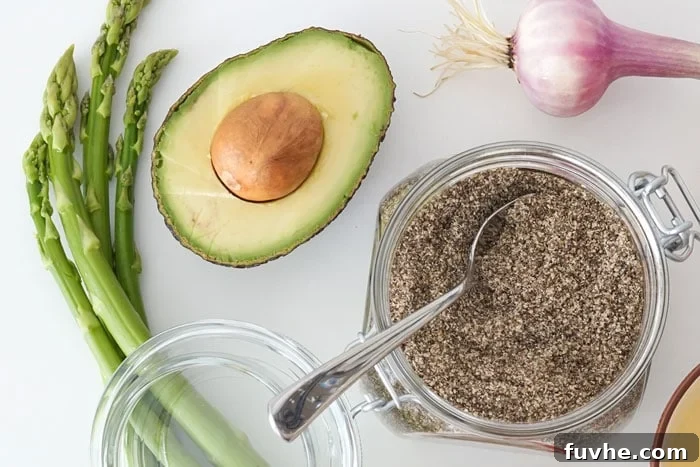
Instead of deriving dietary fats from these unhealthy, processed oils, shift your focus to incorporating high-quality, whole-food sources of healthy fats. Excellent choices include avocados, raw nuts, seeds (such as chia, flax, and hemp), and natural nut butters made from these wholesome ingredients. We require dietary fat for numerous vital bodily functions: to maintain cell membrane integrity, support cell growth and repair, facilitate the absorption of fat-soluble vitamins, and regulate hormone production. Rather than fixating on the total *quantity* of fat consumed, our primary attention should be directed towards the *type* and *quality* of fats we choose.
Three Types of Dietary Fats: A Closer Look
Dietary fatty acids are broadly categorized into three main types:
- Saturated Fatty Acids (SFAs): Predominantly found in animal products like red meat, poultry, and conventional dairy, as well as some plant sources like coconut oil. While often demonized, a moderate amount from high-quality sources can be part of a healthy diet. However, excessive intake of SFAs, particularly from grain-fed animals, can contribute to inflammation, compete with essential fatty acids for metabolic enzymes, increase pro-inflammatory chemicals, and congest the liver. The key is balance and quality.
- Monounsaturated Fatty Acids (MUFAs): Often referred to as “good fats,” MUFAs are abundant in olive oil, avocados, and certain nuts. They are known for their cardiovascular benefits and anti-inflammatory properties.
- Essential Polyunsaturated Fatty Acids (PUFAs – Omega-3 and Omega-6): These are deemed “essential” because the human body cannot synthesize them; they must be obtained through diet. Both omega-3 and omega-6 fatty acids, when consumed in the correct ratio and from high-quality sources, possess powerful anti-inflammatory effects. They are crucial for cardiovascular health, joint and skin lubrication, metabolism support, immune and nervous system function, and hormone balance.
Eliminating Trans Fats: A Critical Step
Trans fats are artificially created through a process called hydrogenation, where liquid monounsaturated oils are exposed to heat and hydrogen, turning them into a solid fat. This process enhances shelf life and texture in processed foods but comes at a severe cost to health. Trans fats are among the most detrimental dietary components, directly contributing to systemic inflammation and a host of chronic diseases.
“Numerous studies have connected high trans fatty intake to increase risk for cardiovascular disease of all sorts, stroke, cancer, aggressive behaviour, inflammation, increased all cause mortality and many more health issues.”
— Jessica K. Black, N.D., The Anti-Inflammation Diet and Recipe Book
You’ll find hydrogenated or partially hydrogenated oils in a vast array of processed products, from many commercial peanut butters and low-fat “health” foods to countless cookies, crackers, pastries, and frozen dinners. It is imperative to meticulously check ingredient labels for these terms and rigorously eliminate any foods containing them from your diet to safeguard your health and reduce inflammatory burden.
Cooking Oils and Inflammation: Choosing Wisely
One prevalent issue in the Standard American Diet (SAD) is the frequent use of unstable oils for high-heat cooking. Oils have different “smoke points”—the temperature at which they begin to burn and degrade, producing harmful free radicals that are highly inflammatory. For instance, using extra virgin olive oil, which has a relatively low smoke point, for high-temperature frying will damage its delicate fatty acids, rendering it pro-inflammatory. For cooking methods requiring higher heat, opt for oils with high smoke points, such as avocado oil or coconut oil. However, even with these, it’s crucial never to allow them to reach their smoke point, as this indicates degradation and the formation of unhealthy compounds. For dressings or low-heat applications, high-quality extra virgin olive oil and sesame oil are excellent choices.

The Omega-3 to Omega-6 Imbalance: Restoring Harmony
The proliferation of industrial oil-seed processing has led to a substantial increase in vegetable oil consumption, dramatically skewing the crucial omega-3 to omega-6 fatty acid ratio in the Standard American Diet (SAD). With an increasing reliance on processed and refined foods, alongside conventionally raised, grain-fed animal products, this ratio has become more disproportionate than ever before. Many individuals now consume up to 25 times more omega-6 fatty acids than their bodies ideally require or can optimally process. Health authorities increasingly believe that this massive imbalance in essential fatty acids plays a significant role in the rising incidence of chronic inflammatory conditions today.
Both omega-3 and omega-6 essential fatty acids are vital for health and, when consumed in the *proper ratio* from *high-quality sources*, possess powerful anti-inflammatory properties. They are indispensable for supporting cardiovascular health, lubricating joints and skin, boosting metabolism, fortifying the immune and nervous systems, and balancing hormones.
Where Do Omega-6s Come From?
Omega-6 fatty acids are abundant in the SAD, primarily sourced from corn, peanut, soybean, canola, sunflower, and grapeseed oils. These oils are pervasive, used extensively in cooking and as ingredients in countless processed foods. The fundamental problem is not omega-6 itself, but rather the *poor quality* and *excessive quantity* of omega-6 fatty acids in modern diets. This overabundance not only diminishes their beneficial anti-inflammatory power but often renders them pro-inflammatory. Moreover, the sheer excess of omega-6s in our diet can hinder the body’s ability to effectively utilize the enzymes needed to convert beneficial foods like nuts and seeds into usable omega-3s.
A major reason for omega-6s becoming inflammatory is their extreme sensitivity to high heat, light, and free radicals. When these common omega-6 sources are subjected to high-temperature frying, prolonged cooking, hydrogenation, or extensive refining for processed foods, their delicate chemical structures become damaged. These damaged essential fatty acids then wreak havoc within our bodies, placing a particular strain on the liver. The most impactful action you can take to improve your dietary fat profile is to eliminate these damaged omega-6 sources. Replace refined vegetable oils with healthier alternatives like avocado, olive, and sesame seed oils. Crucially, cut out all overly processed foods from your diet. Always prioritize raw, unrefined oils, and when cooking with heat, choose oils with higher smoke points, such as coconut or avocado oil, ensuring they never reach smoking temperatures.
Overconsumption Isn’t the Only Issue: Omega-3 Deficiency
While many individuals over-consume omega-6 fatty acids, a vast majority are simultaneously under-consuming vital omega-3s. This dual imbalance creates a perfect storm for chronic inflammation. An omega-3 deficiency can manifest in numerous adverse health outcomes, including:
- Exacerbated systemic inflammation
- Asthma and other respiratory conditions
- Increased risk of type 2 diabetes
- Various forms of arthritis
- Hormonal imbalances
- Increased cancer risk
- Skin conditions such as eczema and psoriasis
- Impaired cognitive function and mood disorders
For optimal anti-inflammatory benefits, the ideal dietary ratio of omega-3 to omega-6 fatty acids should be at least 2:1 (omega-3s to omega-6s), or even closer to 1:1. Omega-9 fatty acids, derived from monounsaturated fats found in foods like avocado, macadamia nuts, and olive oil, are also important for overall health.
Omega-3s for Inflammation: A Powerful Antidote
Omega-3 fatty acids are profoundly important for our overall health and are potent anti-inflammatory agents. They are crucial for supporting brain health and cognitive function, preventing cardiovascular disease, nourishing neural tissues, reducing symptoms of anxiety and depression, alleviating joint pain, and exhibiting powerful systemic anti-inflammatory properties. However, if our diets are overwhelmed with omega-6s and deficient in omega-3s, these vital fatty acids cannot effectively perform their anti-inflammatory duties. With a little mindfulness and strategic food choices, it is relatively easy to significantly increase your omega-3 intake.
Sources of Omega-3 Essential Fatty Acids
- Fatty fish: Wild-caught salmon, mackerel, sardines, tuna, and halibut are excellent sources of EPA and DHA, the most bioavailable forms of omega-3s.
- Walnuts: A good plant-based source of alpha-linolenic acid (ALA), which the body can convert to EPA and DHA.
- Chia seeds: Rich in ALA and fiber.
- Hemp seeds: Provide a balanced profile of omega-3, -6, and -9.
- Flax seeds: Another excellent source of ALA; best consumed ground for optimal absorption.
- Sacha Inchi: A South American seed known for its high omega-3 content.
If you have an existing inflammatory condition or find it challenging to consistently obtain enough omega-3s from your diet, considering a high-quality omega-3 supplement containing both EPA and DHA may be beneficial, after consulting with a healthcare professional.
The Superpower Hemp Seed: A Balanced Nutritional Gem
Among the various sources of essential fatty acids, hemp seeds stand out as a nutritional powerhouse, offering an ideal balance of omega-3, omega-6, and omega-9 fatty acids. Beyond their exceptional fat profile, hemp seeds are remarkably rich in essential minerals, particularly magnesium, which is crucial for the optimal metabolism of omega-3s. They also provide manganese, beneficial for ligament and tendon health, zinc, important for prostate health and testosterone production, and iron, vital for oxygen-carrying red blood cell production.
Hemp seeds are incredibly versatile and easy to incorporate into your daily diet. You can effortlessly add a few tablespoons to your morning smoothie, sprinkle them over oats or yogurt, incorporate them into salads, or simply enjoy them on their own. Their delightful nutty flavor makes them a wonderful addition to any diet, delivering a wealth of health benefits and contributing significantly to an anti-inflammatory lifestyle.
Micronutrients: Fueling Your Cells with Nature’s Rainbow
Having explored the three primary macronutrients—carbohydrates, proteins, and fats—and their influence on inflammation, let’s now turn our attention to the equally critical world of micronutrients. These include phytonutrients, antioxidants, vitamins, and minerals, which form the vibrant heart of an anti-inflammatory diet. To ensure you’re consuming a broad spectrum of beneficial phytonutrients, aim to “eat the rainbow” by including a diverse array of colorful vegetables and fruits in your daily meals.
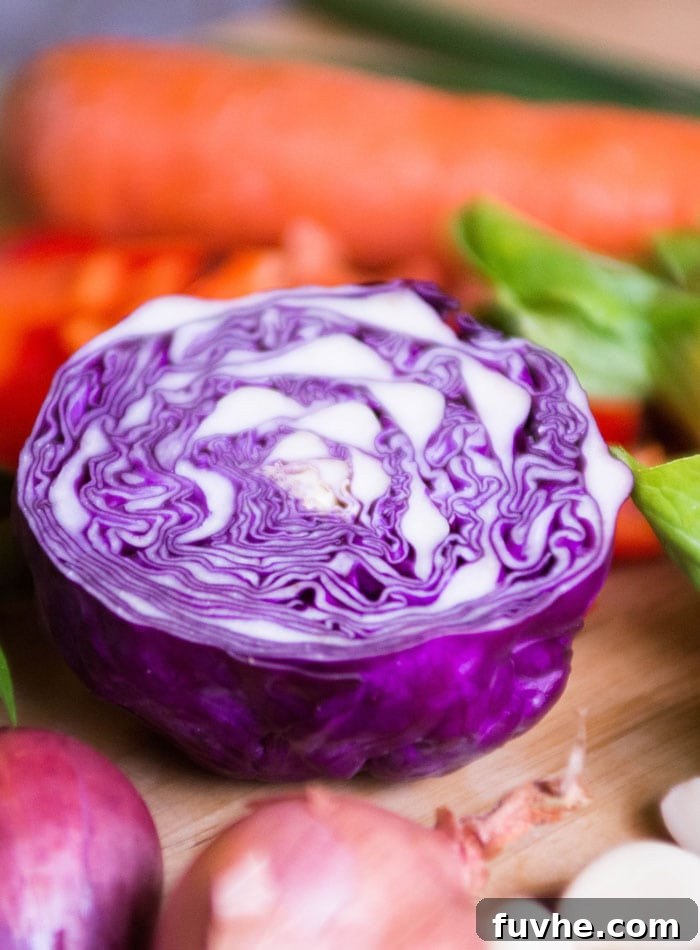
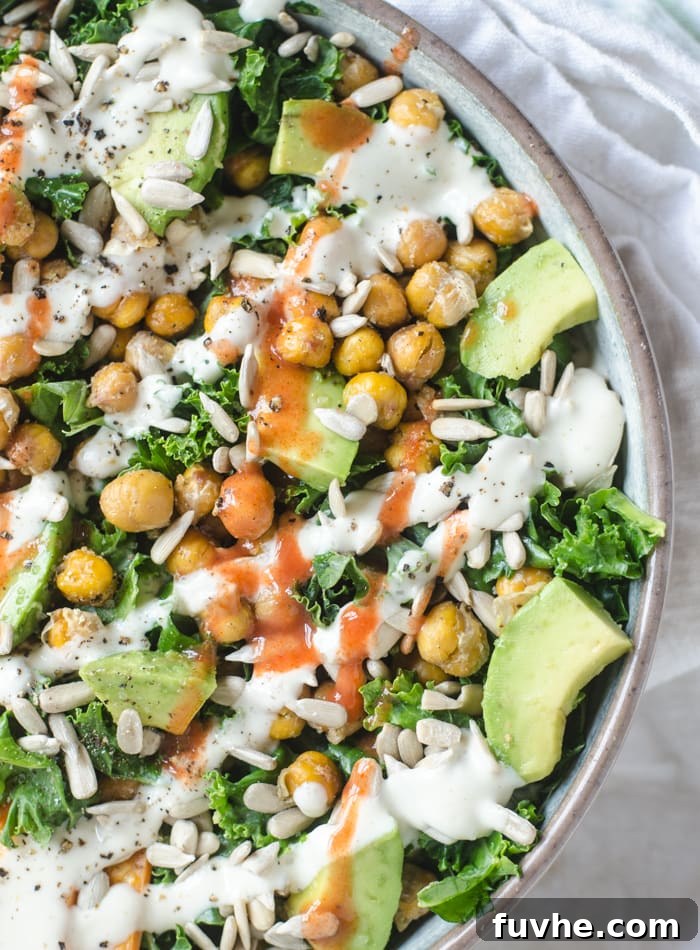
When targeting anti-inflammatory benefits, focus especially on dark blues and purples, such as blueberries, blackberries, and purple cabbage, which are rich in anthocyanins. Embrace bright reds, yellows, and oranges found in bell peppers, squash, and sweet potatoes, packed with carotenoids and vitamin C. And, of course, prioritize the ultimate superfood color: dark green. Incorporate copious amounts of dark, leafy greens like Swiss chard, kale, spinach, and collard greens, which are bursting with chlorophyll, vitamins K and A, and various potent antioxidants. Additionally, sipping on white and green teas can further boost your intake of phytonutrients like EGCG. Be mindful that these teas contain caffeine, so consume them judiciously, especially if you are sensitive, and always ensure you’re drinking plenty of water, as caffeine acts as a diuretic.
Hydration and Inflammation: The Essential Fluid Balance
While often overlooked, the role of hydration in managing inflammation is profound and simple: chronic dehydration directly contributes to chronic inflammation throughout the body. Maintaining optimal fluid balance is fundamental for every physiological process. The solution is straightforward: drink water consistently throughout the day, and drink *before* you feel thirsty to proactively prevent dehydration.
Dehydration negatively impacts virtually every system in the body: digestion slows down, metabolism declines, heart rate and blood pressure can increase, and both mental and physical abilities become impaired. Furthermore, insufficient water intake can lead to constipation, indigestion, poor circulation, localized inflammation, joint pain, muscle stiffness, and a loss of flexibility. When you experience a dip in energy, prioritize reaching for a glass of water before turning to quick fixes like coffee or sugary snacks, which can exacerbate the underlying problem.
To prevent chronic dehydration and support an anti-inflammatory state, aim for 8 to 12 glasses of filtered water daily. Simultaneously, reduce your intake of diuretics such as excessive coffee and soda, and minimize consumption of refined sugars, excessive table salt, and processed foods, all of which can contribute to fluid imbalance.

Move Your Body, Heal Your Body: Exercise and Inflammation
We’ve extensively discussed the pervasive nature of toxicity and various strategies to reduce our environmental and dietary toxic load. These include using natural personal care products and household cleaners, consuming filtered water, eliminating artificial sweeteners, moderating or avoiding alcohol, abstaining from tobacco, and prioritizing organic foods. While these are all excellent measures, one of the most accessible and profoundly beneficial ways to both reduce toxins and reap an endless array of other health benefits is through regular physical exercise.
Exercise actively eliminates toxins from the body through sweat and increased respiration. Beyond detoxification, it is a powerful antidote to stress, a natural balancer of hormones, a booster of circulation, and a formidable strengthener of the immune system. Furthermore, consistent physical activity fortifies the body, significantly reducing the risk of injury and dramatically accelerating our ability to recover if an injury does occur. Regular movement is not just about fitness; it’s a critical component of a truly anti-inflammatory lifestyle.

Best Anti-Inflammatory Foods Summary: Your Healing Food List
To recap, here is a concise list of some of the most potent anti-inflammatory foods to integrate into your diet:
- Essential fatty acids: Abundant in cold-water, oily fish such as wild-caught salmon, tuna, halibut, and sardines.
- Pineapple: Contains bromelain, a powerful enzyme with significant anti-inflammatory properties.
- A wide array of fruits and vegetables: Focus on diverse colors and types (with the exception of citrus fruits for some sensitive individuals; lemons and limes are generally well-tolerated).
- Garlic, ginger, and turmeric: These spices are renowned for their potent anti-inflammatory and antioxidant compounds.
- Flax seeds, hemp seeds, and chia seeds: Excellent plant-based sources of omega-3 fatty acids and fiber.
- Walnuts: Another fantastic source of plant-based omega-3s.
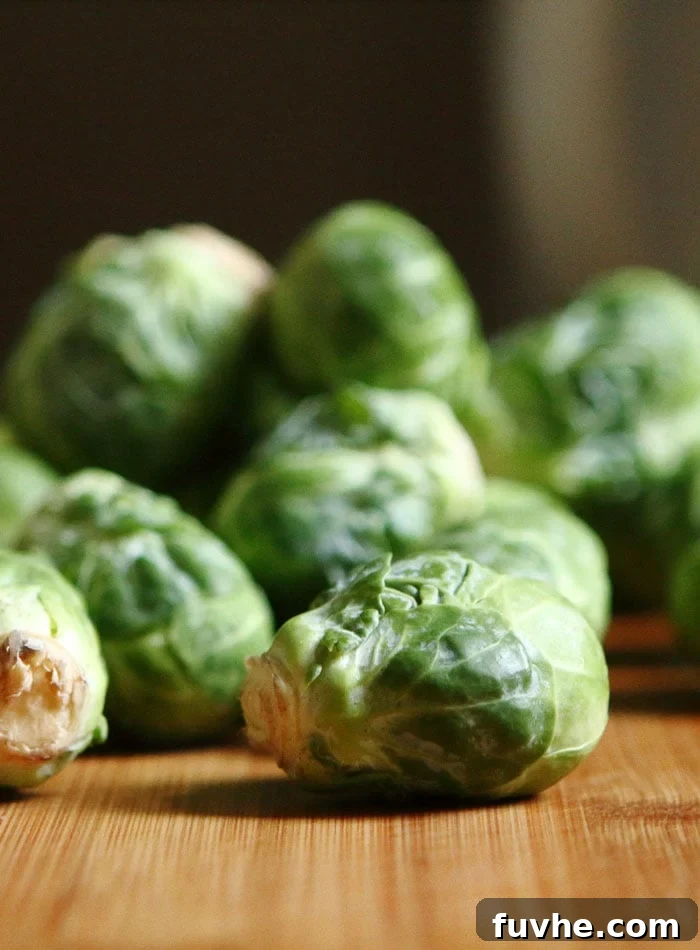
- Cruciferous vegetables: Including cabbage, cauliflower, broccoli, Brussels sprouts, and rapini, which contain sulforaphane and other beneficial compounds.
- Water: Aim to drink at least half your body weight in pounds in ounces of water every single day.
Holistic Healthy Living: Simplicity and Understanding
Let’s revisit the core concept of holistic healthy living. While one could endlessly detail the detrimental effects of processed meats, refined sugars, and hydrogenated oils, or get extremely granular about specific foods to eat and avoid, the truth is far simpler. The science of nutrition is fascinating and immensely helpful for understanding the profound power of food. Yet, the practical application often boils down to this: if you recognize the food for what it is—a whole, unprocessed gift from nature—eat it. Your body will also recognize it, efficiently converting it into energy without overtaxing your vital organs and systems. When you fuel your body this way, everything runs smoothly; you can genuinely feel it.
Conversely, imagine the immense workload you impose on your body when you clog your system with toxins, potential allergens, and “foods” that are utterly unrecognizable at a cellular level. Your liver, gallbladder, and kidneys become burdened, struggling to dismantle these substances and extract any semblance of nutrition. You literally *feel* inflamed. This can manifest as digestive discomfort, bloating, visible skin issues, a sense of sluggishness, lethargy, and persistent fatigue. Clearly, things are not running smoothly. Consistent adherence to such a diet inevitably leads to chronic inflammation, which drains your nervous, immune, circulatory, and digestive systems, leaving you susceptible to countless diseases and infections.
The Anti-Inflammatory Lifestyle: Sustainability and Mindset
Embracing an anti-inflammatory lifestyle isn’t about rigid perfection or never enjoying a treat. It’s not about becoming a zealot who never indulges in a piece of cake, a donut, or a side of fries. What truly matters is consistency. If an occasional treat brings you genuine happiness, enjoy it! However, for the vast majority of your meals, prioritize whole foods and strive to cultivate a genuine desire to eat this way. Healthy eating should never feel like a punishment or deprivation. Extreme dieting often comes with its own set of physical and psychological problems; we must move beyond that restrictive mindset and find a sustainable, joyful balance.
Continuing to educate yourself on these topics and understanding the underlying science can empower you to reach a place where you joyfully embrace a healthy, balanced diet, which will naturally heal inflammation. However, never underestimate the pivotal role of mental health and self-love in this journey. We often need to heal our minds and address emotional patterns before we can truly and permanently transform our lifestyles. Ultimately, mindset is everything.
Letting Go of Rules: Intuitive and Mindful Eating
Once you internalize the understanding that whole foods inherently provide everything your body needs, you can release the burden of rigid rules and instead enjoy a diverse range of different whole foods at each meal. Portion size remains important; even healthy foods, when consumed in excess, can overtax the digestive system and make it difficult for the body to process nutrients properly. Eating smaller, more frequent meals can help maintain stable blood sugar levels and optimize digestive health, thereby improving nutrient absorption and decreasing inflammation in the gut.
Stable blood sugar and the efficient absorption of micronutrients profoundly improve our mood, energy levels, and brain health. When you feel good mentally and physically, the urge for emotional eating naturally diminishes. The saying “happy wife, happy life” might be better rephrased as “happy gut, happy life,” because nearly every facet of our mental and physical well-being is intrinsically linked to the health of our gut. Treat it with the utmost care and respect.
You truly possess the power to heal yourself through food. If you aspire to feel better, take this knowledge seriously and commit to making transformative changes. Respect and love yourself enough to consistently make better food choices, empowering you to live a long, vibrant life and truly *get life* out of those years. This was indeed a comprehensive post! Congratulations if you’ve made it all the way through. Stay tuned for the next installment in this anti-inflammatory series, where we’ll delve deeper into meal plans, recipes, further food and nutrition science, as well as exploring crucial topics like gut health, stress management, optimal sleep, and more practical ways to cultivate a naturally anti-inflammatory lifestyle.

Best Anti-Inflammatory Books: Further Reading for Healing
For those eager to deepen their understanding of healing inflammation through diet and lifestyle, I highly recommend these insightful books, many of which also offer wonderful anti-inflammatory recipes:
- The Anti-Inflammation Diet and Recipe Book: Protect Yourself and Your Family from Heart Disease, Arthritis, Diabetes, and Allergies
by Jessica K. Black, N.D. - Meals that Heal Inflammation:Embrace Healthy Living and Eliminate Pain, One Meal at a Time
by Julie Daniluk, R.H.N. - The Complete Anti-Inflammatory Diet for Beginners: A No-Stress Meal Plan with Easy Recipes to Heal the Immune System
by Dorothy Calimeris
Best Nutrition and Health Books: Foundational Knowledge
Beyond specific anti-inflammatory resources, these additional books have profoundly influenced my understanding of food and my ability to make optimal dietary choices from a place of deep knowledge regarding nutrition’s immense power:
- In Defense of Food: An Eater’s Manifestoby Michael Pollan
- Whole: Rethinking the Science of Nutrition
by Dr. T. Colin Campbell - Wheat Belly:Lose the Wheat, Lose the Weight, and Find Your Way Back to Health
by Dr. William Davis - The China Studyby Dr. T. Colin Campbell
- How Not to Die:Discover the Foods Scientifically Proven to Prevent and Reverse Disease
by Michael Greger - The Mind-Gut Connection:How the Hidden Conversation Within Our Bodies Impacts Our Mood, Our Choices, and Our Overall Health
by Emeran Mayer - Savor: Mindful Eating, Mindful Life
by Thich Nhat Hanh
For more plant-based nutrition insights, refer to our comprehensive vegan nutrition guide, learn how to transition to a plant-based diet, and discover the best vegan protein sources.
Our vegan macro cheat sheet and grocery list are also valuable tools to support your healthy eating journey.