
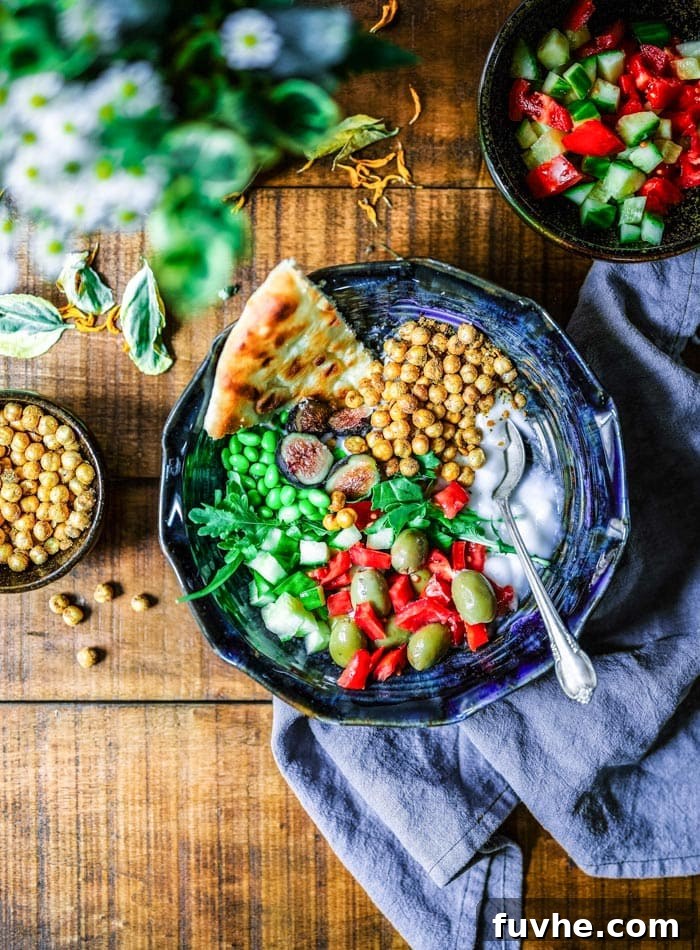
Embarking on a plant-based diet journey is an incredibly rewarding decision that can transform your health, energy, and overall well-being. While the prospect of transitioning might seem daunting at first, rest assured that this is a journey entirely within your grasp. It’s natural to encounter challenges and occasional stumbles along the way, but the key to success lies in consistent effort and a commitment to keep moving forward. We’re here to guide you through this exciting new chapter, one simple step at a time.

For many who have previously maintained a diet heavily reliant on animal products, the idea of a fully plant-based lifestyle can seem almost impossible. Questions like, “What could I possibly eat without meat, eggs, and dairy?” are perfectly normal. However, you’ll soon discover a vibrant, diverse, and incredibly delicious world of nourishing plant-based foods. Not only are there abundant options, but they can be prepared in creative and exciting ways, offering plant-based alternatives to all your favorite meals and treats.
Cultivating a Positive Plant-Based Mindset
Approaching this dietary shift with an open mind and a positive outlook is paramount. Instead of dwelling on what you might perceive as “giving up,” reframe your perspective to focus on the immense benefits you stand to gain. A plant-based diet isn’t about deprivation or willpower struggles; it’s about embracing a lifestyle of abundance, flavor, and improved health. As you delve deeper into plant-based eating, you’ll realize that you don’t have to sacrifice enjoyment or variety.
Imagine enjoying wholesome versions of pizza, cookies, muffins, chocolate, and sandwiches, all crafted from nourishing plant ingredients. Once you become familiar with the vast array of vegan alternatives and learn to prepare delicious plant-based meals, you’ll naturally fall in love with this lifestyle and how incredible it makes you feel, both physically and mentally. This shift in perspective is the foundation for sustainable change.
Define Your “Why”: Your Motivation for a Plant-Based Lifestyle
Before embarking on any significant lifestyle change, especially a transition to a whole food plant-based (WFPB) diet, it’s crucial to identify your core motivations. This “reason why” will serve as your anchor during challenging moments, helping you stay committed to your goals and navigate any obstacles. Your motivation is deeply personal, and understanding it clearly will empower you throughout your journey.
Common compelling reasons for adopting a plant-based diet include:
- Disease Prevention: Significantly reducing the risk of chronic illnesses such as heart disease, type 2 diabetes, and certain cancers.
- Blood Sugar Management: Helping to stabilize blood glucose levels, particularly beneficial for individuals with or at risk of diabetes.
- Lowering Cholesterol: Naturally improving cholesterol profiles and promoting cardiovascular health.
- Increased Longevity: Studies suggest that plant-rich diets are associated with a longer, healthier lifespan.
- Animal Welfare: A deep concern for the ethical treatment of animals and a desire to minimize harm.
- Sustainable Weight Management: Achieving and maintaining a healthy weight through nutrient-dense, fiber-rich foods.
- Environmental Impact: Reducing your carbon footprint and contributing to a more sustainable planet by choosing foods that require fewer resources.
- Enhanced Energy Levels: Experiencing a noticeable boost in energy and vitality.
- Improved Digestion & Gut Health: The high fiber content supports a healthy microbiome and regular digestion.
Which of these reasons resonates most deeply with you? Perhaps it’s a combination of several. Find the motivation that truly inspires and excites you, then articulate it clearly. Write down your “why” and place it where you’ll see it daily—on your fridge, bathroom mirror, or as a reminder on your phone. Keeping this reason front and center will help you maintain focus and determination.
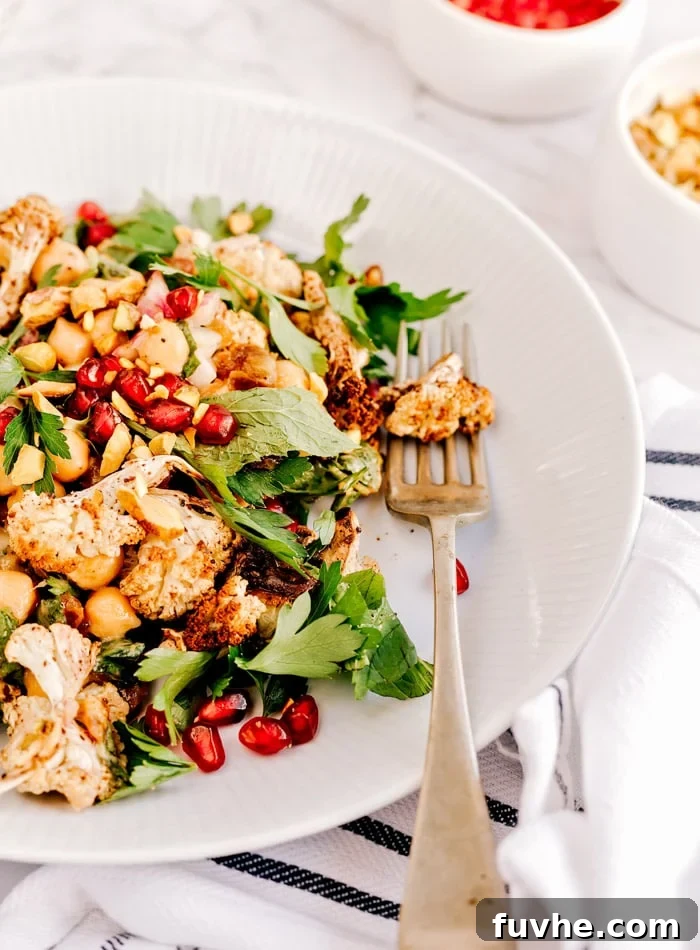
Understanding the Whole Food Plant-Based Diet
A whole food plant-based (WFPB) diet emphasizes whole, unprocessed, or minimally processed plant foods. It forms its foundation on an abundance of fruits, vegetables, tubers, whole grains, and legumes, complemented by nuts and seeds. Crucially, a WFPB diet intentionally excludes all meat, poultry, fish, dairy products, and eggs, as well as highly refined ingredients like processed grains, added sugars, and oils. The focus is on eating foods as close to their natural state as possible to maximize nutrient intake and minimize detrimental additives.
Distinguishing Between Plant-Based and Vegan
While the terms “plant-based” and “vegan” are often used interchangeably, there are distinct differences. It’s possible to be vegan without exclusively adhering to a whole food plant-based diet, and conversely, one can follow a plant-based diet without necessarily identifying as vegan.
Veganism is a broader lifestyle choice that extends beyond diet. It is a philosophy and way of living that seeks to exclude, as far as is possible and practicable, all forms of exploitation of, and cruelty to, animals for food, clothing, or any other purpose. This means abstaining from all animal products, including meat, fish, dairy, eggs, honey, gelatin, lanolin, wool, fur, silk, suede, and leather. A vegan lifestyle encompasses ethical considerations in all aspects of consumption, from food and clothing to entertainment and household products.
A plant-based diet, on the other hand, is primarily focused on dietary choices. As the name suggests, it centers around foods derived from plants, with the exclusion of animal products. Individuals adopting a plant-based diet may do so for various reasons, including health, environmental sustainability, or ethical concerns, but their scope of abstinence typically revolves around what they consume rather than a comprehensive lifestyle commitment against animal exploitation in all forms. For example, someone eating a plant-based diet might still own leather shoes or consume honey, while a strict vegan would not.
Where Compassion Meets Health: A Personal Journey
For many, the transition to plant-based eating begins with a singular focus, which then expands to encompass other profound benefits. For instance, an initial concern for animal welfare, sparked by learning about modern agricultural practices, might lead to dietary changes. As one delves deeper, the compelling health advantages of plant-based nutrition become apparent, solidifying the commitment. It’s a journey where compassion can naturally intertwine with a pursuit of optimal health.
Regardless of your starting point, adopting a plant-based diet and actively seeking to reduce harm to animals in all areas of your life is a commendable endeavor. Remember, it’s about doing the best you can with the resources and knowledge you have at any given time. Don’t be discouraged by occasional slip-ups; instead, view them as learning opportunities and gently guide yourself back on track. Even a predominantly plant-based diet offers significant advantages over a standard animal-product heavy one. Trust your intuition and listen to your body; you will find the path that feels right and sustainable for you.
Vegan vs. Vegetarian Diet: Key Distinctions
The primary difference between a vegan and vegetarian diet lies in the inclusion of certain animal-derived products. Vegetarians abstain from consuming meat, poultry, and fish, but typically include animal by-products such as dairy (milk, cheese, yogurt) and eggs in their diet. There are variations within vegetarianism, such as lacto-ovo vegetarians (who consume dairy and eggs) or pescatarians (who consume fish but no other meat).
Vegans, by contrast, exclude all animal products whatsoever from their diet and often from their lifestyle. This means no meat, fish, poultry, eggs, dairy, or any other ingredients derived from animals.

Distinguishing Between “Plant-Based” and “Whole Food Plant-Based”
It’s important to clarify the distinction between a general “plant-based” or “vegan” diet and a “whole food plant-based” (WFPB) diet. While both exclude animal products, a standard plant-based or vegan diet could technically be composed of highly processed foods, sugary drinks, refined grains, and unhealthy fats (e.g., vegan cookies, fries, white pasta). This is where the emphasis on “whole food” becomes critical.
A whole food plant-based diet specifically aims to minimize or eliminate processed foods and prioritize foods that are as close to their natural, unprocessed state as possible. This means focusing on fruits, vegetables, whole grains, legumes, nuts, and seeds, rather than relying on heavily processed vegan junk foods or excessive oils and refined sugars. The WFPB approach maximizes nutrient density and optimizes health outcomes.
The Profound Benefits of a Whole Food Plant-Based Diet
Embracing a whole food plant-based diet offers a multitude of health benefits that extend far beyond simply avoiding animal products. By focusing on unrefined, nutrient-rich plant foods, you harness the full power of nature’s pantry.
Key advantages of a WFPB lifestyle include:
- Optimal Nutrient Intake: You gain abundant macronutrients (complex carbohydrates, healthy fats, fiber) and micronutrients (vitamins, minerals, antioxidants) without the empty calories or harmful additives often found in processed foods.
- Reduced Inflammation: Minimizing refined sugars, processed grains, and oils is crucial for significantly reducing chronic inflammation, which is a root cause of many modern diseases.
- Enhanced Digestive Health: The high fiber content promotes a healthy gut microbiome, aids regular bowel movements, and can alleviate common digestive issues.
- Sustainable Weight Management: Naturally supports healthy weight loss and maintenance due to the high volume, low-calorie density, and satiating fiber in whole plant foods.
- Improved Cardiovascular Health: Lowers cholesterol, blood pressure, and reduces the risk of heart disease and stroke.
- Blood Sugar Control: Helps prevent and manage type 2 diabetes by improving insulin sensitivity and stabilizing blood glucose.
- Increased Energy Levels: Provides sustained energy throughout the day, avoiding the crashes associated with processed foods and animal products.
- Disease Prevention: Offers powerful protection against a wide range of chronic diseases, including certain cancers and autoimmune conditions.
For Further Reading: Anti-Inflammatory Living to Heal Inflammation Naturally
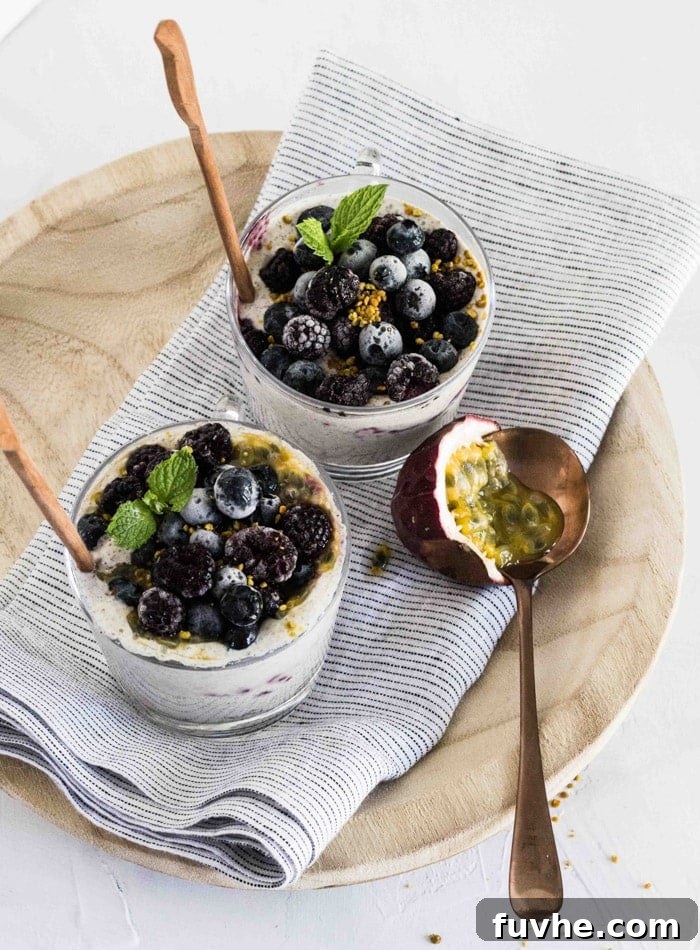
Essential Tips for a Successful Plant-Based Transition
Before you dive headfirst into your plant-based adventure, taking a moment to review these foundational tips can significantly boost your chances of long-term success. These practices are cornerstones of healthy eating and will make your transition much smoother.
Prioritize Home Cooking and Food Preparation
This is arguably the most crucial element of a sustainable plant-based diet. Unless you have an endless budget for dining out and live in an area brimming with vegan restaurants, preparing your own meals at home is absolutely essential. It gives you control over ingredients, ensures you’re eating whole foods, and is significantly more cost-effective. Don’t be intimidated by the kitchen; creating healthy, delicious plant-based meals can be surprisingly quick and simple. To help you get started, consider exploring resources like:
- 3-Day Whole Food Plant-Based Meal Plan
- Healthy Breakfast Smoothie Recipes
- Easy Healthy Vegan Breakfast Recipes
- Vegan Grocery List
- One-Week Vegan Meal Plan
Master Meal Planning and Food Preparation
Integrating weekly meal planning and food prep into your routine will be a game-changer. This practice streamlines your week, saves money, and drastically reduces food waste. Dedicate some time, perhaps on a Sunday, to map out your meals for the upcoming week and create a comprehensive grocery list. Strategic planning and preparation are undeniable keys to success in any dietary shift.
Once your plan and list are complete, tackle your grocery shopping. Then, head to the kitchen for some dedicated food preparation. This could be as straightforward as pre-washing and chopping your vegetables for easy access, or as comprehensive as batch cooking staple grains, legumes, and even entire meals for the week. Experiment with different approaches to find what fits best into your schedule and lifestyle.
Establish a Well-Stocked Plant-Based Pantry
A thoughtfully organized pantry filled with essential plant-based staples will simplify your meal creation and grocery runs. It empowers you to whip up healthy, delicious meals on the fly, even when time is tight. Familiarize yourself with ingredients like various grains, legumes, nuts, seeds, spices, and sauces. For guidance on building your foundational supply, check out my post on How to Stock a Vegan Pantry. My comprehensive vegan grocery list will also prove invaluable.
Commit to Ongoing Education
Knowledge is power, especially when it comes to dietary changes. The more you learn about the science of health and nutrition, the ethics of animal welfare, and sustainable agriculture, the more natural and effortless your plant-based choices will become. Beyond podcasts, delve into books, documentaries, and reputable scientific articles. Key areas to explore include understanding essential nutrients on a plant-based diet. I highly recommend reading my post on optimal vegan protein sources and consulting my comprehensive vegan nutrition guide.
Explore New Cookbooks and Recipe Resources
Discovering new recipes is a fantastic way to keep your plant-based diet exciting and prevent monotony. Invest in a few favorite vegan cookbooks, or utilize your local library to explore a wide range of culinary styles. Beyond traditional books, the digital world offers an endless supply of inspiration: Pinterest, Instagram, and dedicated vegan food blogs are treasure troves of recipes and ideas. Follow inspiring plant-based accounts on social media, like @runningonrealfood on Instagram, to stay motivated and connected to the vibrant plant-based community.
Embrace Progress Over Perfection
This mindset is absolutely critical for long-term success and is a pitfall many newcomers face. It’s common for individuals to experience a minor setback—a single non-vegan meal or a missed step—and then completely abandon their efforts. This “all-or-nothing” thinking is counterproductive. Think of it like a journey: a small detour doesn’t mean you have to turn back home. Stumbling is an inherent part of any learning process; what truly matters is your ability to pick yourself up, learn from the experience, and continue moving forward.
Never discard all your hard work due to a single perceived failure. Failures are valuable opportunities for growth and refinement. Consistency, not unattainable perfection, is the genuine driver of progress. Be kind to yourself, practice self-forgiveness, acknowledge every step forward, big or small, and simply keep going. Remember, we are all human, and resilience is built through persistence, not flawless execution.

Your Step-by-Step Guide to Transitioning to a Plant-Based Diet
Transitioning to a plant-based diet doesn’t have to be an abrupt, “cold turkey” change. Your journey might take a few weeks, several months, or even a year – and that’s perfectly fine. Resist the urge for overnight perfection. Significant change can be difficult, bringing emotional and social challenges as you diverge from societal norms. Depending on your current eating habits, you might be able to make a swift switch, but for most, a gradual, staged approach will prove more realistic and sustainable.
Embracing a Staged Transition for Lasting Success
If your current diet closely resembles the Standard American Diet, adopting a phased approach towards a completely plant-based lifestyle is likely your best strategy for long-term success. Focusing on one manageable step at a time makes the process less overwhelming and far more sustainable. You’re bound to encounter occasional hurdles as you adjust, but a gradual transition allows you to find your footing and build new habits until plant-based eating feels completely natural.
There’s no need to feel pressured to become fully plant-based overnight. The journey itself, with all its learning and discovery, is an integral and enjoyable part of the process. By learning to embrace and love this gradual transition, you significantly increase your likelihood of succeeding and thriving in the long term.
The Transformative Power of Small Changes
While your enthusiasm to start is wonderful, moving slowly provides invaluable opportunities. It allows your palate to adjust, your cooking skills to develop, and your knowledge of plant-based nutrition to deepen. There’s immense power in small, consistent changes that build momentum over time. However, don’t let gradual progress turn into complacency. Be honest with yourself and gently push beyond your comfort zone, as that’s where true growth and exciting discoveries lie.
This step-by-step plan is designed with the beginner in mind. If you already have some familiarity with plant-based eating or are currently vegetarian, you can adapt it to your starting point. For example, if you’re still consuming some meat, skip ahead to actively eliminating it, then move on to dairy and eggs. Alternatively, you could start by removing dairy, then eggs, and finally meat. If you’re vegetarian and aiming for a fully plant-based diet, your focus will be primarily on transitioning away from dairy and eggs.
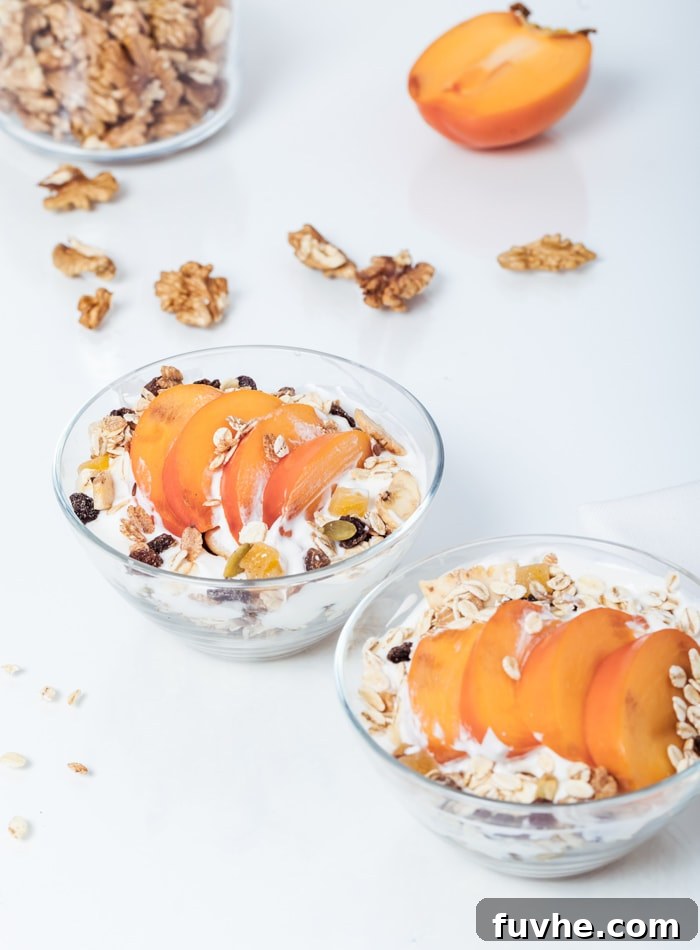
Step 1: Gradually Reduce Your Meat Consumption
For those entirely new to plant-based eating, a fantastic starting point is to introduce one meatless day per week. “Meatless Mondays” is a popular and effective movement, making it an excellent day to begin. Incorporate Meatless Mondays into your routine for 2-4 weeks to build confidence and familiarize yourself with plant-based meals before moving on to the next stage.
During this initial phase, if you currently consume eggs, fish, and dairy, don’t worry about them yet. Your sole focus should be on consciously incorporating more plant foods into your diet and actively reducing your meat intake. Instead of making meat the central component of your dishes, experiment with bean, legume, or tofu-based meals. Try elevating a side salad to become the main course, packed with vibrant vegetables and plant-based protein.
1a. Continue Your Education
This initial month is an opportune time to deepen your understanding of the incredible benefits of a plant-based diet. Beyond simply following recipes, educating yourself on the nutritional science, health outcomes, and environmental impact will solidify your commitment. I highly recommend listening to insightful podcast episodes that can provide a wealth of information and inspiration:
Recommended Plant-Based Nutrition Episodes
- Rich Roll Podcast Episode #50 with Dr. Garth Davis, Weight Loss Surgeon Turned Plant-Powered Crusader
- Rich Roll Podcast Episode #150 with Dr. Garth Davis, Our Misplaced Obsession with Protein: High Fat, Low Carb Diets, Bad Science and How to Separate Nutritional Fact from Popular Science
- Rich Roll Podcast Episode #252 with Dr. Neal Barnard, The Power of Nutrition to Prevent and Reverse Disease
- Rich Roll Podcast Episode #2 with Dr. Neal Barnard, On Breaking the Dairy Addiction
- Rich Roll Podcast Episode #192 with Robynne Chutkan, MD, Live Dirty, Eat Clean, Everything Microbiome
- Rich Roll Podcast Episode #79 with T Colin Campbell, How Plant-Based Nutrition Can Prevent and Reverse Disease
- Rich Roll Podcast Episode #7 with Michael Greger, MD, Omega-3’s, Antioxidant Impact on Exercise Recovery and the How’s and Why’s of Protein Intake
- Rich Roll Podcast Episode #199 with Michael Greger, MD, How Not to Die
- Rich Roll Podcast Episode #28 with RD Andy Bellatti, Taking a Stand on Real Food
- Rich Roll Podcast Episode $44 with Doctor Joel Kahn, How a Plant-Based Diet can Prevent and Reverse Heart Disease
Deepening Your Understanding: Animal Welfare and Vegan Athletes
In addition to nutrition, exploring the ethical dimensions of a plant-based diet can be deeply motivating. For insights into animal welfare, I highly recommend this episode with Gene Baur. If you’re an athlete or simply curious about how a plant-based diet supports high-level physical performance, there are numerous inspiring interviews with vegan athletes. Check out episodes featuring individuals like Mac Danzig, Patrick Bauboumian, Timothy Shieff, Landon Casill, Mark Miller, Lelani Munter, Griff Whalen, and many others. You can discover a vast array of excellent conversations on various topics at the Rich Roll Podcast archives.
Foundational Plant-Based Diet Books for Your Library
To further deepen your understanding and commitment, consider diving into these transformative books that lay out the scientific evidence and practical applications of a plant-based lifestyle:
- How Not to Die by Michael Greger, MD: A comprehensive guide to preventing and reversing disease through diet.
- Proteinaholic: How Our Obsession with Meat Is Killing Us and What We Can Do About It by Garth Davis, MD: Debunks common myths about protein and advocates for plant-based eating.
- The Cheese Trap: How Breaking a Surprising Addiction Will Help You Lose Weight, Gain Energy, and Get Healthy by Neal Barnard, MD: Explores the addictive nature of cheese and strategies to eliminate it.
- Dr. Neal Barnard’s Program for Reversing Diabetes by Neal Barnard, MD: A groundbreaking approach to diabetes management through diet.
- The China Study by T. Colin Campbell, PhD, and Thomas M. Campbell II, MD: A seminal work on the relationship between diet and disease.
- Whole: Re-Thinking the Science of Nutrition by T. Colin Campbell, PhD: Further explores the holistic science of nutrition.
- Eat to Live: The Amazing Nutrient-Rich Program for Fast and Sustained Weight Loss by Joel Fuhrman, MD: Focuses on nutrient density for optimal health and weight.
- Prevent and Reverse Heart Disease by Caldwell B. Esselstyn Jr., MD: Demonstrates how a plant-based diet can stop and even reverse heart disease.
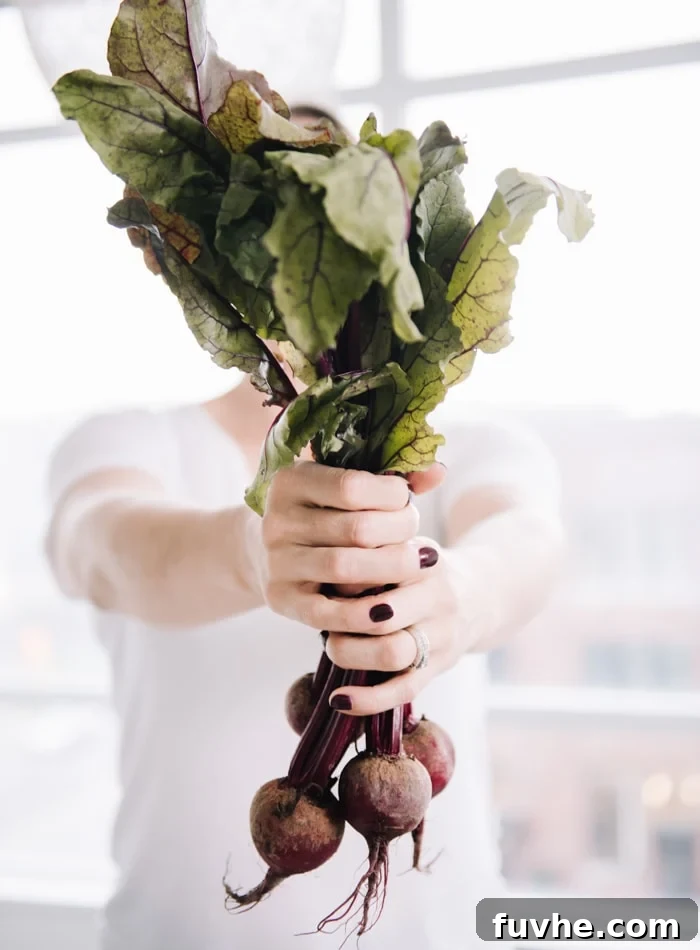
Actively Incorporate More Plant Foods
During this initial month of transition, in addition to reducing meat, make a conscious effort to actively increase the amount of plant-based foods in your diet. This “addition by subtraction” approach helps you feel satiated and naturally crowds out less healthy options. For example, if your usual breakfast is scrambled eggs, try enhancing it by stirring in a generous amount of fresh spinach, mushrooms, and onions. If you’re preparing soup, boost its nutritional content and flavor with chickpeas and kale. When making a sandwich, layer on creamy avocado and crisp sprouts for added texture and nutrients.
By prioritizing the addition of plant-based foods, you’ll naturally increase your intake of healthy fiber, essential vitamins, and vital minerals. The more delicious and satisfying plant foods you consume, the less you’ll feel the need for animal products and highly processed alternatives. This month is also an ideal time to explore new plant-based ingredients and recipes, further developing your weekly food preparation and meal planning habits.
Focus on Plant-Based Meals: Mornings, Afternoons, or Evenings
Another highly effective strategy for gradually reducing your overall meat intake and building new habits is to focus on making specific meals plant-based. You could begin by committing to plant-based breakfasts, then progress to crafting plant-based lunches, and eventually tackle plant-based dinners. This segmented approach makes the transition more manageable and allows you to master one meal category at a time.
Inspiring Plant-Based Meal Ideas for Breakfast and Dinner
To help you brainstorm and prepare delicious plant-based meals, explore these resources:
- Easy Healthy Vegan Breakfast Recipes
- Healthy Breakfast Smoothie Recipes
- 28 Healthy Vegan Salad Recipes (perfect for lunch or light dinner)

Step 2: Further Reduce Meat Consumption to Once a Week
By now, you’ve gained confidence in preparing and enjoying plant-based meals for at least one day a week. The next step is to progressively reduce your meat intake day by day until you’re consuming it only about once a week. This might involve replacing a few more meat-heavy meals with plant-based alternatives, expanding your repertoire of delicious recipes.
You can comfortably stay in this second stage for another month or two, or as long as you need, until you feel truly ready to further decrease meat to once every couple of weeks, and then eventually, once a month. This slow and steady approach ensures your dietary changes are deeply ingrained and sustainable. As you reduce meat, actively seek out and experiment with the incredible world of plant-based proteins that can seamlessly replace it in your favorite dishes. Some excellent and versatile meat replacement options include:
- Cauliflower Rice: An excellent substitute for ground beef in dishes like chili or tacos.
- Walnuts and/or Lentils: Perfect for creating savory taco meat, burger patties, or adding texture to pasta sauces.
- Jackfruit: When cooked, its fibrous texture makes it an ideal stand-in for “pulled pork” in sandwiches or tacos.
- Portobello Mushrooms: Their hearty, meaty texture is fantastic for “steak” strips in fajitas or as juicy burger patties.
- Homemade Veggie Burgers: Craft your own wholesome, flavorful patties using beans, grains, and vegetables, like these chickpea veggie burgers.
- Eggplant, Tofu, or Coconut: Can be transformed into crispy, smoky “bacon” alternatives. Consider this broccoli brown rice bowl which can feature plant-based bacon.
- Seitan, Tempeh, or Tofu: These versatile plant-based proteins are excellent meat substitutes, absorbing flavors beautifully in stir-fries, curries, and more.
- Field Roast Vegan Sausages: A convenient and flavorful store-bought option for grilling or adding to stews.
Step 3: Completely Eliminate Meat from Your Diet
Congratulations! You’ve been consciously moving towards a plant-based diet for at least a month, possibly longer. You’ve developed essential skills in meal planning, food preparation, and creating delicious, entirely plant-based meals for a full day. Now is the time for the pivotal step: eliminating all forms of meat from your diet. This includes red meat, poultry, and if you’ve been consuming it, fish. Gradually reduce and then completely cut out fish as you did with other meats.
At this stage, you should feel confident in your ability to choose and prepare satisfying plant-based alternatives. Focus on celebrating this significant milestone and reinforcing your new eating habits. You’re well on your way to a fully plant-based lifestyle!
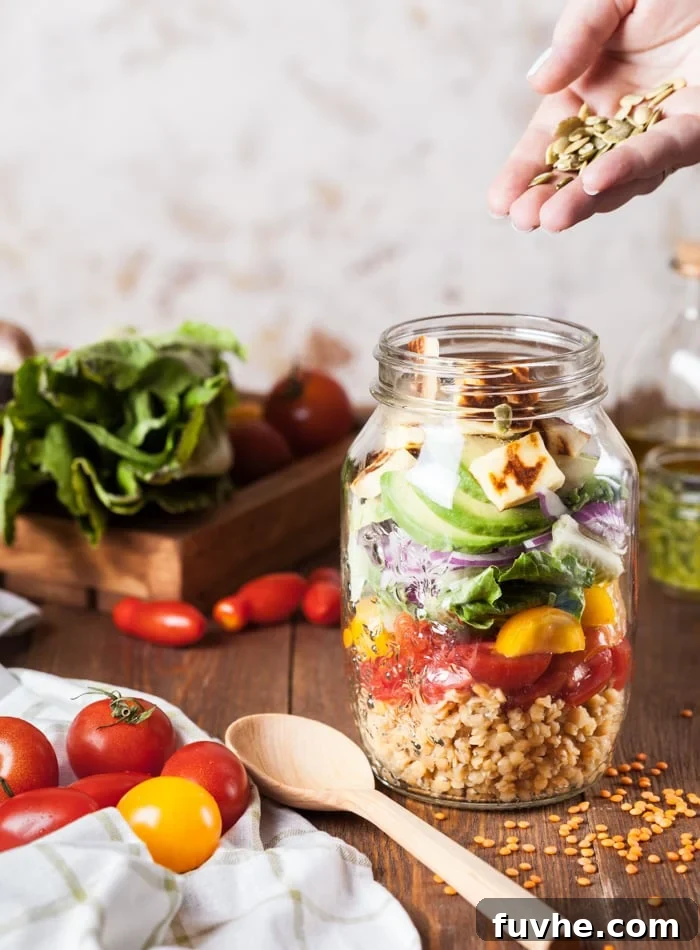
Step 4: Begin Reducing Your Dairy Intake
For many, dairy can be one of the most challenging animal products to eliminate due to its pervasive presence in so many foods and its often-addictive qualities. However, with a strategic approach and a willingness to explore alternatives, it’s far easier than you might anticipate. To get a head start, I highly recommend reading my comprehensive post on How to Replace Dairy in Your Diet.
Start with Plant-Based Milks
Replacing cow’s milk is often the easiest first step. The market is flooded with a fantastic variety of plant-based milks today, including almond, soy, oat, cashew, and rice milk. Many of these can be used as a direct, one-for-one replacement for dairy milk in cereals, coffee, smoothies, and baking. Making your own nut or oat milk at home is also surprisingly simple and cost-effective. Make this switch immediately to build momentum.
Transition to Plant-Based Yogurts
Similar to milk, plant-based yogurts have become widely available and incredibly delicious. You can easily find options made from coconut, almond, soy, or cashew. Brands like So Delicious and Yoso offer a wide array of flavors and textures. For the adventurous, making your own cashew or almond yogurt at home is a rewarding process that allows for customization.
Addressing the Cheese Challenge
For many, cheese presents the biggest hurdle in going dairy-free. Replicating the unique melting and stretching properties of traditional cheese can be difficult. However, it’s important to remember that with time, your palate will adjust, and you will get used to living without it. To help understand the science behind cheese cravings, I strongly suggest listening to Rich Roll Podcast Episode #2 with Dr. Neal Barnard, focusing on breaking the dairy addiction.
The good news is that the vegan cheese market has exploded with incredible options. Brands like Chao, Daiya, and Earth Balance offer various types of cheeses, from shreds to slices, that can satisfy many cravings. For those who enjoy homemade culinary projects, exploring recipes for plant-based cheeses (often made from cashews or other nuts) can be a delightful journey. Julie Piatt’s book “This Cheese is Nuts” is an excellent resource for crafting your own gourmet vegan cheeses.
Mastering Dairy “Extras”: Cream, Sauces, and Spreads
Finally, tackle the various dairy “extras” like cream, cheese sauces, sour cream, and whipped cream. These are all easily replaced with homemade or store-bought vegan alternatives. Befriend ingredients such as soft tofu, raw cashews, and full-fat coconut milk; these form the basis for creating incredibly rich and creamy plant-based versions of traditionally dairy-based products. Nutritional yeast is another powerful ingredient that adds a cheesy, umami flavor to sauces and dishes without any dairy.
Dedicate a few weeks to experimenting with these plant-based options. Swap out cow’s milk for almond or cashew milk, get familiar with the savory magic of nutritional yeast, try whipping up vegan sour cream using cashews or tofu, explore making tofu ricotta, create your own luscious vegan coffee creamer, replace mayonnaise with its vegan counterpart or creamy avocado, and enjoy store-bought vegan cheeses for occasional treats like pizza or nachos.
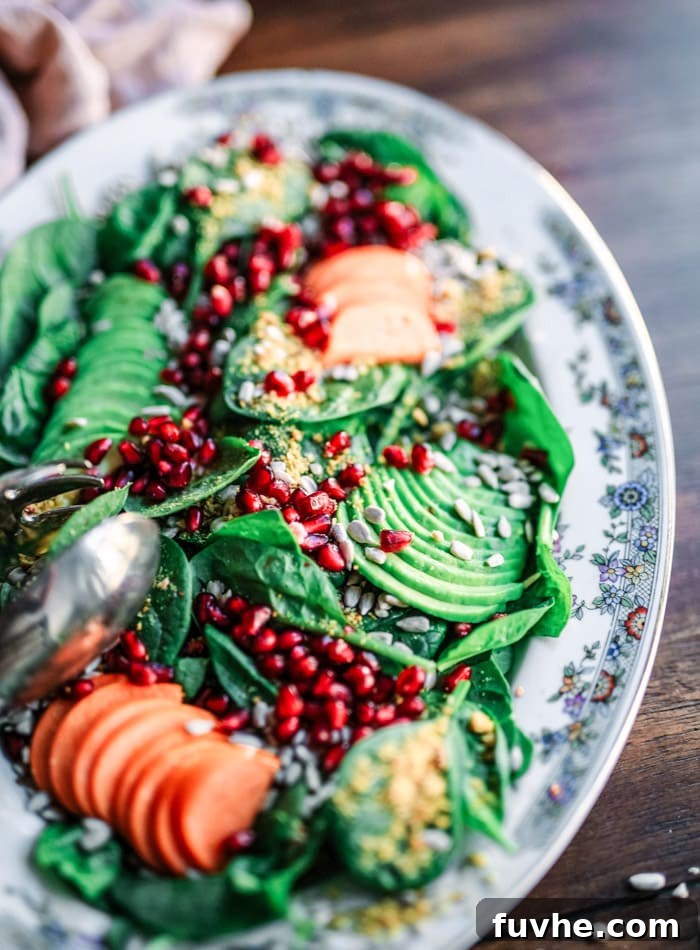
Step 5: Completely Eliminate Dairy from Your Diet
Having spent ample time familiarizing yourself with and experimenting with a wide range of vegan dairy alternatives, you’re now ready for the complete elimination of dairy from your diet. This is a significant achievement! Allow yourself a week or two to fully adjust to living dairy-free, celebrating your success in overcoming what many consider to be the most challenging aspect of a plant-based transition. You’ve built the knowledge and found the replacements; now, make the full commitment.
Navigating Social Events and Holidays on a Plant-Based Diet
Social gatherings, particularly in cultures where animal products are deeply ingrained in traditions and cuisine, can present unique challenges for plant-based eaters. Dairy, in particular, seems to be an ingredient in almost everything. Here are practical tips to help you gracefully navigate social events and holidays while staying true to your dietary choices:
- Shift Your Focus Beyond Food: It’s easy to get fixated on what you can or cannot eat. Instead, try to concentrate on the true purpose of the gathering: connecting with loved ones, enjoying conversations, and being present in the moment. Remember that your dietary choices are personal, and you don’t need to justify them or feel bad. It’s also a great opportunity to stay hydrated with water or comforting teas.
- Offer to Bring a Plant-Based Dish to Share: This is an excellent strategy. By bringing a delicious vegan dessert, appetizer, or side dish, you ensure there’s at least one option you can enjoy. Plus, you’ll have the chance to introduce others to how flavorful and satisfying plant-based food can be, often to their surprise!
- Communicate with Your Host in Advance: For dinner parties or special events, a polite conversation with your host beforehand can prevent awkward situations. Simply ask if there will be any plant-based options, or offer to bring a complementary dish that fits your diet. Most hosts are understanding and accommodating, especially when given prior notice.
- Choose Naturally Animal-Free Snacks: Scan the table for inherently plant-based options. Fresh vegetables with hummus or guacamole, nuts, seeds, fruit platters, and plain chips are often readily available and safe choices.
- Master the Art of Gentle Explanation (or Diversion): If people inquire about your diet, you can engage positively if they show genuine interest. Share your “why” briefly and enthusiastically. If the conversation becomes interrogative or uncomfortable, it’s perfectly fine to make a lighthearted joke and subtly change the subject. With practice, you’ll become more comfortable and confident in these interactions.
- Reconnect with Your Motivation: In moments of temptation or social pressure, take a moment to recall your “reason why” for going plant-based. Re-centering on your values and goals can provide the strength needed to make choices aligned with your commitment.
- Eat a Satisfying Meal Beforehand: Unless you’re attending a dinner party where you expect to eat a full meal, having a substantial plant-based meal before you go can be incredibly helpful. If you arrive feeling satiated, you’ll be less tempted by non-vegan options and can enjoy the social aspect without hunger driving your choices.

Step 6: Initiate the Reduction of Your Egg Intake
For many, eggs, particularly at breakfast, are a staple. However, by this stage of your transition, you should have already experimented with and discovered a variety of delicious plant-based breakfast options. This preparation will make reducing your egg intake significantly smoother.
To refresh your memory or discover new ideas, revisit these fantastic resources:
- Easy Healthy Vegan Breakfast Recipes
- Healthy Breakfast Smoothies
- Anti-Inflammatory Breakfasts.
If eggs are a regular part of your morning routine, begin by gradually reducing their frequency, day by day. Introduce new and exciting plant-based breakfast options into your rotation, such as:
- Hearty Overnight Oats
- Nourishing Sweet Potato Breakfast Bowls
- Savory Tofu Scramble (a perfect egg replacement)
- Flavorful Veggie Sweet Potato Breakfast Burritos
- Convenient Healthy Breakfast Burritos
- Creamy Avocado Toast
- Classic Toast with Almond Butter and Jam
- Refreshing Grain-Free Breakfast Bowls
- Delicious Chia Pudding
- Spicy Breakfast Bowl with Chipotle Sauce
- Rich Chocolate Avocado Banana Smoothie
- Seasonal Peanut Butter Pumpkin Smoothie
- Hearty Tempeh Bacon Breakfast Bowls
- Satisfying Savory Vegan Breakfast Bowls
Effortlessly Replacing Eggs in Baking
When it comes to baking, replacing eggs is surprisingly straightforward, thanks to a variety of effective plant-based alternatives. These substitutes can perform the binding, leavening, and moisturizing functions typically provided by eggs. Some popular and versatile options include:
- Flax Eggs: Made by mixing ground flaxseed with water, they create a gelatinous mixture perfect for binding.
- Chia Eggs: Similar to flax eggs, chia seeds mixed with water form a gel that works wonders as a binder.
- Aquafaba: The liquid from a can of chickpeas, which can be whipped like egg whites for meringues or used as a binder.
- Mashed Banana or Applesauce: Great for adding moisture and sweetness, especially in muffins and quick breads.
- Soft Tofu: Provides moisture and structure, particularly good in custards or quiches.
- Psyllium Fiber: An excellent binder and thickener, especially for gluten-free baking.
A quick search online for “how to replace eggs in vegan baking” will yield an abundance of excellent resources and detailed guides to help you master the art of egg-free baking. To get you started, here are some of my favorite vegan baking recipes:
- Irresistible Vegan Blueberry Muffins
- Chewy Vegan Peanut Butter Oatmeal Chocolate Chip Cookies
- Decadent Vegan Chocolate Chip Banana Muffins
- Sweet & Savory Vegan Tahini Date Cookies
- Wholesome Flourless Peanut Butter Banana Oatmeal Cookies
Step 7: Completely Eliminate Eggs from Your Diet
This is the final hurdle in eliminating all animal products from your diet! By now, you’ve successfully transitioned away from meat, fish, and dairy, and you should be almost entirely plant-based. Over the past few weeks, you’ve dedicated time to exploring and integrating delicious vegan breakfast options and confidently replacing eggs in your baking endeavors. You have all the tools and knowledge required. It’s time to take that decisive final step and fully embrace an egg-free lifestyle. Celebrate this momentous achievement – you are now fully plant-based!

Step 9: Sustain and Thrive for Life!
Whether your plant-based journey took a few weeks, several months, or even a year, you have now successfully transitioned to a completely plant-based diet! This is an incredible accomplishment, and you should feel immense pride in your commitment and progress. Congratulations on achieving this significant lifestyle transformation!
Now, the exciting part begins: continuing to explore, learn, and enjoy this amazing plant-based lifestyle for the long term. Keep an open mind to new foods, diverse cuisines, and innovative recipes. Continue educating yourself on nutrition and well-being. Remember to be kind to yourself, embrace the occasional learning curve, and most importantly, savor every delicious moment of this healthful and compassionate way of living.
Flexibility and Consistency: Do You Have to Be 100% Plant-Based Forever?
The question of whether you need to adhere to a 100% plant-based diet for the rest of your life is deeply personal. The short answer is no, of course not – it’s your body, your health, and your decision. While a consistent whole food plant-based diet offers profound benefits, life is dynamic, and finding a sustainable balance is key. If an occasional deviation occurs, it doesn’t erase all your positive efforts.
What truly matters most are the consistent, positive choices you make over time. Focus on building habits that serve your health and values, knowing that occasional flexibility, handled mindfully, can contribute to long-term adherence rather than undermining it. Do what feels right and most sustainable for you.
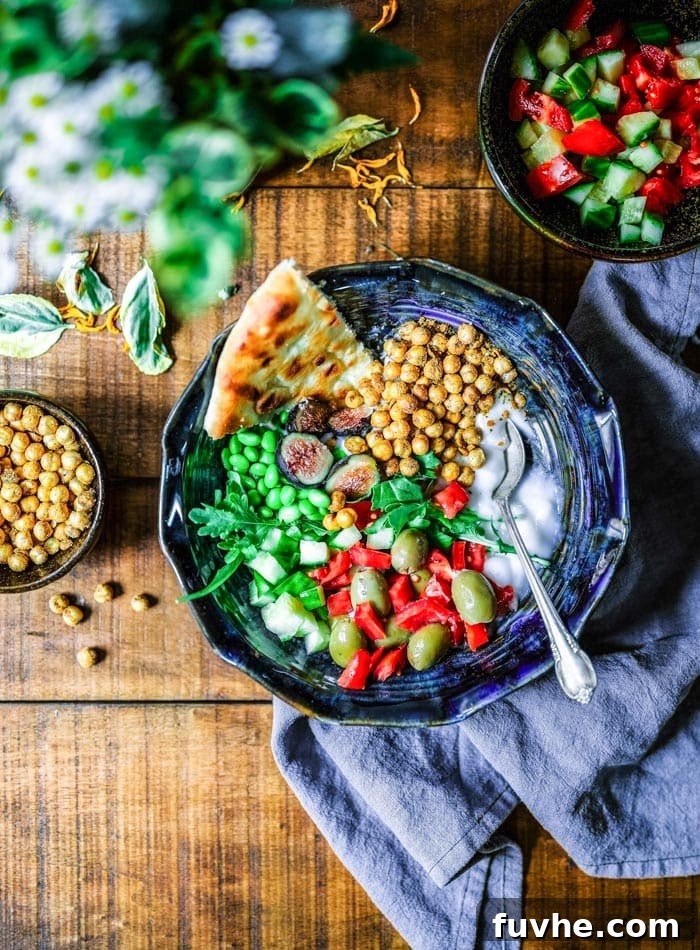
Cultivating Holistic Wellness: Develop Supporting Healthy Habits
True health extends far beyond what we eat. A holistic approach encompasses various pillars of well-being, where nutrition is complemented by other supportive habits. Stress management, regular physical activity, restful sleep, and a sense of joy and connection all play a crucial role in feeling your absolute best and living a full, vibrant life. While you can integrate these aspects into your routine at any time, consciously building them alongside your dietary changes creates a powerful synergy for overall wellness.
- Prioritize Hydration: Drinking sufficient water is as fundamental as nourishing food. Start your day with a large glass of water and continue to sip throughout the day. It’s a simple yet incredibly impactful habit for energy, digestion, and overall bodily function.
- Embrace Meditation: Extensive research highlights the profound benefits of meditation for mental well-being. Even just 5 minutes of focused deep breathing with closed eyes can reduce stress, improve clarity, and foster a sense of calm. Apps like Insight Timer, Calm, and Headspace offer guided meditations for all levels.
- Engage in Regular Exercise: Movement is life. Consistent physical activity enhances mood, improves appearance, extends longevity, boosts energy, and promotes better sleep. You don’t need intense daily workouts; aim to break a sweat and stay active most days, whether through walking, dancing, yoga, or more vigorous activities.
- Practice Journaling: Journaling is a powerful tool for self-reflection, stress reduction, anxiety management, and goal setting. It helps you process thoughts, clarify emotions, and become more aware of your inner landscape.
- Cultivate a Reading Habit: It’s often said that consistent reading is one of the fastest ways to personal growth and self-improvement. Dedicate at least 30 minutes each day to reading non-fiction, exploring new ideas, or simply enjoying a good story.
- Spend Time in Nature: Connecting with the natural world has numerous scientifically proven benefits for mental and physical health. Seek out parks, forests, beaches, or simply your own backyard to recharge and find peace.
- Embrace Novelty and New Experiences: Keep your brain agile and stimulated by regularly challenging it with new experiences, hobbies, or learning opportunities. This fosters neuroplasticity and keeps life exciting.
- Optimize Your Sleep: Quality sleep is non-negotiable for health. Make it a priority by establishing a consistent sleep schedule, creating a relaxing bedtime routine, and ensuring your sleep environment is conducive to rest. Read my posts on Sleeping Well: Tips for Better Sleep and How to Optimize Your Sleep.
- Integrate Play and Laughter: Laughter truly is the best medicine. Actively seek out opportunities for play, joy, and lightheartedness in your daily life, whether it’s with children, friends, or by engaging in hobbies you love.
- Foster Meaningful Connections: Human connection and a strong sense of belonging are fundamental to happiness and longevity. Make time for screen-free interactions with family and friends, and actively engage with your local community.
Recommended Personal Growth Books for Continued Inspiration
As you continue your journey, nurture your mind alongside your body. Maintain your reading and podcast habits to continuously expand your perspectives and support your personal evolution. In addition to your dietary changes, this period is ideal for integrating more healthy supporting habits, such as diving into inspiring literature. Here are some of my favorite self-development books:
- The Subtle Art of Not Giving a F*ck by Mark Manson: A counterintuitive approach to living a good life.
- The Greatness Guide by Robin Sharma: Powerful insights for creating an extraordinary life.
- The Monk Who Sold His Ferrari by Robin Sharma: A Fable About Fulfilling Your Dreams and Reaching Your Destiny.
- The Gifts of Imperfection by Brené Brown: Let Go of Who You Think You’re Supposed to Be and Embrace Who You Are.
- Live Your Best Life by Martha Beck: A comprehensive guide to finding your true path.
- Dark Side of the Light Chasers by Debbie Ford: Reclaiming Your Hidden Power, Healing Wounds, and Living an Authentic Life.
- Mindset by Carol S. Dweck: The New Psychology of Success.
- Wherever You Go, There You Are by Jon Kabat-Zinn: Mindfulness Meditation in Everyday Life.
- Radical Acceptance by Tara Brach: Embracing Your Life with the Heart of a Buddha.
- The Untethered Soul by Michael A. Singer: The Journey Beyond Yourself.
- A Return to Love by Marianne Williamson: Reflections on the Principles of A Course in Miracles.

Frequently Asked Questions About the Plant-Based Diet
How do I get sufficient protein on a plant-based diet?
The concern about protein on a plant-based diet is one of the most common misconceptions. If you’re consuming a varied, whole food, plant-based diet, there’s absolutely no need to worry about protein deficiency. Plants are rich in all essential amino acids, and when you eat a diverse range of plant foods, your protein needs are easily met. Excellent plant-based sources of protein include:
- Legumes: Beans (black, kidney, pinto), lentils (red, green, brown), chickpeas, and edamame.
- Soy Products: Tofu, tempeh, and fortified soy milk.
- Nuts and Seeds: Almonds, walnuts, cashews, pumpkin seeds, sunflower seeds, chia seeds, hemp seeds, and flaxseeds.
- Whole Grains: Quinoa, oats, brown rice, whole wheat pasta, and whole grain bread.
- Specialty Items: Seitan (wheat gluten), spirulina, and nutritional yeast (which also provides B vitamins).
Even many fruits and vegetables contain a significant amount of protein. For a more detailed exploration, read my post on the best vegan protein sources. If you’re particularly curious about your intake, you can track your food for a few weeks using an app like MyFitnessPal to gain insights and make any necessary adjustments.
How do I ensure adequate Vitamin B12 intake?
While I am not a medical doctor, it is universally recommended that individuals following a plant-based diet should supplement with Vitamin B12. This essential vitamin is produced by bacteria and is not reliably found in sufficient quantities in plant foods. I personally use a sublingual B12 spray, but you can also obtain enough through fortified foods such as nutritional yeast, certain cereals, and many store-bought plant milks. Regardless of the method, consistent B12 intake is critical for nerve function and red blood cell formation.
For more in-depth information on vital nutrients for a plant-based diet, consult my vegan nutrition guide.
How do I obtain sufficient calcium and iron?
Beyond Vitamin B12, a well-planned whole food plant-based diet provides all the essential nutrients you need. The key is to consume a wide and colorful variety of plant foods to cover all your bases. You might be surprised at the abundance of plant-based sources for calcium and iron:
- Plant-Based Iron Sources: Lentils, soybeans, tofu, quinoa, oatmeal, fortified non-dairy milks, pumpkin seeds, sunflower seeds, sesame seeds (tahini), Swiss chard, collard greens, and molasses. Combining iron-rich plant foods with Vitamin C (e.g., citrus fruits, bell peppers) enhances iron absorption.
- Plant-Based Calcium Sources: Fortified non-dairy milks, tofu (calcium-set), soybeans, bok choy, collard greens, broccoli, kale, mustard greens, figs, tahini (sesame paste), and okra.
Many other plant foods also contain smaller but significant amounts of these essential minerals. By eating a diverse array of plants, truly embracing the “rainbow” of fruits and vegetables, you should be well-nourished. If you have any concerns about potential deficiencies, it’s always wise to work with a doctor, nutritionist, or registered dietitian who specializes in plant-based diets to ensure your individual needs are met.
For more detailed information on calcium and iron, refer to my vegan nutrition guide.
Is a plant-based diet expensive, especially on a limited budget?
Contrary to popular belief, eating a plant-based diet can be incredibly affordable, often significantly cheaper than a diet heavy in meat, eggs, and dairy. Staples like beans, lentils, whole grains (rice, oats, pasta), potatoes, and seasonal vegetables are typically very inexpensive. The cost adds up when relying on highly processed vegan specialty items or expensive superfoods.
For practical tips and strategies on how to eat healthily and economically, read my post on How to Eat Healthy on a Budget. Focus on buying in bulk, cooking from scratch, and utilizing budget-friendly ingredients.
What are the best strategies for replacing dairy in my diet?
Living dairy-free is much simpler than you might imagine, especially with today’s vast array of alternatives. To fully understand the impact of dairy, I highly recommend researching conventional dairy farming practices, reading The Cheese Trap, and listening to these insightful Rich Roll Podcast episodes: Dr. Neal Barnard on Breaking the Dairy Addiction and Julie Piatt on Ditching Dairy, along with other relevant episodes listed earlier in this article.
As you transition, experiment with an abundance of dairy alternatives like plant-based milks (almond, oat, soy), vegan cheeses (from various brands or homemade nut-based options), sour creams, and yogurts. As you become more familiar with plant-based eating, you’ll find your palate shifts, and you’ll naturally rely less on highly processed substitutes. Whole foods such as creamy avocado, rich tahini, blended cashews, and versatile tofu can effortlessly create the textures and flavors you once associated with dairy. For a comprehensive guide, read my post on how to replace dairy in your diet.
What does a typical plant-based meal plan look like?
Creating a day’s worth of plant-based meals and snacks is an enjoyable, delicious, and healthy endeavor that becomes second nature once you get the hang of it. A whole food plant-based meal plan emphasizes legumes (beans, lentils, soy products), whole grains (quinoa, oats, brown rice, minimally processed breads and pasta), a wide variety of vegetables, and an abundance of fruits. To visualize this, check out my 3-day whole food plant-based meal plan and my one-week vegan meal plan. You can also sign up for my 3-day plant-based challenge here to kickstart your journey.
A typical plant-based day might unfold like this:
Breakfast: Start with a hearty veggie hash with sweet potato and tofu scramble, a comforting bowl of oatmeal, or a refreshing, nutrient-packed breakfast smoothie. (Find more breakfast ideas here)
Lunch: Enjoy a wholesome healthy soup paired with a plant-based sandwich, a substantial healthy salad bursting with greens and protein, a simple rice and veggie bowl, a satisfying veggie wrap with chickpeas, or a vibrant stir-fry.
Dinner: Indulge in whole grain pasta tossed with an array of fresh vegetables, light zucchini noodles with a rich lentil sauce, an aromatic curry, a hearty healthy stew, a comforting lentil dahl, or a delicious, healthy casserole.
Snacks (if needed throughout the day): A handful of nuts paired with a piece of fruit, a creamy chia pudding, a small smoothie, crunchy veggies with hummus, or homemade energy bars.
Begin Your Plant-Based Journey Today!
We hope this comprehensive guide has demystified the process and empowered you to confidently embark on your plant-based journey. Always remember the transformative power of small, consistent changes. If needed, take things one day, one step, or even one meal at a time. Watch as these seemingly minor steps compound into profound and lasting positive changes in your life.
Health is a continuous, lifelong journey of learning and adaptation. Start now, commit to continuous effort, and never give up. You possess all the inner strength and capability to achieve this! You’ve got this!
Should you require further assistance in planning your meals or navigating your new lifestyle, please consider joining our private Facebook group. There, I regularly share daily meal plans, exciting new recipes, and a wealth of information on plant-based nutrition and holistic living. It’s a supportive community where you can ask questions and connect with others on a similar path.
We look forward to welcoming you! Click here to join our community.
If you have any pressing questions or need clarification, please feel free to leave a comment below, and I’ll be happy to provide answers and guidance.