
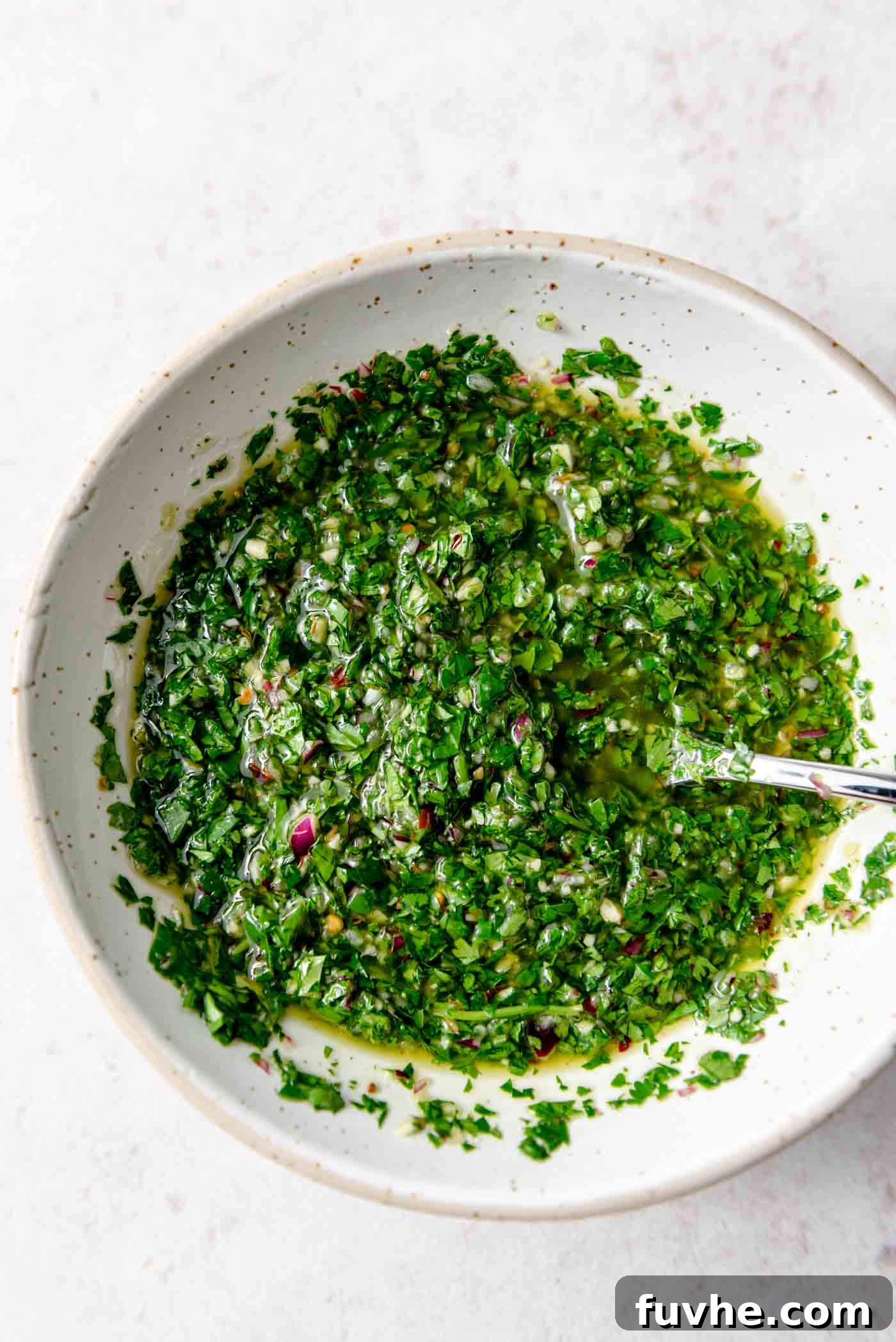
Unlock a world of vibrant flavors with this incredibly versatile and utterly delicious Cilantro Chimichurri Sauce. A true culinary gem, this herbaceous condiment is a celebration of fresh ingredients, combining the bright notes of cilantro and parsley with zesty vinegar, robust olive oil, and aromatic garlic. The result is a sauce that’s not just a topping, but a flavor explosion ready to transform any meal from ordinary to extraordinary.
Crafting this sauce is surprisingly simple and swift, meaning you can have a batch ready in mere minutes. Its potent freshness and tangy kick make it a perfect complement to an endless array of dishes. Imagine drizzling this green elixir over a hearty Vegan Breakfast Burrito Bowl, enlivening a Vegetarian Fajita Bowl, or adding a burst of brightness to Vegan Black Bean Tacos. From simple grilled vegetables to elaborate plant-based feasts, this homemade cilantro chimichurri is your secret weapon for an instant flavor boost.
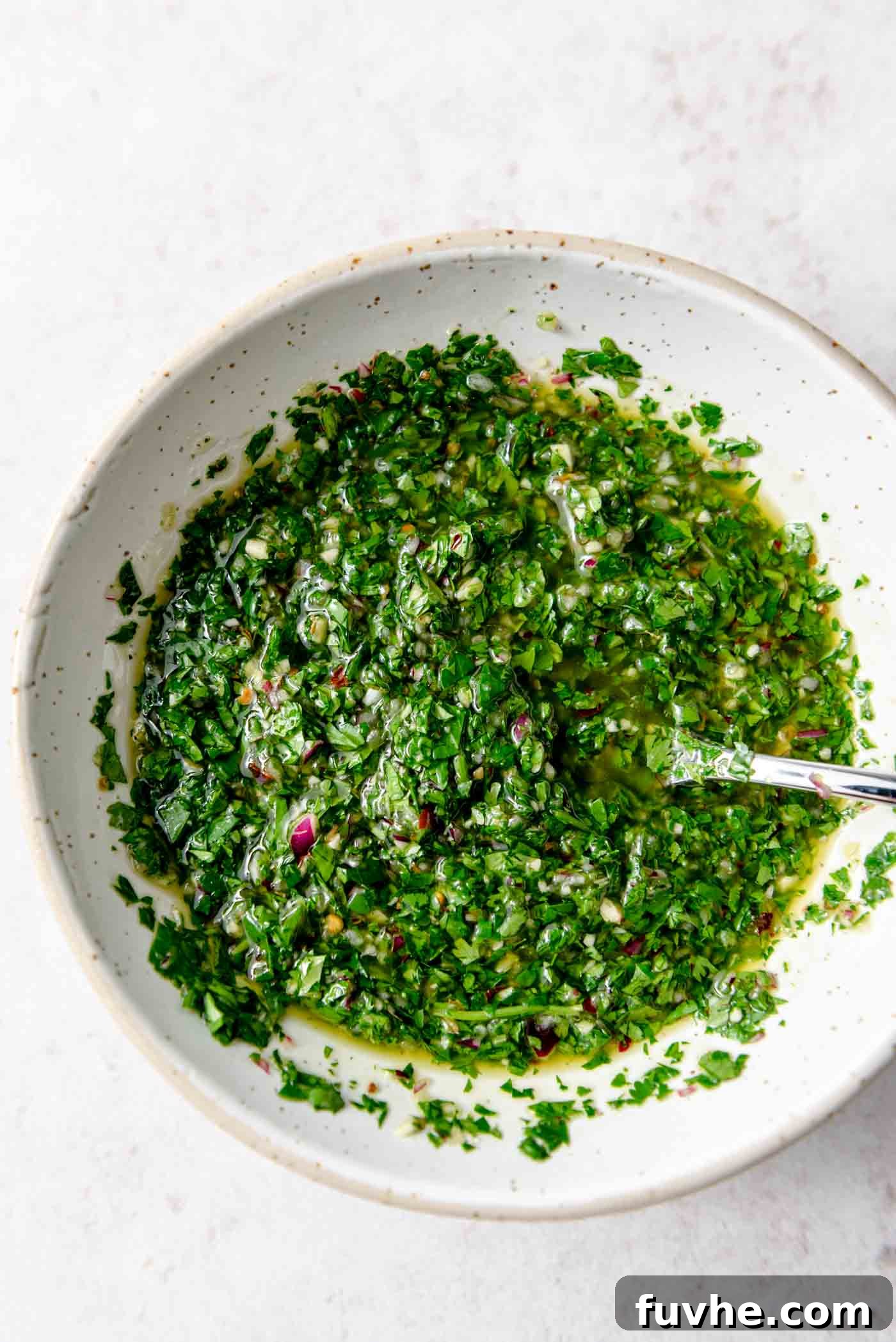
The Heart of Latin American Cuisine: What is Chimichurri?
Chimichurri is a staple sauce in Latin American cuisine, particularly renowned in Argentina and Uruguay, but also widely enjoyed across Paraguay, Brazil, and much of the continent. Traditionally, this uncooked sauce is served with grilled meats, becoming an indispensable part of an authentic asado (barbecue). However, its incredible versatility has seen it transcend its traditional role, finding its way into countless dishes in modern kitchens worldwide.
While often associated with meat, this herbaceous sauce is a game-changer for plant-based and vegetarian meals. Its bright, acidic, and savory profile perfectly cuts through richness and adds a layer of complexity that elevates even the simplest ingredients. I personally love incorporating this fresh, zesty condiment into just about anything I cook. Its quick preparation time also makes it an ideal choice for efficient meal prepping, ensuring you always have a burst of flavor on hand.
There are numerous regional and personal variations of chimichurri, reflecting the rich and diverse culinary traditions it originates from. While a classic chimichurri often relies solely on parsley, this recipe embraces the aromatic depth of both parsley and cilantro. Feel empowered to customize this recipe to your palate! Experiment with different types of fresh herbs, explore various acids like lemon or lime juice, and adjust the spices to create your signature chimichurri blend.
Why This Easy Cilantro Chimichurri Sauce Will Be Your New Favorite
Prepare to fall in love with this easy homemade chimichurri recipe. It’s more than just a sauce; it’s an experience that brightens every plate it touches.
- Unforgettable Flavor Profile: This vegan chimichurri is truly a taste sensation. Brimming with the vibrant goodness of fresh parsley and cilantro, it delivers a refreshing and aromatic punch that awakens the taste buds. Each spoonful is packed with a delightful balance of tang, herbaceousness, and a subtle hint of spice.
- Effortless Preparation: Say goodbye to complicated recipes! This easy chimichurri sauce requires minimal effort and time. With just a handful of fresh ingredients and a food processor (or even just a knife!), you can whip up this flavorful condiment in minutes, making it perfect for busy weeknights or impromptu gatherings.
- Incredibly Versatile: The possibilities are endless with this versatile sauce. Drizzle it generously over grilled vegetables, succulent plant-based burgers, wholesome rice bowls, flavorful tacos, marinated tofu or tempeh, or even toss it into your favorite salads. It’s an instant upgrade for almost any dish, adding depth and freshness.
- Nutrient-Rich Goodness: Beyond its incredible taste, this homemade chimichurri also offers a healthy boost to your meals. Packed with nutrient-rich fresh herbs like parsley and cilantro, it’s a fantastic source of essential vitamins, minerals, and antioxidants, contributing to a well-rounded and nourishing diet.
Essential Ingredients for the Best Cilantro Chimichurri
Creating an exceptional chimichurri starts with selecting the freshest, highest-quality ingredients. Each component plays a crucial role in building the sauce’s signature flavor profile.
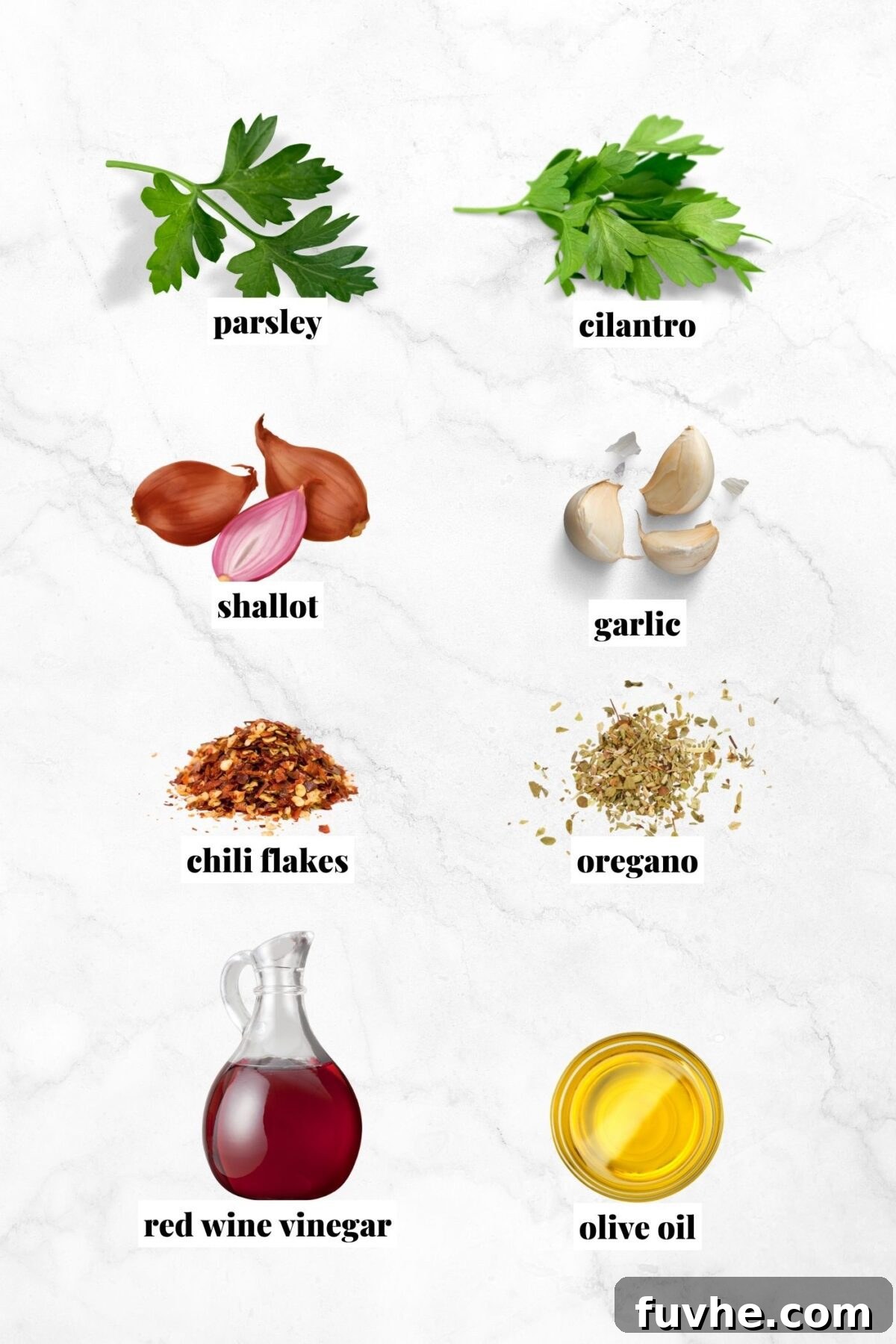
- Fresh Parsley & Cilantro: For optimal flavor and texture, always opt for fresh, flat-leaf parsley (Italian parsley) rather than curly parsley, which can be less flavorful and more bitter. Similarly, fresh cilantro is key for that distinct bright, citrusy note. When preparing, ensure the herbs are thoroughly washed and dried. If cilantro isn’t your preference, you can easily substitute it with an equal amount of additional fresh parsley, resulting in a more traditional all-parsley chimichurri.
- Red Wine Vinegar: This is my preferred acid for chimichurri, as its robust and slightly fruity notes beautifully complement the herbs and olive oil. However, white wine vinegar can be used for a milder acidity, or regular distilled white vinegar if you’re looking for a sharper, more pungent flavor. Experiment to find your favorite balance.
- Extra Virgin Olive Oil: The quality of your olive oil significantly impacts the final taste of your chimichurri. A good quality extra virgin olive oil not only provides a rich, fruity base but also helps to emulsify the sauce and carry the flavors of the herbs and spices. Choose an oil with a flavor you enjoy on its own.
- Fresh Garlic: Garlic is non-negotiable for chimichurri, providing a pungent, aromatic foundation. Using fresh cloves is essential; avoid pre-minced garlic for the best, brightest flavor.
- Shallot: Shallots offer a milder, sweeter onion flavor compared to red or white onions, adding a delicate aromatic depth without overpowering the fresh herbs. If you don’t have a shallot on hand, you can substitute it with about 3 tablespoons of finely chopped white or red onion.
- Dried Oregano: This classic herb adds an earthy, slightly peppery undertone that anchors the fresh flavors. While dried oregano is traditional, you can also use a smaller amount of fresh oregano for an even brighter, more intense herbal note.
- Red Pepper Flakes: For those who appreciate a touch of heat, red pepper flakes are an excellent addition. They provide a subtle warmth that enhances the other flavors. Feel free to adjust the quantity to suit your preferred spice level, or omit them entirely for a completely mild sauce.
- Salt & Black Pepper: Essential seasonings to bring all the flavors together. Always taste and adjust to your preference.
Unleashing Your Creativity: Delicious Chimichurri Variations
While the classic cilantro-parsley blend is fantastic, chimichurri is wonderfully adaptable. Don’t hesitate to experiment and make it your own!
- Cilantro Mint Chimichurri: For an incredibly refreshing twist, omit the parsley and use a full cup of fresh cilantro paired with a handful of fresh mint leaves. This variation brings a cool, bright flavor that’s especially delightful with lighter dishes or in the warmer months.
- Pure Cilantro Chimichurri: If you’re a cilantro devotee, simply omit the parsley and increase the fresh cilantro to 1.5 cups. This creates a deeply aromatic, singular cilantro experience that’s bold and unforgettable.
- Cilantro Lime Chimichurri: Swap out the red wine vinegar for an equal amount of freshly squeezed lime juice. The vibrant citrus notes of lime pair beautifully with cilantro, creating a tangier, more tropical-leaning chimichurri that’s fantastic with seafood or Latin-inspired dishes.
- Spicy Chimichurri: Amp up the heat by adding extra red pepper flakes, or incorporate a finely minced jalapeño or serrano pepper (seeds removed for less heat, or left in for a fiery kick) to the herb mixture.
- Smoky Chimichurri: A pinch of smoked paprika can add a wonderful smoky depth, complementing grilled foods exceptionally well.
- Herb Garden Chimichurri: Don’t limit yourself to just parsley and cilantro. Consider adding a few sprigs of fresh basil, oregano (if using fresh instead of dried), or even a touch of chives for a truly unique herb blend.
Easy Step-by-Step Guide to Making Homemade Chimichurri
Making your own cilantro chimichurri is a straightforward process that yields incredibly rewarding results. Follow these simple steps for a perfect batch every time.
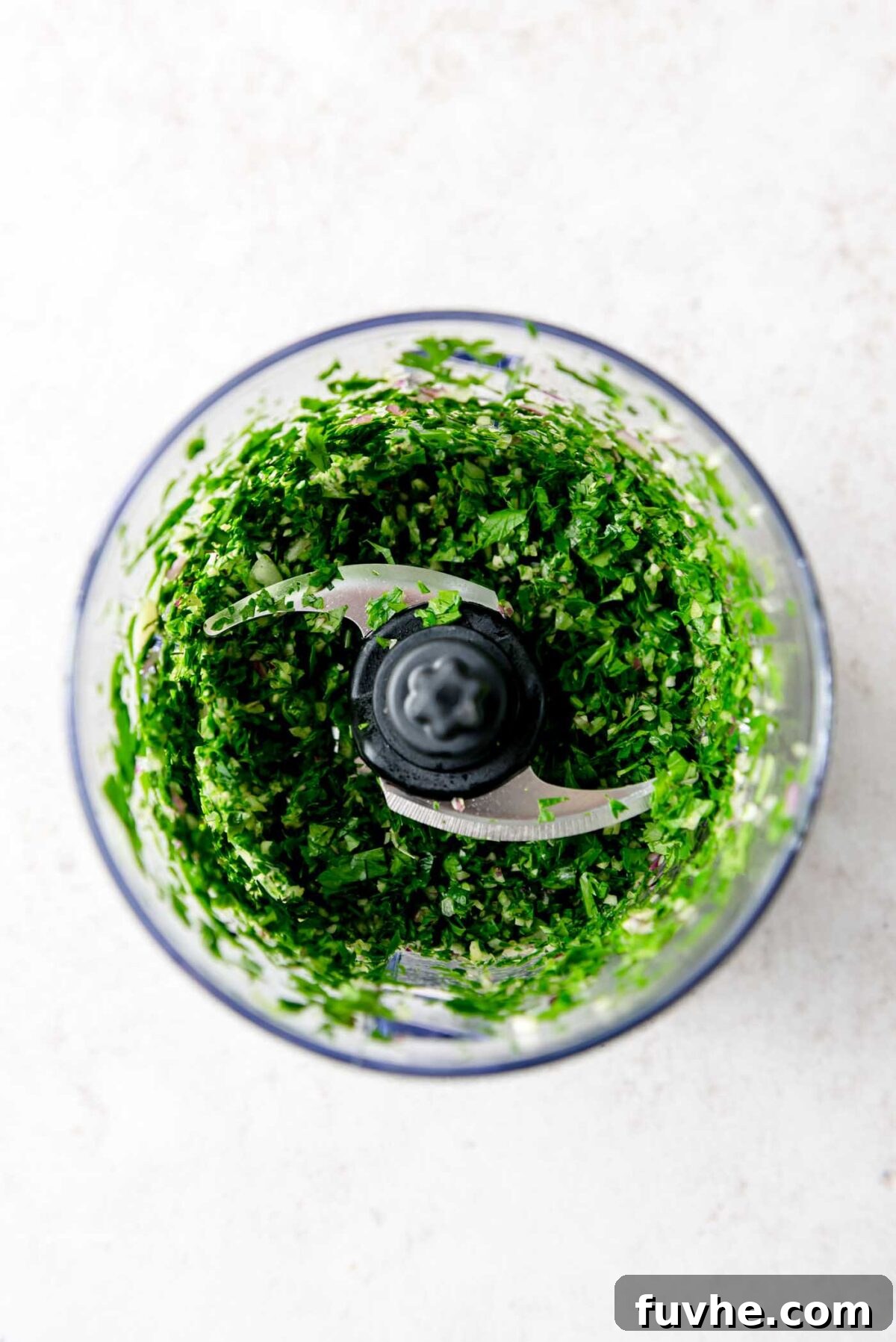
Step 1: Prepare the Herbs and Aromatics. Begin by thoroughly washing your fresh parsley and cilantro. Gently pat them dry to remove excess moisture, which can dilute the sauce. Pick off any large, tough stems; smaller, tender stems are perfectly fine to use and contribute to the sauce’s texture. Roughly chop the shallot and peel the garlic cloves. Add the prepped parsley, cilantro, garlic, roughly chopped shallot, salt, pepper, dried oregano, and red pepper flakes (if using) into the bowl of a mini food processor, chopper, or a small blender.
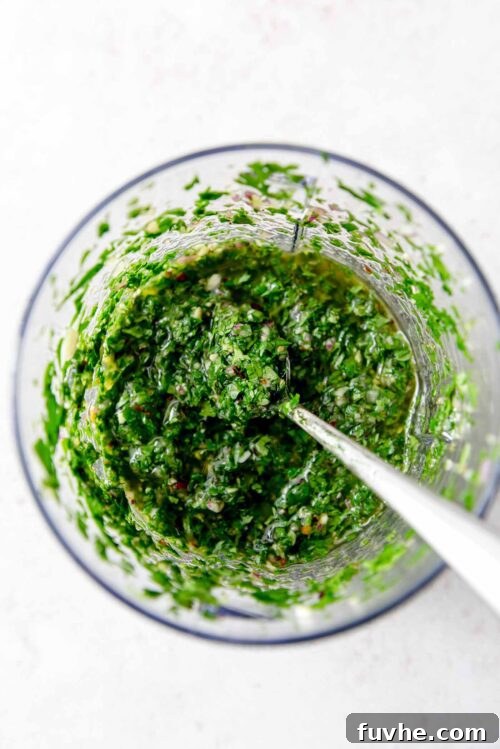
Step 2: Pulse to Combine. Pulse the ingredients a few times in short bursts. The goal is to finely chop the herbs and aromatics, not to create a smooth paste. Over-processing can make the herbs bitter and give the sauce an undesirable texture. You want to retain some texture, with visible flecks of green herbs. If you don’t have a food processor, you can finely mince all the ingredients by hand with a sharp knife.
Step 3: Combine with Liquids. Once the herbs are finely chopped, either remove the blade from your food processor and add the red wine vinegar and extra virgin olive oil directly to the container, or transfer the chopped mixture to a separate bowl. Stir everything together thoroughly until well combined. The mixture should be vibrant green and slightly emulsified.
Step 4: Season and Rest. Taste the chimichurri and adjust the seasonings as needed. You might want to add more salt, black pepper, or red pepper flakes for an extra kick. A squeeze of fresh lemon juice can also brighten the flavors beautifully. For the absolute best flavor development, allow the chimichurri to rest at room temperature for at least 15-30 minutes before serving. This allows the flavors to meld and deepen, creating a more harmonious and delicious sauce.
Creative Ways to Enjoy Your Homemade Chimichurri Sauce
This cilantro chimichurri is incredibly versatile and can elevate nearly any dish. Here are just a few ideas to get you started, extending far beyond its traditional use with grilled meats:
- Dressings & Marinades: Whisk it into pasta salads for a simple yet flavorful dressing. Use it as a vibrant marinade for tofu, tempeh, or your favorite plant-based proteins before grilling or baking. It also makes an excellent salad dressing for green salads or grain bowls.
- Grain Bowls & Sides: Stir it into cooked rice, quinoa, or other grains for an instant flavor upgrade. Spoon it over roasted vegetables like sweet potatoes, cauliflower, or asparagus. It’s also fantastic dolloped onto baked potatoes or sweet potatoes.
- Spreads & Dips: Spread a generous layer of chimichurri on homemade pizza crust before adding other toppings for a zesty base. Mix it into plain coconut yogurt for a quick, tangy dip for veggies or crackers. Combine it with mashed avocado for a fresh and flavorful guacamole alternative.
- Sandwiches & Wraps: Slather it inside wraps, sandwiches, or paninis for a burst of fresh flavor that replaces mayonnaise or other condiments.
- Eggs & Breakfast: Drizzle over scrambled eggs, omelets, or breakfast burritos for a bright and savory morning meal.
- Soups & Stews: Stir a tablespoon or two into hearty vegetable soups or stews just before serving for an aromatic finish.
- Legumes & Lentils: Mix with roasted chickpeas, black beans, or lentils to add a zingy, fresh element to your plant-based protein.
Frequently Asked Questions About Cilantro Chimichurri
Got questions about making or using chimichurri? Here are some common queries and helpful answers.
Can you use other herbs in chimichurri?
Absolutely! While parsley and cilantro are traditional, chimichurri is highly customizable. Feel free to experiment with different amounts of fresh parsley, cilantro, mint, basil, or even a combination for your own unique twist. Just ensure the herbs are fresh for the best flavor.
Should you refrigerate chimichurri?
Yes, homemade chimichurri should always be stored in an airtight container in the refrigerator to maintain freshness and prevent spoilage. However, for the best flavor and consistency, let it sit at room temperature for about 10-15 minutes before serving.
Can I make this without a food processor?
Certainly! A food processor makes the job quicker, but it’s not essential. To make chimichurri without one, simply use a very sharp chef’s knife to finely chop the herbs, garlic, and shallot. Aim for a very fine mince, almost a paste-like consistency for the aromatics. Transfer the finely chopped ingredients to a bowl, add the salt, oregano, pepper, and chili flakes, then slowly pour in the olive oil and vinegar, mixing thoroughly until everything is well combined.
How long does homemade chimichurri last?
When stored properly in an airtight container in the refrigerator, fresh chimichurri typically lasts for up to 5-7 days. The flavors often deepen and meld beautifully after the first day, making it an excellent sauce to prepare in advance.
Can I freeze chimichurri?
Yes, chimichurri freezes quite well! To freeze, spoon the sauce into ice cube trays and freeze until solid. Once frozen, transfer the chimichurri cubes to a freezer-safe bag or container. This allows you to thaw small portions as needed. Frozen chimichurri can last for up to 3 months. Thaw in the refrigerator or at room temperature, and give it a good stir before using.
What is the ideal consistency for chimichurri?
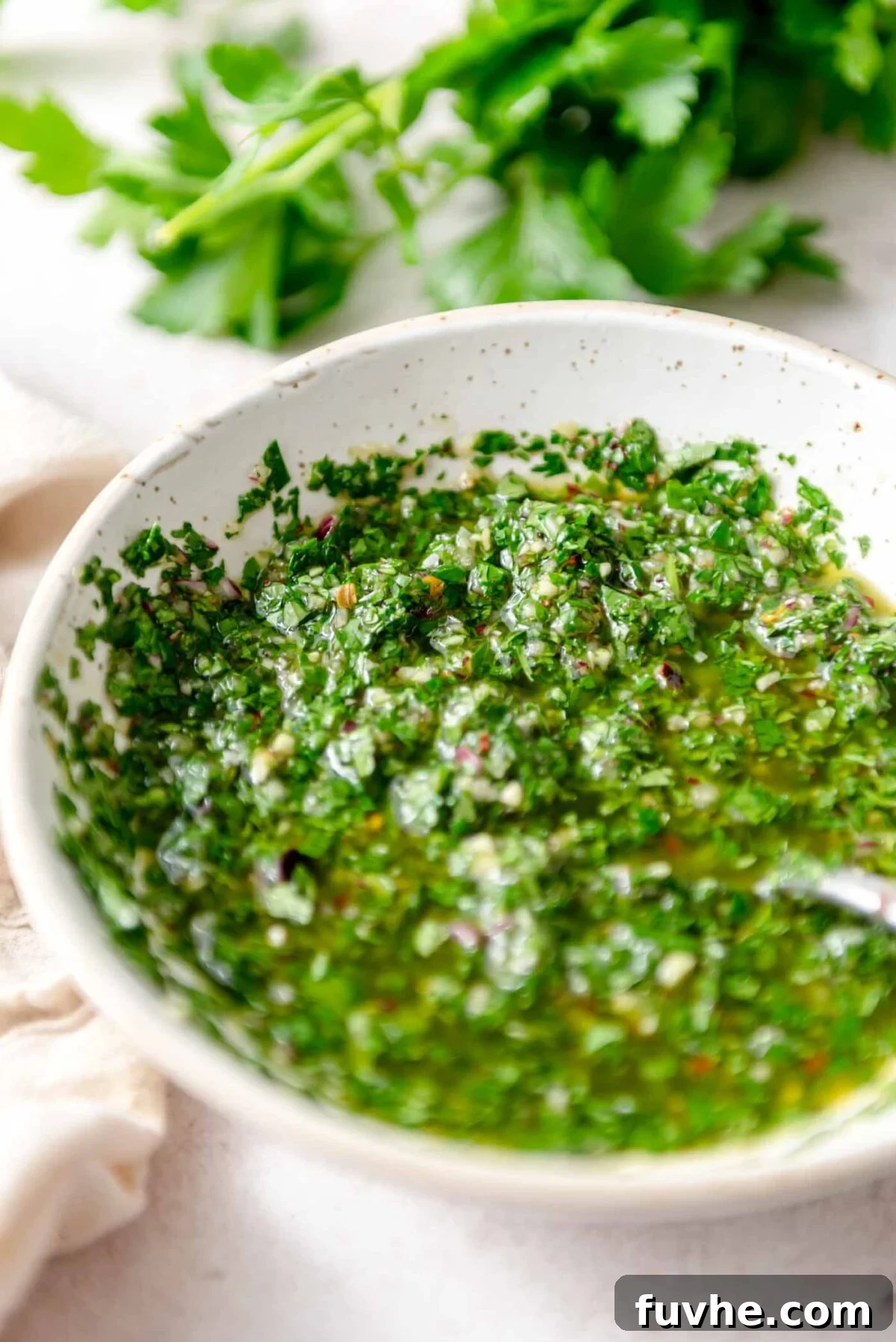
Chimichurri should be a chunky, pourable sauce, not a smooth paste. You want to see distinct flecks of herbs and garlic. Over-blending can make the sauce bitter and lose its appealing texture. Pulse in short bursts if using a food processor to achieve the perfect consistency.
Storing and Enjoying Your Leftover Cilantro Chimichurri
Proper storage is key to extending the life of your fresh chimichurri and ensuring its flavors remain vibrant.
- Refrigeration: Store any leftover chimichurri in an airtight container in the refrigerator. It will maintain its freshness and robust flavor for up to 1 week. Remember to let it sit at room temperature for about 10-15 minutes before serving to allow the olive oil to soften and the flavors to fully bloom.
- Flavor Enhancement: One of the beautiful aspects of chimichurri is that its flavors often deepen and improve over time. Making it a day or two in advance allows the ingredients to meld wonderfully, creating an even more harmonious and delicious sauce.
- Freezing: For longer storage, chimichurri can be frozen. The best method is to portion it into ice cube trays. Once frozen solid, transfer the cubes to a freezer-safe bag or container. This allows for convenient thawing of smaller amounts whenever you need a flavor boost. Frozen chimichurri can last for up to 3 months.
Cilantro Chimichurri Sauce
By: Deryn Macey
Just a handful of fresh ingredients come together to create this flavorful chimichurri. The perfect way to add a burst of freshness to your next meal.
Total: 10 mins
Servings: 8 servings
Ingredients
- 1 cup fresh flat-leaf parsley, lightly packed (25g)
- 1/2 cup fresh cilantro, lightly packed (12g)
- 4 cloves garlic
- 1 small shallot, roughly chopped
- 1/2 tsp salt
- Black pepper, to taste
- 1 tsp dried oregano
- 1/4 tsp red pepper flakes, or more to taste
- 3 tbsp red wine vinegar
- 1/3 cup extra virgin olive oil, (75g)
Instructions
- Wash and prep the herbs by picking out any large, tough stems. Smaller, tender stems are ok to use.
- Add the parsley, cilantro, garlic, shallot, salt, pepper, red pepper flakes, and oregano to a mini food processor or chopper and pulse a few times to chop and combine. You don’t want to pulverize or completely blend the mixture, just finely chop.
- Transfer the mixture to a bowl or container or remove the blade and add the oil and vinegar to the food processor container. Stir to combine.
- Taste chimichurri and season if needed with more salt, pepper or chili flakes. You can also add a squeeze of fresh lemon juice to help brighten the flavor.
- If possible, let chimichurri rest at room temperature for 15-30 minutes to allow flavors to meld then use to add flavor to a variety of dishes like rice, eggs, tofu, sandwiches, meats, fish, bowls, salads, roasted veggies and more.
- Store leftover chimichurri in an airtight container in the fridge for up to 3 days.
Notes
If you don’t have a mini food processor or blender, very finely chop the herbs, garlic and shallot and add to a bowl. Mix with the salt, oregano, pepper and chili flakes then slowly pour in the oil and vinegar and mix to combine.
Pulse the sauce in short bursts to avoid over-processing and turning it bitter. You just want to chop and combine the herbs, garlic and shallot, not completely blend them.
Nutrition
Serving: 2tbsp, Calories: 86kcal, Carbohydrates: 1g, Protein: 0.3g, Fat: 9g, Saturated Fat: 1g, Polyunsaturated Fat: 1g, Monounsaturated Fat: 7g, Sodium: 151mg, Potassium: 55mg, Fiber: 0.3g, Sugar: 0.1g, Vitamin A: 699IU, Vitamin C: 11mg, Calcium: 14mg, Iron: 1mg