
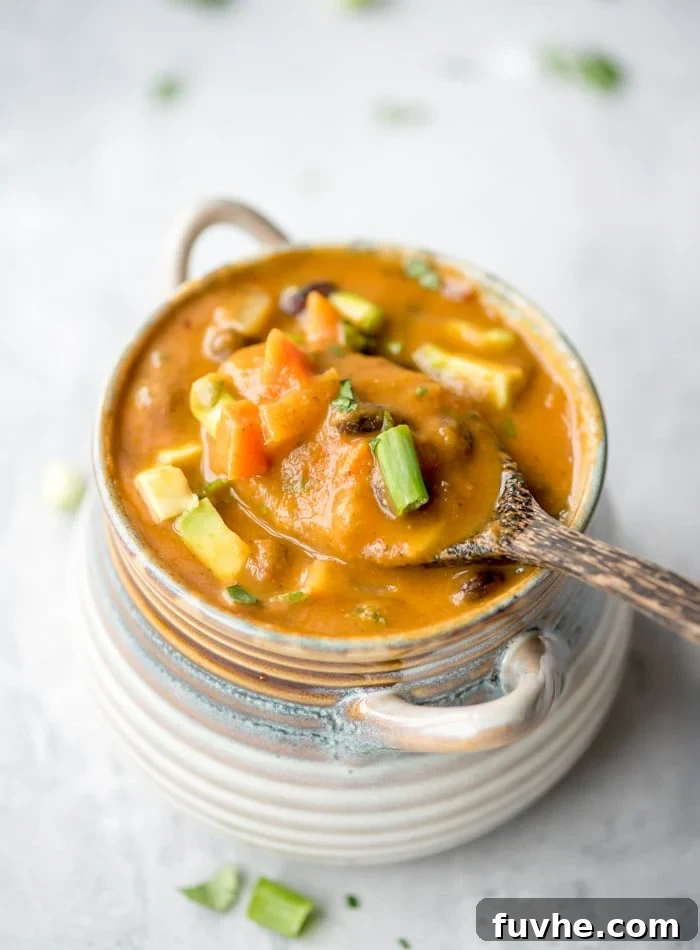
The Ultimate Guide to Vegan Protein: Fueling Your Plant-Based Journey
Embarking on a plant-based diet or simply curious about maximizing your nutrition? One of the most common questions revolves around protein intake. This comprehensive guide will explore the best vegan protein sources, demystify essential amino acids, and provide practical tips for meeting your protein needs, whether you’re a sedentary individual or a high-performance athlete.
Understanding Protein: The Building Blocks of Life
Proteins are fundamental to every living cell. Comprising smaller units called amino acids, they are often referred to as the “building blocks” of the body. From repairing tissues and synthesizing new cells to producing enzymes and hormones, protein plays a multitude of critical roles essential for health, growth, and bodily functions.
Protein: A Vital Macronutrient
Alongside carbohydrates and fats, protein is classified as a macronutrient, meaning our bodies require it in relatively large quantities. However, unlike fats and carbohydrates, the body doesn’t store excess protein for later use. This highlights the importance of consistent protein intake throughout the day to ensure a steady supply of amino acids for ongoing cellular processes and repair.
Navigating Essential Amino Acids on a Plant-Based Diet
Proteins are made up of 20 different amino acids. While our bodies can produce 11 of these (non-essential amino acids), there are 9 essential amino acids that must be obtained through our diet. These essential amino acids are found abundantly in various plant foods such as soy products, legumes, nuts, seeds, and whole grains.
A common misconception is that plant-based diets lack “complete proteins” or require meticulous “protein combining” at every meal. This is largely a myth. As long as you consume a diverse range of plant protein sources throughout the day and week, your body effectively combines amino acids to form the complete proteins it needs. There’s no scientific basis for needing to combine specific proteins in a single meal to create a “complete” protein.
The Multifaceted Importance of Protein for Health and Performance
Our need for protein extends far beyond just muscle building. It’s integral to numerous bodily functions:
- Amino Acid Supply: Protein provides the necessary amino acids for the synthesis of all body proteins, including those vital for tissue repair, enzyme function, and hormone production. A varied plant-based diet ensures a full spectrum of essential amino acids.
- Bio-Availability and Nutrient Density: While some plant proteins may have slightly lower digestibility compared to animal proteins, plant-based sources offer a wealth of fiber, antioxidants, vitamins, and phytonutrients often absent in animal products. This makes them incredibly nutrient-dense choices for overall health.
- Supporting Fat Loss: Protein has the highest thermic effect of food (TEF), meaning your body expends more energy digesting protein than it does carbohydrates or fats. This can contribute to increased calorie expenditure and enhanced satiety, which are beneficial for fat loss goals.
- Muscle Retention and Growth: Adequate protein intake is crucial for preserving lean muscle mass, especially during periods of calorie restriction or intense exercise. Muscle tissue is metabolically active, burning more calories at rest than fat, thus contributing to a higher metabolic rate. For athletes and active individuals, protein is key for muscle repair and hypertrophy (growth).
- Optimal Recovery: Protein plays a pivotal role in recovery, not just from strenuous exercise but also from injury, surgery, and various medical conditions. Supplying the body with essential amino acids facilitates healing and tissue regeneration.
- Healthy Skin, Hair, and Nails: Keratin, collagen, and elastin, the structural proteins responsible for the health and appearance of our skin, hair, and nails, all rely on a consistent supply of dietary protein.
Essential Amino Acids: Focusing on What Truly Matters
While general protein intake is important, the true focus should be on consistently consuming sufficient amounts of all nine essential amino acids. These amino acids cannot be synthesized by the body and must be acquired through the foods we eat. Ensuring a varied diet rich in diverse plant proteins guarantees your body has access to these vital building blocks.
Again, the body is remarkably efficient at pooling amino acids from different foods eaten throughout the day. Stressing over “protein combining” at every meal is unnecessary. Instead, concentrate on incorporating a wide array of plant-based protein sources into your daily and weekly diet.
Highlighting Lysine and Methionine for Plant-Based Diets
Among the essential amino acids, lysine and methionine are often highlighted in discussions about vegan nutrition. This is because some plant food groups can be lower in one or the other. To ensure you’re consistently getting adequate amounts, it’s wise to include foods rich in both.
How to Optimize Your Lysine Intake
Lysine is typically the least abundant essential amino acid in many grains, making it a key consideration for plant-based eaters. Fortunately, many excellent plant proteins are rich in lysine and other essential amino acids. By building a balanced plant-based diet, you can easily meet your lysine requirements.
Top plant-based sources of lysine include:
- Legumes: Lentils, chickpeas, black beans, kidney beans, and other bean varieties are exceptional sources.
- Soy Products: Tofu, tempeh, edamame, and soy milk provide ample lysine.
- Seitan: Made from vital wheat gluten, seitan is a protein powerhouse rich in lysine.
- Certain Grains: Quinoa and amaranth are complete proteins and good sources of lysine.
- Nuts & Seeds: Pistachios and pumpkin seeds contribute to lysine intake.
If you don’t regularly consume soy products, prioritize whole grains like oats, quinoa, and whole wheat, along with a daily intake of various beans, lentils, nuts (peanuts, pistachios, cashews, almonds), and vegetables such as broccoli.
The Vital Functions of Lysine
Lysine is crucial for several physiological processes:
- Tissue Growth and Repair: Essential for building and maintaining healthy tissues throughout the body.
- Carnitine Production: Involved in the synthesis of carnitine, a nutrient responsible for converting fatty acids into energy.
- Calcium Absorption: Aids in the absorption of calcium, making it particularly important for bone health on a plant-based diet.
- Stress Reduction: Some research suggests lysine may help reduce feelings of anxiety and lower levels of the stress hormone cortisol in certain individuals.
A deficiency in lysine can lead to symptoms like nausea, fatigue, depression, and potentially contribute to conditions like osteoporosis. Therefore, consistently incorporating a wide array of whole plant foods is key to ensuring adequate lysine intake and overall well-being. Think nuts, seeds, beans, lentils, soy, whole grains, fruits, and vegetables every single day.
Optimizing Your Methionine Intake
Methionine is another essential amino acid that vegans should be mindful of. It’s readily found in grains and legumes, making these foods important staples in a balanced plant-based diet. For a 160-pound individual, the Recommended Dietary Allowance (RDA) for methionine is approximately 1400 mg.
You can easily achieve this by incorporating a variety of whole grains, beans, legumes, nuts, and seeds throughout your day. Focus on foods like sunflower seeds, soy products, Brazil nuts, oats, figs, whole wheat, seaweed, onions, cacao, and raisins.
The Key Roles of Methionine
Methionine plays several critical roles in the body:
- Cartilage Formation: Through its sulfur content, methionine is crucial for forming cartilage, connective tissues, and other sulfur-containing compounds. Deficiencies can impact joint health.
- Muscle Growth and Creatine Formation: It supports muscle growth and is a precursor to creatine, a compound vital for cellular energy production, particularly in muscles.
- Detoxification: Methionine is involved in various detoxification processes in the liver.
Ensuring All Essential Amino Acids are Covered
Beyond lysine and methionine, the other essential amino acids include histidine, valine, tryptophan, threonine, phenylalanine, isoleucine, and leucine. Each of these plays indispensable roles in countless bodily functions, from neurotransmitter synthesis to immune response.
The good news is that if you consistently eat a wide variety of the whole plant foods discussed (legumes, grains, nuts, seeds, vegetables, fruits), you will naturally obtain all the essential amino acids you need. A diverse, whole-food plant-based diet is the simplest and most effective strategy for complete amino acid intake.
For more insights into the importance of dietary diversity, explore my post on gut health.
Determining Your Daily Protein Requirements
Protein recommendations can vary widely, leading to confusion. However, for most individuals, the actual protein need is often less than commonly perceived, especially when transitioning from a typical Western diet rich in animal products.
The US Recommended Dietary Allowance (RDA) for protein for a sedentary adult is 0.8 grams per kilogram of body weight, or approximately 0.36 grams per pound. For example, a 150 lb (68 kg) sedentary person would need about 55 grams of protein per day.
However, if you’re highly active, engage in strength training, or are an endurance athlete, your protein needs will be higher to support muscle repair, growth, and recovery. For active individuals, a range of 0.55 to 0.7 grams per pound of body weight is generally recommended and effective.
Expert Protein Recommendations for Active Individuals
Various sports nutrition organizations provide slightly different, but generally aligned, protein recommendations for athletes:
- American College of Sports Medicine (ACSM): Recommends 1.2-1.7 grams of protein per kilogram of body mass. For a 150 lb (68 kg) person, this translates to roughly 82-116 grams per day.
- International Society of Sports Nutrition (ISSN): Suggests 1.4-2 grams of protein per kilogram of body mass. For a 150 lb (68 kg) person, this is about 95-136 grams per day.
- General Research Reviews: Often recommend 1.2-2.2 grams of protein per kilogram of body mass, which can amount to 82-150 grams per day for a 150 lb person.
These recommendations highlight that active individuals typically need more protein than the general sedentary population. The sweet spot for many active plant-based individuals falls within the 0.5-0.8 grams per pound of body weight range.
Insights from Leading Vegan Advocates on Protein Needs
It’s insightful to consider the perspectives of prominent figures in the plant-based health community:
- In The China Study, Dr. T. Colin Campbell suggests that around 10% of daily calories from protein is sufficient for average individuals. It’s important to note that this is for the general population and active athletes may require more.
- Brendan Brazier, a renowned vegan Ironman athlete and co-founder of Vega, consumes approximately 60-70 grams of protein daily, which is considerably lower than traditional recommendations for someone of his activity level and body weight (160 pounds). This demonstrates that high performance is achievable on moderate protein intake.
- Dr. Michael Greger MD, author of How Not to Die, recommends about 51 grams of protein per day for the average person. He points out that most Americans consume significantly more protein than needed, while simultaneously falling short on fiber, potassium, and other vital nutrients found in plant foods.
Bodybuilding and Plant-Based Protein
The bodybuilding community traditionally emphasizes very high protein intake, often exceeding 1.5 grams per pound of body weight. However, even within this field, a more nuanced understanding is emerging.
The Academy of Nutrition and Dietetics suggests that bodybuilders require 1.4 to 1.7 grams of protein per kilogram (0.63 to 0.77 grams per pound) of body weight daily. This is considerably lower than the “1 gram per pound” rule often cited, which can lead to excessive protein consumption without added benefit. Excessive reliance on animal protein sources in bodybuilding often displaces nutrient-dense plant foods, leading to inadequate fiber and micronutrient intake. A well-planned plant-based diet can adequately support muscle growth and strength, as evidenced by many successful vegan bodybuilders and strength athletes.
Tailoring Protein for Active Lifestyles
If you’re highly active, consistently training, or aiming to gain muscle, increasing your protein intake beyond the sedentary RDA of 0.36 grams per pound is indeed a good strategy. Many active individuals find success aiming for around 0.7 grams per pound of body weight. The key is to experiment and find what works best for your body, activity level, and specific goals, while prioritizing diverse, whole plant-based sources.
Further Reading on Protein Myths and Realities
- The Protein Combining Myth
- The Great Protein Fiasco
- Proteinaholic: How Our Obsession with Meat is Killing Us
- Slaying the Protein Myth
Addressing Concerns with High-Protein Diets
While protein is vital, an excessively high protein intake, particularly from animal sources, can present potential drawbacks. A common issue with very high-protein/low-carb diets is the potential deficiency in essential micronutrients found in carbohydrate-rich plant foods. Fruits, vegetables, and whole grains are packed with disease-preventing vitamins, minerals, fiber, and antioxidants that are often marginalized in animal-centric high-protein diets.
The Micronutrient Gap in Animal-Heavy Diets
The American Heart Association warns that reducing carbohydrate consumption often leads to an increased intake of higher-fat foods, which can elevate cholesterol levels and increase cardiovascular risk. Furthermore, by focusing predominantly on animal protein sources, individuals may consume too much sodium and insufficient amounts of calcium, potassium, magnesium, and crucial dietary fiber, all of which are vital for overall health and disease prevention.
The Nuance of Protein and Health Impacts
Claims that very high-protein diets are inherently damaging to kidneys, liver, or may cause cancer and osteoporosis are complex and require more nuanced understanding. Current research often points to the *source* of the protein and the overall dietary pattern as key factors.
The primary concern with high-protein diets often lies not necessarily in the protein itself, but in what foods are *displaced* when protein intake is prioritized, especially when that protein comes from animal sources. Animal proteins are frequently accompanied by saturated fat and cholesterol, and their high intake can lead to a lower intake of protective plant compounds. Conversely, protein from plant sources comes packaged with fiber, antioxidants, and a wide array of micronutrients, mitigating many of these concerns.
Top Vegan Protein Sources for a Thriving Plant-Based Diet
Meeting your protein needs on a plant-based diet is not only achievable but also incredibly delicious and diverse. By incorporating a variety of these high-quality vegan protein sources into your daily meals, you can easily support performance, muscle growth, maintenance, and optimal recovery.
Prioritizing Whole Food Proteins with Smart Processed Choices
While the foundation of a healthy plant-based diet should always be whole, unprocessed foods, there are also some excellent lightly processed vegan options that can contribute significantly to your protein intake. This list primarily focuses on protein-rich whole foods, but also includes a few convenient packaged options like bean-based noodles or vegan sausages, which can be useful on occasion. You won’t find plant-based protein sources that exactly mimic the protein concentration of egg whites or chicken breast, but the fiber, antioxidants, and micronutrients found in plant proteins offer unparalleled health advantages.
For awareness, other high-protein vegan options like quorn (mycoprotein) and textured vegetable protein (TVP) exist, though they are not included here as personal dietary staples.
The Powerhouse of Whole Food Vegan Proteins
Here’s a detailed look at the best plant-based protein sources to build your diet around, along with their approximate protein content per serving:
- Tempeh: 16 grams per 3 oz.
- Tofu: 8-15 grams per 3 oz. (varies by firmness)
- Edamame: 9 grams per 1/2 cup cooked
- Soy Milk: 7 grams per cup
- Nutritional Yeast: 6 grams in 2 tbsp
- Spirulina: 2 grams per teaspoon (concentrated nutrient boost)
- Hemp Seeds: 10 grams in 3 tbsp
- Chia Seeds: 4 grams in 2 tbsp
- Almonds & Other Nuts/Nut Butters: ~6 grams per 1/4 cup
- Pumpkin Seeds: 4 grams per 1/2 cup
- Rolled Oats: 9 grams per 1/2 cup dry
- Quinoa: 8 grams per 1 cup cooked
- Various Beans (e.g., Chickpeas, Black Beans): 7-8 grams per 1/2 cup cooked
- Lentils: 9 grams per 1/2 cup cooked
- Seitan: 21 grams per 1/3 cup cooked
Tempeh: Fermented Soy Powerhouse
Tempeh is a fantastic protein source and a personal favorite. As a fermented food, it’s rich in probiotics, which are excellent for digestive health. Made from soybeans, tempeh has a firm, meaty texture and a slightly nutty flavor, making it incredibly versatile. Enjoy it in sandwiches, crumbled into soups or chili, added to stir-fries, or as a meat substitute in countless recipes. I particularly love it dry-fried until crispy for salads.
Tempeh Recipes to Try:
- Stir-Fry with Tempeh and Rice
- BBQ Tempeh Bowls
- Tempeh Bacon Breakfast Bowls
- Baked Tempeh Bowls
- Garlic Herb Marinated Tempeh
- Tempeh Tacos
Protein per serving: 16 grams per 3 oz.
Tofu: The Versatile Soy Staple
Tofu is an unparalleled vegan protein source due to its versatility and ability to absorb flavors. Available in various consistencies (silken, soft, medium, firm, extra-firm), it can be used in everything from creamy sauces and desserts to scrambled breakfasts and crispy baked dishes. For comprehensive details on types of tofu, usage, and nutritional benefits of soy, refer to my Real Food Guide to Tofu and Tempeh.
Tofu Recipes to Explore:
- Mediterranean Quinoa Bowls with Tofu Feta
- Avocado Mango Tofu Bowl
- Peanut Tofu Bowl
- Tofu Banh Mi
- Sweet and Sour Tofu
- Orange Tofu
- Cashew Tofu Stir Fry
- Baked Tofu Nuggets
Protein per serving: 8-15 grams per 3 oz. (depending on firmness).
Edamame: The Fresh Soybean Snack
Edamame, or unprocessed soybeans, are a delicious and simple way to boost your protein intake. Enjoy them steamed with a pinch of sea salt as a snack, or add them to soups, stews, and salads for added texture and nutrients.
Edamame Recipes:
- High-Protein Edamame Mango Salad
- Tofu Edamame Bowl
- Wild Rice and Edamame Salad
Protein per serving: 9 grams per 1/2 cup cooked.
Nutritional Yeast: The Cheesy Protein Booster
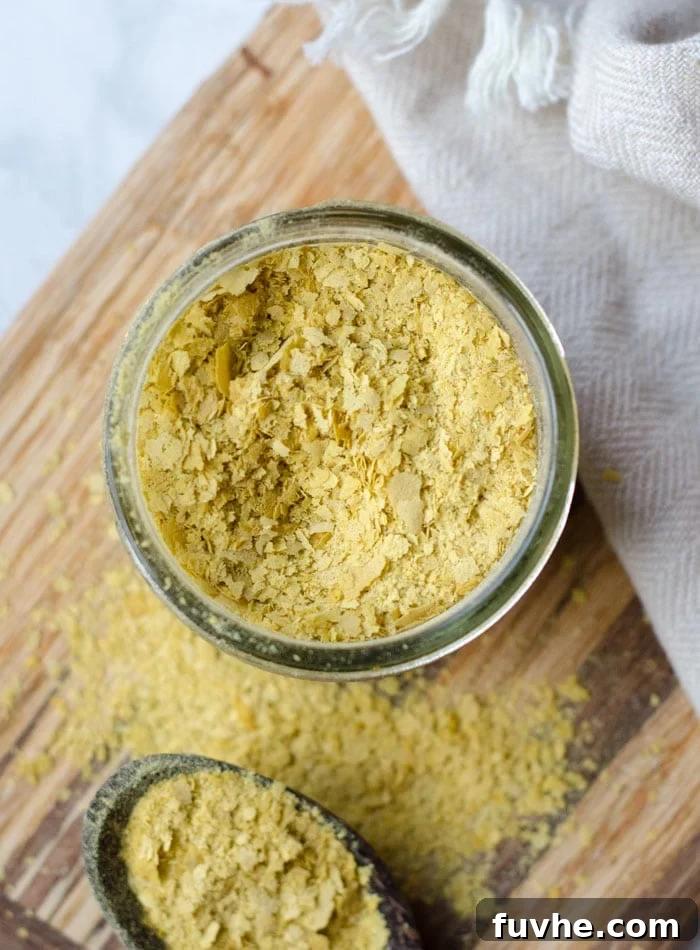
Nutritional yeast, affectionately known as “nooch,” is a flaky condiment with a savory, cheesy flavor. Beyond its taste, it’s a valuable protein source and often fortified with Vitamin B12, a crucial nutrient for vegans. It’s excellent for enhancing flavor and nutrition in a variety of dishes. Learn more about what nutritional yeast is and how to use it.
Nutritional Yeast Recipes:
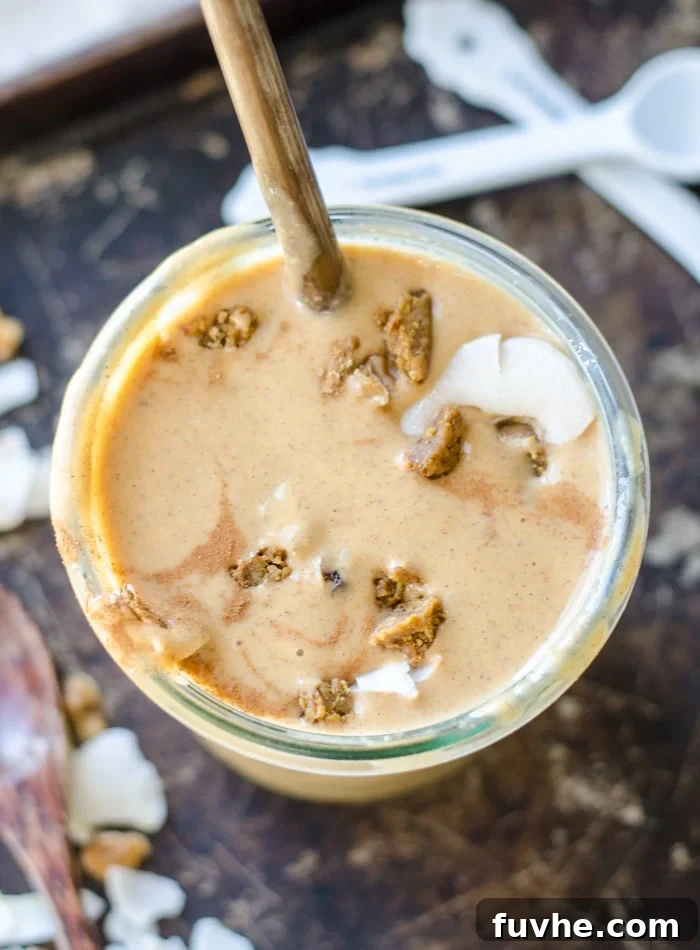
- Vegan Peanut Butter Cup Protein Shake
- Cheesy Roasted Broccoli with Vegan Cheese Sauce
- Creamy and Cheesy Vegan Broccoli Soup
- Creamy Cauliflower Wild Rice Soup
- 6-Ingredient Easy Cheesy Vegan Zoodles
Protein content: 6 grams in 2 tbsp.
Spirulina: The Nutrient-Dense Algae
While you won’t consume spirulina in large quantities, adding a teaspoon or two to your smoothies or juices can provide a concentrated boost of protein and other nutrients. Spirulina boasts the highest protein content by weight of any food, and even a small amount contributes significantly. Two teaspoons can offer around 4 grams of protein and about 15% of your daily iron needs. Beyond protein, spirulina is celebrated for its detoxifying and anti-inflammatory properties.
Protein content: 2 grams per teaspoon.
Hemp Seeds: Omega-Rich Protein
Hemp seeds are a nutritional powerhouse, celebrated for their anti-inflammatory properties, high protein content, and rich supply of omega-3 essential fatty acids, iron, and Vitamin E. They are also notably low in carbohydrates for a plant-based protein source. I often use plain, organic hemp protein powder to increase the protein in oats and smoothies. Hemp seeds themselves are fantastic sprinkled over salads, oats, dairy-free yogurt, or stirred into soups.
Hemp Seed Recipes:
- No-Bake Vegan Hemp Protein Bars
- No-Bake Cinnamon Raisin Hemp Seed Balls
- Grain-Free Coconut Chia Breakfast Bowls
- Raw Zucchini Hemp Seed Hummus
- Tahini Hemp Seed Bars
- Raw Hemp Seed Brownies
Protein content: 10 grams in 3 tbsp.
Chia Seeds: Tiny Seeds, Big Nutrition
Chia seeds are another excellent plant-based source of protein, fiber, and omega-3 fatty acids. Their ability to absorb liquid makes them perfect for creating puddings, thickening smoothies, or adding to baked goods and energy bars.
Chia Seed Recipes:
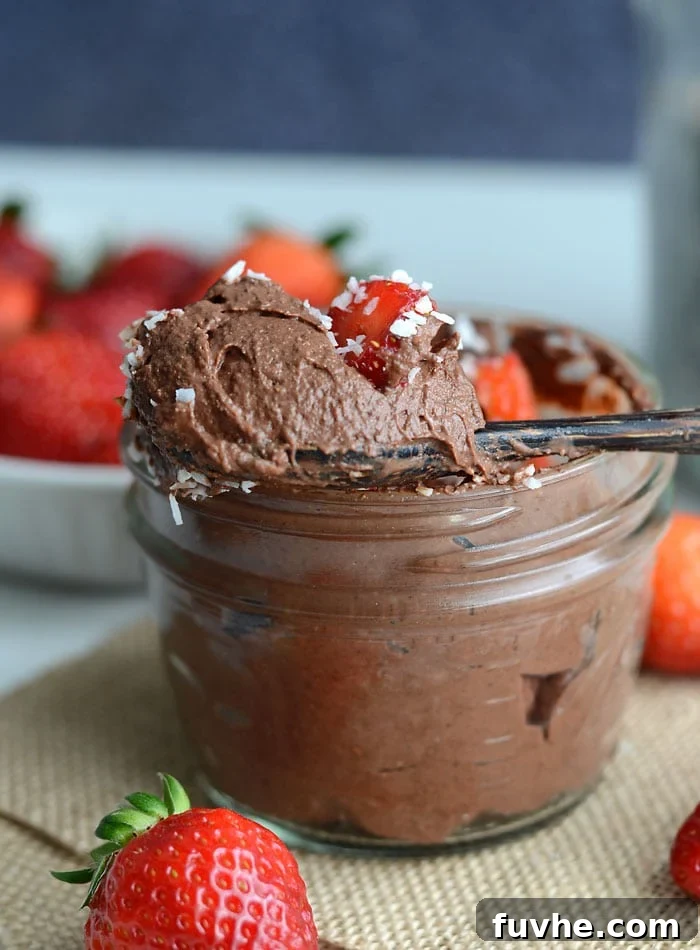
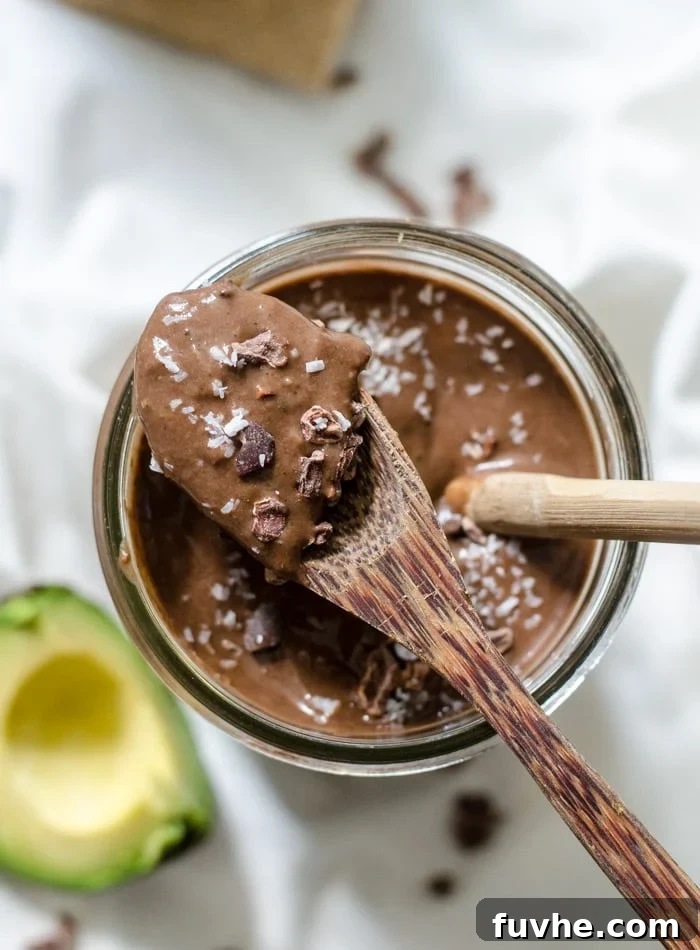
- Chocolate Chia Protein Pudding
- Peanut Butter Jelly Chia Seed Pudding
- Sweet and Salty Peanut Butter Chia Seed Pudding
- No-Bake Chocolate Chia Energy Bars
- Chocolate Chia Pudding
- Mango Chia Pudding
Protein content: 4 grams in 2 tbsp.
Almonds: A Nutty Protein Boost
Almonds are among the highest-protein nuts and are also packed with fiber, healthy fats, vitamins, and minerals. Enjoy raw almonds as a snack, or incorporate almond butter into smoothies, oatmeal, and spreads for a convenient protein hit.
Protein content: 6 grams per 1/4 cup.
Diverse Nuts, Seeds, and Butters
Beyond almonds, many other nuts and seeds contribute valuable protein and essential nutrients. Pumpkin seeds, sesame seeds, cashews, and sunflower seeds are rich in zinc, iron, and magnesium. Incorporate them raw as snacks, sprinkle them on meals, or enjoy them in the form of delicious nut and seed butters like peanut butter, cashew butter, or tahini. Aim for several servings daily to maximize nutrient intake.
Quinoa: The Complete Grain
Quinoa stands out as one of the highest-protein grains and is considered a complete protein, containing all nine essential amino acids. It’s a fantastic alternative to brown rice and can be used in diverse ways: as a breakfast cereal, in hearty soups and stews, vibrant salads, or as a simple side dish. Quinoa is versatile, affordable, easy to cook, and naturally gluten-free. Explore more about this ancient grain in my guide to whole grains.
Quinoa Recipes:
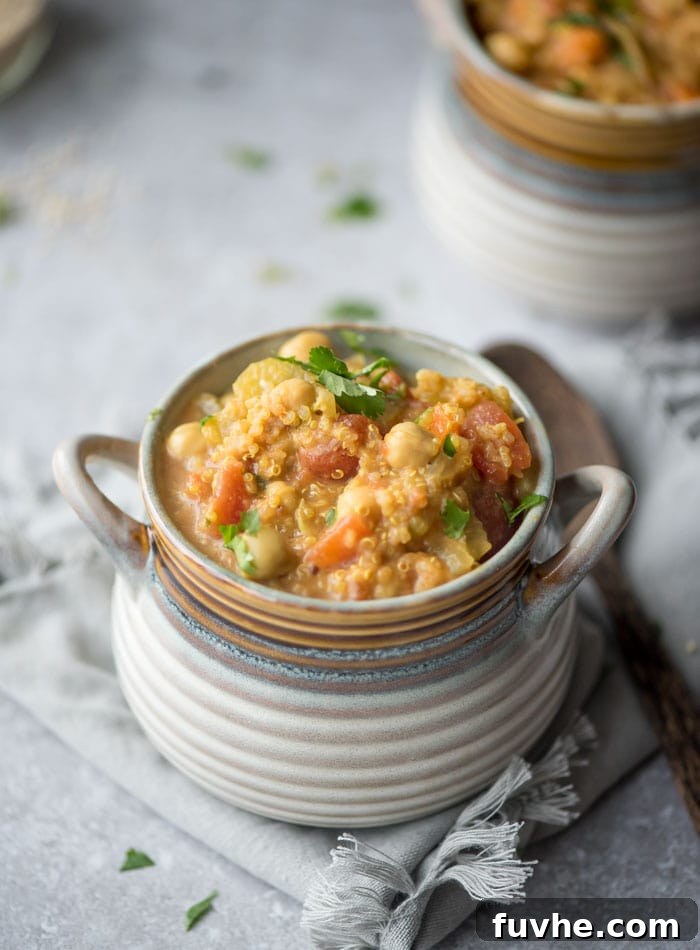
- Vegan Chickpea Quinoa Stew
- Lentil Quinoa Bowl
- Quinoa Cookies
- Tempeh Quinoa Macro Bowl
- Kale Quinoa Chickpea Salad with Roasted Carrot
- Quinoa Grain Bowl
- Vegan Quinoa Power Bowls
- Quinoa Kale Salad with Roasted Vegetables
Protein content: 8 grams per 1 cup cooked.
Rolled Oats: A Hearty and Healthy Choice
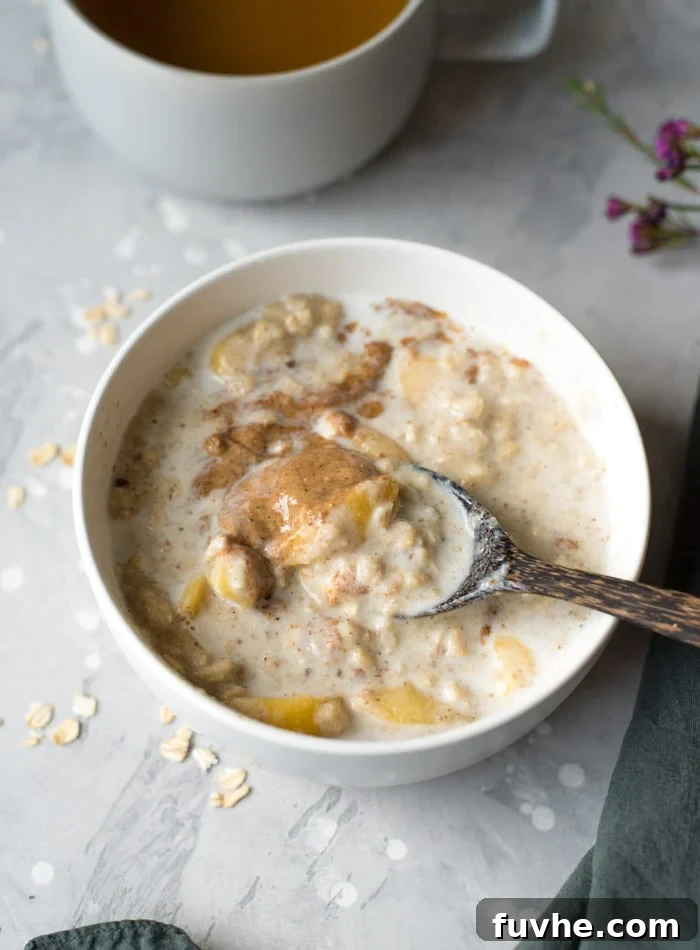
Oats are an incredibly nourishing and versatile plant-based food. They can be enjoyed in countless ways, from sweet breakfast porridges to savory bowls. Oats are celebrated for their anti-inflammatory properties, high fiber content, essential minerals, and naturally low fat profile.
Oat Recipes:
- Vegan Peaches and Cream Oatmeal
- Brownie Batter Overnight Protein Oats
- Flourless Peanut Butter Banana Oatmeal Cookies
- Chia Seed Gingerbread Overnight Oats
- Easy Banana Baked Oatmeal
- Carrot Cake Baked Oatmeal
Protein content: 9 grams per 1/2 cup dry.
The Value of Other Whole Grains
Don’t stop at quinoa and oats! Brown rice, wild rice, amaranth, teff, buckwheat, and freekeh all contribute a decent amount of protein and a wealth of other essential micronutrients. Aim for 3-5 servings of diverse whole grains daily to ensure a well-rounded nutrient intake.
Chickpeas: The Mediterranean Marvel
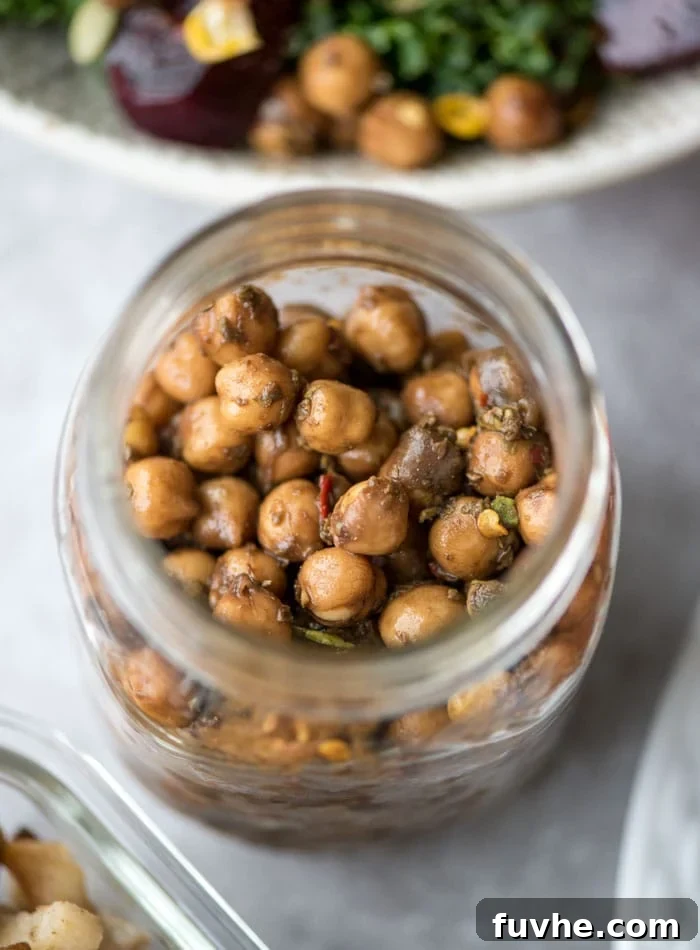
Chickpeas, also known as garbanzo beans, are a staple in many cuisines and one of the most frequently used beans in my kitchen. They are an excellent source of protein, dietary fiber, manganese, folate, iron, copper, and zinc. Chickpeas are incredibly versatile for making hummus, veggie burgers, enriching soups and stews, or adding to salads.
Chickpea Recipes:
- Vegan Chickpea Quinoa Stew
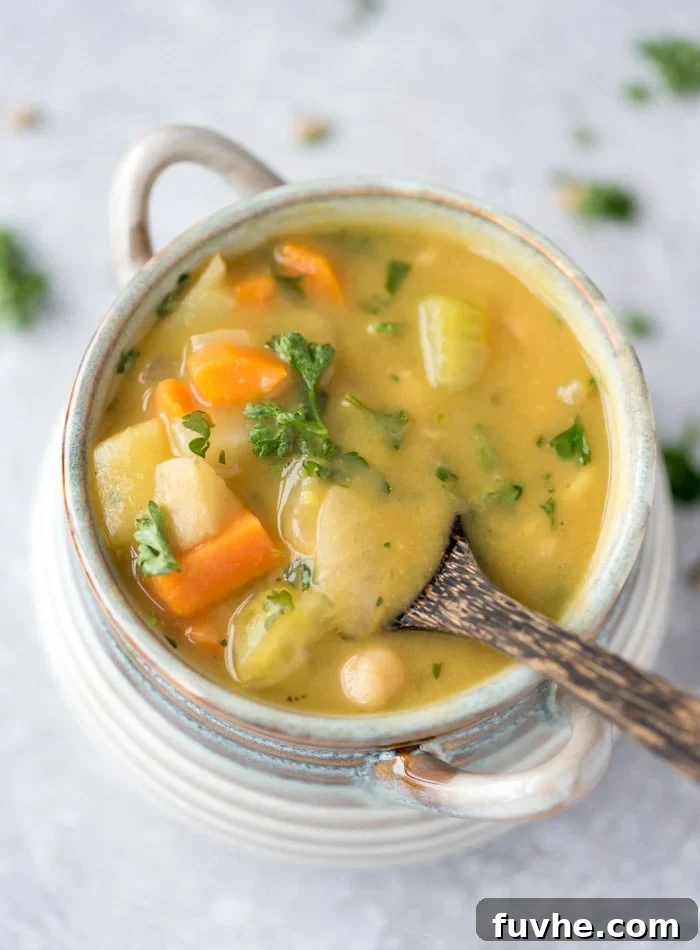
- Vegan Chickpea Vegetable Chowder
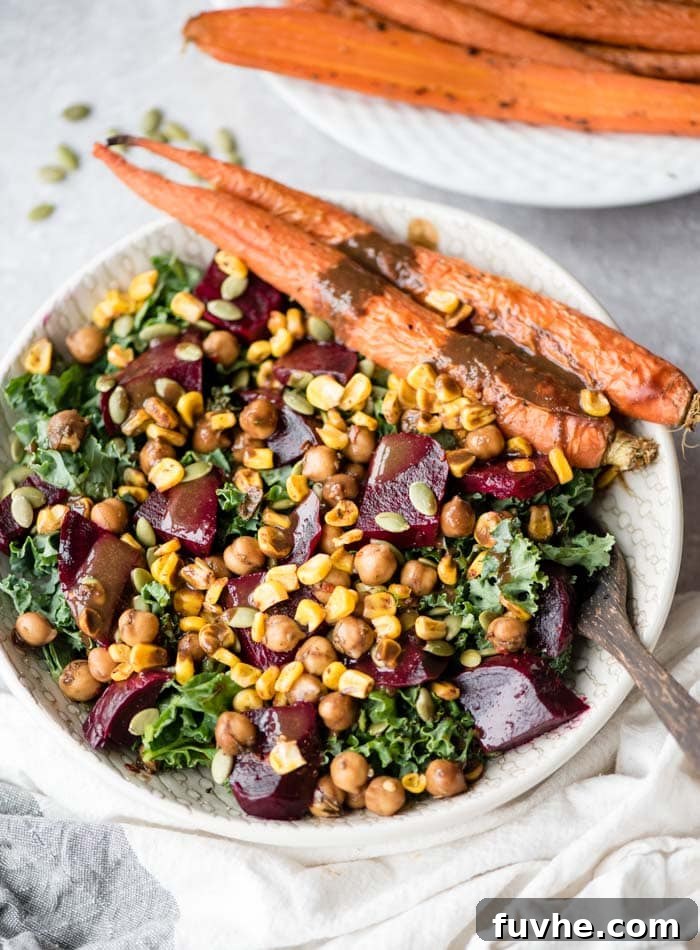
- Vegan Roasted Beet Salad with Marinated Chickpeas
- Vegan Kale Caesar Salad with Roasted Chickpeas
- Kale Hummus
- Vegan BBQ Chickpea Salad
- Teriyaki Chickpea Rice Bowl
- Mediterranean Chickpea Skillet
Protein content: 7 grams in 1/2 cup cooked.
Black Beans: A Nutritional Powerhouse
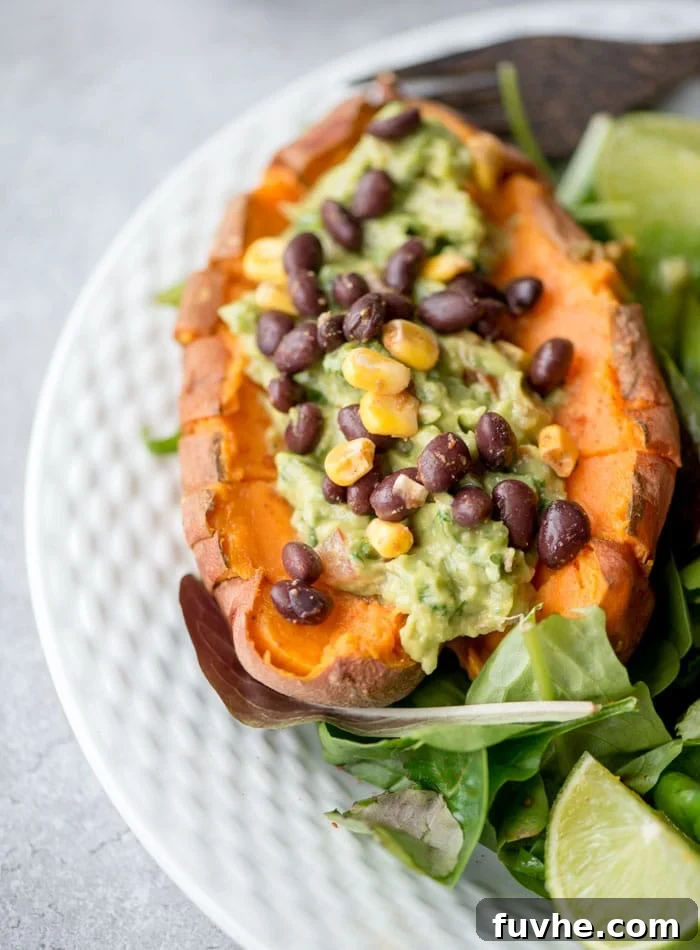
Black beans are a robust source of protein and a treasure trove of other nutrients, including fiber, folate, copper, manganese, magnesium, iron, and thiamine. They excel in breakfast bowls, soups, salads, as a side dish, in burgers, and in various dips.
Black Bean Recipes:
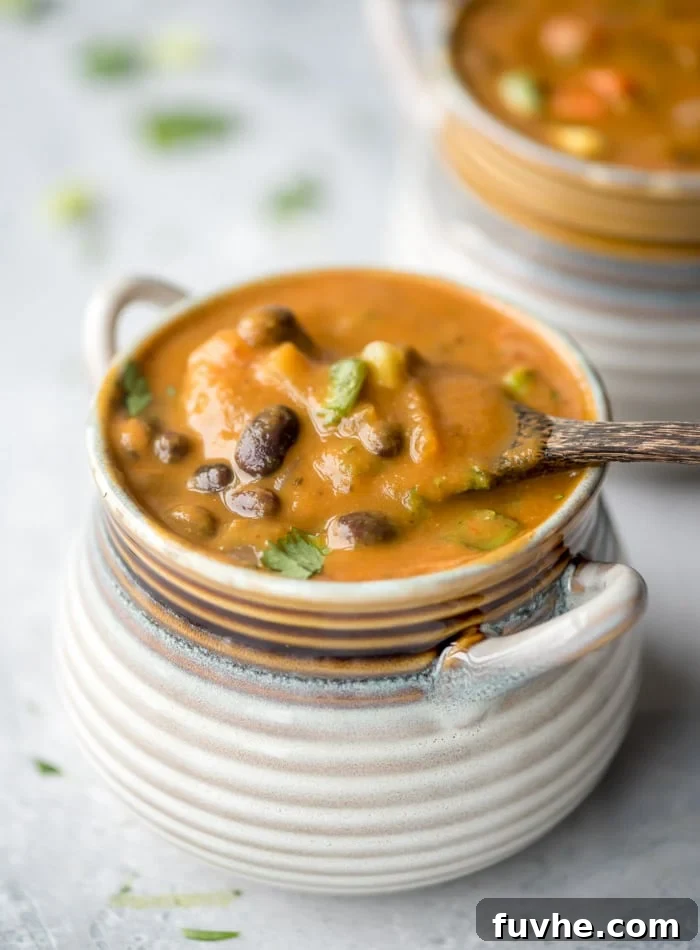
- Spicy Vegan Black Bean Soup
- Vegan Black Bean Burritos with Red Rice
- Black Bean Corn Salad
- Black Bean Stuffed Sweet Potatoes
- Black Bean Tacos
- Healthy Vegan Black Bean Brownies
- Black Bean Enchiladas
Protein content: 8 grams per 1/2 cup cooked.
Lentils: The Humble Protein Star
Lentils are an incredibly inexpensive, versatile, and healthy plant-based food. They are low in fat and packed with protein and fiber, making them an excellent choice for any meal. From hearty stews to refreshing salads, lentils are a plant-based kitchen hero.
Lentil Recipes:
- Red Lentil Tomato Soup
- Lentil Sweet Potato Stew with Kale
- Coconut Red Lentil Dahl
- Curried Butternut Squash Lentil Stew
- Roasted Vegetable Lentil Salad
- Curried Lentil Soup
- Lemon Lentil Soup
- Vegan Lentil Tacos
- Lentil Shepherd’s Pie
Protein content: 9 grams per 1/2 cup cooked.
Expanding Your Bean Horizons
Beyond chickpeas, black beans, and lentils, all varieties of beans and legumes are excellent sources of plant-based protein and fiber. Explore options like kidney beans, black-eyed peas, beluga lentils, white kidney beans, pinto beans, and fava beans to diversify your meals.
Beans are perfect for making homemade dips like hummus and crafting delicious veggie burgers, such as my vegan chickpea burgers. The ample fiber in beans is also known to help lower cholesterol and blood pressure, and maintain stable blood sugar levels, contributing to a heart-healthy diet.
Seitan: The Meaty Plant Protein
Seitan, made from vital wheat gluten, is a highly concentrated protein source with a texture very similar to meat. This makes it a popular meat substitute in many vegan dishes. It’s notably high in protein with minimal fat and carbohydrates.
Protein content: 21 grams per 1/3 cup cooked.
Convenient Packaged Vegan Protein Options
While whole foods should form the basis of your diet, having some convenient packaged vegan protein options on hand can be incredibly helpful for quick meals or when time is limited. These options can seamlessly integrate into your busy lifestyle.
Explore Asian Noodles: Bean-Based Pasta
Explore Asian offers a fantastic line of bean-based noodles, including black bean spaghetti, adzuki bean spaghetti, edamame noodles, and mung bean noodles. These are excellent grain-free, low-fat, and high-protein alternatives to traditional wheat noodles. They perform beautifully in both Italian-inspired dishes and Asian curries or stir-fries.
Protein content: Approximately 25 grams per serving (varies by type).
Banza Pasta: Chickpea Power
Banza produces chickpea-based pasta that is impressively close in texture and taste to conventional pasta, though slightly lower in protein than the Explore Asian varieties. It’s a great option for any pasta or noodle dish, providing a significant protein and fiber boost.
Protein content: Approximately 15 grams per serving.
Field Roast Sausage: Flavorful Plant-Based Sausages
For store-bought vegan sausages, Field Roast is a top recommendation due to its clean ingredient list and excellent flavor. These sausages are versatile and can be enjoyed on their own, added to stews, chilis, salads, or even breakfast burritos for a quick protein boost.
Protein content: Approximately 21 grams per serving.
Vegan Protein Powders: A Strategic Supplement
For highly active individuals, athletes, or those with specific protein goals, a whole vegan protein supplement can be a valuable tool. If you’re not particularly active, protein powder might not be necessary, as your needs can typically be met through whole foods.
I personally use 1 serving per day of either a pea protein-based powder or a blend made from whole food protein sources like pumpkin, quinoa, brown rice, hemp, chia, and alfalfa. Plain, organic hemp protein and brown rice protein powders are also excellent choices. My preferred brands include Bob’s Red Mill Vegan Protein, Vega Performance Protein, and Naked Nutrition Pea Protein.
I might add half a scoop to my morning oatmeal, blend half a scoop into a smoothie, or simply mix it with water when I need a quick and convenient protein source.
Protein Powder Recipes:
- Vegan Peanut Butter Cup Protein Shake
- Brownie Batter Overnight Protein Oats
- 2-Ingredient Vegan Protein Cookie Dough
- Vegan Chocolate Peanut Butter Protein Balls
Protein per serving: 20-30 grams per scoop.
For more protein-rich recipes, consider my vegan smoothies book with 66 recipes, available here.
Sol Veggie Burgers: Convenient Meal Option
For store-bought veggie burgers, brands like Sol offer tasty and convenient options. While I don’t typically buy them regularly, they are incredibly useful for quick dinners, camping trips, or barbecues when you need an easy protein source. Check your local grocery store for available brands, as selections can vary by region.
Protein per serving: Approximately 12 grams per serving.
Maximizing Protein with High-Protein Vegetables
Beyond dedicated protein sources, don’t underestimate the cumulative protein contribution from vegetables. By consciously choosing higher-protein vegetables and incorporating generous amounts into your meals, these contributions add up significantly throughout the day. Here are some of the best:
- Green Peas: 8 grams protein per cup
- Bean Sprouts: 3 grams protein per cup
- Spinach: 1 gram protein per cup
- Kale: 3 grams protein per cup
- Avocado: 2 grams in half an avocado
- Mushrooms: 3 grams protein per cup
- Artichokes: 4 grams in one small artichoke
- Brussels Sprouts: 3 grams protein per cup
- Asparagus: 3 grams protein per cup
- Broccoli: 3 grams protein per cup
The Cumulative Effect of Vegetable Protein
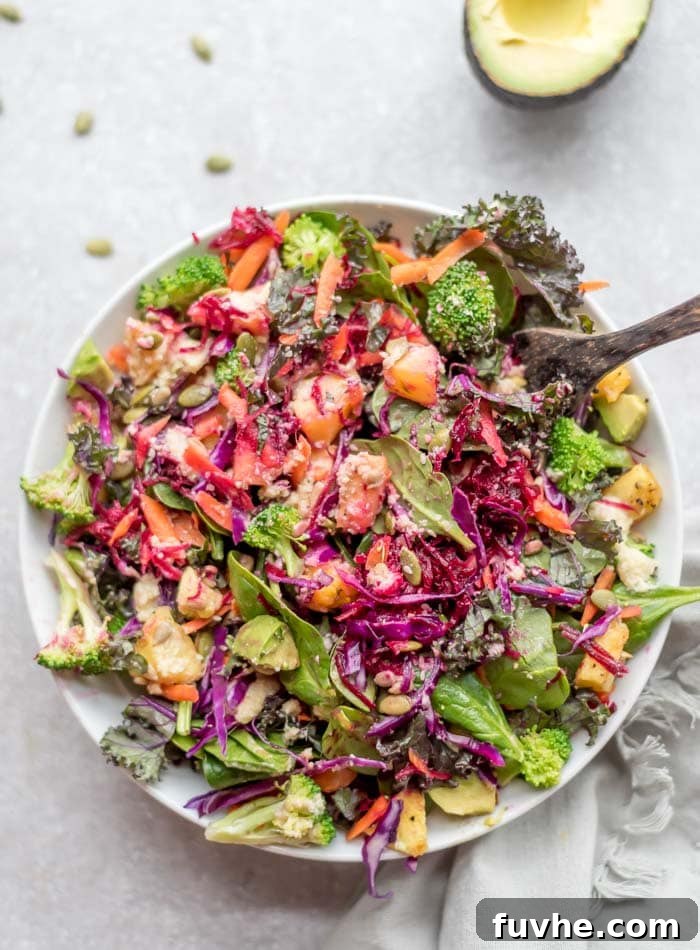
While individual servings of vegetables may seem low in protein, their cumulative effect is substantial. Imagine a smoothie with several handfuls of spinach, a lunch salad with roasted Brussels sprouts and green peas, and a dinner stir-fry packed with broccoli, mushrooms, and kale. This strategic inclusion can easily add around 35 grams of protein to your day, demonstrating how easily protein goals can be met through whole plant foods.
Crucially, unlike animal protein, this vegetable protein comes bundled with a wealth of dietary fiber (essential for gut health and satiety), disease-fighting antioxidants, and an abundance of essential vitamins, minerals, and amino acids, making them an incredibly health-promoting choice.
Beyond Protein: Other Key Vegan Nutrients
While protein is a major topic, it’s also important for those on a vegan diet to be mindful of other specific nutrients. In particular, Vitamin B12, Vitamin D3, and Omega-3 fatty acids often warrant consideration for supplementation. Iron, calcium, and iodine are also important, but with a well-planned, diverse whole-food plant-based diet, these can often be adequately obtained without additional supplementation.
Vegan Macros: Practical Tips for Protein Success
For vegan athletes or anyone tracking macronutrients, here are some actionable tips for consistently meeting your protein targets:
- Include Protein at Every Meal and Snack: Aim to incorporate a significant plant-based protein source with each eating occasion to ensure a steady supply of amino acids throughout the day.
- Embrace Dietary Variety: Regularly consume a wide range of plant protein sources. Prioritize beans, lentils, nuts, seeds, soy products, and whole grains to ensure you’re getting all essential amino acids.
- Consider Protein Powder (If Active): If you’re an athlete or highly active, a whole-food based vegan protein powder can be a convenient and effective way to supplement your protein intake. One serving per day is often sufficient.
- Evaluate BCAA Supplements (If Needed): While whole foods should come first, a vegan fermented BCAA supplement might be considered for intense training, or look for protein powders that naturally contain BCAAs.
- Focus on Micronutrients: While tracking macros, don’t lose sight of micronutrients. Regularly assess if you’re getting enough iron, calcium, iodine, fiber, and essential vitamins, as these are crucial for overall health and performance.
Thriving as a Vegan Athlete
The notion that a plant-based diet cannot support athletic performance, muscle growth, or strength is increasingly being debunked. Not only is it entirely possible to get enough protein, but by embracing a high-quality, whole-food plant-based diet, athletes can build new muscle, maintain existing muscle mass, and achieve peak performance and recovery.
Countless high-level competitive athletes across various disciplines have proven the efficacy of a completely plant-based diet. From Olympic weightlifters and strongmen to MMA fighters, NFL players, endurance athletes, and bodybuilders, the athletic world is brimming with examples demonstrating that animal protein is not a prerequisite for reaching elite fitness goals.
Sample Meal Plan: Fueling a Vegan Athlete’s Day
This one-day sample meal plan illustrates how a plant-based athlete can meet their nutritional needs. This example provides approximately 2200 calories, composed of about 120 grams of protein, 270 grams of carbohydrates, and 70 grams of fat. The emphasis is on whole foods to maximize micronutrient intake alongside a balanced macronutrient profile, supporting activity levels and performance goals.
I typically consume 4-6 times a day, including 1-2 snacks and 4 main meals, though meal frequency is highly individual. I find that I get too hungry without snacks, particularly a pre-workout bite before early morning training. On rest days, I might skip the pre-workout snack or repurpose it as a dessert.
For more detailed meal plans, explore my 3-Day Whole Food Plant-Based Meal Plan and One-Week Vegan Meal Plan. Additionally, I have two sample meal plans specifically for athletes in this post.
Upon Rising (4:30 AM)
First thing in the morning, I drink 1 liter of water with lemon, sometimes adding a pinch of sea salt for extra hydration. This helps re-hydrate the body after sleep and kickstarts the digestive system. Supplements are also taken at this time. After water, I prepare tea or coffee and a pre-workout snack if needed; sometimes, I train on an empty stomach.
Pre-Workout Snack
Acorn Squash: Baked acorn squash topped with creamy peanut butter and a sprinkle of hemp seeds for quick energy and sustained fuel.
Breakfast (Post-Workout)
Oatmeal: Hearty oats cooked with chia seeds, a scoop of vegan protein powder, and fresh blueberries, finished with a drizzle of almond butter for healthy fats and satiety.
Other Breakfast Options:
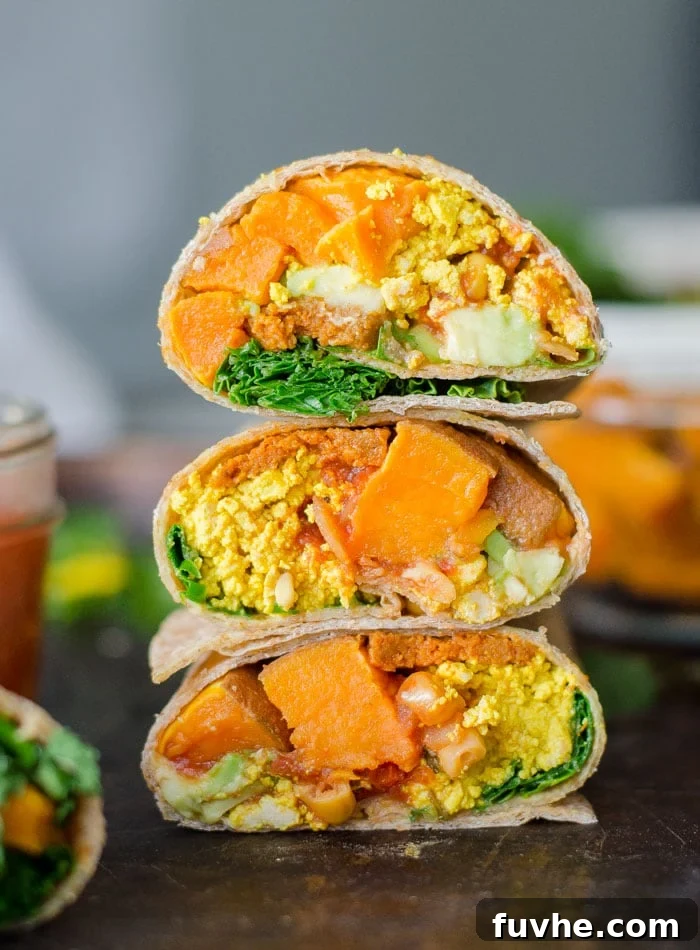
- Vegan Sweet Potato Breakfast Burritos
- Breakfast Burrito Bowls
- Chocolate Chip Zucchini Overnight Oats
- Strawberry Cheesecake Overnight Protein Oats
- Grain-Free Coconut Chia Breakfast Bowls
- Vegan Chickpea Flour Pancakes
- Superfood Chocolate Almond Avocado Smoothie
- Vegan Peaches and Cream Oatmeal
Mid-Morning Snack
Smoothie Bowl: A vibrant blend of frozen peach, fresh spinach, celery, moringa powder, spirulina powder, zucchini, and vegan protein powder. Blended with water until smooth and topped with hemp seeds, ground flaxseed, and chopped walnuts for extra nutrients and crunch.
Lunch
Buddha Bowl: A nourishing base of massaged kale, layered with marinated chickpeas, baked tofu for protein, steamed broccoli, grated carrots, grated beets, sunflower seeds, and drizzled with a rich tahini sauce.
Other Lunch Options:
- Vegan Roasted Beet Salad with Marinated Chickpeas
- Spicy Vegan Black Bean Soup
- Creamy Cauliflower Wild Rice Soup
- Roasted Squash Salad with Marinated Chickpeas
- Red Lentil Tomato Soup
Afternoon Snack
Smoked Tofu on Rice Cakes: Sliced smoked tofu served on thin brown rice cakes with refreshing cucumber, tomato, and a spread of cashew cream cheese for a satisfying and protein-rich snack.
Dinner
Zucchini Noodle Pasta: Spiralized zucchini noodles tossed with a homemade mushroom, carrot, onion, garlic tomato pasta sauce, fresh basil, and a sprinkle of vegan parmesan.
Other Dinner Options:
- Vegan Chickpea Quinoa Stew
- Coconut Red Lentil Dahl
- 6-Ingredient Easy Cheesy Vegan Zoodles
- Spicy Peanut Stew with Rice and Chickpeas
- Sweet Potato Peanut Stew
- Wild Rice and Broccoli Salad with Edamame
- Broccoli Brown Rice Bowl with Almond Satay Sauce
Essential Resources for Your Plant-Based Journey
If you’re new to a plant-based diet or looking to refine your approach, these articles offer valuable guidance and practical tips:
- How to Transition to a Plant-Based Diet
- Beginner Tips for Eating a Plant-Based Diet
- How to Stock a Vegan Pantry
- Complete Vegan Nutrition Guide
- Vegan Grocery List
- Vegan Macro Cheat Sheet