
Navigating the world of nutrition can be complex, especially when striving for specific dietary goals while maintaining a plant-based lifestyle. This comprehensive guide is designed for individuals embracing vegan flexible dieting, offering practical strategies and a curated list of delicious, macro-friendly foods to help you confidently track your macros on a plant-based diet.

Achieving your daily macronutrient targets on a plant-based diet doesn’t have to be a challenge. With a mindful approach and the right food choices, it’s entirely manageable. For instance, a daily intake of approximately 205g carbohydrates (C), 155g protein (P), and 55g fat (F) can be met with satisfying, whole plant foods. Plus, incorporating a weekly “refuel day” with an additional 100g of carbs can be a fantastic way to support recovery and energy levels, making the dietary journey even more enjoyable.
If you’re keen to dive deeper into the world of vegan flexible dieting and IIFYM (If It Fits Your Macros), explore our series of articles to gain more insights and tips:
•Vegan IIFYM: Discoveries from Week One
•Vegan IIFYM: Essential Tips, Tricks, and Meal Plans from Week Two
•Top Plant-Based Foods for Flexible Dieting• Further Insights into Plant-Based Flexible Dieting
Today, we’re excited to share an updated selection of specific, highly effective macro-friendly foods that have proven invaluable for plant-based flexible dieting, offering both nutritional benefits and delicious versatility.
Top Macro-Friendly Foods for Vegan Flexible Dieting
1. Sweet Spiced Roasted Carrots
A true game-changer for anyone looking to maximize carb intake with high-volume, nutrient-dense foods. These oil-free roasted carrots, enhanced with aromatic spices and a touch of organic stevia, have become a staple. Imagine 8-9 large carrots offering a subtle sweetness and a satisfying texture. My preferred spice blends include cinnamon, coriander, and sea salt; or cumin and sea salt; or a trio of cumin, coriander, and sea salt. Just 2-3 drops of organic liquid stevia are enough to impart a delicate sweetness without adding extra calories.
Carrots are an excellent choice for flexible dieting because they are incredibly filling and rich in carbohydrates without being calorically dense. For example, three large carrots typically provide around 20g of carbohydrates, 0g of fat, and 2g of protein, making them a perfect high-volume carb source. I enjoy them both as a side dish to a main meal and as a satisfying snack. For an added layer of flavor and a boost of healthy fats, a light drizzle of tahini after roasting is absolutely divine!
To prepare them, simply peel your carrots and slice them lengthwise into even pieces. Toss them in a bowl with your chosen spices and a tiny amount of stevia. Roast at 400°F (200°C) for 15-20 minutes, or until they reach your desired tenderness. If stevia isn’t to your liking, these carrots are equally delicious without it. As an added bonus, carrots are packed with essential vitamins, particularly beta-carotene (a precursor to Vitamin A), and powerful antioxidants, supporting overall health, especially vision and immune function.

2. Zoodles and Zucchini: A Versatile Powerhouse
Zucchini has earned its spot as another current obsession for flexible dieting. For pasta lovers who want to manage their carb intake, “zoodles” (zucchini noodles) are an absolute revelation. Traditional pasta can quickly use up a significant portion of your daily carbohydrate allowance, leaving you feeling less satisfied later. Zucchini, on the other hand, offers an incredible volume-to-calorie ratio, allowing you to enjoy substantial portions without compromising your macro goals.
Investing in a spiralizer is highly recommended; it’s a simple tool that unlocks a world of culinary possibilities, not just for zucchini, but also for carrots, sweet potatoes, and cucumbers. Once you have your zoodles, the options are endless. They serve as an excellent low-carb base for classic dishes like spaghetti with pesto, hearty tomato sauce, and protein-rich lentils. Alternatively, create a light and refreshing sauce with fresh lemon juice, minced garlic, and creamy tahini, then toss with extra fresh vegetables and edamame for a complete, vibrant meal.
Beyond zoodles, roasted zucchini is another fantastic way to enjoy this versatile vegetable. Simply slice it, toss with a pinch of salt and pepper (or any other favorite spice blend), and roast without oil until tender and slightly caramelized. The beauty of zucchini lies in its impressive macro profile: approximately 4 cups of zucchini provide just 16g of carbohydrates, 0g of fat, and 6g of protein, all for a mere 80 calories. This means you can truly “eat all the food” and feel incredibly full and nourished while staying well within your daily targets. Zucchini is also rich in vitamins A and C, potassium, and fiber, contributing to overall well-being.
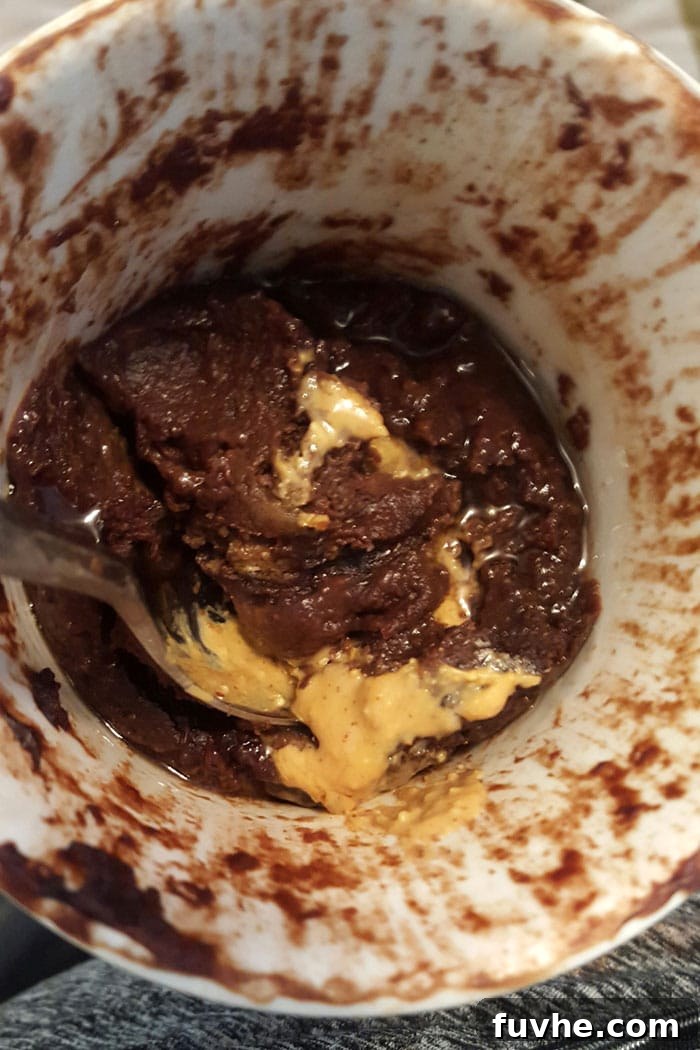
3. Protein Mug Cakes: The Ultimate Macro-Friendly Treat
For those adhering to flexible dieting, especially vegans, protein mug cakes are nothing short of a lifesaver. These quick, single-serving desserts make hitting protein goals an absolute delight and can be enjoyed almost daily without guilt. While the quest for the “perfect” recipe is ongoing, a reliable base often involves chocolate protein powder, a spoonful of cocoa powder for deep flavor, brown rice flour (or another preferred flour), a touch of baking powder for rise, a pinch of salt to balance the sweetness, and enough almond milk to create a smooth batter.
The beauty of mug cakes lies in their adaptability. You can experiment with different protein powder flavors – vanilla, peanut butter, or even unflavored, then customize with extracts like peppermint or almond. For added texture and nutrients, consider stirring in chia seeds, a few berries, or a sprinkle of chopped nuts (if your fat macros allow). The quick preparation time, usually just a minute or two in the microwave, means you can whip up a warm, satisfying treat even when time is tight. While precise measurements are ideal for consistency, a freestyle approach often yields delicious results too, encouraging culinary creativity within your macro limits. Protein mug cakes satisfy sweet cravings while contributing significantly to your protein intake, making them an indispensable tool in a flexible vegan diet.
4. Simply Protein Bars: On-the-Go Protein Convenience
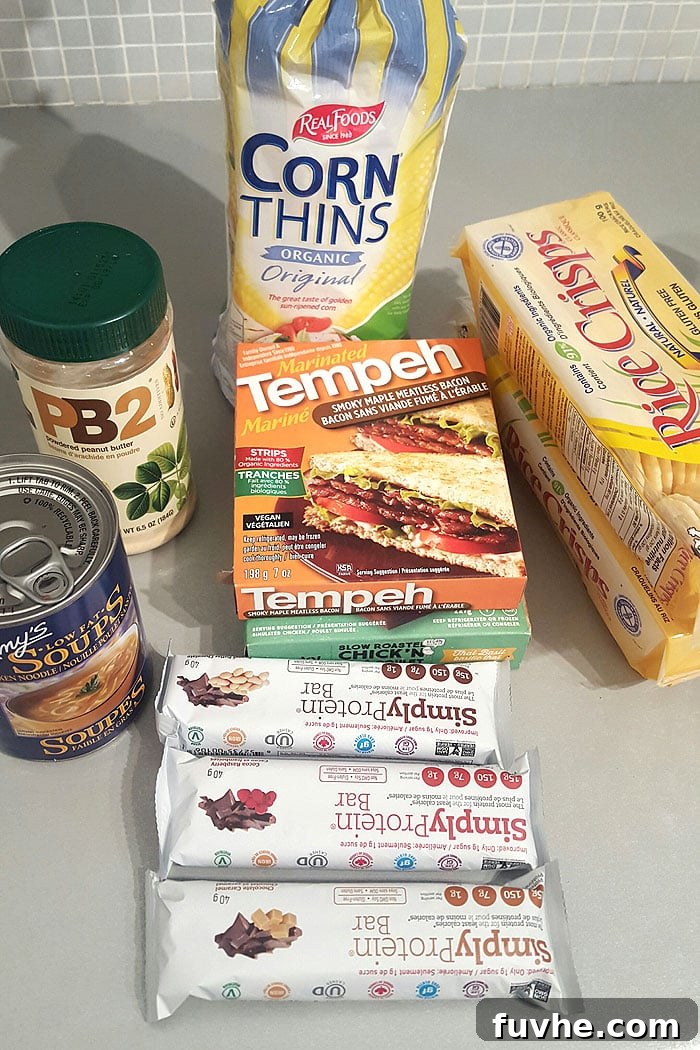
Finding high-quality, store-bought vegan protein bars that truly align with flexible dieting principles can be challenging. Many options on the market are surprisingly high in fats and carbohydrates relative to their protein content. This is where Simply Protein Bars truly shine. They offer a fantastic solution for a quick protein boost, coming in a variety of delicious flavors that appeal to different palates.
Each Simply Protein Bar is meticulously crafted to provide a balanced macro profile: approximately 16g of carbohydrates, 5g of fat, and a substantial 15g of plant-based protein. What makes them even more impressive is their high fiber content, typically 7g per bar, which aids in digestion and promotes satiety. All of this comes in at a modest 150 calories, making them an ideal choice for managing intake without sacrificing flavor or nutritional value. Compared to other bars that often have double the fat and carbs for a similar protein yield, Simply Protein Bars are a superior option for macro-conscious vegans.
Keeping a stash of these bars on hand is a smart strategy for busy days, unexpected hunger pangs, or when you need a reliable protein source in a pinch. Beyond simply eating them out of the wrapper, they are incredibly versatile. Try crumbling a bar over sliced banana, mixing it into vegan yogurt, or incorporating it into a homemade protein pudding for an extra layer of texture and flavor. They are a delicious and efficient way to ensure you meet your protein targets, even on the busiest days.
5. Rice Crackers and Cakes: The Low-Carb Snack Canvas
When it comes to versatile, low-carb snack options, rice crackers and cakes are unparalleled winners for flexible dieting. Their neutral flavor and crisp texture provide the perfect canvas for an endless array of toppings, allowing you to customize your snack precisely to your macro needs for the moment. Whether you need more fats, fewer fats, a protein boost, or extra carbs, these simple staples can be adapted effortlessly.
For a boost of healthy fats, spread with avocado or your favorite nut butter. If you’re aiming to keep fat content low, opt for vibrant salsa or a generous dollop of homemade sugar-free jam. Hummus provides a good balance of protein and carbohydrates, while tahini paired with crisp sliced cucumber offers a creamy, satisfying crunch. Get creative with fresh vegetables like sprouts, black pepper, and sliced tomatoes for a refreshing and nutrient-packed bite. For a sweet treat, apple slices with a sprinkle of cinnamon and a smear of chia seed jam are delightful. The possibilities are truly boundless, making rice crackers and cakes an essential pantry item for any vegan following a flexible diet. Choose whole grain varieties for added fiber and micronutrients, enhancing their health benefits while keeping you satiated.
6. Zevia: A Healthier Soda Alternative
For those moments when you crave a little something extra while unwinding at home, but want to avoid traditional sugary sodas or their artificial-laden diet counterparts, Zevia steps in as a welcome treat. This brand offers a range of naturally sweetened beverages, primarily using stevia, and importantly, contains no artificial colors or flavors. This makes it a much more appealing choice for a guilt-free indulgence.
While moderation is always key with any sweetened beverage, even naturally sweetened ones, Zevia provides a refreshing alternative for those who enjoy the fizz and flavor of soda. It effectively sidesteps the concerns associated with artificial sweeteners and high-fructose corn syrup commonly found in conventional sodas. Beyond Zevia, other excellent options for satisfying a drink craving include sparkling water infused with fresh lemon or lime juice, or enhanced with stevia water enhancers for a touch of sweetness. Most of the time, however, nothing beats the simplicity and purity of plain, filtered water for hydration and overall health.
7. Thawed Frozen Mixed Berries: A Naturally Sweet Delight
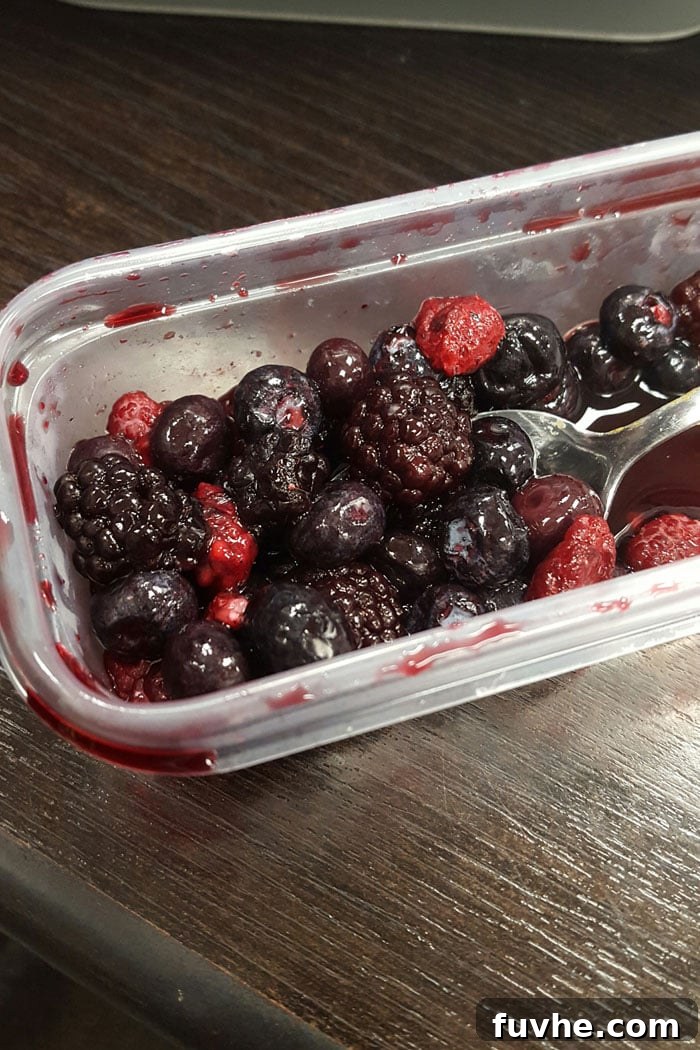
This simple yet delightful snack has become a consistent favorite for its incredible flavor and nutritional benefits. The magic happens when frozen berries slowly thaw: they transform into a wonderfully “ooey and gooey,” juicy, and intensely sweet concoction. This natural sweetness satisfies any pesky sweet tooth without the need for added sugars, making them perfect for flexible dieting.
Beyond their delicious taste, berries are a nutritional powerhouse. They are exceptionally high in fiber, which aids digestion and promotes satiety, helping you feel fuller for longer. They are also bursting with antioxidants, which combat free radicals and support cellular health, along with a rich array of essential vitamins, including a significant amount of Vitamin C, and even some iron. For approximately 140 grams of mixed berries, you’re looking at a macro profile of about 19g carbohydrates, 1g fat, and 1g protein, along with an impressive 7g of fiber. This makes them an incredibly nutrient-dense and macro-friendly choice.
A convenient way to incorporate them into your routine is to add a cup of frozen berries to a lunch container in the morning; by lunchtime, they will be perfectly thawed and ready to enjoy. They are delicious eaten simply with a spoon, or they can elevate other dishes. Try them stirred into your morning oats, layered on top of protein pancakes, or mixed into a creamy protein pudding for an extra burst of flavor and nutrition. Currently, fresh raspberries are also a personal favorite; a whole cup feels like a generous serving and fits effortlessly into daily macro targets.
8. Broccoli with Lemon, Sea Salt, and Tahini: A Micronutrient Powerhouse
Broccoli is a champion vegetable for flexible dieting, offering an incredible amount of nutrition for very few calories. A generous 3-cup serving of broccoli delivers approximately 18g of carbohydrates, a mere 1g of fat, and a respectable 7g of protein, along with a significant 7g of dietary fiber. This makes it an ideal high-volume food that fills you up and provides a wealth of micronutrients.
While broccoli is fantastic steamed or roasted on its own, elevating its flavor profile can make it an even more enjoyable staple. My preferred method is to lightly steam or roast the broccoli until tender-crisp, then drizzle generously with creamy tahini, a squeeze of fresh lemon juice, and a sprinkle of flaky sea salt. This combination is incredibly delicious, offering a nutty, tangy, and savory experience that transforms simple broccoli into a gourmet-like side dish or snack.
Beyond macros, broccoli is an exceptional source of vitamins C and K, folate, and potassium, all vital for bone health, immune function, and energy metabolism. Incorporating a large serving of broccoli into your diet is an efficient way to load up on these essential micronutrients without adding excessive calories. I often enjoy this dish as a satisfying snack, but it also makes a perfect, nutrient-dense side for any meal, complementing protein sources and other vegetables beautifully.
9. Field Roast Artisan Vegan Sausages: Premium Plant-Based Protein
For those seeking a high-quality, flavorful plant-based protein, Field Roast Artisan Vegan Sausages are an excellent choice. While they might come with a slightly higher price tag in certain regions like Canada, their exceptional taste and impressive nutritional profile make them a worthwhile investment for flexible dieting. Each serving packs a substantial 26g of plant-based protein, alongside a remarkable 50% of your daily iron requirement, making them a fantastic option for vegans to meet critical nutrient needs.
One of the key advantages of Field Roast sausages is their commitment to using wholesome ingredients, avoiding many of the questionable additives and excessive soy often found in other meat-alternative products. This makes them a cleaner, more appealing option for health-conscious individuals. While not an everyday staple due to cost, they are a delightful treat and an incredibly convenient, delicious protein source when time is of the essence. Their versatility is another highlight: try slicing them and incorporating them into a large bowl of zoodle spaghetti for a hearty meal, adding them to a tofu scramble for a savory breakfast, or simply enjoying them as they are alongside your favorite roasted vegetables. They also make an excellent quick protein snack when wrapped in crisp lettuce leaves with a dollop of Dijon mustard.
10. Air-Popped Popcorn: The High-Volume Snack Champion
For anyone seeking a satisfying, high-volume snack that aligns perfectly with flexible dieting, air-popped popcorn is an absolute winner. While convenient microwave popcorn often contains undesirable ingredients and isn’t always vegan-friendly, making your own at home with an air-popper is a simple and significantly healthier alternative. This method allows for complete control over ingredients and seasonings, ensuring a clean and delicious snack every time.
Rediscovering the joy of an air-popper has been a revelation, providing endless opportunities for a guilt-free, high-volume snack. Popcorn is naturally rich in fiber and offers a surprisingly favorable macro breakdown. Four cups of plain air-popped popcorn contain just 25g of carbohydrates, a mere 1g of fat, and 4g of protein – an impressive amount of food for minimal caloric impact. This makes it an ideal snack for movie nights at home, or even for sneaking into the cinema in a discreet Tupperware container!
Customization is key with air-popped popcorn. If your daily macros allow for a bit of fat, toss your freshly popped corn with a drizzle of melted coconut oil and a sprinkle of sea salt for a classic, savory treat. For those with a sweet tooth, a drop or two of organic stevia or a tiny bit of homemade date caramel can create an irresistible sweet and salty combination. Experiment with different spices like nutritional yeast for a cheesy flavor, chili powder for a kick, or a dash of cinnamon for warmth. Air-popped popcorn is truly a versatile and satisfying snack that effortlessly fits into a flexible plant-based diet.
11. Asparagus: Elegant, Nutritious, and Macro-Friendly
Asparagus is a vegetable that consistently earns top marks for its delicate flavor, versatility, and excellent nutritional profile. It’s a true favorite for flexible dieting due to its low calorie count and rich nutrient content. Imagine perfectly steamed asparagus, simply seasoned with a squeeze of fresh lemon and a sprinkle of sea salt – it’s a culinary delight that is both simple and incredibly satisfying. The natural sweetness and slight bitterness of asparagus shine through, making it an elegant addition to any meal.
From a macro perspective, asparagus is exceptional. A serving of 12 spears provides a mere 9g of carbohydrates, 0g of fat, and 5g of protein, along with an impressive 5g of dietary fiber. This high fiber content contributes to satiety and digestive health. Beyond the macros, asparagus is a powerhouse of micronutrients. It’s an excellent source of Vitamin K, crucial for blood clotting and bone health, and folate, which is essential for cell growth and metabolism. It also provides vitamins A and C, iron, and potassium. Given its fantastic nutrient density and low-calorie nature, asparagus is a vegetable you can truly “load up” on without derailing your macro goals. Enjoy it steamed, roasted, grilled, or even sautéed, making it a regular and delicious component of your plant-based flexible diet.
12. Green Bean Fries: A Crispy, Healthy Indulgence
Green bean fries are another fantastic discovery that has captured my culinary affection. They offer a delightful crunch and savory flavor, providing a healthy alternative to traditional fries while fitting perfectly into a flexible dieting plan. This dish transforms a humble vegetable into an exciting snack or side, making it easier to increase your intake of nutrient-rich greens.
To prepare these delicious “fries,” begin by adding approximately 1 pound of fresh green beans to a bowl. Drizzle them lightly with a small amount of olive or coconut oil – just enough to help the seasonings adhere. Season generously with salt, pepper, and garlic powder for a savory base. For an extra boost of nutrition and a binding agent, sprinkle in a bit of ground flaxseed. Toss everything together until the green beans are evenly coated. Spread them in a single layer on a parchment paper-lined baking sheet and bake at 425°F (220°C) for 10-15 minutes, or until they are tender-crisp and slightly browned.
For an even crispier texture and enhanced flavor, consider adding a sprinkle of nutritional yeast for a cheesy umami note, and/or a light coating of panko breadcrumbs before baking. These additions contribute to a more substantial “fry” experience without significantly impacting your macro goals. Green bean fries are not only incredibly tasty but also provide fiber, vitamins, and minerals, making them an excellent choice for a satisfying and health-conscious snack or side dish.
13. Fat-Free Herbed Salad Dressing: Flavor Without the Calories
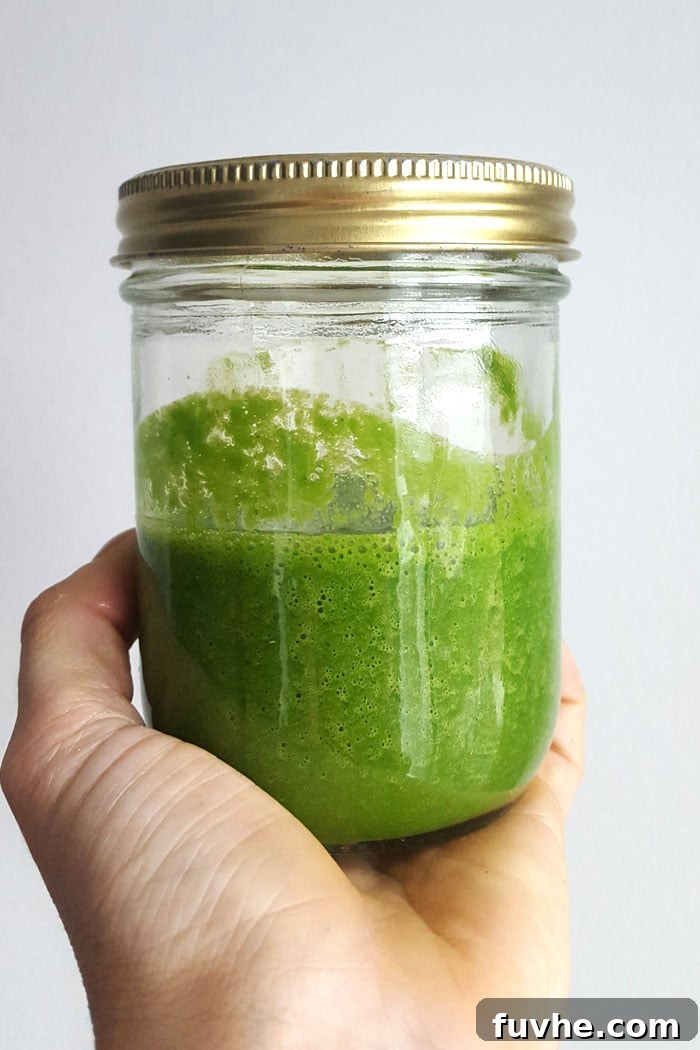
This homemade fat-free herbed salad dressing has quickly become a new favorite way to utilize fresh herbs and elevate any meal without adding significant calories or fats. The beauty of this dressing is that once prepared and divided into servings, its macro impact is negligible, effectively making it a “calorie-free” flavor booster. This is an incredible tool for flexible dieting, allowing you to enjoy vibrant flavors while staying within your targets.
Start with a few generous handfuls of fresh herbs – any combination works beautifully. I particularly love dill, cilantro, and parsley for their freshness, but chives, mint, basil, or even a mix of Mediterranean herbs would be equally delicious. Place the herbs in a blender along with a generous amount of fresh lemon juice for brightness, several cloves of garlic for pungency, a spoonful of yellow or Dijon mustard for tang, a splash of white wine, apple cider, or balsamic vinegar for acidity, and season with salt and pepper to taste. Blend until the mixture is completely smooth and emulsified.
You can customize this dressing further by adding other preferred spices, such as a pinch of onion powder or a dash of red pepper flakes for heat. If you desire a creamier texture and your macros allow for a higher fat content, a quarter of an avocado can be blended in for a rich, healthy fat addition. I often add a drop or two of stevia or a tiny bit of maple syrup to temper the acidity and round out the flavors. There’s no need for precise measurements here; simply adjust ingredients to your taste, adding a little water to achieve your desired consistency. This versatile dressing is not just for salads; it makes a fantastic sauce for roasted vegetables, a vibrant marinade for tofu or tempeh, or a flavorful drizzle for grain bowls, proving that healthy eating doesn’t mean sacrificing taste.
14. Banana Ice Cream with Yummy Add-Ins: Your Customizable Dessert
Banana “nice” cream has been a cherished dessert for years, and its versatility has made it an even more valuable asset while tracking macros. This simple yet incredibly satisfying frozen treat allows for endless customization, ensuring it perfectly aligns with your daily nutritional targets, regardless of how many macros you have left. It’s a naturally sweet, creamy, and healthy alternative to traditional ice cream.
You can find full instructions for making banana ice cream here, but the basic principle involves blending frozen ripe bananas until they reach a soft-serve consistency. The key is to use very ripe bananas for optimal sweetness and creaminess. The magic lies in the add-ins, which can transform the base recipe into a multitude of flavors and macro profiles:
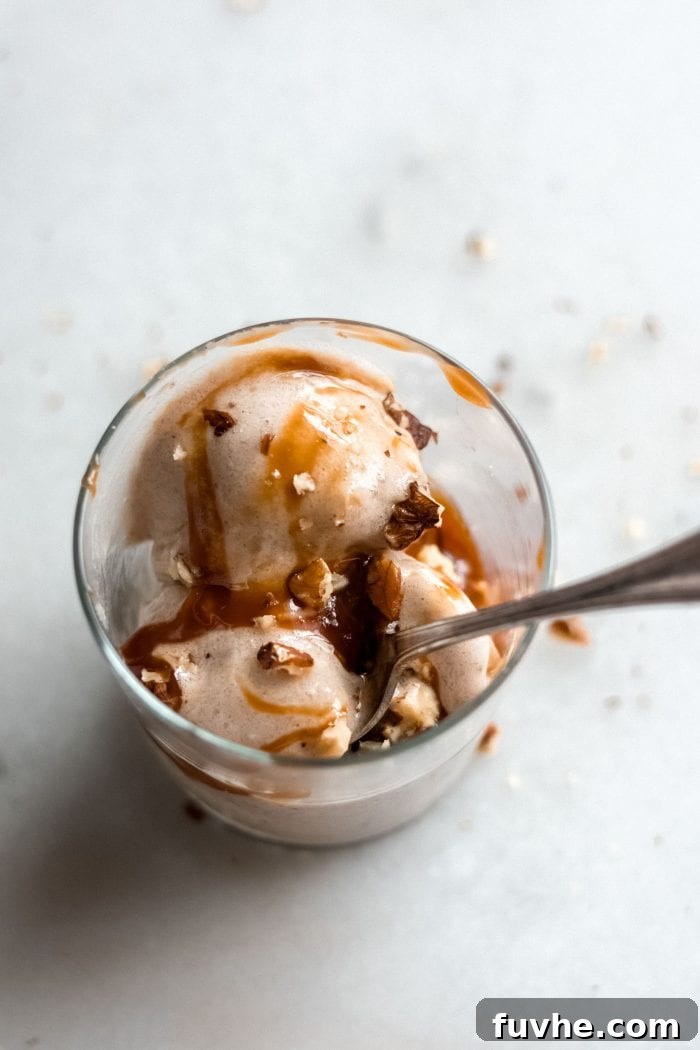
Banana Ice Cream Flavors
- Fat-Free Classic: Blend frozen banana with a pinch of cinnamon, a splash of vanilla extract, and a tiny bit of sea salt for a simple, elegant treat.
- Rich & Creamy: Add some healthy fats and protein by blending frozen banana with a tablespoon of peanut or almond butter.
- Low-Fat Peanut Butter Bliss: Achieve a peanut butter flavor with less fat by using banana blended with P2B (powdered peanut butter).
- Decadent Chocolate: For a fat-free chocolate option, blend banana with a tablespoon of unsweetened cocoa powder.
- Protein Boost: Enhance your protein intake by adding a scoop of your favorite vegan protein powder to the banana base.
- Sweet & Chunky: Incorporate more fat and carbs (and pure deliciousness!) by stirring in vegan chocolate chips after blending.
- Refreshing Berry: Blend banana with a handful of frozen mixed berries for a vibrant, fat-free, and antioxidant-rich dessert.
- Mint Chocolate Chip: Create this classic by blending banana with a few drops of peppermint extract and a handful of spinach (for natural green color, don’t worry, you won’t taste it!), then stir in chocolate chips.
I often prefer to make a simple banana-only ice cream base and then get creative with toppings. Think chocolate chips, a drizzle of peanut butter, a sprinkle of chopped nuts, plump raisins, or a luxurious homemade chocolate sauce. Any and all of these combinations yield amazing results! Get creative, experiment with different flavors, and have fun with it. For the best consistency, ensure your bananas are completely frozen solid. You might need to add a tiny amount of water, almond milk, or coconut milk slowly to help the blender, but try to keep added liquid to a minimum to maintain that desirable thick, chunky texture.
15. Magic Banana Brownies: A Simple, Healthy Indulgence
These “magic” banana brownies are truly a revelation and arguably one of the best discoveries for satisfying a sweet craving healthily and easily. Their simplicity and delicious outcome are almost unbelievable. This recipe requires minimal ingredients and effort, making it a perfect macro-friendly dessert for any occasion.
The core recipe involves just three ingredients: 3 ripe medium bananas, 1/2 cup of unsweetened cocoa powder, and 1 teaspoon of baking powder. Simply combine these ingredients in a blender and process until smooth. While a masher can be used, a blender ensures an extra quick and effortlessly smooth batter. Pour the batter into a loaf pan (lined with parchment paper for easy removal) and bake at 350°F (175°C) for just 15 minutes. The result is a fudgy, rich, and surprisingly satisfying brownie.
The key to the best flavor and consistency lies in using very ripe bananas – the riper, the sweeter and more flavorful your brownies will be. If your bananas are less than ideally ripe, you can compensate by adding a few drops of stevia to the batter for extra sweetness, but ripe bananas will provide the best natural flavor and texture. Patience is crucial for the final step: allow the brownies to cool completely in the pan before slicing. This seemingly small step is important for them to set properly and prevent crumbling, no matter how hard it is to resist that warm, chocolatey aroma!
Each brownie offers an incredibly lean macro profile of approximately 13g carbohydrates, 1g fat, and 1g protein, making them an ideal treat for managing your macros. Feel free to top them with a smear of peanut butter if your fat allowance permits for an extra layer of indulgence. These brownies are a true lifesaver for anyone with a persistent sweet tooth. For even more decadent and macro-conscious brownie recipes, also explore my Healthy Vegan Chocolate Coconut Brownies or Fudgy Flourless Protein Brownies.
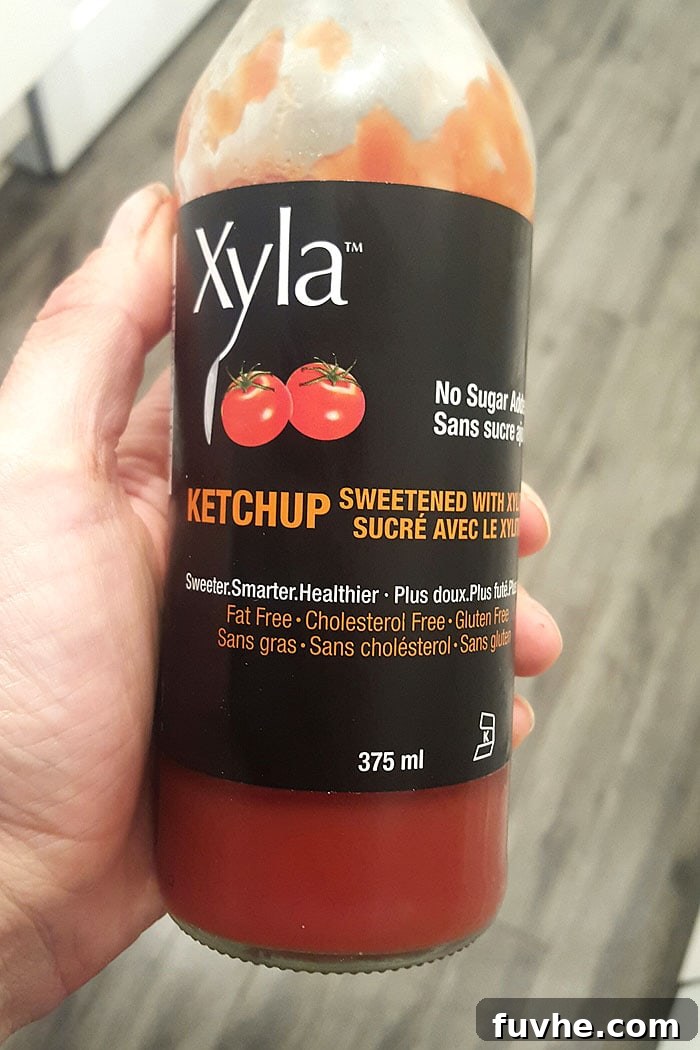
16. Xyla Ketchup: A Sugar-Free Condiment Solution
For those who, like me, adore baked fat-free fries – whether from potatoes or sweet potatoes – a great ketchup is an absolute necessity. However, traditional ketchups are often loaded with added sugars, which can quickly consume valuable carbohydrate macros. This is where Xyla brand xylitol-sweetened ketchup becomes an indispensable pantry item for flexible dieting.
Xyla ketchup stands out because it contains no added sugar, relying instead on xylitol, a natural sugar alcohol that offers sweetness with fewer calories and a lower glycemic impact. The taste is excellent – it’s not overly sweet, avoiding the cloying sensation of some sugar-free alternatives, and importantly, it leaves no unpleasant aftertaste. The consistency is also spot on, making it a perfect dip or accompaniment for all your favorite dishes. While it might be a little pricier than conventional ketchup, a little goes a long way. Since I typically use only about 1 tablespoon per serving, a bottle lasts a considerable amount of time, making the investment worthwhile for maintaining dietary goals. This ketchup ensures you can enjoy your favorite comfort foods without compromising your macro targets or your commitment to cleaner eating.
17. Baked Oat Protein Bars: Customizable Energy Bites
Baked oat protein bars have become an invaluable solution for quick, satisfying, and macro-friendly snacks throughout the week. Their simple preparation and customizable nature make them a staple for anyone following a flexible plant-based diet. I often make a batch in a standard loaf pan and slice it into 8 bars, with each bar typically offering an excellent macro breakdown of approximately 10g carbohydrates, 1g fat, and 10g protein.
The base recipe is incredibly straightforward: simply blend 1 cup of rolled oats with 3 scoops of your favorite vegan protein powder until you have a fine flour-like consistency. Then, gradually stir in almond milk until a thick, pourable batter forms. Pour this mixture into your prepared loaf pan and bake at 350°F (175°C) for about 15 minutes, or until set and lightly golden. The result is a chewy, protein-packed bar that’s perfect for sustained energy.
The beauty of these bars lies in their adaptability. If you desire a more substantial snack or a dessert-like treat, you can easily stir in a variety of additions to suit your taste and macro allowance. Consider adding vegan chocolate chips for a sweet indulgence, hemp seeds for extra healthy fats and protein, raisins for natural sweetness and fiber, shredded coconut for texture and flavor, or any other nutrient-dense mix-ins you can imagine. This flexibility ensures these baked oat protein bars can cater to different cravings and macro requirements, making them a highly efficient and delicious component of your flexible dieting strategy.
18. Unsweetened Apple Sauce: A Versatile Kitchen Essential
Unsweetened apple sauce is a remarkably versatile and often-underestimated staple in a plant-based kitchen, particularly beneficial for flexible dieting. I’ve found it to be an excellent fat-free carbohydrate source, making it ideal for a quick energy boost before early morning workouts. Its natural sweetness, ease of consumption, and affordability make it a fantastic choice for fast-acting fuel.
Beyond its utility as a pre-workout snack, unsweetened apple sauce is incredibly diverse in its applications. It’s a delicious addition to your morning oatmeal, lending natural sweetness and a smooth texture. In baking, it plays a crucial role as a healthy substitute, effectively reducing or entirely eliminating the need for oil, and can also act as a binder, replacing eggs in many vegan recipes. Its natural pectin content contributes to moisture and structure in baked goods, creating healthier versions of your favorite treats.
Rich in dietary fiber and vitamin C, apple sauce also contributes to digestive health and immune support. Whether you use it as a snack, a topping, or a baking ingredient, having unsweetened apple sauce on hand is a smart and convenient way to enhance the nutritional value and macro-friendliness of your meals and snacks.
19. Dill Pickles: The Ultimate Salty, Fat-Free Snack
There’s something incredibly satisfying about the crisp, tangy crunch of a dill pickle. For flexible dieting, particularly when you’re craving something salty and flavorful without adding fats or significant calories, dill pickles are an absolute go-to. While my palate is quite specific when it comes to pickles, Klaussen pickles, typically found in the refrigerated section of most grocery stores, consistently hit the mark. Their exceptional crunch and perfectly balanced savory-sour flavor make them stand out.
Dill pickles are virtually calorie-free, fat-free, and carbohydrate-free, making them one of the most macro-friendly snacks available. They offer a burst of flavor and a satisfying texture that can curb cravings and provide a refreshing break from sweeter snacks. Beyond their macro benefits, some traditionally fermented dill pickles can also contribute to gut health through beneficial probiotics, although many commercial brands are simply brined and not fermented. Regardless, their hydrating properties and electrolyte content (from the brine) can also be beneficial, especially after a workout. Next time you’re searching for a guilt-free, intensely flavorful snack, reach for a crunchy dill pickle – it’s a simple pleasure that perfectly supports your dietary goals.
20. Edamame Pasta: High-Protein, Low-Carb Pasta Alternative
For those times when a pasta craving strikes, but you want to save your precious carbohydrate macros for other treats, edamame pasta is an innovative and highly effective solution. This remarkable pasta alternative allows you to enjoy the comfort and familiarity of a pasta dish while significantly boosting your protein intake and keeping carbs in check. It’s a game-changer for plant-based flexible dieting.
One of the best features of edamame pasta is its incredibly quick cooking time – it’s usually ready in just a few minutes, making it perfect for busy weeknights. The ingredient list is refreshingly simple, often containing only organic edamame and water. This makes it a naturally gluten-free and vegan option that appeals to a wide range of dietary needs. The nutritional profile is where it truly shines: a single serving boasts a massive 24g of protein, making it one of the highest plant-based protein sources available in pasta form. It’s also significantly lower in carbohydrates compared to traditional wheat pasta, and rich in fiber.
You can use edamame pasta in virtually any way you would use traditional pasta. Pair it with your favorite tomato sauce, a vibrant pesto, a creamy cashew alfredo, or simply toss with roasted vegetables and a sprinkle of nutritional yeast. Its robust texture holds up well to various sauces, ensuring a satisfying meal. The high protein and fiber content mean that even a moderate serving can be incredibly filling and easy to fit into your daily macros, allowing you to enjoy a substantial and delicious meal without guilt. For an additional protein punch, consider pairing it with this edamame hummus.
Quick Tips for Successful Macro Tracking on a Vegan Diet
Successfully tracking macros on a plant-based diet involves more than just knowing what to eat; it requires strategic planning and smart food choices. Here are some essential tips to help you optimize your approach:
First and foremost, **prioritize vegetables as the foundation of your meals and snacks.** Vegetables offer the best “bang for your buck” by providing an abundance of volume, fiber, and crucial micronutrients for very few calories. Filling up on a diverse range of vegetables will keep you satiated, support overall health, and leave plenty of room in your macro budget for other nutrient-dense foods.
Next, **make an effort to include a robust source of protein in every single meal and snack.** Protein is vital for muscle repair, satiety, and numerous bodily functions, and ensuring adequate intake is key for vegans. My go-to plant-based protein sources include lentils, tofu, tempeh, edamame, and high-quality vegan protein powders. While other foods like beans, nuts, seeds, and even some vegetables do contain protein, their higher carbohydrate and fat content often mean they aren’t the most efficient primary protein sources for macro tracking. Strategically incorporating dedicated protein sources will make hitting your daily targets much easier.
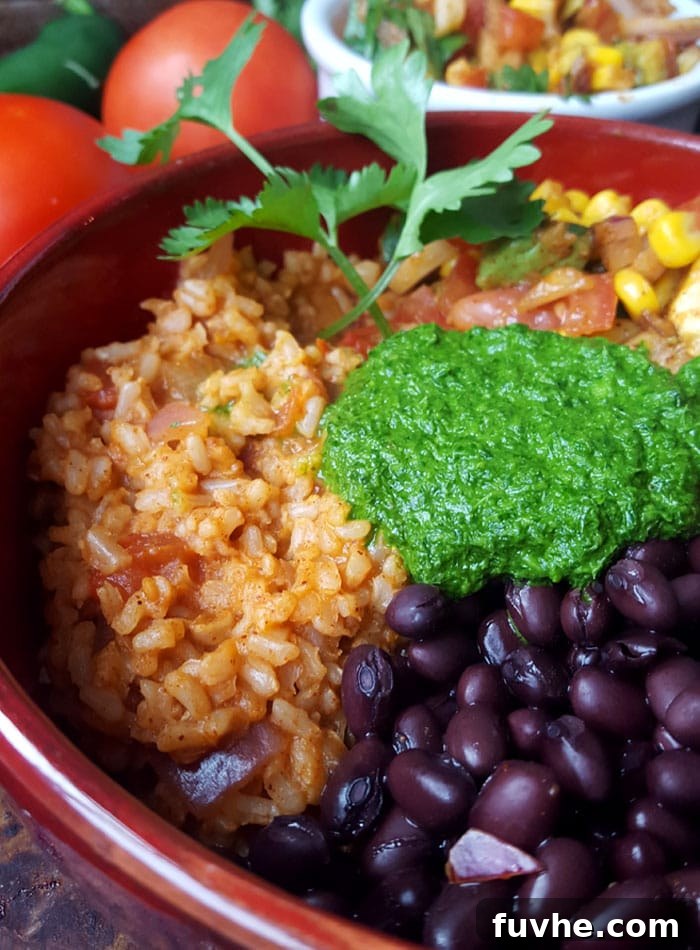
When it comes to carbohydrates, **consider limiting your intake of refined grains and traditional pasta.** While oats are a fantastic daily staple for me, I find that other grains like rice or wheat-based pasta can quickly accumulate carbohydrates, often leaving me feeling hungry and unsatisfied despite reaching my carb targets. Instead, **opt to primarily fill your carbohydrate allowance with whole food sources like fruits and starchy vegetables.** These foods offer more fiber, vitamins, and minerals, contributing to greater satiety and overall nutritional benefits.
It’s important to acknowledge that while I’ve listed some processed foods and snacks above (such as protein bars or specific ketchups), the **fundamental basis of my diet remains whole, unprocessed foods.** This means a consistent intake of tons of diverse vegetables, daily servings of fresh fruit, a balanced inclusion of nuts and seeds, various beans and legumes, moderate amounts of soy products, and select whole grains. These whole foods provide the essential nutrients and fiber that form the backbone of a healthy, sustainable vegan diet, with the processed items serving as convenient supplements or occasional treats within a flexible framework.
Embrace the Journey and Have Fun!
With a foundational understanding of nutrition and the unique benefits offered by various plant-based foods, achieving your macro goals on a vegan diet can become quite intuitive. If you’re new to flexible dieting or plant-based eating, it’s perfectly normal for it to take some time to learn how to effectively fill different macro ratios with the right foods. The more you practice balancing each meal and snack with adequate protein, carbohydrates, and fats from whole food sources, the easier and more efficient the entire process will become.
The key is to approach this journey with a sense of curiosity and enjoyment! I’ve found that some of my most creative and delicious kitchen experiments have emerged when faced with a “strange” macro combination – perhaps needing to hit high carbs with low fat, or just protein and fat. These challenges push you to innovate and discover new favorite recipes and food pairings.
Remember, consistency is far more important than perfection. If you stick with it, you will undoubtedly start to see results, and that feeling of progress is incredibly motivating. And at the end of the day, unless you’re a competitive athlete aiming for a specific weight class, don’t stress yourself out over achieving absolute macro accuracy every single day. Life happens, and flexibility is about adapting without guilt.
Experiment, explore, and truly enjoy the process of discovering what works best for your body, your lifestyle, and your taste buds. Most importantly, never, ever stop enjoying delicious food – including the occasional stack of plant-based pancakes!
Further Reading for Your Vegan Flexible Dieting Journey
- Week Two Experiences – Practical Tips, Tricks, and Sample Meal Plans
- Week Six Follow-Up and Experiences – Advanced Tips and Tricks
- Best Plant-Based Flexible Dieting Foods – Part 1
- Best Plant-Based Flexible Dieting Foods – Part 2
- Best Plant-Based Flexible Dieting Foods – Part 3
- Essential Nutrition Tips for Vegan Athletes (including sample meal plans)
- Plant-Based Flexible Dieting FAQs