

In every household, after the significant investment of a home, food often stands as the next most substantial expense. While our grocery bills might occasionally seem high, prioritizing health makes it a worthwhile allocation of resources. Over the years, I’ve cultivated a deep appreciation for healthy eating habits, all while diligently adhering to a budget. With a blend of strategic planning, a touch of culinary creativity, and unwavering commitment, anyone can master the art of nourishing themselves well without draining their finances. Indeed, healthy eating is an investment – a profound one – and its long-term dividends in terms of well-being are simply invaluable.
My approach to grocery shopping and cooking is designed to be budget-friendly, allowing me to save money without compromising on the quality and healthfulness of the food I consume. Regardless of whether you’re navigating a stringent food budget, enjoying a bit more financial flexibility, or blessed with seemingly endless resources for your culinary pursuits (a true aspiration for many!), the comprehensive tips shared here for healthy eating on a budget are universally applicable. By embracing these strategies and committing to making healthy eating a non-negotiable priority, you can achieve remarkable dietary excellence, even on the tightest of budgets. Let’s embark on this journey to smarter, healthier eating.
Mastering Healthy Eating on a Budget: Essential Tips
Embarking on a journey to healthier eating doesn’t have to be a costly endeavor. With the right strategies and a mindful approach, you can nourish your body with wholesome foods without overspending. This guide provides a detailed roadmap to transform your eating habits and manage your food expenses effectively.
1. Embrace the Power of Batch Cooking
Batch cooking is a game-changer when it comes to saving significant amounts of money, time, and reducing stress in your healthy eating routine. It’s an intelligent form of meal preparation that ensures you have a ready supply of ingredients and pre-cooked components, simplifying the assembly of diverse meals throughout the week. When I dedicate time to batch-cooking a specific recipe, I typically allocate half of the prepared portion for immediate consumption in the upcoming days and freeze the remainder in individual servings. This provides convenient, healthy options for quick meals and lunches down the line, preventing last-minute expensive takeout decisions.
The key to successful batch cooking lies in its simplicity. Don’t overcomplicate it. Focus on preparing meals you already enjoy, simply making larger quantities. Doubling a recipe, for instance, can significantly reduce your active cooking time later in the week. Spending a few focused hours cooking once can eliminate the daily grind of meal preparation, freeing up valuable time, saving money on impulse buys, and drastically lowering stress levels. Having nutritious, ready-to-eat options readily available is particularly crucial for sticking to healthy eating goals, especially when hunger strikes and energy levels are low.
Strategic Tips for Effective Batch Cooking
- Slightly Undercook for Optimal Reheating: When batch-cooking dishes that will be reheated, aim to slightly undercook them initially. This prevents them from becoming overcooked and mushy when warmed up later, preserving texture and flavor.
- Label Everything Meticulously: Always label all frozen items with both the name of the dish and the date it was prepared. This simple habit prevents forgotten or mystery items from accumulating at the back of your freezer, minimizing food waste.
- Utilize a Food Processor for Efficiency: Invest in a food processor, if you don’t already own one. These versatile and affordable appliances are invaluable for rapidly chopping ingredients like onions and garlic, saving immense time in the kitchen during your batch cooking sessions.
- Ensure Complete Cooling Before Storage: Always allow foods to cool completely to room temperature before transferring them to storage containers. Storing warm food can create condensation, which can lead to bacterial growth and affect food quality and safety.
- Eliminate Air for Freezer Burn Prevention: To prevent freezer burn, which compromises food quality, minimize air exposure when storing food. Squeeze as much air out of freezer bags as possible, or use a piece of parchment paper tucked around the food if it doesn’t entirely fill a container.
- Allow Expansion Room for Liquids: When freezing liquids like soups or stews, remember to leave some headspace in your containers. Liquids expand as they freeze, and adequate room prevents containers from cracking or overflowing.
- Invest in Quality Storage Solutions: Having the right containers and freezer bags readily available is essential for efficient and safe batch cooking and storage.
Top Foods and Recipes for Batch Cooking Success
Most foods hold up remarkably well to freezing, making a wide array of dishes suitable for batch cooking. From foundational staples like rice, oatmeal, and quinoa to more complex preparations like sauces, soups, breads, fruits, beans, casseroles, chili, and various baked items, the possibilities are vast. Here are some inspiring ideas for freezing your batch-cooked creations:
- Homemade Freezer Burritos and Wraps: Prepare hearty veggie burritos and breakfast wraps. Wrap them individually in foil and freeze for a healthier, homemade version of microwave-ready meals.
- Freezable Veggie Burgers: Recipes like spicy chickpea burgers freeze exceptionally well and are perfect for doubling to create a larger batch.
- Soups for Convenient Lunches: Soups are fantastic for freezing. Portion them into lunch-sized containers, and simply pull one out the night before you need it for an effortless, nutritious meal.
- Hearty Chili and Stews: Dishes like chili and stew are excellent candidates for batch cooking, freezing wonderfully for up to three months. Freeze them in individual portions for quick, wholesome meals whenever needed.
- DIY Frozen Stir-Fry Mix: Create your own convenient frozen stir-fry mix by chopping a variety of vegetables in bulk and freezing them in large bags. This makes weeknight stir-fries incredibly fast and easy.
- Freezable Pancakes for Quick Breakfasts: Double any of your favorite pancake recipes and freeze the extra. Just pop them into the toaster for a speedy, healthy breakfast.
- Efficient Baked Goods Preparation: While some baked good recipes can be tricky to double, preparing one batch right after another, once all ingredients are out, is highly efficient. This method allows you to stock your freezer with healthy snacks and breakfasts without excess effort.
- Utilize Ripening Produce: Freezing baked goods is also an excellent way to prevent food waste by using up fruits and vegetables that are nearing their peak, such as applesauce, pumpkin puree, overripe bananas, berries, zucchini, and sweet potato.
2. Master the Art of Weekly Meal Planning
Meal planning is an absolutely critical component when striving to adhere to a food budget. This proactive approach significantly reduces food waste, saves invaluable time during busy weekdays, and prevents costly impulse purchases. By planning your meals in advance, you make it substantially easier to consistently stick to healthy eating habits. Furthermore, strategically planning meals that utilize similar ingredients across multiple dishes is an ingenious way to maximize your savings and minimize waste. For example, focusing on cuisines with interchangeable components, like Mexican food, allows you to buy ingredients in slightly larger quantities, knowing they will be used across several delicious and healthy recipes throughout the week.
Further Reading for Enhanced Meal Planning
- Comprehensive Vegan Grocery List
- 3-Day Whole Food Plant-Based Meal Plan for Beginners
- How to Thoughtfully Stock a Vegan Pantry
- A Practical 7-Day Vegan Meal Plan

3. Adhere Strictly to Your Grocery List
Once your weekly meal plan is meticulously crafted, the next crucial step is to compile a comprehensive grocery list detailing every ingredient you’ll need. When you venture to the store, make it an unwavering rule to stick to this list. I’ve personally found that consciously avoiding the enticing frozen food and snack aisles is immensely helpful in curbing impulse purchases. My goal is to acquire precisely what’s necessary for the week – no more, no less. While this doesn’t always happen perfectly, the consistent effort makes a significant difference. You’ll be astonished by how much money you save by not filling your cart with novelty items, specialty products, or unnecessary snacks that weren’t on your original plan. A well-organized list is your shield against unplanned spending.
4. Never Shop on an Empty Stomach
Picture this scenario: you pop into the grocery store for just one or two items, but you’re absolutely starving. In this state, everything on the shelves suddenly appears incredibly appealing, leading you to inevitably leave with a basket full of items you didn’t need and weren’t on your list. This common pitfall can wreak havoc on your budget. If at all possible, make it a firm rule to never enter a grocery store on an empty stomach. My personal favorite time for my weekly shopping expedition is on Sundays, immediately after enjoying a substantial, healthy breakfast. I dedicate Sunday mornings to meal planning over a leisurely coffee, so by the time I’ve finished eating, my grocery list is prepared, my belly is full, and I’m psychologically ready to shop with discipline and purpose.
5. Eliminate Processed Junk Food from Your Diet
When I contemplate buying processed junk food, I like to reframe it as actually paying someone to contribute to my illness and poor health. Junk food carries a double cost: first, the immediate financial outlay, and second, the potential for long-term health complications. Beyond the health implications, highly processed items are often surprisingly expensive for their complete lack of nutritional value. They are calorie-dense but nutrient-poor, offering no real benefit to your body or your wallet.
If there’s a particular indulgence you truly adore and simply must have occasionally, by all means, enjoy it in moderation. However, I highly recommend exploring healthier alternatives or learning to make your own wholesome versions of your favorite “junk food” treats at home. Convenience items like microwave dinners, in my opinion, are rarely worth the expense. For the price of just one single-serving microwave meal, you could batch cook and prepare multiple healthy, delicious meals that can be frozen or portioned out for lunches and dinners throughout the entire week, offering far greater value and nourishment.
When navigating the grocery store, consciously steer clear of the central aisles where most processed junk foods reside. The old adage “out of sight, out of mind” holds true here. You don’t need these items, you won’t truly miss them, and your wallet, along with your body, will undoubtedly thank you for the conscious choice.
6. Strategically Stock Up on Sale Items
When I encounter items I regularly use being offered at a significant discount, I make it a point to stock up on them, buying as much as I can reasonably store. While this means a larger outlay upfront, the long-term savings are substantial. This strategy applies to both perishable produce and non-perishable pantry staples. Timing your purchases to align with sales is a cornerstone of budget-friendly healthy eating.
Maximizing Your Grocery Sales Potential
- Freeze Almost All Fruits and Vegetables: Nearly all fruits and vegetables can be frozen, either raw or cooked, and then retrieved from the freezer as needed for various recipes. So, don’t hesitate to stock up on seasonal produce when you find it on an unbeatable sale.
- Explore the Clearance Section: Always check your grocery store’s clearance section for fantastic deals on “ugly” produce that might not meet aesthetic standards for the regular display, or on foods that are nearing their expiration date. These items are often perfectly good; simply take them home and freeze them immediately to extend their usability.
- Leverage Technology for Savings: To elevate your savings strategy, actively utilize mobile apps and online platforms to scout out sales in your local area. Many websites and apps allow you to browse weekly flyers, locate coupons, and even claim rebates on items after purchase, ensuring you get the absolute best prices.
- Beware of “Sale Traps”: While sales are an excellent tool for saving money, be vigilant against the temptation of buying items simply *because* they are on sale. Before making a purchase, pause and consider if you genuinely need that item, even if it’s 50% off or a “buy one, get one free” offer. Stick to your list and your needs.
- Verify the Actual Deal: Look a little closer before you commit to a purchase. Not all “sales” are created equal, and stores sometimes employ marketing tactics to encourage overspending. Always take a moment to perform a quick price check and do a bit of mental math, if necessary, to ensure you are truly getting a good deal and not falling for a perceived bargain.
7. Smart Choices: Opt for Frozen Fruits and Vegetables
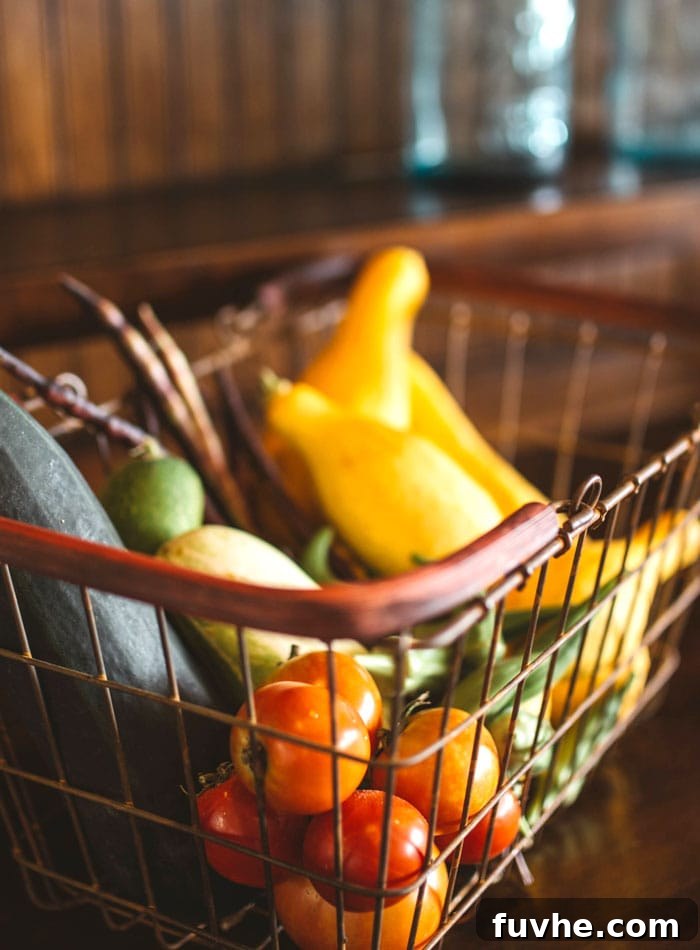
I consistently incorporate frozen fruits and vegetables into my shopping cart, and for very good reason. This habit significantly reduces food waste, as I always have a supply of produce readily available without the pressure of it spoiling quickly. Furthermore, frozen items are often more cost-effective than their fresh, out-of-season counterparts, providing excellent value. When purchasing frozen produce, always scrutinize the ingredient list to ensure it contains only the fruit or vegetable itself – for example, frozen strawberries should list “strawberries” as the sole ingredient, avoiding added sugars or preservatives.
It’s a common misconception that frozen fruits and vegetables are nutritionally inferior to fresh ones. In reality, they are typically picked at their peak ripeness and flash-frozen, locking in vitamins and minerals. This means frozen produce offers just as much, if not more, nutritional value than fresh items that may have traveled long distances and lost some nutrients during transit. So, confidently embrace frozen produce; you’re not missing out on essential micronutrients when you choose the freezer aisle.
8. Preserve In-Season Fresh Produce Through Freezing
I make a concerted effort to shop for produce that is currently in season. This practice not only helps me save money by capitalizing on peak supply but also ensures I enjoy the freshest, most flavorful fruits and vegetables available. My strategy involves buying enough for immediate fresh consumption, plus extra quantities specifically for freezing. These additional frozen fruits and vegetables – think beets, cauliflower, and zucchini – are fantastic for boosting the nutrient content of smoothies or adding to various cooked dishes later. You can chop peppers and onions for future fajitas and tacos, or dice cooked or raw squash and sweet potato for soups and curries. During peak berry season, freeze as many berries as your freezer can possibly hold. This is also an opportune time to batch cook recipes that feature these abundant in-season ingredients, allowing you to savor their flavors long after their natural season has passed.

9. Unlock Savings by Buying in Bulk
Retailers like Costco and other large discount stores frequently offer incredible deals on organic produce, frozen products, and pantry staples such as oils, seeds, and nut butters. These stores are absolutely worth exploring, as they represent a truly effective way to save money on essential plant-based foods that would likely cost significantly more at specialty stores like Whole Foods. The initial membership fee often pays for itself quickly through the savings generated on staple items.
Beyond big box stores, I am also a strong advocate for shopping the bulk bins found in many grocery stores. This allows me to purchase precisely the amount of an ingredient I need – whether it’s a tiny bit or a large quantity – effectively preventing food waste. Spices are a particularly smart item to buy from bulk bins, especially those you might not use very often, as you can buy just a small pinch instead of a whole jar. To store these bulk spices at home, I recommend using hermetic seal jars. When I discover favorable prices in the bulk bins for items like rice, various grains, flours, pasta, beans, nuts, seeds, and dried fruits, I always stock up. Upon returning home, I transfer these purchases into airtight containers, ensuring their freshness and longevity.
10. Prioritize Everyday Nutrition Over Exotic “Superfoods”
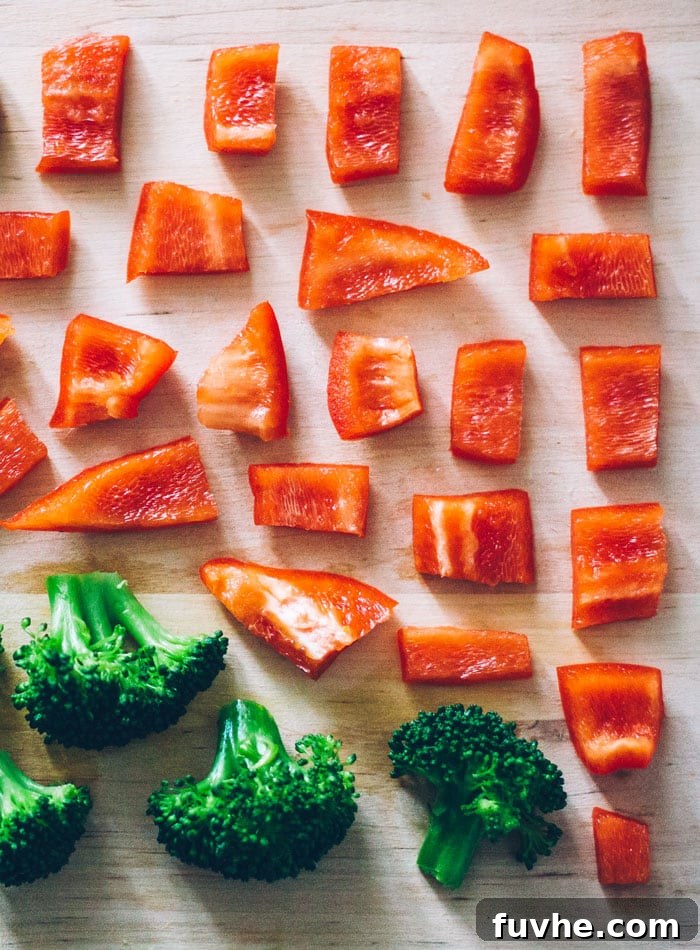
“Superfoods” certainly have their place, and I do make room for some of them in my budget when possible. However, it’s crucial to understand that they are not a prerequisite for healthy eating. Instead, shift your focus towards incorporating everyday, affordable superfoods that span all the colors of the rainbow. Think about readily available, nutrient-dense plant foods such as vibrant red bell peppers, versatile kale, powerful spinach, robust broccoli, and comforting sweet potatoes. Complement these with immunity-boosting and disease-fighting culinary staples like pungent onion, aromatic garlic, and zesty ginger. These humble ingredients offer incredible nutritional value without the hefty price tag often associated with trendy, exotic superfoods. Building a healthy diet is about consistency and accessible nutrition, not expensive fads.

11. Cultivate the Habit of Making Your Own Drinks
The cost of purchasing ready-made beverages like sodas, kombucha, iced teas, various plant milks, and other store-bought drinks can accumulate surprisingly quickly, often becoming a significant drain on your grocery budget. Making your own drinks at home is a simple yet effective way to save money and ensure healthier alternatives. Consider brewing your own kombucha or water kefir for a delicious, gut-friendly substitute for sugary sodas. Brew your daily tea and coffee, then prepare iced versions to store conveniently in your fridge. Embrace the refreshing simplicity of lemon and fruit-infused water. For plant-based milks, learn to make your own from inexpensive staples like oats or sunflower seeds, which are far more economical than their store-bought counterparts. This small shift can lead to substantial savings over time.
12. Strategically Utilize Online Retailers
Leveraging online retailers is an excellent strategy to curb impulse shopping, streamline your life, and achieve significant savings on groceries. Platforms like Amazon and Thrive Market often feature competitive pricing on a wide array of products. Furthermore, with grocery delivery services becoming increasingly common and affordable, you gain the advantage of meticulously shopping sales from the comfort of your home. This approach eliminates the temptation of unplanned purchases often encountered in physical stores and allows for easy price comparisons across different vendors, ensuring you always get the best value for your money. Online shopping empowers you to be a more deliberate and budget-conscious consumer.
13. The Undeniable Value of Going Homemade
If your goal is to save money and consistently eat healthily, cooking at home is an absolute imperative. Dining out, without exception, will always be more expensive than preparing your own meals. Beyond the financial aspect, relying on restaurants might not always provide the healthiest options, depending on your geographic location. Restaurant portions are also notoriously oversized, frequently leading to overeating, which can contribute to weight gain over time. Even in a city like Vancouver, where I reside, boasting an abundance of healthy restaurants, “fast-food” alternatives, food trucks, and cafes, I still choose to save my money and prioritize cooking at home. I prefer to reserve eating out as a special treat, rather than a regular part of my routine, making those experiences more enjoyable and appreciated.
To fully embrace the homemade lifestyle, integrate all the other tips outlined in this guide – from meticulous meal planning and smart grocery shopping to efficient food prep. These practices collectively make healthy eating on a budget both realistic and achievable. If you genuinely enjoy dining out, plan it into your budget as a weekly or monthly treat, elevating it to a special occasion. And it almost goes without saying, but for daily coffee drinkers, making your brew at home rather than frequenting coffee shops every day will lead to substantial savings over time.
13. Craft Your Own Pantry Staples
Creating commonly purchased pantry staples at home can result in significant financial savings and often provides a healthier alternative compared to their store-bought counterparts, especially for items like ketchup and tomato sauce which can contain hidden sugars and additives. Many of the packaged foods we frequently use are surprisingly straightforward to make from scratch once you learn the basic techniques. Moreover, by incorporating your batch cooking methods, you can further maximize savings on ingredients and minimize the time spent in the kitchen on a day-to-day basis, making homemade staples an efficient and rewarding endeavor.
Effortless Homemade Versions of Store-Bought Staples
- Homemade Vegetable Stock: Effortlessly create your own vegetable stock using leftover veggie scraps. Simply collect vegetable trimmings (peelings, ends, wilted greens) in a large freezer bag until full, then boil them for about 45 minutes. Homemade stock can be frozen in convenient portions or ice cubes for future use in soups and sauces.
- Simple, Healthy Salad Dressings: Whip up delicious and healthy salad dressings using basic pantry ingredients such as Dijon mustard, balsamic vinegar, fresh lemon juice, quality olive oil, and your favorite herbs and spices. Once you have a well-stocked pantry, homemade salad dressings become incredibly quick and easy.
- Economical Homemade Granola: Prepare inexpensive homemade granola using rolled oats and bulk-bought items like shredded coconut, nuts, and raisins. This allows for customization and avoids the high cost and sugar content of commercial granolas.
- DIY Sauces and Spreads: Make your own healthy homemade ketchup, BBQ sauce, vegan mayonnaise, tomato sauce, hummus, and a variety of nut butters. These homemade versions often taste better and are free from undesirable additives.
- Cost-Effective Plant Milks: Produce your own nut, oat, coconut, and seed milks at a fraction of the cost of store-bought plant milks. This is an easy way to save money on a daily staple.
- Fermented Foods for Gut Health: Foods like sauerkraut, kombucha, and other fermented items are simple to make at home and provide an inexpensive, natural alternative to pricey probiotic supplements, supporting gut health affordably.
14. Prioritize Beans and Whole Grains
Beans and whole grains are global dietary staples for compelling reasons: they are incredibly inexpensive, remarkably nutrient-dense, and exceptionally versatile. Cooking your own dried beans and lentils costs significantly less than buying their canned counterparts. Similarly, whole grains like quinoa and brown rice offer an affordable and highly effective way to bulk up your meals, providing sustained energy and satiety without a high price tag.
The process of cooking beans at home is far from intimidating and quite straightforward. For most dried beans, it typically involves an overnight soak followed by cooking in a pot of water until tender, which for something like garbanzo beans might take about 45 minutes. For even greater convenience, you can batch cook beans in a slow cooker, a method that is incredibly easy and perfectly suited for food preparation. Cooked beans also freeze exceptionally well, allowing you to batch cook and freeze portions for use over a month or two, ensuring you always have a healthy, affordable protein source on hand.
Incorporating beans and whole grains is also a brilliant strategy for replacing more expensive meat in budget-friendly recipes such as chili and stir-fries, providing ample protein and fiber. You can even purchase whole grains in bulk, cook them in large batches, and freeze them in pre-portioned amounts to add to recipes as needed. Beyond their cost-effectiveness, beans and whole grains are rich in dietary fiber, which plays a crucial role in keeping you feeling full for longer – an additional benefit to consider when you’re looking to stretch your food budget and avoid unnecessary snacking.
15. Master the Art of Proper Food Storage
It’s truly astonishing how much longer food retains its freshness and quality when stored correctly. Implementing proper food storage techniques is a cornerstone of preventing food waste and, consequently, saving a considerable amount of money. By extending the shelf life of your ingredients, you ensure that fewer items spoil before you have a chance to use them, transforming a potential loss into a valuable meal.
Expert Tips for Maximizing Food Freshness Through Storage
- Ginger Root: Store ginger root in the freezer. It makes it easier to grate and significantly extends its shelf life.
- Nuts, Seeds, and Powders: Keep nuts, seeds, and any “superfood” powders in the fridge or freezer. The cool temperatures prevent their delicate oils from going rancid, preserving freshness and nutritional value.
- Flours: Store whole wheat flour in the fridge to prevent spoilage due to its natural oils. Regular white flour can be kept in airtight containers in the pantry.
- Maple Syrup: If you don’t use pure maple syrup frequently, store it in the freezer after opening. Unopened, it’s fine in the pantry.
- Soy Sauce: Refrigerate soy sauce after opening to maintain its freshness and flavor for a longer period.
- Berries and Greens: Wash fresh berries and leafy greens in water with a small splash of vinegar before storing them in the fridge. This simple step helps inhibit the growth of mold and extends their crispness.
- Tomato Paste: Freeze leftover tomato paste in ice-cube trays. Once frozen, pop out the cubes and store them in a freezer bag, so you never waste the rest of a can.
- Fresh Herbs: Freeze fresh herbs in an ice-cube tray with a little olive oil or water to always have them on hand and prevent waste. Alternatively, store them upright in a mason jar with a bit of water, covered with plastic wrap, in the fridge.
- Vegetable Stock: Freeze extra vegetable stock in ice-cube trays for small portions or in red solo cups for larger quantities. Once frozen, transfer them to freezer bags or glasslock containers.
- Pantry Items: Once opened, remove pantry items like flours, crackers, pasta, grains, and beans from their original packaging and transfer them to airtight containers in your pantry. This keeps them fresh for much longer and protects against pests.
- Bag Sealing Clips: Utilize bag sealing clips to effectively reseal bagged items, maintaining their freshness after opening.
- Asparagus: For asparagus, trim the ends and wrap the stalks in a damp paper towel before placing them in a plastic bag and storing them in the fridge.
- Grapes: Store grapes in the freezer for a delightful, naturally sweet, and healthy snack.
- Ripening Fruits: To ripen fruits like mangoes, peaches, and nectarines, place them in a paper bag at room temperature.
- Root Vegetables and Onions: Store potatoes, sweet potatoes, squash, and onions in a cool, dark, and well-ventilated place to prevent sprouting and spoilage.
- General Vegetables: Most other vegetables benefit from being washed and stored in the fridge to prolong their freshness.
16. Prioritize Whole Foods Over Pricey Convenience Options
The market today is flooded with an array of convenience foods, ranging from pre-packaged riced cauliflower to instant flavored oatmeal cups. While there’s certainly a time and place for items that genuinely simplify life, if you’re operating on a strict budget, consistently opting for whole, unprocessed foods and preparing them yourself will invariably be more economical than purchasing their pre-prepared counterparts. The premium you pay for convenience often far outweighs the minimal effort saved.
Moreover, by dedicating a little time to strategic food preparation, you can easily create your own healthier, more affordable convenience options. It’s about weighing the true value of a store-bought prepared item. For instance, I recently started buying frozen, diced butternut squash because it saves me significant prep time and I don’t always need a whole squash. In this particular scenario, for me, the convenience legitimately justifies the slight extra cost. The key is to be discerning and evaluate whether the convenience truly aligns with your budget and lifestyle, rather than blindly reaching for every pre-packaged shortcut.
17. Cultivate an Organized Kitchen Environment
A fundamental principle in preventing unnecessary spending on food is having a clear understanding of what you already possess. By maintaining an organized and properly labeled fridge, pantry, and freezer, you can significantly minimize food waste and prevent the costly mistake of doubling up on items you’ve already purchased. This is particularly crucial for freezer items, which can easily be forgotten and languish until they become unusable. I’ve observed that when food in my fridge and pantry is stored in an aesthetically pleasing and easily visible manner, such as in transparent mason jars and other containers, I am far more inclined to utilize them before they have a chance to spoil, turning potential waste into delicious meals.
Over time, I’ve amassed a collection of suitable containers for storing bulk items in my pantry. I use a chalk pen to write directly on the glass, clearly indicating what each item is and the date it was stored. This system not only keeps me organized but also facilitates bulk shopping, as I have designated storage space, and importantly, keeps food fresh by housing it in airtight containers. In my fridge, I conduct a quick organizational check every few days to ensure nothing gets overlooked before it goes bad. I also employ fridge organization containers to maintain order and prevent smaller items from getting lost in the back. There’s an undeniable synergy between a clean, organized fridge and the ease of maintaining healthy eating habits.
Essential Containers for a Harmonious and Organized Kitchen
- Ball Mason Jars: These are an incredibly affordable and aesthetically pleasing solution for organizing virtually every corner of your kitchen. I particularly favor wide-mouth jars for their ease of access, making them ideal for grains, nuts, and even meal prep. Both flip-top large and small jars are excellent for pantry items. For added practicality, you can also purchase plastic lids to prevent the metal ones from rusting, a set of 8 storage lids is often available for under $3.
- Weck Jars: Renowned for their charming aesthetic and superior quality, Weck jars are one of the most elegant ways to organize your pantry and store food in the fridge. They look stunning stocked with grains, seeds, or nuts, or neatly stacked in your fridge filled with meal prep components for the week. They are also incredibly versatile, perfect for everything from vibrant smoothie bowls to overnight oats, and ideal for storing homemade sauces and other small-batch refrigerated items. My collection includes a variety of sizes, from the small and medium jars, which are fantastic for fridge items, to the tall and skinny jars that are excellent for storing pantry staples like grains, nuts, and seeds.
- Glasslock Containers: These BPA-free and recyclable glass storage containers are unparalleled for storing prepared food in both the fridge and freezer, and for safely transporting food on-the-go. They are designed to keep food fresh, are oven and microwave-safe, and their airtight, leak-proof seals make them an indispensable kitchen essential. You can often acquire a full set for around $35 on Amazon, and this small upfront investment truly yields significant long-term benefits in terms of food preservation and convenience.
- Flip-Top Hermetic Seal Jars: I am also a big fan of Hermetic seal flip-top jars for storing a wide range of items, from pantry staples to fresh food in the refrigerator. They are available in smaller sizes, which are perfectly suited for storing spices bought in bulk. The wide-mouth versions are excellent for larger pantry items and can even be utilized for home fermentation projects, offering incredible versatility and reliable airtight storage.

18. Explore Budget-Friendly Food Blogs and Cookbooks
The internet is a treasure trove of resources for budget-conscious eaters. There are numerous fantastic food blogs dedicated to sharing economical recipes, practical meal plans, and invaluable tips for saving money in the kitchen. Make it a habit to take full advantage of the free resources these platforms offer. While not all are exclusively plant-based, many provide a wealth of general tips and tricks for reducing food expenses without sacrificing flavor or nutrition. I also highly recommend the cookbook Frugal Vegan if you prefer tangible, printed recipes and guidance at your fingertips. These resources can ignite your culinary creativity and show you how truly affordable healthy eating can be.
19. Make Packing Your Lunch a Daily Ritual
For me, bringing my own lunch and preparing food in advance for any travel is an absolute non-negotiable. Eating out every single day would be prohibitively expensive, not to mention I prefer the peace of mind that comes with knowing precisely what ingredients are in my food. My lunch preparation is streamlined by the fact that I’ve already done most of my food prep for the week on Sundays, making it a quick and easy task to portion out meals. This proactive approach not only saves significant money but also ensures I have nutritious options readily available.
Once your main meals for lunch are planned and packed, extend this preparation to snack items as well. Think about containers filled with pre-chopped vegetables and homemade hummus, fresh berries, apples, and bananas, or perhaps a batch of healthy homemade cookies or trail mix made with nuts and dried fruit. I find these glasslock containers to be perfect for packing my lunches, keeping everything fresh and secure throughout the day.
20. Smartly Prioritize Organic Foods
While I don’t aim to purchase every single item organically, I do make a conscious effort to buy organic whenever my budget allows, with a strong prioritization on items found on The Dirty Dozen list, while being less concerned about the Clean Fifteen. For example, I consistently try to buy organic spinach, apples, and strawberries due to their higher pesticide residue levels in conventional farming. Then, I add other organic items as I find them on sale, maximizing my savings. Visiting local farmer’s markets is another excellent strategy for snagging deals on fresh, locally grown organic produce. Always remember to stick to in-season items at these markets for the best prices and peak freshness.
21. Broaden Your Culinary Horizons with International Cuisines
Exploring global cuisines can be a wonderfully budget-friendly approach to healthy eating. Many international culinary traditions, such as Mexican, Italian, Thai, and Indian, rely heavily on a foundation of inexpensive yet incredibly flavorful ingredients like rice, pasta, beans, and a wide variety of fresh produce. These cuisines are also inherently vegetarian-friendly, making it simple to cook delicious plant-based meals that are both nutritious and economical. Once your spice cabinet is well-stocked, the array of flavorful and diverse dishes you can create without significant expense is truly limitless.
Furthermore, shopping at ethnic markets often proves to be more affordable than larger chain supermarkets for specific items like tofu, exotic spices, and curry pastes. I frequently discover exceptional deals on produce, nuts, and seeds at smaller Asian markets that surpass the prices at bigger stores. If you reside in a city with a diverse range of small markets, I wholeheartedly recommend exploring them for truly remarkable budget-friendly finds. As an added bonus, patronizing these small, local shops always feels good, contributing to the community while you save money.
22. Become Proficient in Ingredient Swaps
When working with recipes, developing an understanding of smart ingredient swaps is a powerful tool for making dishes more affordable without sacrificing flavor or nutrition. Depending on your current budget and what’s available, confidently make substitutions as needed to stretch your dollars further and utilize what you already have on hand. This flexibility is key to both culinary creativity and financial prudence in the kitchen.
Intelligent Budget-Friendly Ingredient Alternatives
- Grains: Substitute higher-priced grains like amaranth, quinoa, and freekeh with more economical options such as wheat berries, couscous, or pearl barley in salads, soups, stews, and side dishes.
- Lentils: Opt for brown, red, or split green peas instead of the often more expensive French green lentils in soups, stews, and side dishes.
- Nuts/Seeds: Replace pricy pine nuts and pumpkin seeds with more affordable sunflower seeds in pesto, salads, and homemade trail mixes.
- Egg Replacements: Use ground flaxseed (often cheaper and more readily available) as an effective substitute for chia seeds when replacing eggs in baking or adding to smoothies and oats.
- Vinegars: White vinegar can serve as a budget-friendly replacement for balsamic, apple cider vinegar, and white wine vinegar in salad dressings and marinades.
- Oils: While vegetable oil and canola oil are typically the cheapest, and can certainly replace more expensive oils like coconut, avocado, grapeseed, and extra-virgin olive oil in dressings, baking, and cooking, I personally stock up on coconut oil and olive oil when they are on sale as my preferred all-purpose options.
- Nut Butters: Replace almond butter or cashew butter with more affordable sunflower seed butter in recipes and snacks, especially if nut allergies are a concern.
- Winter Squash & Roots: Depending on seasonal prices, interchange butternut squash, acorn squash, sweet potato, and kabocha squash in recipes. Carrots can also serve as an excellent and even cheaper swap for these ingredients in many contexts.
- Bell Peppers: Use green bell peppers in place of the generally more expensive red, yellow, and orange varieties in your recipes.
- Asparagus Alternative: If asparagus is out of season and therefore quite expensive, green beans make a great, budget-friendly replacement in many dishes.
- Cream Alternatives: Use coconut cream as a cost-effective and delicious substitute for cashew cream in soups, sauces, and dips, offering a rich, creamy texture.
23. Unleash Your Creativity with Leftovers
To decisively prevent food waste, cultivate a mindset of creativity when it comes to utilizing leftovers. Extra portions of pasta, vegetables, or beans can be ingeniously repurposed and added to soups, stews, sauces, or transformed into flavorful burritos. If you allow yourself a little creative freedom in the kitchen, there’s truly no compelling reason to ever throw food away. When you engage in meal planning, make it a point to actively consider how components from one meal could be cleverly integrated into other meals and snacks later in the week, extending their life and value.
Furthermore, broaden your definition of snacks. Snacks don’t solely have to be traditional “snack foods”; instead, you can easily snack on smaller portions of your main meals. My profound aversion to wasting food means I always find a way to consume what’s in the fridge. In fact, some of the most unexpectedly delicious and satisfying meals are often conjured from the random assortment of items lingering towards the end of the week. When in doubt, a fantastic fallback is to throw all your leftover bits into a bowl, top it with tahini, hot sauce, a squeeze of lemon, salt, and pepper, and voilà – you’ve created yourself a beautiful, tasty, and healthy Buddha bowl, turning potential waste into a culinary triumph.
24. Thoughtfully Pre-Portion Snack Foods
A common pitfall that can derail both your budget and your health goals is eating snack foods directly from their original packaging. When you do this, you are far more likely to mindlessly consume an entire bag or box without truly registering how much you’ve eaten. Instead, adopt the practice of taking out one measured serving at a time. Utilize bag sealing clips to reseal packages, preserving freshness and preventing spoilage. By consistently eating one measured portion, your snack foods will last longer, stretching your budget, and it significantly aids in maintaining a healthy body weight by promoting mindful consumption.
I personally use a kitchen scale to accurately measure my foods, and it has proven invaluable not only in helping me maintain my weight but also in ensuring precision in my cooking. Kitchen scales are also a game-changer for achieving consistent success in baking, where exact measurements are often critical. You can typically acquire a reliable one for under $20, and I wholeheartedly recommend adding this essential tool to your kitchen arsenal for improved accuracy and portion control.
25. Resist the Pressure of Social Media’s Perfect Plates
Social media has undeniably played a fantastic role in inspiring many people to eat healthier and explore new culinary horizons. However, it can also inadvertently create a sense of pressure or inadequacy, making you feel as though you’re not doing enough or measuring up to idealized standards. The information disseminated on social media concerning nutrition spans a vast spectrum, from the utterly outlandish to the genuinely authentic and helpful. It’s vital to remember this fundamental truth: there are 7 billion unique diets for 7 billion unique individuals, each with their own needs, preferences, and circumstances.
What appears to work for popular healthy living bloggers, often showcased with perfect lighting and exotic ingredients, may not be practical or suitable for your own life and budget. A truly healthy diet absolutely does not require daily homemade matcha lattes or elaborate, expensive smoothie bowls adorned with every trendy “superfood.” If you have the financial means to purchase these superfood extras and more expensive items, by all means, indulge! I personally splurge on them when my budget allows, but it’s crucial to understand they are not mandatory for eating well. You don’t need to chase every fleeting health food trend to maintain a nutritious and balanced diet.
If you’re meticulously managing a budget, it’s highly improbable that you’ll be consistently purchasing all the latest superfood powders and adaptogenic herbs that some portray as “must-haves.” And you should never, ever feel bad or guilty if your kitchen isn’t stocked with them. Mine certainly isn’t. I don’t buy everything organic; I frequently opt for the most affordable options available. Sometimes, my meals are quite simple, inexpensive, and admittedly a bit “boring” by some standards. My pantry isn’t overflowing with the fanciest nut butters or coconut manna. What I strive for, and what I eat, is a realistic, sustainable, and genuinely healthy diet that fits my life.
I do my best with the resources I have, and I will never apologize for my food choices. If I could inspire people to move even halfway from where they are currently to where I am in their approach to food, I would be absolutely ecstatic. So, please, don’t get caught up or stressed by all the gorgeous, perfectly curated healthy food photos and the latest fleeting trends on social media. Enjoy them for inspiration, certainly (my Instagram is full of similar content!), but never feel pressured to eat in a certain way or, crucially, feel guilty if you don’t conform to those idealized images. Your health journey is personal.
Furthermore, don’t let yourself get overly stressed about supplements, guys. It seems like every day there’s a new post on Facebook or Instagram touting the “newest” supplement you absolutely *need* to be truly healthy. Some of the information out there is genuinely useful, while much of it is simply outlandish and baseless. Make sure you conduct your own thorough research from credible sources and don’t fret excessively about having to keep up with every single latest trend. A simple, varied diet rich in whole, unprocessed foods goes an incredibly long, long way in supporting your overall health and well-being far more than any pill or powder.
Healthy Eating on a Budget: Making It a Sustainable Reality
When it boils down to the intersection of money and food, the choices we make are profoundly personal. If you’re working with limited financial resources for food but possess a strong desire to eat healthily, the solution lies in creating a well-defined budget and committing wholeheartedly to making it a reality. With just a modest amount of planning and consistent effort, you can absolutely make healthy eating work for you, regardless of the amount you have available to spend. My sincere hope is that these comprehensive tips will serve as a valuable guide in your journey towards budget-friendly healthy eating. Fortunately, embracing simple, nutritious, whole foods is inherently more affordable and truly more impactful than purchasing any fancy “healthy” store items that are often heavily marketed as essential for well-being but carry a premium price tag.
Significant Savings with a Plant-Based Diet
These practical tips have been crafted with a plant-based diet philosophy in mind, a lifestyle choice that inherently offers substantial financial benefits. By not purchasing meat, fish, eggs, or dairy products, I immediately realize considerable savings on my grocery bill. I have consistently found that adhering to a plant-based diet is significantly less expensive than one that includes animal products. From a purely cost perspective, I struggle to imagine the added expense and complexity of incorporating meat and other animal products into my regular grocery list.
The core components of a plant-based diet – beans, legumes, whole grains, and a rich assortment of fruits and vegetables – are remarkably affordable. This allows my grocery bills to remain very reasonable, even after I’ve stocked up on my preferred nuts, seeds, and other pantry staples. Regardless of whether you personally follow a vegan diet or not, all of these tips are universally applicable and can be effectively utilized by anyone committed to healthy eating without having to break the bank.
A Candid Self-Assessment: Be Honest with Yourself
If the phrase “healthy eating is too expensive” frequently finds its way into your vocabulary, it’s time for a critical and honest examination of where your money is truly being allocated. Sit down and meticulously review your finances to identify areas where you can adjust your spending habits. Following this assessment, actively create a realistic budget specifically for food. How much are you genuinely able and willing to invest in your health each week or month? If eating well is truly and profoundly important to you, you will undoubtedly discover the means and the motivation to make it work, finding creative solutions within your financial parameters.
In my own life, I spend almost no money on clothes, very little on beauty and self-care products, and I keep expenditures on household items to an absolute minimum. These are simply not significant priorities for me. Aside from essential living expenses, my financial resources are primarily directed towards savings, travel, enriching experiences, and, of course, nutritious food. What are your core priorities? We all possess different values and allocate our resources accordingly, but I believe we can all agree that health should consistently rank near the very top of anyone’s list of priorities, as it underpins every other aspect of a fulfilling life.