
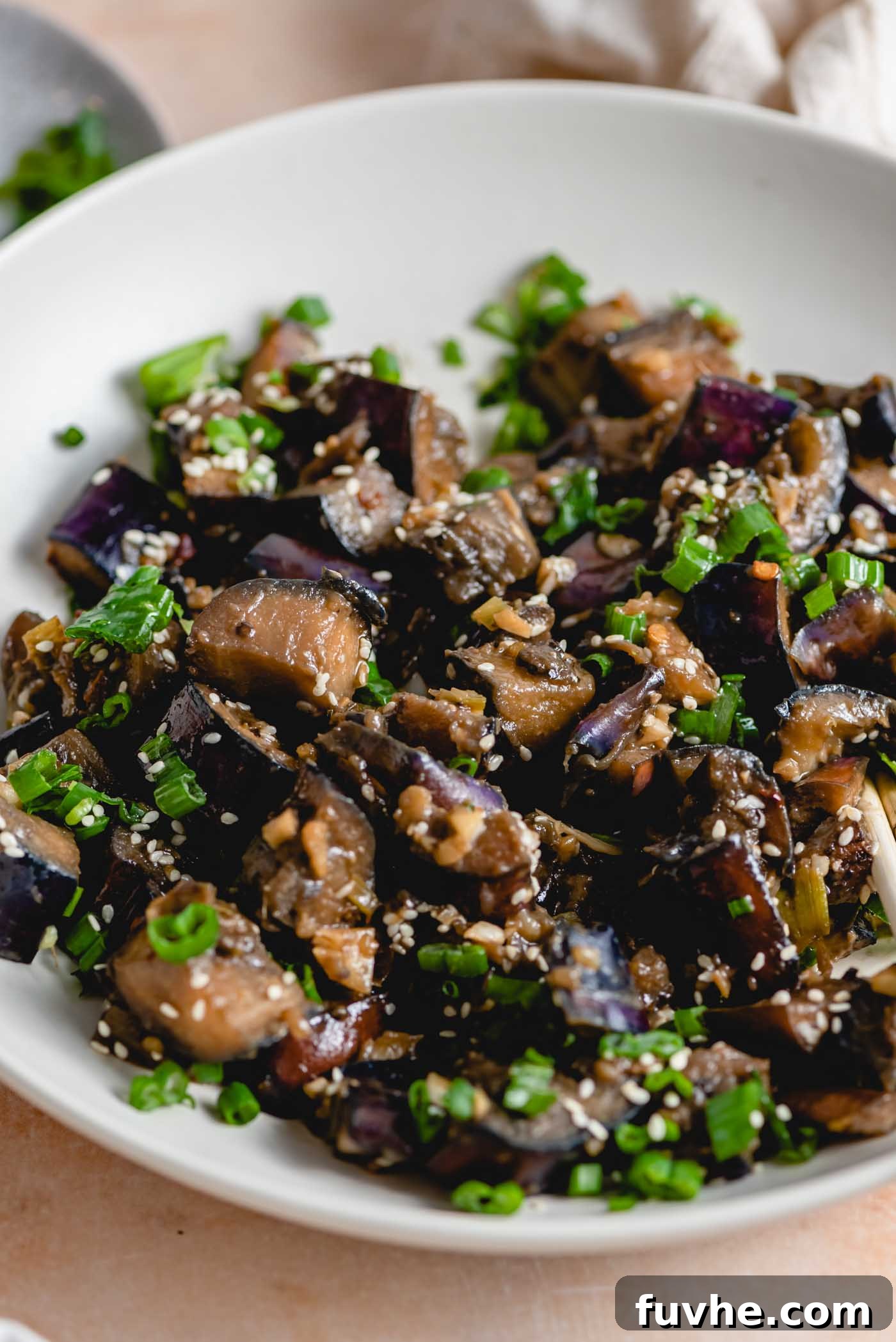
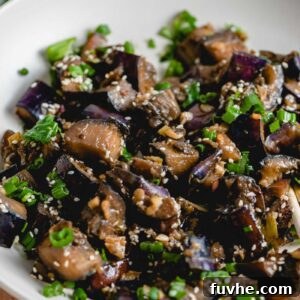
Unlock the secret to a quick, healthy, and incredibly flavorful meal with this effortless Japanese Eggplant Stir Fry. Crafted in just 20 minutes, this dish features tender Japanese eggplant pieces coated in a rich, sticky, and irresistible miso sauce. It’s a perfect side dish for any weeknight meal and easily scales up to become the star of your dinner table. Whether you’re a seasoned chef or just beginning your culinary journey with eggplants, this recipe offers a delicious and straightforward introduction to one of Asia’s most cherished vegetables.
For those new to the delightful world of eggplant, this recipe is a fantastic starting point. Japanese eggplant, known for its delicate skin and mild flavor, cooks quickly and absorbs the savory miso sauce beautifully, creating a harmonious blend of tastes and textures. It’s not just for eggplant enthusiasts; even skeptics often find themselves converted by this simple yet profound preparation.
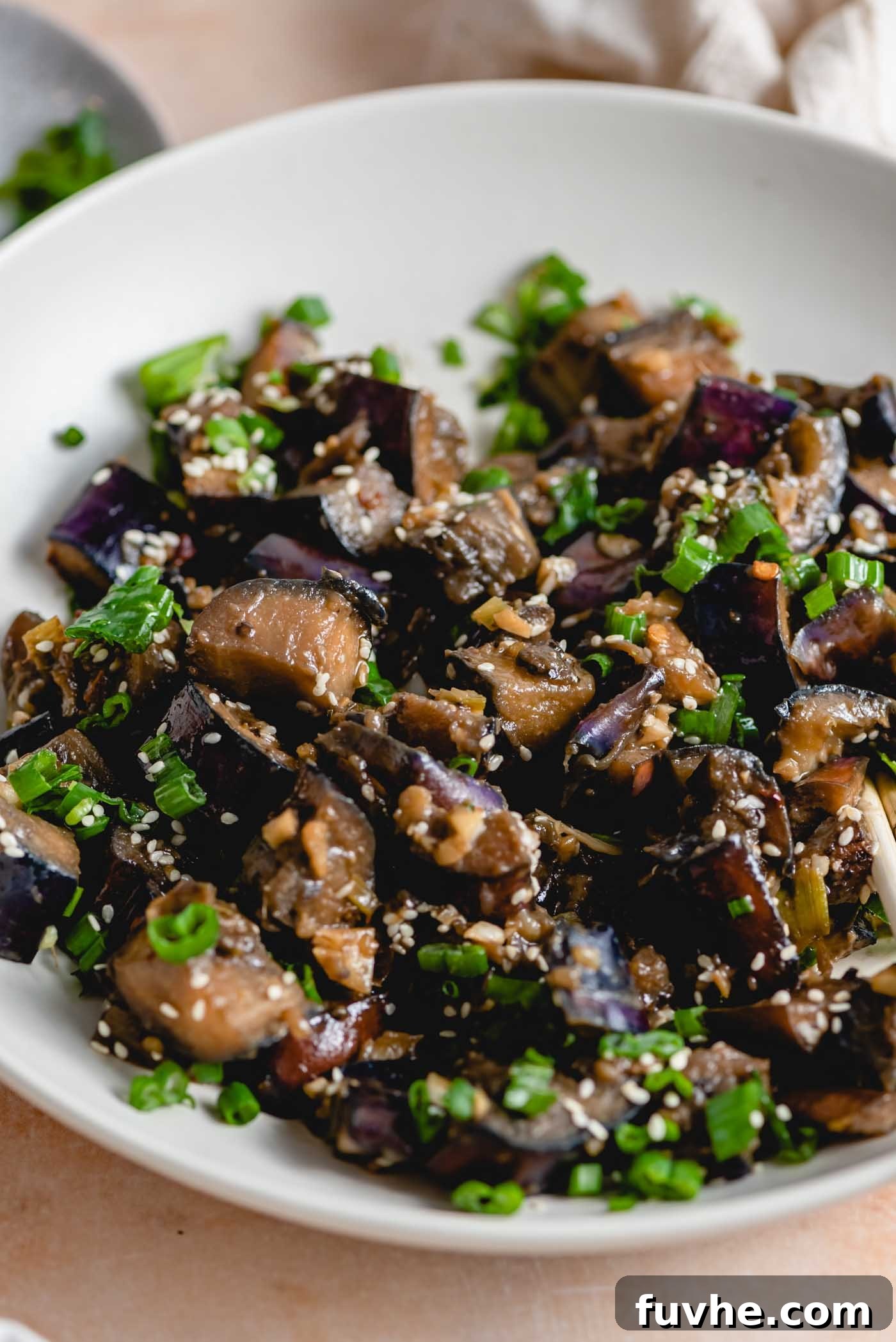
This versatile stir fry pairs wonderfully with a variety of Asian-inspired dishes, allowing you to create a diverse and delectable feast. Consider serving it alongside a spicy and aromatic Red Curry Noodles, a comforting bowl of Spicy Miso Noodles, a hearty Vegan Tofu Pad Thai, or the ever-popular Vegan Drunken Noodles. Each pairing promises to enhance the experience, making every meal an exploration of vibrant flavors.
Recipe Highlights: Why You’ll Love This Dish
Discover what makes this Japanese Eggplant Stir Fry an absolute must-try for any home cook:
- Effortlessly Vegan & Vegetarian: This recipe is naturally plant-based, making it suitable for a wide range of dietary preferences without compromising on taste.
- Gluten-Free Friendly: Easily adapt this dish to be gluten-free by simply swapping out regular soy sauce for tamari or coconut aminos, ensuring everyone can enjoy its deliciousness.
- Incredibly Quick: From start to finish, this stir fry is ready in a mere 20 minutes. It’s the ideal solution for busy weeknights when you crave a homemade, healthy meal without the lengthy prep.
- Simple, Accessible Ingredients: You’ll find that most ingredients are pantry staples or readily available at any grocery store, simplifying your shopping list.
- Versatile Serving Options: Excellent as a vibrant side dish, or make it a complete main course by pairing it with your favorite rice, noodles, and a protein source like crispy tofu.
- Rich & Saucy: The sticky miso sauce creates a truly addictive flavor profile, coating each piece of eggplant perfectly and delivering a delightful umami punch.
- Nutrient-Packed: Eggplant is a low-calorie vegetable rich in fiber, vitamins, and antioxidants, making this dish both satisfying and beneficial for your health.
- Beginner-Friendly: The straightforward steps and forgiving nature of this recipe make it perfect for those new to stir-frying or cooking with eggplant.
Essential Ingredients for Your Miso Eggplant Stir Fry
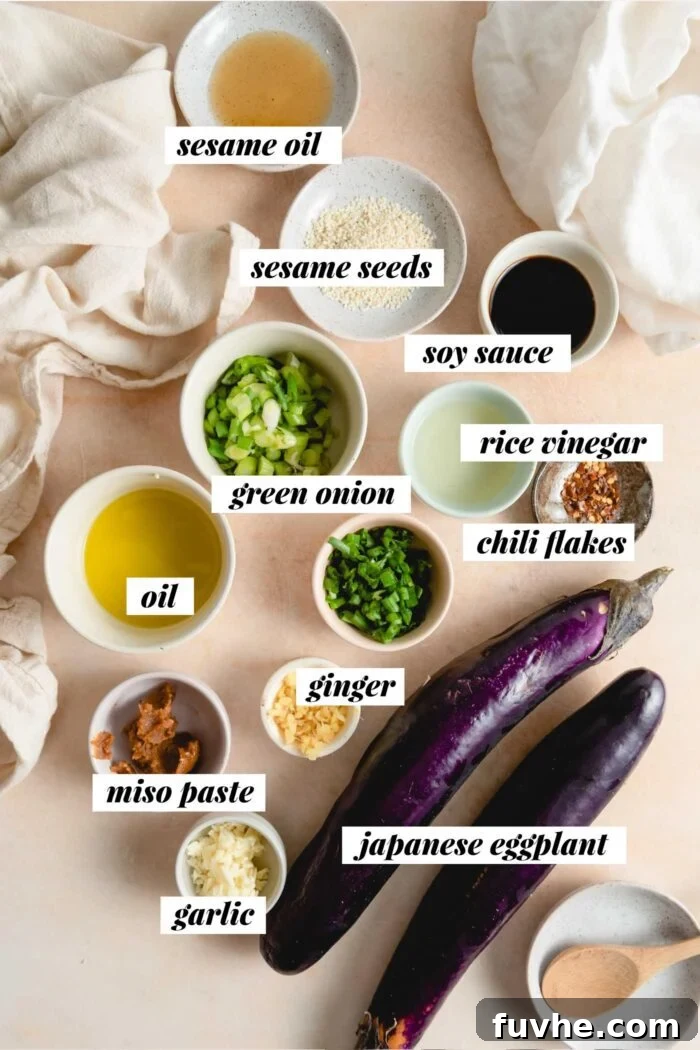
Crafting this flavorful Japanese eggplant stir fry requires a handful of simple, yet impactful ingredients. Each component plays a crucial role in building the dish’s distinct taste and texture. Below, we dive into the details of what you’ll need, along with tips for substitutions and variations.
- Miso Paste: The Umami Heart
White miso paste is the star of our sauce, offering a delicately sweet and savory depth. Its lighter flavor is perfect for this stir fry, creating a balanced and rich taste without overpowering other ingredients. While white miso is recommended, don’t hesitate to experiment with other varieties. Yellow miso offers a slightly stronger, earthier flavor, while red miso provides a bolder, more intense umami kick. Just remember, the darker the miso, the more pronounced its flavor will be.
- Soy Sauce: The Salty Foundation
Regular soy sauce forms the salty backbone of our sticky sauce. For those monitoring sodium intake, low-sodium soy sauce is an excellent alternative. To ensure this recipe is truly gluten-free, substitute with high-quality gluten-free tamari or coconut aminos, which offer a similar savory profile without the wheat.
- Rice Vinegar: Tangy Brightness
Rice vinegar adds a crucial element of acidity, balancing the richness of the miso and soy sauce. Both seasoned and unseasoned rice vinegar work well. Seasoned rice vinegar often contains a touch of sugar and salt, which can subtly sweeten and round out the sauce. If using unseasoned, you might find the optional sugar even more beneficial to achieve that perfect sweet-savory balance.
- Red Pepper Flakes: A Touch of Heat
For a pleasant warmth and subtle kick, red pepper flakes are indispensable. The amount can be adjusted to your preference – use less for a milder dish or more for an extra fiery experience. If you’re a true spice lover, consider substituting with 1-2 thinly sliced Thai chilies, up to 1 teaspoon of cayenne pepper, or 1 tablespoon of sambal oelek or sriracha for a more vibrant heat. Feel free to reduce or omit entirely if you are sensitive to spice.
- Sugar: Optional Sweetness for Balance
While optional, a touch of sweetness helps to perfectly balance the umami, saltiness, and tang of the sauce. It creates a more complex and well-rounded flavor profile that is incredibly satisfying. Brown sugar, light brown sugar, coconut sugar, or even maple syrup are all excellent choices. Adjust the quantity to achieve your desired level of sweetness.
- Oil: For Searing and Sautéing
A neutral cooking oil with a high smoke point is ideal for stir-frying. Avocado oil and grape seed oil are excellent choices for their ability to withstand high heat without imparting their own flavor. While olive oil can also be used, its lower smoke point means it should be used at slightly lower temperatures to prevent burning.
- Japanese Eggplant: The Star Vegetable
These long, slender eggplants are perfect for stir-fries due to their tender skin, fewer seeds, and mild, slightly sweet flavor. They cook quickly and absorb flavors beautifully. When selecting, look for firm, glossy eggplants without blemishes. You’ll typically need about 2 medium Japanese eggplants, yielding around 9-10 cups (740g) when cut.
- Garlic: Aromatic Foundation
Freshly minced garlic is essential for building a robust aromatic base. Aim for about 3 cloves, which should yield approximately 20g when minced or grated. The garlic’s pungent flavor mellows and sweetens as it cooks, infusing the dish with its signature aroma.
- Ginger: Zesty Freshness
Grated fresh ginger adds a bright, zesty, and slightly peppery note that is characteristic of many Asian dishes. About 1 tablespoon (16g) of freshly grated ginger will provide a wonderful aromatic lift and a subtle warmth. Using fresh ginger makes a significant difference compared to dried or jarred alternatives.
- Green Onion (Scallions): Garnish & Flavor
Green onions provide a delicate onion flavor and a pop of color. You’ll use both the white and green parts. The whites are cooked alongside the eggplant to infuse the oil, while the vibrant green tops are reserved for a fresh, crisp garnish, adding both visual appeal and a gentle oniony bite.
- Sesame Oil & Sesame Seeds: Finishing Touches
A drizzle of toasted sesame oil at the end adds a nutty, deeply aromatic finish. Toasted sesame seeds, sprinkled generously, provide a delightful crunch and an additional layer of sesame flavor, elevating the dish to restaurant-quality. These are optional but highly recommended for the full experience.
For a complete ingredient list with precise measurements, please refer to the detailed recipe card at the end of this post.
Crafting Your Perfect Eggplant Stir Fry: A Step-by-Step Guide
This Japanese Eggplant Stir Fry comes together quickly, making it an ideal choice for a satisfying meal any day of the week. Follow these simple steps for a dish that’s bursting with flavor and delightful textures.
Step 1: Prepare the Miso Stir-Fry Sauce
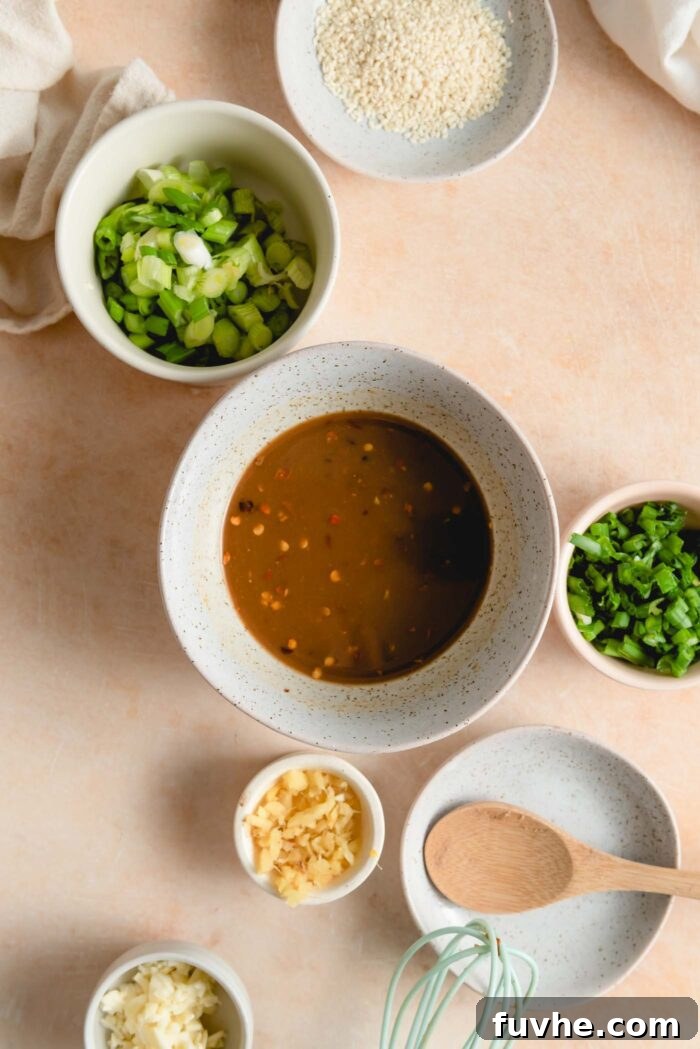
In a small bowl, combine the white miso paste, soy sauce (or gluten-free tamari/coconut aminos), rice vinegar, and red pepper flakes. Add 2 tablespoons of water to help thin the sauce and ensure it coats the eggplant evenly. If you prefer a touch of sweetness to balance the savory and tangy notes, now is the time to whisk in your chosen sugar (brown sugar, coconut sugar, or maple syrup). Whisk all ingredients thoroughly until the mixture is smooth and well combined. Set this flavorful sauce aside; it’s the heart of your stir fry.
Step 2: Sauté the Eggplant and Green Onion Whites
Heat a large nonstick skillet or wok over medium-high heat. The key to perfectly stir-fried eggplant is adequate space, so ensure your pan is large enough to avoid overcrowding. If your pan is too small, consider cooking the eggplant in two batches to allow it to sear rather than steam.
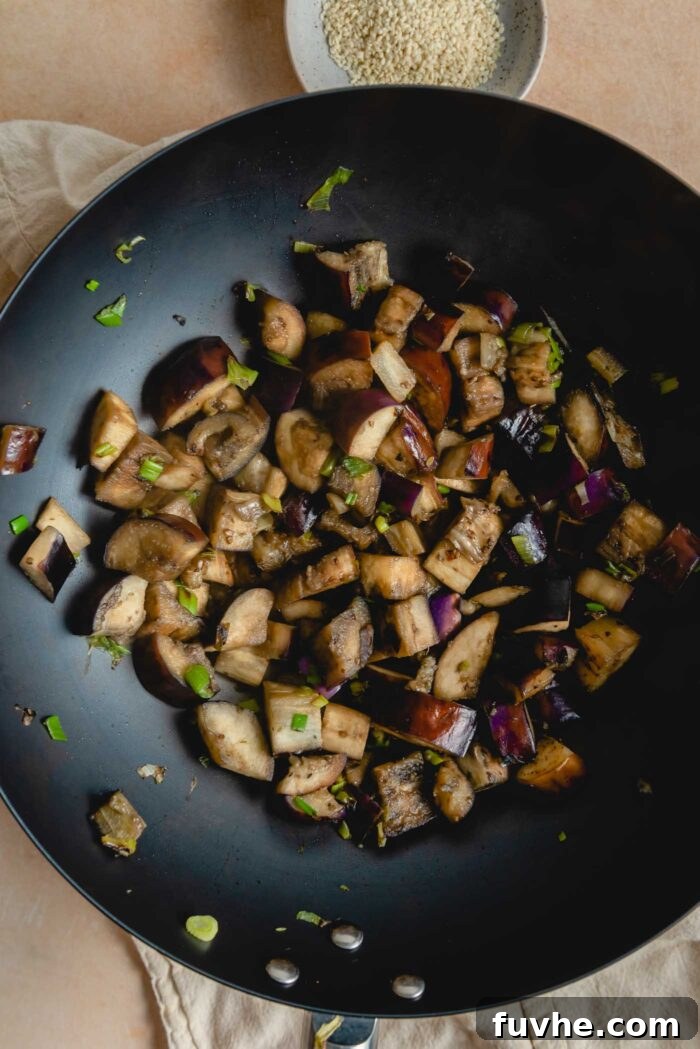
Once the pan is hot, add your neutral cooking oil (avocado or grape seed oil are excellent choices). Carefully add the chopped Japanese eggplant pieces and the white parts of your green onions to the hot oil. Cook for 8-10 minutes, stirring and flipping the pieces occasionally. You’re looking for the eggplant to become beautifully tender and develop a golden-brown hue on all sides. This caramelization adds a wonderful depth of flavor and texture.
Pro Tip for Crispiness: If your skillet isn’t spacious enough, cooking the eggplant in batches is crucial. Use 1 tablespoon of oil for the first batch, cook until golden, then remove from the pan. Add another tablespoon of oil and cook the second batch. This prevents the eggplant from steaming and becoming mushy, ensuring a delightful texture.
Step 3: Introduce Aromatics
Once the eggplant is perfectly tender and golden, add the minced garlic and grated fresh ginger to the pan. Cook for just 1 minute, stirring constantly. This brief cooking time allows the aromatics to become fragrant, releasing their delightful aromas and infusing the eggplant with their bold flavors, without burning. Keep a close eye on them, as garlic can brown quickly.
Step 4: Combine with the Miso Sauce
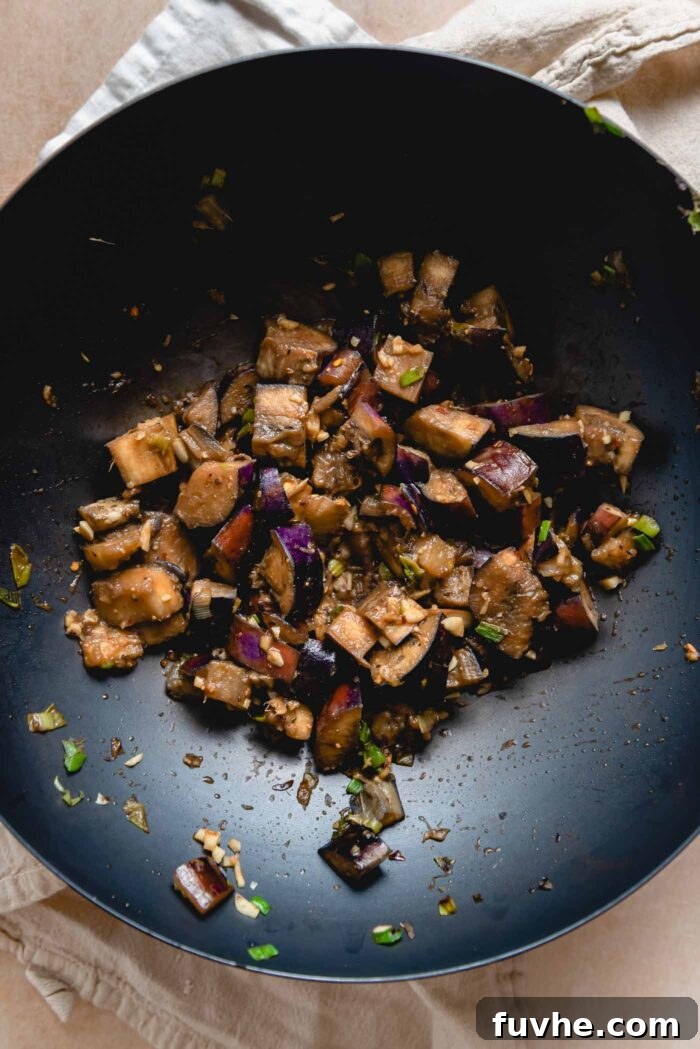
Reduce the heat to medium. Pour the pre-mixed miso stir-fry sauce directly into the pan with the eggplant, garlic, and ginger. Cook for another 1-2 minutes, stirring continuously. The eggplant will rapidly absorb the rich sauce, transforming into a glossy, flavorful delight. The sauce will thicken slightly and cling to each piece of eggplant, creating that signature sticky texture. If you prefer a saucier dish, you can add 1-2 tablespoons of water at this stage to achieve your desired consistency.
Step 5: Garnish and Serve
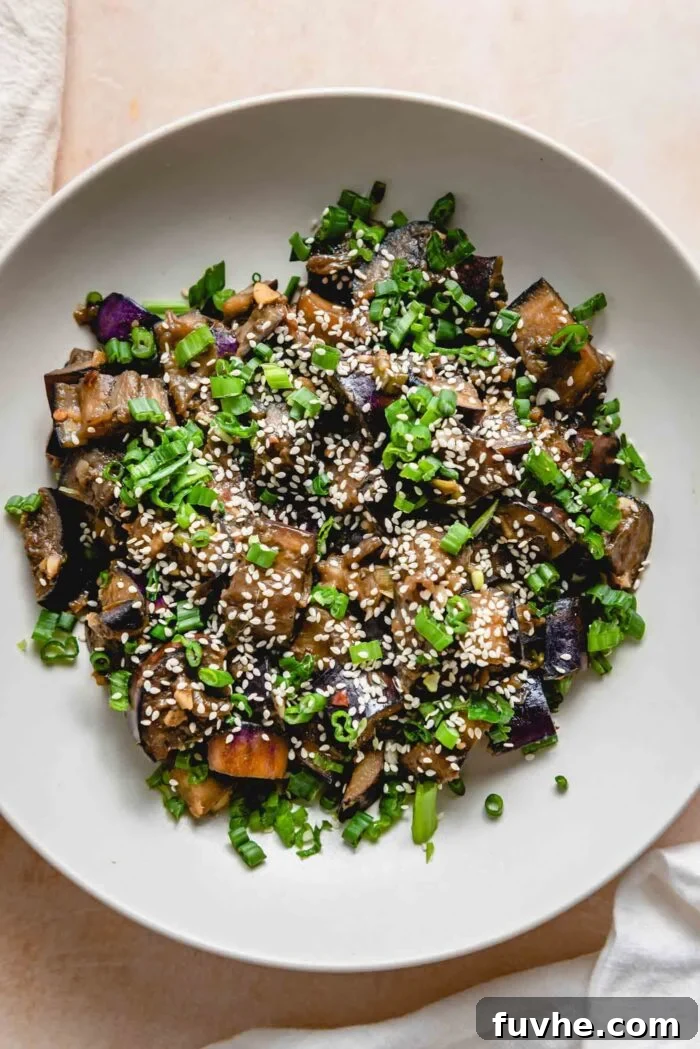
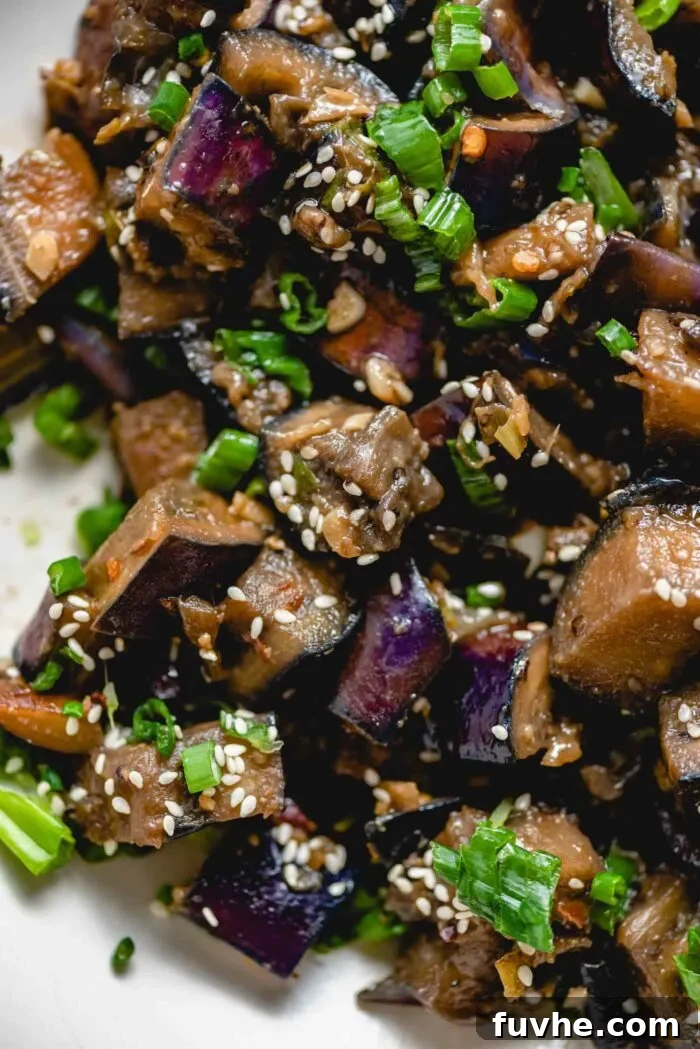
Once the eggplant has absorbed the sauce and reached its perfect tenderness, transfer it to a serving platter or individual bowls. For an extra layer of flavor and aroma, drizzle lightly with toasted sesame oil. Finally, garnish generously with the reserved green onion greens and a sprinkle of toasted sesame seeds. These finishing touches add freshness, crunch, and a beautiful visual appeal to your delicious stir fry.
Frequently Asked Questions About Eggplant Stir Fry
While you can use globe eggplant in a pinch, Japanese or Chinese long eggplants are highly recommended for stir-fries. They have fewer seeds, more tender skin (which means no need to peel!), and a mild, slightly sweet flavor that perfectly complements Asian-inspired sauces. These characteristics allow them to cook faster and absorb flavors more effectively. If Japanese eggplant isn’t available, simply cut a globe eggplant into 1-inch pieces to ensure even cooking.
Many traditional eggplant recipes call for salting the eggplant and letting it sit to draw out moisture and reduce bitterness. However, with Japanese eggplant, this step is generally not necessary. Japanese eggplants are naturally less bitter and have a lower water content compared to larger varieties like globe eggplant. For this quick stir fry, skipping the salting step saves time without compromising flavor or texture.
This recipe can be easily made gluten-free with one simple substitution. Regular soy sauce contains wheat, so swap it out for gluten-free tamari or coconut aminos, both of which offer a similar savory profile without the gluten. Always double-check the labels of your miso paste and rice vinegar to ensure they are also certified gluten-free, as ingredients can vary by brand.
Eggplant stir fry is truly best enjoyed fresh and hot right from the pan, when the eggplant is at its most tender and the sauce is perfectly glossy. However, leftovers can be stored in an airtight container in the refrigerator for up to 3 days. To reheat, simply warm it in a skillet over medium heat until heated through, or use a microwave for a quicker option. Be aware that the texture of eggplant may soften slightly upon reheating, but the flavors will still be delicious.
Freezing is generally not recommended for this eggplant stir fry. Eggplant has a high water content, and freezing and thawing can significantly alter its texture, making it overly mushy. This recipe doesn’t yield a very large quantity, making it easy to enjoy in one meal or as tasty leftovers the following day, so freezing is rarely necessary.
This versatile dish can be served in many delicious ways! Enjoy it as a flavorful side dish, or elevate it to a main course. It pairs exceptionally well with various rice dishes such as cabbage fried rice or mushroom fried rice. For added protein, serve it alongside crispy tofu, or simply over a bed of fluffy white rice or nutritious brown rice.
If you prefer noodles, this stir-fried eggplant is fantastic over a Cold Soba Noodle Salad, a warm bowl of Spicy Miso Noodles, classic ramen noodles, or any other type of noodle you enjoy. The sticky miso sauce beautifully complements a wide array of textures and flavors.
Expert Tips for a Flawless Eggplant Stir Fry
Achieving the perfect eggplant stir fry is simple with these expert tips:
- Don’t Overcrowd the Pan: This is arguably the most crucial tip for any stir fry, especially with eggplant. If your pan is too full, the eggplant will steam instead of sear, resulting in a soggy texture rather than a beautifully caramelized one. If you don’t have a generously sized wok or skillet, it’s highly recommended to cook the eggplant in two separate batches. This ensures each piece gets adequate heat and space to develop that desirable golden-brown exterior and tender interior.
- Adding More Vegetables: This stir fry is wonderfully versatile if you wish to incorporate additional vegetables. To maintain the best texture and flavor, cook the eggplant first until it’s tender and slightly browned, then remove it from the pan. Add a little more oil if needed, and then stir-fry your chosen vegetables – such as sliced cabbage, bell peppers, onions, mushrooms, or broccoli florets – until they are crisp-tender. Once your additional veggies are cooked to your liking, return the stir-fried eggplant to the pan, add the miso sauce, and mix everything together to heat through. This method prevents the eggplant from becoming overcooked while other vegetables catch up.
- Keep it Simple with Extra Veggies: While adding vegetables is a great way to boost nutrition and volume, resist the urge to add too many different kinds. Sticking to 1-2 additional vegetables, totaling no more than 2 cups, helps keep the flavors balanced and prevents the dish from becoming overly complex or watery. My personal favorites to add are crisp broccoli florets, sweet bell peppers, or thinly sliced onions, as they complement the miso sauce and eggplant beautifully.
- Cut Eggplant Uniformly: For even cooking, ensure your Japanese eggplant pieces are cut into roughly the same size and shape (e.g., 3/4-inch diagonal pieces). This guarantees that every piece reaches tender perfection simultaneously.
- Fresh Aromatics Make a Difference: While pre-minced garlic and ginger can save time, using freshly minced garlic and grated fresh ginger provides a significantly more vibrant and potent flavor profile, elevating the overall taste of your stir fry.
- Taste and Adjust the Sauce: Before adding the sauce to the pan, always give it a quick taste. This allows you to adjust the seasoning to your preference, whether you need a bit more sweetness, saltiness, or heat. Remember, you can always add more, but you can’t take it away!
★
★
★
★
Easy Japanese Miso Eggplant Stir Fry
Deryn Macey
5
15
20
3
Pin Recipe
Rate Recipe
Print Recipe
Ingredients
- 1 tbsp white miso, 20 g
- 1 tbsp soy sauce or gluten-free tamari, 15 mL
- 1 tbsp rice vinegar, 15 mL
- ½ tsp chili flakes, reduce to ¼ tsp if sensitive to heat
- 1 tsp coconut sugar, optional*
- 2 tbsp water, 30 mL
- 2 tbsp neutral oil, such as avocado or grape seed oil
- 2 Japanese eggplants, halved lengthwise, then cut diagonally into 3/4-inch pieces (9-10 cups/740 g)
- 3 cloves garlic, minced or grated (20 g)
- 1 tbsp grated ginger, 16 g
- 6-8 green onions, thinly sliced, separating green and whites
- 1 tsp sesame oil, for garnish
- sesame seeds, for garnish
Instructions
-
Combine Sauce: In a small bowl, stir together miso paste, soy sauce (or tamari), rice vinegar, chili flakes, 2 tablespoons of water, and sugar (if using). Whisk until completely smooth. Set aside.
-
Stir Fry Eggplant: Heat the neutral oil in a large wok or nonstick skillet over medium-high heat. Once the pan is hot, add the cut Japanese eggplant pieces and the white parts of the green onions. Cook for 8-10 minutes, stirring frequently, until the eggplant is tender and beautifully golden-brown on all sides.
-
Add Aromatics: Add the minced garlic and grated ginger to the pan. Cook for an additional 1 minute, stirring often, until fragrant. Be careful not to burn the garlic.
-
Incorporate Sauce: Reduce the heat to medium. Pour the prepared miso sauce into the pan. Cook for 1-2 minutes, stirring constantly, allowing the eggplant to absorb the sauce and for it to thicken slightly. If you desire a thinner or saucier consistency, you can add 1-2 tablespoons of water at this point.
-
Serve: Transfer the finished stir fry to a platter or individual serving bowls. Drizzle with a teaspoon of toasted sesame oil for added aroma and flavor. Sprinkle generously with the remaining green onion greens and toasted sesame seeds, if desired, for garnish and crunch. Serve immediately.
Video
Watch the full recipe video to see just how easy it is to make this delicious Japanese Miso Eggplant Stir Fry at home!
Notes
If your skillet or wok is not large enough to comfortably hold all the eggplant pieces in a single layer without overcrowding, it is essential to cook the eggplant in two separate batches. Use 1 tablespoon of oil for the first batch, cook until golden and tender, then remove. Add another 1 tablespoon of oil and cook the remaining eggplant. This ensures proper searing and prevents the eggplant from steaming, resulting in a superior texture.
Nutrition
Like this recipe? Rate and comment below!