
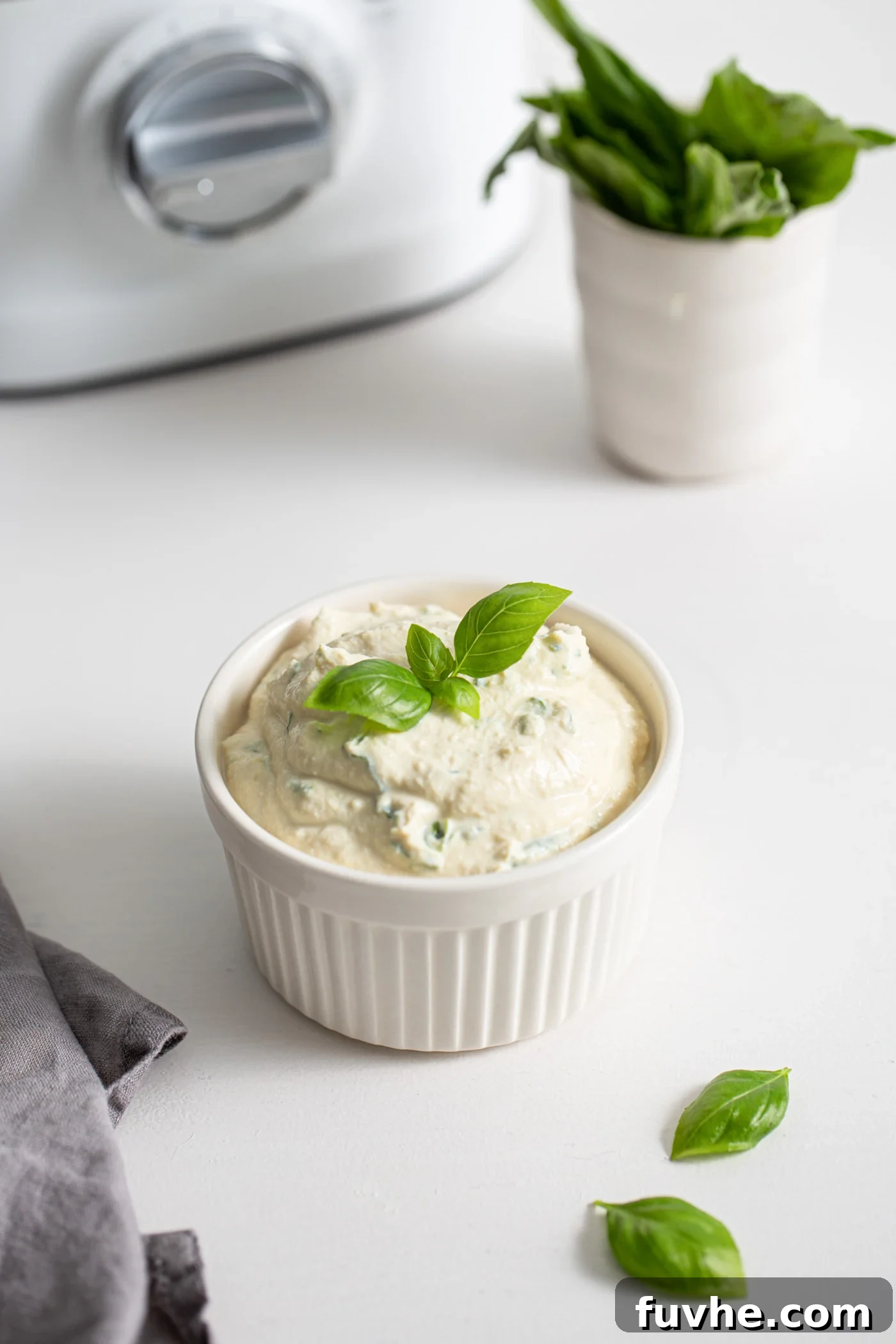
Discover the ultimate kitchen staple for plant-based enthusiasts: this incredibly easy and delicious vegan tofu ricotta. Crafted from just a handful of simple ingredients and requiring mere minutes of your time, this versatile dairy-free alternative is poised to revolutionize your cooking. It offers a creamy texture, a tangy, savory flavor profile, and a significant boost of protein, making it the perfect addition to an endless array of your favorite vegan meals.
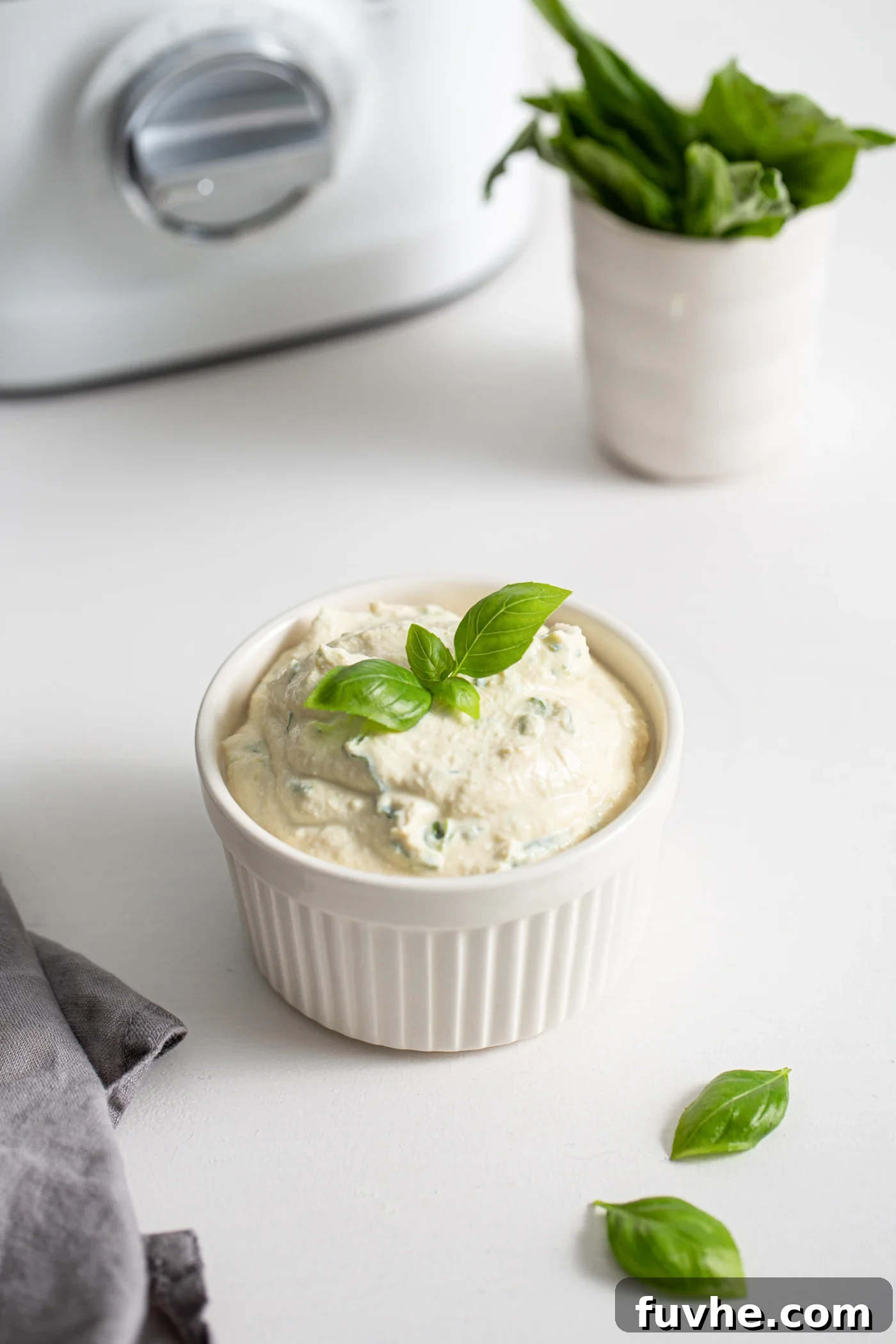
Embrace the Creamy Goodness: About This Vegan Tofu Ricotta Recipe
In the world of plant-based cuisine, finding a truly satisfying substitute for beloved dairy products can be a game-changer. Our homemade vegan tofu ricotta recipe does exactly that. It’s not merely an alternative; it’s a delightful creation that stands strong on its own merits. This recipe is designed for efficiency, delivering a rich, creamy, and flavorful ricotta that is entirely plant-based and remarkably high in protein, all without the need for complex techniques or exotic ingredients.
This tofu ricotta is incredibly versatile, making it an indispensable component for adding a luxurious, creamy texture and a burst of savory flavor to countless dishes. Whether you’re aiming for comforting pasta, hearty soups, flavorful spreads, or creative breakfast options, this recipe has you covered. Its adaptability allows it to effortlessly blend into various culinary contexts, enhancing both the taste and nutritional value of your meals.
Imagine spooning generous dollops of this luscious ricotta into classic dishes like a hearty vegan lasagna, or using it as a decadent filling for jumbo pasta shells. It’s also superb in a Vegan Baked Ziti, adding depth and creaminess. Beyond Italian-inspired cuisine, it can elevate your morning routine when added to a savory Tofu Scramble or tucked into a fluffy Vegan Chickpea Omelette. For lighter fare, spread it generously on sandwiches, roll it into vibrant wraps, or pair it with your favorite pasta dishes such as a creamy Creamy Spinach and Tomato Pasta or a simple Vegan One Pot Pasta. It’s also a fantastic swirl-in for soups like an Easy Vegan Minestrone Soup or a comforting Vegan Lasagna Soup. And let’s not forget its potential as a delightful dip for crisp veggies, crunchy crackers, or warm pita bread.
Why Choose Vegan Tofu Ricotta? The Health and Flavor Benefits
Opting for vegan tofu ricotta isn’t just a dietary choice; it’s a step towards a healthier and more sustainable lifestyle without compromising on taste. This plant-based alternative brings a wealth of benefits to your table:
- High in Protein: Tofu, being the star ingredient, is an excellent source of plant-based protein, crucial for muscle repair, satiety, and overall health. This ricotta ensures your meals are not only flavorful but also incredibly nourishing.
- Dairy-Free and Lactose-Free: Perfect for those with lactose intolerance, dairy allergies, or anyone choosing to avoid dairy products. You get all the creamy texture and rich flavor of traditional ricotta without any discomfort.
- Lower in Saturated Fat and Cholesterol-Free: Unlike dairy ricotta, tofu ricotta contains significantly less saturated fat and absolutely no cholesterol, supporting heart health and a balanced diet.
- Versatile and Customizable: Its neutral base allows for endless customization. You can keep it simple or infuse it with your favorite herbs and spices to match any cuisine.
- Quick and Easy Preparation: With minimal ingredients and a quick blend, this recipe is perfect for busy weeknights or when you need a delicious topping or filling in a flash.
- Economical: Tofu is generally a more affordable ingredient compared to its dairy counterpart, making this a budget-friendly option for adding richness to your meals.
By incorporating this vegan tofu ricotta into your diet, you’re choosing a healthier, ethical, and incredibly tasty option that will quickly become a household favorite.
Essential Ingredient Notes for Your Tofu Ricotta
Crafting the perfect vegan tofu ricotta starts with understanding your ingredients. Each component plays a vital role in achieving that desirable texture and flavor profile. Here’s a closer look at the key players:
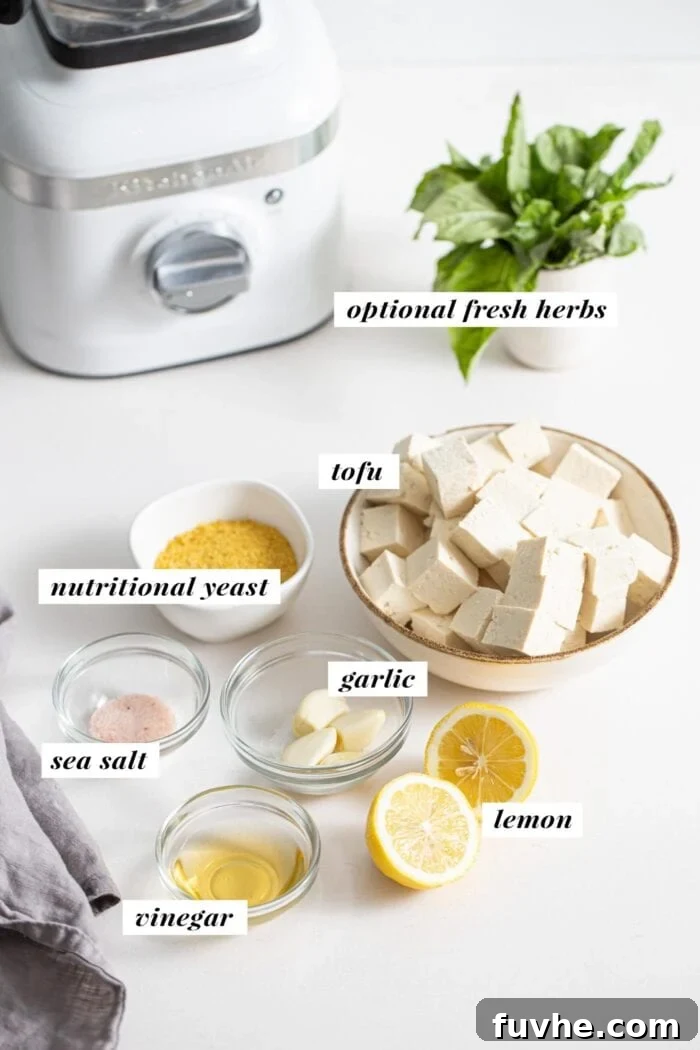
- Tofu (Firm or Extra-Firm): This is the foundation of our ricotta. Both firm and extra-firm tofu varieties are suitable due to their solid texture which mimics ricotta well. Silken tofu is too soft and will result in a runny consistency, while super-firm or sprouted tofu might require more liquid to achieve smoothness. The key is to ensure your chosen tofu is adequately pressed to remove excess water, which contributes to a richer flavor and firmer texture.
- Nutritional Yeast: This magical ingredient is indispensable for imparting that characteristic “cheesy” umami flavor that we associate with dairy ricotta. It’s also a fantastic source of B vitamins, making it a healthy addition. Don’t skip it if you want that authentic savory depth!
- Fresh Lemon Juice: Lemon juice adds a crucial tanginess and brightness, mimicking the subtle acidity found in traditional ricotta. It helps balance the flavors and prevents the ricotta from tasting flat. Freshly squeezed lemon juice is always recommended for the best flavor.
- Salt: Essential for seasoning, salt brings out all the other flavors in the ricotta. Adjust to your personal preference.
- Apple Cider Vinegar: Similar to lemon juice, apple cider vinegar contributes another layer of acidity and a slight fermented note, enhancing the “cheesy” profile.
- Garlic: Fresh garlic cloves are paramount for a robust and aromatic flavor. You can adjust the quantity based on how much garlic intensity you prefer.
- Basil (Optional, but highly recommended for herbed ricotta): Fresh basil is a classic pairing with ricotta, adding a fragrant, sweet, and peppery note. While optional, incorporating fresh herbs elevates the overall experience. Feel free to substitute or combine with other fresh herbs such as dill, chives, parsley, oregano, or even a touch of rosemary for different flavor profiles. Omit for a plain tofu ricotta base that can be seasoned in countless ways.
This list highlights the main components. For precise measurements and detailed instructions, please refer to the comprehensive recipe section provided later in this post.
Crafting Your Vegan Tofu Ricotta: A Simple Guide
Making this dairy-free ricotta is incredibly straightforward. Follow these simple steps to achieve a perfectly creamy and flavorful result.
Before You Start: The Importance of Pressing Your Tofu. While not absolutely mandatory for the recipe’s success, taking the time to press your tofu is highly recommended. Tofu naturally holds a lot of water, which can dilute flavors and lead to a less desirable, watery texture in your final ricotta. Pressing removes this excess liquid, resulting in a denser, more flavorful, and truly creamy product that will absorb seasonings better. You can use a dedicated tofu press or a simple DIY method: wrap the block of tofu in a clean dish towel, place it on a plate, and set a heavy object (like a heavy pan or several cookbooks) on top for 20-30 minutes. Learn more about how to press tofu here for detailed tips.
Step 1: Combine All Base Ingredients for a Smooth Blend. Gather all your ingredients, except for the fresh basil (or other optional herbs). Add the pressed tofu, nutritional yeast, fresh lemon juice, salt, apple cider vinegar, and garlic cloves to the bowl of a food processor or a high-speed blender. Process these ingredients until the mixture is beautifully smooth and creamy. Scrape down the sides of the bowl as needed to ensure everything is thoroughly incorporated. If you prefer a plain, unherbed ricotta, you’re all set! The consistency should be thick and spreadable, mimicking traditional ricotta cheese.
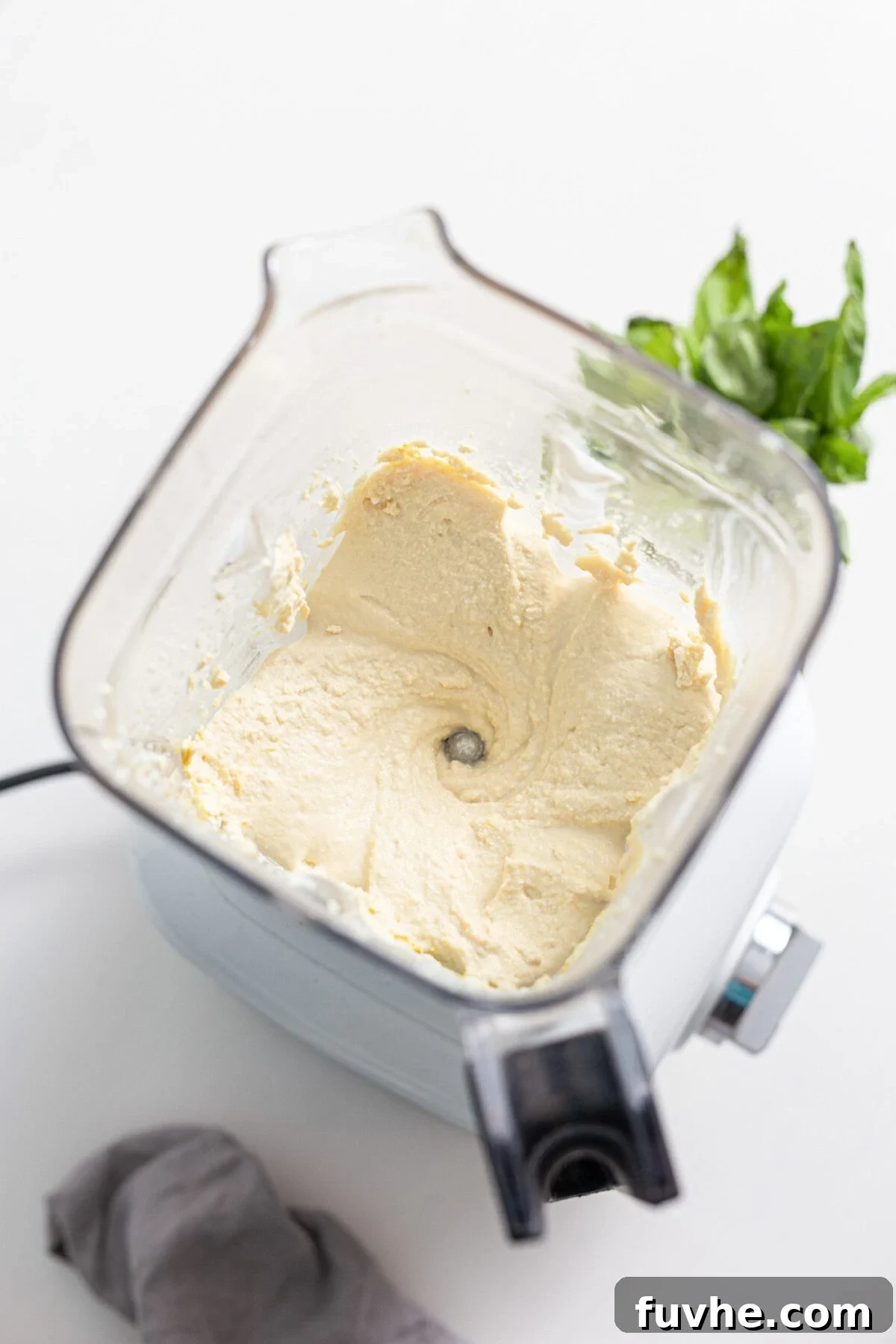
Step 2: Incorporate Fresh Herbs for an Aromatic Finish. If you’re making an herbed tofu ricotta, now is the time to add your fresh basil or any other chosen herbs (like dill or chives). Add the lightly packed herbs to the food processor or blender with the smooth tofu mixture. Pulse a few times – just enough to finely chop and combine the herbs throughout the ricotta, but avoid over-processing, which can turn the herbs into a paste and discolor the mixture. This brief pulsing ensures a lovely texture and vibrant herb distribution. Taste and adjust seasoning if necessary. Your homemade vegan tofu ricotta is now ready to enjoy!
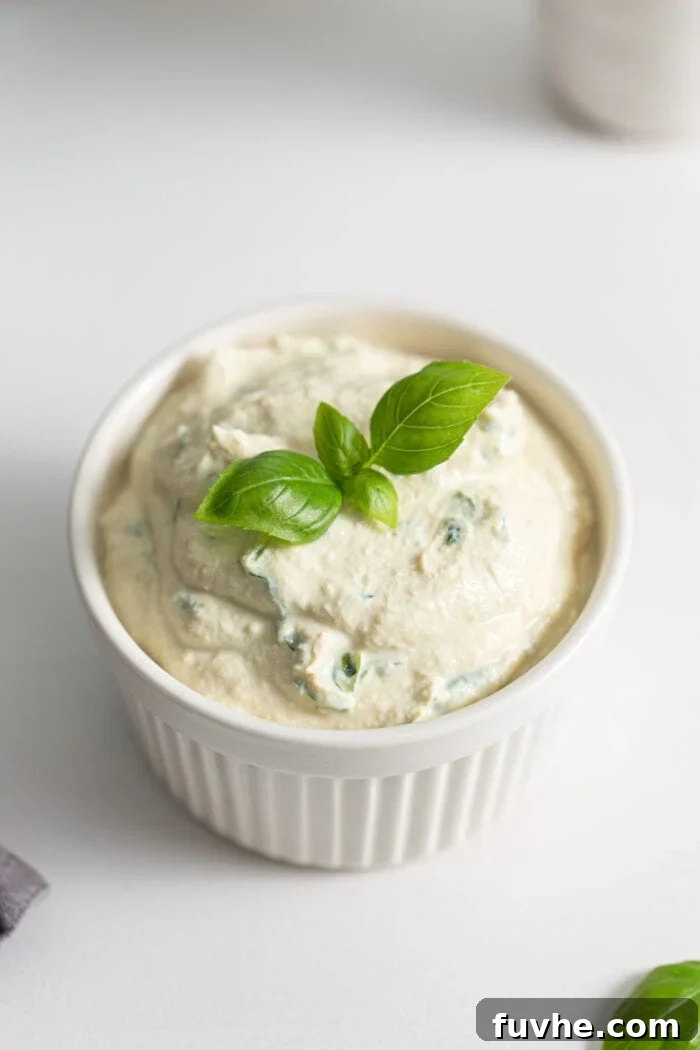
Tips for the Best Vegan Tofu Ricotta
- Adjust Seasoning: Always taste and adjust salt, lemon juice, or nutritional yeast to your liking. Everyone’s palate is different!
- Consistency Control: If your ricotta seems too thick, add a tiny splash of water or unsweetened plant milk (like soy or almond milk) while blending, one teaspoon at a time, until you reach your desired consistency. If it’s too thin, you likely didn’t press enough water out of your tofu initially.
- Herb Variations: Don’t limit yourself to basil. Experiment with fresh dill for a lemony twist, chives for a mild onion flavor, or a blend of Italian herbs for a classic touch.
- Spice it Up: For a little kick, add a pinch of red pepper flakes to the mixture before blending.
- Onion Powder: A quarter teaspoon of onion powder can add another layer of savory depth without the sharpness of fresh onion.
Creative Ways to Enjoy Your Vegan Tofu Ricotta
The beauty of this vegan tofu ricotta lies in its incredible versatility. Once you’ve made a batch, you’ll find countless ways to incorporate its creamy, savory goodness into your meals. Here are some inspiring ideas and specific recipes that pair wonderfully with it:
Pasta & Italian Dishes:
- Lasagna: A quintessential use! Layer it into your favorite vegan lasagna recipe for that classic creamy texture.
- Stuffed Shells: Fill large pasta shells with a mixture of tofu ricotta and spinach, then bake with marinara sauce.
- Baked Ziti: Swirl it into a Vegan Baked Ziti before baking for an extra creamy element.
- Ravioli/Manicotti Filling: A delicious and easy filling for homemade vegan ravioli or manicotti.
- Creamy Pasta Sauces: Stir a dollop into a simple tomato sauce or pesto pasta for added richness. Try it with this Vegan Pumpkin Pasta for a seasonal twist.
- Zucchini Noodles: Serve over Red Lentil Pasta Sauce with zucchini noodles, topped with fresh ricotta.
Spreads, Dips & Sandwiches:
- Sandwiches & Wraps: Spread it on toast, bagels, or use it as a creamy layer in vegetable-packed sandwiches and wraps.
- Dips & Platters: Serve it as a dip with fresh vegetables, crackers, or pita bread on an appetizer platter.
- Bruschetta Topping: Spread on toasted baguette slices, topped with fresh tomatoes and basil.
Breakfast & Brunch:
- Tofu Scramble: Add a spoonful to your morning Tofu Scramble for extra creaminess and protein.
- Chickpea Omelette Filling: Use it as a savory filling for a Vegan Chickpea Omelette.
Other Savory Applications:
- Pizza Topping: Dollop it onto homemade vegan pizzas as a creamy, cheesy element.
- Stuffed Vegetables: Use it to fill bell peppers, zucchini boats, or mushrooms before baking.
- Soups: Swirl a spoonful into hot soups like Vegan Minestrone Soup or Vegan Lasagna Soup for a creamy finish.
- Salads: A spoonful can add a creamy, savory dimension to grain bowls or hearty salads, like a Vegan Greek Pasta Salad.
- Alongside Lentil Dishes: Pairs wonderfully with savory dishes such as Lentil Meatballs or Vegan Bolognese.
The possibilities are truly endless once you have a batch of this fantastic vegan tofu ricotta on hand!
Herb Vegan Tofu Ricotta
By: Deryn Macey
This simple vegan tofu ricotta takes just minutes to make and you only need some basic, everyday ingredients. Leave it plain or add fresh basil to make herbed ricotta. Serve over pasta, as a dip or spread or use in your favourite lasagna recipe.
Prep: 5 mins | Total: 5 mins | Servings: 6
Ingredients
- 350 g package extra-firm tofu
- 1/4 cup nutritional yeast (25 g)
- 1/4 cup fresh lemon juice
- 1 tsp salt
- 1 tbsp apple cider vinegar
- 4 cloves garlic
- 1 cup lightly packed fresh basil, optional (30 g, sub dill, chives or other fresh herb of choice)
Instructions
- Before you start, consider pressing the tofu for 20-30 minutes to remove excess water. While this isn’t totally necessary to the success of the recipe, pressing it will help with a more flavourful final result. See notes on how to press tofu below.
- Blend all of the ingredients except for the basil until smooth.
- Then add the basil and pulse a few times to combine.
Notes
How to Press Tofu: Either use a tofu press or wrap the block of tofu in a dish towel, place on a plate and set a heavy object on top of it. This could be a heavy pan, a few cookbooks or a book with some canned goods placed on top. Let sit for 20-30 minutes then proceed with the recipe.
Herbs: Omit the basil for plain ricotta. You can also experiment with other fresh herbs like dill or chives.
Usage: Use anywhere you’d use traditional ricotta. Excellent served over a hot bowl of pasta or zucchini noodles, in lasagna or pasta shells, as a dip or spread for sandwiches, on salads and more.
Storage: Store in a sealed container in the fridge for up to one week.
Nutrition
Serving: 1/4 cup, Calories: 78kcal, Carbohydrates: 3.2g, Protein: 8.1g, Fat: 3.4g, Sodium: 390mg, Fiber: 1.4g, Sugar: 0.3g
Storage and Meal Prep for Your Vegan Tofu Ricotta
Having a batch of homemade vegan tofu ricotta ready in your fridge is a fantastic way to streamline meal preparation and add instant flavor to any dish. Proper storage ensures its freshness and quality for days.
- Refrigeration: Once prepared, transfer your vegan tofu ricotta into an airtight container. It will keep beautifully in the refrigerator for up to one week. This makes it an ideal component for weekly meal prepping, allowing you to quickly assemble various dishes throughout the week.
- Freezing: While you technically *can* freeze tofu ricotta, be aware that freezing and thawing might slightly alter its texture, making it a bit more crumbly. If you choose to freeze, store it in an airtight, freezer-safe container for up to 1-2 months. Thaw overnight in the refrigerator before use. A quick stir or re-blend might be needed to restore some of its original creaminess. For best results, it’s generally recommended to enjoy it fresh or refrigerated.
- Meal Prep Ideas:
- Portioning: Divide the ricotta into smaller portions if you plan to use it incrementally throughout the week.
- Ready-to-Use Fillings: Prepare ahead by mixing your tofu ricotta with cooked spinach (squeeze out excess water!) and other seasonings for a ready-to-go lasagna or stuffed shell filling.
- Flavor Variations: Make a plain batch and then split it, adding different herbs or spices to each portion to create varied flavor profiles for diverse meals.
By following these simple storage tips, you can ensure your delicious vegan tofu ricotta is always on hand to elevate your plant-based cooking.
Troubleshooting Common Vegan Tofu Ricotta Questions
Even with simple recipes, questions can arise. Here are some common issues and how to resolve them, ensuring your vegan tofu ricotta turns out perfectly every time:
- “My ricotta is too watery!”
This is the most common issue and almost always points back to insufficient pressing of the tofu. Tofu contains a significant amount of water that needs to be removed for a dense, creamy ricotta. If your batch is already made and too watery, you can try gently draining some liquid by placing the ricotta in a fine-mesh sieve lined with cheesecloth over a bowl for an hour. Alternatively, if you plan to cook with it (like in lasagna), the excess moisture might evaporate during baking. For future batches, always prioritize pressing your tofu for at least 20-30 minutes.
- “The flavor is bland or missing something.”
Flavor can be subjective, but if your ricotta tastes flat, it likely needs more seasoning.
- Salt: Always taste and adjust. A little more salt can make all the other flavors pop.
- Nutritional Yeast: If you’re looking for more “cheesy” depth, add another tablespoon of nutritional yeast.
- Lemon Juice/ACV: More acidity from lemon juice or apple cider vinegar can brighten the flavor and enhance the “dairy” tang.
- Garlic: Don’t be shy with garlic! Fresh garlic adds incredible aroma and taste.
- Herbs: Ensure you’re using fresh, vibrant herbs. Dried herbs can be used in a pinch but fresh provides superior flavor.
- “The texture is too smooth, not chunky like ricotta.”
If you prefer a coarser texture, there are a couple of things you can do. For future batches, blend the ingredients for a shorter period, leaving some smaller chunks of tofu. Alternatively, you can blend the majority until smooth and then add a small, crumbled portion of raw, pressed tofu at the very end, pulsing just once or twice to combine without completely smoothing it out.
- “My ricotta isn’t spreading easily.”
If your ricotta is too thick, it likely needs a tiny bit more liquid. While blending, add water or unsweetened plant milk (like soy or almond milk) one teaspoon at a time until you reach your desired spreadable consistency. Be careful not to add too much at once.
Don’t be afraid to experiment and adjust the ingredients to suit your personal taste preferences. Cooking is an art, and every kitchen is unique!
Final Thoughts on Your Homemade Vegan Tofu Ricotta
You’ve now unlocked the secret to a versatile, healthy, and incredibly flavorful plant-based staple: homemade vegan tofu ricotta. This recipe proves that going dairy-free doesn’t mean sacrificing the creamy, rich textures and savory depths that make comfort food so enjoyable. From its simple ingredients to its quick preparation, this tofu ricotta is designed to fit seamlessly into any busy schedule and adapt to countless culinary adventures.
Whether you’re crafting a layered lasagna, a vibrant pasta dish, a satisfying sandwich, or a creative dip, this protein-packed ricotta will elevate your meals with its delightful taste and texture. It’s a testament to how simple, wholesome ingredients can transform into something truly extraordinary in your own kitchen.
We encourage you to experiment with different herbs, adjust the seasonings to your preference, and discover all the wonderful ways this vegan tofu ricotta can enrich your plant-based repertoire. It’s more than just a substitute; it’s a celebration of delicious, compassionate eating.
Originally published on July 30, 2018.