
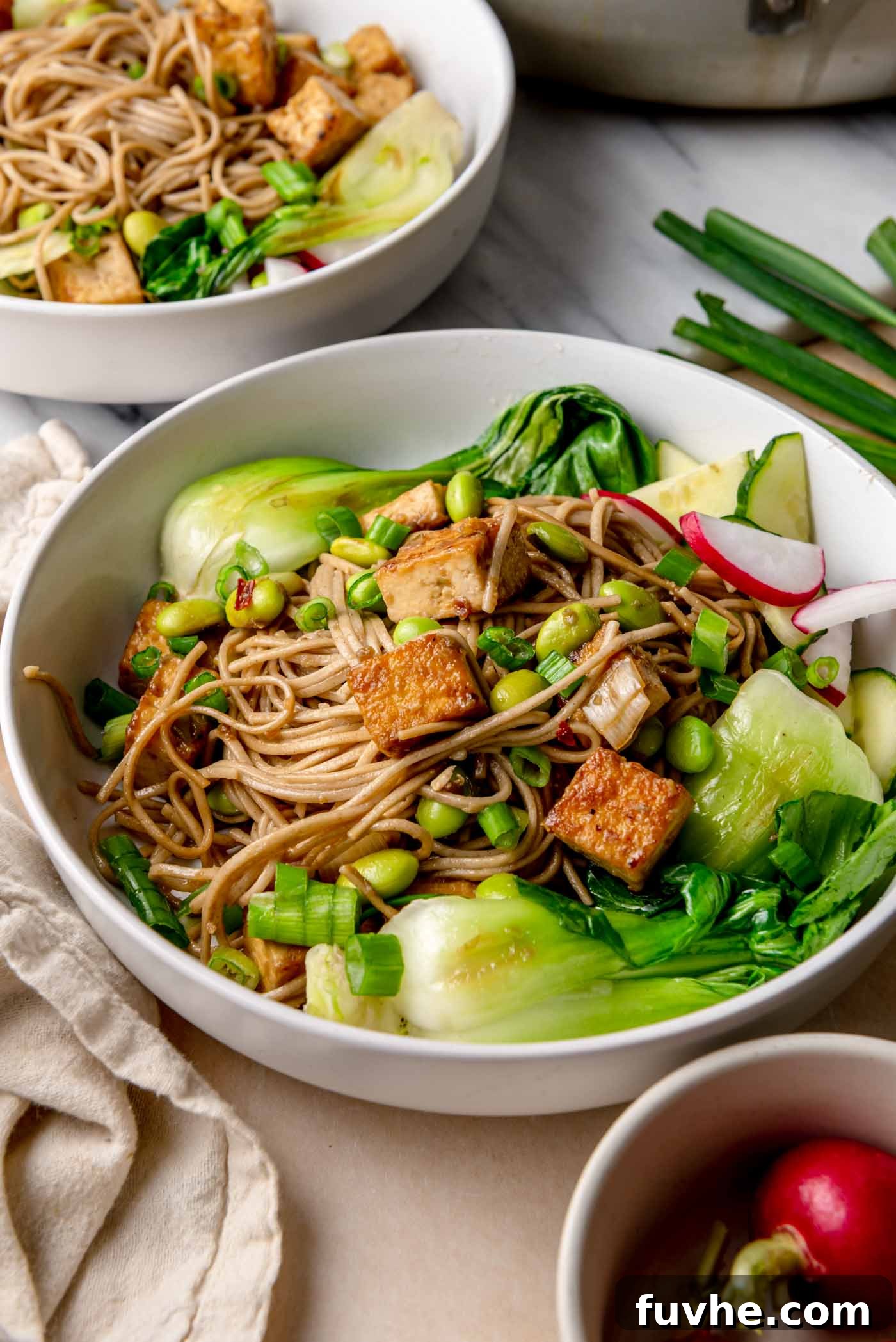
Introducing the ultimate Tofu Soba Noodles recipe, a vibrant and flavorful dish that brings the magic of Asian takeout right into your kitchen in just about 30 minutes! This incredible meal features chewy soba noodles, perfectly pan-seared crispy tofu, and tender bok choy, all generously coated in an irresistible sweet, spicy, miso-garlic-ginger sauce. It’s a plant-based powerhouse that doesn’t compromise on taste or satisfaction, making it an ideal choice for a quick weeknight dinner or an impressive meal for guests.
Why These Tofu Soba Noodles Will Become Your Go-To Recipe
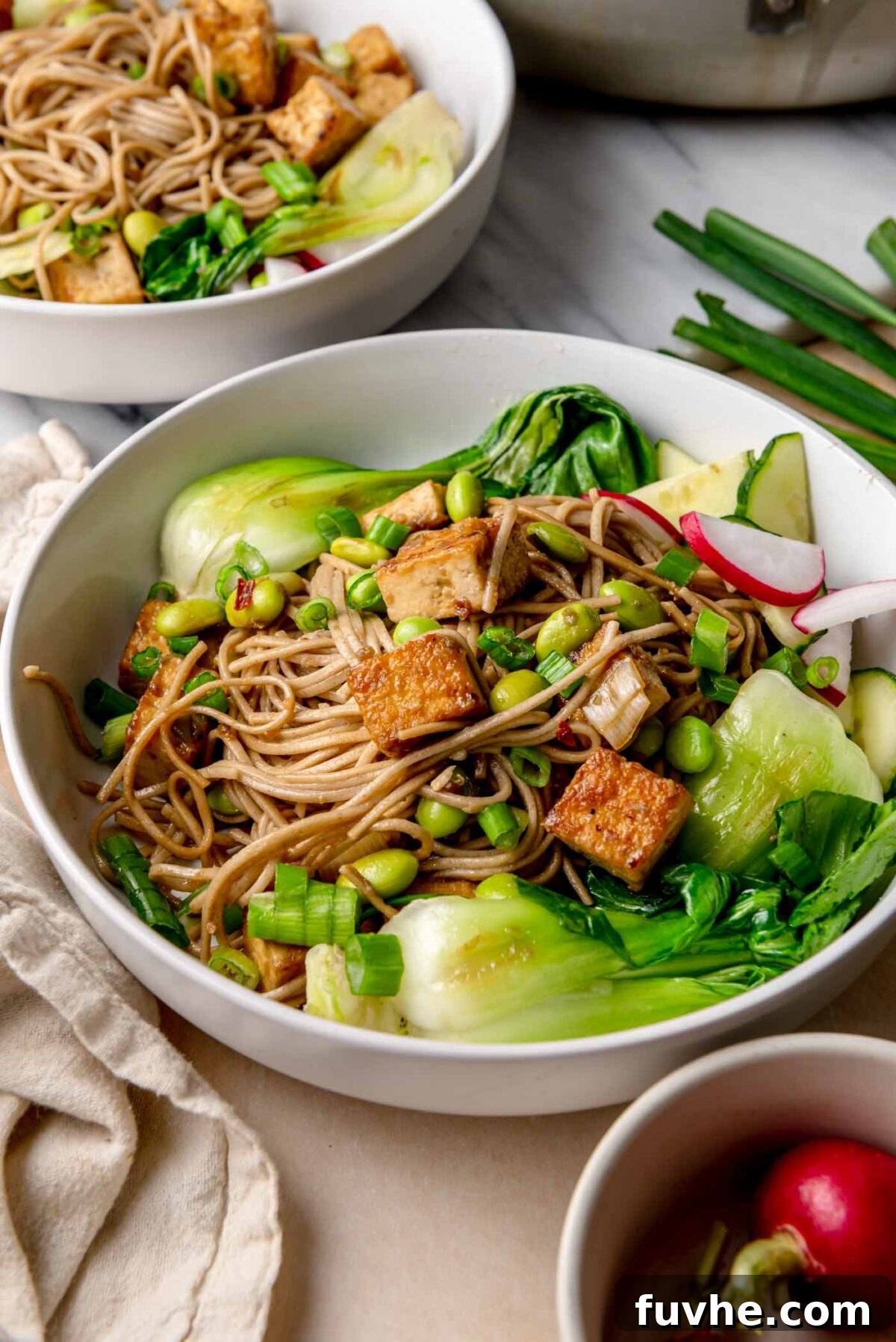
Prepare to tantalize your taste buds with every spoonful of these extraordinary tofu soba noodles. The harmonious blend of textures and bold flavors makes this dish truly special. You get the satisfying chewiness of soba noodles, the delightful crunch of perfectly seared tofu, and the subtle freshness of edamame and tender bok choy. The secret lies in its robust sauce – a symphony of umami, savory, subtly sweet, and wonderfully spicy notes that elevate the entire experience.
This recipe seamlessly combines the best elements of a flavorful stir-fry with the comforting essence of a noodle bowl, resulting in a dish that is utterly delicious and incredibly versatile. Here’s a closer look at why you’ll adore this plant-based masterpiece:
- Nutrient-Dense and Wholesome: Packed with plant-based protein from tofu and edamame, alongside fiber-rich soba noodles and fresh vegetables, this meal is incredibly filling and contributes to a balanced diet. It’s 100% vegan and naturally satisfying.
- Deep, Complex Flavor Profile: The star of the show is undeniably the rich miso-garlic-ginger sauce. Its balanced sweet, spicy, and umami notes create an addictive flavor that coats every ingredient beautifully.
- Incredibly Versatile: Whether you prefer it piping hot straight from the pan or refreshingly chilled as a noodle salad, these tofu soba noodles are delicious at any temperature, making them perfect for meal prep or picnics.
- Effortless Elegance: Despite its gourmet appearance and complex flavors, this dish comes together remarkably quickly. With just about 30 minutes of active cooking, you can create a meal that looks and tastes like it took hours.
- Quick & Convenient: Ideal for busy weeknights when you crave something healthy and homemade but don’t have much time. Most ingredients are pantry staples, making it easy to whip up anytime.
This is truly one of those recipes that feels impressive to serve yet is surprisingly simple to prepare. We’re confident you’ll love every bite!
The Allure of Soba Noodles: A Healthy and Delicious Choice
Soba noodles hold a special place in the world of Asian cuisine, and for good reason. Made primarily from buckwheat flour, these thin, brownish-gray noodles boast a unique nutty flavor and a firm, satisfying texture that’s distinct from wheat-based noodles. They are incredibly versatile and are often enjoyed both hot in broths and cold in salads.
Beyond their delightful taste and texture, soba noodles offer impressive nutritional benefits. Buckwheat is a good source of protein, fiber, and essential minerals, making soba a healthier alternative to many refined pasta options. Plus, pure buckwheat soba noodles are naturally gluten-free (always check labels, as some varieties include wheat flour), opening up this delicious dish to more dietary preferences.
If you find yourself enamored with the unique charm of soba noodles after trying this recipe, you’re in luck! We also have these fantastic Cold Soba Noodle Salad and Cold Buckwheat Noodles recipes, both of which are absolutely delicious and highlight the versatility of these wonderful noodles.
Gather Your Ingredients: What You’ll Need for Tofu Soba Noodles
Creating these delectable tofu soba noodles relies on a selection of fresh, wholesome ingredients that contribute to its vibrant flavors and satisfying textures. Below is a detailed overview of the key components and some helpful substitution tips. For the precise measurements and the full ingredient list, be sure to check the comprehensive recipe card at the very bottom of this post.
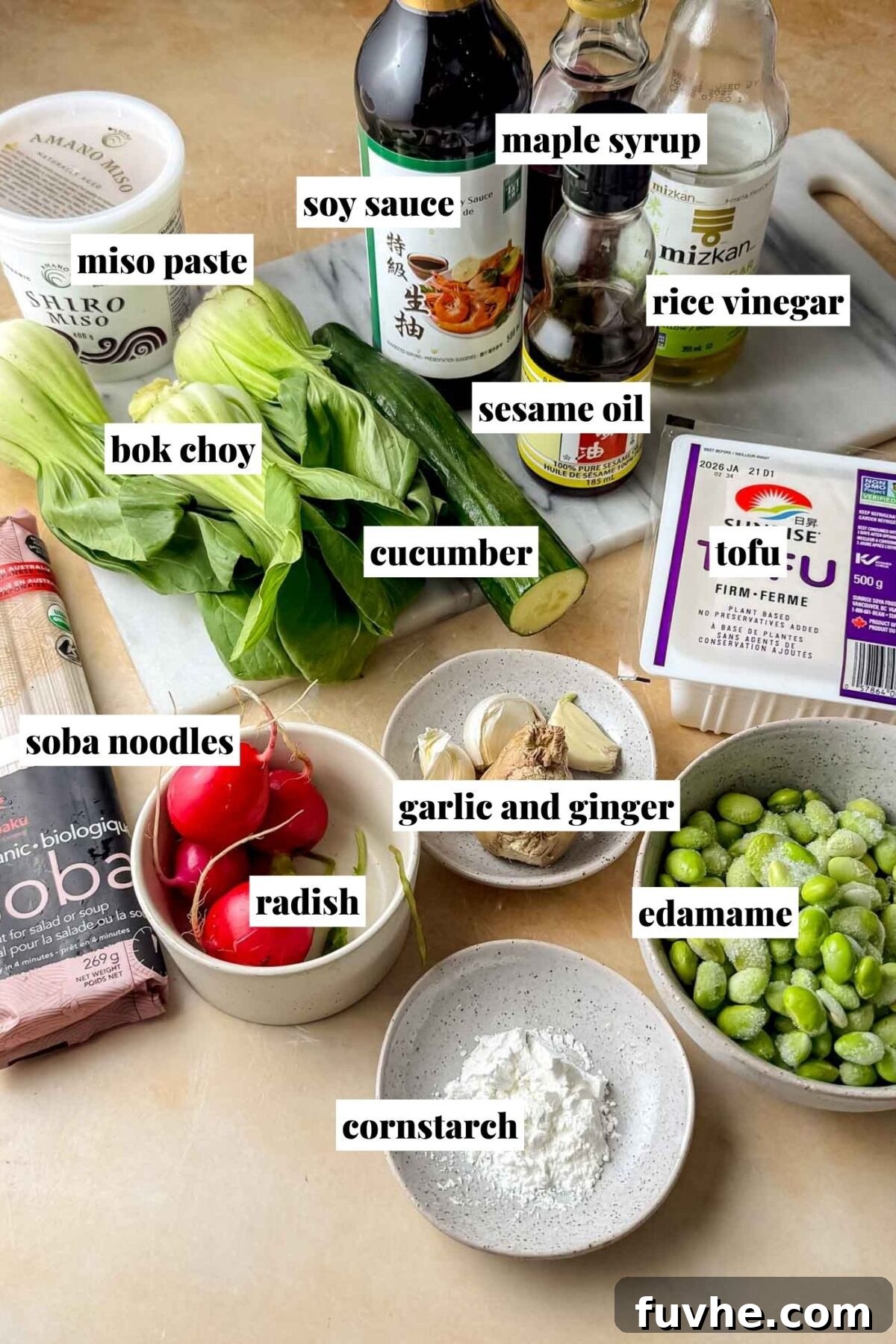
- Tofu: The star protein! Opt for firm or extra-firm tofu. These varieties hold their shape beautifully and crisp up wonderfully in the pan, providing that desirable texture contrast. Remember to press your tofu thoroughly to remove excess water for the best results.
- Soy Sauce: This provides the essential savory, umami base for both the tofu marinade and the sauce. To make this recipe entirely gluten-free, easily swap standard soy sauce for tamari (which is naturally gluten-free) or coconut aminos for a soy-free alternative.
- Sesame Oil: Used in two forms – toasted sesame oil for its intense, nutty aroma in the sauce, and regular sesame oil for cooking. Both contribute significantly to the authentic Asian flavor profile.
- Cornstarch: This is our secret weapon for achieving truly crispy tofu! A light coating before cooking creates a fantastic golden-brown crust. Arrowroot starch is an excellent gluten-free substitute if preferred.
- Soba Noodles: The foundation of our noodle bowl. While any soba (buckwheat noodles) will work, we particularly love Hakubaku Soba Noodles for their consistent quality and perfect texture. Ensure to check labels for 100% buckwheat if strictly avoiding gluten.
- Shelled Edamame: Frozen shelled edamame is incredibly convenient and adds a pop of vibrant green color, extra protein, and a slightly sweet crunch. If you don’t have edamame, cooked chickpeas make a decent, though texturally different, substitute.
- Miso Paste: A fermented soybean paste, miso is crucial for that deep, complex umami flavor in the sauce. White or yellow miso paste are ideal for their milder, slightly sweet profiles that blend beautifully with the other ingredients.
- Bok Choy: This tender, leafy green adds freshness and a delightful slight bitterness that complements the rich sauce. Both mature bok choy and baby bok choy work well. For alternatives, consider snap peas, broccoli florets, sliced mushrooms, or other Asian greens like gai lan.
- Maple Syrup: Provides a touch of natural sweetness to balance the savory and spicy notes in the sauce. Honey can be used as a substitute if you’re not strictly vegan, or a small amount of agave nectar.
- Cucumber and Radish: These are optional but highly recommended toppings! Thinly sliced cucumber offers a refreshing, cool crunch, while radishes add a beautiful pop of color and a mild peppery bite, enhancing the overall freshness of the dish.
Customize Your Bowl: Exciting Variations and Additions
One of the best aspects of this Tofu Soba Noodles recipe is its adaptability. Feel free to get creative and tailor it to your personal preferences or what you have on hand. Here are some fantastic ideas to inspire your culinary exploration:
- Explore Different Sauces: While our miso-garlic-ginger sauce is a triumph, you can easily switch things up! This recipe would be equally delicious with the creamy peanut sauce from our Tofu Peanut Bowls, or the savory-sweet teriyaki sauce from these Chickpea Teriyaki Bowls. Experiment to find your next favorite flavor combination!
- Boost Your Veggies: This dish is a perfect canvas for incorporating more vegetables. Beyond bok choy, consider adding thinly sliced carrots, colorful bell peppers (red, yellow, orange), tender snow peas or snap beans, earthy mushrooms, or vibrant broccoli florets. You can stir-fry these extra vegetables along with the bok choy until tender-crisp, then remove them from the pan. Either mix them back in with the noodles and tofu at the end or arrange them beautifully as a topping for an extra fresh crunch.
- Alternate Plant-Based Proteins: If you’re looking for other protein sources, consider using tempeh (marinated and pan-fried for crispiness), chickpeas, or even seitan. Each will bring its own unique texture and flavor profile to the dish.
- Adjust the Spice Level: For those who love more heat, increase the amount of red pepper flakes in the sauce, or drizzle with a touch of chili oil when serving. If you prefer it milder, simply reduce or omit the red pepper flakes.
- Garnishes Galore: Beyond cucumber and radish, consider toasted sesame seeds, chopped cilantro, a sprinkle of crushed peanuts, or shredded toasted nori for added texture and visual appeal.
Deryn’s Pro Tips for Perfect Tofu Soba Noodles
Achieving a restaurant-quality noodle bowl at home is simpler than you think with a few key techniques. Here are some of my favorite tips to ensure your Tofu Soba Noodles turn out perfectly every time:
- The Noodle Rinse is Crucial: After cooking your soba noodles and edamame, immediately drain and rinse them thoroughly under cold water. This stops the cooking process, prevents them from clumping together, and removes excess starch, ensuring beautifully separated, al dente noodles that aren’t sticky.
- Mise en Place is Your Best Friend: This recipe comes together quickly, so having all your ingredients prepped and ready before you start cooking is essential. Chop your vegetables, grate your garlic and ginger, mix your sauce, and press your tofu in advance. This “mise en place” (everything in its place) approach makes the cooking process smooth and stress-free.
- Master the Crispy Tofu: For genuinely crispy tofu, ensure your tofu is pressed well to remove moisture, and don’t overcrowd the pan. Cook the tofu in a single layer, giving it space to brown evenly. Use a good quality non-stick pan or a well-seasoned cast iron skillet, and don’t rush the process – letting it cook undisturbed for a few minutes before turning creates that coveted golden crust.
- Bok Choy Prep for Easier Eating: While quartering bok choy looks great, for easier eating, especially with noodles, you can chop the bok choy into bite-sized pieces either before or after searing. This makes for a more cohesive bite in your noodle bowl.
- Taste and Adjust the Sauce: Before tossing everything together, always taste your miso-garlic-ginger sauce. You might want to add a touch more maple syrup for sweetness, a dash more soy sauce for saltiness, or extra red pepper flakes for heat, depending on your preference.
Step-by-Step: Crafting Your Delicious Tofu Soba Noodles
Follow these simple steps to create a vibrant and flavorful bowl of Tofu Soba Noodles that’s sure to impress!
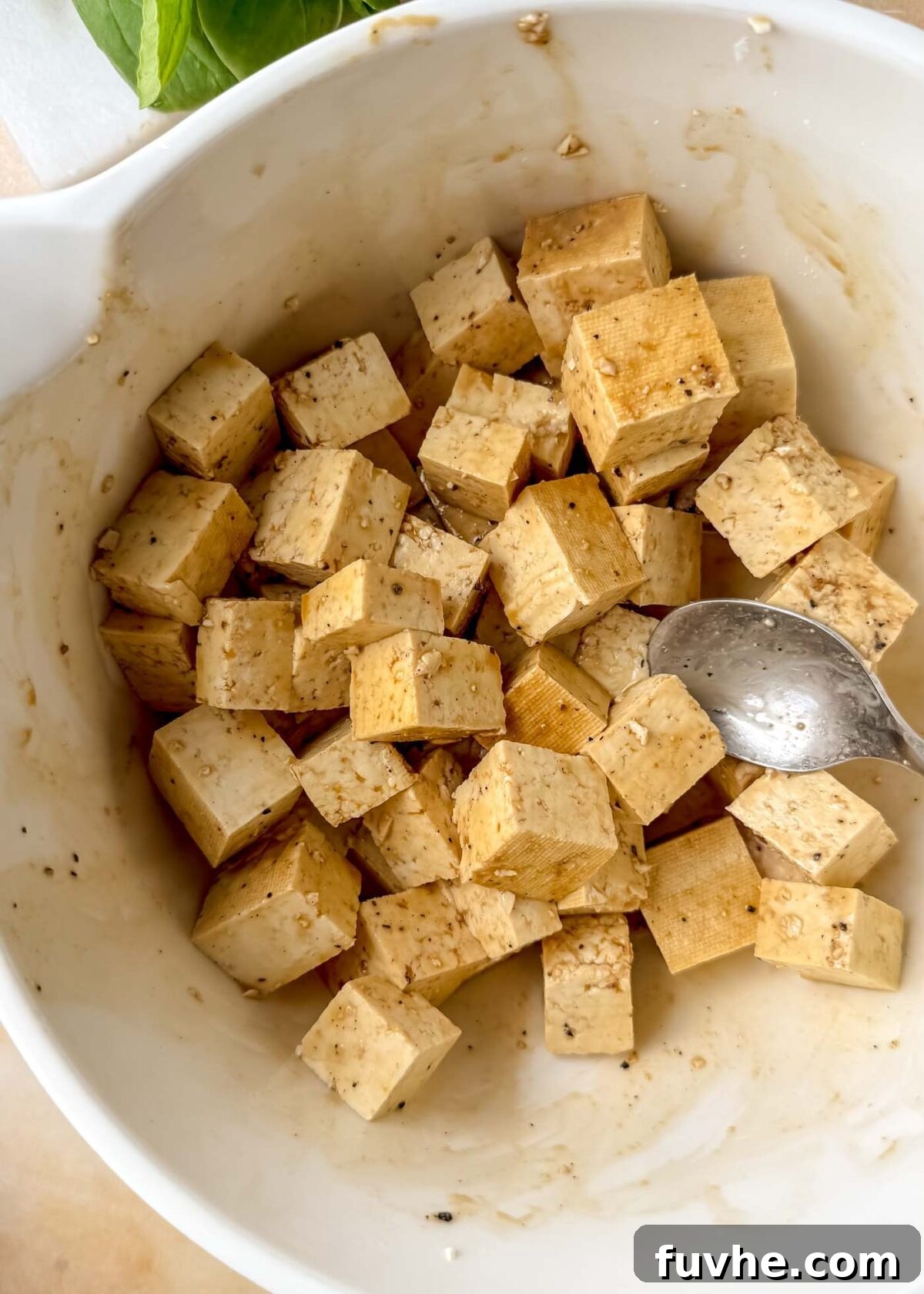
- Marinate the Tofu: Begin by adding your pressed and cubed firm or extra-firm tofu to a large mixing bowl. Drizzle with soy sauce and sesame oil, then season with a pinch of salt and pepper. Sprinkle in the cornstarch and toss gently until every piece of tofu is evenly coated. Set aside to marinate while you prepare the remaining vegetables and ingredients.
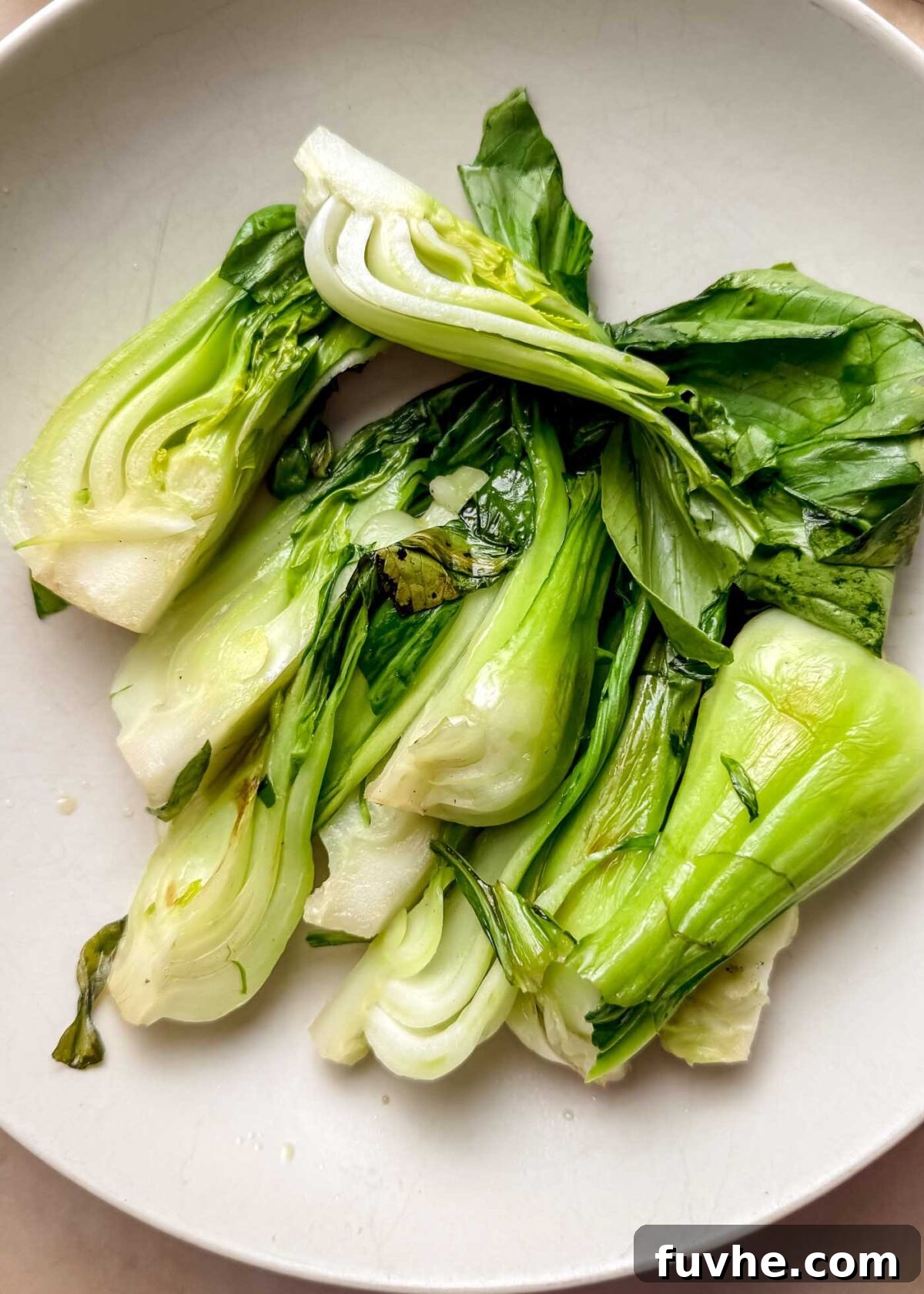
- Sear the Bok Choy: Heat 1 ½ teaspoons of oil in a large pan or wok over medium-high heat until shimmering. Once hot, add the quartered bok choy in an even layer. Sear for 1-2 minutes per side, allowing it to develop a slight char and tender-crisp texture. Transfer the seared bok choy to a clean plate and set aside.
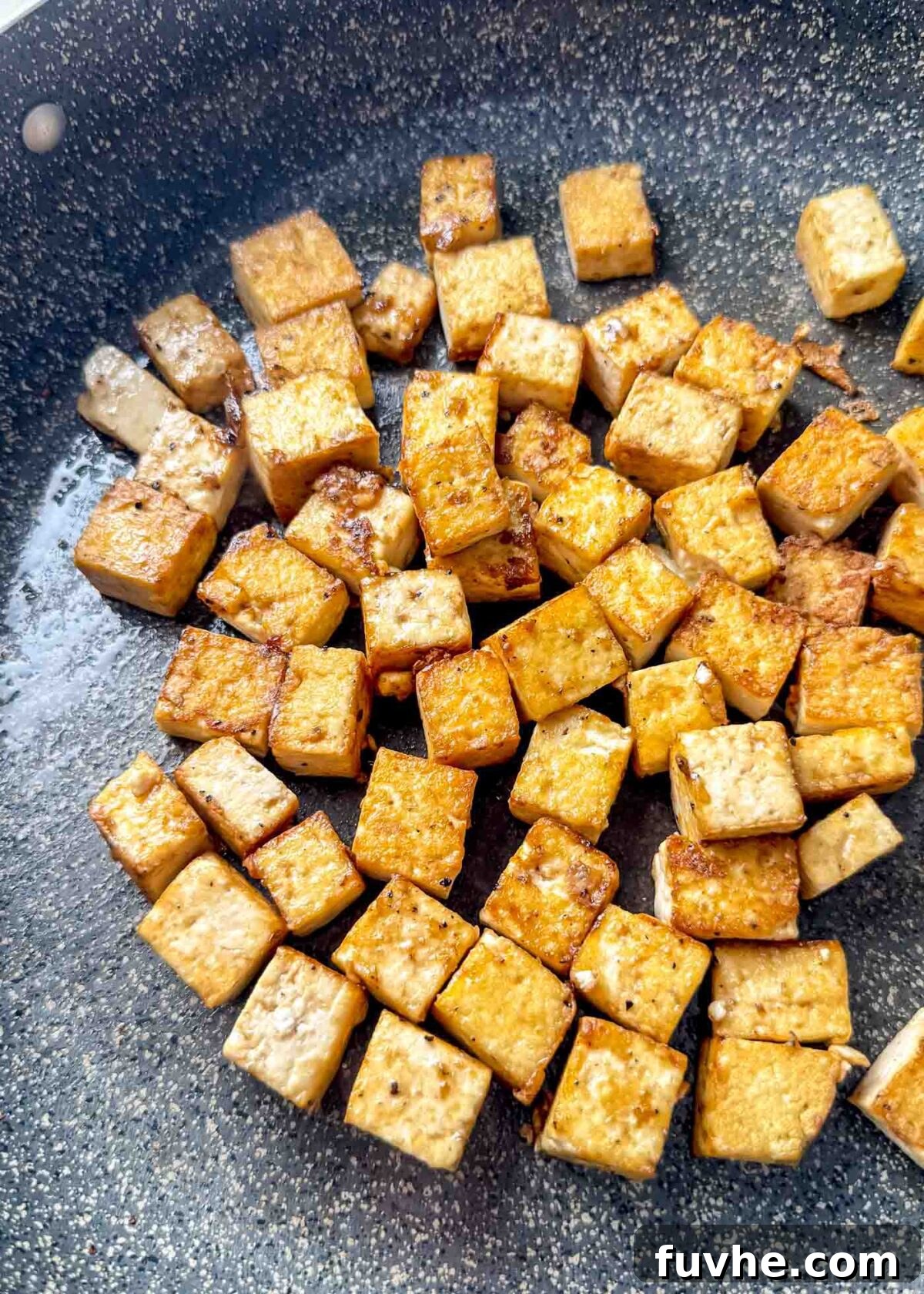
- Cook the Crispy Tofu: In the same pan, add 1 tablespoon of oil and heat over medium-high heat. Once hot, carefully add the marinated tofu cubes in a single layer, ensuring not to overcrowd the pan (cook in batches if necessary). Cook for 6-8 minutes, turning the pieces occasionally, until they are beautifully golden brown and crispy on all sides. Transfer the cooked tofu to the plate with the bok choy.
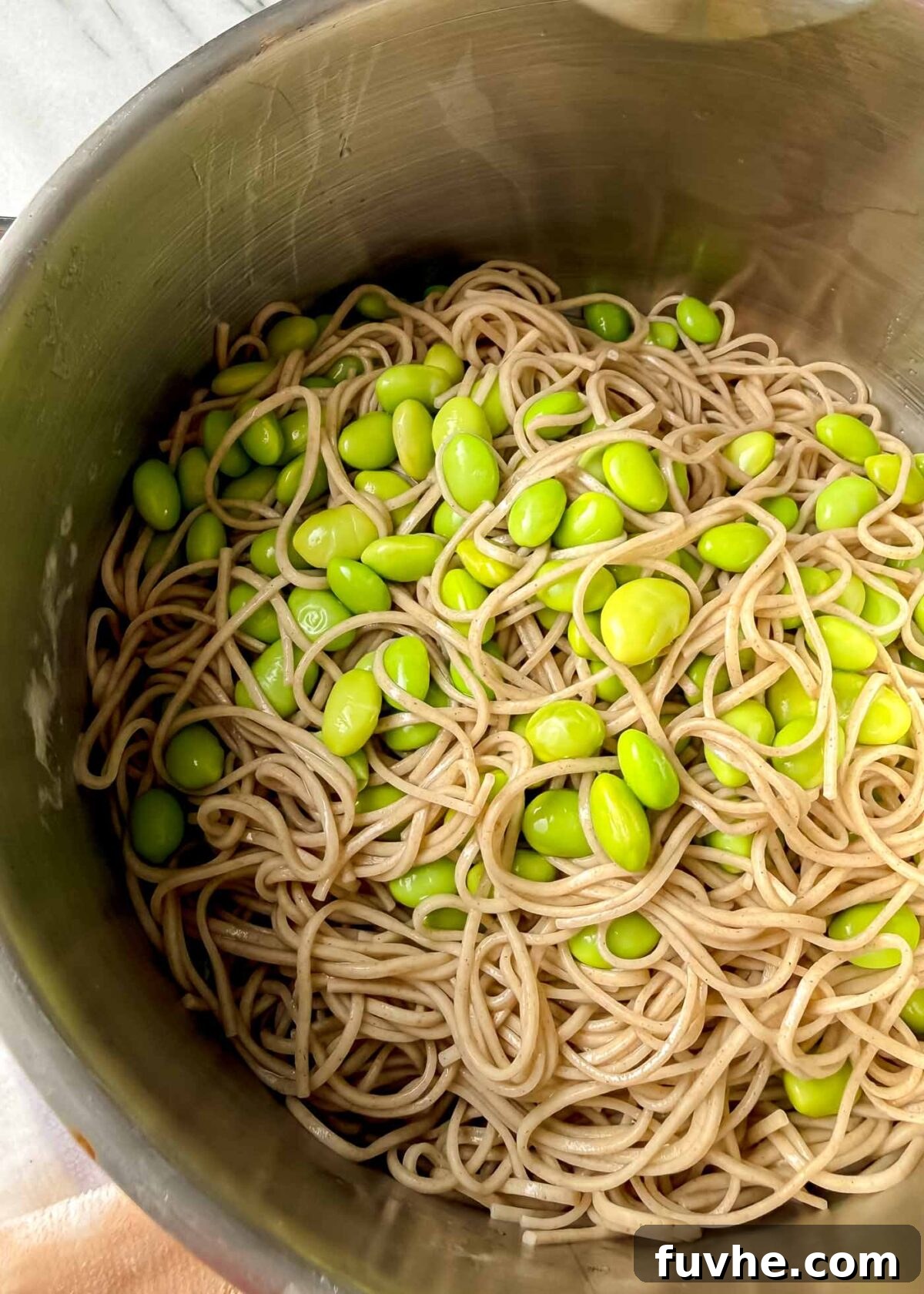
- Cook Soba Noodles and Edamame: While the tofu is cooking, bring a pot of water to a rolling boil. Add the soba noodles and cook according to package directions until they are just al dente, stirring frequently to prevent sticking. During the final 3 minutes of cooking, add the shelled edamame to the pot. Once cooked, drain the noodles and edamame, then rinse them thoroughly under cold water until the noodles no longer feel sticky. Set aside.
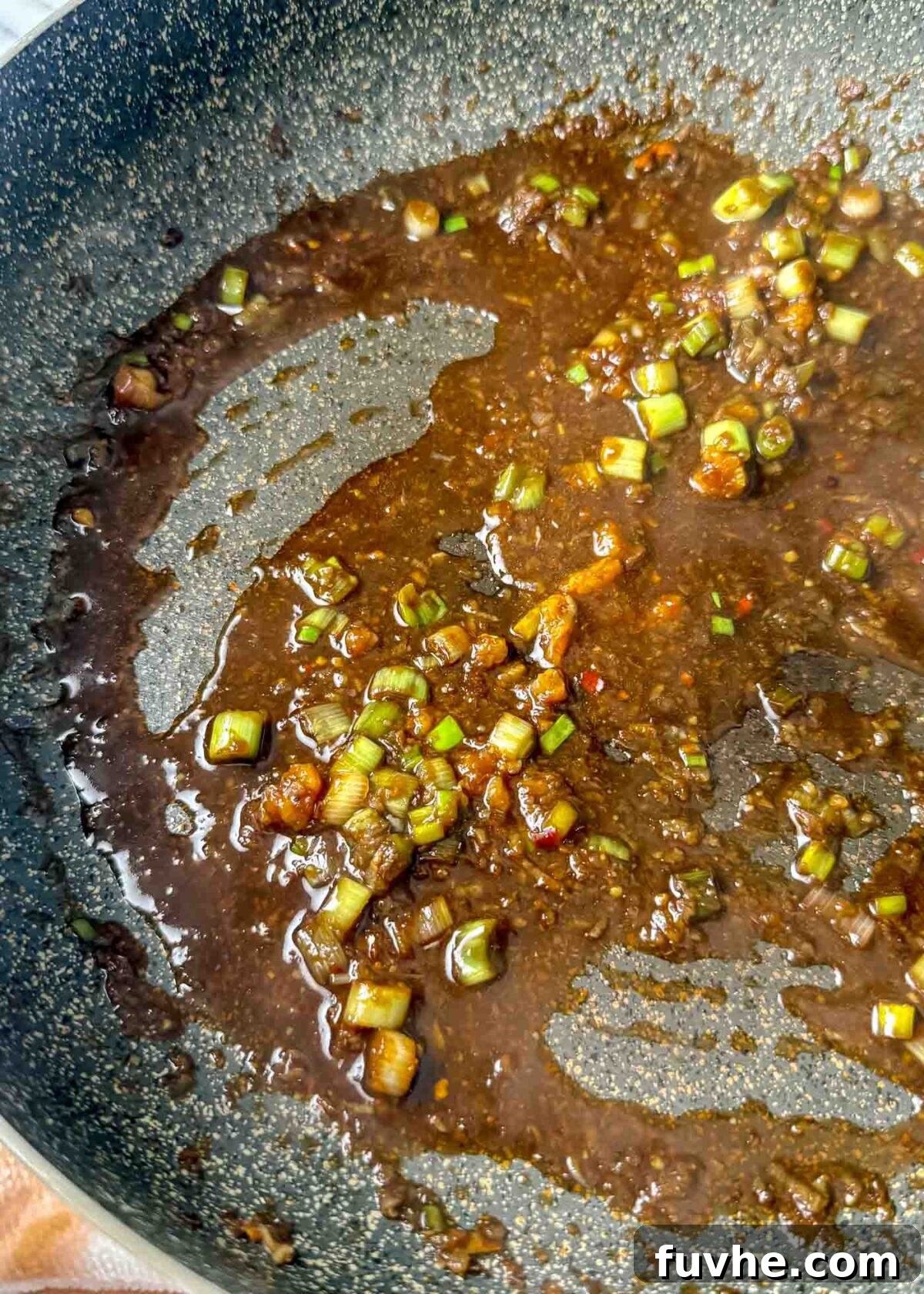
- Prepare the Miso-Ginger Sauce: Using the same pan (no need to clean it – the leftover bits add flavor!), heat 2 teaspoons of sesame oil and the remaining 1 teaspoon of oil over medium heat. Add the white parts of the green onions, grated garlic, grated ginger, and red pepper flakes. Cook for 1 minute, stirring constantly, until fragrant. Stir in the miso paste, soy sauce, maple syrup, rice vinegar, and 2 tablespoons of water. Cook for another minute, stirring often, until the sauce slightly thickens and reduces. Remove the pan from the heat immediately.
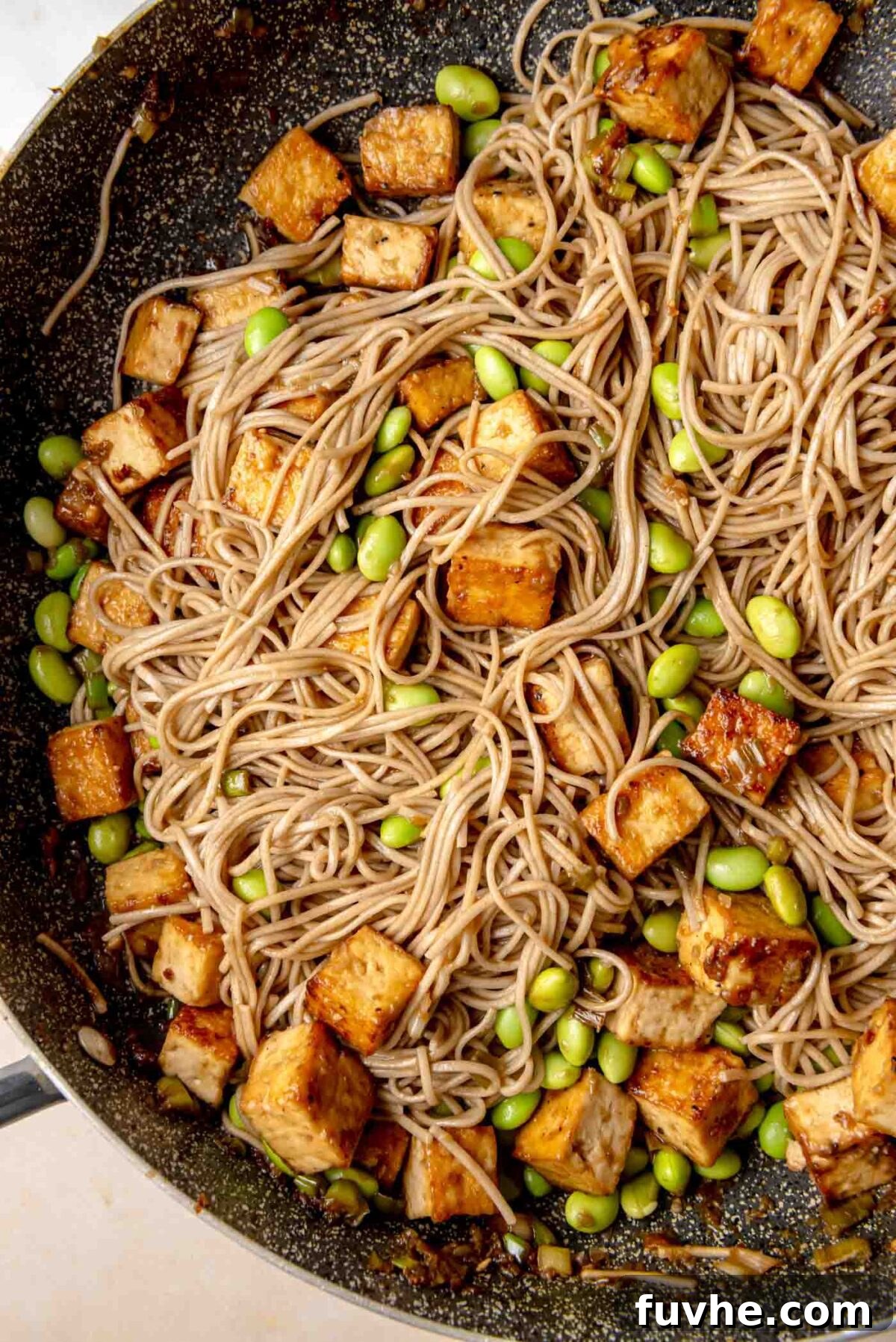
- Combine and Toss: Return the cooked noodles, edamame, and crispy tofu to the pan with the prepared sauce. Toss everything together gently but thoroughly, ensuring all ingredients are beautifully coated in the flavorful dressing.
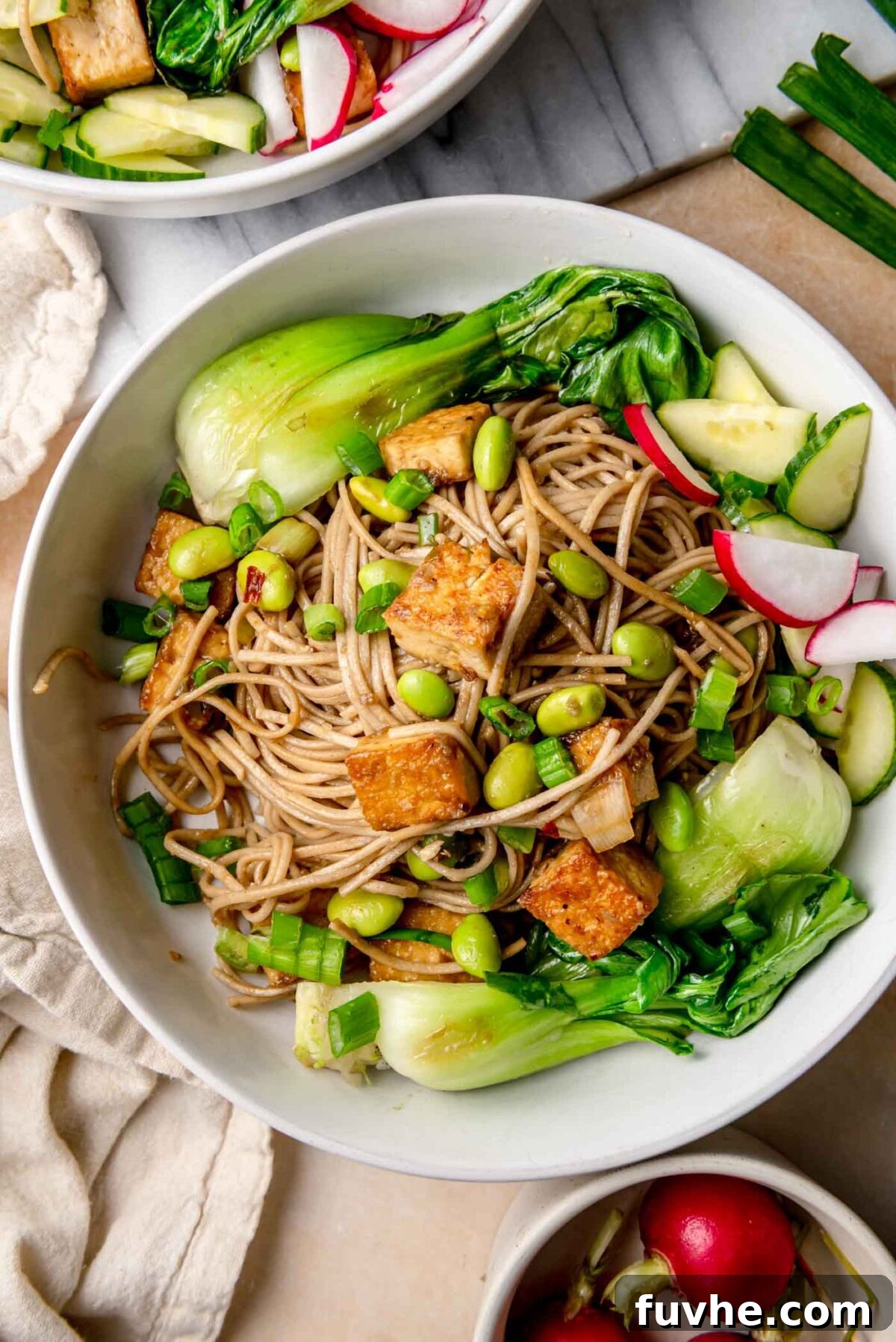
Divide the tossed noodles among shallow bowls. Artfully arrange the seared bok choy, thinly sliced cucumber, radishes, and the remaining green onion greens over the top. For an extra flourish, consider garnishing with shredded toasted nori and a drizzle of chili oil if desired. Serve with fresh lime wedges on the side for a burst of citrus. Enjoy your Tofu Soba Noodles warm or at room temperature!
Frequently Asked Questions About Tofu Soba Noodles
Absolutely! Making this recipe gluten-free is very simple. The main ingredient to watch out for is soy sauce. Just swap out regular soy sauce for gluten-free tamari or coconut aminos, and ensure your soba noodles are made from 100% buckwheat flour (always check the package label, as some brands may include wheat). With these easy substitutions, you can enjoy a delicious and entirely gluten-free meal!
For the best results and a satisfying crispy texture, firm or extra-firm tofu is highly recommended. These types of tofu have less water content and hold their shape well during cooking, allowing them to achieve that desirable golden-brown crispness. Silken or soft tofu will not work for this recipe as it will fall apart in the pan.
Yes, these Tofu Soba Noodles are fantastic for meal prepping! You can prepare the entire dish in advance and portion it into airtight containers. It holds up beautifully in the refrigerator for 3-4 days. The noodles, tofu, and vegetables maintain their integrity, and the flavors actually meld and deepen over time. It’s delicious enjoyed warm, at room temperature, or even chilled straight from the fridge.
Absolutely! This recipe is incredibly versatile and welcomes additional vegetables. Bell peppers, mushrooms, thinly sliced carrots, broccoli florets, snap peas, snow peas, or fresh spinach would all be excellent additions. To incorporate them, stir-fry them briefly with the bok choy until tender-crisp, then remove them from the pan. You can either mix them into the noodle bowl at the end or arrange them on top for a colorful garnish.
While miso paste is key to the unique umami depth of this sauce, if you don’t have it, you can still make a delicious noodle dish. A good substitute to mimic the savory notes would be a combination of extra soy sauce (or tamari), a touch of mushroom powder, and a tiny dash of brown sugar or maple syrup to balance. However, for the authentic flavor, miso is truly best!
If you love a fiery kick, there are several ways to amp up the heat! You can increase the amount of red pepper flakes in the sauce, add a finely minced fresh chili (like a bird’s eye chili) along with the garlic and ginger, or simply drizzle with a good quality chili oil or sriracha when serving. Taste as you go to find your perfect spice level!
Storing and Reheating Your Delicious Leftovers
These Tofu Soba Noodles are fantastic for leftovers, making them an excellent choice for meal planning throughout the week.
- Storage: Store any leftover soba noodles in an airtight container in the refrigerator for up to 3-4 days. Make sure the container is sealed well to maintain freshness and prevent the noodles from drying out.
- Enjoying Chilled: One of the best qualities of this dish is how well it tastes cold or at room temperature. It transforms into a refreshing noodle salad, perfect for quick lunches or light dinners.
- Reheating: If you prefer to enjoy your leftovers warm, you can gently reheat them on the stovetop over medium-low heat or in the microwave. When reheating, add a splash of water or vegetable broth to loosen the noodles and sauce, helping to restore their moisture and texture. Stir occasionally until heated through.
If you create these delightful Tofu Soba Noodles or any other recipe from Running on Real Food, we would absolutely love to hear from you! Please don’t hesitate to leave a comment and a ⭐⭐⭐⭐⭐ rating in the comment section below. Your feedback helps other home cooks discover and enjoy these recipes. And, of course, be sure to tag us on Instagram @runningonrealfood so we can admire your delicious creations! Thank you for choosing our recipes – Happy Cooking! – Deryn
Tofu Soba Noodles
Rate Recipe
Print Recipe
Ingredients
Tofu:
- 350 g package firm or extra-firm tofu, patted dry and cut into 1-inch cubes
- 2 tsp soy sauce
- 2 tsp sesame oil
- ¼ tsp salt
- Pepper
- 1 tbsp cornstarch
- 1 tbsp oil
Soba Noodles and Sauce:
- 200 g package soba noodles
- 1 cup edamame
- 2 tsp sesame oil
- 2.5 tsp oil, divided
- 8 green onions, white and green parts separated
- 4 cloves garlic, grated, (13g)
- 1 inch piece ginger, peeled and grated
- 0.5 tsp red pepper flakes
- 1 tbsp miso paste
- 3 Tbsp soy sauce
- 2 Tbsp rice wine vinegar
- 1 Tbsp maple syrup
- 2 tbsp water
Vegetables and Toppings:
- 3 bok choy, quartered
- ½ cucumber, thinly sliced, approx 1 cup
- 3 radishes, halved and thinly sliced, approx 1 cup
- lime wedges for serving, optional
- shredded toasted nori, optional
- chili oil, optional
Instructions
-
Marinate Tofu: To a large bowl, add tofu cubes. Add soy sauce, sesame oil, salt, pepper, and cornstarch. Toss until coated. Let it marinate while prepping vegetables.
-
Sear Bok Choy: In a large pan, over medium-high heat, heat 1 ½ tsp oil. When the pan is hot, add bok choy in an even layer. Sear for 1-2 min per side, until browned and slightly charred. Transfer to a plate.
-
Cook Tofu: In the same pan, heat 1 tbsp oil over medium-high heat. Add tofu cubes. Cook for 6-8 min, turning pieces occasionally, until golden brown and crispy. Transfer tofu to a plate.
-
Cook Soba Noodles: Meanwhile, cook the soba noodles in boiling water according to package directions, until just al dente, stirring often. In the final 3 min of cooking, add edamame. Drain and rinse noodles in cold water until they no longer feel sticky.
-
Cook Dressing: In the same pan used for the tofu, heat 2 tsp sesame oil and remaining 1 tsp oil over medium heat. Add green onion whites, garlic, ginger, and red pepper flakes. Cook for 1 min, stirring constantly, until fragrant.
-
Add miso paste, soy sauce, maple syrup, rice wine vinegar, and 2 tbsp water. Cook for 1 min, stirring often, until slightly reduced. Remove the pan from the heat.
-
Toss Noodles: Add noodles, edamame, and tofu to the pan. Toss until thoroughly coated in the dressing.
-
Divide noodles between shallow bowls. Arrange seared bok choy, cucumber, radish, and remaining green onions over top. Garnish with shredded toasted nori and chili oil, if desired. Serve lime wedges alongside. Serve warm or at room temperature.
Notes
Nutrition
Calories: 516kcal,
Carbohydrates: 69g,
Protein: 31g,
Fat: 17g,
Saturated Fat: 2g,
Polyunsaturated Fat: 7g,
Monounsaturated Fat: 7g,
Sodium: 2045mg,
Potassium: 2077mg,
Fiber: 10g,
Sugar: 13g,
Vitamin A: 28493IU,
Vitamin C: 290mg,
Calcium: 860mg,
Iron: 9mg
Like this recipe? Rate and comment below!