
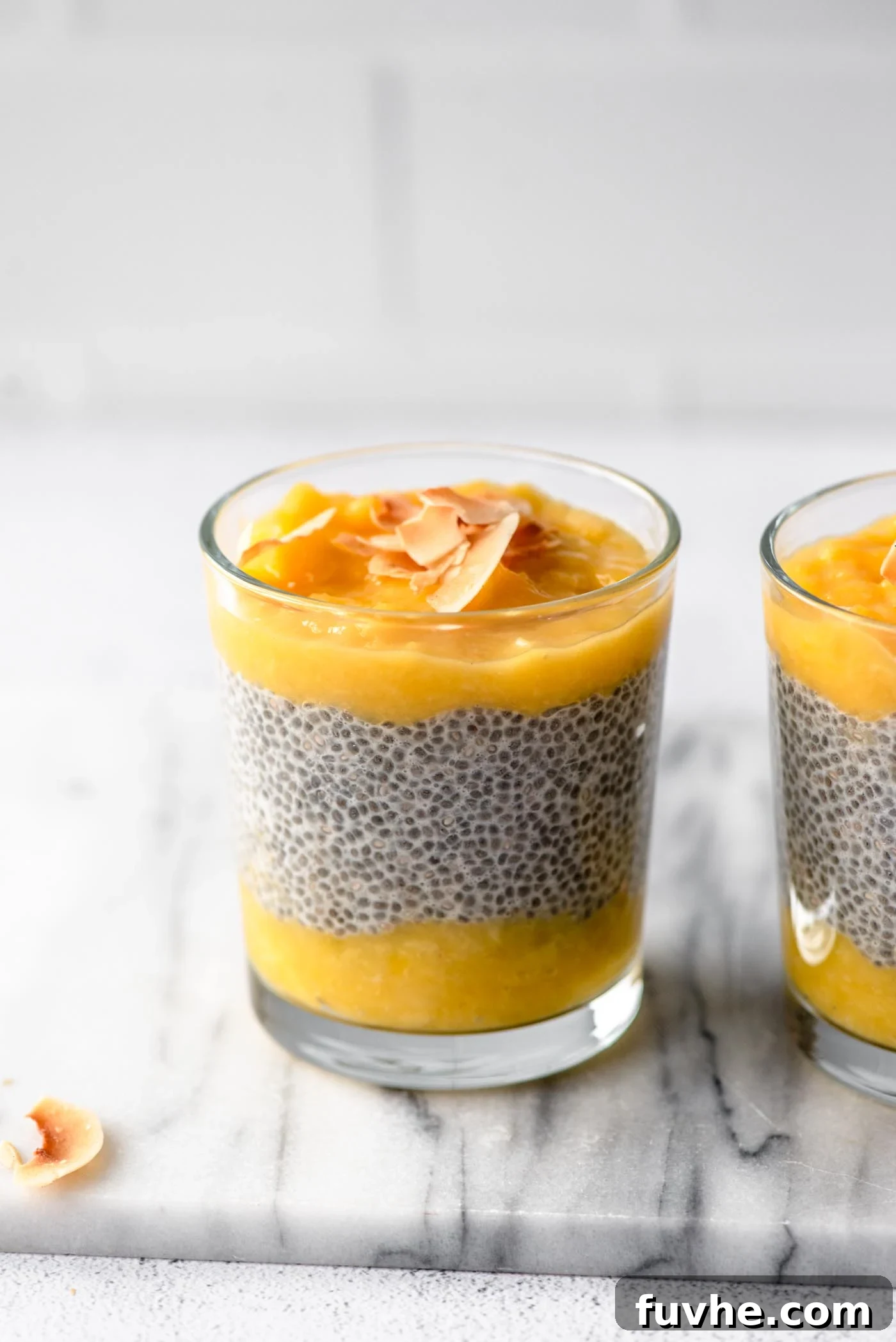
Welcome to the ultimate guide for creating the most delicious and effortlessly prepared **Mango Chia Pudding**. This delightful recipe is designed to be incredibly easy, requiring just four staple ingredients, making it an ideal choice for a wholesome breakfast, a refreshing snack, or a light, satisfying dessert. If you’re a true mango enthusiast, prepare to fall in love with this creamy, vibrant pudding, bursting with the sweet, tropical essence of fresh mango puree.
The beauty of this recipe lies in its adaptability. While any plant-based milk will yield fantastic results, opting for coconut milk can elevate your pudding with an extra layer of tropical richness and an irresistibly creamy texture. Beyond its incredible flavor, this mango chia pudding is a powerhouse of nutrition, packed with dietary fiber, plant-based protein, and essential omega-3 fatty acids, all contributing to excellent digestive health and overall well-being. It’s a smart, simple choice for anyone looking to incorporate more nourishing foods into their diet without compromising on taste.
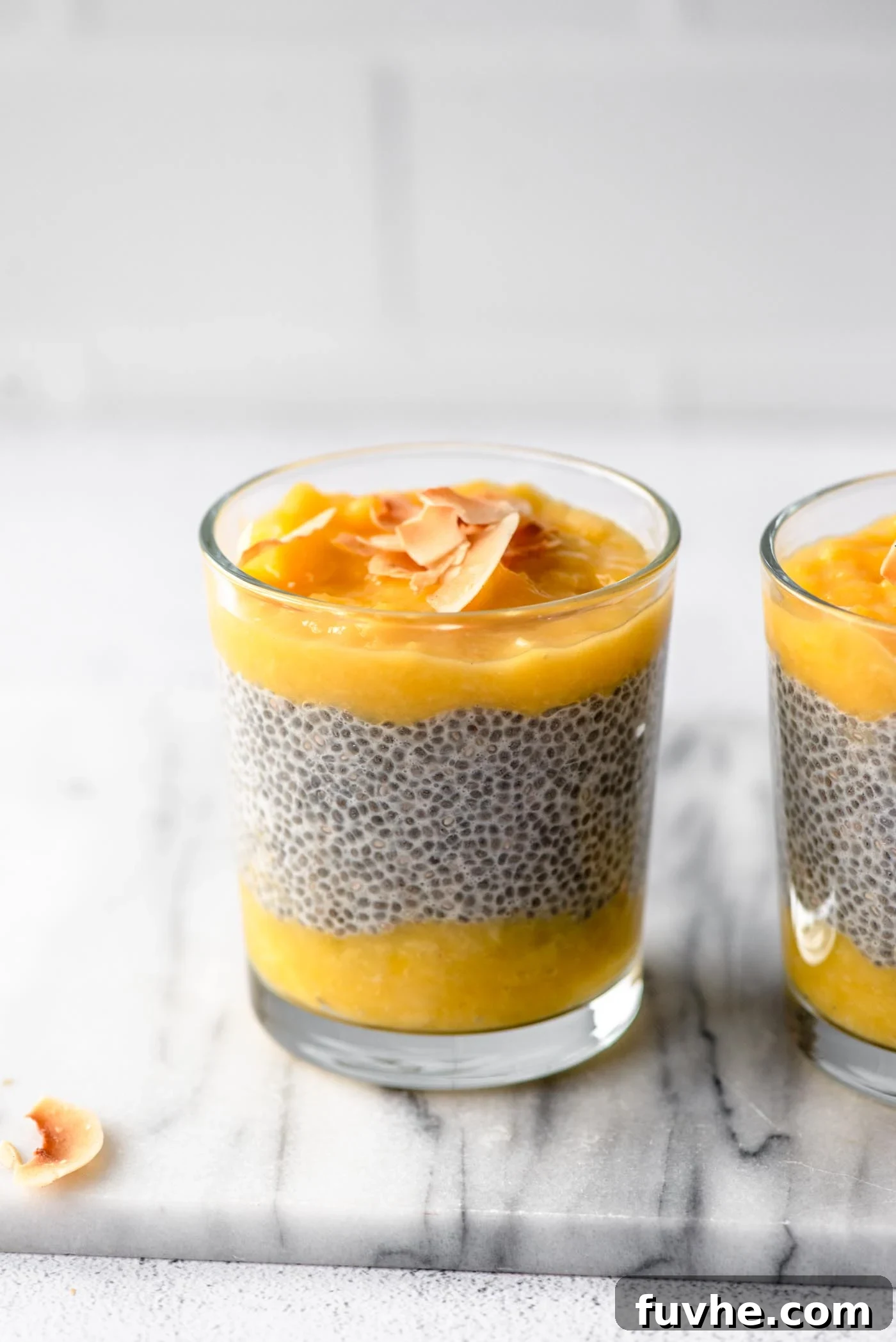
Preparing this healthy mango chia pudding is a straightforward process that takes minimal effort, yet offers endless possibilities for customization. Once you’ve mastered this basic mango recipe, we encourage you to explore other delightful chia pudding variations. Dive into the rich indulgence of Chocolate Chia Pudding, savor the nostalgic flavors of Peanut Butter Jelly Chia Pudding, or treat yourself to the fun and fruity Banana Split Chia Seed Pudding. Each recipe provides a versatile foundation for your culinary creativity.
Recipe Highlights: Why You’ll Love This Mango Chia Pudding
This mango chia pudding isn’t just a treat for your taste buds; it’s also a smart and convenient choice for a healthy lifestyle. Here’s why this recipe stands out:
- **Minimal Ingredients:** With just four core ingredients, this recipe is incredibly simple, making it perfect for quick preparation even on busy mornings or evenings.
- **Effortless Preparation:** The step-by-step instructions are easy to follow, ensuring a perfect pudding every time, regardless of your cooking experience. No complicated techniques or extensive cooking required!
- **Diet-Friendly:** Naturally vegan, gluten-free, and nut-free, this pudding caters to a wide range of dietary preferences and restrictions, ensuring everyone can enjoy its deliciousness.
- **Nutrient-Rich:** Each serving is packed with essential nutrients. Chia seeds are renowned for their high fiber content, promoting digestive health, and a significant amount of plant-based protein, contributing to satiety.
- **Omega-3 Powerhouse:** Chia seeds are an excellent source of omega-3 fatty acids, crucial for brain health, heart health, and reducing inflammation. This pudding is a delicious way to boost your intake.
- **Versatile Meal Option:** Whether you need a quick, energizing breakfast to start your day, a fulfilling snack to beat the midday slump, or a guilt-free dessert, this mango chia pudding fits perfectly into any meal plan.
- **Perfect for Meal Prep:** Prepare a batch in advance and store it in the refrigerator for up to several days. This makes healthy eating incredibly convenient, saving you precious time during the week.
Key Ingredients
Crafting this delightful mango chia pudding requires a handful of simple ingredients, each playing a crucial role in its flavor and texture. Here’s a detailed look at what you’ll need and how to make the best choices:
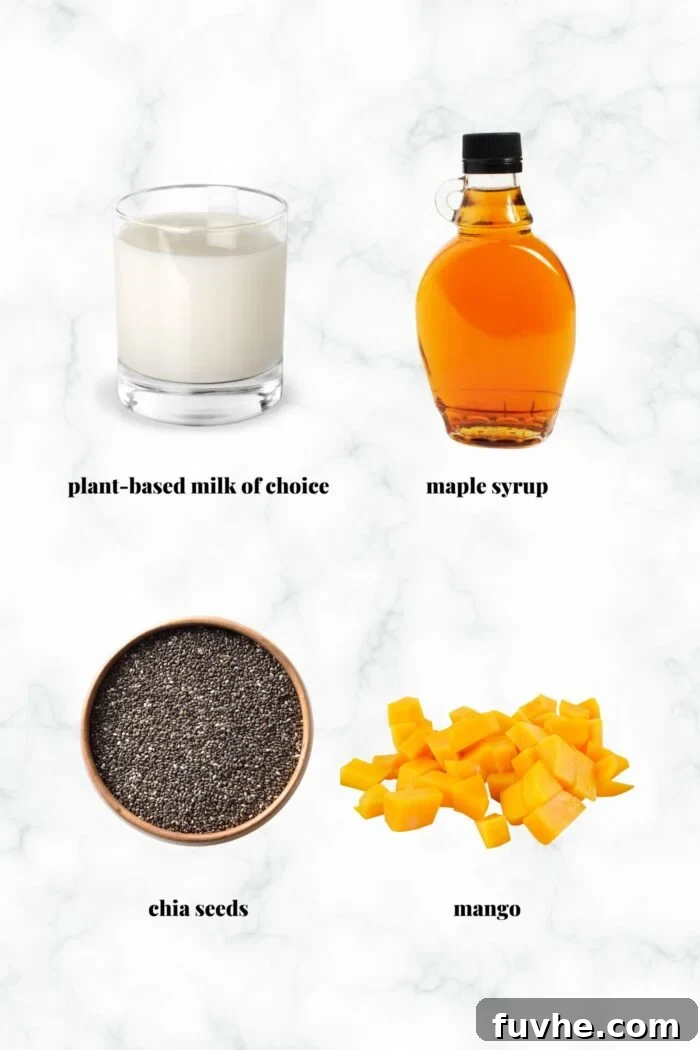
- **Chia Seeds:** The star of the show! Both black and white chia seeds work equally well and offer the same nutritional benefits. Chia seeds are remarkable for their ability to absorb liquid and create a gel-like consistency, forming the base of your pudding. Ensure your chia seeds are fresh for optimal gelling.
- **Sweetener:** Maple syrup is my preferred choice for its natural sweetness and subtle flavor that complements mango beautifully. However, you have several options:
- **Agave Nectar:** A good vegan alternative to maple syrup with a similar liquid consistency.
- **Honey:** If not strictly vegan, honey adds a distinct floral sweetness.
- **Sugar-Free Options:** For a healthier or sugar-conscious version, consider using a pinch of stevia or a few drops of liquid monk fruit sweetener. Adjust to your desired level of sweetness, as these are much more potent than liquid syrups.
- **Milk:** The choice of milk significantly impacts the pudding’s creaminess and flavor profile. Unsweetened plant-based milks are recommended to control the overall sweetness:
- **Almond Milk:** A classic choice, offering a neutral flavor and smooth consistency.
- **Oat Milk:** Known for its creamy texture, it can make the pudding feel more decadent.
- **Soy Milk:** A protein-rich option that adds a slightly richer body.
- **Cashew Milk:** Very creamy and mild, ideal for a luxurious texture.
- **Sweetened Milk:** If you use sweetened plant-based milk, you might want to reduce or omit the added sweetener, tasting and adjusting as you go.
- **Coconut Milk (for a Tropical Twist):** For an extra creamy, distinctly tropical flavor, use canned light coconut milk. Alternatively, combine half full-fat coconut milk with half a lighter milk (like almond milk) or water for a balanced richness. Remember to shake the can well before opening!
- **Mango:** Fresh, ripe mangoes are highly recommended for the best flavor and vibrant color. Look for mangoes that are slightly soft to the touch and have a fragrant, sweet aroma.
- **Frozen Mango:** If fresh mangoes are not in season or readily available, frozen mango chunks are an excellent substitute. To use frozen mango, thaw it overnight in the refrigerator, or gently defrost it in the microwave or over low heat on the stovetop until it’s soft enough to blend into a smooth puree.
This list provides a comprehensive overview of the main components. For precise measurements and detailed step-by-step instructions, please refer to the complete recipe card found at the end of this post.
Exciting Variations & Creative Additions
While the classic mango chia pudding is a delight on its own, this recipe is incredibly versatile, inviting you to experiment with flavors and textures. Here are some fantastic ideas to customize your pudding and make it truly your own:
- **Boost Creaminess with Yogurt:** For an extra thick, richer, and creamier pudding, try substituting half of the plant-based milk with your favorite dairy-free yogurt (e.g., coconut, almond, or soy yogurt). This also adds a pleasant tang and beneficial probiotics.
- **Explore Other Fruits:** Don’t limit yourself to mango! This chia pudding base pairs beautifully with a variety of fruit purees. Experiment with:
- **Blueberry Chia Pudding:** Use fresh or frozen blueberries for a burst of antioxidants.
- **Strawberry Chia Pudding:** Sweet and slightly tart, perfect for summer.
- **Raspberry Chia Pudding:** Adds a lovely tartness and vibrant color.
- **Mixed Berry Chia Pudding:** Combine your favorite berries for a complex flavor profile.
You can either layer the chia pudding with the fruit puree for a striking presentation or simply mix the fruit puree directly into the chia mixture for a uniform flavor throughout.
- **Infuse with Vanilla or Spices:**
- **Vanilla Chia Pudding:** For a classic, comforting flavor, add 1 teaspoon of pure vanilla extract to the chia mixture. You can also use vanilla-flavored almond milk for a more pronounced vanilla note.
- **Spices:** A pinch of cardamom or a tiny dash of cinnamon can beautifully complement the mango’s tropical notes.
- **Mango Banana Fusion:** For an even creamier texture and a natural sweetness boost, blend a ripe banana along with your mangoes to create a delicious mango banana puree. This makes for a wonderfully satisfying and energizing breakfast.
- **Pineapple Power:** To enhance the tropical experience, use a combination of half mango and half fresh or frozen pineapple for your puree. The pineapple adds a bright, zesty dimension that perfectly balances the mango’s sweetness.
- **Coconut Lover’s Dream:** Elevate the tropical theme with coconut in various forms:
- **Toasted Coconut Flakes:** Sprinkle generously on top for added crunch and a nutty aroma.
- **Shredded Coconut:** Mix up to 3 tablespoons of unsweetened shredded coconut directly into the chia pudding mixture for an embedded coconut flavor and texture.
- **Creative Toppings Galore:** The right toppings can transform your chia pudding into a gourmet experience. Consider these options:
- **Fresh Fruit:** Extra diced mango, berries, kiwi slices, or passion fruit.
- **Granola:** For a satisfying crunch and added fiber.
- **Nuts and Seeds:** A sprinkle of chopped almonds, cashews, pumpkin seeds, or hemp seeds for healthy fats and protein.
- **Nut Butters:** A drizzle of almond butter, cashew butter, or peanut butter for extra richness.
- **Maple Syrup Drizzle:** A final touch of sweetness, if desired.
- **Cacao Nibs or Dark Chocolate Shavings:** For a hint of bitterness and sophisticated flavor.
Step-by-Step Guide to Perfect Mango Chia Pudding
Creating this delicious mango chia pudding is a breeze. Follow these simple steps for a perfectly textured and flavorful treat:
Step 1: Prepare the Chia Pudding Base
This is the foundation of your pudding, and getting the consistency right is key.
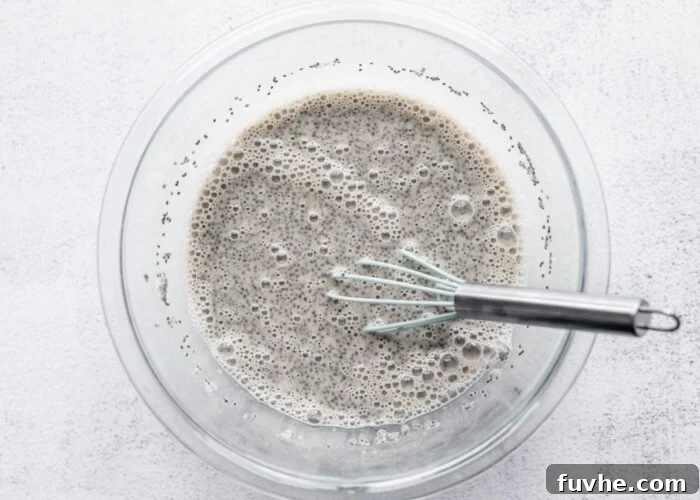
- **Combine Ingredients:** In a large mixing bowl, pour in your chosen plant-based milk. Add the chia seeds and maple syrup (or your preferred sweetener). If using, this is also the time to add vanilla extract for extra flavor.
- **Initial Whisking:** Vigorously whisk the mixture for at least 1-2 minutes. It’s crucial to ensure all the chia seeds are thoroughly incorporated and there are no dry clumps sticking together. This initial whisking helps prevent the seeds from clumping at the bottom.
- **First Rest & Re-whisk:** Let the mixture sit undisturbed at room temperature for 10 minutes. During this time, the chia seeds will begin to absorb liquid and expand. After 10 minutes, give the pudding another good stir or whisk. This second mix is vital for breaking up any potential clumps that may have formed and ensures a smooth, even consistency throughout the pudding.
- **Chill to Thicken:** Cover the bowl (if chilling overnight) or leave it uncovered (for shorter chilling times). Place the chia pudding in the refrigerator for at least 30 minutes, or ideally, for 1-2 hours, up to overnight. While it can be thick enough to eat in 30 minutes, an hour or more will give you a wonderfully firm and creamy texture. If you’re planning to enjoy it later or for meal prep, chilling it overnight is perfect.
Step 2: Prepare the Mango Puree
While your chia pudding is chilling, prepare the star fruit component.
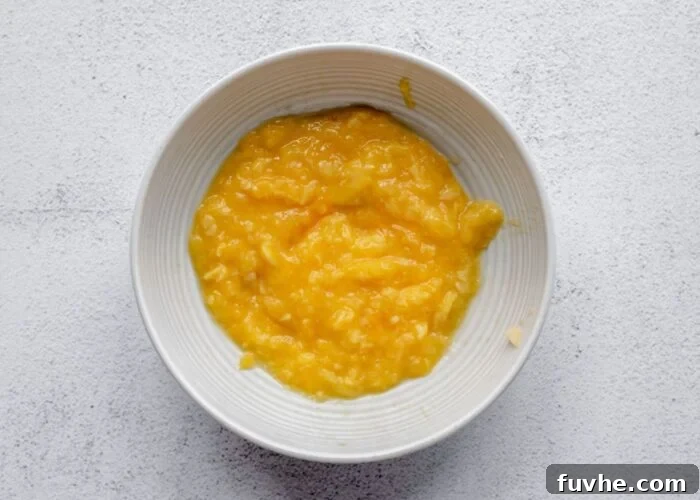
- **Process Mango:** Once you’re ready to assemble your pudding, take your fresh or thawed frozen mango. Puree the mango using a blender, an immersion blender, or a food processor until completely smooth. For a slightly chunkier texture, you can simply mash the mango with a fork.
- **Alternatively, Diced Mango:** If you prefer the texture of diced mango over a puree, simply chop your mango into small, bite-sized pieces. This offers a different textural experience and is equally delicious.
- **Reserve Toppings (Optional):** I often like to reserve a small portion of extra chopped mango to use as a fresh, vibrant topping when serving.
For an even simpler and quicker preparation, especially if you’re making a larger batch for meal prep, you can **mix the mango puree directly into the chia pudding** immediately after preparing the chia mixture, either before or after it thickens. This saves time on layering and still delivers fantastic flavor.
Step 3: Assemble Your Mango Chia Pudding
Now for the fun part – assembling your beautiful and delicious pudding!
- **Prepare Serving Containers:** Get two individual serving containers, such as mason jars, small bowls, or glasses.
- **Layering Options:**
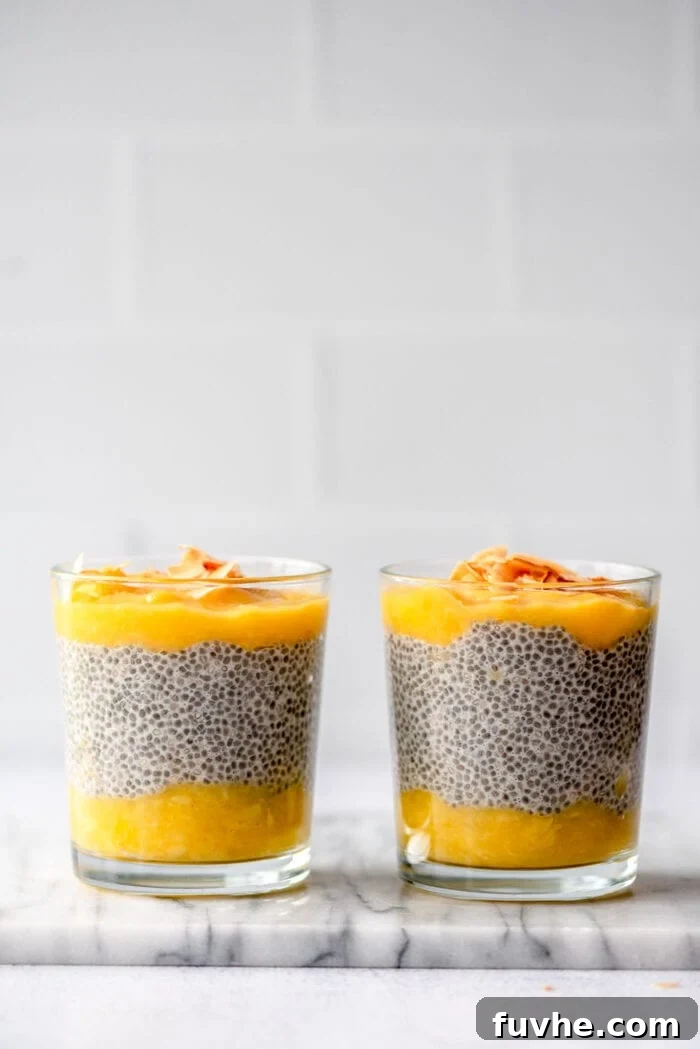
- **Bottom Layer:** Divide about half of the mango puree and spoon it into the bottom of each container.
- **Chia Layer:** Top the mango puree with an even layer of the thickened chia pudding.
- **Second Mango Layer:** Add the remaining mango puree on top of the chia pudding layer.
- **Final Chia Layer:** Finish with the remaining chia pudding, creating distinct, appealing layers.
Alternatively, you can place all the mango puree at the bottom and top with all the chia pudding, or mix the mango puree directly into the chia pudding for a uniform color and flavor.
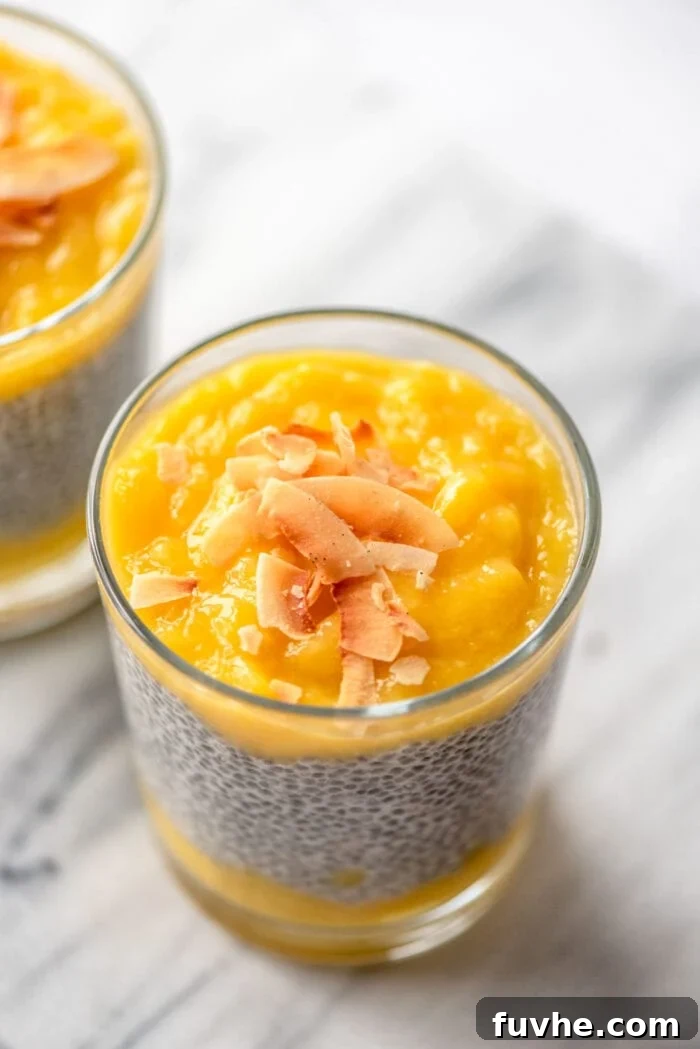
- **Add Toppings:** This is where you can get creative! Garnish your mango chia pudding with any desired toppings. Popular choices include fresh coconut flakes (toasted or untoasted), extra diced mango, a sprinkle of granola, your favorite nuts or seeds, or a light drizzle of maple syrup for extra sweetness.
- **Serve and Enjoy:** Your delightful mango chia pudding is now ready to be savored! Enjoy it immediately, or store it in the refrigerator for later.
Recipe Frequently Asked Questions
Here are answers to some common questions you might have about making this mango chia pudding:
What type of milk should I use for chia pudding?
For best results, I recommend unsweetened plain or vanilla plant-based milks like almond or cashew milk due to their neutral flavor profiles that allow the mango to shine. However, any plant-based milk will work. If you opt for sweetened milk, be sure to taste the mixture before adding maple syrup, as you may not need the additional sweetener. Similarly, if using vanilla-flavored milk, you can skip the optional vanilla extract in the recipe.
For a truly tropical experience, canned light coconut milk is fantastic. If you prefer a richer coconut flavor, use half full-fat coconut milk and half water or a lighter plant-based milk. Always remember to give canned coconut milk a good shake before opening to ensure its consistency is well mixed.
Can I use frozen mango instead of fresh?
Absolutely! While fresh, ripe mango offers the most vibrant flavor, frozen mango is a perfectly acceptable and convenient alternative, especially when fresh mangoes are out of season. To use frozen mango, simply thaw it beforehand. You can do this overnight in the refrigerator, briefly in the microwave until it’s soft enough to blend, or gently on the stovetop over low heat in a small saucepan. Once soft, proceed with pureeing as directed.
Can I double the recipe for meal prep or a larger serving?
Yes, certainly! Doubling the recipe is a great idea if you’re making it for meal prep to have healthy breakfasts or snacks ready for a few days, or if you simply want a larger, more substantial meal. The recipe as written typically yields two snack-sized portions (approximately 244 calories per serving).
For a larger, meal-sized pudding (ideal for a filling breakfast), I suggest doubling only the chia pudding portion. This will provide a more generous serving, resulting in approximately 430 calories per serving, making it more satiating.
Help! My chia pudding isn’t thickening! What went wrong?
If your chia pudding isn’t setting correctly, a few common culprits could be at play:
- **Old Chia Seeds:** Chia seeds have a shelf life, and over time, they can lose their impressive ability to absorb liquid. For optimal freshness and gelling power, store your chia seeds in an airtight container in the refrigerator or even the freezer. While the pantry is acceptable, colder storage extends their viability. Generally, chia seeds have a 1-2 year shelf life, but fresher is always better for absorbability. Sometimes, a particular brand might just have less effective seeds. If this happens, you can still blend them into smoothies so they don’t go to waste.
- **Incorrect Seed Type:** Ensure you are using actual chia seeds. Other seeds do not possess the same unique hydrophilic properties that allow chia seeds to absorb large amounts of liquid and create that characteristic pudding texture. Both black and white chia seeds work equally well.
- **Insufficient Stirring:** Chia seeds tend to clump together when initially added to liquid. It’s crucial to stir them thoroughly when first combined. Then, after letting the mixture sit for about 10 minutes, give it another vigorous stir. This second stir helps break up any remaining clumps and ensures the seeds are evenly dispersed and fully hydrated, leading to a smooth, uniform pudding. Using a whisk is highly effective for this step.
- **Ratio Imbalance:** While less common if following a recipe, too much liquid for the amount of chia seeds can also prevent proper thickening. Ensure accurate measurements.
- **Not Enough Time:** Although some thickness appears after 30 minutes, sometimes chia pudding needs more time, especially if the seeds are older or the liquid is particularly cold. Give it at least an hour, or even overnight, for the best results.
Expert Tips for the Best Mango Chia Pudding
Achieve chia pudding perfection every time with these helpful tips and tricks:
- **Double Stir for Smoothness:** After combining the chia seeds with liquid, give it a good whisk. Then, let it sit for 10 minutes and whisk it again thoroughly before refrigerating. This crucial second stir prevents the chia seeds from clumping at the bottom, ensuring a smooth, evenly gelled pudding.
- **Patience is Key for Thickness:** While 30 minutes in the fridge will start the gelling process, allowing your chia pudding to chill for at least an hour, or even better, overnight, will result in the thickest, creamiest, and most satisfying texture. It gives the chia seeds ample time to fully hydrate and expand. This also makes it an ideal make-ahead option for busy schedules.
- **Simplified Preparation: Mix-In Mango:** If you’re short on time or prefer a less “layered” presentation, feel free to mix the mango puree directly into the chia pudding mixture. You can do this either before or after the chia pudding has thickened. This method is incredibly convenient for meal prepping a larger batch and ensures every spoonful has that delicious mango flavor.
- **Adjusting Texture:**
- **Too Thick?** If your chia pudding turns out too thick for your liking after chilling, simply whisk in a splash more plant-based milk (1-2 tablespoons at a time) until you reach your desired consistency.
- **Too Thin?** If the pudding is too runny, you can add an additional teaspoon or two of chia seeds, stir well, and let it sit for another 30 minutes to an hour (or longer) in the refrigerator to allow the new seeds to absorb liquid.
- **Taste and Adjust Sweetness:** Always taste your chia pudding mixture after the initial stir and before chilling. This allows you to adjust the sweetness to your personal preference. Keep in mind that the flavor of the mango will also contribute to the overall sweetness.
- **Optimal Mango Ripeness:** Use very ripe mangoes for the best flavor and natural sweetness. Ripe mangoes are softer to the touch and have a fragrant, tropical aroma.
Storing Your Mango Chia Pudding
This mango chia pudding is perfect for meal prep, making it easy to enjoy healthy, delicious meals throughout the week. Here’s how to store it effectively:
- **Refrigeration:** Once assembled with the mango puree, your chia pudding can be stored in an airtight container in the refrigerator for 2-3 days. The flavors will meld beautifully, often tasting even better on the second day!
- **Freezing for Longer Storage:** For extended storage, chia pudding (without the mango puree mixed in) can be frozen in single-serve, freezer-safe containers for up to 2 months. Freezing with the mango puree can sometimes alter the mango’s texture upon thawing, so it’s often best to add fresh mango after thawing the pudding base.
- **Thawing Frozen Pudding:** If you’ve frozen your chia pudding, remember to thaw it overnight in the refrigerator before you plan to enjoy it. Give it a good stir after thawing, and then add your fresh mango puree and toppings.
Mango Chia Pudding Recipe
By: Deryn
Sweet, tart, and undeniably delicious mango chia seed pudding that’s perfect for breakfast, a healthy snack, or a delightful dessert. Top with extra mango and coconut flakes for a sweet and satisfying tropical treat!
Prep Time: 5 mins
Chill Time: 30 mins
Servings: 2
Ingredients
- 1 cup unsweetened plant-based milk of choice (250 mL)
- 1/4 cup chia seeds (56 g)
- 1.5 tbsp maple syrup (22 mL)
- 1/2 tsp vanilla, optional (5 mL)
- 1 cup fresh or frozen mango chunks (140 g)
Instructions
- Add the liquid to a mixing bowl, then add the chia seeds and maple syrup (and optional vanilla) and whisk thoroughly until the chia seeds are fully incorporated and there are no clumps remaining.
- Let the mixture sit for 10 minutes, then stir again to mix in any remaining clumps and ensure even gelling.
- Place the chia pudding in the fridge for a minimum of 30 minutes, up to overnight. For a perfectly thick and creamy pudding, I recommend leaving it for at least an hour. If chilling for 30-60 minutes, it can be left uncovered. If leaving overnight, store in a sealed container.
- When you’re ready to assemble, puree the mango using a blender or immersion blender until smooth. Alternatively, you can mash it with a fork or simply dice it into small pieces. Consider reserving some extra chopped mango for a delicious topping!
- Prepare 2 serving containers (such as mason jars) and divide the mango puree between them. You can add all of it to the bottom, reserve some for topping, or create layers by placing some pudding first, then mango, then more pudding.
- Add the thickened chia pudding, dividing it evenly between the two containers. Enjoy your fresh mango chia pudding right away, or store it in the fridge for 2-3 days.
Notes
If using frozen mango: Thaw it in the fridge, defrost briefly in the microwave, or gently warm it over low heat on the stovetop until it’s soft enough to blend or mash easily.
The recipe as written is designed for a snack-sized portion. For a larger, meal-sized chia pudding, particularly for breakfast, I suggest doubling the chia seed pudding portion. This adjustment will provide approximately 439 calories per serving, making it more filling.
Milk selection: Unsweetened plain or vanilla almond or cashew milk are excellent choices. If you choose a sweetened milk, you might want to omit or reduce the additional maple syrup. If using vanilla-flavored milk, the optional vanilla extract can be skipped. For a coconut-mango pudding, opt for light coconut milk or a mix of half full-fat coconut milk and half a lighter plant-based milk.
Sweetener options: Maple syrup can be easily swapped with agave syrup. For a sugar-free alternative, a small pinch of stevia or a few drops of liquid monk fruit sweetener can be used. Adjust sweetness to your personal taste.
Nutrition
Serving: 1g, Calories: 244kcal, Carbohydrates: 35g, Protein: 6g, Fat: 10g, Sodium: 100mg, Fiber: 11g, Sugar: 20g