
Embark on a journey to truly understand and master your vegan macros with our in-depth guide. This article offers practical tips, strategic meal plans, and actionable insights to help you build a nutritionally sound diet that perfectly aligns with your specific health and fitness goals. Discover how to fuel your body effectively on a plant-based diet, optimizing for performance, well-being, and a sustainable approach to eating.
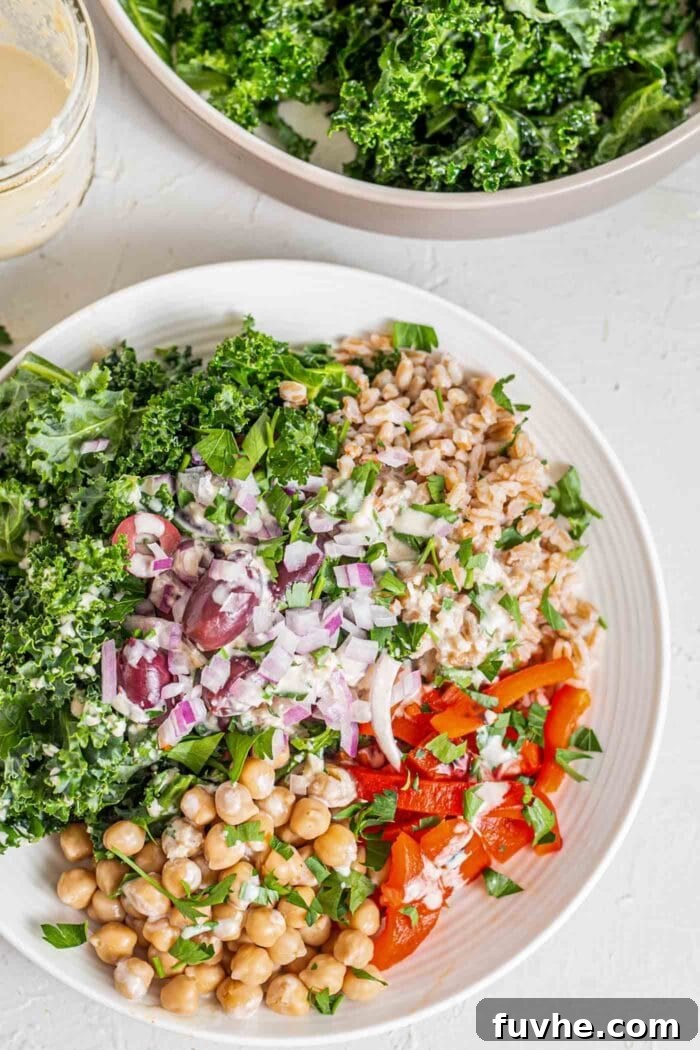
Mastering Vegan Macros for Optimal Performance
When approaching the detailed world of tracking calories and macronutrients, it’s crucial to prioritize performance and overall health above mere aesthetic outcomes. This philosophy fosters a healthier, more positive relationship with food, transforming your perception of eating from a restrictive chore into an empowering act of self-care. Food becomes the vital fuel that energizes your body, builds strength, and supports peak performance, all while allowing for the genuine enjoyment of your meals. This approach ensures sustainability, preventing burnout from overly strict or extreme dietary regimes.
My own journey into detailed macro tracking emphasizes consistency and enjoyment. Instead of radical changes, I’ve simply adjusted the proportions and quantities of the same wholesome foods I’ve always loved. This subtle shift has made a significant difference, demonstrating that effective nutrition doesn’t require drastic overhauls but rather intelligent, sustainable modifications.
Beyond Calories: The Power of Macro-Focused Nutrition
One of the most liberating aspects of macro-based eating is shifting the focus away from a rigid calorie ceiling. Imagine a scenario where you consume 2000 calories purely from cookies; while technically within a calorie budget, the nutritional repercussions would be dire. Your intake would be dominated by unhealthy fats and refined carbohydrates, severely lacking in essential protein, fiber, vitamins, and minerals. This example starkly illustrates the inadequacy of calorie counting alone as a measure of dietary quality.
In contrast, a macro-focused approach encourages you to intentionally fill those calories with a strategic balance of healthy fats, lean proteins, and complex carbohydrates. Simultaneously, it compels you to consider the micronutrient density of your food choices. This holistic perspective ensures you’re not just eating enough, but eating *right*, providing your body with the diverse nutrients it needs to thrive. By prioritizing your macro goals, you naturally align your caloric intake with your objectives, ensuring you meet your energy requirements through nourishing, performance-enhancing foods.
For a comprehensive overview of plant-based macro sources, including a free printable guide, refer to our detailed guide to vegan macros, which outlines the best sources of fats, proteins, and carbohydrates in a plant-based diet.
Essential Tips for Successful Vegan Flexible Dieting
Implementing a flexible vegan diet successfully requires a strategic approach. Here are some invaluable tips gleaned from personal experience to help you navigate your journey with ease and effectiveness:
1. Plan Your Meals in Advance
Initially, tracking macros on the fly often leads to imbalances by the end of the day—finding yourself with an excess of carbs or a severe deficit of protein. The most effective strategy is to pre-plan your entire day’s meals and snacks using a tracking app like MyFitnessPal, either the evening before or first thing in the morning. This foresight allows you to make necessary adjustments, ensuring a balanced distribution of macros throughout the day without last-minute scrambling.
When I prepare my breakfast and lunch the night before, I simultaneously log everything into my tracker. This helps me visualize my daily budget, understand what macros remain, and plan my dinner and snacks accordingly. This proactive approach often leaves room for a healthy, satisfying dessert, making the diet feel less restrictive and more enjoyable.
2. Be Mindful of Breakfast Macros
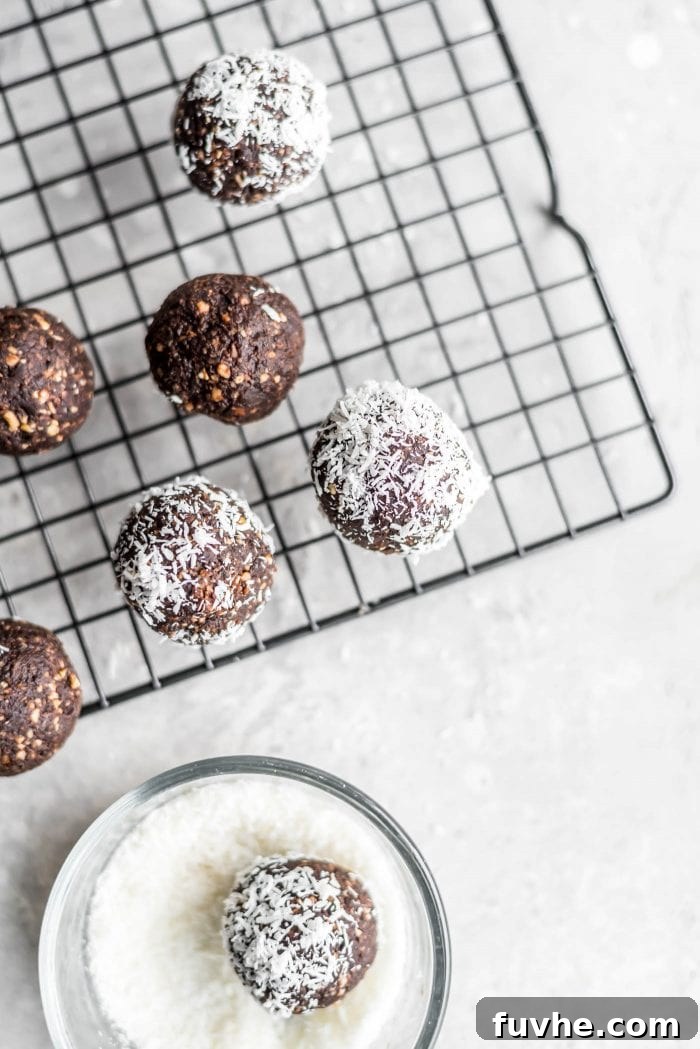
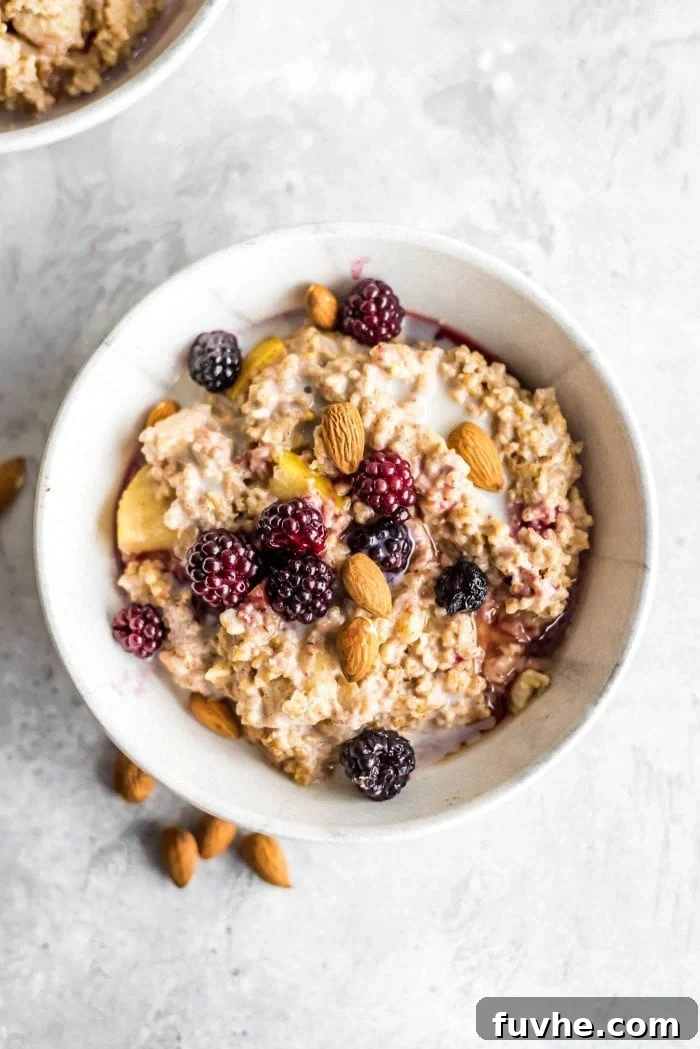
Breakfast can be a surprising macro trap. Many nutrient-dense vegan staples, while incredibly healthy, are also calorically dense and rich in fats and carbohydrates. Ingredients like chia seeds, hemp seeds, coconut, nuts, oats, dates, almond butter, and bananas can quickly accumulate, leading to a breakfast that might easily exceed 700 calories without appearing particularly large.
I learned the importance of thoughtful ingredient selection for breakfast. Instead of trying to include *every* superfood in *every* morning meal, I now consciously pick and choose to create a more balanced profile. For instance, while dates are a fantastic natural sweetener, overconsumption can rapidly spike sugar intake. Moderation is key; I still enjoy dates, but in much smaller quantities.
3. Master the Art of Portion Control
Perhaps the most significant adjustment for many on a plant-based diet is grasping true portion sizes. It’s easy to fall into the mindset that “it’s just plants, so I can eat as much as I want.” However, even wholesome plant foods, especially grains, starchy vegetables, nuts, seeds, and fruits, contribute significantly to your daily macros. What might seem like a modest serving could easily be double or triple the recommended portion.
Initially, I found myself vastly underestimating my intake. Measuring my food, even temporarily, has been an invaluable tool in recalibrating my perception of appropriate portion sizes. While I don’t meticulously measure every single leafy green or non-starchy vegetable (like bell peppers or cucumbers), precise measurement for denser foods provides a crucial understanding of how much I’m truly consuming. This isn’t a permanent practice, but a foundational step to develop an intuitive sense of portion control tailored to my individual goals.
4. Utilize Protein Supplements Strategically
Achieving high protein targets on a vegan diet, especially for active individuals, can be challenging. While whole foods like tofu, beans, and tempeh are excellent protein sources, relying solely on them can lead to an excess of carbohydrates and fats, making it difficult to hit specific macro ratios. This is where vegan protein powders become an incredibly useful tool.
I often incorporate protein powder twice daily—typically after workouts to aid recovery and as an afternoon snack to maintain satiety. Adding it to my morning coffee or matcha is another easy way to boost protein intake without altering my usual meals significantly. Thoughtful use of supplements allows for meeting protein goals efficiently while keeping other macros in check.
5. Preparation is the Cornerstone of Success
Hitting your macro targets consistently isn’t a matter of chance; it demands conscious planning and preparation. “Winging it” rarely yields desired results. Dedicating time each week to meal planning, grocery shopping, and preliminary food preparation (like chopping vegetables or cooking grains) makes an immense difference. This structured approach simplifies daily meal assembly and ensures you always have macro-friendly options readily available.
Pre-loading your favorite recipes and meals into your tracking app also streamlines the process, transforming daily tracking from a chore into a quick, routine check-in. When your kitchen is stocked with balanced components, meeting your daily numbers becomes surprisingly straightforward.
6. IIFYM is Not an Excuse for Junk Food
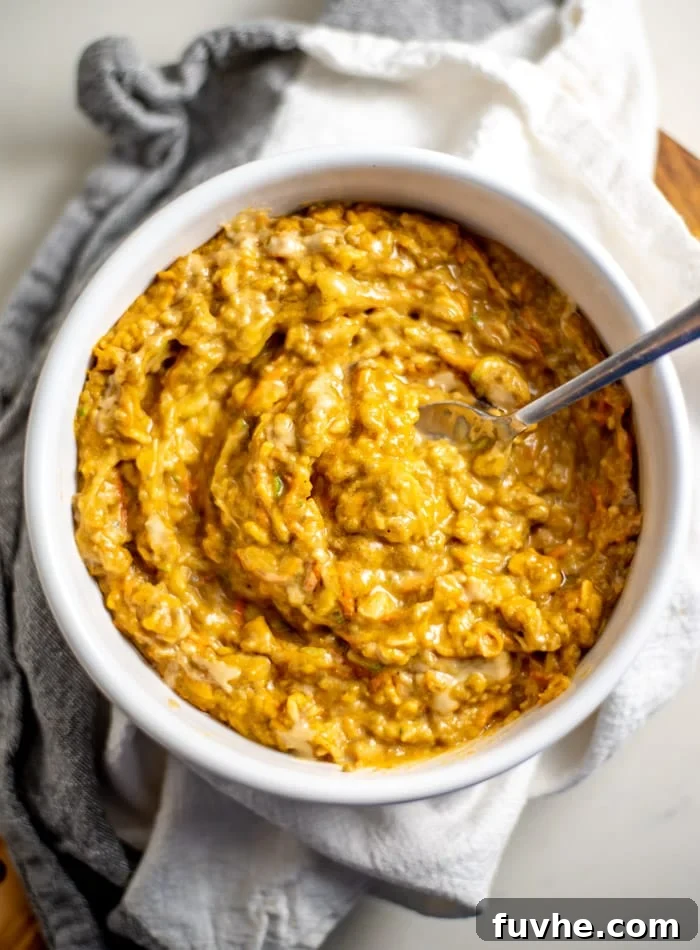
The acronym IIFYM (If It Fits Your Macros) is often misunderstood as a license to eat unlimited quantities of ice cream, chips, or fries, so long as they fit within your daily macro allowance. This interpretation is a common pitfall and fundamentally misses the point. While IIFYM offers flexibility, it does not negate the foundational principles of healthy eating.
The core of a sustainable IIFYM approach lies in consuming a predominantly whole-food, nutrient-dense diet. Occasional treats in moderation are perfectly acceptable and contribute to long-term adherence, but your diet should still be rich in vegetables, fruits, and fiber, with plenty of water intake. It’s about fueling your body for performance, muscle growth, and body fat reduction, without feeling deprived or going to extremes. Prioritizing micronutrients from a wide variety of whole foods ensures your overall health and how you feel daily remain optimal.
For more detailed guidance on optimal food choices, explore our Vegan Macro Cheat Sheet and Vegan Grocery List.
Fostering Sustainability in Your Vegan Diet
While structured macro tracking is highly effective, it’s equally important to acknowledge that life is unpredictable. There will inevitably be days when you deviate from your meticulously planned numbers. Unexpected social gatherings, dining out, holidays, or travel are all part of a full life, and it’s essential to enjoy these moments without guilt or excessive rigidity.
For me, especially with performance-based goals, absolute perfection isn’t the aim. Consistent, steady progress is far more valuable and sustainable than striving for an unsustainable level of strictness. These occasional deviations don’t derail progress; rather, they foster a healthier mental relationship with food and reinforce the long-term viability of this lifestyle. Remember, treating yourself appropriately is often a necessary component for pushing your physical limits and maintaining motivation.
Addressing Calcium Intake on a Vegan Diet
Following up on a previous concern regarding calcium intake, I’ve successfully increased my average daily calcium to just 5% below the Recommended Daily Allowance (RDA), a significant improvement from being 20% under. This positive change is largely attributed to the reintroduction of fortified almond milk into my daily routine.
I typically consume about one cup of fortified almond milk per day, primarily in my morning chia seed and oatmeal, with a splash added to my coffee. Alongside a varied intake of whole, calcium-rich plant foods and the addition of a daily multivitamin, I am confident in meeting my calcium needs. Furthermore, my sugar intake remains low, fiber intake consistently averages around 60 grams per day, and I continue to get ample iron, vitamin C, vitamin A, and potassium from my diet.
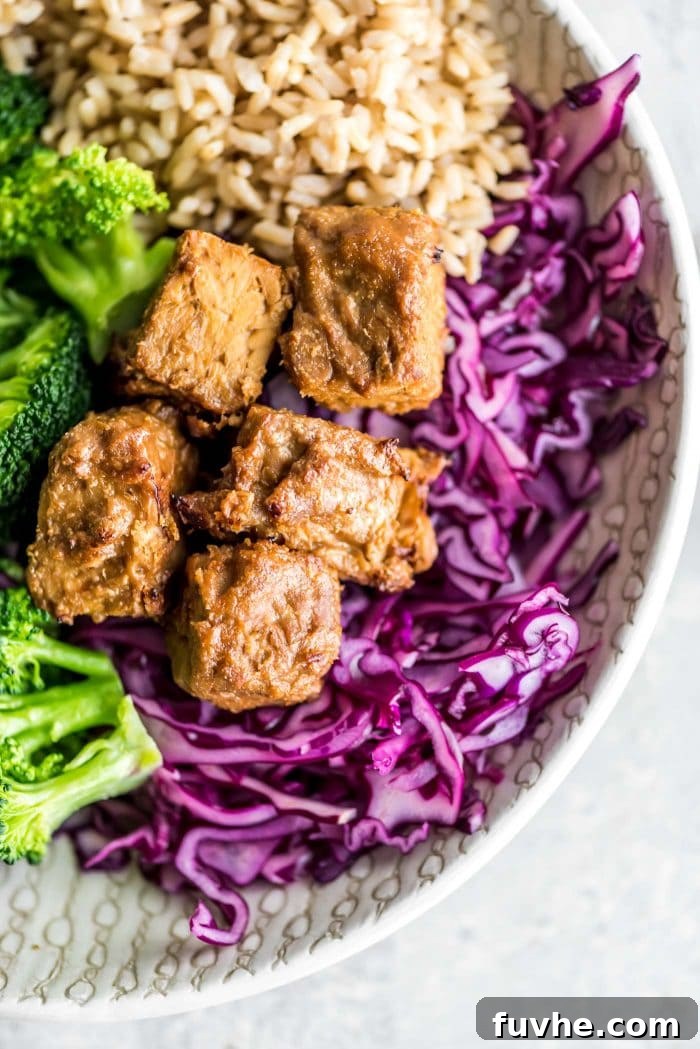
Sample Vegan Flexible Dieting Meal Plans
Below are four typical days of my meals from a recent week. While specific measurements are omitted as they are highly individual, these examples illustrate how I achieve a daily protein intake of approximately 150 grams primarily through whole foods. Please note that these plans represent a period where I was experimenting with processed meat substitutes to meet protein targets, which I intend to phase out due to ingredient preferences.
I’ve also incorporated liquid stevia occasionally as a sugar alternative, which I find acceptable in moderation as part of a flexible approach.
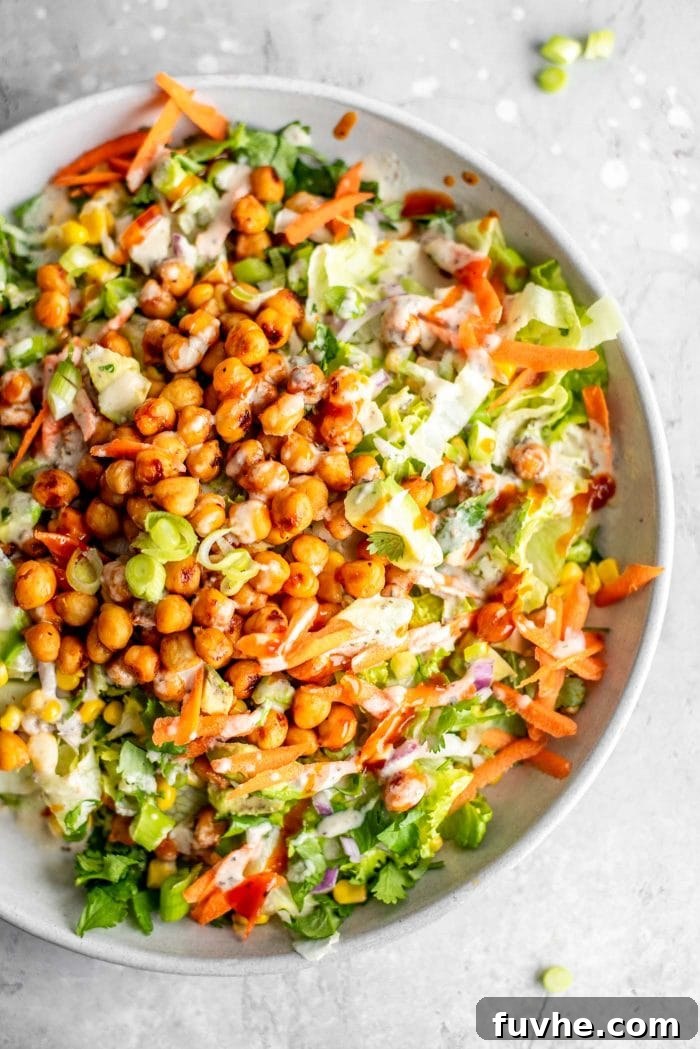
Day 1 Vegan Macros Meal Plan
Breakfast
• Chia Seeds, Mixed Berries, Unsweetened Almond Milk
• Black Coffee with MCT Oil
Lunch
• Chopped Veggie Spicy Peanut Brown Rice Salad
• Organic Extra Firm Tofu
Dinner
• Kale and Barley Moroccan Salad with Pistachios
Dessert
• Protein powder blended with Frozen Mango
Snacks During Day
• Pre-Workout: Peanut Butter and Banana
• Post-Workout: Vega Performance Protein Shake
• Red Leaf Lettuce with Peppered Tofurky and Cucumber
• North Coast Naturals Vege PRO-7 Supplement
• Chickpea Protein “Cookie Dough”
Day 2 Vegan Macros Meal Plan
Breakfast
• Chia Seeds, Hemp Seeds, Mixed Berries, Unsweetened Almond Milk
• Black Coffee with MCT Oil and a bit of Vega Performance Protein
Lunch
• Kale and Barley Moroccan Salad with Pistachios and Tempeh
Dinner
• Lentil Taco Salad: Lentils, Onion, Refried Beans, Lettuce, Tomato, Red Pepper, Carrot, Cilantro, Avocado
Dessert
•North Coast Naturals Vege PRO-7 blended with Frozen Mango
Snacks During Day
•Post-Workout: Vega One Shake
• Edamame Pods
• Banana with Cinnamon and Hemp Seeds
• North Coast Naturals Vege PRO-7 Supplement
• Chickpea Protein “Cookie Dough”
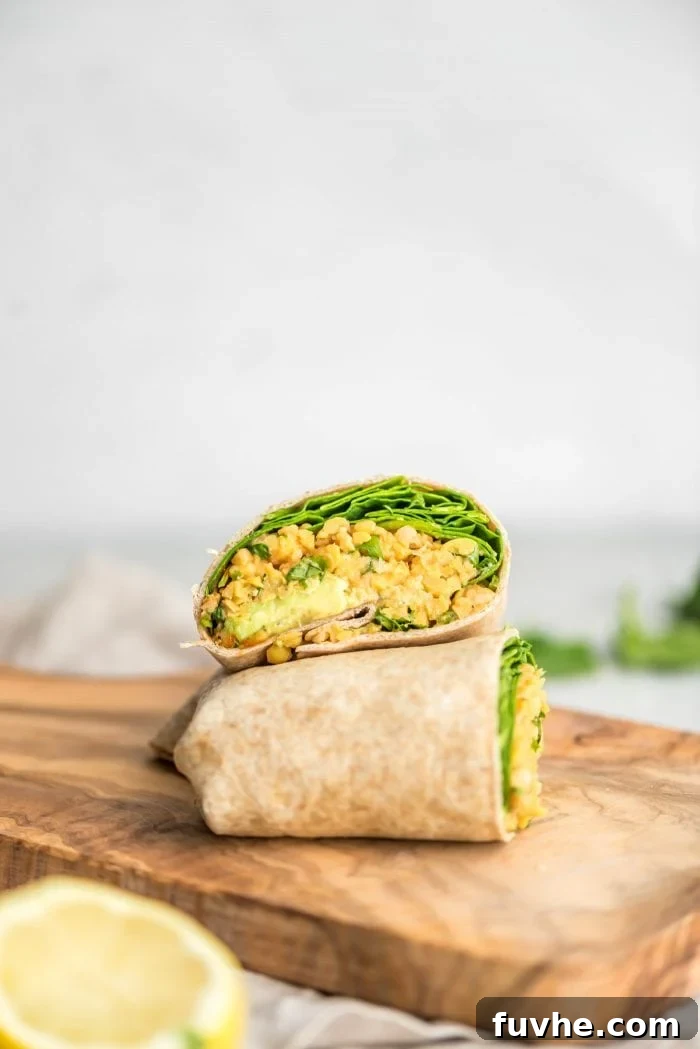
Day 3 Vegan Macros Meal Plan
Breakfast
• Oats, Hemp Seeds, Vege PRO-7, Unsweetened Almond Milk
• Black Coffee with MCT Oil and Vega Performance Protein
Lunch
• Lentil Taco Salad: Lentils, Onion, Refried Beans, Lettuce, Tomato, Red Pepper, Carrot, Cilantro, Avocado
Dinner
• Broccoli, Brown Rice, Kale, Spicy Sauce, Tempeh
Dessert
• 1/2 Banana, MCT Oil, Cocoa Powder, Stevia (Blended)
Snacks During Day
•Pre-Workout: Almond Butter and Banana
• Post-Workout: North Coast Naturals Vege PRO-7
• Edamame Pods
• Cucumber and Red Pepper Slices
• Simply Peanut Butter Chocolate Vegan Protein Bar
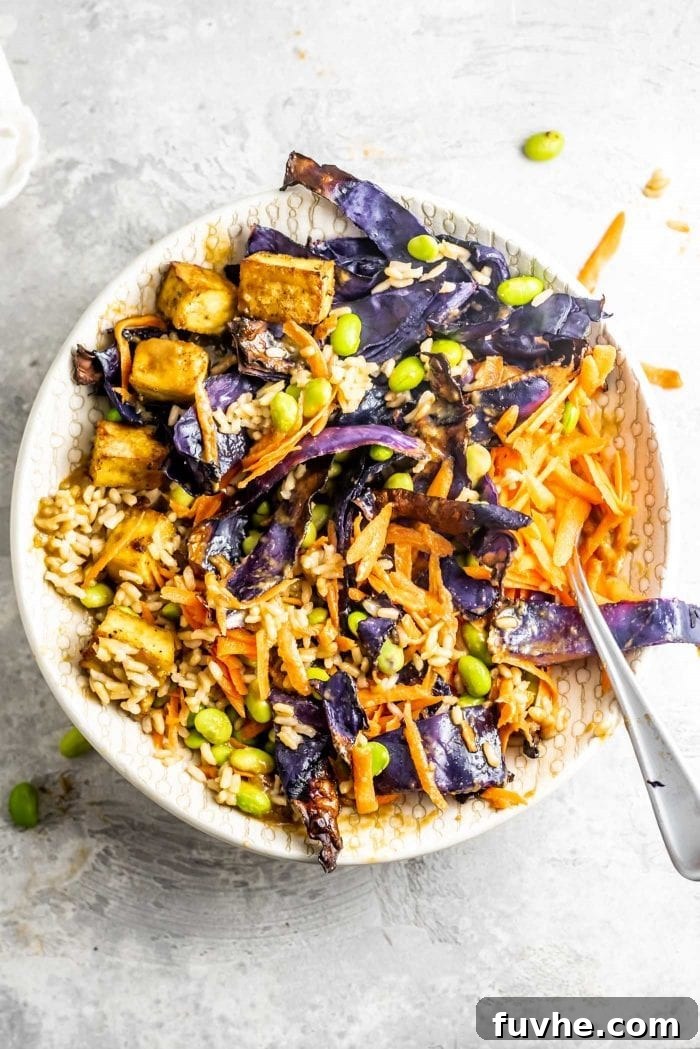
Day 4 Vegan Macros Meal Plan
Breakfast/Pre-Workout
• Oats, Organic Brown Rice Protein, Hemp Seeds, Chia Seeds, Unsweetened Almond Milk
Lunch
• “Cheezy” Broccoli Cauliflower Rice made with Roasted Red Peppers, Hemp Seeds and Nutritional Yeast, 1/2 serving Cajun-Style Vegetarian Sausage
Dinner
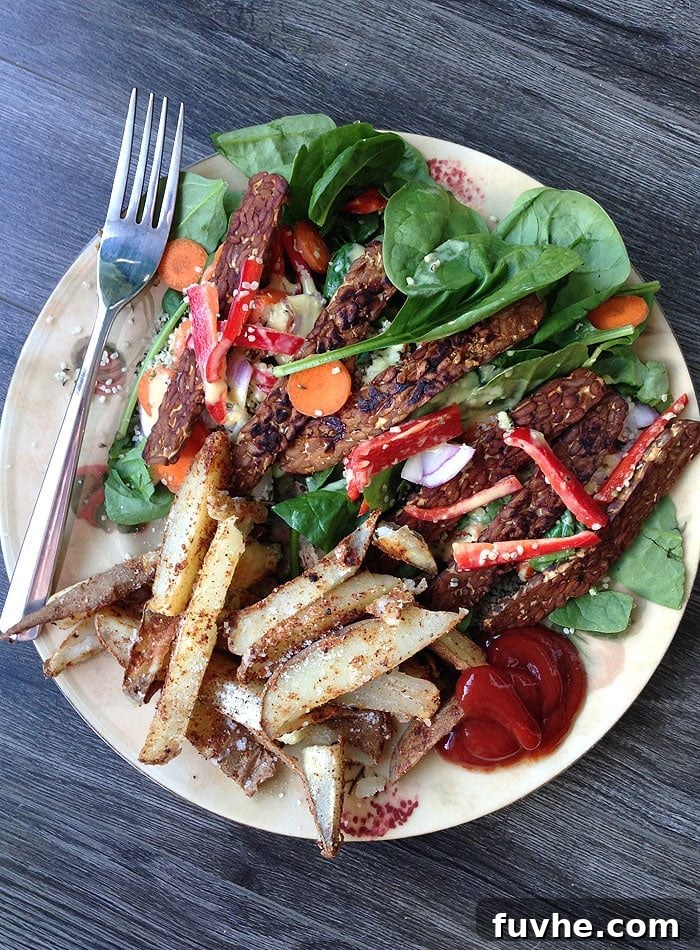
• Fat-Free Spicy Baked Fries, Spinach Salad with Red Pepper, Carrot, Crispy Tempeh, Hemp Seeds, Dijon Dressing
Dessert
• Banana with Unsweetened Coconut, 1 Medjool Date, Cocoa Powder and MCT Oil
Snacks Throughout Day
• Post-Workout: Vega Performance Protein, Almond Butter
• Hummus with Cucumber, Broccoli and Carrot Sticks
• Baked Purple Yam
• North Coast Naturals Vege PRO-7 Supplement
Notes on the Provided Meal Plans
These four days illustrate a typical week of eating within my flexible dieting framework. While the daily structure might appear similar, the specific meals evolve week-to-week as my meal plans change. Beyond the listed items, I regularly incorporate what I consider “free foods”—various flavor enhancers that add depth to meals without significantly impacting macros or relying heavily on salt.
Staple Macro-Friendly Flavorings
- Fresh lemons and limes: Excellent for brightening flavors and adding a zesty kick.
- Sriracha, hot sauce: Provides heat and enhances palatability without extra calories.
- An array of herbs and spices: Essential for developing complex flavors and adding nutritional value.
- A selection of vinegars and mustards: Perfect for creating dressings and marinades with minimal macros.
- Liquid stevia drops: A calorie-free sweetener for occasional use.
Other Must-Have Plant-Based Foods Lately
- Hemp seeds: A fantastic low-carb source of both healthy fats and complete protein.
- MCT oil: An energizing fat source that can support cognitive function and metabolism.
- Organic brown rice and organic hemp protein: High-quality, plant-based protein powders for boosting intake.
- Various flavored protein powders: To add variety and make protein consumption more enjoyable.
- Tempeh, edamame, and tofu: Versatile, low-carb protein sources fundamental to a vegan macro diet.
- Banana, sweet potato, potato: Excellent fat-free sources of complex carbohydrates for energy.
Further Insights on Vegan Macros
Carbohydrates Made Easy, Protein Takes Focus
On a plant-based diet, meeting carbohydrate targets is rarely an issue, and healthy fats are relatively straightforward to incorporate. The primary focus and effort typically revolve around consistently hitting protein goals. My previous habit of eating grain-based meals or salads without a dedicated protein source has evolved. Now, I ensure every meal includes a substantial protein component. This conscious effort makes a significant difference, transforming what was once a challenge into a manageable and consistent practice.
Optimizing Post-Workout Protein for Recovery
I have diligently incorporated a protein shake immediately after my training sessions. Given that I often cannot have breakfast until 90-120 minutes post-workout, this immediate protein intake is crucial. It kickstarts the muscle recovery process, minimizes muscle breakdown, and replenishes amino acid stores when whole food is not immediately available. However, if you are able to consume a full, balanced breakfast within an hour of finishing your workout, an additional post-workout shake may not be necessary. For particularly long or intense sessions, consider adding a source of carbohydrates to your post-workout nutrition to aid glycogen replenishment and further support recovery.
Nourishing Macro-Friendly Vegan Snack Ideas
Having a repertoire of quick, macro-friendly snacks is essential for staying on track between meals. Here are some of my go-to options:
- Simple Dijon Vinaigrette: Crafted with Dijon mustard, apple cider vinegar (ACV) or balsamic vinegar, fresh lemon juice, and a touch of stevia. This light dressing is perfect for salads or steamed vegetables.
- Chickpea Protein “Cookie Dough”: A creative and protein-rich treat made with mashed chickpeas, Vega protein powder, liquid stevia drops, and either peanut butter or powdered peanut butter, depending on your remaining fat macros.
- Blended Frozen Mango Treat: Frozen mango blended with vanilla protein powder and banana, drizzled with a homemade chocolate sauce made from MCT oil, cocoa powder, and a hint of maple syrup.
- “Cheezy” Broccoli Cauliflower Rice: A low-calorie, high-protein side or snack, offering approximately 10 grams of protein per serving. The recipe can be found on Blissful Basil.
- Crispy Tempeh: Baked or pan-fried tempeh seasoned to perfection, offering a satisfying crunch and a significant protein boost.
- Oil-Free Oven-Baked Fries: Simply boil cut potatoes for 5 minutes, drain, season generously, and bake at 425 degrees Fahrenheit for about 20 minutes until golden and crispy. Skipping oil helps them puff up beautifully.
- Protein Pudding: Achieved by mixing Vega Performance Protein with a small amount of water to a thick consistency, or stirring it into a dairy-free yogurt for a creamy, protein-packed dessert or snack.
My initial weeks of committed macro tracking have yielded remarkable results. The speed at which my body has responded to these nutritional adjustments has been truly astonishing. From a performance standpoint, my workouts have been exceptional. I’ve experienced a sustained surge of energy, a feeling of increased lightness, and have achieved numerous personal records recently. This tangible progress serves as an incredibly powerful motivator, reinforcing the profound impact of precise and intentional plant-based nutrition.
Ready to Embark on Your Flexible Dieting Journey? Check out this post:
How to Get Started with Flexible Dieting
More Flexible Dieting & Vegan Macro Posts:
- Week One Experiences – A Snapshot of How I Eat
- Week Two Experiences – Tips, Tricks and Sample Meal Plans
- Week Six Follow Up and Experiences – Tips and Tricks
- Best Plant-Based Flexible Dieting Foods – Part 1
- Best Plant-Based Flexible Dieting Foods – Part 2
- Best Plant-Based Flexible Dieting Foods – Part 3
- Nutrition Tips for Vegan Athletes