
Vibrant & Healthy: The Ultimate Oil-Free Beet Hummus Recipe
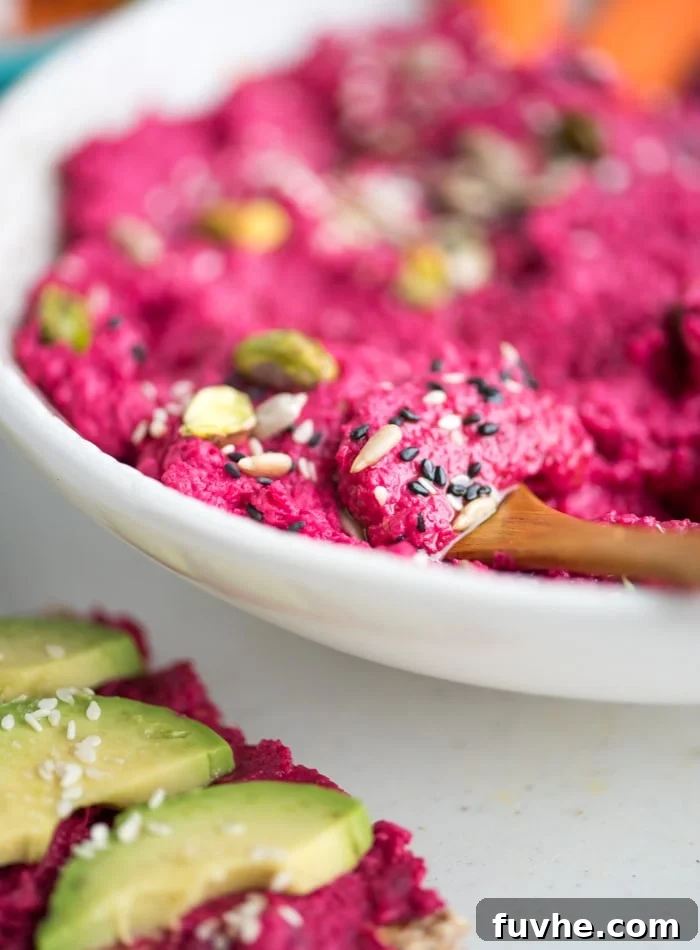
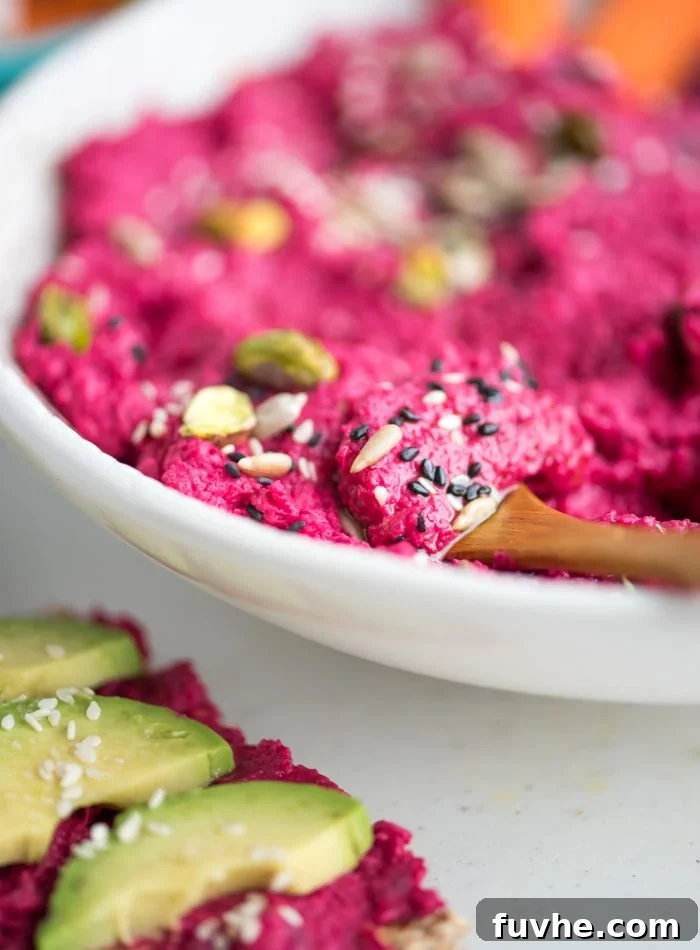
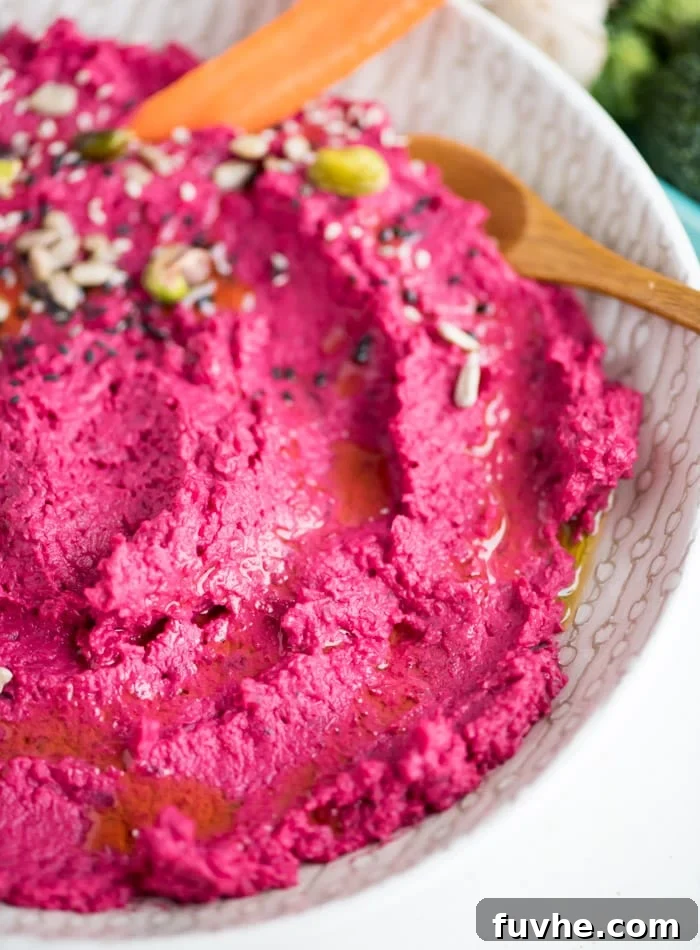
Discover the delightful world of homemade hummus with a stunning twist! This vibrant beet hummus recipe transforms humble ingredients into an extraordinary dip or spread. Crafted with cooked beets, wholesome chickpeas, zesty garlic, fresh lemon juice, creamy tahini, and a touch of sea salt, its secret to luscious creaminess without oil lies in aquafaba – the liquid from canned chickpeas. Prepare to be amazed by its smooth texture, incredible flavor, and captivating pink hue, making it a showstopper for any occasion or a nutritious staple in your everyday meals.
Embrace the Power of Beets: A Nutritional Marvel
Beets are far more than just a root vegetable; they are a nutritional powerhouse that deserves a prominent place in your weekly diet. Beyond their striking color, beets offer an impressive array of health benefits, making them a wise and delicious choice. They are incredibly inexpensive and versatile, suitable for various culinary applications, from salads to smoothies, and, of course, this incredible hummus.
Rich in essential vitamins and minerals, including folate, manganese, potassium, iron, and Vitamin C, beets contribute significantly to overall well-being. Their vibrant red-purple color comes from betalains, powerful antioxidants that possess anti-inflammatory and detoxification properties. Furthermore, beets are known for their high concentration of nitrates, which the body converts into nitric oxide. This compound helps relax and dilate blood vessels, potentially improving blood flow, lowering blood pressure, and enhancing athletic performance. While preparing them might lead to a little mess, the health rewards and the spectacular visual appeal they bring to your dishes are undeniably worth the effort. And who can resist that naturally brilliant pink that transforms a simple hummus into a work of art?
The Creamy Secret: What’s Aquafaba?
If you’re looking to create an exceptionally creamy hummus without the addition of oil, aquafaba is your new best friend. There’s no need to search for obscure or specialty ingredients; aquafaba is remarkably accessible and often overlooked. It is simply the liquid that you would typically drain from a can of chickpeas, or the cooking liquid if you prepare chickpeas from scratch. This humble liquid acts as an incredible emulsifier, mimicking the properties of egg whites or oil, making it an ideal ingredient for achieving a smooth, airy, and luscious texture.
In this beet hummus recipe, aquafaba plays a crucial role in maintaining its oil-free and low-fat profile. By incorporating a small amount of this chickpea liquid, we achieve the perfect consistency and creaminess that is characteristic of traditional hummus, but without relying on olive oil or other added fats. This not only makes the hummus lighter and healthier but also highlights the natural flavors of the other ingredients. It’s a testament to how simple, everyday ingredients can be transformed into something truly magical and beneficial for your health.
Crafting Your Vibrant Beet Hummus: A Step-by-Step Guide
Once your beets are tenderly cooked, the process of making this delightful hummus is incredibly quick and straightforward. With the help of a food processor or a high-speed blender, you can transform these simple ingredients into a creamy, flavorful dip in mere minutes. Beyond the star ingredient – the vibrant beets – you’ll need just a few other kitchen staples: a can of chickpeas (or about two cups of cooked chickpeas), a couple of tablespoons of that amazing aquafaba, rich tahini, a pinch of sea salt, bright lemon juice, and pungent garlic.
The synergy of tahini, garlic, chickpeas, and lemon juice forms the foundational flavor profile of any excellent hummus. These components are non-negotiable for achieving that classic, earthy, and tangy taste we all love. While some hummus recipes call for olive oil, our focus here is on creating a truly oil-free experience. The reserved chickpea liquid (aquafaba) effortlessly provides the desired creaminess and smooth texture, ensuring a guilt-free indulgence without compromising on flavor or consistency. It’s a testament to thoughtful ingredient selection, proving that healthy eating can be equally delicious.
Perfecting Your Beets: Steaming vs. Roasting
The preparation of your beets is key to both the texture and flavor of your hummus. I typically begin by peeling my beets, then chopping them into manageable pieces, and steaming them on the stovetop until tender. Steaming is an efficient method, generally taking only about 15-20 minutes, making it ideal when you’re short on time. The beets should be easily pierced with a fork when ready.
However, if time allows, I highly recommend roasting your beets. Roasting deepens their natural sweetness and intensifies their earthy flavor, which translates into a more complex and nuanced hummus. To roast, simply preheat your oven to 400°F (200°C), scrub the beets thoroughly, wrap them individually or in a small packet in tin foil, and bake on a baking sheet. Depending on their size, this can take 45-60 minutes. Once cooled, the skins will rub off effortlessly. While steaming provides a quicker path to tenderness, the richer flavor and even more vibrant color imparted by roasting are often worth the extra time, elevating your beet hummus to an exceptional level.
How to Serve Your Beautiful Beet Hummus
The versatility of beet hummus means it can be enjoyed in countless ways, much like traditional hummus, but with an added splash of color and unique flavor. Its bright, beautiful pink hue makes it an instant showstopper, perfect for entertaining guests, holiday spreads, or simply brightening up your everyday meals. Here are some delectable ideas to inspire your serving:
- Avocado Toast Reinvented: Spread generously on a slice of toasted artisanal bread, topped with creamy avocado slices, a sprinkle of everything bagel seasoning, or a dash of chili flakes for an elevated breakfast or brunch.
- Mediterranean Masterpiece: Integrate it into a vibrant Mediterranean bowl alongside quinoa, crisp greens, cucumber, cherry tomatoes, olives, and perhaps some plant-based feta for a hearty and healthy lunch.
- Wrap & Sandwich Sensation: Use it as a flavorful spread in wraps or sandwiches, layering it with fresh avocado, crunchy sprouts, thinly sliced cucumber, and crisp lettuce for a satisfying and colorful meal.
- Elegant Appetizer: Dollop onto toasted baguette slices, garnished with toasted sesame seeds, delicate radish slices, and fresh parsley for an elegant and easy appetizer.
- Classic Dip with a Twist: Present it as a stunning dip, perhaps topped with a drizzle of your favorite extra virgin olive oil (if not strictly oil-free), a sprinkle of chopped parsley, and toasted pine nuts. Serve alongside an assortment of crisp raw vegetables like broccoli florets, bell pepper strips, carrot sticks, and mushroom caps, or with your favorite crackers and pita bread for a wholesome snack.
Beet hummus is also an excellent way to subtly introduce more raw vegetables into your diet, especially if you or your family aren’t typically big fans of beets. The robust flavors of lemon, tahini, and garlic often mellow out the earthy taste of the beets, making it enjoyable even for skeptics. Load up on nutrition by pairing it with a variety of colorful veggies, ensuring every bite is packed with goodness.
Explore More Hummus Creations
The world of hummus extends far beyond the classic chickpea recipe, offering endless possibilities for creative flavor combinations. Over the years, I’ve delighted in sharing a variety of unique hummus recipes, proving that this versatile dip can always be reinvented. If you love this beet hummus, you might enjoy exploring other exciting variations:
- Edamame Hummus
- Roasted Carrot Hummus
- Spicy Roasted Red Pepper Hummus
- Roasted Garlic Hummus
Beet Hummus
By: Deryn Macey
This oil-free beet hummus is amazing in sandwiches and wraps, spread on crackers topped with avocado, and serves as a bright and beautiful dip for raw veggies. Healthy, vegan, and easy to make with simple ingredients.
Prep: 5 mins
Cook: 30 mins
Total: 35 mins
Servings: 15 servings
Ingredients
- 2 small beets, about 1 heaping cup chopped (200 g), peeled and cooked (see notes)
- 1 can (19 oz) chickpeas, drained and rinsed (reserve 2 tbsp of the liquid from the can)
- 2 tbsp chickpea liquid/aquafaba, reserved from can of chickpeas
- 3 tbsp tahini
- 3 tbsp lemon juice
- 1 tsp sea salt
- 3 cloves garlic
Instructions
- Cook beets to your preference. I steamed mine, but you can also roast them in the oven (see notes below). They should be easily pierced with a fork when done.
- Place the cooked beets in a food processor or high-speed blender and pulse a few times to break them down.
- Add the rest of the ingredients (chickpeas, aquafaba, tahini, lemon juice, sea salt, garlic) and process until smooth and creamy.
- Serve right away or store in an airtight container in the fridge for up to 5 days.
Notes
To roast beets: Preheat oven to 400°F (200°C). Scrub beets, wrap them individually in tin foil, and place on a baking sheet. Roast in the oven until easily pierced with a fork, approximately 45-60 minutes. Once cool, rub off the peel and slice for use in the recipe.
To steam beets: Place a steamer basket over a saucepan with a small amount of water. Add peeled, chopped beets to the basket. Cover and steam until the beets are easily pierced with a fork, about 15-20 minutes. You can keep the skin on for steaming if you prefer; it will easily rub off once they’re cool.
This recipe yields approximately 15 servings of 2 heaping tablespoons, or 40 grams. A typical serving (about 60 grams or 1/4 cup) contains around 88 calories, 11 g carbohydrates, 3.4 g fat, and 4.2 g protein.
Nutrition Information (per 40g serving)
- Calories: 60 kcal
- Carbohydrates: 7.5g
- Protein: 3g
- Fat: 2g
- Fiber: 2g