
Transform your breakfast routine with these nutritious whole-grain porridge recipes. Each bowl is a powerhouse of plant-based protein, requires minimal preparation time, and can be effortlessly customized with your preferred toppings. Dive into a world of flavor and wholesome goodness that sets a perfect tone for your day.
About These Delicious & Versatile Porridge Recipes
This collection features five innovative whole-grain porridge recipes designed to inspire a healthier, more diverse breakfast. They are crafted with flexibility in mind, allowing you to explore a wide array of grains and flavor combinations. Here’s what makes them special:
- Grain Versatility: These recipes are adaptable to various whole grains, including popular choices like steel-cut oats, quinoa, and brown rice, as well as lesser-known but equally nutritious options such as freekeh, amaranth, teff, millet, kamut, farro, and buckwheat. This encourages dietary diversity and a wider intake of nutrients.
- 100% Vegan: All recipes are entirely plant-based, making them suitable for vegan diets and those looking to reduce their animal product consumption. They utilize dairy-free milks and natural sweeteners for a wholesome start to your day.
- Naturally Gluten-Free Options: Depending on the grain you select, these recipes can be easily made gluten-free. Grains like quinoa, amaranth, teff, millet, brown rice, sorghum, and buckwheat are naturally gluten-free, providing safe and delicious options for individuals with gluten sensitivities or celiac disease.
- Sugar-Free Customization: While natural sweeteners are suggested, you have complete control over the sweetness. With options ranging from mashed fruits to liquid stevia, you can easily make these porridges sugar-free or adjust to your preferred level of sweetness.
- Endless Customization: Beyond the core recipes, you’ll discover numerous ideas for add-ins and flavor combinations. From warming spices and fresh fruits to creamy nut butters and crunchy seeds, the possibilities for customization are truly limitless.
Understanding Whole Grains: Nature’s Complete Package
At its core, a whole grain is a grain of any cereal or pseudocereal that retains all three of its essential original parts: the bran, the germ, and the endosperm. This distinguishes them significantly from refined grains, which undergo processing that strips away the bran and germ, leaving only the starchy endosperm. Each component of a whole grain plays a crucial role in its nutritional profile:
- Bran: This is the outer layer of the grain, rich in fiber, antioxidants, and B vitamins. It aids in digestion, helps maintain bowel regularity, and can contribute to feelings of fullness.
- Germ: The embryo of the grain, the germ is packed with healthy fats, B vitamins, vitamin E, and a variety of minerals like magnesium and zinc. It’s the nutrient-dense powerhouse responsible for sprouting a new plant.
- Endosperm: The largest part of the grain, the endosperm primarily consists of carbohydrates, providing energy, along with some protein and B vitamins.
By consuming whole grains, you benefit from the synergistic effect of all these components working together, offering a far superior nutritional package compared to refined alternatives. Incorporating whole grains into your diet is a simple yet effective way to boost your intake of dietary fiber, essential vitamins, and vital minerals, contributing to overall health and well-being.
The Benefits of Soaking Whole Grains for Enhanced Digestion and Nutrient Absorption
You might wonder if soaking whole grains is truly necessary. While not strictly mandatory, the practice of soaking offers significant benefits that can elevate your porridge from merely good to exceptional, both in taste and nutritional value. The simple answer to “should I soak whole grains?” is indeed **yes** for optimal health.
Grains, like all seeds, are naturally designed to resist digestion, allowing them to pass through the digestive systems of animals and be dispersed to grow elsewhere. This evolutionary trait is achieved through the presence of certain compounds known as “anti-nutrients,” primarily phytic acid (phytate).
Why Soaking Whole Grains is a Smart Choice:
- Neutralizing Phytic Acid: When we consume un-soaked grains, phytic acid can bind to essential minerals such as iron, zinc, calcium, and magnesium within the gastrointestinal tract. This binding process prevents these valuable minerals from being properly absorbed by your body, effectively reducing the nutritional impact of your meal. Soaking helps to break down much of this phytic acid, releasing these minerals for better absorption.
- Improving Nutrient Bioavailability: By reducing phytic acid, soaking significantly enhances the bioavailability of vital nutrients. This means your body can more readily access and utilize the vitamins and minerals naturally present in the grains.
- Breaking Down Enzyme Inhibitors: Grains, along with nuts and legumes, also contain enzyme inhibitors. These natural compounds interfere with the digestive enzymes in your gut, making it harder for your body to break down food and absorb nutrients efficiently. Soaking helps to neutralize these inhibitors, promoting smoother digestion and nutrient assimilation.
- Kickstarting the Sprouting Process: Soaking essentially mimics the initial stages of germination, activating beneficial enzymes within the grain. This process not only breaks down anti-nutrients but also makes the grains easier to digest and can even slightly increase certain nutrient levels.
- Reducing Cooking Time: A practical benefit of soaking grains is a noticeable reduction in their cooking time. Hydrated grains cook faster, saving you valuable time in the kitchen, especially for denser grains.
Incorporating soaking into your meal preparation routine is a simple, effective step towards maximizing the nutritional benefits of your whole grains and supporting a healthier digestive system.
Simple Steps for Soaking Your Whole Grains
Soaking grains is a straightforward process that requires minimal effort but yields significant benefits. Follow these easy steps to properly soak your grains:
- Prepare Your Grains: Begin by placing your desired amount of whole grain into a clean glass bowl or jar. For optimal results, rinse the grains thoroughly under cold running water before soaking to remove any surface impurities.
- Add Warm, Filtered Water and Acidic Medium: Cover the grains generously with filtered warm water. For every 1 cup of liquid used, incorporate 1 tablespoon of an acidic medium. This acid is crucial as it helps activate the phytase enzyme within the grain, which is responsible for breaking down phytic acid. Excellent choices for an acidic medium include apple cider vinegar or fresh lemon juice.
- Soaking Duration: The soaking time varies depending on the grain type. Most whole grains benefit from being soaked for 12-24 hours. However, grains with naturally lower levels of phytic acid, such as buckwheat, brown rice, and millet, typically require a shorter soaking period of approximately 8 hours. Plan accordingly to ensure proper deactivation of anti-nutrients.
- Cover and Rest: Once the grains are covered with water and acid, loosely cover the bowl or jar with a clean dishcloth. Secure it with a rubber band to keep out any dust or contaminants while allowing the grains to breathe. Place the bowl at room temperature on your counter.
- Drain and Rinse: After the required soaking time, carefully drain the grains through a fine-mesh sieve. Rinse them thoroughly under cold running water until the water runs clear. This step removes any remaining phytic acid and enzyme inhibitors, and ensures a clean taste.
- Proceed with Cooking: Your soaked grains are now ready for cooking! You’ll notice that soaked grains cook significantly faster than un-soaked ones, so be sure to adjust your cooking times accordingly. Enjoy the enhanced digestibility and nutrient benefits in your next meal.
Discovering the Best Grains for a Wholesome Porridge
While oats and brown rice are classic choices, the world of whole grains offers a delightful variety of textures and flavors perfectly suited for porridge. Don’t limit yourself to the familiar; exploring different grains is a fantastic way to introduce nutritional diversity and exciting new tastes to your diet. From the hearty chewiness of farro to the creamy consistency of amaranth, each grain brings its own unique character to your breakfast bowl.
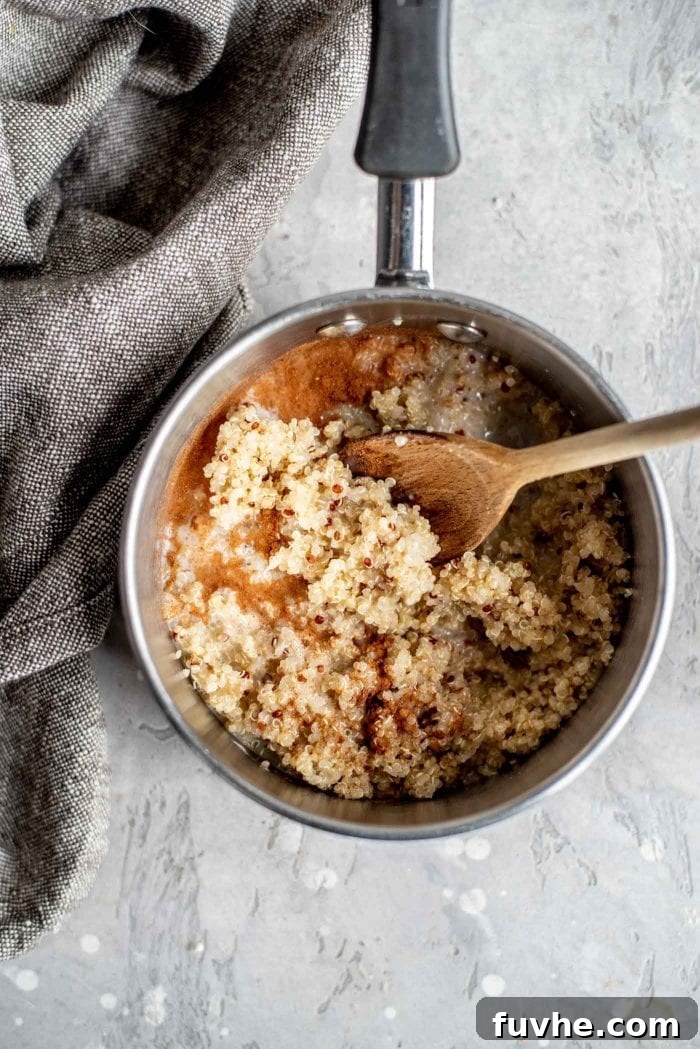
Embracing a rotation of various grains is a superb strategy to enrich your diet with a broader spectrum of nutrients. Each grain boasts a distinct flavor profile, texture, and nutritional makeup. This dietary diversity is not only beneficial for your overall health but also plays a vital role in nurturing a flourishing gut microbiome, which is central to digestion and immunity.
An Extensive List of Grains Perfect for Porridge
Expand your porridge horizons with these incredible whole grains, each offering unique benefits and delicious characteristics:
- Cracked Freekeh: This ancient grain, made from roasted green wheat, offers a firm and slightly chewy texture with a distinctive nutty, earthy, and smoky flavor. It’s an excellent source of prebiotic fiber, supporting gut health, and is rich in protein, iron, calcium, and zinc, making it a robust and satisfying porridge base.
- Amaranth (Gluten-Free): A tiny, ancient pseudocereal that cooks down to a delightfully creamy, almost grits-like consistency. Amaranth has a mild, slightly peppery flavor and is a complete protein, boasting all nine essential amino acids. It’s also rich in manganese, magnesium, phosphorus, and iron.
- Teff (Gluten-Free): Hailing from Ethiopia, teff is the smallest grain in the world, yet a nutritional giant. It yields a smooth, polenta-like or cream of wheat texture with a subtly sweet, molasses-like flavor. Teff is an exceptional source of iron, calcium, and protein, making it a great choice for mineral fortification.
- Millet (Gluten-Free): A quick-cooking, ancient seed-grain with a mild, slightly sweet, and nutty flavor. Millet is incredibly versatile and cooks into a fluffy or creamy consistency, perfect for porridge. It’s a good source of magnesium and phosphorus, contributing to bone health and energy production.
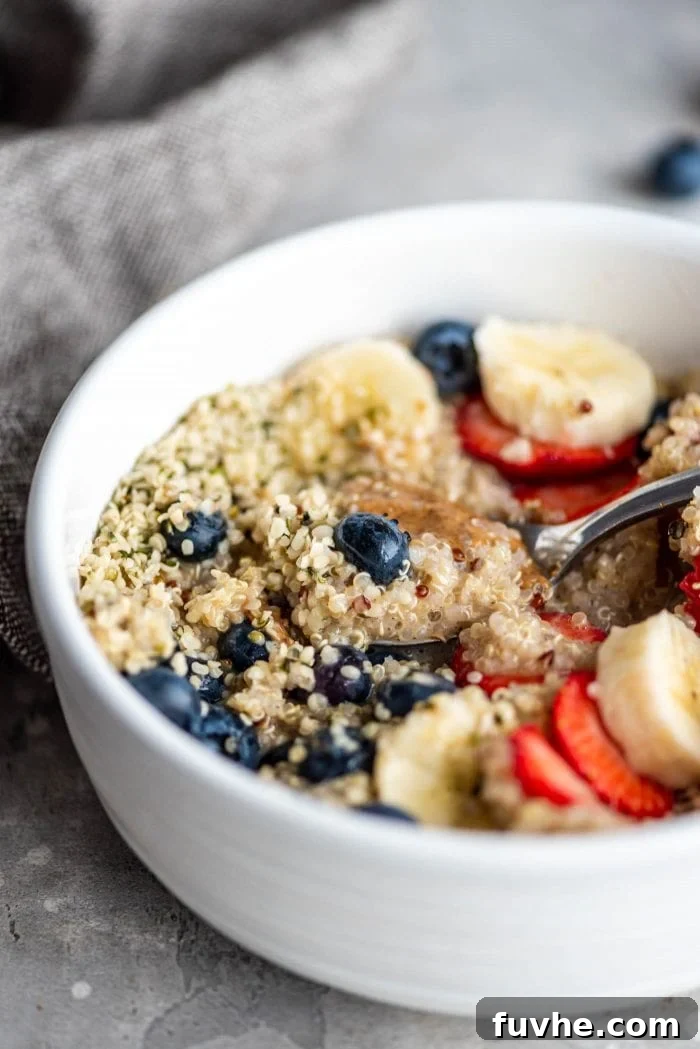
- Quinoa (Gluten-Free): Known as a “superfood,” quinoa has a mild, nutty flavor and a pleasant texture that’s neither too chewy nor too soft. It stands out as a complete protein and is high in magnesium, manganese, riboflavin, lysine, and iron. Try this quick breakfast quinoa recipe for a flavorful start to your day.
- Sorghum (Gluten-Free): Offering a hearty, chewy texture reminiscent of wheat berries and a mild, earthy taste, sorghum is an excellent gluten-free whole grain. It’s an outstanding source of dietary fiber, promoting digestive health, and provides a good amount of protein and iron.
- Kamut Berries: These large, plump kernels of an ancient wheat variety provide a wonderfully chewy texture and a rich, buttery flavor that makes for a luxurious porridge. Kamut is high in protein (7 grams per serving), dietary fiber, selenium, zinc, magnesium, and iron. Soaking overnight can significantly reduce its longer cooking time.
- Farro: An ancient relative of modern wheat, farro is celebrated for its robust, chewy texture and deep, nutty flavor. It’s a fantastic source of plant-based protein, iron, and fiber, adding a satisfying heartiness to any porridge.
- Brown Rice (Gluten-Free): A familiar and comforting grain, brown rice makes a surprisingly delicious whole-grain porridge, often compared to a healthier rice pudding. It’s rich in selenium, manganese, fiber, and potent antioxidants, contributing to overall cellular health.
- Spelt Berries: With a complex flavor and abundant whole-grain nutrition, spelt berries offer a chewy texture and a sweet, nutty taste. Many individuals with wheat sensitivities find spelt easier to digest than other wheat forms. It’s high in fiber and a good source of iron and manganese.
- Barley: Versatile for porridge, barley can be used in various forms: whole hull-less barley for a very chewy texture, pearl barley for a softer consistency, rolled barley flakes, or polenta-like barley grits. It has a nutty, slightly sweet flavor and is an excellent source of soluble fiber, particularly beta-glucans, which are known for their cholesterol-lowering properties.
- Wheat Berries: These entire wheat kernels are hearty and chewy, making them an excellent option for a filling porridge. They are a good source of protein, fiber, and iron, providing sustained energy.
- Bulgur: Made from parboiled, cracked wheat, bulgur has a nutty flavor and cooks quickly. It’s low in fat and rich in minerals like manganese, magnesium, and iron, plus a good source of plant-based protein, making it an easy and delicious choice for porridge.
- Rye Flakes: Crafted from whole grain rye that has been softened, steamed, and rolled into flakes, rye flakes offer a mild flavor and a distinct texture for porridge. They are an excellent source of fiber, especially arabinoxylan, known for its high antioxidant activity. Rye also provides phosphorus, magnesium, copper, iron, zinc, and protein.
- Oats (Gluten-Free): Perhaps the most classic porridge grain, oats are incredibly nutritious, offering a perfect mild flavor and satisfying chewy texture. They are rich in soluble fiber (beta-glucan), which supports heart health. Explore rolled oats, quick oats, or steel-cut oats in recipes like my simple banana oatmeal or hearty baked steel-cut oats.
- Buckwheat Groats (Gluten-Free): Inexpensive and simple to prepare, buckwheat groats boast a yummy, earthy flavor and a chewy texture similar to steel-cut oats, making them ideal for porridge. They are high in both soluble and insoluble fiber, provide 6 grams of complete protein per 1/4 cup serving, and are a good source of iron, copper, magnesium, and manganese.
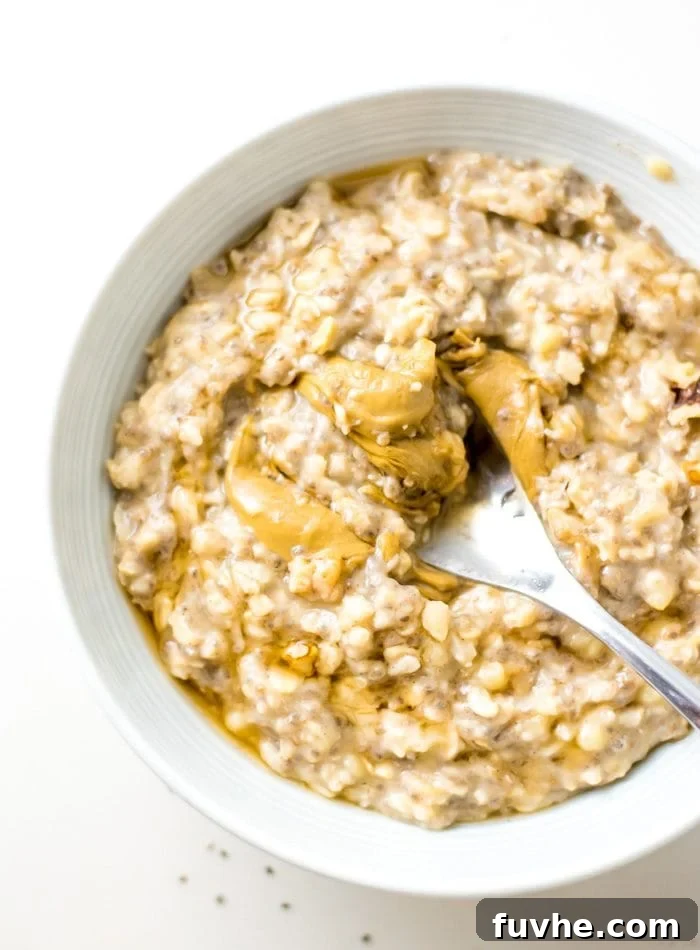
Quick and Easy Whole Grain Porridge Base Recipe & Variations
These recipes revolutionize breakfast by utilizing pre-cooked whole grains, transforming them into a warm, nourishing meal in mere minutes. This approach is not only incredibly convenient for busy mornings but also an excellent way to repurpose leftover cooked grains. Simply combine your grain of choice with dairy-free milk and your favorite add-ins, then heat briefly for a wholesome and satisfying start to your day.
The beauty of these recipes lies in their simplicity: you’re essentially reheating and enhancing a pre-cooked grain. This method guarantees a healthy, flavorful breakfast in about 5 minutes, allowing you to enjoy a delicious and customized meal with minimal fuss.
Understanding Serving Sizes for Your Porridge
Achieving the perfect porridge consistency and portion size is key to a satisfying breakfast. Here’s a guide to help you manage your servings:
- Standard Serving: Our recipes generally suggest one serving of whole grains, which equates to roughly 1/4 cup of dry grain. Once cooked, this typically yields between 1/2 and 3/4 cup of prepared grain. While the recipes call for 1/2 cup of cooked grain, feel free to use a bit more if you prefer a heartier portion. Just remember to incrementally add extra liquid (dairy-free milk) as needed to achieve your desired creamy consistency.
- Grain Density Variations: Be mindful that the yield of cooked grain can vary. For instance, grains like buckwheat groats, freekeh, and quinoa often expand to about 3/4 cup once cooked, offering a lighter volume. In contrast, denser grains such as steel-cut oats might yield a slightly smaller, more compact cooked portion for the same dry measurement.
- Adjusting for More Servings: All recipes provided are easily scalable. Whether you’re feeding a family or meal prepping for the week, you can effortlessly double, triple, or further increase the recipe quantities as needed. Simply maintain the ingredient ratios to ensure consistent flavor and texture.
Natural Sweetening Options for Your Porridge
Tailor the sweetness of your whole grain porridge to your preference with these natural and wholesome options:
- Liquid Sweeteners: Maple syrup, brown rice syrup, or agave nectar are excellent choices for their smooth consistency and distinct flavors. Maple syrup offers a rich, earthy sweetness, while agave is milder, and brown rice syrup provides a subtle, caramel-like note.
- Granulated Sweeteners: Coconut sugar can be stirred in for a caramel-like flavor and a slightly more rustic texture. It’s a less refined alternative to white sugar.
- Zero-Calorie Options: For a sugar-free approach, liquid stevia is a convenient option. A few drops are often enough to provide significant sweetness without adding calories.
- Fruit-Based Sweeteners:
- Date paste provides a rich, natural sweetness with added fiber and nutrients. It’s a wonderful whole-food sweetener.
- Mashed banana is perfect for adding natural sweetness and creaminess, especially when using ripe bananas. It also contributes a lovely fruit flavor.
- Protein Boost with Sweetness: Incorporating vegan vanilla protein powder can add both sweetness and a significant protein boost. If you choose this option, remember to add a bit of extra liquid to maintain the desired porridge consistency, as protein powder can absorb moisture.
For a deeper dive into healthier sugar alternatives, explore: Natural Sugar Substitutes
Dairy-Free Milk Options for Creamy Porridge
The choice of dairy-free milk can significantly impact the flavor and creaminess of your porridge. All these recipes are designed to be enjoyed with plant-based milks:
- Any Plant-Based Milk: Feel free to use your favorite store-bought or homemade plant-based milk. Options like almond, soy, oat, cashew, or rice milk all work beautifully, each imparting a slightly different nuance to your porridge.
- Homemade Almond Milk: For a fresh and pure flavor, consider making your own. Learn how with this recipe: Homemade Almond Milk.
- Homemade Hemp Milk: Hemp milk offers a rich, slightly nutty flavor and a creamy texture, along with omega-3 fatty acids. Discover the recipe here: Homemade Hemp Milk.
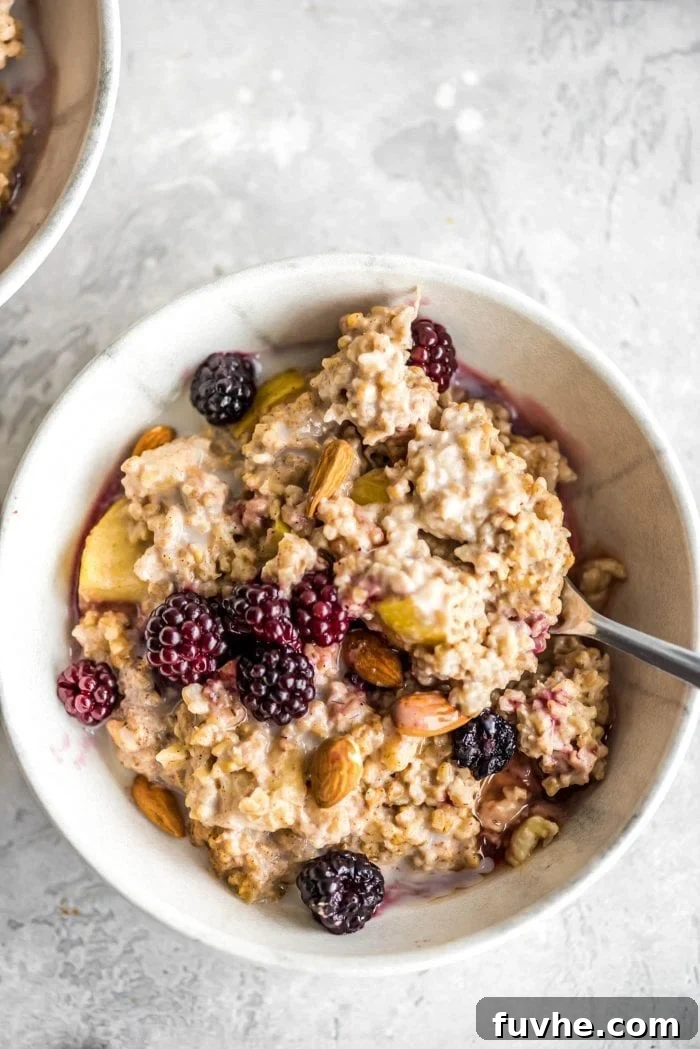
Exciting Whole Grain Porridge Recipe Variations
Beyond the basic preparation, these creative variations offer distinct flavor profiles to keep your breakfast exciting and satisfying:
- Triple Coconut Porridge: Indulge in a tropical escape with this creamy variation. Use rich coconut milk as your base, stir in unsweetened shredded coconut for texture, and sweeten with a touch of coconut sugar. This variation pairs exceptionally well with grains like quinoa, amaranth, brown rice, or rolled oats for a truly decadent experience.
- Pumpkin Pie Porridge: Perfect for the cooler months, this autumnal delight brings the comforting flavors of pumpkin pie to your breakfast bowl. Combine your chosen grain with pumpkin puree and a generous amount of pumpkin pie spice. Top with crunchy walnuts and a dollop of almond butter for an extra layer of richness. Rolled oats, steel-cut oats, and brown rice are particularly delicious with this flavor profile.
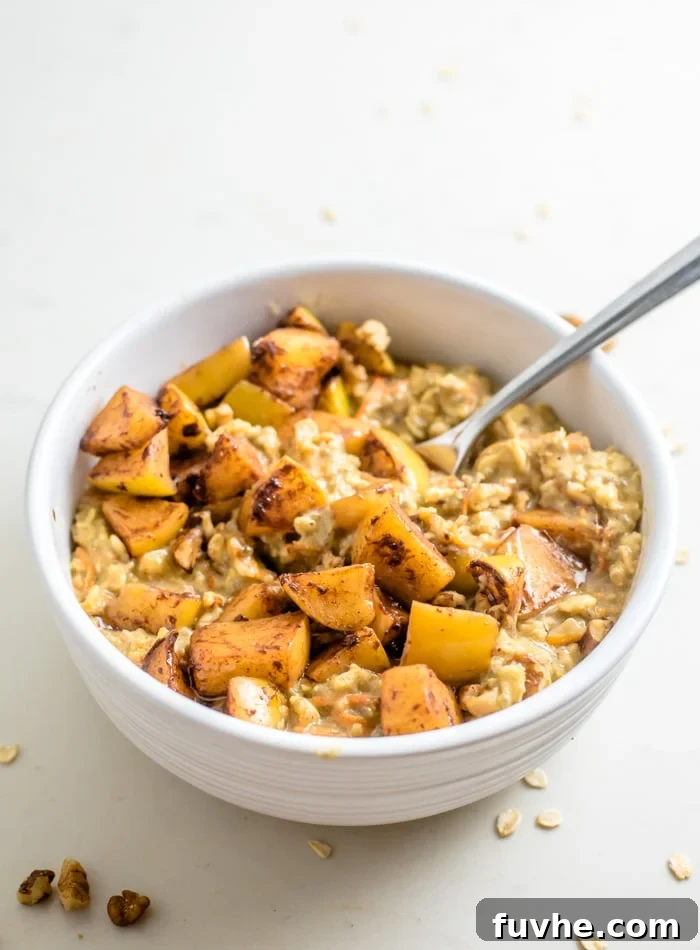
- Apple Cinnamon Porridge: A timeless classic, this variation features the sweet and tart notes of apples balanced with warm cinnamon. Mix your porridge with finely diced fresh apple pieces, a sprinkle of ground cinnamon, and a drizzle of maple syrup for a comforting and aromatic start to your day. Adding a few raisins can enhance the sweetness and chewiness.
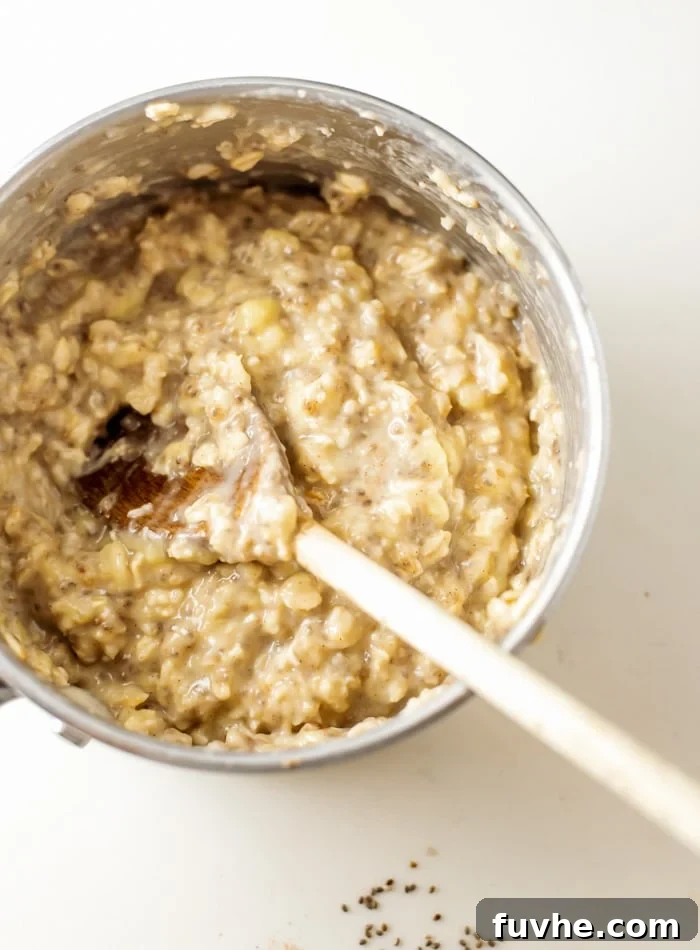
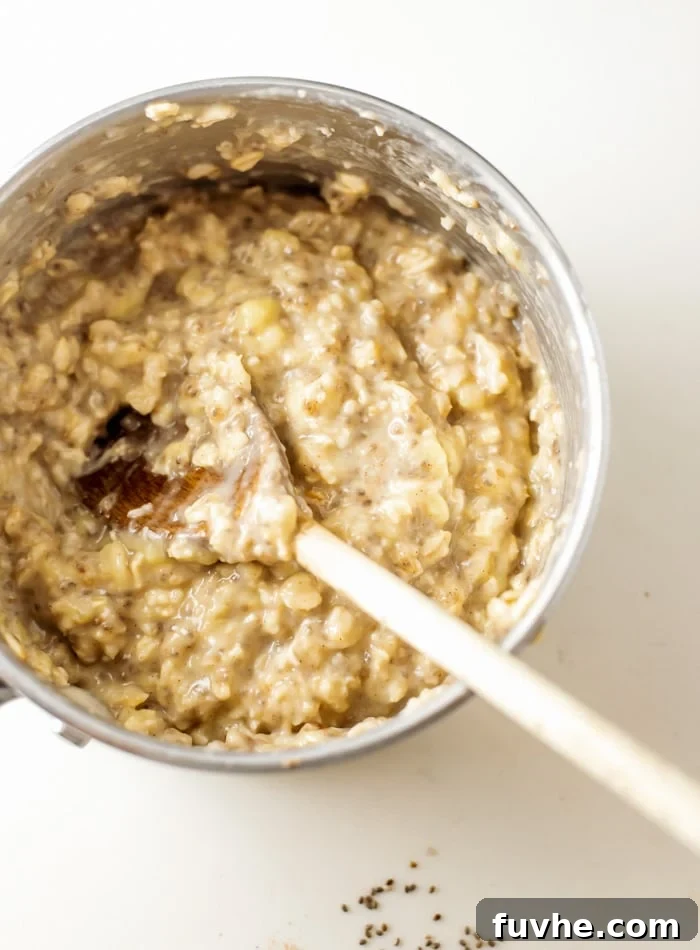
- Banana Nut Porridge: For an extra hearty and energizing breakfast, create this banana nut sensation. Stir in protein-packed chia seeds and hemp seeds, and then top with a generous sprinkle of chopped walnuts and slices of fresh banana. The combination of healthy fats, fiber, and protein will keep you feeling full and focused.
- Caramel Tahini Porridge: A sophisticated and uniquely delicious flavor combination. The natural sweetness of soft, finely chopped dates melds perfectly with the creamy, slightly bitter notes of tahini, creating a luxurious “caramel” effect. This variation is incredibly satisfying and provides healthy fats and minerals.
More Creative Flavor Combinations for Your Porridge
Once you master the basic whole grain porridge, the culinary adventure truly begins! Don’t limit yourself to the variations above; your kitchen is a canvas for endless flavor creations. Here are a few more inspiring ideas to get your imagination flowing:
- Chocolate Peanut Butter: A beloved combination for a reason! Stir 1 tablespoon of unsweetened cacao powder into your cooked porridge for a rich chocolate base. Top generously with your favorite creamy peanut butter for an irresistible flavor and protein boost.
- Strawberry Cream: For a fresh and fruity treat, stir plenty of fresh or frozen (thawed) strawberries into your warm porridge. Finish with a dollop of creamy dairy-free yogurt for a luscious, tangy counterpoint that tastes like a dessert.
- Blueberry Lemon: Brighten your morning with this zesty and antioxidant-rich option. Stir in plenty of fresh lemon juice for a vibrant kick. Top your porridge with an abundance of fresh or frozen blueberries, which burst with flavor and healthy compounds.
- Almond Butter & Jam: A wholesome twist on a classic sandwich. Stir in a spoonful of chia seed jam (homemade or store-bought) for natural fruit sweetness and added omega-3s. Crown your porridge with a generous swirl of smooth almond butter for healthy fats and protein.
There’s truly no end to the incredible flavors you can create with a little imagination and a pantry full of wholesome ingredients. Experiment, enjoy, and find your new favorite!
Related Wholesome Breakfast Recipes
If you loved these whole grain porridge ideas, you might also enjoy these other nourishing breakfast options:
- Peanut Butter Banana Blueberry Oatmeal
- Apple Pie Overnight Oats
- 5-Minute Breakfast Quinoa
- Easy Banana Baked Oatmeal
5-Minute Whole Grain Porridge
By: Deryn Macey
Enjoy a quick, delicious, and deeply nourishing whole grain breakfast customized with your choice of grain, dairy-free milk, and delightful flavorings. Perfect for busy mornings!
Cook: 5 mins
Servings: 1
Ingredients
Base Porridge Recipe
- 1/2 to 3/4 cup cooked whole grain of choice (e.g., farro, quinoa, brown rice, steel-cut oats, millet)
- 1/4 – 1/2 cup dairy-free milk, as needed to reach desired consistency
- 2 tsp maple syrup or sweetener of choice, optional
Triple Coconut Variation
- Use coconut milk for the milk base
- 2 tbsp unsweetened shredded coconut
Pumpkin Pie Variation
- 1/4 cup dairy-free milk
- 1/4 cup pumpkin puree
- 2 tbsp crushed walnuts
- 1 tsp pumpkin pie spice
Apple Cinnamon Variation
- 1/4 cup almond milk
- 1 diced apple
- 1 tsp cinnamon
- 1 tbsp raisins
Banana Nut Variation
- 1 tbsp chia seeds
- 1 tbsp hemp seeds
- 2 tbsp chopped walnuts
- 1 medium banana, sliced
Caramel Tahini Variation
- 4 small dates, finely chopped
- 2 tbsp tahini
Instructions
- Combine the pre-cooked whole grain, dairy-free milk, and your chosen sweetener (if using) in a small saucepan.
- Heat the mixture over medium heat, stirring frequently, until it is thoroughly warmed through and reaches your desired creamy consistency. Add more milk if needed.
- Spoon the warm porridge into a bowl. Enhance with any additional toppings you desire, such as nuts, fresh fruit, a swirl of almond butter, or a dollop of coconut yogurt, and enjoy immediately.
Notes
Nutrition facts provided are an approximation for a base serving, including 3/4 cup cooked quinoa (other cooked grains have similar general nutrition), 1/4 cup dairy-free milk, and 2 tsp maple syrup. Please adjust these figures to account for any additional ingredients or toppings you choose to add.
Nutrition
Serving: 1g,
Calories: 219kcal,
Carbohydrates: 40g,
Protein: 6.5g,
Fat: 3.5g,
Fiber: 4g,
Sugar: 10g
Did you enjoy this recipe? We’d love to hear from you!
Please take a moment to rate the recipe and share your thoughts in the comments below.