
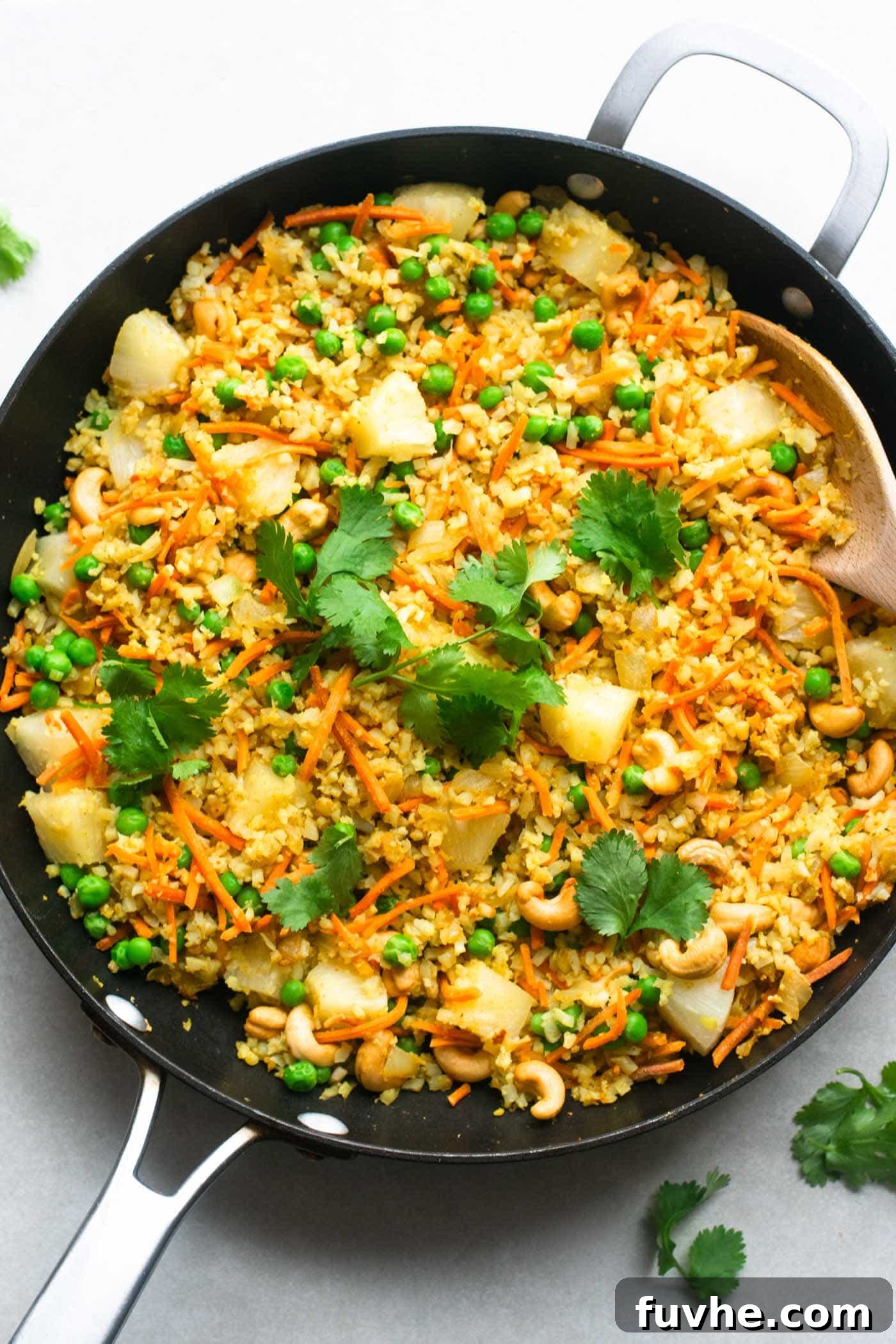
Embark on a culinary journey with this incredibly flavorful and vibrant Vegan Pineapple Cashew Cauliflower Rice. This dish brilliantly transforms healthy cauliflower into a fluffy, rice-like texture, perfectly complemented by the satisfying crunch of cashews and the burst of sweet, tangy pineapple. Far more than just a side dish, it’s a complete meal experience that caters to both your palate and your well-being.
Crafted for convenience and packed with nutrients, this recipe is your answer to quick, healthy eating. In just about 25 minutes, you can have a gourmet-quality meal on your table, making it ideal for busy weeknights, a refreshing light lunch, or an essential component of your weekly meal preparation. Its versatility and delightful taste will make it a new staple in your kitchen.
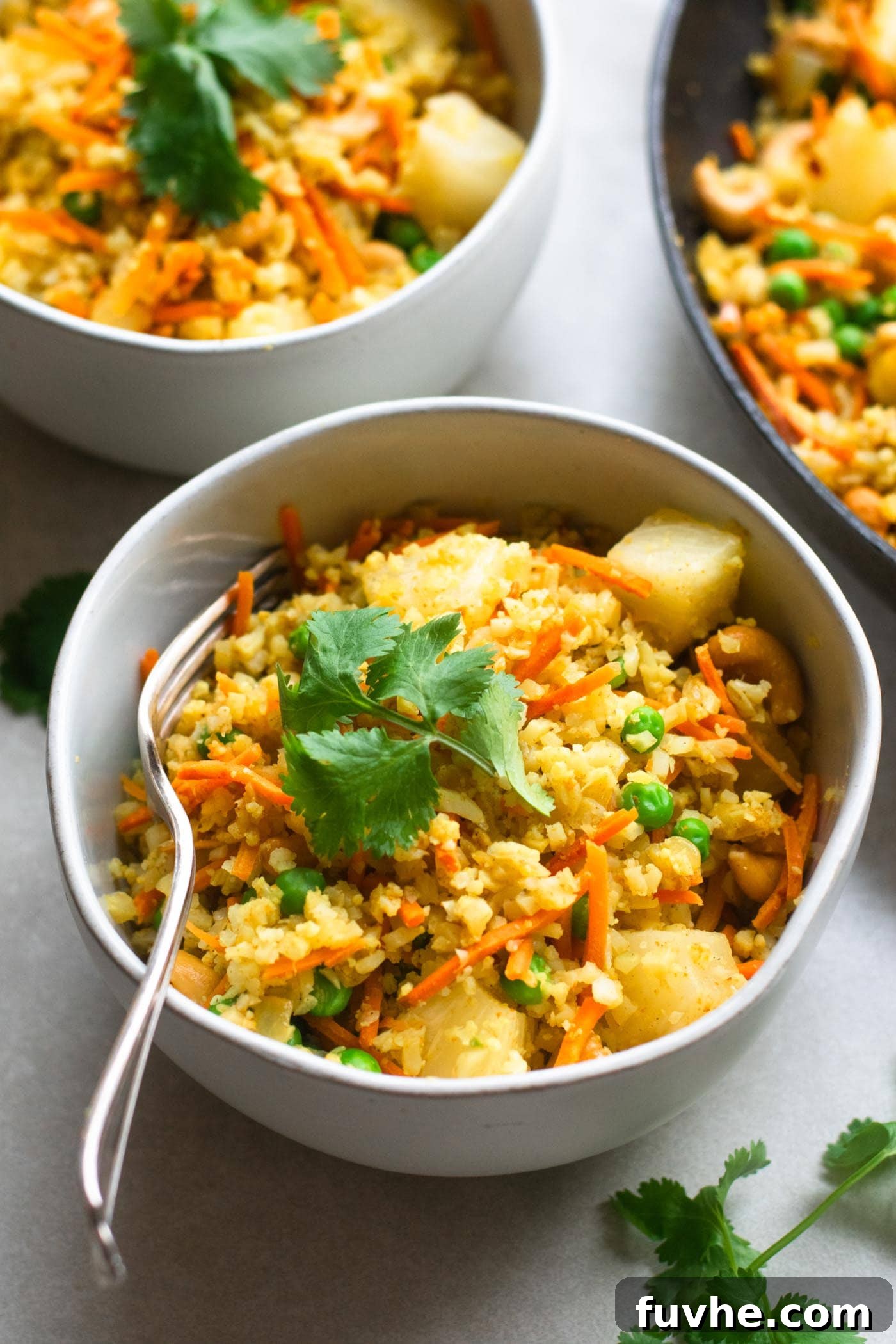
Discover the Delight of This Healthy Cauliflower Rice Dish
This Pineapple Cashew Cauliflower Rice isn’t just a recipe; it’s a testament to how incredibly delicious and satisfying plant-based, low-carb meals can be. Whether you’re seeking a standalone main course or a robust side dish to accompany your favorite plant-based protein, this recipe delivers. Prepare a generous double batch to simplify your healthy meal prep for the week ahead – you’ll thank yourself later!
At its heart, this dish is a harmonious blend of contrasting yet complementary flavors: the natural sweetness of pineapple, a gentle warmth from carefully selected spices, and the rich nuttiness of cashews. Beyond its incredible taste, it’s a powerhouse of nutrition, designed to be both filling and incredibly good for you. Here’s why this recipe deserves a permanent spot in your culinary repertoire:
- Dietary Inclusivity: It’s naturally vegan and gluten-free, with easy modifications to make it oil-free or nut-free, ensuring almost everyone can enjoy it.
- Nutritional Powerhouse: Boasting high fiber content, it’s remarkably low in carbohydrates, fat, and calories, yet remarkably satiating – perfect for mindful eating without compromising on flavor.
- Endless Customization: Adapt it to your preferences by incorporating your preferred plant-based protein (like crispy tofu or tempeh) or adding a medley of extra vegetables for boosted nutrition and texture.
- Rapid Preparation: From your pantry to your plate, this entire dish comes together in less than 30 minutes, making it a dream for busy schedules.
- Meal Prep Champion: Its excellent storage properties make it an ideal candidate for batch cooking, allowing you to enjoy healthy, flavorful meals throughout the week with minimal effort.
Beyond this incredible creation, explore the versatility of cauliflower rice with these other fantastic recipes: the exotic Coconut Cauliflower Rice Bowl, the aromatic Red Curry Cauliflower Rice, and the classic comfort of Vegan Cauliflower Fried Rice. Each offers a unique way to enjoy this superfood.
Why Choose Cauliflower Rice? Benefits and Versatility
Cauliflower rice has revolutionized healthy eating, offering a fantastic low-carb, grain-free alternative to traditional rice. But why has it become such a popular choice, especially for those following vegan, gluten-free, or ketogenic lifestyles? The reasons are plentiful:
- Nutrient-Dense: Cauliflower is rich in Vitamin C, Vitamin K, folate, and B vitamins. It also provides essential minerals like potassium and manganese.
- Low in Carbohydrates: For those managing blood sugar levels or adhering to a low-carb diet, cauliflower rice is a game-changer. It contains significantly fewer carbohydrates than white or brown rice.
- High in Fiber: The fiber in cauliflower supports digestive health, helps regulate blood sugar, and contributes to a feeling of fullness, aiding in weight management.
- Versatile Base: Its mild flavor makes it an excellent canvas for a wide array of seasonings and cuisines. It readily absorbs the flavors of the ingredients it’s cooked with, as showcased beautifully in this Pineapple Cashew Cauliflower Rice.
- Easy to Prepare: Whether you rice it yourself or opt for pre-packaged varieties, cauliflower rice is quick and simple to cook, cutting down on meal preparation time.
Incorporating cauliflower rice into your diet is an easy and delicious way to boost your vegetable intake and enjoy lighter, yet satisfying, meals. This recipe perfectly highlights how a simple vegetable can be transformed into something truly extraordinary.
Key Ingredients for a Flawless Flavor Profile
Creating this delicious Pineapple Cashew Cauliflower Rice relies on a selection of simple, wholesome ingredients. While the full list with precise measurements is available in the recipe card below, let’s delve into some key components and tips for optimizing their flavor and function in this dish.
- Aromatics: Garlic & Onion – These foundational ingredients are non-negotiable for building a rich, aromatic base. The sweet, pungent notes of onion and the sharp, savory kick of garlic are crucial for depth of flavor. If fresh garlic isn’t handy, garlic powder can be a convenient substitute, though fresh is always preferred for maximum impact. Consider adding a touch of fresh grated ginger for an extra layer of zing and warmth, particularly if you enjoy a more pronounced “fried rice” character.
- Cooking Oil (or Oil-Free Option) – A small amount of oil is used to sauté the aromatics, coaxing out their flavors. Sesame oil is highly recommended here for its distinctive, nutty aroma that instantly evokes a classic “fried rice” experience. Alternatively, coconut oil, avocado oil, or olive oil will also work beautifully. For an oil-free rendition, simply swap the oil for a splash of water or vegetable broth to prevent sticking and allow the vegetables to soften gently.
- Riced Cauliflower – The star of our dish! You can effortlessly prepare fresh cauliflower rice at home using a food processor (details below) or save time with pre-riced cauliflower from the produce or freezer aisle. If using frozen, ensure it’s thawed and well-drained to avoid excess moisture, which can lead to a soggy texture.
- Sweet & Tangy Pineapple – The vibrant tropical sweetness and acidity of pineapple are essential for balancing the savory spices. Both canned pineapple chunks (thoroughly drained) and freshly diced pineapple work wonderfully. Fresh pineapple offers a slightly firmer texture and brighter flavor, but canned is a fantastic convenience option.
- Green Peas – These add a pop of color, a hint of sweetness, and a soft texture. Frozen green peas are incredibly convenient and can be added directly to the skillet, as they thaw and cook quickly. Fresh or canned peas are also suitable options.
- Crunchy Cashews – Cashews contribute a delightful buttery crunch and rich flavor that elevates the entire dish. Raw, unsalted cashews are ideal as they toast slightly during cooking, enhancing their natural sweetness. If you prefer, lightly toasted cashews can also be used. For a nut-free version, consider substituting with sunflower or pumpkin seeds, or simply omit them.
- Carrots: Grated carrots not only add beautiful color and natural sweetness but also a boost of vitamins and fiber. They cook quickly and blend seamlessly into the rice.
- Spices: Curry Powder, Cumin, Coriander, Red Pepper Flakes: This blend creates the signature warm, aromatic, and slightly spicy profile of the dish. Adjust the red pepper flakes to your heat preference – a little goes a long way!
Creative Variations to Personalize Your Cauliflower Rice
One of the best aspects of this Pineapple Cashew Cauliflower Rice recipe is its adaptability. Feel free to get creative and tailor it to your taste preferences or whatever ingredients you have on hand. Here are some fantastic ideas to inspire you:
- Herbaceous Freshness: Elevate the aroma and taste by scattering a generous handful of fresh basil or mint over the finished dish. Cilantro is also a classic pairing that adds a bright, zesty note.
- Citrusy Sweetness: For an extra layer of sweetness and a delicate citrus tang, gently fold in a few canned, well-drained mandarin oranges during the final minutes of cooking.
- Dried Fruit Delight: Introduce a chewy texture and concentrated sweetness with a handful of golden raisins, dried cranberries, or chopped dried apricots. This pairs beautifully with the cashews and pineapple.
- Nutty Adventures: While cashews are wonderful, don’t hesitate to experiment with other nuts. Chopped walnuts, sliced almonds, crunchy crushed peanuts, or even pecans can offer a different flavor and textural dimension. For a nut-free option, roasted sunflower or pumpkin seeds are excellent substitutes.
- Boosted Protein: To transform this into an even heartier meal, serve it alongside your favorite plant-based protein. Crispy baked tofu or tempeh are excellent choices. You can also quickly stir-fry chickpeas or black beans directly into the dish for added protein and fiber.
- Vegetable Medley: Enhance the nutritional value and visual appeal by adding more vegetables. Consider finely diced bell peppers (any color!), thinly sliced mushrooms, broccoli florets, or even chopped kale or spinach. Add harder vegetables earlier with the cauliflower rice and softer greens towards the end.
- Sauce It Up: A drizzle of sriracha for more heat, a splash of tamari (for gluten-free) or soy sauce for umami depth, or a squeeze of lime juice for extra brightness can further customize the flavor profile. A touch of maple syrup or agave can enhance the sweetness if desired.
- Smoky Touch: A pinch of smoked paprika can add a subtle smoky depth, particularly if you’re not adding any meat substitutes.
- Spice Variations: Experiment with different spice blends! A pinch of turmeric can add a beautiful golden hue and earthy notes, while a touch of garam masala could lend an Indian-inspired twist.
Crafting Your Pineapple Cashew Cauliflower Rice: A Step-by-Step Guide
Follow these straightforward steps to create a flavorful and satisfying meal in under 30 minutes. Precision and a little attention to detail will ensure the best texture and taste.
Step 1: Sauté the Aromatics
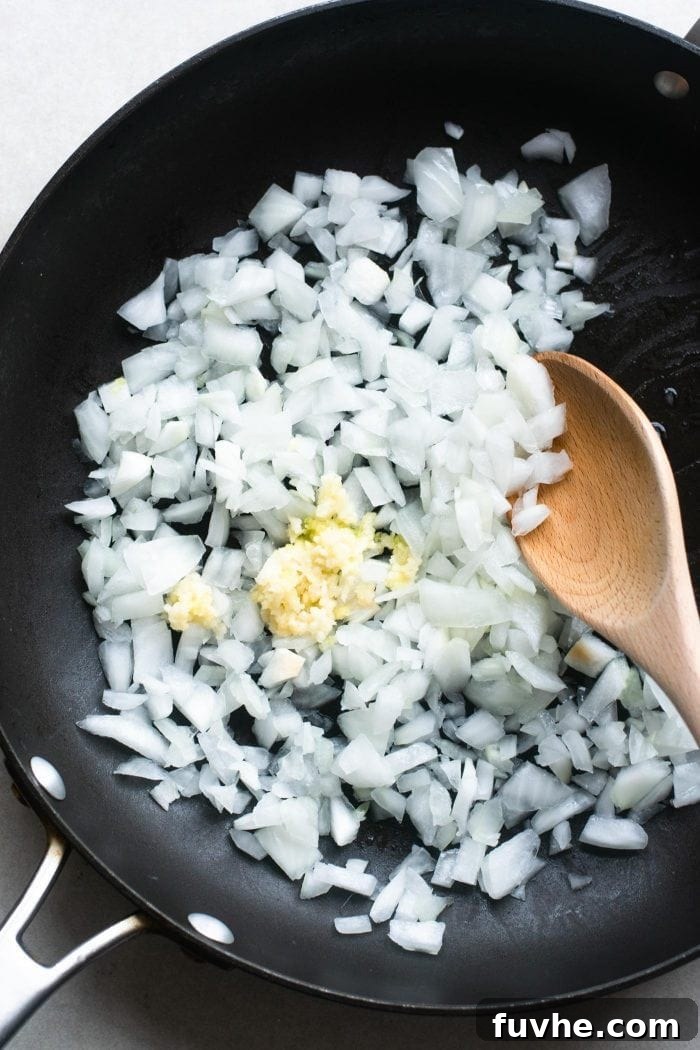
Begin by heating your chosen cooking oil (or a splash of water/broth for oil-free) in a large non-stick skillet or wok over medium heat. Once shimmering, add the finely chopped onions and minced garlic. Sauté them gently for 2-3 minutes, stirring occasionally, until they become soft, translucent, and wonderfully fragrant. This step is crucial for building the foundational flavor of your dish.
Step 2: Infuse with Spices
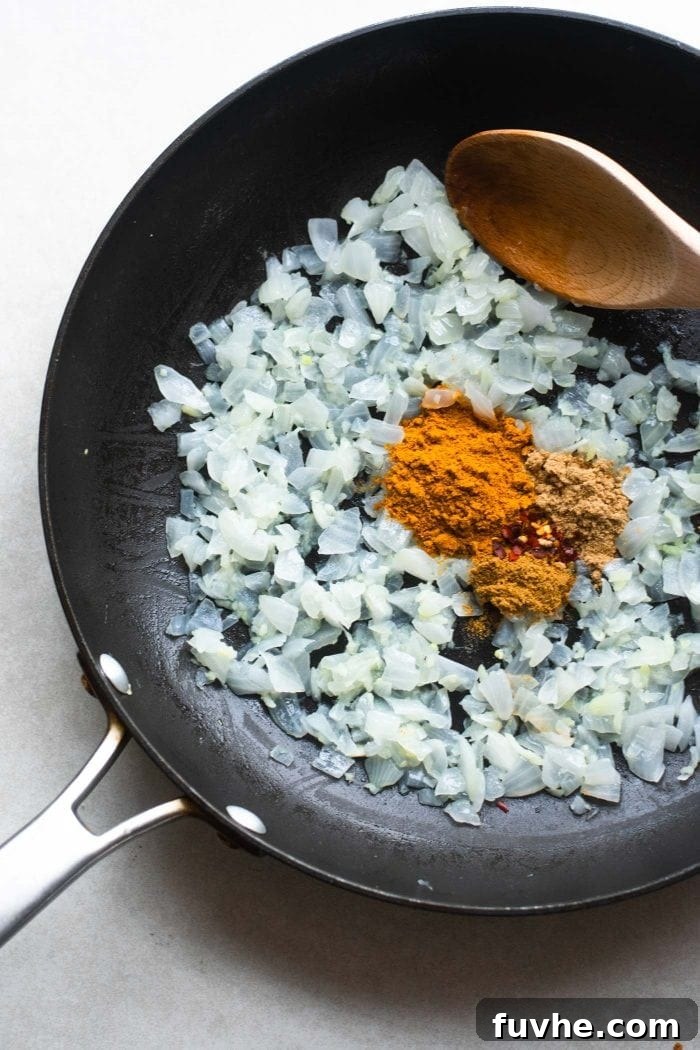
Next, introduce the vibrant spices: curry powder, cumin, coriander, and the optional red pepper flakes for a kick. Add them to the skillet with the softened onions and garlic. Stir continuously for about 1 minute, allowing the spices to toast lightly and release their full aromatic potential. Be mindful not to burn them. This step creates layers of complex flavor and a delightful warmth. Adjust the red pepper flakes according to your spice preference; omit if you prefer a milder dish.
Step 3: Stir-Fry Cauliflower and Carrots
Add the prepared riced cauliflower and grated carrots to the skillet. Stir-fry vigorously for approximately 5-6 minutes. The goal here is to cook the cauliflower until it’s tender-crisp – still retaining a slight bite but no longer raw. Avoid overcooking, as this can lead to a soggy texture. Ensure everything is evenly coated with the fragrant spice mixture.
Carrot Preparation Tip: For grated carrots, you can use a box grater, a hand-held grater, or even a julienne peeler for thin strips. Pre-shredded carrots from your local grocery store are a fantastic time-saver. Whichever method you choose, aim for uniform pieces for even cooking.
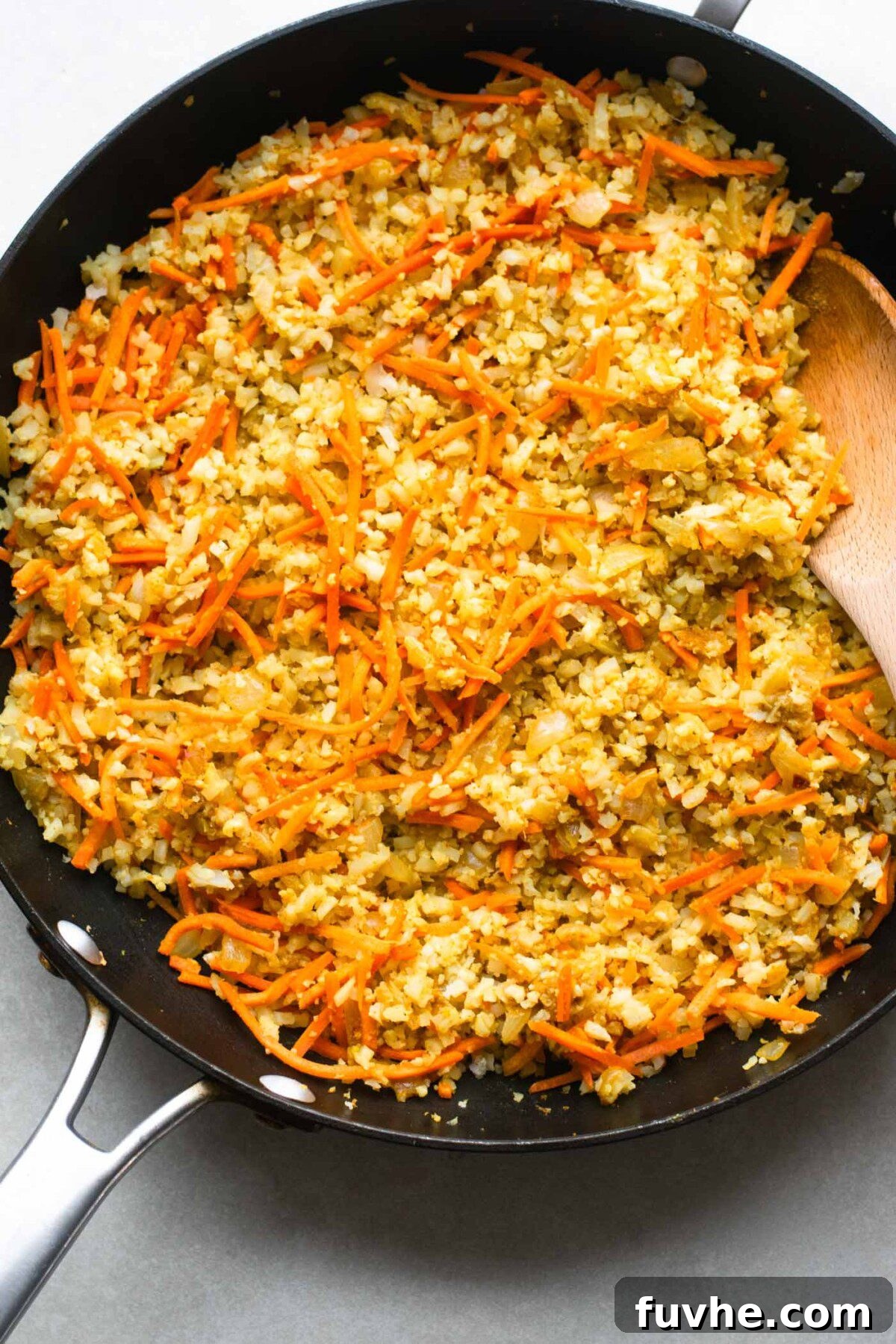
Step 4: Incorporate Remaining Ingredients and Finish
Finally, introduce the raw cashews, vibrant green peas, and the sweet, tangy pineapple chunks to the skillet. Give everything a good stir to combine all the delicious components. Continue to cook for another 4-5 minutes, just long enough to heat the peas and pineapple through and allow the flavors to meld beautifully. The cashews will also acquire a subtle toastiness during this time.
Pineapple Quick Tip: If using canned pineapple, it is absolutely essential to drain it thoroughly before adding it to the stir-fry. Excess pineapple juice can introduce too much moisture, potentially making the dish overly sweet and soggy. Fresh pineapple, diced into small, uniform pieces, is also an excellent option if available.
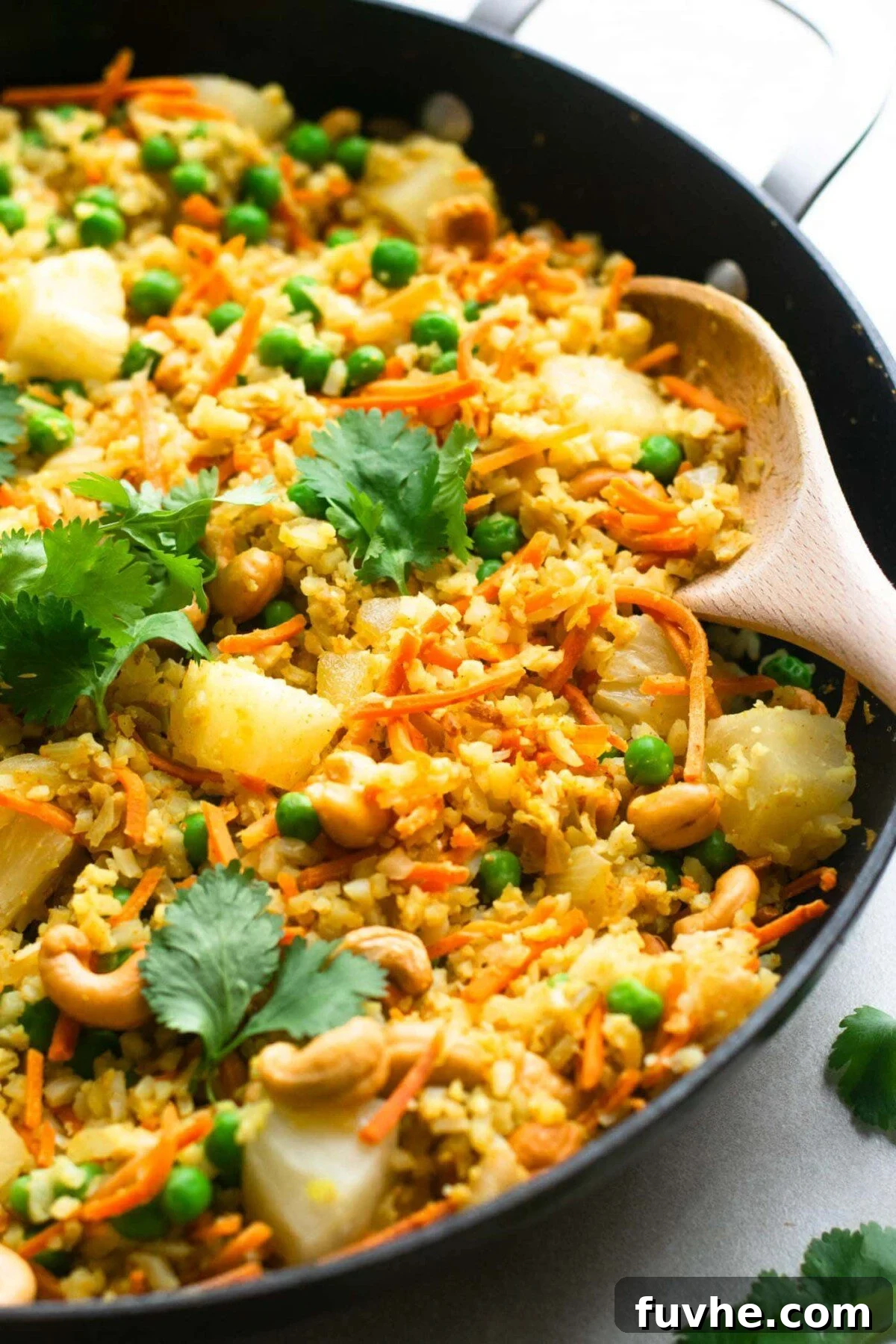
Season and Serve
Taste the dish and season generously with salt and freshly ground black pepper to your preference. Adjust any spices if needed. Serve your exquisite Pineapple Cashew Cauliflower Rice immediately, garnished with fresh cilantro if desired, for an extra burst of freshness. This dish is best enjoyed hot and fresh from the pan.
Mastering Homemade Cauliflower Rice: A Simple Guide
While pre-riced cauliflower offers convenience, making your own at home ensures the freshest taste and perfect consistency. The easiest and most efficient way to achieve beautifully textured cauliflower rice is by using a food processor or a high-speed blender. Here’s how:
- Prepare the Cauliflower: Start with a fresh head of cauliflower. Remove the tough green stem and any outer leaves. Chop the cauliflower into florets of roughly even size. This helps ensure uniform processing.
- Process in Batches: Place a portion of the cauliflower florets into your food processor bowl (avoid overfilling, as this can result in unevenly riced cauliflower).
- Pulse to Perfection: Secure the lid and pulse the food processor in short bursts. Continue pulsing, scraping down the sides as needed, until the cauliflower breaks down into small, uniform granules resembling rice. Be careful not to over-process, or you’ll end up with cauliflower puree! A slightly coarser texture is ideal for stir-frying.
- Ready to Use: Once processed, your homemade cauliflower rice is ready to be added directly to the skillet for this recipe. There’s no need to cook it separately beforehand.
Note on Alternatives: You can also use a box grater to make cauliflower rice, grating the florets by hand. While effective, it’s generally more labor-intensive and might yield a slightly less uniform texture compared to a food processor. For a more detailed guide and additional tips on achieving the perfect cauliflower rice every time, you can refer to comprehensive resources on how to make cauliflower rice.
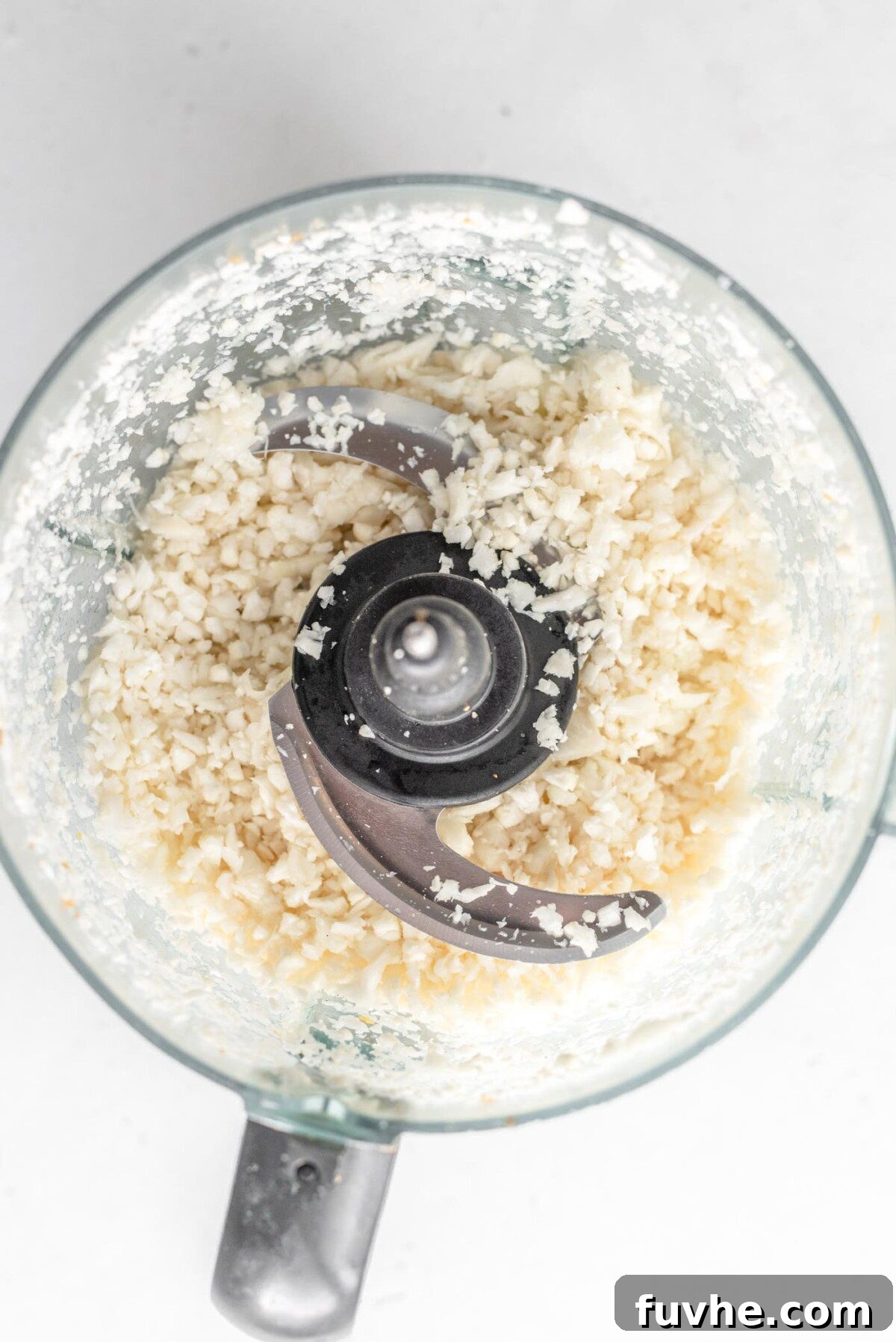
Frequently Asked Questions About Cauliflower Rice
How do you prevent cauliflower rice from becoming soggy?
The key to avoiding soggy cauliflower rice lies in quick cooking and managing moisture. Cauliflower releases moisture as it cooks, so the longer it sits in the pan, especially covered, the more prone it is to becoming mushy. To prevent sogginess, cook cauliflower rice quickly over medium-high heat, stirring frequently, until it’s tender-crisp. Avoid overcrowding the pan, as this lowers the temperature and steams the cauliflower instead of stir-frying it. If using frozen cauliflower rice, ensure it’s thoroughly thawed and well-drained before cooking.
Is frozen cauliflower rice as healthy as fresh?
Yes, frozen cauliflower rice generally maintains the same nutritional value as fresh cauliflower. Freezing vegetables typically locks in their nutrients at their peak freshness. While fresh cauliflower might offer a slightly superior texture and flavor due to its firmer nature, frozen is an excellent, convenient, and equally healthy alternative. Just remember to thaw and drain it properly to prevent excess moisture when cooking.
Is cauliflower rice high in carbs?
No, quite the opposite! Cauliflower rice is renowned for being very low in carbohydrates, making it an ideal choice for those following low-carb, keto, or diabetic-friendly diets. A typical serving of riced cauliflower contains roughly 3 net carbohydrates per cup, significantly less than traditional rice. If you’re looking to further reduce the carb count in this particular recipe, you can omit the pineapple or reduce its quantity, as pineapple contributes natural sugars.
Can I make this recipe ahead of time for meal prep?
Absolutely! This Pineapple Cashew Cauliflower Rice is an excellent candidate for meal prep. Its flavors actually tend to deepen after a day or so, and it reheats beautifully. Cook a larger batch at the beginning of the week and portion it into individual containers for quick and healthy meals throughout your busy week.
What are the health benefits of the ingredients in this dish?
This dish is a nutritional powerhouse! Cauliflower is rich in fiber, Vitamin C, Vitamin K, and B vitamins. Pineapple offers a significant dose of Vitamin C and manganese, along with bromelain, an enzyme known for its anti-inflammatory properties. Cashews provide healthy fats, protein, and minerals like magnesium and zinc. Carrots are packed with Vitamin A (beta-carotene), essential for vision and immune health. The collective ingredients contribute to a balanced, immune-boosting, and energy-sustaining meal.
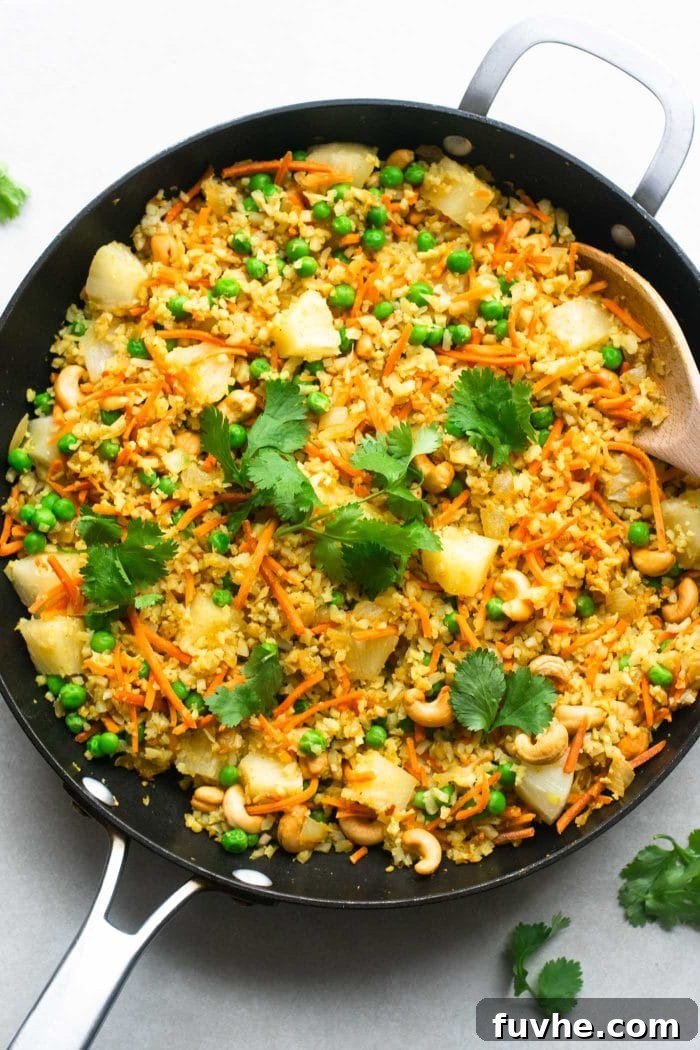
Storing & Reheating Instructions for Optimal Freshness
This Pineapple Cashew Cauliflower Rice is not only delicious fresh but also keeps wonderfully, making it perfect for efficient meal planning.
- Storing in the Fridge: Allow the cooked cauliflower rice to cool completely to room temperature before transferring it to an airtight container. It will stay fresh and flavorful in the refrigerator for up to 4 days. This makes it an ideal option for grab-and-go lunches or quick dinners.
- Freezing for Later: For longer storage, cooked and cooled cauliflower stir-fry can be frozen. Place it in a freezer-safe bag or an airtight container. It will maintain its quality in the freezer for up to 3 months. When ready to enjoy, simply thaw it overnight in the refrigerator before reheating.
- Reheating: To reheat, you have a couple of options. For best results, gently warm the dish on the stovetop in a non-stick pan over medium heat, stirring occasionally, until it’s heated through. You can add a tablespoon or two of water or broth to help prevent sticking and restore a little moisture. Alternatively, you can reheat it in the microwave in a microwave-safe dish, stirring halfway through, until it reaches your desired temperature. Be careful not to overcook when reheating, as this can make the cauliflower soggy.
Explore More Delicious Cauliflower Creations
Cauliflower’s incredible versatility extends far beyond rice! If you’ve enjoyed this recipe, you’re sure to love exploring other innovative ways to incorporate this nutritious vegetable into your diet. Here are some more fantastic cauliflower-centric recipes to inspire your next culinary adventure:
- Hearty Cauliflower Chickpea Curry: A warming and aromatic curry packed with plant-based protein and vibrant spices.
- Spicy Kung Pao Cauliflower: A flavorful and zesty twist on a classic, perfect for a satisfying Asian-inspired meal.
- Creamy Vegan Mashed Cauliflower: A lighter, low-carb alternative to mashed potatoes, wonderfully smooth and comforting.
- Flavorful Curried Cauliflower Dahl: A rich and comforting lentil dish enhanced with cauliflower and fragrant curry spices.
- Wholesome Vegan Broccoli Cauliflower Soup: A creamy and nutritious soup that’s perfect for a cozy meal.
Each of these recipes showcases cauliflower’s ability to transform into diverse and delicious dishes, proving it’s truly a superfood that belongs in every kitchen.

Pineapple Cashew Cauliflower Rice
Ingredients
- 1 tsp coconut oil or other cooking oil of choice
- 1 onion, 325 g, approx. 2 cups diced
- 4 cloves garlic, minced
- 1 head of cauliflower, riced (800 g)
- 1 tbsp curry powder
- 1 tsp coriander
- 1/4 tsp red pepper flakes, optional
- 1/2 tsp cumin
- 4 carrots, peeled and grated (300 g, approx. 2 cups grated)
- 14 oz can pineapple chunks, drained (or 1/2 a fresh pineapple, diced)
- 1 cup frozen green peas, 170 g
- 2/3 cup raw cashews, 100 g
- Pinch of salt and pepper, to taste
Instructions
- In a large non-stick pan or wok, heat the coconut oil over medium heat. Add the onion and garlic and cook until it starts to soften, about 2-3 minutes.
- Add the spices, stir and cook for another minute or two, until fragrant.
- Stir in the riced cauliflower and grated carrot and cook for another 5-6 minutes, until tender-crisp.
- Add the raw cashews, green peas, and drained pineapple chunks. Mix well and let cook for another 4-5 minutes, just to heat through and meld flavors.
- Season with salt and pepper, to taste. Serve immediately, optionally garnished with fresh cilantro.
Notes
Nutrition
Serving: 1/6th of recipe, Calories: 197kcal, Carbohydrates: 28g, Protein: 6.8g, Fat: 8g, Fiber: 6.6g
Like this recipe? Rate and comment below!
Originally published April 10, 2017.