
Mastering a Plant-Based Diet: Your Ultimate Beginner’s Guide with 25 Essential Tips
Embarking on a plant-based diet can feel daunting at first, a journey into unfamiliar culinary territory. However, with the right guidance and a willingness to explore, you’ll discover it’s not only incredibly straightforward but also profoundly rewarding. The global movement towards more sustainable, health-conscious, and ethical eating habits has put plant-based living in the spotlight, and for good reason.
This comprehensive guide is designed to equip you with the knowledge and confidence to seamlessly transition to a plant-based lifestyle. We’re here to demonstrate that eating plant-based can be healthy, sustainable, incredibly delicious, and genuinely enjoyable. From navigating grocery aisles to mastering kitchen hacks, these tips will pave your way to a vibrant, plant-powered life.
Introduction to Plant-Based Eating
Many misconceptions surround plant-based diets, often portraying them as restrictive, complicated, or nutritionally deficient. This article aims to dismantle those myths, offering practical advice for beginners. As awareness grows about the profound impact of our food and lifestyle choices—on our health, the environment, and animal welfare—veganism and plant-based eating are becoming increasingly mainstream. Major companies are responding, leading to an explosion of high-quality, innovative plant-based products readily available on the market.
If you’re motivated to adopt a plant-based diet for improved health, ethical considerations for animals, or to lessen your environmental footprint, there has never been a better time to start. The abundance of resources, products, and community support makes this transition more accessible than ever before. Whether you’re ready to dive in or have already taken your first steps, understanding these foundational tips will solidify your journey.
For a detailed roadmap on getting started, you might find our guide on How to Transition to a Plant-Based Diet incredibly helpful.
25 Essential Tips for Thriving on a Plant-Based Diet
1. Embrace a Gradual Transition
For newcomers to plant-based eating, a complete dietary overhaul overnight is rarely sustainable. Think of this as a marathon, not a sprint. A gradual, mindful transition allows you to adjust to new foods, cooking methods, and a different way of thinking about your meals. There’s no need to rush; progress, not perfection, is the goal.
Where to Start Your Journey
Begin by integrating 1-2 meatless days into your week. This could mean choosing plant-based options for Monday dinners or experimenting with vegan breakfasts throughout the week. As you gain comfort and confidence with these changes, gradually increase your plant-based days. Next, focus on replacing dairy. Many find this easier than anticipated given the vast array of delicious non-dairy alternatives. Start simple: swap cow’s milk in your coffee for your favorite plant-based milk (almond, soy, oat, cashew). Then, explore vegan cheeses, yogurts, and sour creams. Once dairy is under control, eggs are often the next step. In most recipes, eggs can be easily replaced, and for standalone dishes, plant-based scrambles and omelets offer fantastic alternatives.
It’s crucial to approach this journey with kindness to yourself. If you occasionally find yourself consuming animal products, don’t view it as a failure. Instead, focus on reducing your overall intake. Sustainable change trumps immediate, drastic shifts that might lead to giving up entirely. The aim is to build habits that feel natural and enjoyable in the long term. Start with one meal, one day, one step at a time, and soon, plant-based eating will become second nature.
2. Prioritize Progress Over Perfection: Ditch Rigid Rules and Labels
While some may advocate for an immediate, strict adherence to a plant-based diet, a more flexible approach can be far more sustainable, especially for beginners. Striving for “mostly plant-based” is infinitely better than not attempting it at all. The initial adjustment period, learning to cook and eat without animal products, takes time. Be patient with yourself.
The journey gets progressively easier with practice and continuous learning. Soon, you might find it hard to even imagine incorporating meat and dairy back into your diet. If you experience a slip-up, don’t let it derail your progress. The impact of consistent, long-term healthy habits far outweighs occasional deviations. Life is too short for self-reproach over a piece of cheese or a product containing milk. Simply acknowledge it, move forward, and realign with your plant-based goals.
Doing the Best You Can, With What You Have
Many individuals, including myself, may not adhere to a 100% strict vegan diet or label themselves as “vegan,” yet they eat as close to 100% plant-based as reasonably possible. This mindset allows for flexibility and reduces stress, which is vital for long-term adherence. While I personally avoid meat and fish entirely, there are instances, particularly when traveling or in social settings, where avoiding all dairy and eggs can be challenging. The key is to consistently do your best given your circumstances, without allowing your diet to become a source of anxiety or restriction.
Vote with Your Dollars: Conscious Consumerism
A powerful way to support your plant-based values is through your purchasing decisions. Consciously choose where you spend your money. Prioritize supporting local farmers and businesses, and actively avoid mass-produced, factory-farmed animal products. Every meal, consumed at least three times a day, presents an opportunity. It’s a chance to either uphold your beliefs and nourish your body with wholesome, plant-based foods, or inadvertently support practices you don’t align with. Make choices that reflect your values and contribute to a healthier, more ethical food system.
To make plant-based eating affordable and accessible, consult resources like Healthy Eating on a Budget. Additionally, a vegan grocery list can be invaluable for efficient and budget-friendly shopping.

3. Reconnect with Your “Why”
The motivation behind adopting a plant-based diet can be a powerful anchor, especially when faced with challenges. What inspired your decision to eliminate animal products? Was it a compelling documentary on factory farming, a book exposing the realities of our food system, or perhaps a deep commitment to personal health? Identifying and regularly reconnecting with this core motivation is crucial for maintaining a healthy, sustainable plant-based diet.
Recommended Books for Deeper Understanding
For those interested in exploring the ethical, environmental, and health aspects of animal agriculture, these books offer profound insights:
- Eating Animals by Jonathan Safran Foer
- Animal Liberation by Peter Singer
- Dominion by Matthew Scully
- Fast Food Nation by Eric Schlosser
- Books by Michael Pollan (e.g., The Omnivore’s Dilemma, In Defense of Food)
Inspiring Documentaries
Visual media can be equally impactful in shaping perspectives:
- Food, Inc.
- Cowspiracy: The Sustainability Secret
- Earthlings
- What the Health
- The Game Changers
4. Debunk the Protein Myth: Stop Worrying About Protein
One of the most common concerns about plant-based diets revolves around protein intake. While valid, this concern often stems from misinformation. The caveat is simple: you must consume a balanced, whole food plant-based diet. This means intentionally incorporating a wide variety of high-protein plant foods into your daily meals.
Excellent sources of plant protein include legumes (beans, lentils, chickpeas), whole grains (quinoa, brown rice, oats), nuts and seeds (almonds, walnuts, chia, flax, hemp seeds), and soy products (tofu, tempeh, edamame). Green leafy vegetables also contribute a surprising amount of protein. By diversifying your intake across these categories, you’ll effortlessly meet your protein requirements.
For highly active individuals or athletes, a quality, whole-food-based protein powder can be a convenient supplement, but it’s rarely a necessity if your diet is well-planned. The human body is remarkably efficient at utilizing protein from various sources, and a varied plant-based diet provides all essential amino acids when consumed over the course of a day. The notion that plant-based diets are inherently protein-deficient is largely a myth.
For a comprehensive guide, explore Vegan Protein Sources.
Delicious High-Protein Vegan Recipes to Try
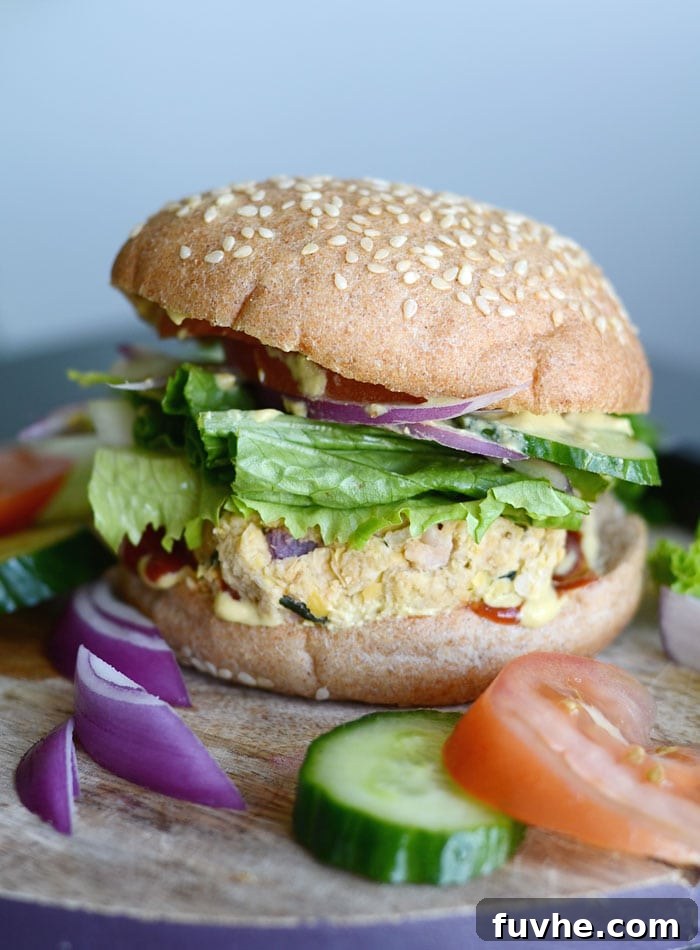
- Spicy Chickpea Veggie Burgers
- Wild Rice Edamame Salad
- Cashew Fried Rice with Tofu
- High-Protein Edamame Mango Salad
5. Dining Out: Don’t Be Afraid to Ask
Dining out on a plant-based diet is becoming progressively easier. Most restaurants today are remarkably accommodating, and many even highlight vegan options directly on their menus. As plant-based eating continues its rise in popularity, expect even more establishments to cater to this growing demand.
If you have concerns about finding suitable options, a little proactive planning goes a long way. Check restaurant menus online beforehand, or call ahead to inquire about vegan dishes. This allows you to plan your meal with confidence.
Should you find yourself at a restaurant without explicit vegan menu items, don’t hesitate to speak with your server. More often than not, they are happy to work with the kitchen to create a custom vegan meal for you. Think simple requests: a vegetable stir-fry with rice or noodles, pasta primavera without cheese, a large salad with oil and vinegar dressing, a baked potato with steamed vegetables, or a veggie burger (confirm it’s vegan). And, of course, a reliable side of french fries is almost always an option!
6. Explore International Cuisines
When dining out or cooking at home, delving into international cuisines is a fantastic strategy for delicious and naturally plant-friendly meals. Many culinary traditions around the world are inherently rich in plant-based dishes, bursting with flavor and often incredibly healthy.
Consider exploring the vibrant flavors of Indian, Thai, Japanese, Middle Eastern (like Lebanese or Israeli), and Ethiopian cuisines. These traditions frequently feature legumes, grains, fresh vegetables, and aromatic spices as their stars, making it easy to find or adapt vegan options. From fragrant curries and hearty lentil dishes to sushi and flavorful hummus platters, international foods offer an endless wellspring of inspiration for exciting plant-based eating.
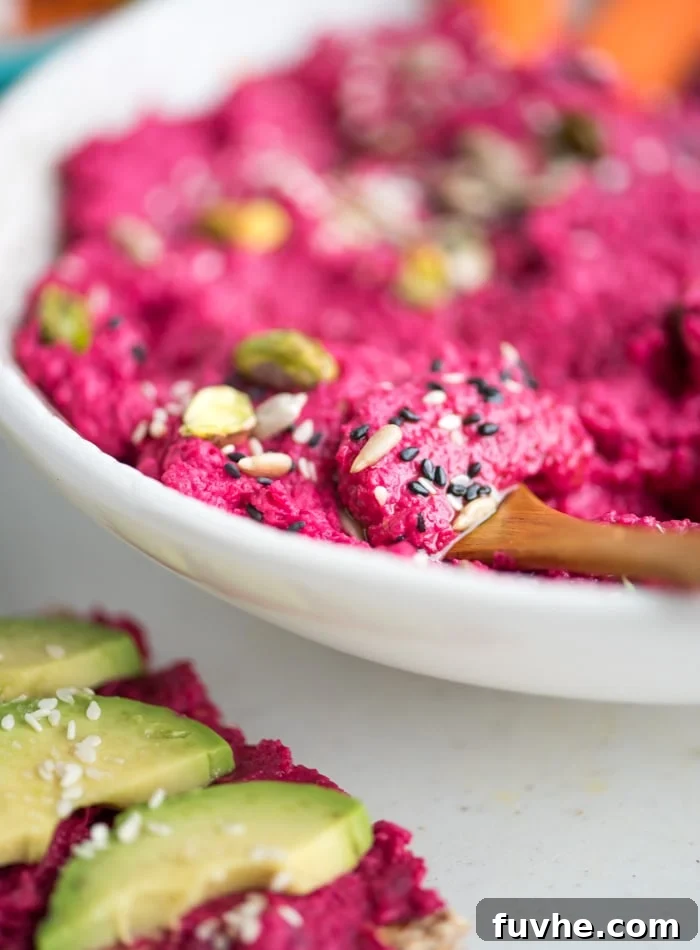
7. Prioritize Meal Planning and Home Cooking
For a balanced, sustainable, and truly healthy plant-based diet, meal planning and consistent home cooking are paramount. This practice allows you to control ingredients, manage portions, and significantly save money. By dedicating time each week to plan your meals and grocery shop accordingly, you ensure you have all the necessary components to prepare nourishing dishes at home. This proactive approach drastically reduces the temptation for less healthy, impromptu meals or takeout, making your plant-based lifestyle both achievable and enjoyable in the long run.
Effective Meal Planning Tips and Resources
- Vegan Grocery List: A well-organized list is your best friend for efficient shopping.
- 3-Day Whole Food Plant-Based Meal Plan: A great starting point for structured meal ideas.
- Batch Cooking: Prepare larger quantities of staples like grains, roasted vegetables, or legumes to use in multiple meals throughout the week.
- Themed Meal Nights: Designate certain nights for specific cuisines (e.g., “Taco Tuesday,” “Curry Thursday”) to simplify planning and add variety.
Diverse Plant-Based Meal Ideas
- Anti-Inflammatory Breakfast Recipes
- 25 Healthy Vegan Soup Recipes
- Easy Healthy Vegan Breakfast Recipes
- Easy Vegan Snack Ideas
8. Master Dairy Milk Alternatives
Replacing dairy milk is often the easiest and most accessible first step for many transitioning to a plant-based diet, thanks to the vast and ever-growing selection of alternatives. Supermarket shelves are brimming with options like almond milk, oat milk, soy milk, cashew milk, rice milk, and coconut milk, each offering unique flavors and textures suitable for various uses – from coffee to smoothies, cereals to baking. Many brands also offer specialized vegan coffee creamers that froth beautifully.
For a more personalized touch, making your own nut and seed milks at home is surprisingly simple and often more economical. Beyond milk, the market now boasts an impressive range of vegan cheeses, yogurts, and even sour cream alternatives made from cashews or tofu, ensuring you won’t miss out on your favorite creamy textures and flavors.
Further Resources on Dairy Alternatives
- How to Replace Dairy in Your Diet: A comprehensive guide to going dairy-free.
- How to Make Almond Milk: DIY instructions for a fresh alternative.
- Vegan Parmesan Recipe: A staple for pasta and savory dishes.
- Tofu Ricotta Recipe: Perfect for lasagna and other Italian favorites.
9. Curate a Well-Stocked Vegan Pantry
A well-stocked pantry is the cornerstone of successful plant-based living. Having essential ingredients on hand eliminates stress and ensures you’re always ready to whip up delicious, nutritious meals, even on busy weeknights. Consider your pantry your culinary foundation, equipped with versatile staples that form the base of countless plant-based recipes.
Key categories include: **Legumes** (canned or dried beans, lentils, chickpeas), **Grains** (quinoa, brown rice, oats, pasta), **Nuts and Seeds** (almonds, cashews, chia, flax, hemp, tahini), **Canned Goods** (diced tomatoes, coconut milk, vegetable broth), **Oils and Vinegars** (olive oil, apple cider vinegar), **Spices and Herbs** (a wide variety!), and **Flavor Enhancers** like nutritional yeast and soy sauce/tamari. Building this repertoire makes healthy, plant-based cooking intuitive and enjoyable.
For a detailed guide on essential ingredients and how to organize your kitchen for plant-based success, refer to our post on How to Stock a Vegan Pantry.
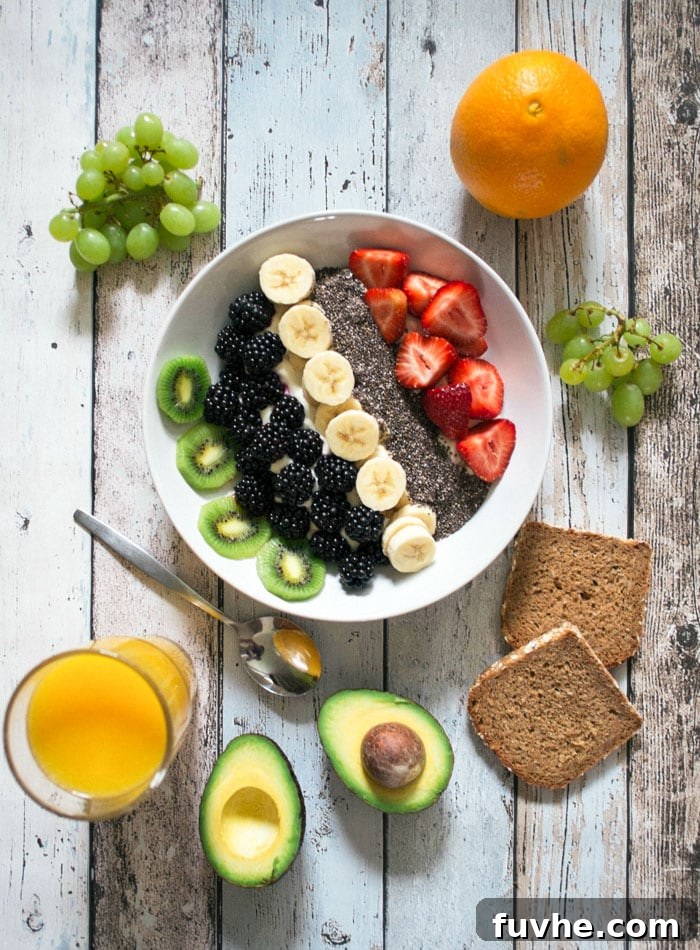
10. Shift Your Perception: Vegan Food is Simply Food
One of the biggest hurdles for many is the perception of “vegan food” as something niche, exotic, or complicated. In reality, vegan food is simply food—it just happens to exclude animal products. Let go of the “vegan” label for a moment and instead focus on the incredible abundance of nourishing, wholesome plant foods available. Think of vibrant vegetables, succulent fruits, hearty grains, protein-rich legumes, and delicious nuts and seeds.
Reframing your perspective to focus on nutrient density and the inherent goodness of plant foods can empower your dietary choices. Educating yourself about the impressive health benefits of a plant-based diet—from improved cardiovascular health to enhanced energy—will further solidify your commitment. You might also be surprised to find that many of your existing favorite foods, from certain brands of cookies to various potato chips, are already “accidentally vegan.” This realization often makes the transition feel far less restrictive and much more exciting.
11. Leverage the Power of Online Resources
The internet is an unparalleled treasure trove of information and support for plant-based living. A wealth of free online resources—from blogs and recipe sites to educational articles and community forums—can guide you through every aspect of adopting a plant-based diet. Take full advantage of these resources to learn about vegan nutrition, discover new recipes, find plant-based product recommendations, and delve into the ethical and environmental arguments for animal agriculture.
Websites like Pinterest, YouTube, and dedicated vegan blogs offer endless inspiration for meal ideas, cooking tutorials, and lifestyle tips. Connecting with online communities can provide encouragement, answer your questions, and foster a sense of belonging on your plant-based journey.
12. Discover Ingenious Vegan Hacks
As you spend more time in the plant-based kitchen, you’ll accumulate a repertoire of clever “vegan hacks” that make cooking more fun, efficient, and delicious. These innovative tricks transform simple ingredients into incredible plant-based creations. Don’t be afraid to experiment and get creative!
Some popular and transformative vegan hacks to explore include:
- **Banana “Nice” Cream:** Blended frozen bananas create a creamy, guilt-free ice cream alternative.
- **Homemade Raw Chocolate Sauce:** Simple ingredients like cocoa powder, maple syrup, and coconut oil yield a rich, versatile sauce.
- Spicy Vegan Mayo: Often made from aquafaba or cashews, a creamy condiment for everything.
- Aquafaba Mousse: Whipped chickpea brine magically creates light and airy desserts.
- **Vegan Baking Tricks:** Flax “eggs” (ground flaxseed mixed with water) or chia “eggs” are excellent binders. Applesauce or mashed bananas can replace eggs for moisture.
- **Nutritional Yeast:** A cheesy-flavored, vitamin B12-fortified flake that adds savory depth.
- **Chickpea Flour Omelets:** A savory, protein-rich alternative to egg-based omelets.
- Tofu Scrambles: Seasoned and crumbled tofu makes a fantastic breakfast or brunch dish.
- **Chia Seeds:** Excellent for thickening puddings, smoothies, and as an omega-3 boost.
- Coconut Bacon: Thinly sliced coconut flakes, seasoned and baked, offer a crispy, smoky topping.
Get into the kitchen, embrace experimentation, and relish the joy of discovering these exciting plant-based innovations.
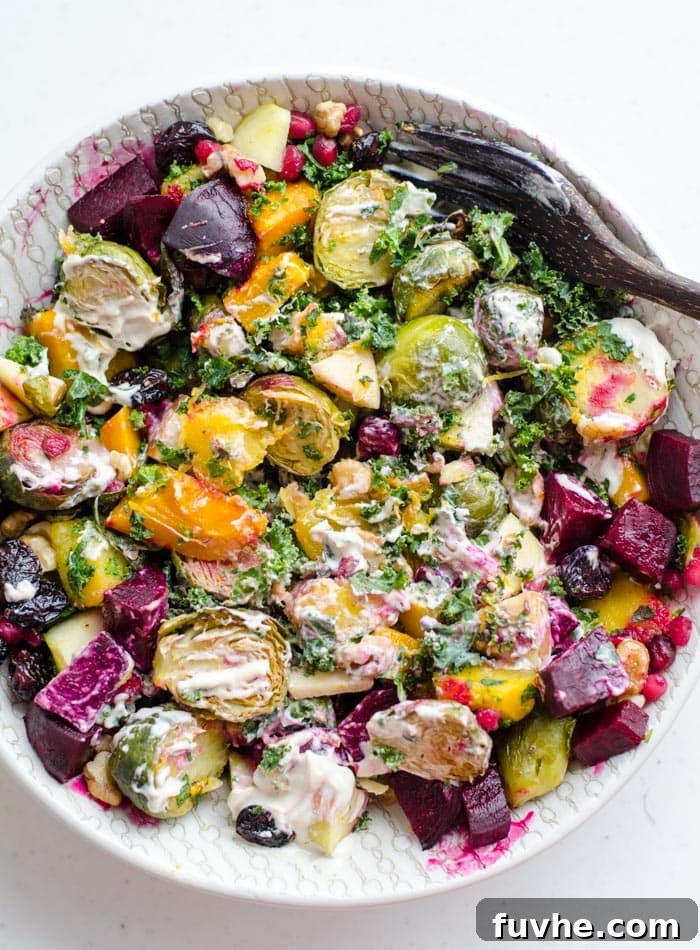
13. Soy: A Personal Choice
The role of soy in a healthy diet is often a topic of debate and misinformation. Ultimately, whether or not to include soy in your plant-based diet is a personal decision. Many individuals, myself included, safely and healthily incorporate 1-2 servings of whole, unprocessed soy products into their diet most days. Tempeh, tofu, and edamame are excellent protein sources and versatile staples in many plant-based kitchens.
The distinction between whole soy foods and highly processed soy products is crucial. While whole soy foods offer numerous health benefits, highly processed items like many meat substitutes (e.g., heavily processed soy burgers or sausages) should be consumed in moderation, similar to any other processed food, rather than forming the cornerstone of a healthy diet. Focus on whole, minimally processed forms of soy if you choose to include it.
More Reading on Soy:
Guide to Tofu and Tempeh: Learn about the benefits and uses of these versatile soy products.
14. Emphasize Whole Foods First
While the market for vegan products is undeniably exciting and rapidly expanding—offering everything from non-dairy ice cream and cheeses to plant-based meats—it’s essential to build your diet around whole, unprocessed foods. These convenient vegan alternatives can be excellent options for specific occasions like barbecues, camping trips, or simply when you crave a familiar comfort food, but they shouldn’t constitute the bulk of your daily intake.
For optimal health, prioritize the basics: an abundance of fresh vegetables (both raw and cooked), a variety of fruits, diverse whole grains (quinoa, oats, brown rice, whole-wheat pasta), protein-rich legumes (beans, lentils, chickpeas), and healthy fats from nuts and seeds. These nutrient-dense foods provide the fiber, vitamins, minerals, and antioxidants essential for well-being. Incorporating processed vegan items as occasional treats rather than daily staples ensures your diet remains centered on genuine nourishment.
General Healthy Eating Principles
- How to Build a Healthy Gut: A healthy gut is crucial for overall wellness.
- Anti-Inflammatory Living: Reduce inflammation through diet and lifestyle.
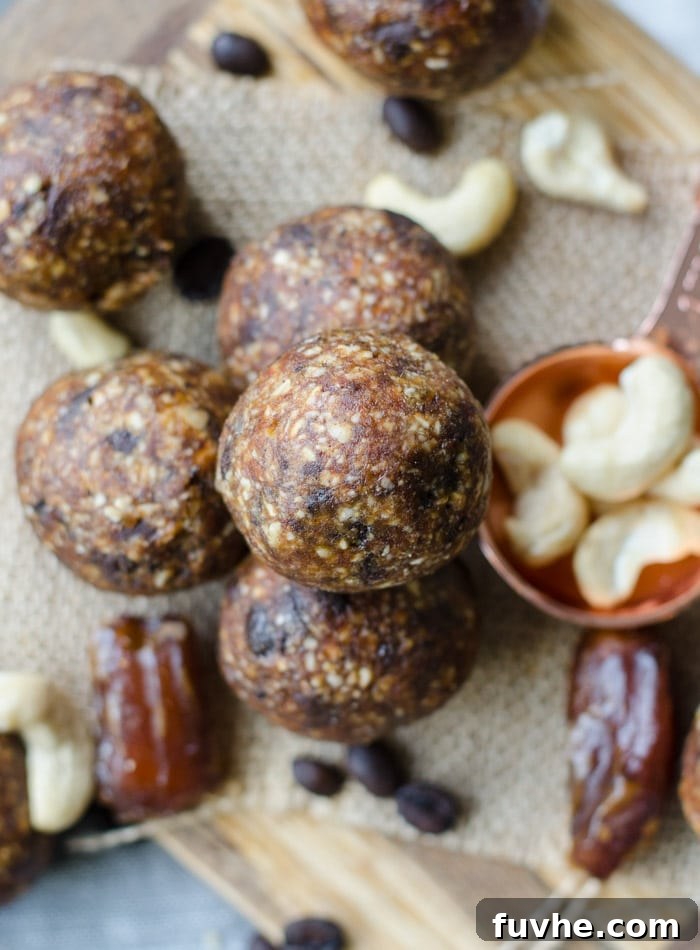
15. Befriend Nutritional Yeast
If you’re new to plant-based eating, “nutritional yeast” might sound intimidating, but it’s an absolute game-changer. Often affectionately called “nooch,” these yellow flakes boast a savory, umami, and distinctively cheesy flavor that makes them indispensable in a vegan kitchen. Beyond its delicious taste, nutritional yeast is a powerhouse of nutrients, most notably being fortified with vitamin B12, a crucial nutrient that plant-based eaters need to be mindful of.
Sprinkle it over pasta, popcorn, or roasted vegetables for a cheesy kick. It’s also a key ingredient in making creamy vegan cheese sauces, savory salad dressings, and a homemade vegan parmesan. Its versatility and nutritional profile make it a must-have for adding depth and a familiar flavor to your plant-based dishes.
More Reading on Nutritional Yeast:
What is Nutritional Yeast and How to Use It: Dive deeper into this vegan staple.
16. Let Vegetables Shine as the Star
When transitioning to a plant-based diet, a common question arises: “What do I eat now?” The answer lies in shifting your mindset to make vegetables the undeniable star of your plate. Instead of viewing vegetables as mere side dishes, elevate them to main course status. Imagine vibrant roasted vegetable bowls, hearty stir-fries packed with greens, or comforting vegetable curries.
Once you’ve chosen your vegetable base, complement it with a robust protein source. This could be chickpeas, lentils, tofu, tempeh, edamame, or black beans. For instance, turn a side of roasted broccoli and sweet potatoes into a full meal by adding spiced chickpeas and a tahini dressing. This approach not only ensures a diverse intake of nutrients but also opens up a world of culinary creativity, making your meals both satisfying and exciting.
17. Cultivate an Open Mind and Adventure
Keeping an open mind is arguably one of the most important attitudes to adopt when exploring plant-based foods. The world of vegan cuisine is vast, innovative, and incredibly diverse, offering an endless array of delicious dishes you might never have considered before. Embrace the adventure of trying new flavors, ingredients, and recipes. Delve into the exciting realm of vegan baking, where traditional recipes are reimagined with plant-based ingredients. Explore new ethnic restaurants that offer inherently vegan-friendly options.
Most importantly, have fun in the kitchen! Food is meant to be a source of joy and nourishment. There’s immense satisfaction in preparing a wholesome, flavorful meal from scratch and sharing it, or simply savoring it yourself. An open mind will transform your plant-based journey from a restrictive diet into a delightful culinary exploration.
18. Practice Respect and Understanding
Everyone is entitled to their own opinions, and dietary choices are no exception. While you might be passionate about your plant-based journey and eager to share your experiences and knowledge, recognize that not everyone will be interested, ready to change, or agree with your choices. And that’s perfectly fine.
Focus on your own path. Remember the adage: “Other people’s opinion of you is none of your business.” Nutrition can be a polarizing topic. While engaging in respectful, informative conversations about plant-based eating can be wonderful with the right people, it’s often best to avoid arguments or attempts to “convert” those who are resistant or dismissive. Choose your battles wisely and avoid letting differing opinions cause stress or conflict.
However, being well-informed on topics like nutrition science, ethical considerations for animals, and modern agriculture can be empowering. If an opportunity for a genuinely constructive discussion arises, you’ll be equipped to share informed perspectives. Ultimately, lead by example, share your joy for plant-based eating when appropriate, and respect the diverse dietary choices of others.
19. Strategically Consider Supplementation
While a well-planned plant-based diet can provide the vast majority of essential nutrients, strategic supplementation can act as a crucial safety net. It’s not about compensating for a poor diet but rather ensuring optimal intake of specific nutrients that can be harder to obtain solely from plants, or simply for added peace of mind. The most critical supplement for all vegans is Vitamin B12, which is not reliably found in plant foods.
Other nutrients worth monitoring and potentially supplementing include Vitamin D (especially for those with limited sun exposure), Omega-3 fatty acids (specifically EPA and DHA, often sourced from algae), Iodine (if not using iodized salt or sea vegetables regularly), and potentially Iron, Zinc, and Calcium, depending on individual dietary intake and absorption. It’s an excellent idea to track your food intake for a few weeks to identify any potential gaps and, if concerned, consult with a healthcare professional or registered dietitian. Blood tests can also provide valuable insights into your nutrient levels.
This is particularly important for vegan athletes or highly active individuals whose nutrient demands are higher. Always prioritize a wide variety of whole foods as your primary source of nutrition, and use supplements to fill in any identified gaps. For example, if dietary tracking reveals consistent low calcium intake, a supplement might be a sensible addition.
Specific Tips for Plant-Based Athletes
- 17 Simple Nutrition Tips for Vegan Athletes: Tailored advice for active individuals.
- Vegan Nutrition Guide: A comprehensive overview of essential nutrients for vegans.
20. Build Your Vegan Cookbook Library
Cookbooks are an invaluable resource, providing not just recipes but also inspiration, techniques, and confidence in the kitchen. Investing in a few high-quality vegan cookbooks can transform your cooking experience, making plant-based meals both accessible and exciting. These books often showcase how diverse, delicious, and easy vegan cooking can truly be.
Some highly recommended and personally cherished healthy vegan cookbooks that cater to both seasoned plant-based eaters and beginners include: Oh She Glows by Angela Liddon, Chloe’s Kitchen by Chloe Coscarelli, Isa Does It by Isa Chandra Moskowitz, Veganomicon by Isa Chandra Moskowitz and Terry Hope Romero, But I Could Never Go Vegan by Kristy Turner, and Healthy Happy Vegan Kitchen by Kathy Patalsky. These culinary guides will undoubtedly help you happily incorporate more meatless meals into your routine than you ever thought possible.
21. Reimagining Your Coffee Ritual
For many, coffee is a daily ritual, and adapting it to a plant-based diet is simpler than you might think. While traditional cream and sugar combinations might be a thing of the past, a new world of creamy, flavorful plant-based coffee experiences awaits. Say goodbye to dairy creamers and explore the delightful range of coconut milk, almond milk, oat milk, cashew milk, or soy milk. Each offers a unique flavor profile and creaminess, allowing you to find your perfect match. If you prefer a touch of sweetness, a drizzle of maple syrup or a dash of pure organic stevia are excellent natural alternatives.
For an elevated coffee experience, consider blending in a teaspoon of coconut oil or MCT oil, perhaps with a scoop of vanilla vegan protein powder. This creates a rich, frothy, and energizing beverage often referred to as a “bulletproof” style coffee. I personally love starting my day with Four Sigmatic Mushroom Coffee blended with coconut or MCT oil. With only 50mg of caffeine per serving, it’s perfect for those sensitive to caffeine, and it’s infused with beneficial mushrooms like chaga, cordyceps, and lion’s mane for added health benefits. It’s a flavorful and functional way to kickstart the day!
22. Effortlessly Go Egg-Free
Eliminating eggs from your diet is surprisingly straightforward, especially when cooking at home. While typical breakfast menus might offer limited vegan egg options, your own kitchen opens up a world of possibilities. Eggs are remarkably easy to substitute in baking, with common replacements including flax “eggs” (ground flaxseed + water), chia “eggs,” mashed banana, or applesauce, depending on the recipe’s needs.
For savory breakfast dishes, plant-based alternatives shine. Scrambled chickpeas or seasoned crumbled tofu with a medley of vegetables are incredibly satisfying and protein-rich. The secret lies in the spices! Turmeric can give a yellow hue, while black salt (kala namak) imparts an authentic eggy flavor. Experiment with different seasonings and vegetables to find your favorite combinations.
Inspiring Vegan Breakfast Creations
- How to Make Healthy Tofu Scrambles: A breakfast staple, versatile and delicious.
- 4-Ingredient Mega Fluffy Vegan Protein Pancakes: A simple, satisfying way to start the day.
- Peanut Butter Jelly Chia Seed Pudding: A nutritious and fun make-ahead breakfast.
- Brownie Batter Overnight Oats: Indulgent yet healthy, perfect for busy mornings.
- Grain-Free Breakfast Bowls: Customizable and packed with nutrients.
- Vegan Sweet Potato Breakfast Burritos: Hearty and flavorful for a substantial breakfast.
- Sweet Potato Breakfast Bowls: A warming and comforting option.
23. Chocolate is Still On the Menu!
Good news for chocolate lovers: you absolutely do not have to give up chocolate when adopting a plant-based diet! Many high-quality dark chocolates are naturally dairy-free. Simply check the ingredient list for milk solids, milk fat, or other dairy derivatives. Look for chocolates with a high cocoa percentage (70% or higher) as they are more likely to be vegan.
The market for vegan chocolate has also exploded, offering a wide array of delicious options, from milk chocolate alternatives to white chocolate. You can also unleash your inner chocolatier and make your own raw chocolate at home using simple ingredients like cocoa powder, cocoa butter, and a sweetener. The possibilities for enjoying chocolate on a plant-based diet are endless and incredibly delicious!
Ready to indulge? Try these Vegan Peanut Butter Chocolate Cups for a delightful treat.
24. Plant-Based Eating Can Be Inexpensive
The misconception that a plant-based diet is inherently expensive is easily debunked. In reality, focusing on whole, unprocessed plant foods can be incredibly budget-friendly, often more so than a diet heavily reliant on meat and dairy. The key lies in smart meal planning and conscious shopping.
Prioritize staples like dried beans and lentils, rice, oats, seasonal vegetables, and fruits, which are typically very affordable. Buying in bulk for non-perishables can also lead to significant savings. Regularly planning your meals and creating a shopping list prevents impulse purchases and food waste. Additionally, incorporating weekly food prep, such as cooking large batches of grains or legumes and freezing portions, is an excellent strategy to save both time and money.
Take an honest look at your current spending habits and identify areas where you can reallocate funds to prioritize healthy, plant-based foods. This mindful approach to your finances and diet makes plant-based eating accessible to virtually any budget. For more detailed strategies on managing costs, read my comprehensive post on Healthy Eating on a Budget.
25. Practice Mindful Eating and Connection
My final, and perhaps most crucial, tip extends beyond mere dietary choices to embrace a holistic approach to food: practice mindfulness. In our fast-paced, distraction-filled world, the act of eating has often become a rushed, unconscious activity. Reconnecting with your food means paying attention to what you’re eating, savoring each bite, and truly listening to your body’s signals.
Whenever possible, make meals an intentional experience. Sit down, away from screens and other distractions. Slow down your eating pace. Learn to distinguish between genuine physical hunger and emotional cues like boredom, stress, or thirst that can lead to unhealthy cravings. This practice helps foster a healthier relationship with food, moving away from restrictive labels and guilt.
Consider journaling about your eating habits to identify patterns and release any negative associations with food. Transform meals into opportunities for connection: spend time with friends and family, ideally by preparing food together, and then share the joyous experience of eating. Whether your diet includes animal products or not, striving for mindfulness and returning to food as a source of love, joy, health, and profound nourishment is a powerful step towards overall well-being. It’s about feeding your body and soul with respect and intention.
What Are Your Favorite Plant-Based Tips?
These are some of my top tips for embracing a plant-based diet. What insights or advice would you add to this list based on your own experiences?
If you’re interested in exploring plant-based eating, remember to start small, one meal at a time. Have fun with the process, boldly try new foods and recipes, seek inspiration on platforms like Pinterest, stock your pantry with an exciting array of spices and herbs, and simply relish the joy of cooking wholesome, delicious vegan meals right in your own kitchen!
Feeling ready to make the transition? Don’t miss our detailed guide: How to Transition to a Plant-Based Diet.