
In a world increasingly conscious of health and wellness, the quest for healthier eating habits often leads us to scrutinize our sugar intake. Refined white sugar, a ubiquitous ingredient in modern diets, has long been under the spotlight for its detrimental effects. This comprehensive guide delves into the fascinating and often confusing world of natural sugar substitutes, offering clarity, practical advice, and a wealth of options to help you make informed choices for a healthier lifestyle.
The term “sugar” itself can be a labyrinth, with questions frequently arising: What truly defines “natural” in the context of sweeteners? Does an “organic” label signify a healthier option? And what exactly does “sugar-free” imply for our dietary choices? We’ll tackle these pertinent questions and many more, dispelling common myths and providing a roadmap to understanding the healthiest alternatives available.
Marketing strategies often complicate our efforts to identify genuinely beneficial sugar substitutes. This article aims to simplify the process, guiding you through the most wholesome and effective ways to replace refined sugar in your diet. By understanding the distinctions between various sweeteners, you can empower yourself to create delicious, satisfying meals and treats that support your well-being without compromising on flavor.
Understanding the Core Distinction: Refined vs. Unrefined Sugar
The fundamental difference between refined and unrefined sugar lies in their processing and nutritional composition. Refined sugars undergo extensive processing, stripping them of nearly all their natural nutrients, leaving behind empty calories. In contrast, unrefined sugars are less processed, allowing them to retain some of their inherent vitamins, minerals, and trace elements, such as calcium, iron, potassium, and magnesium, albeit in minimal amounts.
What is Refined Sugar? The Unadulterated Sweetener
Refined sugar has been meticulously processed to remove impurities, molasses, and any nutritional content. This category includes common household staples like white granulated sugar and brown sugar, as well as industrial ingredients such as high-fructose corn syrup. The extensive refining process yields a product that is purely sucrose, devoid of beneficial compounds.
Refined sugars are favored by the food industry for their extended shelf life, consistent sweetness, and ability to dissolve quickly and easily. These properties make them ubiquitous in a vast array of packaged and processed foods, contributing significantly to hidden sugar intake in many diets.
What is Unrefined Sugar? A Closer Look at Less Processed Options
Unrefined sugars, while still sugars, are characterized by a less intensive processing method that allows them to retain a portion of their natural nutrients and distinct flavors. It’s crucial to understand that “unrefined” does not mean “unprocessed”; these sugars still undergo some level of extraction and preparation.
Examples of unrefined sugars and sweeteners include nutrient-rich options like molasses, coconut sugar, agave nectar, pure maple syrup, raw honey, and date sugar. Many of these alternatives often have a lower glycemic response compared to refined sugar, meaning they may cause a slower and less dramatic spike in blood sugar levels, although this can vary.
Is Unrefined Sugar Truly Healthier? A Balanced Perspective
The question of whether unrefined sugar is genuinely “healthier” is nuanced. While unrefined sugars like coconut sugar or maple syrup do contain trace amounts of vitamins and minerals that are absent in white sugar, they are not significant sources of nutritional value, especially given that all sugars should be consumed in moderation. Think of it this way: is a banana healthier than white sugar? Absolutely, because it comes with fiber, vitamins, and minerals. However, substituting white sugar with an equivalent amount of coconut sugar, while a marginally better choice, doesn’t transform it into a health food.
The key takeaway is that while opting for unrefined sugars over refined ones is a step in the right direction due to their minimal nutrient content and often lower glycemic impact, the overarching principle of moderation still applies. These alternatives are not a free pass to consume unlimited sweetness; rather, they are simply better choices within the spectrum of sweeteners.
Discovering the Healthiest Sugar Substitutes
Irrespective of whether sugar is refined or unrefined, it remains a caloric sweetener. However, making a conscious choice to prioritize unrefined options whenever possible is a healthier approach. The absolute healthiest sugar substitutes are whole, unprocessed foods that naturally impart sweetness while delivering a powerhouse of nutrients.
Top among these whole-food alternatives are fruits like bananas, applesauce, and dates. Fruit is an excellent choice because it comes packaged with essential fiber, potent antioxidants, and a plethora of vitamins and minerals, making its sugar content “worthwhile.” The high fiber content in whole fruit helps to moderate its impact on blood sugar levels, promotes satiety, keeping you fuller for longer, and generally contains fewer calories than an equivalent amount of refined sugar.
When whole, unprocessed fruit isn’t a practical option for your recipe or craving, the next best alternatives are minimally processed unrefined sweeteners. These include wholesome choices such as date sugar, coconut sugar, and pure maple syrup, which offer distinct flavors and some trace nutrients.
What Are Natural Sugars? Understanding Inherent Sweetness
Natural sugars are those inherently found within whole, unprocessed foods. These sugars, primarily a mix of sucrose, glucose, and fructose, are encapsulated within a matrix of fiber, vitamins, minerals, and antioxidants. For instance, fruits, vegetables, and dairy products all contain naturally occurring sugars. All plant foods, in their purest form, naturally contain some level of sugar, which is an essential energy source for the plant itself.
What is Added Sugar? The Unseen Ingredient
Added sugars encompass any sugar or sweetener deliberately incorporated into foods and drinks during their processing or preparation. This is done primarily to enhance flavor, improve texture, or extend shelf life. This category can include both “natural” sugars like white sugar or maple syrup, when they are *added* to a product, as well as chemically manufactured sweeteners such as high-fructose corn syrup.
Distinguishing between natural and added sugars is crucial for managing your dietary intake and maintaining optimal health, as excessive consumption of added sugars has been linked to numerous health issues.
How to Skillfully Identify Added Sugars in Your Diet
One of the most effective ways to reduce your intake of hidden refined sugars is to minimize your consumption of processed foods. You might be astonished at how many everyday items contain added sugars, as they are not always overtly obvious when scanning ingredient lists. Food manufacturers often use various guises to include sweeteners, making it challenging for the average consumer to identify them.
You may commonly find added sugar lurking in an extensive range of foods and beverages, including but not limited to:
- Regular soft drinks, energy drinks, vitamin-fortified waters, and sports beverages.
- Confectionery items such as candy, chocolate bars, and gummies.
- Baked goods like cakes, cookies, pies, cobblers, sweet rolls, pastries, and donuts.
- Many types of bread, especially whole wheat and enriched varieties.
- Breakfast cereals, particularly those marketed towards children.
- Fruity drinks and juices that are not 100% fruit juice.
- Ice cream and other frozen desserts.
- Flavored yogurts, which often contain significant amounts of added sugar.
- Savory sauces such as BBQ sauce, ketchup, and many pasta sauces.
- Pre-made soups and salad dressings.
- Flavored coffee creamers and mixed coffee beverages.
Decoding Food Labels: Recognizing Sugar’s Many Aliases
Navigating food labels can be a challenge, as added sugars often appear under numerous different names. If you encounter any of the following ingredients on a food or beverage label, it is essentially another form of sugar, and should be factored into your total sugar intake:
- Brown sugar
- Confectioner’s powdered sugar
- Corn syrup
- Corn syrup solids
- High-fructose corn syrup (HFCS)
- Honey (when added)
- Invert sugar
- Malt syrup
- Fruit nectars (e.g., peach nectar, pear nectar)
- Pancake syrup
- Raw sugar
- Specific sugar molecules: anhydrous or crystal dextrose, fructose, liquid fructose, glucose, lactose, maltose, sucrose
- Generic “sugar”
- Cane juice
- Evaporated corn sweetener
- Sugar cane juice
- Maple syrup (when added to processed foods) – unrefined sweetener, but still an added sugar if not from the pure source
- Molasses (when added) – unrefined sweetener, but still an added sugar if not from the pure source
Beyond memorizing these names, always check the “Sugars” line in the nutrition facts panel. If you see a high number of grams, then investigate the ingredient list for these various forms of sugar. The higher up an ingredient appears on the list, the more abundant it is in the product.
Artificial Sweeteners: A Separate Category
When you encounter foods and drinks explicitly labeled as “sugar-free” or “diet,” you are highly likely to find artificial sweeteners in their composition. These synthetic compounds are designed to provide sweetness without contributing significant calories or affecting blood sugar levels. Common examples include:
- Saccharin
- Acesulfame potassium (Ace-K)
- Aspartame
- Neotame
- Sucralose
It’s important to clarify that this guide is dedicated to natural sugar substitutes. Therefore, artificial sweeteners, by their very nature, fall outside the scope of this discussion and will not be covered further, as they are not considered natural alternatives to sugar.

A Comprehensive List of Healthy Sugar Substitutes
Below, we will explore a variety of healthy sugar substitutes that serve as excellent alternatives to refined white sugar. My personal top choices for natural sugar substitutes, celebrated for their unique flavors and inherent benefits, include whole foods like banana and dates, as well as unrefined sweeteners such as molasses, maple syrup, coconut sugar, and the calorie-free stevia.
While I don’t frequently incorporate sugar alcohols like xylitol and erythritol into my diet, it’s worth noting their significant popularity, especially among individuals adhering to ketogenic or low-carb dietary regimens due to their minimal impact on blood sugar.
It is crucial to remember that while these alternatives offer a better choice than highly refined sugar, they are still a form of sweetener. Therefore, consistent with a balanced approach to nutrition, they should always be enjoyed thoughtfully and in moderation.
Here’s an overview of the diverse range of sugar alternatives we’ll be detailing, each offering distinct characteristics and culinary applications:
- Monk fruit – a zero-calorie, zero-carb option
- Xylitol – a low-carb sugar alcohol derived from plants
- Erythritol – another low-carb sugar alcohol, known for its mild taste
- Sorbitol – a versatile sugar alcohol found naturally in fruits
- Stevia – a highly potent, zero-calorie natural sweetener
- Banana – a whole food offering natural sweetness and texture
- Apples and applesauce – whole food options that also add moisture
- Sweet potato – a subtly sweet whole food, perfect for savory-sweet dishes
- Dates – a fiber-rich whole food with a rich, caramel-like sweetness
- Agave nectar – a liquid sweetener with a high fructose content
- Coconut syrup – a less refined liquid sweetener from the coconut plant
- Coconut palm sugar – a granulated alternative with a caramel flavor
- Molasses – a byproduct of sugar refining, rich in minerals and flavor
- Brown rice syrup – a thick, sticky sweetener ideal for binding
- Raw honey – a natural, unpasteurized sweetener with beneficial properties
- Maple syrup – a mineral-rich liquid sweetener from maple trees
- Coconut sugar – a low-glycemic granulated sweetener with a delicious taste
Monk Fruit: The Ancient Sweetener with Modern Appeal
Monk fruit, or luo han guo, has been revered in traditional Chinese medicine for centuries, primarily for its health benefits. Its emergence as a mainstream natural sweetener is a more recent development, gaining significant traction due to its unique properties. Monk fruit extract is incredibly potent, boasting a sweetness level 150-250 times greater than that of common table sugar. Crucially, it contains zero calories and zero carbohydrates, making it an exceptionally popular choice for individuals following low-carb or ketogenic diets who seek sweetness without the metabolic impact.
You might notice that monk fruit sweetener tends to be more expensive than other non-nutritive sweeteners. This higher cost is attributed to the inherent challenges in cultivating, harvesting, and processing monk fruit. Its availability might not be as widespread as other sweeteners at your local supermarket, but it is undoubtedly worth seeking out for its unique profile.
Beyond its sweetening capabilities, monk fruit is surprising for its potential health benefits, which include:
- **Anti-inflammatory properties:** Traditionally used to soothe sore throats and reduce phlegm.
- **Diabetes-friendly:** It does not affect insulin sensitivity, making it a safe option for diabetics.
- **Weight management support:** Its zero-calorie nature can aid in reducing overall caloric intake.
- **Fever reduction:** May assist in alleviating fever symptoms.
- **Allergy prevention:** Some studies suggest it may help prevent allergic reactions.
How to Incorporate Monk Fruit into Your Diet
Monk fruit is readily available in both granulated and liquid forms, offering versatility for various culinary applications. It is widely regarded as a premium sugar-free sweetener.
For high-quality monk fruit products, I often recommend brands like Lakanto. They offer a range of products, including sugar-free maple syrup and even monk fruit chocolate chips, providing excellent alternatives for many sweet treats.
When using granulated monk fruit sweetener, it typically substitutes white or brown sugar in recipes at a 1:1 ratio, making it incredibly easy to integrate into your favorite baked goods. Liquid monk fruit, much like liquid stevia, is highly concentrated, requiring only a few drops to achieve the desired level of sweetness.
Monk fruit excels at sweetening a wide array of items, from your morning coffee to salad dressings, and is perfectly suitable for baking and other sweet culinary creations.
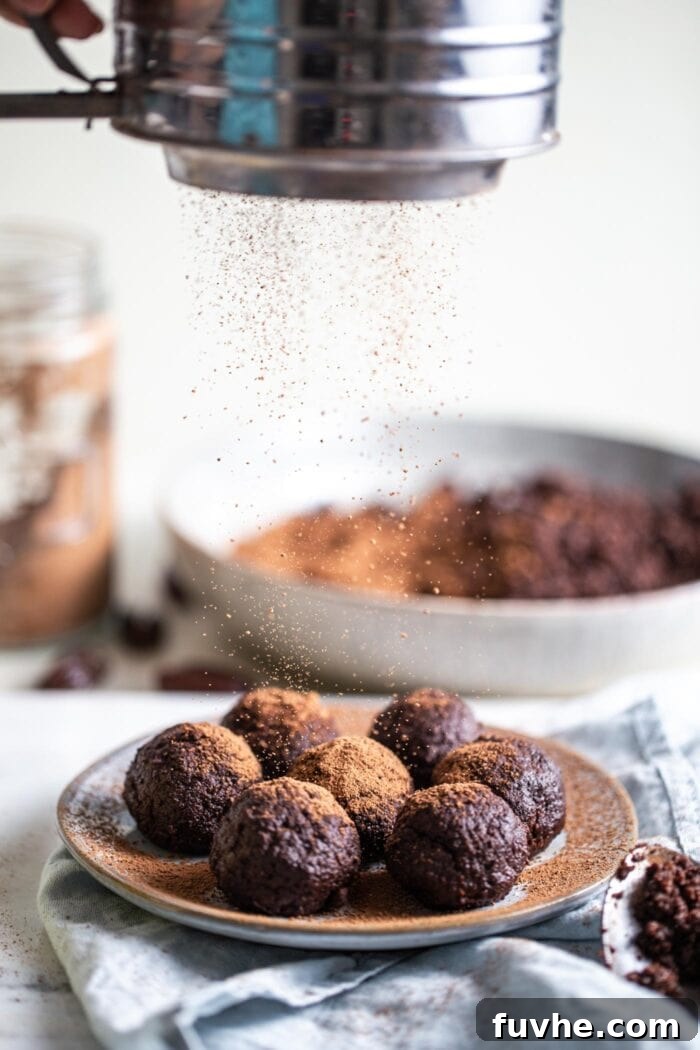
Experience the delightful sweetness of monk fruit in these sugar-free cinnamon sugar balls.

Xylitol: The Dental-Friendly Sugar Alcohol
Xylitol is a natural sugar alcohol found in trace amounts in many fruits and vegetables, and even produced in small quantities by the human body through normal metabolic processes. It’s widely considered a natural alternative to sugar.
Offering a sweetness comparable to regular table sugar, xylitol provides a significant advantage with 40% fewer calories. While table sugar contains approximately 4 calories per gram, xylitol delivers only about 2.4 calories per gram, making it an attractive option for calorie-conscious individuals.
Beyond its low glycemic index, xylitol is celebrated for its remarkable dental health benefits. Studies indicate that xylitol can actively reduce the risk of tooth decay, inhibit plaque build-up, and may even help prevent ear and yeast infections. This is largely because most of the bacteria responsible for these common health issues thrive on sugar. By using xylitol, these harmful bacteria are deprived of the necessary fuel to grow, thus curbing their proliferation. Some dentists actively recommend chewing sugar-free gum containing xylitol to assist in reducing plaque formation and preventing oral infections.
The primary applications for sugar alcohols like xylitol include sweetening beverages such as coffee and tea, and a variety of recipes. Xylitol can directly replace sugar in a 1:1 ratio, simplifying its use in cooking and baking. It’s also a common ingredient in many sugar-free products, including chewing gums, candies, mints, foods formulated for diabetics, and oral-care products.
Consider swapping table sugar for xylitol in your next morning cup of coffee or tea – you might be pleasantly surprised by the taste and the added benefits!
Erythritol: A Gentle Sugar Alcohol for Low-Carb Lifestyles
Erythritol, much like xylitol, belongs to the family of sugar alcohols and serves as an effective sugar replacement. It stands out for its unique properties and mild nature.
In commercial production, erythritol is typically created through the fermentation of glucose derived from corn or wheat starch by a specific type of yeast. It offers approximately 70% of the sweetness of regular table sugar but, crucially, does not cause a spike in blood glucose levels. This makes erythritol an excellent and safe alternative for individuals managing diabetes or those adhering to strict low-carbohydrate and ketogenic diets.
When it comes to baking, erythritol behaves somewhat differently from traditional sugar. It is a soluble sugar that melts effectively at high temperatures, but it does not undergo caramelization. The absence of caramelization means that baked goods prepared with erythritol may not develop the same chewy and dense texture as those made with sugar, often resulting in a drier consistency. This characteristic makes it important to consider its application.
Erythritol is best utilized in recipes that are no-bake, raw, or in conjunction with other sweeteners that can compensate for its textural limitations in traditional baking. It shines in frostings, drinks, and recipes where its primary role is to add sweetness without affecting moisture significantly.
Sorbitol: A Versatile Sugar Alcohol for Texture and Oral Health
Sorbitol, another prominent sugar alcohol, is largely derived from potato starch for commercial use, but it also occurs naturally in a variety of fruits. You can find sorbitol in berries such as blackberries, raspberries, and strawberries, as well as in other common fruits like apples, apricots, avocados, cherries, peaches, and plums.
Similar to xylitol, sorbitol plays a beneficial role in promoting oral health. It contributes to decreasing plaque formation and helps inhibit the growth of cavities by not providing fuel for harmful oral bacteria. This makes it a favored ingredient in oral care products and sugar-free confectionery.
A distinctive feature of sorbitol, setting it apart from some other sugar alcohols, is its lack of an aggressive aftertaste. Instead, it often imparts a pleasant, cooling sensation in the mouth, which can enhance the enjoyment of certain foods and drinks. This sensory quality makes it desirable in products like chewing gum and mints.
Furthermore, sorbitol is a commendable choice for baking due to its exceptional moisture-stabilizing properties. This characteristic helps to maintain the freshness and softness of baked goods that might otherwise become dry or harden quickly. Sorbitol is also highly resilient to elevated temperatures and integrates effectively with a range of other ingredients, including gelling agents, fats, and various sugars, offering flexibility in recipe development.

Coconut Syrup: A Natural Liquid Sweetener
Coconut syrup stands as a natural liquid sweetener, gracefully harvested from the sugary circulating fluid of the coconut plant. Its delightful, mild flavor profile makes it an excellent addition to a morning smoothie, a perfect drizzle over your oatmeal, or a delicious topping for a stack of pancakes.
This natural sweetener is often considered a favorable substitute for regular table sugar due to its comparatively lower glycemic index. This benefit is largely attributed to the presence of inulin, a type of fiber known to slow sugar absorption. However, it’s important to note that unlike the zero or very low-calorie profiles of xylitol, erythritol, and sorbitol, coconut syrup does contain significant amounts of sugar and calories. While it offers some benefits over highly refined sugars, its caloric and sugar content still necessitates moderation.
When selecting coconut syrup, exercise mindfulness by carefully checking all ingredients on the label before purchasing. Some commercial brands may unfortunately include regular milk, cream, or other high-fructose syrups in their production processes, which can negate the health-conscious benefits you seek.
Molasses: The Flavorful, Mineral-Rich Sweetener
Molasses, a classic and robust alternative to everyday table sugar, has firmly cemented its place in both baking and cooking traditions. From imparting a deep, rich flavor to cake frostings to creating the iconic chewiness of ginger cookies, this slightly bitter yet uniquely sweet syrup stands high on the list of distinguished sugar alternatives.
It’s important to recognize that various types of molasses exist (e.g., light, dark, blackstrap), and each offers distinct variations in consistency, flavor intensity, and sugar content. When substituting molasses into a recipe, understanding these differences is key to achieving the desired outcome. For example, blackstrap molasses is known for its intense, bitter flavor and highest mineral content, making it best used in smaller quantities or in recipes that can balance its strong profile.
Beyond its traditional use in baking, molasses is incredibly versatile and can be incorporated into your diet in numerous creative ways:
- Drizzling it over your morning oatmeal or stirring it into yogurt for added depth and sweetness.
- Blending it into a nutritious smoothie to enrich its flavor and provide a mineral boost.
- Creating flavorful glazes for roasted vegetables, adding a subtle sweetness and beautiful caramelization.
- Sweetening up homemade sauces and marinades, particularly for savory dishes like BBQ or teriyaki.
Explore the rich flavor of molasses in my raw gingerbread balls, indulge in the unique taste of no-bake chocolate gingerbread cookies, or savor a comforting peanut butter gingerbread smoothie.
Banana: The Whole Food Sweetener Powerhouse
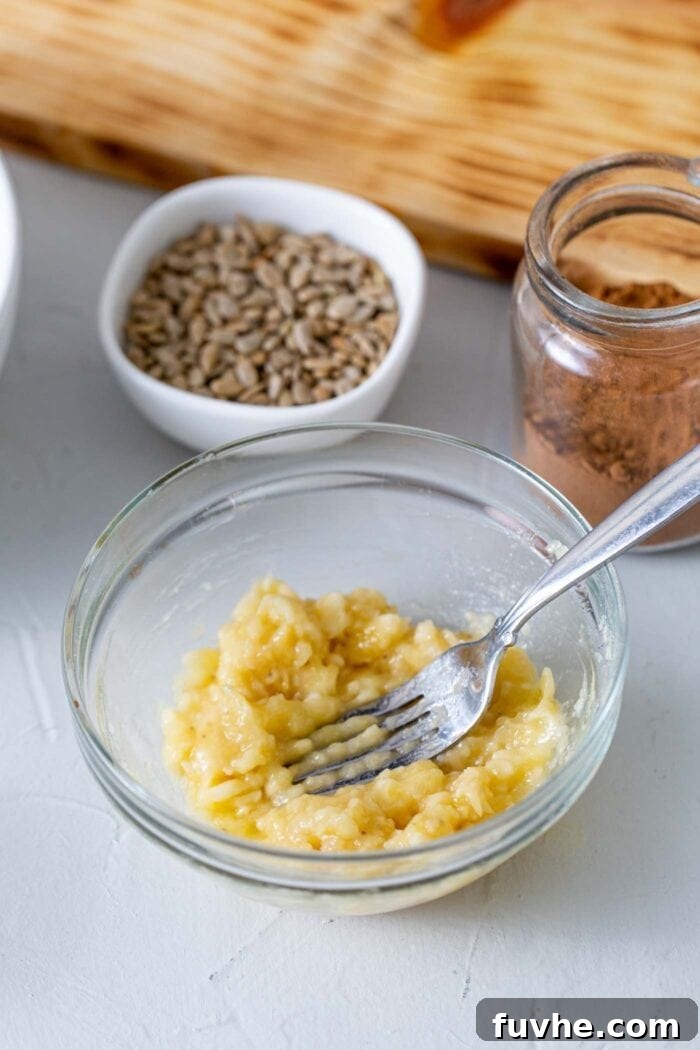
Bananas, often overlooked in the realm of natural sweeteners, are an incredible whole food option. Their inherent sweetness, combined with a unique density, can impart a surprisingly delightful taste and texture to a wide range of desserts and baked goods. As they ripen, their sugar content increases, making overripe bananas particularly excellent for sweetening without added sugar.
Beyond their sweetening capabilities, bananas are nutritional superstars. They are famously rich in potassium, crucial for heart health and muscle function, and a good source of vitamin B6, which supports brain health and metabolism. Furthermore, bananas offer a host of benefits that significantly contribute to improved digestive health, thanks to their fiber content, and overall cardiovascular well-being. The possibilities for using bananas as a natural sweetener are virtually endless. Just to highlight a few popular applications:
- As a key ingredient in pre or post-training smoothies, providing natural energy and aiding recovery.
- Mashed into oatmeal, offering a creamy texture and natural sweetness.
- Blended into pancake and waffle batters for a nutritious and flavorful boost.
- Incorporated into muffin recipes, adding moisture and a tender crumb.
- A foundational sweetener for almost any type of baking, including cakes, puddings, cupcakes, and much more.
Delicious Banana-Sweetened Recipes
- Easy Vegan Banana Bread Recipe: A classic, naturally sweetened treat.
- Flourless Peanut Butter Chocolate Chip Cookies: Simple, wholesome, and delightfully sweet.
- Simple Banana Oatmeal: A comforting and nutritious breakfast.
- Vegan Blueberry Muffins: Moist and flavorful, with natural sweetness.
- Healthy Banana Split: A wholesome twist on a beloved dessert.
Apples and Applesauce: The Unsung Heroes of Natural Sweetening
In the realm of baking, applesauce often emerges as the unsung hero of natural sweeteners. Its versatility extends beyond mere sweetness; it cleverly serves as a direct substitution for both oil and butter, typically at a 1:1 ratio, while simultaneously infusing your baked goods with natural sugars. This dual-purpose makes it an exceptional ingredient for health-conscious bakers looking to reduce both fat and added sugar.
However, it’s important to be aware that recipes incorporating applesauce as a substitute may behave somewhat differently during the baking process. You might observe that your baked goods will not brown as quickly as those made with traditional fats and sugars, and they can also be prone to overbaking if not monitored carefully. To ensure a perfect consistency, I recommend testing your cakes, breads, or cookies with a knife or toothpick a few minutes before the estimated finish time, ensuring they are cooked through but remain moist and tender.
Applesauce-Infused Delights
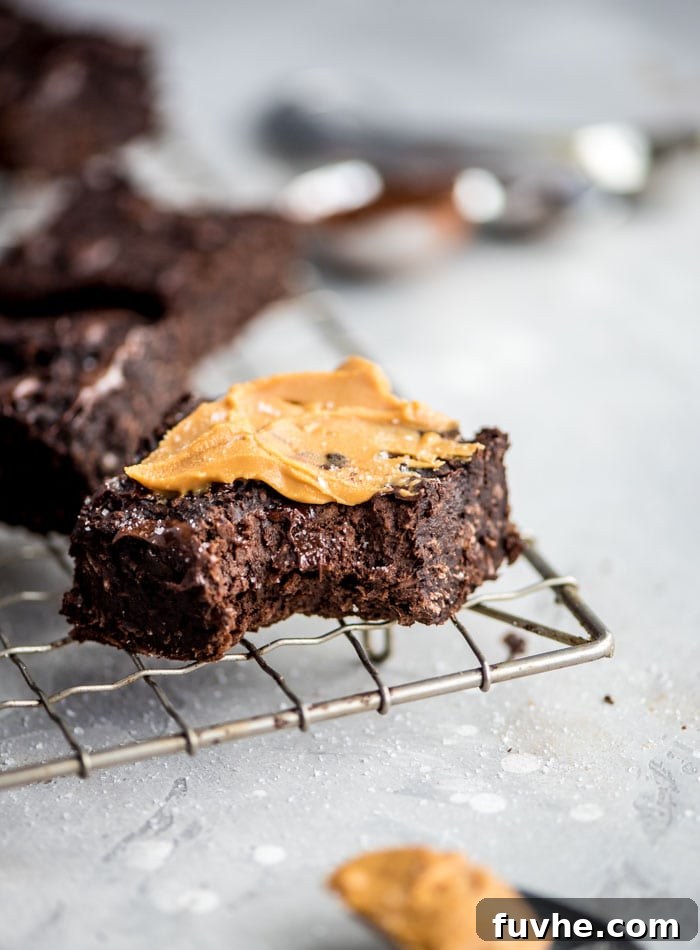
- Vegan Oat Flour Brownies: Rich and fudgy, with applesauce contributing to both sweetness and moisture.
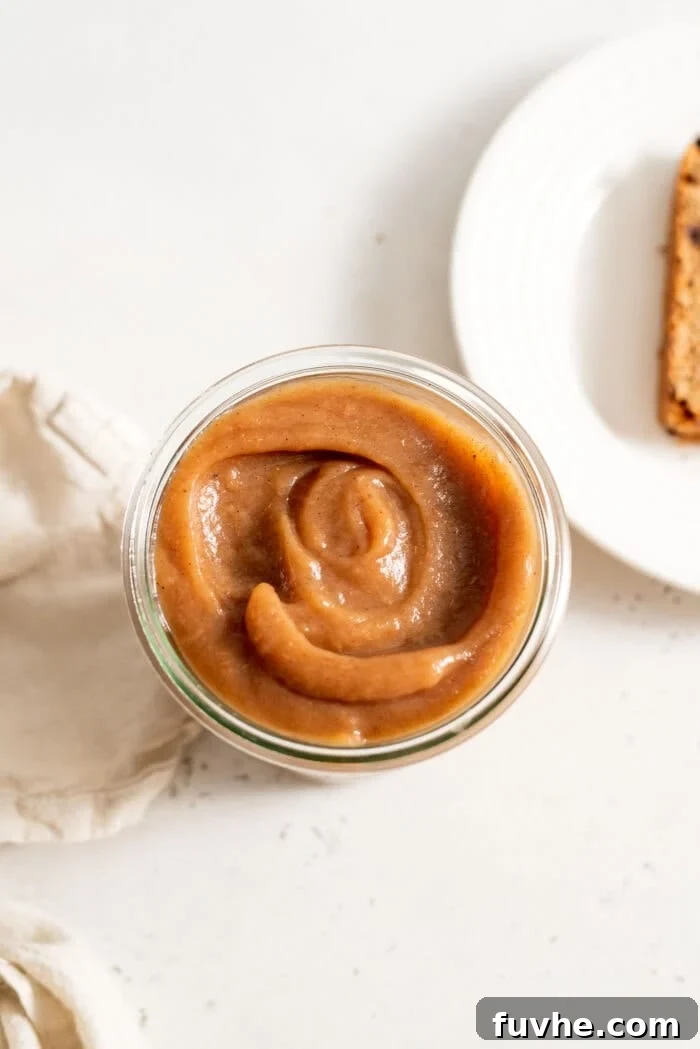
- Slow Cooker Apple Butter (made with whole apples): A luscious, concentrated fruit spread, naturally sweet.
- 5-Ingredient Protein Brownies: A super simple recipe where applesauce plays a key role in texture and flavor.
Sweet Potato: A Naturally Sweet and Nutrient-Rich Alternative
Sweet potato might not possess the intense sweetness of a ripe banana or a date, but its subtle, earthy sweetness makes it an incredibly valuable and nutritious alternative for replacing some sugar in a variety of dishes. It brings a unique texture and a wealth of health benefits to the table, making it an excellent choice for those looking to reduce their sugar intake while boosting nutrient density.
This versatile root vegetable can be creatively incorporated into brownies, cakes, and muffins, lending a gentle sweetness and a moist texture. Beyond baked goods, sweet potato is absolutely wonderful in pancakes, enriching their flavor and adding a nutritious twist. It blends seamlessly into oatmeal for a satisfying and wholesome breakfast, and it’s a fantastic ingredient for smoothies, providing a creamy consistency and a healthy dose of vitamins and minerals. Furthermore, sweet potato serves as a superb lower-sugar alternative to more intensely sweet fruits like apples and bananas in certain recipes, allowing for a broader spectrum of flavor profiles.
To discover its potential, try my sweet potato smoothie for a nourishing treat, and master how to bake sweet potato here to use it as a base for many dishes.
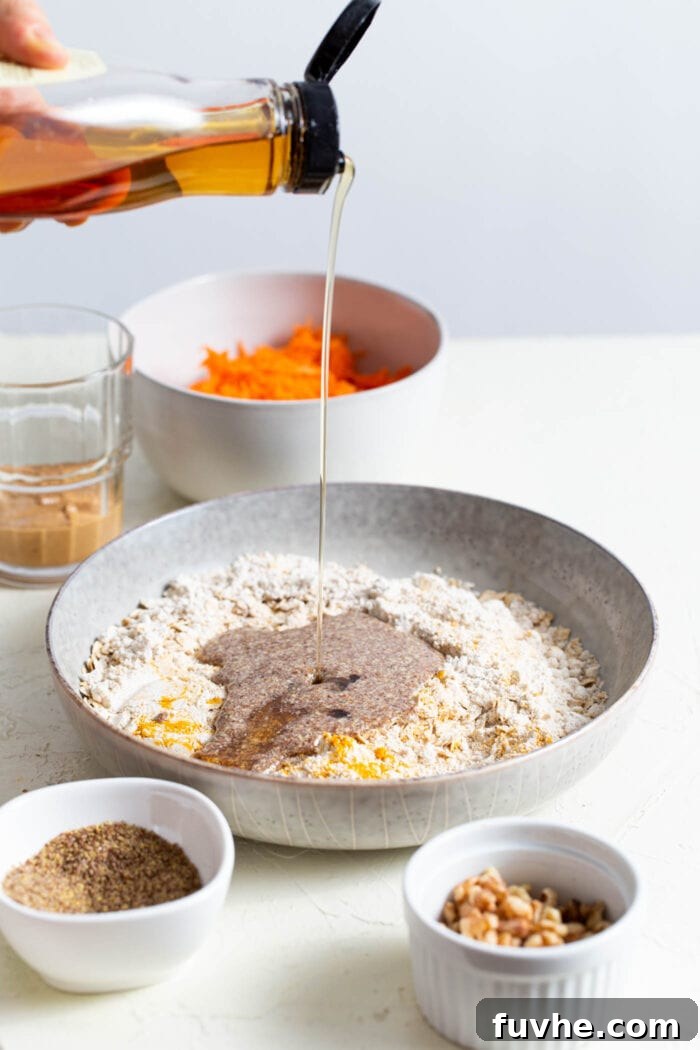
Brown Rice Syrup: A Versatile Liquid Sweetener for Binding and Baking
Brown rice syrup stands out as an excellent replacement for honey, particularly for those seeking a vegan alternative, due to its very thick and sticky consistency. This property makes it not only a superb liquid sweetener for various applications but also an exceptional binding agent in many recipes. It works wonderfully as a direct liquid sweetener for your morning coffee, drizzled over pancakes, or stirred into oatmeal, imparting a mild, caramel-like flavor.
When used in baking to replace granulated sugar, brown rice syrup requires some adjustments to ensure the final product turns out correctly. A general guideline is to use approximately 1 ¼ cups of brown rice syrup for every 1 cup of sugar specified in a recipe. Additionally, because brown rice syrup introduces more liquid, you’ll need to reduce other liquid ingredients in the recipe by about ¼ cup to maintain the proper moisture balance and texture. This careful calibration ensures your baked goods achieve the desired consistency and sweetness.
Beyond its role as a direct sweetener, brown rice syrup truly shines in binding no-bake recipes. You can experience its binding power and subtle sweetness by trying it in these healthier cereal bars.
Agave Syrup: The Controversial Nectar
Agave syrup, also known as agave nectar, comes in several varieties, each with a distinct flavor profile heavily influenced by its extraction and processing methods. Lighter agave syrups typically offer a mild or neutral taste, making them versatile for a wide array of recipes where you don’t want the sweetener to overpower other flavors. In contrast, amber or dark agave varieties boast a richer, more pronounced caramel taste, often favored in desserts and recipes where a deeper flavor is desired.
Beyond its application as an alternate sweetener in your favorite recipes, agave syrup can be enjoyed in various creative ways:
- Right out of the bottle, generously drizzled over a towering stack of pancakes or waffles for a classic breakfast indulgence.
- As a natural sweetener for iced tea or your cherished hot beverages, dissolving easily without crystallizing.
- Mixed into your pre-workout smoothie, providing readily available carbohydrates (and some electrolytes, depending on the variety) for an energy boost.
From a nutritional standpoint, it is important to approach agave syrup with awareness, as its composition can be quite similar to high-fructose corn syrup (HFCS). Depending on how it has been processed, agave can contain anywhere from 55% to a high of 97% fructose. While often marketed as a “natural” and “healthy” alternative, its high fructose content can be a concern for some individuals.
If you have previously experienced an intolerance to fructose or are monitoring your fructose intake, it would be prudent to opt for the lighter amber varieties, or perhaps choose another sweetener entirely, as blue agave, in particular, can contain up to 56% fructose. The amber and light agave varieties still offer ample sweetness to satisfy your sweet tooth without necessarily exacerbating fructose-related sensitivities.
In most culinary applications, agave can be used as a convenient 1:1 substitute for other liquid sweeteners such as brown rice syrup, honey, or maple syrup, making it a versatile ingredient in your pantry.
Raw Honey: Nature’s Sweet Elixir with Healing Properties
Raw honey, distinguished from its pasteurized counterparts, has surged in popularity not only for its incomparable taste but also for its remarkable array of healing properties that actively support immunity and overall well-being. Unlike regular honey, raw honey is unheated, unfiltered, and unprocessed, retaining more of its beneficial enzymes, antioxidants, and pollen.
Whether it’s soothing a persistent cough, acting as a natural antibacterial agent, or providing potent antimicrobial benefits, you can be assured that you’ll be reaping a multitude of advantages regardless of how you incorporate it into your diet. Its immune-boosting capabilities are particularly valued during cold and flu season.
Raw unpasteurized honey is incredibly versatile and can be added to a wide range of foods and beverages:
- Generously drizzled over pancakes for a classic, wholesome breakfast.
- Mixed into muffin batters, lending a natural sweetness and moist texture.
- Spread thinly on toast, either on its own or paired with nut butter, for a simple and delicious snack.
- Stirred into oatmeal, providing sustained energy and natural flavor.
- Used as a key ingredient in homemade salad dressings, balancing acidity with sweetness.
- A delightful natural sweetener for herbal teas, especially when seeking comforting relief.
- Incorporated into raw baking and no-bake desserts for its binding and sweetening properties.
An important consideration for those following a plant-based diet: honey is not vegan. If you adhere to a cruelty-free diet, it is recommended to choose other excellent sweeteners from this list, such as pure maple syrup or brown rice syrup, which offer similar versatility and flavor profiles without animal products.
Dates: The Ultimate Whole Food Caramel Sweetener
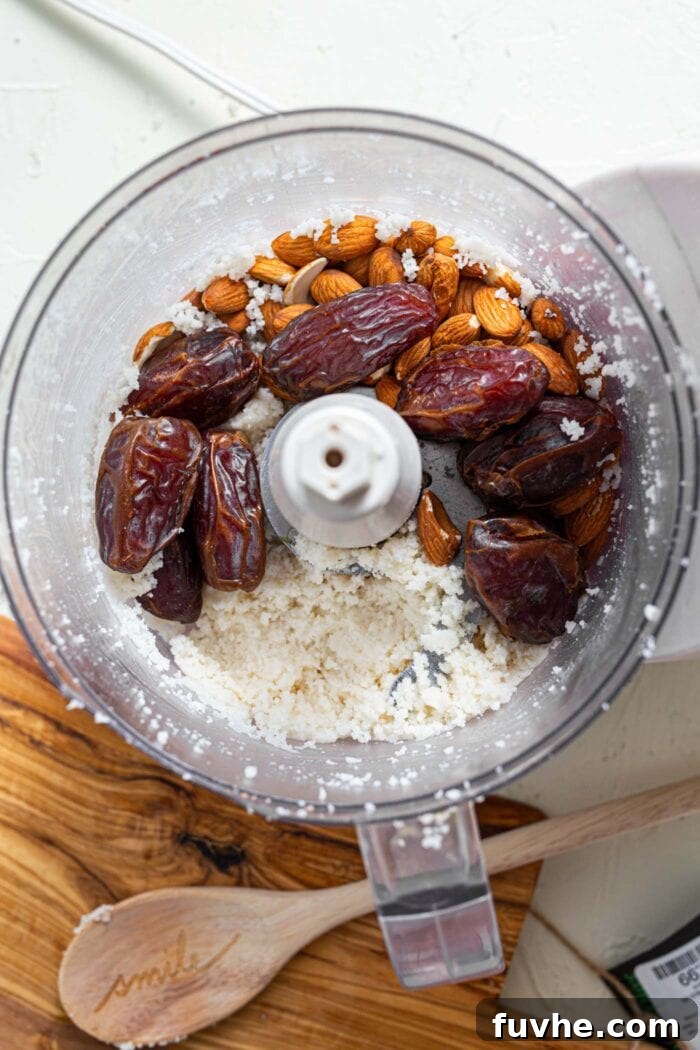
Dates are unequivocally my favorite natural sweetener. These ancient fruits are a true gift from nature, offering a deeply rich, caramel-like taste that can elevate any dish. Beyond their exquisite flavor, dates are packed with an impressive array of essential minerals, vitamins, and crucial dietary fiber, making them an incredibly nutritious choice.
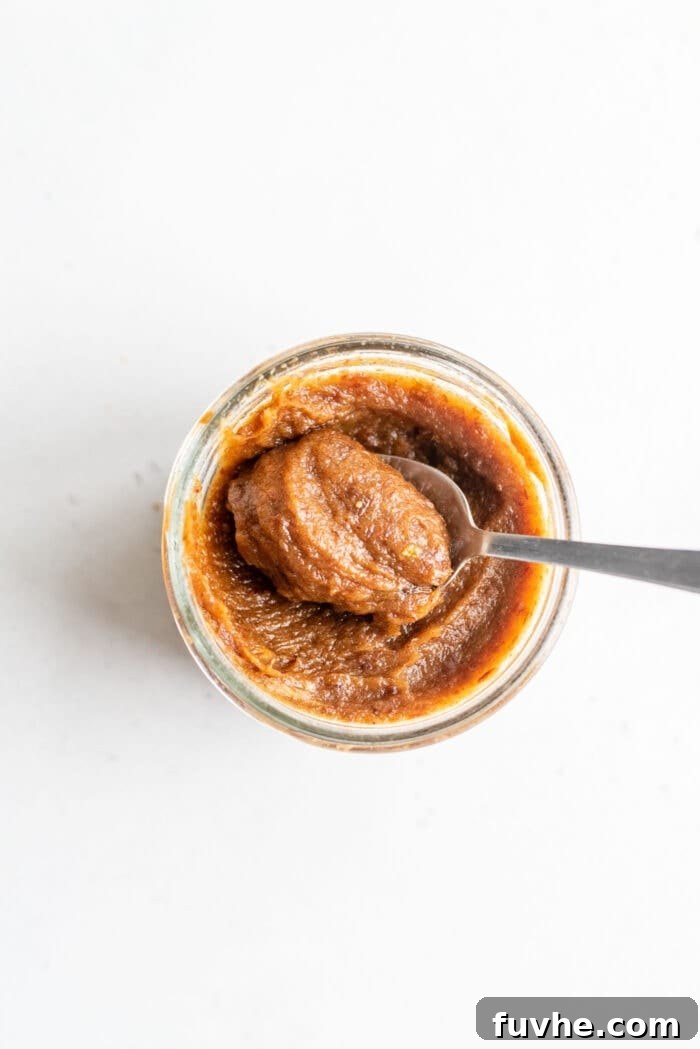
Their versatility in the kitchen is remarkable. You can easily incorporate whole or finely chopped dates directly into various recipes, adding texture and sweetness. For a truly transformative experience, blend pitted dates with hot water and a pinch of sea salt to create a luscious, naturally sweet caramel sauce or a versatile date paste, perfect for spreading or using as a baking base.
While Medjool dates are often my preferred variety for their plumpness and intense sweetness, I also frequently enjoy sayer dates, deglet noor, and honey dates, all of which are usually readily available locally. However, the world of dates is vast, with many other wonderful varieties offering unique nuances in flavor and texture worth exploring.
The Impressive Health Benefits of Dates
Integrating dates into your regular diet offers a multitude of health advantages, thanks to their rich nutritional profile:
- **High in fiber:** Promotes robust digestive health, aids in regular bowel movements, and contributes to heart health by helping to manage cholesterol levels.
- **Good source of potassium:** Essential for maintaining healthy blood pressure, proper nerve function, and muscle contractions.
- **Excellent source of copper:** Vital for bone health, iron absorption, and energy production.
- **Source of manganese:** Important for bone formation, metabolism, and antioxidant defense.
- **Source of magnesium:** Known for its anti-inflammatory properties and its role in regulating blood pressure.
- **Source of iron:** Crucial for preventing anemia and supporting oxygen transport throughout the body.
- **Contain vitamin B6:** Supports brain health, nervous system function, and the metabolism of proteins and carbohydrates.
- **May support a healthy pregnancy and delivery:** Some studies suggest that date consumption in late pregnancy can ease labor.
- **Contain isoflavones:** These compounds are known to contribute to reducing the risk of cardiovascular disease.
- **Contain vitamin A:** Important for maintaining healthy vision, immune function, and skin health.
These represent just a fraction of the profound benefits derived from regularly enjoying dates. The intricate details of each nutrient are secondary to the overarching truth: dates are an exceptional whole food, serving as a powerful and delicious addition to your arsenal for healthy living. If you find yourself with a persistent sweet tooth, indulging in a couple of dates is an incredibly satisfying and wholesome way to curb cravings without resorting to refined sugars. I also highly recommend dates as a quick, natural pre-workout snack, providing a convenient and sustained burst of energy.
Creative Ways to Use Dates for Sweetening
- Easily make date paste, a versatile sweetener for baking, smoothies, and oatmeal.
- Whip up a delectable, naturally sweet caramel sauce, perfect for desserts or a healthy dip.
- Utilize or purchase date sugar, a granulated form of dried dates, for 1:1 replacement in baking.
- Chop and add them directly to baking recipes, oatmeal, cereals, or salads for added sweetness and texture.
- Integrate whole dates into blended recipes such as smoothies, coffee, hot chocolate, homemade almond milks, and coffee creamers.
- Form the nutrient-dense base for countless no-bake vegan desserts, providing structure and sweetness.
Delicious Recipes Featuring Dates
- Vegan Tahini Date Cookies: A unique blend of savory and sweet.
- Pecan Pie Energy Bites: Portable, wholesome, and packed with flavor.
- No-Bake Superfood Cookies: Easy, nutritious, and incredibly satisfying.
- Chocolate Chip No-Bake Granola Bars: Perfect for snacks and quick energy boosts.
- Raw Vegan Maple Pecan Pie: An indulgent, healthier dessert option.
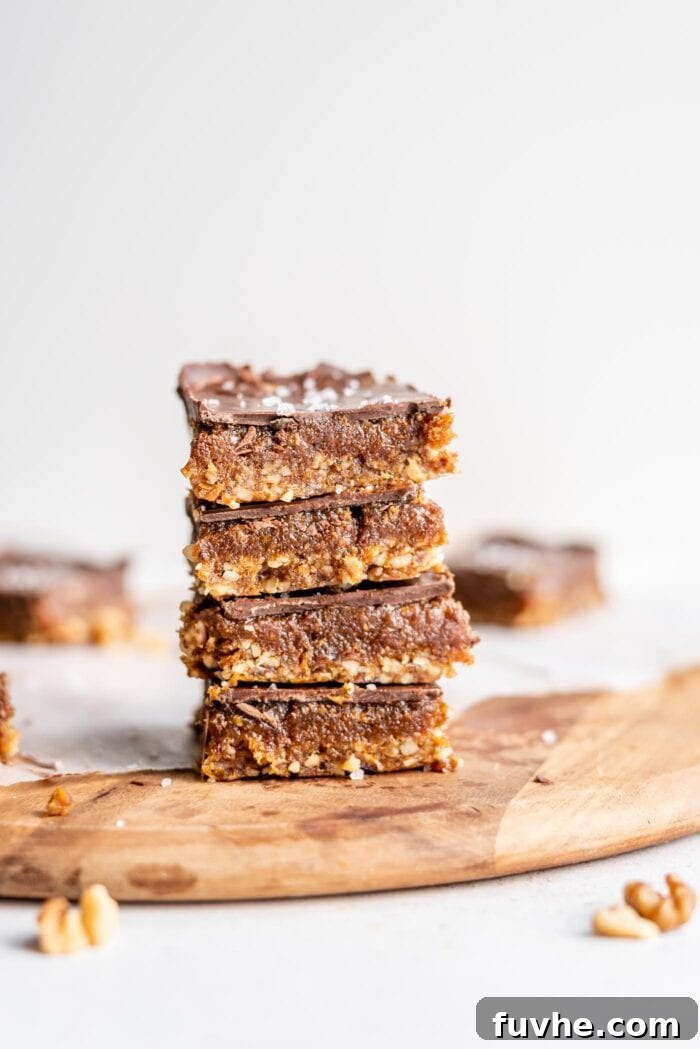
- No-Bake Chocolate Caramel Bars: Rich, decadent, and naturally sweetened.
- No-Bake Chocolate Caramel Tarts: Elegant and guilt-free treats.
Maple Syrup: The Quintessential Liquid Sweetener
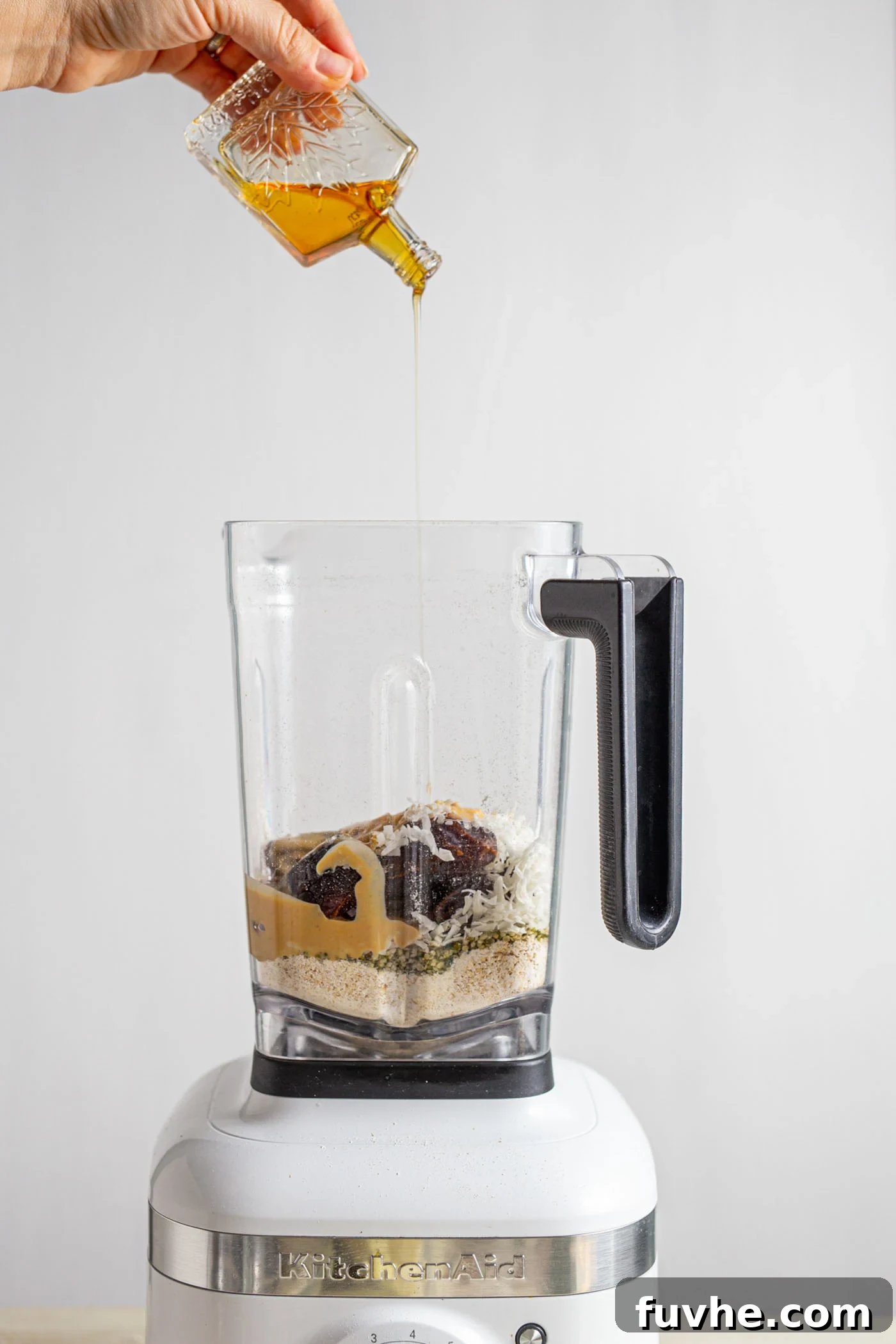
Pure maple syrup holds a special place as my absolute favorite natural liquid sweetener. Harvested directly from maple trees, this exquisite syrup is far more than just a pancake topping; it’s a wonderfully versatile ingredient imbued with trace vitamins and minerals. I am particularly fond of the depth of flavor it imparts to a diverse range of recipes, elevating them with its distinctive earthy sweetness.
My culinary uses for maple syrup are extensive, demonstrating its incredible adaptability. I incorporate it into everything from vibrant salad dressings and savory sauces, to complex curries, to decadent homemade chocolates. Of course, it remains an unparalleled choice for classic breakfast items like pancakes and waffles, and it performs beautifully in all varieties of delectable desserts, lending a natural and sophisticated sweetness.
Explore Maple Syrup in These Recipes
- Tahini Hemp Seed Bars: A nutritious snack with balanced sweetness.
- Vegan Chia Seed Pancakes: Fluffy and wholesome, sweetened with maple.
- Tahini Maple Dressing: A harmonious blend for vibrant salads.
- Maple Roasted Brussels Sprouts: A perfect balance of sweet and savory.
- Maple Pecan Pie: A healthier take on a classic holiday dessert.
- Vegan Chocolate Peanut Butter Cups: A delightful, naturally sweetened treat.
Coconut Sugar: The Caramel-Flavored Granulated Sweetener
Coconut sugar is a remarkable low-glycemic natural sweetener that offers a delicious caramel-like flavor, making it an exceptional substitute for refined white or brown sugar. Its most appealing characteristic for bakers is its ability to be used in a convenient 1:1 ratio, seamlessly replacing traditional granulated sugars in virtually any recipe. This makes it an incredibly user-friendly option for those transitioning to healthier alternatives.
I frequently reach for coconut sugar as my preferred dry sweetener, particularly for baking recipes that specifically call for a granulated sweetener. Its unique flavor profile adds a depth that refined sugars simply cannot match. Beyond baking, it works wonderfully in raw energy bars, stirred into coffee for a subtle sweetness, or anywhere else you would typically use sugar, enhancing the overall taste without overwhelming it.
This often underrated sugar alternative is not merely about flavor; it also boasts a notable nutritional profile. It contains several key nutrients crucial for a healthy diet, including iron, zinc, calcium, and potassium. Additionally, it provides some short-chain fatty acids like polyphenols and antioxidants, further cementing its status as a superior choice over highly processed sugars.
Stevia: The Zero-Calorie Natural Sweetener
Stevia, derived from the leaves of the Stevia rebaudiana plant, presents an excellent option for those committed to keeping their recipes low-carb and entirely sugar-free. It is a true zero-calorie sweetener, making it a powerful tool for managing caloric intake without sacrificing sweetness.
My preferred form of stevia is organic liquid stevia drops, which I find incredibly versatile for imparting just a hint of sweetness to a variety of dishes. I use it to sweeten pancake batter, add a subtle touch to light baking, stir it into oats, enhance drinks, and incorporate it into other culinary creations where only a whisper of sweetness is desired without the bulk or calories of sugar.
Stevia can generally serve as a sugar-free replacement for sugar in most recipes. However, it’s important to note its limitations: when sugar plays a crucial structural role in a recipe, such as contributing to the volume, browning, or specific texture of cakes and certain other baked desserts, stevia alone may not be an ideal substitute. In such cases, combining it with a bulkier, low-carb sweetener like erythritol or xylitol can yield better results.
I find stevia to be particularly effective and frequently use it in recipes for pancakes, puddings, sugar-free baking, and a range of blended drinks. These include invigorating concoctions like iced matcha and my energizing “bulletproof” coffee, where its pure sweetness shines without any added sugar.
Exploring “Raw” Sugars: A Slightly Less Processed Category
Beyond the primary natural sugar substitutes, there exists a category of “raw” sugars that represent slightly less processed alternatives to conventional white and brown sugar. This group includes options such as demerara, raw cane sugar, sucanut, and turbinado. While often perceived as inherently healthier due to their “raw” designation, it’s important to understand their true nature.
Crucially, just like refined white sugar, all of these varieties are predominantly composed of sucrose. Consequently, they have nearly the same effect on blood sugar levels as white table sugar does. While they may retain very minute trace amounts of minerals due to less intensive processing, they are not significant sources of nutritional value. Therefore, they should still be consumed sparingly and with the same level of moderation applied to any caloric sweetener.
One tangible benefit of these “raw” sugar varieties is that they tend to possess more distinct and complex flavors compared to bland table sugar. This enhanced flavor profile often means you might require less of them to achieve your desired level of sweetness in recipes, potentially leading to a slight reduction in overall sugar intake.
- Turbinado: Despite its common appearance in natural food stores, turbinado sugar is still quite highly processed. It is essentially raw sugar that has been steam-washed to remove molasses and impurities, resulting in large, light brown crystals. While it retains a subtle caramel flavor, it has been stripped of most vitamins, minerals, and other trace elements, making it nutritionally similar to refined sugar.
- Sucanat (Sugar Cane Natural): Sucanat is genuinely less processed than white sugar. It is made by crushing sugar cane and heating the juice, then drying it into granules, retaining all the molasses. This minimal processing ensures it contains some trace amounts of nutrients such as iron, calcium, and potassium. The granules are tan in color and possess a rich, distinct molasses flavor, making it a good choice for recipes that can benefit from its robust taste.
- Demerara: Demerara sugar is also derived from sugarcane and is characterized by its larger, coarser grains compared to regular white or brown sugar. It naturally retains a portion of its molasses, which gives it its characteristic light brown color and a pleasant, mild caramel flavor. It’s often used as a crunchy topping for baked goods or stirred into coffee.
This list also encompasses other similar sugars such as raw cane sugar, rapadura sugar (similar to Sucanat), and muscovado sugar. All of these sugars are produced through various methods of sugarcane processing, meaning their final products, while having subtle differences in texture and flavor, are all very similar in their core composition and caloric density.
Any of these “raw” sugars can be used as direct substitutes for white and brown sugar in baking and other recipes. However, it’s vital to reiterate that, much like white refined sugar, all of them contain approximately 15 calories per teaspoon and do not provide a significant source of beneficial nutrients. Awareness and moderation remain key.
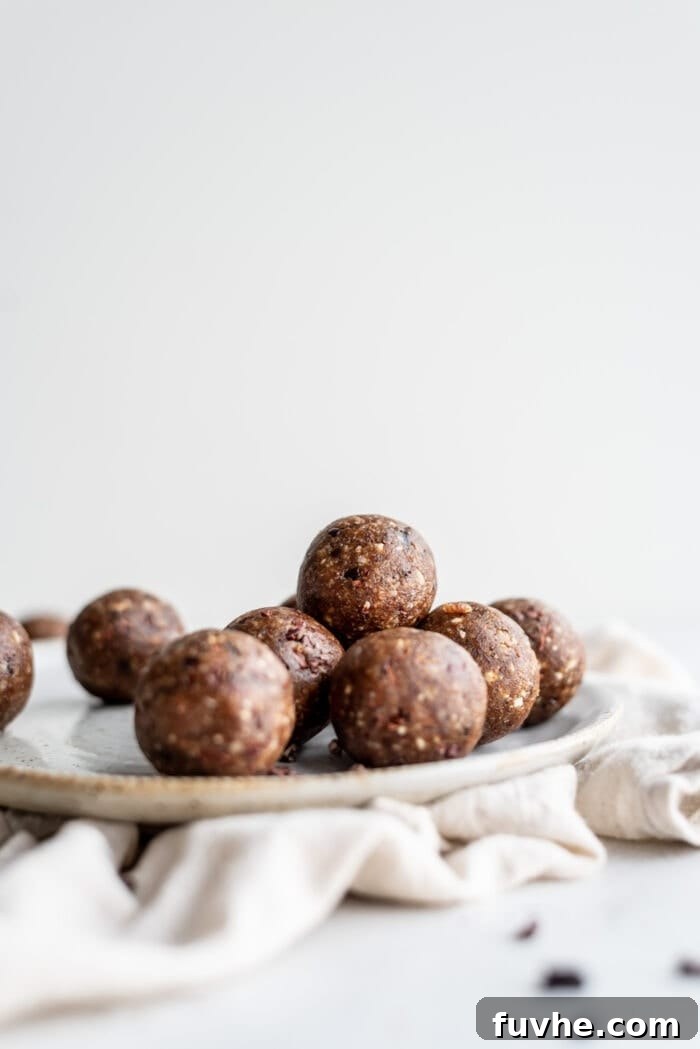
Wholesome Whole Food Dessert Ideas to Satisfy Your Sweet Tooth
Indulging your sweet tooth doesn’t have to mean sacrificing your health goals or relying on refined sugars. There are numerous delicious and satisfying ways to enjoy desserts using whole, unprocessed ingredients. These options leverage the natural sweetness and nutritional benefits of fruits and other wholesome components, offering a guilt-free pleasure. Here are some delightful ideas to keep your sugar cravings in check while still enjoying a treat:
- **Dark chocolate:** Choose high-quality dark chocolate with a high cocoa percentage. For an extra treat, try it topped with a dollop of your favorite nut butter for a creamy, satisfying combination.
- **Homemade hot chocolate:** Prepare with unsweetened cocoa powder, a splash of milk (dairy or plant-based), and naturally sweetened with a touch of maple syrup, dates, or stevia.
- **Dates stuffed with nut butter:** A simple yet incredibly satisfying snack. For an elevated experience, try them sprinkled with cacao nibs for a crunch and a pinch of sea salt to enhance the flavors!
- **Frozen grapes:** A surprisingly refreshing and sweet treat, especially on a warm day. Pop them in the freezer for a few hours.
- **Fresh berries:** Naturally sweet, bursting with antioxidants, and perfect on their own or with a dollop of coconut cream.
- **Fresh or frozen cherries:** Another fantastic fruit option, great for snacking or adding to smoothies.
- Banana nice cream: A creamy, dairy-free ice cream alternative made solely from blended frozen bananas.
- Tahini cacao fudge balls: Rich, nutrient-dense, and naturally sweet energy bites.
- Tahini date cookies: A unique and wholesome cookie recipe.
- Flourless peanut butter banana cookies: Simple ingredients for a satisfying, naturally sweet cookie.
- No-bake superfood cookies: Quick to prepare and packed with nourishing ingredients.
Frequently Asked Questions About Sugar and Sweeteners
Having thoroughly explored the realm of natural sugar substitutes that can help you begin replacing table sugar in your diet, let’s now address some commonly asked questions and concerns. These FAQs aim to provide further clarity and practical advice for navigating your sweet journey.
How Much Sugar Should I Realistically Consume?
Understanding recommended sugar intake is crucial for maintaining good health. According to guidelines from the American Heart Association:
- Men are advised to consume no more than 38 grams, which equates to roughly 9 teaspoons, of added sugar per day.
- Women should limit their intake to no more than 25 grams, or about 6 teaspoons, of added sugar per day.
The World Health Organization suggests that only 6-10 percent of your total daily calories should originate from sugar. For an average 2000-calorie diet, this translates to approximately 120-200 calories per day, or between 30 and 50 grams of sugar. It’s important to remember these guidelines primarily refer to *added* sugars, not naturally occurring sugars in whole foods.
If your diet predominantly consists of whole, unprocessed foods, adhering to these numbers is remarkably easy. However, once you start incorporating processed and packaged foods into your daily routine, you will quickly discover how rapidly added sugars accumulate, often without your explicit awareness. Fortunately, with increased awareness, careful label reading, and a commitment to making whole food swaps, it becomes quite manageable to significantly reduce your sugar intake while still allowing for the occasional sweet treat.
Effective Strategies to Stop Sugar Cravings
The most straightforward, albeit challenging, answer to stopping sugar cravings is to progressively reduce your consumption of refined sugar. Refined sugar should ideally be an infrequent indulgence, a “once in a while” treat. The more you consume, the more your body and brain become accustomed to and crave it, initiating a relentless cycle of desire and consumption.
That being said, it’s equally important to acknowledge that excessive dieting and severe restriction can paradoxically contribute to intense cravings and even lead to episodes of binging. A balanced approach involves allowing yourself occasional, mindful treats when appropriate, rather than outright deprivation.
On a daily basis, the strategy for reducing cravings revolves around stabilizing your blood sugar and hormone levels. This involves a holistic approach integrating both diet and lifestyle: significantly reduce the amount of sugar you eat, and instead, load up on nutrient-dense vegetables and a good variety of fruits. Incorporate healthy fats from sources like nuts, seeds, and avocados, which promote satiety. Stick to whole, unrefined grains, ensure you are adequately hydrated, prioritize sufficient sleep, and effectively manage stress. By adopting these comprehensive habits, you will likely observe your sugar cravings diminish and eventually disappear, as your body re-regulates its natural signals.
You can delve deeper into related topics to support these changes in these informative posts:
- Best Sources of Fiber: Essential for satiety and blood sugar control.
- Why Am I So Hungry All The Time?: Understanding hunger cues.
- Macro Cheat Sheet: A guide to balancing macronutrients.
- How to Optimize Sleep: Crucial for hormone balance and appetite regulation.
Glucose, Sucrose, and Fructose: Unpacking the Sugars
While glucose, sucrose, and fructose all provide sweetness, they are distinct types of sugar molecules with different metabolic pathways and effects on the body:
Glucose: This is the simplest form of sugar and a primary source of energy for every cell in your body. It can be metabolized directly by almost all tissues and organs. When we talk about “blood sugar,” we are referring to blood glucose levels.
Fructose: Commonly known as “fruit sugar,” fructose is primarily metabolized in the liver. Unlike glucose, it does not directly stimulate insulin secretion, but high-fructose intake has been associated with numerous harmful health effects, including the development of insulin resistance, non-alcoholic fatty liver disease, and an increased risk of type 2 diabetes when consumed in excessive amounts, particularly from added sources like high-fructose corn syrup.
Sucrose: This is the most common type of sugar, often referred to as “table sugar.” Sucrose is a disaccharide, meaning it’s composed of one molecule of glucose and one molecule of fructose linked together. It occurs naturally in many plant foods, including fruits, vegetables, and sugar cane. However, it is also extensively added to all types of processed foods, ranging from cereals, ketchup, and sodas, to candies, chocolates, and even processed meats, contributing significantly to added sugar intake.
What is High-Fructose Corn Syrup (HFCS)?
In short, high-fructose corn syrup, or HFCS, is a ubiquitous sweetener that has become a staple in the processed food industry. It is produced from corn starch through an enzymatic process that converts some of its glucose into fructose, resulting in a syrup that is often cheaper to produce than sucrose and easier to blend into various food products. HFCS is primarily composed of both fructose and glucose, typically in a ratio similar to that of sucrose (around 42% or 55% fructose).
You’ll find HFCS in an alarming array of processed foods, including many types of breads, most sodas, cookies, candies, breakfast cereals, granola bars, crackers, and countless other items. Its widespread use is a major contributor to high fructose consumption in modern diets, and it has been the subject of considerable debate regarding its potential adverse health effects, particularly its role in the obesity epidemic and metabolic disorders.
What Does “Sugar-Free” Really Mean? A Nuanced Definition
Given that all plant foods contain some amount of natural sugars, the term “sugar-free” can be quite ambiguous and interpreted differently by various individuals and entities. For me, a “sugar-free” approach primarily signifies the absence of *added* sugar, and especially no refined sugar.
Under this definition, whole, unprocessed plant foods such as fruits, vegetables, and whole grains are considered part of a sugar-free diet. If I choose to sweeten a recipe exclusively with whole foods like dates, apples, or bananas, without incorporating any additional refined or concentrated sweeteners, I consider that recipe to be “sugar-free.” Thus, any whole food, despite technically containing sugar, is embraced within this sugar-free framework because its sugars are naturally packaged with fiber and nutrients.
Conversely, the term “refined sugar-free” indicates that a recipe contains unrefined sweeteners, such as maple syrup or coconut sugar, but is not entirely free of all forms of sugar. It’s an important distinction that highlights a move away from highly processed sugars towards more natural, albeit still caloric, options.
What “Sugar-Free” DOESN’T Mean: Deciphering Labels
You’ve likely encountered numerous packaged goods at your local grocery store prominently labeled “no sugar added” or “sugar-free.” While the advertising suggesting limited sugar content can be very appealing, it’s crucial to understand that these two terms do not necessarily convey the same meaning, and neither guarantees a truly sugar-less product.
When it comes to products explicitly labeled “sugar-free,” regulatory standards, such as those set by the FDA, dictate that a food can bear this label if it contains less than 0.5 grams of sugar per serving. This technicality means that a product doesn’t have to be completely devoid of sugar. If you consume multiple servings, the small amounts of sugar can quickly accumulate, undermining the “sugar-free” perception. It’s an important point for those strictly monitoring their sugar intake.
Furthermore, it’s vital to note that “sugar-free” foods frequently compensate for the lack of sugar by containing artificial sweeteners (like sucralose or aspartame) or natural calorie-free sweeteners (such as monk fruit or stevia). While these alternatives contribute zero or minimal calories and don’t typically impact blood sugar, they are not always what consumers envision when they seek a truly “natural” or “whole food” sugar-free option.
Is Sugar Vegan? A Surprising Truth
Many individuals following a vegan diet are surprised to learn that not all sugar is inherently vegan. The processing methods for conventional white granulated sugar often involve animal products, even though the final sugar itself doesn’t contain animal ingredients. Do you know how regular table sugar achieves its characteristic powdery-white appearance? The vast majority—almost 100% of standard white and brown sugar—is processed through a decolorizing filter made from bone char. Yes, you read that correctly: char derived from animal bones is used to bleach and whiten the sugar crystals.
When navigating the baking aisle, it can be challenging to immediately identify which sugars are vegan-friendly. However, there are a few keywords and certifications to look out for that can guarantee a sugar product is vegan:
- **Raw:** Often, raw cane sugar is minimally processed and avoids bone char.
- **Organic:** Certified organic sugars in the U.S. and Canada typically prohibit the use of bone char in their processing.
- **Unrefined:** Sugars that are truly unrefined (like Sucanat) retain their molasses and don’t undergo the char filtering process.
- **Natural:** While a broader term, “natural” sugars that are less processed are often vegan.
Always look for explicit “vegan” certification on packaging or opt for alternative sweeteners like maple syrup, agave, coconut sugar, or date sugar, which are inherently plant-based and do not involve bone char in their production.
What’s the Best Natural Sweetener for Coffee? Elevating Your Brew
Choosing the best natural sweetener for your morning cup of joe can transform your coffee experience, balancing its inherent bitterness with delightful aromas. You might be surprised by how a few key natural additions can complement coffee’s undertones. If stevia isn’t quite to your taste, consider exploring the following options to discover the combination that best satisfies your palate:
- **Cinnamon:** A warming spice that adds a subtly sweet and aromatic depth without any added sugar. It’s a fantastic way to enhance flavor naturally.
- **Unsweetened Raw Cacao Powder:** For chocolate lovers, a dash of raw cacao powder introduces a rich, bittersweet complexity, turning your coffee into a mocha-like treat without excess sweetness.
- **Raw Honey:** Offers a unique floral sweetness and a thick, comforting texture. Its natural enzymes and beneficial properties are an added bonus.
- **Maple Syrup:** Provides a distinctive earthy and caramel-like sweetness that pairs beautifully with coffee, creating a sophisticated flavor profile.
- **Coconut Cream (unpasteurized from a can):** Not a sweetener on its own, but it adds a rich, creamy texture and a subtle, natural sweetness that can round out the coffee’s flavor. Choose full-fat, unsweetened varieties.
- **Organic Vanilla Extract:** A few drops of pure vanilla extract can dramatically enhance the coffee’s aroma and impart a perception of sweetness without adding any sugar.
- **Stevia:** For those who prefer zero calories, liquid stevia drops are an excellent choice for pure sweetness without altering the texture or adding bulk.
Experimentation is key to finding your perfect coffee companion, allowing you to enjoy a naturally sweetened and flavorful brew every day.
Is the Sugar in Fruit Detrimental to Your Health?
A common misconception is that the sugar found in fruit is inherently “bad” for you. However, this perspective overlooks the crucial context in which fruit sugar is presented. The sugar in whole fruit comes in a complete, nutrient-dense package. This package includes vital vitamins, essential minerals, and abundant dietary fiber. This comprehensive nutritional profile far outweighs any potential negative effects the sugar alone might have.
The fiber in fruit plays a pivotal role. It helps to slow down the absorption of fruit sugars (fructose and glucose) into the bloodstream, preventing rapid spikes in blood sugar levels that are typically associated with refined sugars. This makes fruit a much healthier choice compared to consuming isolated sugars. Fruits are undeniably wonderful, nutrient-dense foods that should be enthusiastically included in your diet.
If you are specifically following a low-sugar diet or closely monitoring your sugar intake, a few strategic choices can optimize your fruit consumption: prioritize whole fruits over dried fruits, as dried fruits have a much higher concentration of sugar per serving due to water removal. Additionally, opt for low-glycemic index (GI) fruits such as blueberries, strawberries, raspberries, and apples. These fruits tend to have a milder impact on blood sugar levels. You can delve deeper into understanding macronutrients and making informed choices about fruit in my comprehensive macro guide.

Conclusion: Embracing a Balanced and Naturally Sweet Life
Ultimately, sugar is sugar. Regardless of whether it’s composed of fructose, sucrose, or glucose, excessive consumption will invariably elicit a response from your body. While certain natural alternatives offer a clearer nutritional advantage over highly refined sugars, the fundamental principle of moderation remains paramount for any food item in your diet.
If you are accustomed to regularly using refined sugar, I encourage you to challenge yourself to experiment with some of the healthier options outlined in this guide. You might be pleasantly surprised to find that, in many applications, you won’t even notice a significant difference in taste or texture. Nature generously provides an abundance of hidden natural sweeteners, each capable of satisfying even the most discerning sweet tooth.
By consciously reducing the overall amount of sugar in your diet and consistently choosing natural alternatives to refined sugar whenever feasible, you stand to gain a multitude of health benefits. Many individuals report increased energy levels, improved sleep quality, enhanced digestion, and a significant reduction in persistent sugar cravings. With such compelling advantages, there’s no better time than today to embark on this sweet journey towards a healthier, more vibrant you!