
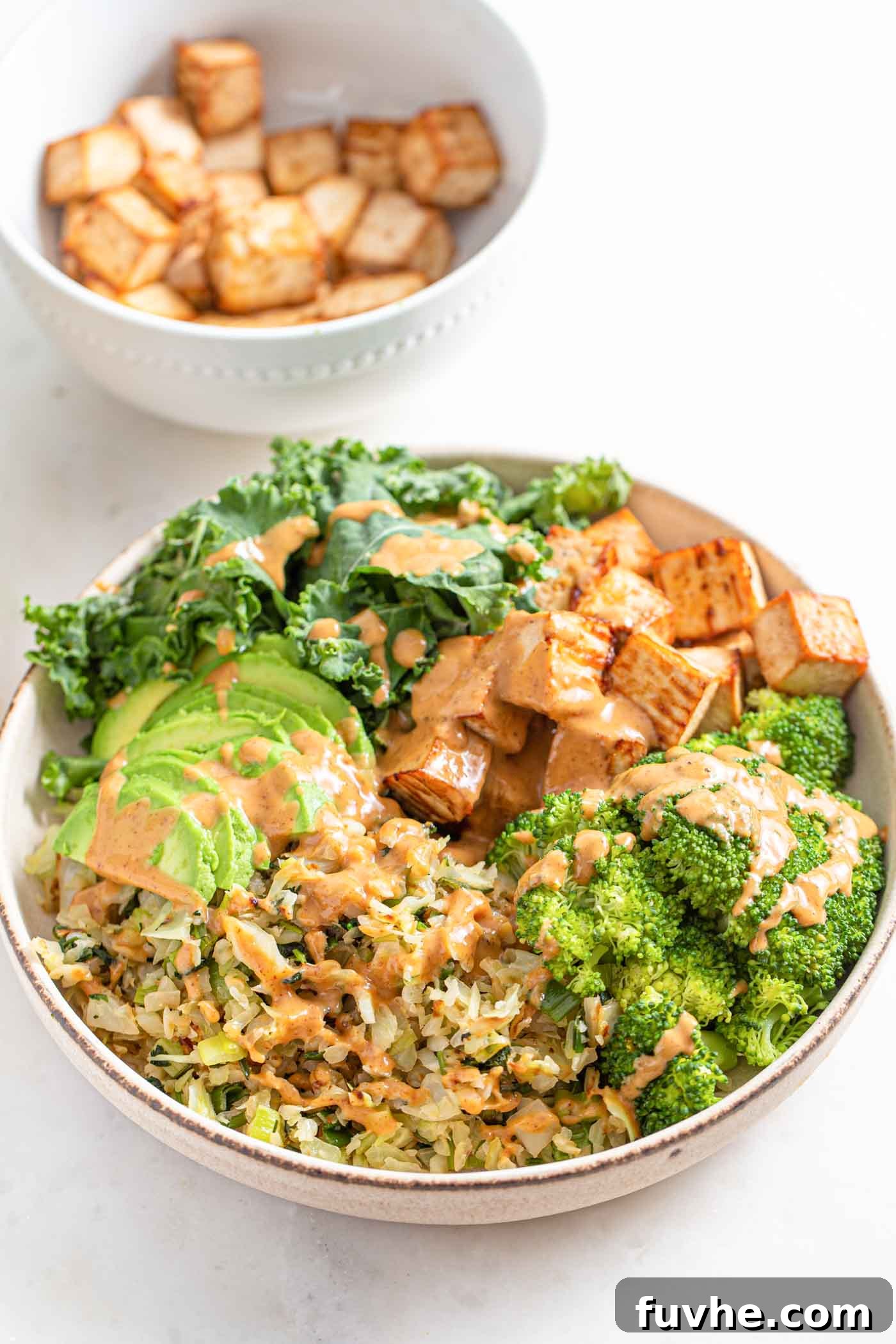
Craving a nutritious, flavorful, and incredibly satisfying meal that aligns with your dietary goals? Look no further than these vibrant Low-Carb Vegan Dinner Bowls. Bursting with fresh ingredients like crisp cabbage, tender broccoli, nutrient-dense kale, and protein-packed tofu, each bowl is a complete culinary experience. What truly elevates this dish is the luscious, creamy almond satay sauce, perfectly balancing sweet, savory, and spicy notes to tie all the elements together. Ideal for a healthy weeknight dinner or as a go-to meal prep option, these bowls prove that eating well can be both delicious and effortless.
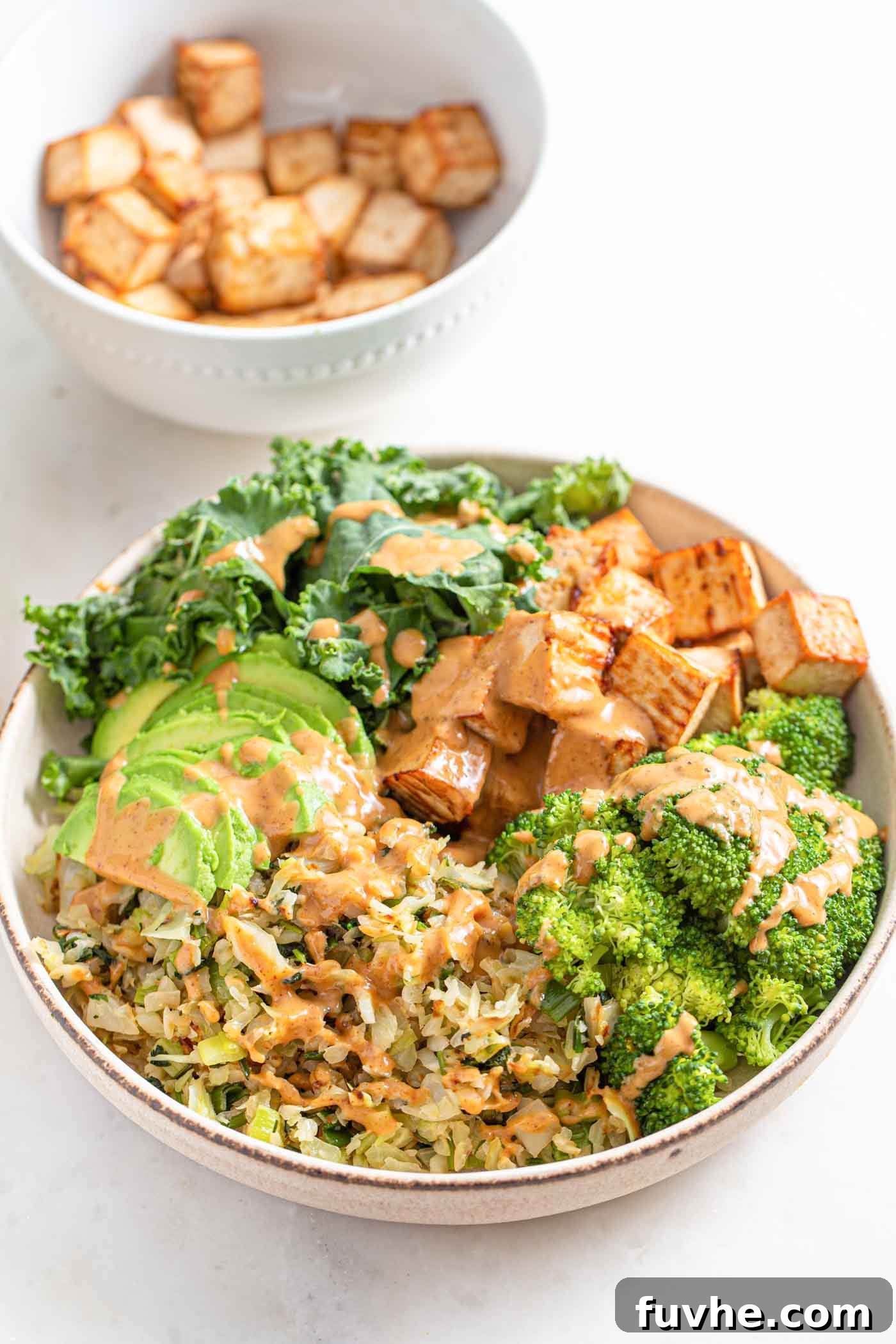
Unveiling the Low-Carb Vegan Dinner Bowl: A Culinary Gem
For those actively seeking a lower-carb, high-protein vegan meal that doesn’t compromise on flavor or satiety, this recipe is an absolute game-changer. The star components – firm tofu for a robust protein punch, creamy avocado for healthy fats, and ingenious cabbage “rice” – work in harmony to create a dish that is both deeply satisfying and remarkably light on carbohydrates. It’s a testament to the fact that healthy eating can be incredibly exciting and diverse.
More than just a low-carb choice, these bowls are an excellent way for anyone to effortlessly incorporate more wholesome vegetables and plant-based foods into their daily diet. Here’s a deeper dive into why these dinner bowls are quickly becoming a favorite:
- Truly Vegan & Plant-Based: Crafted entirely from plant ingredients, making it perfect for vegan lifestyles and those looking to reduce their meat consumption.
- Naturally Grain-Free & Gluten-Free Adaptable: By utilizing cabbage “rice,” this recipe naturally avoids grains, making it suitable for grain-free diets. For a certified gluten-free meal, simply ensure you use gluten-free tamari instead of traditional soy sauce.
- Diet-Friendly Options: Easily customizable to be completely oil-free or nut-free by selecting appropriate alternatives for cooking oil and nut butter in the sauce.
- Nutrient Powerhouse: Each generous serving boasts an impressive 14 grams of fiber and 23 grams of plant-based protein, contributing significantly to daily nutritional requirements and keeping you feeling full longer.
- Macros Balanced: Specifically designed to be lower in carbohydrates and wonderfully high in protein, supporting various health and fitness goals without sacrificing taste.
- Irresistible Flavor Profile: The signature almond butter sauce delivers a delightful blend of sweet, tangy, and subtly spicy notes, transforming simple vegetables and tofu into an extraordinary dish.
- Perfect for Meal Prep: Components can be prepared in advance, making these bowls an ideal solution for convenient and healthy meals throughout a busy week.
- Endlessly Customizable: A highly versatile recipe that encourages creativity, allowing you to easily swap vegetables, proteins, and even the sauce base to suit your preferences and what’s available.
If these vibrant bowls have piqued your interest, you might also enjoy exploring other nutritious and flavorful plant-based options. Discover the delightful roasted broccoli cauliflower salad or the protein-rich vegan protein salad for more culinary inspiration.
Core Ingredients for Your Low-Carb Vegan Masterpiece
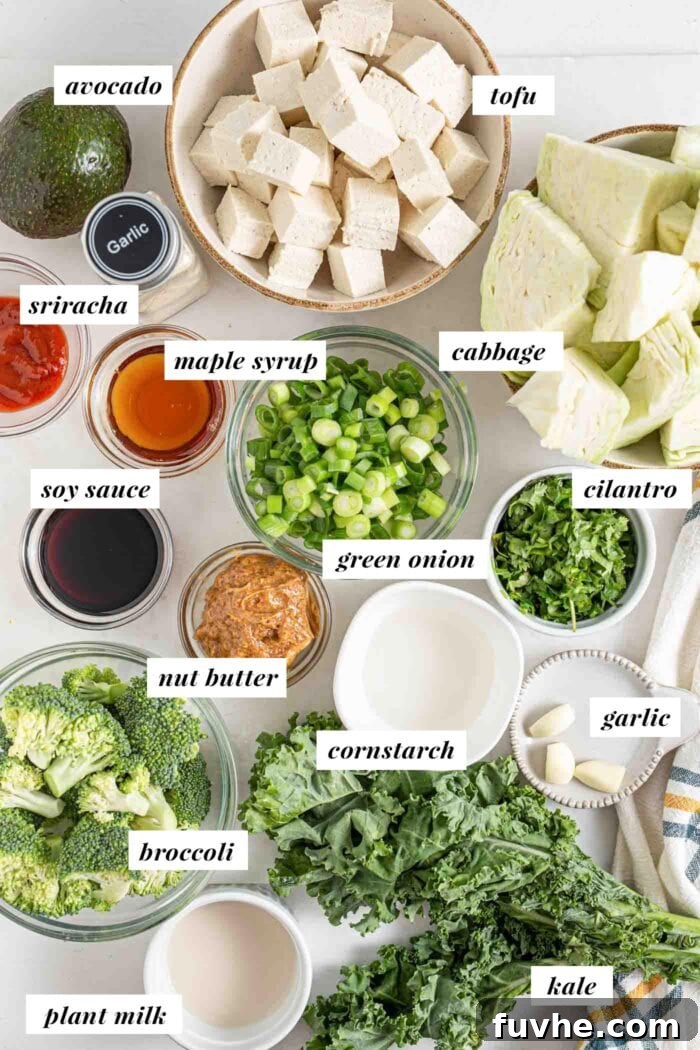
Crafting these delectable bowls requires a selection of fresh produce and versatile pantry staples. Here’s a closer look at the key ingredients and their roles in this recipe:
- Tofu: The Plant-Based Protein Powerhouse
Opt for firm or extra-firm tofu, which holds its shape well and provides a satisfying texture when baked. While optional, pressing the tofu before marinating can significantly enhance its ability to absorb flavors and achieve a delightful crispiness. This simple step expels excess water, leading to a firmer and more flavorful result. For detailed guidance, explore how to press tofu effectively.
- Soy Sauce / Tamari: The Umami Foundation
Any preferred soy sauce will work beautifully for marinading the tofu and flavoring the satay sauce. For those adhering to a gluten-free diet, gluten-free tamari is an excellent substitute, offering the same deep, savory umami notes without the gluten.
- Cornstarch / Arrowroot Starch: The Crisping Secret
A touch of cornstarch (or arrowroot starch for a grain-free alternative) is crucial for creating that coveted crispy exterior on the baked tofu. It forms a light coating that helps the tofu brown and achieve a satisfying crunch.
- Almond Butter: The Sauce’s Creamy Heart
This forms the rich, creamy base of our signature satay sauce. Natural almond butter provides healthy fats and a subtle nutty flavor. For variations, peanut butter can be used for a more classic satay taste, or sunflower seed butter offers a fantastic nut-free option, ensuring everyone can enjoy this delicious dressing.
- Rice Vinegar: The Tangy Balance
Rice vinegar adds a bright, tangy element that cuts through the richness of the nut butter sauce. Both seasoned and unseasoned rice vinegar can be used, though it’s worth noting that seasoned rice vinegar contains added sugar, which will slightly increase the carbohydrate content of the recipe. Choose according to your dietary preference.
- Sriracha: The Spicy Kick
For a pleasant warmth and depth, sriracha is a fantastic addition to the sauce. If sriracha isn’t on hand, any chili garlic paste, such as sambal oelek, will provide a similar spicy and aromatic punch. Adjust the amount to suit your personal spice tolerance.
- Sweetener: Balancing Flavors
To round out the flavors in the sauce, a touch of sweetness is key. For a strictly low-carb approach, a pinch of stevia or monk fruit sweetener is ideal. Alternatively, if your diet allows, maple syrup or coconut sugar can be used. Maple syrup is often preferred over granulated sugars for sauces as it contributes to a smoother, more emulsified consistency.
- Green Cabbage: The Innovative “Rice” Base
Green cabbage is brilliantly transformed into a low-carb “rice” substitute. When finely chopped and sautéed, it offers a subtle sweetness and a tender texture that perfectly mimics traditional rice, without the added carbohydrates. It’s an incredibly versatile vegetable that provides a hearty foundation for your bowl.
- Coconut Oil: For Sautéing & Flavor
Coconut oil lends a delicate, tropical aroma to the sautéed cabbage. However, you can use any high-heat cooking oil you prefer, such as olive oil, avocado oil, or even sesame oil for an intensified Asian-inspired flavor profile.
- Broccoli: The Cruciferous Crunch
Fresh broccoli florets add a vibrant color, satisfying crunch, and a wealth of nutrients to the bowls. This versatile vegetable can easily be swapped with other low-carb alternatives like chopped carrots, crisp snap peas, or cauliflower for variety.
- Kale: The Leafy Green Goodness
Kale is an excellent choice for these bowls due to its robust texture, which holds up well and prevents the greens from becoming soggy. Its earthy flavor complements the other ingredients beautifully. If kale isn’t your preference, feel free to substitute with baby spinach, regular spinach, or any other leafy green you enjoy.
Please note that this is a detailed overview of the main components. A complete ingredient list with precise measurements and comprehensive preparation instructions can be found in the detailed recipe card at the conclusion of this post.
Elevate Your Bowl: Customization and Flavor Enhancements
The beauty of dinner bowls lies in their adaptability. Don’t hesitate to experiment with these variations and additions to tailor your Low-Carb Vegan Dinner Bowl to your personal taste and dietary needs:
- Cabbage Base Alternatives: While cabbage rice is central to the low-carb nature of this dish, you have options. For another low-carb alternative, consider using broccoli rice or cauliflower rice. If you’re not strictly adhering to a low-carb diet, brown rice, quinoa, or farro can also serve as delicious and wholesome bases.
- Boost with Seeds: Add a delightful crunch and an extra dose of healthy fats and protein by sprinkling hemp seeds, pumpkin seeds, or sunflower seeds over your finished bowl. These not only provide textural contrast but also a nutritional boost.
- Protein Power Swaps:
- Tempeh: Try the marinated tempeh from these Baked Tempeh Rice Bowls for a different texture and flavor profile.
- Edamame: Steamed edamame beans are another excellent source of plant-based protein and can be used in place of, or in addition to, the tofu.
- Chickpeas: While higher in carbohydrates, roasted or pan-fried chickpeas can be a tasty and easy alternative to tofu, adding a different kind of satisfying chewiness.
- Roasted Vegetable Medley: Enhance the nutritional value and flavor by incorporating a mix of other roasted low-carb vegetables. Cauliflower florets, asparagus spears, or Brussels sprouts make excellent additions, offering diverse textures and earthy notes.
- Umami & “Cheesy” Notes with Nutritional Yeast: For an extra layer of savory, umami flavor, along with a boost of B vitamins, sprinkle some nutritional yeast over your bowl. It can also provide a subtle “cheesy” undertone.
- Alternative Dressing Ideas: While the almond satay sauce is divine, explore other dressings for a fresh take. A zesty miso tahini dressing or the robust peanut sauce from this Kale Peanut Brown Rice Salad would both complement these bowls wonderfully.
- Ensuring Gluten-Free: To ensure your entire meal is gluten-free, always make sure to use gluten-free tamari as a direct substitute for soy sauce in both the tofu marinade and the satay sauce. Check all other ingredient labels for hidden gluten.
- Spice It Up: If you love heat, don’t shy away from adding extra sriracha or a pinch of red pepper flakes to your sauce or directly into your bowl.
- Fresh Herb Finish: A sprinkle of fresh chopped mint, basil, or extra cilantro before serving can add a burst of aromatic freshness.
Crafting Your Low-Carb Vegan Dinner Bowl: A Step-by-Step Journey
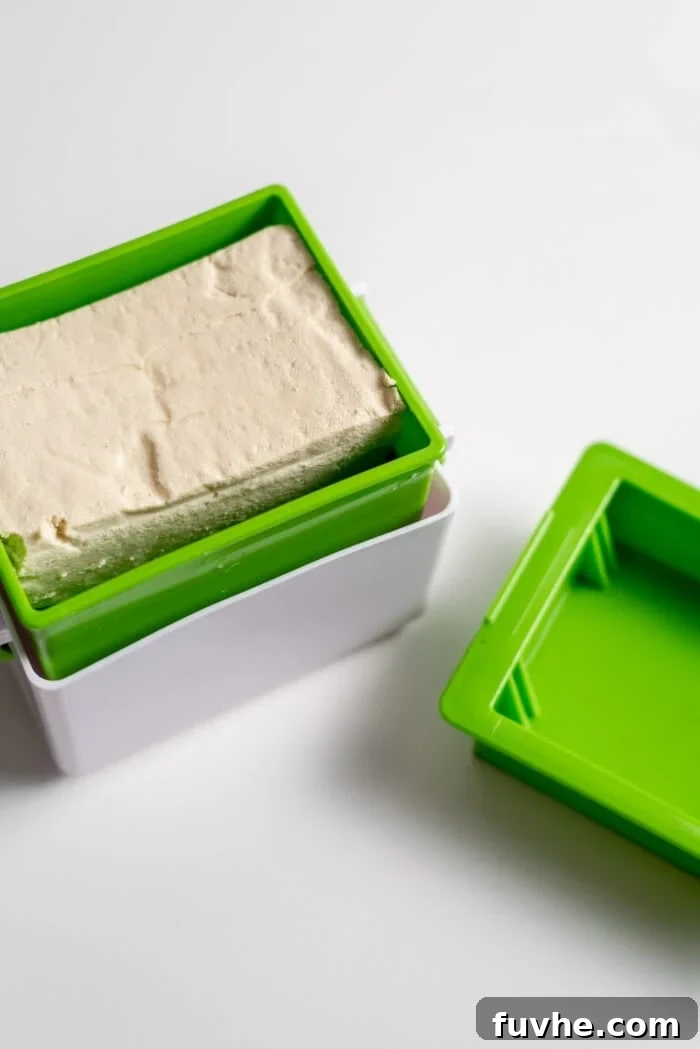
Before You Begin: The Tofu Pressing Ritual
Pressing your tofu is an optional but highly recommended step that takes about 20-30 minutes and yields significantly crispier and more flavorful results. You can use a dedicated tofu press if you have one. Alternatively, wrap the block of tofu in a clean dish cloth, place it on a plate, and top it with a heavy object like a few cookbooks or a cast-iron skillet to gently press out excess water.
Step 1: Marinate and Season the Tofu for Flavor
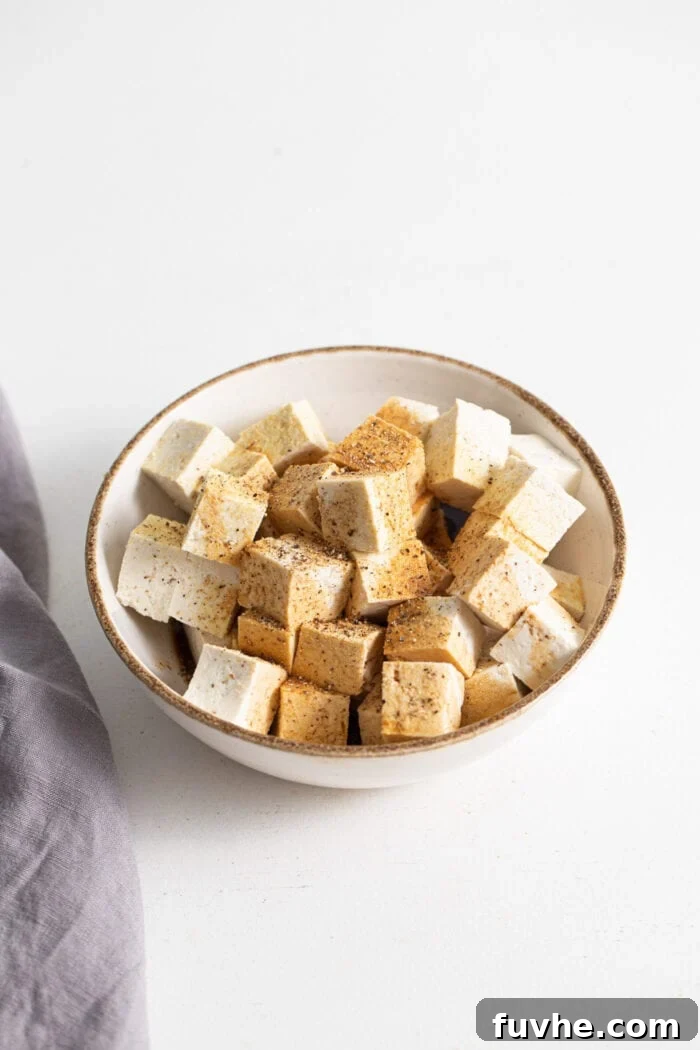
Once your tofu is pressed and cubed into bite-sized pieces, transfer them to a mixing bowl. Add the soy sauce (or tamari for a gluten-free option), cornstarch (or arrowroot starch), a pinch of salt, black pepper, and garlic powder. Gently toss the tofu cubes until each piece is evenly coated. The cornstarch is key here, creating a light, starchy layer that will crisp up beautifully in the oven.
Quick Tip for Spicy Baked Tofu: Elevate the flavor profile by adding 2 teaspoons of sambal oelek or sriracha, or 1 teaspoon of cayenne pepper or red chili flakes to the marinade for a fiery kick. Feel free to experiment with other aromatics like a splash of rice vinegar, a drizzle of sesame oil, or a touch of sweet chili sauce to customize your tofu’s taste.
Step 2: Bake the Tofu to Golden Perfection
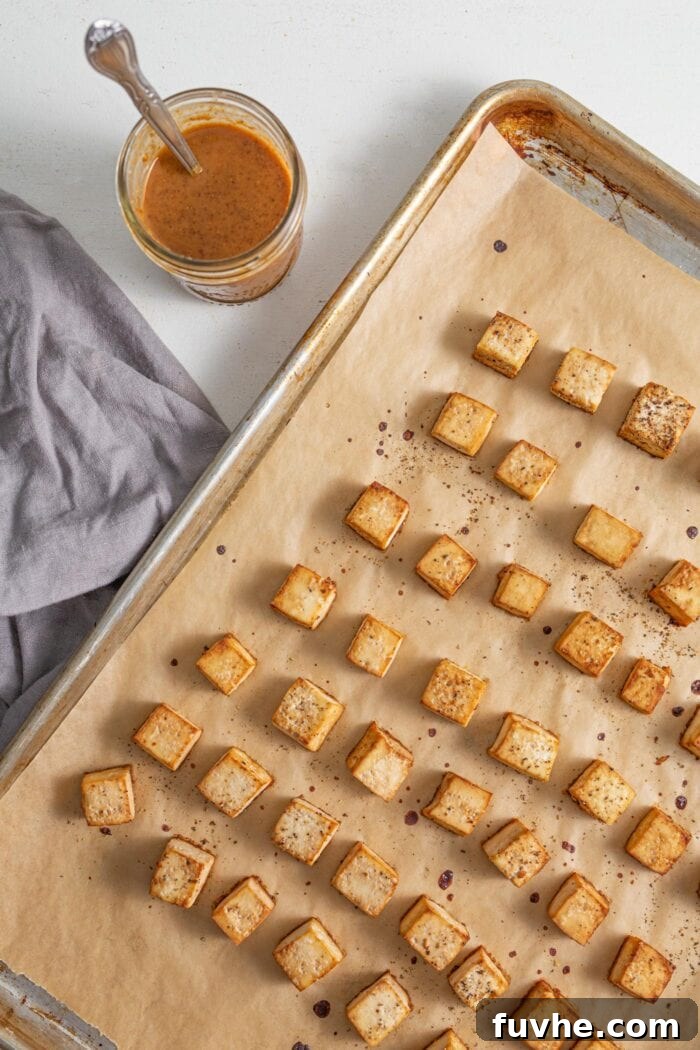
Preheat your oven to 425°F (220°C). Carefully arrange the marinated tofu cubes in a single layer on a baking tray lined with parchment paper or a silicone mat. Ensure there is ample space around each piece; this is crucial for promoting even air circulation and achieving maximum crispiness. Bake for 20-30 minutes, or until the tofu is beautifully browned, slightly puffy, and satisfyingly crispy. While optional, flipping the tofu halfway through the baking process can ensure all sides brown evenly, though skipping this step will still yield delicious results.
Step 3: Prepare Your Cabbage “Rice”
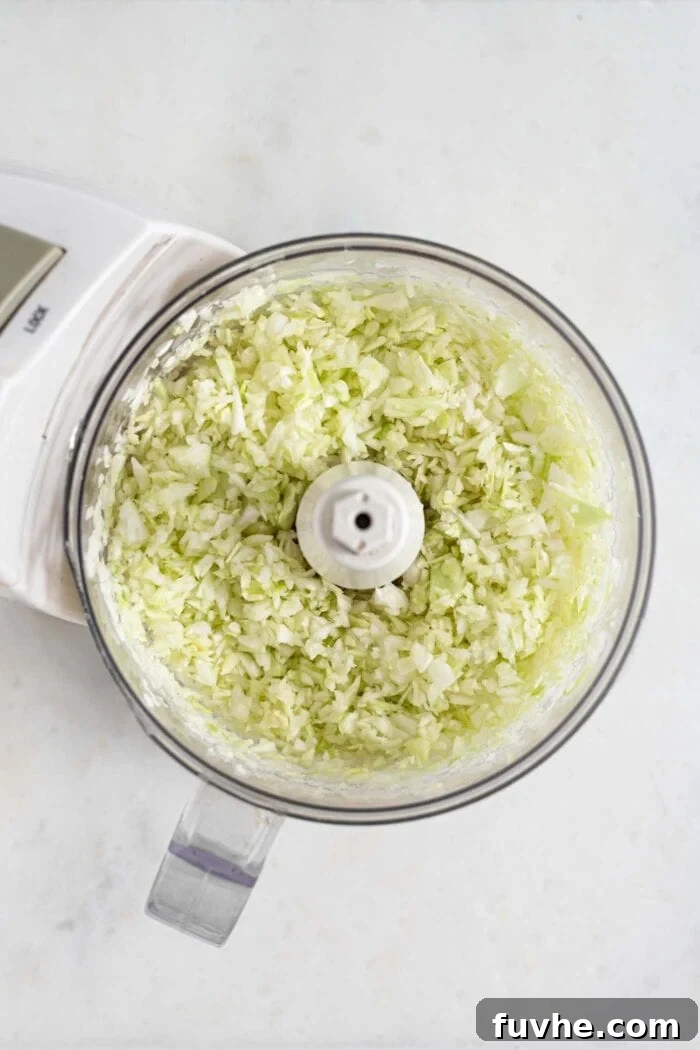
Begin by removing any tough outer leaves from a small head of green cabbage. Chop the cabbage into manageable chunks. Transfer these chunks to a food processor and pulse a few times until the cabbage achieves a coarse, rice-like consistency. Be careful not to over-process, as you want a texture similar to rice, not a paste.
Quick Tip for Cabbage Preparation: If you’d prefer to skip the “ricing” step, you can simply chop the cabbage finely and add it directly to your skillet for sautéing. For textural variations, cabbage can also be prepared in an Instant Pot for a softer texture or roasted until tender and slightly caramelized.
Step 4: Sauté the Cabbage “Rice” for Flavor and Tenderness
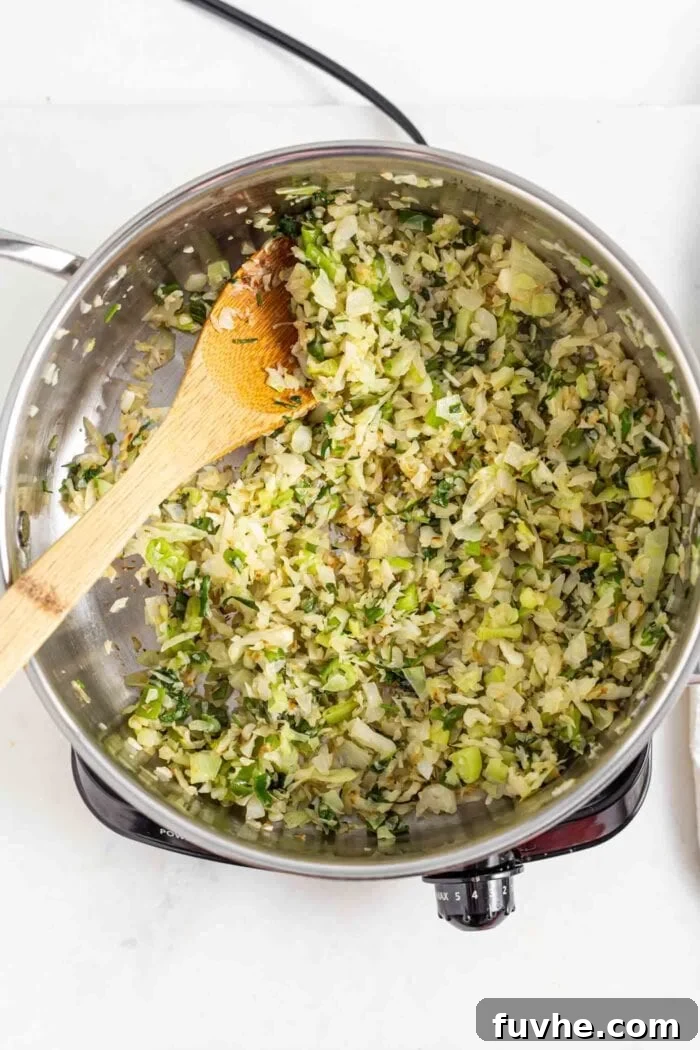
Heat a teaspoon of coconut oil, or your preferred cooking oil, in a large skillet or wok over medium-high heat. Add the “riced” cabbage, chopped green onion, minced cilantro, and minced garlic to the hot pan. Sauté the mixture for 6-8 minutes, stirring occasionally, until the cabbage becomes tender and develops beautiful browned edges. To achieve the best browning, mix the ingredients well initially, then allow the mixture to sit undisturbed for a few minutes before stirring again. This allows the cabbage to caramelize on the bottom. Scrape up the flavorful browned bits and repeat the process until desired tenderness and color are achieved.
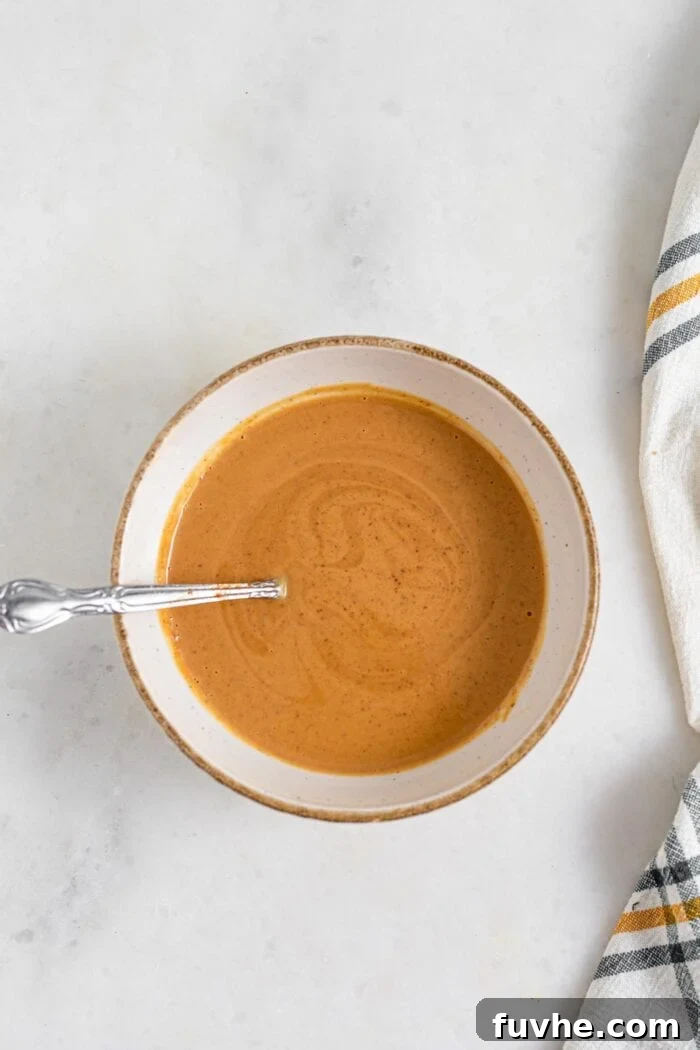
Step 5: Prepare the Creamy Almond Satay Sauce
In a small bowl or jar, combine all the ingredients for the almond butter sauce: almond butter, soy sauce (or tamari), rice wine vinegar, sriracha, unsweetened plant milk (cashew, almond, or coconut), a pinch of stevia (or maple syrup), and salt and pepper to taste. Whisk vigorously or shake the jar until the sauce is completely smooth and wonderfully creamy. Adjust seasoning and consistency as needed; if too thick, add a tiny bit more plant milk.
Step 6: Massage the Kale for Tenderness
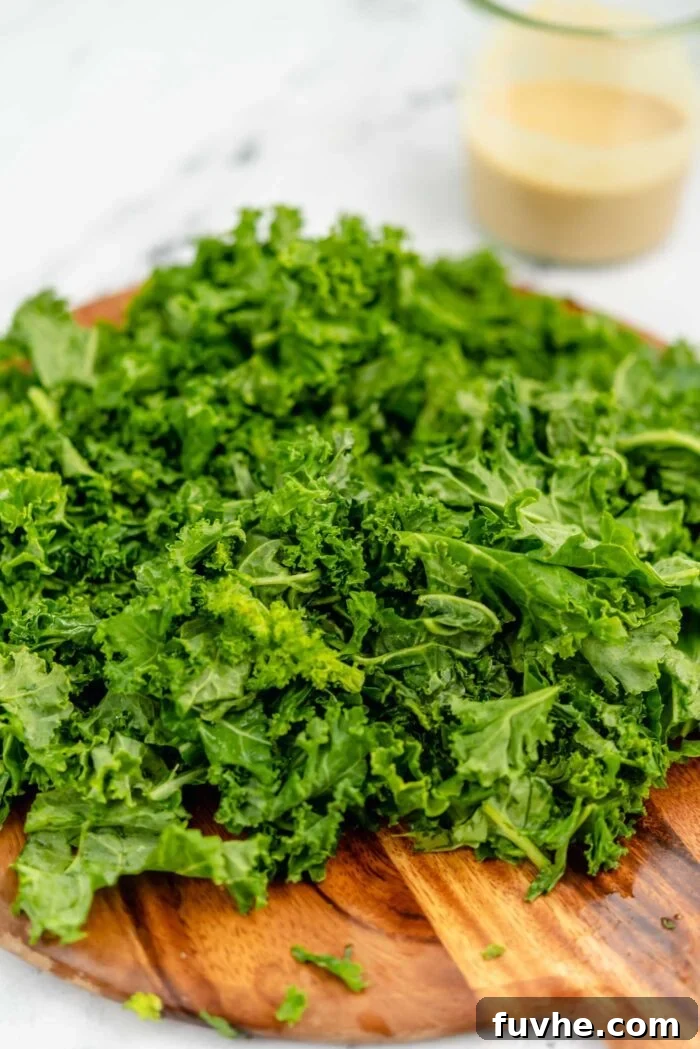
Finely chop your kale leaves, discarding the tough stems. Drizzle the chopped kale with 1-2 teaspoons of your preferred oil (olive or avocado works well). Using your hands, gently massage the kale for a few minutes. This process breaks down the tough fibers, softening the kale and transforming its color to a deeper, richer green, making it more palatable and easier to digest.
Step 7: Perfectly Steam the Broccoli
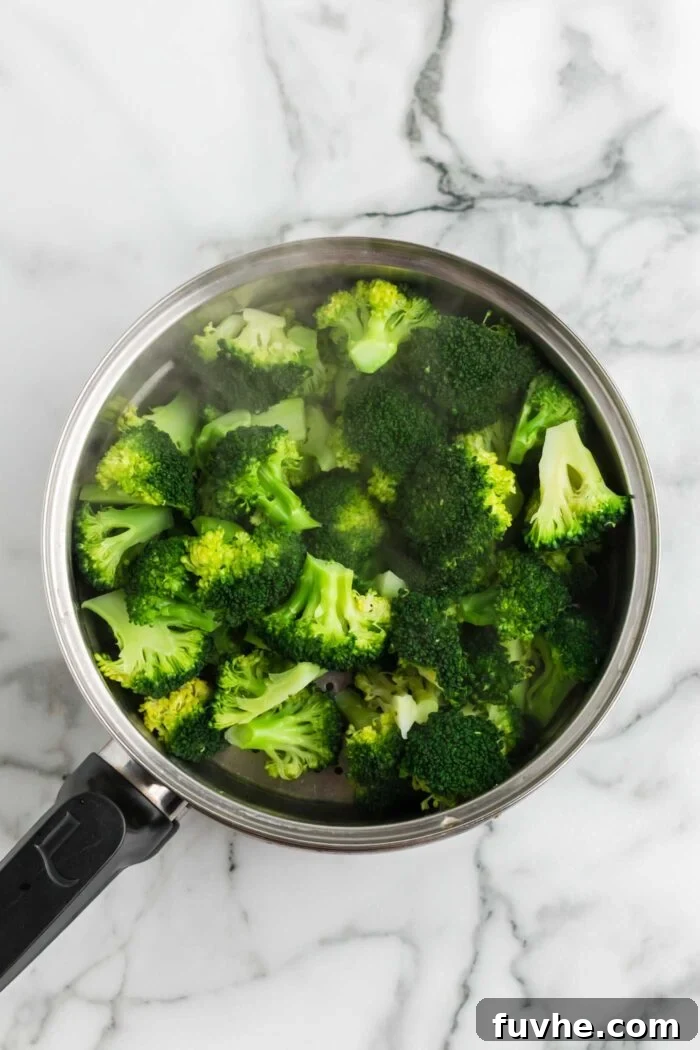
Prepare your broccoli florets by steaming them until tender-crisp. You can steam broccoli on the stovetop, in an Instant Pot, or even quickly in the microwave. For stovetop steaming, bring about an inch of water to a boil in a pot. Place the broccoli in a steamer basket above the boiling water, cover, and steam for 4-5 minutes. The broccoli should be tender but still retain its vibrant green color and a slight crunch. Alternatively, you could stir-fry the broccoli for a few minutes in the same pan after cooking the cabbage for an extra hint of flavor.
Quick Note on Broccoli: Be mindful not to overcook broccoli! It transitions from tender and bright green to mushy and drab around the 7-minute mark of cooking. Keep an eye on it to preserve its texture and color.
Step 8: Assemble Your Delicious Low-Carb Vegan Dinner Bowls
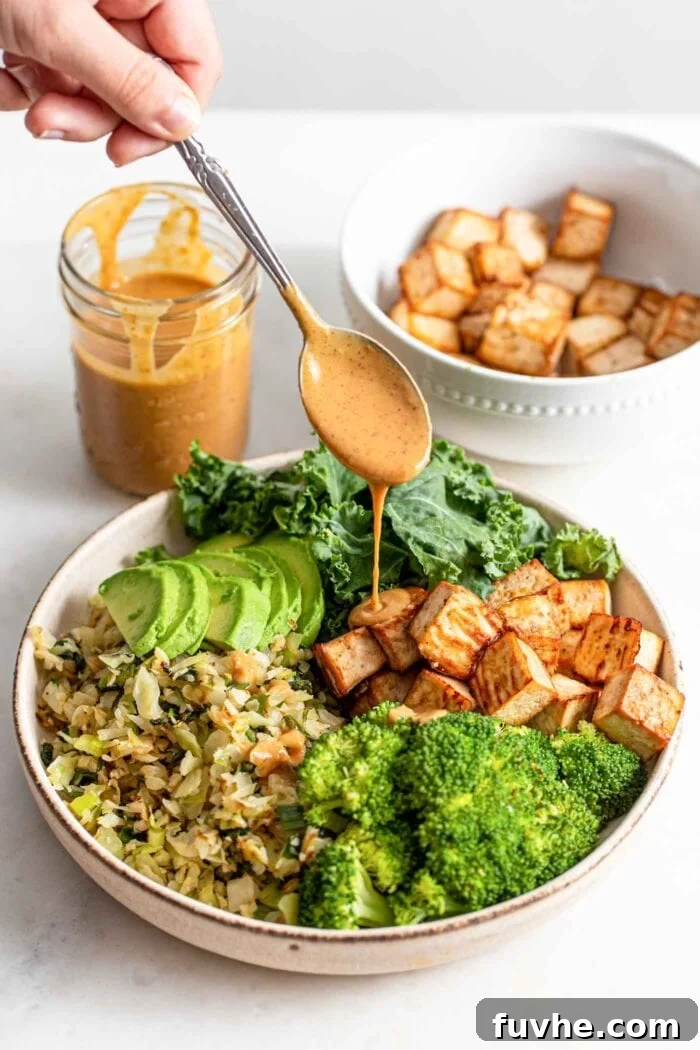
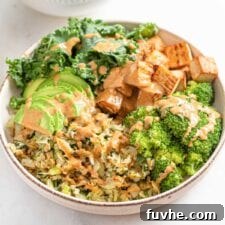
It’s time to bring all the wonderful components together! Start by scooping a generous portion of the sautéed cabbage “rice” into the base of each serving bowl. Artfully arrange the massaged kale, steamed broccoli florets, fresh avocado slices, and crispy baked tofu on top of the cabbage. Finally, drizzle generously with the creamy almond satay sauce. Serve immediately and savor the symphony of flavors and textures in every bite!
Meal Prep and Storage Strategies
These Low-Carb Vegan Dinner Bowls are fantastic for meal prepping, allowing you to enjoy nutritious meals throughout the week with minimal effort. Here are some tips for storing and preparing components in advance:
- Almond Butter Sauce: This versatile sauce can be prepared up to 5 days in advance and stored in an airtight container in the refrigerator. Before serving, you might need to thin it out with a tiny bit of water or plant milk, as it tends to thicken when chilled.
- Baked Tofu: The crispy baked tofu can be cooked up to 3 days ahead of time. Store it in an airtight container in the fridge. Reheat gently in the oven or air fryer for best texture.
- Broccoli and Kale: Both the broccoli and kale can be chopped and stored raw in separate containers for up to 3 days before you plan to assemble your bowls. Steam the broccoli and massage the kale just before assembly for optimal freshness and texture.
- Assembled Bowls: While best enjoyed fresh, fully assembled bowls (without avocado) can be stored in sealed containers in the refrigerator for up to 3 days. To maintain the freshness of the avocado, it’s highly recommended to slice and add it just before serving. This prevents browning and ensures a creamy texture.
★
★
★
★
Low-Carb Vegan Dinner Bowl
Ingredients
For the Baked Tofu
- 350 g package firm or extra-firm tofu, pressed (see notes)
- 2 tbsp soy sauce or gluten-free tamari
- 1 tsp garlic powder
- 1 tbsp cornstarch
- pinch black pepper
For the Almond Butter Sauce
- 4 tbsp almond, peanut or sunflower seed butter, 60 g
- 2 tbsp soy sauce or gluten-free tamari
- 1 tbsp rice wine vinegar, unseasoned or seasoned
- 2 tsp Sriracha sauce, reduce or omit if sensitive to spice
- 4 tbsp unsweetened cashew, almond or coconut milk
- pinch stevia, a few drops liquid stevia or 1 tbsp maple syrup
- salt and pepper to taste
For the Cabbage Rice
- 1 small green cabbage, riced
- 1 tsp coconut oil
- 1/2 cup lightly packed chopped green onion
- 1/2 cup lightly packed chopped fresh cilantro
- 3 cloves garlic, minced
For the Bowls
- 1 avocado
- 4 cups broccoli florets
- 4 cups finely chopped kale
Instructions
-
Preheat the oven to 425 F. Cube the pressed tofu (see notes) and place in a bowl. Mix with the rest of the tofu ingredients then place the pieces on a parchment or a silicone mat-lined baking tray. Bake the tofu for 15-20 minutes, flip and bake another 10-20 minutes until it’s brown and puffy.
-
Remove the outer leaves of the cabbage, slice in half then chop into chunks. Add the chunks to a food processor and pulse a few times until the cabbage has the consistency of rice. Alternatively, you can just finely chop or shred the cabbage using a mandolin.
-
Add the “riced” cabbage to a large skillet with the oil, cilantro, green onion and garlic and cook over high until tender and brown, about 6-10 minutes. Mix it well to start, then only mix every couple minutes so it can start to brown on the bottom.
-
Steam the broccoli stovetop by bringing a pot of water to a boil then using a steamer basket to steam the broccoli for 5 minutes. If you don’t have a steamer basket, just add about 1 inch of water to a pot or skillet, bring to a boil, add the broccoli, cover and steam 5 minutes.
-
Remove the kale leaves from the thick stems and finely chop. Either massage the kale with 1/2 tsp olive or avocado oil until softened and dark green, or steam for 1 minute to soften, using the same method as the broccoli.
-
Whisk the sauce ingredients together in a bowl or container until smooth and creamy.
-
To assemble the bowls, start with a big scoop of cabbage rice then add the kale, broccoli, avocado and tofu, then top with the sauce.
Video
Notes
Bowls can be packed and stored in the fridge up to 3 days if you leave the avocado off until serving. I would also recommend storing the sauce separately.
To save time, tofu can be baked up to 3 days in advance and almond butter sauce can be prepared up to 5 days in advance. Broccoli and kale can be chopped and stored raw for up to 3 days before preparing the bowls.
Nutrition
Calories: 423 kcal,
Carbohydrates: 30 g,
Protein: 23 g,
Fat: 27 g,
Fiber: 14 g
Like this recipe? Rate and comment below!
Originally published on March 20, 2019.