
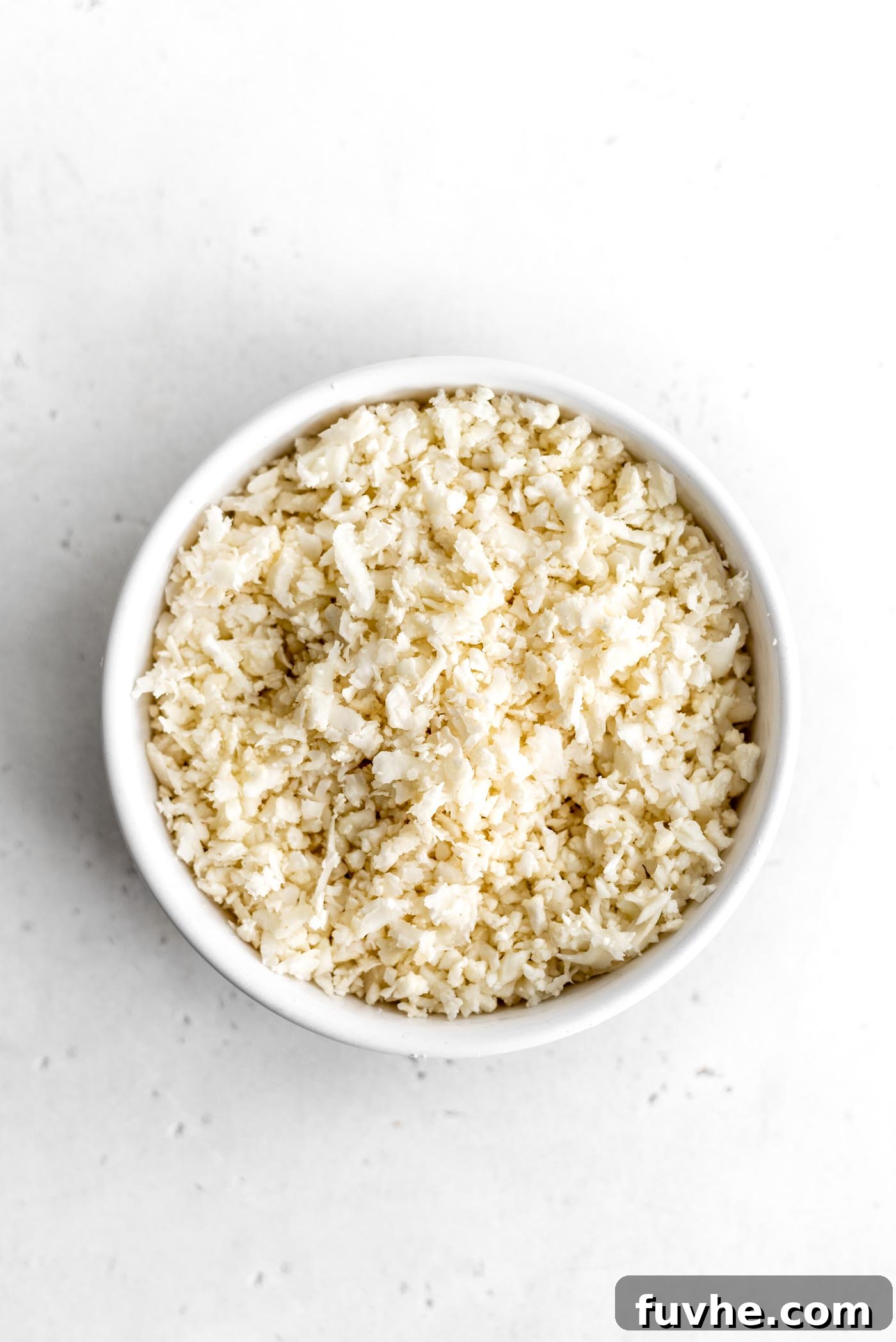
Unlock the Versatility of Cauliflower Rice: Your Essential Guide to Making & Using This Healthy Grain Alternative
Discover how to effortlessly transform a simple head of cauliflower into a versatile, low-carb, and grain-free rice alternative using either a grater, food processor, or blender. Cauliflower rice is not just a passing trend; it’s a staple for those following paleo, keto, Whole30, or gluten-free diets, offering a nutritious and delicious substitute for traditional grains like rice, quinoa, and couscous in almost any dish.
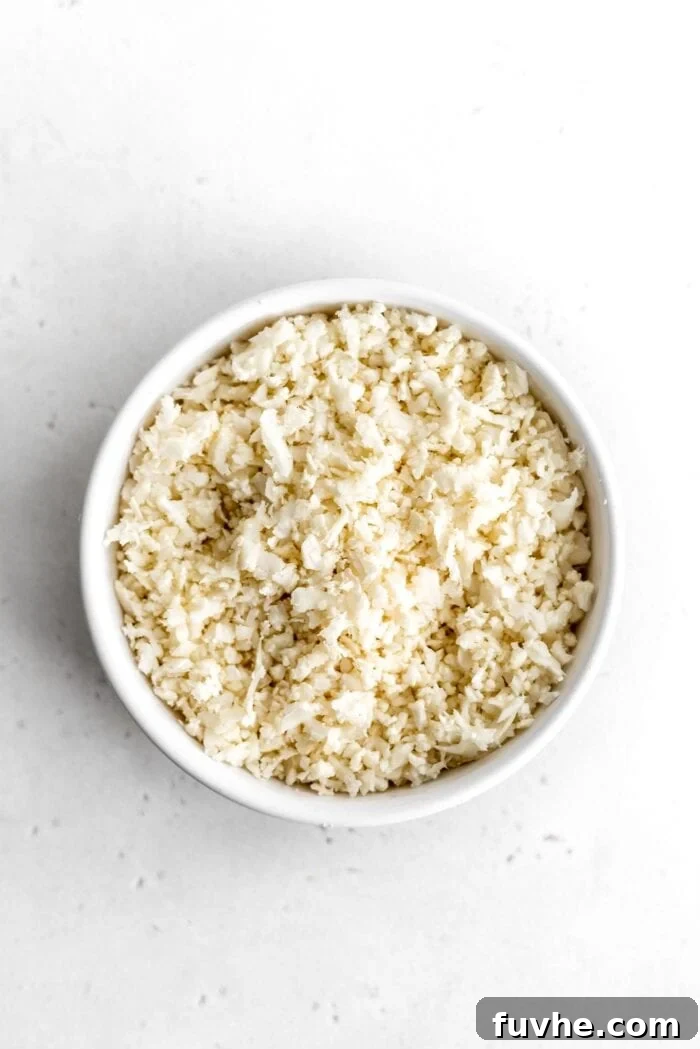
Why Choose Cauliflower Rice? Benefits Beyond the Plate
Cauliflower rice has surged in popularity, and for good reason. It offers a wealth of health benefits and culinary advantages that make it a fantastic addition to any diet:
- Low-Carb and Keto-Friendly: For individuals managing carbohydrate intake or following ketogenic diets, cauliflower rice is a game-changer. It provides the texture and bulk of traditional rice with significantly fewer carbs, making it ideal for maintaining ketosis or reducing overall carb consumption.
- Nutrient-Dense: Cauliflower is packed with essential vitamins and minerals, including Vitamin C, Vitamin K, folate, and potassium. It’s also a great source of dietary fiber, which supports digestive health and can help regulate blood sugar levels.
- Versatile & Flavor-Absorbing: One of cauliflower rice’s greatest strengths is its neutral flavor profile. It readily absorbs the flavors of the sauces, spices, and ingredients it’s cooked with, making it incredibly adaptable to a wide range of cuisines—from Asian stir-fries to Mexican bowls and Mediterranean pilafs.
- Grain-Free, Paleo, and Whole30 Compliant: For those avoiding grains, dairy, or legumes, cauliflower rice offers a perfect base for countless recipes, ensuring you don’t miss out on satisfying meals while adhering to your dietary principles.
- Weight Management Support: High in fiber and water content, cauliflower rice can contribute to a feeling of fullness, which can be beneficial for weight management by reducing overall calorie intake without sacrificing satisfaction.
- Easy to Incorporate Extra Veggies: It’s an excellent way to discreetly add more vegetables into your diet, especially for picky eaters or those looking to boost their daily nutrient intake effortlessly.
Essential Preparation: Getting Your Cauliflower Ready
Before you begin ricing, proper preparation of the cauliflower is key to achieving the best results. A well-prepared head ensures even ricing and optimal texture.
- Select the Best Cauliflower: Choose a head that is firm, dense, and uniformly white or off-white. Avoid any with brown spots or a strong odor, as these indicate it’s past its prime.
- Wash Thoroughly: Rinse the entire head under cool running water to remove any dirt or debris. Pat it dry completely with a clean kitchen towel or paper towels. Excess moisture can lead to soggy cauliflower rice, which we want to avoid.
- Remove Green Parts and Core: Pull off all the green leaves surrounding the head. With a sharp knife, carefully cut out the thick, tough core at the base of the cauliflower. These parts are typically discarded.
- Chop for Your Method:
- For Grating: If you plan to use a box grater or hand grater, chop the cauliflower into large, manageable chunks that are easy to hold and grate.
- For Food Processor or Blender: Cut the cauliflower into smaller, uniform florets. This ensures they process evenly and prevents larger pieces from getting left behind, leading to a more consistent “rice” texture. Aim for florets roughly 1-2 inches in size.
Mastering the Art of Ricing Cauliflower: Three Easy Methods
There are several effective ways to turn a whole head of cauliflower into a fluffy, rice-like consistency. Each method has its advantages, so choose the one that best suits your kitchen equipment and preference.
The Food Processor Method: Speed and Efficiency
Using a food processor is undoubtedly the fastest and most popular method for making cauliflower rice, especially when preparing larger quantities. It delivers a consistently fine texture in minutes.
- With a Grater Attachment: If your food processor comes with a grating disc, this is the most hands-off approach. Simply feed the chopped cauliflower chunks through the chute while the processor is running. The disc will quickly grate the cauliflower into perfect rice-sized pieces.
- Without a Grater Attachment (Using the S-Blade): Most food processors come with an S-blade. This method is equally effective:
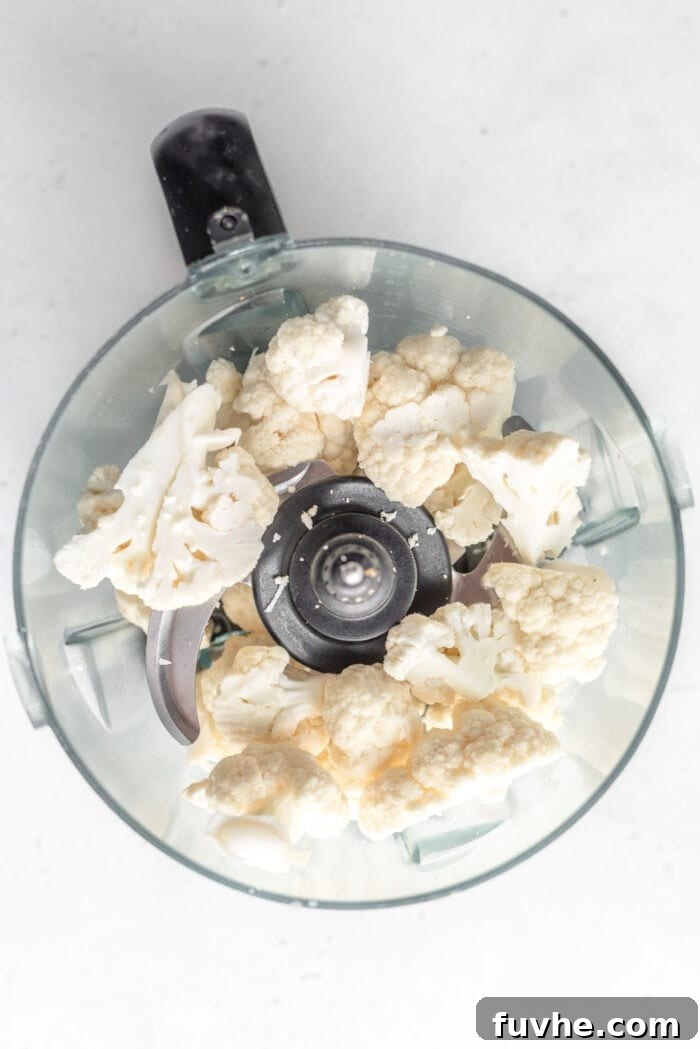
- Fill the food processor bowl about three-quarters full with your prepared cauliflower florets. Avoid overfilling, as this can lead to uneven ricing.
- Secure the lid and pulse the cauliflower in short bursts. Use 1-2 second pulses, allowing the florets to fall back down between pulses.
- Periodically stop and scrape down the sides of the bowl with a spatula to ensure all pieces are processed evenly.
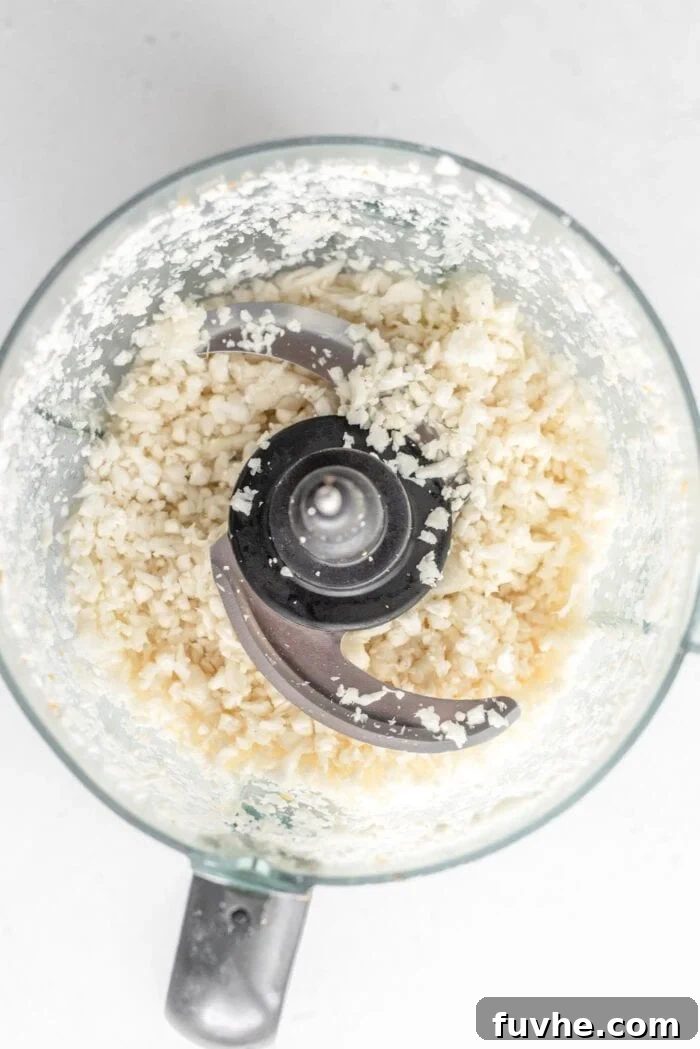
- Continue pulsing until the cauliflower resembles grains of rice. Be careful not to over-process, or you’ll end up with a mushy paste rather than distinct “rice.”
- Work in batches as needed. An average-sized head of cauliflower usually requires 2-3 batches.
The Blender Method: For Smaller Batches and Smooth Results
If you don’t own a food processor, a high-speed blender can also be used to make cauliflower rice, particularly for smaller amounts. The principle is similar to the food processor method, but requires a bit more attention to avoid over-processing.
- Cut the cauliflower into very small florets, as blenders can be less forgiving with larger pieces.
- Add a handful of florets to the blender container. Avoid overfilling; blenders work best with smaller quantities for this task.
- Pulse on a low setting. Use short bursts, around 5-10 seconds at a time.
- You may need to use a tamper or stop frequently to stir the cauliflower and push it down towards the blades, ensuring even processing.
- Continue pulsing until the cauliflower achieves a rice-like consistency, typically within 15-30 seconds per batch. Be vigilant to stop before it turns into a purée.
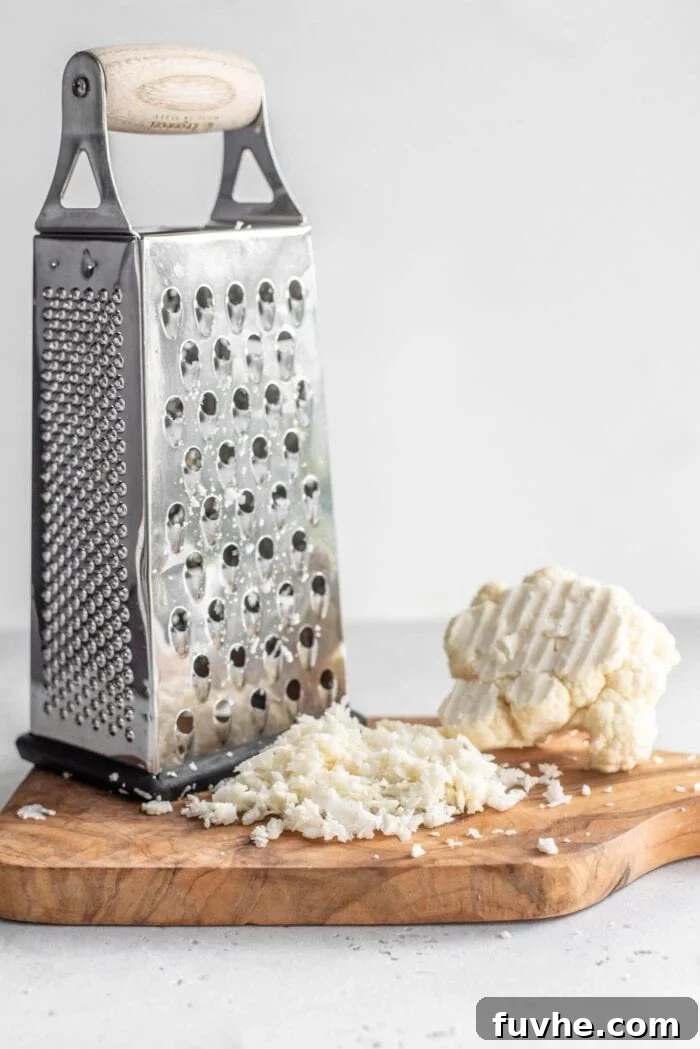
The Grater Method: Classic and Accessible
For those without electric kitchen appliances or who prefer a more hands-on approach, a simple box grater or hand-held grater works perfectly. This method is quick and straightforward, especially when you only need a small portion of cauliflower rice.
- Cut the prepared cauliflower into large, sturdy chunks that are easy to hold.
- Using the medium-sized holes of your box grater (the side typically used for cheese), grate the cauliflower chunks directly into a large bowl.
- Continue grating until all the cauliflower is processed into rice-like pieces.
- While this method can be a little messier than using a food processor, it’s incredibly convenient and requires no special equipment beyond a standard grater. It’s also a great way to control the texture precisely.
Cooking Cauliflower Rice to Perfection: Methods & Flavorings
Once you have your fresh cauliflower rice, the cooking possibilities are endless. The key is to avoid overcooking, which can lead to a mushy, watery texture. Always aim for tender-crisp results.
Sautéing for a Light & Fluffy Texture
Sautéing is one of the quickest and most popular ways to cook cauliflower rice, resulting in a light and slightly firm texture perfect for absorbing flavors.
- Heat a large skillet or non-stick pan over medium-high heat. Add a splash of water, vegetable broth, olive oil, or coconut oil (1-2 teaspoons).
- Add the cauliflower rice to the hot pan. Spread it out evenly in a single layer.
- Cook for 6-7 minutes, stirring occasionally, until the cauliflower is tender-crisp. Avoid overcrowding the pan; if cooking a large batch, do so in stages to ensure proper cooking and evaporation of moisture.
- Season with salt, pepper, and your preferred spices.
Stir-Frying for Asian-Inspired Dishes
If you’re making an Asian-inspired dish, stir-frying cauliflower rice in a wok or large skillet over high heat can give it a wonderful, slightly browned texture.
- Heat your wok or large skillet over high heat. Add a bit of oil (sesame or coconut oil work well).
- Add the cauliflower rice, allowing it to sit undisturbed for a couple of minutes to develop a slight char or browning.
- Then, stir and continue to cook for another 5-6 minutes, or until it’s tender and heated through.
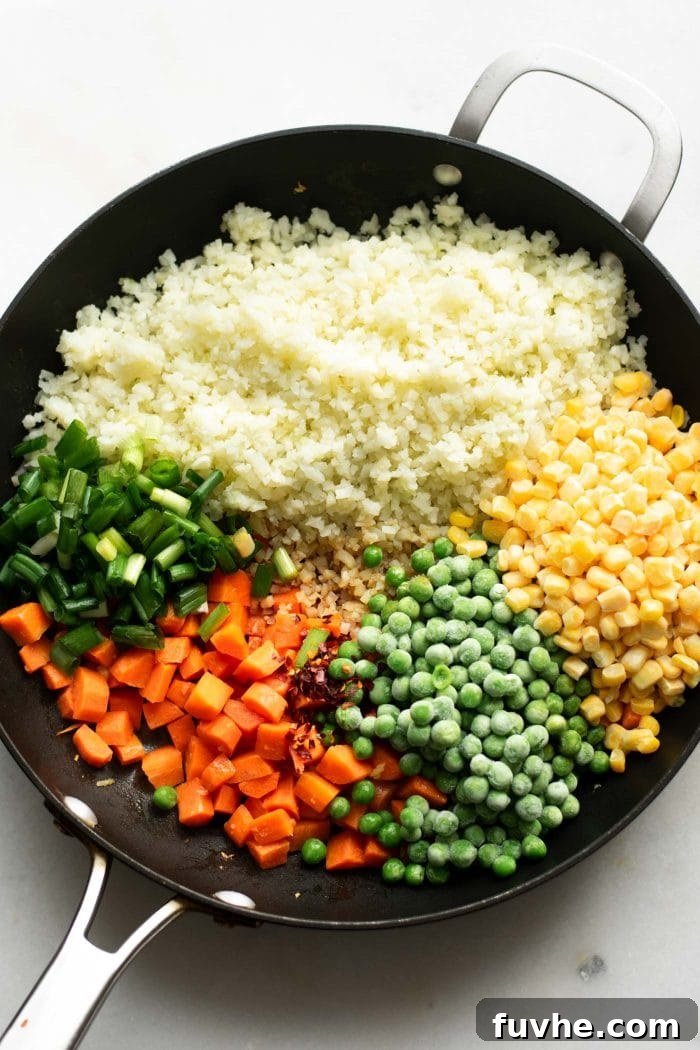
- This method is excellent for adding aromatics like minced garlic, ginger, and diced onions, along with other vegetables like peas, carrots, and bell peppers. Finish with a dash of soy sauce or tamari.
Steaming for a Neutral Base
Steaming cauliflower rice is an excellent option if you want a neutral base that will soak up the flavors of a saucy dish without adding any additional oil.
- Place the cauliflower rice in a steamer basket over simmering water. Alternatively, use a double boiler.
- Cover and steam for 4-5 minutes, or until it’s tender but not mushy.
- Be careful not to over-steam, as this can make the rice watery and lose its texture.
Oven Roasting for Enhanced Flavor
Roasting cauliflower rice in the oven brings out its natural nutty flavor and helps to dry it out, preventing sogginess, which is especially good for recipes where a firmer texture is desired.
- Preheat your oven to 400°F (200°C).
- Toss the cauliflower rice with a tablespoon of olive oil, salt, and pepper on a baking sheet.
- Spread it in a single layer and roast for 15-20 minutes, stirring halfway through, until tender and lightly browned.
Flavor Enhancements: Beyond basic salt and pepper, consider seasoning your cooked cauliflower rice with a splash of soy sauce (or tamari for gluten-free), a squeeze of fresh lime juice, and chopped fresh cilantro for a Mexican flair. For an Asian-inspired dish, mix with coconut milk, lime, and cilantro, or try it with a dash of turmeric and cumin for an Indian twist. Don’t forget to add other vegetables like diced onion, garlic, peas, carrots, bell peppers, or broccoli for an even more nutritious and flavorful side.
Creative Culinary Uses for Cauliflower Rice
The adaptability of cauliflower rice truly shines in its diverse applications. It can be integrated into nearly any meal, proving its value as a healthy and satisfying alternative.
Main Dishes & Hearty Meals
- Cauliflower Fried Rice: A classic application! Replace white or brown rice with cauliflower rice in your favorite fried rice recipe. Try our Healthy Fried Cauliflower Rice, Pineapple Cashew Cauliflower Rice, or Thai Red Curry Cauliflower Rice for delicious variations.
- Curry Base: Serve rich, flavorful curries like chickpea curry, panang curry, or Thai red curry over a bed of fluffy cauliflower rice for a lighter meal.
- Burritos & Burrito Bowls: Use cooked cauliflower rice as the base for vibrant burrito bowls or as a low-carb filling for burritos alongside beans, salsa, avocado, and protein.
- Stuffed Bell Peppers: Mix cauliflower rice with taco seasonings, ground meat or lentils, and other vegetables, then stuff into bell peppers and bake until tender.
- Cauliflower Pilaf: Sauté with vegetables, herbs, and spices for a flavorful side dish.
Sides & Substitutions
- As a Side Dish: Serve seasoned cauliflower rice plain or with herbs as a simple side dish to any protein.
- Replaces Grains: Use it anywhere you’d typically use rice, quinoa, farro, or couscous.
- Cauliflower Mashed “Potatoes”: While not rice, the concept of mashing cooked cauliflower is similar, providing a low-carb alternative to mashed potatoes.
Unexpected Additions & Healthy Boosts
- Smoothies: Add a handful of raw cauliflower florets (or even frozen cauliflower rice) to your morning smoothie for an undetectable boost of fiber and nutrients. It won’t affect the taste but adds creaminess.
- Oatmeal: Incorporate raw or cooked cauliflower rice into savory oatmeal dishes. Try it in this pumpkin oatmeal for added volume and nutrition.
- Soups and Stews: Stir in cauliflower rice towards the end of cooking for soups and stews to add bulk and nutrients without significantly altering the flavor.
- Cauliflower Rice Pudding: Believe it or not, cooked and sweetened cauliflower rice can be blended to create a creamy, low-carb rice pudding alternative.
- Buddha Bowls: Form the foundation of nutritious Buddha bowls, providing a light yet satisfying base. Check out our Cauliflower Rice Buddha Bowl.
Storing Your Cauliflower Rice for Future Meals
Cauliflower rice is an excellent ingredient for meal prepping, whether raw or cooked.
- Refrigeration: Store raw or cooked cauliflower rice in an airtight container in the fridge for up to 5 days. Ensure it’s completely cooled before storing if it’s cooked.
- Freezing: Cauliflower rice freezes beautifully! You can freeze it raw or cooked for up to 1 month.
- To Freeze Raw: Spread freshly riced cauliflower in a single layer on a baking sheet and freeze for about an hour until solid. Then transfer it to a freezer-safe bag or container. This prevents clumping.
- To Freeze Cooked: Allow the cooked cauliflower rice to cool completely. Portion it into freezer-safe containers or bags.
- Thawing: Thaw frozen cauliflower rice in the fridge overnight or cook directly from frozen, adding a few extra minutes to the cooking time.
Common Questions & Troubleshooting
- Why is my cauliflower rice soggy? This is often due to overcooking or overcrowding the pan. Cauliflower releases water as it cooks, so using high heat and cooking in batches helps this moisture evaporate. Patting raw cauliflower dry before cooking also helps.
- How can I get a drier, fluffier texture? After ricing, you can squeeze excess moisture from the raw cauliflower using a clean kitchen towel or paper towels. Roasting also helps dry it out beautifully.
- Can I eat cauliflower rice raw? Absolutely! Raw cauliflower rice is excellent in salads, as a base for cold bowls, or even added to smoothies for a nutrient boost.
Delicious Cauliflower Rice Recipes to Inspire You
Ready to put your homemade cauliflower rice to good use? Here are some popular recipes you might enjoy trying:
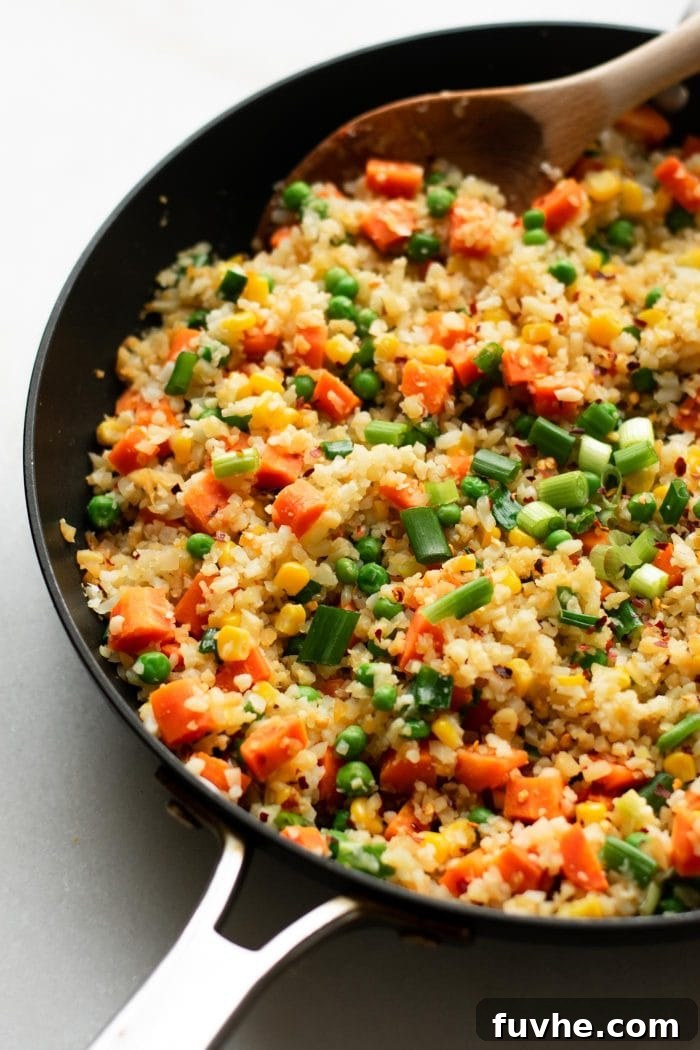
- Healthy Fried Cauliflower Rice
- Pineapple Cashew Cauliflower Rice
- Thai Red Curry Cauliflower Rice
- Coconut Cauliflower Dahl
- Cauliflower Rice Buddha Bowl
Homemade Cauliflower Rice Recipe
How to Make Cauliflower Rice
This 1-ingredient cauliflower rice can be used in any dish that calls for white or brown rice. Cauliflower rice works well as a low-carb, grain-free alternative to rice and is also a great way to sneak extra veggies into your diet.
Ingredients
- 1 head of cauliflower, or as little or as much as needed
Instructions
- Wash the cauliflower then remove all the green leaves.
- Grater Method: Cut the cauliflower into large chunks and then grate into rice using medium-sized holes.
- Food Processor Method: Chop the cauliflower in half then cut small florets away from the thick stem. You can use a grater attachment for your food processor or just toss it right into the container and pulse a few times until it resembles grains of rice.
- Now that you have cauliflower rice, you can use it in a recipe or cook in a skillet for 6-7 minutes with a splash of water or 1-2 tsp olive oil. Add extra ingredients like diced white onion, garlic, soy sauce and pepper for extra flavour. The cooked cauliflower rice can be served in anyway that rice would.
Notes
Cooked or raw cauliflower rice can be stored in the fridge for up to 5 days in an airtight container. It can also be frozen for up to 1 month.
Nutrition
Serving: 1 cup, Calories: 27kcal, Carbohydrates: 5g, Protein: 2g, Fat: 0.3g, Sodium: 32mg, Potassium: 319mg, Fiber: 2g, Sugar: 2g, Vitamin A: 319IU, Calcium: 23mg, Iron: 0.4mg
Conclusion: Embrace the Cauliflower Rice Revolution
Cauliflower rice is more than just a passing culinary trend; it’s a versatile, nutritious, and incredibly adaptable ingredient that empowers you to enjoy your favorite meals while adhering to various dietary preferences. Whether you’re aiming for a low-carb lifestyle, seeking gluten-free alternatives, or simply looking to incorporate more vegetables into your diet, mastering the art of making cauliflower rice is a valuable skill.
With three simple methods—the food processor for speed, the blender for convenience, and the grater for accessibility—you can easily create this healthy grain alternative at home. Experiment with different cooking techniques, from sautéing to roasting, and infuse your cauliflower rice with a myriad of flavors to complement any cuisine. Its neutral taste and ability to absorb other ingredients make it a perfect canvas for culinary creativity.
So, grab a head of cauliflower and start ricing! You’ll be amazed at how effortlessly this humble vegetable can transform your meals into healthier, more satisfying, and delicious experiences. Your journey to a more vibrant and versatile kitchen starts here.