

In our fast-paced modern world, the relentless demands of daily life often leave us feeling overwhelmed, stressed, and depleted. While traditional remedies have long offered solutions for maintaining balance, a category of natural substances known as adaptogens has recently captured widespread attention as a powerful tool for holistic wellness. From the ancient wisdom of Ayurvedic medicine to cutting-edge scientific research, adaptogens like Ashwagandha, Rhodiola, Ginseng, Maca, and Holy Basil are celebrated for their unique ability to help the body “adapt” to various stressors, promoting resilience and restoring equilibrium. But what exactly are these remarkable herbs, and how can they support your journey towards greater energy, reduced stress, and improved overall health?
Adaptogenic herbs are non-toxic, natural substances that empower your body to navigate physical, chemical, and biological stressors more effectively. They achieve this by harmonizing the body’s physiological functions, particularly by regulating crucial stress hormones and supporting adrenal health. Unlike stimulants that offer a temporary boost followed by a crash, adaptogens work gently over time, fostering a deep-seated resilience that helps counteract the detrimental effects of chronic stress. If you’re seeking a natural, sustainable approach to enhance your well-being, improve sleep quality, mitigate stress, and elevate your energy levels, adaptogens might be the perfect addition to your health regimen.

Beyond Quick Fixes: Sustainable Energy and Stress Management
When faced with fatigue or stress, many instinctively reach for immediate energy boosters like coffee or sugary snacks. While these provide a fleeting lift, they often lead to an inevitable energy crash, perpetuating a cycle of dependence and further taxing the body’s systems. Adaptogens offer a profound alternative, providing a more stable and sustained source of energy by addressing the root causes of fatigue and supporting the body’s natural stress response mechanisms. Instead of merely masking symptoms, they work to normalize imbalances and enhance your inherent vitality.
The concept of adaptogens is far from new; these powerful botanicals have been central to traditional healing systems, such as Traditional Chinese Medicine (TCM) and Indian Ayurvedic medicine, for thousands of years. They were historically used to fortify the body against various ailments, promote longevity, and enhance mental clarity. While well-known adaptogens like Ginseng have enjoyed long-standing recognition, a diverse array of others—including Holy Basil, Ashwagandha, Astragalus, Maca, Eleuthero, and Rhodiola—are now widely appreciated for their extensive health benefits. In this comprehensive guide, we will delve into the science behind adaptogens, explore their mechanisms of action, identify who can benefit most, and highlight the specific advantages of the most popular varieties.
Understanding Adaptogens: A Formal Definition
The term “adaptogen” wasn’t formally recognized until 1968, when Soviet scientists Israel Brekhman and I.V. Dardymov established a precise definition based on their extensive research. This definition outlines three key criteria that a substance must meet to be classified as an adaptogen:
- Non-toxicity: An adaptogen must be safe for consumption and produce no significant harmful side effects. This distinguishes them from many pharmaceutical drugs that often come with a long list of adverse reactions.
- Nonspecific Action: An adaptogen creates a generalized, non-specific increase in the body’s resistance to a wide spectrum of stressors. This includes physical stressors (like intense exercise or extreme temperatures), chemical stressors (like environmental toxins), and biological stressors (like infections). They don’t target a single symptom but rather enhance overall resilience.
- Normalizing Influence: An adaptogen exerts a balancing effect on physiological functions. Regardless of whether a particular body system is overactive or underactive due to stress, adaptogens help bring it back towards homeostasis—the body’s natural state of balance. For instance, if stress elevates cortisol, an adaptogen may help lower it; if energy levels are too low, it may help elevate them.
In essence, adaptogens are remarkable plant-based substances that empower your body to self-regulate and maintain internal stability amidst external challenges. As Dr. Andrew Weil eloquently describes them, adaptogens are herbs that “tone” the body, helping it return to a state of equilibrium and resist the pervasive impact of stress.
The Science Behind Adaptogens: Restoring Balance
Our bodies are equipped with an ancient survival mechanism known as the “fight or flight” response, designed for short, acute bursts of stress. However, the pressures of modern life—from demanding jobs to digital overload—often trigger this response continuously, leading to chronic stress. When our adrenal system, responsible for producing stress hormones like cortisol, remains in overdrive, it can throw the entire body out of balance, impacting virtually every physiological system.
Adaptogens work primarily by modulating the hypothalamic-pituitary-adrenal (HPA) axis, which is the central command system for our stress response. They interact with the adrenal glands and other key regulatory pathways to fine-tune the body’s production and utilization of stress hormones. By doing so, adaptogens help to:
- Normalize Cortisol Levels: They can help prevent excessive cortisol spikes during stress and support healthy cortisol levels throughout the day, mitigating adrenal fatigue.
- Enhance Cellular Resilience: Adaptogens strengthen the cells’ ability to produce and utilize energy more efficiently, particularly under stressful conditions, thereby boosting stamina and reducing fatigue.
- Support Neurotransmitter Balance: Some adaptogens can influence neurotransmitters like serotonin and dopamine, contributing to improved mood, focus, and cognitive function.
By promoting this intricate balance, adaptogens don’t just reduce the perception of stress; they help the body physically and biochemically adapt to it, fostering greater endurance and stability.
Comprehensive Health Benefits of Adaptogens
Incorporating adaptogens into your daily routine can unlock a wide array of benefits, contributing significantly to your overall well-being. Here’s a general overview of the positive impacts you might experience:
- Enhanced Stress Resilience: The most hallmark benefit, helping your body cope with both physical and mental stressors more effectively.
- Reduced Fatigue and Increased Energy: Promoting sustained energy without the jitters or crash associated with stimulants, supporting cellular energy production.
- Improved Immune Function: Many adaptogens possess immunomodulating properties, strengthening the body’s defenses against illness.
- Balanced Hormones: Particularly cortisol, leading to better sleep, mood regulation, and adrenal support.
- Anti-inflammatory Effects: Helping to calm chronic inflammation, a root cause of many modern diseases.
- Cognitive Enhancement: Supporting mental clarity, focus, memory, and overall brain function.
- Better Sleep Quality: By calming the nervous system and balancing stress hormones, adaptogens can pave the way for more restful sleep.
- Mood Support: Alleviating symptoms of anxiety and depression by modulating stress responses and neurotransmitter activity.
- Cardiovascular and Liver Protection: Many adaptogens offer protective benefits for vital organs.
- Support for Longevity: Through their antioxidant and cellular protective properties.
Who Can Benefit from Adaptogens?
Given the pervasive nature of stress in contemporary society, a broad spectrum of individuals could potentially benefit from integrating adaptogens into their lifestyle. Whether you’re navigating a demanding career, managing family responsibilities, pursuing athletic goals, or simply seeking to enhance your daily vitality, adaptogens offer a natural avenue for support. However, it’s crucial to approach wellness holistically, understanding that adaptogens are powerful allies, not standalone solutions.
Relying solely on supplements without addressing foundational lifestyle factors is unlikely to yield optimal results. True resilience stems from a multi-faceted approach that integrates stress-reduction techniques, a nourishing diet, regular physical activity, and adequate rest. For me, this involves consistent gym workouts, invigorating walks with my dogs, mindfulness practices like meditation, reflective journaling, prioritizing quality sleep, nurturing relationships with friends and family, and dedicating time to self-care. When combined with these essential practices, adaptogens, alongside a whole-food diet, sufficient hydration, and a focus on mental well-being, become an incredibly effective strategy for maintaining balanced stress levels and thriving.
Minimizing Avoidable Stressors
Life inevitably presents unavoidable stressors—major transitions like moving, career changes, serious illness, or the profound grief of losing a loved one. During such intensely challenging periods, adaptogens can be exceptionally beneficial, offering a biological buffer to help your body cope when circumstances are beyond your control.
Conversely, many stressors in our lives are within our power to minimize or eliminate entirely. Factors such as chronic dehydration, a diet rich in processed foods, an unhealthy lifestyle, and exposure to environmental toxins (like those found in commercial cleaning products or certain foods) can significantly burden our systems. By making conscious, healthier lifestyle choices—optimizing nutrition, staying hydrated, and reducing exposure to avoidable toxins—we can dramatically lessen the overall stress load on our bodies. This proactive approach naturally leads to improved well-being, more restorative sleep, and sustained energy levels, creating a fertile ground for adaptogens to work even more effectively.
The Holistic Foundation for Adaptogen Effectiveness
For adaptogens to truly shine and deliver their full spectrum of benefits, they must be integrated into a comprehensive health strategy. If you’re utilizing adaptogens to support adrenal function or combat fatigue, consider enhancing their efficacy by adopting these foundational practices:
- Prioritize Early and Adequate Sleep: Consistent, restorative sleep is paramount. Going to bed late and irregular sleep patterns can disrupt cortisol rhythms and throw other vital hormones out of balance. Explore strategies for optimal rest with my Tips for Better Sleep.
- Moderate or Eliminate Caffeine Intake: While a morning coffee might be a ritual, excessive caffeine consumption can overstimulate the adrenal glands, potentially leading to adrenal fatigue and other issues. Consider lower-caffeine alternatives like green tea, Dandy Blend, Four Sigmatic Elixirs, or various soothing herbal teas.
- Reduce Sugar Consumption: Diets high in refined sugars cause rapid fluctuations in blood sugar levels, creating physiological stress and wreaking havoc on hormonal balance. Opt for natural, whole-food sweeteners in moderation.
- Cultivate Calmness and Stress Management: Actively seek to eliminate avoidable stress from your life and develop healthy coping mechanisms for situations you cannot change. Practices like meditation, deep breathing, or spending time in nature can be profoundly beneficial.
- Engage in Gentle, Consistent Exercise: Physical activity is vital, but intense, exhaustive workouts can sometimes exacerbate adrenal fatigue. Opt for gentle forms of exercise like walking, yoga, swimming, or light jogging to promote circulation and reduce stress without overtaxing your system.
- Support Digestive Health: A healthy gut is foundational to overall well-being. Eat slowly and mindfully, incorporate fermented foods, consider a high-quality probiotic, minimize excessive sodium, and eliminate processed foods.
- Embrace a Whole Food-Based Diet: Adaptogens are synergistic with a nutrient-dense diet. They cannot effectively compensate for nutritional deficiencies or an unhealthy eating pattern. Establish a balanced, whole-food diet as your primary foundation, then strategically integrate adaptogens to address specific needs and enhance your health.

Practical Guide: How to Incorporate Adaptogens
Adaptogens are available in a variety of convenient forms, allowing for flexible integration into your daily routine. The most common options include capsules, powders, tinctures, and teas, so selecting the method that best suits your lifestyle is key. Many individuals find capsules straightforward for consistent dosing, while powders offer versatility, easily blending into smoothies, homemade lattes, or even baked goods. For example, incorporating adaptogen powders into a nourishing golden milk recipe can transform a simple drink into a powerful wellness ritual.
My personal preference often leans towards creating unique elixir-style beverages. I enjoy combining immune-boosting Reishi and Chaga mushrooms with cacao and warm almond milk for a soothing evening drink. Alternatively, a blend of vanilla protein, coffee, MCT oil, and Ashwagandha provides an invigorating start to the day. For more innovative ideas on crafting delicious, frothy adaptogenic drinks, explore my Vegan Bulletproof Coffee recipe.
It’s important to remember that adaptogens are not fast-acting stimulants. Their power lies in their gentle, cumulative effects over time. You may not experience noticeable changes immediately, as they work to gradually rebalance your body’s systems. Depending on the specific adaptogen and your individual physiology, it can take anywhere from a few weeks to a couple of months of consistent use to fully appreciate their benefits. Think of them as foundational builders of resilience, rather than quick fixes for isolated problems. They are designed to strengthen your body as a whole, bringing it back into a state of optimal balance and supporting long-term well-being.
Beginning Your Adaptogen Journey: A Gentle Approach
Embarking on your adaptogen journey is a personal process that requires attentiveness to your body’s responses. Once you’ve identified an adaptogen or a combination that aligns with your specific wellness goals, begin by incorporating it into your daily routine for approximately two weeks. During this initial phase, pay close attention to subtle shifts in your mood, energy levels, sleep patterns, and overall sense of well-being. Keeping a journal can be particularly helpful for tracking these changes.
If, after two weeks of consistent use, you haven’t observed any discernible improvements, consider pausing its use for a few days to evaluate any differences, then either reintroduce it or explore another adaptogen that might be a better fit for your unique needs. This iterative process allows you to discover what truly resonates with your system.
Navigating Adaptogen Dosage
While general guidelines exist, precise adaptogen dosages can vary significantly based on the specific herb, its concentration, the form it comes in (e.g., powder, extract, capsule), and individual factors such as body weight, health status, and desired effects. Therefore, it is strongly recommended to consult with a qualified natural health practitioner or a healthcare professional who can help tailor a personalized adaptogen regimen, including specific combinations and appropriate dosages, to safely and effectively meet your individual health objectives.
The Importance of Cycling Adaptogens
Adaptogens are indeed potent substances, and like many natural remedies, a strategic approach to their consumption often includes periodic breaks. This practice, known as “cycling,” helps maintain their efficacy and allows your body to fully integrate the benefits. Sun Potion, a respected adaptogen brand, suggests incorporating them in small amounts throughout the week. Furthermore, Gaia Herbs provides a useful rule of thumb for cycling protocols:
“For extracts used for more than 1 week, take 6 days on and 1 day off. If an extract is used for more than 6 weeks, take 6 weeks on and 1 week off, with a day off each week. For extended use beyond 6 months, follow a pattern of 6 months on and 1 month off, incorporating a day off each week. This periodic time off from the herbal extract allows for the full benefit of the herb to be fully integrated into the constitution and helps prevent the body from becoming overly accustomed to its effects.”
Adhering to these cycling recommendations can optimize the long-term benefits of adaptogens and prevent potential desensitization.

Exploring Specific Adaptogens and Their Unique Benefits
The world of adaptogens is rich and diverse, with each herb offering a distinct profile of benefits tailored to different needs. The ideal adaptogen for you may differ significantly from what works best for someone else, highlighting the importance of personal exploration and understanding. Below is an exploration of some of the most commonly used and readily available adaptogenic herbs, detailing their primary applications and key advantages. This list, while not exhaustive, provides a robust starting point for your adaptogen journey.
Ashwagandha: The Ayurvedic Calmer for Anxiety, Fatigue, and Insomnia
For over 4,000 years, Ashwagandha (Withania somnifera) has been a cornerstone of Indian Ayurvedic medicine, revered as a “Rasayana” or rejuvenator. It stands as one of the world’s most popular adaptogenic herbs, celebrated for its profound ability to restore balance to both mind and body. Ashwagandha is particularly valued for its anxiolytic (anti-anxiety) and nerve-toning properties, making it an excellent choice for individuals grappling with chronic stress, mental fatigue, and sleep disturbances.
Rich in iron, Ashwagandha can also be beneficial for those with anemia or individuals adhering to a plant-based diet who may need additional iron support. Its active compounds, called withanolides, are believed to contribute to its diverse therapeutic effects, helping to modulate the stress response and promote a sense of calm without causing drowsiness.
Key Benefits of Ashwagandha:
- Significantly reduces stress and anxiety levels by modulating cortisol.
- Helps mitigate stress-related insomnia, promoting more restful sleep.
- Supports robust immune system health, enhancing the body’s natural defenses.
- Lowers blood sugar levels, contributing to metabolic balance.
- Exhibits anti-inflammatory properties, reducing systemic inflammation.
- May possess cancer-fighting potential, as suggested by preliminary research.
- Can improve brain function, including memory and cognitive processing.
- Reported to increase libido and support reproductive health.
Rhodiola Rosea: The Golden Root for Stamina and Endurance
Rhodiola Rosea, often referred to as “golden root,” is a resilient adaptogenic succulent with a rich history of use in traditional medicine across Eastern Europe and Asia, particularly for its ability to enhance physical and mental performance under stress. Its health benefits have been extensively studied, revealing its potent capacity to help the body adapt to various stressors, reduce fatigue, and combat the symptoms of burnout. Rhodiola is highly regarded for its ability to improve mental stamina, boost physical endurance, and offer protective benefits for the immune system and heart.
Conveniently available in powder, capsule, or tea forms, Rhodiola powder is particularly versatile, easily integrated into smoothies or morning beverages to kickstart your day with sustained energy and focus.
Key Benefits of Rhodiola Rosea:
- Provides effective stress relief and reduces mental fatigue.
- Shown to be beneficial in the treatment of mild to moderate depression.
- Boosts cognition, memory, and overall mental clarity.
- Improves energy levels and stamina without stimulating effects.
- Supports robust heart health and cardiovascular function.
- May enhance sexual health and vitality.
- Exhibits anti-viral properties, aiding immune response.
- Significantly increases mental stamina and physical endurance.
- Offers comprehensive immune system support.
Astragalus: The Immune Fortifier and Longevity Herb
Astragalus (Astragalus membranaceus) boasts an impressive legacy as a powerful immunity-booster and adaptogen in Traditional Chinese Medicine, where its roots have been utilized for thousands of years. This revered herb is rich in bioactive compounds, including saponins, flavonoids, and polysaccharides, which collectively contribute to its wide range of therapeutic effects. These compounds empower Astragalus to support various aspects of health, including cholesterol regulation, potential cancer prevention, cardiovascular protection, and significant anti-inflammatory actions.
Given the pervasive impact of chronic inflammation on modern health, Astragalus’s potent anti-inflammatory properties make it an invaluable ally for anyone seeking to mitigate inflammatory symptoms and promote overall well-being. It is often a go-to herb during cold and flu season due to its ability to fortify the body’s natural defenses.
Key Benefits of Astragalus:
- Potent anti-inflammatory effects, helping to reduce chronic inflammation.
- Provides robust support for the immune system, enhancing resistance to illness.
- Supports a healthy cardiovascular system, protecting heart function.
- May be effective in managing symptoms associated with diabetes.
- Rich in anti-aging and disease-fighting antioxidants.
- Promotes the healing of wounds and helps resolve acute inflammation.
- Acts as a natural remedy for the common cold and flu.
Cordyceps Mushroom: The Athlete’s Ally for Anti-Aging and Performance
For athletes and active individuals, Cordyceps mushroom (Cordyceps sinensis or Cordyceps militaris) holds a special place among adaptogens. As a dedicated athlete myself, I often turn to Cordyceps during intense training cycles or when I sense the onset of a cold, leveraging its remarkable ability to enhance endurance and fortify the immune system. Historically a rare fungus, Cordyceps has been prized in traditional Eastern medicine for centuries for its impressive longevity-promoting benefits, its capacity to fight infections, reduce inflammation, combat disease, increase natural energy levels, and mitigate the effects of aging and stress.
Today, Cordyceps is readily available in convenient capsule and powder forms. For general immune support and disease prevention, a dose once or twice a week, or during periods of heightened stress, can be beneficial. For specific health conditions or therapeutic use, it is always wise to consult with a healthcare practitioner to determine the appropriate dosage and duration of use.
Key Benefits of Cordyceps Mushroom:
- Powerful anti-inflammatory properties.
- Effectively combats stress and alleviates fatigue.
- Acts as a natural and sustained energy booster.
- Significantly increases immune function and resilience.
- Improves stamina and enhances athletic performance.
- Promotes longevity and healthy aging at a cellular level.
- Reported to enhance libido and sexual vitality.
- Supports a healthy liver and aids in the body’s natural detoxification processes.

Chaga Mushroom: The “King of Medicinal Mushrooms” for Disease Fighting
Revered in Eastern cultures for centuries, Chaga mushroom (Inonotus obliquus) has earned its title as the “King of Medicinal Mushrooms” due to its extraordinary immune-strengthening properties and potent disease-fighting capabilities. This remarkable fungus thrives on birch trees in cold climates and is exceptionally rich in antioxidants, making it a formidable defender against oxidative stress and cellular damage. Its deep, earthy flavor and nutrient profile have made it a staple in traditional wellness practices.
Chaga is easily accessible in various forms, including capsules, tablets, and powders. A high-quality chaga extract powder dissolves effortlessly into smoothies, coffee, or other beverages, providing a convenient way to harness its benefits.
Key Benefits of Chaga Mushroom:
- Packed with disease-fighting antioxidants, notably superoxide dismutase (SOD).
- Possesses strong anti-inflammatory properties.
- May significantly improve physical endurance and stamina.
- Demonstrates potential cancer-fighting properties in research studies.
- Exhibits potent anti-viral effects, supporting overall immune health.
Crafting Nourishing Chaga Mushroom Tea
Beyond powders, I particularly enjoy using whole chaga chunks to brew a comforting and robust chaga mushroom tea in my slow cooker. This method yields a deeply flavorful, dark infusion that serves as an excellent, naturally energizing substitute for coffee. Simply place a handful of chaga chunks and water into your slow cooker and let it simmer on low for 6-8 hours. The result is a rich, earthy tea that can be savored hot or cold and stored in the refrigerator for up to two weeks, making it a convenient and wholesome addition to your daily routine.
Reishi Mushroom: The “Mushroom of Immortality” for Sleep and Relaxation
Another profound favorite in the adaptogen family, Reishi mushroom (Ganoderma lucidum), is my go-to for promoting deep relaxation and fostering restorative sleep. Revered as the “Mushroom of Immortality” in Eastern medicine for thousands of years, Reishi is celebrated for its powerful anti-inflammatory and profound healing properties. Its benefits extend to supporting longevity, enhancing immune function, and promoting mental clarity.
Extensive scientific research has illuminated Reishi’s effectiveness across a broad spectrum of conditions, from reducing inflammation and combating fatigue to supporting liver health, alleviating digestive disorders, addressing skin and autoimmune issues, and significantly improving symptoms of insomnia, anxiety, and depression. Reishi is versatile in its consumption, available as capsules, tablets, teas, or a finely ground powder that can be easily added to drinks. I also have a specially crafted recipe for a relaxing, evening Reishi elixir, which you can discover here for an ultimate sleep-promoting ritual.
Key Benefits of Reishi Mushroom:
- Provides powerful defense against tumor growth and supports cancer prevention.
- Supports robust liver health and enhances natural detoxification pathways.
- Balances hormones, leading to improved sleep, increased energy, and enhanced concentration and memory.
- Potent anti-inflammatory action throughout the body.
- Helps to alleviate allergy symptoms.

Maca: The Peruvian Root for Energy and Hormonal Harmony
Maca (Lepidium meyenii), a root vegetable native to the high Andes mountains of Peru, stands out as one of my preferred adaptogens due to its remarkable nutritional profile and subtle, sweet, malty flavor. This unique taste makes it a delightful addition to smoothies, elixirs, and a variety of culinary creations. Maca is an exceptional source of vital nutrients, boasting over 20 amino acids, a spectrum of B vitamins, and essential minerals such as calcium, magnesium, copper, zinc, iron, and potassium, alongside beneficial phytonutrients.
Available in both capsule and powder forms, Maca is incredibly versatile. I frequently incorporate maca powder into my morning oats, blend it into raw energy balls for a quick snack, or stir it into my favorite smoothies to harness its energizing and balancing properties. Its adaptogenic action focuses on supporting the endocrine system, which plays a crucial role in hormone production and regulation.
Key Benefits of Maca:
- Significantly boosts energy levels and enhances physical stamina.
- Promotes an overall feeling of well-being and vitality.
- Helps to calm feelings of anxiety and promote mental clarity.
- Supports a robust immune system.
- Enhances reproductive health and fertility in both men and women.
- Improves sexual function and libido.
- Supports comprehensive hormone health and balance for all genders.
Holy Basil (Tulsi): The Sacred Herb for Immunity and Relaxation
Holy Basil (Ocimum sanctum or Ocimum tenuiflorum), also known as Tulsi, has been revered for millennia in Asia and India as a sacred herb, deeply valued for its profound benefits to the mind, body, and spirit. More recently, its remarkable adaptogenic qualities have led to a surge in popularity across North America. This powerful botanical is an exceptional antioxidant, boasting strong antibacterial, antifungal, and anti-inflammatory properties. However, it is most widely celebrated for its unparalleled ability to alleviate stress and cultivate a deep sense of relaxation and inner peace. Holy Basil is also a natural source of essential nutrients, including vitamin A, vitamin C, calcium, zinc, iron, and chlorophyll.
Many individuals report that incorporating Holy Basil into their routine helps them feel noticeably less anxious, stressed, and even uplifted from depressive states. Its unique compounds are believed to modulate the stress response and enhance mood stability.
Holy Basil can be enjoyed in powder form, but my preferred method is as an herbal tea. Tulsi tea is both affordable and widely available in stores, offered in a delightful array of flavors. This wonderful tea can be savored at any time of day to help balance blood sugar levels, improve cognitive function, and provide invaluable support for the adrenal glands, making it a soothing and health-enhancing daily ritual.
Key Benefits of Holy Basil (Tulsi):
- Rich in powerful antioxidants that combat oxidative stress.
- Promotes profound relaxation and helps calm the nervous system.
- Possesses strong immunity-boosting properties.
- Contains cancer-fighting phytochemicals.
- Contributes to improved sleep quality.
- Enhances focus and mental clarity.
- Exhibits significant inflammation-fighting capabilities.
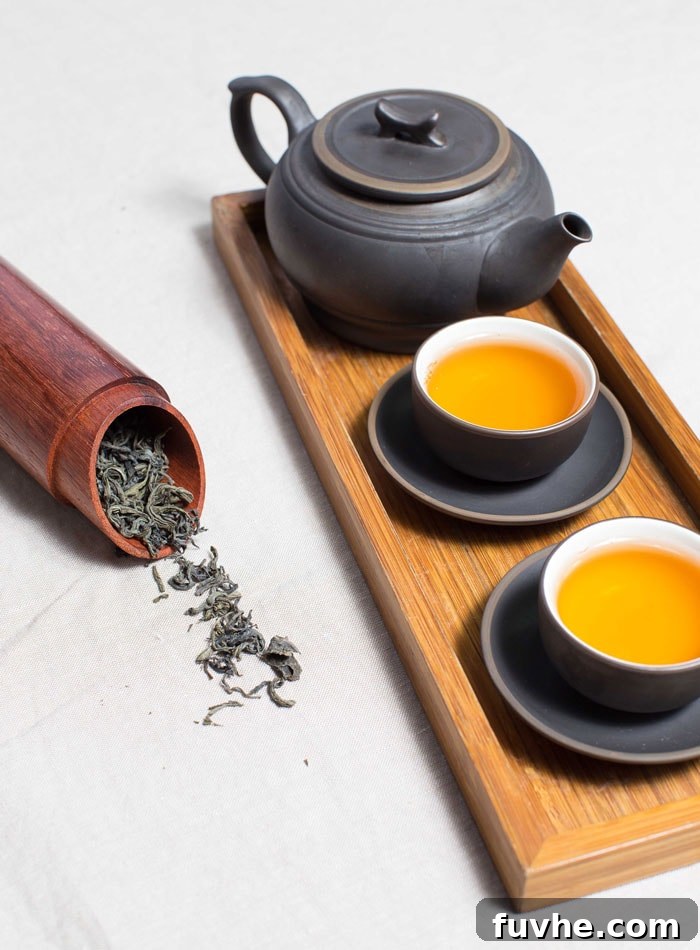
Eleuthero: The Siberian Ginseng for Immunity and Cognitive Function
Eleuthero (Eleutherococcus senticosus), commonly known as Siberian Ginseng, is a gentle yet potent adaptogen that has steadily gained recognition for its impressive array of health benefits. It is highly valued for its ability to alleviate stress, enhance cognitive function, reduce systemic inflammation, and combat chronic fatigue. Unlike some more stimulating adaptogens, Eleuthero offers supportive benefits that make it suitable for daily use, particularly for individuals navigating highly demanding jobs, extended work hours, or periods of intense mental exertion.
Available as pills, powders, or as a tea brewed from its leaves and roots, Eleuthero is often prized for its capacity to significantly boost energy levels. If you frequently experience the need for midday naps or battle persistent exhaustion, Eleuthero may be the ideal adaptogen to help restore your vitality. Furthermore, it is renowned for its positive impact on mental capacity, enhancing memory, improving focus, and promoting overall cognitive performance. This makes Eleuthero an excellent choice for students, professionals, or anyone seeking to optimize their mental acuity and maintain peak cognitive function.
Key Benefits of Eleuthero:
- Provides effective anti-inflammatory relief.
- Offers significant stress relief and adaptation support.
- Acts as a powerful immunity booster, strengthening defenses.
- Reduces fatigue by enhancing metabolism and increasing circulation.
- Boosts mental capacity, including memory and focus.
- Protects heart health and supports cardiovascular well-being.
- Improves respiratory health and function.
- May help in lowering blood sugar levels.
- Contributes to improved quality of sleep.
- Can help speed recovery from acute illness or surgery, aiding convalescence.
Amla (Indian Gooseberry): The Antioxidant Powerhouse for Youthfulness and Memory
Amla (Phyllanthus emblica), also known as Indian Gooseberry, is an extraordinary adaptogen celebrated in Ayurvedic medicine for thousands of years. It is an unparalleled source of vitamin C and a rich reservoir of other potent antioxidants, making it a formidable ally against cellular aging and oxidative stress. Amla is particularly renowned for its powerful anti-aging properties and its ability to enhance memory and cognitive function. Beyond these benefits, it has traditionally been used to stimulate a healthy appetite, support robust liver health, promote strong bones, healthy teeth and hair, and cultivate a general sense of well-being and vitality.
In Ayurveda, the amla berry is revered as a sacred plant because it is believed to balance all three of the body’s doshas—Vata, Kapha, and Pitta. By harmonizing these elemental forces, Amla helps address the root causes of a wide range of health issues, promoting deep, holistic healing. You can easily incorporate the Indian Gooseberry into your diet as fresh fruit, fruit juice, or in its convenient dried powder form to unlock its myriad health benefits.
Key Benefits of Amla:
- Exceptional anti-aging properties, promoting cellular longevity.
- Potent immunity-boosting effects due to high vitamin C content.
- Strong anti-inflammatory action throughout the body.
- Supports optimal eye health and vision.
- Promotes healthy, lustrous hair growth and strength.
- Supports robust heart health and cardiovascular function.
- Aids in healthy digestion and nutrient absorption.
- Exhibits powerful anti-viral properties.
Synergy in Action: Can You Combine Adaptogens?
Absolutely, combining adaptogens is not only possible but can often enhance their overall effectiveness through synergistic action. When thoughtfully chosen, different adaptogens can complement each other’s benefits, creating a more comprehensive and powerful effect than any single herb might achieve alone. To begin combining adaptogens, it’s advisable to research those that you believe will have the most significant impact on your specific health goals. Start by incorporating them and carefully observe any changes in how you feel over a few weeks, adjusting as needed.
Here are some popular combinations tailored for specific wellness objectives:
- For Enhanced Sleep Quality: Consider a blend of Ashwagandha, Reishi, Schisandra, and Holy Basil.
- For a Natural Energy Boost: Maca, Cordyceps, Eleuthero, and Schisandra can provide sustained vitality.
- For Adrenal Fatigue Support: Ashwagandha, Maca, Holy Basil, and Licorice Root (with caution for blood pressure) are often recommended.
- For Increased Libido and Reproductive Health: Maca, Ashwagandha, and Pine Pollen are popular choices.
- For Robust Immune Health: Ashwagandha, Astragalus, and Chaga mushroom offer potent immune support.
- For Effective Stress Reduction: Rhodiola, Ashwagandha, Holy Basil, and Reishi are excellent for calming the nervous system.
As evident, Ashwagandha frequently appears across multiple categories due to its broad-spectrum adaptogenic properties, making it an incredibly versatile and popular choice. While this list covers some well-known combinations, it’s worth noting that the world of adaptogens is vast, with dozens of other beneficial herbs like Schisandra, Shatavari, and Panax Ginseng that you can explore based on your individual needs and research.
Disclaimer: It is important to remember that I am an AI language model and not a medical professional, doctor, or licensed healthcare practitioner. The information provided here is for educational purposes only, based on general research and common knowledge about adaptogens. If you have underlying health conditions, are pregnant or breastfeeding, or are concerned about integrating adaptogens into your diet, I strongly recommend consulting with a qualified healthcare professional or a functional medicine practitioner. They can offer personalized advice and ensure adaptogens are appropriate and safe for your unique circumstances.
Are Adaptogens Right for You? A Self-Assessment
Adaptogens are not designed to treat a single specific condition; rather, their strength lies in their ability to foster overall physiological balance, enhance resilience against stress, and boost general well-being. They function as profound supportive tools, not as instantaneous “magic bullets” or artificial energy sources that mask deeper issues. If you’re pondering whether adaptogens could be a valuable addition to your health journey, consider reflecting on these self-assessment questions:
- Do you consistently experience restful, rejuvenating sleep?
- Do you frequently feel overwhelmed by stress or experience persistent anxious feelings?
- Do you often battle chronic fatigue or a pervasive lack of energy?
- Do you maintain a healthy and robust sex drive?
- Do you have a balanced and healthy appetite?
- Do you regularly experience mental fog, difficulty concentrating, or memory lapses?
If any of these questions highlight an area of your well-being that you feel could be significantly improved or brought into better balance, then exploring adaptogens might indeed be a beneficial step for you. They can act as supportive allies in your quest for enhanced vitality and equilibrium.
For those eager to delve deeper into the fascinating world of adaptogens, I highly recommend “Adaptogens: Herbs for Strength, Stamina, and Stress Relief” by David Winston and Steven Maimes. This comprehensive guide offers invaluable insights into specific adaptogens and their applications. Additionally, “The Healing Kitchen” provides excellent practical guidance on how to integrate various healing herbs, adaptogens, and nutrient-dense foods into your diet to cultivate optimal health, wellness, and vibrant vitality.
Ultimately, adaptogens are a potent addition to your comprehensive wellness toolkit. While certainly not mandatory for good health, they represent one more intelligent choice you can make to support your body’s innate ability to thrive, helping you to feel and function at your absolute best in the face of modern challenges. They empower you to cultivate greater resilience and a profound sense of balance in your life.