
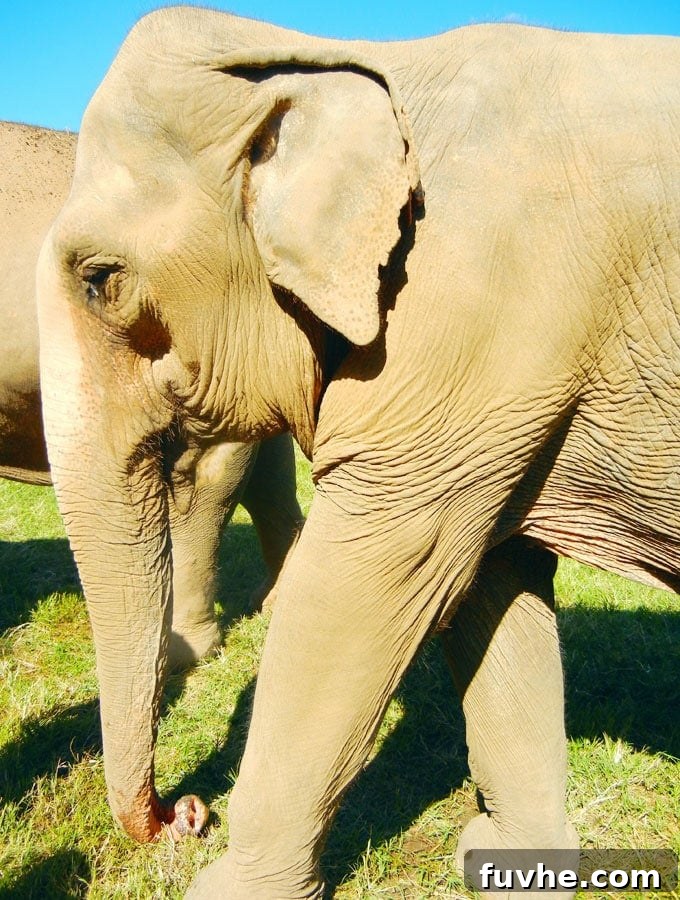
Nestled amidst the lush, rolling hills of Northern Thailand, an unforgettable journey awaits those seeking to connect with nature’s most magnificent creatures in the most ethical way possible. Our recent visit to the Elephant Nature Park in Chiang Mai was far more than just a tour; it was a profound experience that redefined our understanding of wildlife conservation and responsible tourism. This article delves into the highlights of our remarkable day, offering insights into the park’s crucial work and the compelling stories of the gentle giants it protects.
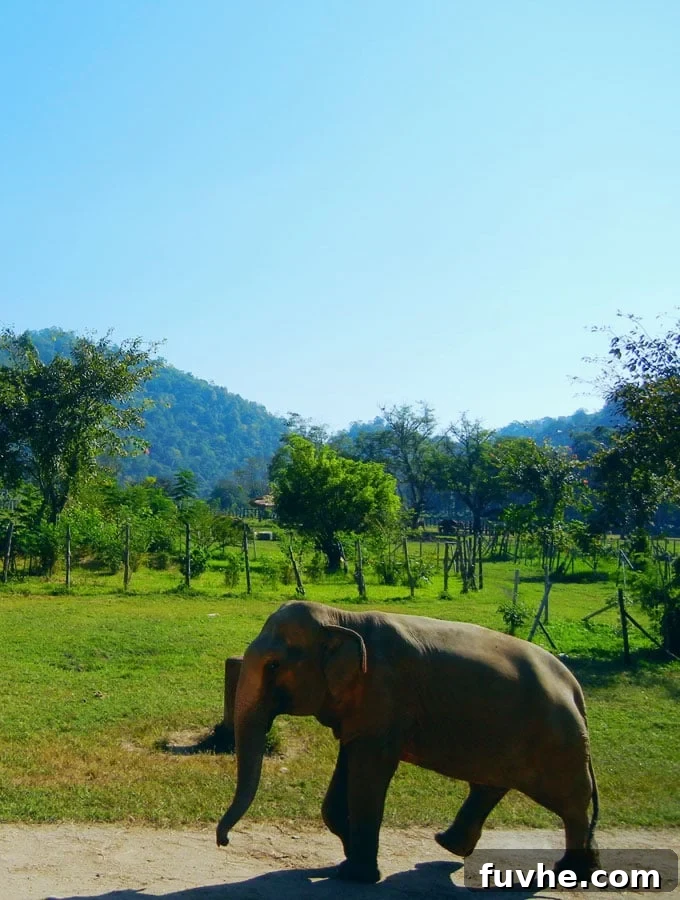
The Urgent Plight of Thailand’s Elephants: A Call for Ethical Tourism
Before embarking on our trip to Thailand, a country renowned for its vibrant culture and breathtaking landscapes, I knew I wanted to spend time with elephants. However, the thought of contributing to their exploitation was deeply unsettling. The more I researched, the clearer it became that the situation for Asian elephants in Thailand was far more dire and complex than I had initially imagined.
Decades of abuse, neglect, and the rampant illegal logging industry have decimated their populations. Historically, these majestic animals were subjected to arduous work in the timber trade, dragging heavy logs through dense jungles. Following the government’s ban on logging in protected areas in 1989—a crucial step towards conservation—many elephants found themselves “out of work.” While this offered a reprieve from forced labor, it also led to new challenges. Coinciding with a boom in international tourism, many domesticated elephants were subsequently employed in the burgeoning tourism sector, often under questionable conditions.
The numbers paint a stark picture: what was once a thriving population of an estimated 100,000 elephants just a century ago has dwindled dramatically. Today, experts estimate only around 2,700 domesticated elephants remain, with a precarious wild population hovering between 2,000 and 3,000 individuals. This alarming decline underscores the urgent need for effective conservation efforts and ethical engagement.
Animal rights groups have long advocated against visiting elephant camps, citing concerns about cruelty and unethical practices that can often be hidden from the public eye. Yet, if selected wisely, a visit to a truly responsible sanctuary can paradoxically be a lifeline for these animals and their caretakers. Ethical sanctuaries provide a much-needed alternative, offering a safe haven while educating visitors on the true nature of elephant welfare.
Complicating matters further are Thailand’s ambivalent laws concerning elephant protection. Elephants are legally classified as livestock, leaving them vulnerable. Penalties for abuse are often minimal, rarely enforced, and do little to deter exploitation. This legal loophole highlights the critical role that organizations like Elephant Nature Park play in advocating for stronger protections and providing direct care for those who have suffered.
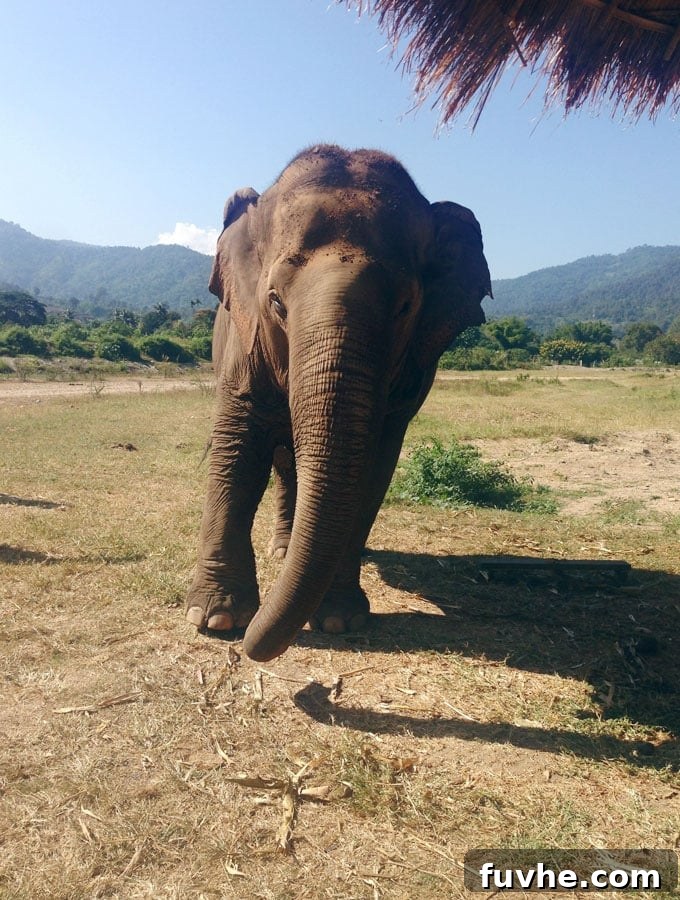
Choosing the Right Sanctuary: Elephant Nature Park, Chiang Mai
After extensive research and reading countless reviews, one name consistently rose to the top: Elephant Nature Park (ENP), located just an hour’s drive outside of Chiang Mai in Northern Thailand. Its sterling reputation for ethical treatment, comprehensive rescue programs, and dedicated staff who genuinely care for the animals entrusted to them made it our clear choice for an ethical elephant encounter.
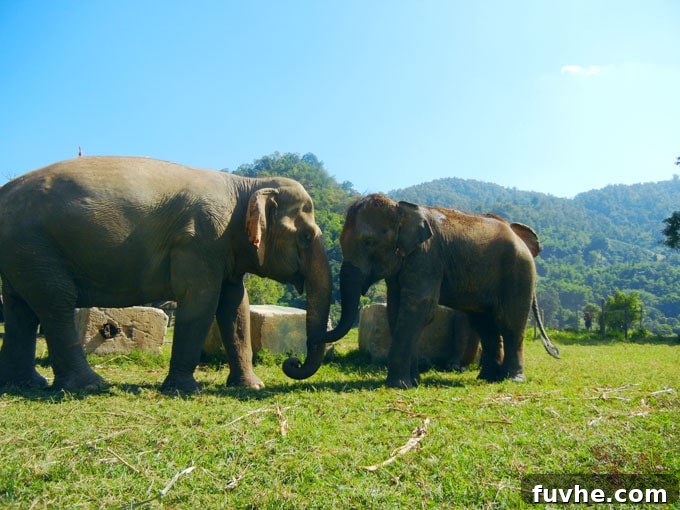
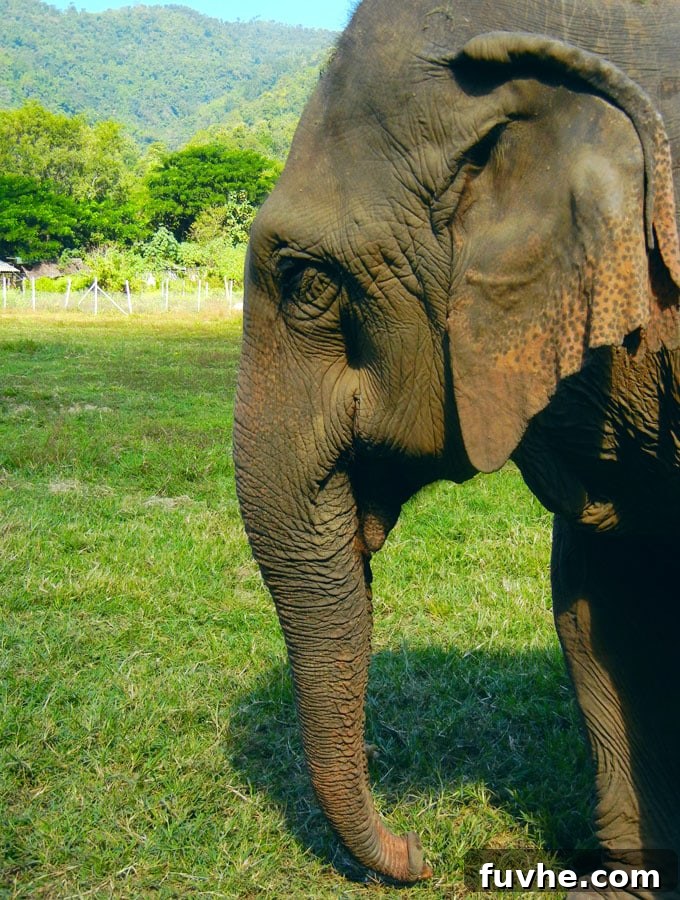
We booked a full-day visit, which offered incredible value for about $80 per person. This comprehensive package included convenient hotel pick-up and drop-off from Chiang Mai, a delicious lunch, and an entire day immersed in the lives of the approximately 40 rescued elephants that call the park home. It was an investment not just in our travel experience, but in the welfare of these magnificent creatures.
Elephant Nature Park stands as a beacon of hope, functioning as a vital elephant rescue and rehabilitation center. Its dedicated team has orchestrated dozens of successful rescues, fostering a thriving herd that now roams freely within the park’s expansive boundaries. Beyond elephants, ENP extends its sanctuary to other animals in need, including water buffalo, over 400 rescued dogs, and more than 70 cats, creating a truly multi-species haven.
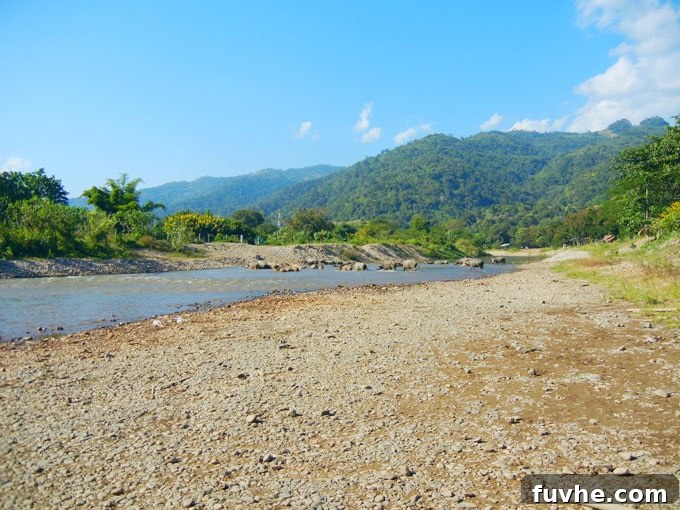
Visitors to ENP do more than just observe; they engage directly with the animals’ powerful stories. You learn of their pasts – both the good and the often heartbreakingly bad – and witness their present lives of peace and recovery. The park itself is a visual masterpiece, set within a breathtaking natural valley, cradled by a meandering river and enveloped by verdant, forested mountains. The scenery alone is spectacular, making it a truly gorgeous place to spend a day of reflection and connection.

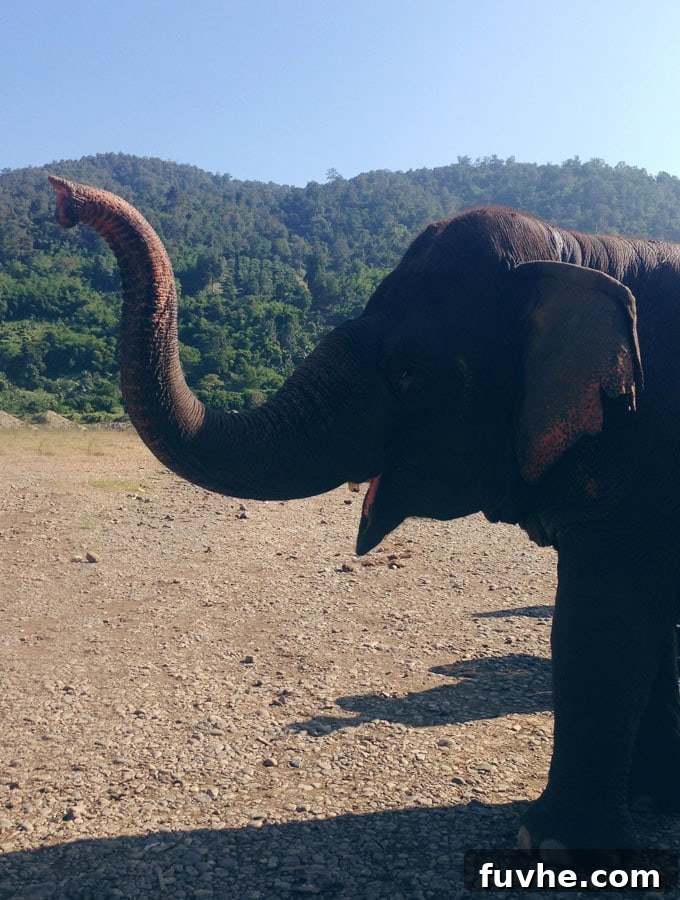
More Than a Sanctuary: Conservation, Community, and Education
The mission of Elephant Nature Park extends far beyond merely housing rescued animals. Its overarching goals encompass providing a secure sanctuary for endangered species, actively engaging in rainforest reforestation initiatives within the surrounding area, preserving the rich cultural heritage of local communities, and, crucially, educating visitors. We learned that the park is a significant employer for many people residing in the area, offering sustainable livelihoods. Furthermore, its operations substantially support the local economy, particularly through the immense quantity of food required to nourish its large elephant residents – a logistical feat that directly benefits local farmers and suppliers.
During our day, some moments were profoundly emotional. Hearing the detailed histories of individual elephants, recounted by our empathetic guides, was truly heart-wrenching. The stories of severe abuse, prolonged neglect, and unimaginable working conditions under human command were painful to absorb. We learned about the brutal “phajaan,” or “training crush,” a traditional Asian ritual designed to break an elephant’s spirit.
This horrific process involves confining a young elephant in a tiny, barely-fitting cage, subjecting it to three agonizing and distressing days of torment. The cruel techniques include painful prodding with nails and sharp instruments, severe sleep deprivation, relentless physical abuse, forced dehydration, starvation, and other barbaric methods. These inflict not only deep physical wounds but also profound psychological trauma, systematically dismantling their spirit until they are completely submissive. It was heartbreaking to imagine these once spirited, playful young animals emerging from such an ordeal as mere shells of their former selves. Unsurprisingly, many elephants arrive at ENP suffering from significant mental issues, requiring extensive time, patience, and specialized therapy to begin their healing journey.
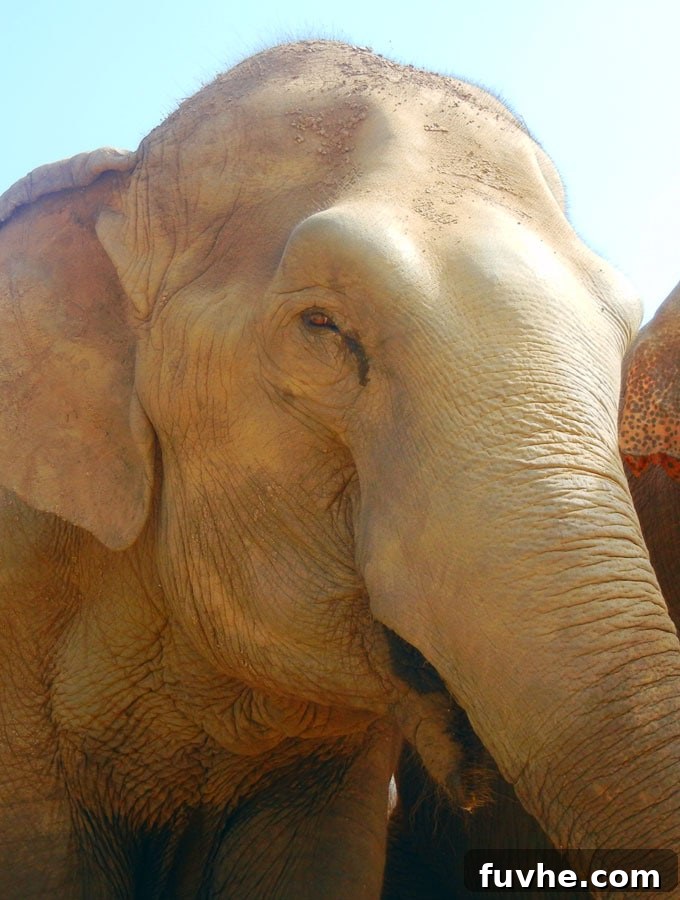
A Day of Connection: Feeding, Learning, and Observing
Our day at Elephant Nature Park began promptly at 8:30 am when the park’s comfortable van picked us up from our hotel in Chiang Mai. The approximately one-hour drive was both informative and preparatory. Onboard, we watched a short video detailing essential elephant safety protocols and delving into the inspiring history of the park. We learned about its visionary founder, Lek Chailert, a woman driven by profound love and respect for Thailand’s national symbol, who tirelessly advocated for the rights and welfare of Asian elephants.
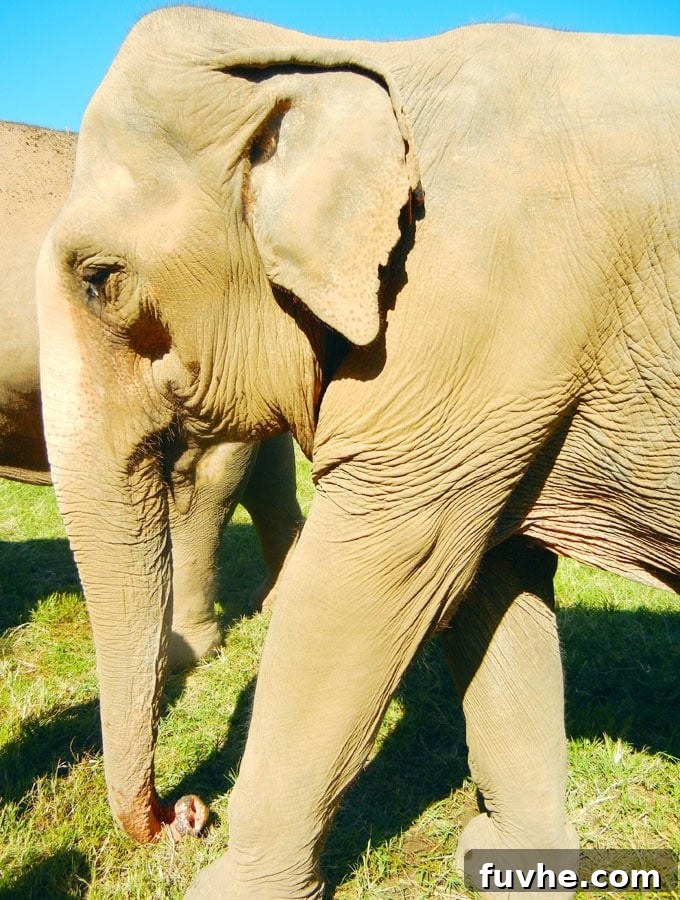
Upon our arrival at the expansive sanctuary, we received a final safety briefing before the most exciting part of the morning: feeding time! Elephants began to wander in from all directions, their powerful trunks swaying in anticipation. It was an incredible experience to hand-feed them an abundance of bananas, squash, and watermelon, feeling the soft brush of their trunks and the gentle acceptance of their enormous mouths. This immediate, positive interaction set a joyful tone for the rest of the day.
Following the feeding session, we spent several captivating hours walking around the park, getting remarkably close to these powerful yet gentle animals. Our knowledgeable guide continued to share the individual stories of each elephant, transforming them from mere animals into complex beings with unique personalities and poignant pasts. We learned about elephants who had suffered severe disabilities from their previous lives: one had tragically lost a foot to a landmine, another bore broken hips from forced breeding, one had endured unimaginable suffering at an illegal logging camp in Burma, and yet another had been blinded by its former owner. Each narrative was a testament to their incredible resilience and the profound healing power of a true sanctuary.
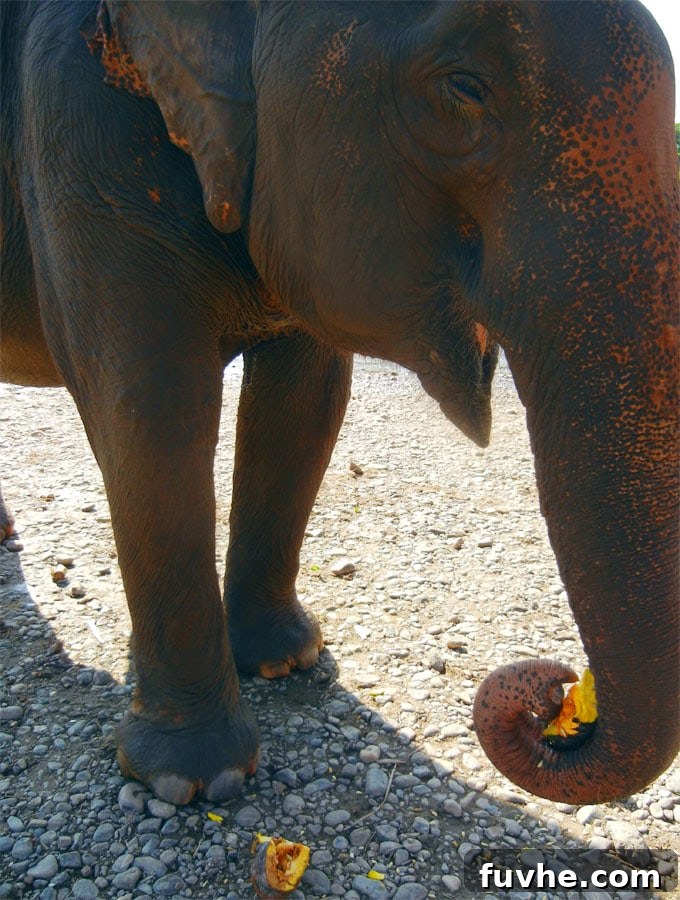
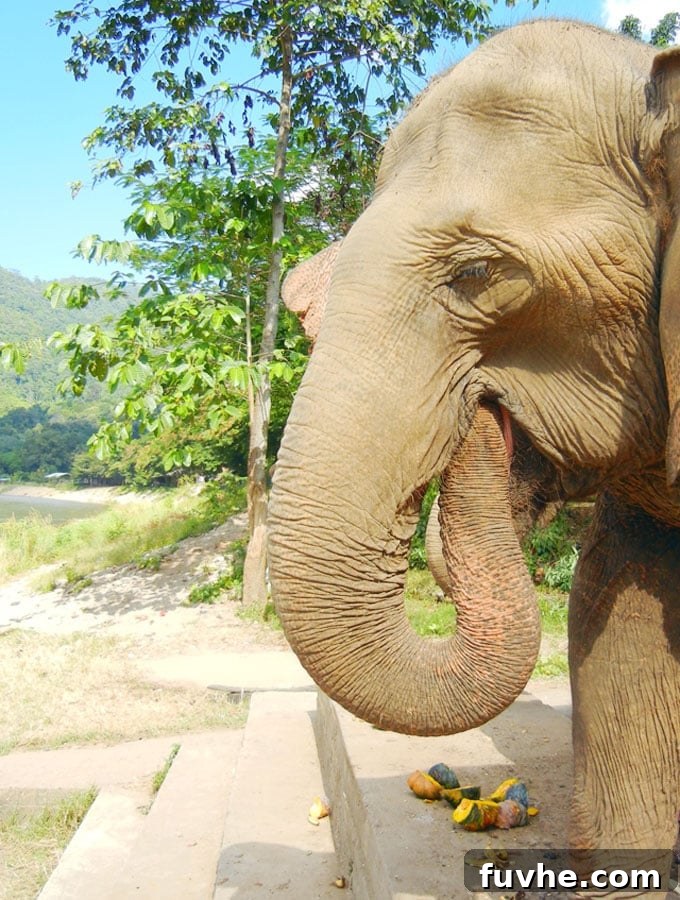
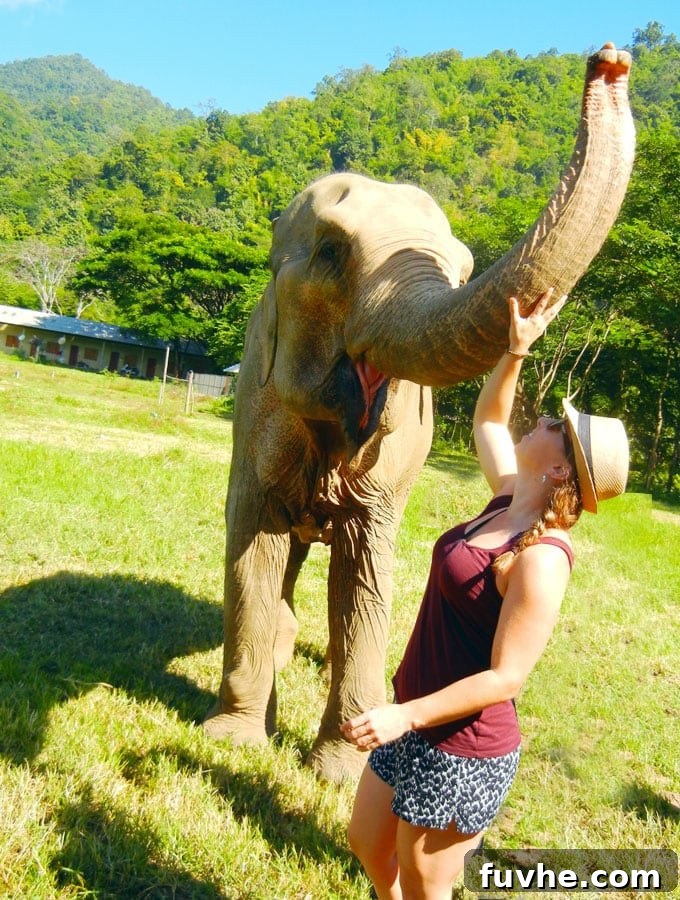
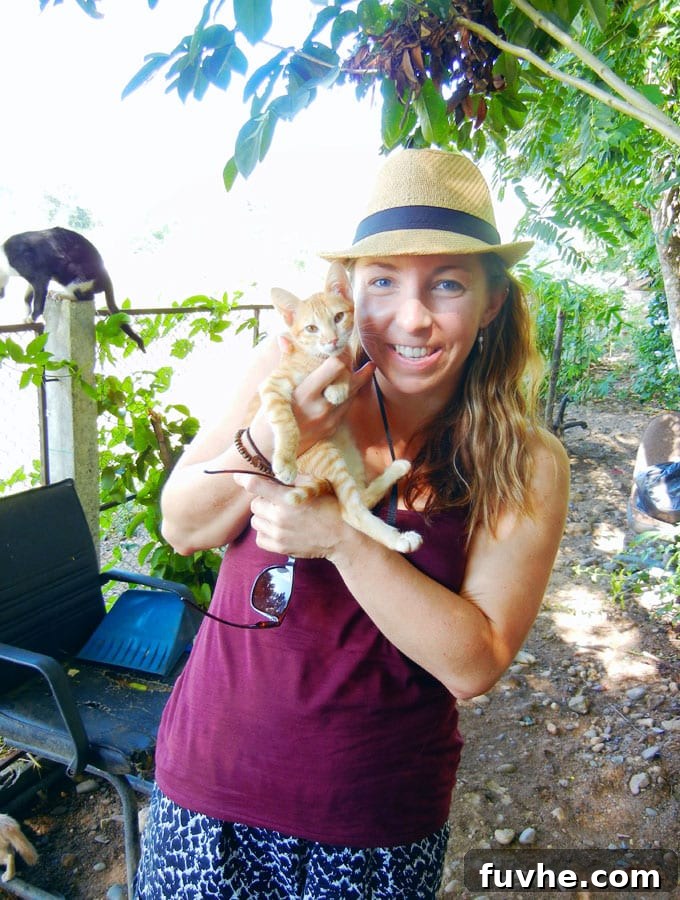
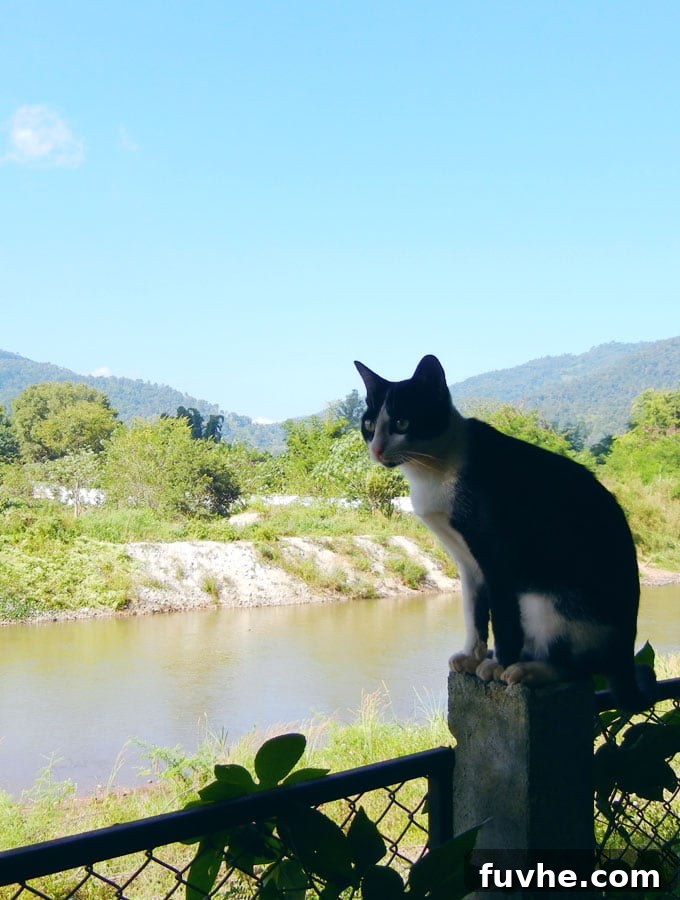
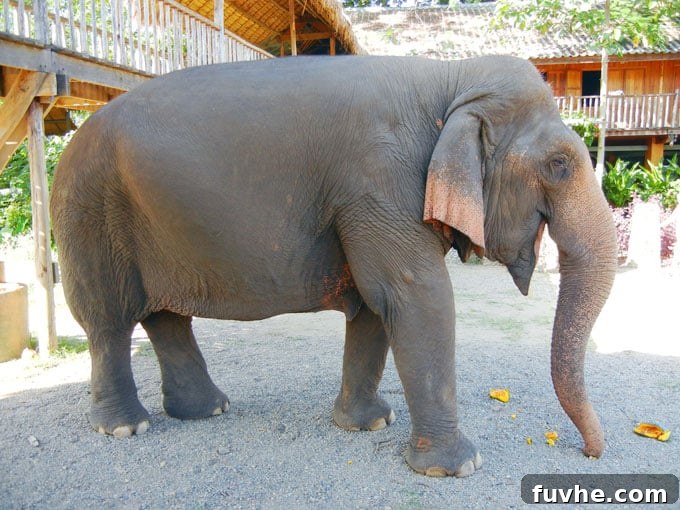
Being so close to them was a truly wonderful experience. We could touch their thick, rough skin, a texture unlike any other, and watch in awe as they effortlessly crushed entire watermelons with their powerful teeth and dexterous trunks. It wasn’t just an elephant sanctuary, either. We also ventured into “kitty heaven,” a delightful space teeming with over 70 rescued kittens and cats, all happily frolicking about. As someone who isn’t even a self-proclaimed “cat person,” I was lucky to leave without attempting to sneak home a dozen new furry friends!
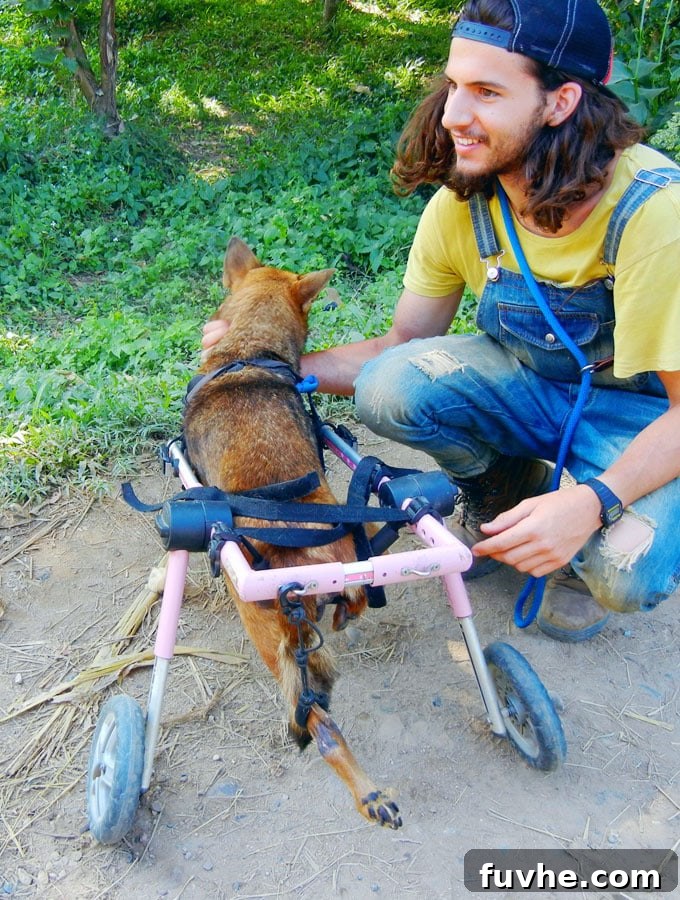
The park is also home to numerous rescued dogs, including “Steely,” a resilient pup pictured below, who was rescued after being severely injured in a motorbike accident. Watching him navigate the park with impressive agility on his custom-made wheels, it was clear he didn’t perceive himself as any different from the other playful canines around him, embodying the spirit of recovery that permeates ENP.
Sustenance and Serenity: Afternoon at the Park
After our extensive morning walk, we returned to the main dining area for lunch. The spread was truly impressive, and to my delight, entirely vegetarian! It was a culinary celebration, offering a wide array of delicious Thai dishes that showcased the region’s vibrant flavors. I certainly didn’t hold back, embracing every spoonful of the authentic Thai cuisine. It was a perfect mid-day refuel, reflecting the park’s commitment to ethical and sustainable practices even in its catering.

Refreshed and re-energized, we ventured back out into the park for more exploration and observation. The afternoon sun was intense, with temperatures soaring to around 35 degrees Celsius. It’s crucial to remember ample sunscreen and a wide-brimmed hat if you plan a visit, as shade can be scarce in some areas.
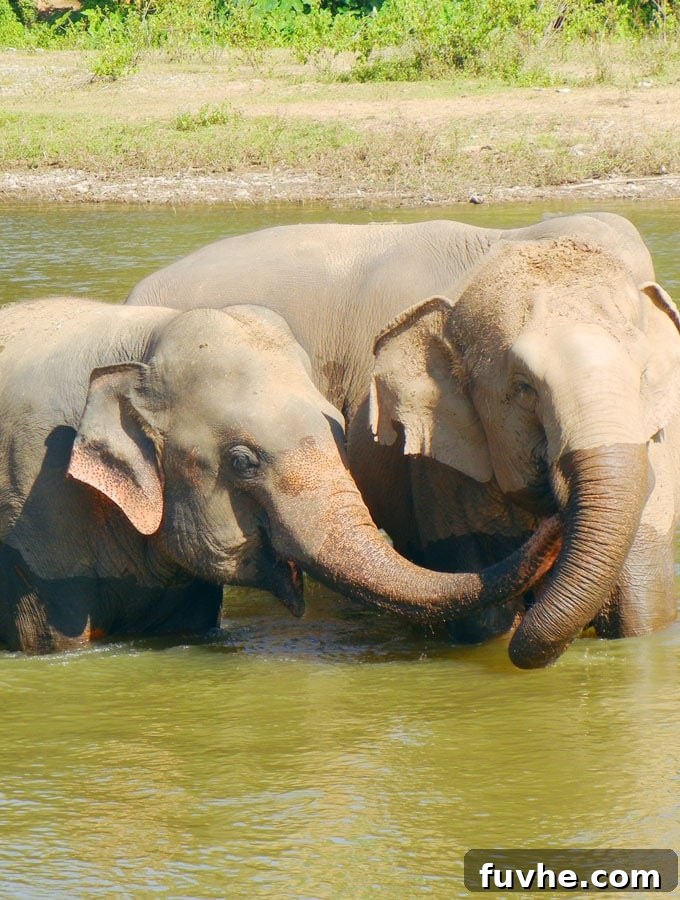
A highlight of the afternoon was participating in the elephants’ bathing ritual in the river. We happily threw buckets of cool water over their massive backs as they continued to munch contentedly on gourds and bananas. It was fascinating to learn that elephants spend an astounding 18-20 hours a day eating! These magnificent creatures truly have it made in their sanctuary home. It’s also incredible to consider their longevity; many residents at the park were in their 60s, with elephants capable of living up to 80 years.
Our afternoon walk also brought an unexpected burst of excitement. One of the elephant herds became quite riled up when a member started socializing with another group. My adrenaline surged as the herd began stampeding towards us, trumpeting, roaring, and stomping the ground with immense power. We quickly ducked behind a sturdy structure for safety. Our guide calmly explained it was simply some inter-herd drama, a vivid display of their complex social dynamics and strong individual personalities. It was a humbling reminder of their raw power and intelligence.
And then, the moment that melted every heart: we spotted a baby elephant! Oh, the sweetest, most adorable little guy you could ever imagine. If it were remotely possible, I would have absolutely found a way to “accidentally” sneak him home. A playful thought, of course, as the reality is that such magnificent creatures belong in spacious, natural environments, cared for by dedicated sanctuaries like ENP.
A Memorable and Meaningful Journey
If you’re planning a trip to Thailand and find yourself in the enchanting city of Chiang Mai, I wholeheartedly recommend dedicating a day to visit the Elephant Nature Park. It promises a positively memorable day, rich with breathtaking scenery, profound animal encounters, and invaluable education. The park’s commitment to animal welfare is evident in every aspect: the elephants are beautiful and visibly content, and the staff are not only kind and informative but also deeply passionate about the animals they care for. It’s an experience that leaves a lasting impression, inspiring visitors to become advocates for ethical tourism and elephant conservation worldwide.
More Ethical Travel Articles and Inspirations
- Discovering Paradise: A Week on Koh Lanta, Thailand
- Exploring the Wonders of Khao Sok National Park, Thailand
- Ultimate Guide: What to Do in Maui, Hawaii