
Embarking on a plant-based diet can feel like stepping into a vast, new world of culinary possibilities, often accompanied by a touch of overwhelm. Where do you even begin when faced with so many choices and new habits to learn? This comprehensive guide, complete with a practical 3-day whole food plant-based meal plan, is designed to be your compass, pointing you in the right direction and illustrating just how delicious, sustainable, and surprisingly simple plant-based eating can be.
Whether you’re a complete novice or simply looking for fresh inspiration, this resource will demystify the process, streamline your approach, and help you confidently build a few days of nourishing meals. Get ready to discover a vibrant way of eating that supports your health, the planet, and animal welfare, all while tantalizing your taste buds. Let’s dive in!
Discover Your “Why”: The Foundation of Your Plant-Based Journey
Before making any significant lifestyle change, it’s crucial to understand your motivations. What drives your desire to embrace a plant-based diet? Is it a quest for improved health and vitality? A commitment to animal welfare? A goal to manage your weight? Or perhaps a desire to reduce your environmental footprint?
Identifying your core “why” is a powerful tool. Write it down, keep it visible, and revisit it often. This foundational reason will serve as your anchor, providing encouragement and clarity on days when motivation might wane. Understanding your purpose transforms a mere diet into a meaningful lifestyle choice, making long-term adherence much more achievable.
Embrace a Gradual Transition: Slow and Steady Wins the Race
The journey to a plant-based diet doesn’t have to be an all-or-nothing leap. For many, a gradual transition is more sustainable and less overwhelming, especially if you’re shifting from a Standard American Diet or one heavily reliant on animal products. There’s immense value in taking things one step at a time, allowing your palate and habits to adjust naturally.
Consider integrating plant-based meals a few times a week as an excellent starting point. This 3-day meal plan is designed with flexibility in mind; you can implement it consecutively, spread it across your week (e.g., Monday, Wednesday, Friday), or mix and match meals to suit your schedule and preferences. The goal is to build momentum and comfort with plant-based eating. Every plant-powered meal is a step forward, so celebrate your progress, no matter how small, and continue building on that foundation towards a predominantly or completely plant-based lifestyle.
Understanding a Whole Food Plant-Based (WFPB) Diet
As we navigate this meal plan, it’s important to clarify the core principle: we are focusing on a whole food plant-based diet. This distinction is crucial because it goes beyond simply avoiding animal products; it emphasizes consuming foods in their most natural, unprocessed state. This means saying goodbye to highly processed foods, refined grains, and added sugars, and instead, embracing the incredible abundance of whole foods that nature provides.
At its heart, a WFPB diet prioritizes ingredients directly from the earth, minimizing anything that has been heavily altered, refined, or stripped of its natural nutrients. The food groups that form the cornerstone of this healthful approach include:
- Whole Grains: Quinoa, brown rice, oats, farro, barley, millet, whole wheat. These provide sustained energy and fiber.
- Vegetables: A diverse array of colorful produce, from leafy greens to root vegetables, cruciferous varieties, and everything in between. They are packed with vitamins, minerals, and antioxidants.
- Fruits: Berries, apples, bananas, citrus, tropical fruits – offering natural sweetness, vitamins, and antioxidants.
- Nuts: Almonds, walnuts, cashews, pecans – excellent sources of healthy fats, protein, and minerals.
- Seeds: Chia, flax, hemp, pumpkin, sunflower – small but mighty, providing omega-3s, fiber, and micronutrients.
- Legumes: Beans, lentils, chickpeas, peas, and soy products (like tofu, tempeh, edamame) – rich in protein, fiber, and complex carbohydrates.
- Fermented Foods: Sauerkraut, kimchi, tempeh, certain plant-based yogurts – beneficial for gut health.
Crucially, this specific meal plan entirely excludes dairy, eggs, and meat, focusing solely on whole plant foods. While processed meat and dairy alternatives can be helpful tools during your initial transition to ease cravings and provide familiarity, it’s important to consume them in moderation. Just like all processed foods, their nutritional profile can vary significantly. However, the market now offers some truly impressive whole-food-based dairy alternatives, such as coconut yogurt and cashew cheese. Always make it a habit to read ingredient lists to ensure packaged foods align with your whole food principles.
Key Ingredients to Minimize or Avoid for Optimal Health
A core tenet of the whole food plant-based lifestyle is to steer clear of certain ingredients commonly found in processed foods. These substances can detract from your health goals and may contribute to inflammation or other adverse effects. By being aware of them, you can make more informed choices:
- Hydrogenated Oils: Often found in processed snacks and baked goods, these trans fats are detrimental to cardiovascular health.
- High-Fructose Corn Syrup (HFCS): A highly refined sweetener linked to metabolic issues and inflammation.
- MSG (Monosodium Glutamate): A flavor enhancer that some individuals find problematic.
- Sucralose and Aspartame: Artificial sweeteners that can disrupt gut health and have potential long-term health implications.
- Artificial Flavors: Synthetically produced flavors that offer no nutritional value.
- Artificial Colors: Chemical dyes (often listed vaguely as “blue,” “red,” etc.) that can be linked to hyperactivity and other health concerns.
- Preservatives: Such as BHA (Butylated hydroxyanisole), BHT (Butylated hydroxytoluene), and TBHQ (Tertiary butylhydroquinone), which are used to extend shelf life but may have negative health impacts.
The simplest and most effective strategy to avoid these ingredients is to bypass the processed food aisles entirely and head straight for the fresh produce, bulk bins, and whole food sections of your grocery store. Furthermore, you might find joy and improved health by recreating healthier, homemade versions of your favorite processed treats. Exploring these alternatives can empower you to enjoy familiar tastes without compromising your well-being. For more practical guidance on plant-based shopping, refer to my comprehensive vegan grocery list.
Navigating Sugar, Oil, and Salt (SOS) in a WFPB Diet
When delving into the world of whole food plant-based eating, you might encounter the recommendation for an “SOS-free” diet – meaning entirely free of added sugar, oil, and salt. While some plant-based medical professionals advocate for this strict approach for maximum health benefits, it’s a personal decision, and you have the autonomy to decide what works best for your body and lifestyle.
In my own diet, I do include oil, sugar, and salt, though consciously and in moderation. I sparingly use healthy oils like olive oil for cooking and occasionally coconut oil in dessert recipes. My focus is on minimizing *added* sugar, finding sweetness primarily from whole fruits, while still enjoying occasional treats. Similarly, salt is used to enhance flavors in my cooking, but since my diet is predominantly whole foods, my sodium intake naturally remains in check. When you build your diet around unprocessed ingredients, this natural balance often falls into place, reducing the need for constant vigilance over these elements.
Vegan vs. Plant-Based: Understanding the Distinction
This particular meal plan is meticulously crafted to be both vegan and whole food plant-based. While the terms are often used interchangeably, there’s a nuanced difference that’s helpful to understand for clarity and health optimization.
Someone who identifies as vegan may not necessarily adhere to a whole food plant-based diet. For instance, a vegan could subsist on processed vegan junk food like Oreos, highly refined vegan meat alternatives, and potato chips. While this fulfills the ethical commitment of avoiding animal products, it falls short of providing adequate micronutrients and can lead to poor health outcomes. Conversely, a person following a plant-based diet might not strictly be vegan, though this is less common in a WFPB context. If you are vegan, aligning your diet with whole food principles is undoubtedly the most beneficial path for your health.
What Does Veganism Truly Mean?
Veganism extends far beyond dietary choices; it’s a comprehensive philosophy and way of living that seeks to exclude, as far as possible and practicable, all forms of exploitation of, and cruelty to, animals. This encompasses not only abstaining from animal products in food—such as meat, fish, dairy, eggs, and honey—but also avoiding them in clothing (wool, fur, silk, leather, suede) and other consumer products (like those tested on animals or containing animal-derived ingredients like gelatin or lanolin).
It is a profound commitment to minimizing harm, driven by ethical considerations for animal welfare and a recognition of animals’ inherent right to life and freedom.
Defining a Plant-Based Diet
In contrast to veganism, a plant-based diet primarily refers to the dietary aspect. It focuses on foods derived from plants, with varying degrees of strictness. The beauty of “plant-based” is its inherent flexibility, allowing individuals to tailor it to their personal preferences and goals. Someone following a plant-based diet might do so for health reasons, environmental concerns, or a mix of factors, rather than solely for animal compassion.
A plant-based diet doesn’t necessarily imply a complete and permanent abstinence from all animal products. Rather, it signifies a diet rich in plant foods – consistently eating mostly plant-derived ingredients. You have the freedom to define what “plant-based” looks like for you, from simply incorporating more plant meals to a predominantly or entirely plant-powered approach.
The Synergy of Vegan and Whole Food Plant-Based Living
Absolutely! It is not only possible but highly encouraged to be both vegan and whole food plant-based. In contemporary discourse, these terms are often used interchangeably, and for good reason—they represent a powerful synergy for holistic well-being. My personal journey embraces both aspects wholeheartedly. I choose a plant-based diet for the undeniable health benefits, but my commitment extends further to actively reducing harm to animals in all facets of my life, aligning with vegan principles. Beyond individual health and animal welfare, this lifestyle also profoundly supports my desire to minimize my environmental impact, making it a comprehensive and deeply satisfying approach to living.
Your 3-Day Whole Food Plant-Based Diet Meal Plan
This meal plan offers a realistic glimpse into three days of my own plant-based eating, including meals, snacks, supplements, and beverages like tea and coffee. The only element not meticulously tracked is water intake, for which I aim for approximately 3 liters daily. Please view this not as a rigid prescription, but as a flexible guideline and a source of inspiration. It’s designed to empower you to construct your own personalized plant-based diet plan, adaptable to your tastes and lifestyle.
Understanding Calories and Macronutrients
The meal plan detailed below is crafted to provide approximately 2300 calories per day, balanced with a macronutrient ratio of roughly 50% carbohydrates, 20% protein, and 30% fat. This profile is generally on the higher side for many individuals, but it perfectly suits my needs as I maintain a highly active lifestyle, training in the gym six days a week. If your activity level is different, feel free to adjust the serving sizes of the meals or integrate additional snacks for more fuel, or conversely, reduce portions or omit snacks if you require less food. Understanding your unique caloric and macronutrient needs is key to tailoring this plan effectively. For deeper insights into flexible plant-based dieting and macro tracking, explore my dedicated articles on vegan macros here.
Flexibility in Your Plant-Based Plan: Mix and Match
One of the great advantages of a plant-based diet is its incredible versatility. Feel free to mix and match the snacks presented in this meal plan with a wealth of other options from my comprehensive list of Easy Vegan Snack Ideas. Similarly, for even more morning inspiration, delve into my collection of Healthy Vegan Breakfast Recipes. Beyond the detailed 3-day breakdown, I’ve also included additional ideas for plant-based meals and snacks to ensure you always have a diverse and exciting range of options at your fingertips.
Plant-Based Meal Plan Day 1
Upon Rising (Pre-Workout)
- 1 L of warm water with fresh lemon juice.
- Coffee, black or with a splash of plant milk.
- Supplements: Omega-3 with EPA and DHA (such as NutraVeg), Vitamin B12, and Vegan Vitamin D3.
Breakfast
Hearty Veggie Hash: A delightful sauté featuring 100 grams each of cooked sweet potato, vibrant kale, earthy cooked lentils, sliced mushrooms, and colorful bell peppers. Cooked over medium heat for 5-10 minutes until tender and slightly caramelized. Generously topped with a creamy Chipotle Sauce and a sprinkle of kelp granules for an umami boost.
Tip: Incorporating seaweed like kelp into your diet is an excellent and natural way to ensure adequate iodine intake, essential for thyroid health.
Nutrient-Packed Blueberry and Mango Smoothie: A vibrant blend of 140 grams of frozen blueberries, 70 grams of frozen mango, a generous handful of fresh spinach, 4-5 slices of cooling cucumber, 1 serving of your preferred vegan protein powder (a half frozen banana can substitute for creaminess), 1 tablespoon of ground flaxseed for omega-3s, and 1 cup of almond milk (or more for desired consistency). Feel free to customize with any frozen fruit or plant-based milk. I often enhance mine with adaptogens and superfoods like spirulina, ashwagandha, and holy basil for an extra wellness boost.
Snack
Simple Apple and Mixed Raw Nuts: A perfectly balanced snack providing natural sugars, fiber, and healthy fats for sustained energy.
Lunch
Leftover Vegetable Chickpea Chowder: A flavorful and comforting chowder, prepared for dinner the previous night and enjoyed as a convenient, nourishing lunch today. This recipe is renowned for its rich taste and ease of preparation.
Fresh Side Salad: A small, crisp salad featuring mixed greens, finely grated carrot, a few black beans for protein, a sprinkle of pumpkin seeds, thinly sliced cucumber, all lightly drizzled with a simple lemon-tahini dressing.
Tip: Pumpkin seeds are not only delicious but also a fantastic source of antioxidants, iron, zinc, and magnesium, contributing significantly to your daily nutrient intake.
Whole Wheat English Muffin Duo: Half of a whole wheat English muffin topped with creamy smashed avocado, a pinch of sea salt, and nutrient-dense broccoli sprouts. The other half spread with smooth almond butter. This versatile option can easily be prepared on your favorite whole-grain toast or crackers.
Dinner
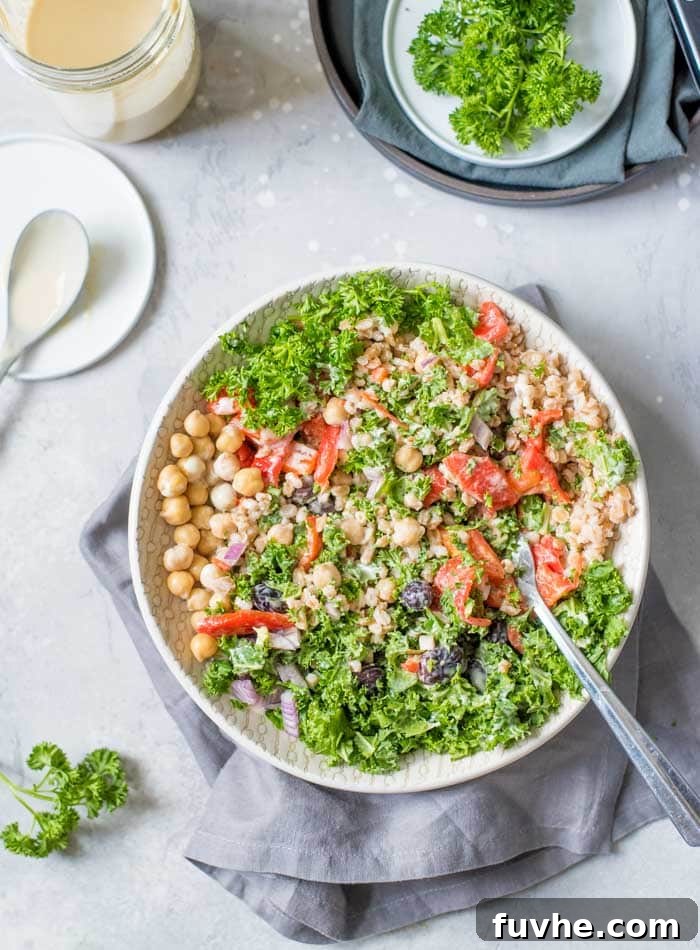
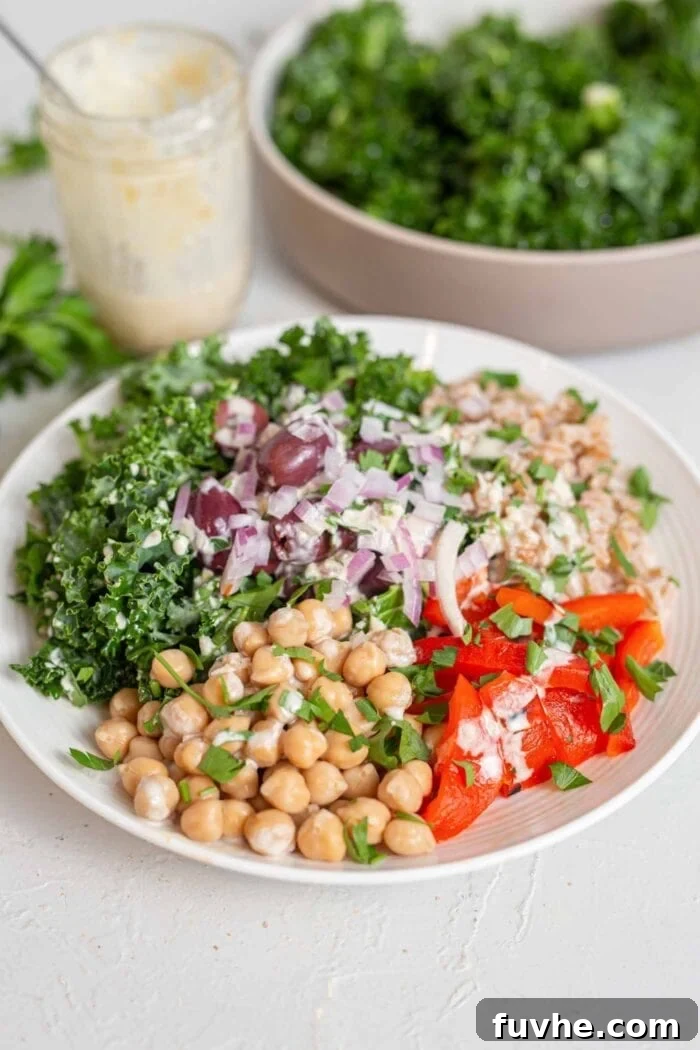
Mediterranean Farro Salad: A vibrant and satisfying dish prepared following my Mediterranean Farro Salad recipe. It combines chewy farro, tender kale, briny olives, fresh parsley, sweet roasted red peppers, ripe tomatoes, hearty chickpeas, crisp red onions, and a luscious tahini sauce. For an added touch, I often include homemade tofu feta.
Evening Supplements
- Magnesium supplement for relaxation and muscle recovery.
Drinks Throughout the Day
- Calming Licorice Root Tea.
- Refreshing homemade Matcha Latte with almond milk.
- Probiotic-rich Kombucha.
- Soothing Nighty Night Tea before bed.
Plant-Based Meal Plan Day 2
Upon Rising (Pre-Workout)
- 1 L of warm water with a splash of apple cider vinegar, known for its digestive benefits.
- Energizing Matcha tea.
- Supplements: Omega-3, Vitamin B12, and Vegan Vitamin D3.
Breakfast
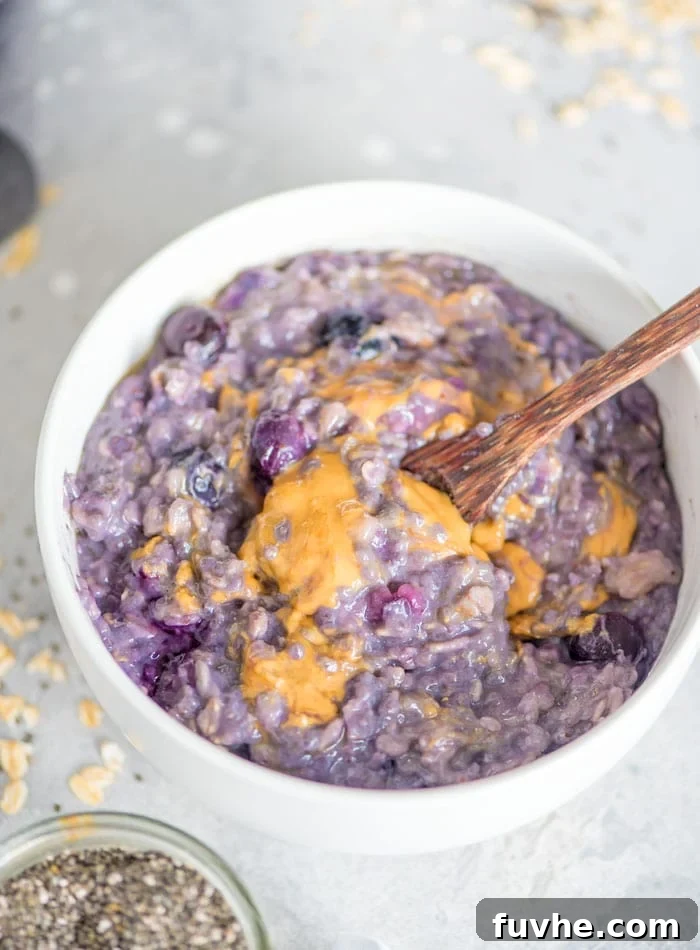
Nourishing Stovetop Oatmeal: Cooked with 1/2 cup of rolled oats in water, enriched with 1 tablespoon of chia seeds, 1 tablespoon of ground flaxseed, 3/4 cup of frozen blueberries, 1/2 cup of grated zucchini (a fantastic way to sneak in veggies), and half a scoop of plant-based vanilla protein powder. Simmer until creamy and thickened. Garnished with a generous dollop of creamy peanut butter. For a variety of delicious oatmeal recipes, explore my sautéed apple cinnamon oatmeal, carrot zucchini pumpkin oatmeal, peanut butter banana blueberry oatmeal, peanut butter chocolate oatmeal, or simple creamy banana oatmeal.
Snack
Refreshing Strawberry Superfood Smoothie: A vibrant blend of 1 cup of frozen strawberries, a handful of fresh spinach, a few pieces of steamed and then frozen cauliflower (for added creaminess and nutrients), a chunk of fresh ginger for a zing, 1 scoop of vanilla protein powder, and almond milk or water to blend. I often boost this with maca and chlorella for additional health benefits, which you can learn more about in my post on the best superfoods for smoothies.
Lunch
Convenient Leftover Farro Salad: The ultimate perk of preparing healthy dinners at home is having delicious, ready-to-eat lunches for the following day. Enjoyed the remainder of the Mediterranean Farro Salad.
Snack
Satisfying Nutty “Cereal”: A simple yet delightful mix created by combining up to 1/2 cup of various raw nuts, seeds, shredded coconut, and a few pieces of dried fruit in a small dish, topped with a splash of almond milk. For a crunchier option, enjoy it as a nutritious trail mix without the milk.
Dinner
Quick and Easy Zoodles with Marinara: Freshly spiralized zucchini noodles lightly sautéed in a pan for a few minutes with water or vegetable stock until al dente. Drizzled generously with your favorite plant-based pasta sauce, heated through, and then served in a bowl. Topped with a sprinkle of homemade vegan parmesan or nutritional yeast for a cheesy flavor.
Other Supplements
- Magnesium for evening relaxation.
Other Drinks
- Digestive-friendly Eater’s Digest Tea.
- Invigorating Green Tea.
- Another serving of refreshing Kombucha.
Plant-Based Meal Plan Day 3
Upon Rising (Pre-Workout)
- 1 L warm water with apple cider vinegar.
- Stimulating Yerba Mate tea.
- Supplements: Omega-3, Vitamin B12, and Vegan Vitamin D3.
- Pre-workout fuel: Spelt toast topped with half a banana and a spread of almond butter.
Breakfast
Fluffy Chickpea Flour Pancakes: Prepared following my recipe for chickpea flour pancakes, offering a protein-rich and satisfying start to the day. Topped generously with thawed frozen raspberries, creamy peanut butter, a drizzle of homemade date caramel sauce, and a sprinkle of nutritious hemp seeds.
Lunch
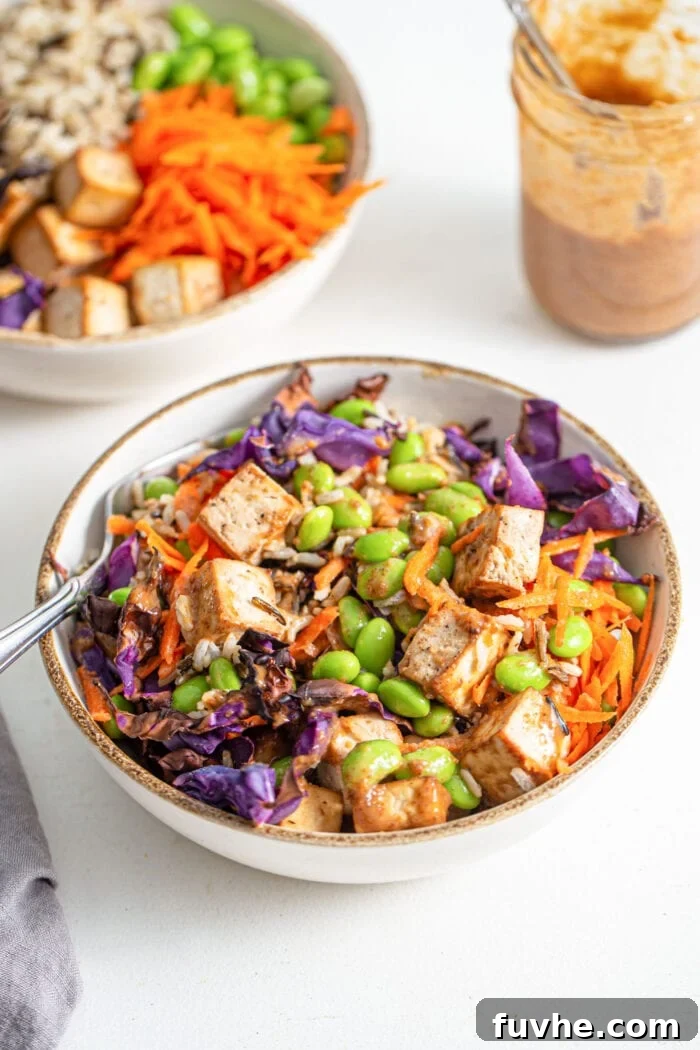
Effortless Macro Bowl: Thanks to proactive food prep, assembling a balanced macro bowl for lunch was quick and easy. Starting with a base of fluffy quinoa, it was then layered with massaged kale, tender roasted sweet potato, flavorful roasted Brussels sprouts, tangy sauerkraut for gut health, savory baked tofu, hearty kidney beans, a drizzle of tahini, a dash of hot sauce, and seasoned with salt, pepper, and a squeeze of fresh lemon. This adaptable concept encourages you to mix and match your preferred grains, legumes, and vegetables to create your own unique and nourishing macro bowls. For more inspiring bowl ideas, try my Vegan BBQ Tofu Bowls, Roasted Potato Avocado Buddha Bowls, Vegan Sweet Potato Tofu Bowls, or the ever-popular Brown Rice Burrito Bowl.
Snack
Vibrant Blueberry Pineapple Smoothie Bowl: A thick and creamy blend of 1 cup of frozen blueberries, 1 cup of frozen pineapple chunks, 1/2 a steamed and frozen sliced zucchini (adding nutrients without altering flavor), 1/2 a frozen banana for sweetness and creaminess, and 1 rib of celery. Enhanced with 1 scoop of plant-based protein powder and then artfully topped with creamy almond butter, crunchy walnuts, and a scattering of hemp seeds for extra healthy fats and protein.
Dinner
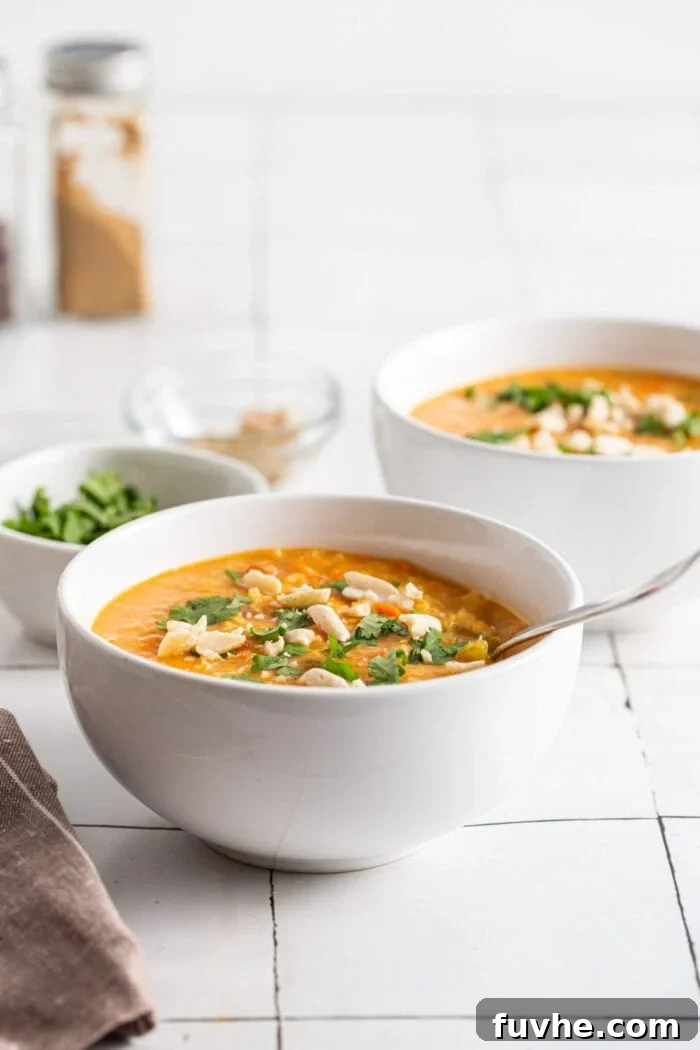
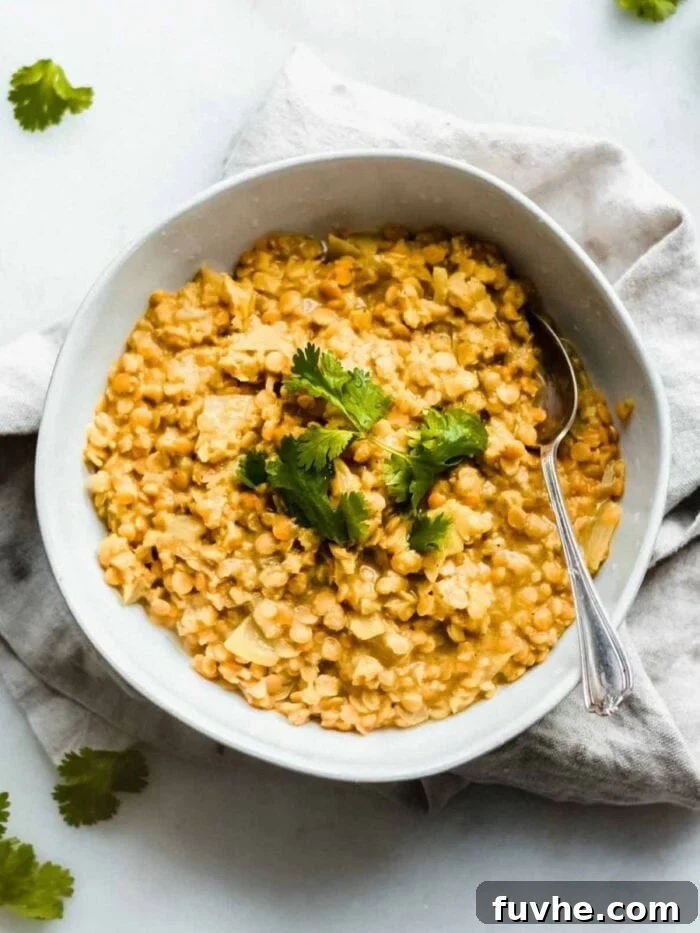
Comforting Coconut Red Lentil Dahl: A beloved staple and one of the most popular recipes on the blog. This rich and aromatic dish is frequently prepared in my kitchen, often augmented with extra kale, diced carrots, and diced zucchini for added vegetables. It’s typically served alongside a scoop of wholesome brown rice and a generous garnish of fresh cilantro. Find the full recipe here.
Other Supplements
- Magnesium for evening unwinding.
Other Drinks
- Warming Liquorice Spice Tea.
- Invigorating Green Tea.
- An Americano misto with creamy almond milk.
Plant-Based Eating: Simplicity and Versatility
I sincerely hope this 3-day meal plan provides a clear and inspiring pathway for constructing your own fulfilling plant-based days. The true beauty of this lifestyle lies in its inherent flexibility. A plant-based diet can be as elaborate or as refreshingly simple as you choose to make it. Some days might call for gourmet plant-based creations from intricate recipes, while others might be perfectly satisfied by tossing together leftover roasted vegetables, greens, and lentils into a nourishing bowl. There is no single “right” or “wrong” way; the key is consistent engagement with a wide array of whole, unprocessed plant foods. As long as your plate is diverse and colorful, you’re on the right track.
To further fuel your culinary imagination, I’ve curated additional meal ideas below. For an even broader perspective and more structured planning, don’t hesitate to explore my One-Week Vegan Meal Plan.
Inspiring Plant-Based Breakfast Ideas
Kickstart your day with energy and nutrients! For breakfast, think hearty oats, refreshing smoothies, crunchy granola, savory tofu scrambles, and versatile toast creations. Dive deeper into morning delights with my lists of healthy breakfast smoothies and easy, healthy vegan breakfast recipes.
- Dairy-Free Yogurt Parfaits: Layer your favorite non-dairy yogurt (such as varieties from Silk, So Delicious, or Yoso) with fresh berries, sliced banana, a sprinkle of nuts, and a handful of seeds for a quick and satisfying meal.
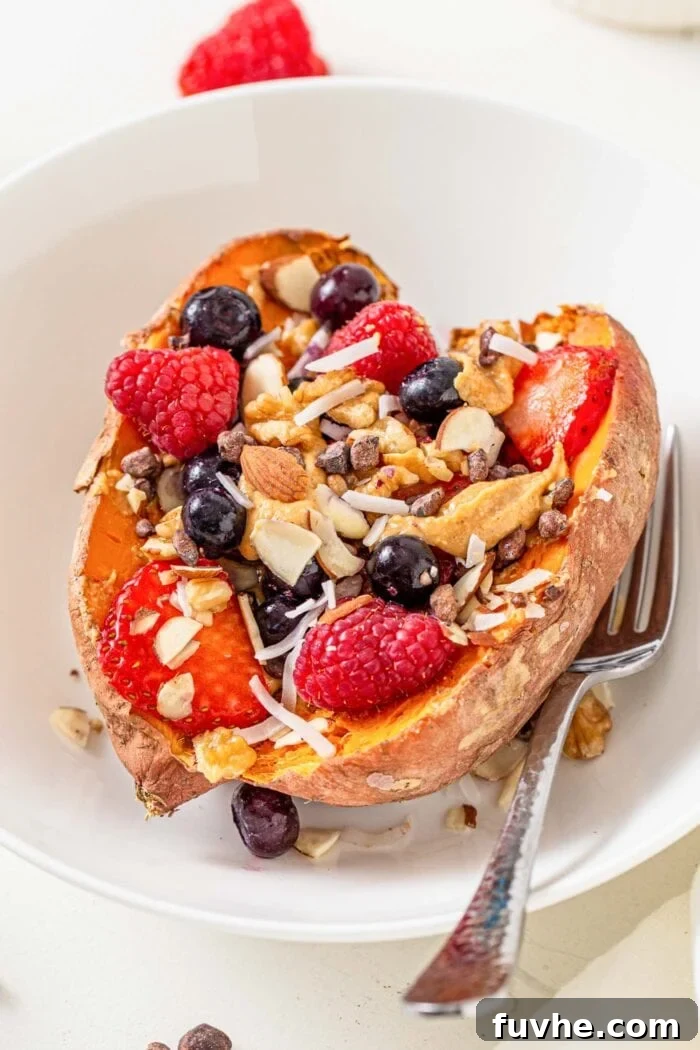
- Sweet Potato or Squash Breakfast Bowls: Mash cooked sweet potato or squash and create a delightful base. Top with ingredients like nuts, seeds, shredded coconut, a dollop of plant-based yogurt, creamy peanut butter, and granola for texture. Discover delicious combinations in my Sweet Potato Breakfast Bowls.
- Toast, Bagels, and English Muffins: Elevate your chosen bread with a spread of nut butter or tahini, then layer with fresh slices of apple or banana, and a sprinkle of seeds. If nut butters aren’t your preference, creamy avocado is a fantastic alternative. Enjoy it plain or combine with hummus and vibrant broccoli sprouts for added nutrition. Chickpea scrambles also make an excellent, protein-rich topping for toast.
- Easy Breakfast Wraps: Quickly assemble a nutritious wrap by rolling a tortilla with a flavorful chickpea or tofu scramble, cubes of roasted sweet potato, fresh spinach, and creamy avocado. For a more substantial option, add a plant-based sausage. Explore my recipes for Vegan Sweet Potato Breakfast Burritos, Healthy Vegan Breakfast Burritos, Vegan Black Bean Burritos with Red Rice, or the deconstructed Vegan Breakfast Burrito Bowl with Chipotle Sauce.
- Chia Pudding & Overnight Oats: These are ideal for meal prepping! Requiring just minutes to prepare the night before, they offer a convenient and nutritious grab-and-go breakfast. Try one of these chia seed pudding recipes, peanut butter chia pudding, brownie batter overnight oats, zucchini chocolate chip overnight oats or carrot cake overnight oats.
- Granola and Fruit: Store-bought granola can be a quick choice, but making your own is surprisingly simple and allows for customization. Try my peanut butter granola or Cinnamon Raisin Healthy Homemade Granola served with almond milk and fresh banana slices.
- Oatmeal and Porridge: A timeless and comforting choice. Beyond traditional oats, consider quinoa or brown rice for a different texture and nutritional profile. I often combine oats with chia seeds or flax and a scoop of protein powder for a more balanced meal. Top with a variety of nuts, seeds, fresh or dried fruit, nut butters, shredded coconut, or cacao nibs for flavor and added nutrients. Explore my recipes for peaches and cream oatmeal, peanut butter blueberry oatmeal, Golden Coconut Apple Oatmeal, or Peanut Butter Chocolate Oatmeal. Don’t forget the versatility of breakfast quinoa!
Delectable Plant-Based Lunch Ideas
Simplify your midday meal with creative and nourishing plant-based lunches. Think convenient leftovers, satisfying sandwiches and wraps, comforting soups, and vibrant salad bowls – all designed to keep you energized through the afternoon.
- Wholesome Sandwiches and Wraps: Rediscover the joy of a good sandwich! Fill your favorite whole-grain bread with vegan cheese, creamy avocado, crisp lettuce, ripe tomato, and cucumber. For a protein boost, try a flavorful vegan “tuna” salad made from chickpeas. Marinated baked tofu slabs or crispy tempeh slices also make excellent additions, especially with lettuce, tomato, and coconut bacon. For a lighter option, use large romaine lettuce leaves or collard greens as wraps for your favorite veggie fillings. Vegan mayo, avocado, and hummus are fantastic spreads to add moisture and flavor.
- Quick & Easy Salads: Streamline salad prep by using pre-washed packaged greens. Toss a few large handfuls into a bowl and top with a scoop of quinoa, protein-rich chickpeas, finely grated carrot, crunchy sunflower seeds, and a generous drizzle of tahini dressing. Explore more inspiring plant-based salad recipes here to keep things exciting.
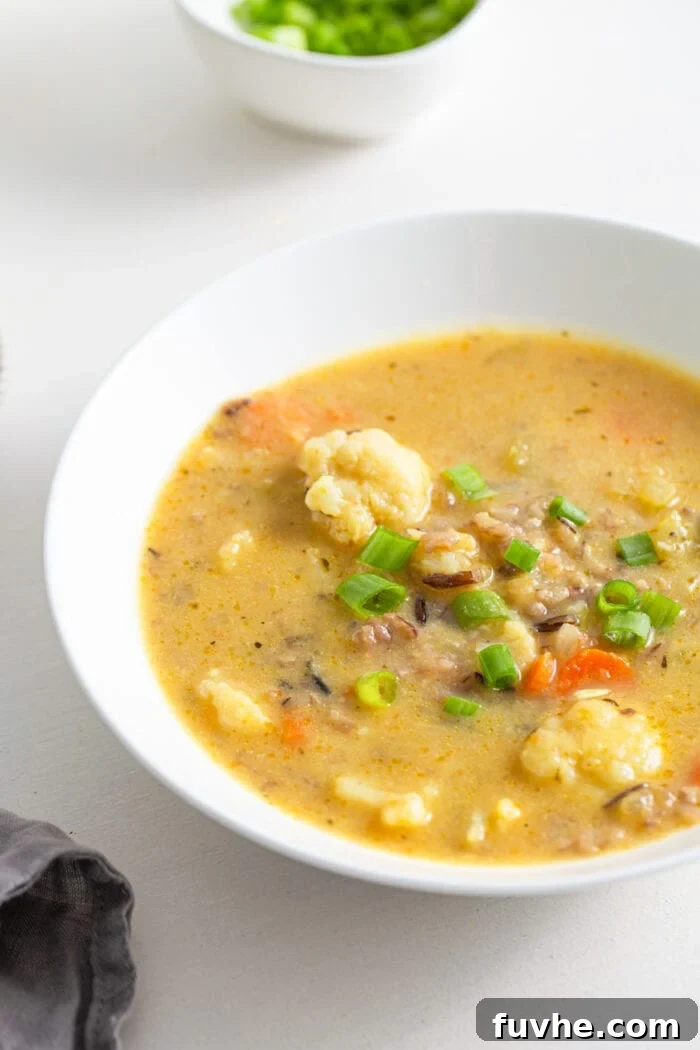
- Comforting Soups: Soups are a dream for easy lunches, especially when prepared in advance. My blog is brimming with delicious plant-based soup recipes perfect for batch cooking. Try my hearty Mulligatawny Soup, a fragrant Curried Lentil Soup, the rich Vegan Zuppa Toscana, or browse all my vegan soup recipes here.
Creative Plant-Based Dinner Ideas
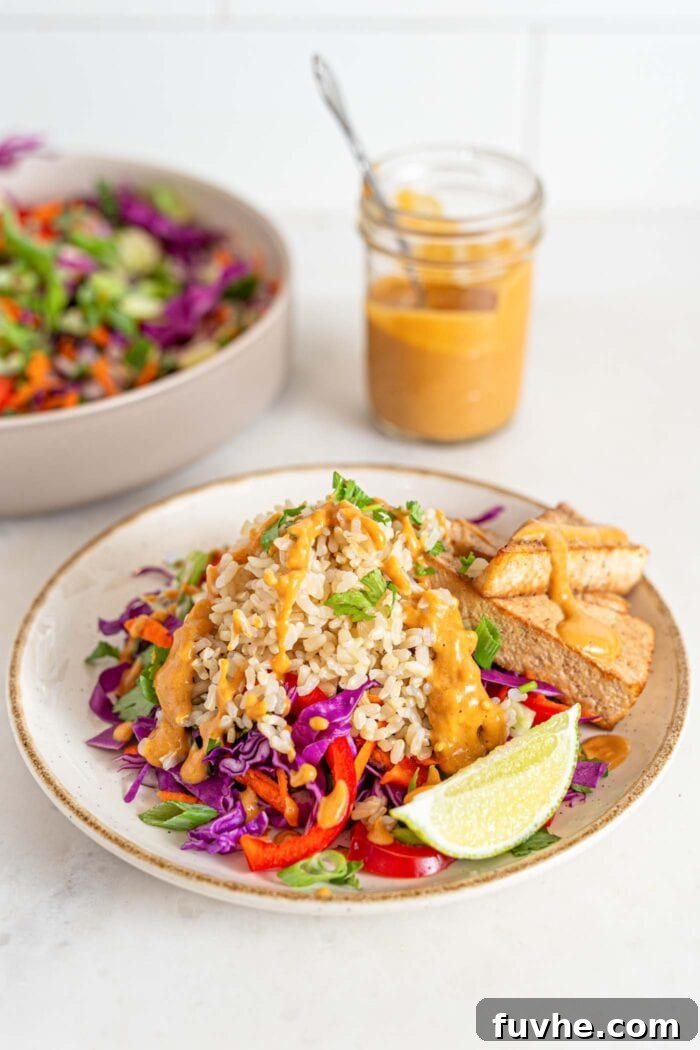
Dinner is where the plant-based possibilities truly shine, offering an exciting array of flavorful and satisfying options. From rich curries and comforting pasta dishes to savory burgers, vibrant tacos, and versatile noodle and rice bowls, you’ll never run out of delicious ideas.
- Tacos: Assemble effortless and delicious tacos with savory lentil “meat”, crisp lettuce, creamy avocado, and finely shredded carrot. For a different twist, try lentil tostadas!
- Homemade Pizza: Grab a store-bought pizza crust (or make your own!) and get creative. Layer it with robust tomato sauce, an abundance of fresh vegetables, and your favorite grated vegan cheese for a comforting classic.
- Aromatic Curries: Immerse yourself in the rich flavors of plant-based curries. Explore my cauliflower chickpea curry, a speedy quick chickpea curry, creamy panang curry, a vibrant easy green curry, or a fragrant Thai red curry.
- Hearty Burgers: Indulge in a satisfying plant-based burger. Try my much-loved chickpea veggie burger or the uniquely flavorful quinoa beet burgers.
- Vibrant Stir-Fry: You can never go wrong with a generously packed vegetable stir-fry! I often add firm tofu for extra protein and serve it over a bed of brown rice or quinoa. Excellent vegetables for stir-fries include bok choy, celery, broccoli florets, carrots, and crisp snap peas.
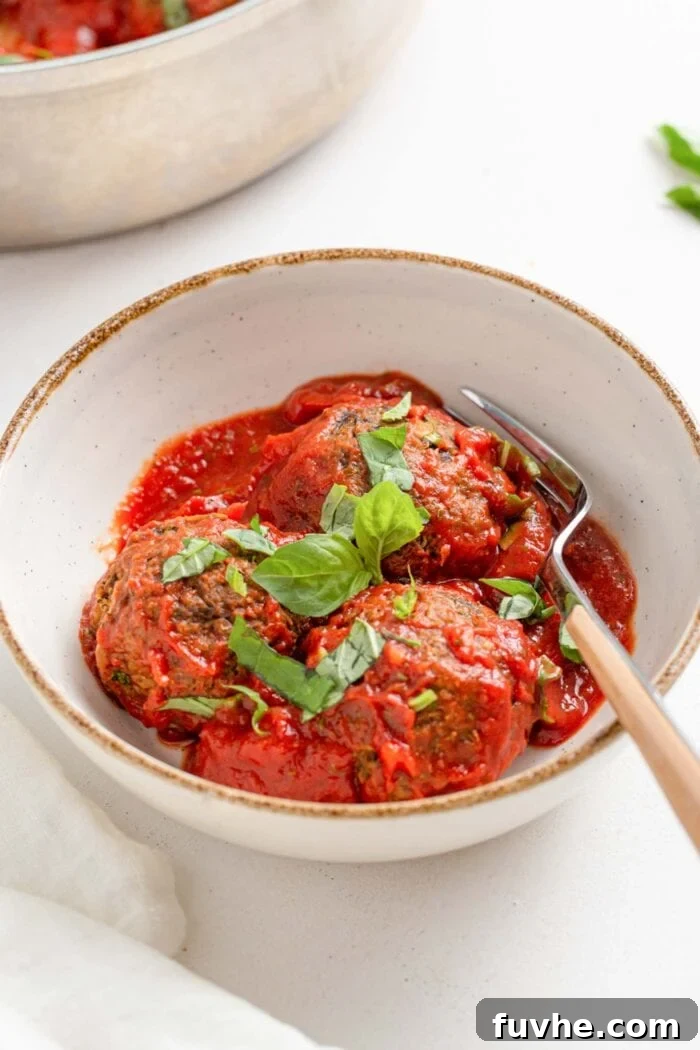
- Comforting Pasta Dishes: Pasta is the quintessential easy dinner. All you truly need is your favorite pasta and a delicious sauce. One of my go-to quick dinners is simply pasta tossed with store-bought marinara, a sprinkle of red pepper flakes, and nutritional yeast for a cheesy depth. For something a little different, savor this creamy pumpkin penne. You can also pair these delicious lentil meatballs with a rich vegan bolognese sauce.
- Innovative Salads: If you’ve explored my blog before, you know my passion for creating interesting and flavorful salads. There’s absolutely no need for salads to be dull! Browse all of my vegan salad recipes here for endless inspiration.
Mastering Plant-Based Meal Creation: The Macronutrient Balance
When crafting your plant-based meals, a mindful approach to combining the three essential macronutrients—fats, carbohydrates, and proteins—is paramount. This thoughtful balance is key to creating meals that are not only delicious but also highly satisfying, helping to prevent sharp spikes and drops in blood sugar and ensuring you feel fuller for longer. Understanding where each macronutrient comes from in the plant kingdom empowers you to build complete and nourishing plates.
Essential Healthy Fats
Healthy fats are crucial for hormone production, nutrient absorption, and sustained energy. In a plant-based diet, excellent sources include: nuts (almonds, walnuts, cashews), seeds (chia, flax, hemp, pumpkin), soy products, coconut (shredded, milk, oil in moderation), and creamy avocado. These fats contribute to satiety and add richness to your meals.
Complex Carbohydrates and Fiber
Carbohydrates are your body’s primary fuel source. Prioritize complex carbohydrates for sustained energy and a wealth of fiber. These come from: beans and lentils, starchy vegetables (sweet potatoes, potatoes, corn), whole grains (brown rice, quinoa, oats, barley), and whole-grain products like pasta and bread. Crucially, don’t overlook the importance of fiber. Fiber is vital for robust digestion and gut health, helps regulate blood sugar levels, supports healthy blood pressure, aids in cholesterol management, and much more. Aim for at least 25 grams of fiber per day, but consider this a minimum; strive to gradually increase your intake beyond this target. High-fiber foods are abundant in fruits, vegetables, legumes, and all whole grains.
Plant-Powered Protein Sources
Protein is essential for muscle repair, growth, and countless bodily functions. The plant kingdom offers an impressive array of protein-rich foods, including: hemp seeds, all varieties of beans and lentils, nuts, soy products like tofu, tempeh, and edamame, and whole grains. If needed, plant-based protein powders can serve as a convenient supplement. For a comprehensive guide to maximizing your protein intake, explore my post on the best vegan protein sources.

Simple and Satisfying Plant-Based Desserts
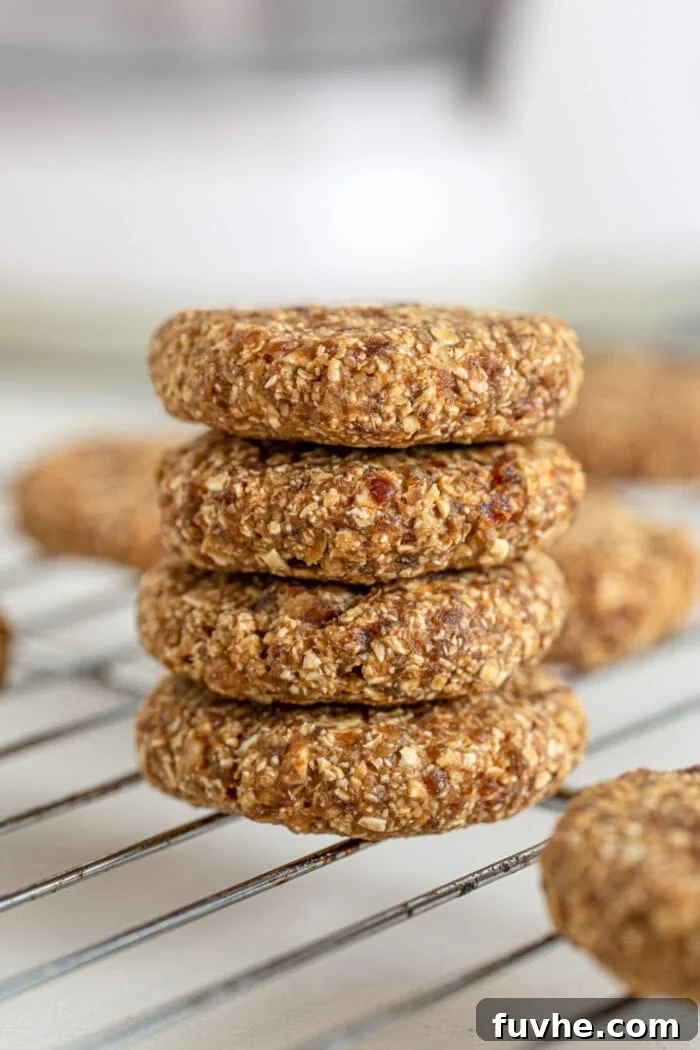
Embracing a plant-based diet doesn’t mean sacrificing dessert! There are countless ways to enjoy sweet treats that are both delicious and align with whole food principles. Some of my personal favorites include 3-ingredient oatmeal cookies, flourless peanut butter cookies, tahini date cookies, and no-bake peanut butter blondies. But dessert doesn’t always require a complex recipe; sometimes the simplest creations are the most delightful:
- Velvety Chocolate Avocado Pudding: Blend ripe avocado with a touch of maple syrup or dates and unsweetened cocoa powder for a surprisingly creamy and rich dessert packed with healthy fats.
- Warm Baked Apple with Cinnamon: Core and chop an apple, place it in an oven-safe dish, and bake with a generous sprinkle of cinnamon until soft and tender. Enjoy it as is, or elevate it with toppings like coconut butter, cacao nibs, or a swirl of almond butter. This method works wonderfully with pears too; try my cinnamon baked pears.
- Quick Raw Vegan Chocolates: Use the simple chocolate base from my vegan peanut butter cups recipe, then pour into silicone muffin cups to freeze into bite-sized treats, or spread on parchment paper to create an instant chocolate bar.
- Healthy Protein Cookie Dough: Blend cooked chickpeas with vanilla protein powder, a hint of maple syrup, creamy peanut butter, and a pinch of sea salt. For a lighter version, use powdered peanut butter and add a bit of water to reach your desired consistency.
- 2-Minute Cookie Dough Delight: Recreate the irresistible cookie dough topping from my tiramisu smoothie and enjoy it straight from the bowl, or crumble it over blended frozen banana “nice cream” or a scoop of non-dairy yogurt.
- Irresistible Stuffed Dates: My all-time favorite! Take a soft, plump Medjool date, remove the pit, and stuff it with creamy peanut butter, almond butter, tahini, or decadent coconut butter. For an extra treat, sneak in a nut, or better yet, coat them in melted vegan chocolate.
- Simple Banana Ice Cream (Nice Cream): All you need are frozen bananas! Blend them until smooth and creamy for a delicious, single-ingredient ice cream. From there, customize with cocoa powder for chocolate, strawberries for a berry swirl, or peanut butter for a nutty twist. Learn how to make banana ice cream.
These are just a handful of ideas to get you started on your plant-based dessert adventure. The possibilities are truly endless! You can explore all of my vegan dessert recipes here for even more inspiration.
Essential Resources for Your Plant-Based Journey
Before fully immersing yourself in the meal plan, I highly recommend exploring these supplementary resources. They are carefully curated to provide you with the foundational knowledge and confidence needed to embark on your plant-based diet with clarity and success. Specifically, I urge you to review my comprehensive vegan nutrition guide, resources for plant-based nutrition, practical tips for beginners, and a detailed guide on how to transition effectively.
Informative Plant-Based Eating Articles
- Healthy Eating on a Budget: Discover smart strategies for nutritious plant-based eating without breaking the bank.
- Beginner Tips for Eating a Plant-Based Diet: Essential advice to navigate your initial steps with ease and confidence.
- How to Transition to a Plant-Based Diet: A step-by-step guide for a smooth and sustainable shift.
- Vegan Nutrition Guide: Understand the key nutrients and how to meet your dietary needs on a plant-based diet.
- Best Vegan Protein Sources: Explore a diverse range of plant-based foods rich in protein.
- Vegan Options to Replace Dairy in Your Diet: Creative and delicious alternatives for common dairy products.
- Vegan Grocery List: Your indispensable shopping companion for a well-stocked plant-based pantry.
- Vegan Macro Cheat Sheet: A handy reference for balancing your macronutrients on a plant-based diet.
Recommended Plant-Based Nutrition Books
Empowering yourself with knowledge about plant-based nutrition is one of the most effective ways to ensure long-term success and commitment. These influential books offer profound insights and research-backed guidance:
- Whole: Rethinking the Science of Nutrition – By T. Colin Campbell. Delves into the scientific evidence supporting a whole food diet.
- The China Study: The Most Comprehensive Study of Nutrition Ever Conducted – By T. Colin Campbell and Thomas M. Campbell II. A groundbreaking exploration of the link between diet and disease.
- How Not to Die – By Michael Greger, M.D., FACLM. A compelling guide to the foods scientifically proven to prevent and reverse disease.
- Becoming Vegan: The Everyday Guide to Plant-Based Nutrition – By Brenda Davis R.D. and Vesanto Melina M.S., R.D. A practical and scientific guide to thriving on a vegan diet.
- Eat to Live: The Amazing Nutrient-Rich Program for Fast and Sustained Weight Loss – By Joel Fuhrman, M.D. Focuses on nutrient density for optimal health and weight management.
- Plant Strong: Discover the World’s Healthiest Diet – By Rip Esselstyn. Insights from a firefighter on the power of plants for health and performance.
- Program for Reversing Diabetes – By Neal Barnard, M.D. A scientific approach to managing and reversing type 2 diabetes through diet.
Join Our Thriving Plant-Based Community!
Now that you have a comprehensive understanding and a tangible 3-day meal plan to guide your plant-based journey, the next step is to connect with a supportive community. Sharing experiences, asking questions, and finding ongoing inspiration are invaluable for long-term success. Come over and join my FREE closed Facebook group, where you’ll find like-minded individuals, encouragement, and a wealth of additional ideas. Click here to become a part of our community!