
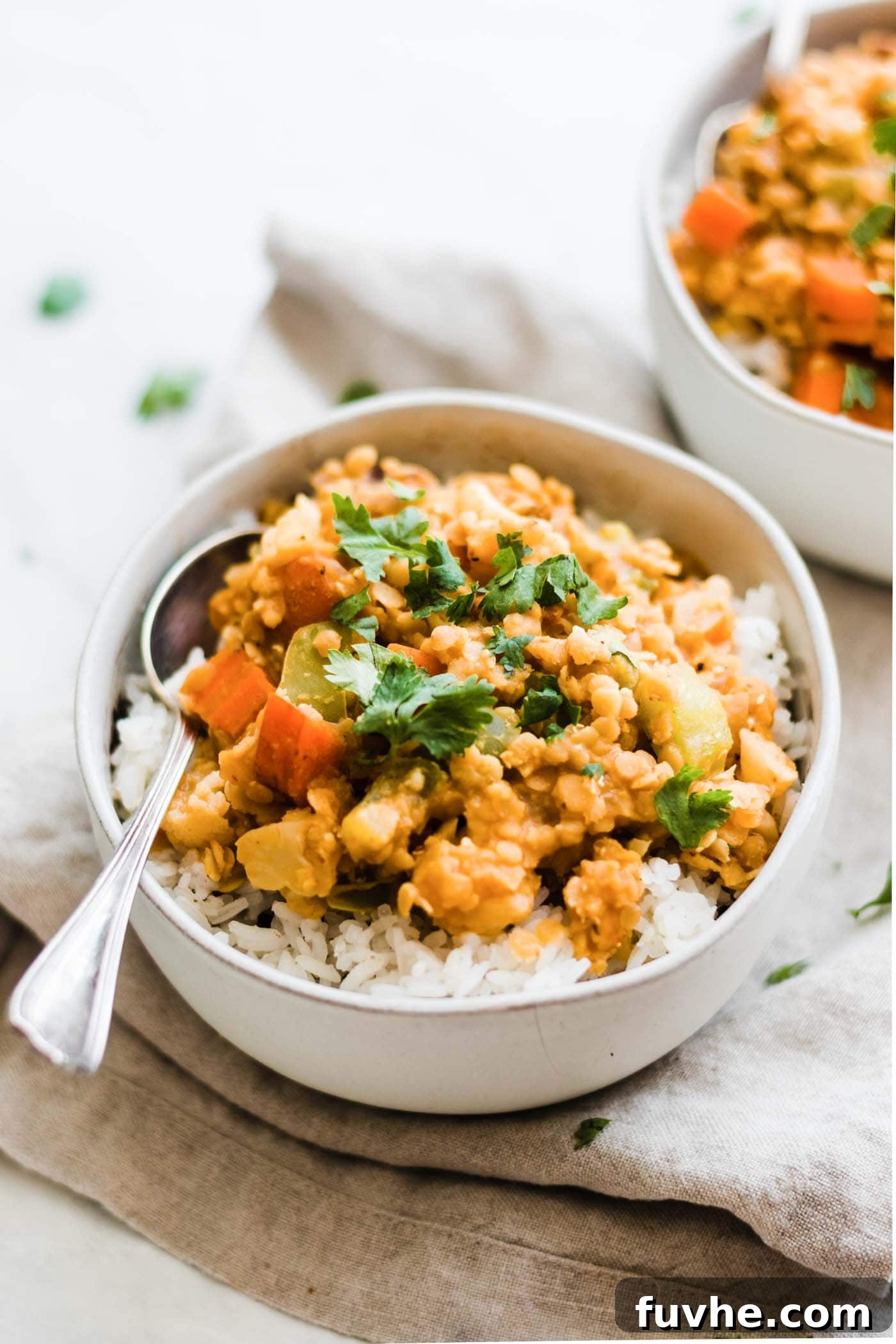
Discover the ultimate comfort food with these exquisite Thai red curry lentils, a culinary masterpiece that delivers robust flavors in a convenient 30-minute, one-pot meal. This recipe masterfully blends tender red lentils, nutrient-rich cauliflower, and sweet carrots into a sumptuously creamy red curry sauce, promising an effortless yet incredibly satisfying dining experience. Perfect for busy weeknights or relaxed weekends, this dish is not only easy to prepare but also a feast for the senses, bringing the vibrant tastes of Thai cuisine directly to your kitchen table. Embrace the simplicity and rich depth of this plant-based delight that will quickly become a cherished staple in your meal rotation.
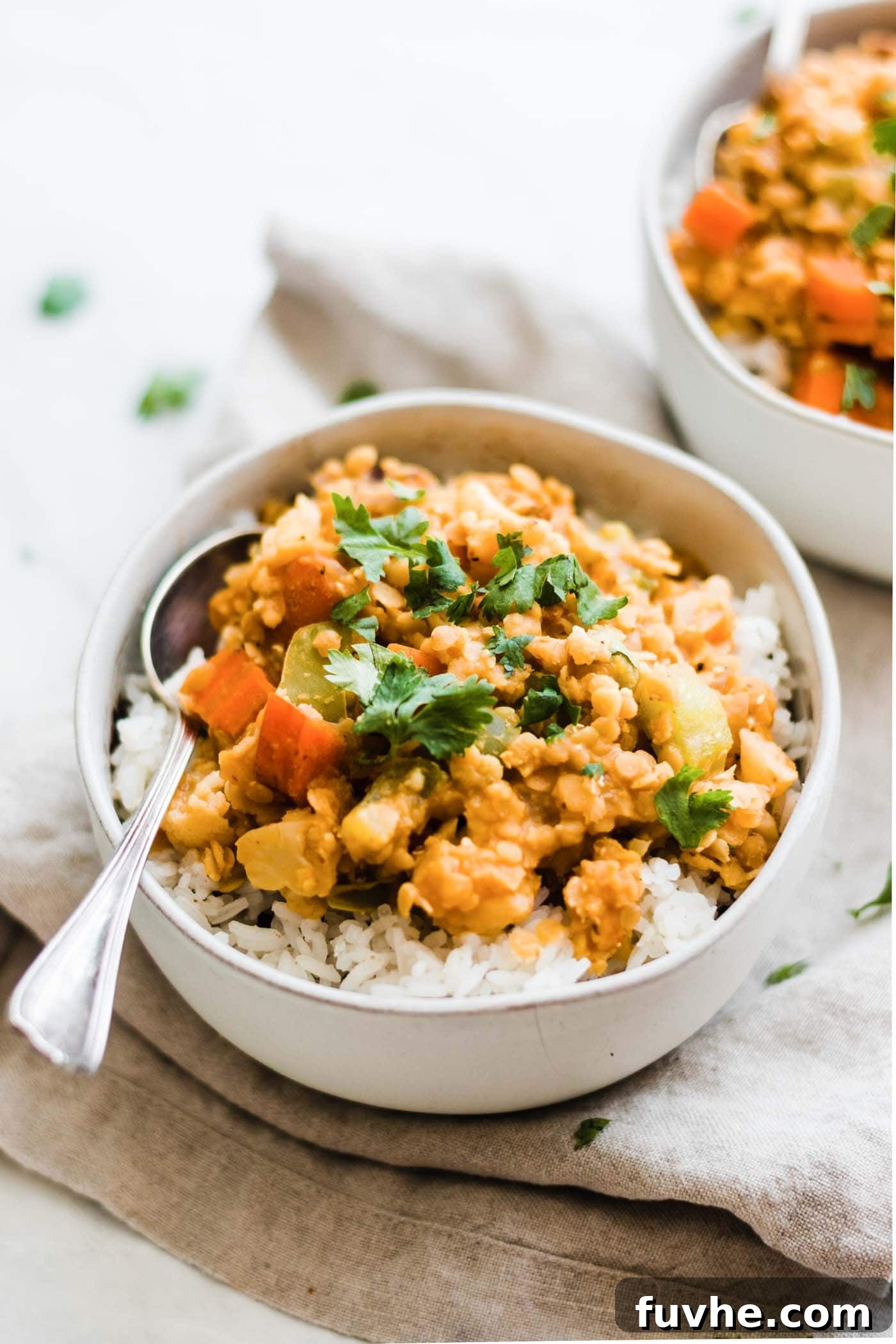
About This Flavorful Thai Red Curry Lentil Recipe
Curry dishes hold a special place in my heart, and this Thai Red Curry Lentil recipe exemplifies why. They are incredibly flavorful, deeply comforting, and remarkably versatile, allowing for endless customization to suit any palate or dietary preference. My particular fondness for red lentils stems from their incredible speed of cooking and their remarkable ability to absorb and enhance any flavors they are paired with, making them an ideal base for a quick yet impactful meal.
While my popular Coconut Red Lentil Dahl offers a delicious Indian-inspired take on lentils, this Thai-style rendition brings a distinct aromatic profile and creamy texture that sets it apart. Here’s why this version of curried lentils stands out as a must-try:
- Plant-Based and Adaptable: This recipe is naturally vegan, and can be easily adapted to be gluten-free by using tamari instead of soy sauce, and oil-free by sautéing vegetables in water or vegetable broth.
- Effortless One-Pot Cooking: Designed for convenience, the entire dish comes together in a single pot, significantly reducing cleanup time and making it perfect for busy individuals.
- Nutritional Powerhouse: Packed with plant-based protein and dietary fiber from the lentils and fresh vegetables, it’s a wonderfully wholesome meal that supports a balanced diet.
- Versatile Serving Options: Enjoy it traditionally over fluffy rice or quinoa, or savor it on its own as a hearty, warming soup or stew. Its adaptability means it pairs beautifully with a variety of grains.
- Customizable with Your Favorite Vegetables: Feel free to load it up with an abundance of your preferred vegetables, transforming it into a personalized culinary creation every time.
- Excellent for Meal Prep: This dish is a fantastic candidate for meal prepping. Its flavors meld and deepen over time, making leftovers even more delicious. It also freezes beautifully for future meals.
If you find yourself with extra red curry paste, don’t let it go to waste! Explore other delightful recipes such as this hearty Red Lentil Cauliflower Curry, a vibrant Thai Red Curry Vegetables, a comforting bowl of Red Curry Noodles, or a rich Butternut Squash Curry for more Thai-inspired goodness.
Key Ingredients for Authentic Thai Red Curry Lentils
Creating a truly exceptional Thai red curry lentil dish starts with selecting the right ingredients. Each component plays a vital role in building the layers of complex flavor that make this dish so irresistible. Here’s a closer look at the essential ingredients and tips for choosing them:
- Cooking Oil: Start with a high-quality coconut or olive oil to sauté your aromatics. Coconut oil imparts a subtle sweetness and a hint of tropical flavor that complements Thai cuisine beautifully, while olive oil offers a neutral base. For an oil-free option, simply use a splash of vegetable broth or water to prevent sticking during sautéing.
- Fresh Ginger: The pungent and zesty notes of fresh ginger are crucial for a truly authentic flavor profile. While fresh is always best, if you’re short on time, 1 teaspoon of ground ginger can be used as a substitute, though the flavor will be less vibrant.
- Red Curry Paste: The heart of this dish! Choosing your favorite brand of red curry paste is key, but be vigilant when aiming for a vegan recipe, as many commercial brands contain shrimp paste, anchovy, or fish sauce. Always check labels carefully for vegan certification. A good quality paste delivers a complex blend of chili, lemongrass, galangal, and kaffir lime, providing the signature Thai curry flavor. If you have extra paste, it’s perfect for enhancing dishes like my Cauliflower Red Lentil Curry or Cauliflower Chickpea Curry.
- Coconut Milk: This ingredient is essential for achieving the creamy, rich texture of the curry. You can opt for light coconut milk for a lighter dish or full-fat coconut milk for a more indulgent, thicker, and creamier result. Be sure to use unsweetened coconut milk to control the overall sweetness of the dish.
- Vegetable Broth: The quality of your vegetable broth significantly impacts the depth of flavor. Whether you choose store-bought or homemade, or even bouillon cubes or powder dissolved in water, a good quality broth will elevate the final taste of your curry. Seek out low-sodium options to better control the seasoning.
- Coconut Sugar: A touch of sweetness helps to balance the savory, spicy, and tangy elements of Thai curry. Coconut sugar offers a caramel-like depth, but pure maple syrup or raw cane sugar are excellent alternatives. Feel free to adjust the amount to your personal preference or omit it entirely for a sugar-free meal.
- Tamari or Soy Sauce: These provide a crucial salty, umami depth that perfectly complements the curry spices. For those requiring a gluten-free dish, be sure to use tamari, which is a gluten-free alternative to traditional soy sauce.
- Red Lentils: These quick-cooking legumes are the star of the show, providing a hearty and nutritious base. While green or brown lentils can be used, red lentils cook faster and break down more easily, contributing to the creamy texture of the curry. If substituting with other lentil varieties, note that they will require a longer cooking time and potentially more cooking liquid.
- Cauliflower: Adds a delightful texture and absorbs the rich curry flavors beautifully. Chop into bite-sized florets for even cooking.
- Carrots: Lending natural sweetness and vibrant color, carrots soften to a tender bite, enhancing the overall texture and nutritional value.
- Green Pepper: Offers a fresh, slightly crisp contrast and a boost of vitamin C. Feel free to use red or yellow bell peppers for a sweeter profile.
Please note that this list provides a detailed overview of the core ingredients. For the complete ingredient list with precise measurements and detailed step-by-step instructions, please refer to the comprehensive recipe card located at the conclusion of this post.
Serving Suggestions & Creative Variations
This Thai Red Curry Lentil dish is wonderfully versatile, offering numerous ways to serve and customize it to your liking. Enhance your culinary experience with these delightful serving suggestions and creative variations:
- Exquisite Garnishes: Elevate the presentation and flavor with a sprinkle of freshly chopped cilantro, aromatic Thai basil leaves, or a refreshing squeeze of lime wedges. These fresh herbs and citrus notes provide a bright contrast to the rich curry. You might also consider toasted coconut flakes or a drizzle of sriracha for extra flair.
- Perfect Pairings: Serve this hearty lentil curry over a bed of fluffy basmati rice, nutty brown rice, protein-rich quinoa, or any other preferred grain. For a lower-carb option, cauliflower rice makes an excellent substitute that still soaks up all the delicious sauce.
- Amplify Your Veggies: This curry is a fantastic canvas for additional vegetables. Incorporate some of your favorites such as tender broccoli florets, vibrant spinach (stirred in at the very end until wilted), diced zucchini, sliced mushrooms, sweet bell peppers, or even green beans. Experiment with seasonal produce for fresh twists.
- Boost Your Protein: For an even more substantial meal, consider adding a can of rinsed and drained chickpeas, which blend seamlessly with the lentils, or cubes of pan-fried or baked extra firm tofu for a firmer texture. Tempeh or seitan could also be wonderful additions for a heartier plant-based protein boost.
- Curry Paste Alternatives: Don’t limit yourself to red curry! Feel free to switch up the flavor profile entirely by preparing this recipe with green curry paste for a spicier, more herbaceous kick, or yellow curry paste for a milder, earthier flavor. Remember to check all curry pastes for vegan suitability.
- Spice Level Adjustment: For those who love a bit more heat, stir in a pinch of red chili flakes or a dash of cayenne pepper during the cooking process. Alternatively, for a milder dish, use less curry paste initially and add more to taste.
Step-by-Step Instructions: Crafting Your Red Curry Lentils
Preparation is key for a smooth cooking process! Before you begin, take a moment to chop all your vegetables—onions, garlic, ginger, carrots, green pepper, and cauliflower—so they are ready to be added to the pot. Gather your red lentils, red curry paste, coconut milk, broth, and all other ingredients within easy reach. This “mise en place” will ensure a stress-free and enjoyable cooking experience.
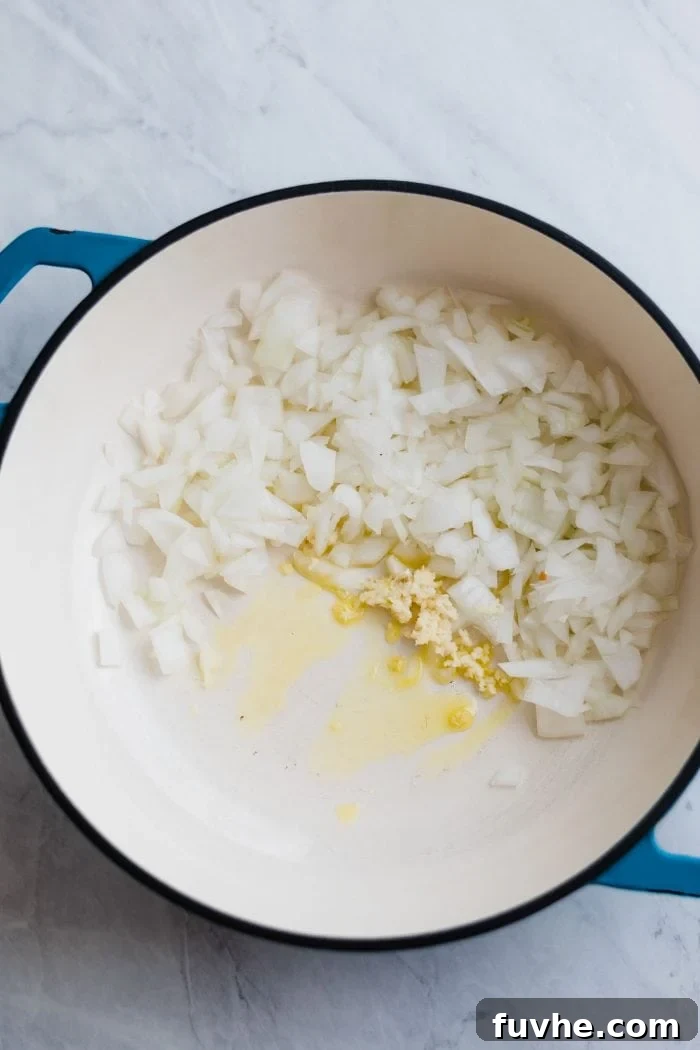
Step 1: Sauté the Aromatics. In a large pot or Dutch oven, heat 1 tablespoon of olive or coconut oil (or a splash of water/broth for oil-free cooking) over medium heat. Add the chopped onions, minced garlic, and minced ginger. Sauté, stirring frequently, for about 5 minutes until the onions become translucent and the aromatics release their fragrant aroma. Be careful not to burn the garlic.
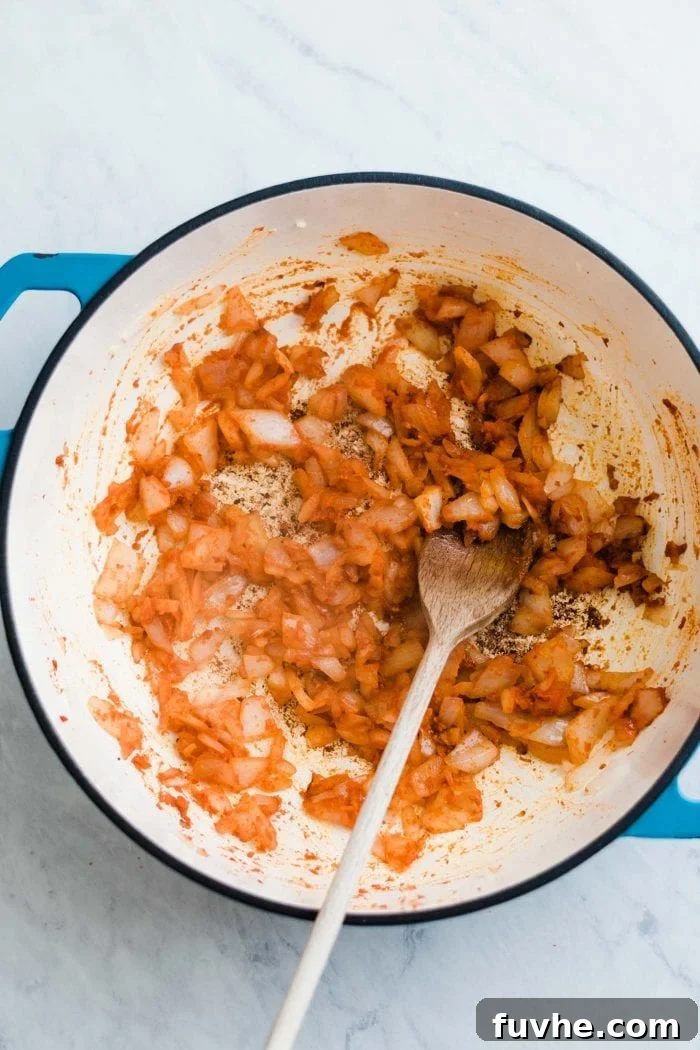
Step 2: Incorporate the Curry Paste. Once the onions have softened and are just starting to brown, add the red curry paste to the pot. Stir it well into the sautéed aromatics, allowing it to cook for an additional 2 minutes. This step helps to toast the spices in the paste, intensifying their flavors and creating a richer, more complex base for your curry. Keep stirring to prevent the paste from sticking.
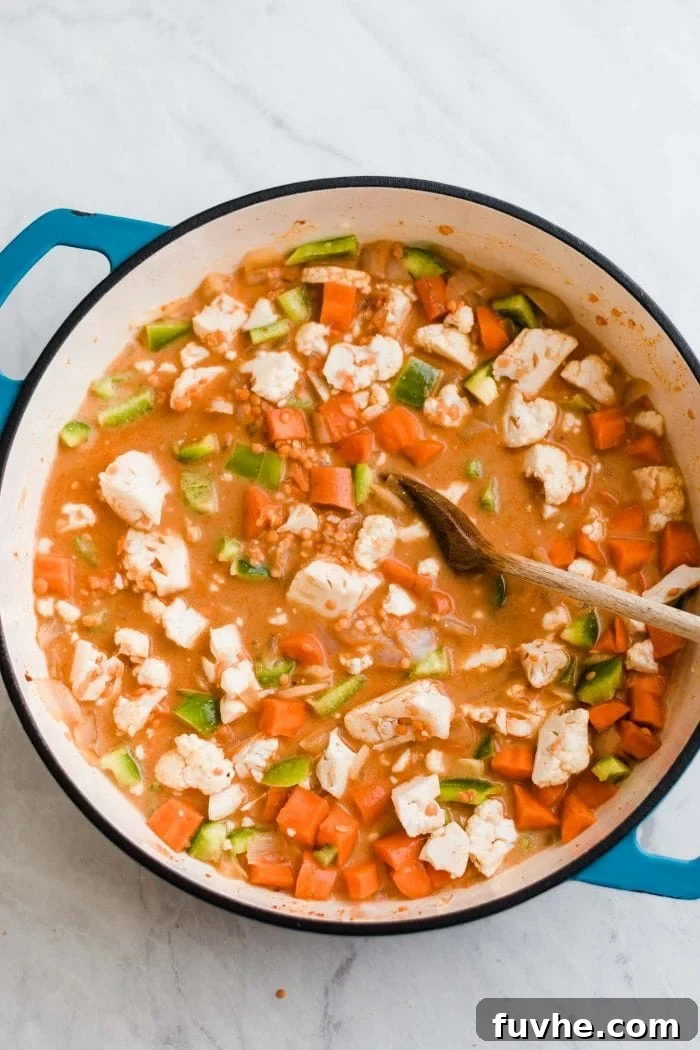
Step 3: Simmer to Perfection. Now, add the remaining ingredients: the coconut milk, vegetable broth, coconut sugar, tamari (or soy sauce), rinsed red lentils, chopped carrots, green pepper, and cauliflower. Stir everything thoroughly to combine. Bring the mixture to a gentle simmer, then reduce the heat to low, cover the pot, and let it cook for approximately 17-20 minutes. Stir occasionally to ensure even cooking and prevent sticking. The curry is ready when the lentils are tender and creamy, and the vegetables are soft. If the sauce becomes too thick during cooking, simply add a quarter to a half cup of extra water or vegetable broth to achieve your desired consistency.
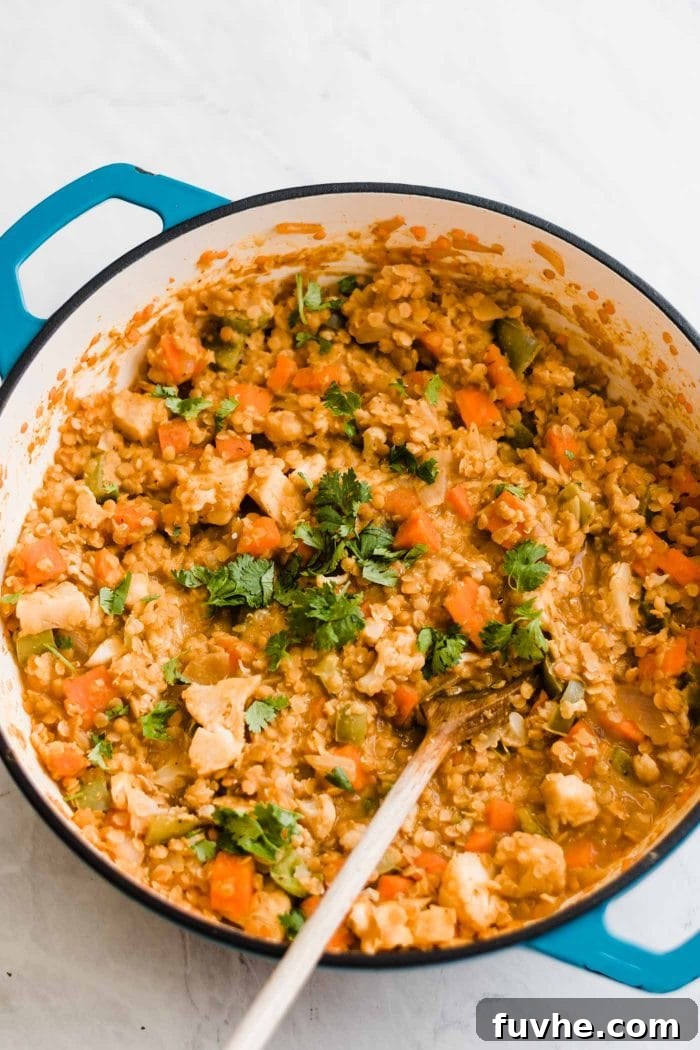
Step 4: Serve and Enjoy! That’s all there is to it! Once the curry reaches its perfect texture and the flavors have melded beautifully, it’s ready to be served. Ladle generous portions into bowls. Enjoy it on its own for a wholesome, comforting meal, or serve it over a bed of fluffy rice or quinoa. Don’t forget to garnish with fresh lime wedges and a sprinkle of fresh cilantro or Thai basil for an authentic finish and an extra burst of freshness. Dig in and savor the rich, aromatic goodness!
Frequently Asked Questions (FAQs)
Here are some common questions about making and enjoying Thai Red Curry Lentils:
- Can I use other types of lentils in this recipe? While red lentils are recommended for their quick cooking time and creamy texture, you can use green or brown lentils. Be aware that they will take longer to cook (typically 25-35 minutes) and may require additional liquid to reach the desired consistency. The final texture will also be firmer.
- How can I adjust the spice level of the curry? The spice level primarily comes from the red curry paste. For a milder curry, start with 2 tablespoons of paste and add more to taste. For extra heat, incorporate 1/2 teaspoon of cayenne pepper or red chili flakes along with the curry paste. A dash of sriracha at serving time can also provide a quick heat boost.
- What if my curry is too thick or too thin? The thickness of your curry largely depends on the type of coconut milk used (light vs. full-fat) and how long it simmers. If your curry is too thick, simply stir in 1/4 to 1/2 cup of extra vegetable broth or water until it reaches your desired consistency. If it’s too thin, you can let it simmer uncovered for a few more minutes to allow it to reduce and thicken, or you can stir in 1-2 tablespoons of cornstarch slurry (cornstarch mixed with an equal amount of cold water) and simmer until thickened.
- Is this recipe suitable for freezing? Absolutely! This Thai Red Curry Lentil recipe freezes exceptionally well, making it perfect for meal prep. Allow the curry to cool completely before transferring it to freezer-safe bags or airtight containers. It can be frozen for up to 3 months. Thaw overnight in the refrigerator before reheating on the stovetop over medium heat until warmed through.
- Can I make this recipe completely oil-free? Yes, you can! Instead of using cooking oil to sauté the onions, garlic, and ginger, simply use a small amount of vegetable broth or water. Add a tablespoon at a time as needed to prevent sticking and ensure the aromatics soften properly.

Expert Recipe Tips for Perfect Thai Red Curry Lentils
Achieving the perfect Thai Red Curry Lentils is easy with these helpful tips and tricks:
- Adjusting Cooking Time: The cooking time for lentils can vary depending on the type of pot you use, the heat of your stovetop, and the age of your lentils. While red lentils typically cook in about 15-20 minutes, always test them for tenderness. Adjust cooking time as needed, adding more liquid if the curry becomes too dry before the lentils are fully cooked.
- Customizing Spice Levels: Thai red curry paste comes in various heat levels. Always taste a tiny bit of your chosen paste if unsure. For more control, start with a smaller amount (e.g., 2 tablespoons) and gradually add more until you reach your desired level of spice. You can also add a pinch of red chili flakes or a dash of hot sauce at the end for an extra kick.
- Enhancing Heat: If you enjoy a fiery kick, incorporate 1/2 teaspoon of cayenne pepper or a few dashes of red chili flakes along with the curry paste. For an authentic Thai heat, consider adding a few finely sliced bird’s eye chilies (fresh or dried) during the sautéing process.
- Controlling Sauce Thickness: The creaminess and thickness of your sauce will largely depend on the fat content of your coconut milk. For a luxuriously thick and creamy sauce, opt for good quality full-fat coconut milk. If you prefer a lighter, thinner sauce, light coconut milk is ideal – just ensure it’s unsweetened to maintain flavor balance. If it’s still too thin, a quick cornstarch slurry can thicken it.
- Sweetness Adjustment: The sugar in this recipe helps to balance the complex flavors of the curry. However, if you prefer a sugar-free dish, you can completely omit the coconut sugar without compromising the integrity of the meal. Taste and adjust other seasonings if removing sugar.
- Freshness is Key for Aromatics: Whenever possible, use fresh ginger and garlic. Their vibrant flavors make a significant difference compared to dried or pre-minced versions.
- Rinse Lentils Thoroughly: Always rinse your red lentils under cold water before cooking. This removes any dust or debris and can help prevent excess foam during simmering.
Storing Your Thai Red Curry Lentils
One of the best qualities of this Thai Red Curry Lentil recipe is how well it stores, making it an ideal candidate for meal prepping. The flavors often deepen and become even more harmonious after a day or two, providing a delicious and convenient meal option for later.
- Storing in the Fridge: Once your red lentil curry has cooled completely to room temperature, transfer it to an airtight container. It can be safely stored in the refrigerator for up to 5 days. When you’re ready to enjoy it again, simply reheat it on the stovetop over medium heat in a saucepan, stirring occasionally until it’s warmed through. You may need to add a splash of water or vegetable broth to loosen the consistency if it has thickened in the fridge.
- Freezing for Longer Storage: This curry is also freezer-friendly, allowing you to prepare larger batches and save time on future meals. After the lentil curry has fully cooled, pour it into freezer-safe bags (laying them flat to save space) or airtight containers. It can be frozen for up to 3 months without significant loss of quality. To serve, let it thaw completely in the fridge overnight. Once thawed, reheat it gently on the stovetop, adjusting the consistency with a little extra liquid if needed.
Explore More Delicious Curry Recipes
If you loved the flavors and simplicity of this Thai Red Curry Lentils recipe, you’ll be thrilled to discover more heartwarming and delicious curry creations. Curries are a fantastic way to enjoy a wide array of vegetables and legumes, packed with incredible spices. Broaden your culinary horizons with these other fantastic curry recipes:
- Easy Vegetable Green Curry
- Sweet Potato Lentil Curry
- Vegetable Korma
- Easy Vegetable Curry with Tofu
- Thai Red Curry Vegetables with Tofu
Red Curry Lentils Recipe Card

Rating: 4.92 from 12 votes
Author: Deryn Macey
These warm and hearty, red curry lentils are easy to make in one pot and full of delicious Thai-inspired flavor. This recipe is perfect for meal prep as the flavors only improve with time.
Prep Time: 5 mins
Cook Time: 25 mins
Total Time: 30 mins
Servings: 6
Ingredients
- 2 tbsp olive or coconut oil, or water or broth for oil-free
- 1/2 large white onion, diced
- 3 cloves garlic, minced
- 1/2 tbsp fresh ginger, minced
- 3 tbsp red curry paste (ensure vegan)
- 1 14 oz can light or full-fat coconut milk
- 1.5 cups vegetable broth
- 1 tbsp coconut sugar, sub pure maple syrup or raw cane sugar
- 3 tbsp gluten-free tamari or soy sauce (use tamari for GF)
- 2 cups uncooked red lentils, rinsed
- 3 carrots, chopped (approx. 1.5 cups)
- 1 green pepper, diced (approx. 1 cup)
- 1/2 a medium-sized head of cauliflower, chopped (approx. 2-3 cups)
- Squeeze of fresh lime juice, optional, for serving
- Optional: 1/4-1/2 cup water or vegetable broth, add as needed to adjust thickness
- Optional: cooked brown or basmati rice or quinoa, for serving
Instructions
- Heat the oil (or water/broth) in a large pot or Dutch oven over medium heat.
- Add the diced onion, minced garlic, and minced ginger. Cook for about 5 minutes, stirring often, until softened and fragrant. If cooking oil-free, add a splash of water or broth if the pan starts to dry out.
- Stir in the red curry paste and cook for an additional 2 minutes, stirring frequently to toast the spices.
- Add the coconut milk, vegetable broth, coconut sugar, tamari (or soy sauce), rinsed red lentils, chopped carrots, green pepper, and cauliflower to the pot. Stir to combine all ingredients thoroughly.
- Bring the mixture to a light simmer. Reduce the heat to low, cover the pot, and let it cook for approximately 17-20 minutes, stirring occasionally, until the lentils are tender and creamy, and the vegetables are soft. If the curry becomes too thick, add a little additional water or vegetable broth to adjust the consistency.
- Serve hot, either on its own or over a bed of cooked brown rice, basmati rice, or quinoa. Garnish with a squeeze of fresh lime juice and fresh cilantro or Thai basil for an extra burst of flavor.
Notes
To store, allow the curry to cool completely. Then, transfer it to an airtight container and refrigerate for up to 5 days, or freeze for up to 3 months. Thaw frozen curry in the fridge overnight before reheating gently on the stovetop.
Nutrition (per 1/6th recipe serving)
- Serving: 1/6th recipe
- Calories: 369 kcal
- Carbohydrates: 55 g
- Protein: 19 g
- Fat: 10 g
- Fiber: 10 g
Enjoyed this recipe? Please consider rating and commenting below!
This recipe was originally published August 13, 2014, and has been updated for enhanced clarity and detail.