
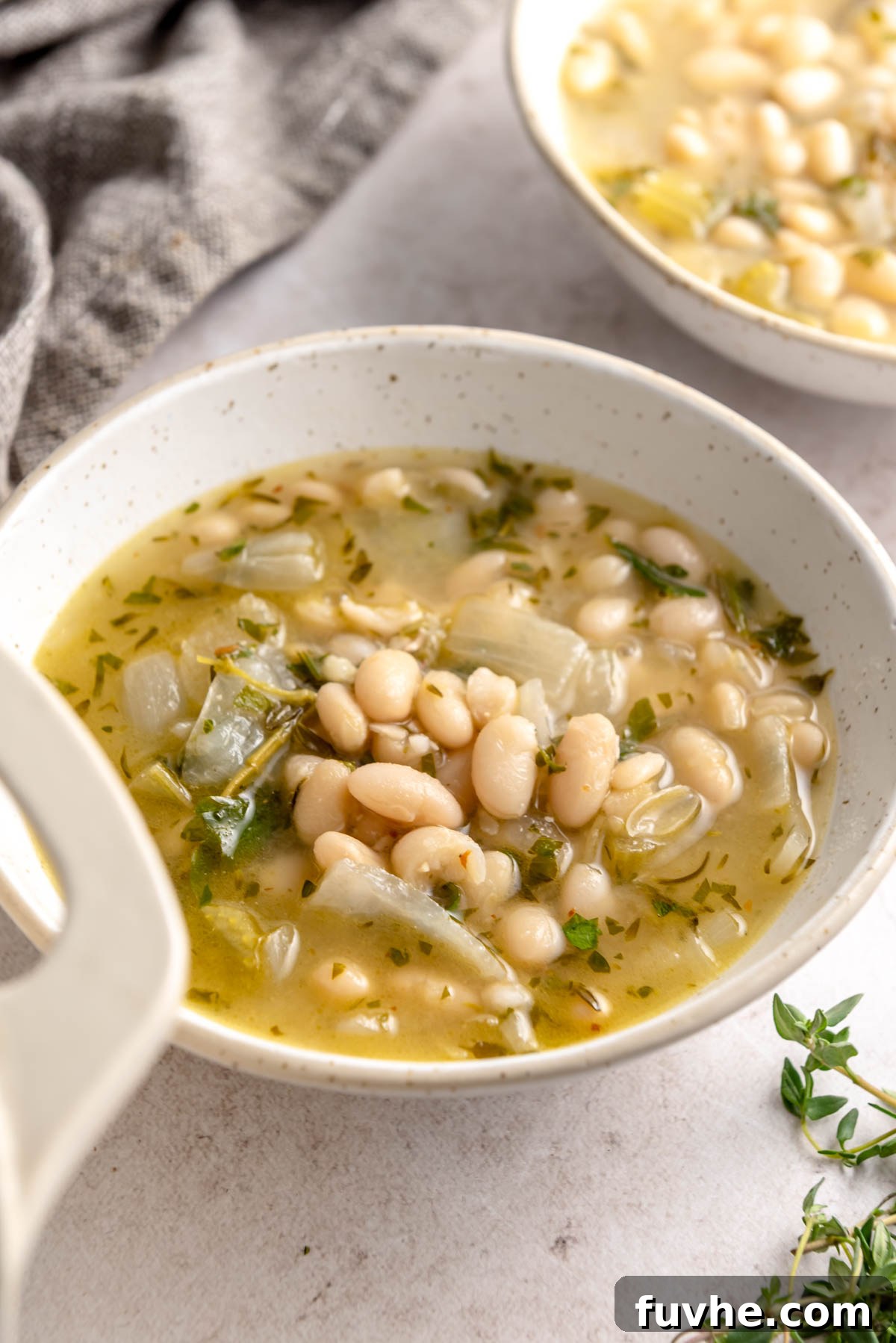
This Wholesome Brothy Beans recipe offers the ultimate comforting experience, combining simplicity, profound nourishment, and incredible flavor in a single pot. It’s the perfect antidote to chilly evenings or whenever you’re yearning for a deeply satisfying bowl of warmth. This versatile and easy-to-make dish is destined to become a beloved cornerstone in your culinary repertoire, celebrated for its rich taste and straightforward preparation.
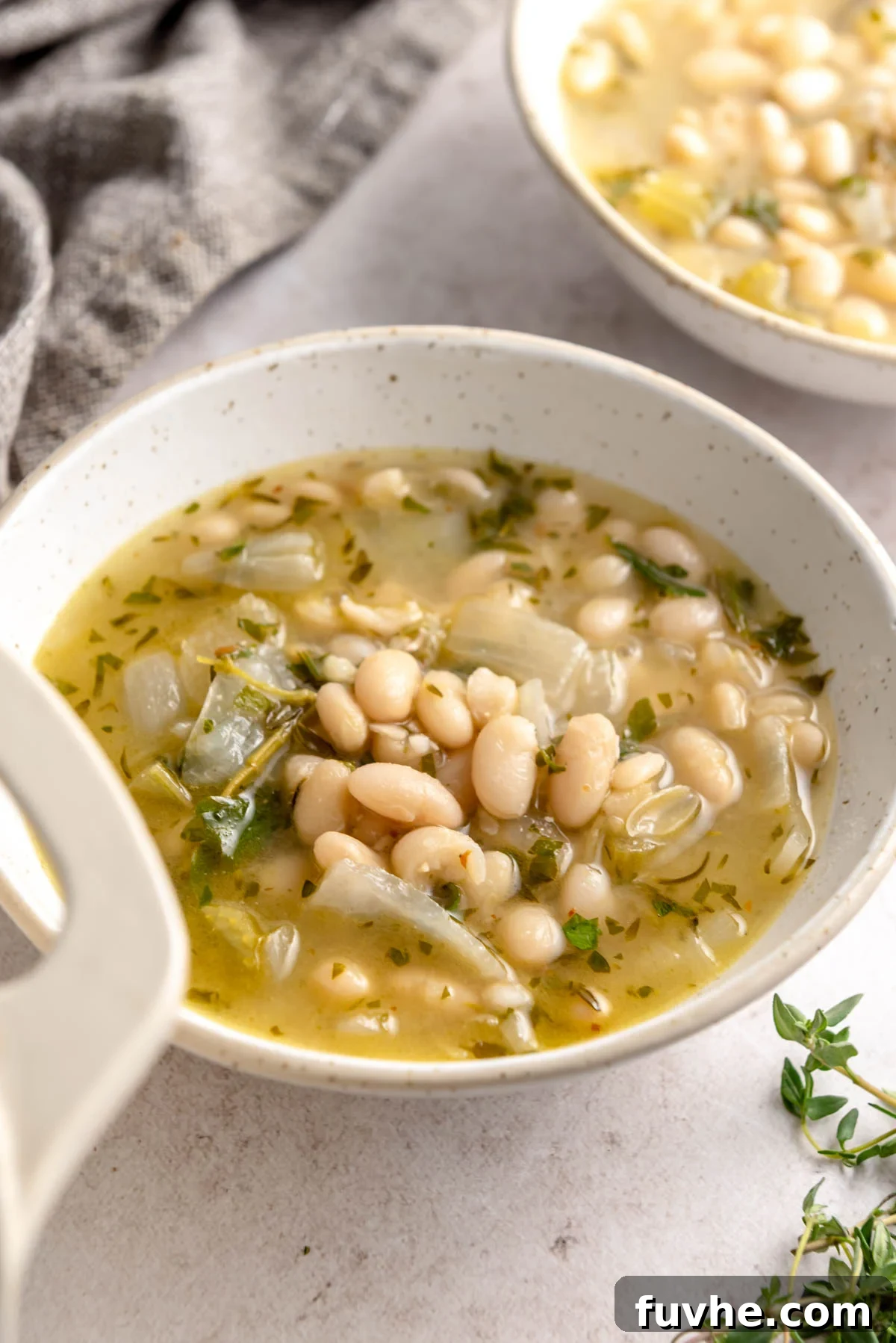
Why You’ll Absolutely Love These Brothy Beans
Prepare to fall in love with this Brothy Beans recipe for a multitude of compelling reasons:
-
Effortless & Simple One-Pot Cooking
Set it and forget it. This recipe champions simplicity, requiring minimal active cooking time. Crafted entirely in one pot on your stovetop, it allows the flavors to meld beautifully as the beans gently simmer. This hands-off approach makes it an ideal meal for busy weeknights or lazy weekends when you crave something wholesome without constant attention.
-
A Symphony of Savory Flavors
Flavor-packed. Every spoonful is a testament to perfectly balanced tastes. The harmonious blend of robust garlic, earthy rosemary, fragrant thyme, rich olive oil, bright lemon, and umami-rich miso paste creates an extraordinarily aromatic and deeply satisfying broth. It’s an invitation to savor, perfect for dipping crusty bread and warming you from the inside out.
-
Nutrient-Dense & Wholesome Goodness
Nutritious. More than just a comforting dish, these brothy beans are a nutritional powerhouse. Packed with essential fiber, plant-based protein, and an array of vitamins and minerals, this meal provides sustained energy and supports digestive health. The optional addition of leafy greens further boosts its nutrient profile, making it a truly wholesome choice for any diet.
-
Incredibly Versatile for Any Occasion
Versatile. The beauty of brothy beans lies in their adaptability. Serve them as a light yet satisfying main course alongside a crisp salad, enjoy them as a nourishing side dish to roasted vegetables or your favorite protein, or even indulge in a hearty snack straight from the pot. They also pair wonderfully with toasted sourdough or a bowl of grains like quinoa or farro.
-
Your Meal Prep Dream Come True
Meal prep-friendly. Unlike many dishes, these brothy beans somehow become even more delicious the day after they’re cooked. The flavors have ample time to deepen and marry, transforming into an even richer experience. This makes them absolutely perfect for meal prepping, ensuring you have healthy, flavorful leftovers ready to enjoy throughout the week.
Ingredient Notes and Smart Substitutions
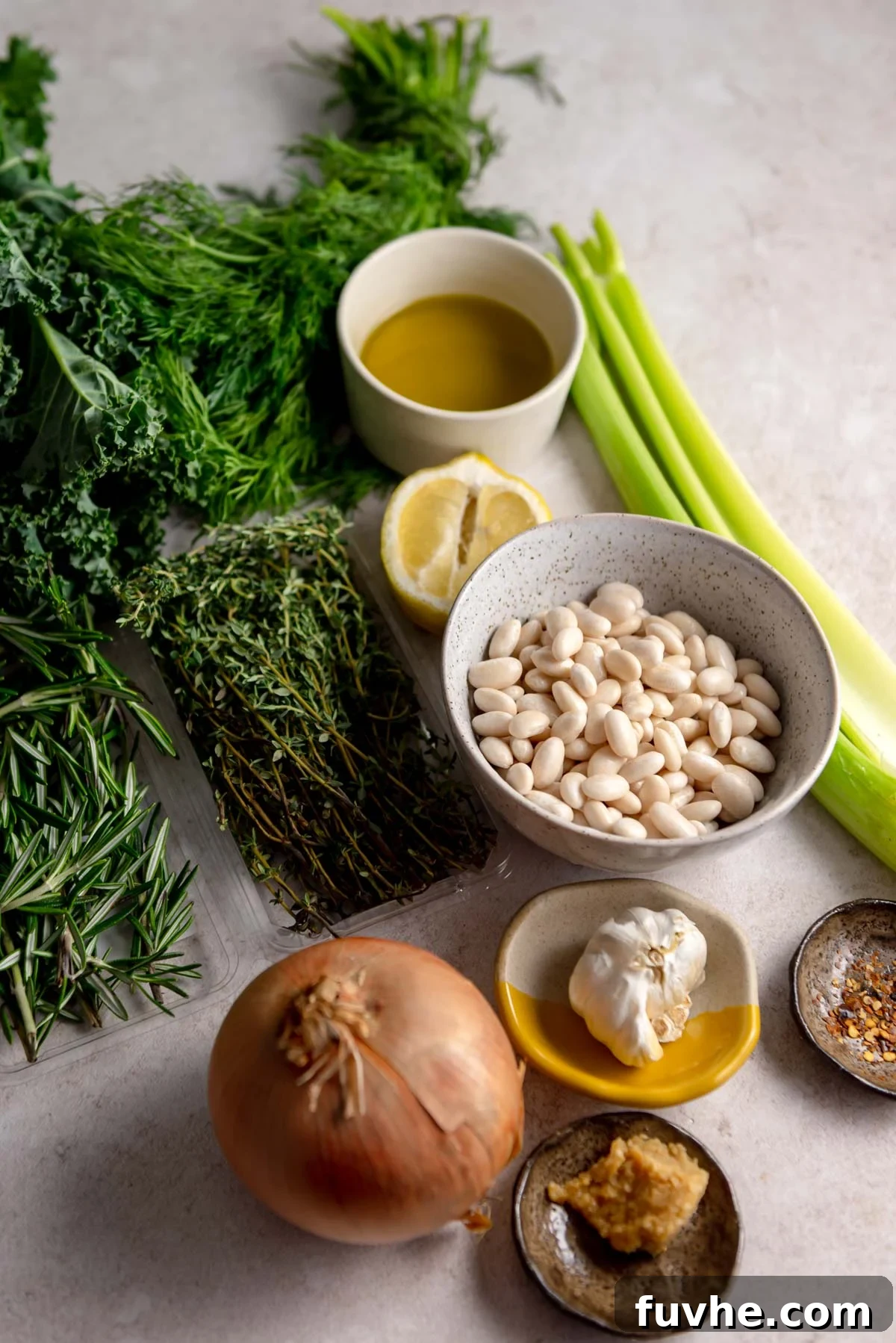
Understanding the role of each ingredient and knowing how to make smart substitutions can elevate your culinary experience. Below is a detailed overview of what you’ll need and flexible options. For the precise quantities and a complete guide, please refer to the comprehensive recipe card located at the bottom of this page.
-
Dried White Beans (The Heart of the Dish)
Beans: For this recipe, we highly recommend using dried navy beans, cannellini beans, or great northern beans. These varieties are known for their creamy texture when cooked and their ability to absorb flavors beautifully. Using dried beans is key to developing a truly rich, starchy broth, which is a hallmark of this dish. While you *can* use canned beans for a quicker cook, the depth of flavor and texture of the broth will not be as profound, as dried beans release starches that thicken and enrich the liquid during their longer cooking time. If opting for canned, ensure they are thoroughly rinsed before use.
-
Fresh Herbs (Aromatic Essentials)
Fresh Herbs: Rosemary and thyme are the absolute stars, infusing the broth with their distinctive earthy and aromatic notes. Keeping them whole on the sprig allows their flavors to slowly release without overpowering the dish. Don’t hesitate to experiment with other hardy herbs like fresh sage or oregano for a different twist. To brighten and finish the dish, a generous sprinkle of fresh parsley or dill, or a combination of both, adds a burst of vibrant color and freshness.
-
Garlic (Flavor Foundation)
Garlic: We call for smashing large cloves of garlic rather than mincing them. This technique gently breaks down the cloves, allowing them to release their aromatic oils and sweet, pungent flavor without burning. Adjust the quantity to your personal preference; for true garlic lovers, an extra clove or two will only enhance the experience.
-
Miso Paste (The Umami Secret)
Miso: This fermented soybean paste is our secret weapon for adding incredible depth and a profound umami flavor that elevates the broth to another level. White or yellow miso (shiro or awase miso) are best suited for their milder, slightly sweet profiles that complement the beans without dominating. We highly recommend including miso; if unavailable, a splash of soy sauce or a teaspoon of nutritional yeast can offer a hint of savory complexity.
-
Leafy Greens (Optional Nutritional Boost)
Leafy Greens (Optional): For an extra dose of vitamins, fiber, and vibrant color, consider stirring in some leafy greens towards the end of cooking. Baby spinach or finely chopped kale are excellent choices, wilting quickly into the warm broth. Swiss chard or collard greens also work beautifully, offering a slightly more robust texture and earthy flavor. Feel free to swap based on what you have on hand or what you prefer.
How to Master Your Brothy Beans: A Culinary Journey
Creating these soulful brothy beans is a rewarding experience that transforms simple ingredients into a dish bursting with flavor. Follow these general steps to ensure a perfect pot every time:
-
The Essential Pre-Soak
Start by soaking your dried white beans. This crucial step significantly reduces cooking time, ensures even cooking, and helps make the beans easier to digest. Combine the beans with water and a touch of salt, allowing them to soak for at least 8 hours, ideally overnight. This preparation sets the stage for beautifully tender beans.
-
Building the Aromatic Base
In a sturdy pot or Dutch oven, begin by gently sautéing the foundational aromatics: chopped onion, celery, and the smashed garlic cloves. Add the fresh sprigs of rosemary and thyme, along with chili flakes and bay leaves. This initial step is where the magic begins, as these ingredients release their fragrant oils and build the complex flavor profile of your broth.
-
The Art of the Gentle Simmer
Once your aromatics are fragrant, introduce the drained, pre-soaked beans to the pot, followed by fresh water and a touch more sea salt. Bring the mixture to a gentle simmer over medium-high heat. The key is to then reduce the heat to medium-low, partially cover the pot, and allow the beans to simmer slowly. This low-and-slow method ensures the beans cook evenly, becoming wonderfully tender and creamy without breaking apart, which typically takes 1 to 1.5 hours depending on their age and soaking time.
-
The Miso and Lemon Finale
Once the beans are perfectly tender, remove the woody herb sprigs and bay leaves. Then, it’s time for the game-changing additions. Whisk the miso paste with a ladle of warm broth until smooth, then stir it back into the pot. This infuses the dish with its signature umami depth. Finish with a generous squeeze of fresh lemon juice, which brightens all the flavors, and season with additional salt and pepper to taste. If using, stir in your leafy greens until just wilted.
-
Serving with Style
Divide the comforting brothy beans into bowls. Garnish generously with fresh parsley or dill for a burst of color and herbaceousness. A side wedge of lemon for an extra squeeze and a drizzle of good quality olive oil can elevate the experience further, adding a luxurious finish to this humble yet exquisite meal.
Frequently Asked Questions About Brothy Beans
While you can substitute canned beans for dried ones, the resulting flavor and texture of the broth will differ significantly. Dried beans release beneficial starches as they cook, creating a richer, creamier, and more flavorful broth. If you opt for canned beans, be sure to rinse them thoroughly to remove excess sodium and preservatives. You will also need to drastically reduce the cooking time to just 20-30 minutes, as canned beans are already cooked, focusing primarily on melding the flavors rather than cooking the beans from scratch.
Absolutely! The Instant Pot is a fantastic tool for this recipe, significantly cutting down on cooking time. Begin by using the sauté function to cook the aromatics (onion, celery, garlic, herbs, chili flakes, bay leaves) until fragrant. Then, add your pre-soaked beans, water, and salt. Secure the lid and cook on high pressure for 30-40 minutes. The precise time can vary depending on the age of your beans. Allow for a natural pressure release for best results, which helps to further tenderize the beans. Stir in miso and lemon juice at the end.
Yes, brothy beans freeze exceptionally well, making them an excellent candidate for meal prepping and batch cooking. Ensure the beans are completely cooled before transferring them to an airtight freezer-safe container or a heavy-duty freezer bag. They can be stored in the freezer for up to 3 months without losing quality. When ready to enjoy, simply thaw them overnight in the refrigerator and reheat gently on the stovetop or in the microwave until warmed through.
Leftover brothy beans can be safely stored in an airtight container in the refrigerator for up to 3-4 days. The flavors often deepen and become even more complex after a day or two. To reheat, you can use either the stovetop over medium-low heat, stirring occasionally, or the microwave until piping hot. If the broth has thickened too much, a splash of water or vegetable broth can help restore its desired consistency.
Expert Tips for Perfect Brothy Beans
-
Pre-Soaking for Superior Results
The importance of soaking your beans cannot be overstated. Soaking for at least 8 hours, and ideally overnight, does more than just speed up the cooking process. It helps to ensure the beans cook evenly, resulting in a tender, creamy texture throughout. Furthermore, soaking aids in digestion by breaking down some of the complex sugars that can cause discomfort.
-
Low and Slow Simmering is Key
Patience is a virtue when cooking beans. Simmering them low and slow prevents the bean skins from bursting prematurely, which can lead to a mushy texture. A gentle simmer allows the beans to gradually absorb the flavorful broth, becoming incredibly tender and creamy without disintegrating. Resist the urge to rush the process; a slow simmer yields the best outcome.
-
Season Liberally, Taste Often
Don’t be shy with seasoning! While the initial salt in the soaking and cooking stages is important, the final seasoning is where your brothy beans truly shine. Taste the broth frequently towards the end of cooking and adjust with additional sea salt and freshly ground black pepper as needed. The addition of fresh lemon juice at the very end is crucial for brightening and lifting all the flavors, balancing the richness of the miso and herbs.
-
Adjusting Broth Consistency
The beauty of brothy beans is, well, the broth! If your broth reduces too much or you prefer a looser consistency, simply stir in a little more hot water or vegetable broth until it reaches your desired brothy perfection. Conversely, if you desire a thicker, more stew-like consistency, you can gently mash a small portion of the beans against the side of the pot to release some of their starches.
If you try these Wholesome Brothy Beans or any other delightful recipe on Running on Real Food, please don’t forget to leave a comment and a ⭐⭐⭐⭐⭐ rating in the section below. Your feedback helps fellow home cooks and means the world to me. And remember to tag me on Instagram @runningonrealfood so I can admire your wonderful culinary creations! Thank you for choosing my recipes and for being a part of this amazing community! – Deryn

Brothy Beans
Rate Recipe
Print Recipe
Ingredients
- 1 cup dried northern or white beans
- 3 tbsp olive oil
- 2 sprigs fresh rosemary, kept whole (on the sprig)
- 4-6 sprigs fresh thyme, kept whole (on the sprig)
- 6 cloves garlic, peeled and smashed
- 1 medium yellow onion, chopped
- 2 ribs celery, chopped
- ½ tsp chili flakes
- 2 bay leaves
- 2 tsp sea salt
- 4 cups water
- 1 tbsp miso
- ½ lemon, juiced
- Handful of fresh parsley or dill
- 2-3 cups baby spinach or kale, optional
Instructions
-
Soak Beans: In a large bowl or pot, add dried beans and 2 tsp sea salt. Add enough water to fully cover the beans by 2-3 inches. Soak for 8 hours, or overnight. Once beans have soaked, drain in a colander and rinse well.
-
Cook Aromatics: In a large pot or Dutch oven, heat 3 tbsp olive oil over medium heat. Add chopped onion, celery, smashed garlic cloves, whole rosemary sprigs, whole thyme sprigs, chili flakes, and bay leaves. Cook for 2-4 minutes, stirring occasionally, until the aromatics are fragrant and the onion and garlic just begin to brown slightly.
-
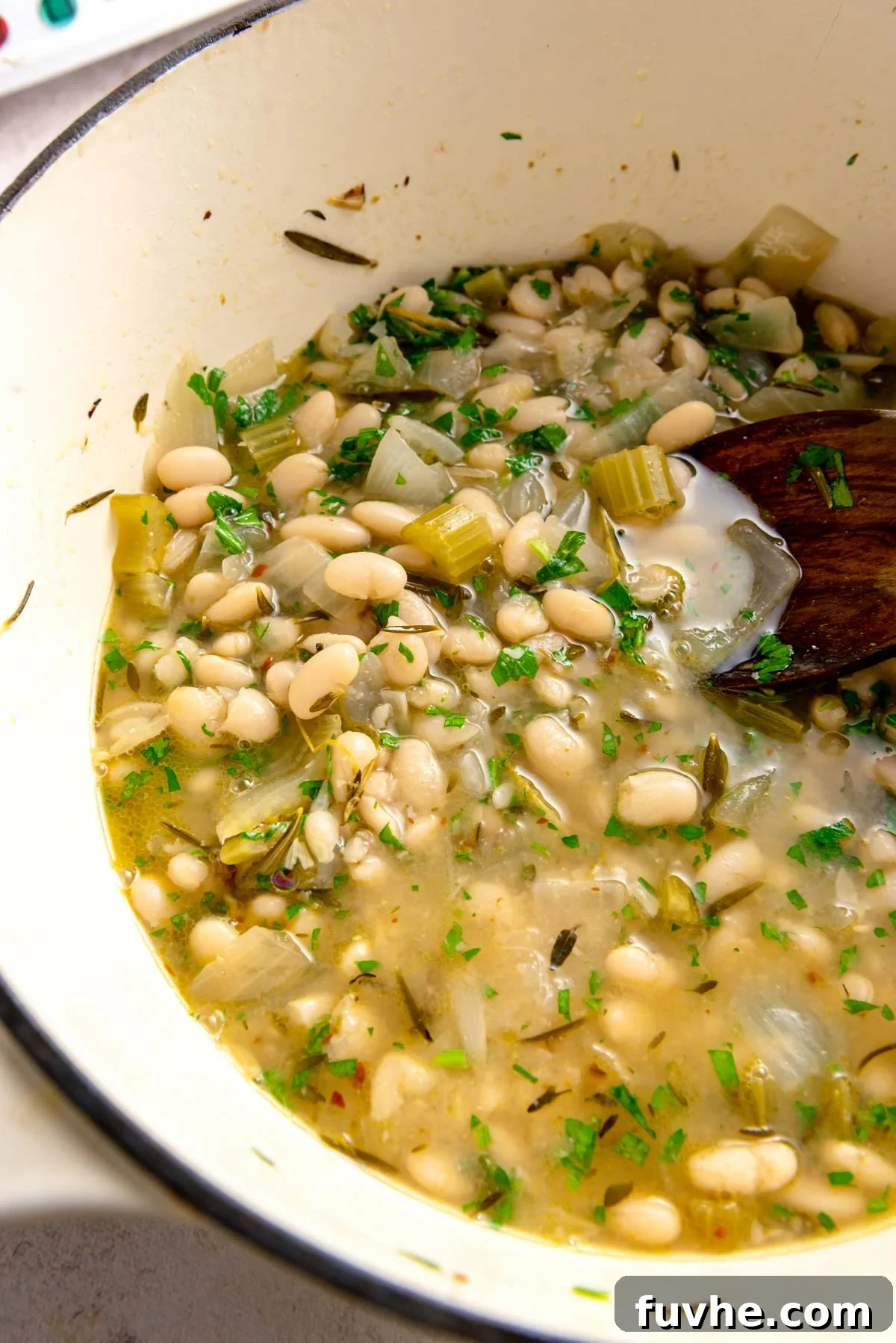
Cook Beans: To the pot, add the drained and rinsed beans, 4 cups of water, and an additional 2 tsp of sea salt. Bring the mixture to a gentle simmer over medium-high heat. Once simmering, partially cover the pot and reduce the heat to medium-low. Cook for 1 hour to 1 ½ hours (cooking time can vary based on soaking time and the age of the beans), ensuring the beans maintain a gentle simmer. The beans are ready when they are soft and tender throughout. If you desire a thinner broth, you can stir in a little more hot water.
-
Mix Miso: In a small bowl, combine the miso paste with a ladle full of the warm broth liquid. Stir thoroughly until the miso is completely smooth and dissolved, forming a paste.
-
Remove Herbs: Carefully remove the pot from the heat. Using tongs or a spoon, fish out the woody rosemary and thyme sprigs, along with the bay leaves. It’s perfectly fine if a few small herb leaves remain in the broth, as they contribute to the flavor.
-
Add Miso and Season: Stir the smooth miso mixture into the bean broth. Taste the broth and season with additional salt and freshly ground black pepper as needed. Stir in the freshly squeezed lemon juice. If you are incorporating leafy greens, stir them in now until they are just wilted into the warm broth.
-
Serve: Divide the warm brothy beans between individual bowls. Garnish generously with freshly chopped parsley and/or dill. Serve with a fresh lemon wedge on the side for an extra squeeze of brightness, and drizzle with a little extra virgin olive oil, if desired, before serving.
Notes
Nutrition
Like this recipe? Rate and comment below!