
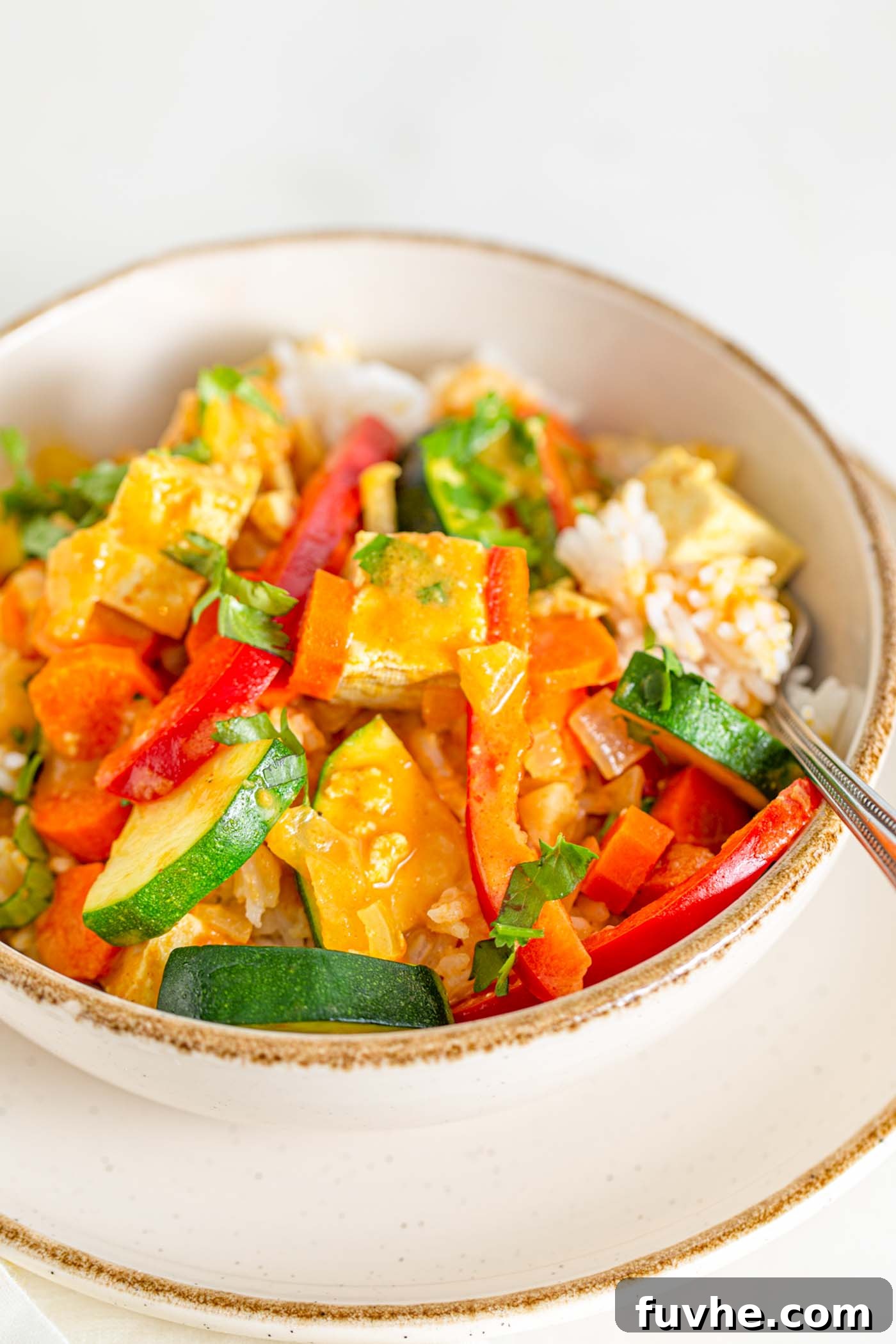
Delicious & Easy Vegan Panang Curry with Tofu (Ready in 30 Minutes!)
This popular and incredibly flavorful vegan Panang curry recipe is your ultimate guide to a quick, satisfying, and deeply aromatic Thai-inspired meal. Crafted for simplicity without compromising on taste, it comes together effortlessly in under 30 minutes, relying on readily available pantry staples. It’s a proven crowd-pleaser, consistently receiving rave reviews for its rich, creamy texture and harmonious blend of sweet, salty, and nutty notes. Perfect for a busy weeknight or a relaxed weekend, this plant-based curry promises a delightful culinary experience that will have everyone asking for seconds.
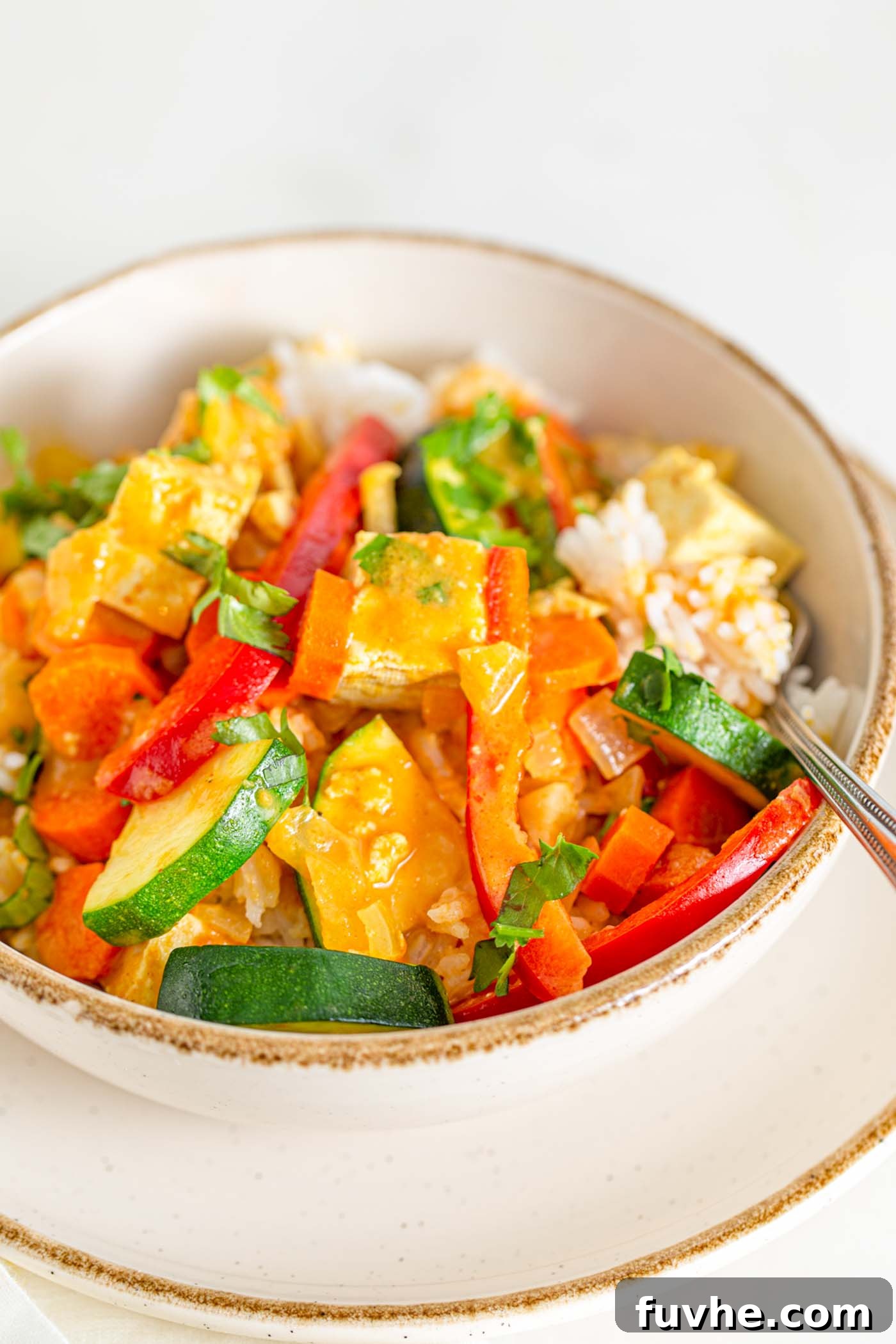
Unveiling Vegan Panang Curry: A Flavorful Journey
Panang curry, often recognized by its delightful alternative spellings like phanaeng or panaeng, is a distinguished variety of Thai curry celebrated for its luscious, thick consistency and its signature flavor profile. It masterfully balances sweetness with a savory depth, all underpinned by a rich, nutty essence, traditionally derived from peanuts.
While authentic Thai Panang curry typically features a complex paste incorporating chili peppers, fragrant lemongrass, earthy galangal, aromatic kaffir lime, coriander seeds, cumin seeds, garlic, shallots, shrimp paste, and salt, this recipe offers a modern, plant-based interpretation. Our version streamlines the process, opting for readily accessible ingredients like light coconut milk, a robust curry powder blend, concentrated tomato paste, and creamy peanut butter. This adaptation not only makes the curry quicker to prepare but also ensures it’s entirely vegan and incredibly delicious.
Why You’ll Love This Recipe:
- Effortlessly Quick & Simple: Forget long hours in the kitchen! This recipe is designed for maximum flavor with minimal effort, requiring less than 30 minutes from start to table. You’ll only need a handful of basic ingredients that are likely already in your pantry.
- Dietary Inclusive & Wholesome: Perfect for a variety of dietary needs, this curry is naturally vegan, gluten-free, oil-free, and refined sugar-free. It’s a nutritious meal that doesn’t compromise on taste or satisfaction.
- Consistently 5-Star Reviewed: Join countless happy home cooks who have fallen in love with this recipe! Its popularity and high ratings speak volumes about its reliability and incredible taste. Cook with confidence, knowing you’re preparing a dish that is tried, tested, and adored.
- Rich & Creamy Texture: The combination of coconut milk and natural peanut butter creates an irresistibly smooth and velvety curry sauce that coats every ingredient beautifully.
- Versatile & Adaptable: Easily customize with your favorite vegetables or adjust the spice level to suit your palate. It’s a flexible recipe that can be made unique to your preferences.
Tofu serves as an excellent protein source and provides a wonderful texture in vegetarian curries, absorbing all the rich flavors of the sauce. If you enjoy cooking with tofu, you might also love these other plant-based curry recipes: explore our Easy Vegetable Curry with Tofu, savor the flavors of Thai Red Curry Vegetables with Tofu, or try our simple yet delicious Baked Curried Tofu.
Essential Ingredients for Your Luscious Vegan Panang Curry
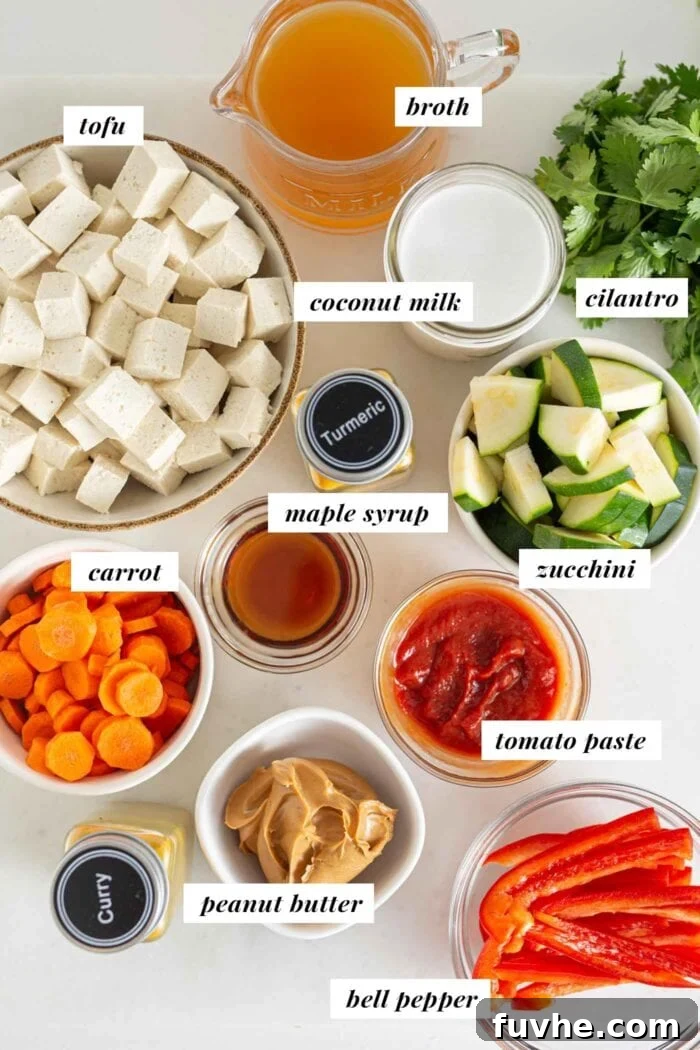
Crafting this incredible vegan Panang curry begins with a thoughtful selection of ingredients. Each component plays a crucial role in building the layered flavors and creamy texture that define this dish.
- Coconut Milk: This is the backbone of your curry’s creamy base. You have the flexibility to use either light or full-fat coconut milk. I personally lean towards light coconut milk for a slightly less heavy consistency, especially since peanut butter already contributes richness to the recipe. However, if you prefer an even more decadent and thicker curry, full-fat coconut milk will deliver beautifully.
- Vegetable Broth: Essential for thinning the curry to the perfect consistency and adding depth of flavor. Whether you opt for homemade broth, a carton from the store, or dissolving bouillon cubes, ensure it’s low-sodium to control the overall saltiness of the dish.
- Natural Peanut Butter: The secret to the distinctive nutty flavor and extra creaminess in our Panang curry. It’s crucial to use a good quality, natural peanut butter with minimal ingredients – ideally just peanuts, or peanuts and salt. Avoid brands with added sugars or oils. If you have a peanut allergy or simply prefer, almond butter can be a suitable substitute, though peanut butter offers that classic Panang richness.
- Veggies: The beauty of curry lies in its adaptability with vegetables.
- Carrots: Add a touch of sweetness and vibrant color. If desired, carrots can be omitted or creatively substituted with chunks of sweet potato or butternut squash for a similar texture and sweetness.
- Zucchini: Contributes a tender texture and absorbs the curry flavors wonderfully.
- Bell Peppers: Red bell peppers are fantastic for their sweetness and bright color.
- Broccoli: An excellent addition for extra greens and nutrients, working well alongside or in place of peppers and zucchini. Feel free to experiment with other vegetables like snap peas, green beans, or mushrooms.
- Aromatics: Freshly diced white onion and minced garlic are non-negotiable. They form the aromatic foundation, infusing the curry with savory depth from the very first step.
- Spices:
- Curry Powder: Our shortcut to authentic curry flavor. A good quality curry powder blend will provide a complex profile of spices.
- Turmeric: Adds a beautiful golden hue and subtle earthy notes, along with its renowned anti-inflammatory properties.
- Sea Salt: Crucial for enhancing all the other flavors. Adjust to taste.
- Tomato Paste: A concentrated burst of umami and a hint of tang, adding body and a rich color to the sauce.
- Pure Maple Syrup: Provides a natural, balanced sweetness that is characteristic of Panang curry. You can also substitute with coconut sugar, agave nectar, or another natural sweetener of your choice.
- Firm Tofu: Cubed firm tofu is our star protein. It absorbs the curry sauce beautifully, offering a satisfying texture. Ensure you press your tofu to remove excess water for the best results.
- Fresh Cilantro: A final flourish of freshness and vibrant flavor, stirred in at the end and used as a garnish.
This overview highlights the key players. For a complete, detailed ingredient list with precise measurements and comprehensive instructions, please refer to the full recipe card conveniently located at the end of this post.
Simple Step-by-Step Guide to Making Vegan Panang Curry
Before You Start: For the ultimate experience, this curry is best served over a bed of warm rice. Begin preparing your rice now (whether white, brown, or basmati) so it can cook simultaneously with your curry, ensuring everything is ready at the same time.
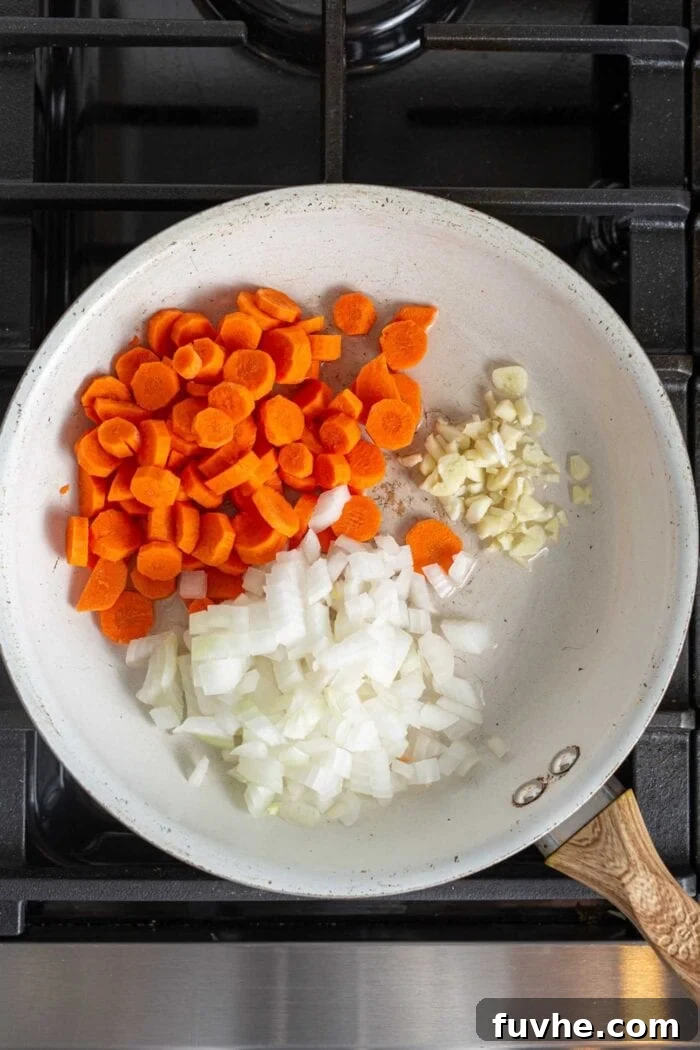
Step 1: Sauté the Aromatics and Carrots. In a large skillet, add 2 tablespoons of oil (or water/vegetable broth for an oil-free option) over medium heat. Add the diced white onion, minced garlic, and chopped carrots. Sauté for about 6-7 minutes, stirring frequently, until the onions become translucent, the garlic is fragrant, and the carrots begin to soften. This step builds the foundational flavors of your curry.
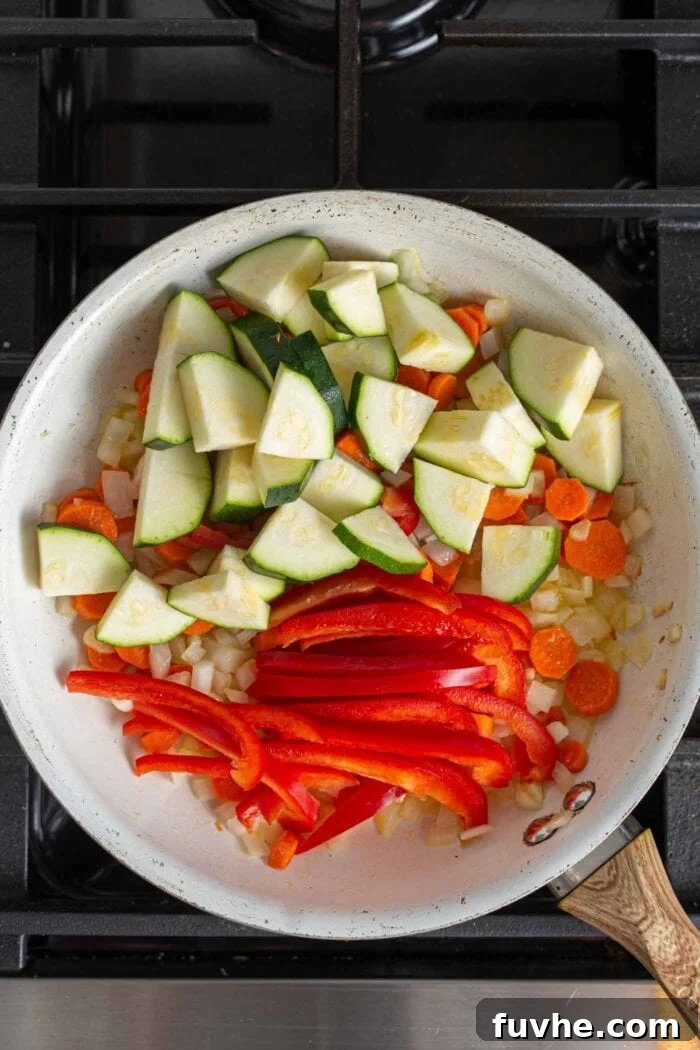
Step 2: Incorporate Softer Veggies and Spices. Add the sliced zucchini and bell pepper to the skillet and stir well to combine with the sautéed aromatics. Next, add the tomato paste, curry powder, turmeric, and sea salt. Stir continuously for another few minutes, allowing the spices to bloom and become fragrant with the vegetables. This brief cooking time for the spices deepens their flavor profile.
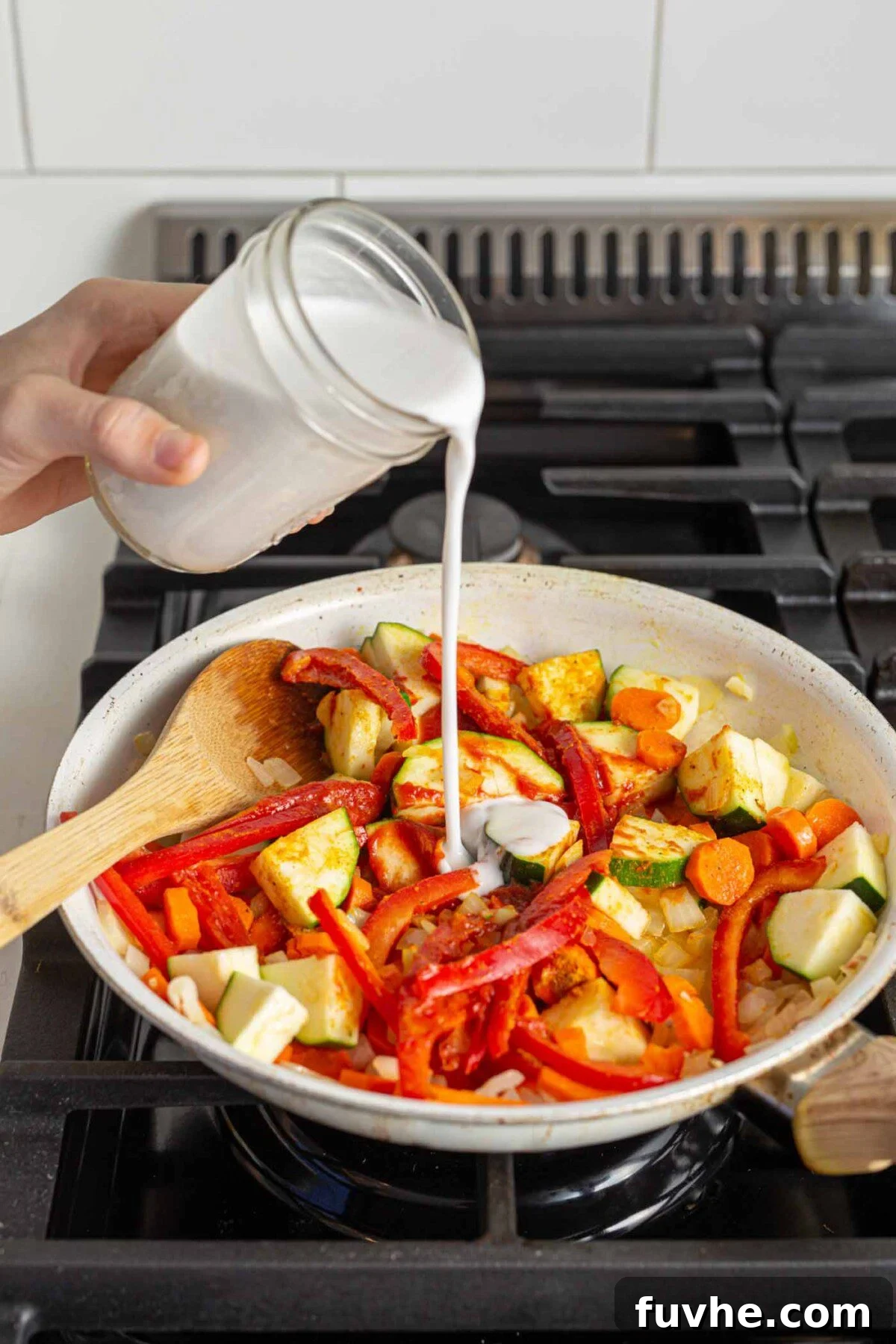
Step 3: Simmer for Creaminess and Tenderness. Pour in the vegetable broth and coconut milk. Stir everything thoroughly to combine. Bring the mixture to a gentle simmer and let it cook for approximately 20 minutes, stirring occasionally. During this time, the carrots will become tender, and the curry sauce will naturally thicken into a rich, creamy consistency, allowing the flavors to meld beautifully.
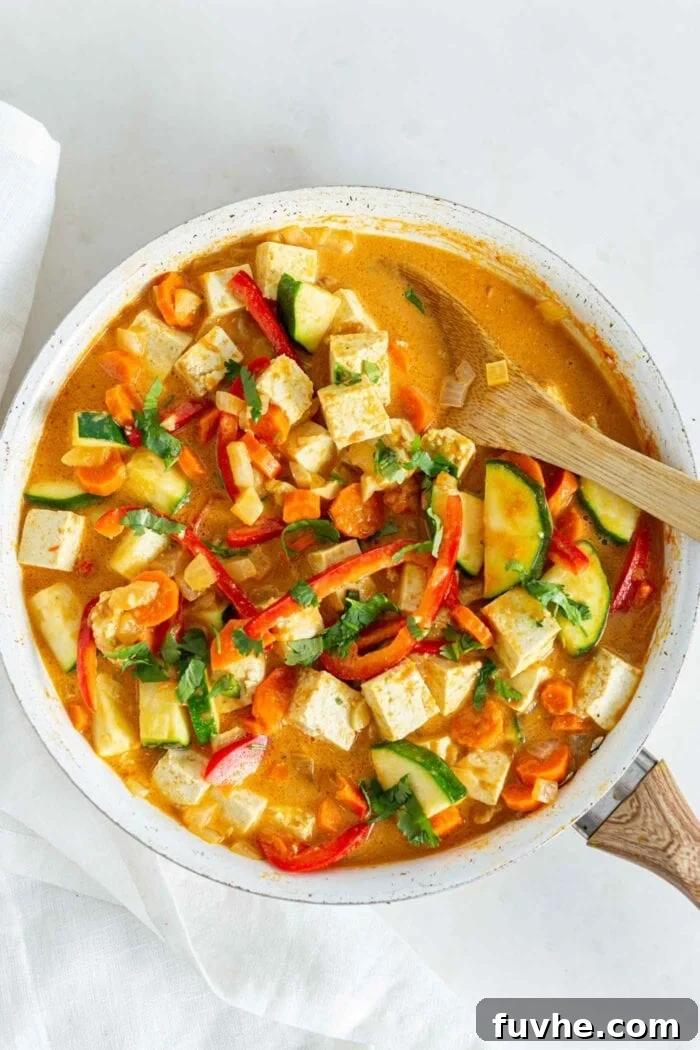
Step 4: Add Final Touches. Once the curry has thickened to your liking and the vegetables are tender, stir in the pure maple syrup, fresh chopped cilantro, natural peanut butter, and cubed firm tofu. Mix gently until the peanut butter is fully incorporated and the tofu is heated through, which should take just a few minutes. Taste and adjust seasoning with additional salt and pepper if needed.
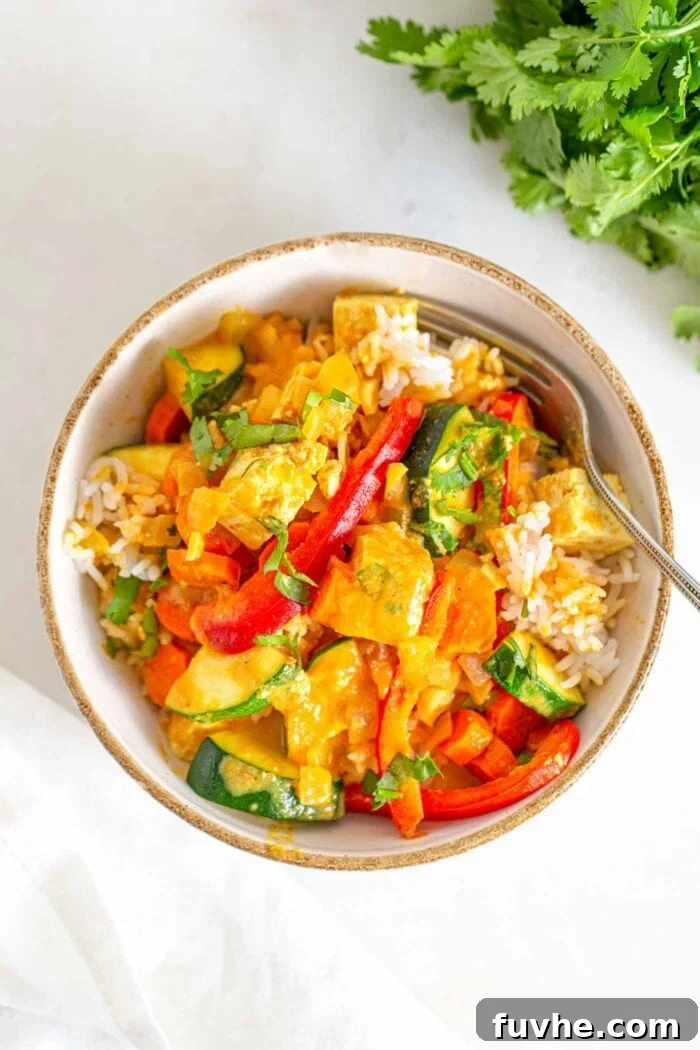
Serve your perfectly cooked vegan Panang curry generously over a bowl of your favorite rice (basmati, jasmine, or brown rice are excellent choices), noodles, or any other whole grain you prefer. Garnish with extra fresh cilantro and a squeeze of lime for an added burst of freshness.
Tips for the Perfect Vegan Panang Curry Every Time
Achieving a truly outstanding vegan Panang curry is simple with a few key tips. Follow these guidelines to ensure your curry is always rich, flavorful, and perfectly balanced:
- Press Your Tofu: Don’t skip this crucial step! Pressing firm or extra-firm tofu removes excess water, allowing it to better absorb the curry’s flavors and achieve a more satisfying texture. Simply wrap the tofu in a clean kitchen towel or paper towels, place a heavy object on top (like a cast-iron skillet or a stack of books), and let it sit for at least 15-30 minutes.
- Sauté Aromatics Thoroughly: The foundation of any great curry begins with perfectly sautéed onions and garlic. Cook them until they are fragrant and translucent, but not browned. This process unlocks their natural sweetness and savory depth.
- Bloom Your Spices: When you add the curry powder and turmeric to the pan with the vegetables, allow them to cook for a minute or two, stirring constantly. This brief “blooming” in the hot pan releases their essential oils, intensifying their aroma and flavor before liquids are added.
- Quality Peanut Butter Matters: Use a natural, unsweetened peanut butter that contains only peanuts (and perhaps a touch of salt). Processed peanut butter with added sugars and oils can alter the taste and consistency of your curry.
- Adjust Sweetness and Spice: Panang curry is known for its balance of sweet, savory, and a hint of spice. Taste your curry before serving and adjust as needed. Add a little more maple syrup for sweetness, a pinch of chili flakes for heat, or a squeeze of lime juice for brightness.
- Simmer for Flavor Development: While this is a quick recipe, allowing the curry to gently simmer for the recommended 20 minutes is important. This time allows the vegetables to tenderize and all the flavors to truly meld together into a cohesive and delicious sauce.
- Fresh Herbs are Key: Fresh cilantro added at the very end brightens the entire dish. Don’t add it too early, as its delicate flavor can diminish with prolonged cooking.
- Don’t Overcook Vegetables: Aim for tender-crisp vegetables, especially the zucchini and bell peppers. They should be cooked through but still retain a slight bite, adding textural interest to the curry.
Customizing Your Panang Curry: Variations & Substitutions
This vegan Panang curry recipe is wonderfully flexible, allowing for countless customizations to suit your taste, pantry, or dietary preferences. Feel free to get creative!
- Protein Power-Ups:
- Chickpeas or Lentils: For an alternative protein source, add a can of drained and rinsed chickpeas or a cup of cooked brown or green lentils along with the tofu in the final step.
- Tempeh: Cubed and lightly pan-fried tempeh can offer a heartier, nuttier texture.
- Seitan or Plant-Based Chicken: If you enjoy meat alternatives, seitan or vegan chicken pieces can be added during the simmering phase.
- Vegetable Medley: Enhance your curry with a wider array of vegetables.
- Leafy Greens: Stir in a handful of spinach, kale, or bok choy during the last 5 minutes of simmering until wilted.
- Root Vegetables: Add chunks of sweet potato, butternut squash, or even potatoes along with the carrots for a more substantial curry. Ensure they are diced small enough to cook through within the simmering time.
- Mushrooms: Sliced button, cremini, or shiitake mushrooms add an umami depth. Add them with the zucchini and bell peppers.
- Bamboo Shoots or Water Chestnuts: For an authentic Thai touch and added crunch, stir in drained canned bamboo shoots or water chestnuts.
- Spice Level Adjustments:
- Milder: If you’re sensitive to heat, reduce the amount of curry powder slightly, or choose a mild curry powder blend.
- Spicier: For a kick, add a pinch of red chili flakes, a dash of sriracha, or a tablespoon of Thai red curry paste (ensure it’s vegan) along with the other spices in Step 2. Fresh sliced chilies can also be added as a garnish.
- Nut Butter Alternatives: While peanut butter is traditional, almond butter offers a slightly different nutty profile. Cashew butter can also be used for a richer, creamier, and less assertive nut flavor.
- Authentic Flavor Boosters: For those who want to lean closer to traditional Thai flavors:
- Lemongrass: Add 1-2 bruised stalks of lemongrass to the curry when you add the broth and coconut milk, removing them before serving.
- Galangal: A few slices of galangal (similar to ginger but distinct in flavor) can be added similarly to lemongrass.
- Kaffir Lime Leaves: Tear 2-3 kaffir lime leaves and add them to the simmering curry for a wonderful citrusy aroma. Remove before serving.
Meal Prep & Storage
This vegan Panang curry is an excellent candidate for meal prepping, allowing you to enjoy delicious, homemade meals throughout the week with minimal effort.
- Storage: Store any leftover curry in an airtight container in the refrigerator for up to 4 days. The flavors often deepen and improve overnight!
- Reheating: Gently reheat the curry in a pot on the stovetop over medium-low heat, stirring occasionally, until it’s heated through. You can also reheat individual portions in the microwave. If the curry has thickened too much in the fridge, add a splash of vegetable broth or water to reach your desired consistency.
- Freezing: This curry freezes beautifully. Allow it to cool completely before transferring it to freezer-safe containers or bags. It can be stored in the freezer for up to 2-3 months. Thaw overnight in the refrigerator before reheating. Note that the tofu might become a bit chewier after freezing and thawing, but the flavor will remain excellent.
- Batch Cooking: Consider doubling the recipe to prepare a larger batch. This provides multiple servings for future meals, saving you time and effort on busy days.
More Delicious Vegan Curry Recipes
If you’ve enjoyed the rich and satisfying flavors of this Panang curry, you’re in for a treat! The world of vegan curries is vast and incredibly diverse, offering a spectrum of spices, textures, and aromas to explore. Here are some other beloved plant-based curry recipes from our collection that we think you’ll adore:
- Creamy Coconut Red Lentil Dahl
- Effortless Vegan Butter Chicken
- Fragrant Vegetable Korma
- Sweet & Savory Kabocha Squash Curry
- Hearty Cauliflower Chickpea Curry

★
★
★
★
Vegan Panang Curry Tofu
Deryn Macey
10 minutes
20 minutes
30 minutes
6
Rate Recipe
Print Recipe
Ingredients
- 1 white onion, diced (2 cups, approx. 300g)
- 5 cloves garlic, minced
- 2 cups chopped carrots, approx. 300 g
- 1 small zucchini, sliced (approx. 1 heaping cup)
- 1 red pepper, thinly sliced
- 1 tbsp curry powder
- 1 tsp turmeric
- 1 tsp sea salt
- 1/4 cup tomato paste, 60 g
- 1 1/2 cups vegetable broth
- 14 oz can light coconut milk
- 1 tbsp pure maple syrup, substitute coconut sugar or other natural sweetener of choice
- 1/3 cup natural peanut butter, 100 g
- 350 g packaged firm tofu, cubed
- 1 cup chopped cilantro
- cooked white or brown rice, for serving
Instructions
-
Add 2 tbsp of oil, water or broth to a large skillet with the diced onion, garlic and carrot. Cook for 6-7 minutes over medium heat, stirring often, until starting to soften and become fragrant.
-
Add the zucchini and red pepper and stir to combine. Add the tomato paste, curry powder, turmeric and salt and cook for a few more minutes, stirring to combine.
-
Add the vegetable broth and coconut milk and simmer lightly until the carrots are tender and it’s thick and creamy, about 20 minutes. Stir occasionally as it cooks.
-
Stir in the maple syrup, peanut butter, cilantro and cubed tofu and cook for a few more minutes until the peanut butter is combined and the tofu is heated through. Season with salt and pepper, as needed.
-
Serve over basmati, brown rice or quinoa.
Recipe Video
Watch a step-by-step video guide for making this delicious Vegan Panang Curry:
Click here to watch the recipe video!
Notes
Nutrition
Serving:
1
/6th of recipe
,
Calories:
244
kcal
,
Carbohydrates:
18
g
,
Protein:
11
g
,
Fat:
16
g
,
Fiber:
4
g
,
Sugar:
10
g
Like this recipe? Rate and comment below!
Frequently Asked Questions (FAQ)
Here are some common questions about making this delightful Vegan Panang Curry:
- Is Panang curry typically spicy?
Traditional Panang curry has a mild to medium spice level, characterized by a creamy sweetness balanced with a gentle heat. This vegan version is designed to be accessible to most palates. You can easily adjust the spice by adding a pinch of red chili flakes or a dash of sriracha if you prefer a spicier kick, or reducing the curry powder for a milder flavor.
- Can I make this curry gluten-free?
Absolutely! This recipe is inherently gluten-free, provided you use gluten-free vegetable broth and ensure your curry powder does not contain any gluten-based fillers (which is rare but always good to check). Most natural peanut butter is also gluten-free.
- Can I use a different nut butter instead of peanut butter?
Yes, you can! While peanut butter gives Panang its classic nutty flavor, almond butter or cashew butter are excellent substitutes. They will slightly alter the flavor profile, but still contribute a wonderful creaminess and richness. If you have a nut allergy, you can try sunflower seed butter, though its flavor is quite distinct.
- How can I make the curry thicker or thinner?
If your curry is too thin, allow it to simmer uncovered for a bit longer to reduce and thicken. If you need it thicker quickly, you can mix a teaspoon of cornstarch with a tablespoon of cold water, then stir it into the simmering curry. For a thinner curry, simply add a splash more vegetable broth or water until it reaches your desired consistency.
- Do I need to press the tofu?
It’s highly recommended to press the tofu. Pressing removes excess water, which allows the tofu to better absorb the delicious curry sauce and prevents it from watering down the dish. It also improves the texture, making it less spongy.
Update Note: This recipe was originally published on May 3, 2018, and has been updated with enhanced details, additional tips, and improved clarity to provide the best possible cooking experience.