
Embarking on a journey to optimize nutrition and athletic performance can be a truly transformative experience. This article delves into my personal insights and results after committing to plant-based flexible dieting, also known as If It Fits Your Macros (IIFYM). What started as a focused six-week experiment at the beginning of 2016 evolved into a fundamental shift in my approach to food and training. While I initially wrote about this journey some time ago, its principles remain timeless, offering valuable lessons for anyone considering a plant-powered path to fitness and well-being. After this initial tracking period, I took a six-month break from diligent tracking, but the foundational habits and understanding I gained continued to guide my choices, proving the sustainability of this lifestyle.
My primary motivation has always been performance, not solely aesthetics. Achieving strength, endurance, and overall fitness goals requires precise fueling. Nutrition and training are inextricably linked; the better I nourish my body, the harder I can train, the stronger I become, and the faster I can reach my athletic aspirations. Embracing vegan macros provided a structured yet adaptable framework that has demonstrably supported my progress in the gym and beyond. This intentional approach to plant-based nutrition has revealed that sustained, steady progress is not just acceptable but preferable for long-term success and optimal performance.
It’s incredible how quickly six weeks can pass. This milestone served as a powerful reminder that time will always move forward, regardless of whether we pursue our goals. The speed at which these six weeks flew by solidified my commitment to plant-based flexible dieting, transforming it from an experiment into a sustainable lifestyle. While I had always maintained a generally healthy diet, integrating macro tracking brought a new level of awareness and intentionality. It’s no longer just about eating “healthy”; it’s about precisely fueling my body for optimal training, muscle development, and continuous improvement. This approach has become deeply ingrained, making better food choices feel natural and effortless.
The Transformative Power of Plant-Based Macros
The journey into plant-based IIFYM has been profoundly educational, fundamentally altering my eating habits, physical sensations, and perspectives on food. I feel a remarkable difference in my energy levels and overall well-being, observe positive changes in my physique, and experience an unprecedented surge in strength, speed, and motivation to conquer my fitness goals.
Initially, the idea of meticulously measuring food and tracking macros seemed overly fastidious, even obsessive. However, after experiencing it firsthand, I now fully grasp its value. It’s truly not as cumbersome as it appears once you integrate it into your routine. While it undeniably demands commitment and dedication, there’s an empowering sense of control and certainty that comes from knowing you’re providing your body with the exact nutrients it needs to perform and recover optimally. This knowledge transforms eating from a guessing game into a strategic, highly effective component of my overall wellness strategy.
6 Weeks of Plant-Based Macro Tracking: Remarkable Results
For those new to my journey, I highly recommend reviewing my earlier posts, Week One Experiences and Week Two Insights. These articles provide essential context, explaining the ‘how’ and ‘why’ behind the dietary shifts that led to the changes observed over the past six weeks. I also shared a comprehensive list of vegan-friendly foods for flexible dieting in another helpful resource.
Now, let’s dive into the exciting part: the results! As previously highlighted, my primary goal was never weight loss, but rather a significant enhancement in athletic performance and an improvement in body composition. Despite this focus, I experienced a noticeable change, shedding approximately 8 pounds over the course of 5-6 weeks. This pleasant side effect was a testament to the effectiveness of dialing in my vegan macros.
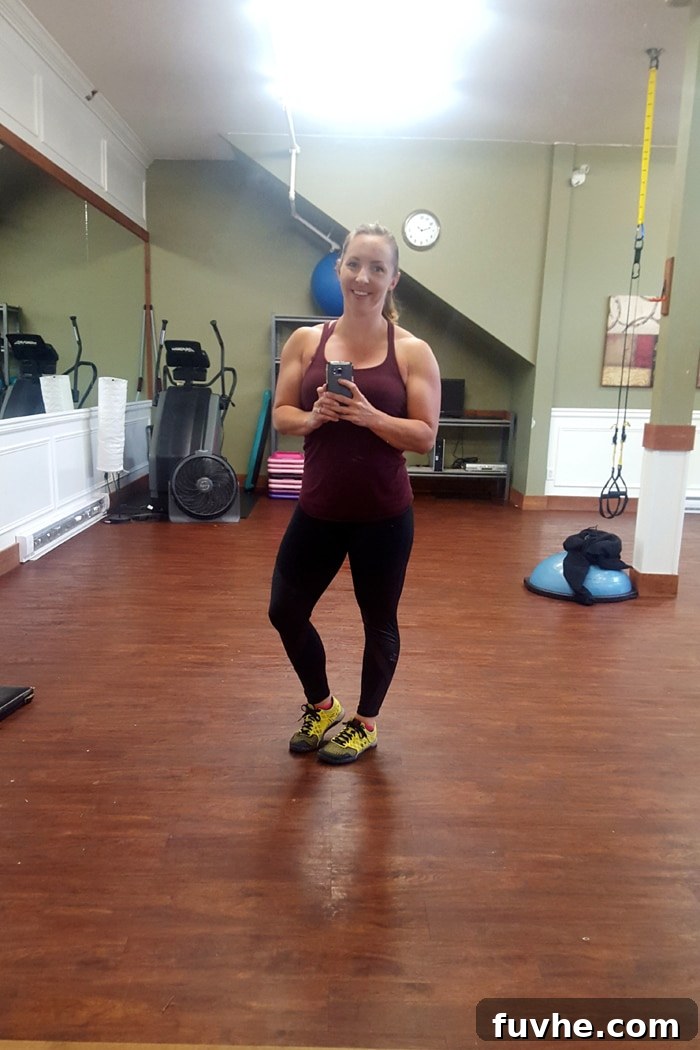
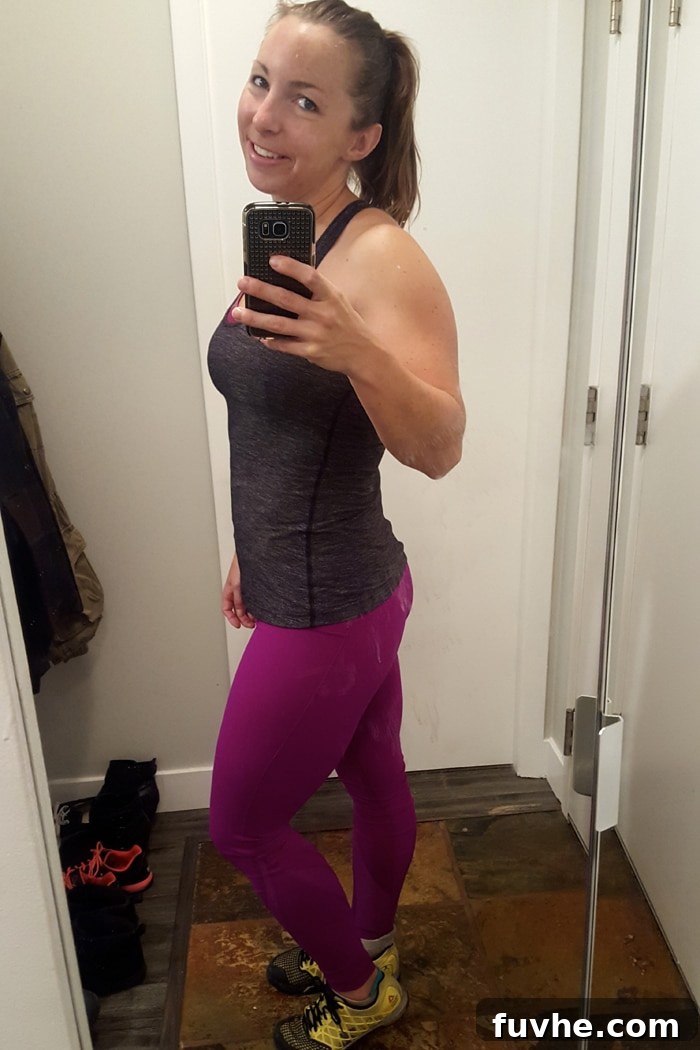
Visually, I appear considerably leaner, and the underlying muscle definition I’ve worked hard to build is becoming much more apparent. In terms of measurements, my waist circumference remained consistent, as I typically don’t carry much fat in that area. However, I observed a significant reduction of 2-3 inches around my hips. While precise measurement points can sometimes be tricky to replicate, the improved fit of my clothing serves as a clear and reliable indicator of positive change. Although I haven’t been as diligent with progress photos as some might be, the transformation in my physique hasn’t been my central focus. Therefore, I simply conclude by saying: I am leaner than ever before, and the feeling of strength and vitality is absolutely incredible!
Unleashing Athletic Potential: All the PR’s!
Even more gratifying than the physical changes has been the explosion of personal records (PRs) in the gym! This is where the true excitement lies. My capacity for pull-ups, handstand push-ups, and regular push-ups has significantly increased. I’ve achieved new personal bests in core lifts such as my squat, deadlift, bench press, and strict press. My clean and jerk, and snatch numbers have also seen remarkable improvements. Overall, my workouts have felt consistently strong and productive, contributing to a profound sense of empowerment.
Furthermore, I’ve been actively engaged in my first CrossFit competition, an experience I’ve absolutely embraced. This challenge has pushed my limits and allowed me to surprise myself with my own capabilities, underscoring the direct impact of optimized vegan macros on competitive performance.

Prioritizing Performance Over Aesthetics: The Vegan Athlete Advantage
The improvements in the gym have been exponentially more thrilling than any changes in my outward appearance. This journey unequivocally demonstrates that consistency, hard work, and unwavering dedication truly pay off, and the rewards are immeasurable. Over the past six weeks, I have consistently felt myself growing stronger, my conditioning improving, and my overall agility and quickness during training sessions have noticeably enhanced. The tangible gains in strength and stamina far outweigh any superficial cosmetic shifts.
My only regret regarding this dietary shift is not having embraced it sooner. Its effectiveness is simply astounding! The most remarkable aspect is that I haven’t had to drastically alter my food choices. I continue to enjoy the same delicious, whole foods, simply in optimized proportions designed to meet my plant-based macro targets. This adaptable approach proves that you don’t need a restrictive diet to achieve peak performance.
To all aspiring plant-based athletes, vegan bodybuilders, meat-free CrossFitters, and weightlifters – regardless of your specific goals – know this: you can absolutely achieve all your fitness aspirations without relying on meat, eggs, fish, or dairy. The key to success lies in thorough research, unwavering commitment, consistent dedication, and a foundation of a healthy, whole-food diet rich in nutrient-dense plant-based options. This powerful combination unlocks the full potential of your body, proving that plants can indeed fuel extraordinary athletic feats.
Invaluable Lessons from 6 Weeks of Plant-Based Flexible Dieting
1. Enhanced Food Enjoyment and Mindful Eating
One of the most surprising outcomes of plant-based flexible dieting is how much more I now savor and appreciate my food. There’s a psychological shift that occurs when you become more intentional about your nutrition. Carefully portioning out healthy desserts, for instance, allows me to truly enjoy every single bite. When I opt for a more indulgent treat, I experience a heightened sense of appreciation for it because it’s a conscious, planned choice within my macro goals, rather than an impulsive decision.
Having a specific number of macros remaining at the end of the day feels like solving a delightful puzzle. I enjoy deciding how to “spend” those remaining calories on something truly satisfying. This structured approach makes planning treats and favorite foods exciting, fostering anticipation and maximizing enjoyment. This has also led me to become more discerning about what I eat. I’m less inclined to consume foods I don’t genuinely love. Take donuts, for example; I don’t particularly care for them, but historically, I might have eaten one if it were readily available. Now, the thought of “wasting” precious carbs and fats on something unappealing is enough to say no. I’d much rather allocate those macros to foods I genuinely adore, like a delicious slice of vegan pizza or a generous bowl of banana ice cream topped with peanut butter. The goal is to maximize nourishment and enjoyment from every macro, prioritizing quality over mindless consumption, while still knowing there’s flexibility for occasional indulgences.

2. The Freedom of Oil-Free Cooking
A significant change in my culinary habits has been the drastic reduction, and often complete elimination, of cooking oils. Previously, I used generous amounts of olive oil and coconut oil for cooking, roasting, and sautéing without much thought. However, these oils are incredibly calorie-dense, and their calories and fat content can accumulate very quickly, adding a substantial amount to one’s diet unnecessarily. This realization was a game-changer.
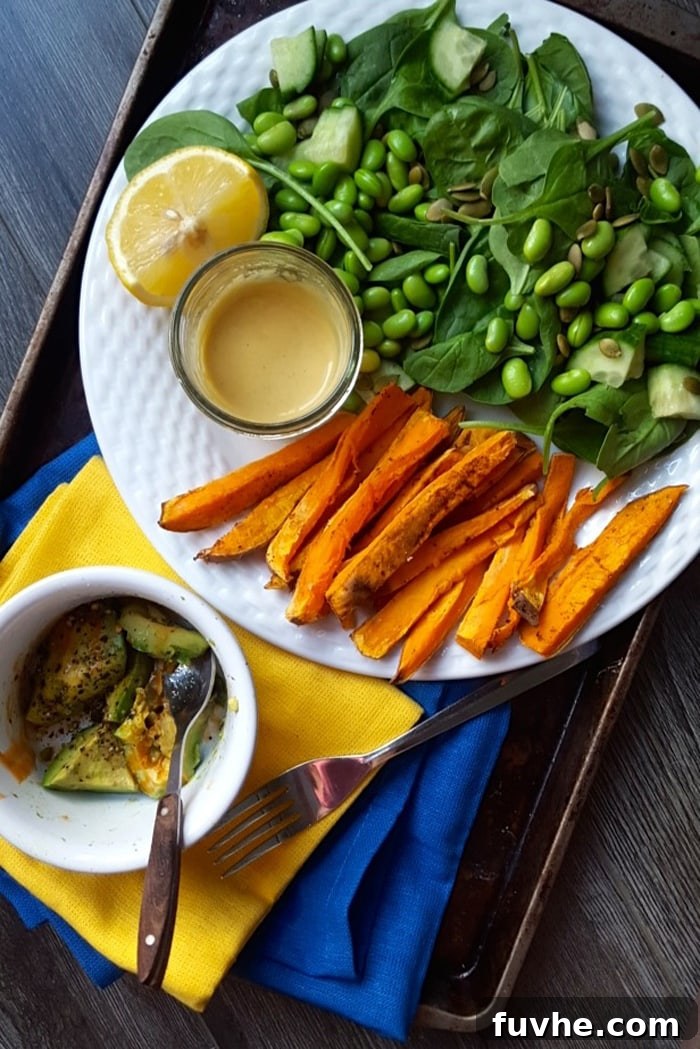
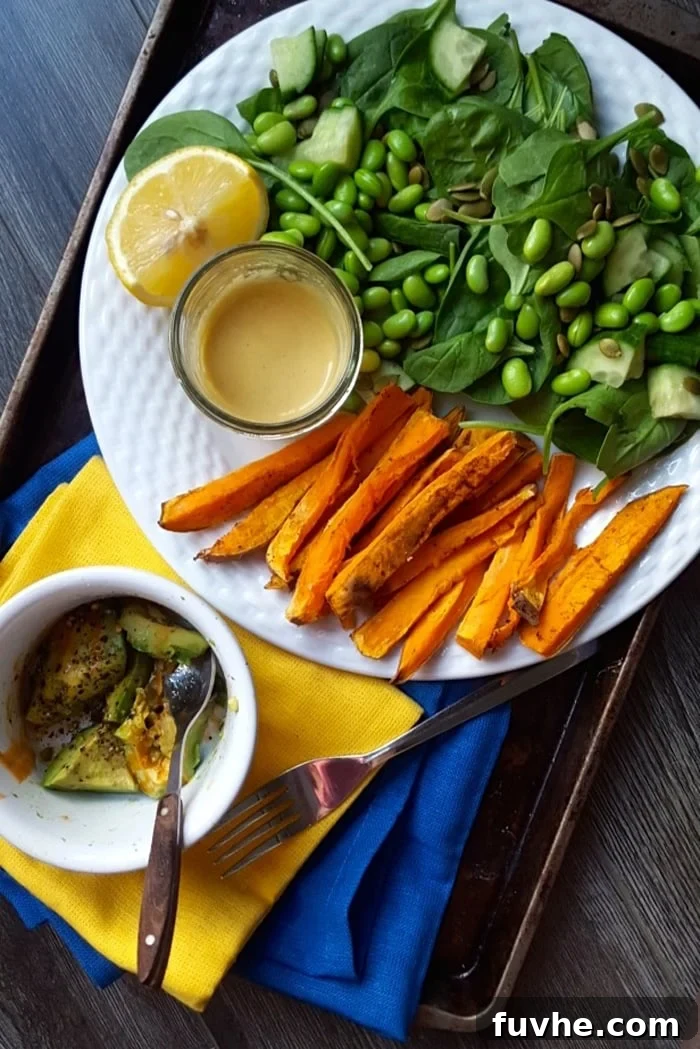
My focus now is on obtaining healthy fats from whole food sources that offer a broader spectrum of nutritional benefits. Foods like hemp seeds, chia seeds, coconut, avocado, and various nuts provide ample healthy fats alongside fiber, vitamins, and minerals. For cooking, steaming, and sautéing, I’ve successfully transitioned to using water or vegetable broth. Surprisingly, roasting vegetables without oil has yielded even better results! A simple seasoning is all that’s needed for them to emerge tender yet perfectly crispy and flavorful. One of my absolute favorite discoveries is fat-free baked fries – simply slice potatoes or sweet potatoes and bake them until golden and crisp. It’s a revelation!
Aside from an occasional dash of MCT oil in my “bulletproof” coffee, I haven’t consciously added any cooking oil to my diet in months. Looking back, I recall how quickly I used to go through bottles of olive oil; now, I can’t even remember the last time I had to purchase a new one. This shift not only supports my macro goals but also highlights how easily we can reduce unnecessary caloric intake without sacrificing taste or quality.

3. Financial Benefits of Mindful Eating
An unexpected but welcome benefit of conscious eating and macro tracking has been the financial savings. By keeping my portion sizes in check and becoming more aware of what and how much I’m consuming, I naturally eat less overall. This translates directly into spending less money on groceries.
Moreover, my consumption of high-density, often pricier, foods like nut butters, maple syrup, coconut oil, and nuts has significantly decreased. These items, while healthy in moderation, can quickly add up in cost and calories if not managed. I’ve also found myself eating out less frequently. Preparing meals at home is not only more macro-friendly but also far more economical. While I still enjoy dining out occasionally, I simply make my best estimate of the macronutrients and don’t stress over absolute precision. In essence, I purchase less food because I consume less food, freeing up more funds for other passions, like traveling. It’s a win-win!
4. Optimal Macronutrient Balance: Less Sugar, Less Fat, More Protein
Before implementing flexible dieting, my diet, though plant-based, often leaned heavily on natural sugars and fats, particularly from whole food sources like dates, bananas, avocados, nuts, and generous amounts of peanut butter. While these foods are nutritious, their quantities were sometimes misaligned with my specific performance and body composition goals. I still enjoy fruit and healthy fats, but now with a keen awareness of their impact on my daily macros.
Crucially, my protein intake was undoubtedly insufficient prior to this shift. For plant-based athletes, being mindful of protein consumption is paramount for supporting intense training, facilitating muscle growth, and maintaining existing muscle mass. I now deliberately incorporate a robust protein source into every single meal and supplement with high-quality whole-food protein powders. This intentional approach has allowed me to consistently achieve 150-160 grams of protein daily, exclusively from plant-based whole-food sources, proving that animal proteins are entirely unnecessary for achieving significant athletic and physiological benefits. This optimized balance has been instrumental in my progress, ensuring my body receives the building blocks it needs to thrive.
5. The Power of Raw Vegetables: Micronutrients and Satiety
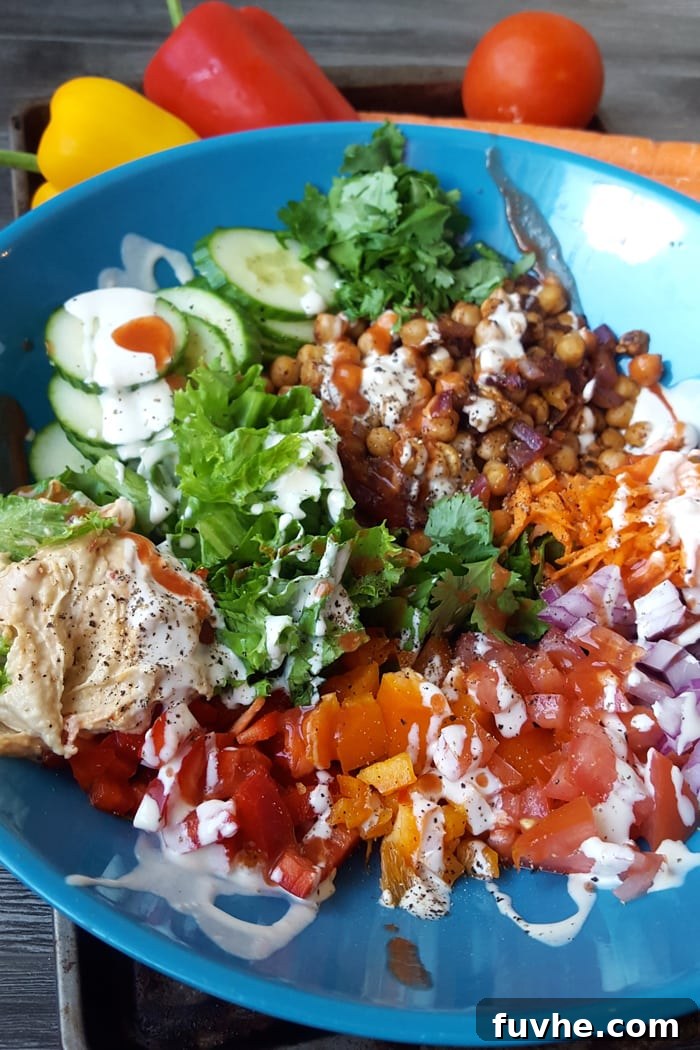
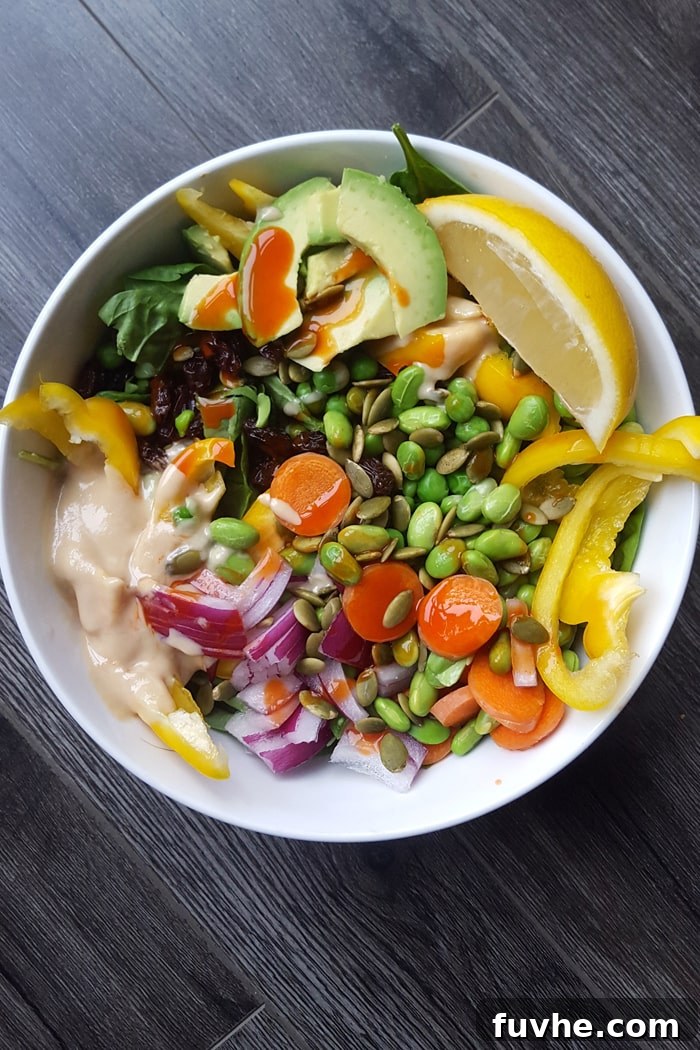
Achieving optimal micronutrient intake is a huge win, and plant-based flexible dieting has greatly emphasized this. Previously, during moments of kitchen laziness, I often defaulted to calorie-dense, grain-based dishes like rice and pasta. Now, my go-to “lazy” meals are enormous, vibrant salads, always fortified with a substantial protein source such as lentils, tempeh, or tofu. I absolutely love them! While I enjoyed salads before, they weren’t a daily staple. Now, they are an essential part of my daily diet.
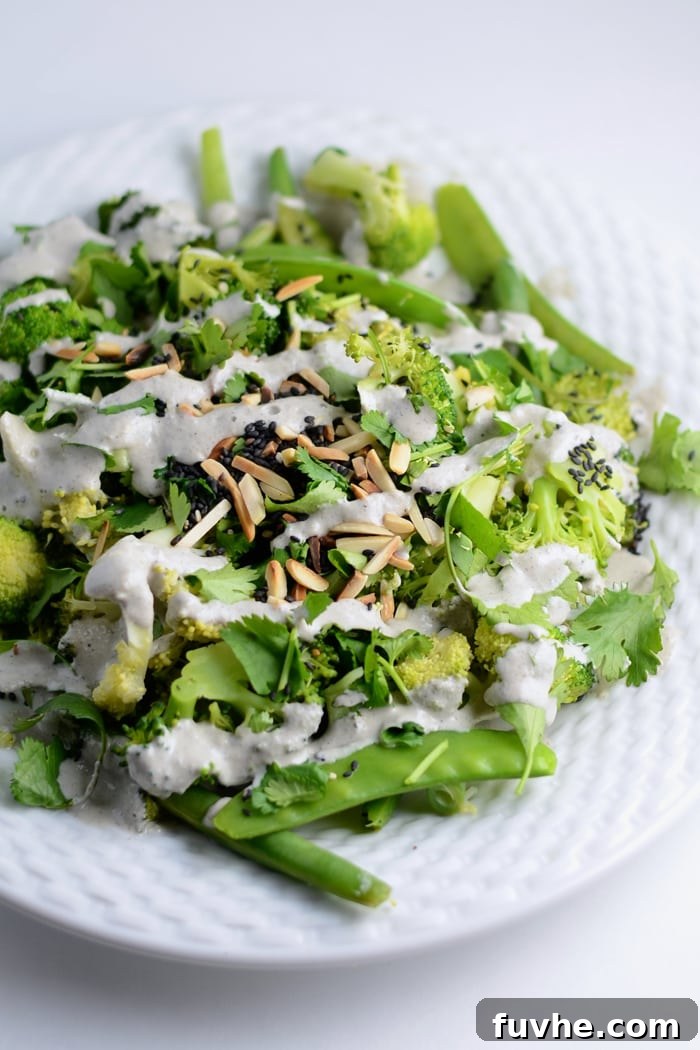
The strategy here is to prioritize high-volume foods, and large salads excel in this regard. The more volume, the better, especially when you’re looking to feel satiated without exceeding your macro targets. It’s truly amazing how filling a generously sized salad with added protein can be! This approach also offers a significant psychological benefit; eating a large portion feels incredibly satisfying, whereas smaller, macro-dense meals can sometimes leave you feeling deprived or unsatisfied. I relish the opportunity to add all sorts of fresh vegetables and aromatic herbs, topping it all off with a simple, homemade fat-free vinaigrette. Furthermore, I’ve increased my snacking on raw vegetables and generally integrated more raw produce into my overall diet, boosting my intake of essential vitamins and minerals.
6. Mastering Portion Control and Intuitive Eating
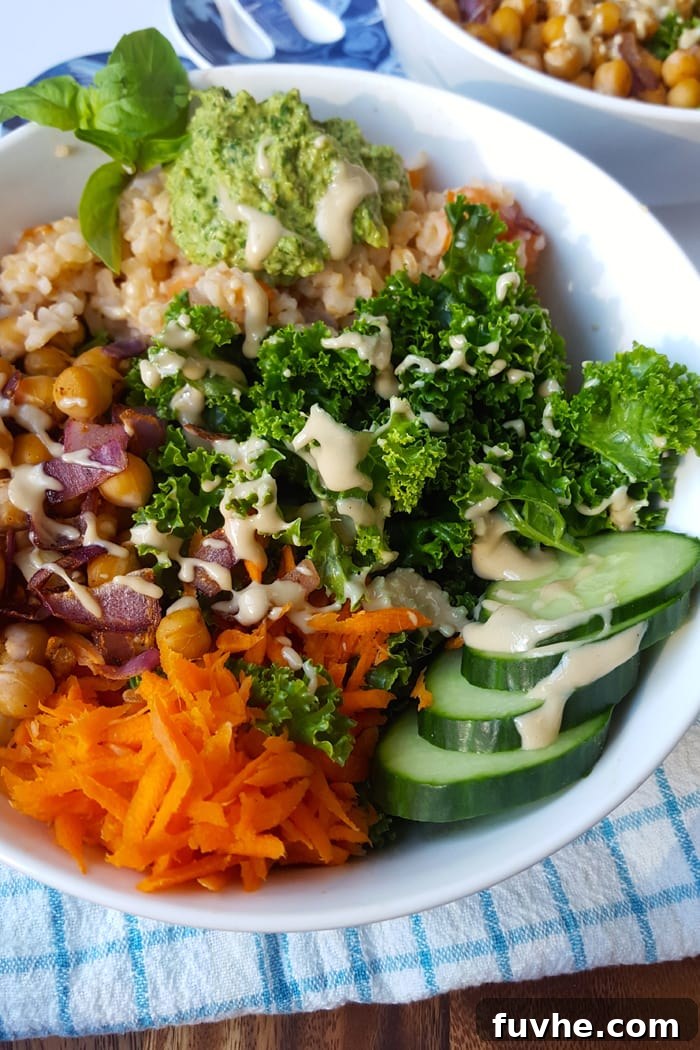
One of the most profound changes I’ve experienced, largely thanks to measuring my food, is the realization that making each meal and snack just a little bit smaller can accumulate into substantial results over time. It’s incredibly easy to underestimate the calories and macronutrients you’re consuming, particularly with dense, higher-calorie foods. This underestimation was a significant blind spot in my previous eating habits.
Utilizing tools like a food scale for several months was an invaluable education. It helped me develop an accurate understanding of appropriate portion sizes. Now, even when I’m not actively tracking my macros, I can confidently eyeball portions that are suitable for my body and my goals. This skill is particularly useful when dining out or traveling, significantly reducing the likelihood of unintentional overeating and making consistent progress much more manageable.
7. Long-Term Lifestyle Integration: Sustainable and Flexible
Flexible dieting, particularly within a plant-based framework, is undeniably a sustainable long-term lifestyle. Its greatest strength lies in its non-restrictive nature; no foods are strictly “off-limits.” This psychological freedom makes it far more manageable and less daunting than highly restrictive diets. For someone with my performance-focused goals, there’s ample room for enjoying life’s moments without constant worry about food choices. Of course, the pace of your progress will align with how closely you adhere to your macro targets, but the beauty of flexible dieting is that it allows for a “slow and steady” approach, which is perfectly acceptable to me. Time is less of a concern than consistency.
Furthermore, once you transition into a maintenance phase and consistent daily macro counting becomes less necessary, flexible dieting can serve as a powerful tool for periodic check-ins. A weekly weigh-in, coupled with a general awareness of your typical food intake, can be more than sufficient to maintain body composition changes. After several months of tracking, you develop an almost intuitive understanding of your daily nutritional needs, making the transition to a more intuitive yet informed eating style seamless.

8. The Importance of Patience and Consistency: Don’t Rush It
Achieving significant and lasting changes in your body, especially when chasing athletic performance, is a marathon, not a sprint. Real transformation can take months, even years; there are no overnight miracles. It’s essential to view this as a lifelong commitment, embracing a strategy of slow, steady, and gradual adjustments. Rushing the process, particularly through overly aggressive deficits, can have detrimental effects: muscle loss, rapid weight regain (often exceeding initial losses), the development of binge-eating patterns, and a negative impact on athletic performance. A balanced approach is crucial for both physical and mental well-being.
Adopting this long-term perspective also liberates you to enjoy occasional treats and social events without undue stress. What truly makes a difference is your consistent effort over time, not the infrequent indulgences. Eat what makes you happy, and if you occasionally veer off track or overeat, simply return to your normal routine the next day without guilt. There are no shortcuts to sustainable results, but unwavering consistency over years will yield profound and lasting change. Maintain focus on your goals, but always keep them in perspective, allowing room for life’s enjoyable moments. I cherish my vacations, travel experiences, and time with family and friends, and I refuse to let rigid dietary concerns overshadow these precious moments. While healthy eating forms the cornerstone of my daily life, this consistency creates the buffer needed to enjoy occasional deviations and still achieve long-term success.
9. Cultivating Discipline Through Macro Tracking
There is an undeniable satisfaction that comes from consistently hitting your macro targets each day. It’s akin to solving a daily puzzle, meticulously fitting all the individual macronutrient pieces together to form a complete nutritional picture. Since embracing this method, I’ve noticed a significant reduction in food cravings. Furthermore, when unhealthy food options present themselves, I find it much easier to bypass them without a second thought. While I wasn’t plagued by major issues before, my current level of awareness and care for what I put into my body is unprecedented. I’m far less inclined to “waste” my precious macros on something I don’t genuinely enjoy or that won’t contribute positively to my health and performance goals. This intentionality breeds a powerful form of self-discipline.

10. Strategic Eating Signals: Ending Mindless Snacking
I was definitely a habitual after-dinner, nighttime snacker. Flexible dieting has helped me completely eliminate this habit. Once I’ve completed my meals for the day and successfully fulfilled my macro requirements, it serves as the perfect, unambiguous signal to stop eating. When I know I’m adequately nourished and satisfied, there’s simply no compelling reason to continue grazing. This clear boundary has been instrumental in improving my sleep and general digestive comfort. However, if I do find myself with a few macros remaining and a desire for a light snack, air-popped popcorn is my absolute favorite go-to – it’s high volume, low calorie, and incredibly satisfying.
11. Smart Vegetable Tracking: Focus on Starchy Options
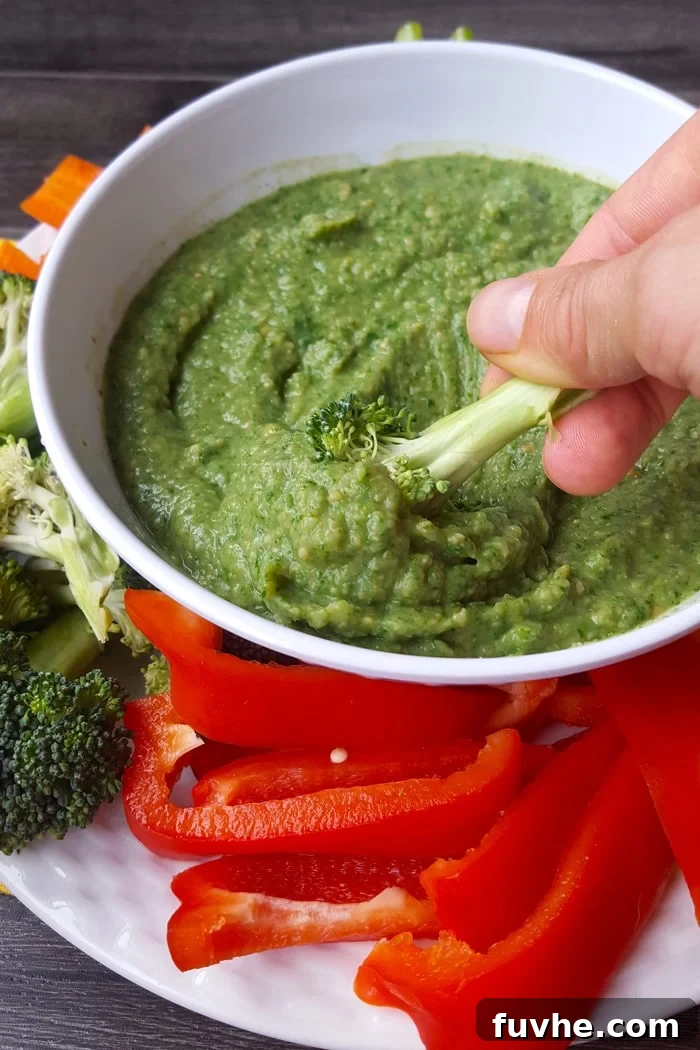
A practical aspect of my macro tracking is a selective approach to measuring vegetables. I haven’t found it necessary to meticulously measure non-starchy vegetables such as lettuce, tomatoes, carrots, cucumbers, bell peppers, and other lighter, low-calorie options. Given my high activity level and specific performance goals, such extreme accuracy isn’t essential for these types of produce. However, for starchy vegetables like potatoes, sweet potatoes, and other higher-density options, I do measure them carefully. The carbohydrate content in these vegetables can add up significantly, and accurate tracking is crucial for maintaining my macro targets and supporting my energy levels effectively.

12. The Art of Label Reading: Beyond Ingredients
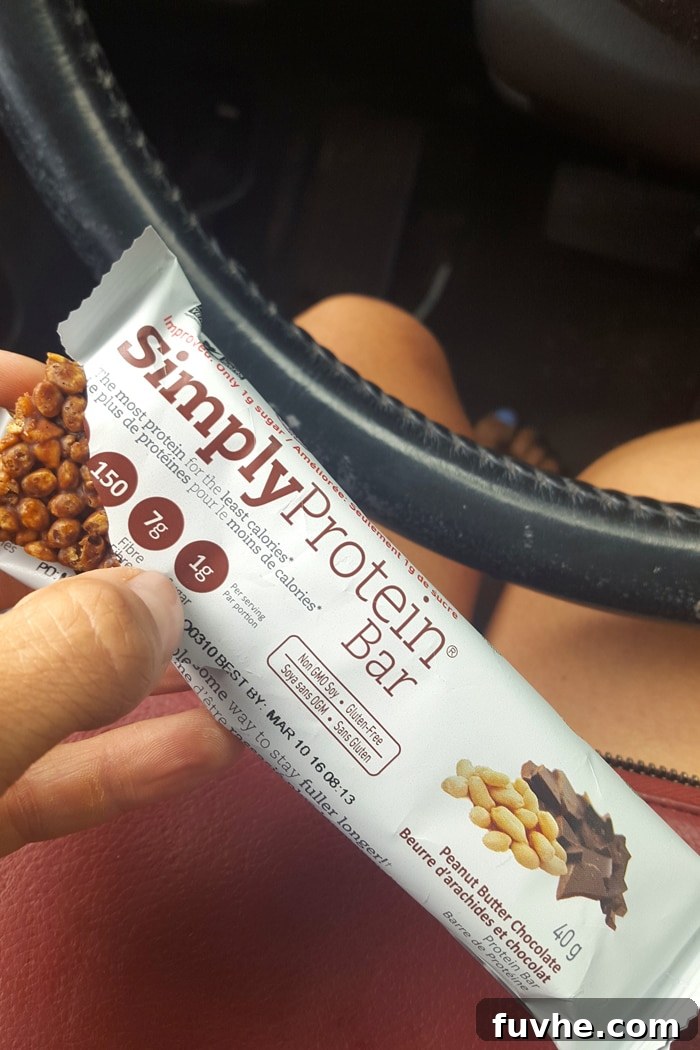
Before adopting flexible dieting, my approach to packaged foods was primarily focused on reading the ingredient list, ensuring it contained wholesome components. Now, my scrutiny extends to both the ingredient panel and, crucially, the nutrition facts label. I actively seek out products that offer the most favorable macronutrient ratios, typically prioritizing higher protein content and lower fat. The more balanced each individual food item is, the easier it becomes to hit my overall daily macro targets.
Executing this on a plant-based diet requires a bit more strategic planning. Unlike animal protein sources such as tuna or egg whites, most plant-based proteins often come accompanied by a significant amount of carbohydrates and/or fats. Therefore, consciously selecting higher-protein, lower-carbohydrate plant-based foods throughout the day is key to efficiently reaching my daily macro goals. While the quality of ingredients remains paramount, the specific nutritional breakdown has gained equal, if not greater, importance in my decision-making process. That said, as my diet predominantly consists of whole, unprocessed foods, the need for extensive label reading is often minimized, reinforcing the foundational principle of eating real, nutrient-dense foods.
Plant-Based Flexible Dieting: Real-World Application
These experiences encapsulate my initial journey with flexible dieting, which has since transformed into a sustained and enjoyable way of fueling my active lifestyle. The insights gained have made me feel like a true professional in understanding my body’s nutritional needs.
Structuring Your Week for Success
Weekdays flow seamlessly due to my consistent routine. My day typically involves a pre-training snack at 5 AM, followed by a protein shake post-training, then breakfast, a mid-morning snack, lunch, an afternoon snack, and dinner. Occasionally, if my macros allow, I’ll have a final snack before bed. Weekends, however, present a greater challenge due to the lack of a rigid schedule. My primary focus during these times is ensuring adequate protein intake and maintaining regular meal timing throughout the day, preventing long gaps that can lead to overeating.
Finding Your Personal Balance
Currently, I don’t adhere to my macros with 100% precision every single day. The remarkable aspect of this approach is that I continue to see consistent, steady results without feeling overly restrictive or obsessively rigid. This balance is ideal for long-term adherence. When social events or spontaneous outings arise, I simply focus on mindful portion control, rather than stressing over exact numbers. For my personal goals, life is too short to be perpetually fixated on absolute accuracy. Unless you’re preparing for a highly competitive event or need to make a specific weight class, I believe a less stringent approach allows for greater enjoyment and sustainability. If you occasionally miss your targets by overeating or even undereating on a given day, it’s not a setback; simply return to your routine the following day without any stress or guilt.

Empowerment and Personal Responsibility
While working with a coach can certainly provide invaluable guidance and ensure your nutrition aligns perfectly with your goals, ultimately, the responsibility for consistent effort and execution lies with you. It’s your daily commitment that truly drives results. On the other hand, it’s equally important not to obsess or become overly stressed if you deviate for a day or two. The process should be enjoyable and empowering. Focus on nourishing your body with nutrient-dense foods, but also allow room for foods that simply bring you joy. Work hard, push your limits, and discover what you’re truly capable of, but always maintain perspective and be kind to yourself. As with any significant endeavor in life, the greater your consistency and dedication, the more profound and lasting your success will be. Your journey, and its triumphs, are entirely in your hands!
Thank you for taking the time to read about my journey with plant-based flexible dieting. I know many of you have found my previous articles on this topic helpful, so please don’t hesitate to share any questions or your own experiences in the comment section below. I’d love to hear from you and continue this valuable conversation!
Ready to explore counting macros? Get started with these essential resources:
- How to Get Started with Flexible Dieting: Your Comprehensive Guide
Deepen your understanding of Flexible Dieting with these related posts:
- Week One Experiences – A Snapshot of How I Eat on Vegan IIFYM
- Week Two Experiences – Tips, Tricks, and Sample Meal Plans for Plant-Based Macros
- Best Plant-Based Flexible Dieting Foods – Part 1: Essential Choices
- Best Plant-Based Flexible Dieting Foods – Part 2: Diverse Options
- Best Plant-Based Flexible Dieting Foods – Part 3: Meal and Snack Inspiration
- Nutrition Tips for Vegan Athletes: Fueling Peak Performance
- Effective Tips for Sustainable Fat Loss