
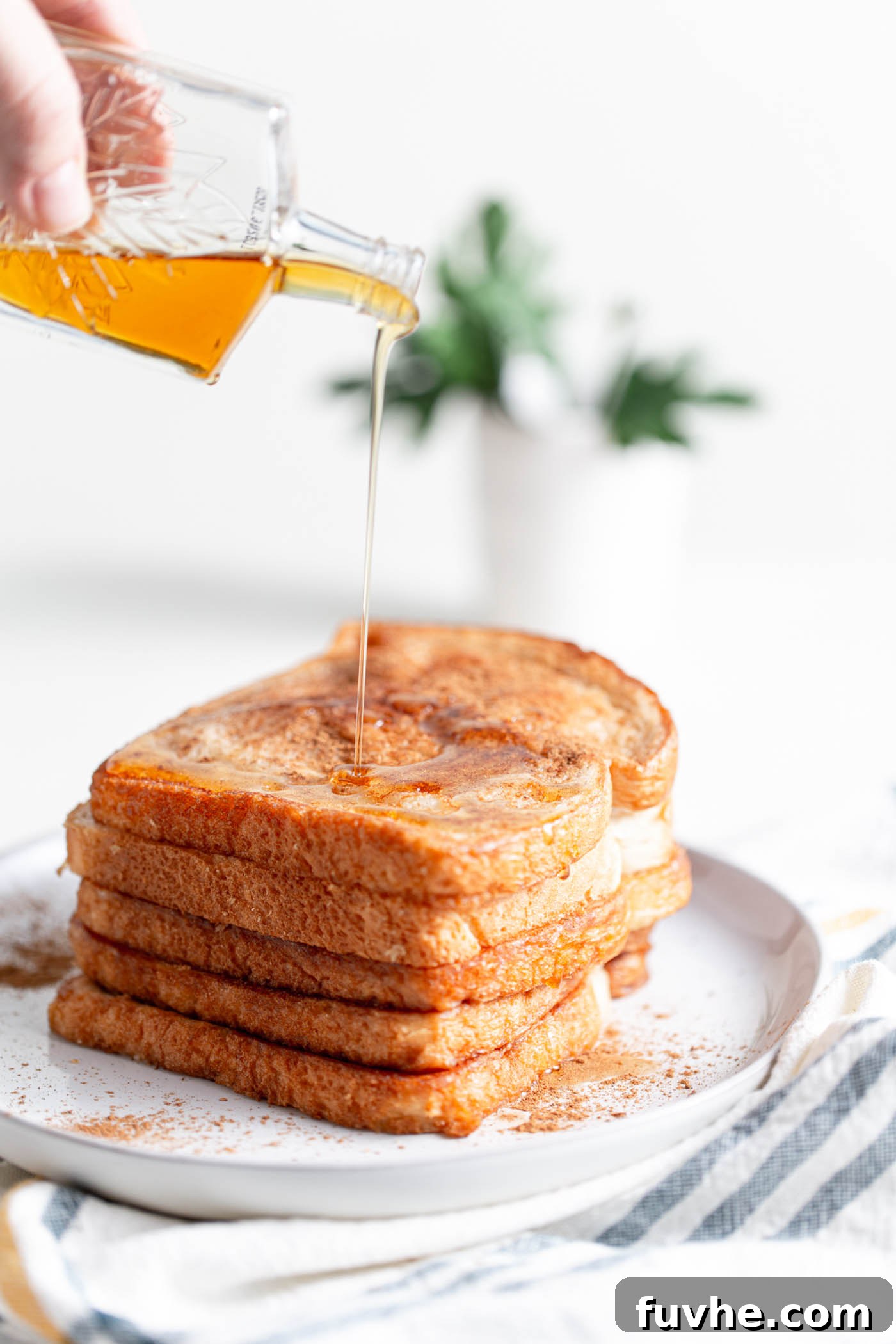
Decadent Coconut Vegan French Toast: Your Perfect Holiday Breakfast
Imagine waking up on Christmas morning to the irresistible aroma of freshly made French toast, but with a delightful twist. This incredible coconut vegan French toast recipe transforms a breakfast classic into a festive, plant-based masterpiece. It’s incredibly easy to make with simple, wholesome ingredients, and the addition of nutmeg and a hint of maple syrup infuses it with a luxurious eggnog-like flavor that’s absolutely perfect for holiday celebrations. Get ready to indulge in a breakfast that feels truly special, without any eggs or dairy!
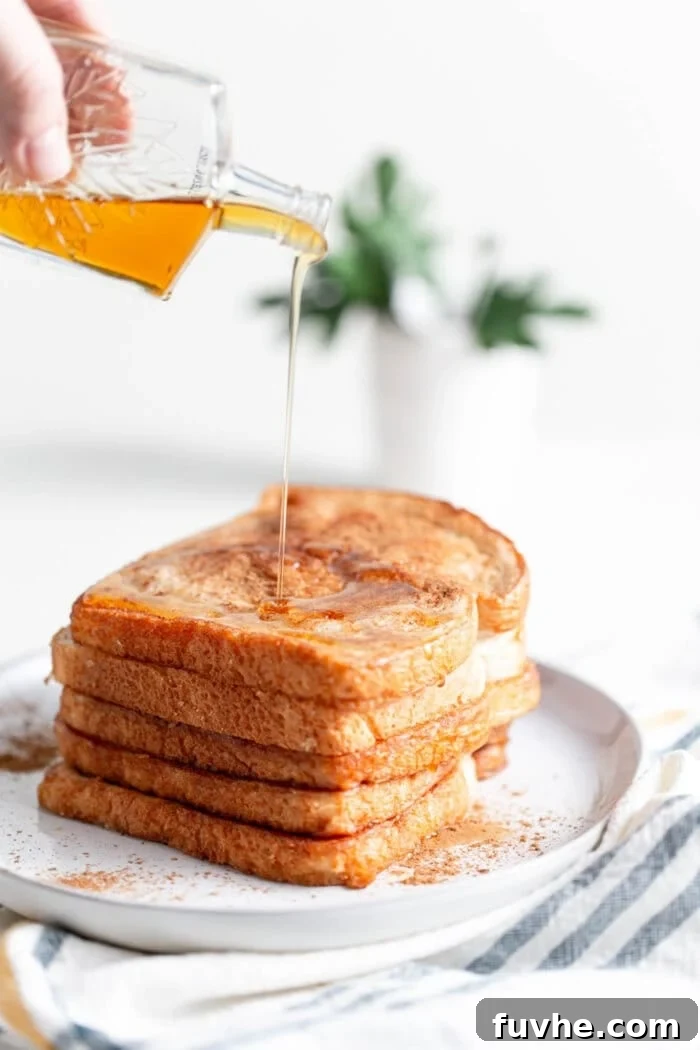
Holiday mornings call for something extra special, and this vegan French toast delivers on all fronts. What truly elevates this recipe, giving it that perfect festive eggnog quality, is the harmonious blend of natural maple syrup and aromatic nutmeg. These warm spices, combined with the rich, creamy texture of full-fat coconut milk, create a flavor profile that is simply divine. It’s a comforting, satisfying breakfast that proves you don’t need eggs or dairy to achieve pure indulgence.
The beauty of this recipe lies in its simplicity. Forget complicated steps or lengthy preparations. You’ll just need to whisk together a silky batter, lovingly coat your favorite bread slices, pan-fry them to golden perfection, and then enjoy with your preferred French toast toppings. It’s a fuss-free way to bring gourmet breakfast vibes to your table, whether it’s for Christmas, a weekend brunch, or any day you crave a touch of sweetness.
Why You’ll Adore This Vegan French Toast
Beyond being a simple and delicious dish, this Coconut Vegan French Toast offers a multitude of reasons to fall in love:
- Unforgettably Decadent: The rich, creamy coconut base combined with fragrant nutmeg creates a truly luxurious and indulgent taste experience. It’s comfort food at its finest.
- Holiday Charm: With its subtle eggnog undertones, this French toast captures the essence of the holiday season, making it an ideal centerpiece for Christmas morning or any festive gathering.
- Effortlessly Simple: Despite its gourmet appeal, the preparation is incredibly straightforward. You don’t need to be a seasoned chef to whip up this impressive breakfast.
- Dietary-Friendly & Inclusive: Being entirely vegan, it’s naturally dairy-free and egg-free, making it a fantastic option for those with allergies, dietary restrictions, or anyone embracing a plant-based lifestyle.
- Customizable Delight: This recipe serves as a perfect canvas for your creativity. Experiment with different breads, toppings, and additional spices to make it uniquely yours.
- Wholesome Ingredients: Made with everyday pantry staples, you can feel good about serving this nourishing yet indulgent breakfast to your loved ones.
Ingredient Spotlight: What You’ll Need
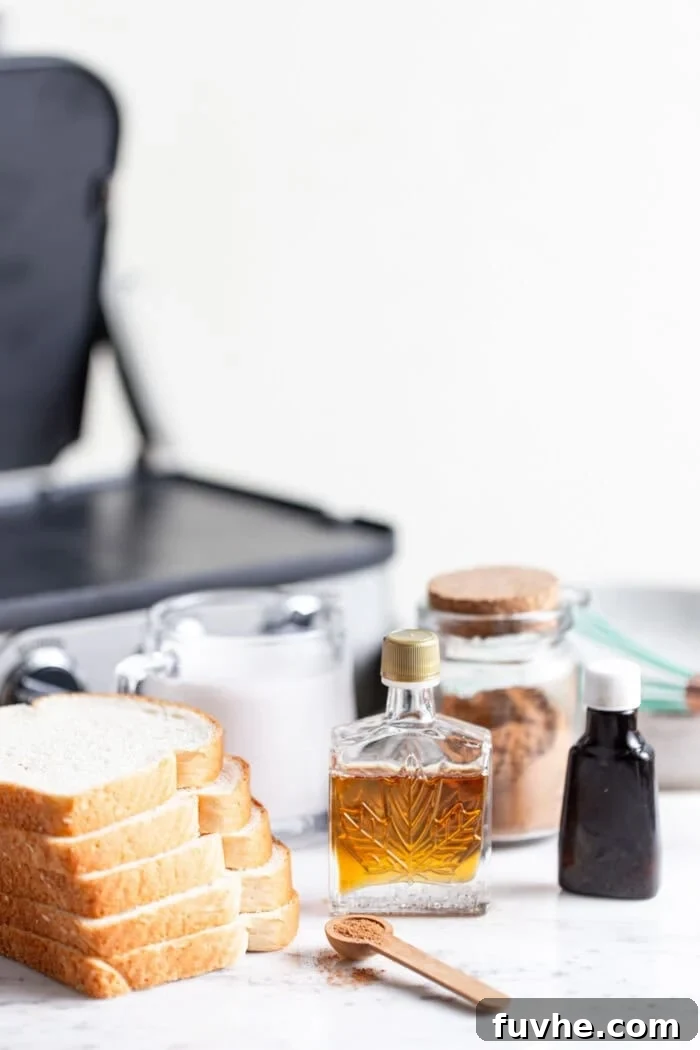
Crafting the perfect vegan French toast begins with understanding the role of each ingredient. Here’s a detailed look at what makes this recipe shine:
- Bread: The Foundation. While nearly any bread can be transformed into French toast, I highly recommend opting for thick, hearty slices of rustic bread. Sourdough, whole-wheat, or a robust country loaf works beautifully, offering a sturdy structure that can absorb the batter without becoming soggy. For a true vegan experience, always check the ingredient list of store-bought breads, as some brands may surprisingly contain milk products or honey. Day-old bread is often preferred as it’s slightly drier and absorbs the batter better, leading to a crispier exterior. If you’re looking for a gluten-free option, select a thick, dense gluten-free loaf.
- Full-Fat Coconut Milk: The Creamy Heart. This is a star ingredient! Full-fat canned coconut milk is essential for achieving the rich, creamy consistency and decadent flavor that mimics traditional French toast made with eggs and dairy. The fat content contributes significantly to the overall texture and mouthfeel. It’s crucial to give the can a really good shake before opening to ensure the cream and liquid are well combined, preventing a separated consistency. Avoid using light coconut milk, as it will result in a thinner, less luxurious batter.
- Maple Syrup: Nature’s Sweetener. Just a touch of pure maple syrup is all you need to perfectly sweeten the batter and add a distinctive, warm flavor that complements the coconut and nutmeg. Its natural sweetness enhances the overall taste profile. If maple syrup isn’t readily available, agave nectar or even a dissolved pinch of coconut sugar are excellent alternatives that maintain the plant-based integrity of the recipe.
- Cornstarch: The Egg Replacer. This unassuming pantry staple plays a vital role in creating that characteristic “eggy” texture. Cornstarch acts as a binder and thickener, helping the batter adhere to the bread and contributing to a slightly chewy interior and a golden-brown crust when cooked. I strongly advise against omitting it, as it’s key to the success of the French toast’s texture.
- All-Purpose Flour: The Binder. All-purpose flour helps to thicken the batter to the ideal consistency, ensuring it coats the bread evenly and effectively. It creates a stable, cohesive mixture. For those looking for different dietary options, you can substitute all-purpose flour with whole wheat flour or spelt flour, which will add a slightly nuttier flavor and more fiber. If using a gluten-free flour blend, ensure it’s a cup-for-cup blend and be mindful that liquid absorption might vary slightly.
- Ground Nutmeg: The Holiday Essence. This spice is what truly brings the “eggnog” quality to this French toast. Its warm, sweet, and slightly peppery notes are synonymous with festive drinks and desserts. Don’t skimp on the nutmeg; it’s what transforms this from regular vegan French toast into a holiday special. Freshly grated nutmeg offers an even more potent aroma and flavor.
- Vanilla Extract: Aromatic Depth. A splash of vanilla extract deepens the overall flavor profile, adding a sweet, comforting aroma that ties all the ingredients together beautifully. Use a good quality pure vanilla extract for the best results.
- Salt: Flavor Balancer. A small amount of salt is crucial to balance the sweetness and enhance all the other flavors in the batter, preventing the French toast from tasting flat.
Step-by-Step Instructions: Creating Your Festive French Toast
Making this delicious vegan French toast is a straightforward process. Follow these easy steps to achieve perfect results every time:
Step 1: Prepare the Batter. In a shallow dish – one wide enough to comfortably fit a slice of bread – combine the full-fat coconut milk (remember to shake the can well!), maple syrup, ground nutmeg, vanilla extract, and salt. Whisk these ingredients together until well combined. Gradually add the all-purpose flour and cornstarch, whisking continuously until the batter is completely smooth and free of lumps. The consistency should be thick enough to coat the bread without being overly thin or gloopy.
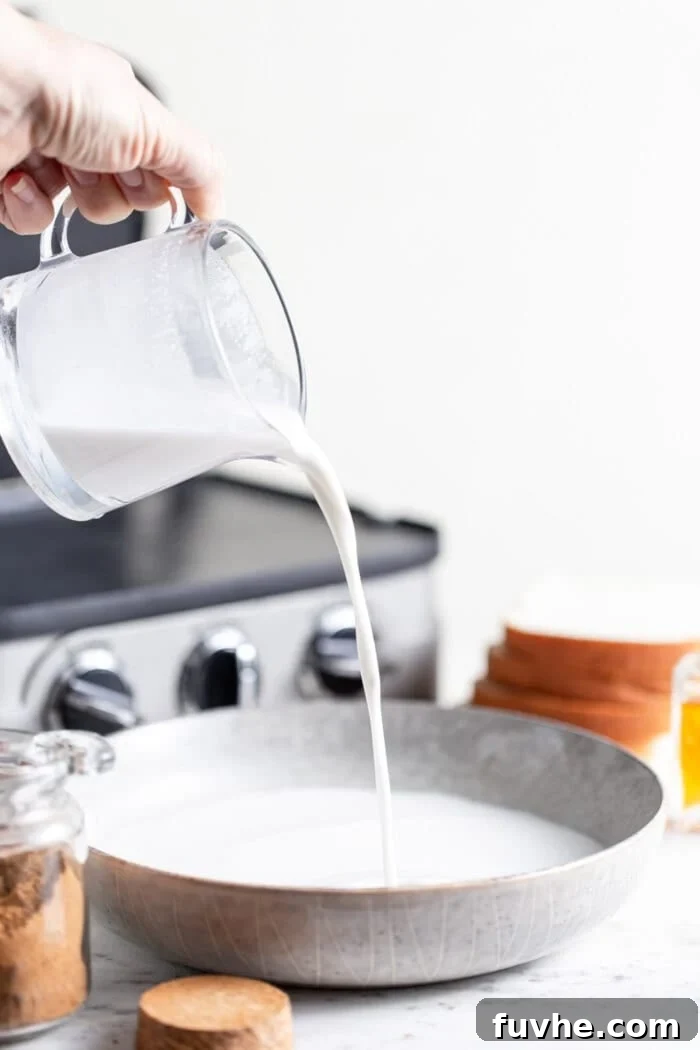

Step 2: Cook the French Toast. Heat a skillet or griddle over medium-high heat. Lightly coat the cooking surface with a non-stick cooking spray or a small amount of coconut oil. Once the skillet is hot, carefully dip a slice of bread into the prepared batter, ensuring both sides are fully coated but not oversaturated (refer to our tips for ideal soaking times based on bread type). Place the coated bread slice onto the hot skillet. Cook for approximately 3 minutes per side, or until it develops a beautiful golden-brown crust and appears cooked through. Adjust heat as needed to prevent burning.
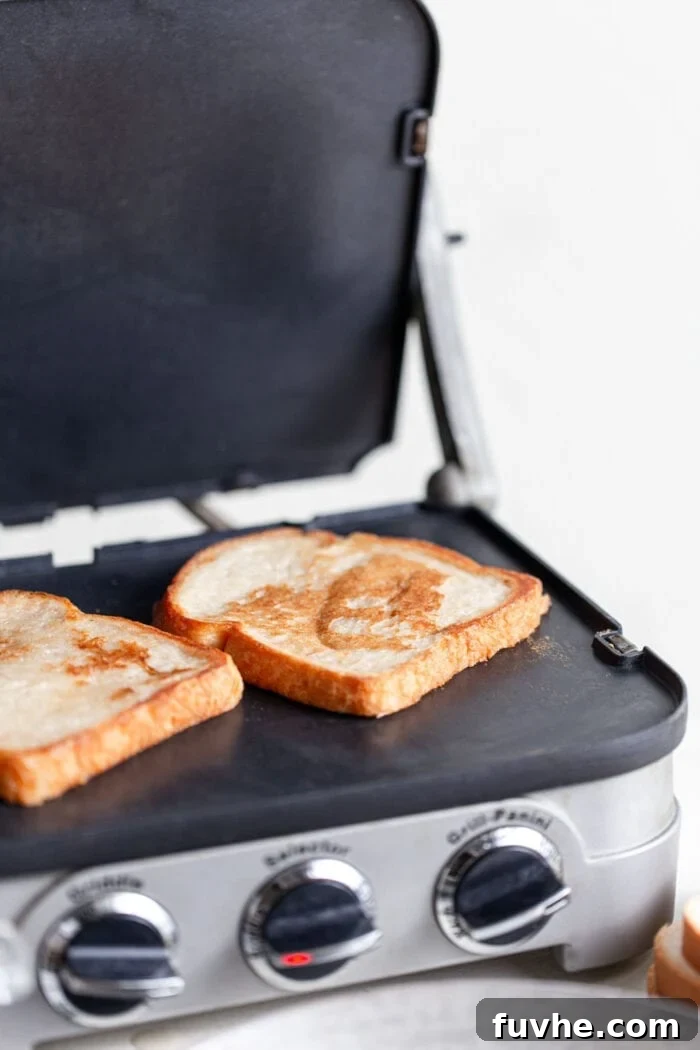
Step 3: Serve and Enjoy. Repeat the cooking process with the remaining bread slices, adding a little more oil or spray to the skillet between batches if necessary to maintain a non-stick surface. Once cooked, transfer the French toast to plates. For the ultimate holiday treat, serve immediately with a generous drizzle of pure maple syrup, a light sprinkle of extra ground nutmeg, and a delicate dusting of powdered sugar. A dollop of vegan whipped cream or fresh berries would also be divine!
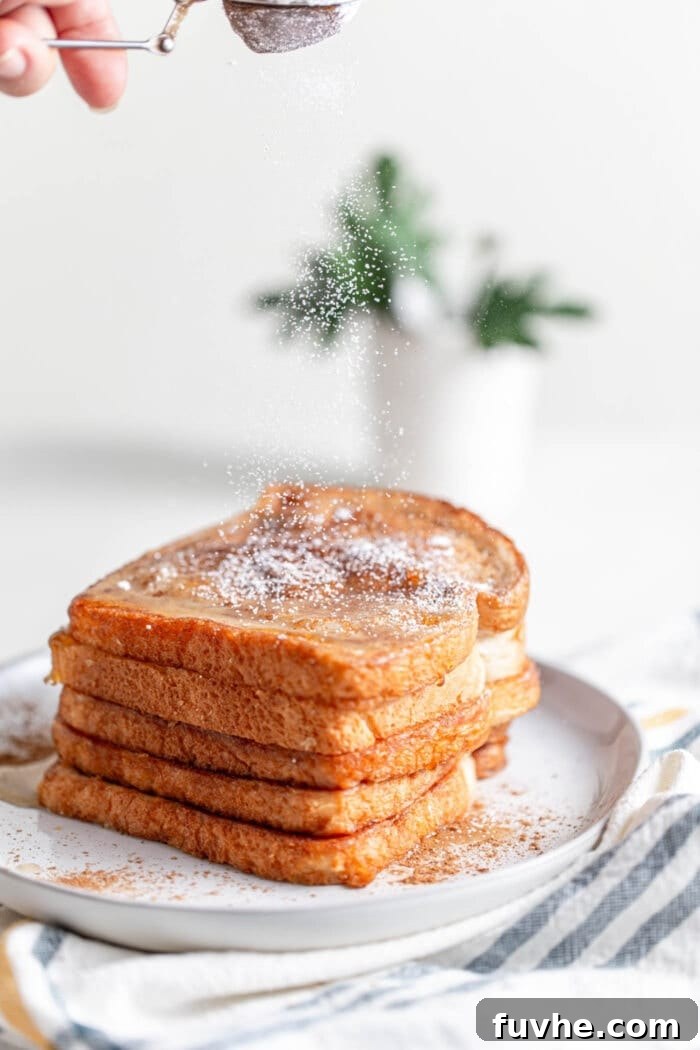
Serve with pure maple syrup, a sprinkle of fresh nutmeg, and for an extra special treat, a dusting of powdered sugar.
Expert Tips for the Best Vegan French Toast
Achieving perfectly cooked, non-soggy vegan French toast is simple with these expert tips:
- Choose the Right Dish for Batter: Opt for a shallow dish or baking pan that is wide enough to comfortably lay a slice of bread flat. This ensures easy and even coating without unnecessary mess.
- Master the Soaking Technique: The soaking time is crucial and depends heavily on your bread type.
- For thin, standard white sandwich bread: Soak no more than 10 seconds per side. These breads absorb liquid quickly and can become overly saturated and fall apart if soaked too long.
- For thick, hearty, or slightly drier breads (like sourdough, ciabatta, or artisanal loaves): Soak closer to 15-20 seconds per side. These denser breads require more time to absorb the batter properly.
The goal is for the bread to be fully coated and moist but not completely soggy or waterlogged.
- Preheat Your Griddle/Skillet Thoroughly: Ensure your cooking surface is fully heated to medium-high before you start cooking the first batch. A hot pan is essential for achieving that beautiful golden-brown crust and prevents the French toast from sticking.
- Use Adequate Oil/Cooking Spray: A quick spritz of coconut oil, olive oil cooking spray, or a light brush of oil (such as avocado oil) will prevent sticking and help create a wonderfully crispy exterior. You may need to add a bit more oil between batches.
- Don’t Overcrowd the Pan: Cook French toast in batches, giving each slice enough space on the griddle. Overcrowding can lower the pan’s temperature, leading to steamed rather than nicely browned French toast.
- Consistent Heat: Maintain a consistent medium-high heat. Too low, and your French toast won’t brown; too high, and it will burn before cooking through. About 3 minutes per side is a good general guideline, but watch for visual cues like a golden crust.
- Batter Consistency Check: If your batter seems too thick, add a tiny splash more coconut milk. If it’s too thin, a small sprinkle of flour or cornstarch can help. It should be thick enough to cling to the bread but still pourable.
- Serve Immediately: French toast is always best enjoyed fresh off the griddle while it’s warm and crispy.
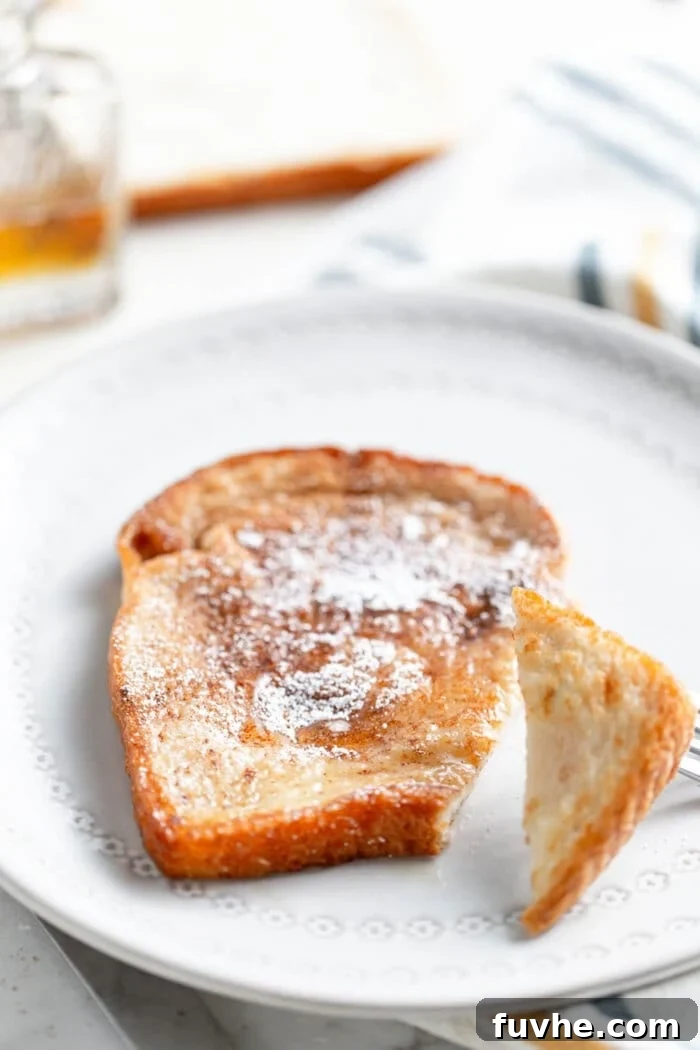
Elevate Your Plate: Serving Suggestions
While delicious on its own, this Coconut Vegan French Toast becomes an even greater culinary experience with the right accompaniments. Here are some ideas to inspire your serving presentation:
- Classic Combination: A generous pour of pure maple syrup, a delicate dusting of powdered sugar, and an extra sprinkle of ground nutmeg for added festive aroma.
- Fresh Fruit Medley: Brighten your plate with fresh berries (strawberries, blueberries, raspberries), sliced bananas, peaches, or even caramelized apples.
- Creamy Indulgence: Top with a dollop of homemade or store-bought vegan whipped cream (coconut whipped cream is a fantastic choice!).
- Nutty Notes: A drizzle of almond butter, peanut butter, or cashew butter adds a delightful protein boost and rich flavor.
- Warm Compotes & Sauces: A warm berry compote, apple cinnamon sauce, or even a vegan chocolate sauce can take your French toast to the next level.
- Toasted Nuts: Sprinkle some toasted chopped pecans, walnuts, or slivered almonds for a crunchy texture.
- Herbal Touch: A few fresh mint leaves can add a pop of color and freshness.
Get Creative: Vegan French Toast Variations
This recipe is incredibly versatile! Feel free to experiment and make it your own:
- Spice It Up: Beyond nutmeg, consider adding a pinch of cinnamon, allspice, ginger, or even cardamom to the batter for a different spice profile. A pumpkin pie spice blend would also be lovely for an autumn twist.
- Citrus Zest: A little orange or lemon zest grated into the batter can add a bright, fresh counterpoint to the rich flavors.
- Extract Excitement: A few drops of almond extract instead of or in addition to vanilla can give it a unique marzipan-like flavor.
- Chocolate Lover’s Dream: Fold some mini vegan chocolate chips into the batter before dipping the bread for a truly decadent treat.
- Tropical Flair: Add a tablespoon of shredded unsweetened coconut to the batter or sprinkle it on top before serving for extra coconut flavor and texture.
- Gluten-Free Option: Easily make this recipe gluten-free by using your favorite gluten-free bread and a 1:1 gluten-free all-purpose flour blend. Ensure your GF bread is sturdy enough to hold up to soaking.
Storage and Reheating Tips
While French toast is best enjoyed fresh, you can certainly save leftovers or prepare it ahead of time:
- Storing Leftovers: Allow any cooked French toast to cool completely. Store in an airtight container in the refrigerator for up to 3-4 days.
- Freezing for Later: For longer storage, flash-freeze individual slices on a baking sheet until firm, then transfer them to a freezer-safe bag or container. They can be stored in the freezer for up to 1-2 months.
- Reheating:
- Oven/Toaster Oven: The best method for maintaining crispiness. Place slices in a single layer on a baking sheet and reheat at 350°F (175°C) for 8-10 minutes, or until heated through and crispy.
- Skillet: Reheat in a lightly oiled skillet over medium heat for a few minutes per side until warm and slightly crispy.
- Microwave: While quick, this method can make French toast soggy. Only use if time is critical, heating for 30-60 seconds per slice.
Frequently Asked Questions (FAQ)
- Can I make this French toast gluten-free?
- Absolutely! Simply use a thick, sturdy gluten-free bread and ensure your all-purpose flour is replaced with a 1:1 gluten-free flour blend. The texture will be slightly different but still delicious.
- What is the best type of bread for vegan French toast?
- Thick-sliced, rustic, or day-old bread like sourdough, challah (ensure it’s vegan), or a country loaf works best. Its sturdiness prevents it from falling apart when soaked and fried, while day-old bread absorbs the batter more effectively.
- Can I use light coconut milk?
- It is highly recommended to use full-fat canned coconut milk for this recipe. Light coconut milk will result in a much thinner batter and a less rich, creamy final product due to its lower fat content.
- How do I prevent my French toast from becoming soggy?
- The key is proper soaking time and a hot griddle. Don’t oversoak the bread (especially thinner slices). Ensure your skillet is at medium-high heat before adding the bread, and cook until golden brown and firm, not limp.
- Can I prepare the batter ahead of time?
- Yes, you can! Whisk the batter together and store it in an airtight container in the refrigerator for up to 24 hours. Give it a good whisk again before using, as the flour and cornstarch may settle.
- What if my batter is too thin or too thick?
- If the batter is too thin and not coating the bread well, whisk in another tablespoon of flour or cornstarch. If it’s too thick, add a tablespoon of coconut milk at a time until it reaches the desired consistency.
More Vegan Holiday Breakfast & Brunch Ideas
Looking for more delicious plant-based recipes to grace your Christmas morning table or add to your holiday brunch menu? Here are some fantastic vegan ideas:
- Rich & Creamy Vegan Eggnog
- Healthy Vegan Blueberry Pecan Muffins
- Irresistible Vegan Cinnamon Rolls
- Moist & Flavorful Applesauce Muffins
- Comforting Vegan Bread Pudding
- Fun & Sticky Vegan Monkey Bread
- Indulgent Healthy Hot Chocolate
Coconut Vegan French Toast Recipe
By: Deryn Macey
This amazing coconut French toast tastes a bit like eggnog, making it just perfect for a luxurious Christmas morning breakfast. Enjoy topped with pure maple syrup and a light sprinkle of nutmeg and powdered sugar.
Prep Time: 5 mins | Cook Time: 15 mins | Total Time: 20 mins
Servings: 3 servings
Ingredients
- 1 cup full-fat canned coconut milk (shake well before opening)
- 2 tbsp maple syrup or agave syrup
- ½ tsp ground nutmeg (plus extra for topping)
- ½ tsp vanilla extract
- ¼ tsp salt
- ¼ cup all-purpose flour
- 2 tbsp cornstarch
- 6 slices bread (or more as needed)
- About 1 tbsp coconut oil, cooking spray, or cooking oil of choice
Instructions
- Stir coconut milk, maple syrup or agave, nutmeg, vanilla, and salt together in a small bowl. Whisk in flour and cornstarch until the batter is smooth. Transfer to a shallow dish.
- Coat a skillet or griddle with oil or cooking spray and heat to medium-high. Dip each side of a slice of bread in the batter to coat. Place in the skillet and cook until lightly browned on the bottom, about 3 minutes. Flip and cook for another 3 minutes.
- Repeat until all slices are cooked, adding a bit more oil between batches if the cooking surface begins to dry up.
- Serve with maple syrup, a sprinkle of nutmeg, and for a special holiday treat, a dusting of powdered sugar.
Notes
Avoid submerging the bread slices excessively, as you might be inclined to do if working with an egg-based batter. With all vegan French toasts, I suggest laying the slice on top of the batter and then flipping to coat the other side. This ensures both sides are fully coated without the bread becoming over-saturated and potentially falling apart. A thickly-sliced, hearty bread works particularly well here.
Nutrition
Serving: 2 pieces, Calories: 439kcal, Carbohydrates: 64g, Protein: 10g, Fat: 16g, Sodium: 619mg, Potassium: 285mg, Fiber: 3g, Sugar: 11g, Calcium: 130mg, Iron: 5mg
We hope you enjoy this delightful Coconut Vegan French Toast as much as we do! It’s truly a recipe that combines the joy of holiday flavors with the goodness of plant-based eating. Whether you’re making it for a special occasion or simply to brighten a weekend morning, this French toast is sure to become a beloved addition to your recipe collection. Happy cooking and happy holidays!
Update Note: Originally published on November 24, 2014, as a guest post by Connoisseurus Veg. Rewritten in my own words and updated with new photos in November 2019.