
Unlock the full potential of your tofu dishes by mastering the art of pressing tofu. This crucial step effectively removes excess water, allowing tofu to absorb marinades better, achieve a crispier texture when cooked, and maintain its shape flawlessly. Whether you’re frying, baking, breading, crumbling, or marinating, properly pressed tofu elevates your culinary results from good to exceptional.
Say goodbye to bland, soggy tofu. Our comprehensive guide covers everything from simple DIY techniques using everyday kitchen items to the convenience of specialized tofu presses, ensuring you achieve the best outcome every time. Discover why pressing tofu is the secret ingredient to delicious plant-based meals.
For a deeper dive into tofu and its counterpart, tempeh, including different varieties and their best uses, explore our detailed guide to tofu and tempeh.
Why Press Tofu? The Key to Superior Texture and Flavor
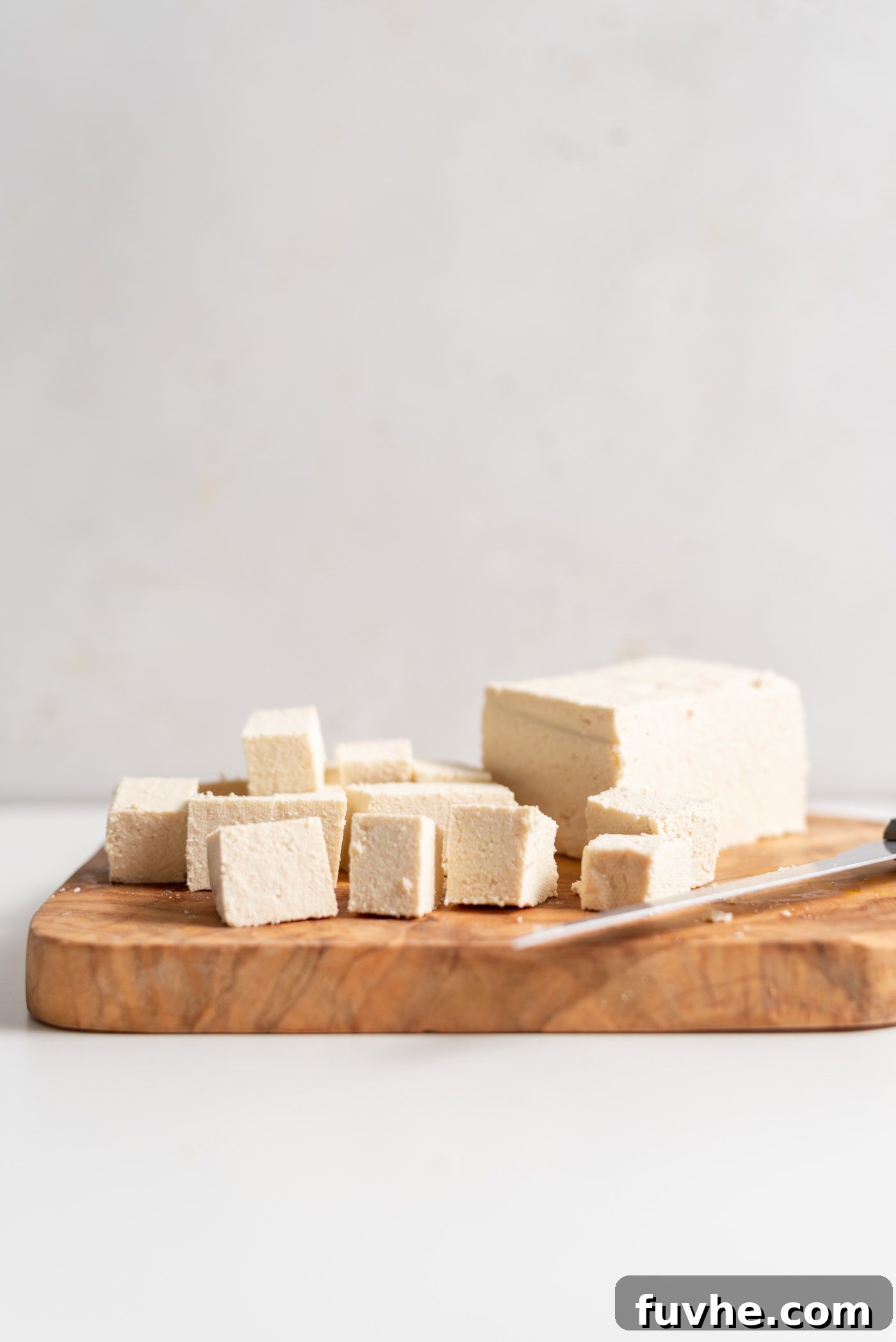
Tofu is naturally rich in water, both from its production process and its packaging. This high moisture content can significantly hinder cooking performance, leading to less flavorful and often soggy dishes. Pressing tofu is the essential step to remove this excess water, transforming it into a versatile ingredient ready to absorb flavors and achieve ideal textures.
The benefits are clear:
- Enhanced Flavor Absorption: By expelling water, tofu becomes a porous canvas, allowing marinades and seasonings to penetrate deeply, infusing every bite with robust flavor.
- Superior Crisping and Browning: Less water means tofu can achieve a beautiful golden crust and delightfully crispy texture when pan-fried, baked, or air-fried. This facilitates the Maillard reaction, crucial for developing rich, savory notes.
- Firmer, More Appealing Texture: Pressed tofu is denser and holds its shape better, making it less prone to crumbling during cooking. It offers a satisfying, chewier mouthfeel often desired in plant-based alternatives to meat.
- Improved Cooking Performance: With less water to evaporate, pressed tofu cooks more efficiently, especially when aiming for dry, crispy finishes.
In essence, pressing tofu is the foundational technique that unlocks its true culinary potential, making it firmer, more flavorful, and perfectly suited for a wide range of recipes.
Do You Always Have to Press Tofu?
While highly beneficial, pressing tofu isn’t always strictly necessary. For certain dishes, or when time is a constraint, you can use tofu straight from the package.
For example, if you’re preparing a soft tofu scramble, blending tofu into a creamy sauce, or adding it to a highly saucy curry where a firm texture isn’t paramount, skipping the press might be acceptable. In these cases, a quick drain and pat-dry might suffice.
However, it’s important to recognize the trade-off. Unpressed tofu will remain softer, absorb flavors less effectively, and struggle to achieve crispiness. For optimal texture and deep flavor infusion – especially for frying, baking, grilling, or marinating – the extra step of pressing is strongly recommended. It’s about matching your effort to your desired culinary outcome.
When to Press Tofu: Tofu Types and Ideal Recipes
The decision to press tofu largely depends on its firmness and your intended cooking method. Not all tofu types are suitable for pressing.
Tofu Firmness Guide:
- Firm and Extra-Firm Tofu: These are ideal for pressing. Their dense structure effectively releases water, resulting in a significantly improved texture for almost all cooking applications.
- Medium Tofu: Can be pressed very gently for a short duration, but excessive pressure may compromise its delicate structure. Many cooks opt not to press medium tofu.
- Silken and Soft Tofu: Never press these varieties. Their high water content and custard-like consistency mean they will disintegrate under pressure. They are best used in creamy dishes like smoothies, sauces, and certain soups.
Optimal Applications for Pressed Tofu:
Pressed firm or extra-firm tofu excels in dishes where texture and flavor absorption are key:
- Frying (Pan-Frying, Deep-Frying, Air Frying): For maximum crispiness and golden-brown perfection.
- Baking or Roasting: To achieve chewy tofu “steaks” or firm cubes for salads and sheet pan meals.
- Grilling: Firmer tofu holds up beautifully on the grill, developing excellent char without falling apart.
- Marinating: Essential for deep flavor infusion in dishes like BBQ, teriyaki, or spicy glazed tofu.
- Crumbling: Creates a denser, more meat-like texture for tofu scrambles, tacos, or chili.
- Sautéing: Ensures tofu browns well and adds pleasant chewiness to stir-fries, such as my popular vegan Panang curry with tofu.
DIY Tofu Press Method: Pressing Tofu Without Special Equipment
Before dedicated tofu presses became popular, home cooks successfully pressed tofu using everyday kitchen items. This method is free, effective, and yields excellent results. Here’s how to do it:
-
Step 1: Prepare Tofu. Open the package of firm or extra-firm tofu and drain all the liquid. You may gently rinse the block and pat it dry with paper towels to remove surface moisture.
-

Step 2: Wrap and Position. Wrap the drained tofu block in a clean, absorbent dish towel or several layers of folded paper towels. Place the wrapped tofu on a plate, baking sheet, or cutting board to catch the expelled water.
-
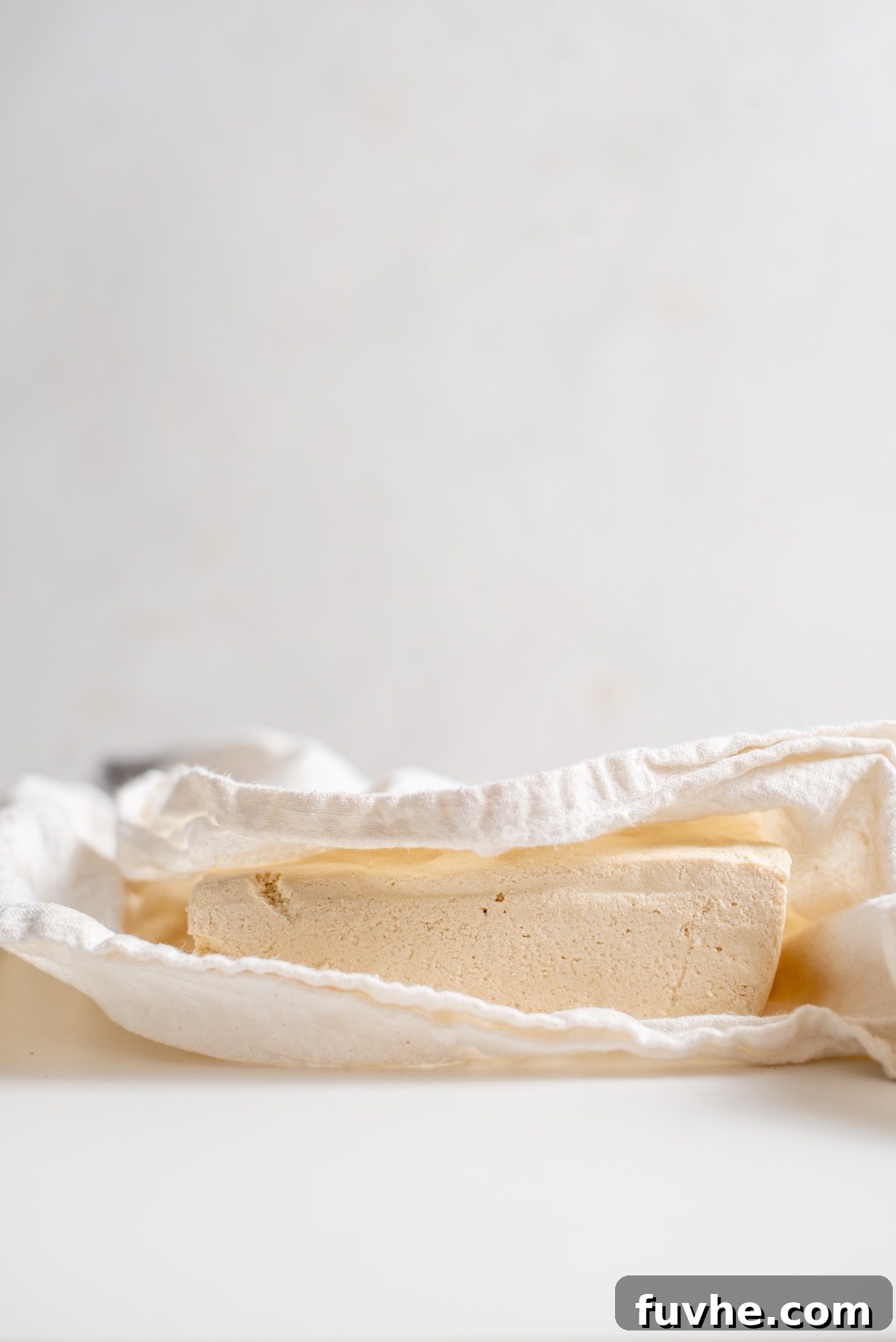
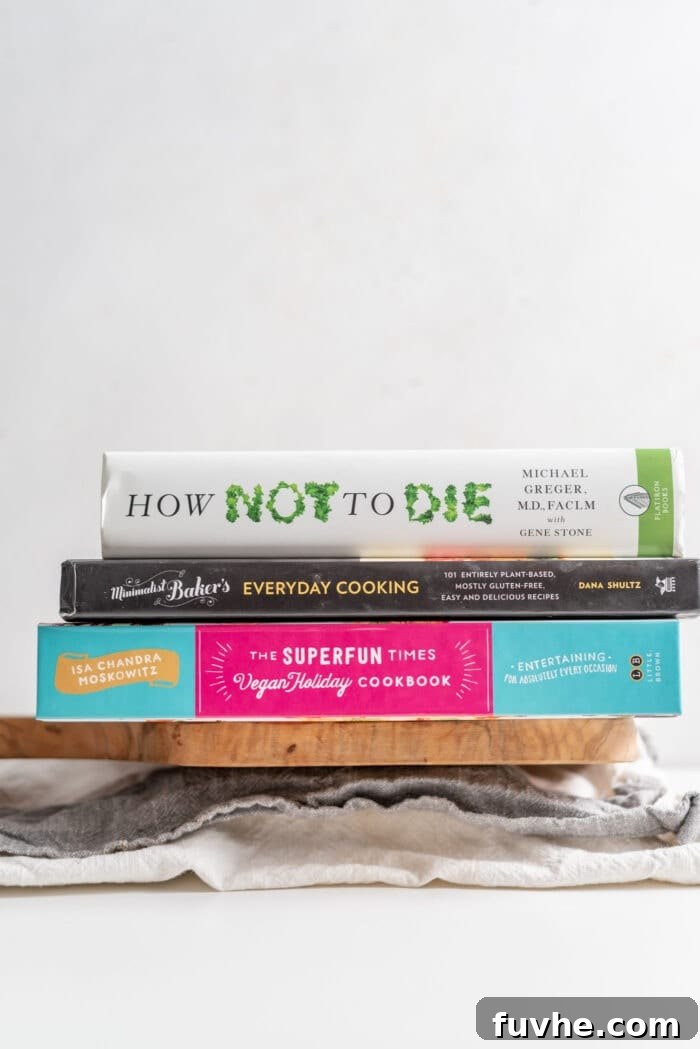
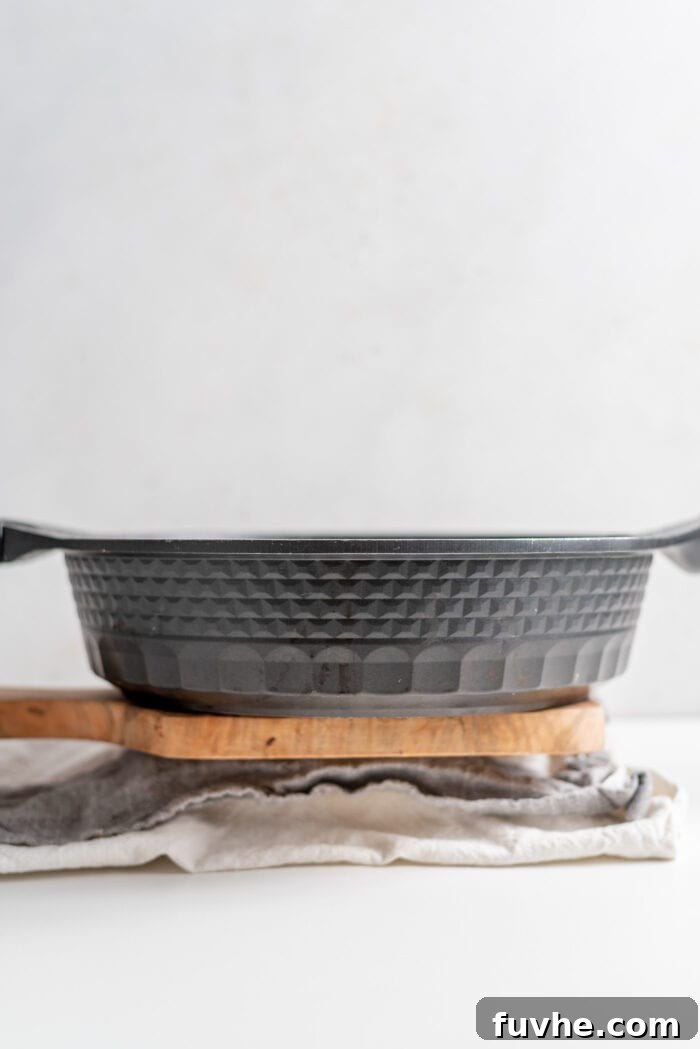
Step 3: Apply Weight. Place a flat, heavy object on top of the wrapped tofu. A cutting board topped with heavy books, a cast iron skillet, or a couple of large cans of food works perfectly. Ensure the weight is evenly distributed and stable.
-
Step 4: Pressing Time. Allow the tofu to press for at least 30 minutes for good results, or 60 minutes (or longer) for maximum water removal and firmness. For quicker needs, even 15-20 minutes will help. You’ll see water accumulating, indicating the pressing is working. Once done, unwrap the noticeably firmer, denser tofu, ready for your recipe.
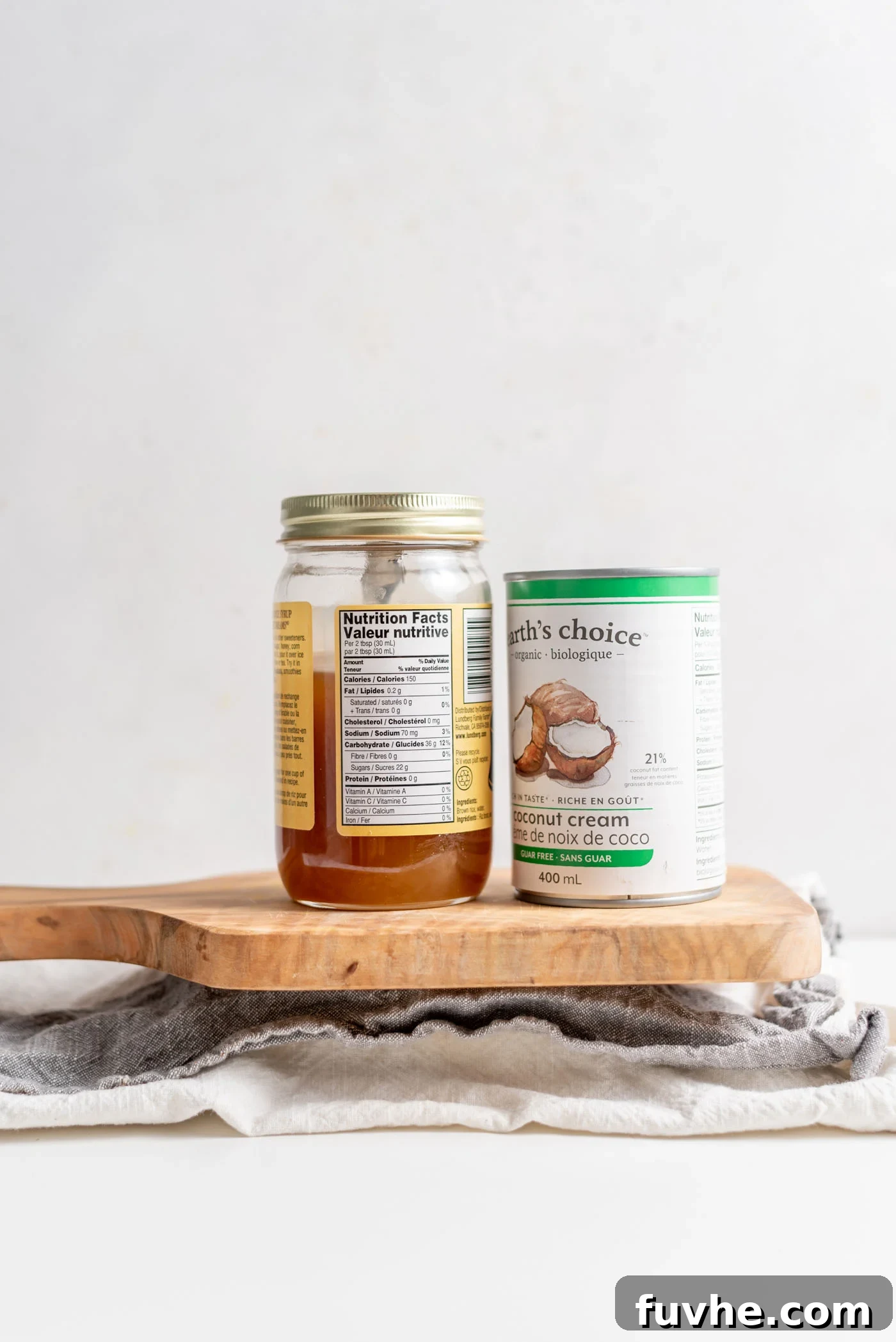
Additional weighting options:
Using a Dedicated Tofu Press: Enhanced Convenience
While DIY methods are effective, a specialized tofu press offers enhanced convenience and efficiency for regular tofu cooks. These gadgets streamline the pressing process, making it cleaner and more consistent.
Key benefits of a dedicated tofu press:
- Effortless Operation: Designed for the task, presses use spring-loaded or screw mechanisms for steady, even pressure without balancing acts.
- Mess-Free Water Collection: Most presses include a drip tray or reservoir that neatly collects expelled water, keeping your counters clean.
- Refrigeration Friendly: Their compact design allows for easy refrigeration, ideal for overnight or longer pressing durations.
- Consistent Results: Engineered for uniform pressure, they ensure consistent water removal and an evenly textured final product.
For frequent tofu eaters, the modest investment in a dedicated press can significantly improve convenience and results, transforming your plant-based cooking experience.
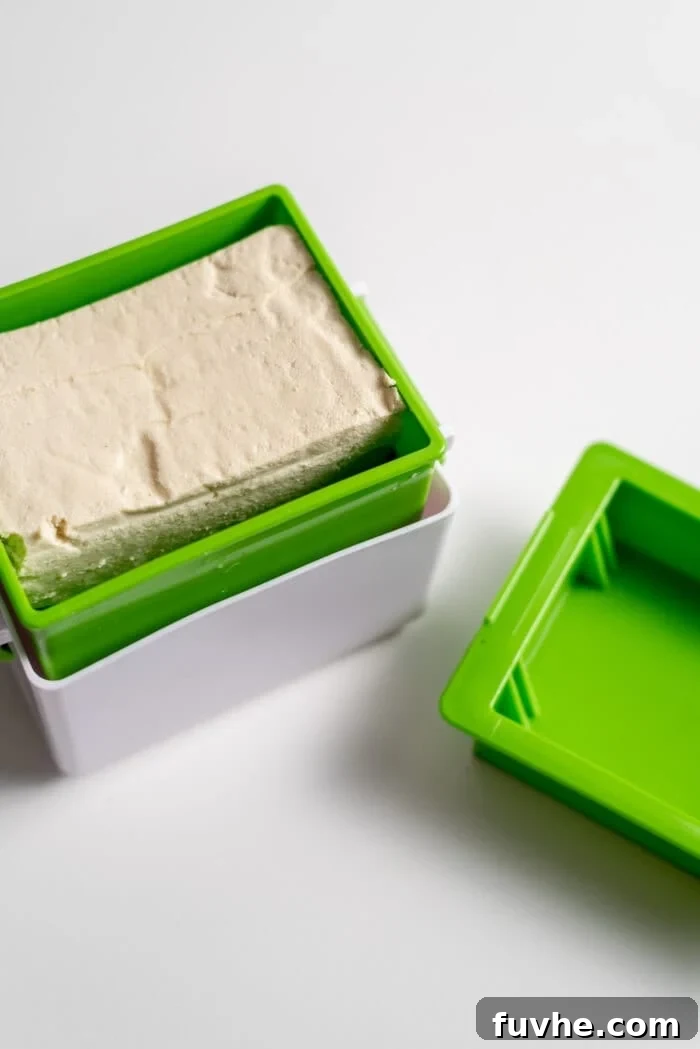
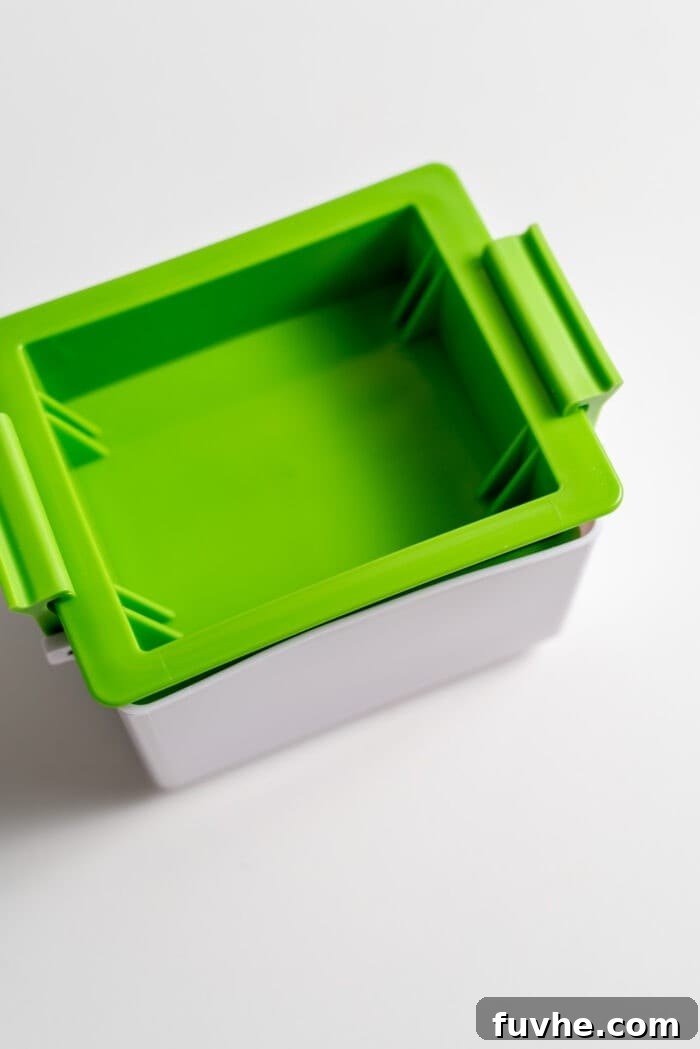
Top Tofu Press Recommendations
Ready to invest in a specialized press? Here are some top options:
-
Tofuture Tofu Press: A highly popular, compact, and mess-free press utilizing a simple spring mechanism within a container. Great for “set it and forget it” pressing in the fridge, with integrated water collection.
-
Yakoor Tofu Press: A robust and efficient press similar to Tofuture but without elastics, offering consistent pressure and excellent drainage for reliable daily use.
-
Original Tofu Press: A classic screw-and-spring press known for its speed, capable of pressing tofu in as little as 15-30 minutes, offering manual pressure control.
-
Simple Drip Tofu Press: Similar to the Original Tofu Press, but includes an extra piece to collect drips, combining fast pressing with enhanced cleanliness.
These options cater to various preferences for speed, design, and mess management, promising to enhance your plant-based cooking.
Can I Freeze Pressed Tofu? Unlocking New Textures
Yes, freezing tofu, especially firm and extra-firm varieties (pressed or unpressed), is an excellent technique to transform its texture and boost its flavor absorption. This process creates distinct culinary benefits.
Benefits of Freezing Tofu:
- Firmer, Chewier Texture: Freezing forms ice crystals that create a more porous, spongy structure upon thawing, resulting in a denser, chewier, almost “meat-like” consistency.
- Enhanced Marinade Absorption: The new porous structure acts like a super-sponge, allowing marinades to penetrate much deeper, infusing tofu with intense flavor.
- Improved Browning: Thawed tofu, with its altered structure and reduced water, browns and crisps up even more effectively.
How to Freeze and Thaw:
- Freeze: Press firm/extra-firm tofu, then freeze it whole, or pre-slice/cube it for quicker thawing and portioning. Store in a freezer-safe bag or container until solid.
- Thaw: Thaw overnight in the refrigerator, or more quickly in cold water. Gently squeeze out any accumulated water after thawing. Tofu may appear slightly yellowish, which is normal.
Frozen and defrosted tofu is ideal for frying, baking, grilling, coating in batter, and marinating, offering a satisfying, hearty texture for many dishes.
Creative Ways to Use Pressed Tofu
Once pressed, tofu becomes incredibly versatile, ready for a wide range of delicious preparations:
Versatile Preparations:
- Crispy Cubes: Bake, air-fry, or pan-fry cubes for salads, grain bowls, or stir-fries.
- Hearty Slabs/Steaks: Marinate thick slices and grill, pan-fry, or bake as a substantial main course for sandwiches or alongside veggies.
- Crumbled: Use as a plant-based ground meat alternative in scrambles, tacos, chili, or pasta sauces.
- Deeply Marinated: Its porous nature makes it perfect for soaking up rich marinades for BBQ, teriyaki, or spicy glazed dishes.
- Battered and Fried: Coat in batter for vegan “fish” or “chicken” style pieces.
Recipes to Try:
- Tofu Feta: Achieve the perfect crumbly, tangy texture for dairy-free feta.
- BBQ Tofu Bowls: For juicy, flavorful, and shape-holding BBQ tofu.
- Sesame Tofu Lettuce Wraps: Crispy, flavorful filling for irresistible Asian-inspired wraps.
- Thai Chopped Salad with Crispy Tofu: Adds a wonderful textural contrast to fresh salads.
Pressed tofu unlocks endless culinary creativity, transforming your plant-based meals.
Conclusion: Elevate Your Tofu Experience
Mastering the simple technique of pressing tofu is a game-changer for plant-based cooking. By removing excess water, you transform tofu into a versatile, flavor-absorbing ingredient that achieves superior textures.
Whether you choose the DIY method or a dedicated press, the benefits are significant: crisper fried dishes, chewier baked proteins, and intensely flavored marinades. This guide empowers you to confidently prepare tofu, enhancing its natural potential for delicious, satisfying, and exciting vegan meals. Embrace the press and elevate your tofu dishes today!