Nutritional Yeast: The Ultimate Guide to This Cheesy, Healthy, Plant-Based Superfood
If you’re delving into the world of plant-based eating or simply seeking a versatile, nutritious, and delicious seasoning, it’s time to discover nutritional yeast. Often affectionately called “nooch,” this unique food offers a savory, cheesy flavor profile without any dairy, making it an indispensable ingredient in a healthy kitchen. From creating creamy vegan parmesan to rich, cheesy sauces, nutritional yeast transforms dishes with its distinct umami taste and impressive health benefits. This comprehensive guide will explore everything you need to know about nutritional yeast, including its nutritional value, how to incorporate it into your cooking, and why it’s a must-have for anyone looking to enhance their diet.
What is Nutritional Yeast?
Nutritional yeast is a culinary ingredient derived from a single-celled organism known as Saccharomyces cerevisiae, the same species used to make brewer’s yeast and baker’s yeast. However, its processing and intended use set it apart. This specific strain of yeast is cultivated on nutrient-rich mediums such as molasses, cane sugar, or other plant-based substrates. Once it reaches maturity, the yeast is carefully harvested, thoroughly washed, and then dried using heat. This crucial heat treatment deactivates the yeast, meaning it loses its ability to grow or cause fermentation, unlike active yeasts used in baking.
After deactivation, nutritional yeast is typically processed into the familiar flakes, granules, or powder, then packaged for consumption. Its unique processing ensures that it acts purely as a seasoning, offering a distinctive flavor and a powerful nutritional boost without any leavening action. This makes it a safe and delicious addition to a wide array of dishes, particularly for those following plant-based or dairy-free diets.
A Unique Type of Yeast: Not All Yeasts Are Created Equal
Understanding the distinction between nutritional yeast and other types of yeast is crucial for culinary success. While all originate from the Saccharomyces cerevisiae family, their functions and applications differ significantly. Nutritional yeast is specifically cultivated and processed to be a savory, nutrient-dense food additive. It is intentionally deactivated with heat, which means its cells are no longer alive or able to multiply.
This deactivation is key: nutritional yeast cannot be used interchangeably with active yeasts, such as baking yeast (also known as active dry yeast or instant yeast). Baking yeast contains live, active cultures that ferment sugars, producing carbon dioxide and causing dough to rise. Attempting to use nutritional yeast as a leavening agent would simply not work; your baked goods would remain flat, as it won’t froth or grow. Conversely, using active baking yeast in a recipe that calls for nutritional yeast would likely result in a frothy, unappetizing mess with an unpleasant, yeasty taste, completely ruining the intended flavor profile of your dish. Nutritional yeast is a flavor enhancer and a nutritional supplement, not a leavening agent.
Seasoning vs. Leavening: Understanding the Role
The fundamental difference between nutritional yeast and active yeasts can be boiled down to their primary functions: seasoning versus leavening. Nutritional yeast is embraced for its distinctive flavor and exceptional nutritional content. It serves as a savory seasoning, adding depth and a cheesy, umami profile to a wide variety of meals. Its purpose is to enhance taste and boost nutritional value.
Active yeasts, on the other hand, are biological agents used to induce chemical reactions, primarily fermentation. In baking, these living microorganisms consume sugars and produce gas, causing dough to rise and giving baked goods their characteristic texture. They are essential for processes like bread making, where their leavening power is harnessed. So, remember: if you’re looking for flavor and nutrition, reach for nutritional yeast. If you’re baking bread, you’ll need an active, live yeast.
What Does Nutritional Yeast Taste Like?
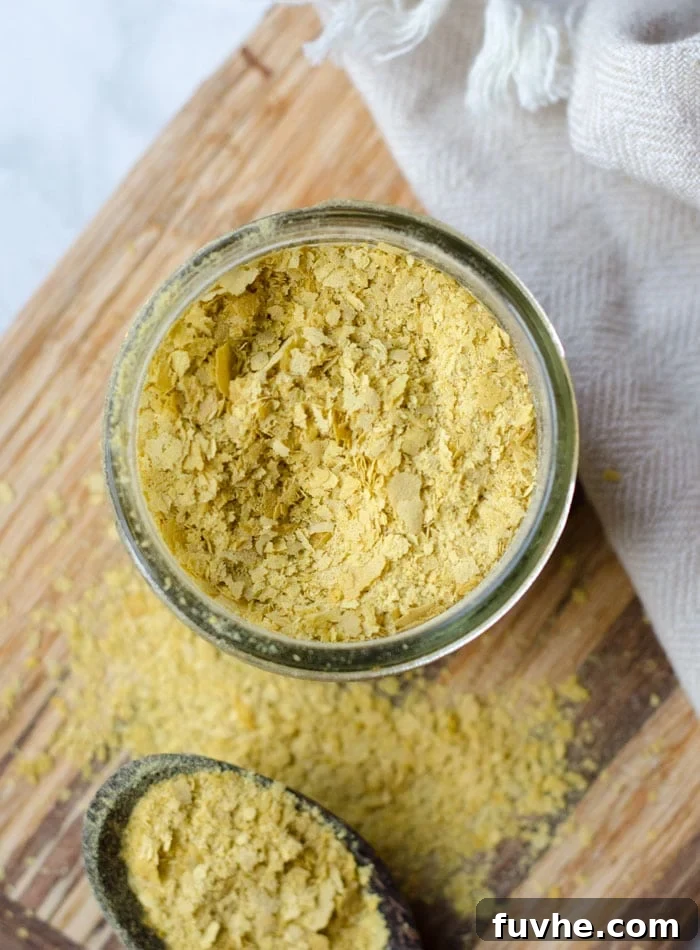
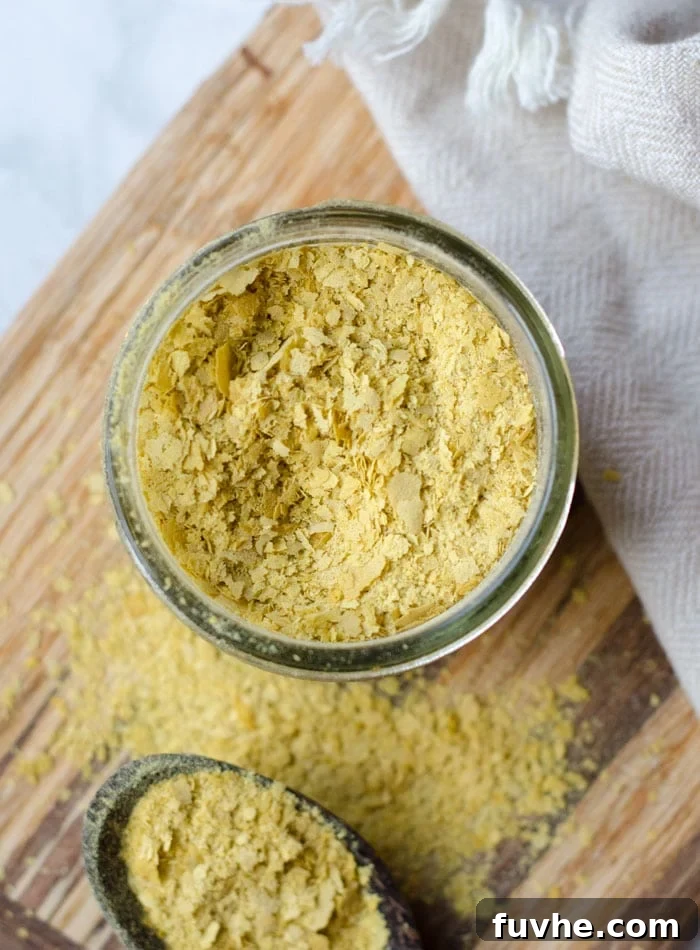
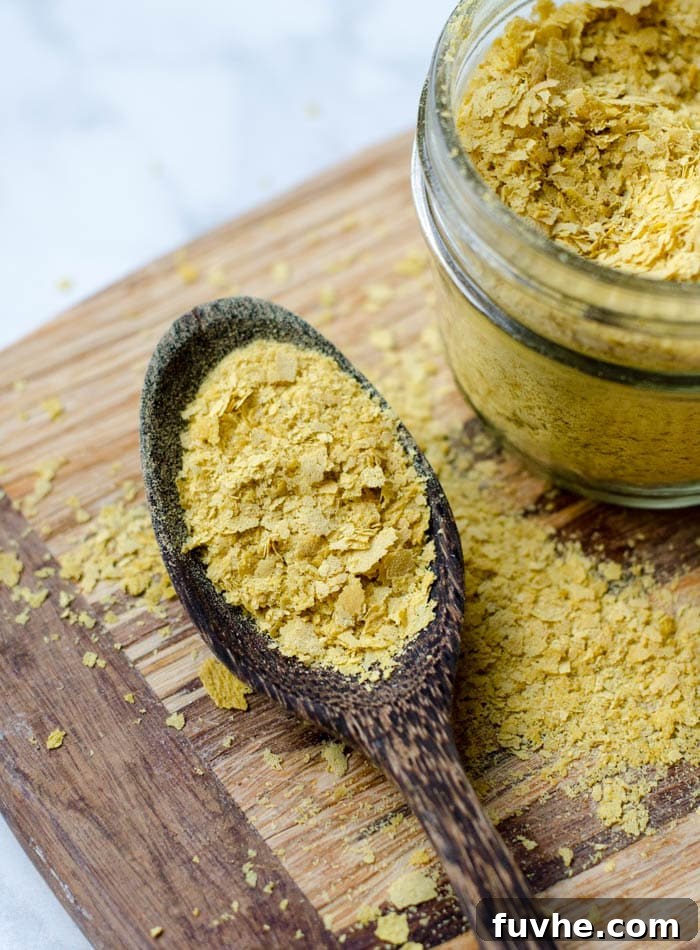
Nutritional yeast is easily recognized by its distinctive yellow hue and is most commonly found in flake form, though it can also be purchased as granules or a fine powder. Its flavor is what truly sets it apart and makes it such a beloved ingredient. Nutritional yeast boasts a unique nutty, cheesy, and deeply savory (umami) taste that makes it an ideal dairy-free alternative for imparting a “cheesy” essence to dishes. Many describe its flavor as reminiscent of parmesan cheese, but with its own unique depth.
This rich and complex flavor profile makes it incredibly versatile. You might encounter it under various names such as “savory yeast,” “nutritional seasoning,” or “nutritional yeast flakes,” but rest assured, these terms all refer to the same delicious and healthy product. Its ability to mimic cheese makes it a staple for vegans and those with dairy sensitivities, while its inherent umami flavor enhances the taste of countless savory recipes.
What About Brewer’s Yeast?
Brewer’s yeast also originates from Saccharomyces cerevisiae, just like nutritional yeast. However, their production methods and primary uses diverge significantly. While nutritional yeast is specifically cultivated on controlled mediums for its nutritional and flavor profile, brewer’s yeast is typically produced as a byproduct of beer making. It’s the yeast that ferments the sugars during the brewing process. After fermentation, it’s often harvested, dried, and then marketed as a supplement.
Historically, brewer’s yeast was known for its bitter taste, especially unpurified forms, which made it less palatable for general culinary use compared to nutritional yeast. However, modern processing can reduce this bitterness. Despite the taste differences, brewer’s yeast shares many health benefits with nutritional yeast, including a high protein content, dietary fiber, and a wealth of essential minerals such as chromium, B vitamins (though often without fortified B12), potassium, and phosphorus. While less common in everyday cooking, it remains a valuable dietary supplement, particularly for those seeking a natural source of B vitamins and other nutrients, though it’s important to check the label for specific fortification and processing to ensure it meets your needs.
Does Nutritional Yeast Contain MSG? Unraveling the Myth
A common misconception is that nutritional yeast contains MSG (monosodium glutamate) due to its intensely savory, umami flavor. The answer is a clear no; nutritional yeast does not contain added MSG. The umami flavor found in nutritional yeast comes from naturally occurring glutamic acid (a type of amino acid).
Here’s the distinction: glutamic acid naturally present in foods like nutritional yeast, tomatoes, and mushrooms is typically bound to other amino acids or proteins. When consumed in this bound form, the body processes it slowly and differently than the free glutamate found in MSG. The body has a natural regulatory mechanism for how much of this naturally bound glutamate is absorbed and utilized, with any excess simply passed off as waste rather than stored. MSG, on the other hand, consists of free glutamate, which is absorbed more rapidly. Therefore, while both contribute to the umami taste, the form and processing in the body are distinct, and nutritional yeast is considered a natural and safe food additive for achieving that desired savory depth without added MSG.
Where to Find Nutritional Yeast?
Nutritional yeast has experienced a surge in popularity, making it far more accessible than it once was. You’ll likely find it in a variety of grocery stores, especially those with well-stocked health food sections. Many larger supermarkets now carry it, so checking your local store’s organic or natural foods aisle is a good starting point. Look for prominent brands such as Bob’s Red Mill or Bragg, which are widely recognized and trusted names in the nutritional yeast market.
Online and In-Store: Your Go-To Sources
If your local big-box grocery store doesn’t stock it, don’t despair! Nutritional yeast is readily available at specialized health food stores and natural grocery chains like Whole Foods. These stores often offer the added convenience of purchasing nutritional yeast in bulk, which can be a cost-effective option for regular users. If bulk isn’t available, you’ll still find plenty of reputable brands offering pre-packaged nutritional yeast in various sizes.
For unparalleled convenience, online retailers are an excellent resource. Websites like Amazon and Thrive Market stock a wide selection of nutritional yeast brands, often with competitive pricing and the ease of home delivery. No matter where you shop, finding this versatile ingredient is easier than ever, allowing you to quickly incorporate its cheesy flavor and numerous health benefits into your daily cooking.
Nutritional Yeast Health Benefits: A Powerhouse of Nutrition
Beyond its incredible flavor, nutritional yeast is celebrated for its impressive nutritional profile, especially within a vegan diet. It’s not just a delicious seasoning; it’s a strategic way to significantly boost the nutritional value of your meals, contributing to overall health and well-being. Its dense nutrient content makes it a true superfood for many.
Overview of Nutritional Benefits
- Complete Protein Source: Contains all nine essential amino acids, making it a valuable protein for plant-based diets.
- Rich in B Vitamins: Often fortified with a full spectrum of B vitamins, including thiamin (B1), riboflavin (B2), niacin (B3), pantothenic acid (B5), pyridoxine (B6), biotin (B7), folate (B9), and crucially, vitamin B12 (when fortified).
- Important Minerals: Provides essential minerals such as chromium, phosphorus, zinc, selenium, and magnesium, vital for various bodily functions.
- Excellent Source of Fiber: Contributes to digestive health and satiety.
- Low in Fat: A lean source of protein and nutrients without excess fat.
- Gluten-Free: Naturally free from gluten, making it suitable for those with celiac disease or gluten sensitivities.
- Low in Sodium: A healthier alternative to high-sodium seasonings.
- Soy-Free: An option for individuals avoiding soy.
- No Artificial Flavors or Colors: A natural food product.
- Vegan: Perfectly aligns with plant-based dietary principles.
More on the Vitamins and Minerals: Unpacking the Nutritional Value
Let’s take a closer look at some of the specific, impactful benefits offered by nutritional yeast:
- Low Glycemic Impact: Nutritional yeast contains no added sugar and is naturally low in carbohydrates while being high in fiber. This combination means it is digested slowly, leading to a minimal and stable effect on blood sugar levels, making it suitable for those managing blood glucose or seeking sustained energy.
- Full Spectrum of B Vitamins: These vital nutrients are fundamental for countless processes throughout the body. B vitamins are crucial for converting the food we eat into usable energy, keeping us energized throughout the day. While they often work synergistically, each B vitamin also plays distinct roles:
- Thiamin (B1): Supports a healthy metabolism and regulates functions of the cardiovascular and digestive systems, utilized in nearly every cell.
- Riboflavin (B2): Essential for cellular growth and function, and helps break down fats and carbohydrates for energy.
- Niacin (B3): Important for healthy skin, nervous system function, and converting nutrients into energy.
- Pantothenic Acid (B5): Vital for energy production and the synthesis of fatty acids and hormones.
- Pyridoxine (B6): Plays a key role in brain development, immune function, and the metabolism of proteins, carbohydrates, and fats.
- Biotin (B7): Known for supporting healthy skin, hair, and nails, and aiding in metabolic processes.
- Folate (B9): Crucial for cell growth and DNA formation, especially important during pregnancy.
Collectively, B vitamins contribute to everything from healthy skin and hair to working as powerful antioxidants, and significantly influencing mood, sleep, and overall brain health, making them key nutrients for optimal health.
- Good Source of Zinc: This essential trace mineral is vital for optimizing the metabolism of carbohydrates, which is crucial for maintaining stable blood sugar levels. Zinc also plays a significant role in supporting overall immune health, wound healing, and cellular function.
- Source of Magnesium: Magnesium is an incredibly important mineral involved in over 300 enzymatic reactions in the body. It supports heart health, promotes a healthy digestive system, aids in maintaining a healthy metabolism, and is critical for strong bones, nerve function, and muscle contraction.
- A Complete Protein: With approximately 8 grams of protein per 2-tablespoon serving, nutritional yeast is an excellent source of complete protein. This means it contains all nine essential amino acids that the human body cannot produce on its own and must obtain from the diet. Amino acids are the fundamental building blocks of proteins, supporting every aspect of our physical and mental health, providing sustained energy, and maintaining healthy skin, hair, eyes, and muscle tissue.
- Fiber Content: Dietary fiber is indispensable for a healthy gut microbiome and a well-functioning digestive system. It also plays a critical role in blood sugar regulation and promoting feelings of fullness. Nutritional yeast is a good source, packing about 4 grams of fiber per serving.
- Source of Chromium: This trace mineral is vital for enhancing the action of insulin, which is instrumental in maintaining healthy blood sugar levels and assisting in carbohydrate and fat metabolism.

Nutritional Yeast and B12: An Essential for Plant-Based Diets
One of the most significant health benefits of nutritional yeast, especially for those adhering to a vegan or vegetarian diet, is its status as a good source of vitamin B12. It’s crucial to understand that nutritional yeast does not naturally produce B12. Instead, most (though not all, so always check the label) commercially available nutritional yeast products are fortified with B12 during the processing stage. Regardless of whether it’s naturally occurring or fortified, the B12 in nutritional yeast is bioavailable, meaning your body can effectively absorb and utilize it.
This makes fortified nutritional yeast an invaluable dietary component for vegans and vegetarians, who typically have limited natural food sources of B12. Regular consumption can help meet daily requirements for this vital vitamin.
B12 Deficiency in Vegans: Symptoms and Importance
Vitamin B12 deficiency is a concern that can arise among vegans and vegetarians, particularly if a balanced, whole-food, plant-based diet isn’t meticulously prioritized, or if supplementation is overlooked. Since B12 is primarily found in animal products, plant-based eaters must be mindful of their intake. A deficiency can manifest through a range of symptoms, including persistent fatigue, general lightheadedness, shortness of breath even with minimal exertion, and neurological issues such as numbness or tingling sensations in the extremities. Vision problems can also occur in severe cases.
Vitamin B12 is a foundational nutrient in the body, crucial for red blood cell formation, DNA synthesis, and maintaining a healthy nervous system. Beyond these critical internal roles, adequate B12 levels contribute to external indicators of health, helping to create strong nails, healthy hair, and vibrant skin. It also plays a role in reducing fatigue, supporting a healthy digestive system, and ensuring the optimal functioning of our central nervous system. Given its widespread importance, ensuring sufficient B12 intake is paramount for overall health.
Supplementing B12: A Proactive Approach
While fortified nutritional yeast and other B12-enriched foods can contribute significantly to your daily intake, relying solely on them may not be sufficient for everyone, especially those strictly avoiding animal products. For this reason, many health professionals and plant-based nutrition experts, including myself, strongly recommend taking a reliable vitamin B12 supplement. A sublingual (under-the-tongue) vitamin B12 supplement is often preferred because it allows the vitamin to enter the bloodstream directly, bypassing the digestive system and ensuring maximum absorption. This makes it a highly effective and easily assimilated option.
There are numerous excellent brands of B12 supplements available. For instance, many find Garden of Life Liquid B12 Spray to be a convenient and effective choice. Prioritizing consistent B12 supplementation is a proactive and essential step for maintaining optimal health on a plant-based diet. For a deeper dive into B12 and other crucial nutrient considerations for a plant-based lifestyle, consult a comprehensive resource like my vegan nutrition guide.
How Much Protein is in Nutritional Yeast? A Plant-Powered Protein Source
When it comes to protein content, nutritional yeast punches well above its weight, especially considering its plant-based origin. Gram for gram, it boasts an exceptionally high protein density, making it a stellar addition to any diet focused on adequate protein intake. More impressively, it contains all essential amino acids, rendering it a “complete protein.” This characteristic is particularly valuable for recovery and repair, whether you’re an athlete, actively building muscle, or simply looking to support your body’s daily regenerative processes.
While you’ll still want to incorporate a diverse range of healthy plant foods to meet your overall protein needs, integrating nutritional yeast offers an incredibly easy and delicious way to get an extra 5-10 grams of high-quality protein daily. This small addition can significantly contribute to your daily targets. For more detailed information on maximizing protein intake on a plant-based diet, explore resources like my vegan protein sources guide.
Nutritional Yeast: A Low-Carb, Low-Fat Protein Powerhouse
One of the most unique aspects of nutritional yeast in the plant kingdom is its distinct macronutrient profile: it’s remarkably low in carbohydrates and fat, yet exceptionally high in protein. This combination is quite rare among plant-based foods. Many plant-based protein sources, such as beans, lentils, or nuts, while providing ample protein, also come with a significant amount of carbohydrates or fats.
Nutritional yeast stands out as a highly digestible and low-calorie source of protein. This makes it an ideal ingredient for subtly boosting your protein intake throughout the day without adding substantial calories, carbs, or fats. For athletes, bodybuilders, or anyone diligently working to build muscle while maintaining a plant-based diet, nutritional yeast is an excellent choice. Its efficiency in delivering high-quality protein with minimal additional macronutrients makes it a smart and versatile staple in any health-conscious kitchen.
How to Use Nutritional Yeast: Unleash Its Cheesy Potential
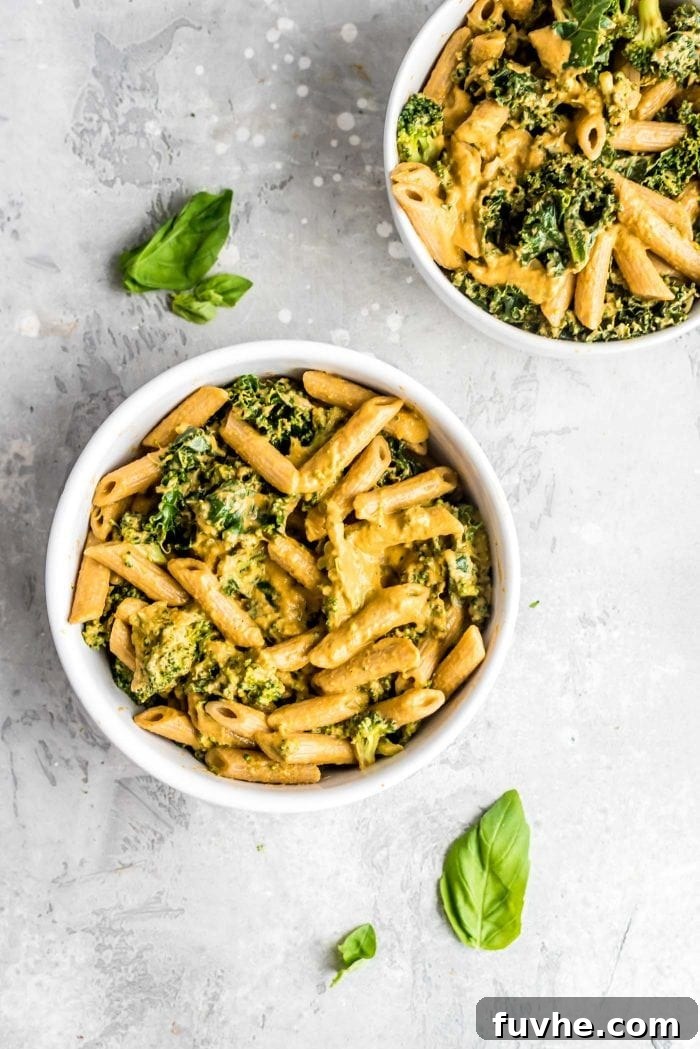
Beyond its myriad health benefits, nutritional yeast is perhaps most cherished for its incredibly delicious nutty, cheesy, and umami flavor. It’s an affordable, accessible, and remarkably easy-to-use ingredient that can be sprinkled, stirred, or blended into almost anything to impart a satisfyingly cheesy taste. This versatility allows you to create rich and savory dishes, like the creamiest vegan mac and cheese, without the need for processed dairy alternatives.
Use It As a Seasoning: Your New Flavor Enhancer
I frequently reach for nutritional yeast as a go-to seasoning, liberally sprinkling it over just about anything for an instant flavor boost. Its savory notes make it a fantastic addition to soups and sauces, providing a depth often associated with cheese. Surprisingly, it can even be incorporated into sweet recipes to create a delightful sweet and salty contrast that truly awakens the palate. In my kitchen, a batch of homemade vegan parmesan cheese (my absolute favorite way to use nutritional yeast) is almost always stocked in the fridge, ready to elevate any meal. The possibilities for this versatile seasoning are virtually endless.
Here are a ton of fun, delicious, and creative ways to incorporate nutritional yeast into your cooking, showcasing its adaptability and flavor-enhancing power:
Nutritional Yeast Uses: Get Creative in the Kitchen
- Pasta Power-Up: Sprinkle generously over any pasta dish, from simple marinara to rich alfredo, for an instant cheesy flavor.
- Soup Enhancer: Stir a couple of tablespoons into creamy soups, broths, or stews for added depth and a savory kick.
- Cheesy Hummus: Mix a few tablespoons into homemade hummus for a delightful cheesy twist that’s perfect for dipping.
- Vegan Pizza Topping: Sprinkle over vegan pizza before or after baking to enhance the “cheesy” experience.
- Chili Companion: A fantastic topping for vegan chili, adding umami and a hint of cheese-like flavor.
- Avocado Snack: Sprinkle over half an avocado with a pinch of salt and pepper for a quick, nutritious snack.
- Dips & Dressings: Blend into homemade salad dressings, creamy dips, or spreads to add a tangy, cheesy dimension.
- Roasted Vegetable Magic: Toss with roast vegetables (like broccoli, cauliflower, or potatoes) before baking for a savory crust.
- Homemade Fries: Mix with homemade baked or air-fried fries (potato or sweet potato) for a cheesy, seasoned coating.
- Quick Cheesy Salsa: Stir into salsa for an easy, healthy, and flavorful cheesy dip.
- Scramble Booster: Add to tofu or chickpea scrambles for an authentic cheesy egg-like flavor.
- Savory Toast: Spread toast with a touch of olive oil, then sprinkle nutritional yeast on top for a simple, savory bite.
- Cheesy Rice: Mix a few tablespoons into cooked rice with steamed vegetables for a comforting and nutritious side.
- Kale Chip Creator: Use it as a key ingredient to make irresistible cheesy kale chips.
- Brussels Sprouts Brilliance: Toss with steamed or roasted Brussels sprouts for a cheesy, savory flavor that even skeptics will love.
- Broccoli Topper: Sprinkle over steamed broccoli for an easy way to add flavor without heavy sauces.
- Popcorn Perfection: Combine with a bit of melted coconut oil or vegan butter and sprinkle over freshly popped popcorn for a classic cheesy snack.
- Mashed Wonders: Stir into mashed potatoes or mashed cauliflower for a rich, cheesy flavor.
- Vegan Garlic Bread: Create delectable vegan garlic bread by spreading a baguette with vegan butter, crushed garlic, and a generous sprinkle of nooch.
- Baked Potato Buddy: Sprinkled over regular or easy Instant Pot baked potatoes, along with your favorite toppings.
Nutritional Yeast Recipes: Tried and True Favorites
To get you started on your culinary journey with nutritional yeast, here are some delicious and popular recipes where it plays a star role, showcasing its versatility in various dishes from savory mains to creamy sides:
- Cubed Tofu Feta: A perfect tangy and crumbly cheese alternative.
- Crumbled Tofu Feta: Ideal for salads, wraps, and bowls.
- Vegan Caesar Salad Dressing: Achieve that iconic creamy, savory Caesar taste.
- Vegan Peanut Butter Cup Protein Shake: Adds a subtle savory depth to balance sweetness.
- Creamy Cauliflower Wild Rice Soup: For a rich, dairy-free creamy texture and flavor.
- Cheesy Vegan Broccoli Potato Soup: A comforting and hearty cheesy soup.
- 6-Ingredient Easy Cheesy Vegan Zoodles: Quick and healthy, bursting with cheesy flavor.
- Vegan Parmesan Cheese: The ultimate homemade dairy-free parmesan alternative.
- Vegan Queso Sauce: Indulgent and flavorful for nachos, fries, and more.
- Vegan Chocolate Peanut Butter Cups: A surprising ingredient for balancing flavors.
- 6-Ingredient Vegan Cheesy Zoodles: Another take on delicious, healthy cheesy noodles.
- Vegan Chocolate Covered Peanut Butter Balls: Used to create a savory-sweet dimension.
- Vegan Herbed Tofu Ricotta: A versatile and flavorful ricotta substitute.
Get Creative with It: The Culinary Freedom of Nutritional Yeast
The ideas listed above are merely a starting point to ignite your culinary imagination. The truth is, there’s virtually no limit to the innovative ways you can incorporate nutritional yeast into your kitchen. As demonstrated by the diverse recipe list, its versatility extends beyond savory applications, finding its way into unexpected dishes like desserts and smoothies, where it can provide a subtle, balancing depth of flavor.
From sweet to savory, from creamy sauces to invigorating smoothies, nutritional yeast proves itself to be an incredibly adaptable, nutritious, and absolutely essential staple, particularly for those maintaining a plant-based diet. Embrace it for its impressive array of health benefits – its rich profile of B vitamins, complete protein, and vital minerals. But above all, enjoy it for its undeniably delicious, cheesy, and deeply savory flavor that effortlessly elevates almost any meal. This golden flake is more than just a food; it’s a culinary gateway to healthier, more flavorful eating.