
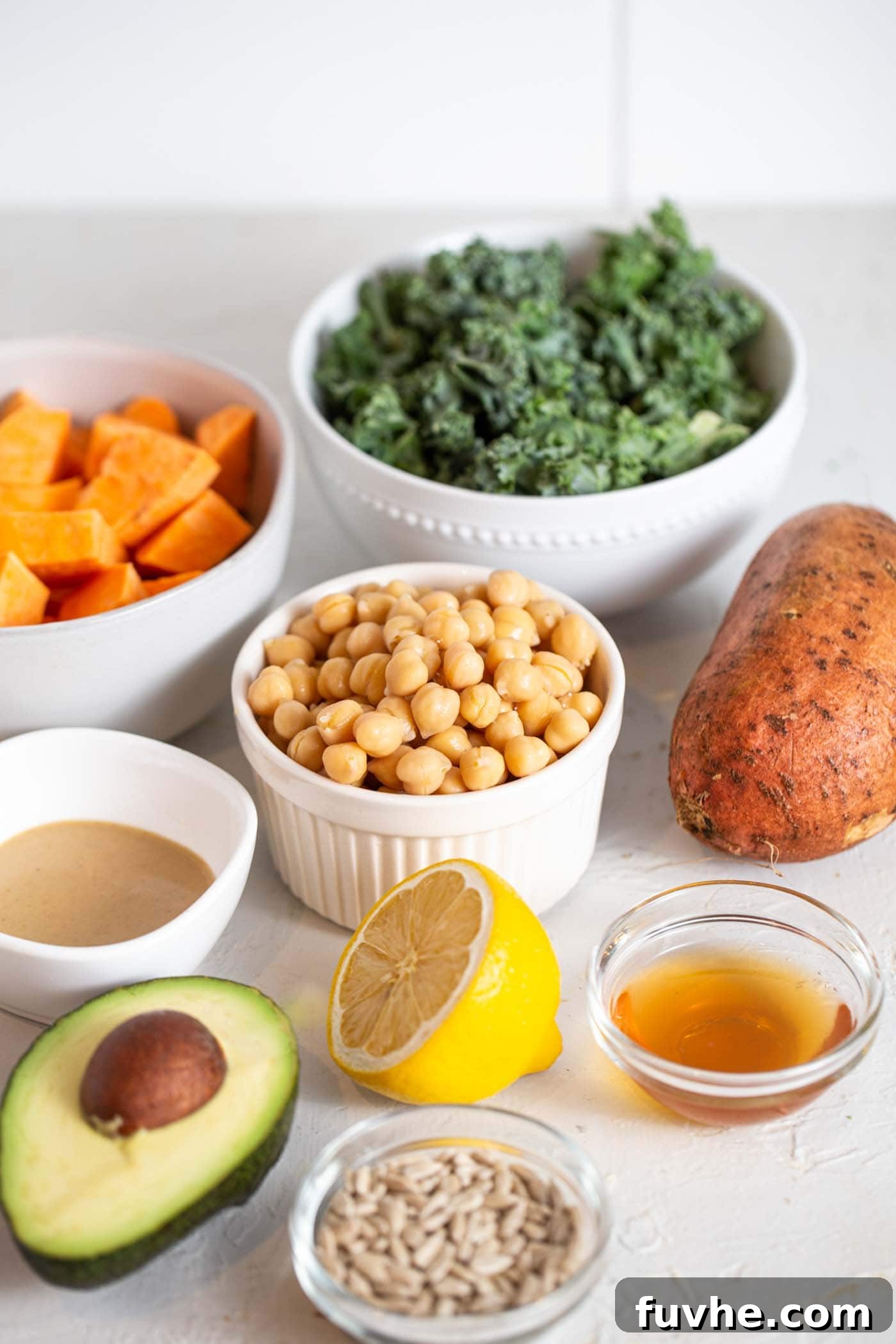
Embark on a comprehensive journey to understand iron, an essential mineral crucial for vibrant health, especially within a vegan lifestyle. This article delves into the best plant-based sources of iron, effective strategies to maximize its absorption, and why overlooking this vital nutrient can have significant consequences for your well-being. Whether you’re a long-time vegan or simply exploring plant-based options, mastering iron intake is key to maintaining optimal energy, strength, and overall vitality.
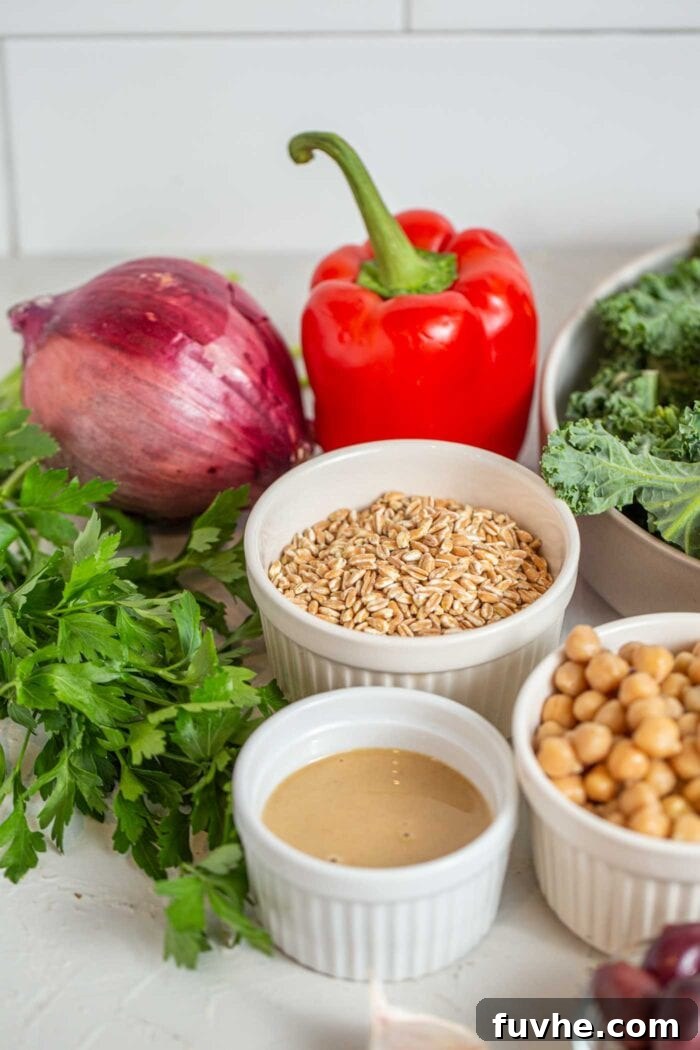
What is Iron and Why Do We Need It?
Often associated with strength and resilience, iron is far more than just a sturdy metal. Within the human body, this remarkable mineral serves as a foundational component for countless physiological processes, literally helping us embody strength and vitality. At the core of its function is its indispensable role in the production of hemoglobin, a protein found in red blood cells that is responsible for carrying oxygen from your lungs to every single cell and tissue throughout your body. Without sufficient iron, this critical oxygen transport system becomes compromised, leading to a cascade of negative health effects.
Beyond oxygen delivery, iron is also vital for myoglobin, a protein that supplies oxygen to your muscles, enabling them to work efficiently during physical activity and significantly reducing recovery time after intense exercise. This makes iron an athlete’s best friend, building what can truly be described as a “strong and unyielding” internal engine. But its benefits extend far beyond physical prowess. Iron is intricately involved in cellular energy production, supporting metabolic processes that convert food into usable energy. It contributes to robust cognitive function, ensuring clear thinking and focus, and plays a pivotal role in maintaining a strong immune system, helping your body defend against infections and illnesses. Furthermore, iron is essential for the production of new cells, supporting the health and integrity of your skin, hair, and nails, making it a key element for overall aesthetic well-being.
Iron is not just for oxygen; it’s a cornerstone for energy, immunity, cognitive function, and the very regeneration of our cells.
Considering that roughly two-thirds of your body’s iron is found within hemoglobin, it’s easy to understand why physical activity, which increases blood flow, can give you a temporary burst of energy. This increased circulation efficiently transports oxygen throughout your body, providing a natural and immediate boost. However, for sustained energy and health, a consistent and adequate intake of iron is paramount.
Am I Getting Enough Iron?
Assessing your iron intake can often begin with a careful look at your dietary habits. While a doctor’s diagnosis is definitive, understanding the general guidelines for iron can help you make informed choices. The optimal level of iron needed by your body is highly individualized, varying based on factors such as age, gender, overall health status, and specific physiological conditions.
For instance, women aged between 19 and 50 typically require a higher daily intake of at least 18 mg to support a healthy menstrual cycle and compensate for monthly blood loss. In contrast, men in the same age group generally need only 8 mg per day. Post-menopause, women’s iron requirements decrease, aligning with men’s at approximately 8 mg daily. Pregnant women, however, have significantly elevated needs, often requiring around 27 mg per day to support both maternal health and fetal development. Vegetarians and vegans may also have higher recommended intakes due to the lower bioavailability of non-heme iron from plant sources, sometimes needing 1.8 times the standard recommendation.
While iron is essential, more is not always better. According to both the U.S. and Canadian Dietary Recommended Intake charts, adults should not exceed 45 mg of iron per day. Iron is one of the few minerals that the body struggles to eliminate efficiently, meaning excessive accumulation over time can lead to iron toxicity, damaging organs and increasing the risk of certain chronic diseases. This risk is particularly pronounced in children, who are more susceptible to iron poisoning. However, achieving toxic levels through whole foods alone is exceedingly rare; almost all cases of iron overdose are linked to unsupervised supplement use. Therefore, always consult with a healthcare professional before starting any iron supplement regimen.
Despite its critical importance, low iron levels are remarkably common across North America and globally. This widespread prevalence points to several underlying issues: insufficient dietary intake of iron-rich foods, challenges with iron absorption, or an underlying genetic predisposition to conditions like anemia. Given these statistics, it’s clear that many individuals, particularly in Western societies, could benefit from a closer examination of their dietary iron sources and absorption strategies.
How Do I Know If I’m Low in Iron?
Recognizing the signs of low iron can be challenging, as many symptoms are quite general and can mimic other health conditions. However, a cluster of specific indicators should prompt you to seek medical advice. Common initial symptoms often include persistent tiredness, a pervasive feeling of lethargy, general physical weakness, and shortness of breath, even with minimal exertion. You might also notice cold hands and feet, a direct result of reduced oxygen circulation to your extremities. These symptoms often signify that your body isn’t effectively transporting oxygen, impacting energy production at a cellular level.
Because these signs are non-specific, self-diagnosis is not recommended. The most reliable way to determine if low iron levels are the root cause of your symptoms is through a blood test administered by a healthcare professional. A comprehensive iron panel will measure various markers, including ferritin (iron stores), serum iron, and transferrin saturation, to provide an accurate picture of your iron status.
Beyond these generalized feelings of fatigue, several other unique and specific symptoms can signal an iron deficiency:
- A fast heartbeat or heart palpitations: The heart works harder to pump oxygen-poor blood, leading to an increased heart rate.
- Pica: An unusual craving for non-nutritive substances such as dirt, clay, ice, or starch. This is a classic, though less common, symptom of iron deficiency.
- Brittle and spoon-shaped nails (koilonychia) or hair loss: Iron is crucial for cell growth, and its deficiency can weaken nails and hair follicles.
- Sores at the corner of the mouth (angular cheilitis): Cracks or inflammation at the corners of the lips.
- A sore or swollen tongue (glossitis): The tongue may appear smooth, pale, and inflamed.
- Difficulty in swallowing (dysphagia): Often linked to Plummer-Vinson syndrome, a rare complication of severe, long-standing iron deficiency.
- Pale skin: Reduced red blood cells and hemoglobin lead to a lack of healthy color in the skin, gums, and inside the lower eyelids.
On the other end of the spectrum is hemochromatosis, a hereditary disorder where the body absorbs too much iron. While most people absorb about 10% of their dietary iron, individuals with hemochromatosis absorb around 30%. This leads to an excessive build-up of iron salts in tissues and organs like the liver, heart, and pancreas, which can result in long-term organ damage, arthritis, diabetes, and increased susceptibility to certain cancers if left untreated. Early diagnosis and management, often through therapeutic phlebotomy (blood removal), are crucial for preventing serious complications.
Fortunately, iron deficiencies are often treatable through dietary adjustments or, when necessary, iron supplements under medical supervision.
The critical takeaway is to avoid self-diagnosing or self-medicating. If you suspect your iron levels might be low, the first step is always to consult your doctor. A simple blood test can provide clarity, allowing you and your healthcare provider to establish an effective, personalized plan that addresses your specific needs and supports your overall health.
Low Iron Causes
While an inadequate intake of iron-rich foods is a primary cause, many other factors can contribute to suboptimal iron levels. The most common and widely recognized condition resulting from iron deficiency is anemia, specifically iron-deficiency anemia.
Individuals who develop anemia experience a decrease in the number of healthy red blood cells or hemoglobin in their blood. This reduction can stem from several underlying causes:
- Insufficient Red Blood Cell Production: This is often directly linked to a lack of iron, as iron is a key building block for hemoglobin. Other nutritional deficiencies, such as vitamin B12 or folate, can also impair red blood cell formation.
- Significant Blood Loss: Chronic or acute blood loss is a major cause. This can include heavy menstrual bleeding (menorrhagia), internal bleeding from gastrointestinal issues (e.g., ulcers, hemorrhoids, diverticulitis), frequent blood donation, or trauma.
- High Rate of Red Blood Cell Destruction (Hemolysis): Certain medical conditions or genetic disorders can cause red blood cells to break down prematurely.
Since two-thirds of the body’s iron resides in red blood cells, maintaining adequate iron intake is crucial for anyone experiencing or at risk of anemia. However, it’s important to clarify a key distinction:
There is a difference between having low iron stores (iron deficiency) and being anemic. While iron deficiency is the most common cause of anemia, anemic individuals have a low count of hemoglobin, but this doesn’t always mean they have an iron deficiency. Anemia can also be caused by deficiencies in other nutrients, chronic diseases, or genetic factors. Therefore, a comprehensive diagnosis is essential to identify the precise cause.
Beyond dietary shortfalls and blood loss, a significant factor contributing to low iron levels can be difficulty absorbing this essential mineral. The majority of dietary iron is absorbed through the duodenum, the first part of the small intestine. Consequently, any condition that impacts the health or function of the gastrointestinal tract can severely hinder iron uptake. Examples include:
- Gastrointestinal diseases: Conditions like Crohn’s disease or ulcerative colitis cause inflammation that can impair nutrient absorption.
- Celiac disease: Damage to the small intestine lining due to gluten intolerance reduces its ability to absorb iron and other nutrients.
- Undergoing gastric bypass surgery: Alterations to the digestive tract can bypass the primary sites of iron absorption.
- Bacterial infections or overgrowth: Certain infections or an imbalance in gut flora can interfere with nutrient absorption.
- Chronic kidney disease: Can impair iron metabolism and red blood cell production.
Lastly, for women, meticulous attention to iron intake during menstruation is critical. The regular blood loss during a menstrual cycle can deplete iron stores, making females particularly susceptible to deficiency. For those with already lower baseline iron levels, strategically eating iron-rich foods during this time in your cycle, especially in combination with vitamin C, can help mitigate losses and prevent the development of iron-deficiency anemia. Moreover, managing iron levels can also play a supportive role in overall reproductive health, potentially influencing conditions such as endometriosis.

Can You Get Enough Iron Without Eating Meat?
For decades, a pervasive myth lingered in dietary recommendations: meat, particularly red meat, was hailed as the best, if not the only, reliable source of iron. This notion, reinforced by traditional nutritional guidelines, often left individuals on plant-based diets questioning their ability to meet essential nutrient requirements. However, thanks to advancements in nutritional science and a deeper understanding of food composition, this stigma has largely been debunked. The answer, unequivocally, is yes – you absolutely can get enough iron without consuming meat.
The misconception primarily stems from the existence of two main types of dietary iron: heme iron and non-heme iron.
The idea that red meat is the best (and ONLY) source of iron is mostly supported by the fact there are two types of iron: heme and non-heme.
Heme iron is derived from hemoglobin and myoglobin, meaning it is exclusively found in animal products such as beef, poultry, fish, and other meats. It is known for its high bioavailability, meaning the body absorbs it relatively easily. For example, 100 grams of ground beef might yield around 3.45 mg of iron, and a significant portion of this will be heme iron.
On the other hand, non-heme iron is found in both plant-based foods and animal products (though it constitutes a smaller portion in animal sources). This is where the historical stigma that a vegan diet can’t support healthy levels of iron originated. While non-heme iron is less bioavailable than heme iron, meaning the body doesn’t absorb as much of it per serving, this does not render plant-based sources inferior. The key lies in strategic dietary planning and understanding how to enhance non-heme iron absorption. In fact, most iron consumed by the general population, regardless of dietary preference, is in the non-heme form.
The body has intricate mechanisms to regulate iron absorption, adapting its uptake based on its current stores and needs. While heme iron is absorbed without much influence from other dietary factors, non-heme iron absorption can be significantly enhanced or inhibited by what it’s consumed with. This opens up a world of opportunities for individuals on plant-based diets to optimize their iron intake. By focusing on a diverse array of iron-rich plant foods and pairing them with absorption-boosting nutrients, vegans can effortlessly meet and even exceed their daily iron requirements, proving that a well-planned plant-based diet is nutritionally robust.
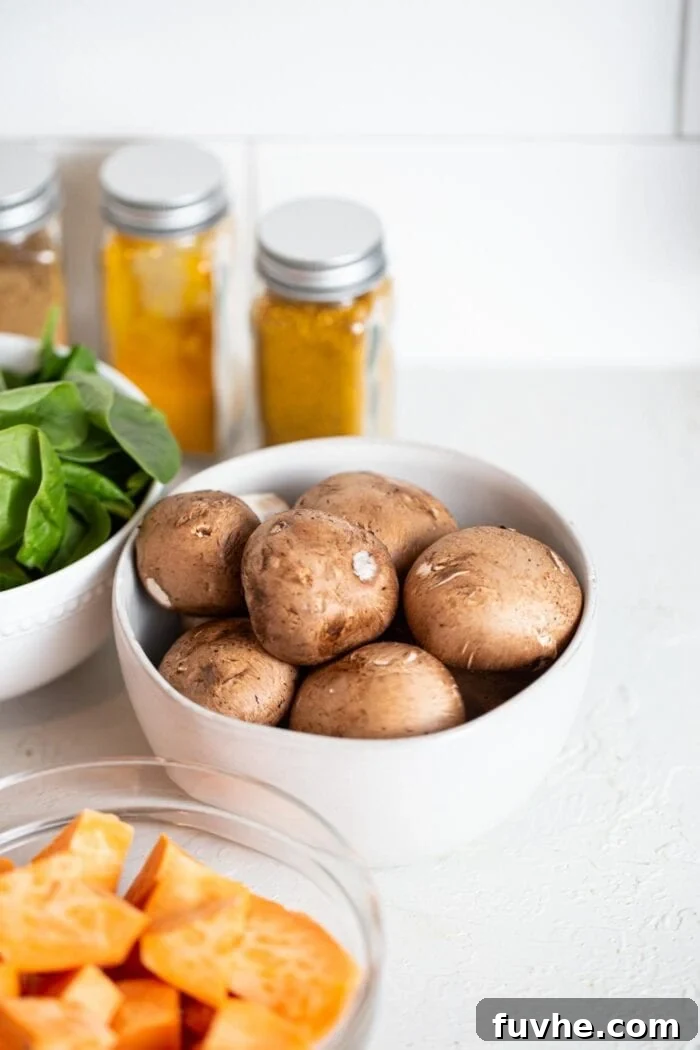
How to Increase Iron Absorption
Regardless of whether your iron comes from plant or animal sources, the ultimate goal is to ensure your body can effectively absorb and utilize it. Non-heme iron, prevalent in plant foods, requires a bit more strategic pairing to unlock its full potential. Here are several scientifically backed and simple methods to significantly enhance your iron absorption, making your diet even more effective:
Consume More Vitamin C
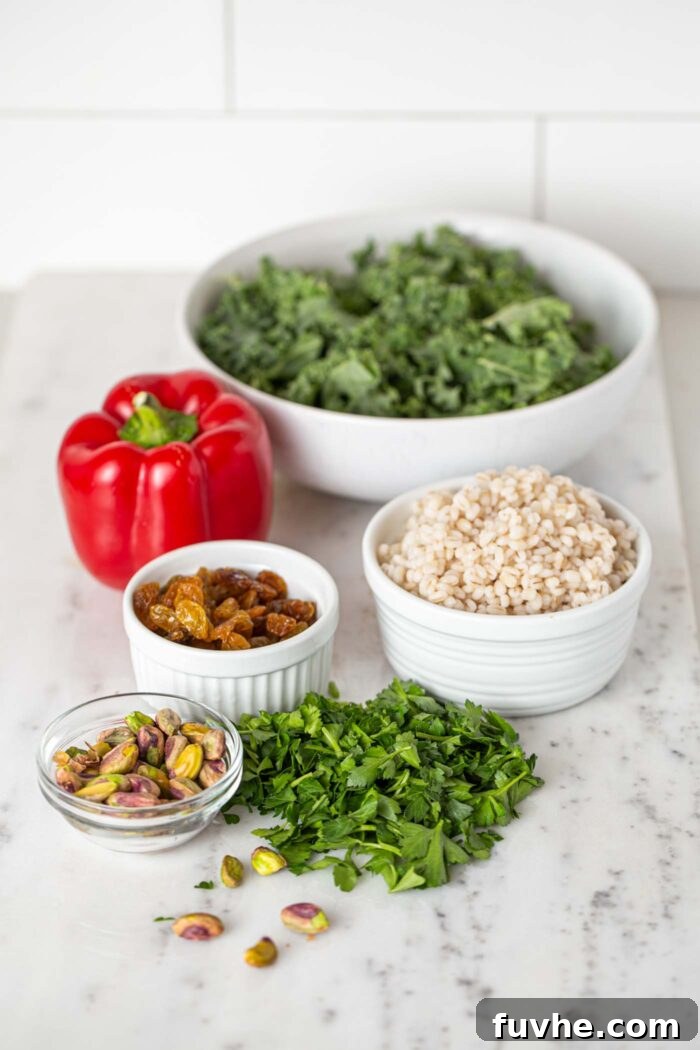
Vitamin C, also known as ascorbic acid, is perhaps the most powerful enhancer of non-heme iron absorption. It acts as a reducing agent, converting ferric iron (Fe3+) in plant foods to ferrous iron (Fe2+) in the small intestine, which is the more soluble and absorbable form. This conversion can dramatically increase non-heme iron absorption, with some studies showing an increase of up to 300% when consumed simultaneously. For optimal benefit, always pair your iron-rich plant foods with a good source of vitamin C. Excellent sources include citrus fruits (oranges, grapefruits), berries (strawberries, blueberries), bell peppers (especially red and yellow), broccoli, Brussels sprouts, kale, tomatoes, and kiwi. For example, adding sliced bell peppers to a lentil salad, enjoying a glass of orange juice with your fortified cereal, or tossing spinach into a fruit smoothie are simple yet highly effective strategies.
Cook with a Cast-Iron Skillet
This traditional cooking method offers a surprisingly effective and passive way to boost your iron intake. Research dating back to the 1980s has consistently shown that foods cooked in cast-iron cookware naturally absorb small amounts of iron from the pan. This phenomenon, often referred to as “iron leaching,” means that with every meal prepared in a cast-iron skillet, you are fortifying your food with this essential mineral. The amount of iron transferred can vary depending on the food’s acidity and cooking time, but it’s a tangible bonus without any extra effort. So, next time you’re whipping up a plant-based stir-fry, sautéing some leafy greens, or simmering a hearty lentil stew, reach for your cast-iron skillet.
Time Your Coffee or Tea
For many, a morning cup of coffee or tea is a cherished ritual, but its timing can significantly impact iron absorption. Both coffee and tea are rich in polyphenols and tannins, compounds that are known to inhibit the absorption of non-heme iron. Studies suggest that these compounds can reduce iron absorption by as much as 60% if consumed concurrently with an iron-rich meal. To maximize the benefits of your iron-rich foods, it’s advisable to create a buffer. Aim to leave at least two to three hours between consuming your coffee or tea and eating your main iron-rich meals. This allows your body sufficient time to absorb iron before the inhibitory compounds from your beverages come into play.
Be Aware of Iron and Calcium Intake
Just as with coffee and tea, certain nutrients can interfere with iron absorption. Calcium is one such mineral. High levels of calcium, whether from dairy products, fortified plant milks, or supplements, can significantly reduce the absorption of both heme and non-heme iron. Studies have indicated that calcium supplements can reduce iron absorption by almost 50 percent. If you are taking separate supplements for both iron and calcium, try to schedule them at different times of the day to prevent direct interaction. For instance, take your iron supplement with a vitamin C-rich meal in the morning and your calcium supplement in the evening. While the inhibitory effect of calcium from food sources is generally less pronounced than from supplements, it’s still wise to be mindful of consuming very high calcium foods directly alongside your most iron-rich meals, especially if you have existing iron deficiency.
Maintain B Vitamin Levels
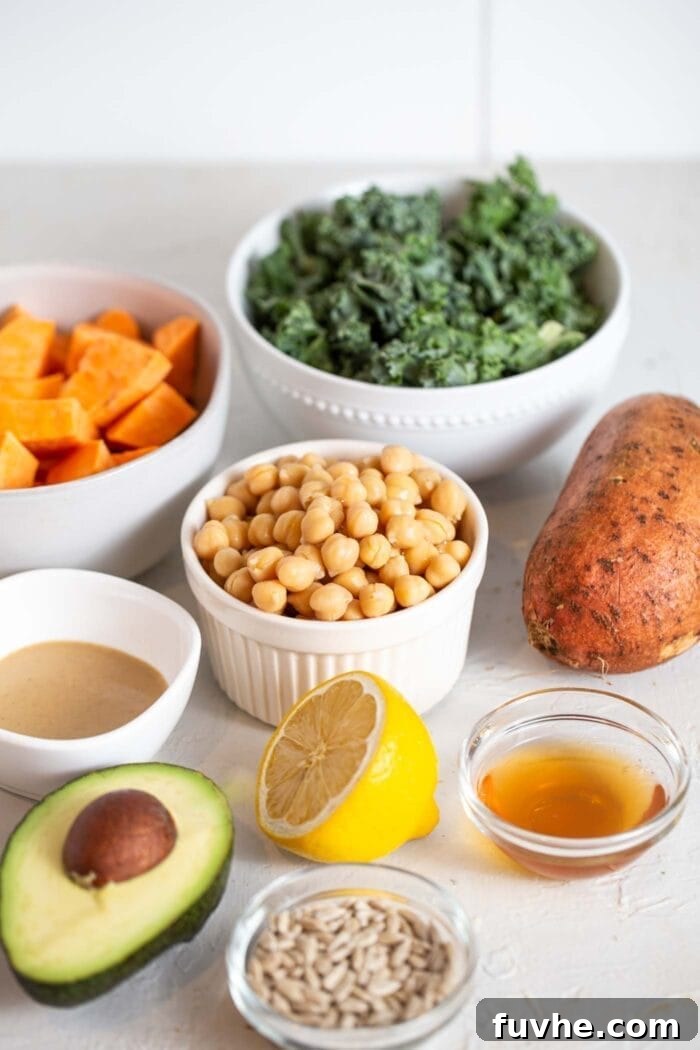
The symphony of nutrient absorption and utilization is complex, and B vitamins play a critical role, particularly in red blood cell production, which directly impacts iron distribution. Specifically, Vitamin B12 and Folate (Vitamin B9) are essential for proper red blood cell synthesis. About 1% of your red blood cells are replaced daily, requiring a constant supply of these nutrients. Without adequate Vitamin B12, the body cannot effectively use folate, which then impairs the production of healthy new red blood cells. This can lead to a type of anemia called megaloblastic anemia, which can present with similar symptoms to iron deficiency and further exacerbate feelings of fatigue and weakness by hindering proper oxygen transport. Therefore, maintaining optimal levels of these B vitamins ensures that your body can efficiently produce the necessary red blood cells to carry iron throughout your system. Fortified plant-based cereals, nutritional yeast, and soy products like tofu and tempeh are excellent vegan sources of vitamin B12. For folate, you can rely on most legumes, dark leafy greens (like spinach and kale), broccoli, Brussels sprouts, asparagus, and beets.
Soak, Sprout, and Ferment
Many plant-based iron sources, particularly legumes and grains, contain naturally occurring compounds called phytates (phytic acid). Phytates are antioxidants that, while beneficial in some respects, can bind to minerals like iron, zinc, and calcium, reducing their bioavailability. Fortunately, traditional food preparation methods can effectively reduce phytate levels and enhance iron absorption. Soaking grains and legumes overnight helps activate enzymes that break down phytic acid. Sprouting takes this a step further, significantly reducing phytates and increasing the availability of nutrients. Fermentation, commonly used for making sourdough bread or fermented soy products like tempeh, also works wonders in degrading phytates and unlocking the mineral content of foods. Incorporating these practices into your cooking routine can make a noticeable difference in how much non-heme iron your body can absorb from these healthful foods. It’s not about avoiding these compounds entirely, but rather about preparing your foods intelligently to maximize nutrient uptake within a balanced diet.
Best Vegan Sources of Iron
A well-planned vegan diet is rich in a diverse array of iron-containing foods. Below is a comprehensive overview of excellent plant-based iron sources, offering abundant options to ensure you meet your daily requirements:
- Legumes: Soybeans (tofu, tempeh, natto, edamame), lentils, chickpeas, black beans, kidney beans, black-eyed peas.
- Grains: Amaranth, spelt, oats, quinoa, fortified cereals, brown rice.
- Nuts & Seeds: Pumpkin seeds, sesame seeds (tahini), hemp seeds, flaxseeds, almonds, cashews, pine nuts, pistachios.
- Vegetables: Dark leafy greens (spinach, kale, Swiss chard), potatoes (with skin), tomato paste, mushrooms (especially oyster mushrooms), beet greens.
- Fruits: Dried apricots, mulberries, prunes, olives.
- Others: Dark chocolate (70% cocoa or higher), blackstrap molasses, coconut milk (full-fat canned).
Legumes
Legumes are undeniably superstars in a plant-based diet, serving as an outstanding source of protein, fiber, and, critically, non-heme iron. Their versatility makes them easy to incorporate into virtually any meal. As previously mentioned, combining them with vitamin C and employing preparation methods like soaking and cooking will significantly enhance iron absorption. Here’s a closer look at some top picks:
- Lentils: A true iron powerhouse. Just one cup of cooked lentils provides approximately 6.6 mg of non-heme iron, which is about 37% of the RDI for women aged 19-50 and 82% for men.
- Soybeans (and products): Cooked soybeans offer an impressive 8.8 mg of iron per cup (49% of RDI for women). Their fermented derivatives, such as tofu (6.6 mg per ½ cup firm) and tempeh (4.5 mg per ½ cup), are equally excellent sources, providing 50-85% of your RDI for iron per cup, depending on processing.
- Chickpeas and Black-Eyed Peas: These are also fantastic. A cup of cooked chickpeas contains about 4.7 mg of iron, while black-eyed peas offer around 3.6 mg per cooked cup.
- Other Beans: Kidney beans, black beans, pinto beans, and cannellini beans all contribute significantly, typically providing 3-5 mg of iron per cooked cup.
All legumes, such as chickpeas, black-eyed peas, and kidney beans, contain iron, but lentils and soybeans are among the highest.
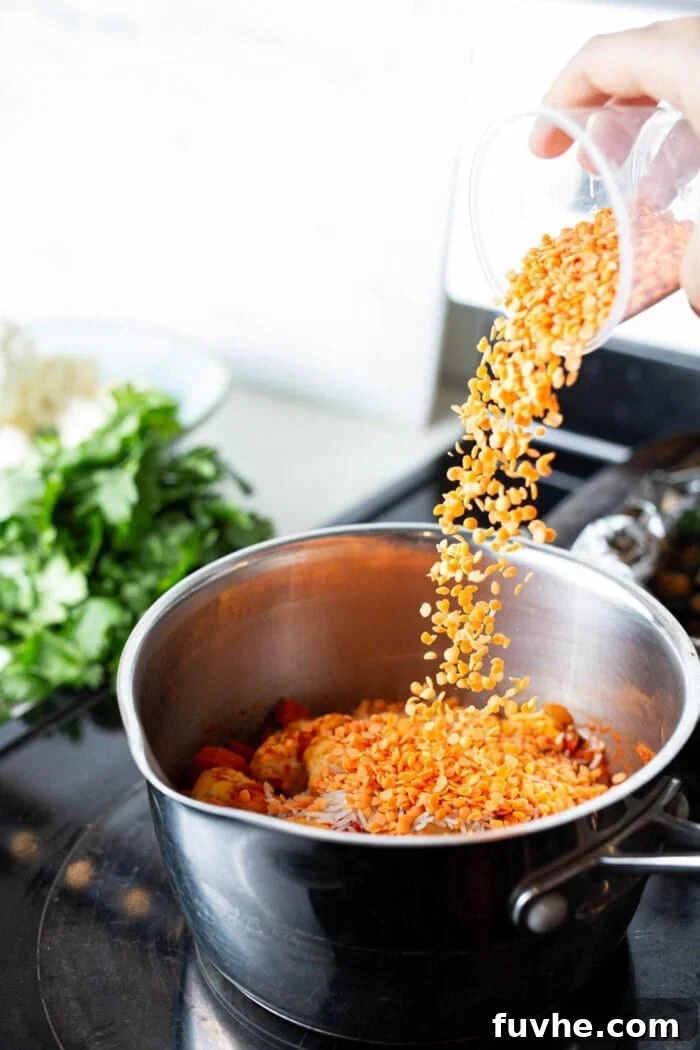
To maximize absorption, remember to boil or cook them thoroughly. Soaking dried beans and lentils before cooking can also improve their bioavailability by reducing phytate content. Incorporating legumes into your daily diet is simple and delicious: think hearty lentil soups, chickpea curries, homemade veggie burgers, bean-based salads, or even adding edamame to stir-fries. Here are a few recipe ideas to get you started:
- Hearty Tomato Red Lentil Soup
- Flavorful Curried Lentils and Quinoa
- Nourishing Lentil Bowls
- Comforting Vegan Chickpea Curry Stew
- Simple Vegan Black Beans and Rice
Grains
Grains, particularly whole grains, are a valuable source of non-heme iron in a plant-based diet. While some cereals are fortified with iron, opting for whole, unprocessed grains offers a broader spectrum of essential nutrients, including fiber, B vitamins, and magnesium. When shopping, prioritize labels that indicate “organic,” “whole grain,” or “unprocessed” to ensure you’re getting the most nutrient-dense options available.
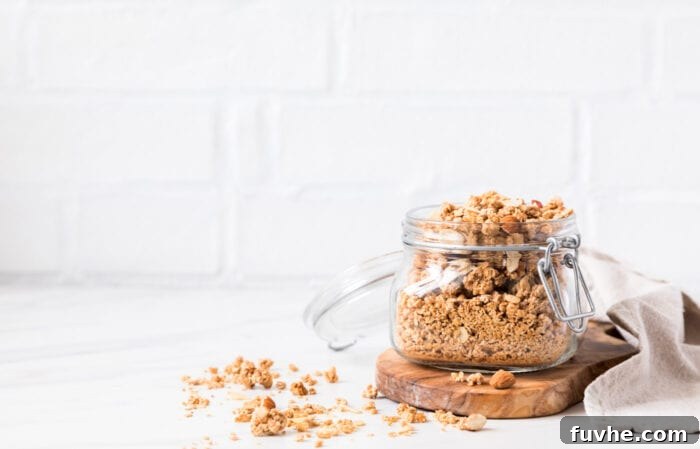
Among grains, amaranth (5.2 mg/cup cooked), spelt (3.2 mg/cup cooked), oats (3.4 mg/cup cooked), and quinoa (2.8 mg/cup cooked) are the highest iron grains.
Many of these, like quinoa and amaranth, are technically pseudocereals, meaning they are seeds botanically but used culinarily like grains. They boast additional benefits such as being naturally gluten-free and significantly higher in protein compared to traditional whole grains. Incorporating them into your diet can be both nutritious and delicious. Try adding oats or quinoa to your morning smoothies, baking them into muffins and pancakes, or using them as a base for hearty grain bowls or homemade breads. Here are some recipe inspirations:
- Delicious Vegan Banana Baked Oatmeal Bars
- Wholesome Vegan Buckwheat Muffins
- Fluffy Vegan Chia Seed Pancakes
- Simple and Creamy Banana Oatmeal
- Nutrient-Rich Roasted Carrot, Kale, and Quinoa Bowls
Nuts & Seeds
Nuts and seeds are often overlooked but are incredibly nutrient-dense, providing not only healthy fats and protein but also significant amounts of iron. They are perfect for snacking, topping dishes, or blending into sauces and spreads. Incorporate a variety into your diet to maximize your iron intake:
- Pumpkin Seeds: One of the best sources, offering about 4.2 mg of iron per ¼ cup (around 20% of the RDI). Great in salads, granolas, or as a snack.
- Sesame Seeds (and Tahini): Rich in iron, with about 2.7 mg per ¼ cup (15% of RDI). Tahini, a paste made from sesame seeds, is excellent in dressings and hummus.
- Hemp Seeds: Provide around 2.4 mg of iron per 3 tablespoons (13% of RDI). Sprinkle them on oatmeal, salads, or blend into smoothies.
- Cashews: Offer about 1.9 mg of iron per ¼ cup (11% of RDI). Enjoy them as a snack or use them to make creamy sauces.
- Almonds, Pine Nuts, Pistachios, and Flaxseeds: Each contribute meaningful amounts of iron, typically ranging from 1-1.5 mg per serving.
Remember to pair these with vitamin C sources to enhance absorption.
Fruits & Vegetables
When it comes to iron-rich vegetables, Popeye definitely knew best: spinach, and indeed all dark leafy greens, are exceptional sources. If we compare by weight, 100g of cooked spinach can contain anywhere from two to three times the amount of iron found in 100g of salmon, chicken, or eggs, making it a powerful plant-based contender. Consisting of 14–36% of the RDI for one cup cooked (depending on density and preparation), spinach is incredibly versatile and easy to add to almost any meal—toss it into soups, stir-fries, smoothies, pasta dishes, or simply sauté it as a side.
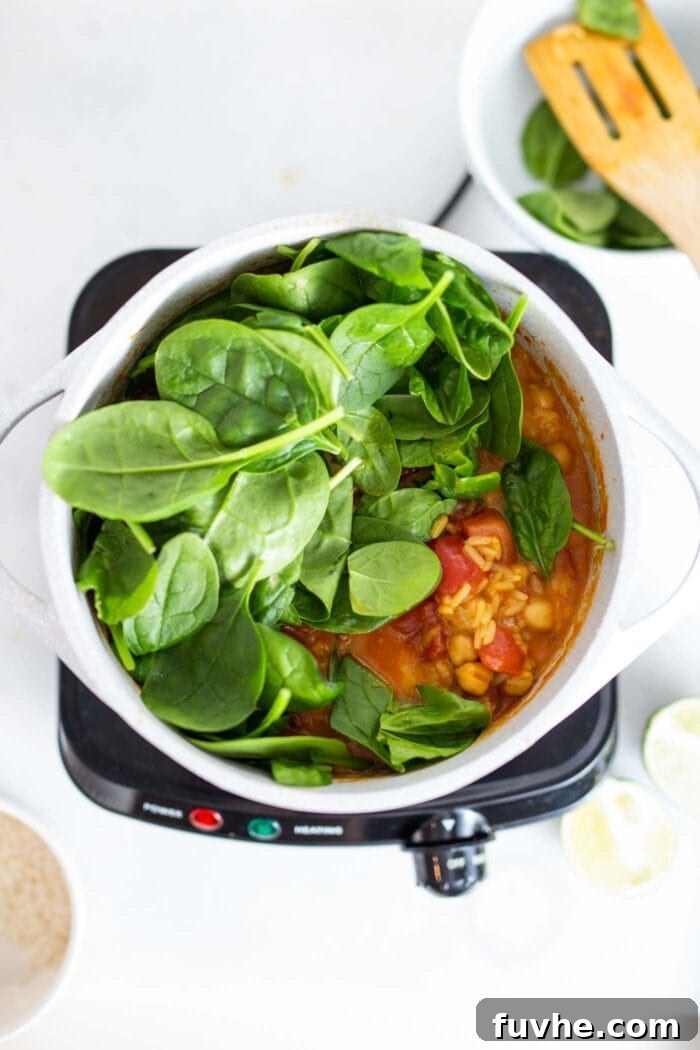
Other notable fruits and vegetables that contribute to your iron intake include:
- Tomato Paste: A concentrated source, half a cup offers approximately 3.9 mg of iron.
- Sun-Dried Tomatoes: Highly concentrated, providing about 5 mg of iron per cup.
- Potatoes (with skin): A medium potato with its skin can offer around 3 mg of iron per 10 ounces.
- White Mushrooms (cooked): Contribute about 3 mg of iron per 1 cup. Oyster mushrooms are particularly high.
- Dried Apricots: A sweet and convenient snack, providing around 6 mg of iron per 100g.
- Acorn Squash (cooked): Offers approximately 2 mg of iron per 1 cup.
- Olives: Surprisingly, 100g of olives can contain about 3.3 mg of iron.
- Mulberries and Prune Juice: Both offer significant iron content and are excellent additions to your diet.
The beauty of incorporating a wide variety of fruits and vegetables is their synergistic nutritional properties. Many iron-rich vegetables, like spinach and broccoli, are also excellent sources of vitamin C, making them naturally perfect pairings for enhanced iron absorption. This dual benefit not only supports your iron levels but also boosts your overall immune system and cellular health.
Chocolate and Coconut
For those with a sweet tooth, rejoice! Dark chocolate (with 70% cocoa or higher) is an unexpectedly delightful source of iron. Per 100g, you can get a remarkable 17 mg of non-heme iron, making it one of the most iron-dense treats available. Enjoy a few squares as a rich dessert or incorporate cocoa powder into smoothies and baked goods for an iron boost. It’s also packed with antioxidants, offering additional health benefits.
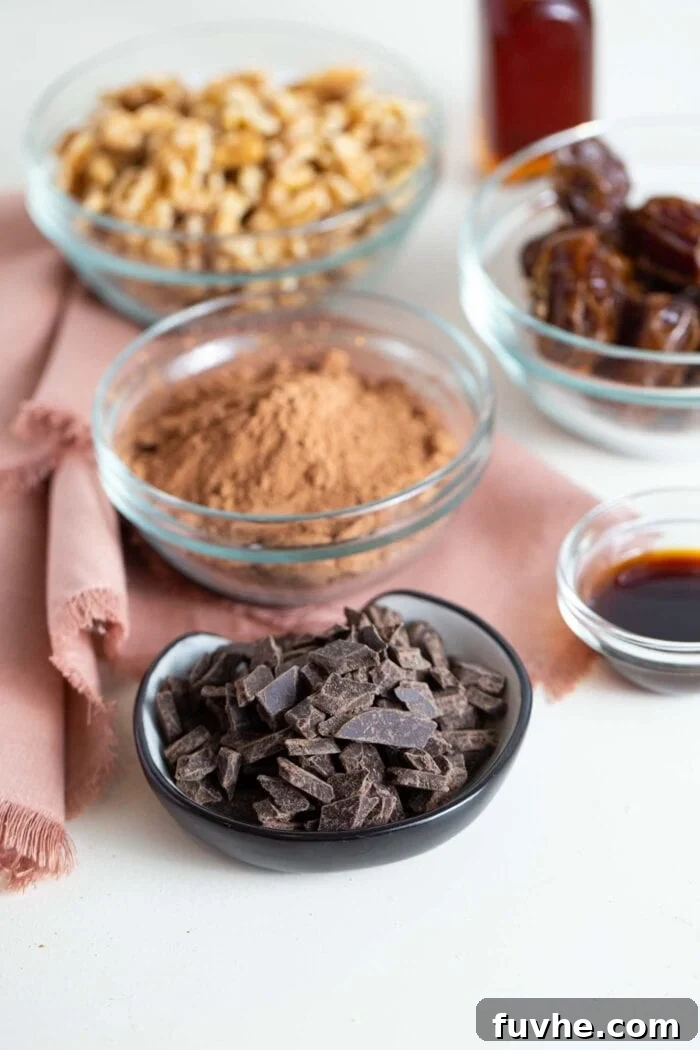
Another surprising, albeit calorically dense, source is full-fat canned coconut milk. While the leaner refrigerated versions offer less, the thick, creamy kind straight from the can is notably high in iron. Per half cup, you can obtain approximately 3.8 mg of non-heme iron. Although it’s high in fat, using full-fat coconut milk in curries, stews, or even blended into smoothies can significantly contribute to your daily iron intake. Imagine a rich, creamy overnight oats or chia pudding made with coconut milk, topped with berries (for vitamin C) and some iron-rich nuts or seeds – ta-da! You’ve created an incredibly delicious and iron-fortified breakfast concoction. These indulgent yet nutritious options demonstrate that maintaining optimal iron levels on a vegan diet can be both effective and incredibly satisfying.
Conclusion
The overarching lesson regarding iron intake, particularly within a plant-based framework, is profound: it’s how much iron your body absorbs, not solely the source from which the iron originates, that truly matters. While differences exist in the bioavailability of heme and non-heme iron, a well-informed and strategic vegan diet can easily provide all the iron your body needs.
By understanding the nuances of iron absorption and actively implementing appropriate measures to boost its bioavailability, you empower yourself to harness the full nutritional potential of plant foods. Whether it’s thoughtfully timing your morning coffee or tea, consciously pairing iron-rich lentils with vitamin C-packed bell peppers, or cooking your weekly stir-fry in a cast-iron skillet, these seemingly small adjustments accumulate to make a significant difference. Embracing these actionable strategies will ensure you extract as much benefit as possible from your iron-rich foods, supporting robust energy levels, cognitive function, and overall health on your vegan journey. A vibrant, thriving plant-based life is well within reach when you prioritize this essential mineral.
Related Reads
- Vegan Macronutrient Guide
- Best Natural Sugar Substitutes
- Vegan Iron Sources
- Vegan Nutrition Guide
- Vegan Grocery List