
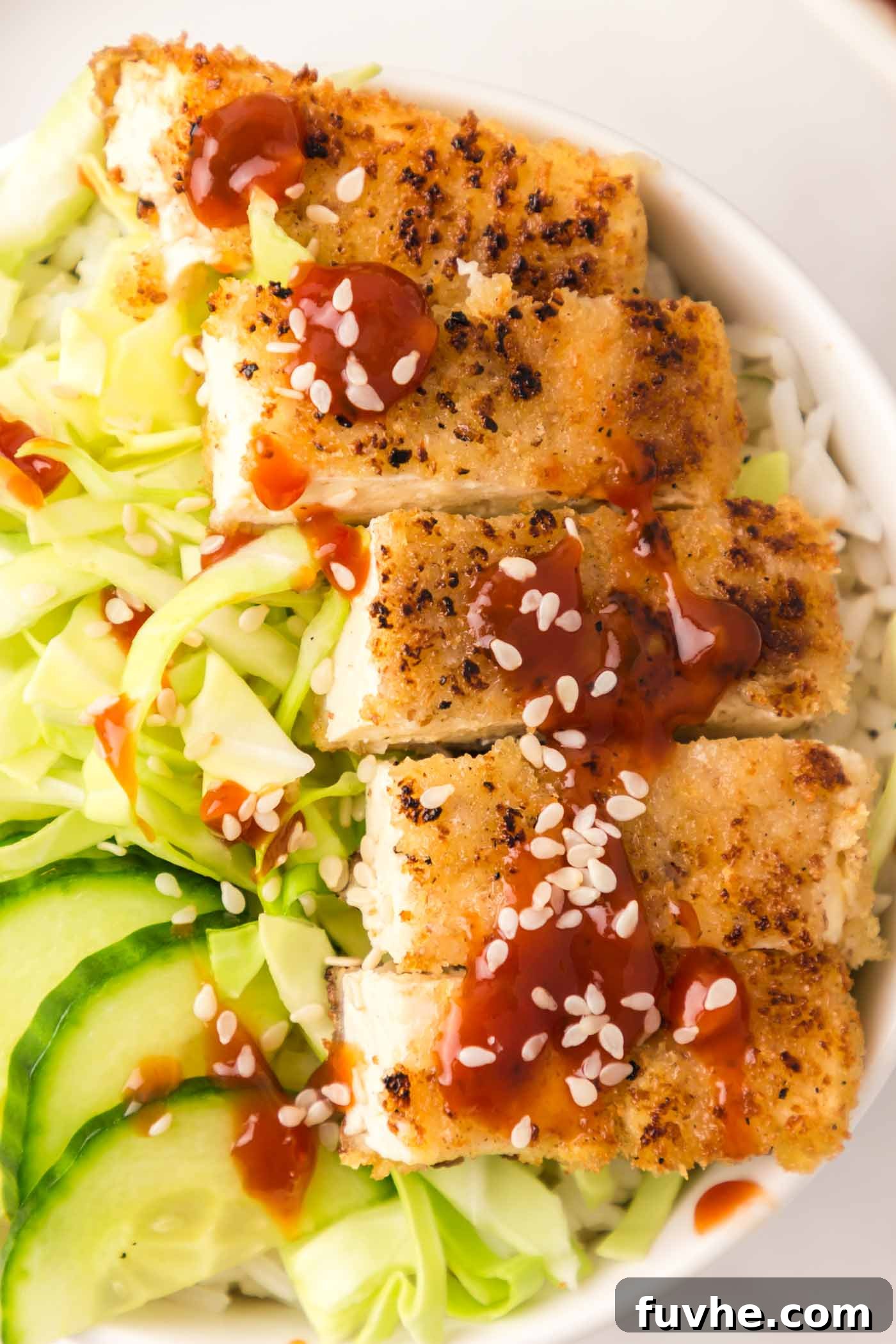
Discover the ultimate plant-based comfort food with this exquisite recipe for crispy, golden-brown tofu katsu cutlets. Paired with a vibrant, simple sweet and sour sauce, fluffy rice, and a refreshing medley of shredded cabbage and cucumber, this meal is not only deeply satisfying but also bursting with delightful flavors and textures. It’s an ideal choice for anyone seeking a delicious, wholesome, and entirely plant-based dining experience.
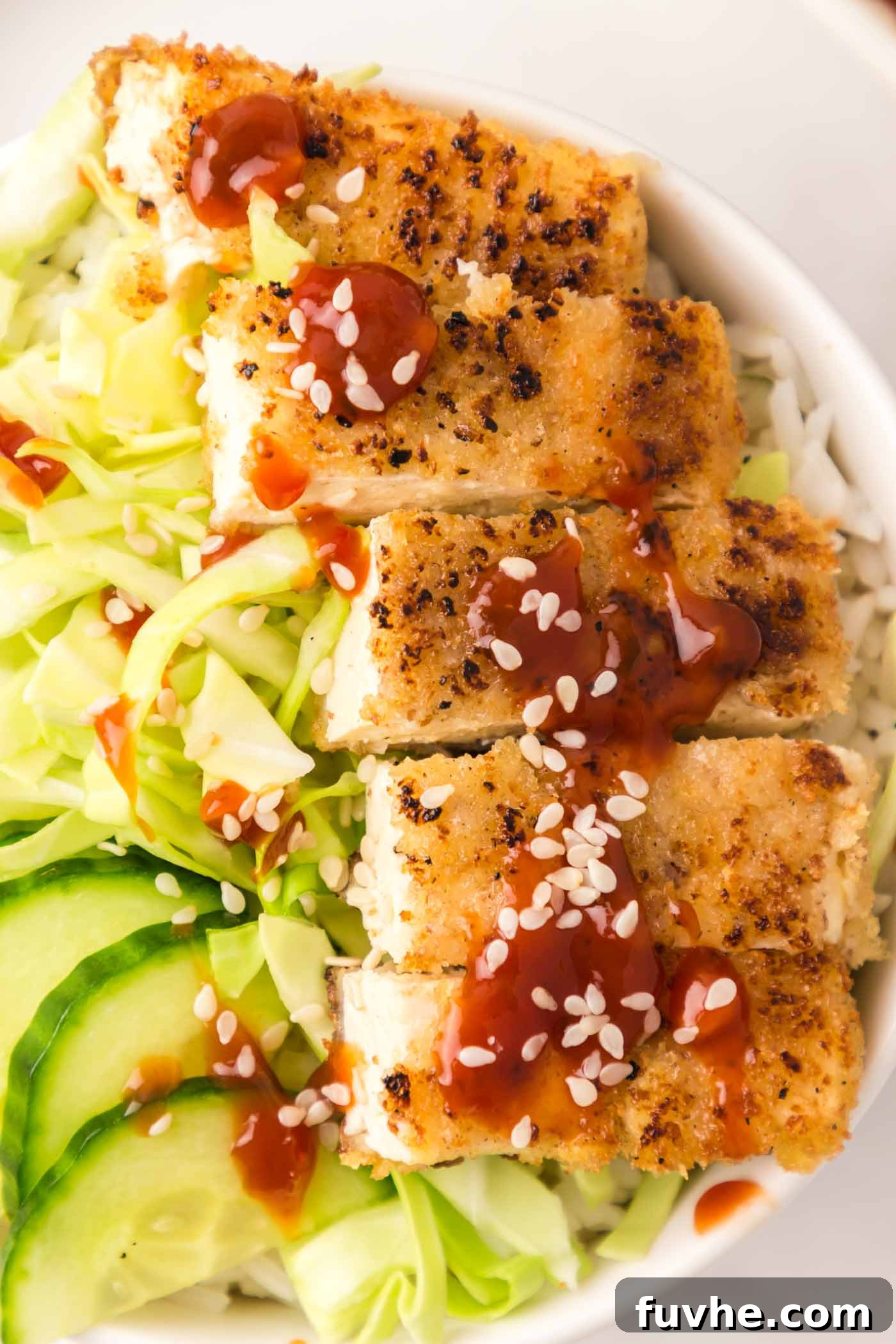
What is Tofu Katsu? A Plant-Based Take on a Japanese Classic
Tofu katsu is a delectable vegan adaptation of the beloved Japanese chicken katsu, a dish that has captivated palates far beyond Japan’s borders. Historically, “katsu” refers to a cutlet that is breaded and deep-fried, similar in concept to European schnitzel. The traditional Japanese version, often called Tonkatsu (pork cutlet) or Chicken Katsu, involves thinly sliced meat coated in crisp panko breadcrumbs and fried to golden perfection, typically served with a savory-sweet tonkatsu sauce, shredded cabbage, and rice.
Our tofu katsu recipe embraces this culinary tradition by substituting chicken with versatile extra-firm tofu, transforming it into a remarkably crunchy and flavorful plant-based alternative. This innovative approach allows for a completely meat-free, dairy-free, and egg-free rendition, making it accessible for vegans, vegetarians, and those looking to incorporate more plant-based meals into their diet without sacrificing taste or texture. The tofu, when properly prepared, achieves a satisfying chewiness on the inside and an irresistible crispness on the outside, mimicking the beloved qualities of its traditional counterpart.
Beyond its deliciousness, tofu katsu offers a nutritious profile, rich in plant-based protein and fiber, making it a wholesome addition to any meal rotation. This recipe not only guides you through creating the perfect tofu katsu cutlets but also provides a simple, homemade sauce and thoughtful suggestions for complete and balanced serving.
For those who love exploring the versatility of tofu, here are some other fantastic recipes you might enjoy:
- Flavorful Tofu Banh Mi
- Zesty Orange Tofu
- Classic Sweet and Sour Tofu
- Hearty BBQ Tofu Bowl
- Crispy Baked Garlic Black Pepper Tofu
Recipe Highlights: Why You’ll Love This Tofu Katsu
- Completely Vegan and Plant-Based: Enjoy all the flavors of katsu without any meat, eggs, or dairy. This recipe is perfect for those committed to a plant-forward lifestyle or simply looking for delicious vegan options.
- Easily Adaptable for Gluten-Free Diets: With simple substitutions like gluten-free flour and panko breadcrumbs, this recipe can be made entirely gluten-free, catering to various dietary needs without compromising taste or texture.
- Fun and Engaging to Prepare: The process of pressing, breading, and frying the tofu is surprisingly therapeutic and rewarding, making it a delightful culinary adventure for home cooks of all skill levels.
- Incredibly Delicious and Satisfying: The combination of crispy tofu, savory sauce, and fresh accompaniments creates a harmony of flavors and textures that will leave you feeling completely content and craving more.
- Irresistibly Crunchy Exterior: Thanks to the magic of panko breadcrumbs, each tofu cutlet boasts a golden, remarkably crisp crust that contrasts beautifully with the tender interior.
- Rich in Plant-Based Protein: Tofu is an excellent source of protein, making this meal a robust and energizing option for active individuals and anyone seeking to boost their protein intake from plant sources.
Essential Ingredients for Your Tofu Katsu Masterpiece
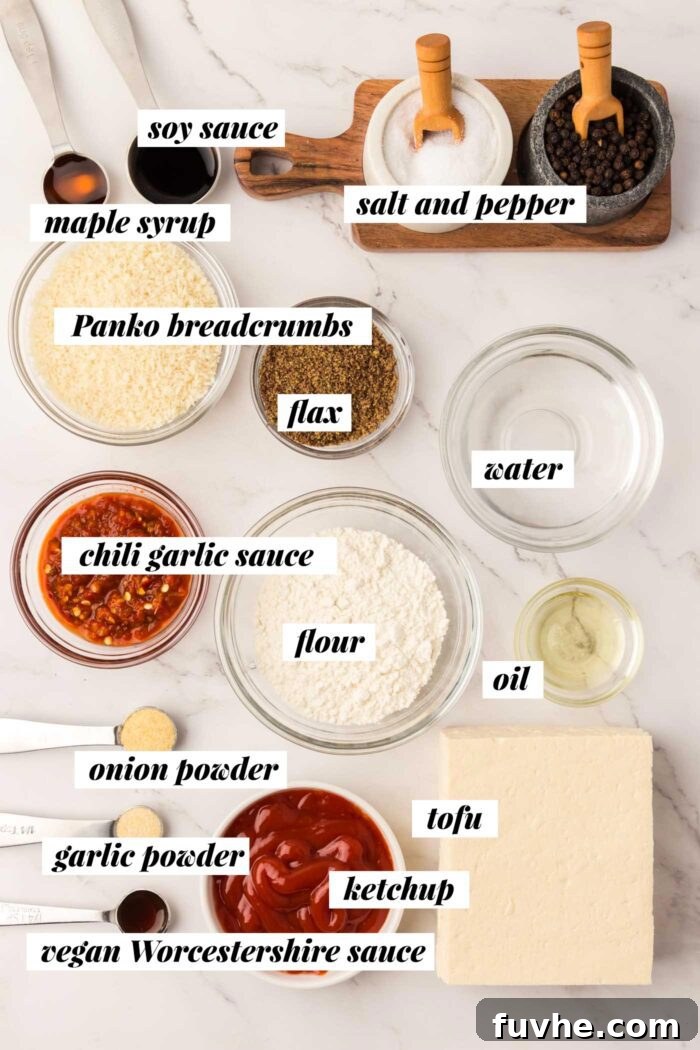
For precise measurements and detailed instructions, please refer to the printable recipe card located at the end of this article. This section provides helpful insights into key ingredients and potential substitutions to ensure your tofu katsu is a resounding success.
For the Crispy Tofu Katsu
- Extra-Firm Tofu: The cornerstone of this dish. Opt for extra-firm or super-firm tofu as it contains less water, making it easier to press and resulting in a denser, more satisfying texture that holds up well during frying. Softer varieties will not achieve the desired katsu texture.
- Panko Breadcrumbs: These Japanese-style breadcrumbs are crucial for achieving that signature airy, super-crispy coating. Unlike regular breadcrumbs, panko is coarser and absorbs less oil, ensuring a light and crunchy exterior. You can typically find them in the baking aisle or the international foods section of most grocery stores. For a gluten-free version, look for gluten-free panko.
- Ground Flaxseed: Mixed with water, ground flax creates a “flax egg” that acts as a fantastic vegan binder, helping the breadcrumbs adhere to the tofu. Ensure it’s ground flaxseed, not whole seeds, for proper emulsification.
- All-Purpose Flour: Forms the initial coating layer, providing a dry surface for the flax egg to stick to. You can use conventional all-purpose flour, whole wheat flour for added fiber, or a high-quality gluten-free all-purpose flour blend for a gluten-free option.
- Garlic Powder & Onion Powder: These dried spices infuse the breading with aromatic savory notes without adding moisture. They are preferred over fresh garlic and onion here for a smooth, even coating.
- Neutral Oil: Essential for pan-frying the tofu cutlets to a golden crisp. Choose an oil with a high smoke point and neutral flavor, such as grapeseed oil, avocado oil, or canola oil.
For the Zesty Katsu Sauce
- Ketchup: Provides the sweet and tangy base for the sauce. Any brand you prefer will work perfectly.
- Chili Garlic Sauce: Adds a delightful kick and a touch of savory heat. Sambal oelek is a popular choice, but any chili garlic sauce will do. Adjust the amount to your preferred spice level.
- Soy Sauce: Contributes a deep umami flavor and saltiness. Use low-sodium soy sauce if you are mindful of your sodium intake, or tamari for a gluten-free alternative.
- Vegan Worcestershire Sauce: A key ingredient for that authentic, complex savory depth. Traditional Worcestershire sauce contains anchovies, so be sure to select a certified vegan variety, which can usually be found in health food stores, specialty grocery stores, or online.
- Maple Syrup: Balances the acidity and saltiness with natural sweetness. Agave syrup is an excellent substitute if maple syrup is not available.
- Garlic Powder: For a smooth sauce without chunky bits of fresh garlic, powder is the ideal choice here, providing a consistent garlic flavor.
- Water: Used to thin the sauce slightly to the desired consistency, making it easy to drizzle over your katsu.
Beyond this homemade blend, consider other sauce options to complement your tofu katsu: try a bright Ponzu sauce, a creamy cashew spicy mayo, or even a simple drizzle of your favorite vegan mayonnaise or BBQ sauce for a different flavor profile.
Ideal Accompaniments for Serving
While the tofu katsu and its sauce are the stars, these serving suggestions transform your meal into a complete and harmonious experience. Feel free to customize, but we highly recommend including rice and the katsu sauce for the full effect.
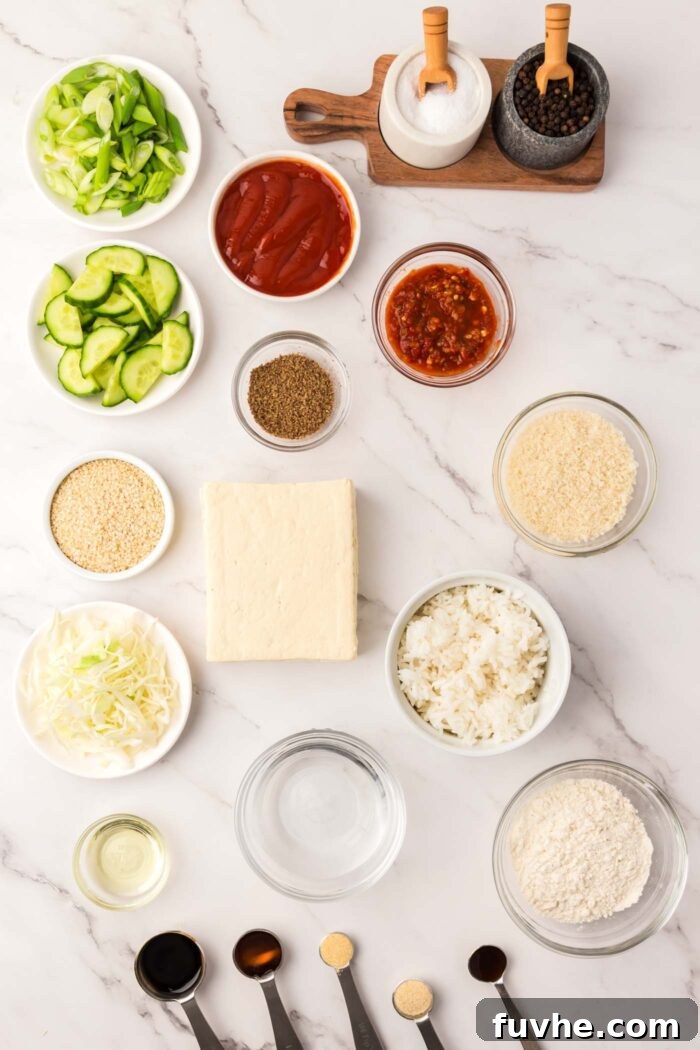
- Cooked Rice: The perfect canvas for soaking up the delicious katsu sauce. Any freshly cooked rice works beautifully – consider fragrant jasmine rice, fluffy basmati rice, or wholesome brown rice for added nutrition.
- Shredded Cabbage: A classic pairing that provides a crucial refreshing crunch and a slight bitterness to balance the richness of the fried tofu. Green or purple cabbage, or even a pre-packaged coleslaw mix, can be used. For the best texture, shred the cabbage as thinly as possible, ideally with a mandolin.
- Fresh Cucumber: Sliced into half-moons or ribbons, cucumber adds another layer of cool, crisp texture and a refreshing counterpoint to the fried elements.
- Sesame Seeds and Green Onion: These garnishes add visual appeal and an extra layer of flavor. Sprinkle white or black sesame seeds (toasted for enhanced nuttiness, if desired) and finely sliced green onions (scallions) for a fresh, aromatic finish.
Pro Tip: Elevate Your Cabbage! For an extra burst of flavor, consider dressing your shredded cabbage. Whip up a quick, tangy slaw by mixing 2 tablespoons each of rice vinegar, soy sauce, mirin, and a neutral oil (like grapeseed or avocado oil), along with 1/2 tablespoon of sesame oil and 2 teaspoons of sugar. Toss this dressing with the shredded cabbage just before serving for a vibrant side dish.
Crafting Your Own Crispy Tofu Katsu: A Step-by-Step Guide
Step 1: Expertly Press the Tofu for Optimal Texture
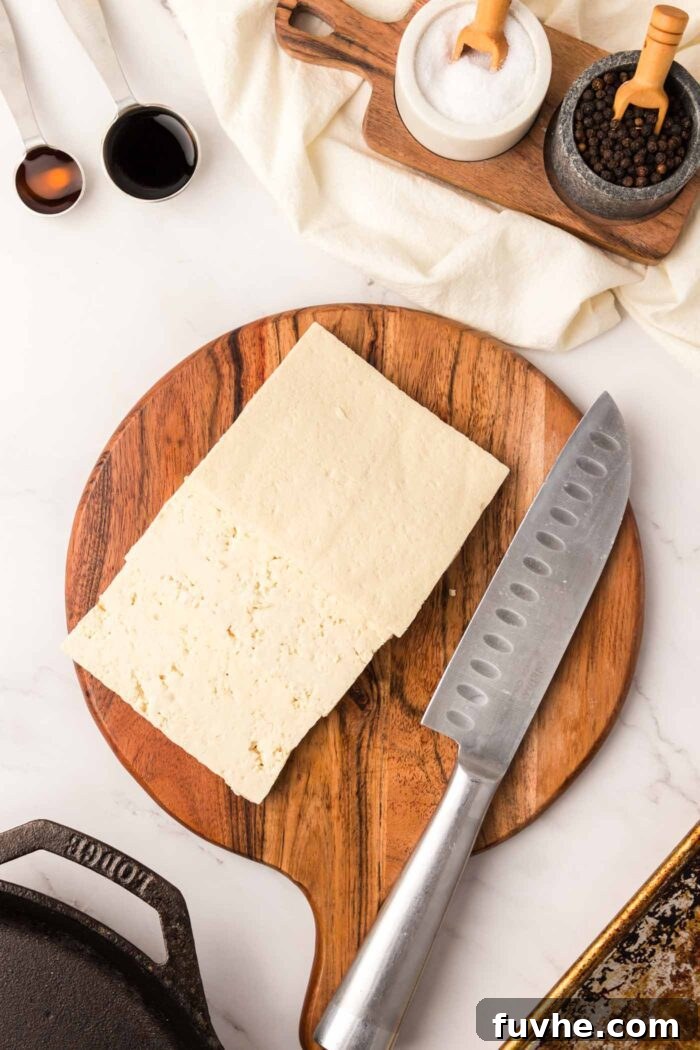
The secret to perfectly crispy tofu katsu lies in proper pressing. Begin by draining your block of extra-firm tofu and carefully slicing it into three long, thin rectangular slabs. The thinner the slabs, the quicker they will crisp up. Arrange these tofu pieces on a clean kitchen towel. Place another towel on top, followed by a sturdy baking sheet. To effectively press out excess moisture, weigh the baking sheet down with something heavy, such as a cast-iron pan, a stack of cookbooks, or heavy cans. Allow the tofu to press for approximately 10-15 minutes. This crucial step removes water, enabling the tofu to absorb flavors better and achieve a much firmer, “meatier” texture once cooked.
Step 2: Prepare the Flavor-Packed Katsu Sauce
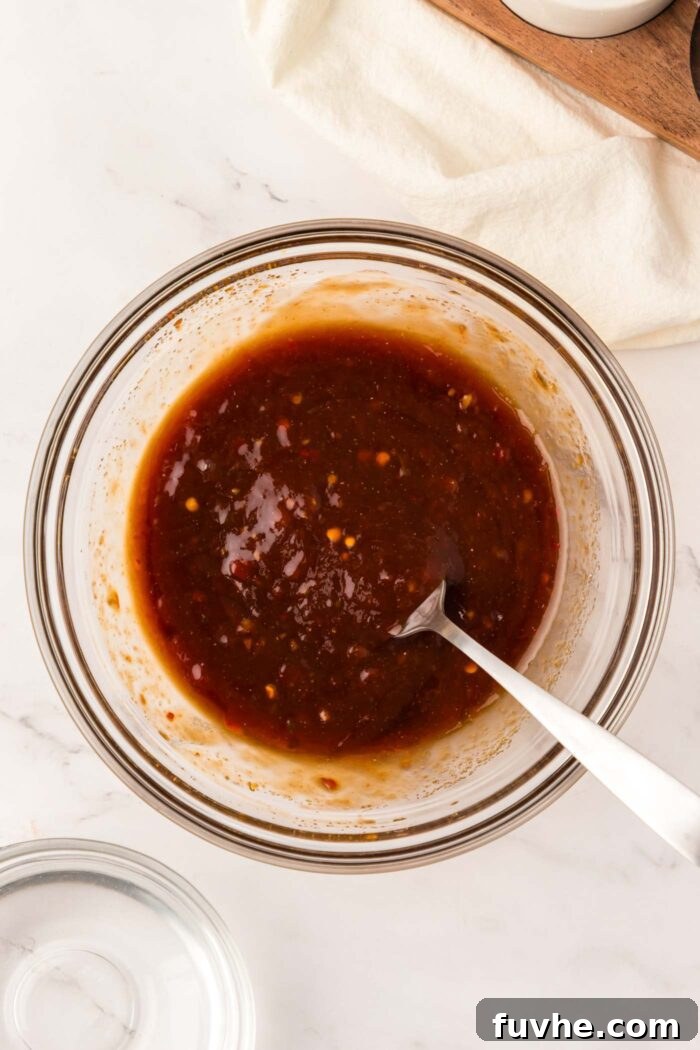
While your tofu is undergoing its essential pressing, take this time to create the delectable katsu sauce. In a small bowl, combine the ketchup, chili-garlic sauce, soy sauce, vegan Worcestershire sauce, maple syrup, and garlic powder. Whisk all the ingredients together until they are thoroughly combined and smooth. If the sauce appears too thick for drizzling, add 2-3 teaspoons of water, one at a time, until you reach your desired consistency. Set the finished sauce aside, ready to crown your crispy tofu cutlets.
Step 3: Master the Breading Station for Ultimate Crispiness
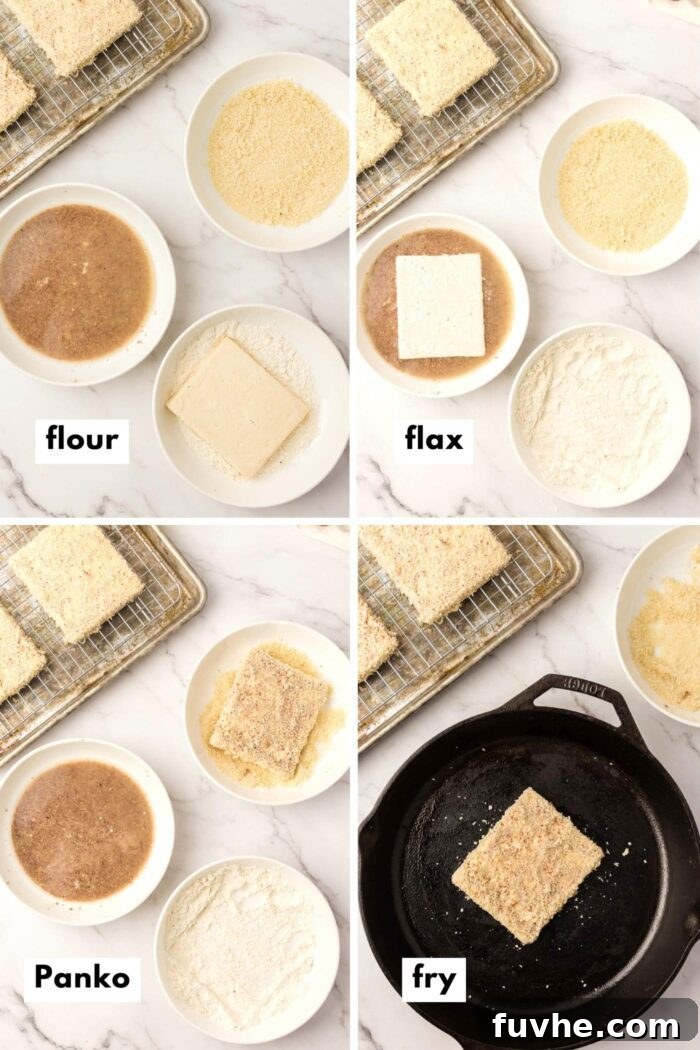
Once the tofu is pressed, it’s time to set up your breading station. This organized approach ensures an even and effective coating. You will need three shallow bowls:
- Bowl 1 (Flax Egg): In the first bowl, combine the ground flaxseed with water. Whisk vigorously until the mixture thickens slightly, creating a gooey “flax egg” that acts as your vegan adhesive.
- Bowl 2 (Flour Mixture): In the second bowl, combine the all-purpose flour, garlic powder, onion powder, salt, and black pepper. Stir well to ensure the spices are evenly distributed throughout the flour.
- Bowl 3 (Panko Breadcrumbs): Pour the panko breadcrumbs into the third bowl.
Arrange these bowls in an assembly line: first flour, then the flax mixture, and finally the panko. This setup streamlines the breading process. For an even easier transfer of coated tofu, have a baking sheet fitted with a wire rack ready nearby.
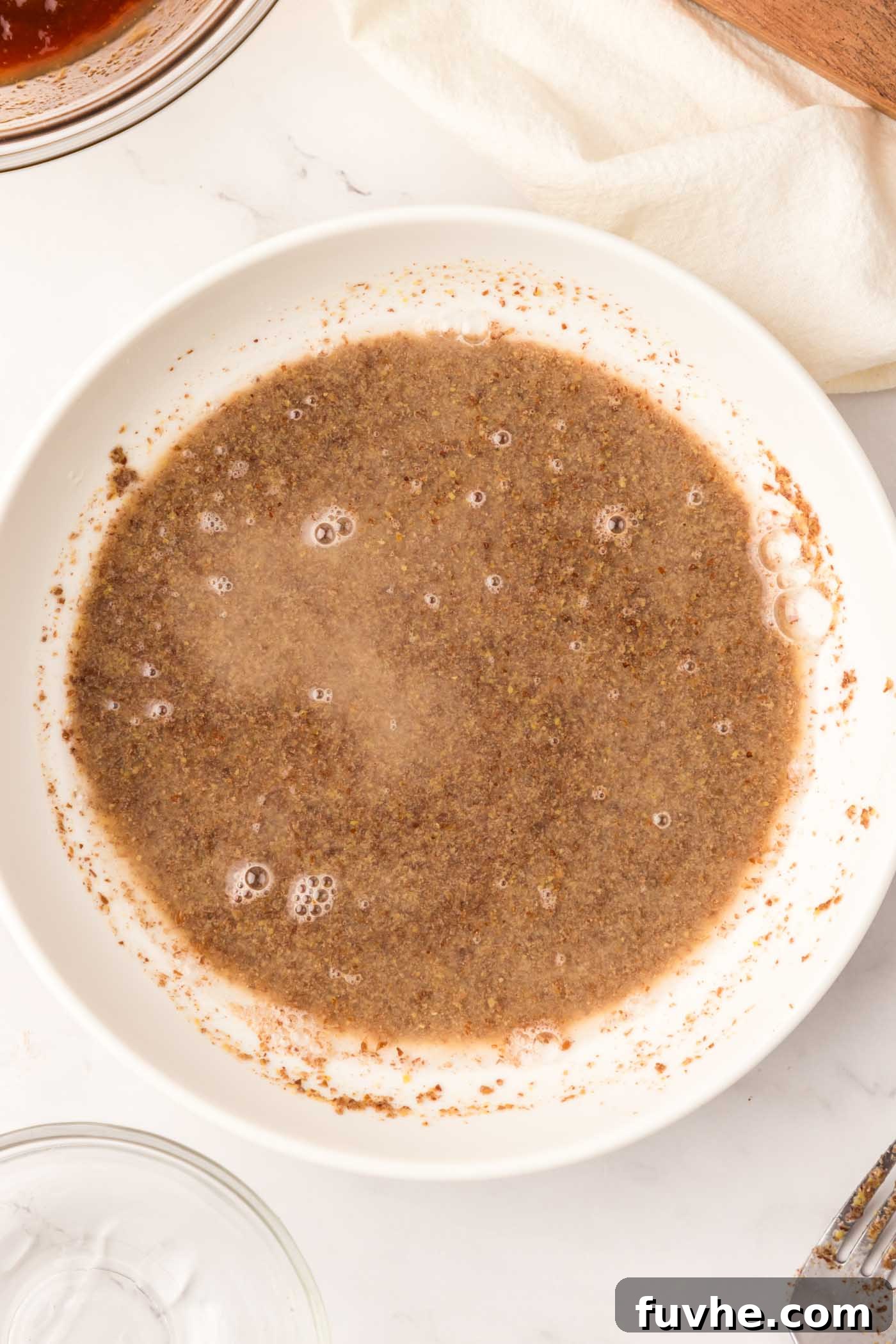
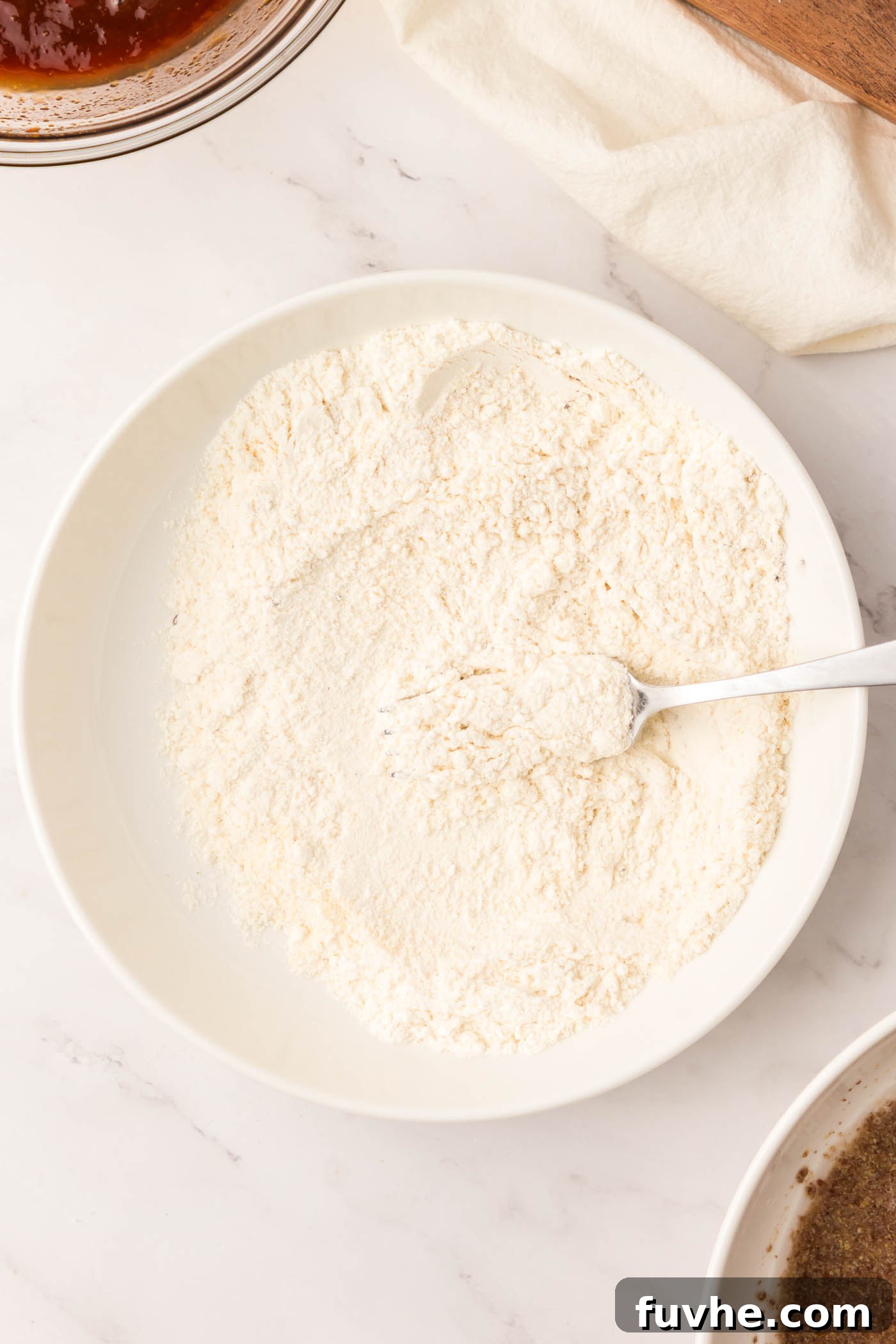
To bread, take one tofu slab at a time. First, generously coat both sides in the **flour mixture**, ensuring full coverage. Next, dip it into the **flax egg mixture**, allowing any excess to drip off. Finally, carefully transfer the tofu to the bowl of **panko breadcrumbs**. Gently press the panko onto all sides of the tofu, making sure it adheres firmly to create a thick, even layer. Transfer the breaded tofu piece to the wire rack on your baking sheet and repeat the process with the remaining tofu slabs.
Step 4: Pan-Frying for Golden-Brown Perfection
Now, it’s time to achieve that beautiful golden crisp. Heat 2 tablespoons of neutral oil in a large, heavy-bottomed pan over medium heat. A cast-iron skillet works exceptionally well for even heat distribution and superb crisping. Once the oil is hot and shimmering (you can test by dropping a tiny pinch of panko – it should sizzle immediately), carefully add 1-2 breaded tofu slabs to the pan. Avoid overcrowding the pan, as this can lower the oil temperature and prevent the tofu from getting crispy. You may need to cook the tofu in two batches, adding a little more oil if necessary between batches.
Cook each tofu slab for 3-4 minutes per side, or until it reaches a rich golden-brown color and is wonderfully crisp all over. Once cooked, transfer the crispy tofu cutlets to a clean wire rack to allow any excess oil to drain. If cooking in batches, you can keep the already fried tofu warm in a low-temperature oven (around 200°F or 90°C) until all pieces are ready to be served, ensuring every cutlet is hot and perfectly crisp.
Step 5: Artful Assembly and Serving Your Tofu Katsu Bowls
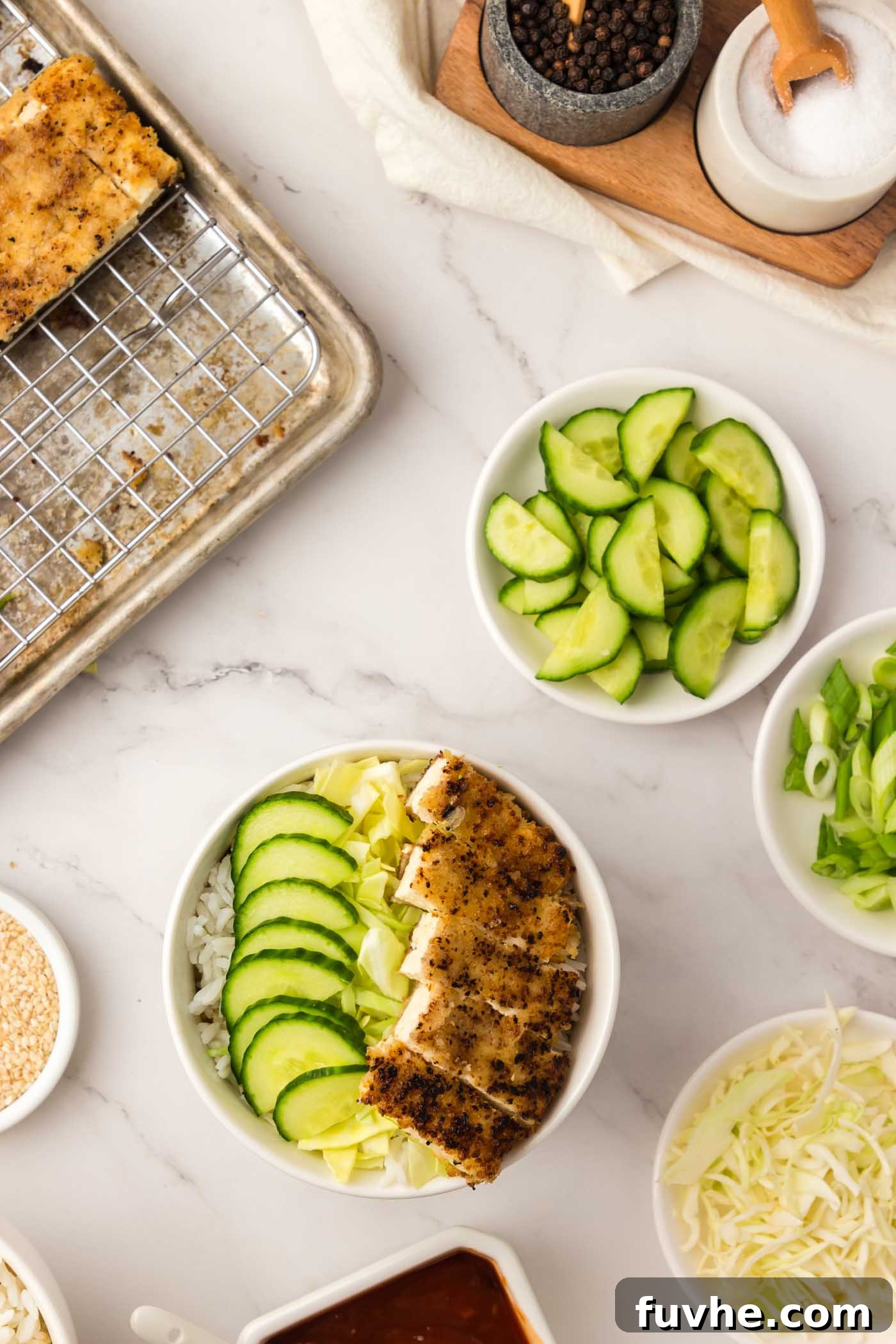
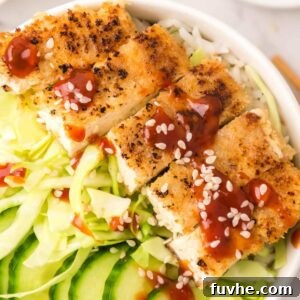
With all components ready, it’s time to assemble your delicious tofu katsu bowls. Begin by spooning a generous portion of freshly cooked rice into each serving bowl, creating a comforting base. Next, arrange the finely shredded cabbage and crisp cucumber slices artfully on top of the rice. Carefully slice the golden-brown tofu cutlets into ½-inch thick pieces, showcasing their crispy edges and tender interior, then gently place them into the bowls.
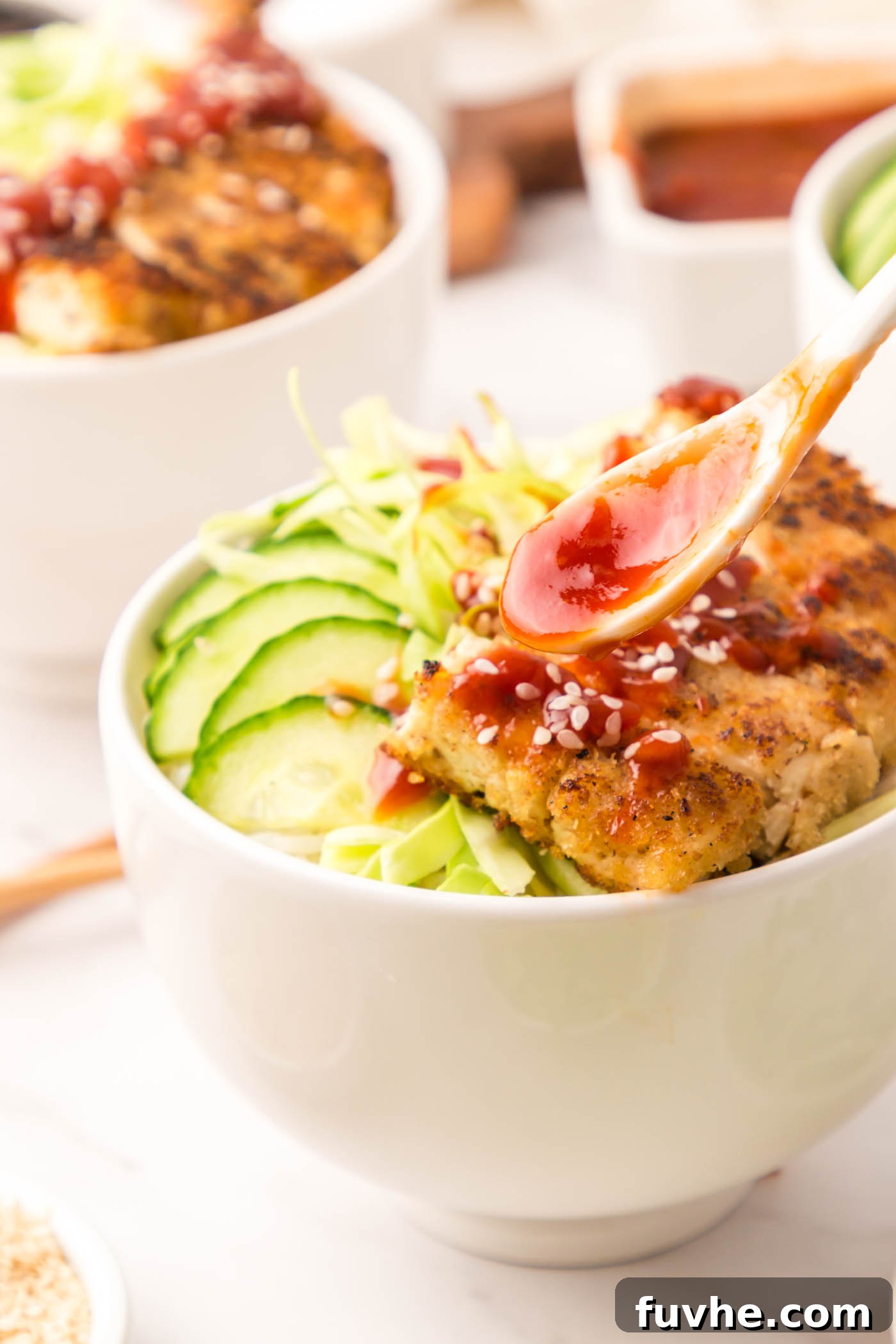
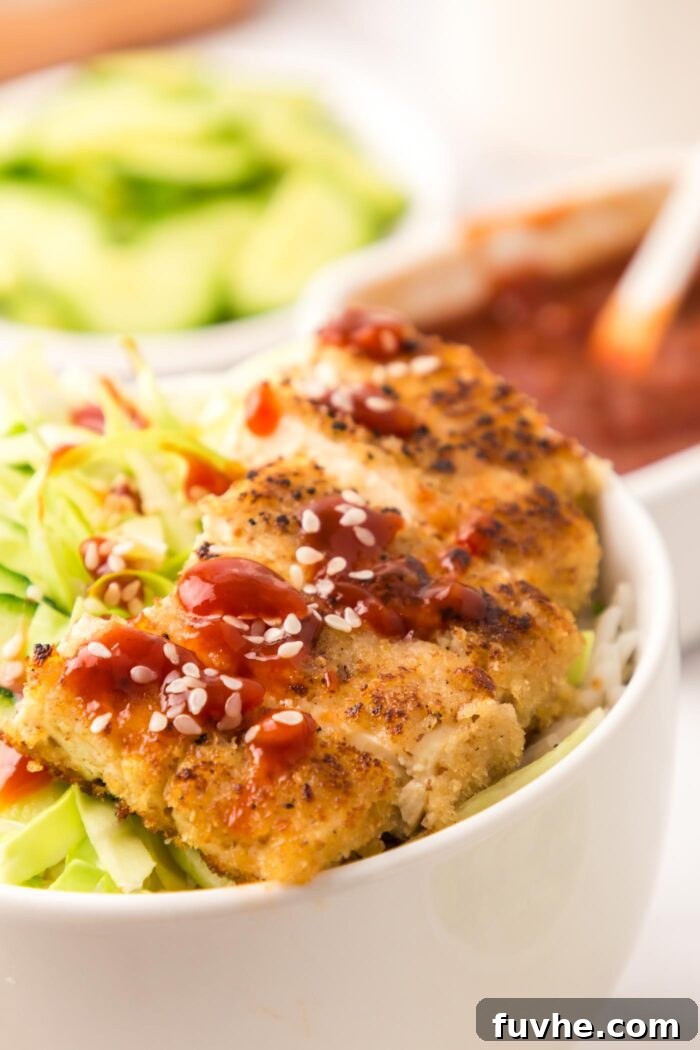
To complete the dish, generously drizzle the homemade katsu sauce over the tofu, rice, and vegetables. Finish with a sprinkle of toasted sesame seeds and thinly sliced green onions for added aroma and visual appeal. Serve immediately and savor the delightful interplay of textures and flavors in every bite!
Helpful Tips and Important Recipe Notes
- Pan-Frying is Key for Crispness: For the best results, stick to pan-frying your tofu katsu. We extensively tested baking the tofu katsu in the oven, and it unfortunately does not yield the same desired crisp exterior. While we haven’t tested it personally, an air fryer might offer a decent alternative, potentially achieving a good level of crispness with less oil. If you try the air fryer method, be sure to share your results!
- Customize Your Veggies: The accompanying shredded cabbage and cucumber are intentionally kept plain, allowing the rich katsu sauce to provide ample flavor to every bite. However, if you desire an extra layer of taste for your vegetables, consider dressing the cabbage. A simple and flavorful dressing can be made by mixing 2 tablespoons each of rice vinegar, soy sauce, mirin, and a neutral oil, along with ½ tablespoon of sesame oil and 2 teaspoons of sugar. Toss this mixture with the shredded cabbage just before serving for a refreshing and tangy slaw.
- Enhance Tofu Texture with Freezing: For those who prefer a chewier, “meatier” texture in their tofu, an excellent trick is to freeze and then thaw the tofu block before pressing. Simply freeze the tofu in its original packaging until it’s completely solid. Then, thaw it in the refrigerator until fully defrosted. This process creates small ice crystals that expand and create more pores in the tofu, resulting in a wonderfully dense and hearty texture after pressing and cooking.
Frequently Asked Questions About Tofu Katsu
What can I use as a substitute for vegan Worcestershire sauce?
If you don’t have vegan Worcestershire sauce on hand, several alternatives can help achieve a similar depth of flavor. You can substitute with an equal amount of regular soy sauce (or tamari for gluten-free). For a more complex taste, try a mix of half soy sauce and half hoisin sauce. Vegan oyster sauce or a dash of vegan fish sauce are also excellent options to replicate that savory, umami punch.
Can I prepare tofu katsu in advance?
While tofu katsu is best enjoyed immediately after frying for maximum crispness, you can certainly prepare some components ahead of time. The tofu can be pressed and even breaded a few hours in advance and stored in the refrigerator on a wire rack. The katsu sauce can be made up to 4 days ahead and stored in an airtight container in the fridge. Cooked rice and shredded vegetables can also be prepped a day or two ahead, making assembly quick and easy on busy weeknights.
How can I make this recipe gluten-free?
To make this tofu katsu recipe entirely gluten-free, simply ensure you use gluten-free all-purpose flour for the dry coating and gluten-free panko breadcrumbs for the crispy outer layer. Additionally, choose tamari instead of regular soy sauce, as tamari is a naturally gluten-free alternative. Always double-check ingredient labels, especially for sauces like Worcestershire, to ensure they are certified gluten-free.
Storage and Reheating Instructions for Tofu Katsu
- Optimal Enjoyment: Tofu katsu truly shines when served fresh, hot, and with its crust at peak crispness.
- Storing Leftovers: If you have any leftovers, allow the tofu katsu to cool completely before transferring it to an airtight container. Store it in the refrigerator for up to 3-4 days. For best results, store the katsu separately from the rice and vegetables to prevent sogginess.
- Reheating for Crispness: While leftover katsu can be enjoyed cold, reheating it properly can restore some of its desired crispness. The best methods for reheating are in a dry pan over medium heat until warmed through and re-crisped, or in an oven preheated to 350°F (175°C) for 10-15 minutes. Avoid the microwave, as it will likely make the breading soggy.
- Sauce Preparation: The katsu sauce is perfect for making ahead! Prepare it up to 4 days in advance and store it in a sealed container in the refrigerator. This makes meal prep even easier.
Explore More Delicious Tofu Recipes
Loved this tofu katsu? Dive into more exciting plant-based meals with these incredible tofu recipes:
- Aromatic Baked Curried Tofu
- Ultimate Crispy Baked Tofu
- Authentic Tofu Banh Mi Sandwiches
- Refreshing Tofu Poke Bowl
- Quick and Easy Cashew Tofu Stir Fry
★
★
★
☆
Crispy Vegan Tofu Katsu Recipe
Deryn Macey
20 mins
10 mins
30 mins
3
Pin Recipe
Print Recipe
Ingredients
For the Tofu Katsu
- 1 350g block extra-firm tofu, drained and patted dry
- 1 cup panko breadcrumbs, 60 g
- 2 tbsp ground flax, 14 g
- ½ cup water, 120 mL
- 1/3 cup all-purpose flour, 40 g
- ½ tsp garlic powder
- ½ tsp onion powder
- salt and pepper, to taste
- 2 tbsp neutral oil, like avocado or grapeseed oil, for frying
For the Katsu Sauce
- ¼ cup ketchup, 70g
- 2 tsp chili-garlic sauce
- 1 ½ tbsp soy sauce
- 2 tsp vegan Worcestershire sauce
- 1 tsp maple syrup
- ¼ tsp garlic powder
- 2-3 tsp water, to slightly thin sauce
For Serving
- cooked Jasmine or Basmati rice
- 4 cups green cabbage, finely shredded, with a mandolin if possible (215 g)
- cucumber, cut into half-moons
- sesame seeds, for garnish
- green onion, sliced, for garnish
Instructions
-
Press the Tofu: Drain the tofu block and cut it into three long, thin rectangular pieces. Transfer the tofu slabs to a clean kitchen towel, fold it over them, and place a baking sheet on top. Weigh the baking sheet down with a heavy item (like a cast iron pan) to press out excess moisture for 10-15 minutes.
-
Prepare Katsu Sauce: While the tofu is pressing, combine all katsu sauce ingredients in a bowl. Whisk until thoroughly combined and smooth. Add 2-3 tsp of water to thin if necessary. Set aside.
-
Set Up Breading Station: Prepare three shallow bowls. In the first, whisk together ground flax and water until slightly thickened (flax egg). In the second, mix flour, garlic powder, onion powder, salt, and pepper. In the third, place the panko breadcrumbs. Arrange them in order for an assembly line.
-
Bread the Tofu: Working with one tofu slab at a time, first coat both sides in the flour mixture. Next, dip into the flax egg mixture. Finally, press into the panko breadcrumbs, ensuring an even and thorough coating on all sides. Transfer the breaded tofu to a wire rack on a baking sheet. Repeat for all slabs.
-
Pan-Fry to Perfection: Heat 2 tbsp neutral oil in a large pan (cast iron works well) over medium heat. Once hot, add 1-2 breaded tofu slabs, ensuring not to overcrowd the pan. Cook for 3-4 minutes per side until golden-brown and crispy. Add more oil if needed for subsequent batches. Transfer cooked tofu to a wire rack to drain. (Tip: Keep cooked tofu warm in a low-temperature oven while finishing batches.)
-
Assemble and Serve: Once all tofu is cooked, slice the cutlets into ½-inch pieces. Serve hot rice in bowls, then arrange the shredded cabbage, cucumber, and sliced tofu katsu on top. Drizzle generously with katsu sauce, then sprinkle with sesame seeds and green onions before enjoying.
Notes
For an enhanced flavor profile, consider dressing the shredded cabbage with a mixture of 2 tbsp each rice vinegar, soy sauce, mirin, and neutral oil, plus ½ tbsp sesame oil and 2 tsp sugar. This creates a vibrant, tangy slaw.
Nutrition facts provided include the tofu katsu and the homemade sauce only.
Nutrition Information (per serving)
, Calories: 484 kcal
, Carbohydrates: 52 g
, Protein: 22 g
, Fat: 21 g
, Sodium: 814 mg
, Fiber: 6 g
, Sugar: 11 g
Enjoyed this recipe? Share your thoughts below!
Rate and comment to let us know how it turned out.