
The Ultimate Vegan Macro Cheat Sheet: Your Comprehensive Guide to Plant-Based Macronutrients
Embarking on a plant-based journey or refining your existing vegan diet often brings questions about balanced nutrition. This comprehensive vegan macro cheat sheet serves as your essential guide, highlighting the finest plant-based sources of carbohydrates, proteins, and fats. Whether you’re adopting a flexible dieting approach, aiming to boost your protein intake, or simply striving for a more balanced and nutritious vegan lifestyle, this resource is designed to empower your choices.
What are Macronutrients (Macros)?
The term “macros” is an abbreviation for macronutrients, which are the fundamental nutrients our bodies require in substantial quantities to function optimally. Unlike micronutrients, which are needed in smaller amounts (such as vitamins and minerals), macronutrients provide the energy and building blocks essential for every bodily process. These three vital macronutrients – carbohydrates, fats, and proteins – are obtained through the foods we consume daily.
Each macronutrient plays a distinct and crucial role:
- Carbohydrates: Primarily serve as the body’s main source of energy, fueling everything from brain function to physical activity.
- Fats: Essential for hormone production, nutrient absorption, cell membrane integrity, and providing concentrated energy storage.
- Proteins: The building blocks of tissues, muscles, enzymes, and hormones, critical for repair, growth, and immune function.
Understanding Flexible Dieting
Flexible dieting, often referred to as “tracking macros,” is a refined approach to calorie counting that focuses specifically on the quantitative intake of carbohydrates, fats, and protein. This method moves beyond simple calorie restriction, encouraging a deeper understanding of food composition and its impact on your body and goals.
The process typically begins by calculating your Total Daily Energy Expenditure (TDEE), which represents the total number of calories your body needs each day. This TDEE is then broken down into specific gram targets for fats, carbohydrates, and proteins, tailored to your individual needs and objectives. Once your macro targets are established, they can be strategically adjusted to support various goals:
- Calorie Surplus: For individuals aiming for muscle gain and increased strength.
- Calorie Deficit: For those seeking fat loss and body recomposition.
- Maintenance: To sustain current body weight and health levels.
It’s important to remember the caloric value of each macro: one gram of protein or carbohydrate contains 4 calories, while one gram of fat contains 9 calories. By meticulously managing these ratios according to your genetics and goals, flexible dieting can potentially accelerate progress, help maintain lean muscle mass, and lead to a greater sense of overall well-being compared to simply counting total calories.
Why Consider Tracking Macros?
Tracking macros is a popular strategy in various fitness and athletic communities, often employed by bodybuilders to achieve extremely low body fat percentages for competitions or to facilitate significant muscle growth. It’s also prevalent in sports like weightlifting and combat sports, where adherence to specific weight classes is critical, and in CrossFit for optimizing athletic performance and recovery.
At its core, flexible dieting is a systematic approach to eating designed to enhance nutritional intake, enabling individuals to train harder, recover more efficiently, and perform at their peak. It’s an effective tool for achieving specific body composition goals or managing body weight with precision.
However, it’s crucial to understand that tracking your food intake is not a universal requirement for everyone seeking to eat healthily and feel good. For the general population, who may not have intense athletic performance or competition goals, strict macro tracking might be unnecessary and even overwhelming. Simple, sustainable habits can often yield significant improvements in diet and well-being without the need for meticulous measurement. Prioritizing whole, unprocessed foods and listening to your body’s hunger and fullness cues often proves more beneficial for long-term health than rigorous calorie or macro counting.
Weighing and Tracking Your Food: A Practical Perspective
Flexible dieting typically involves precisely weighing food portions and logging them into an application like MyFitnessPal. While this level of detail can be highly effective for specific goals, for most people, it’s not a prerequisite for general healthy eating and weight management. Achieving a balanced diet and maintaining a healthy weight is entirely possible without routinely tracking every gram of food consumed.
That said, engaging in macronutrient tracking, even temporarily, can offer valuable insights. It can significantly enhance your awareness of how different foods impact your body, help you understand appropriate portion sizes, and teach you how to construct more balanced and nutrient-dense meals. For a defined period, it can serve as an educational tool to build a stronger intuition around your dietary habits before transitioning to a more intuitive eating approach.
Making Flexible Dieting Sustainable and Enjoyable
When considering flexible dieting, maintaining a healthy perspective and a positive relationship with food is paramount. While proponents often claim it’s “not a diet,” any method involving structured food intake is, by definition, a form of dieting. However, flexible dieting stands out because it can indeed be implemented in an enjoyable and highly sustainable manner.
A key principle of this approach is the absence of “good” or “bad” foods; nothing is inherently off-limits. This philosophy fosters a sense of freedom and reduces the psychological burden often associated with restrictive diets. For instance, many who follow flexible dieting enjoy occasional treats, untracked meals, dining out, and refrain from tracking during vacations. The goal is to build a sustainable lifestyle, not a rigid prison of numbers.
Understanding what constitutes healthy eating on a broader scale means you won’t always need an app to dictate your daily intake. For individuals with athletic goals, monitoring food intake can optimize gym performance and recovery. However, for those new to nutrition, developing general healthy eating habits and intuitive eating skills often proves far more impactful than diving directly into macro tracking.
Consistency triumphs over perfection in the long run. To truly make flexible dieting a sustainable way to eat, cultivating a flexible approach to this lifestyle is essential. Embrace the occasional deviation, focus on overall patterns, and prioritize mental and physical well-being. For beginners, establishing foundational healthy eating habits should always precede advanced dietary strategies like macro tracking.
The Pyramid of Nutritional Importance
When optimizing your diet, it’s helpful to visualize a “pyramid of nutritional importance” that prioritizes different aspects of food intake. At the foundational base of this pyramid lies energy balance – the balance between calories consumed and calories expended. This is consistently the most significant determinant of results, whether your goal is weight loss, muscle gain, or maintenance. Therefore, being slightly over or under on one particular macronutrient on a given day is far less critical than consistently staying within your overall calorie goals.
This understanding provides crucial flexibility and reinforces the importance of food quality. For example, rather than consuming excessive amounts of unhealthy oils to meet a fat target, it’s always more beneficial to add extra nutrient-dense options like vegetables, beans, nuts, or a whole-grain snack to make up the caloric difference. Prioritize whole foods that provide both macros and vital micronutrients.
Once energy balance is firmly established, you can then progress up the pyramid:
- Energy Balance (Calories): The most crucial factor for weight management and overall progress.
- Macronutrient Intake (Carbs, Fats, Protein): Adjusting these ratios for specific goals.
- Micronutrient Intake (Vitamins, Minerals): Ensuring adequate intake from a diverse range of whole foods.
- Nutrient Timing & Supplements: Fine-tuning for athletic performance or addressing specific deficiencies, but only after the foundational layers are solid.
Remember, hitting your daily caloric needs should always take precedence over hitting precise protein, fat, or carb targets in isolation.
Why Food Quality is Indispensable
Even when meticulously tracking macros, the quality of your food sources remains paramount. Instead of merely asking, “What can I fit into my macros?”, shift your focus to, “What nutritional value does this food offer, and how will it benefit my body?”
While occasional treats can provide emotional and mental comfort – a perfectly normal component of a balanced, healthy diet – the vast majority of your intake should come from high-quality, whole food sources. Micronutrients, phytonutrients, and fiber, often abundant in whole foods, play an equally vital role in health as macronutrients.
It’s a common misconception that a food is “better” simply because it’s low in fat or carbohydrates. Highly processed, low-fat or low-carb options often replace these macros with artificial ingredients, sugars, or unhealthy fillers. By prioritizing the quality of your food choices – opting for whole grains, fresh fruits and vegetables, legumes, nuts, and seeds – you lay the groundwork for profound health benefits. This focus supports improved sleep, sustained energy levels, a healthy gut microbiome, balanced hormones, and overall long-term wellness that extends far beyond just hitting macro targets.
How to Effectively Use This Vegan Macro Cheat Sheet
This macro cheat sheet is designed to provide a comprehensive list of excellent vegan sources for carbohydrates, fats, and protein. It’s important to note a unique characteristic of plant-based nutrition: macronutrients often overlap within the plant kingdom. For instance, many protein sources like beans are also rich in carbohydrates, while nuts and soy provide both protein and healthy fats. This interconnectedness means a diverse plant-based diet naturally ensures a broader spectrum of nutrients.
We’ll systematically explore these categories, starting with carbohydrates, then delving into fats, followed by combined protein + carb sources, protein + fat sources, and finally, some helpful packaged food options. Even if you choose not to track macros, this list is an invaluable tool for building a more balanced and nutrient-rich vegan diet.
A practical starting point for meal construction is to fill approximately 50-60% of your plate with carbohydrates, emphasizing a wide variety of vegetables and whole grains. Subsequently, aim to incorporate roughly equal amounts of protein and healthy fats. From this foundation, you can then adjust quantities to suit your individual nutritional needs, activity levels, and how various foods make you feel. Listen to your body and iterate to find your optimal balance.
Powering Your Body: Top Vegan Sources of Carbohydrates
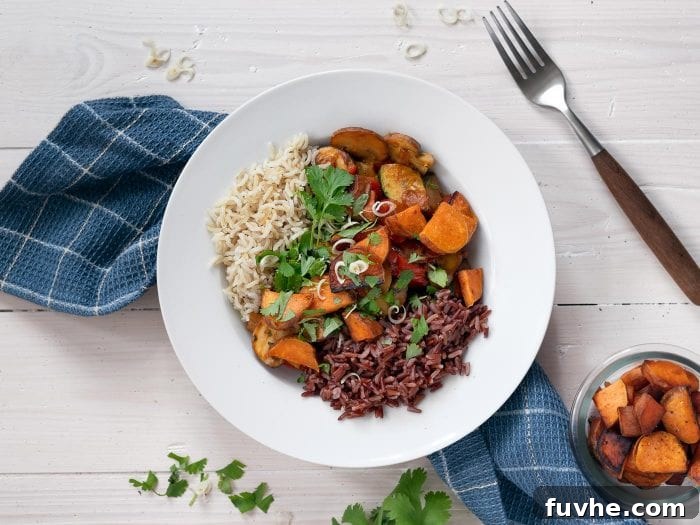
Carbohydrates are the body’s primary and most efficient source of energy. On a plant-based diet, we obtain these essential macronutrients primarily from fruits, whole grains, and a vast array of vegetables, with smaller amounts present in virtually all plant foods.
The types of carbohydrates available are diverse, ranging from starchy, higher-carbohydrate foods like potatoes and grains, which provide sustained energy, to non-starchy, low-glycemic options such as leafy green vegetables, packed with fiber and micronutrients. Depending on your activity levels and goals, it’s wise to strategically utilize both. Starchy carbohydrates, such as oats and sweet potatoes, are excellent for fueling intense workouts and aiding in post-exercise recovery. The remainder of your carbohydrate needs can be richly fulfilled by an abundance of non-starchy vegetables, which offer high volume and nutrient density with fewer calories.
Understanding Refined vs. Unrefined Complex Carbs
A critical distinction in carbohydrate sources lies between refined and unrefined (complex) carbohydrates. Refined carbohydrates are typically processed foods that have had much of their fiber, vitamins, and minerals stripped away, often leaving behind primarily sugars and starches. Examples include packaged and frozen desserts, many conventional store-bought breads, processed cookies, cakes, muffins, pastries, processed granola bars, white pasta, sugary breakfast cereals, and frozen pizzas – essentially, items commonly found in the packaged snack aisle.
Processed foods notoriously high in refined sugars also include sodas, many fruit juices (which lack the fiber of whole fruit), condiments like ketchup and BBQ sauce, many pasta sauces, certain frozen meals, and products listing white sugar, corn syrup, or high-fructose corn syrup as key ingredients. These highly processed options should not form the foundation of your carbohydrate intake.
Instead, your diet should prioritize whole grains, fresh fruits, and a diverse range of vegetables. These unrefined sources provide complex carbohydrates that are digested slowly, offering sustained energy, along with crucial fiber, vitamins, minerals, and antioxidants. When selecting carbohydrates, always consider their fiber content, which is vital for digestive health, blood sugar regulation, and satiety. You can learn more about the best sources of fiber and its importance here.
Top Picks for Nutrient-Dense Vegan Carbohydrates
- Root Vegetables: Carrots and beets are incredibly nutrient-rich and offer a modest amount of complex carbohydrates. They are versatile in smoothies, salads, oatmeal, and buddha bowls. Roasting, steaming, or grating them into your weekly meal prep ensures a ready supply for quick, healthy additions.
- Squashes: Varieties like butternut, acorn, pumpkin, and kabocha squash are powerhouse foods. They are nutrient-dense, allowing for large, satisfying servings with relatively low carbohydrate counts. Squashes are a staple for both main meals and healthy snacks.
- Sweet Potato: A medium sweet potato provides approximately 24 grams of complex carbohydrates with negligible fat and protein, alongside a wealth of nutrients. They are exceptionally high in Vitamin A and a good source of Vitamin C, B vitamins, antioxidants, and potassium, making them ideal for sustained energy.
- Potatoes: A classic, filling, and nutritious starchy carb source. Enjoy them as baked oil-free fries or a hearty baked potato topped with creamy tahini or a flavorful ranch dressing.
- Brown Rice: One cup of cooked brown rice offers about 44 grams of carbohydrates, complemented by 5 grams of protein and less than 2 grams of fat. It’s a foundational whole grain.
- Quinoa: A complete protein among grains, one cup of cooked quinoa contains 40 grams of carbohydrates, 8 grams of protein, and 4 grams of fat. It’s a fantastic source of various minerals.
- Rolled Oats: A half-cup of dry rolled oats provides 33 grams of carbohydrates, over 6 grams of protein, and just 3 grams of fat. Oats are perfect for sustained energy, especially before workouts.
- Blueberries: These tiny berries are bursting with antioxidants and possess significant anti-inflammatory and cancer-fighting properties. One cup contains 20 grams of carbohydrates with virtually no fat or protein, making them a wonderful high-volume, naturally sweet treat for oatmeal and smoothies.
- Apples: A medium apple offers around 22 grams of carbohydrates with essentially no protein or fat. Their crunch and natural sweetness make them an excellent choice to satisfy sweet cravings. Pair with almond butter for added healthy fats.
- Banana: Unbeatable for a quick, natural energy boost, bananas are like nature’s energy bar, perfect for on-the-go fuel. One medium banana contains 25 grams of carbohydrates, no fat, and a trace amount of protein.
- Strawberries: A favorite for their sweet, high-fiber, and nutrient-rich profile. One cup of strawberries provides 11 grams of carbohydrates with minimal fat and protein.
- Zucchini: An incredibly versatile vegetable, zucchini is excellent for adding bulk to meals without significantly increasing carbohydrate content. Incorporate it into smoothies, oatmeal, stir-fries, or make zucchini noodles. One cup of chopped zucchini has just 4 grams of carbohydrates, 1.5 grams of protein, and no fat.
- Broccoli: A nutritional powerhouse that should be a frequent addition to your diet. One cup of broccoli contains only 6 grams of carbohydrates, 2.5 grams of protein, and no fat, making it an excellent carb source.
Strategic Use of Starchy Carbohydrates
Starchy carbohydrates are generally higher in caloric density and carbohydrate content compared to non-starchy options like leafy greens. These foods are particularly beneficial when strategically consumed around your workout sessions to provide ample fuel for physical activity and to replenish glycogen stores for optimal recovery. Opting for low-GI (Glycemic Index) starchy carbohydrates helps maintain more stable blood sugar levels, preventing sharp insulin spikes. However, easily digestible, higher-GI carbs can be advantageous for rapid energy delivery when needed, such as during or immediately after intense exercise.
Most foods listed in this section are essentially fat-free sources of carbohydrates. While whole grains do contribute some protein, this food group is predominantly composed of carbohydrates.
Lower-Carbohydrate Fruits: Nutrient-Dense Choices
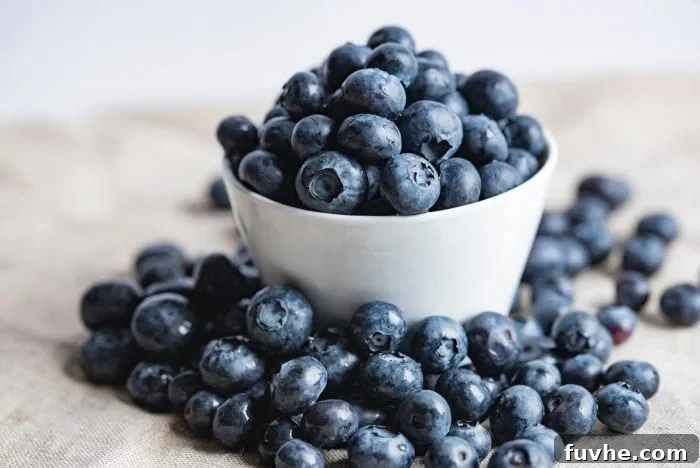
These fruit selections are categorized as low-GI carbohydrates, providing minimal to no fat and protein. Berries, in particular, are celebrated for their exceptionally high antioxidant content and potent anti-inflammatory properties, making them an outstanding addition to any diet. These fruits offer high volume for their carbohydrate count, making them ideal for feeling full and enjoying naturally sweet, low-sugar treats.
- Strawberries
- Blackberries
- Blueberries
- Raspberries
- Oranges
- Peach
- Watermelon
- Apple
- Grapefruit
- Pear
- Plum
- Cantaloupe
Higher-Carbohydrate Fruits: Quick Energy Boosters
These fruits are characterized by higher natural sugar content and greater caloric density compared to the lower-carb fruits mentioned above. They serve as an excellent natural source of quick energy, making them ideal for consumption before, during, or immediately after a workout. These are considered moderate-GI carbohydrates, containing negligible fat or protein.
- Banana
- Mango
- Papaya
- Pineapple
- Dates
- Plantain
- Dried fruits (e.g., raisins, cranberries, goji berries, mulberries) – consume in moderation and primarily when rapid energy is needed.
Nutritious Root Vegetables and Squashes
Root vegetables and squashes are wonderfully nutritious foods that stand as exceptional sources of unrefined complex carbohydrates. These vegetables fall into the starchy carbohydrate category. They are naturally low in sugar, provide moderate carbohydrates, are excellent sources of dietary fiber, and contain minimal to no fat and protein.
- Kabocha Squash
- Butternut Squash
- Acorn Squash
- Pumpkin
- Sweet Potato (any variety)
- Yam
- Potato
- Carrots
- Parsnips
- Turnip
- Rutabaga
Essential Whole Grains (Higher Carb)
Whole grains are nutrient powerhouses, rich in essential minerals like iron, folate, and B vitamins, along with abundant dietary fiber. They represent a starchy, low-GI source of carbohydrates that offer very little fat and a valuable amount of plant-based protein. These foods are particularly excellent choices for active individuals, providing sustained energy to fuel a dynamic lifestyle and support overall health.
- Amaranth
- Barley
- Brown Rice
- Buckwheat
- Bulgur
- Corn
- Einkorn
- Farro
- Kamut
- Millet
- Teff
- Fonio
- Quinoa
- Oats
- Rye
- Spelt
- Wild Rice
- Popcorn (air-popped): A fantastic high-volume, fiber-rich snack!
Wholesome Bread Options
- Whole grain bread, rolls, buns, and tortillas
- Corn tortillas
Nutrient-Rich Pasta Alternatives
- Quinoa pasta
- Brown rice pasta
- Whole wheat pasta
Versatile Plant-Based Flours
- Spelt flour
- Whole wheat flour
- Rye flour
- Buckwheat flour (try these vegan buckwheat flour muffins)
- Brown rice flour
- Chickpea flour (a personal favorite – explore my chickpea flour pancakes)
- Quinoa flour (discover delicious quinoa flour pancakes)
Legumes: Dual Macro Powerhouses
Legumes are exceptionally versatile, finding their place in both the starchy carbohydrate and protein sections of this guide. Beans and lentils are an outstanding source of complex carbohydrates, while also providing a significant amount of plant-based protein. They are not only budget-friendly but also incredibly nutrient-rich, offering a good source of iron, low fat content, and abundant dietary fiber.
- Beans (any variety): Chickpeas, black beans, adzuki beans, mung beans, pinto beans, fava beans, white kidney beans, broad beans, black-eyed peas, etc.
- Lentils (any variety): Red lentils, green lentils, French lentils, black lentils
Natural Sweeteners
- Maple syrup
- Coconut sugar
- Agave syrup
- Molasses
Mindful Inclusion of Refined Carbohydrates
While less nutrient-dense than their whole grain counterparts, these refined carbohydrate foods are easily digestible and can be useful in specific situations when a quick source of energy is required, such as immediately before or after intense exercise. However, they should not form the bulk of your daily carbohydrate intake.
- Couscous
- White bread
- White rice
- Regular wheat pasta
Non-Starchy Carbohydrates: Your Nutrient Density Powerhouses
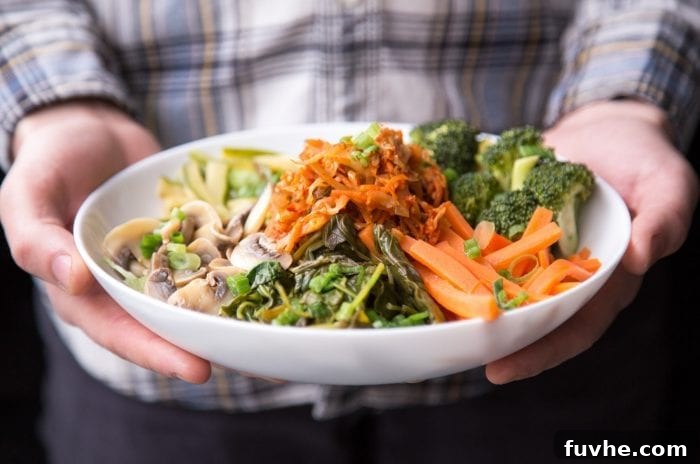
Non-starchy sources of carbohydrates are the cornerstone of a healthy plant-based diet. These foods are incredibly nutrient-dense, low-glycemic, and should constitute a significant portion of your daily intake. They offer high volume, making them excellent for promoting satiety without excessive carbohydrates or calories. To maximize your micronutrient and antioxidant intake, aim to vary your choices weekly and consume as many different colors of vegetables as possible.
These foods are inherently low in carbohydrates, and some, such as broccoli, mushrooms, and kale, even provide a small yet valuable amount of plant-based protein. They contain virtually no fat, making them ideal for high-volume, nutrient-rich meals.
- Broccoli
- Cucumber
- Celery
- Eggplant
- Kale
- Spinach
- Swiss Chard
- Watercress
- Lettuce (any variety)
- Collard Greens
- Sprouts
- Onions (any variety)
- Mushrooms
- Bell Peppers
- Jalapeño
- Artichokes
- Bamboo Shoots
- Cabbage
- Brussels Sprouts
- Asparagus
- Zucchini
- Snap Peas
- Snow Peas
- Radish
Embracing Healthy Vegan Fat Sources
Healthy, whole food fats are an indispensable component of any balanced diet, particularly for vegans. Far from being detrimental, the right kinds of fats are crucial for numerous physiological functions and overall well-being. Prioritizing whole food fats over processed oils ensures you also benefit from the fiber, vitamins, and minerals they naturally contain.
Why Healthy Fats are Essential for Your Body
Dietary fats play a critical and diverse role in maintaining optimal health:
- Energy and Energy Storage: Fats are a highly concentrated source of energy, providing more than twice the calories per gram compared to carbohydrates or protein. They are also vital for long-term energy storage.
- Growth, Development, and Cell Function: Fats are integral components of every cell membrane in your body, essential for cell integrity, growth, and repair – paramount for effective post-workout recovery and tissue regeneration.
- Nerve Function: Myelin sheaths, which insulate nerve fibers and allow for rapid electrical transmission, are largely composed of fat. Thus, healthy fat intake is crucial for a properly functioning nervous system.
- Cognitive Function: A healthy intake of specific fats, particularly omega-3s, is vital for brain health, supporting memory, learning, and overall cognitive performance.
- Healthy Skin: Fats contribute to the integrity of your skin barrier, helping to retain moisture and maintain a healthy, supple complexion.
- Hormone Production: Dietary fats are precursors to many vital hormones, including testosterone, cortisol, estrogen, and progesterone. Maintaining healthy fat levels is critical for balanced hormone production.
- Transporting Fat-Soluble Vitamins: Vitamins A, D, E, and K are fat-soluble, meaning they require dietary fat for proper absorption and utilization by the body. Without adequate fat intake, these crucial vitamins cannot be effectively absorbed.
Distinguishing Between Unsaturated and Saturated Fats
Dietary fats are broadly categorized into unsaturated and saturated fats, and both types have a place in a balanced diet, though the emphasis should primarily be on unsaturated varieties.
- Unsaturated Fats: These are generally considered “heart-healthy” fats and include polyunsaturated fats (containing omega-3, omega-6, and omega-9 fatty acids) and monounsaturated fats. Excellent plant-based sources include nuts, seeds, avocados, olives, and certain oils. Omega-3 fatty acids, in particular, are vital for reducing inflammation and supporting brain and heart health. For more detailed information on anti-inflammatory dietary choices, refer to my post on an anti-inflammatory diet.
- Saturated Fats: While once widely demonized, current research suggests that saturated fats, consumed in moderation from whole food sources, are not inherently harmful. Plant-based sources include cacao and coconut butter. While essential, their intake should generally be less dominant than unsaturated fats.
As a general guideline, prioritize obtaining your fats from whole food sources rather than relying heavily on isolated oils. Whole foods offer the added benefits of fiber, micronutrients, and a synergistic blend of compounds that benefit health. My personal diet primarily incorporates fats from nuts, seeds, nut butters, tahini, and avocado, though I also enjoy coconut and cacao in moderation. I tend to limit the use of pure oils, occasionally using MCT oil for vegan bulletproof coffee or coconut oil in homemade desserts.
Nuts: Rich in Poly-Unsaturated Fats
- Almonds
- Brazil Nuts
- Cashews
- Hazelnuts
- Macadamia Nuts
- Pecans
- Pine Nuts
- Pistachios
- Walnuts
Seeds: Compact Powerhouses of Poly-Unsaturated Fats
- Chia Seeds
- Flax Seeds
- Hemp Seeds
- Pumpkin Seeds (Pepitas)
- Sesame Seeds
- Raw Sunflower Seeds
Dairy Alternatives (Processed Options)
These options should be consumed mindfully, checking labels for added sugars and unhealthy fats.
- Almond or Cashew Yogurt
- Coconut Yogurt
- Vegan Cheeses
- Vegan Sour Cream
Nut and Seed Butters: Versatile Poly-Unsaturated Fats
- Almond Butter
- Cashew Butter
- Macadamia Nut Butter
- Peanut Butter
- Sunflower Seed Butter
- Tahini
- Homemade Nut or Seed Butter
Essential Mono-Unsaturated Fats
- Avocado
- Olives
Cacao: A Delightful Source of Saturated Fat (Enjoy in Moderation)
Cacao products provide unique antioxidants and beneficial compounds. Consume these rich sources of saturated fat in moderation:
- Cacao Paste
- Cacao Nibs
- Cacao Butter
Coconut: Tropical Saturated Fat (Enjoy in Moderation)
Coconut products offer a distinct flavor and texture, along with saturated fats. Enjoy these in moderation:
- Shredded Coconut
- Flaked Coconut
- Coconut Butter
- Coconut Cream
- Full-Fat Coconut Milk
- Plain Coconut Yogurt
Pure Fat (Oils): Use Sparingly
While some oils offer specific benefits, they are concentrated sources of fat and lack the fiber and micronutrients found in whole food sources. Limit their use, favoring whole food fats when possible:
- Coconut Oil
- MCT Oil
- Avocado Oil
- Macadamia Nut Oil
- Sesame Oil
- Hemp Oil
- Walnut Oil
- Extra-Virgin Olive Oil
Building Blocks: Optimal Vegan Protein Sources (Amino Acids)
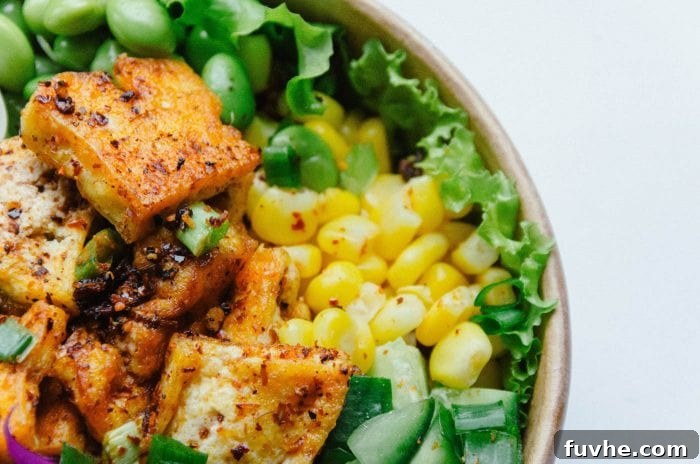
In the vast and varied world of plants, protein sources rarely come in isolation; they are almost always packaged with other essential macronutrients. Unlike animal products, where you can find nearly pure protein, plant proteins often arrive alongside carbohydrates (like in beans) or fats (like in nuts and soy). This characteristic means that consuming a diverse range of plant-based foods is key to meeting your overall protein requirements and, crucially, ensuring you obtain all the essential amino acids your body needs. Essential amino acids are the fundamental building blocks of protein that our bodies cannot synthesize and must be acquired through our diet.
Beyond what are traditionally considered “best plant protein sources,” significant amounts of protein are also present in the fat and carbohydrate sources we’ve already explored. Therefore, we’ll also highlight the highest protein vegetables, nuts, and whole grains. By integrating protein from a wide array of foods, you naturally create a complete amino acid profile, supporting muscle synthesis, repair, and overall bodily function. For a deeper dive into protein, amino acids, and specific needs, consult my comprehensive guide to vegan protein sources.
My personal go-to sources for protein include seitan, nutritional yeast, plant-based protein powder, tempeh, tofu, and lentils, due to their excellent protein content and versatility.
High-Protein, Low-Carb/Fat Options
These specific plant-based foods are notable for their exceptionally high protein content relative to their carbohydrate and fat profiles, making them excellent choices when focusing on boosting protein intake.
- Seitan (vital wheat gluten)
- Vegan protein powder (pea, rice, hemp, soy blends)
- Nutritional Yeast
- Spirulina
- Vegan meat alternatives (e.g., Field Roast, Yves, Gardein products)
Protein + Carb: High-Fiber, Low-Fat Powerhouses
These foods offer a balanced combination of moderate protein and complex carbohydrates, are rich in dietary fiber, and are inherently low in fat, making them incredibly satiating and beneficial for digestive health.
- Beans (any variety): Chickpeas, black beans, adzuki beans, mung beans, pinto beans, fava beans, white kidney beans, broad beans, black-eyed peas, etc.
- Lentils (any variety): Red lentils, green lentils, French lentils, black lentils
- Black bean pasta
- Lentil pasta
- Edamame pasta
- Chickpea pasta
Protein + Fat + Carb: Balanced Macro Sources
These foods provide a moderate to high amount of protein, accompanied by a blend of carbohydrates and healthy fats, contributing to a well-rounded nutrient intake.
- Edamame
- Chia Seeds
- Soy Milk
- Tofu
- Tempeh
- Natto
Non-Starchy Vegetables with Notable Protein Content
While the individual protein amount in these vegetables may seem low, their cumulative contribution can be significant when consumed consistently throughout the day as part of a varied diet. They also deliver a wealth of vitamins, minerals, and fiber.
- Green Peas
- Broccoli
- Mushrooms
- Kale
- Spinach
- Artichokes
Whole Grains Rich in Protein
To enhance your protein intake through your grain choices, opt for these higher-protein whole grain options, which also provide complex carbohydrates and fiber.
- Quinoa
- Rolled Oats
- Amaranth
- Teff
- Wild Rice
- Buckwheat
- Millet
Lowest Carb, High-Fat Nuts for Protein
These nuts are characterized by their low carbohydrate content, high healthy fat profile, and a valuable contribution of plant-based protein, making them excellent for specific macro targets.
- Macadamia Nuts
- Pecans
- Brazil Nuts
- Hazelnuts
- Walnuts
“Free” Foods: Flavor Enhancers with Minimal Macros
“Free foods” are typically those that do not contribute a substantial amount of any macronutrient (carbohydrates, fats, or proteins) to your diet. However, many of them are incredibly rich in vitamins, minerals, antioxidants, and flavor, making them invaluable for enhancing your meals. These foods are excellent for adding seasoning, depth, and nutritional boosts without significantly impacting your macro count or requiring excessive salt.
- Fresh Herbs: Cilantro, parsley, basil, dill, mint, rosemary, thyme, oregano, etc.
- Dried Herbs: Any variety of dried herbs
- Spices: Cumin, paprika, turmeric, ginger, garlic powder, onion powder, chili powder, etc.
- Mustard (sugar-free varieties)
- Vinegar: Apple cider vinegar, balsamic vinegar, red wine vinegar, rice vinegar
- Lemon Juice
- Lime Juice
- Salsa (low-sugar varieties)
- Kelp and other Seaweeds (e.g., nori, dulse, wakame)
Convenient Packaged Foods for a Vegan Macro Diet
While a whole food, plant-based diet should form the foundation, certain processed foods can be included in moderation for convenience, variety, and satisfaction. When choosing packaged foods, always scrutinize the ingredient list and nutritional information to make informed decisions that align with your macro goals and prioritize quality.
Packaged Carbohydrate Sources (Low-Fat)
These options offer quick and easy carbohydrate sources, often lower in fat, making them suitable for specific meal components or snacks. Be mindful of added sugars and sodium.
- Veggie Straws
- Rice Cakes
- Rice Crackers
- Ryvita/Wasa Crackers
- Corn Thins
Corn thins and rice cakes are fantastic pantry staples for quick snacks. They serve as an excellent base for various toppings like avocado, hummus, or almond butter. For an abundance of creative topping ideas, explore my vegan snack ideas. Air-popped popcorn is another personal favorite – it’s high-volume, satisfying, and a good source of fiber.
High-Fat Packaged Foods (Lower-Carb)
These items can provide healthy fats and satisfy cravings, often with lower carbohydrate counts. Remember to check for added sugars and artificial ingredients.
- Coconut Chips
- Flavored Nut and Seed Snacks (choose minimally processed options)
- Dark Chocolate (high cacao percentage)
- Lärabars and other natural food bars (check ingredients for whole foods)
Convenient High-Protein Packaged Vegan Foods
For days when cooking from scratch isn’t feasible, these packaged vegan options can help you meet your protein targets effectively. Opt for brands with cleaner ingredient lists where possible.
- Simply Protein Bars
- Vegan Jerky
- Field Roast Sausage
- Tofurky Sausage
- Sol Veggie Burgers
- Artisan Veggie Burgers
- Dessert Tofu
- Protein Powder (plant-based)
Other Macro-Friendly Packaged Foods
These versatile packaged items can complement your vegan macro diet, offering specific benefits or convenient alternatives.
- PB2 (powdered peanut butter – lower fat/calories)
- Xyla Ketchup (sweetened with xylitol, lower sugar)
- Organic Stevia Drops (natural, zero-calorie sweetener)
- Seaweed Snacks
- Applesauce (unsweetened, store-bought or homemade)
- Flatout Bread (often lower calorie/carb)
Expand Your Culinary Horizons: More Meal and Snack Ideas
To further inspire your vegan macro-friendly meal planning and snacking, explore these valuable resources:
- Macro-Friendly Foods for Vegan Flexible Dieting: A deeper dive into suitable food choices.
- 23 Vegan Flexible Dieting Meal and Snack Ideas: Practical recipes and combinations.
- Top Foods for Plant-Based Flexible Dieting: An essential list of go-to ingredients.
Addressing Common Macro Tracking Challenges
Navigating flexible dieting can come with its own set of common hurdles, particularly on a plant-based diet. Here’s how to troubleshoot and overcome some frequent issues:
“I always exceed my carbohydrate targets.”
If you find yourself consistently going significantly over your carbohydrate allowance, consider these strategic adjustments:
- Make Smart Swaps: Replace refined, sugary carbohydrate sources with healthier, complex alternatives. Prioritize non-starchy vegetables, sweet potatoes, and whole grains, which offer more fiber and nutrients per calorie.
- Incorporate More Soups and Salads: Both soups and salads are fantastic for satiety. They are healthy, high-volume options that help you feel full without overdoing carbohydrates, simultaneously boosting your nutrient intake.
- Increase Non-Starchy Vegetable Intake: Actively increase your consumption of low-carb vegetables like cabbage, broccoli, zucchini, spinach, bell peppers, and cauliflower. Experiment with dishes like pesto spaghetti squash, vegan pineapple cashew cauliflower rice, or cheesy vegan zucchini noodles.
- Adjust Your Macro Ratio: On a plant-based diet, it’s perfectly acceptable, and often necessary, to adopt a macro ratio with less protein and a higher proportion of fats and carbohydrates. This allows you to meet your protein needs primarily through whole foods (rather than solely relying on protein powders, seitan, or heavily processed soy products). A general recommendation could be 40-60% carbohydrates and 20-25% fat, focusing on unrefined sources for both, then allocating the remaining calories to protein.
“I constantly struggle to meet my protein goals.”
If you’re consistently falling short on protein, try implementing these strategies:
- Re-evaluate Your Macro Ratios: For many, a protein intake of around 20% of total calories is ample for recovery and muscle building. Aiming for excessively high protein targets on a whole food plant-based diet can be challenging. Adjusting your target downwards might make it more attainable and sustainable.
- Incorporate Protein into Every Meal and Snack: This is the most straightforward way to ensure adequate protein intake throughout the day. If each of your meals and snacks contributes roughly to your desired macro ratio, hitting your daily protein target will become much easier and more consistent.
- Consider Plant-Based Protein Powder: A single serving of a high-quality whole food plant-based protein powder (e.g., pea, rice, hemp blend) can effectively top up your protein needs, allowing you to easily meet the rest through diverse whole food sources.
- Deepen Your Knowledge of Plant Protein Sources: Familiarize yourself thoroughly with the best vegan protein options. Read my detailed post on the best vegan protein sources for a comprehensive guide to plant proteins and essential amino acids.
- Enjoy a Daily Protein-Rich Smoothie: Smoothies are an excellent vehicle for boosting protein. Explore my vegan smoothie e-book, which features 66 protein-rich smoothie recipes.
Creative Ways to Incorporate Protein Powder
Protein powder isn’t just for shakes! Get creative with how you use it to boost your protein intake:
- Protein Coffee: Blend your coffee with a scoop of vanilla protein powder and/or MCT oil for a delicious and energizing start. Check out my post on vegan bulletproof coffee for more details.
- Protein Yogurt: Mix vanilla or chocolate protein powder into plain coconut yogurt for a creamy, protein-packed snack or dessert.
- “Proatmeal”: Almost always add protein powder to your oatmeal for enhanced satiety and muscle support. Try my Carrot Zucchini Pumpkin Oatmeal, Sautéed Apple Cinnamon Oatmeal, Carrot Cake Overnight Protein Oats, or Brownie Batter Overnight Protein Oats.
- Squash or Pumpkin Protein Pudding: Vanilla protein powder blended with acorn, butternut squash, or pumpkin puree makes a surprisingly delicious and healthy sweet treat or snack.
- Protein Cookie Dough: Whip up my simple 2-ingredient vegan protein cookie dough, made with sweet potato and protein powder.
- Protein Pancakes: Start your day with a stack of delicious, protein-boosted pancakes. Try my 4-Ingredient Fluffy Vegan Protein Pancakes.
The Indispensable Role of Fiber
While the recommended daily amount of fiber is around 25 grams for women and 38 for men, I advocate for aiming over 35 grams per day. The good news is that if you consistently eat a whole food plant-based diet, you will effortlessly exceed this target. Many plant-based individuals, myself included, often consume between 50 and 60 grams of fiber daily. If you are new to a plant-based diet, it’s advisable to gradually increase your fiber intake to allow your body and digestive system sufficient time to adjust comfortably, preventing potential discomfort.
If you find yourself struggling to incorporate enough fiber into your diet, here are some actionable tips:
- Eat a Serving of Berries Daily: Berries are packed with fiber and antioxidants.
- Start Your Day with a Fiber-Rich Breakfast: Enjoy a coconut yogurt bowl topped with ground flax seeds and fresh strawberries.
- Snack Smart: Opt for raw vegetables paired with hummus.
- Include Nuts Daily: Consume a serving of mixed nuts each day.
- Embrace Legumes: Make kidney beans, chickpeas, lentils, and black beans a regular part of your meals.
- Daily Salad Habit: Incorporate a daily salad featuring a wide variety of colorful vegetables.
- Add Edamame: Include edamame in stir-fries, salads, or as a snack.
- Boost Your Oatmeal: Stir ground flax seeds into your morning oatmeal.
- Swap Refined for Whole Grains: Replace all white bread, pasta, and tortillas with their whole grain counterparts.
- Experiment with Ancient Grains: Try amaranth, barley, or bulgur as alternatives to rice.
Why Fiber is So Crucial for Health
Fiber, in its most basic definition, is the indigestible part of plant foods that plays a profound role in our health beyond just digestion:
- Cholesterol Lowering: Soluble fiber can help reduce LDL (“bad”) cholesterol levels by binding to cholesterol particles in the digestive tract and preventing their absorption.
- Weight Management: Fiber adds bulk to your diet, promoting a feeling of fullness and satiety, which can naturally lead to reduced calorie intake and aid in weight control or weight loss.
- Blood Sugar Regulation: Soluble fiber helps slow down the absorption of sugar, which can improve blood sugar control and help prevent spikes in insulin, particularly beneficial for individuals with diabetes or insulin resistance.
- Promotes a Healthy Heart: A high-fiber diet is strongly associated with a reduced risk of heart disease and stroke, largely due to its effects on cholesterol and blood pressure.
- Digestive System Health: Insoluble fiber adds bulk to stool, facilitating regular bowel movements and preventing constipation. Both soluble and insoluble fibers are crucial for maintaining a healthy and efficient digestive system.
- Gut Microbiome Support: Fiber acts as a prebiotic, feeding the beneficial bacteria in your gut. A healthy gut microbiome is linked to countless aspects of health, including immunity, mood, and nutrient absorption.
For more in-depth information on supporting your gut health, read my post on how to improve gut health, and for specific food recommendations, consult this post on the best sources of fiber.
Navigating Sugar on a Vegan Diet
It’s important to differentiate between naturally occurring sugars in whole foods and added sugars in processed items. There is absolutely no harm in obtaining natural sugars from whole food sources like fruits and whole grains. The sugars in these foods come bundled with essential fiber, vitamins, minerals, and antioxidants, which mediate their absorption and provide sustained energy. If your diet is primarily composed of whole foods, you generally don’t need to worry about consuming up to 40 grams of natural sugars daily.
However, if you consistently find yourself consuming significantly more than this, it’s worth examining the primary sources of your carbohydrates. Are you frequently relying on processed foods? Processed foods often contain various forms of added sugars, not just to enhance flavor but also to extend shelf life. These added sugars may not always be explicitly listed as “sugar” on ingredient labels. When reading labels, look out for the following common names to identify added sugars:
- Anhydrous dextrose
- Brown sugar
- Confectioner’s powdered sugar
- Corn syrup
- Corn syrup solids
- Dextrose
- Fructose
- High-fructose corn syrup (HFCS)
- Honey (though not vegan, it’s a common added sugar)
- Invert sugar
- Lactose
- Malt syrup
- Maltose
- Maple syrup
- Molasses
- Nectars (e.g., peach nectar, pear nectar)
- Raw sugar
- Sucrose
- Cane juice
- Evaporated corn sweetener
When in doubt, the most effective strategy is to reduce your intake of processed foods and significantly increase your consumption of whole, unprocessed foods. By focusing on whole foods, you’ll naturally regulate your sugar intake and avoid the hidden sugars that contribute to health issues. Personally, I find that I feel my best, maintain more stable energy levels, and experience fewer cravings when I keep my overall added sugar intake low. For healthy alternatives to processed sugars, explore these natural sugar substitutes.
Further Reading: In-Depth Vegan Macro Articles
If you’re interested in delving deeper into macro tracking from an athletic or performance perspective, I highly recommend exploring the following articles. They provide valuable insights into the “how” and “why” of macronutrient management for plant-based individuals:
- Flexible Dieting FAQ
- How to Get Started with Flexible Dieting
- Vegan Flexible Dieting Meal Plans
- Vegan IIFYM: Tips and Meal Plans
- Nutrition Tips for Vegan Athletes
Essential Resources for Your Vegan Journey
To support your overall plant-based lifestyle and nutritional understanding, here are additional recommended readings:
- Vegan Nutrition Guide
- Vegan Grocery List
- Best Vegan Protein Sources
- 3-Day Whole Food Plant-Based Meal Plan
- How to Transition to a Plant-Based Diet