
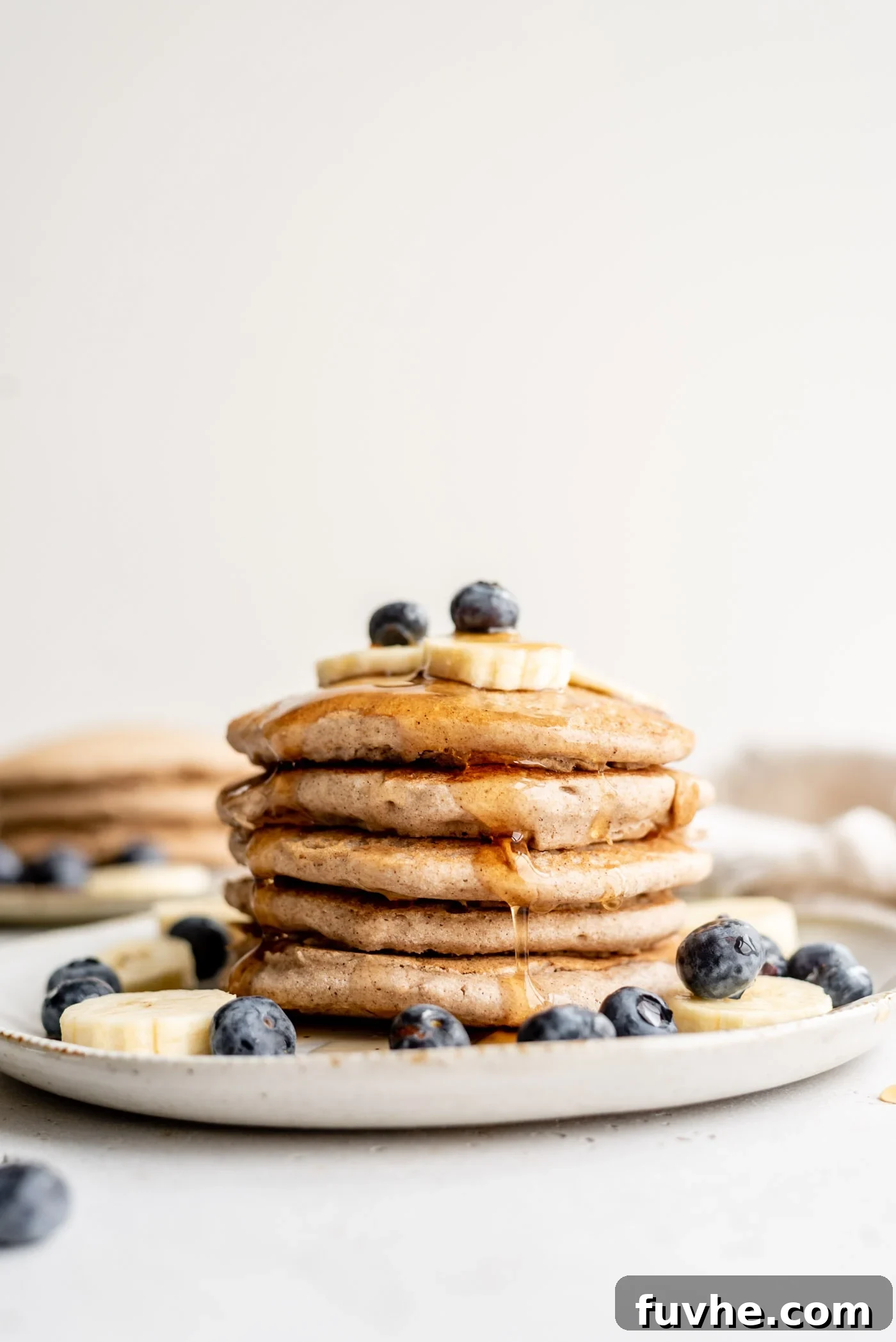
Discover the ultimate guide to creating incredibly fluffy and utterly delicious vegan buckwheat pancakes. This recipe is a game-changer for anyone seeking a wholesome, easy-to-make breakfast that’s ready in a mere 15 minutes. Crafted with simple, plant-based ingredients, these pancakes require no eggs or dairy, making them a perfect gluten-free and allergy-friendly option for the whole family.
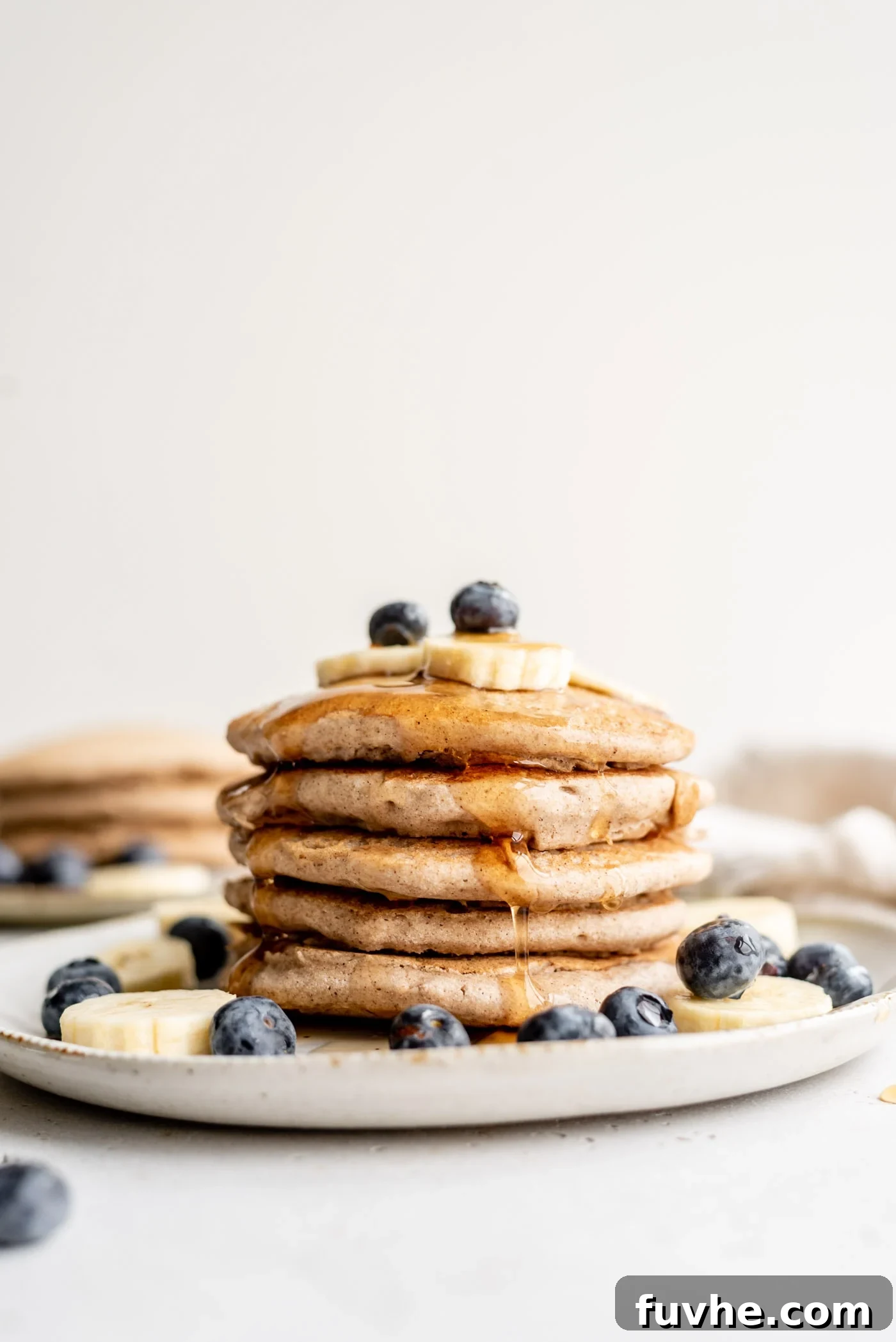
Featured Review
“These pancakes turned out absolutely awesome! I followed your recipe precisely as written, using ¾ cup of almond milk. They held together beautifully, and the flavor was simply delicious. Thank you so much for sharing this wonderful recipe!”
⭐⭐⭐⭐⭐
– Jennifer
Why These Vegan Buckwheat Pancakes Will Become Your New Breakfast Favorite
If you’re a pancake aficionado, prepare to be captivated by these light, fluffy, and utterly delightful buckwheat pancakes. They offer a unique twist on a classic breakfast, bringing a host of benefits and an irresistible taste. Here’s a detailed look at why this recipe is destined to become a staple in your kitchen:
- Health-Conscious & Allergy-Friendly: This recipe is designed with wellness in mind. It’s 100% vegan, meaning it’s completely dairy-free and egg-free, catering to plant-based diets and those with common allergies. Furthermore, it’s oil-free, naturally gluten-free (using buckwheat, a pseudo-cereal), and nut-free, making it a safe and inclusive option for many dietary needs. By using whole grain buckwheat flour, you’re also ensuring a more wholesome and nutritious start to your day.
- Nutrient-Dense & Satisfying: Don’t let the delicious taste fool you – these pancakes are incredibly nutritious. Each serving (approximately 4 pancakes or half the recipe) provides under 300 calories, packed with a robust 8 grams of protein and an impressive 7 grams of dietary fiber. This powerful combination helps you feel fuller for longer, supports healthy digestion, and provides sustained energy, preventing that mid-morning crash often associated with traditional, refined-flour pancakes.
- Effortless & Time-Saving Preparation: Bid farewell to complicated breakfast routines. This recipe shines in its simplicity, requiring just 15 minutes of active preparation time and only one mixing bowl. It’s the ideal solution for busy weekdays when you crave a homemade meal without the fuss, or for a leisurely weekend breakfast that comes together quickly.
- Unforgettable Flavor & Texture: Experience a unique culinary profile with these pancakes. They boast a distinct, subtly nutty and earthy flavor that sets them apart from ordinary pancakes. This pairs beautifully with a wonderfully light, fluffy, and tender texture, ensuring every bite is a delightful experience.
- Perfect for Batch Cooking: Whether you’re feeding a large family, hosting brunch, or simply love to have extra on hand, this recipe is incredibly easy to scale. You can effortlessly double or even triple the batch size without needing any complex adjustments, making meal planning a breeze.
- Meal Prep Superstar: These pancakes are a meal prep champion! They store exceptionally well, making them perfect for grab-and-go breakfasts or healthy snacks throughout your busy week. Enjoy them cold directly from the refrigerator for a quick bite, or reheat them in a toaster, microwave, or oven for a warm, comforting treat.
- Limitless Customization Potential: The plain buckwheat pancake acts as a versatile canvas for your culinary creativity. Easily incorporate extras like fresh berries, chocolate chips, nuts, or even a hint of citrus zest. The possibilities for personalization are endless, ensuring you never get bored.
- Remarkable Structural Integrity: Despite being entirely gluten-free and vegan, these pancakes hold their shape beautifully. They are sturdy enough to flip with ease and maintain their integrity on the plate, ensuring a pleasant eating experience without crumbling.
The flavor profile of buckwheat pancakes is quite distinct, offering a noticeably **nuttier and earthier taste** compared to traditional pancakes made with white or even whole wheat flour. Visually, you might also notice a variation in color, ranging from a **light, golden hue to a deeper, more greyish tone**, which primarily depends on whether you use light or dark buckwheat flour in your preparation.
Beyond delicious pancakes, buckwheat flour is a remarkably versatile ingredient in plant-based cooking. You can explore its potential in other delightful recipes such as these Vegan Buckwheat Crepes and wholesome Buckwheat Muffins.
The Nutritional Powerhouse: Why Buckwheat Flour Shines
At the heart of this recipe lies buckwheat flour, an ingredient that deserves special recognition for its nutritional prowess. Often mistaken for a grain due to its name, buckwheat is actually a pseudo-cereal, a fruit seed related to rhubarb and sorrel. This botanical distinction is key, as it means buckwheat is naturally gluten-free, making it an ideal choice for individuals managing celiac disease, gluten sensitivity, or those simply looking to reduce gluten in their diet.
But buckwheat’s benefits extend far beyond its gluten-free status. It’s a genuine nutritional gem, teeming with essential nutrients that contribute significantly to overall health. Here’s why it’s so beneficial:
- Complete Protein Source: Uniquely among plant-based foods, buckwheat is considered a complete protein. This means it contains all nine essential amino acids that our bodies cannot produce on their own, making it an invaluable protein source for vegans and vegetarians.
- Rich in Dietary Fiber: Buckwheat is an excellent source of dietary fiber, both soluble and insoluble. Fiber is crucial for digestive health, promoting regularity, and feeding beneficial gut bacteria. It also plays a significant role in blood sugar regulation and helps you feel fuller for longer, aiding in weight management.
- Packed with Minerals: This pseudo-cereal is a treasure trove of vital minerals. It’s particularly rich in magnesium, which supports muscle and nerve function, blood sugar control, and blood pressure regulation. It also provides manganese, essential for bone health and metabolism; copper, important for iron absorption and energy production; and zinc, critical for immune function and wound healing.
- Antioxidant Powerhouse: Buckwheat contains a high concentration of beneficial plant compounds, including rutin and quercetin, which are potent antioxidants. These compounds help combat oxidative stress in the body, reducing inflammation and protecting cells from damage caused by free radicals. Rutin, in particular, is known for its positive effects on cardiovascular health.
- Supports Heart Health: Regular consumption of buckwheat has been linked to improved heart health. Its fiber, rutin, and magnesium content can contribute to lower blood pressure, reduced bad cholesterol (LDL), and improved overall lipid profiles.
- Aids Blood Sugar Control: The complex carbohydrates and high fiber content in buckwheat give it a low glycemic index. This means it causes a slower, more gradual rise in blood sugar levels compared to refined grains, making it a suitable choice for individuals managing diabetes or seeking stable energy levels.
Incorporating buckwheat flour into your diet, especially in a delicious form like these pancakes, is an easy and enjoyable way to boost your nutrient intake and support various aspects of your health. It’s a truly versatile ingredient that offers both exceptional taste and profound nutritional benefits.
Essential Ingredients & Smart Substitutions for Perfect Pancakes
Crafting a batch of these exquisite vegan buckwheat pancakes relies on a handful of simple, readily available ingredients. Below, we’ll delve into each component, outlining its role and offering flexible substitutions to ensure you can make these pancakes regardless of your pantry’s contents or specific dietary needs. For precise measurements and quantities, always refer to the complete recipe card provided at the bottom of this article.
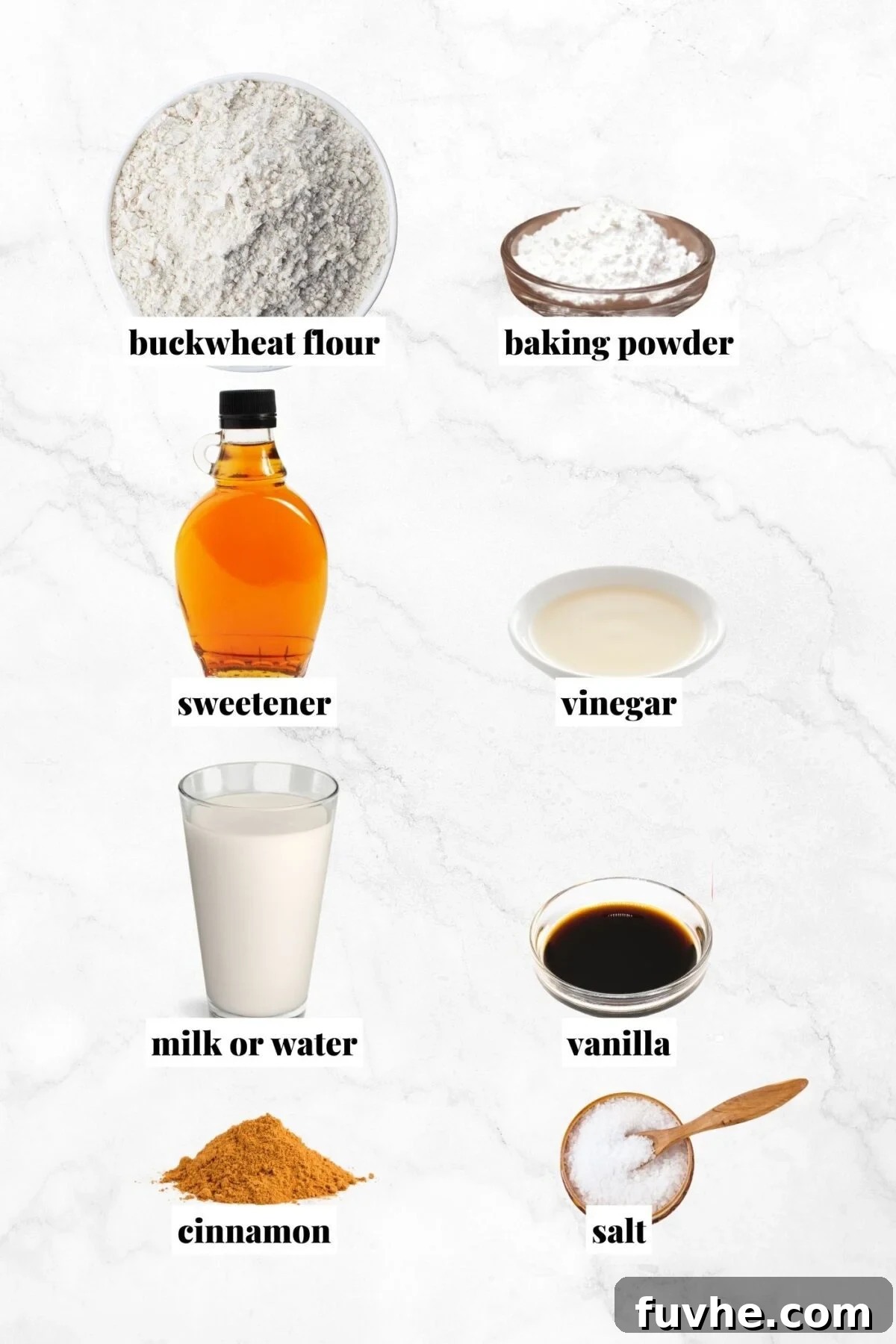
- Buckwheat Flour: This is the star of our recipe, imparting its distinctive nutty flavor and unique texture. I primarily use **light buckwheat flour**, which is milled from hulled groats. It yields a finer texture and a pancake color closer to traditional wheat-based pancakes. While **dark buckwheat flour** (made from unhulled groats) can also be used, be aware that it will result in darker, slightly grainier pancakes with a more robust, earthy flavor. I haven’t tested this recipe with other gluten-free flours (like oat, rice, or almond flour), so results may vary if substituted. For individuals with celiac disease or severe gluten sensitivities, always opt for buckwheat flour that is explicitly certified gluten-free to prevent any cross-contamination.
- Baking Powder: Absolutely crucial for achieving that signature fluffy texture! It’s essential to use **active baking powder** for this recipe, not baking soda. Baking powder contains both an acid and a base, designed to create lift when mixed with liquid and again when heated. To quickly check if your baking powder is still active, place 1 teaspoon in a small bowl and pour a quarter cup of hot water over it; it should immediately fizz and bubble vigorously. If not, it’s time for a new container.
- Sweetener: My preferred choice is **pure maple syrup**, which lends a natural, subtle sweetness that complements the earthy notes of buckwheat perfectly. However, this recipe is highly adaptable. You can easily substitute maple syrup with other liquid sweeteners like agave nectar or brown rice syrup. For dry sweeteners, brown sugar or coconut sugar work well. If you’re aiming for a sugar-free pancake, sweeten the batter to your desired taste with a calorie-free alternative such as stevia drops or monk fruit sweetener.
- Vinegar: This ingredient might seem unusual, but it plays a vital role. The vinegar acts as an additional acidic component, reacting with the baking powder to enhance the leavening process, which results in extra fluffy pancakes. It also contributes a subtle tang, mimicking the flavor of buttermilk in traditional recipes. You can confidently use **white vinegar**, **apple cider vinegar (ACV)**, or freshly squeezed **lemon juice** interchangeably. Rest assured, the finished pancakes will not have a noticeable vinegary taste.
- Plant-Based Milk or Water: The liquid component is essential for bringing the batter together. I have rigorously tested this recipe with **unsweetened almond milk**, **cashew milk**, and even plain **water**. While nut milks tend to produce a pancake with a slightly richer taste and a touch more fluffiness, water is an excellent and perfectly acceptable substitute if you’re in a pinch or prefer to keep things extra simple. Other good plant-based milk options include unsweetened soy milk or oat milk. Remember to start with the specified amount and adjust gradually for your desired batter consistency, as different flours can absorb liquid differently.
- Vanilla Extract: A splash of good quality vanilla extract significantly enhances the overall flavor profile, adding a warm, aromatic depth that makes these pancakes even more inviting and delicious.
- Sea Salt: Just a quarter teaspoon of sea salt is crucial for balancing the sweetness and intensifying all the other flavors in the batter. It prevents the pancakes from tasting bland and brings out the best in the buckwheat.
- Cinnamon (Optional): For those who appreciate a hint of spice, a teaspoon of ground cinnamon is a fantastic addition. It adds a warm, comforting aroma and flavor that pairs wonderfully with buckwheat and complements most pancake toppings. Feel free to omit if you prefer a simpler flavor profile.
By understanding each ingredient’s purpose and knowing your substitution options, you’ll feel confident customizing this recipe to fit your preferences and create the perfect batch of vegan buckwheat pancakes every time.
Creative Additions & Exciting Variations for Your Pancakes
One of the most delightful aspects of these vegan buckwheat pancakes is their incredible adaptability. The plain batter serves as a versatile foundation, inviting you to unleash your culinary creativity and customize them with a wide array of additions and flavor variations. Whether you’re craving something sweet, fruity, or even savory, there’s a modification to suit every taste and occasion.
- Savory Buckwheat Pancakes: For a uniquely delicious savory experience, simply omit or significantly reduce the maple syrup (or other sweetener) in the batter. Then, enhance the flavor with savory herbs and spices. Think garlic powder, onion powder, dried rosemary, thyme, or a pinch of smoked paprika. These savory pancakes make an excellent base for toppings like sautéed mushrooms, roasted vegetables, avocado, or a plant-based ‘egg’ scramble, perfect for a brunch or even a light dinner.
- Tropical Coconut Infusion: Add a wonderful textural element and a hint of tropical sweetness by stirring up to 1 cup of shredded coconut (unsweetened is preferred) directly into the pancake batter. For an even more intense flavor and delightful crunch, sprinkle toasted coconut flakes over your cooked pancakes. To toast coconut flakes, spread them evenly on a baking sheet and bake in a preheated oven at 350°F (175°C) for 5-10 minutes, keeping a close eye on them as they can brown quickly.
- Nutty Delight: Introduce a satisfying crunch and a boost of healthy fats with your favorite nuts. Roughly chopped walnuts, slivered almonds, or pecans can be folded into the batter before cooking. Alternatively, sprinkle them generously on top of your cooked pancakes for a lovely garnish. For an especially harmonious combination, try pairing the nutty goodness of pecans or walnuts with sliced bananas.
- Bursting with Berries: Fresh or frozen berries are a timeless and beloved pancake addition. Gently fold up to 1 cup of blueberries, raspberries, or sliced strawberries into the batter. If using frozen berries, it’s often best to gently place a few berries onto each pancake after you’ve poured the batter onto the hot pan, just before the first flip. This prevents the color from bleeding too much into the batter and keeps the berries intact.
- Banana Bread Pancakes: Sliced bananas make a fantastic topping, but you can also incorporate them directly into the pancakes. Gently press thin banana slices into each pancake after the batter has been poured onto the pan, just before flipping. This creates beautifully caramelized banana pieces within the pancake. For a more subtle banana flavor throughout the batter, you can mash one ripe banana and mix it into the wet ingredients, potentially reducing the amount of added sweetener.
- Decadent Chocolate Chip Pancakes: For an indulgent treat, fold up to 1/2 cup of your favorite vegan chocolate chips (dark chocolate varieties work exceptionally well) into the pancake batter. Alternatively, sprinkle them over each pancake on the griddle after pouring the batter, right before the first flip. The combination of chocolate chips and banana is an absolute classic and truly elevates these buckwheat pancakes to a new level of deliciousness.
Feel free to mix and match these additions, or experiment with your own creative ideas. These vegan buckwheat pancakes are truly a blank canvas for your breakfast imagination!
Step-by-Step Guide: Crafting Your Fluffy Vegan Buckwheat Pancakes
Creating these light, fluffy, and wholesome vegan buckwheat pancakes is a simple and rewarding process. Follow these straightforward steps to achieve perfect results every time, ensuring a delicious breakfast is always within reach.
Step 1: Prepare the Dry Ingredients
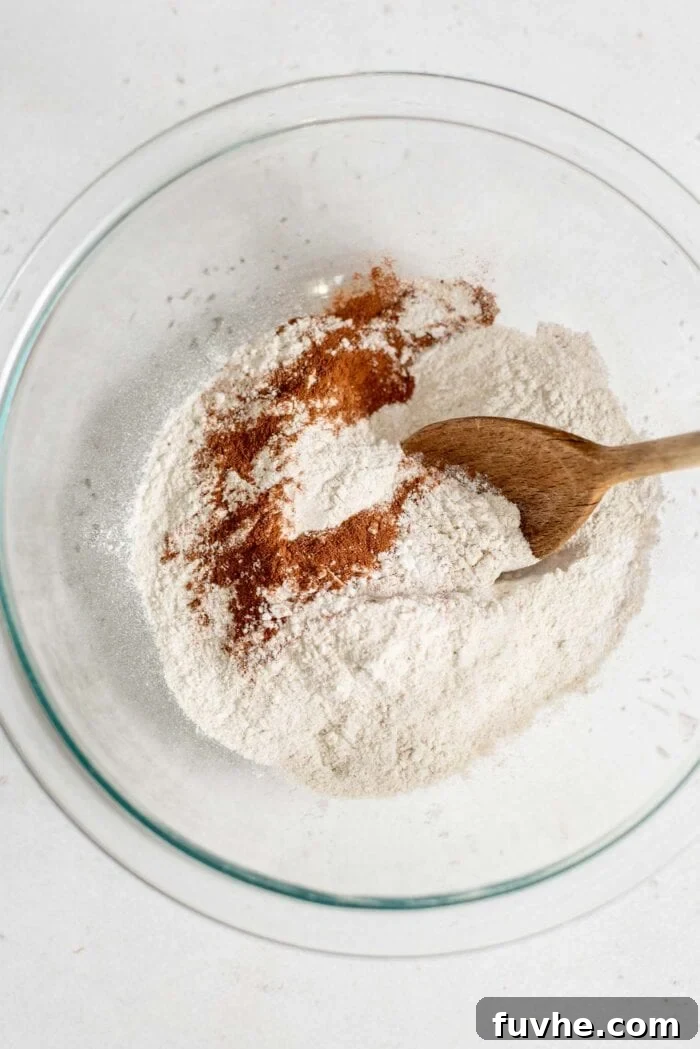
Begin by gathering your dry ingredients. In a large mixing bowl, combine the buckwheat flour, baking powder, sea salt, and cinnamon (if you’re including it for a hint of spice). Using a whisk, stir these ingredients together thoroughly. This step is crucial to ensure that the baking powder and salt are evenly distributed throughout the flour, which guarantees a consistent rise and balanced flavor in every pancake.
Step 2: Combine Wet and Dry Ingredients & Rest the Batter
Now, it’s time to bring the batter to life. To the bowl of dry ingredients, add the plant-based milk (almond, cashew, oat, or soy), apple cider vinegar (or lemon juice), vanilla extract, and maple syrup (or your chosen sweetener). Using a spatula or large spoon, gently fold all the ingredients together until they are just combined and all the flour is moistened. It’s perfectly normal for the batter to have a few small lumps; **the key here is to avoid overmixing**. Overmixing can lead to tougher pancakes by developing any inherent gluten (even in gluten-free flours to some extent) and deflating the air pockets created by the baking powder. Once mixed, allow the batter to rest at room temperature for 8-10 minutes. This resting period is vital as it gives the buckwheat flour time to fully hydrate, resulting in a more tender and uniformly textured pancake, and allows the leavening agents to begin their work.
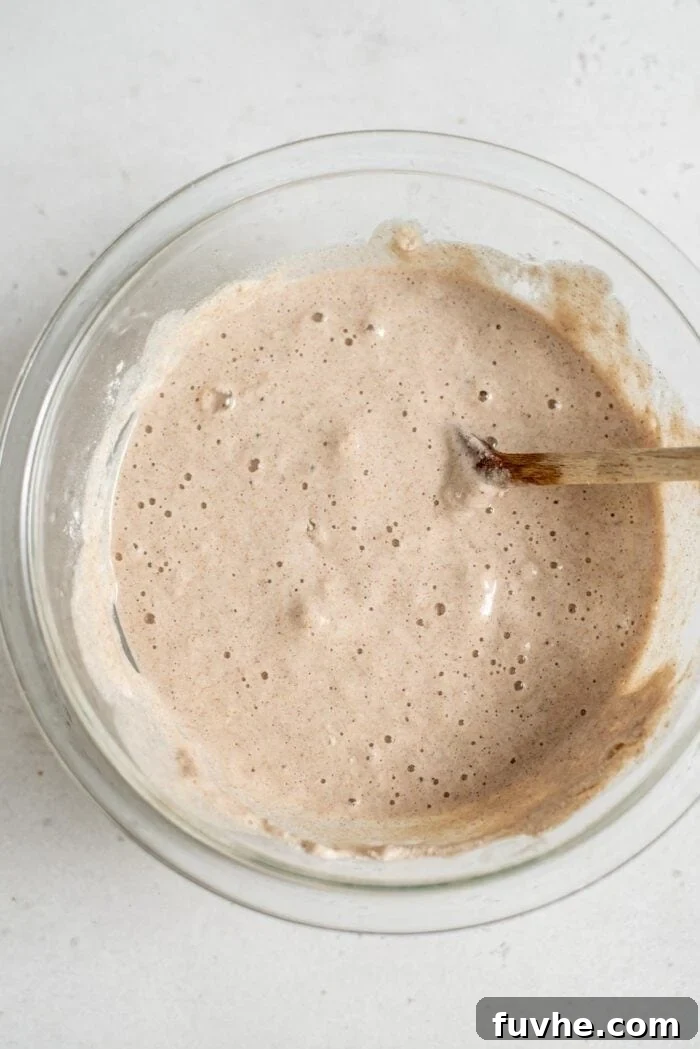
Step 3: Cook Your Pancakes to Golden Perfection
While your batter is resting, place a non-stick pan or electric griddle over medium heat and allow it to heat up fully. A properly heated pan is crucial for even cooking and a beautiful golden crust. Lightly spray the cooking surface with a non-stick cooking spray or brush with a tiny amount of oil (if not strictly adhering to an oil-free diet). Once the pan is hot, drop the pancake batter onto the griddle in scant 1/4 cup portions (or use a ladle for consistent sizing). Cook the pancakes for approximately 3-4 minutes on the first side. You’ll know they’re ready to flip when small bubbles begin to appear across the entire surface of each pancake, and the edges start to look dry and firm. Using a thin spatula, carefully flip the pancakes and cook for another 1-2 minutes on the second side, or until they are golden brown and cooked through in the center. Repeat this process with the remaining batter until you have a stack of about 8 delicious medium-sized pancakes.
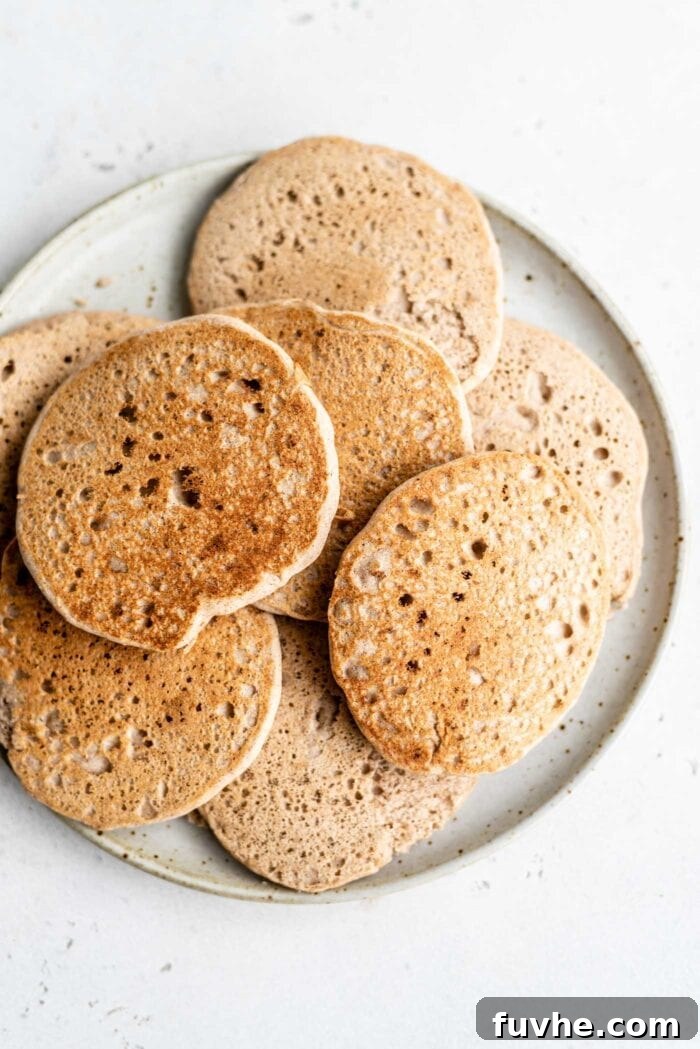
Step 4: Serve and Savor Every Bite!
As soon as your buckwheat pancakes are cooked, transfer them to plates and serve immediately. They are wonderfully delicious on their own, but truly come alive with a generous array of toppings. A classic drizzle of pure maple syrup is always a winner. Consider adding a pat of plant-based butter or a dollop of almond butter for richness. Fresh banana slices, juicy blueberries, or other seasonal fruits add a burst of freshness and natural sweetness. A sprinkle of toasted nuts for crunch, or a dusting of powdered sugar for elegance, are also fantastic choices. Get creative and enjoy your personalized stack of wholesome, homemade pancakes!
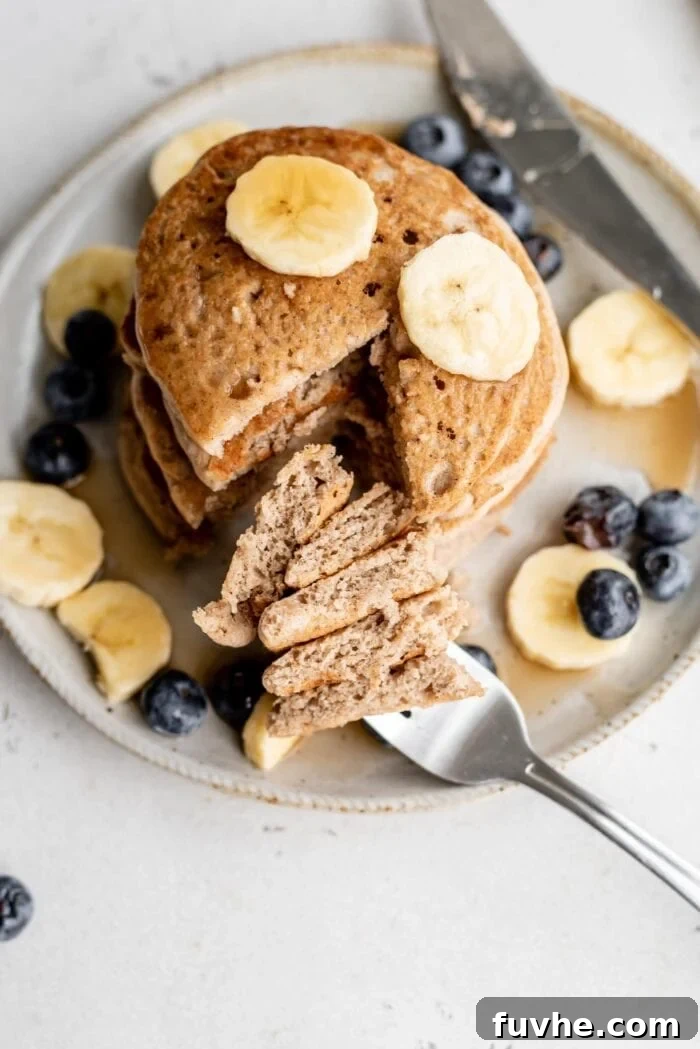
Expert Tips for Mastering Your Vegan Buckwheat Pancakes
While this recipe is straightforward, a few insider tips can elevate your pancake-making skills from good to consistently great. These insights will help you achieve the perfect texture, troubleshoot common issues, and make the most out of every batch of your vegan buckwheat pancakes.
- Understanding Serving Size and Easy Doubling: This recipe is designed to yield approximately 8 medium-sized pancakes, which typically serves two people generously. If you’re cooking for a larger group or planning to enjoy leftovers throughout the week, rest assured that the recipe can be effortlessly doubled, tripled, or even quadrupled without requiring any adjustments to the ingredient ratios. This makes meal prepping incredibly convenient! Leftover pancakes are surprisingly delicious cold, and they reheat wonderfully in a toaster for a quick, warm breakfast.
- Mastering Liquid Amount for Optimal Consistency: The batter’s consistency is key to perfect pancakes. Begin with the recommended 3/4 cup of plant-based milk (or water). This amount typically creates a fairly thick batter, which results in robust, medium-sized pancakes with a lovely fluffy interior. If you find your batter to be too stiff, or if you prefer slightly thinner pancakes, you can gradually add an additional 1-2 tablespoons of liquid. However, exercise caution: adding a full 1 cup of liquid can make the batter too thin, causing your pancakes to spread excessively and resemble crepes more than classic fluffy pancakes. Always start with less liquid and add more incrementally until you reach your desired consistency.
- Troubleshooting When Too Much Liquid is Added: It happens to the best of us! If you accidentally pour in too much liquid and your batter becomes excessively thin, there’s no need to worry. This is an easy fix. Simply stir in an extra tablespoon or two of buckwheat flour until the batter thickens back to your preferred consistency. Remember that the batter will naturally thicken slightly as it rests before cooking, so factor that into your initial assessment of its consistency. My personal preference is for a thicker batter, as it yields heartier and more satisfying pancakes.
- The Importance of Accurate Measurement: For the most consistent and reliable baking results, especially in recipes where ingredient ratios are crucial, I highly recommend using a kitchen scale to measure your ingredients. This is particularly true for flours, as scooping methods can lead to significant variations in weight (and thus volume). A digital kitchen scale provides precise measurements, ensuring your pancakes turn out perfectly every time.
- Avoid Overmixing the Batter: As highlighted in the instructions, mixing the batter just until the dry ingredients are moistened is paramount. Overmixing can inadvertently develop any minimal gluten present in the flour (even in gluten-free flours, to some extent) and, more importantly, can deflate the air pockets created by the baking powder. This results in tougher, less tender, and less fluffy pancakes. Embrace a few small lumps in your batter – they’re a sign of a perfectly mixed, tender pancake-to-be!
- Achieving the Ideal Pan Temperature: The temperature of your cooking surface is a critical factor for evenly cooked pancakes with a beautiful golden-brown crust. Preheat your non-stick pan or griddle over medium heat until it’s just right. You can test it by flicking a few drops of water onto the surface: if they sizzle gently and evaporate quickly, it’s ready. If they just sit there, the pan needs more heat. If they immediately disappear with a harsh crackle, the pan is too hot and needs to cool down slightly.
- Consistent Portions for Uniform Cooking: For pancakes that cook at the same rate and look uniform, use a 1/4 cup measuring scoop or a small ladle to portion out your batter onto the griddle. This ensures that each pancake is roughly the same size and thickness, leading to more even cooking and a consistent final product.
By keeping these expert tips in mind, you’ll be well on your way to consistently creating delicious, perfectly cooked vegan buckwheat pancakes that will impress everyone at your breakfast table.
Storage & Meal Prep: Enjoying Your Pancakes Anytime
One of the fantastic benefits of these vegan buckwheat pancakes is how incredibly well they store. This makes them an excellent candidate for meal prepping, allowing you to enjoy a homemade, healthy breakfast or snack throughout the week with minimal effort. Here’s everything you need to know about storing and reheating your delicious pancakes:
- Refrigeration:
Once your pancakes have cooled completely to room temperature, transfer them to an airtight container or a resealable food storage bag. Layering them with small pieces of parchment paper can prevent them from sticking together. Stored this way, they will remain fresh and delicious in the refrigerator for up to 3-4 days. This makes them perfect for quick and easy breakfasts on busy mornings – just grab and go!
- Freezing for Longer Storage:
For extended freshness, freezing is an ideal option. Ensure the pancakes are entirely cool before freezing. You have a couple of methods for freezing:
- Single Layer Freeze: Arrange the cooled pancakes in a single layer on a baking tray. Place the tray in the freezer until the pancakes are completely solid (this usually takes 1-2 hours). Once frozen solid, transfer them to a freezer-safe bag or container. This method prevents them from sticking together.
- Parchment Paper Stack: Alternatively, place a piece of parchment paper between each pancake before stacking them in an airtight freezer bag or container. This also prevents sticking and allows you to easily take out just one or two pancakes at a time.
Frozen buckwheat pancakes can be stored for up to 3 months, providing a convenient homemade option whenever you crave them.
- Reheating Instructions:
Whether from the fridge or freezer, reheating these pancakes is quick and easy:
- Toaster or Toaster Oven: For perfectly crisp edges and a warm, fluffy interior, simply pop individual pancakes into your toaster or toaster oven. This works brilliantly from both refrigerated and frozen states. Adjust the setting and time based on your toaster and whether the pancakes are thawed or frozen.
- Oven or Conventional Oven: To reheat multiple pancakes simultaneously, arrange them in a single layer on a baking sheet. Reheat in a preheated oven at 300°F (150°C) for approximately 5-10 minutes if refrigerated, or 10-15 minutes if reheating from frozen, or until thoroughly warmed through.
- Microwave: For the fastest reheat, place one or two pancakes on a microwave-safe plate. Microwave for 20-30 seconds per pancake, or until warm. Be mindful not to overcook them, as they can become a bit rubbery if microwaved for too long.
- Enjoying Cold:
Don’t dismiss the simple pleasure of a cold pancake! These buckwheat pancakes are surprisingly delicious straight from the refrigerator, making them a perfect grab-and-go snack or a refreshing breakfast option on a warm day.
With these storage and reheating tips, you can enjoy the wholesome goodness of your homemade vegan buckwheat pancakes anytime, anywhere, ensuring a healthy and delicious meal is always within reach.
Frequently Asked Questions About Vegan Buckwheat Pancakes
Here are answers to some of the most common questions regarding buckwheat flour and the preparation of these delicious vegan pancakes, designed to provide clarity and confidence in your cooking.
Absolutely, yes! Despite its misleading name, buckwheat is not related to wheat or any other true cereal grain. Botanically, it’s classified as a pseudo-cereal, which means it’s a fruit seed that’s used culinarily in a similar way to grains. This inherent characteristic makes buckwheat naturally gluten-free and an excellent choice for individuals following a gluten-free diet, including those with celiac disease, gluten intolerance, or wheat allergies. However, for severe allergies or celiac disease, it is always recommended to seek out buckwheat flour that is explicitly labeled as “gluten-free certified.” This certification guarantees that the product has been processed and packaged in facilities free from cross-contamination with gluten-containing grains.
When shopping for buckwheat flour, you’ll generally encounter two main types: light and dark. The distinction lies in their milling process. **Light buckwheat flour** is produced from hulled buckwheat groats, resulting in a finer texture and a lighter, more delicate color, which yields pancakes that more closely resemble traditional wheat-based varieties in appearance. This is typically my recommendation for baking applications like pancakes and crepes, as it contributes to a more tender crumb. **Dark buckwheat flour**, conversely, is made from unhulled buckwheat groats. This processing method gives it a coarser texture and a deeper, more pronounced earthy flavor, leading to darker, slightly grainier pancakes. While both types are perfectly acceptable for this recipe, using dark buckwheat flour will result in pancakes that are noticeably darker in color and may have a slightly more robust, rustic texture. The choice ultimately depends on your preference for color, texture, and intensity of buckwheat flavor.
Yes, these vegan buckwheat pancakes offer a significantly healthier alternative to pancakes made with refined white flour. They are a nutritional powerhouse, providing a balanced meal that is rich in both fiber and protein. Each serving delivers approximately 7 grams of dietary fiber, crucial for digestive health and promoting satiety, and 8 grams of protein, essential for muscle repair and sustained energy. This combination helps to stabilize blood sugar levels, preventing rapid spikes and crashes. Furthermore, buckwheat itself is packed with essential minerals like magnesium and manganese, along with powerful antioxidants such as rutin. This recipe also allows for customization to enhance its health benefits; for instance, you can easily make the pancakes entirely sugar-free by using natural, calorie-free sweeteners like monk fruit or stevia. They also serve as an excellent base for incorporating other healthy additions such as fresh berries, which are abundant in vitamins and antioxidants, further boosting their nutritional value. For those with gluten-related health concerns, buckwheat’s natural gluten-free status makes these pancakes a safe, delicious, and highly beneficial option.
Storing leftover buckwheat pancakes is simple and effective, ensuring you can enjoy them for several days. Once your pancakes have cooled completely to room temperature, transfer them to an airtight container or a resealable food storage bag. For best results and to prevent sticking, you can place a small piece of parchment paper between each pancake. Stored properly in the refrigerator, they will maintain their freshness and deliciousness for up to 3 days. This makes them a fantastic option for quick, grab-and-go breakfasts or snacks throughout your busy week. You can enjoy them cold, or easily reheat them using a microwave, oven, or toaster.
Absolutely! Freezing is an excellent way to extend the shelf life of your buckwheat pancakes, allowing you to have a convenient, homemade breakfast ready whenever you desire. After your pancakes have cooled down entirely, there are two primary methods for freezing to prevent them from sticking together:
- Individual Freeze Method: Lay the completely cooled pancakes in a single layer on a baking tray. Place the tray in the freezer until the pancakes are solid (this usually takes 1-2 hours). Once firm, you can transfer them to a freezer-safe bag or airtight container, where they won’t stick together.
- Parchment Paper Stack Method: Alternatively, place a piece of parchment paper between each pancake as you stack them in an airtight container or freezer-safe bag. This method also effectively prevents sticking, allowing you to easily retrieve individual pancakes as needed.
Frozen buckwheat pancakes can be stored for up to 3 months. When you’re ready to enjoy them, you can thaw them briefly at room temperature or in the refrigerator, or reheat them directly from frozen using your microwave, oven, or toaster for a warm and comforting meal.
If you try these Fluffy Vegan Buckwheat Pancakes or any other recipe from our collection, we’d absolutely love to hear from you! Please consider taking a moment to leave a comment and a ⭐⭐⭐⭐⭐ rating in the comment section below. Your valuable feedback not only brightens our day but also helps other home cooks discover and enjoy these wholesome recipes. And don’t forget to tag us on Instagram @runningonrealfood so we can see your wonderful culinary creations! Thank you for choosing our recipes! – Deryn
Fluffy Vegan Buckwheat Pancakes
These delicious buckwheat pancakes are incredibly easy to make, completely vegan and gluten-free, and perfect for the entire family. Enjoy a wholesome, hearty breakfast that’s ready in minutes!
Ingredients
- 1 cup buckwheat flour (120 g)
- 2 1/2 tsp baking powder
- 1/4 tsp sea salt
- 1 tsp cinnamon (optional)
- 3/4 cup + 1-2 tbsp unsweetened almond or cashew milk*
- 2 tsp apple cider vinegar or lemon juice
- 1 tsp vanilla extract
- 2 tbsp maple syrup or other sweetener of choice
Instructions
- Mix Dry Ingredients: In a large mixing bowl, combine the buckwheat flour, baking powder, sea salt, and cinnamon. Whisk well to thoroughly distribute the ingredients.
- Add Wet Ingredients: Add the plant-based milk, apple cider vinegar, vanilla extract, and maple syrup to the dry ingredients. Gently fold everything together until just combined and the flour is fully moistened. A few small lumps are fine; do not overmix the batter.
- Rest Batter: Let the batter rest at room temperature for 8-9 minutes while you heat your cooking surface. This allows the flour to hydrate and the leavening agents to activate.
- Cook Pancakes: Heat a non-stick pan or griddle over medium heat. Lightly spray with non-stick cooking spray. Drop the batter onto the hot griddle in scant 1/4 cup portions. Cook for 3-4 minutes on the first side, or until small bubbles appear across each pancake and the edges look dry and firm. Flip carefully and cook for an additional 1-2 minutes, until golden brown and cooked through. Repeat until all batter is used, yielding approximately 8 pancakes.
- Serve: Serve your warm pancakes immediately, topped with your favorite fresh fruits, maple syrup, plant-based butter, or other desired toppings. Store any leftover pancakes in an airtight container in the fridge for up to 4 days, or freeze for up to 3 months. Reheat in a toaster, oven, or microwave.
Notes
- *Start with 3/4 cup of plant-based milk. The batter will be quite thick, resulting in 8 medium pancakes. If you prefer slightly thinner pancakes or a slightly larger yield, you can add an additional 1-2 tablespoons of milk. Avoid using a full 1 cup of liquid, as this may make the batter too thin, resulting in crepes rather than fluffy pancakes. If you accidentally add too much liquid, simply stir in a little more buckwheat flour to thicken. The batter will also naturally thicken as it rests.
- For delicious blueberry buckwheat pancakes, gently fold in 1/2 cup of fresh blueberries into the batter after mixing the wet ingredients.
- I recommend using light buckwheat flour for its finer texture and traditional pancake color. Dark buckwheat flour can be used but will result in darker, grainier pancakes.
- For the most accurate measurements and best results, it is highly recommended to use a kitchen scale for all dry ingredients.
- This recipe makes 8 medium-sized pancakes (which is roughly two servings). It can be easily doubled or tripled to feed more people or for meal prepping. Leftover pancakes are great cold or reheated in a toaster or oven.